Round-the-clock tributes
The city of Le Mans in north-west France has been part of motor-racing history for more than a century.
Roads nearby were used for the inaugural French Grand Prix in 1906, and another course has, with variations, hosted what is arguably the most famous, and certainly the oldest, 24-hour race in the world.
Car manufacturers have naturally been tempted to make direct or sometimes indirect references to Le Mans when choosing model names, and we’re going to explore 12 examples of that here.
They’re listed alphabetically, and nearly all were either on sale or publicly visible before 2000, with a single – and, we think, justifiable – exception. Enjoy!
1. Aston Martin Le Mans
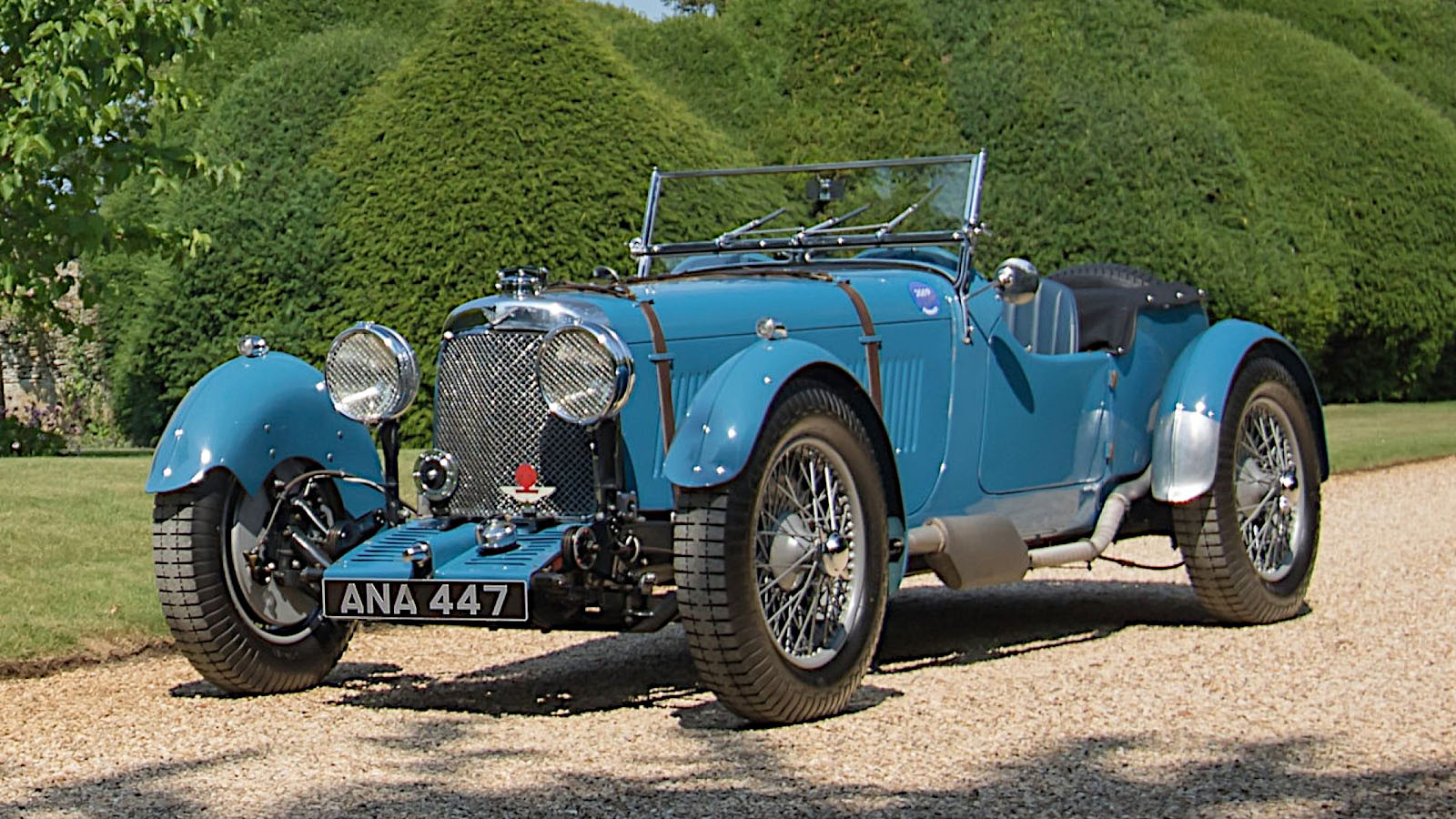
Aston Martin built works racing cars which competed at Le Mans and elsewhere from 1928, and in 1931 the company introduced a Le Mans version of its International model.
The following year, an Aston Martin whose 1.5-litre engine meant that it could not possibly compete for overall honours in the 24-hour race nevertheless finished fifth and won its class comfortably, beating a Bugatti by two laps.
By way of celebration, a two-seater with the model name Le Mans and a more powerful version of the engine used in the International, was introduced in October 1932, and later joined by what has been referred to either as a four-seater or, more cautiously, as a two-/four-seater.
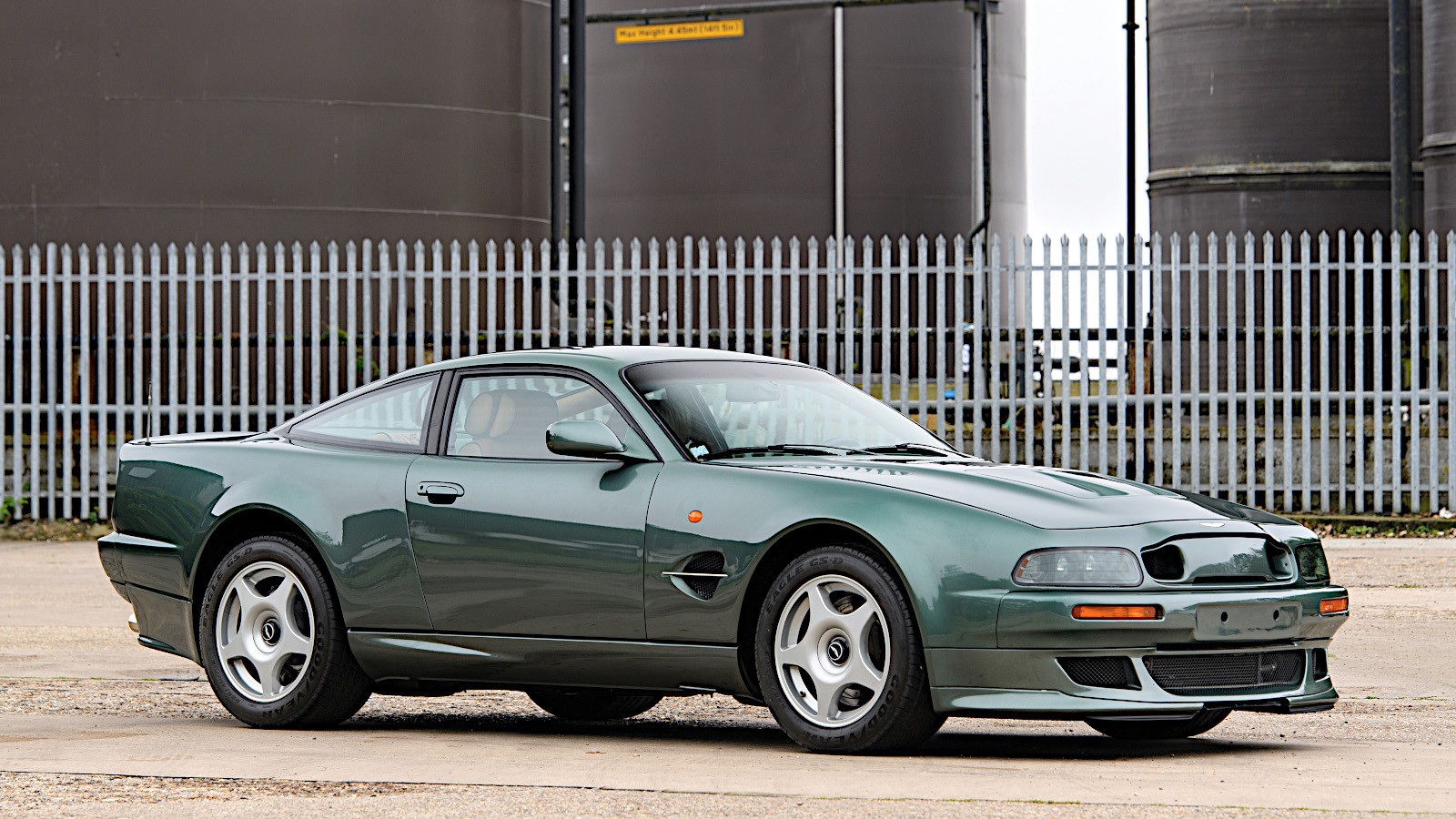
2. Aston Martin V8 Vantage Le Mans
In 1959, Roy Salvadori and Carroll Shelby won the Le Mans 24 Hours in an Aston Martin DBR1/300, with Maurice Trintignant and Paul Frère second in a similar car, 25 laps ahead of the third-placed Ferrari.
The Salvadori/Shelby performance was Aston Martin’s only win in the first century of the event, and it was commemorated 40 years later by the limited-production V8 Vantage Le Mans.
Appropriately, 40 examples were built, all of them featuring some exterior detail changes along with perforated brake and clutch pedals, an aluminium gearlever knob and brushed-metal interior panels in place of the standard car’s wood veneers.
Customers could specify either the V8 Vantage’s standard 550bhp engine or the special ‘Works Prepared’ unit, which produced 600bhp.
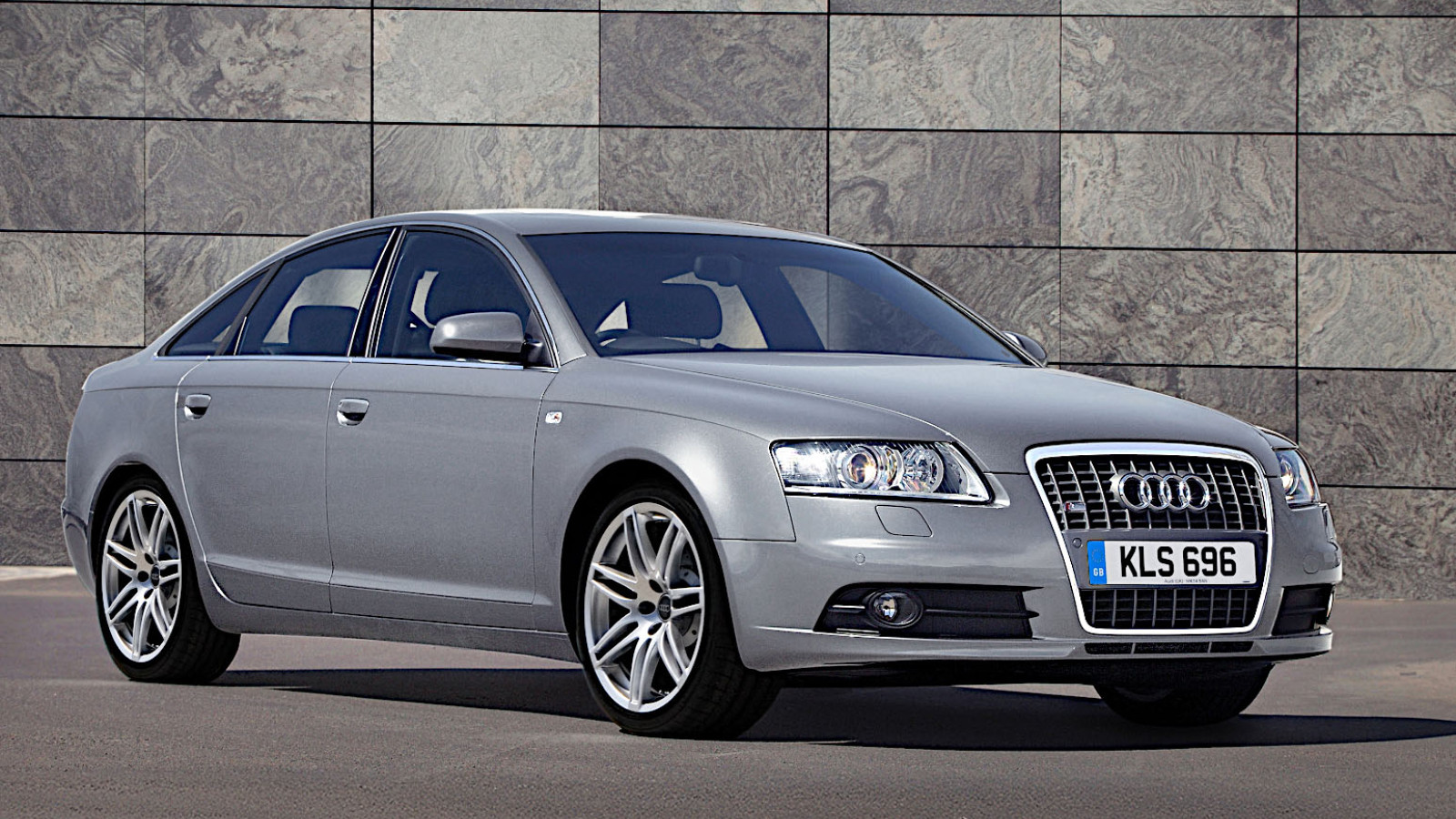
3. Audi A6 Le Mans Edition
Audi’s overall victory in the 2006 Le Mans 24 Hours was its fifth in seven years, and therefore not particularly notable except for one thing – the R10’s 5.5-litre, V12 engine was the first diesel unit ever to power a winning car at this event.
Rather than wait 40 years, as Aston Martin had done, to produce a celebratory roadgoing car, Audi got on the case immediately, and had a Le Mans Edition version of its A6 on sale within weeks.
Powered by a 3-litre V6 turbodiesel producing 230bhp (considerably less than the V12’s 641bhp), the car was available in saloon and estate forms with four-wheel drive and a slightly enhanced version of the usual S line trim.
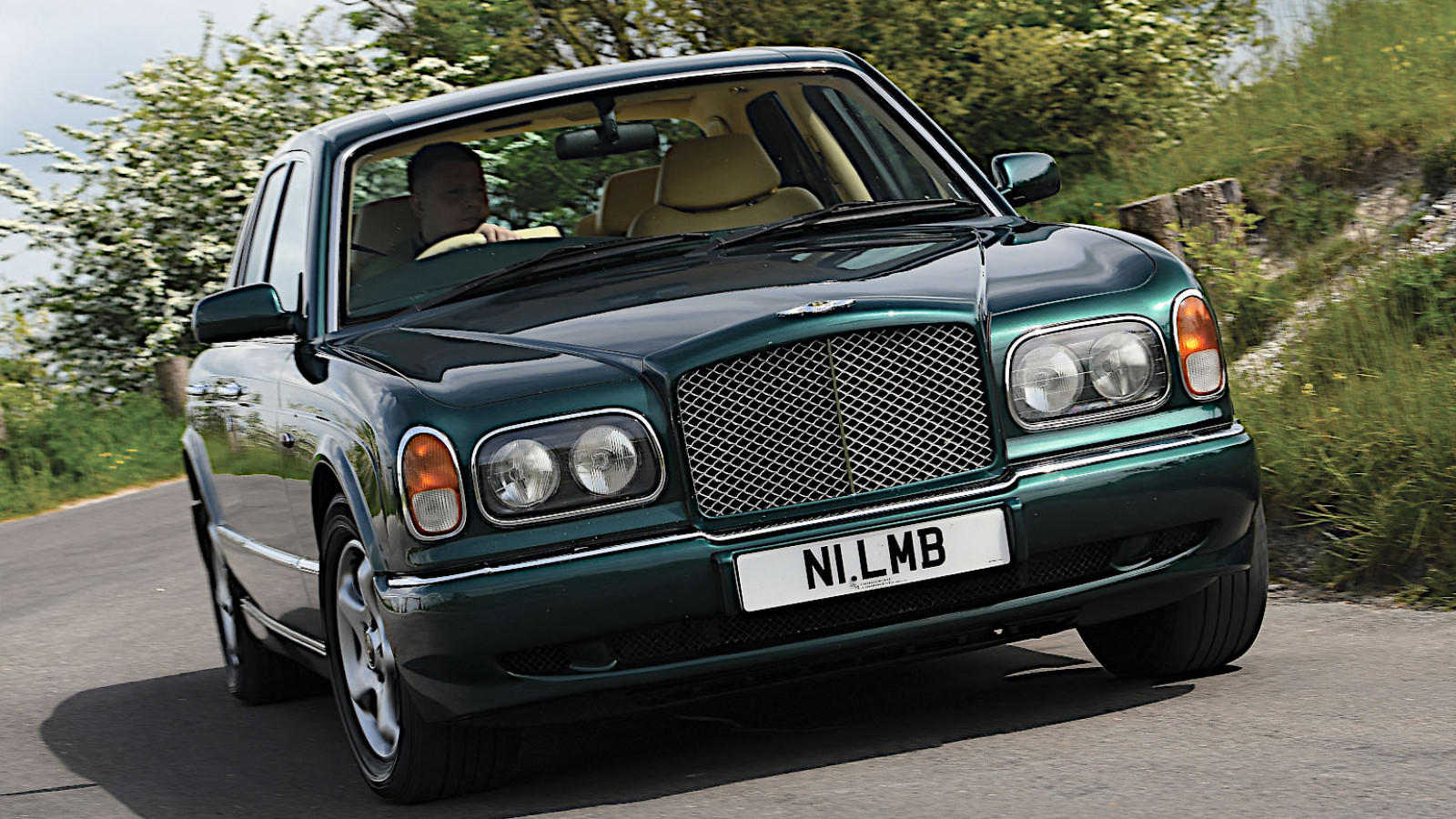
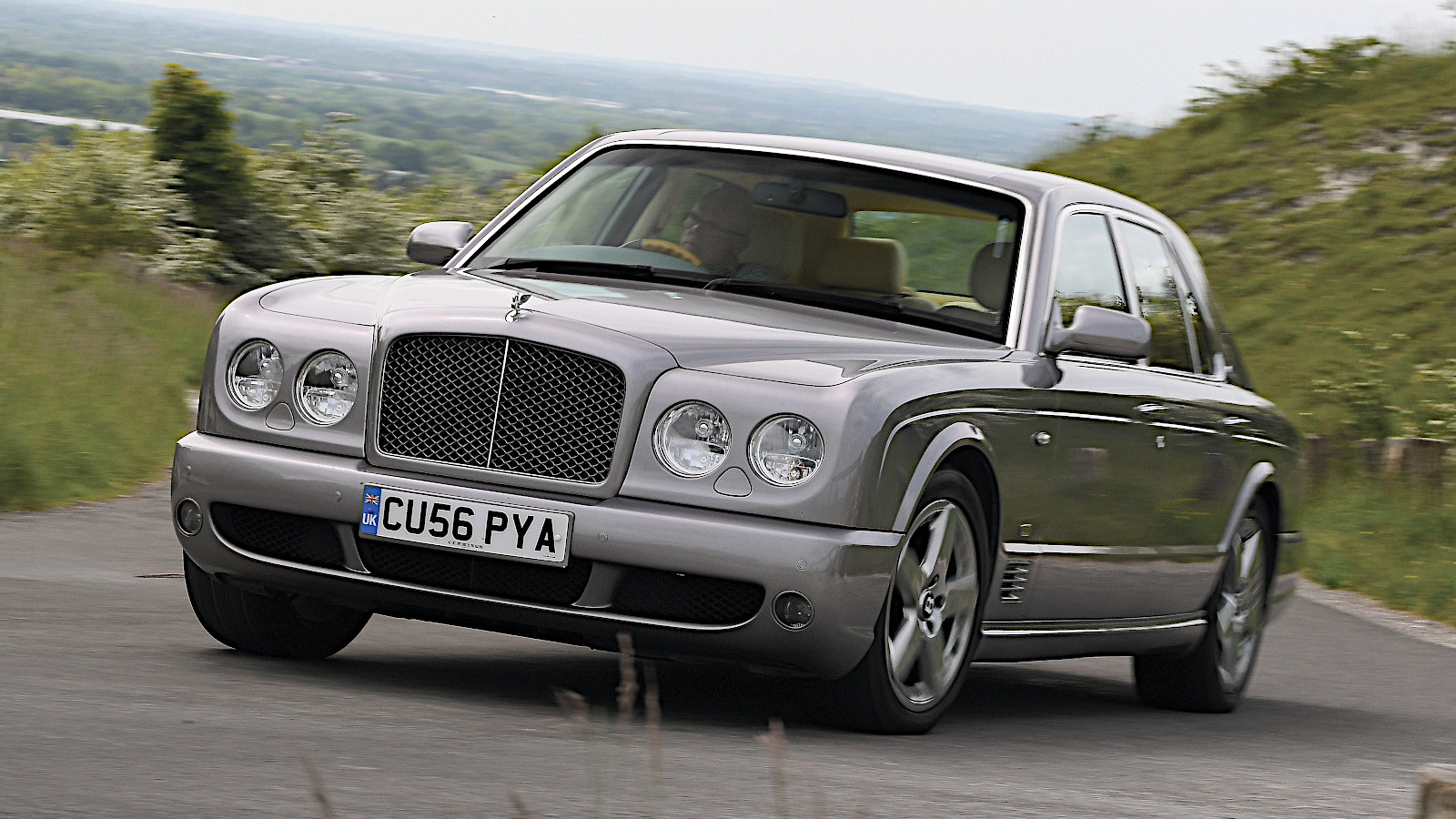
4. Bentley Arnage
Bentley won the Le Mans 24 Hours five times from 1924 to 1930, and might have made it seven in a row but for misfortunes in 1925 and 1926.
The marque therefore has as much right as any other to use the event as inspiration for its model names, and it did so in 1998 when it introduced the Arnage.
This was powered initially by a 4.4-litre, twin-turbo, V8 engine based on a BMW design, although a Cosworth interpretation (also doubly turbocharged) of the old 6.75-litre L-series V8 later became available.
The car was named after the 90-degree, right-hand corner which leads into the final part of the Le Mans circuit, while that corner is in turn named after a nearby town.
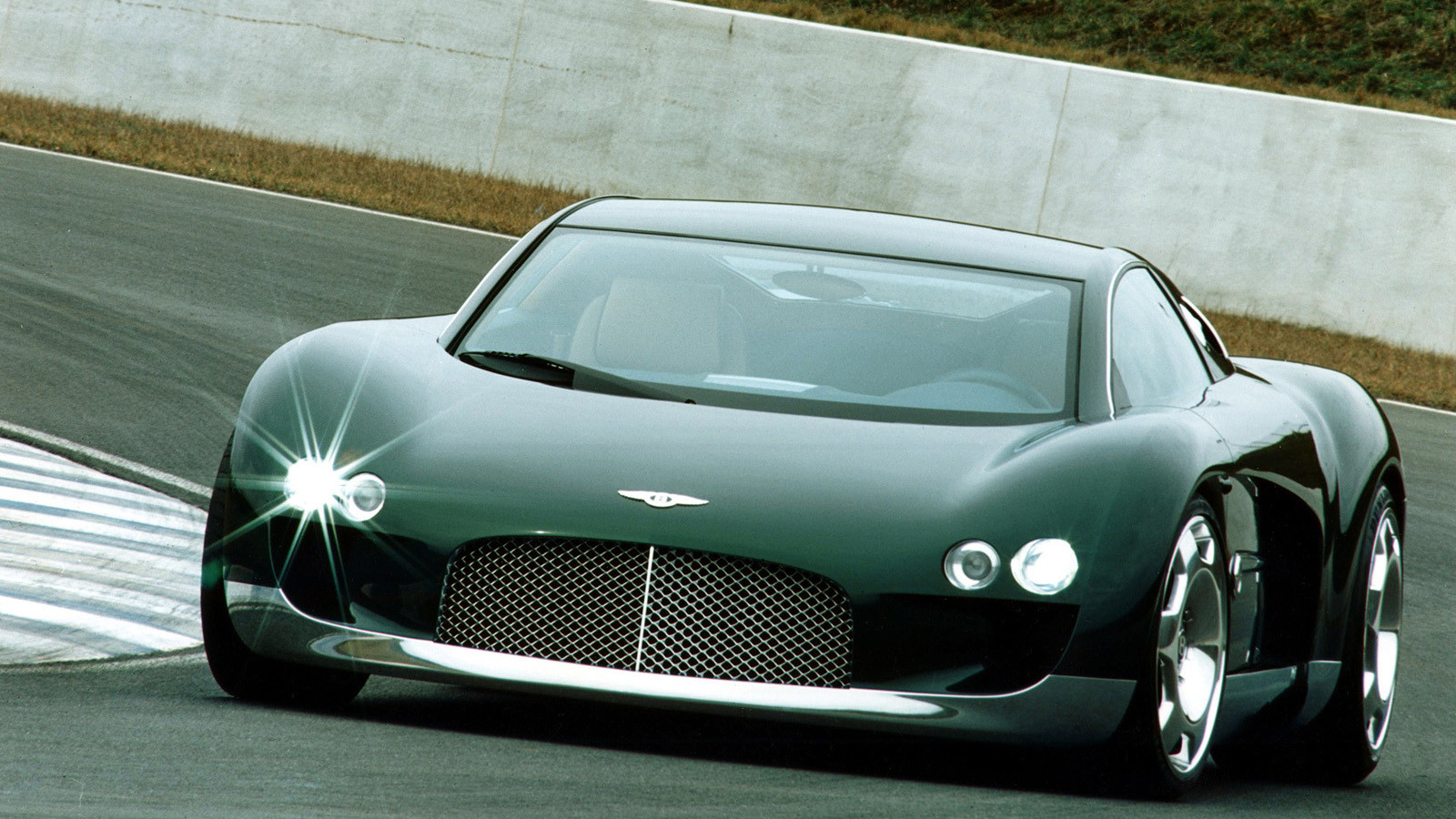
5. Bentley Hunaudières
Hunaudières is the French name for what has traditionally been the longest straight on the Le Mans circuit (though interrupted by two chicanes since 1990), and usually referred to by English speakers as the Mulsanne.
This name has not been applied to any production Bentley, but it was used for a dramatic concept revealed in 1999.
Its mid-mounted engine was an 8-litre, 16-cylinder unit which had been developed by Volkswagen (Bentley’s owner since 1998) and would reappear in the Audi Rosemeyer concept.
The Hunaudières and the Rosemeyer turned out to be precursors of the Bugatti Veyron, which was launched in 2005 with a quad-turbo version of the same engine.
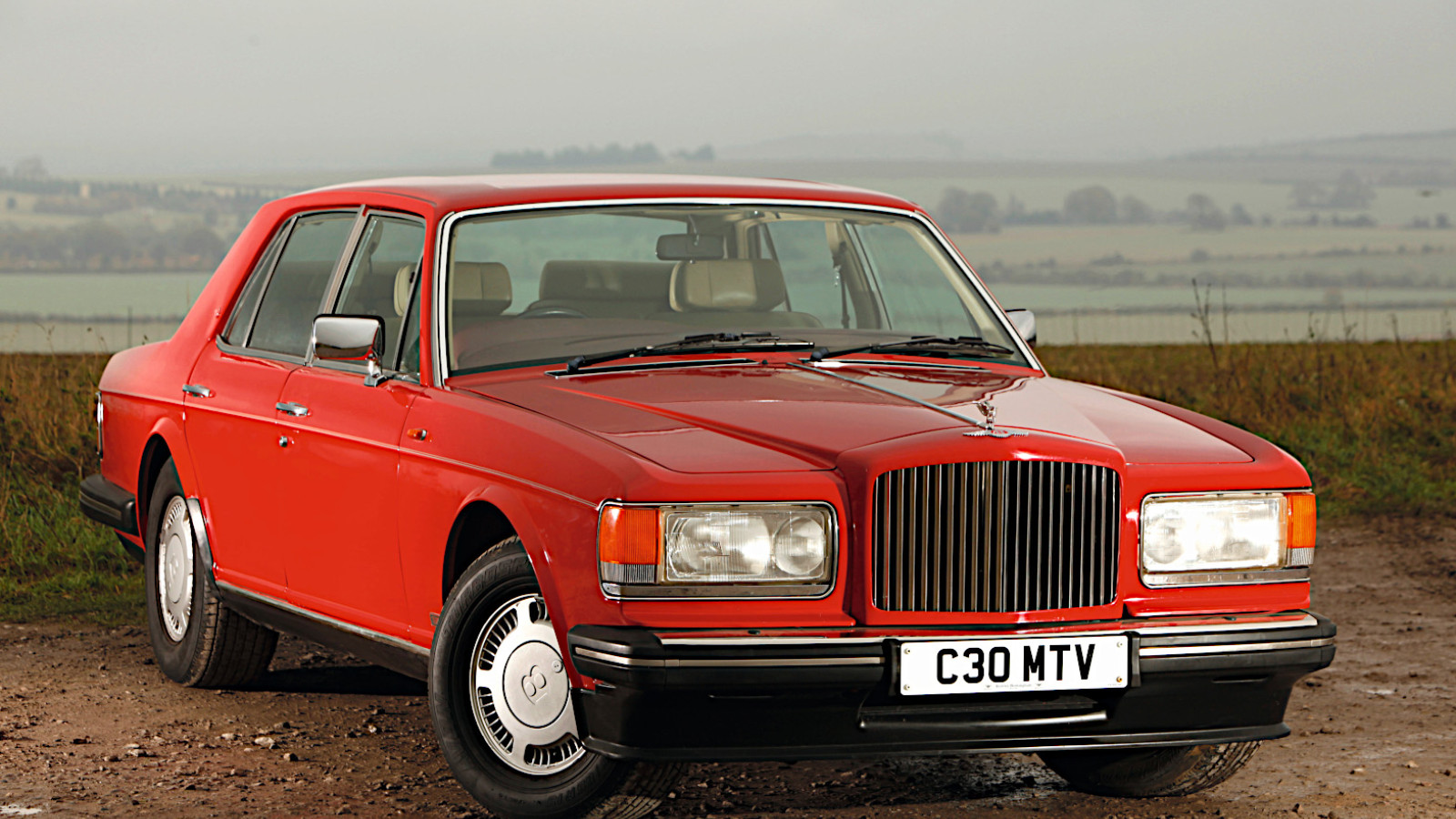
6. Bentley Mulsanne
As previously indicated, Mulsanne is an alternative name for the Hunaudières straight at Le Mans, as well as being that of the corner which follows it and the town which competing drivers might inadvertently visit if they brake too late for the corner.
Bentley first used the name in 1980 for its version of the Rolls-Royce Silver Spirit, both cars being powered by the classic 6.75-litre V8.
Bentley offered the engine in turbocharged form in 1982 but Rolls-Royce did not, emphasising the fact that, although the two marques produced almost identical cars when under the same ownership, Bentley was positioned as the more sporting brand.
The original Mulsanne was dropped in 1992, but a second was launched in 2010.
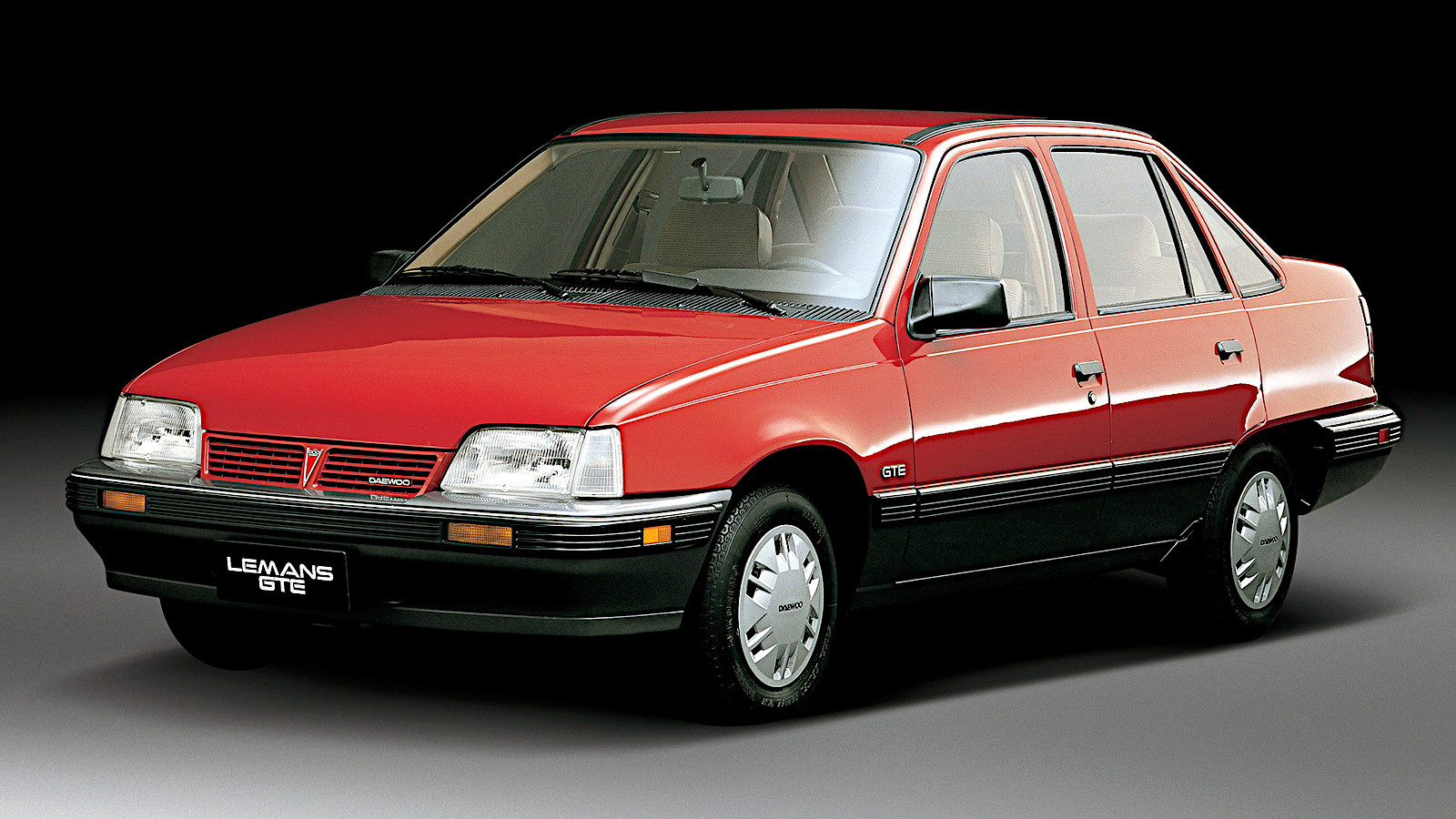
7. Daewoo LeMans
You will search in vain for references to the South Korean marque competing at Le Mans, but Daewoo did use the name (usually rendered without the space between the words) for a car introduced in the 1980s, no doubt to convey a sense of sportiness and excitement.
Despite being built in Asia, it was simply a local version of an Opel sold in most markets as the fifth post-Second World War Kadett – and in the UK as the third-generation Vauxhall Astra.
Outside South Korea, it was branded as a Daewoo with different model names and as the last Pontiac LeMans, and was even rebadged to be sold by two very short-lived General Motors Canada marques, Asüna and Passport.
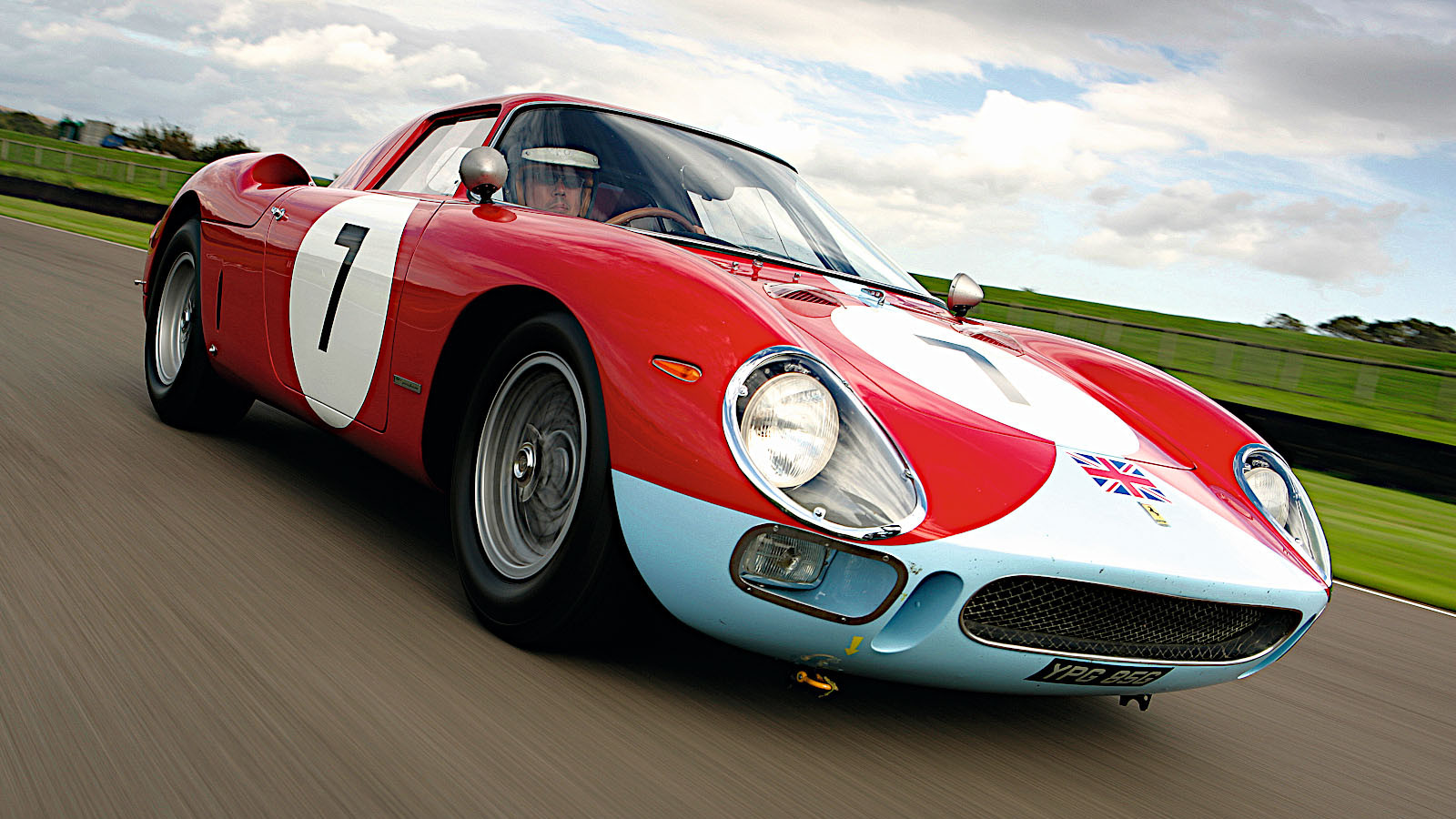
8. Ferrari 250LM
Rather than use the full name, Ferrari referred to Le Mans only by its initials for the 250LM first shown in Paris in October 1963.
This was a solid-roofed development of the open-top P series sports racers, and had to be sold to the public in road-legal form in order to compete in the intended racing class.
Driving it on the road must have been quite an experience, since its mid-mounted 3286cc V12 engine produced 315bhp at 7500rpm.
Success in motorsport was the real objective, though, and in 1965 a 250LM entered by the North American Racing Team won the Le Mans 24 Hours, the marque’s ninth victory in the race up to that point and its sixth in consecutive years, but also its last until 2023.
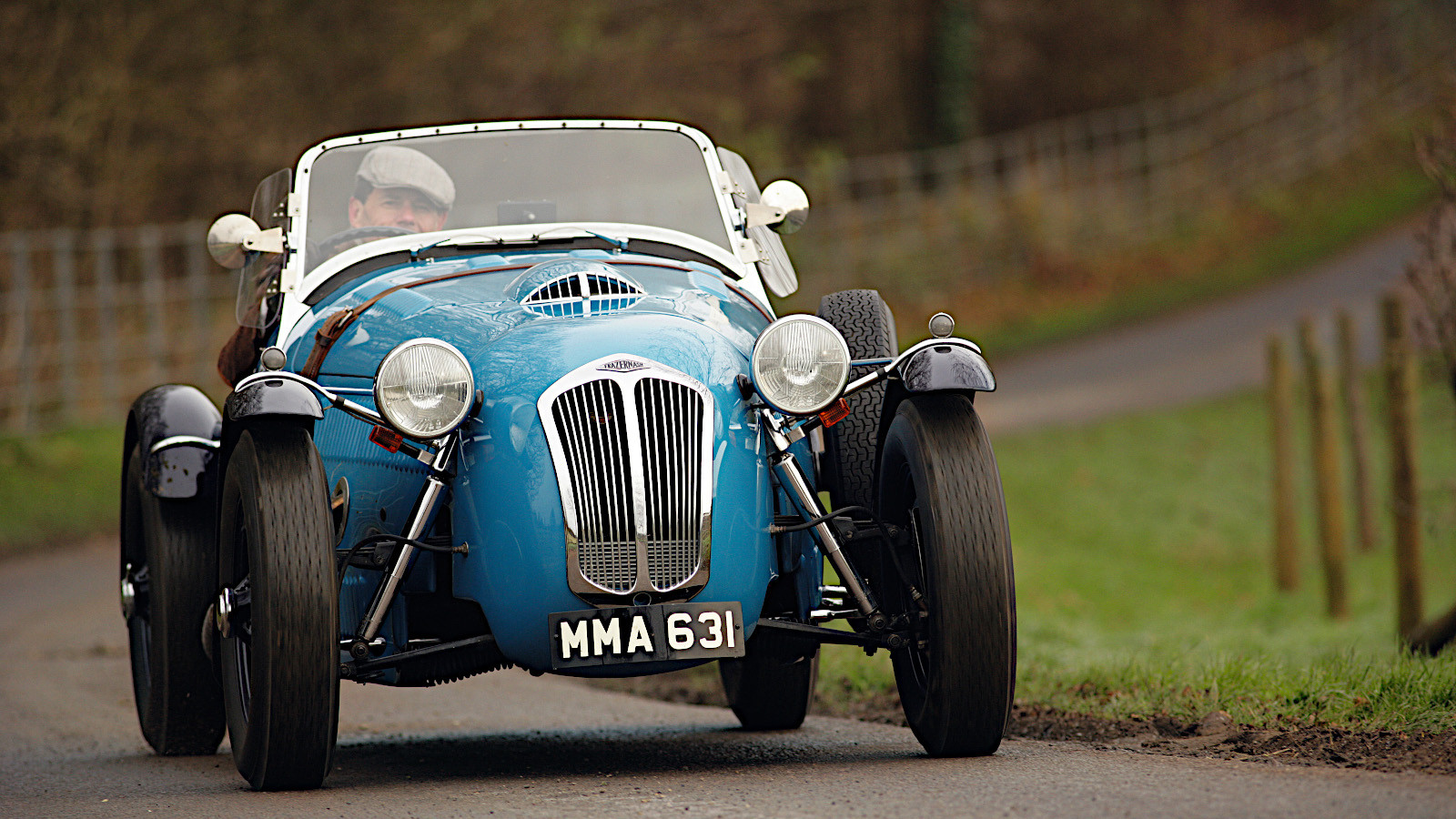
9. Frazer Nash Le Mans Replica
By the account of the Frazer Nash Archives, this car, which featured a minimalist aluminium two-seat body and Bristol’s derivative of the pre-war, 1971cc, straight-six engine used in the BMW 328, was known early in its run as the High Speed Competition Model.
That changed when the fourth car to be built finished third in the 1949 Le Mans 24 Hours, beaten only by a V12 Ferrari and a 3-litre Delage.
All remaining examples constructed up to January 1954 (there were 34 in total) were named Le Mans Replica to commemorate this splendid result.
For a brief period, Frazer Nash actually had two models named after Le Mans in production at the same time, because nine Le Mans Fixed Head Coupés – with the same engine as the Replica but streamlined bodies – were made between April 1953 and October 1955.
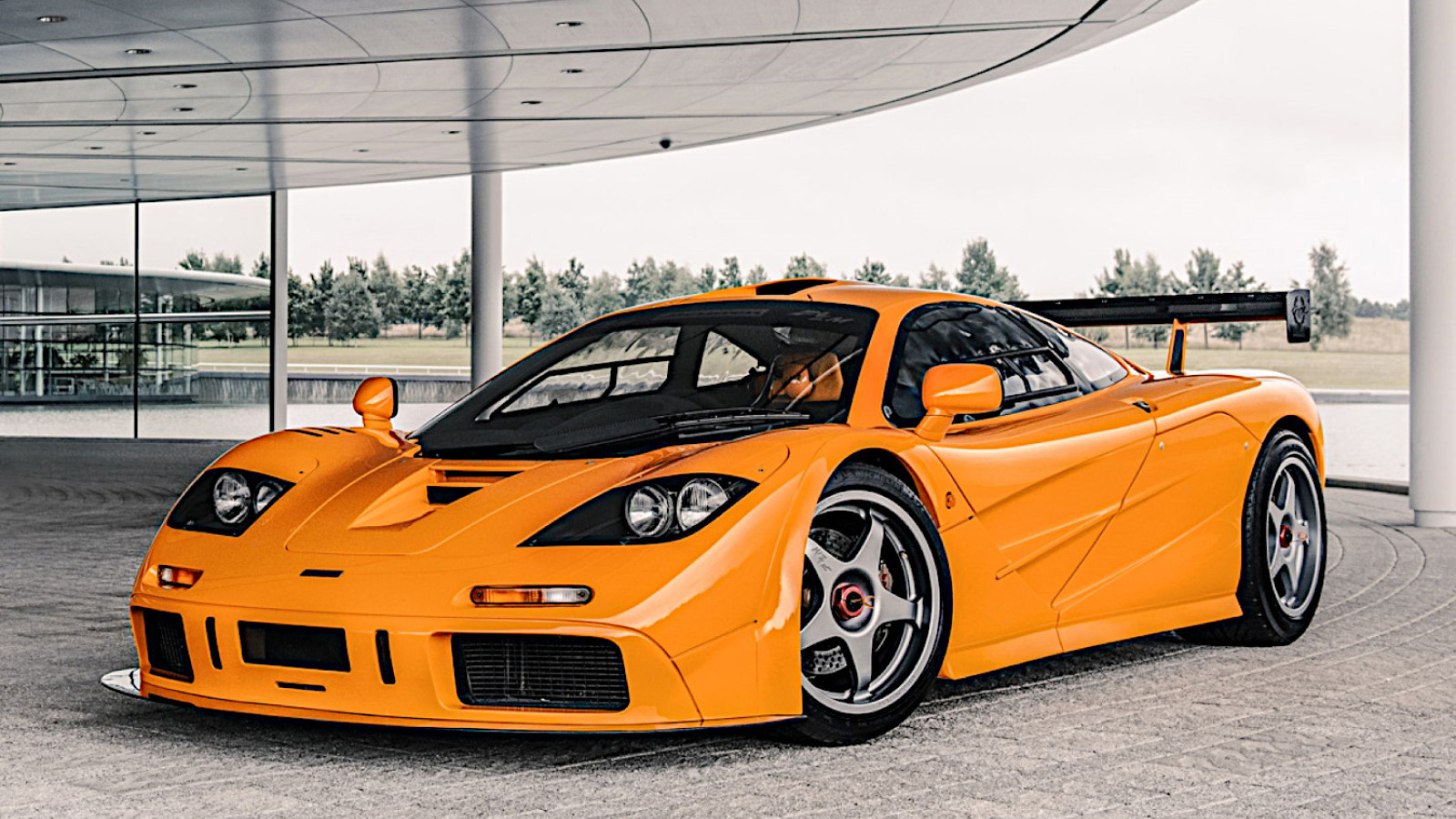
10. McLaren F1 LM
McLaren’s original intention with the F1 was to make it available only as a road car, but it was soon persuaded to create a racing version called the F1 GTR.
One of these won the Le Mans 24 Hours in 1995, making McLaren the only manufacturer to have taken victory in this race, the Indianapolis 500, and the Can-Am and Formula One world championships.
To celebrate this, McLaren created the roadgoing F1 LM, which was 60kg (132lb) lighter than the regular F1 and, because it didn’t need to have the air restrictors required for racing, more powerful than the GTR.
Not including a prototype, which McLaren retained, five LMs were built and sold, to represent the fact that five GTRs had finished the race.
In 2025, McLaren announced a 30th-anniversary tribute called the 750S Le Mans.
11. Pontiac LeMans
The Pontiac LeMans of the early 1960s was a variation of the Tempest, but over the years it became a model in its own right.
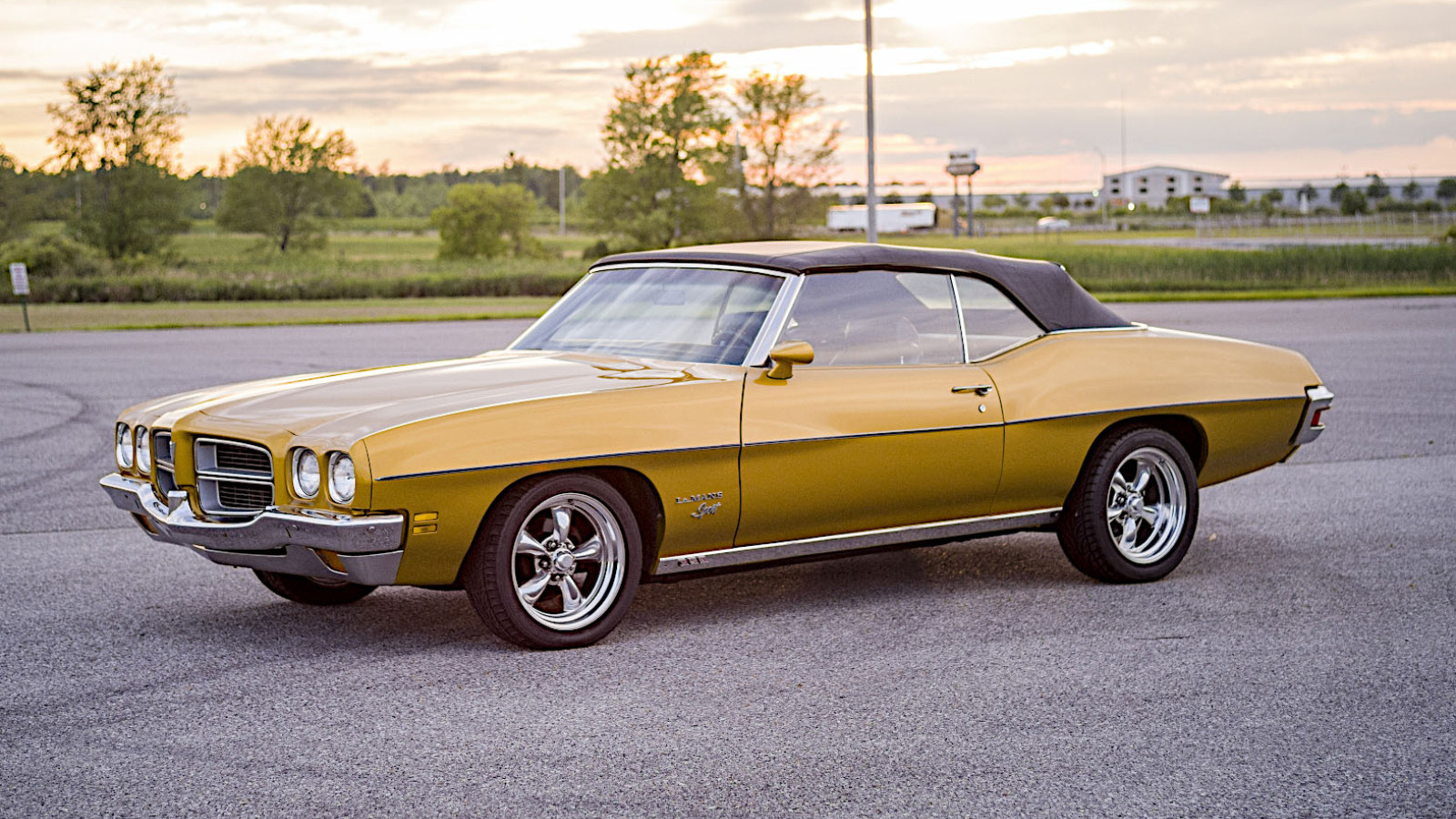
By 1972, it was the lowest-priced, mid-sized model in the Pontiac range, but there were several variations including the LeMans Sport (pictured here in convertible form) and the Luxury LeMans, and you could even have a 7.5-litre V8 engine as long as you specified a two-door body style.
The LeMans continued for five generations until 1981, then reappeared for a sixth in 1988.
This final version was simply the previously mentioned Daewoo LeMans with a different badge, and absolutely did not have a V8 engine of any kind.
12. Singer Le Mans
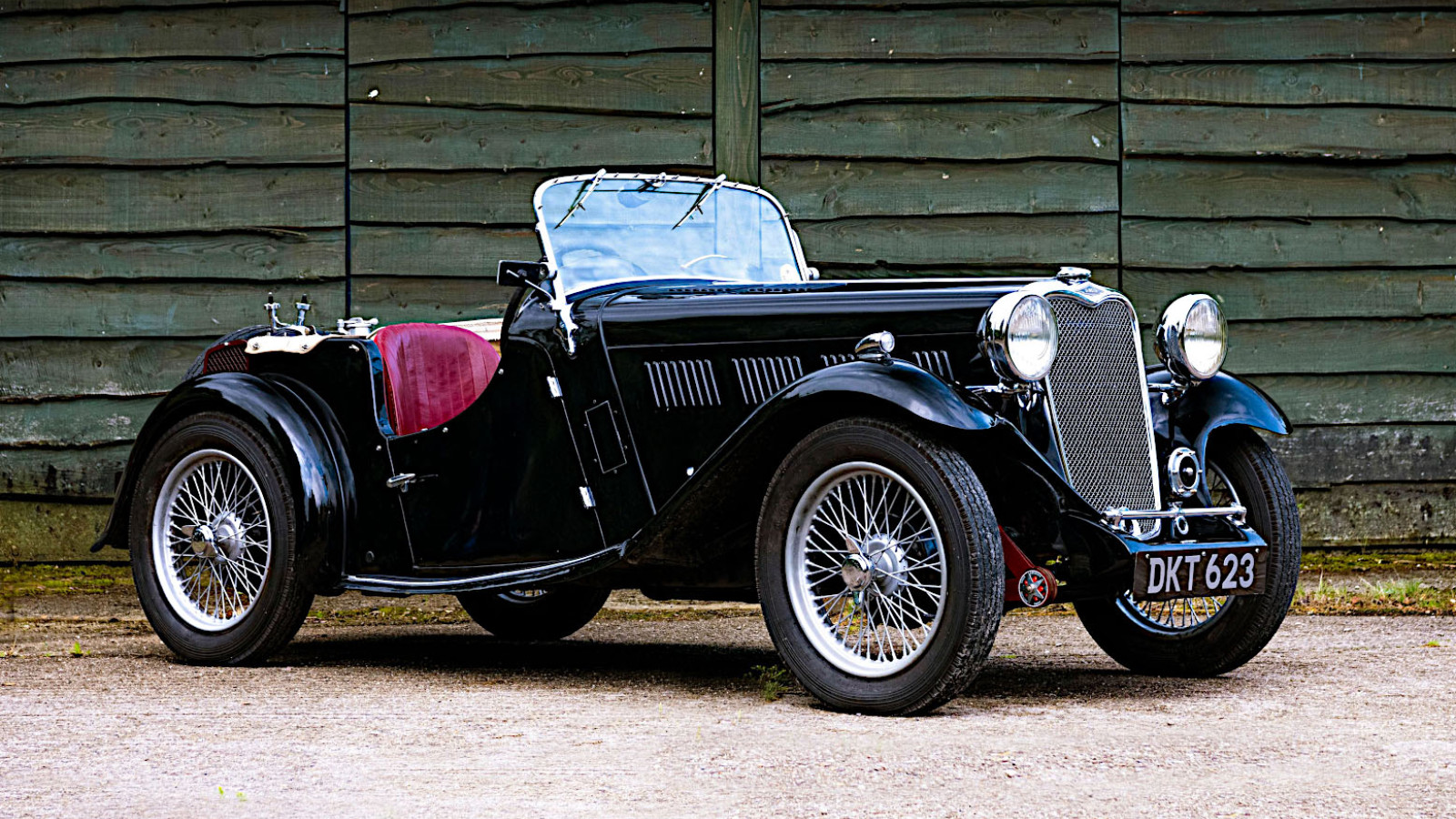
Singer’s various Le Mans models were all based on the Nine, an example of which competed in the famous 24-hour race in 1933.
Its achievement appears modest at first sight, because it was the 13th of 13 classified finishers, though given another 16 retired, were disqualified or failed to complete the required number of laps, this was by no means a bad result.
Singer Nines with the Le Mans name applied to them went on sale at the end of the same year, and from then until 1937 several versions were devised, following the car maker’s policy of continual change.
Le Mans Singers were therefore available with 972cc in-line-four or 1493cc straight-six engines, two or four seats, and bodywork which was altered on a more or less annual basis.