Injection innovators
Ever since Mercedes-Benz introduced a Bosch mechanical fuel-injection system for its groundbreaking 300SL in 1954, the traditional carburettor’s days have been numbered.
But the transition has been slow – and not without its setbacks.
In 1957, AMC’s Rambler Rebel was set to be the first American car with electronic fuel injection (EFI), but woeful reliability prompted a hasty reversion to a carburettor almost from launch.
By the 1970s, though, most car manufacturers accepted that fuel injection was a more efficient and less temperamental technology – at least, for bigger and more powerful engines.
The decade also saw greater system reliability and environmental benefits, which would ultimately lead to all cars being so equipped by the end of the century.
So here, in alphabetical order, are 25 1970s classic cars that adopted fuel injection in its coming-of-age era.
And whatever your marque allegiance, we hope you’ll agree that no model here is remotely humble…
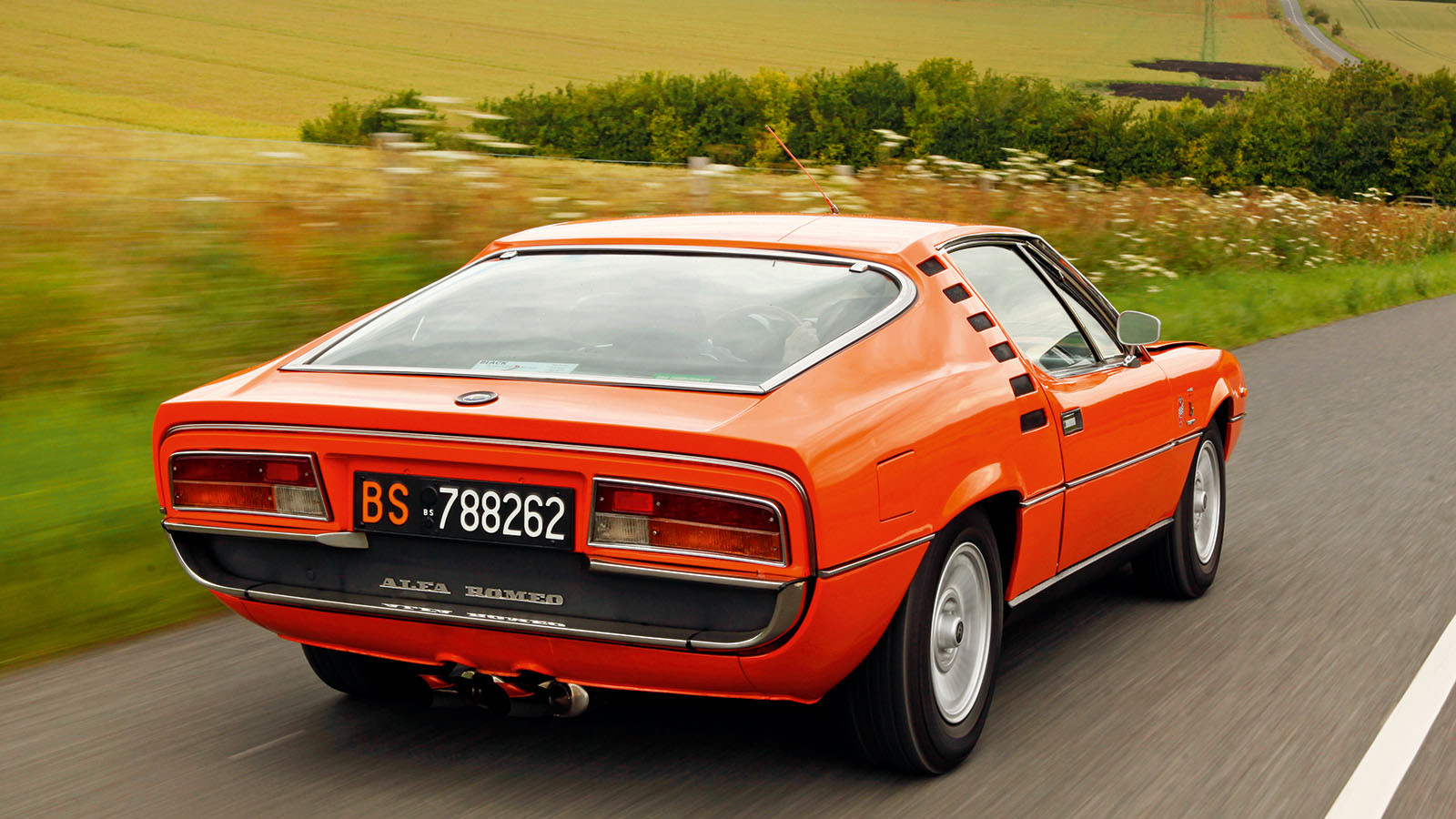
1. 1970 Alfa Romeo Montreal
Originally conceived as a concept for ‘the ultimate incarnation of motoring’ display at the 1967 EXPO in Montreal, Canada, the Alfa Romeo Montreal then became a production reality and was officially launched at the Geneva show in 1970 (though sales only commenced in 1972).
Mechanically, the Montreal looked impressive: using a SPICA fuel-injection system, its 2593cc, dry-sump lubricated, cross-plane V8 produced 197bhp and gave the car a claimed 0-60mph acceleration time of 7.4 secs (although many tests struggled to achieve this) and a top speed of 137mph.
As both a concept and production car it was designed by Marcello Gandini at Bertone, using the Giulia Sprint’s underpinnings.
Standout design cues included its headlight blinds, C-pillar air vents, near-horizontal tailgate and Kamm tail.
When Alfa Romeo Montreal production ceased in 1977, 3925 cars had been sold.
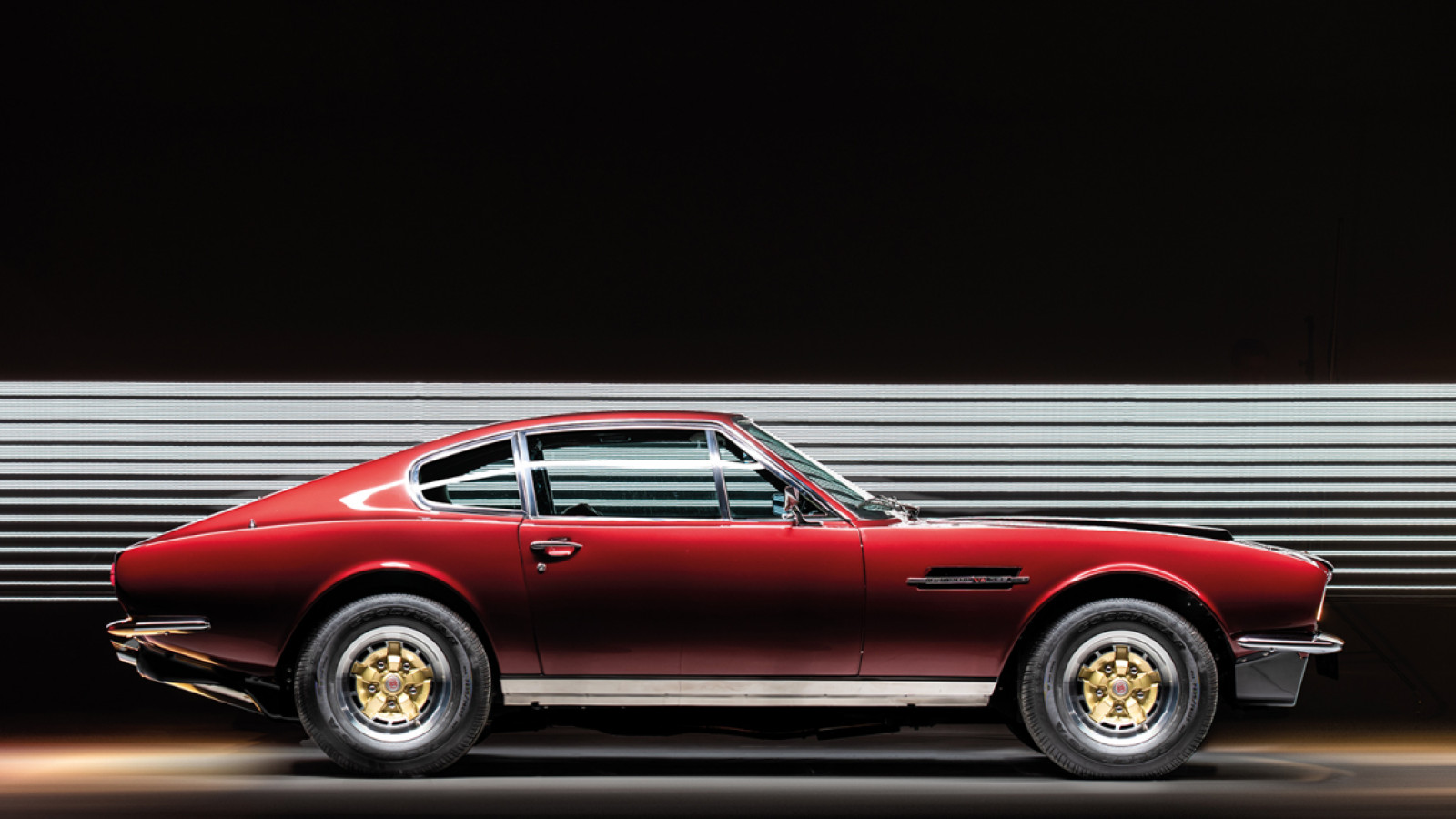
2. 1969 Aston Martin DBS V8
Given this model was announced on 27 September 1969, only a few months shy of 1970, and most were sold in the ’70s, we hope you don’t mind us including it here.
Sold alongside the six-cylinder DBS, the DBS V8’s new 5340cc engine, with its four overhead cams and Bosch mechanical fuel injection, was, in various forms, to power Aston Martin models for the following 20 years.
Instantly identifiable by its 15in GKN light-alloy wheels, which replaced the DBS’s spoked items, the DBS V8 was capable of hitting 160mph, making it the fastest four-seat production car in the world at the time.
No surprise, then, that the V8’s brake discs were ventilated – a first on any production Aston Martin.
DBS V8 production, along with that of the DBS, ceased in 1972.
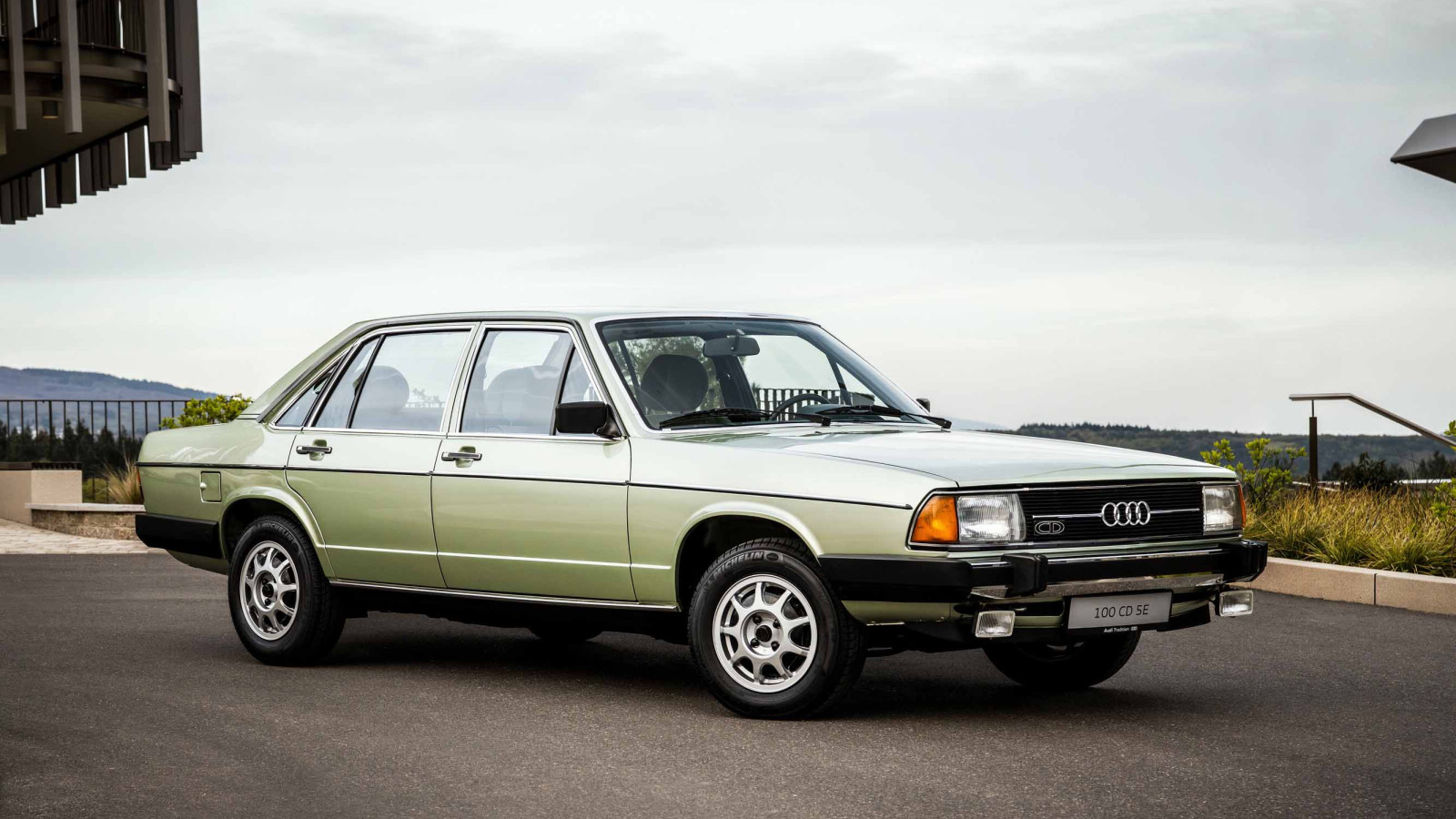
3. 1976 Audi 100 GL/CD 5E
Spacious, sleek and aerodynamic, the second-generation Audi 100 (C2) was launched in 1976 as a marker for the manufacturer’s upmarket aspirations.
The 100 was the first production car to employ a five-cylinder engine, theoretically combining the economy of a four-cylinder unit with the performance of a ‘six’.
Displacing 2.1 litres, the new engine was standard for the flagship 5E model. Equipped with Bosch K-Jetronic mechanical fuel injection, it produced 134bhp.
In the UK, the 5E was generously kitted out with electric door mirrors, a sunroof, cruise control and heated seats.
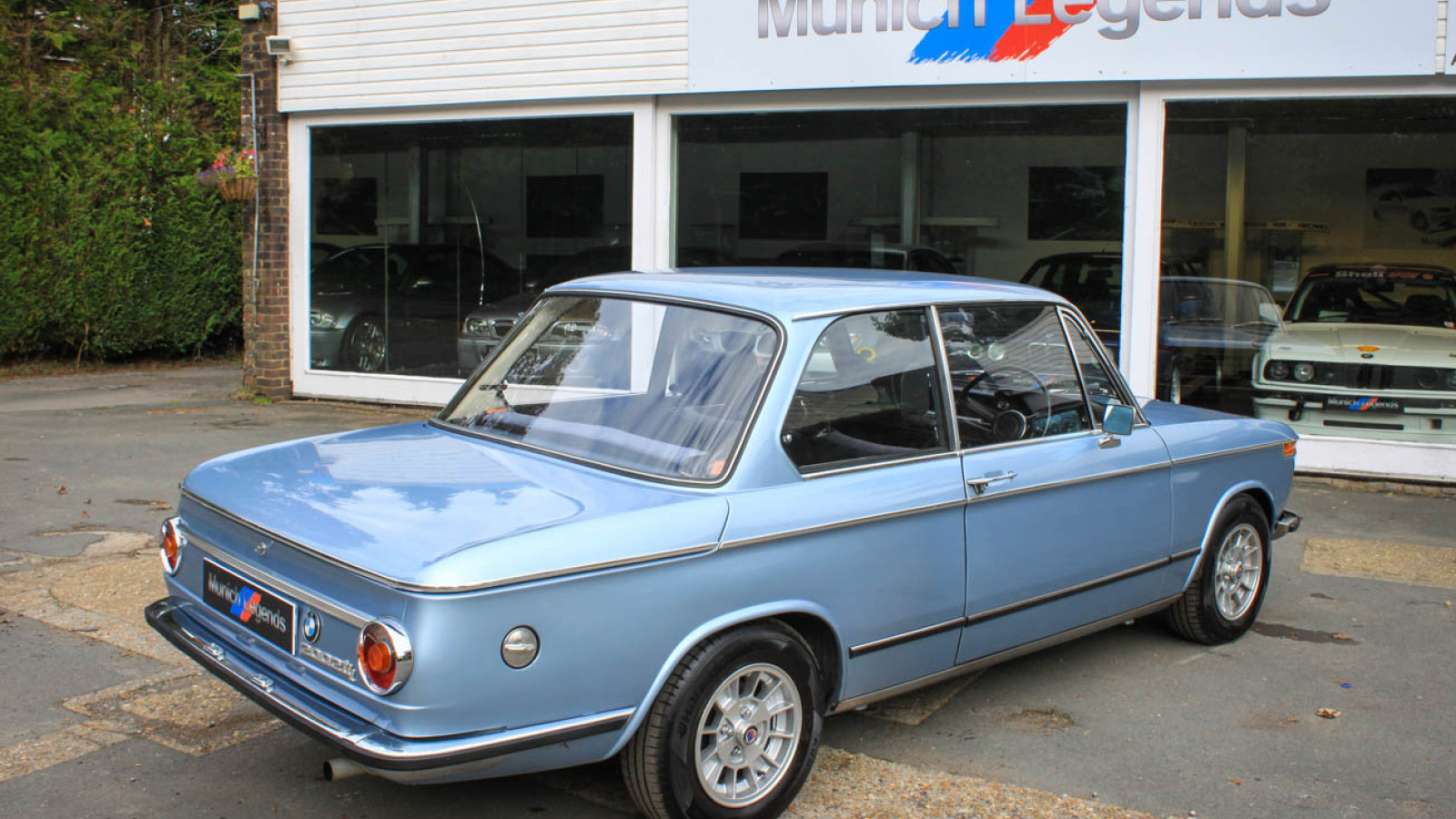
4. 1971 BMW 2002tii
In 1971, BMW’s 2002tii was the performance precursor to the mighty 2002 turbo.
It built on the company’s success in the European Touring Car Championship during the late 1960s, soon after the Neue Klasse range had been introduced in 1966.
Standing for ‘Touring International Injected’, the tii’s 2-litre M10 ‘four’ was fitted with mechanical Kugelfischer fuel injection to give a maximum output of 128bhp, with a top speed of 115mph.
Drive was sent to the rear axle via a four-speed manual gearbox, with a five-speed Getrag close-ratio ’box as an option.
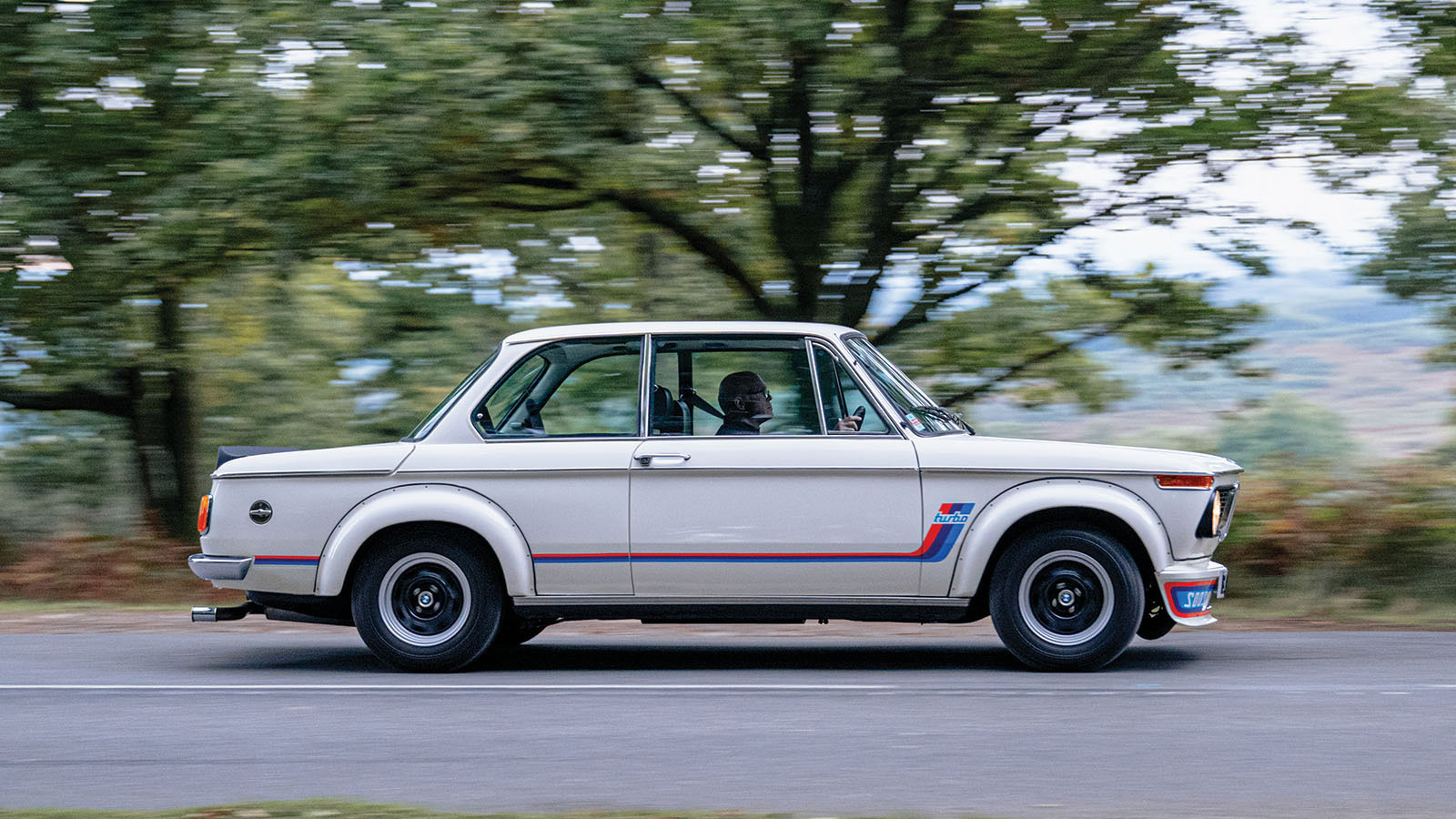
5. 1973 BMW 2002 turbo
Europe’s first turbocharged production car, the BMW 2002 turbo, was the performance pinnacle of marque’s Neue Klasse range.
Like the 2002tii, the turbo’s M10 ‘four’ once again employed mechanical Kugelfischer fuel injection, but this time saw a reduction in compression ratio from 9.5:1 to 6.9:1 to cater for the up to 7psi of inlet-manifold pressure generated by the single Kühnle, Kopp & Kausch turbocharger.
Power and torque were increased for the BMW 2002 turbo, to 168bhp and 173lb ft.
The hike in power/torque resulted in (for the time) vivid acceleration for a saloon car, with Autocar achieving a 0-60mph time of 7.3 secs and a top speed of 130mph.
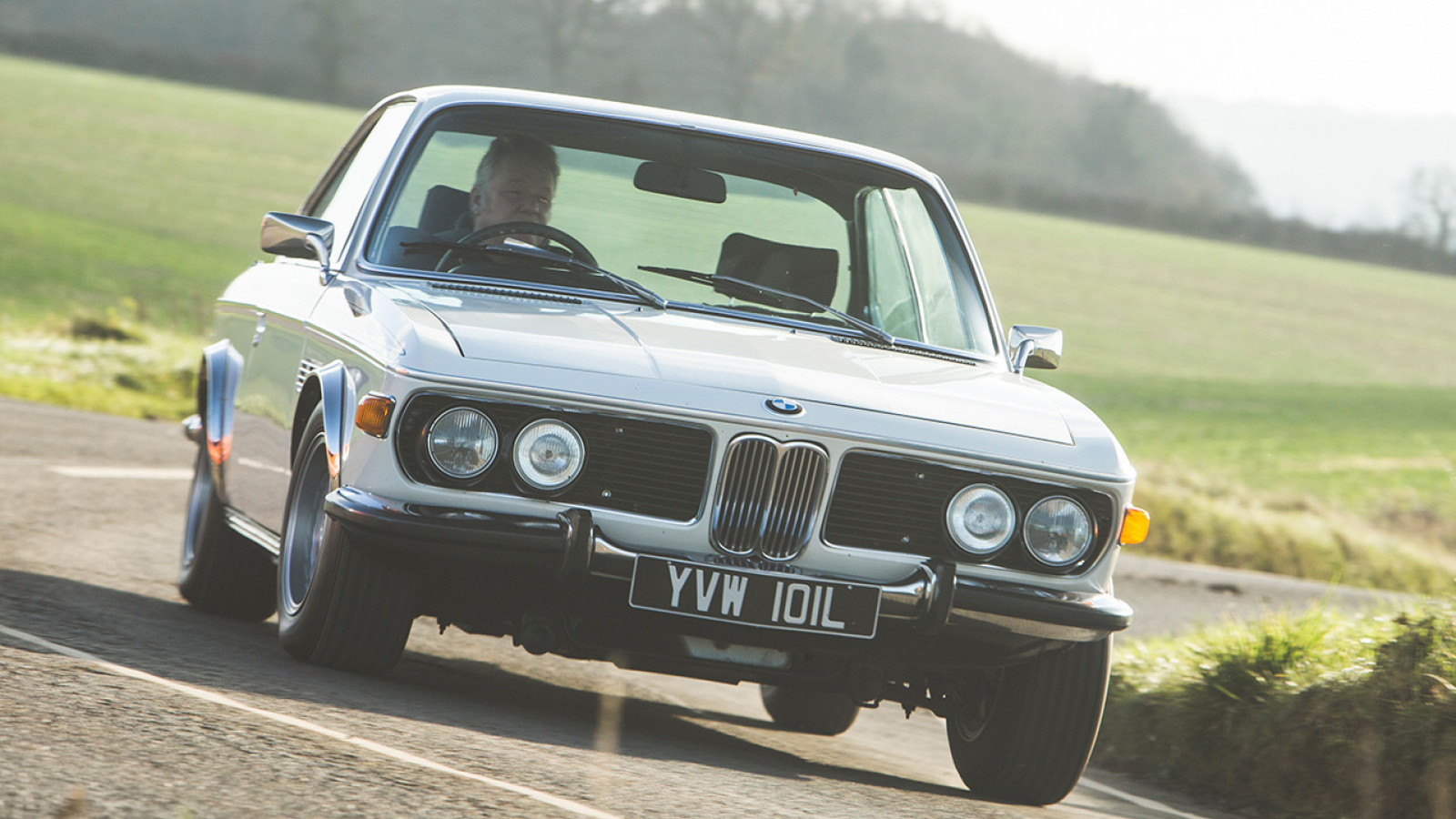
6. 1971 BMW 3.0 CSL
Based on the regular 3.0 CS model, the CSL (for Coupé Sport Leicht) was a more potent, lighter-weight variant conceived as a homologation special for the European Touring Car Championship.
With its stripped-back interior, and a combination of thinner steel and aluminium panels for its bodywork, the CSL shed around 400lb (c180kg) from its kerbweight versus the standard CS.
The CSL’s overhead-cam straight-six was originally fed by twin carburettors, but soon received power and torque bumps thanks to a transition to Bosch D-Jetronic fuel injection, along with a small capacity increase to 3003cc.
In its ultimate form, the CSL was known as the Batmobile, with slightly more power and torque from its M30 engine, along with distinctive body addenda, including a large rear wing.
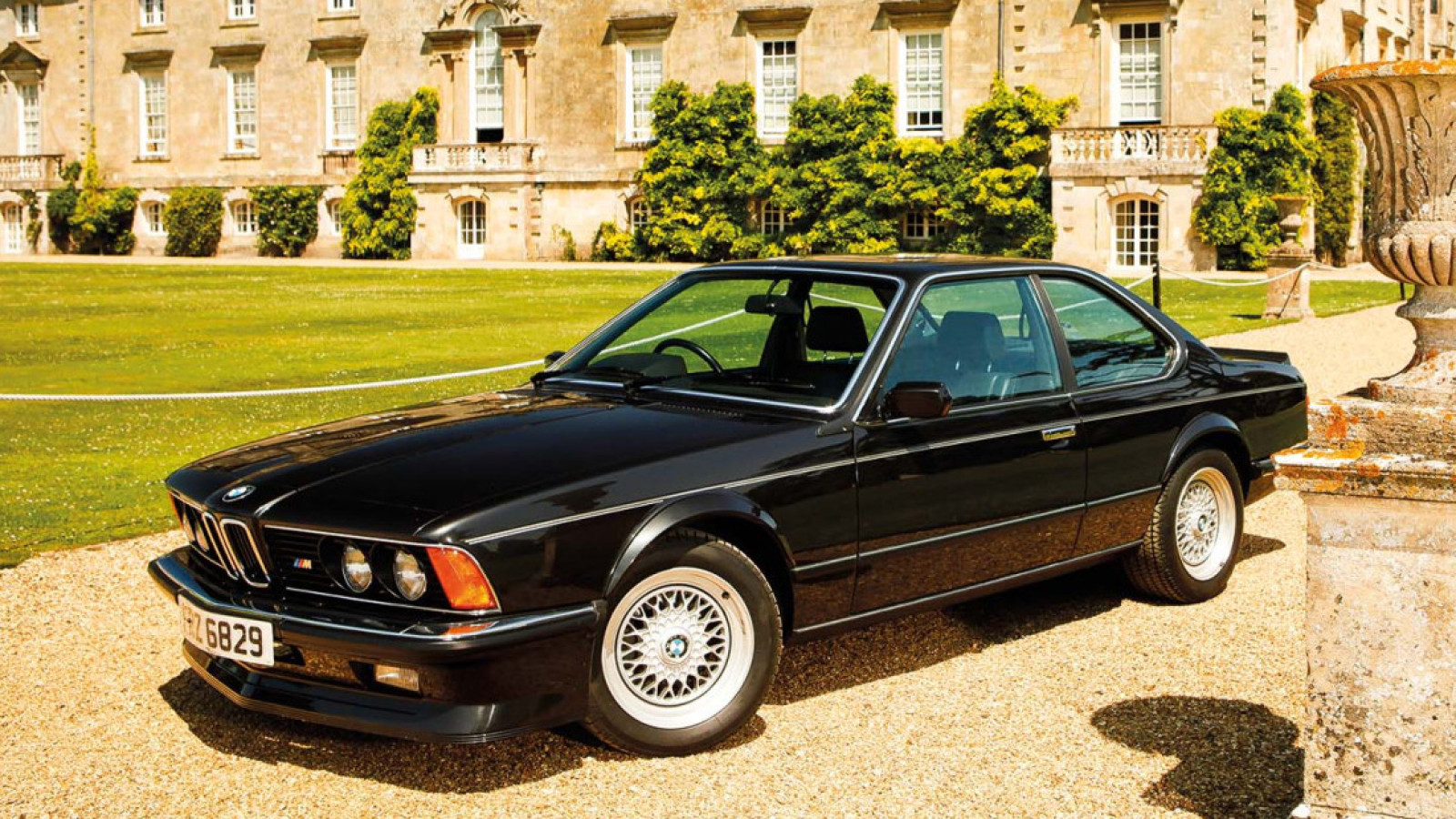
7. 1978 BMW 635CSi
BMW’s E24 635CSi four-seat coupé was introduced in 1978, and soon became well known for its distinctive ‘sharknose’ profile, luxurious cabin and impressive performance.
As the range-topping model, the 635CSi was powered by BMW’s single-overhead-cam, 3.5-litre ‘six’, a unit fuel injected via several Bosch systems across its life.
Designed by Paul Bracq, the original concept was for a pillarless coupé, much like its E9 predecessor, but the idea was rejected by BMW chief Bob Lutz, resulting in the lower, sleeker design that reached production.
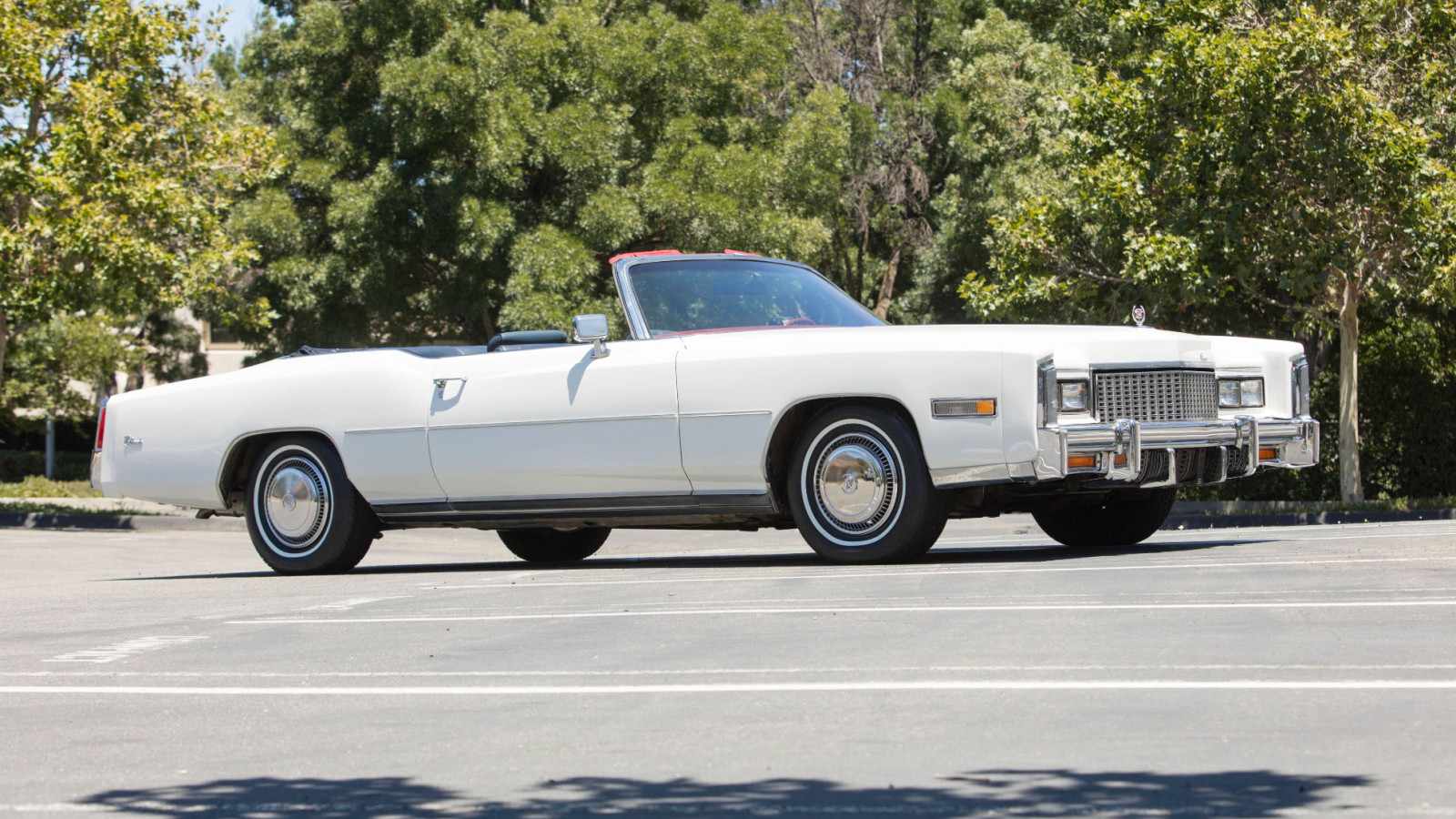
8. 1971 Cadillac Eldorado 500
Originally adopting the front-wheel-drive Toronado’s E-platform underpinnings and clever ‘unified powerplant package’ in 1967, the Eldorado received a substantial redesign for the ninth-generation models in 1971.
With it came an 8.2-litre (500cu in) version with 400bhp and 550lb ft of torque, aptly named the 500, its engine exclusive to the Eldorado range
However, thanks to increasingly stringent US emissions regulations, those gargantuan outputs gradually dropped through the decade and, by 1976, power had tumbled to less than half that.
But thanks to the late option of Bendix electronic fuel injection, all was not lost: the system boosted the 500’s output to 215bhp, restoring some of its performance, before production ceased in 1978.
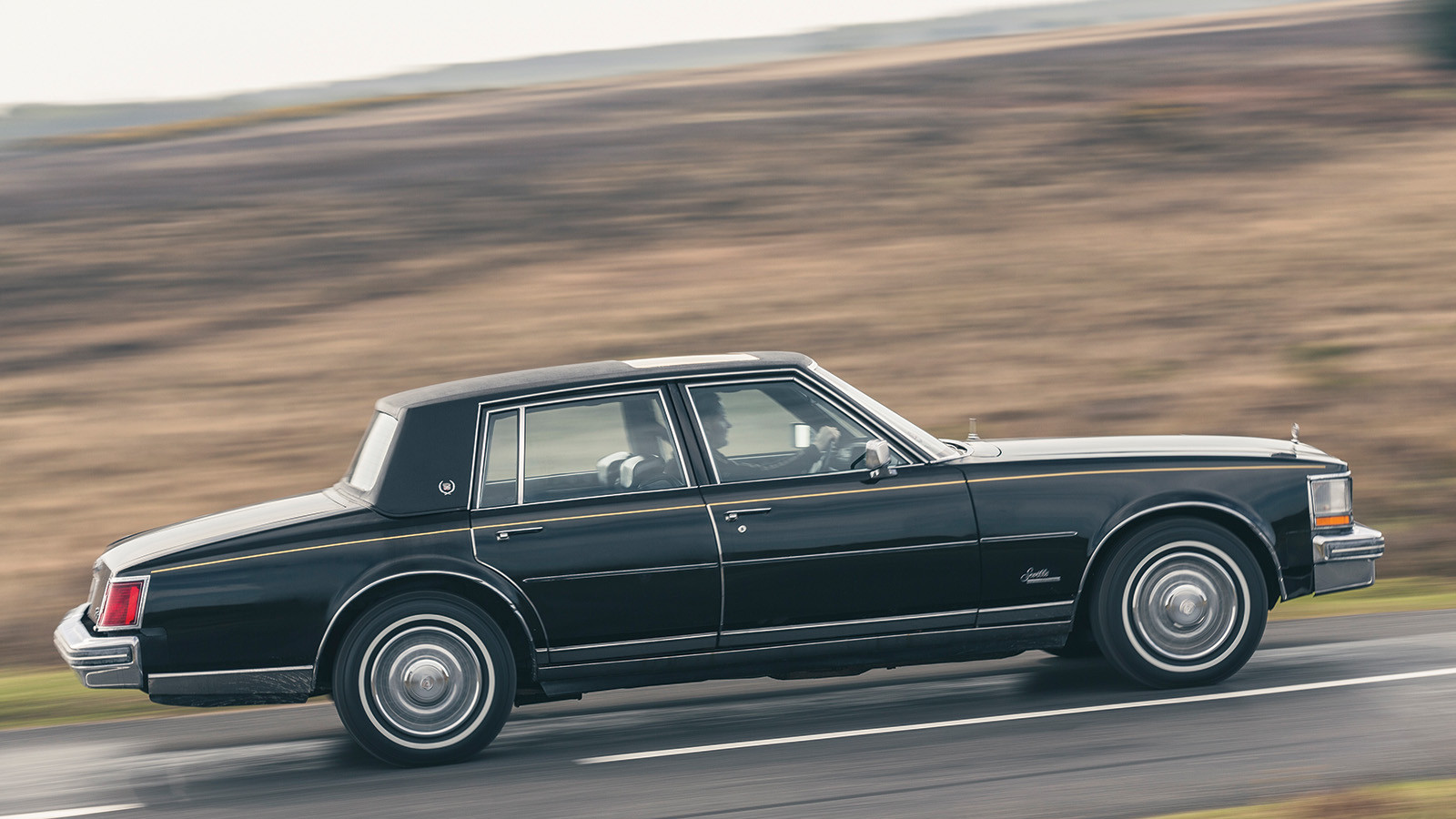
9. 1975 Cadillac Seville
Detroit’s luxury brands were under serious threat by the early 1970s – and Cadillac was no exception.
Its 1975 Seville model (built for the 1976 model year) artfully mimicked the dimensions and basic style of the Rolls-Royce Shadow in response to US buyers’ increasing love of European prestige cars.
Powered by a fuel-injected, 5.7-litre (350cu in) V8, producing a rather strangled 180bhp thanks to various emissions controls, the Seville was based on a heavily revised version of GM’s unitary X-platform.
Weighing a massive 450kg (992lb) less than its larger Deville sibling, the Seville was actually priced as the most expensive car in Cadillac’s range, save for its limousines.
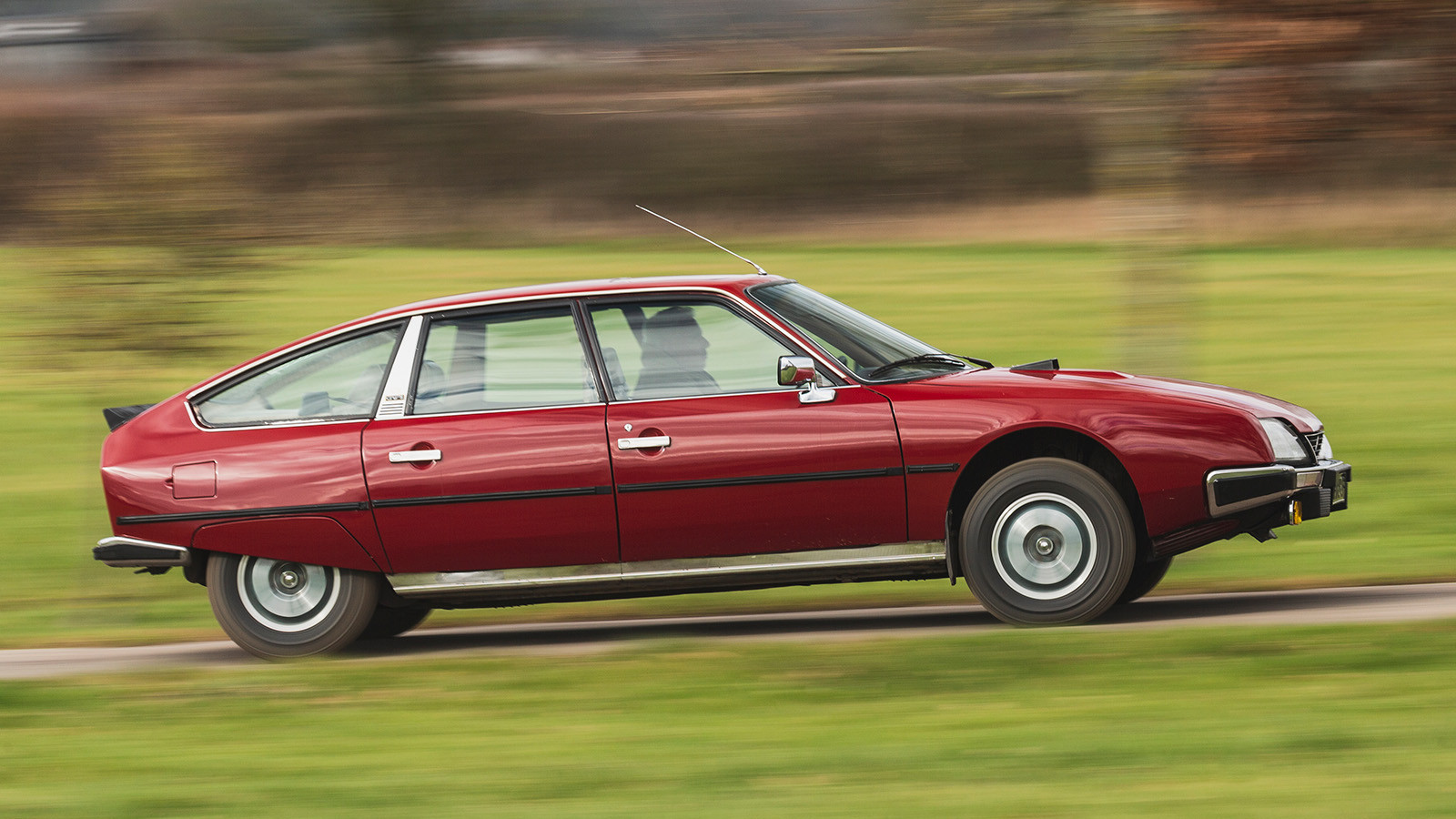
10. 1977 Citroën CX 2400 GTi
Adding a ‘GTi’ suffix to the CX’s nomenclature was never going to suggest that Citroën’s range-topping model remained anything less than a plush-riding, super-aerodynamic executive of the highest order.
The 2400 GTi arrived four years after the CX was launched.
It retained the hydropneumatic self-levelling suspension for which the model was famed, as well as its distinctive profile which brought with it an impressively low 0.36Cd drag coefficient.
As a GTi, the 2400’s transversely mounted, in-line, four-cylinder engine was fitted with Bosch L-Jetronic fuel injection and produced 126bhp and 145lb ft of torque, an increase over the carburettor-equipped engine.
Sending drive to the front wheels via a five-speed gearbox, the Citroën CX 2400 GTi could achieve a top speed of 118mph – 5mph above that of the carburettor 2400 model.
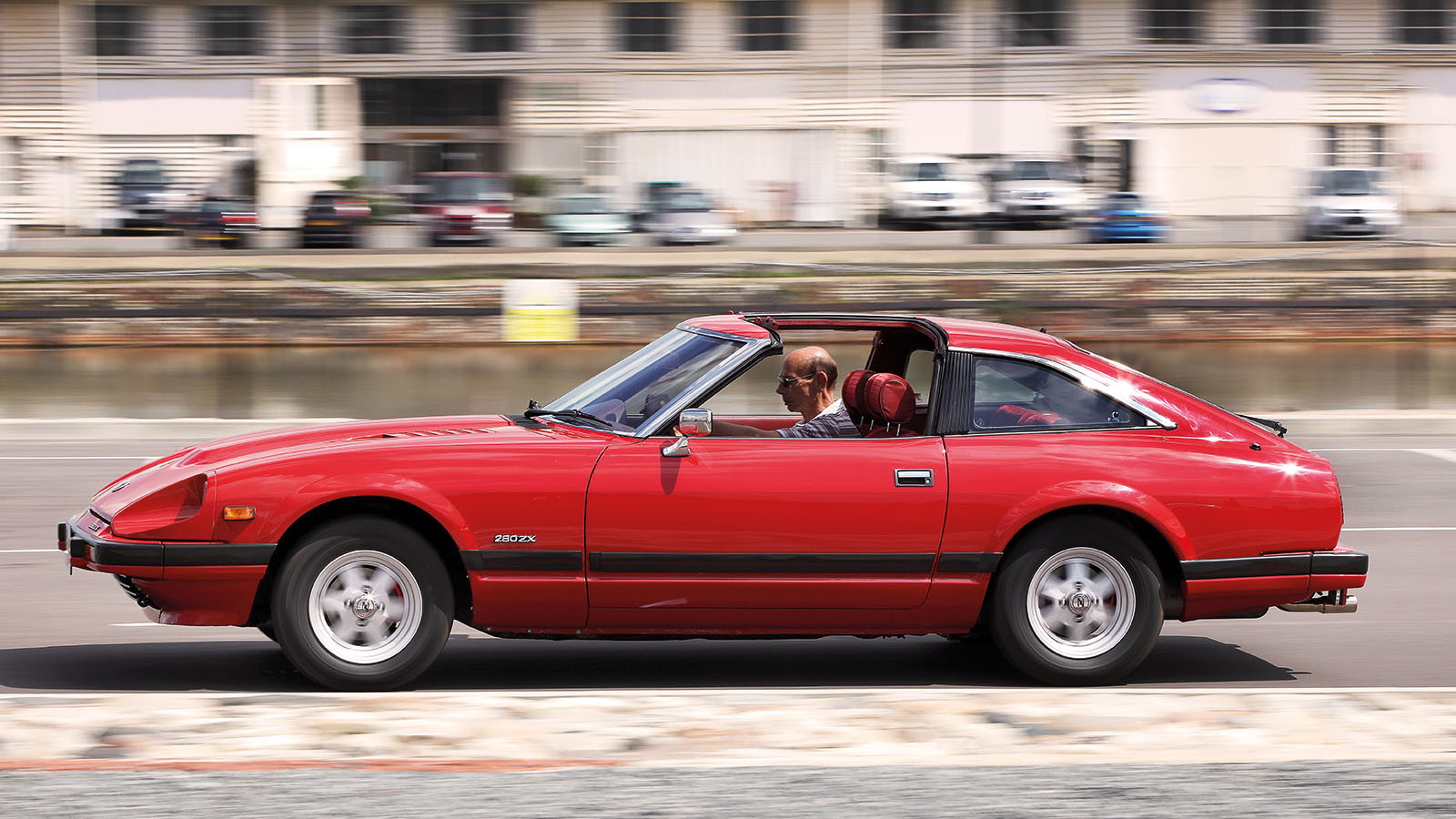
11. 1975 Datsun 280Z
In contrast to the 240Z and 260Z which preceded it, the Datsun 280Z was more grand tourer than sports car, being a larger and heavier model overall with higher equipment levels, including power steering and all-round disc brakes.
The 280Z’s MacPherson strut/semi-trailing link suspension also prioritised ride comfort over precision handling.
However, in an effort to retain performance in light of tougher US emission controls, displacement of the Z’s straight-six was increased to 2.8 litres and Bosch L-Jetronic fuel injection standardised, resulting in a maximum power output of 170bhp.
The 280Z was replaced by the larger and more opulent 280ZX in 1978.
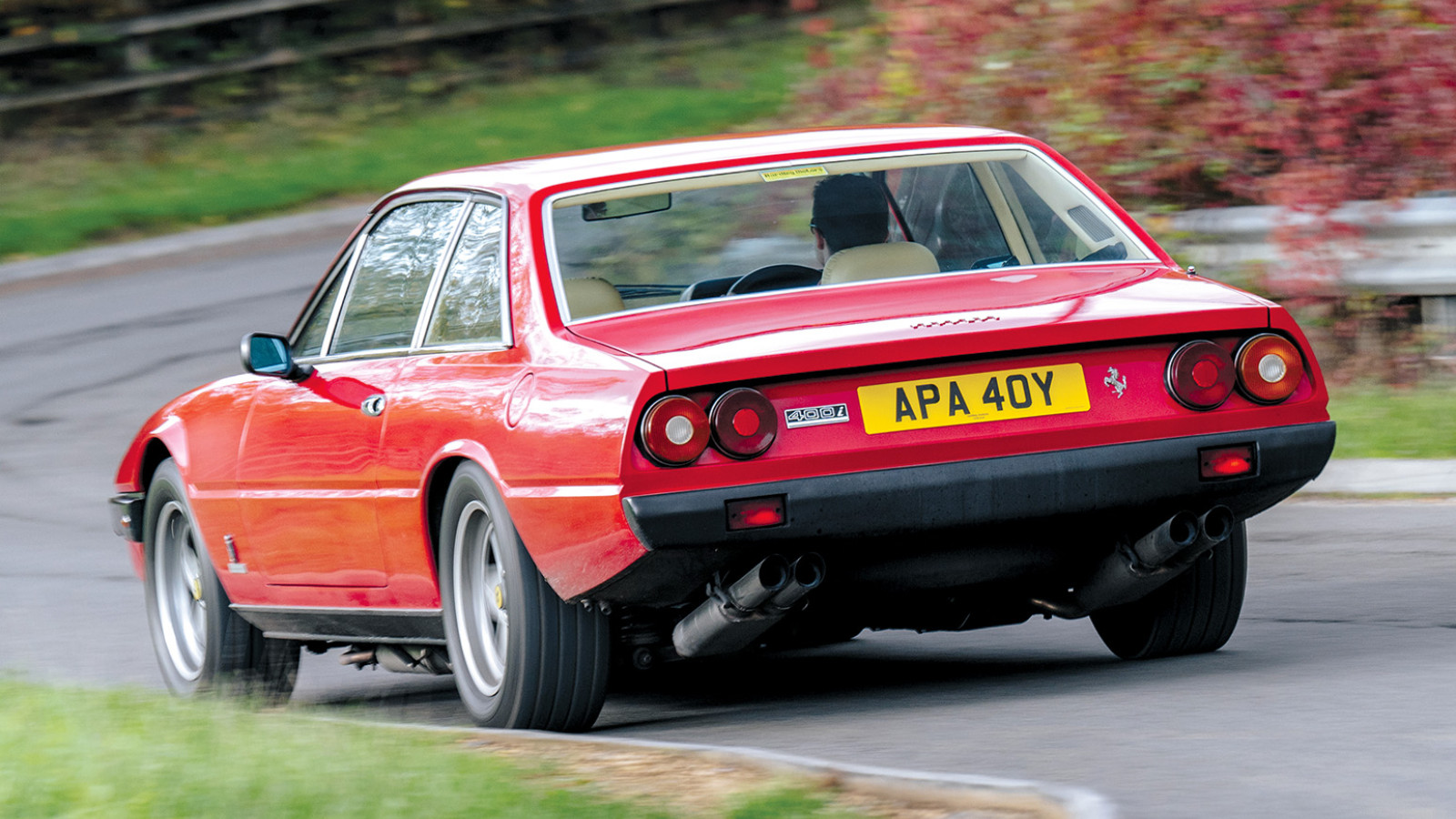
12. 1979 Ferrari 400i
Ferrari had launched the 365GT4 2+2 in 1972 and during the decade its classic 60° Colombo V12 grew in capacity, reaching 4823cc by 1979.
It was in this guise that the 400i became Maranello’s first fuel-injected production car.
Global emission controls had been responsible for Ferrari’s shift away from a traditional, six-carburettor arrangement for its large GT.
The now prolific Bosch K-Jetronic system introduced for the 400i dramatically improved reliability and driveability, even though maximum output took a hit, the model now rated at 306bhp.
As with the 400i’s predecessors, there was the option of either a five-speed manual gearbox or a three-speed GM automatic.
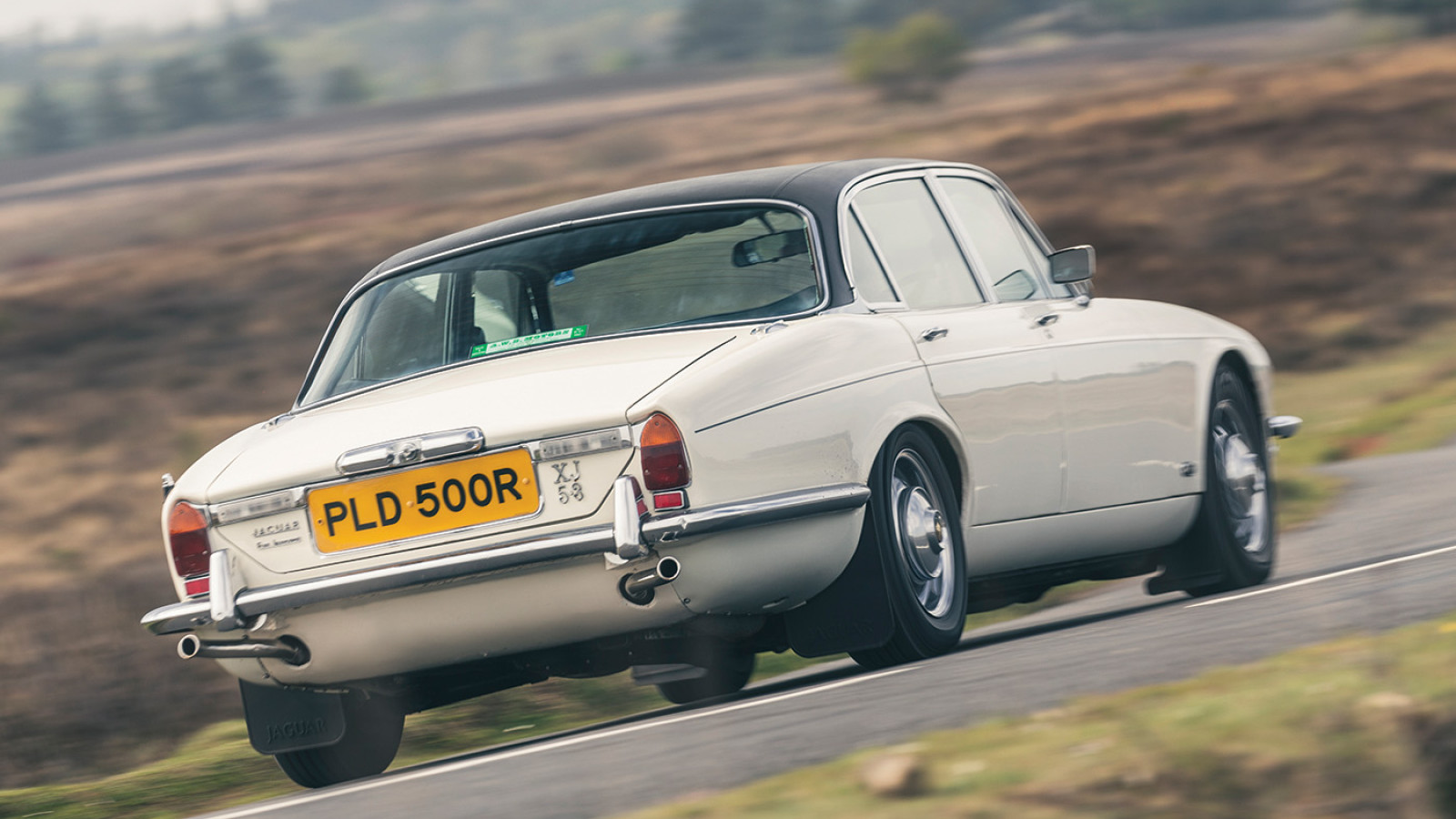
13. 1975 Jaguar XJ12 S2
The all-aluminium, single-overhead-cam, 5.3-litre V12 finally gave Jaguar’s XJ the ultimate refinement it so richly deserved, albeit four years after the original six-cylinder model was launched in 1968.
It was a veritable hot rod, clothed in a Savile Row suit.
Fuelled by four Stromberg carburettors, it could dispatch 60mph in a mere 7.4 secs, en route to a top speed of 146mph.
But the XJ12’s fuel economy was appalling, with an average of 11.4mpg, made worse by the first-series model launching on the eve of a global fuel crisis.
All was not lost, though: in 1975, the Series 2 XJ12 introduced Lucas-Bosch electronic fuel injection, improving both fuel economy and maximum power.
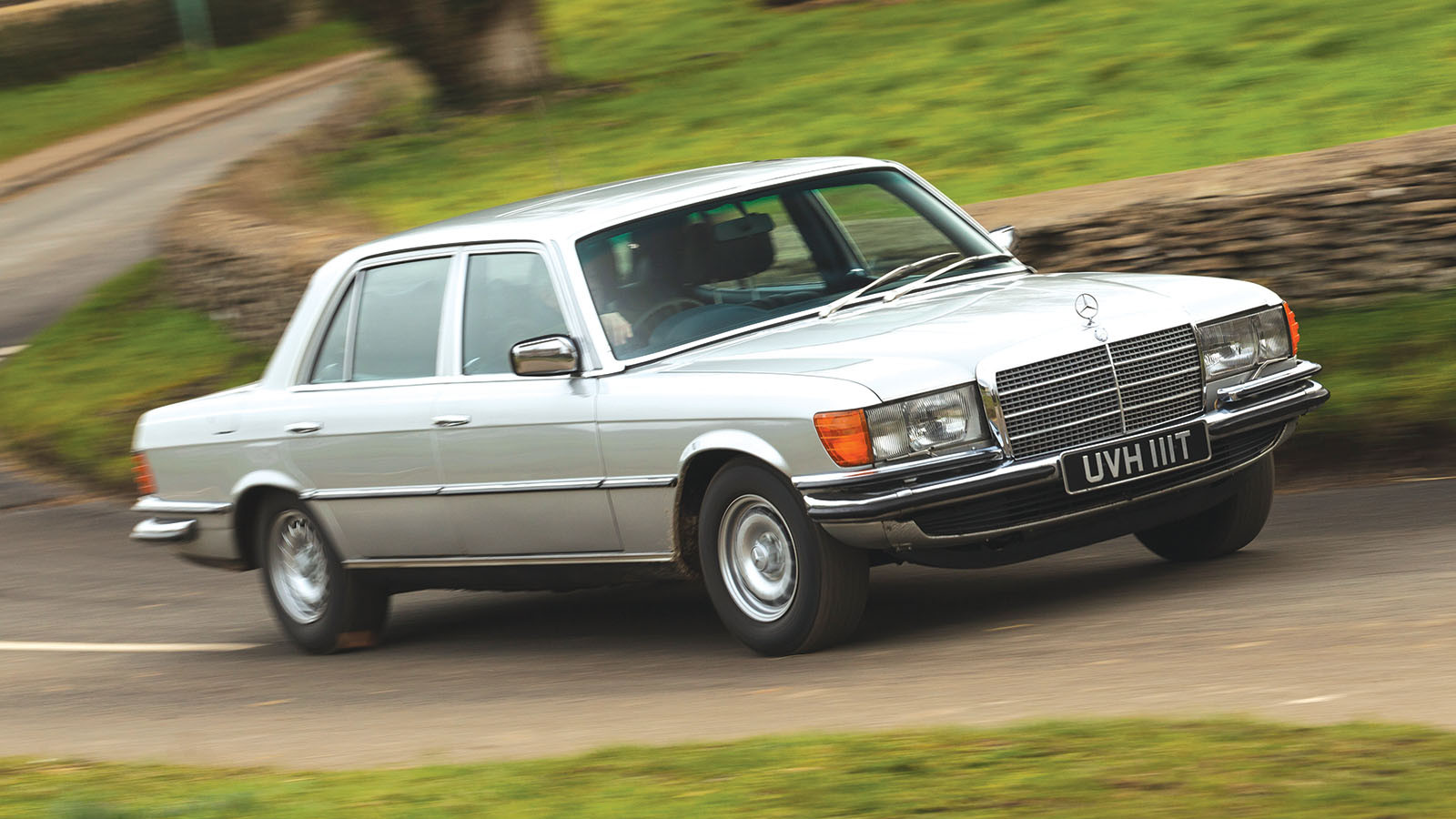
14. 1975 Mercedes-Benz 450SEL 6.9
Setting aside the Mercedes-Benz W100 600, the 450SEL 6.9 was the company’s real-world range-topper, and the ultimate evocation of the 116-series.
An exclusive bruiser of a car, this model rode on hydropneumatic suspension, with handling that belied its 1935kg (4266lb).
Powered by a dry-sump, 6.9-litre V8, which produced 282bhp and a massive 405lb ft of torque, in Autocar’s hands it clipped 60mph from zero in just 7.3 secs when tested in 1979.
With the emissions-conscious American market vital to the Mercedes-Benz 450SEL 6.9’s success, it was equipped with Bosch’s third-generation K-Jetronic fuel-injection system.
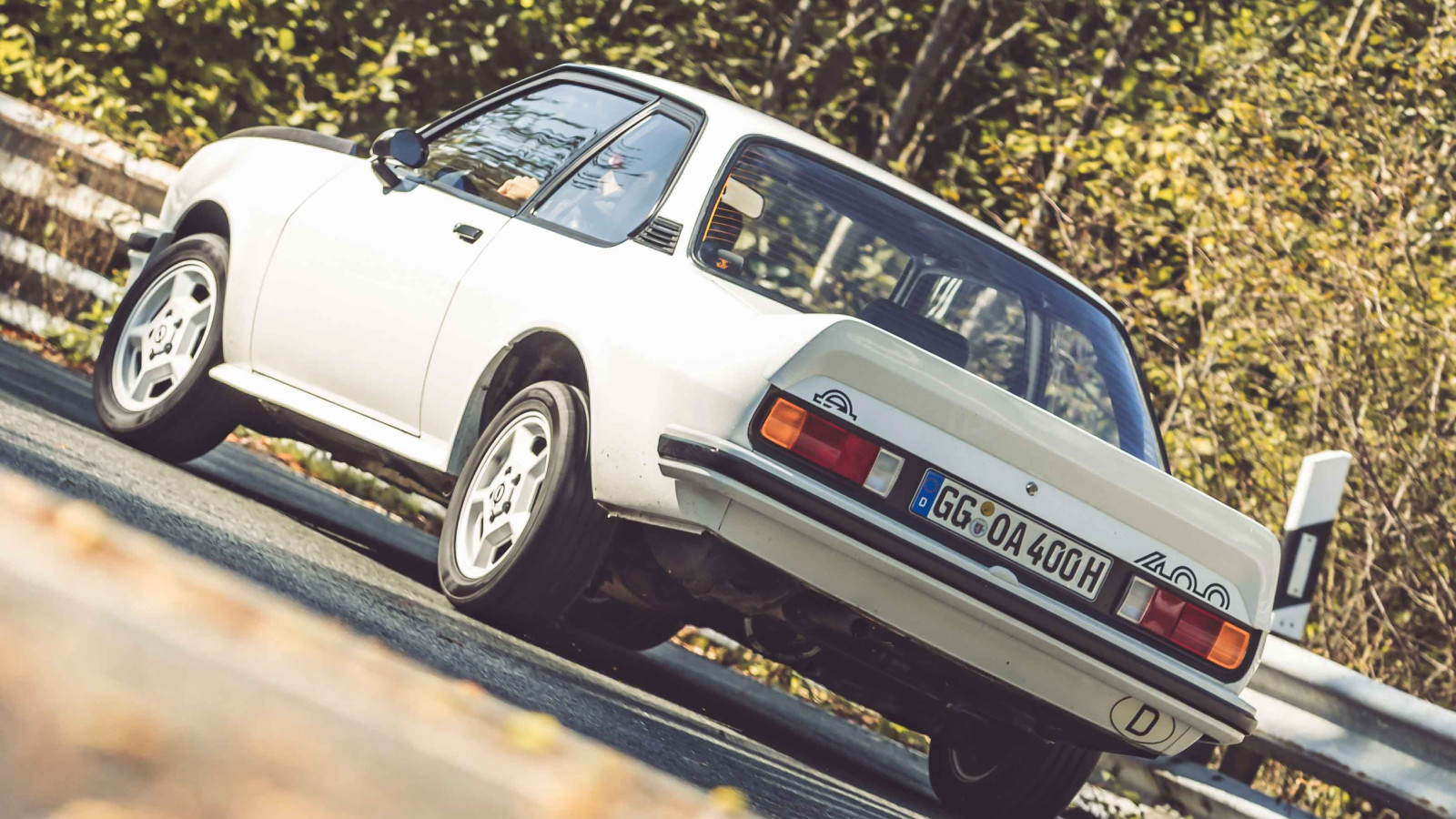
15. 1979 Opel Ascona 400
Born from Opel’s partnership between Cosworth and Irmscher, the Ascona 400 was conceived as an homologation special built to conquer the World Rally Championship.
While competition variants were rated at up to 240bhp, the roadgoing production car’s 2.4-litre, 16-valve, double-overhead-cam ‘four’ produced 142bhp and was equipped with Bosch L-Jetronic fuel injection, enough for a 0-60mph time of 7.2 secs and a top speed of 124mph.
Coupled with a lightweight body and five-speed ZF gearbox sending drive to the rear wheels, the 400 was an accomplished handler.
From behind the wheel of the rally variant, Walter Röhrl claimed the 1982 WRC drivers’ championship.
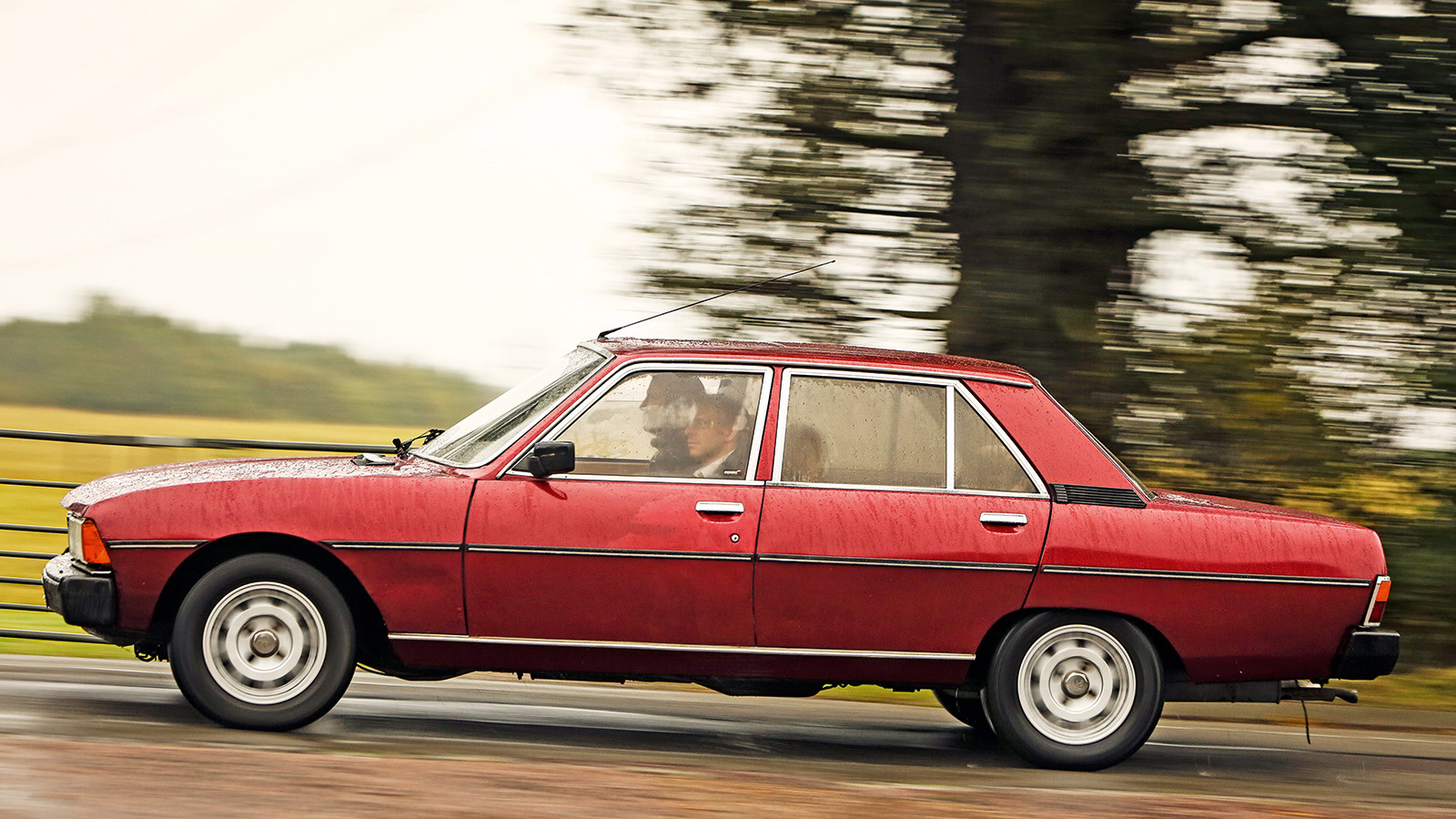
16. 1977 Peugeot 604 TI
Launched in 1975, Peugeot’s Pininfarina-designed 604 was acclaimed for its well thought out design, salubrious cabin and superlative ride quality.
Powered by a choice of 2.7-litre V6 petrol or in-line, four-cylinder diesel engines, the 604 struggled to compete with the might of Germany’s executive saloon rivals – especially because it was sometimes more expensive (in the UK for example, at launch the 604 sold for £4785, against £4399 for an equivalent BMW 520).
However, in 1977, the 604 range was spiced up with the addition of the TI model, equipped with the now ubiquitous Bosch K-Jetronic fuel injection and five-speed manual transmission.
STi model pictured
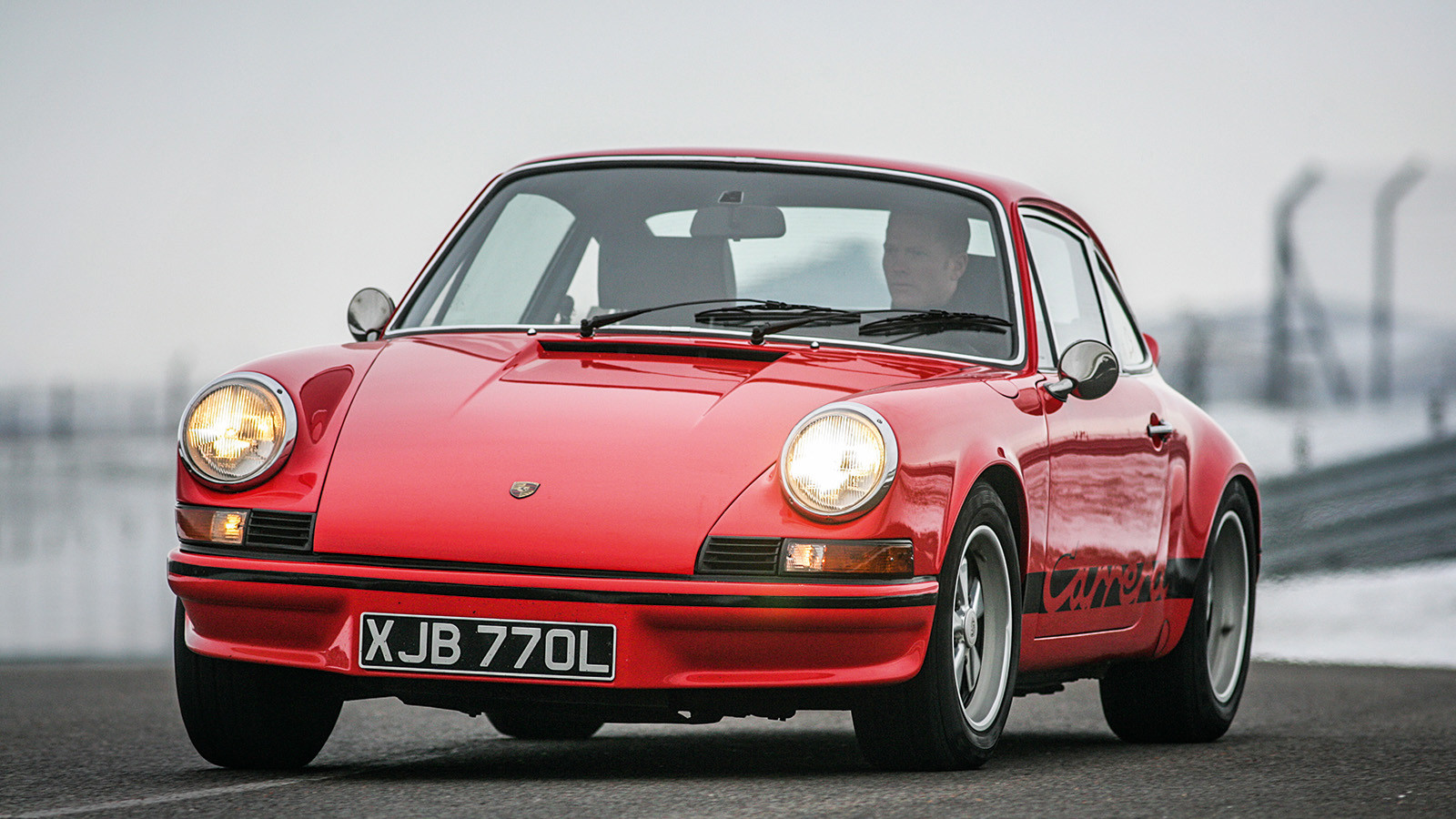
17. 1972 Porsche 911 Carrera RS 2.7
After seeing 911s being beaten on track by Ford Capris and BMW CSLs at an ADAC race, senior Porsche engineer Helmuth Bott rose to the challenge.
The Carrera RS 2.7 that resulted allowed the 911 to be homologated for competition, and – as a road car – became arguably one of the greatest production GTs of all time.
With its flat-six engine based around the crankcase of a 2.4 S, it was bored out as far as it would go to 2687cc, to save the cost of developing an all-new unit.
Bosch fuel injection was used and, producing 207bhp but weighing just 2398lb (1088kg), the RS could sprint from 0-60mph in 5.5 secs – and Autocar achieved a 149mph top speed.
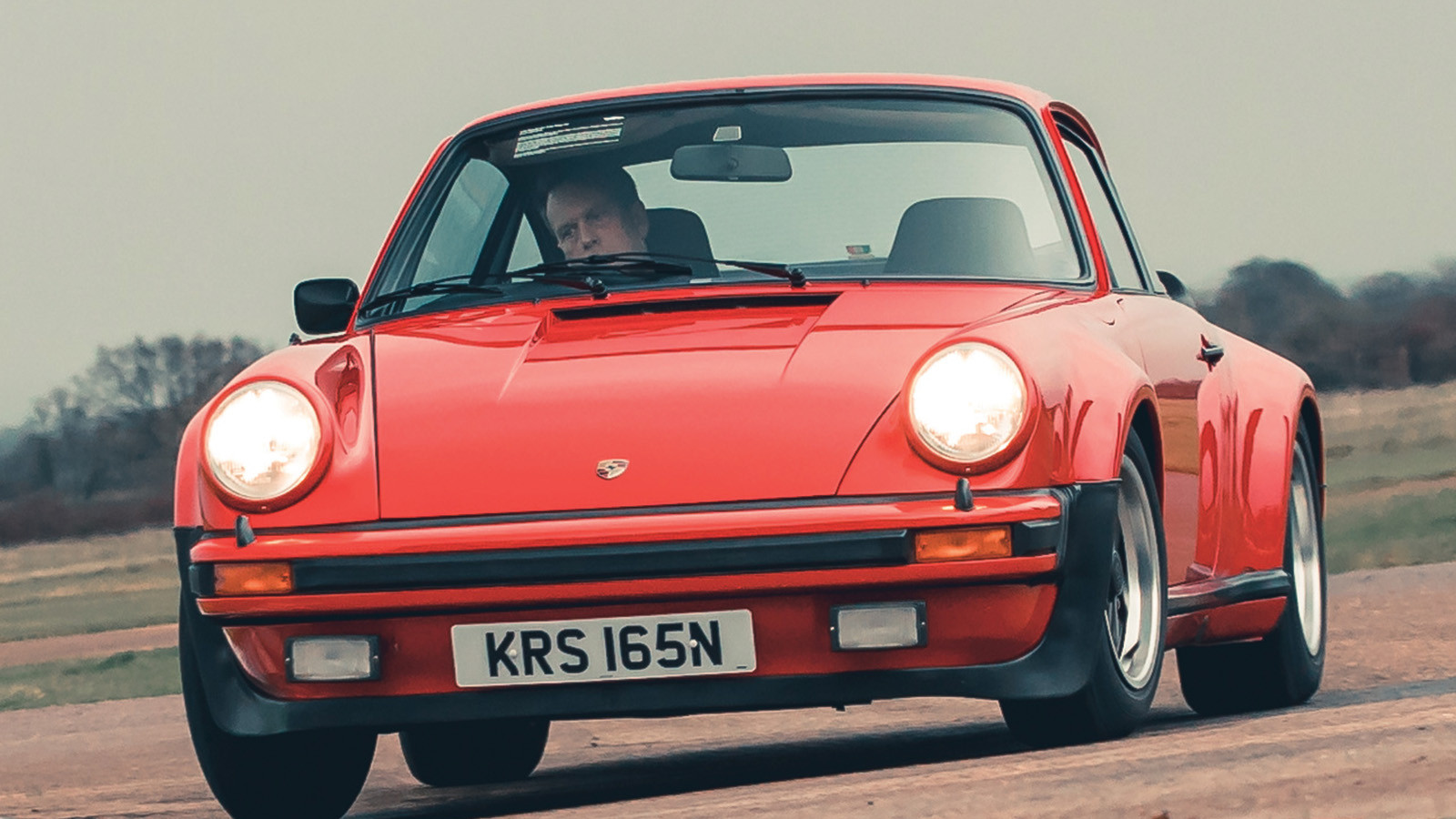
18. 1974 Porsche 911 turbo 3.0 (type 930)
Unveiled at the Frankfurt motor show in 1973, and on sale the following year, Porsche’s original 911 turbo 3.0 – the type 930 – caused a sensation.
Taking several cues from Stuttgart’s racers, including the 917’s rigid wheel hubs and parts from the 911 RSR’s axles, the model was the first of its kind equipped with a boost-pressure-controlled turbocharger.
Fitted with Bosch K-Jetronic fuel injection, the turbo’s 3-litre flat-six produced 256bhp and could propel the car from 0-60mph in just 5.4 secs and on to a top speed of 155mph.
Some 2850 first-series Porsche 911 turbos were produced before a revised, 3.3-litre model was introduced in 1977.
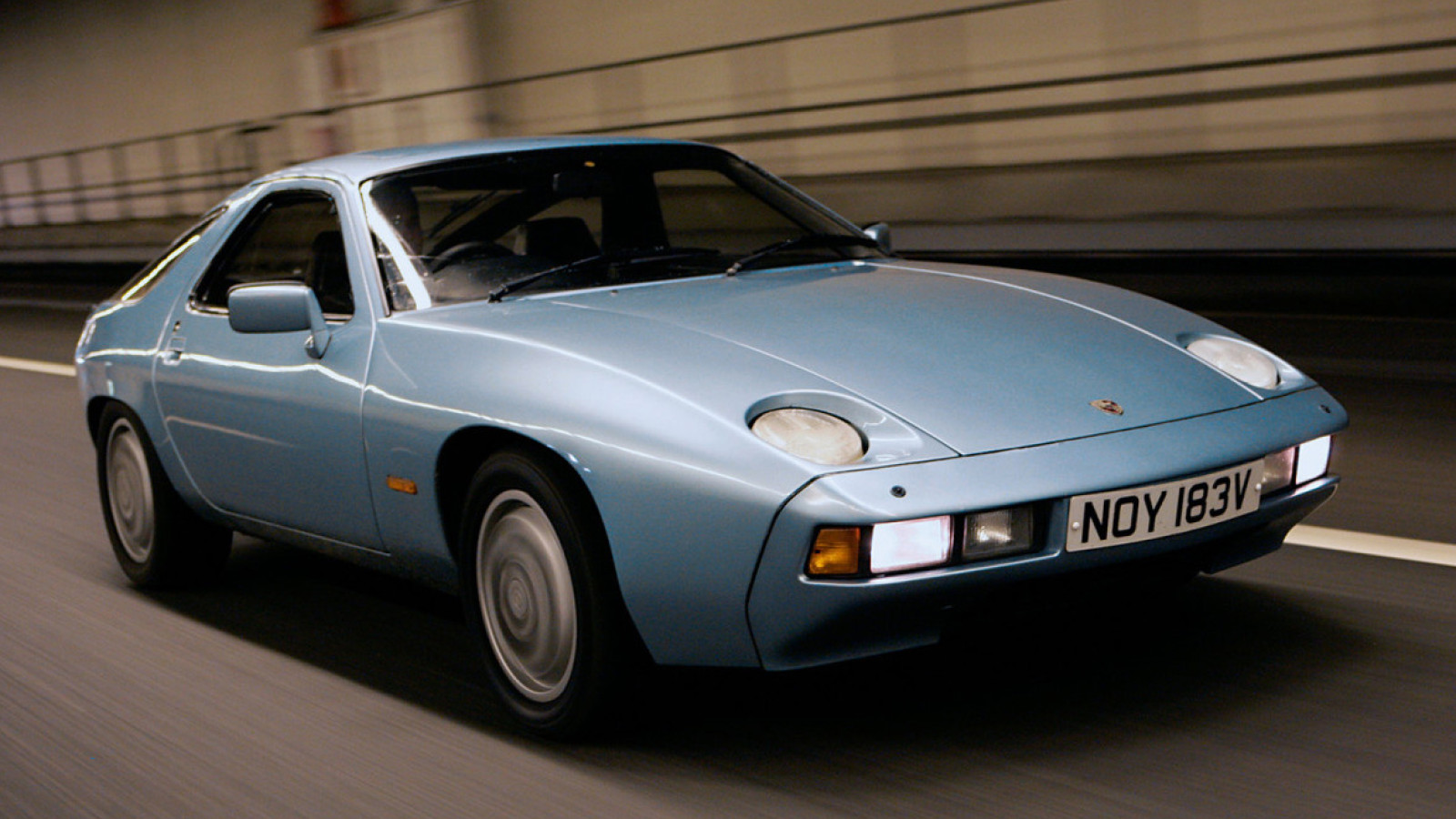
19. 1978 Porsche 928
Famously, the Porsche 928 had been conceived to replace the (by then) 15-year-old 911 when it was launched in 1978, yet despite a 17-year lifespan, the front-engined grand tourer never quite achieved that goal…
Awarded European Car of the Year in 1978 – the one and only sports car to ever have received that gong – the 928’s futuristic shape, with its pop-up headlights and swooping, hound-tooth-trimmed interior, was a revelation.
It was also Porsche’s first V8-engined car.
Originally displacing 4.5 litres, but gradually increasing to 5.4 litres through its life, the first unit had single overhead cams and two valves per cylinder, and produced 237bhp.
Various Bosch fuel-injection systems were used throughout 928 production, the first being K-Jetronic.
There was a choice of transmissions – at first, a five-speed manual or a three-speed auto – mounted in a rear transaxle, giving the 928 near-perfect weight distribution.
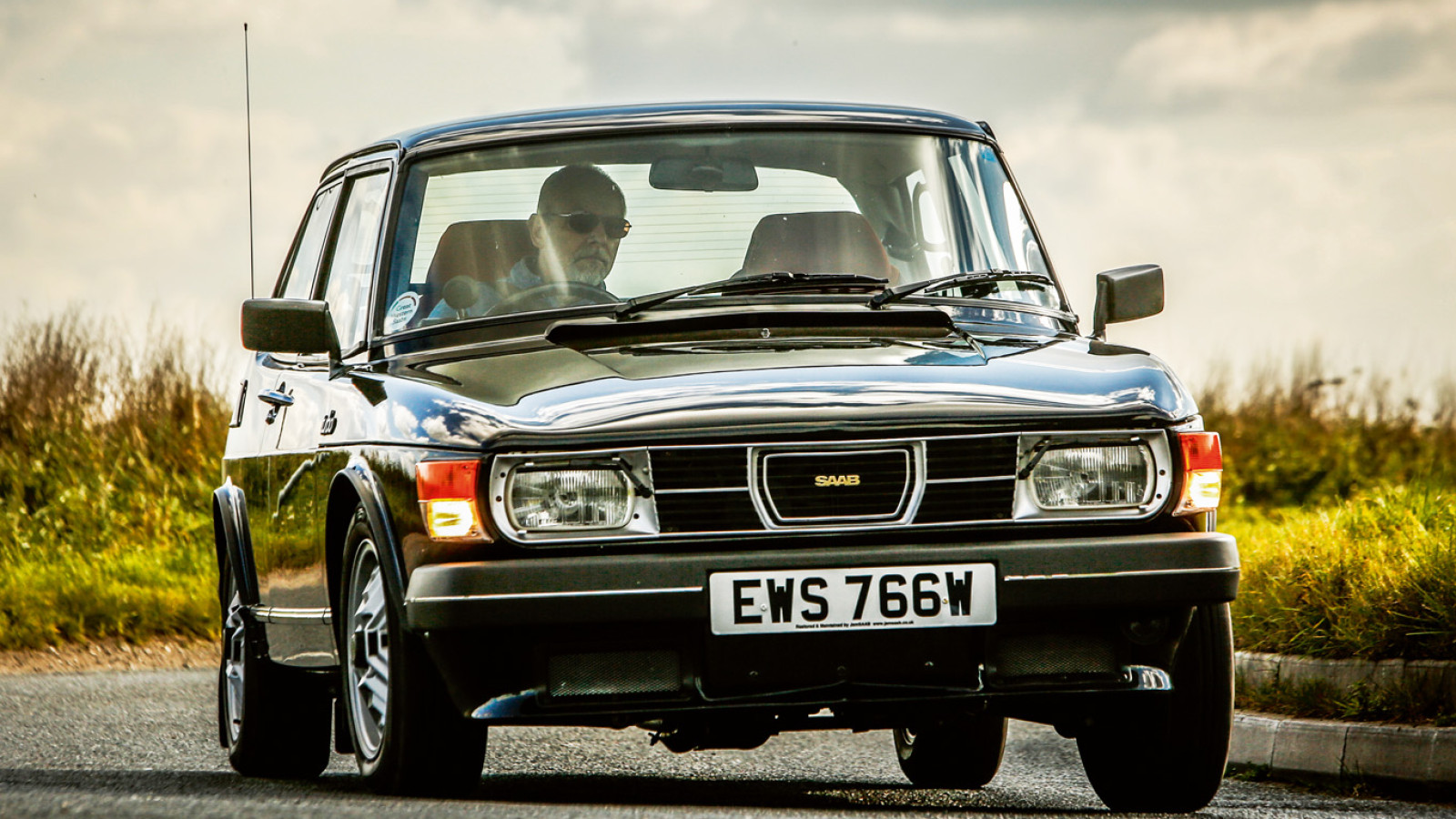
20. 1978 Saab 99 turbo
While in Europe, BMW had been first with a turbocharged production car, Saab successfully pioneered the technology for mainstream buyers with its 1978 99 turbo.
The model had an aircraft-inspired design and high-strength structure, and the 99 used a Triumph-derived, four-cylinder, 2-litre engine mounted longitudinally over the front axle, driving the front wheels.
A Garrett T3 turbocharger worked in tandem with Bosch’s K-Jetronic mechanical fuel-injection system to produce 143bhp and 174lb ft of torque – enough for the Saab 99 turbo to sprint from 0-60mph in around 8.9 secs.
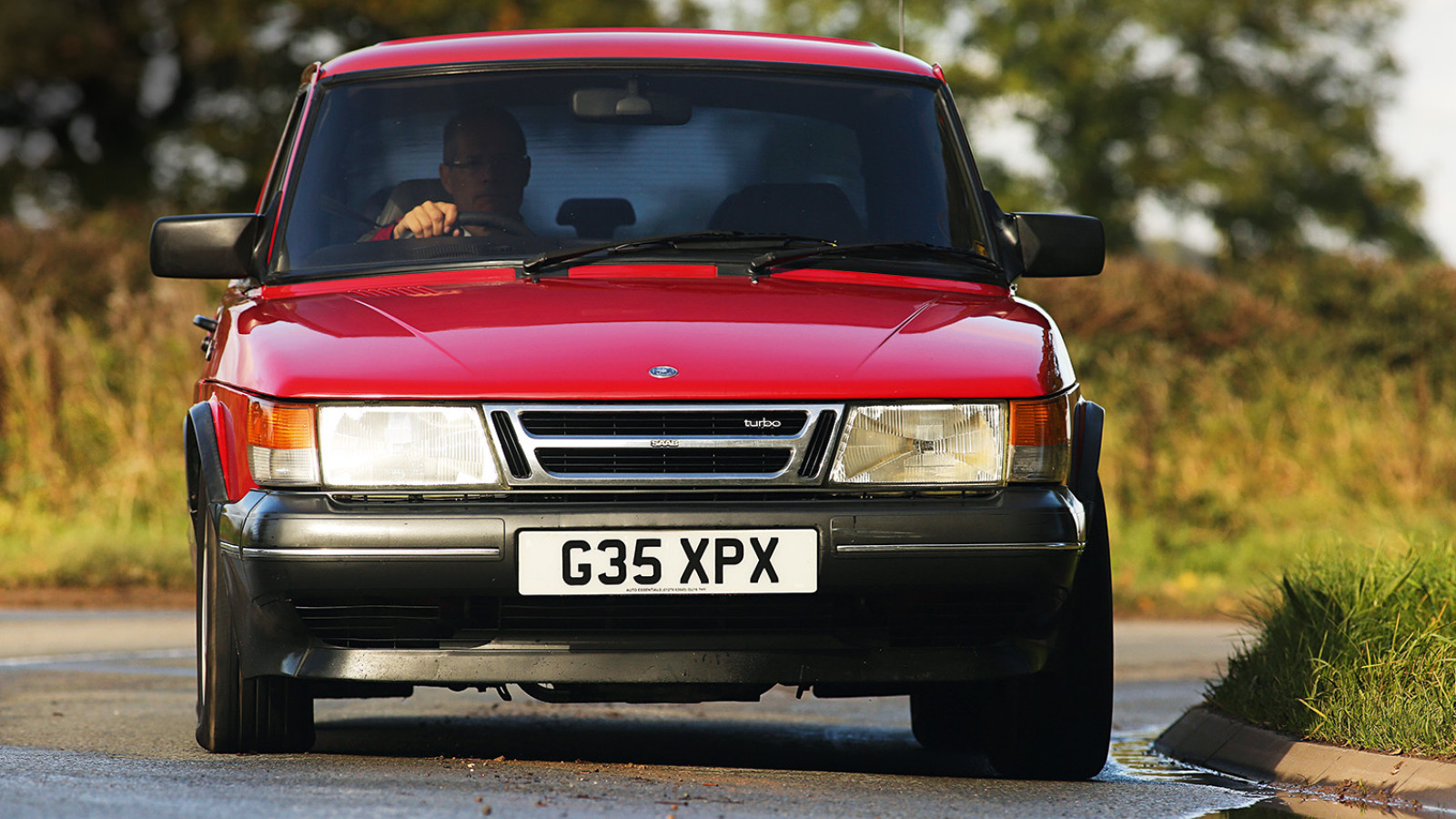
21. 1979 Saab 900 turbo
Saab was well ahead of the mainstream curve with turbocharged and fuel-injected engines by the end of the 1970s.
The 900’s Triumph-derived, 2-litre, four-cylinder ‘B’ engine was canted by 45 degrees and installed ‘backwards’ in the car, with a transaxle at the bottom of the engine that had its own oil supply.
Turbocharged versions, with Bosch Jetronic fuel injection (the system also shared with lesser EMS and GLE models), arrived a year after launch, in either three- or five-door hatchback form, producing 143bhp.
Performance was respectable, rather than vivid, with a notable surge midway through the rev range as the turbo took hold. Which was fine, unless it happened midway through a bend – especially in the wet.
Later model pictured
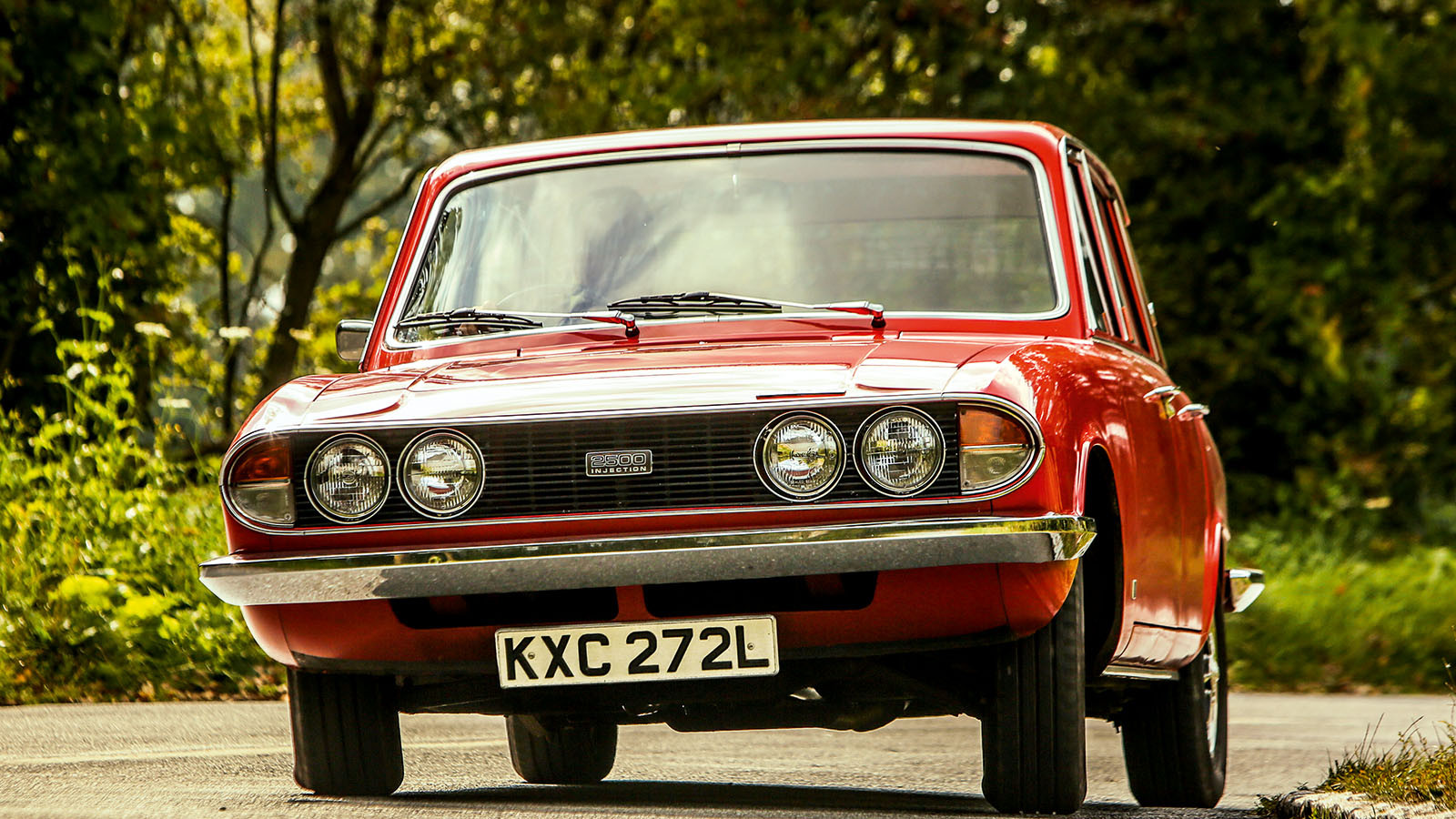
22. 1969 Triumph 2.5 MkII Pi
In its second series, Triumph’s 2.5 was one of the first mainstream, British-built, family cars to be equipped with standard fuel injection.
Launched in 1969, but mainly sold in the ’70s, hence its inclusion here, the 2.5 Pi blended a typically well-appointed cabin with the performance, Triumph claimed, of a sports car.
The Pi’s well-proven, 2.5-litre, straight-six engine employed Lucas mechanical fuel injection, helping it to a top speed of 105mph.
Overdrive transmission was standard, and the 2.5 Pi was distinguished from lesser, 2-litre, carburettor models by different wheels and badging.
Alas, engine fires and poor reliability blighted the Pi’s reputation somewhat.
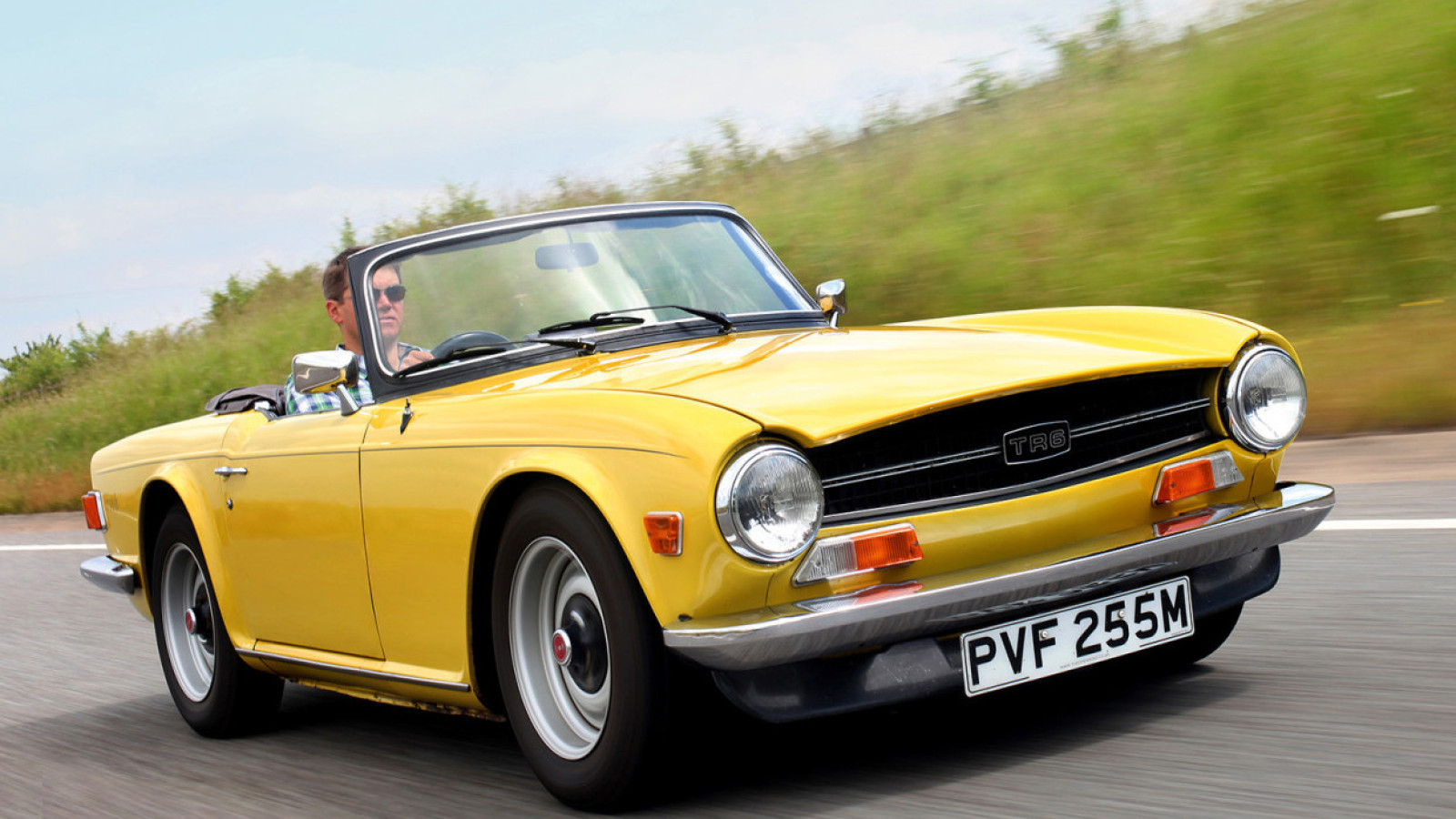
23. 1969 Triumph TR6 Pi
By the late ’60s, Triumph was in the grip of the British Leyland conglomerate.
Budgets were tight, and so when it came to replacing its TR5 with the TR6, many components and underpinnings were carried over for the new model, despite its relatively fresh-looking, Karmann-designed body.
While most US-bound TR6s were fitted with twin carburettors to their 2.5-litre motors to comply with emissions regulations, buyers in the UK and most other export markets received the car with Lucas mechanical fuel injection.
And only with fuel injection did they benefit from the full 148bhp produced by the earliest versions of Triumph’s cast-iron, overhead-valve, straight-six engine.
Again, despite its ’69 launch, this model was sold almost entirely in the 1970s, which is why it is featured in this article.
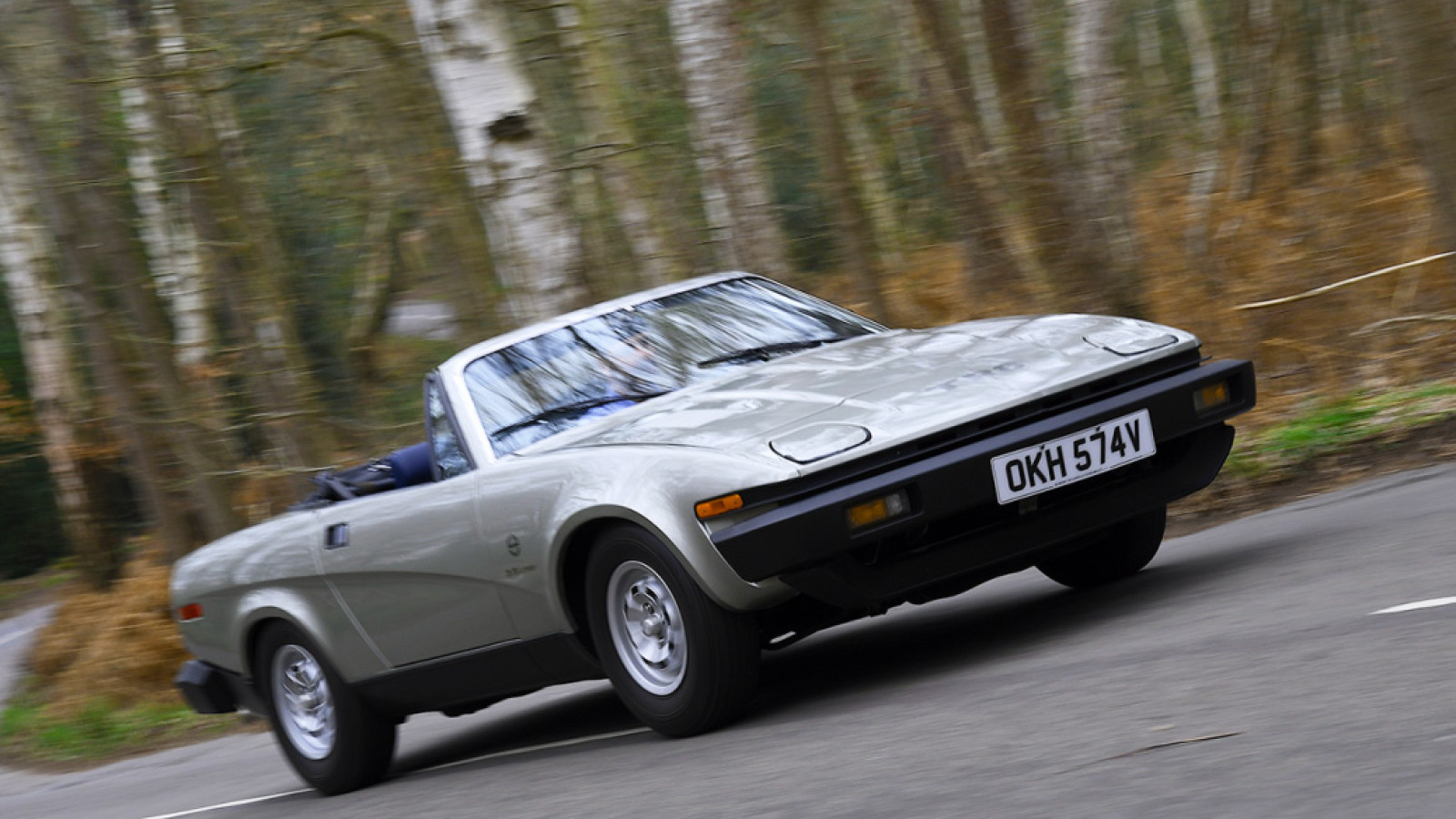
24. 1978 Triumph TR8
The Triumph TR8 was conceived for the US market, with all but a very small number of the 2722 cars produced being left-hand drive.
Originally planned for launch in 1978, factory union strife and a series of marketing blunders meant that the TR8 didn’t hit the market until 1980.
Available as a convertible and as a fixed-head coupé, the TR8 was supplied with carburettors or Lucas-Bosch L-Jetronic fuel injection in the US, depending on the state in which it was sold.
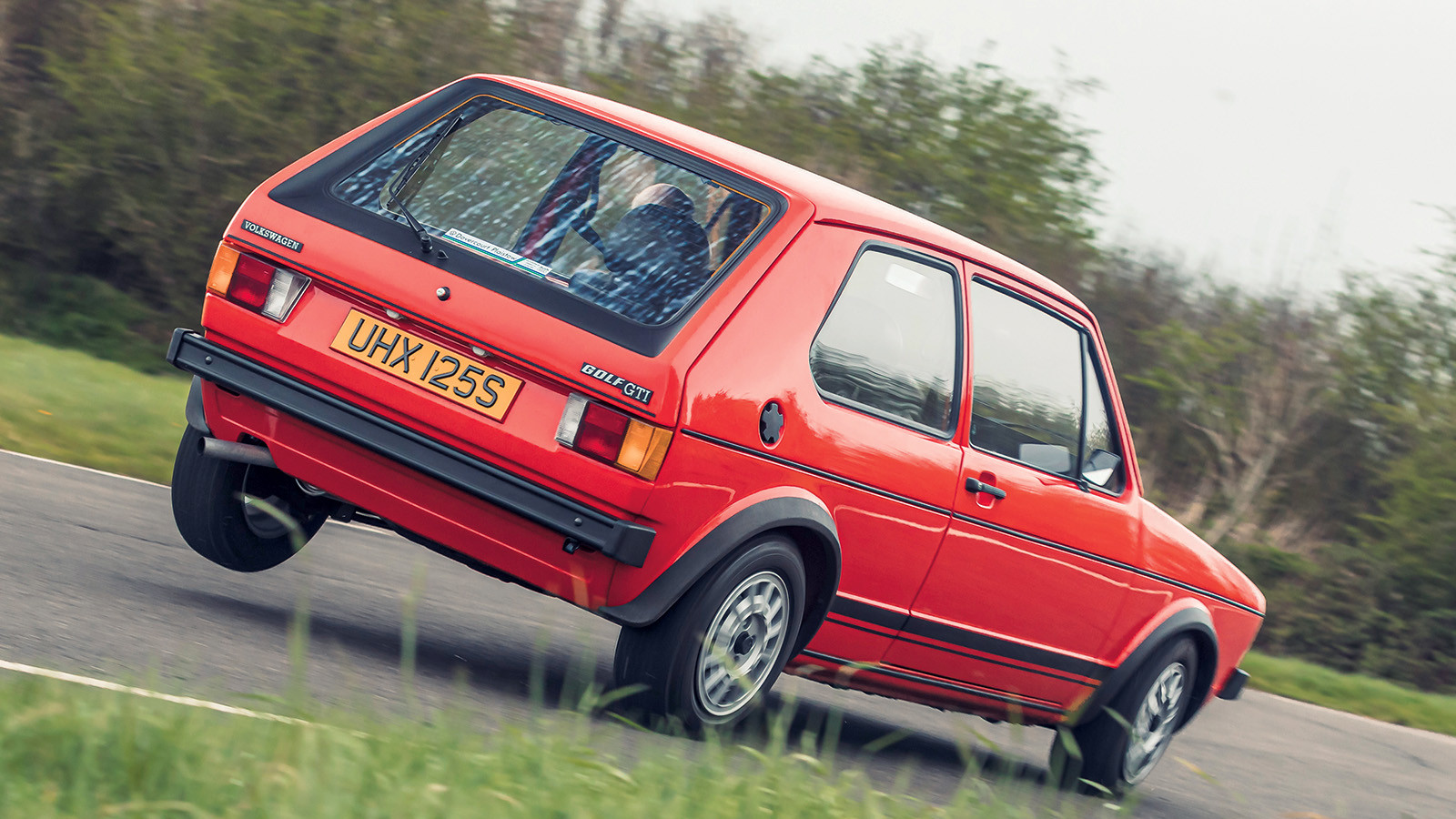
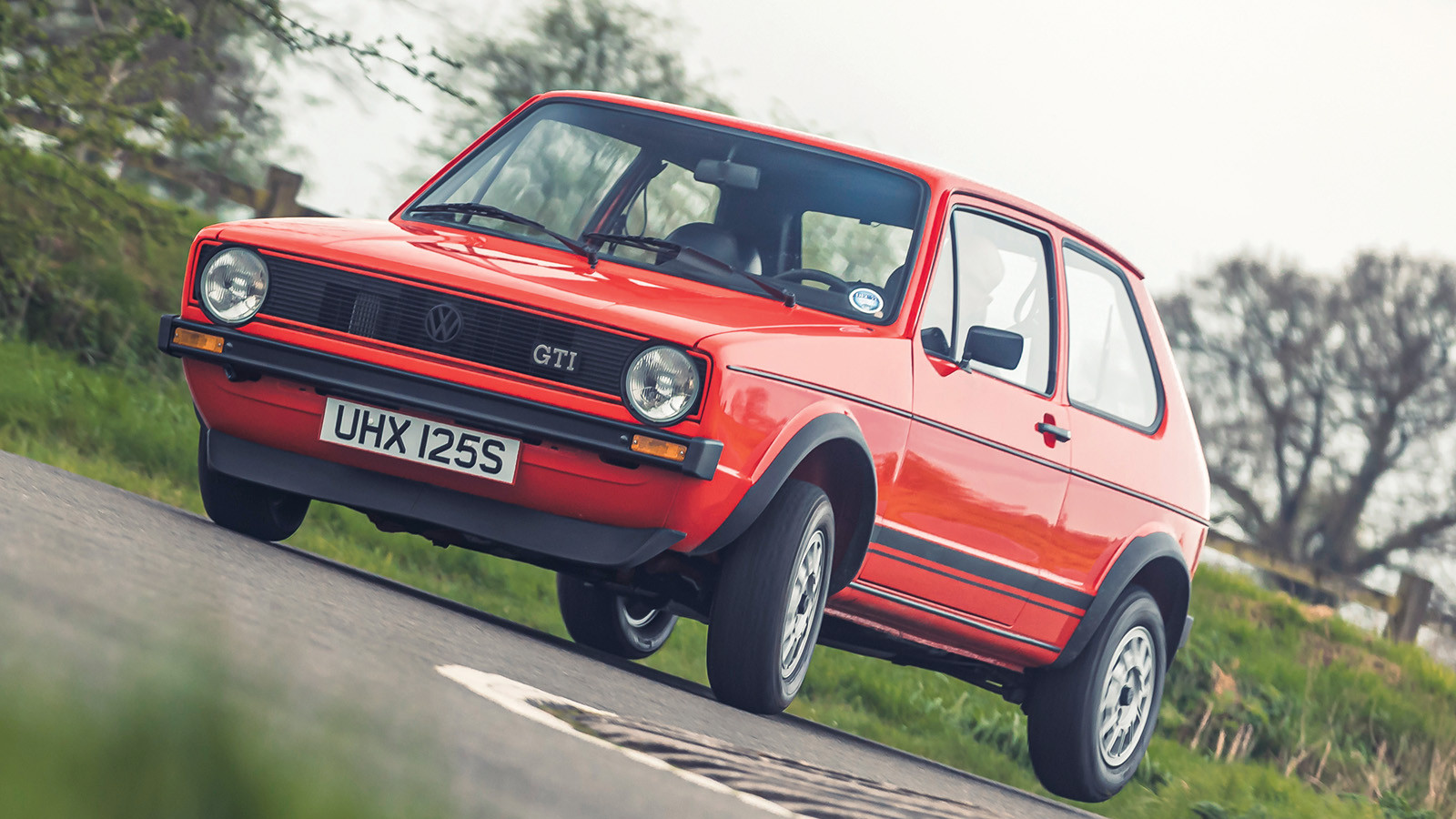
25. 1975 Volkswagen Golf GTI
To many, the original hot hatch, Volkswagen’s first Golf GTI – standing for Grand Tourer Injection – started as a skunkworks project driven by Wolfsburg’s press and engineering departments.
Using the Audi 80 GTE’s EA827 1588cc engine with Bosch K-Jetronic fuel injection, the 108bhp GTI boosted the Golf’s sporting credentials, with a 0-62mph time of 9.2 secs and 113mph top speed.
Dynamically, the model sat 15mm lower than standard Golfs, and rode on wider 175-section tyres.
There was no mistaking the GTI, either: a deep front spoiler and resin wheelarch extensions were the main highlights, complemented inside by a dimpled ‘golf-ball’ gearknob and Tartan-plaid upholstery.
Right-hand-drive UK sales started in 1979 and, overall, 462,000 Mk1 VW Golf GTIs were sold.