Of course, paying customers might have viewed things rather differently, and I can’t help thinking that a compromise would have been found on the production Bentley Corniche, had it ever appeared.
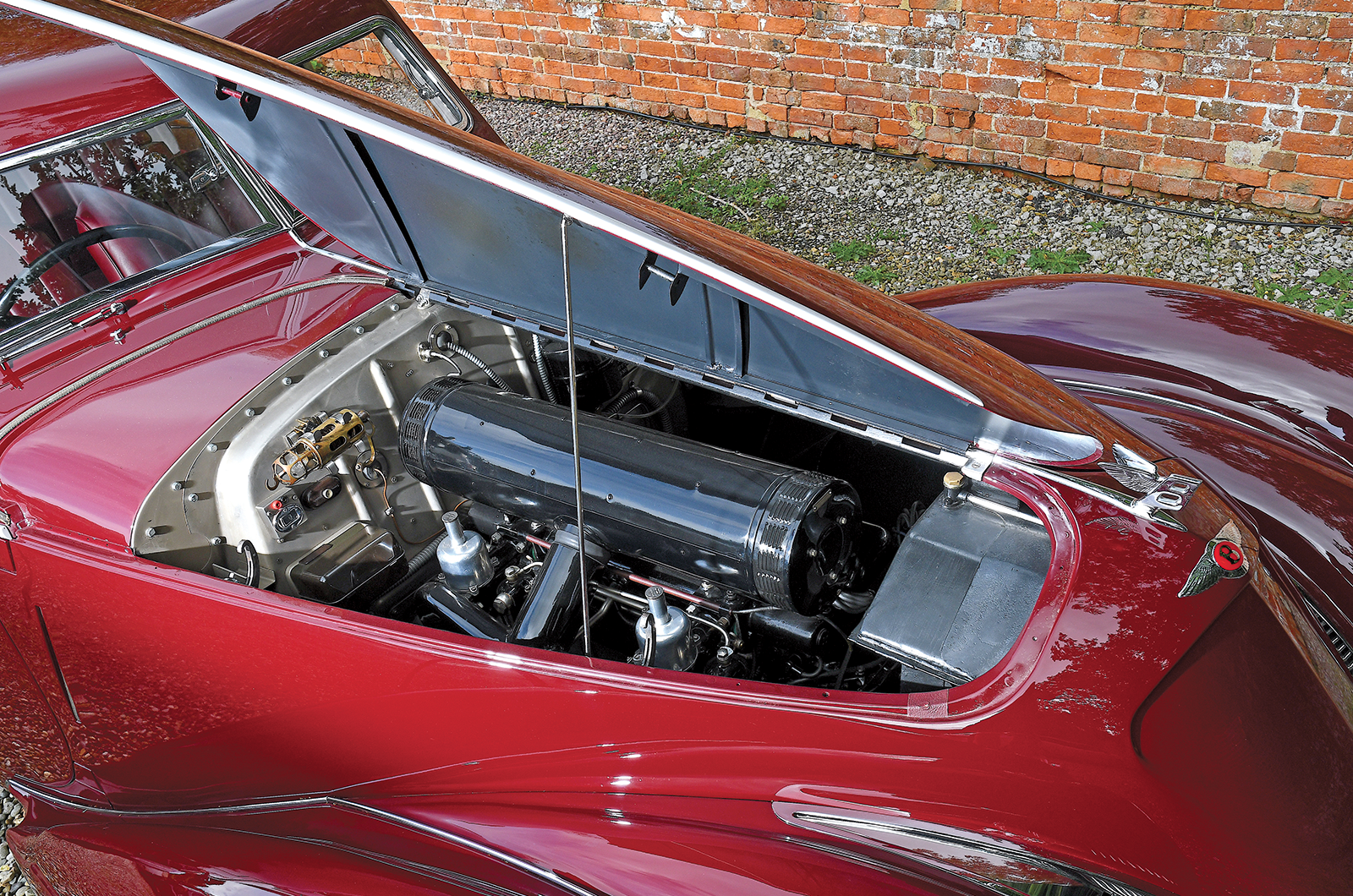
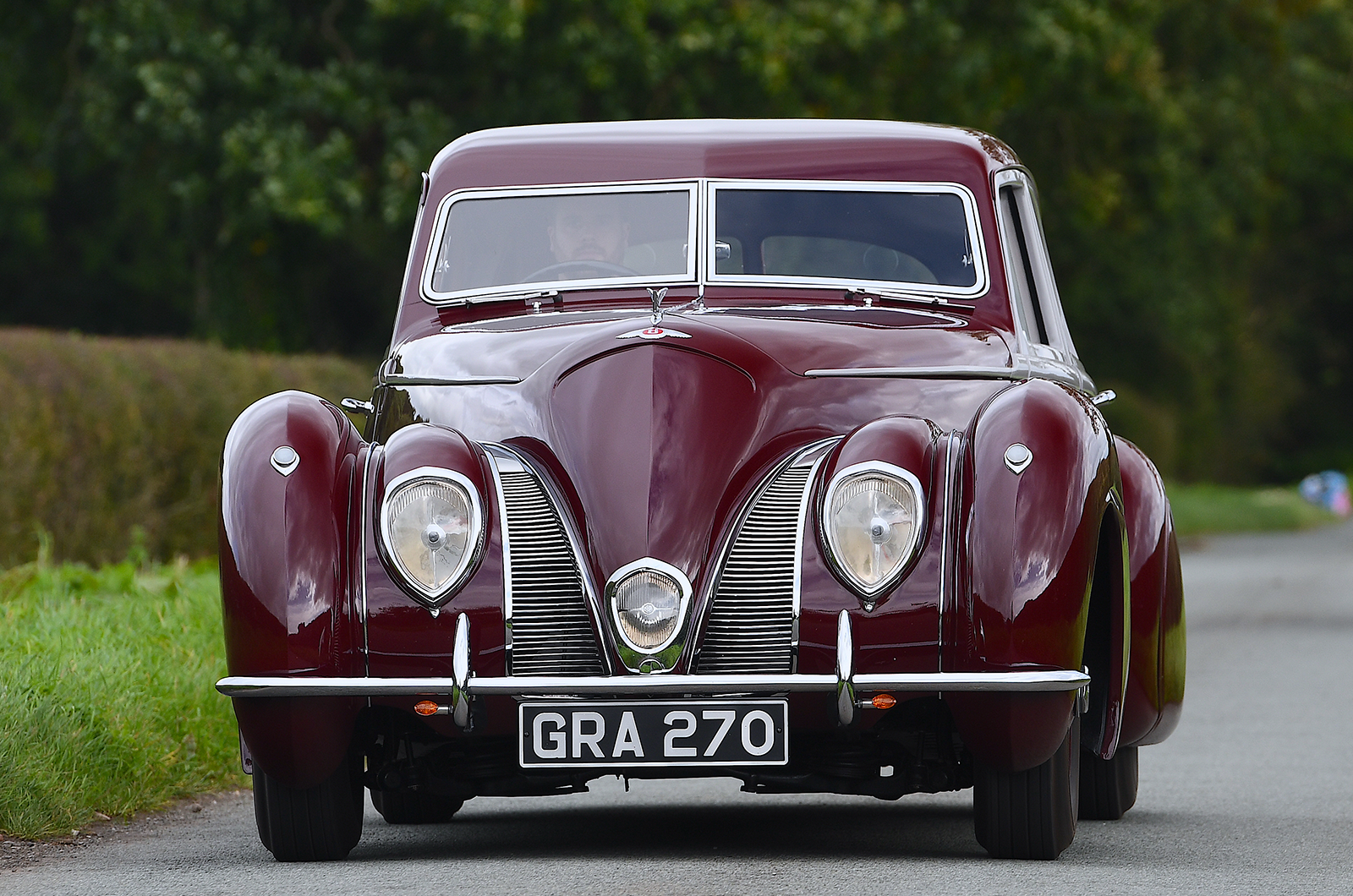
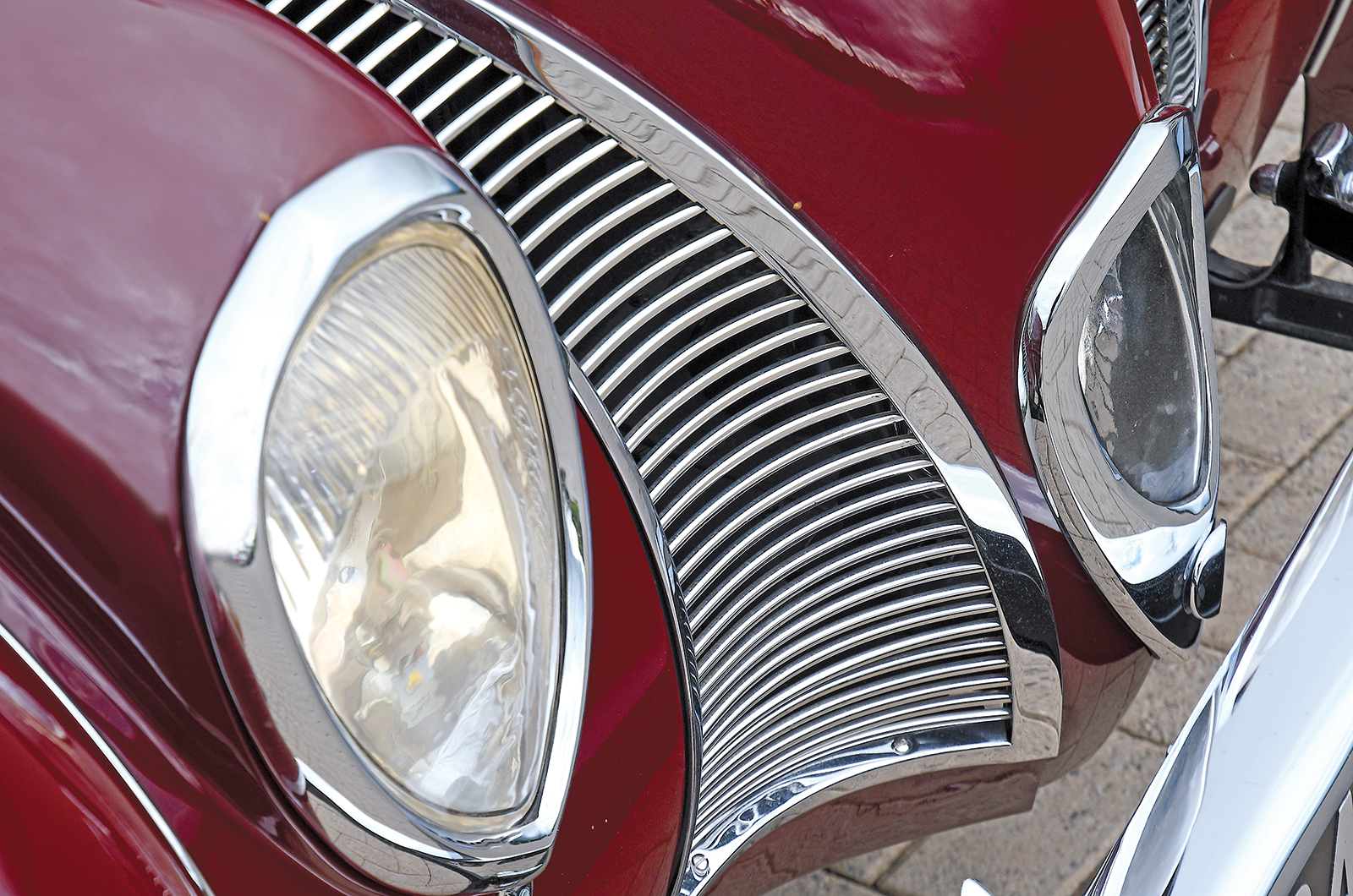
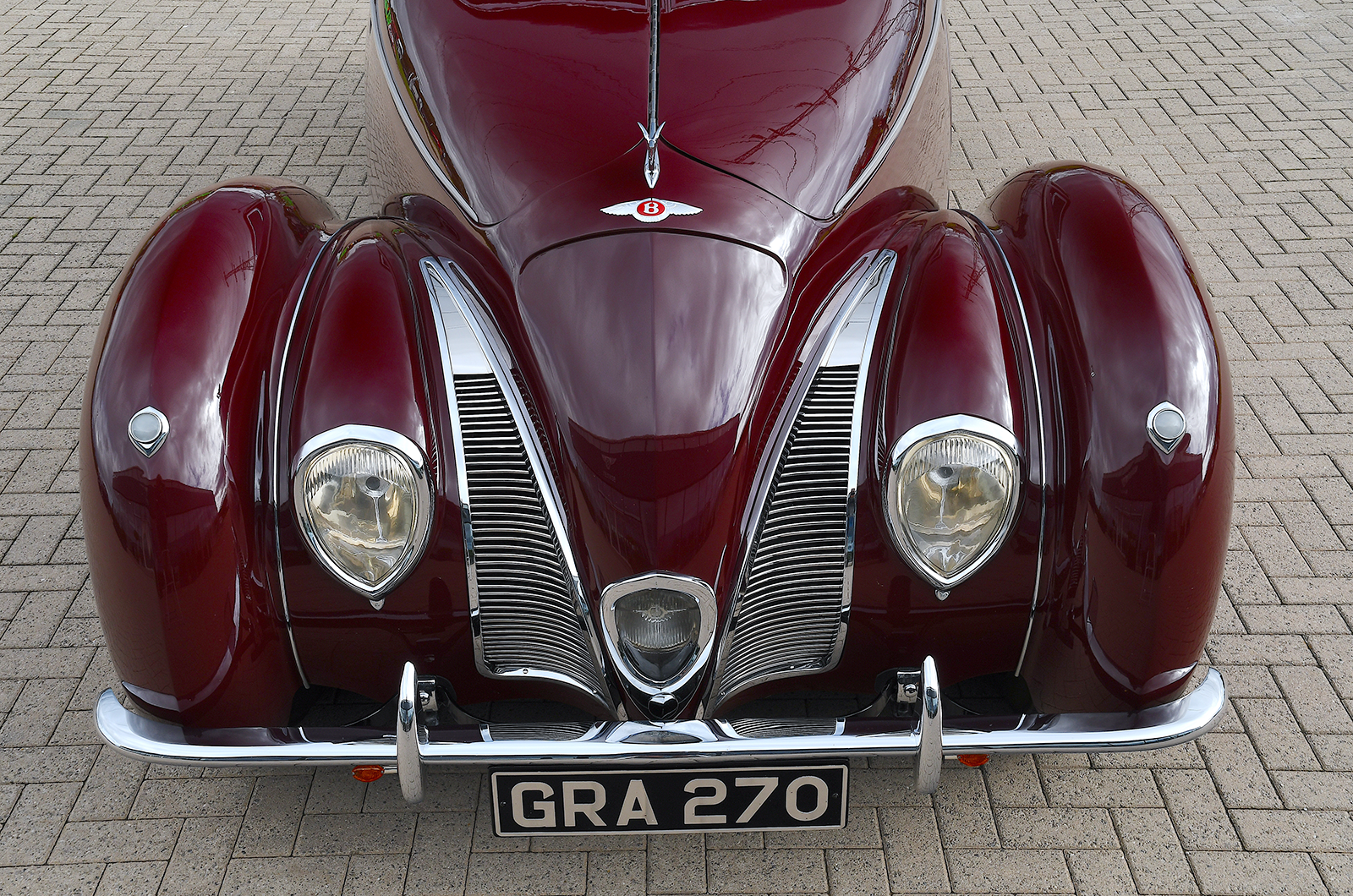
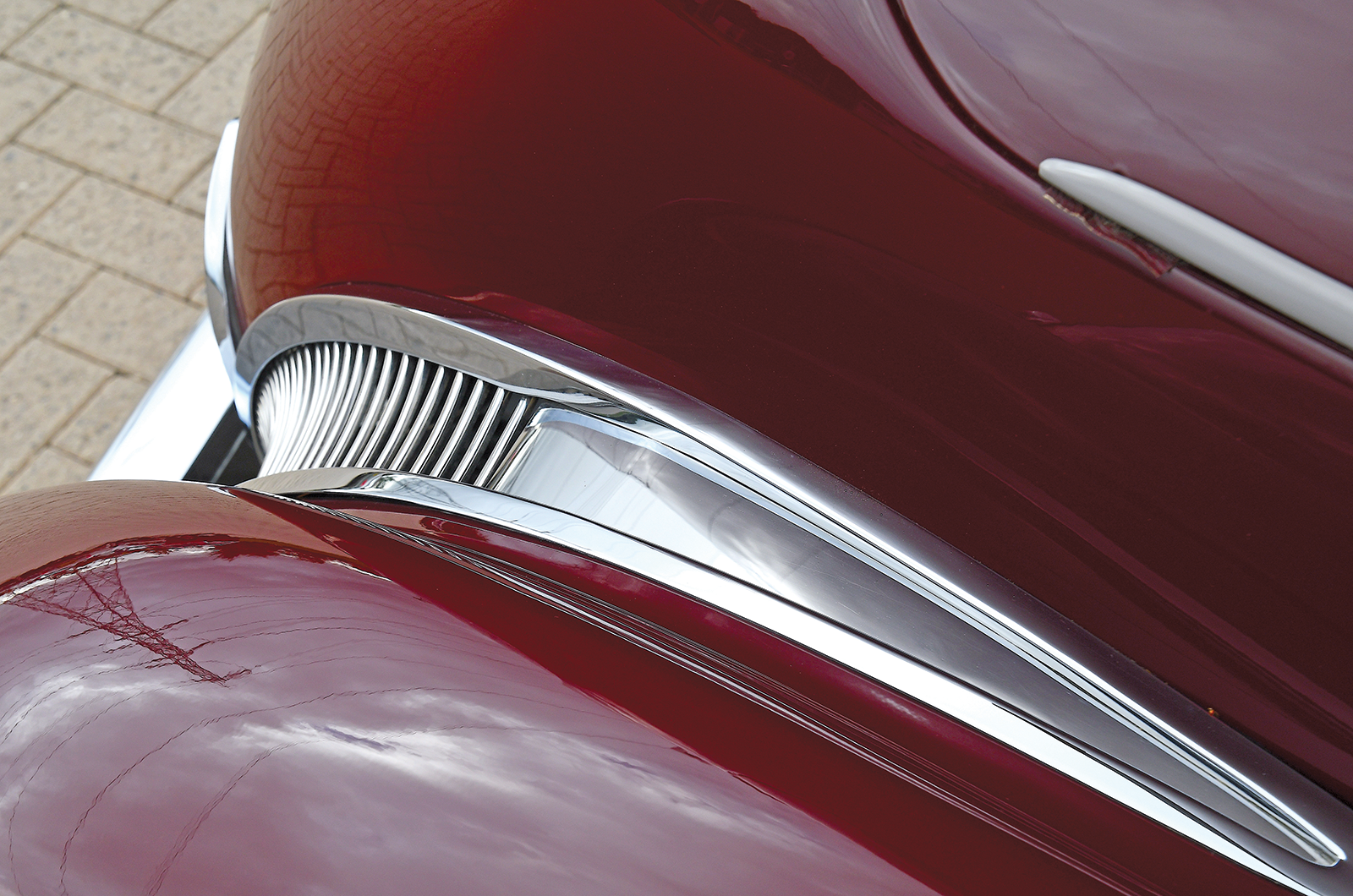
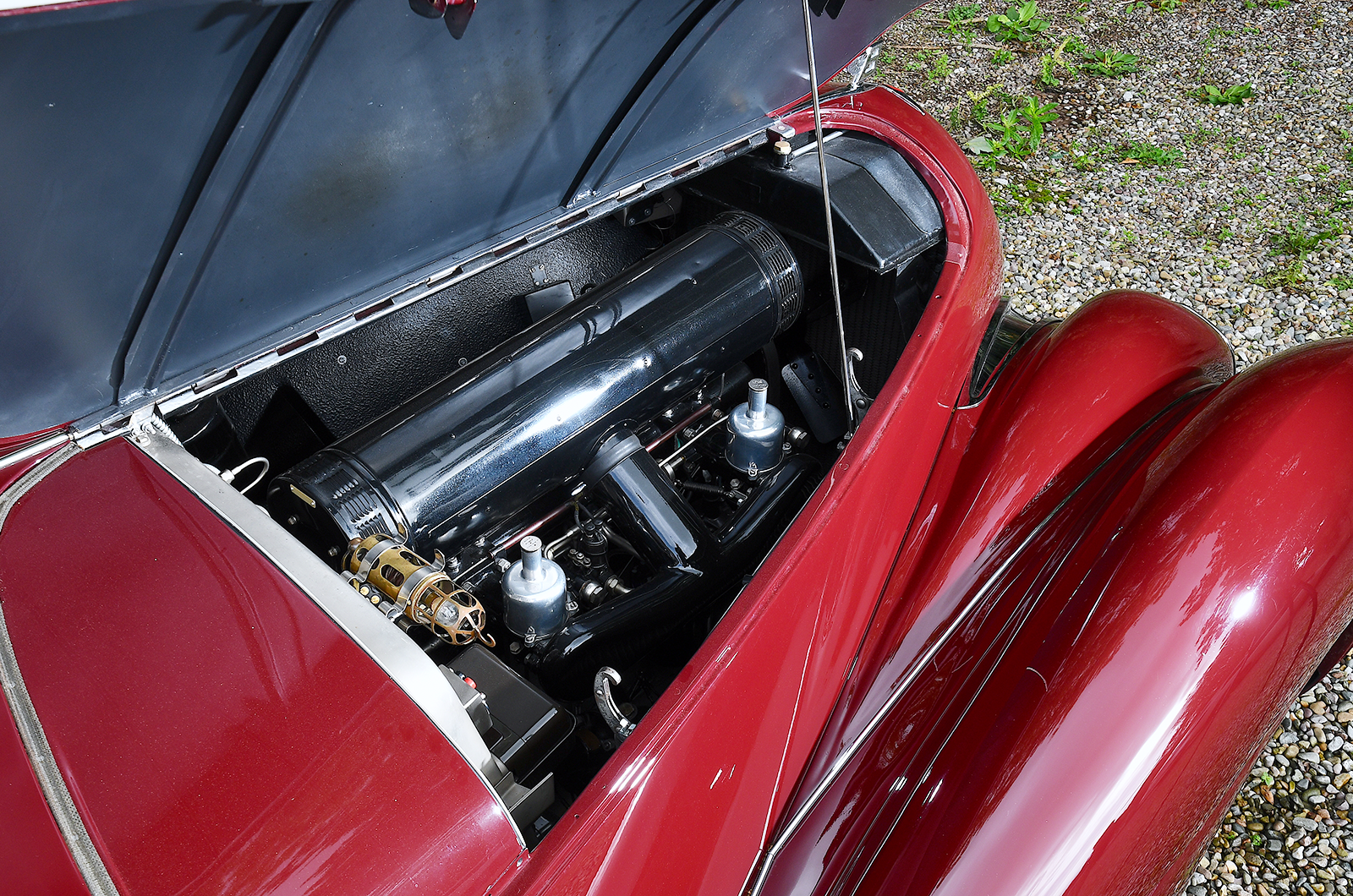
The Bentley’s grille tapers rearwards, between engine bay and wheelarch
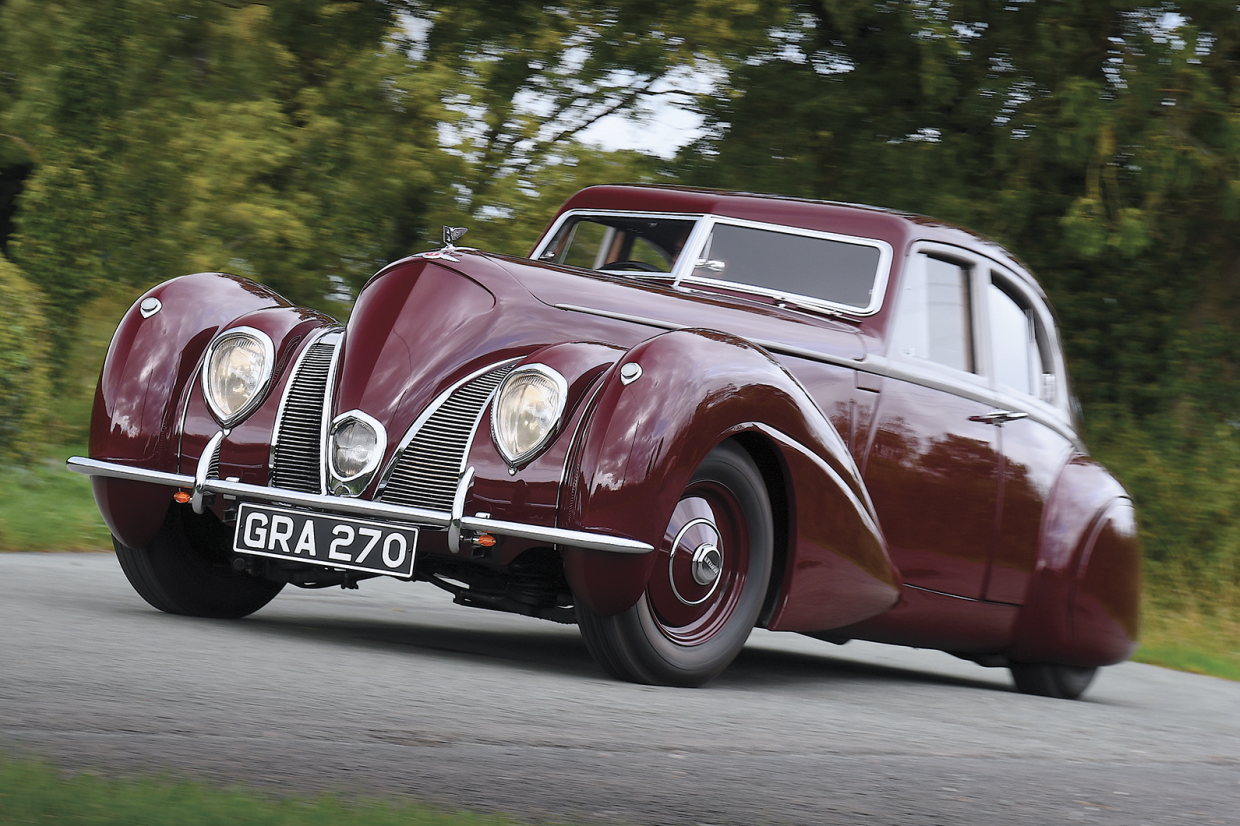
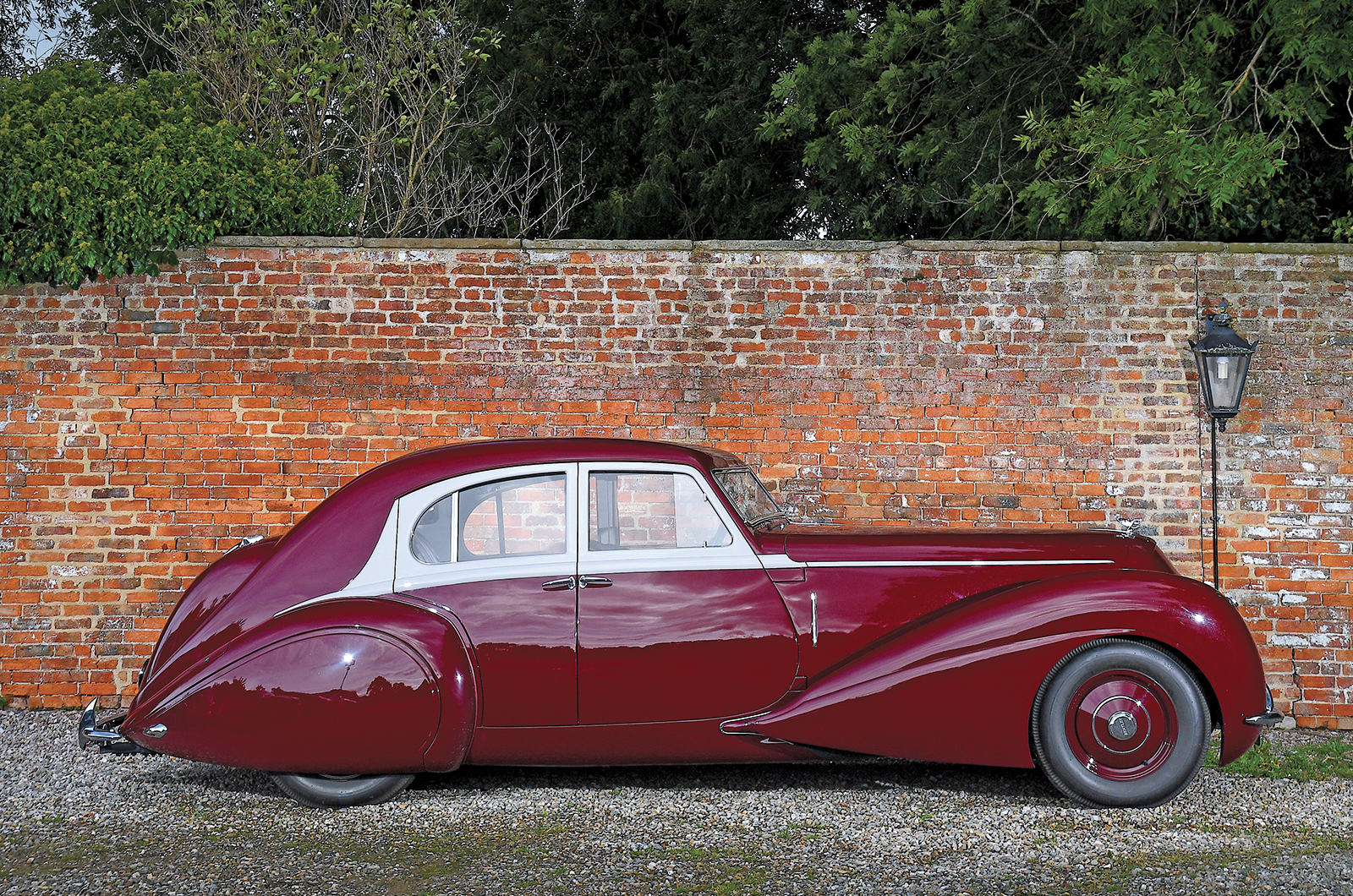
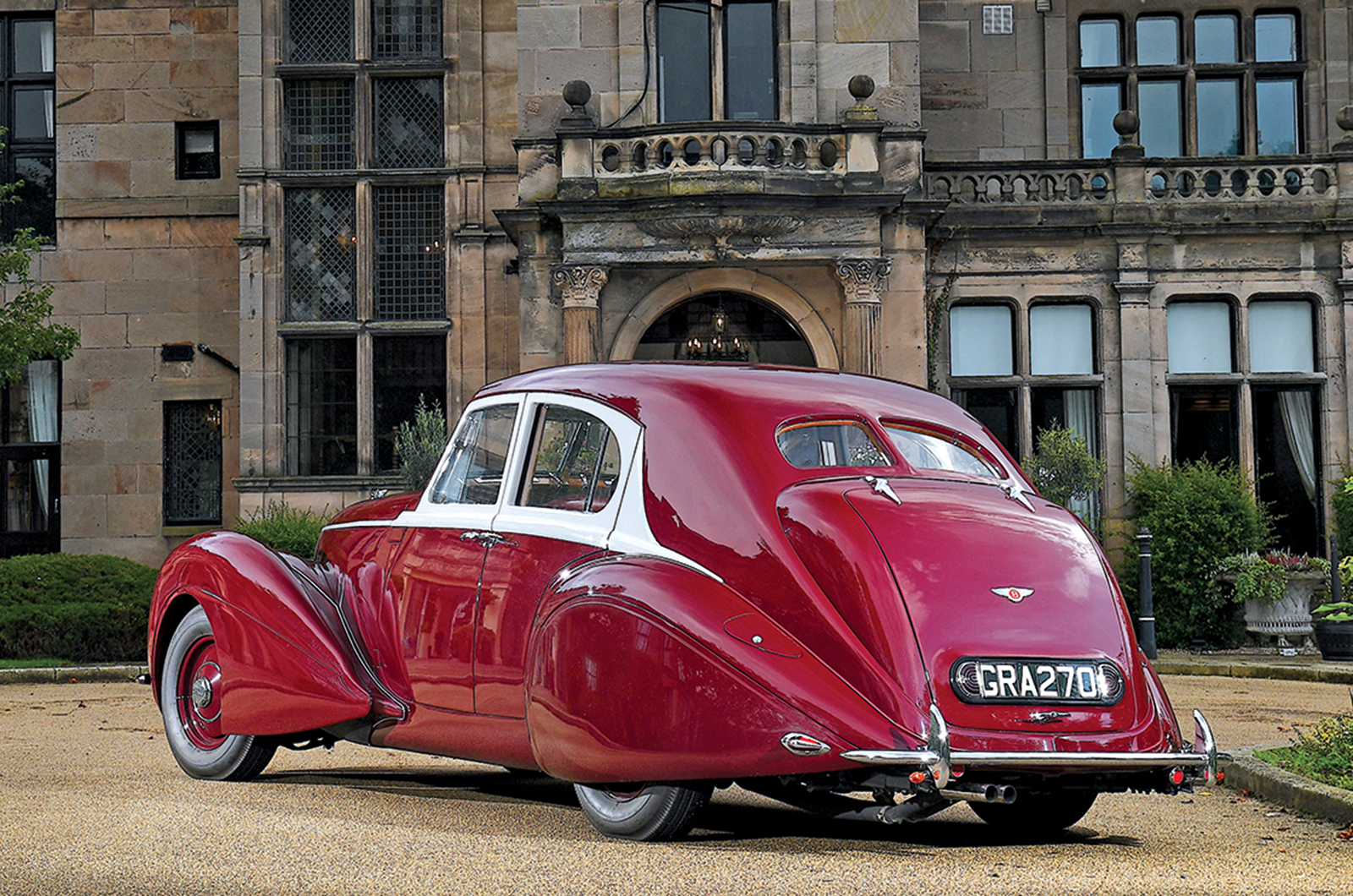
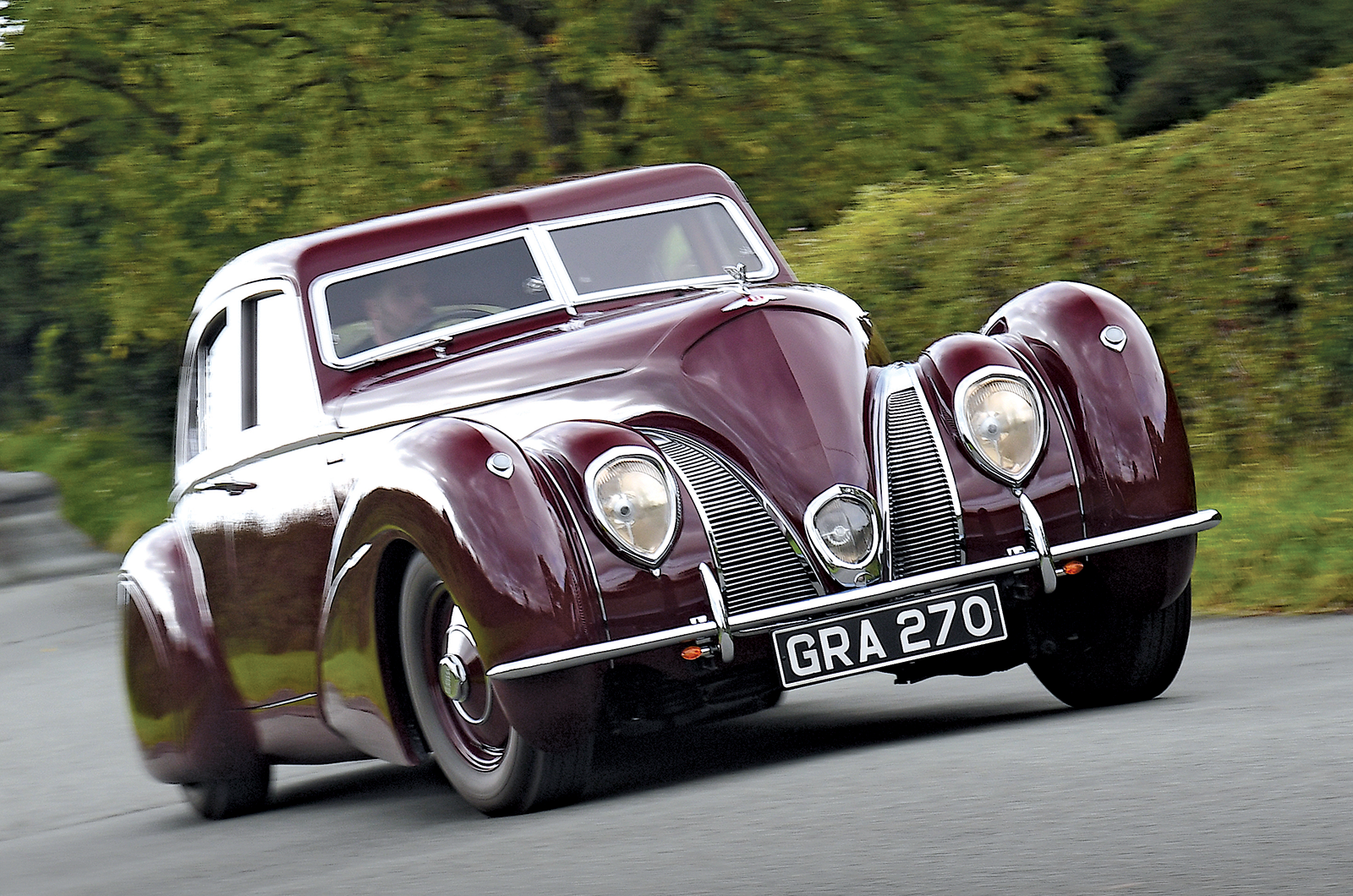
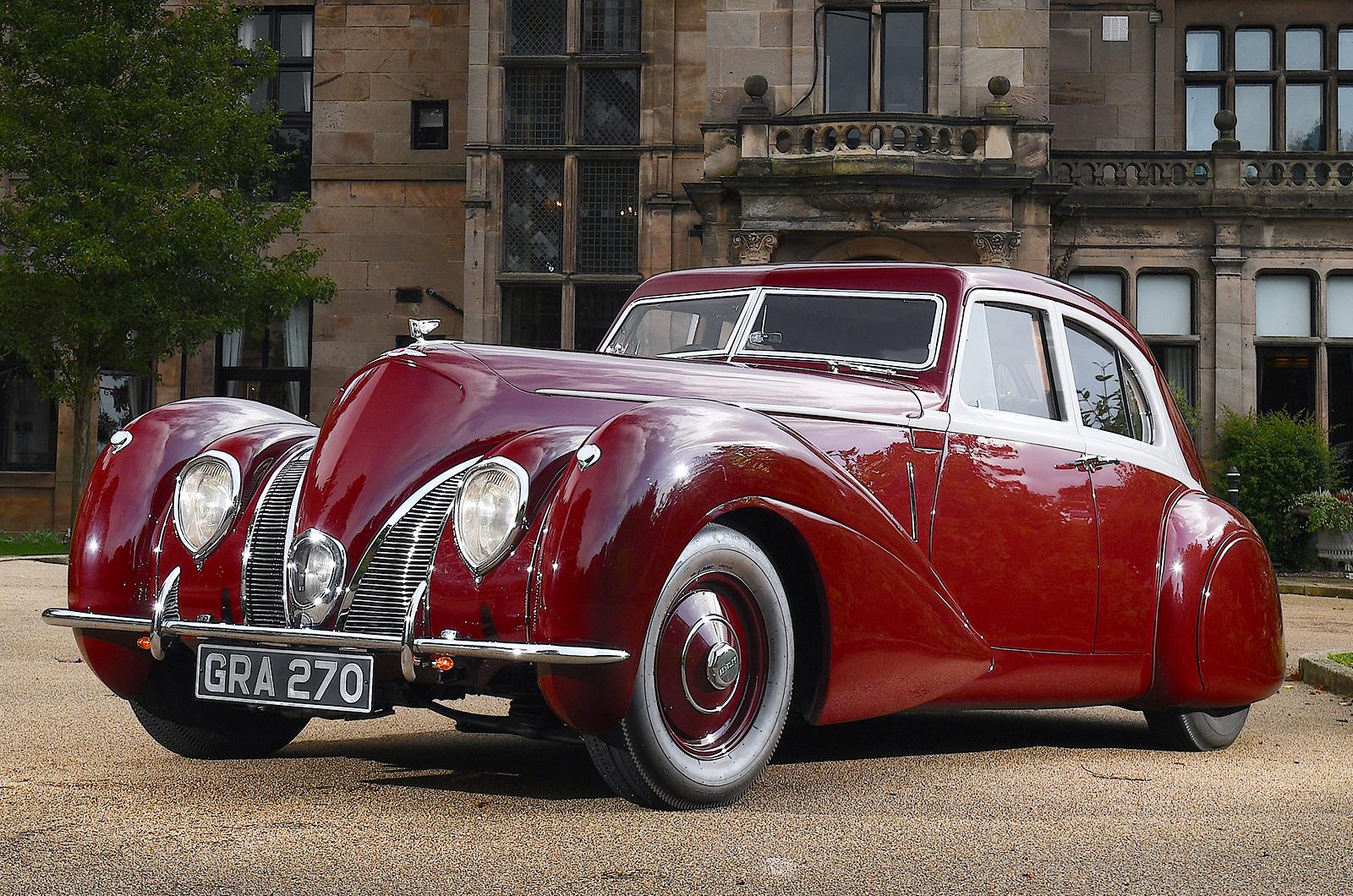
Half the length of the car appears to be taken up by its hood, the size accentuated by the long, tapering front fenders.
There are no running boards and, true to Vanvooren’s reputation, the back doors are rear-hinged for an open-plan, pillarless effect.
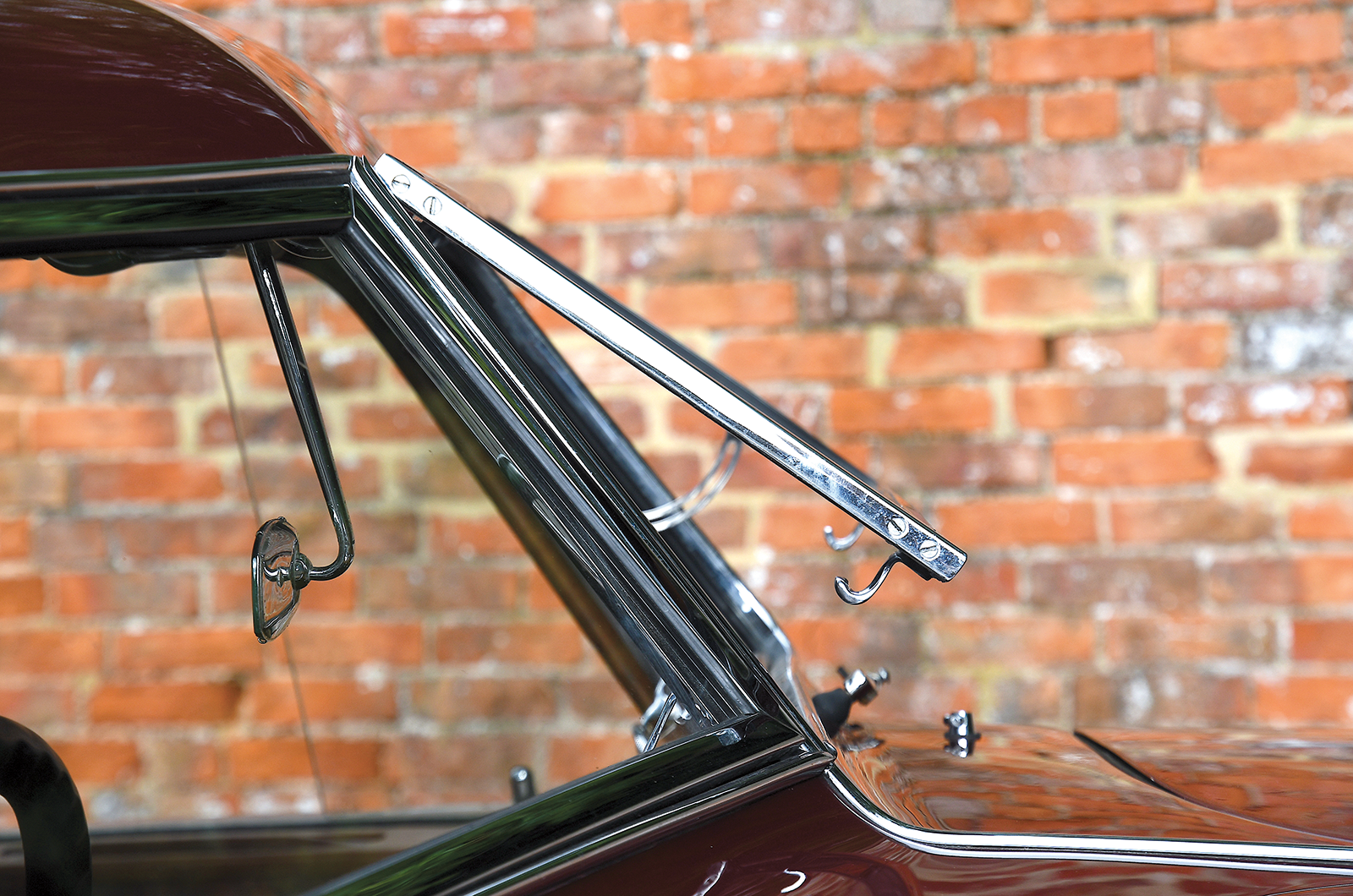
The twin windshields are narrow – for a beetle-browed impression inside – and top-hinged for ventilation, with a touch of the Cord 810 about them.
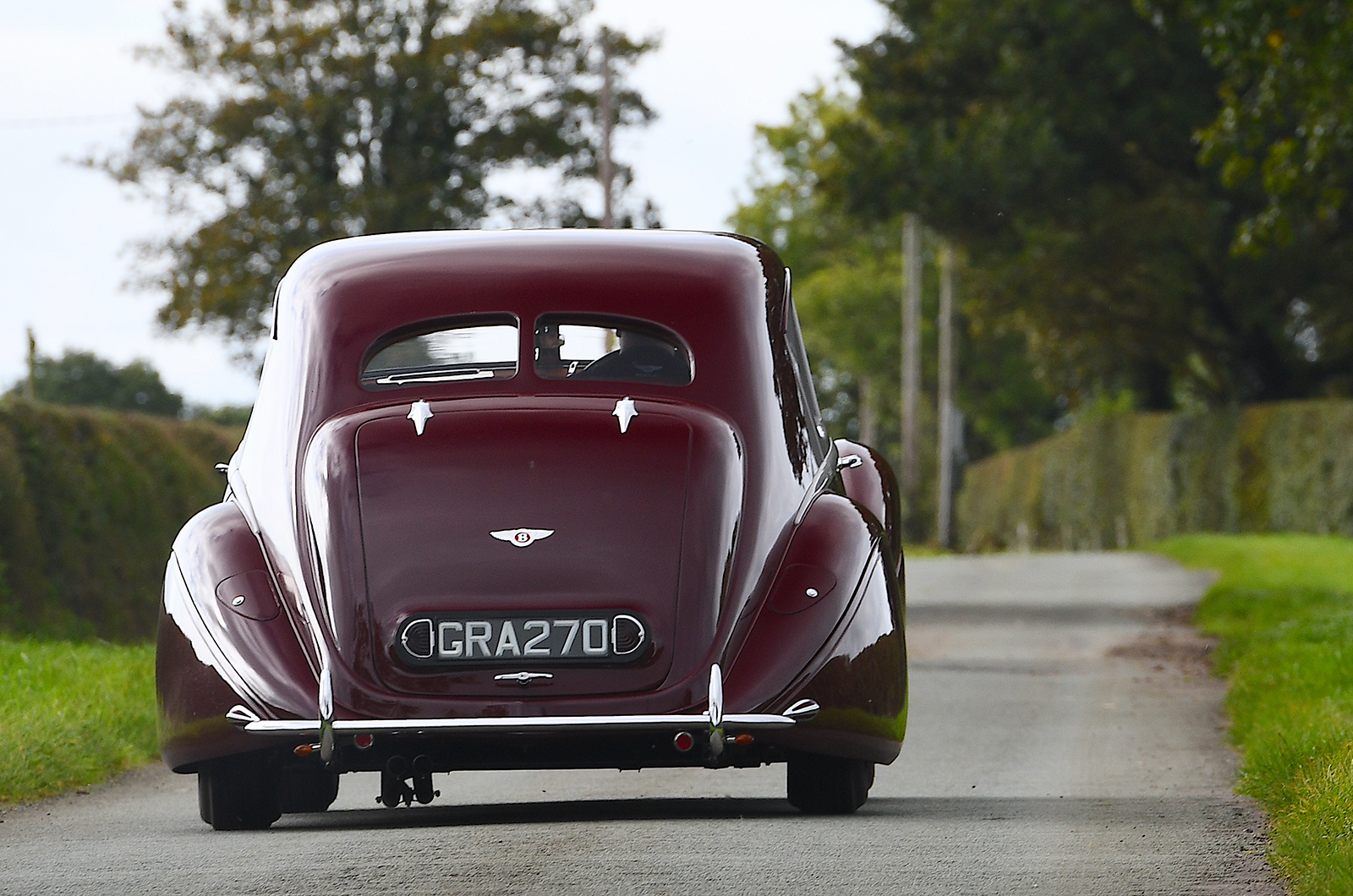
The tiny twin rear windows have their own sprung blind, operated by the driver.
There are twin fuel fillers in the rear mudguards for the 16-gallon gasoline tank and small, teardrop-shaped chromed turn-signal pods mounted low in the fenders.
The original Bentley MkV Corniche prototype was good for 111mph at Brooklands
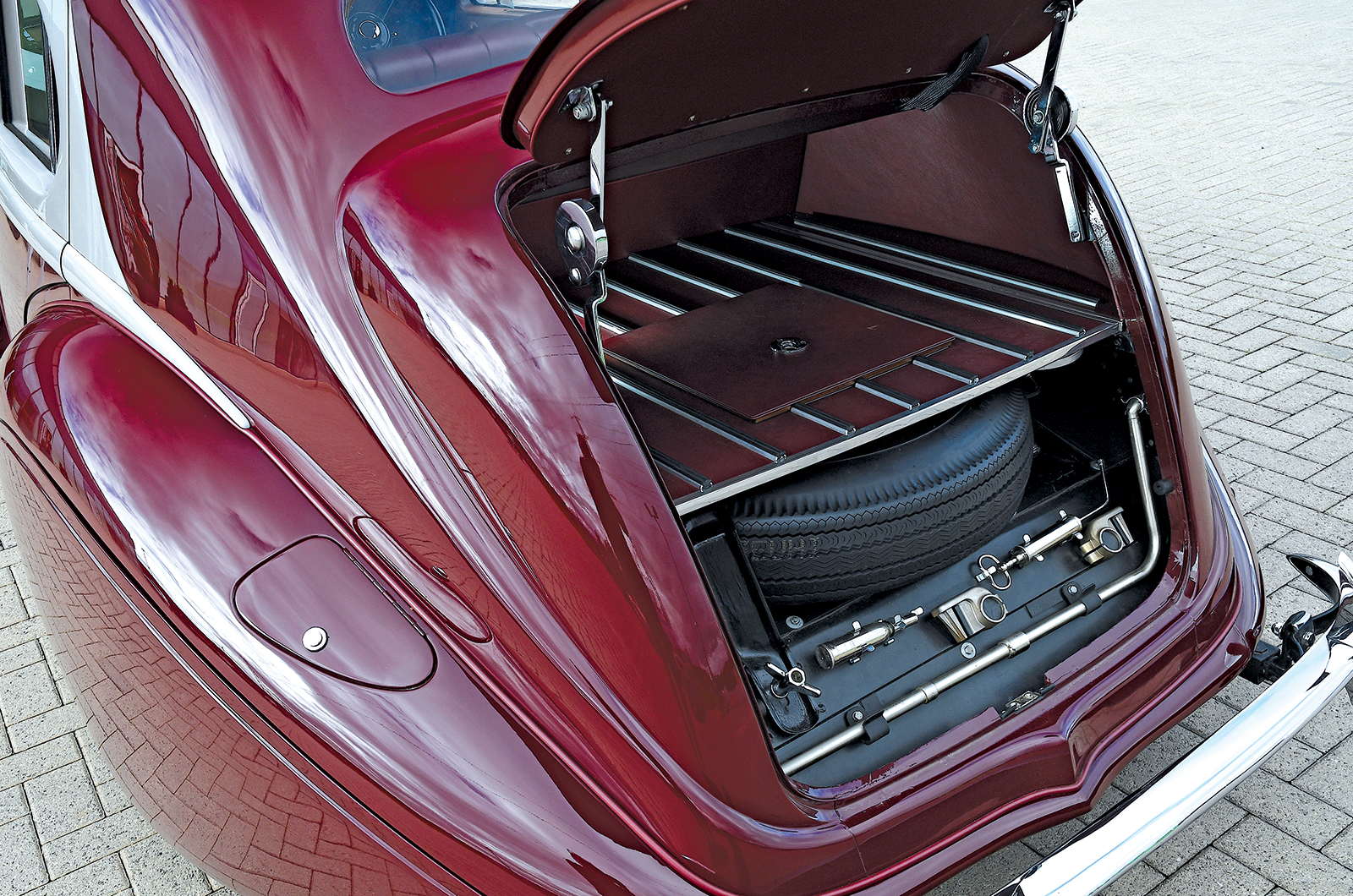
The externally hinged trunklid opens upwards on elaborate and self-locking sprung struts, revealing a fairly narrow load area (did Bentley owners, like their Rolls-Royce counterparts, send their luggage ahead by rail?) with a polished wooden floor worthy of a Riva speedboat.
Highlights include a beautifully presented set of large tools, lovingly recreated by modern-day Bentley apprentices – grease gun, wheelbrace and so on – as well as a smaller set of ‘touring’ spares in the floor of the trunk.
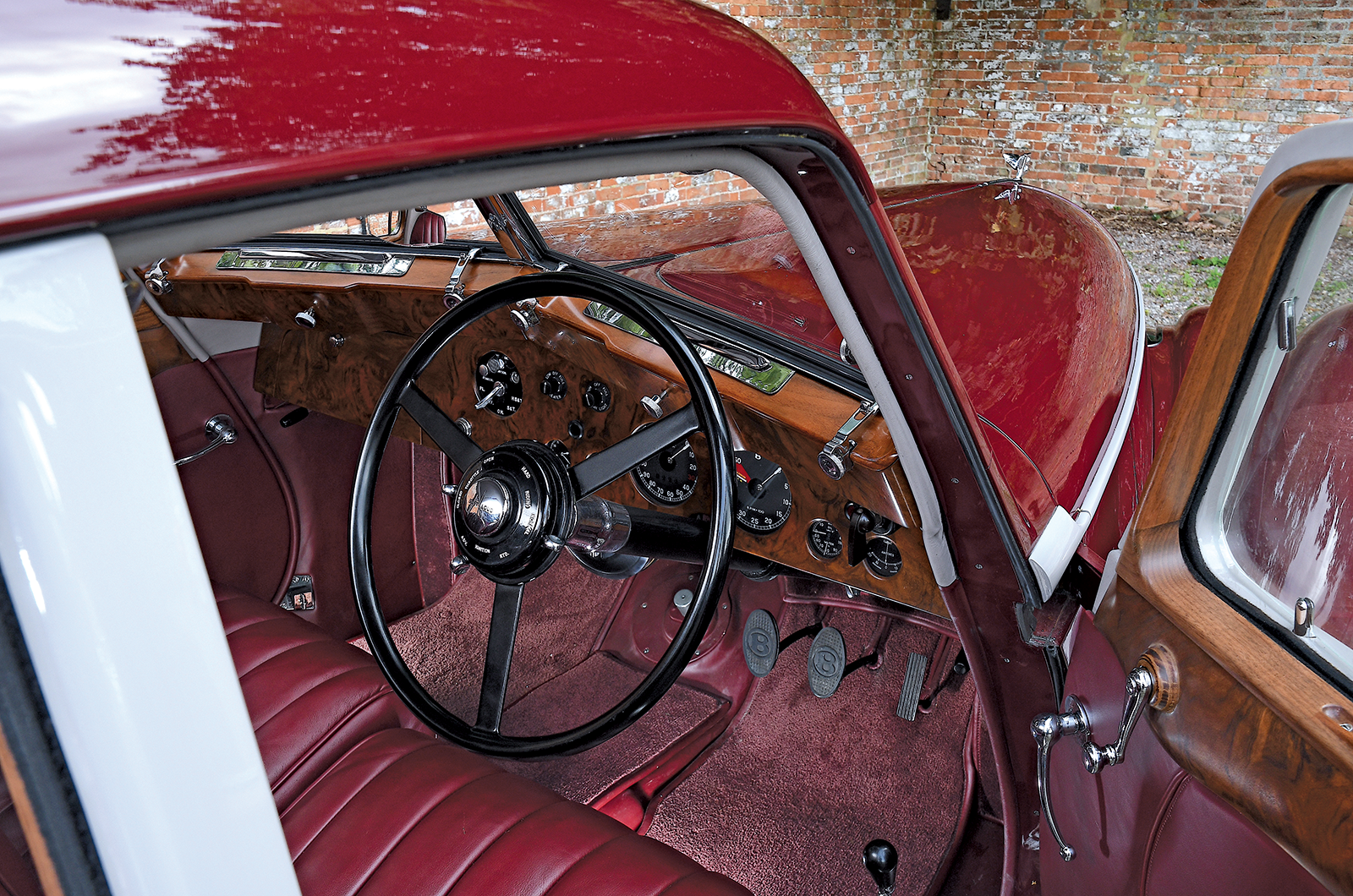
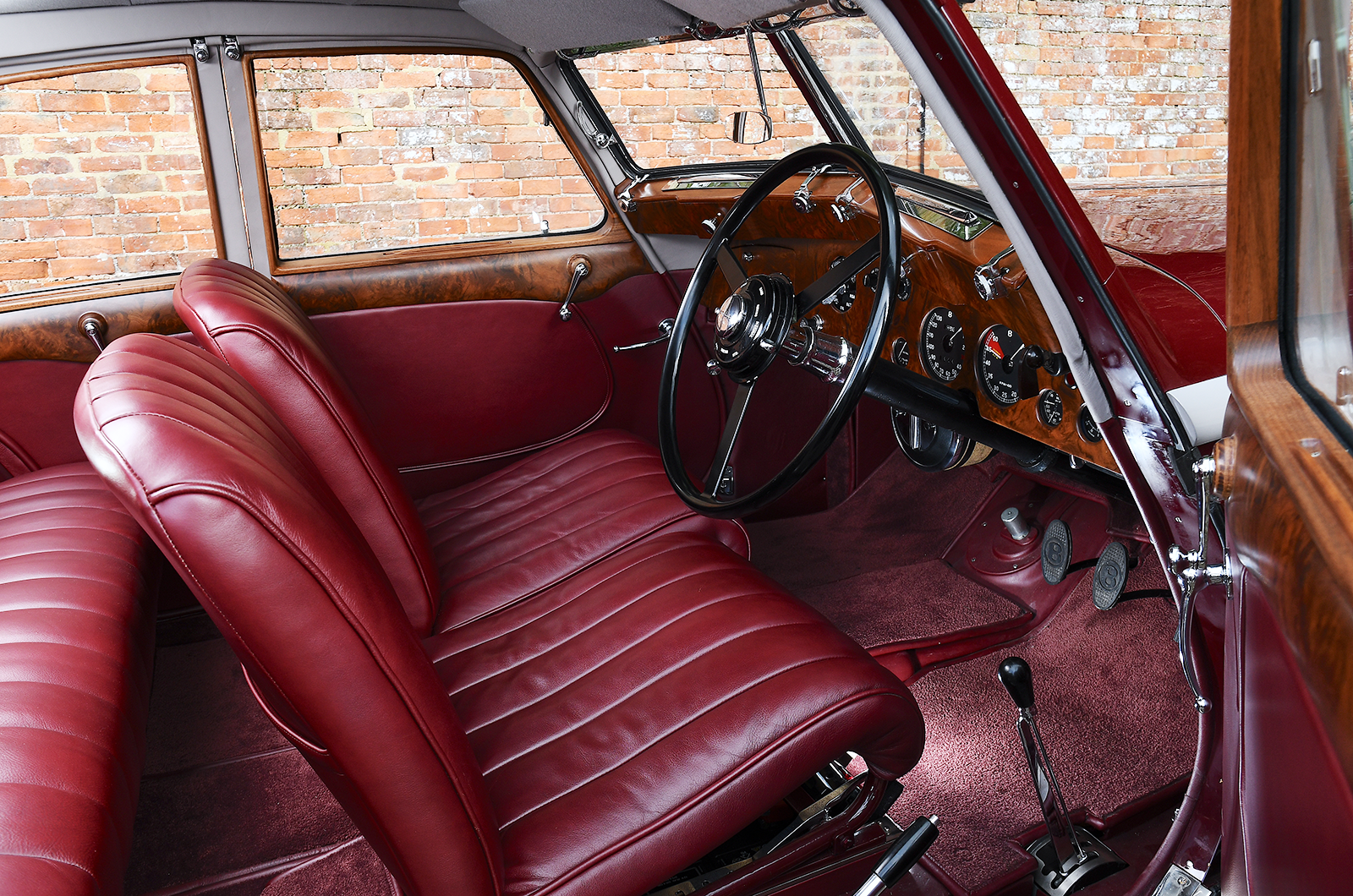
You sit on Connolly Vaumol leather with a solid slab of walnut ahead that is repeated on the cant rails of the doors.
The Bentley’s split windshield is top-hinged for ventilation
Chrome door furniture, West of England cloth and maroon Wilton carpets are the dominant materials.
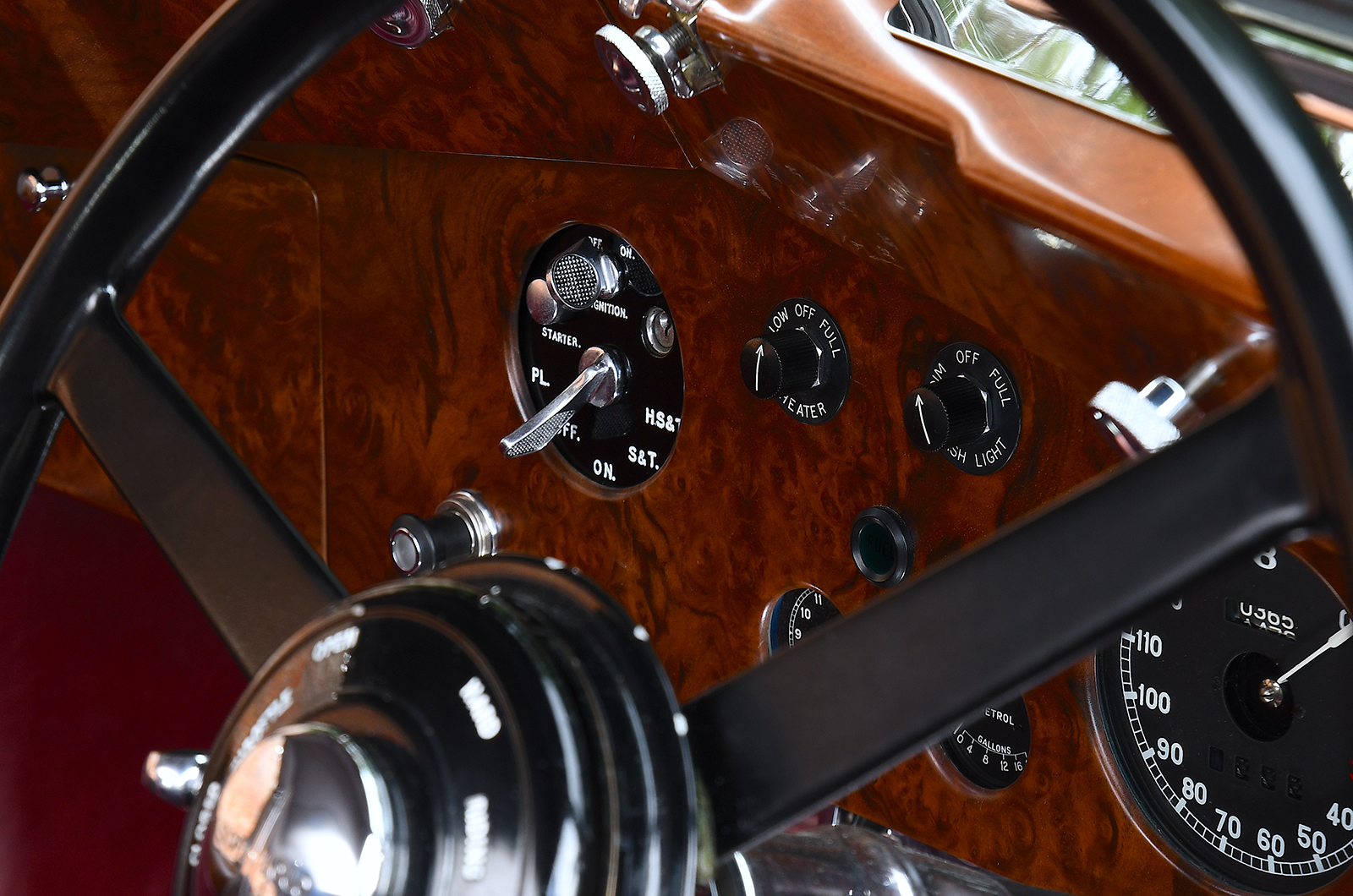
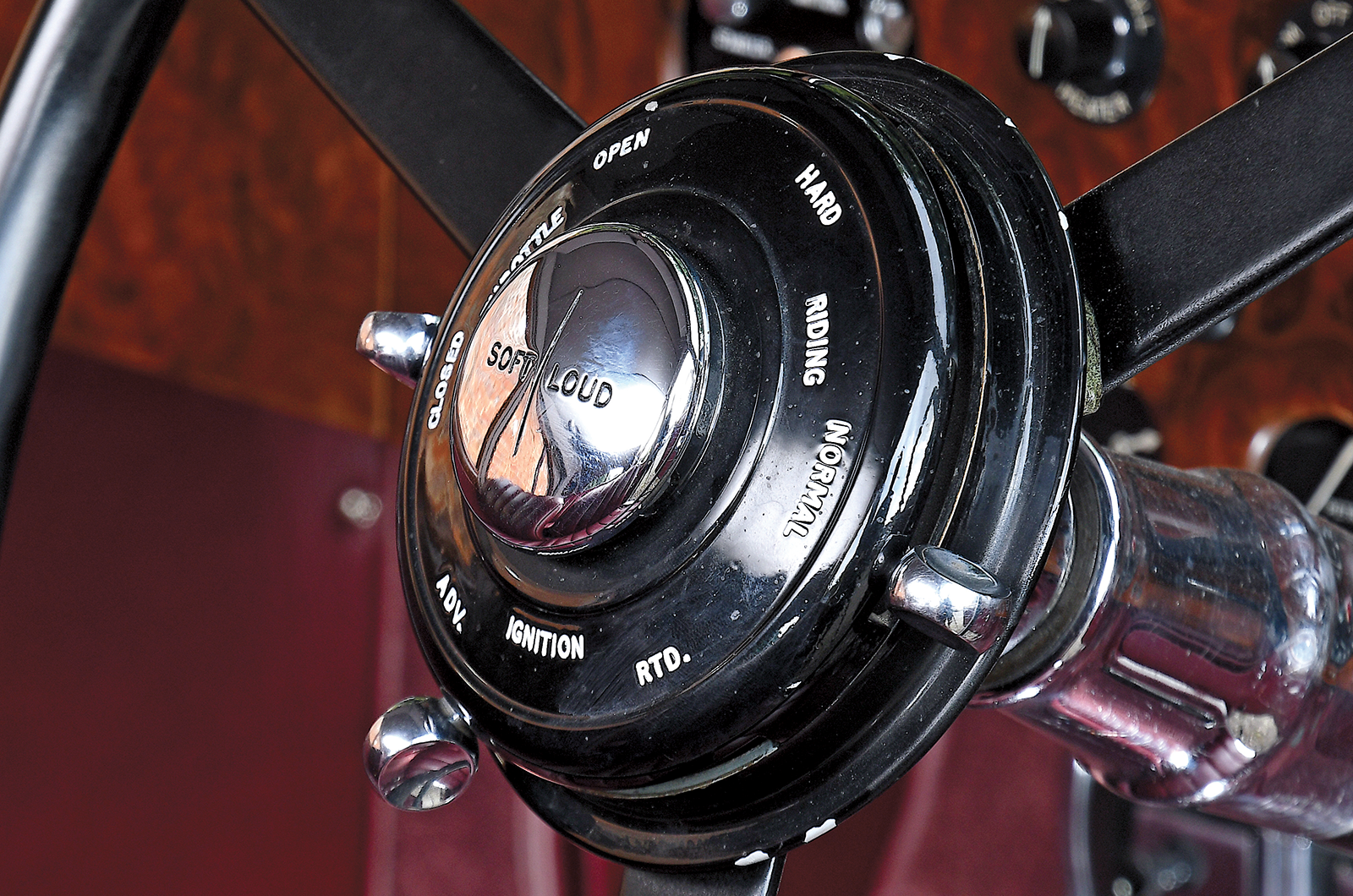
There is the usual Rolls-Royce-type switch-box for the ignition and lights, with mixture and advance/retard settings on the boss of the big steering wheel.
A Smiths heater sits under the dashboard – venting to chrome outlets to clear the windshields – while the minuscule dimensions of the rear-view mirror are immaterial because you can’t see much out of the windows anyway.
The 130mph speedometer and 5000rpm rev counter hint at the potential of this near-90-year-old car, which starts readily and ticks over slowly and sweetly, having had a thorough sorting by P&A Wood after its Salon Privé debut in 2019.
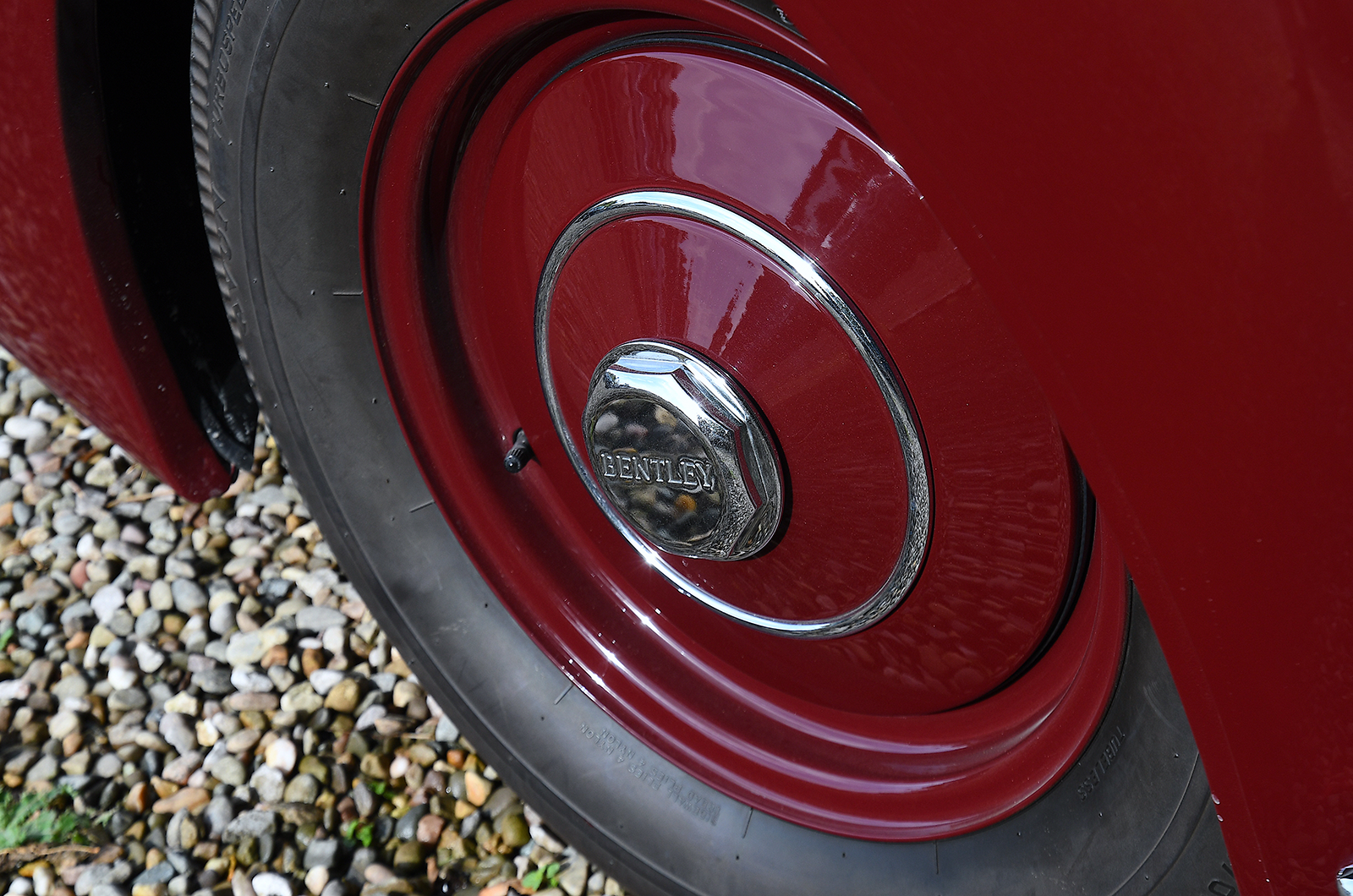
The Bentley MkV Corniche has body-colored disc wheels
Mike Sayer, the custodian of Bentley’s Heritage Collection, has a rule that all of the cars in this set should be usable – and the Corniche really is.
For Adrian Hallmark, the Corniche is his favorite drive of the entire old-car fleet. And I can see why.
With its smooth, light controls there is nothing intimidating about it, other than the sense that you are driving a one-of-one. Which, of course, you are.
The massive steering wheel, to which you sit quite close and shuffle between locks with a feeding technique, feels of another age.
But its action is smooth, and you know exactly what the front wheels are doing and are likely to do.
The discovery of a lightweight Bentley MkV chassis, engine and drivetrain formed the basis for this special recreation
First gear, in the buttery right-handed shift, is really for hill starts: the big sedan slithers smoothly but energetically away in second on just a whiff of throttle.
Torque is bountiful, and for 90% of the time you only really need third and top ratios, taking the load off the synchro rings with the occasional double-declutched downshift.
The revs pick up keenly, and you sense that the Corniche is relatively light as it whispers forward with surprising alacrity, and a remarkable lack of creaks and rattles from this freshly built body.
There is a hint of throatiness from the exhausts, but the theme of this automobile is speed without effort or fuss.
Despite the Bentley MkV Corniche’s size, it’s not intimidating to drive
The aim is the minimum of fatigue for both driver and passengers, not only in the way the Corniche slips through the air, but also in the unruffled manner with which it can negotiate bumpy roads, carry its speed through corners, and pull up straight, strong and true when required with its gearbox-driven servo brakes.
You could not reasonably expect better anchors on a pre-war car.
The Corniche would establish the standards of refinement and behavior that Crewe production cars maintained throughout the 1950s, but it did so with an emphasis on performance that was the inspiration for the Bentley R-type Continental.
‘More arresting than beautiful, the Corniche is a low and hunched statement of late ’30s streamlining theory’
Far from trying to forget the Corniche adventure, the loss of the car was always keenly felt – and its story proudly recounted – by the teams at Derby and Crewe.
Nazi bombs destroyed the bodywork of the one and only completed example in 1939, but it would take a German company (in the form of VW, which now owns the British marque) to get this amazing recreation finished in time for Bentley’s 2019 centenary.
A lovely footnote to all of the above is the recent discovery, by a process of elimination, that the chassis is not merely one of the four lightweights, but the actual one used by the ’39 Corniche.
It was only in proving this fact that Bentley Motors was able to persuade the DVLA to issue the Corniche with its original license plate.
Images: John Bradshaw
We hope you enjoyed reading. Please click the ‘Follow’ button for more super stories from Classic & Sports Car.
Martin Buckley
Senior Contributor, Classic & Sports Car