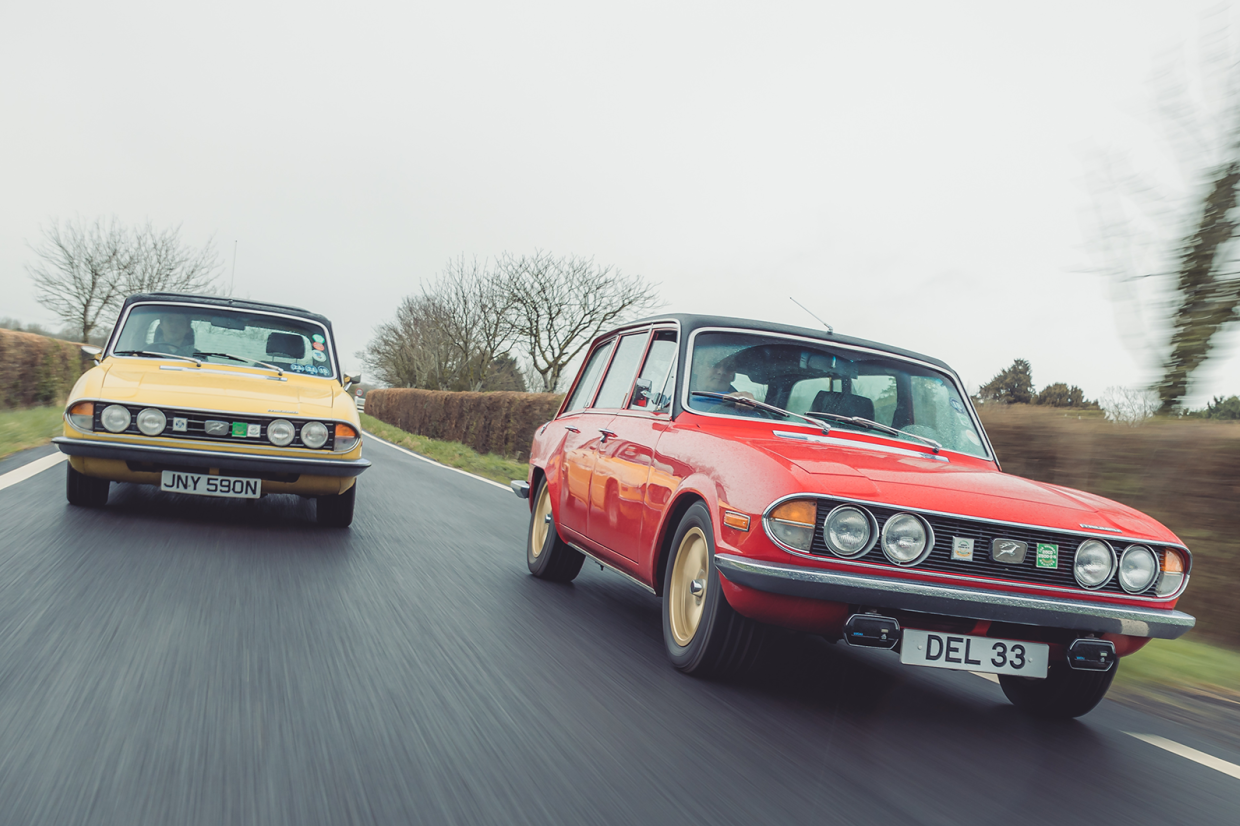
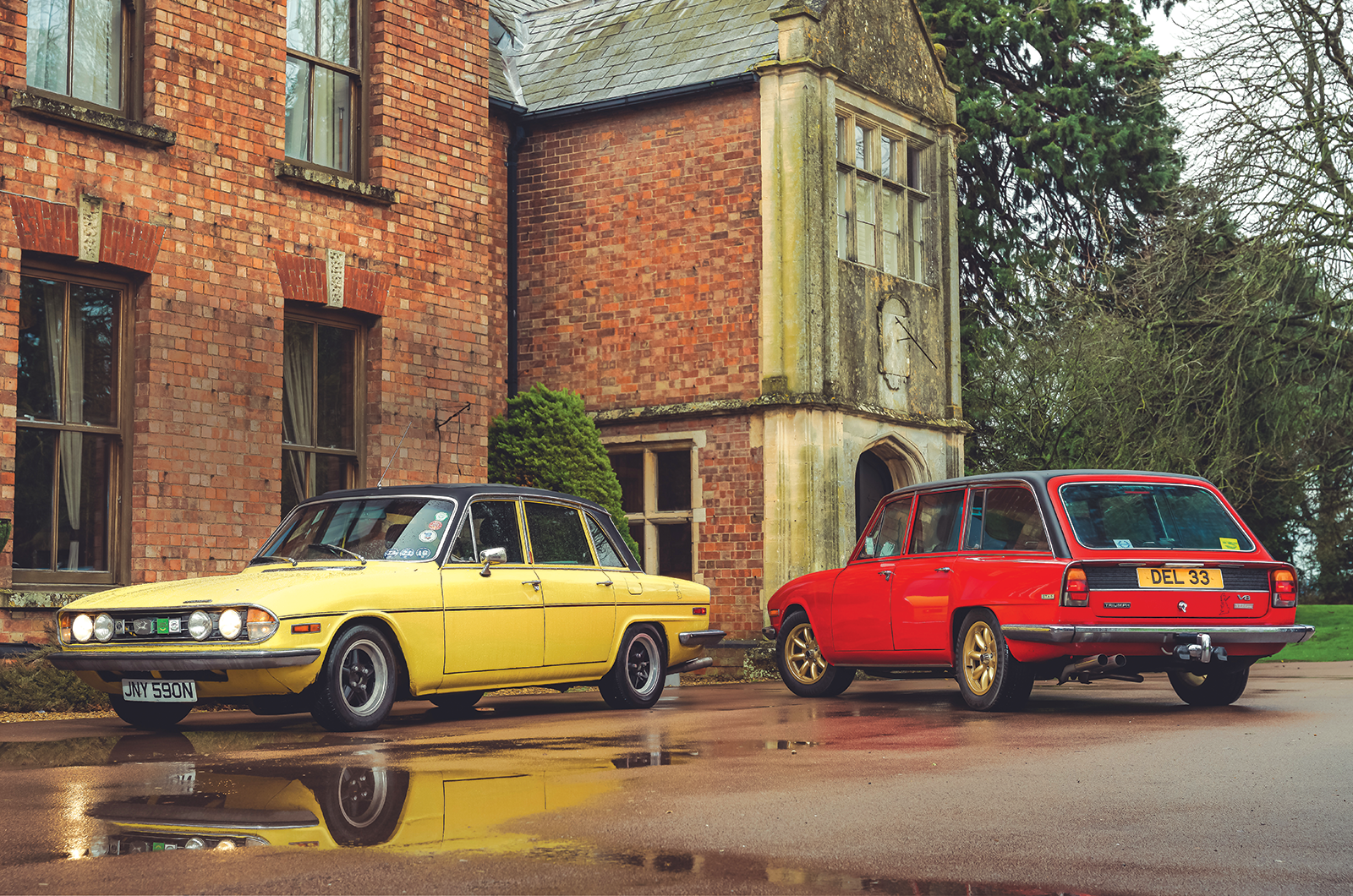
A 2.5 PI is a good starting point, but Lines’ suspension upgrades provide the driver with an extra assuredness and bring out the best from the Triumph’s stellar steering.
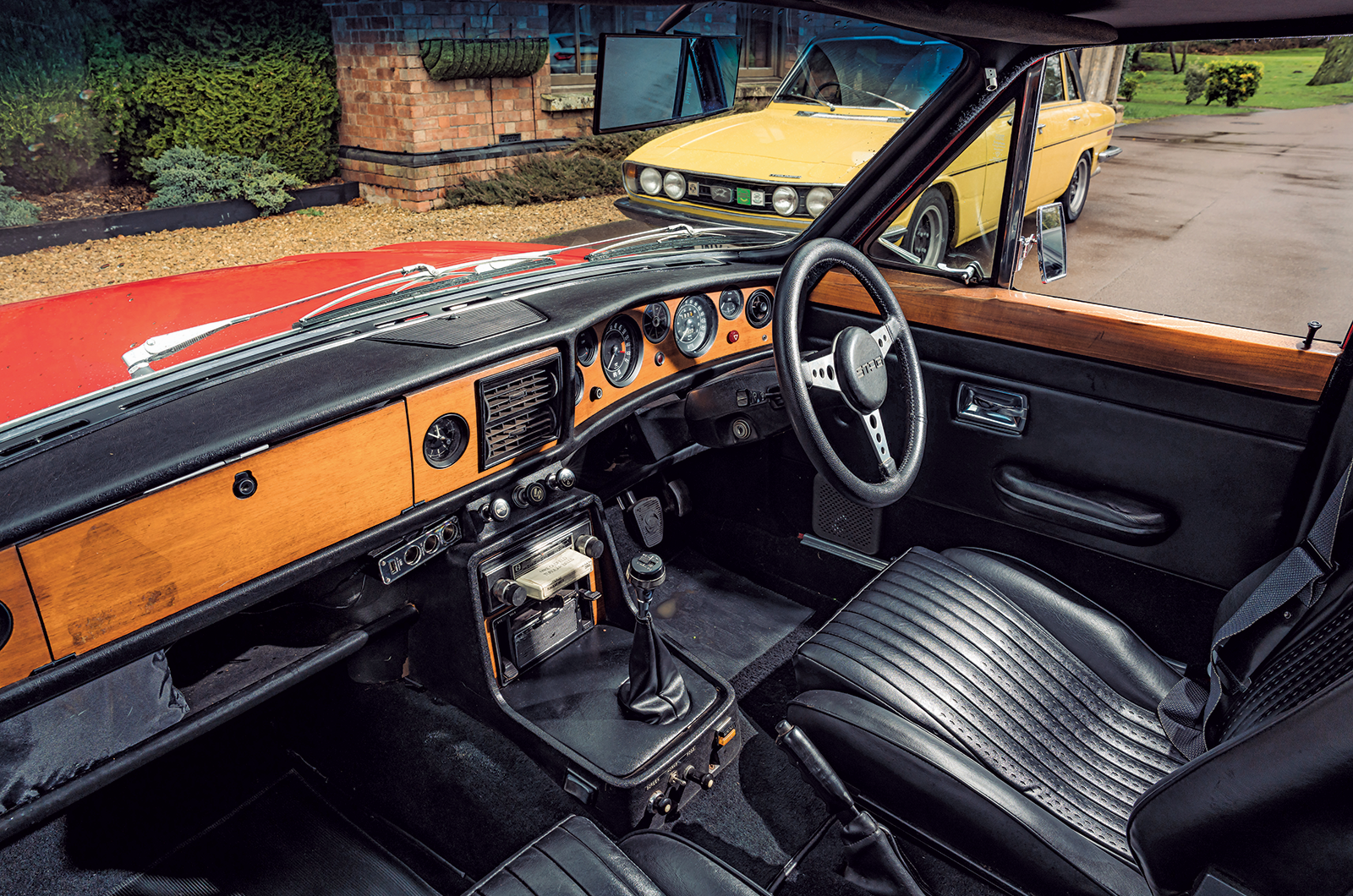
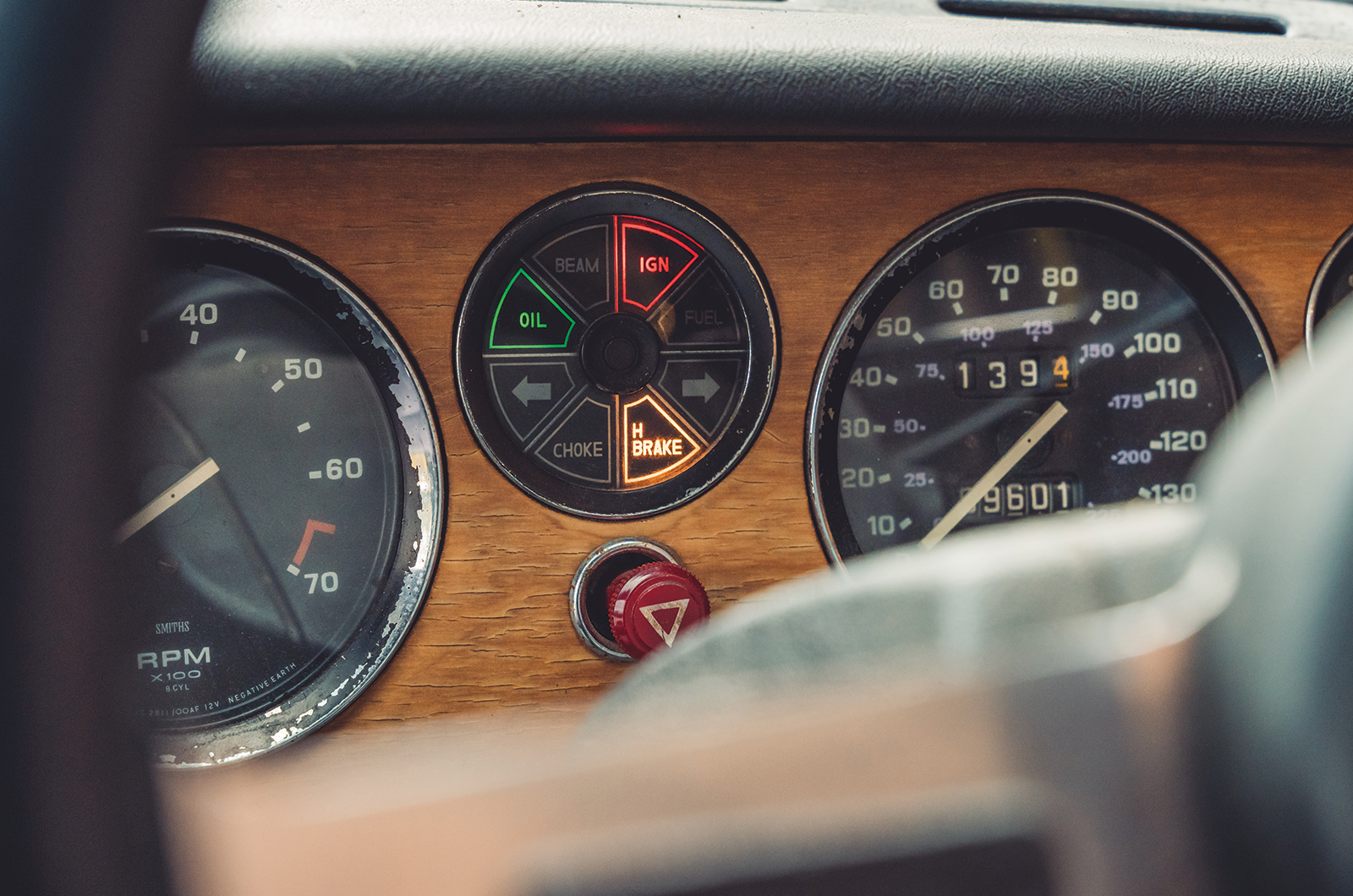
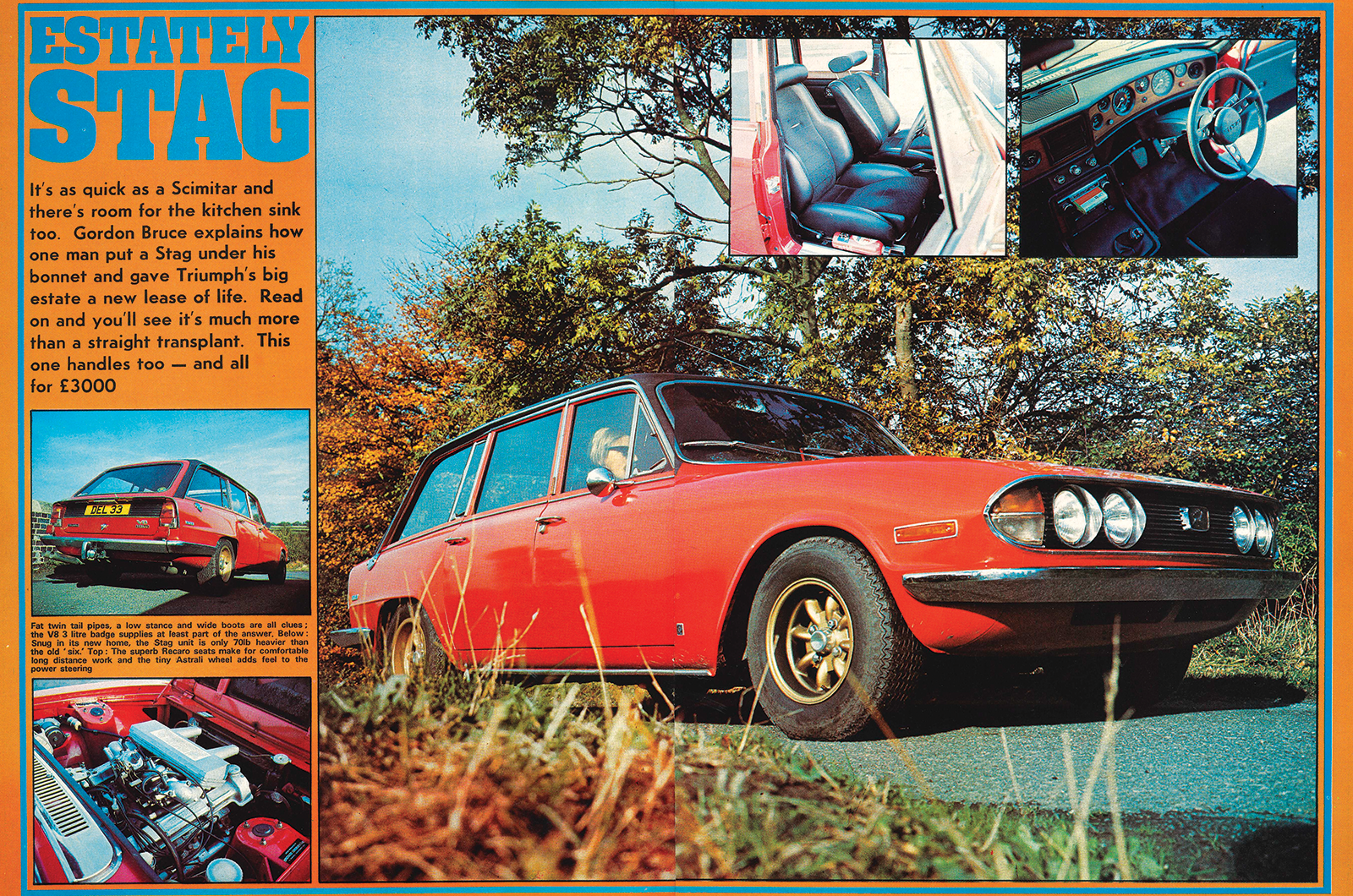
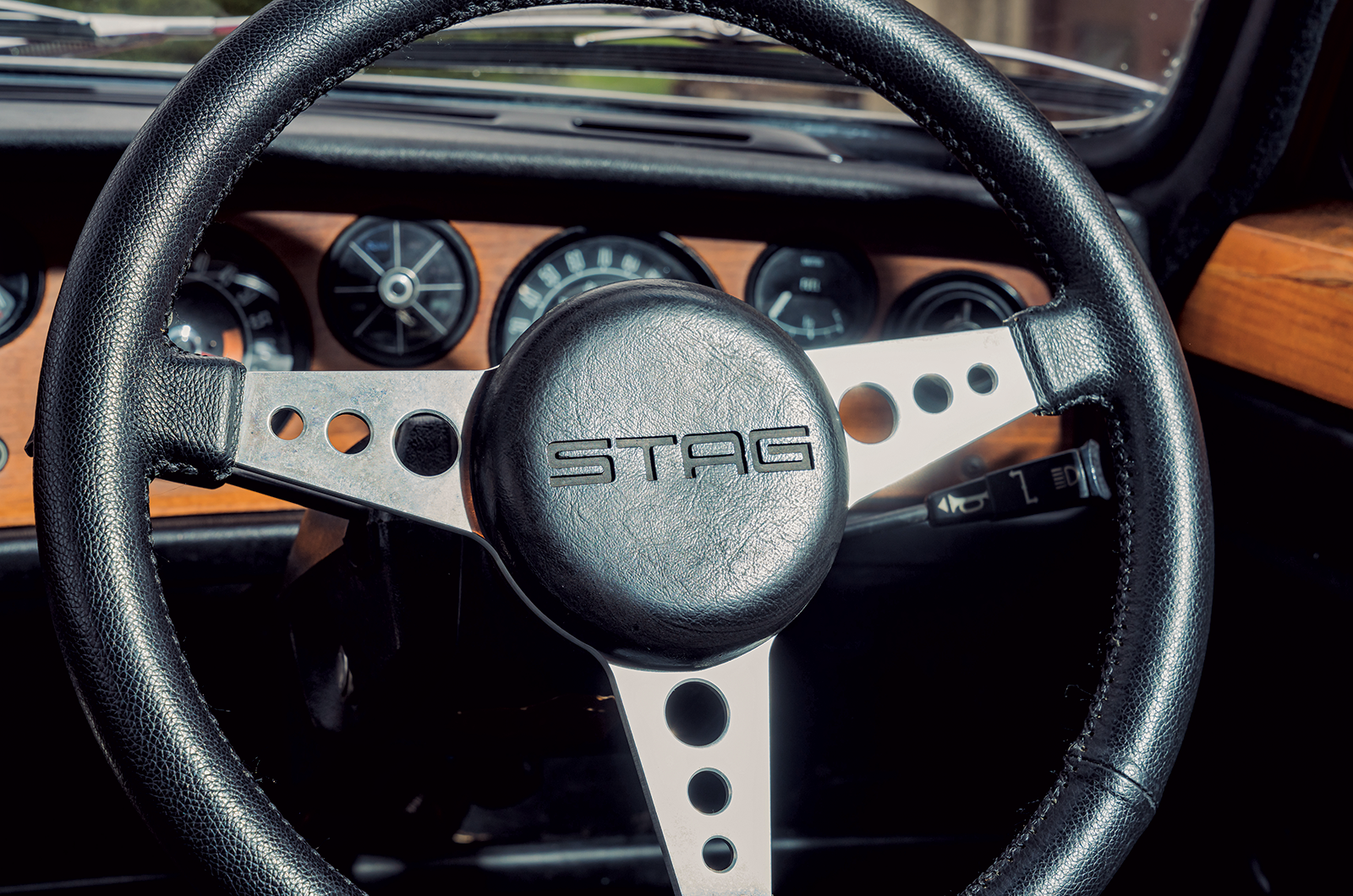
Triumph Stag steering wheel in the modified wagon
The small steering wheel with its well-judged power assistance provides fantastic feedback for the driver, for a car of this size.
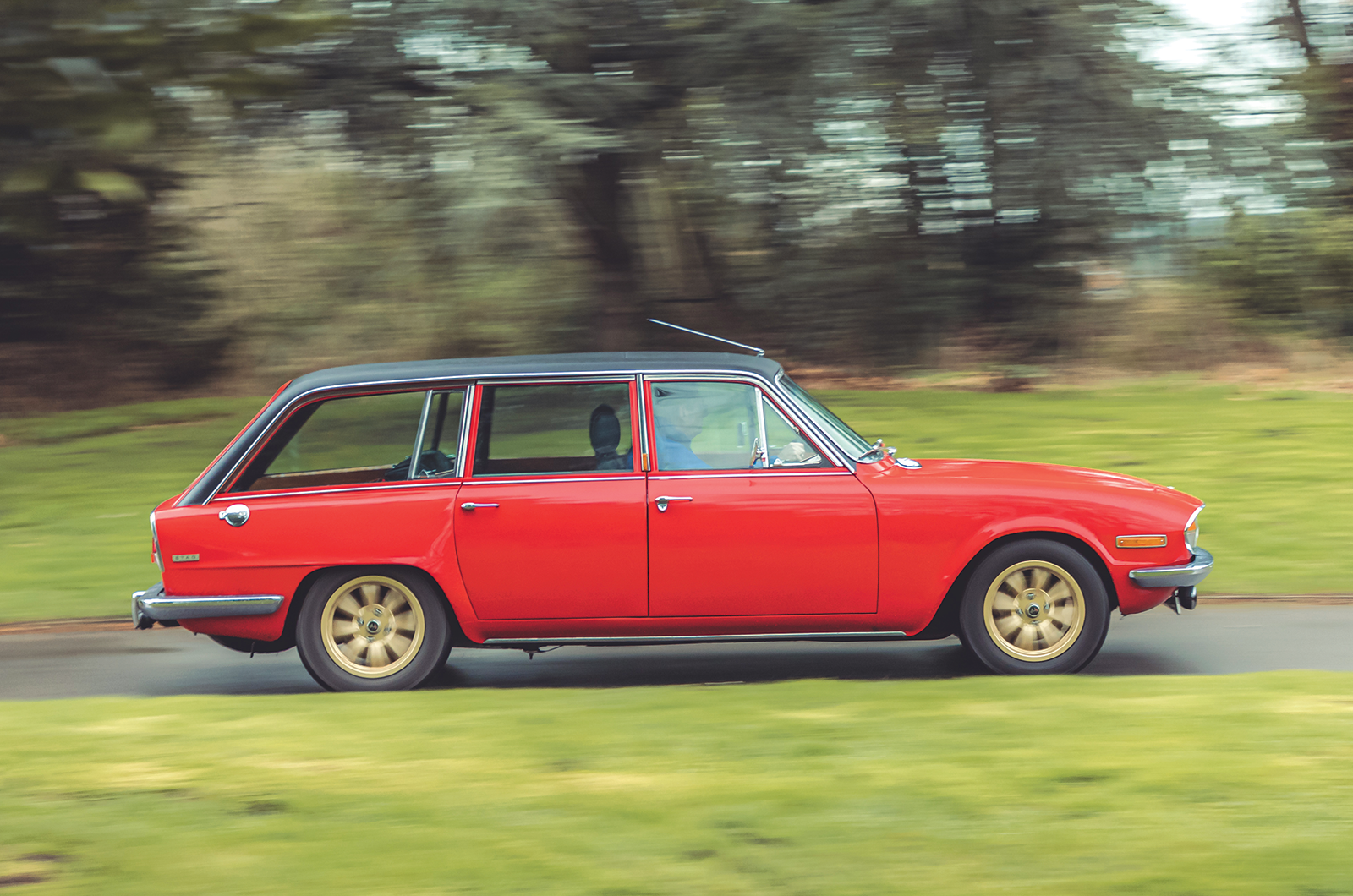
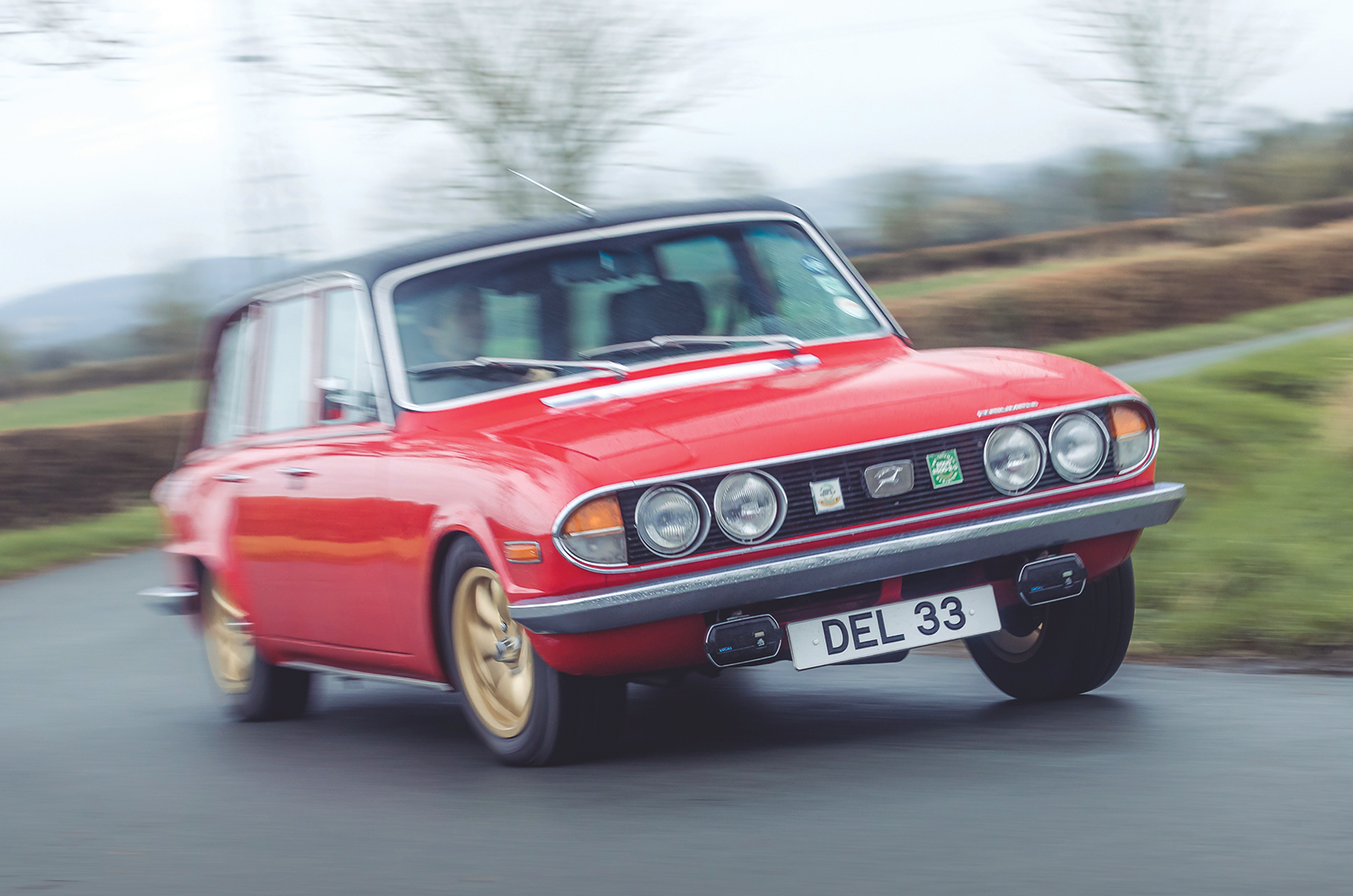
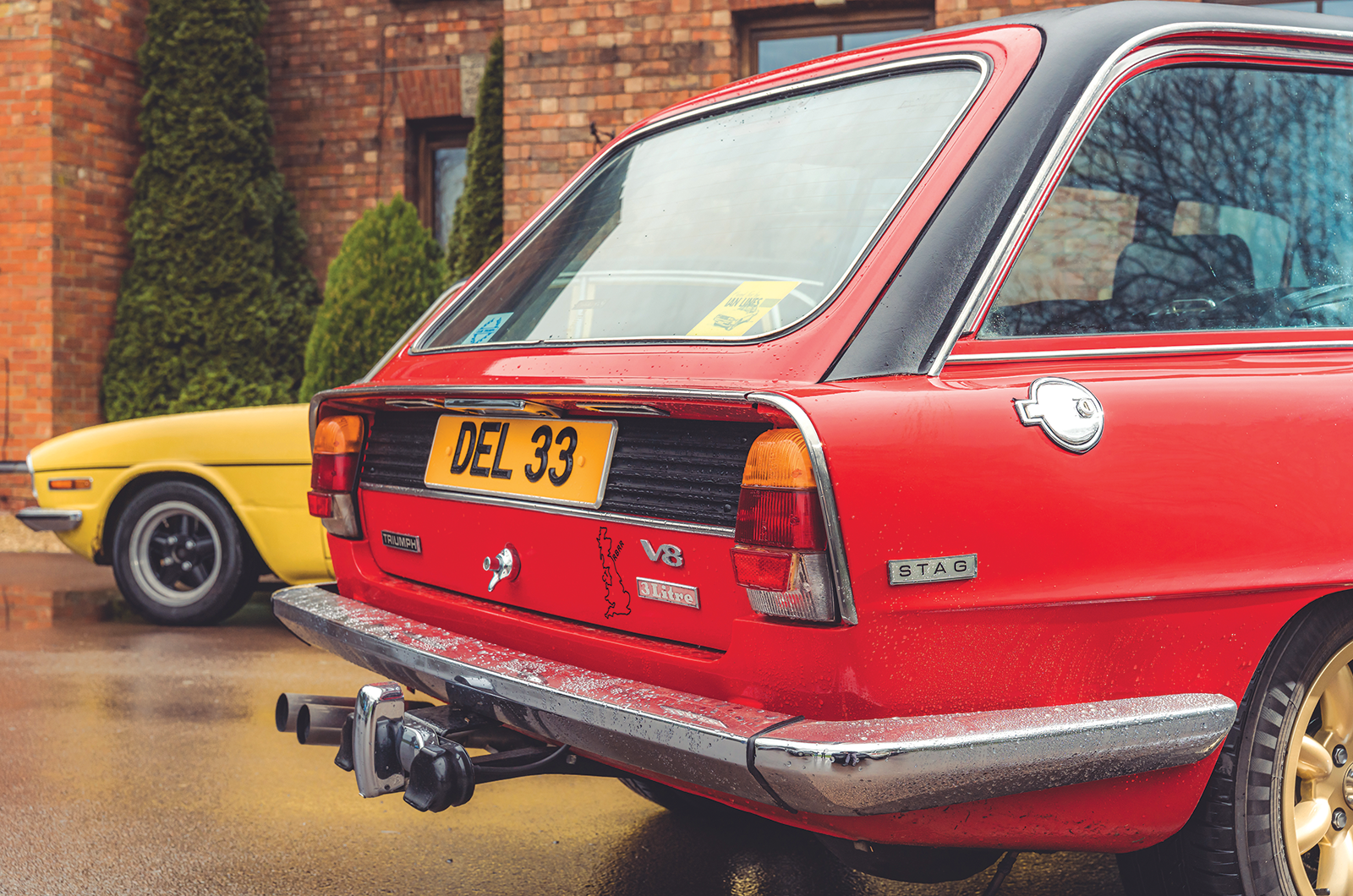
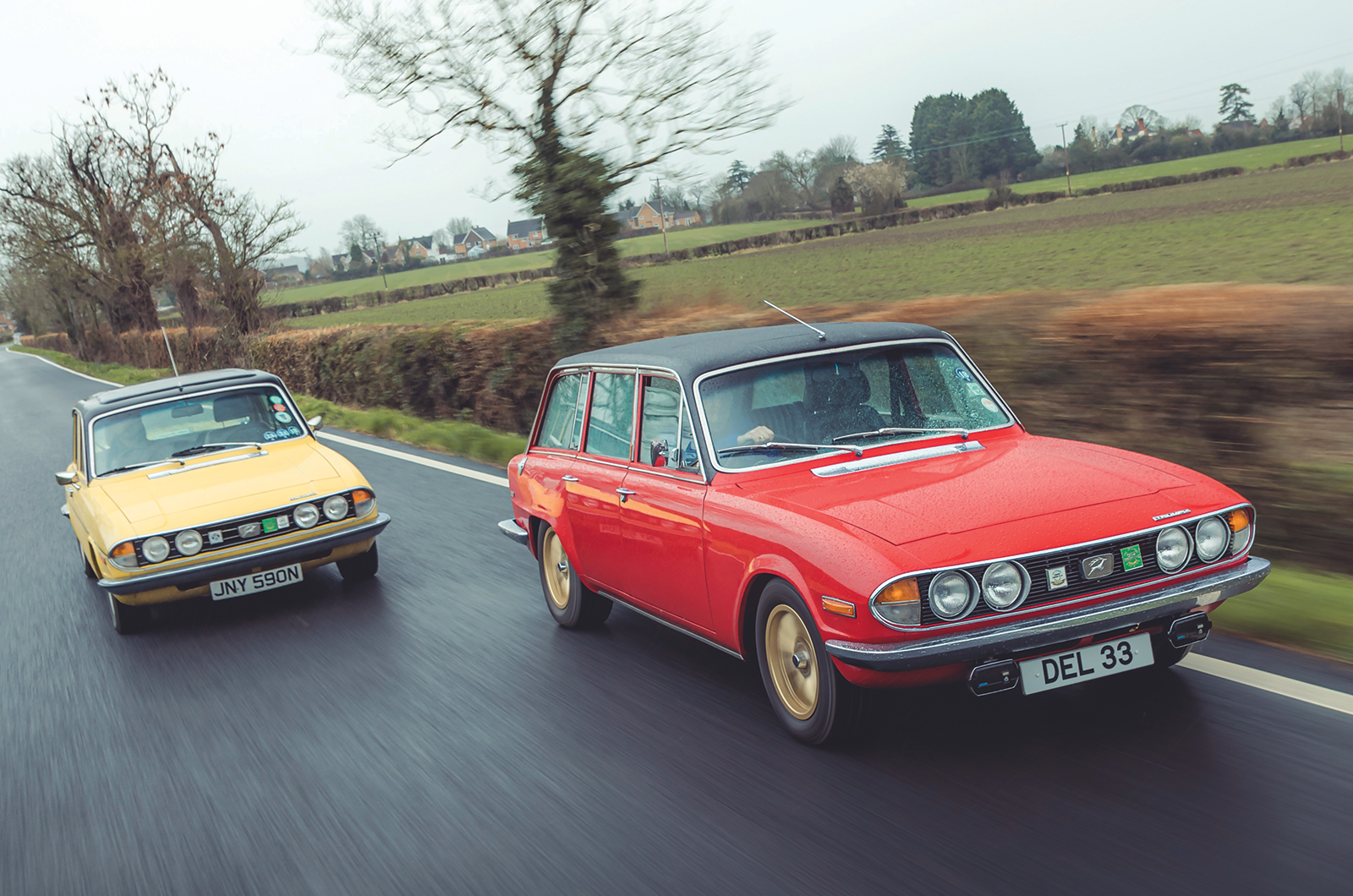
Body roll is a little bit more noticeable in the wagon version, as you might anticipate, but both of these classic Triumphs attack a corner with an enthusiasm that few contemporaries could match.
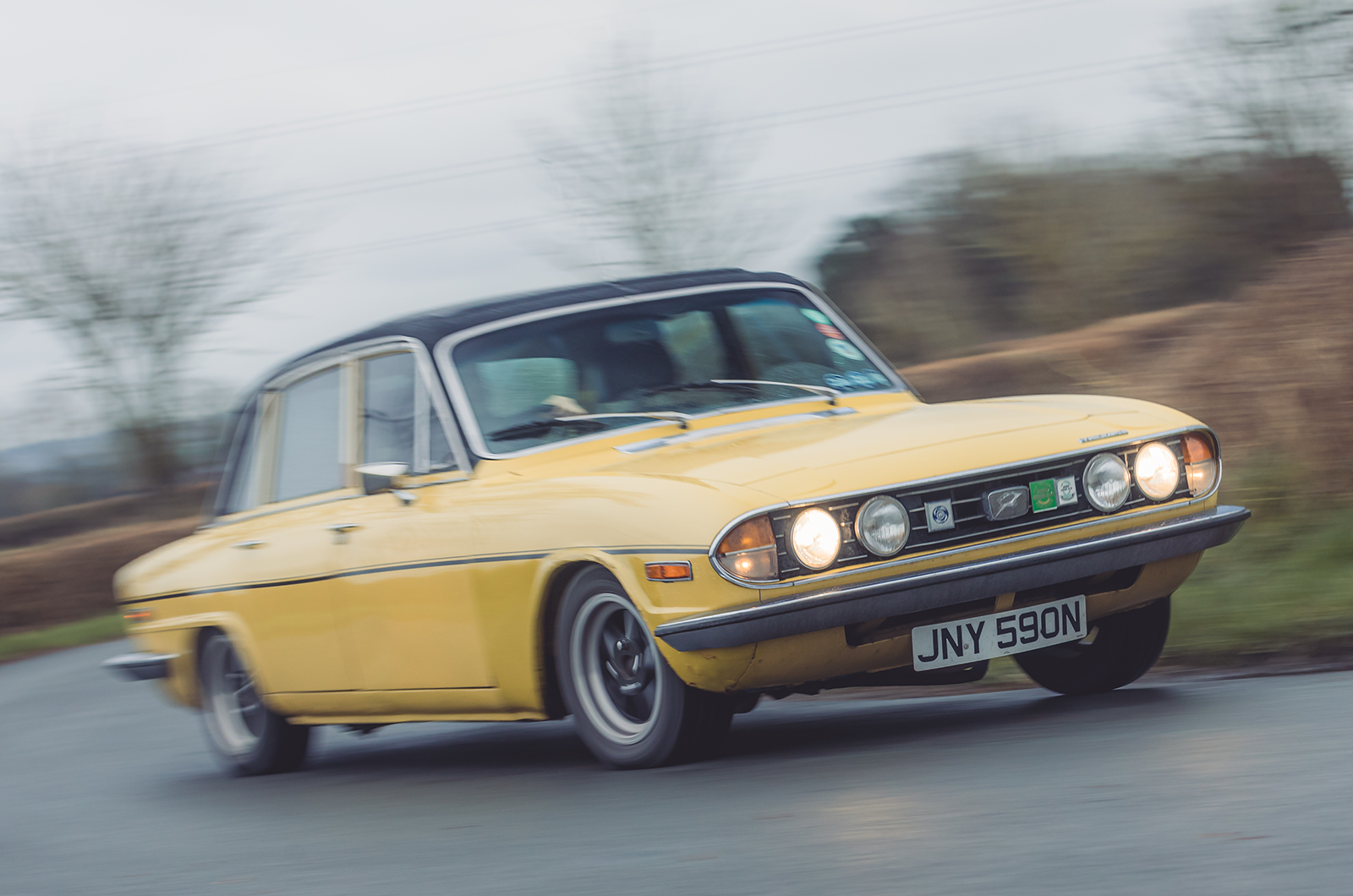
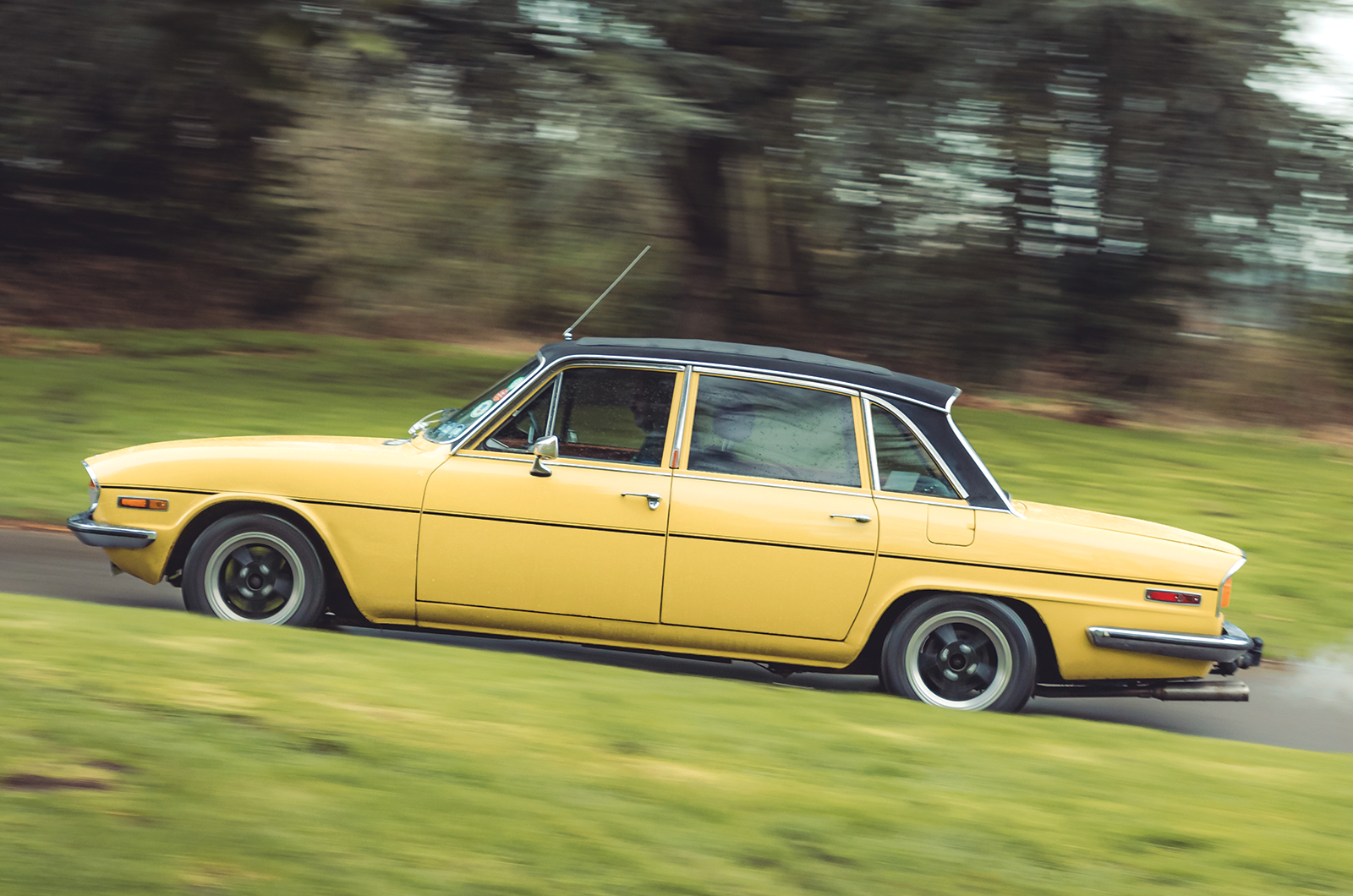
The lower and lighter sedan in particular clings on in bends with real verve and tenacity.
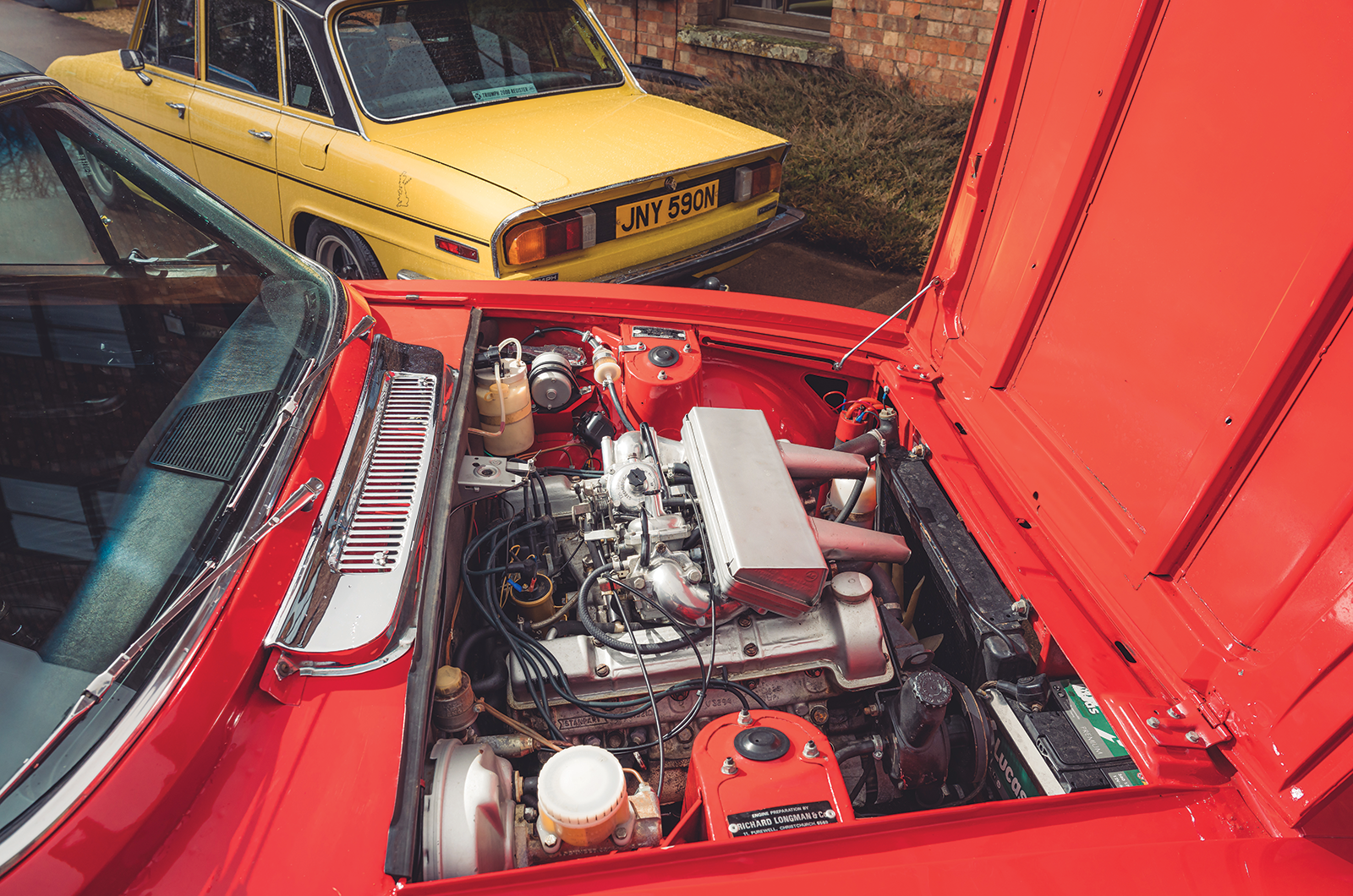
That’s not to say that the V8 motor is wasted here. Not at all. The Stag unit’s flexibility combines with the grippy handling to provide an easy fluidity that the 2.5 PI can’t quite match.
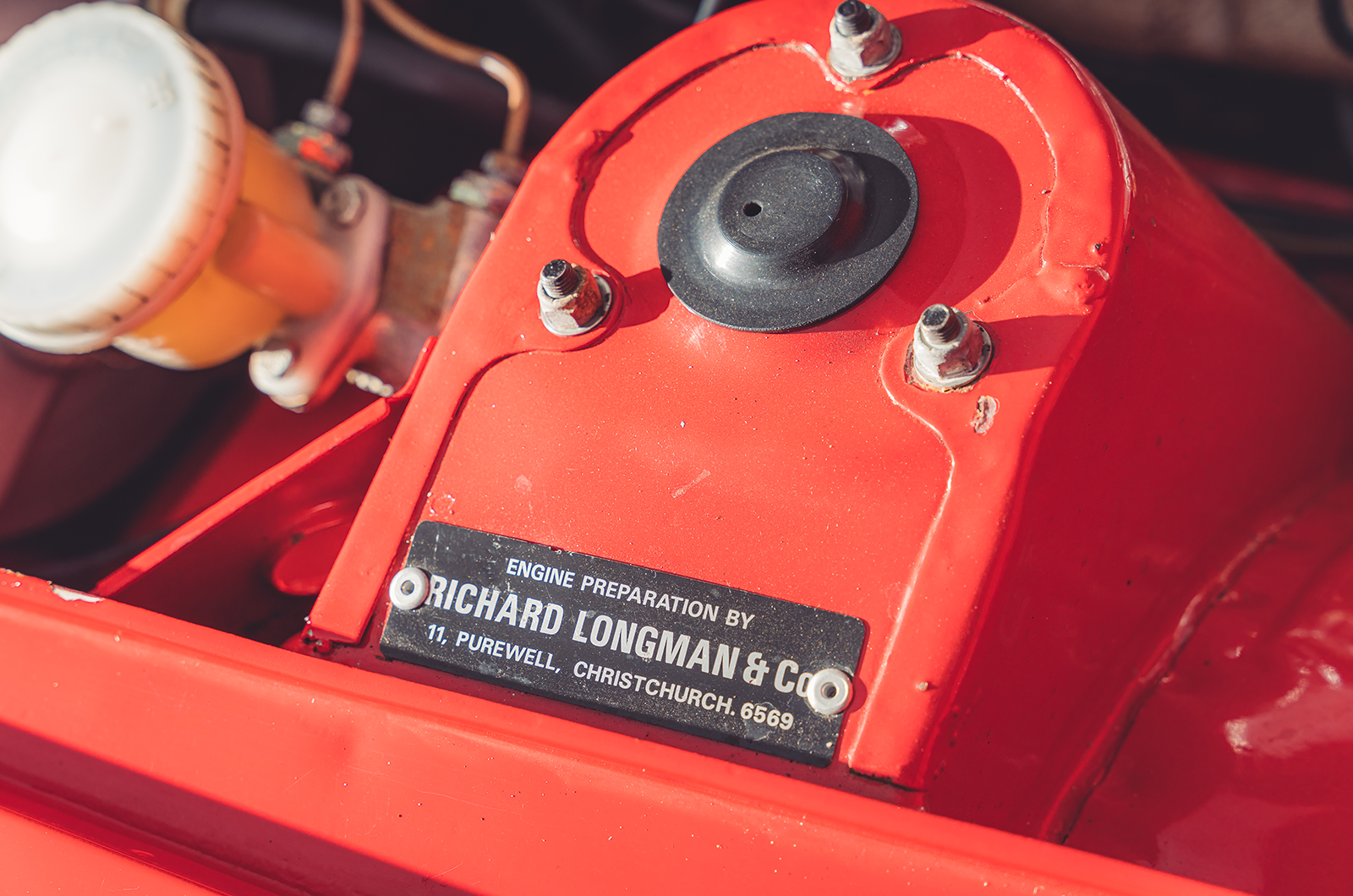
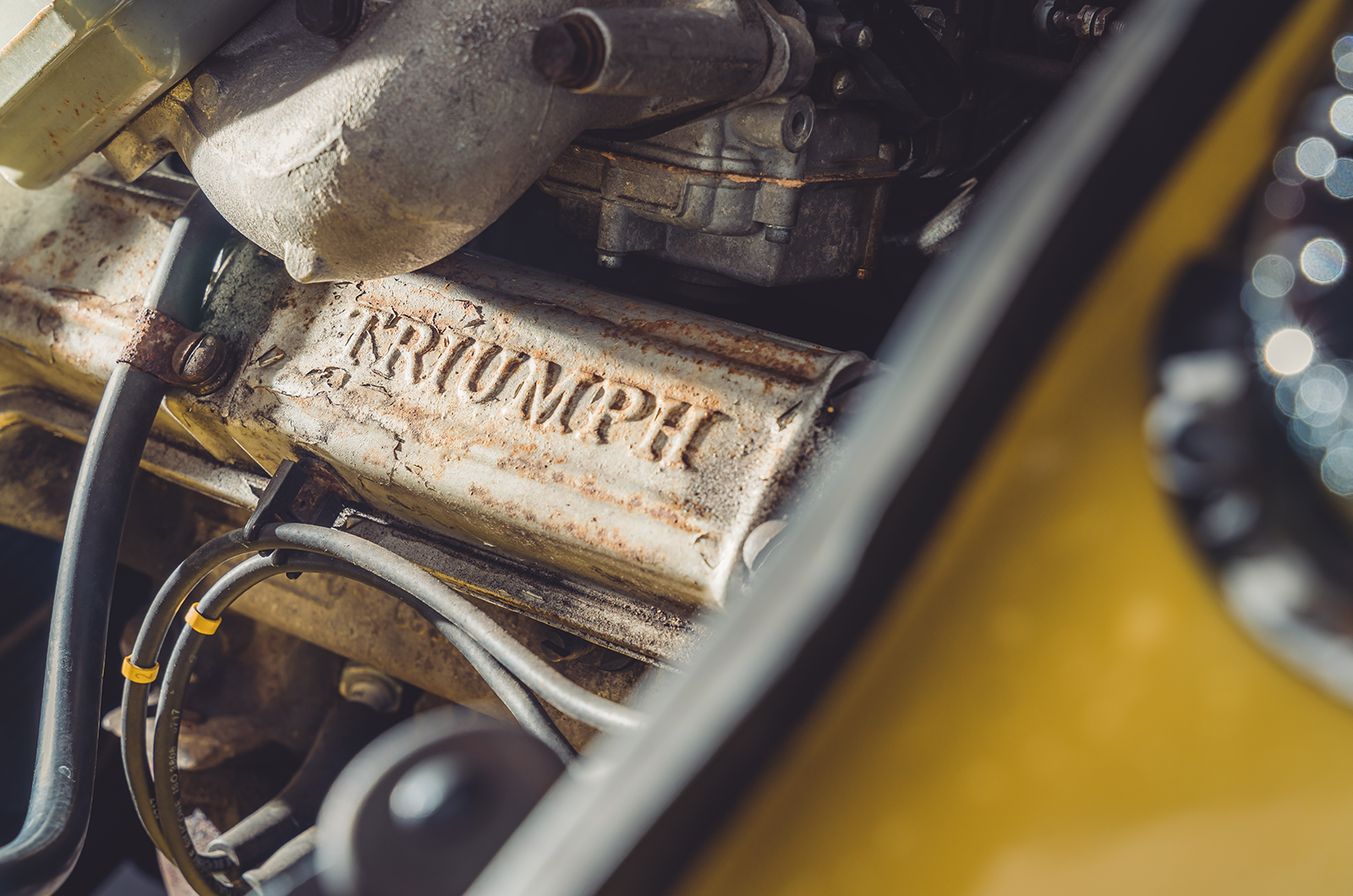
The V8 engines in Del Lines’ Triumph Stag sedans and station wagons were built by Richard Longman
Lines reckoned that Triumph could have sold 10,000 of the cars if it had become a proper model, and on this evidence it’s hard to disagree.
Not until the Mercedes-Benz 280TE arrived in 1977 did any wagon come close to doing what this Stag could do, and the S123 quickly became one of the German marque’s most famous models.
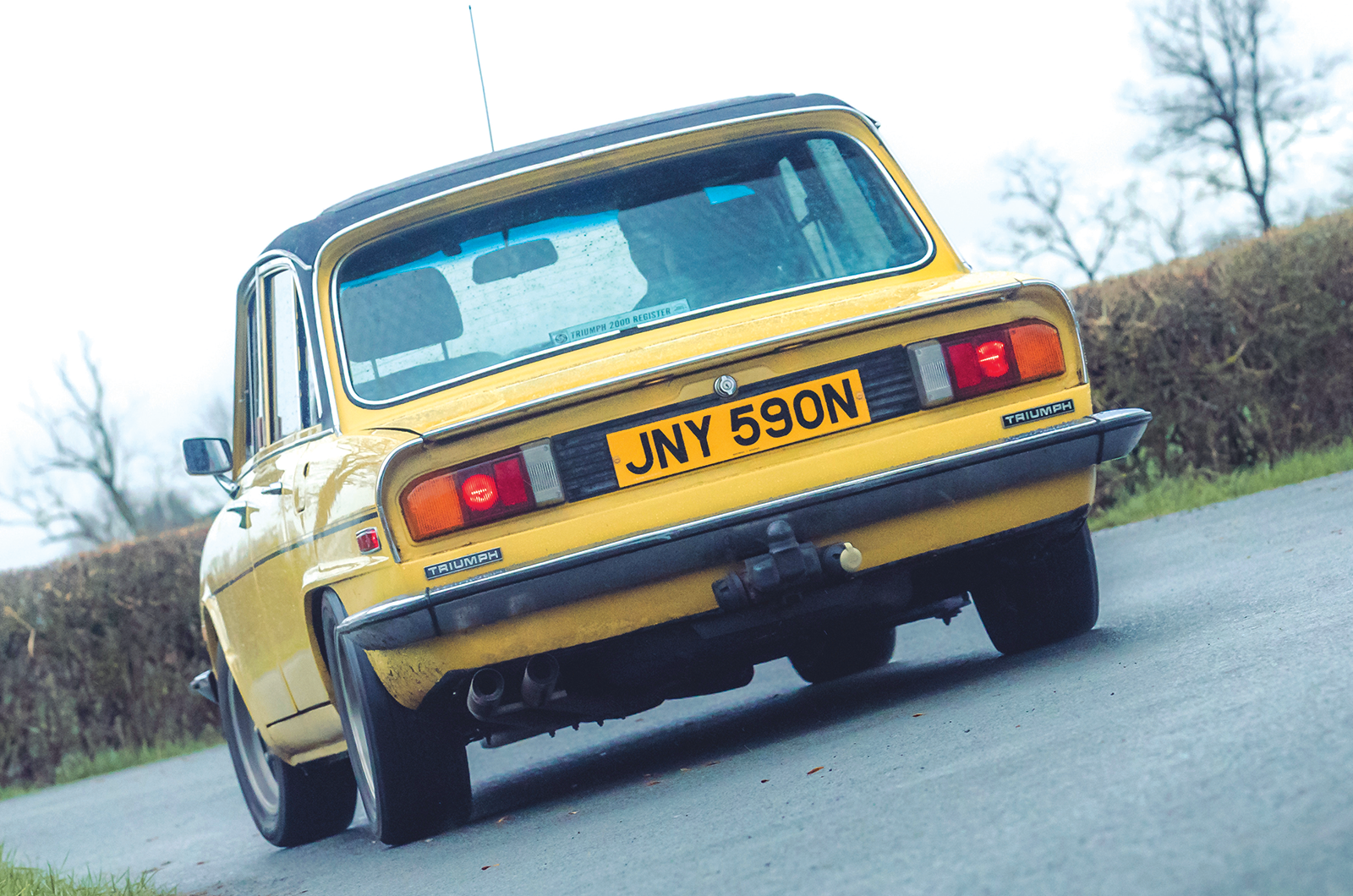
The real unsung hero of this story, however, might just be the Stag sedan.
Having built just three of them in his truncated production run of 25 cars (the wagon/sedan breakdown of the later conversions is unknown), and never having one himself, you get the feeling Lines’ heart was more in the station-wagon models.
Perhaps Triumph missed a trick by not building Stag sedans and wagons itself?
Certainly in the decades since they were constructed, it is the Stag wagons that have become the real legends among Triumph enthusiasts.
Yet with its lighter weight, lower profile and quieter interior, the Stag sedan is an incredibly compelling machine.
Less novel undoubtedly, because BL already had a V8-powered sedan in its stable in the form of the Rover P6 – and there would have been overlap with Jaguar, too.
But this is a truly sporting sedan, lighter and more agile than any Rover or Jaguar, and a genuine rival to the faster BMW 5 Series models coming out of Munich throughout the 1970s.
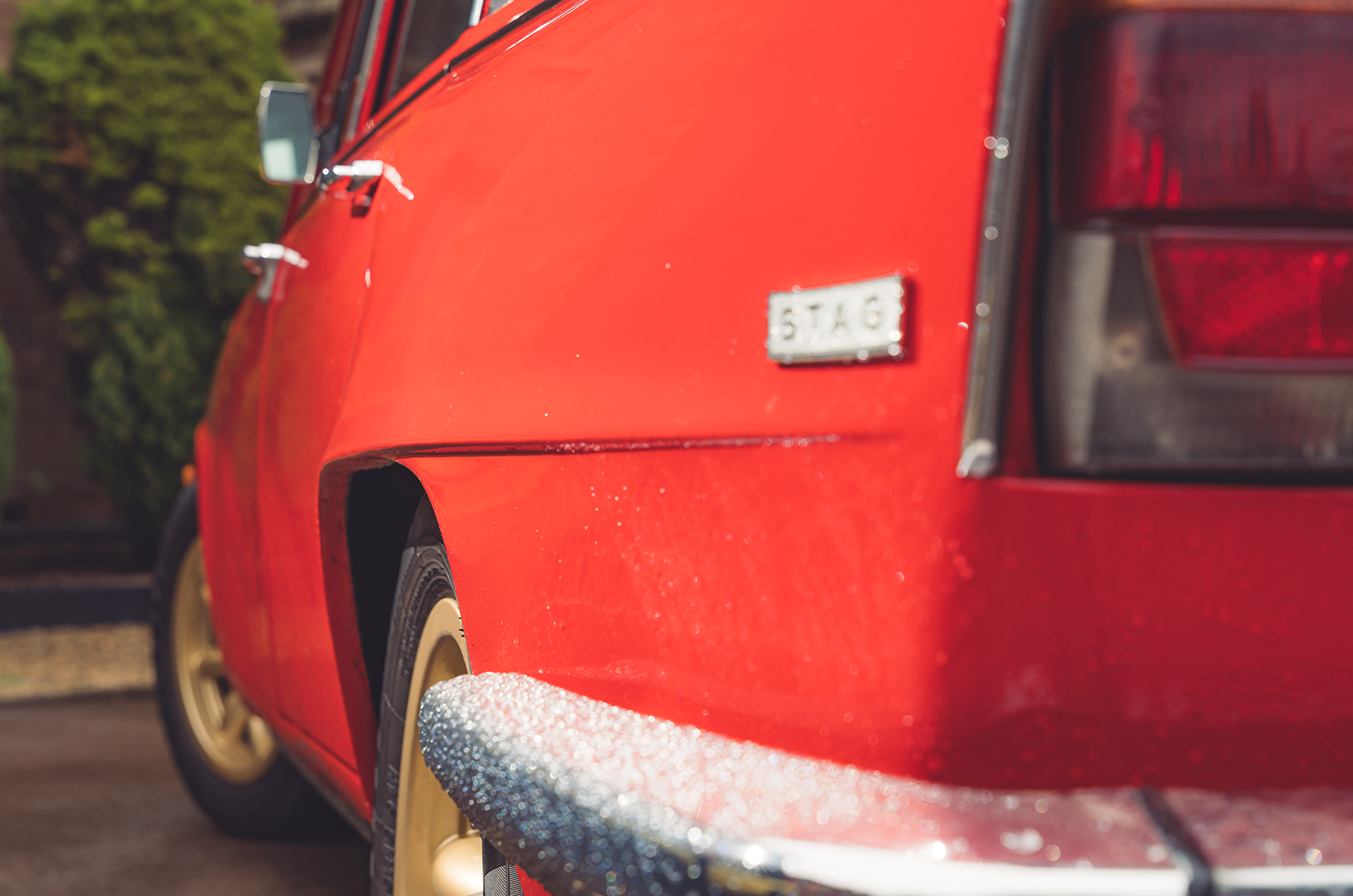
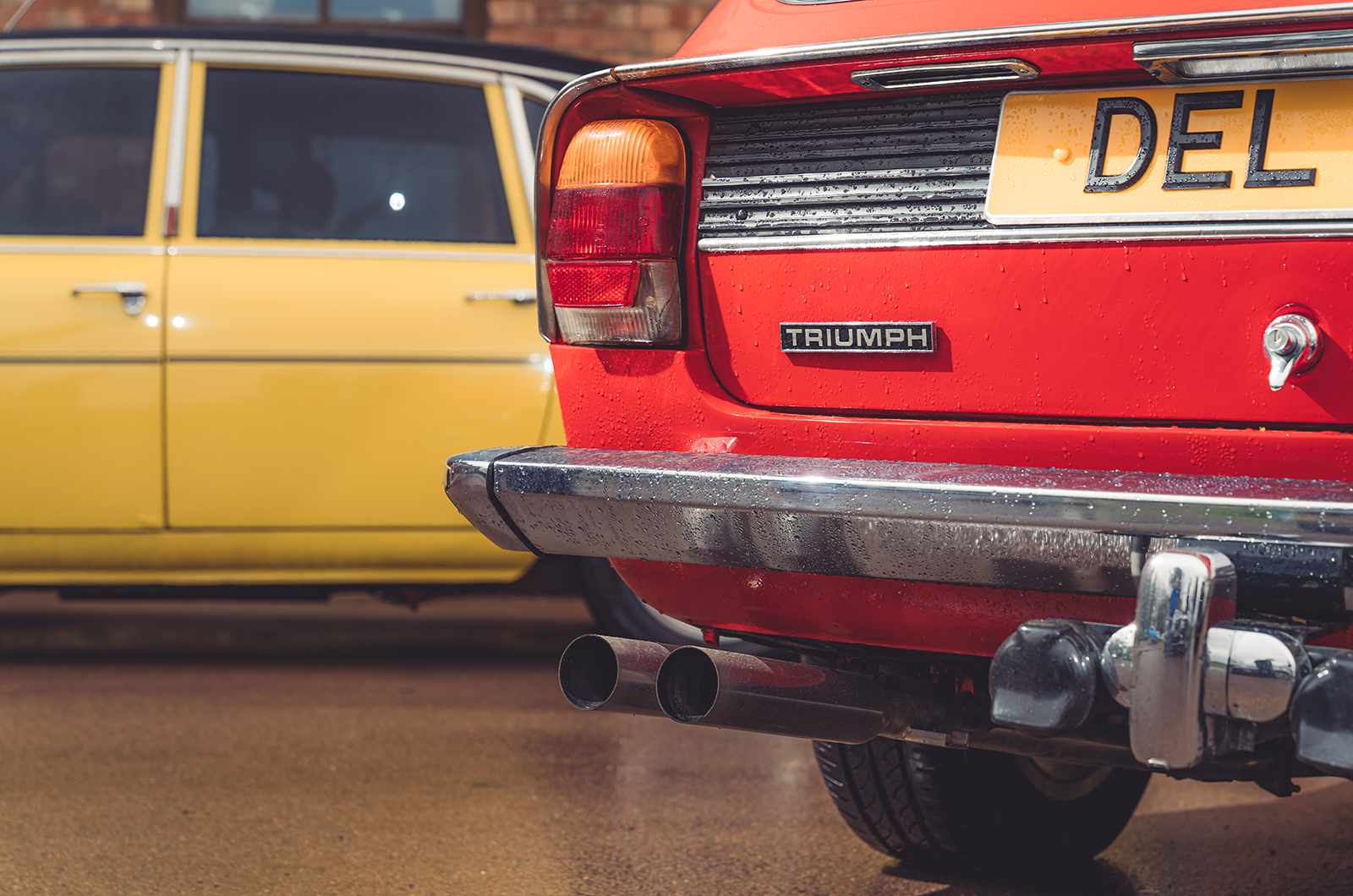
The Triumph Stag sedans and station wagons now represent the pinnacle of the Triumph 2000/2500/2.5 line to some model aficionados
It’s a real shame Triumph never built either model, but it’s brilliant that at least a couple of the originals survive.
Two further station wagons are known to exist: one in The Netherlands, the other having previously been in Andy’s stable for a decade – at which point he owned 50% of the remaining Atlantic Garage cars.
Naturally, The Triumph 2000/2500/2.5 Register pursues any potential lead to another survivor with vigor, and encourages anyone with an old Triumph sedan hanging around to check the chassis number for the distinctive ‘AG’ (Atlantic Garage) prefix.
Spot it, and you’ll have a real collector’s piece on your hands.
Images: Max Edleston
Thanks to: Mike Menhenitt, The Triumph 2000/2500/2.5 Register; Hatherley Manor Hotel & Spa
Factfile
Triumph Stag sedan/wagon
- Sold/number built 1970-’76/25 (plus 26 later conversions on existing cars)
- Construction steel monocoque
- Engine iron-block, alloy-heads, sohc-per-bank 2997cc 90° V8, twin Zenith-Stromberg carburetors
- Max power 145bhp @ 5500rpm (standard)
- Max torque 170lb ft @ 3500rpm
- Transmission four-speed manual with overdrive, RWD
- Suspension independent, at front by MacPherson struts, anti-roll bar rear semi-trailing arms; coil springs, telescopic dampers f/r
- Steering power-assisted rack and pinion
- Brakes discs front, drums rear, with servo
- Length 14ft 7in (4445mm)
- Width 5ft 5in (1651mm)
- Height 4ft 8in (1422mm)
- Wheelbase 8ft 10in (2692mm)
- Weight 2757lb (1250kg)
- Mpg 19
- 0-60mph 8.9 secs
- Top speed 121mph
- Price new £3000 (1973)
We hope you enjoyed reading. Please click the ‘Follow’ button for more super stories from Classic & Sports Car.
Charlie Calderwood
Charlie Calderwood is Classic & Sports Car’s Features Editor