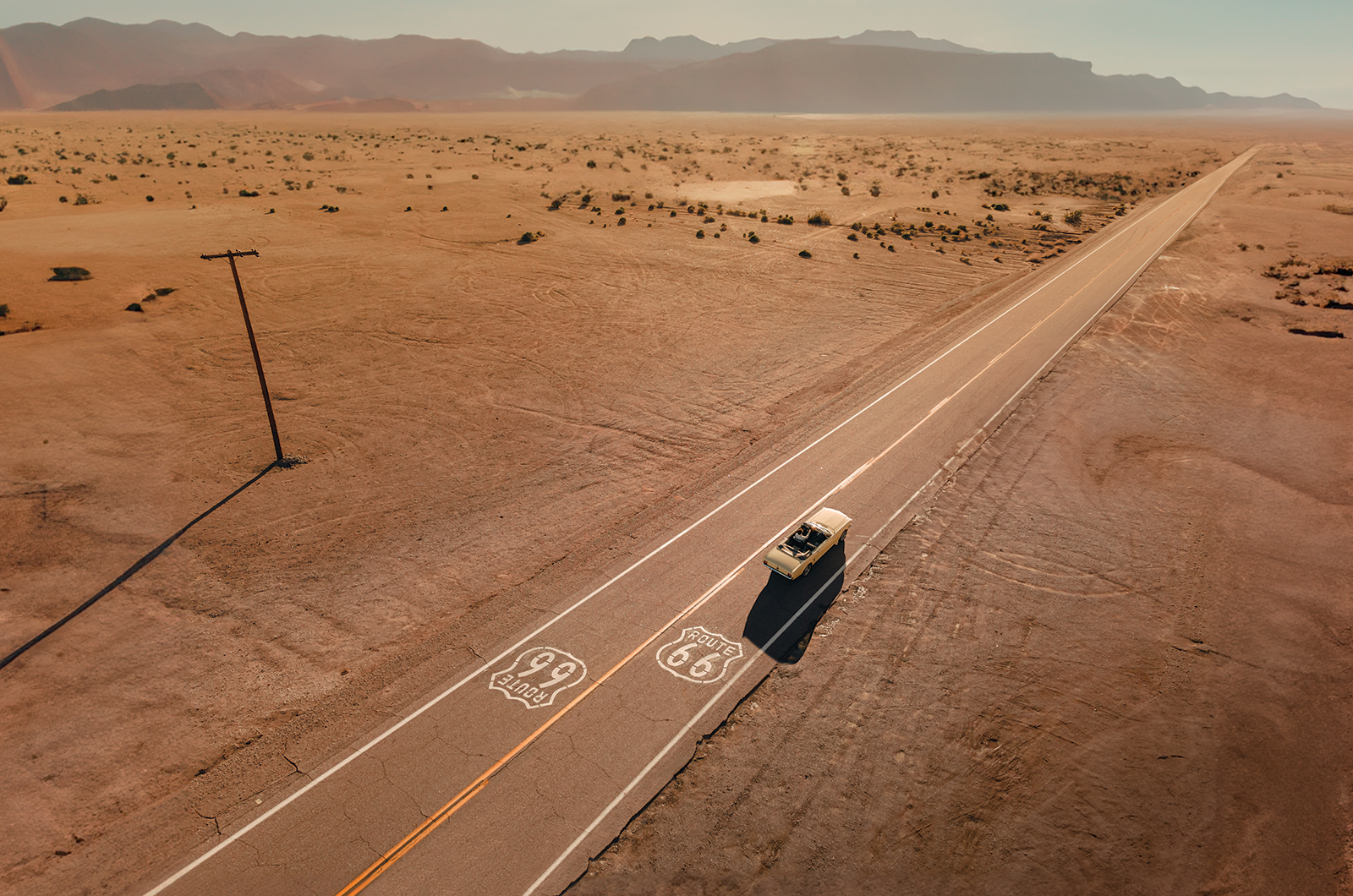
From there until the mountains that separate greater LA from the rest of the state, I15 has been built right over the top of the old route.
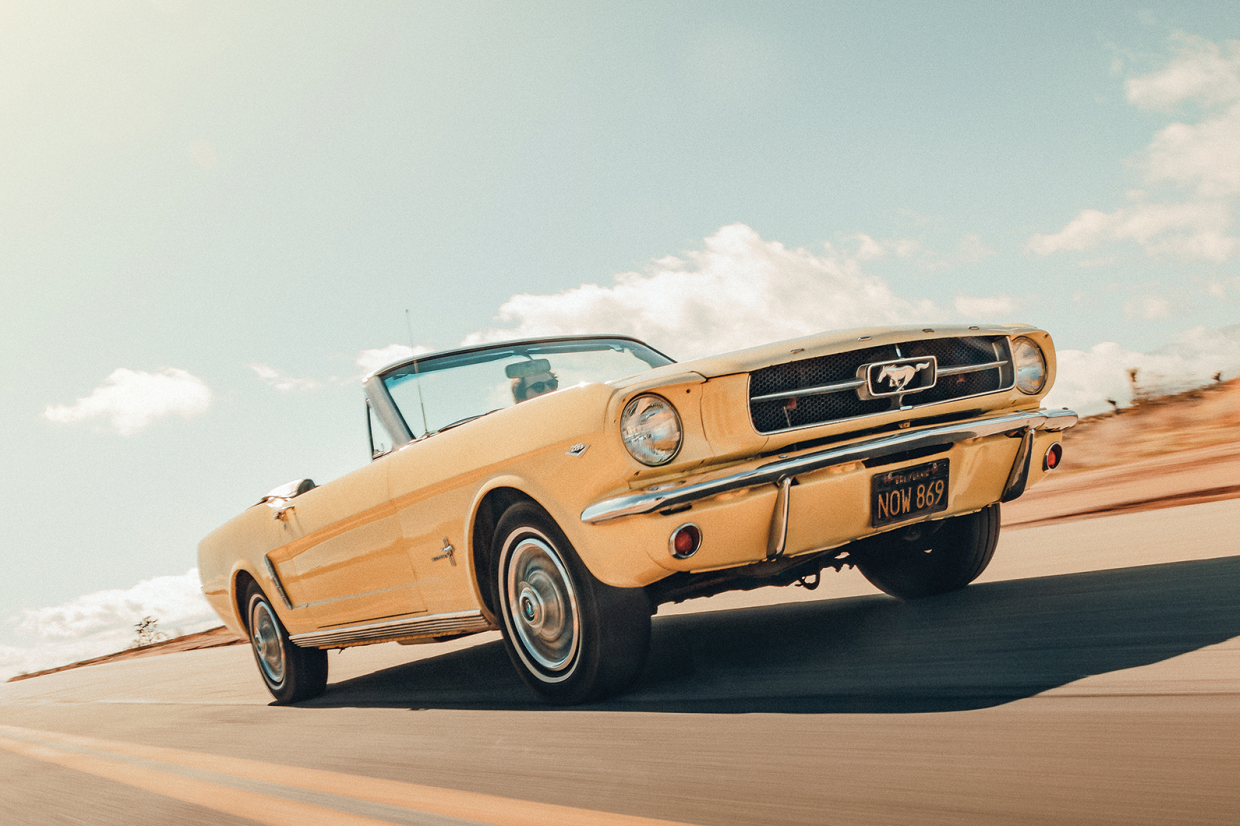
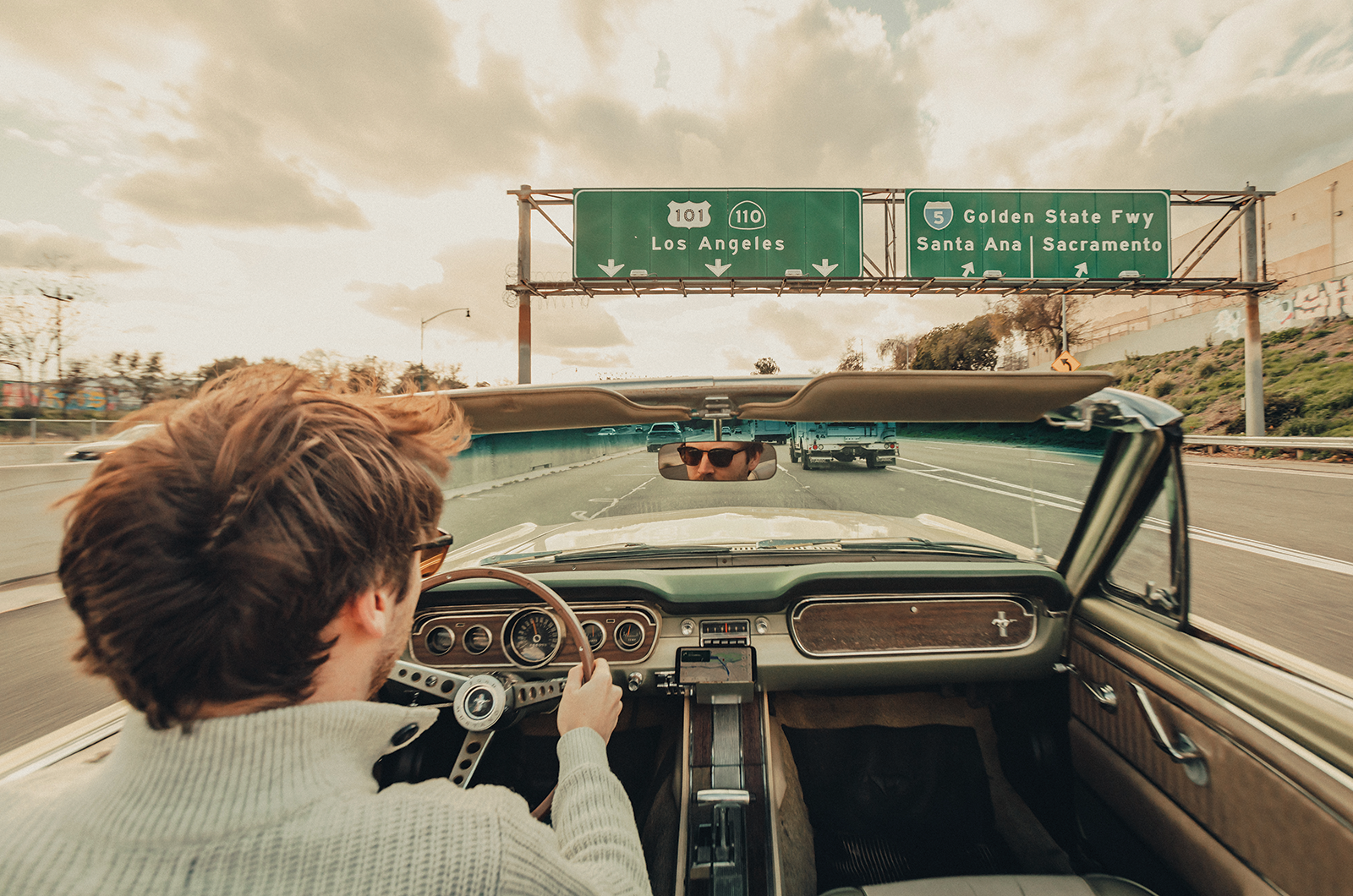
Head on to a busy freeway in the Ford Mustang and you’re reacquainted with the wandering steering that wasn’t an issue on slower roads.
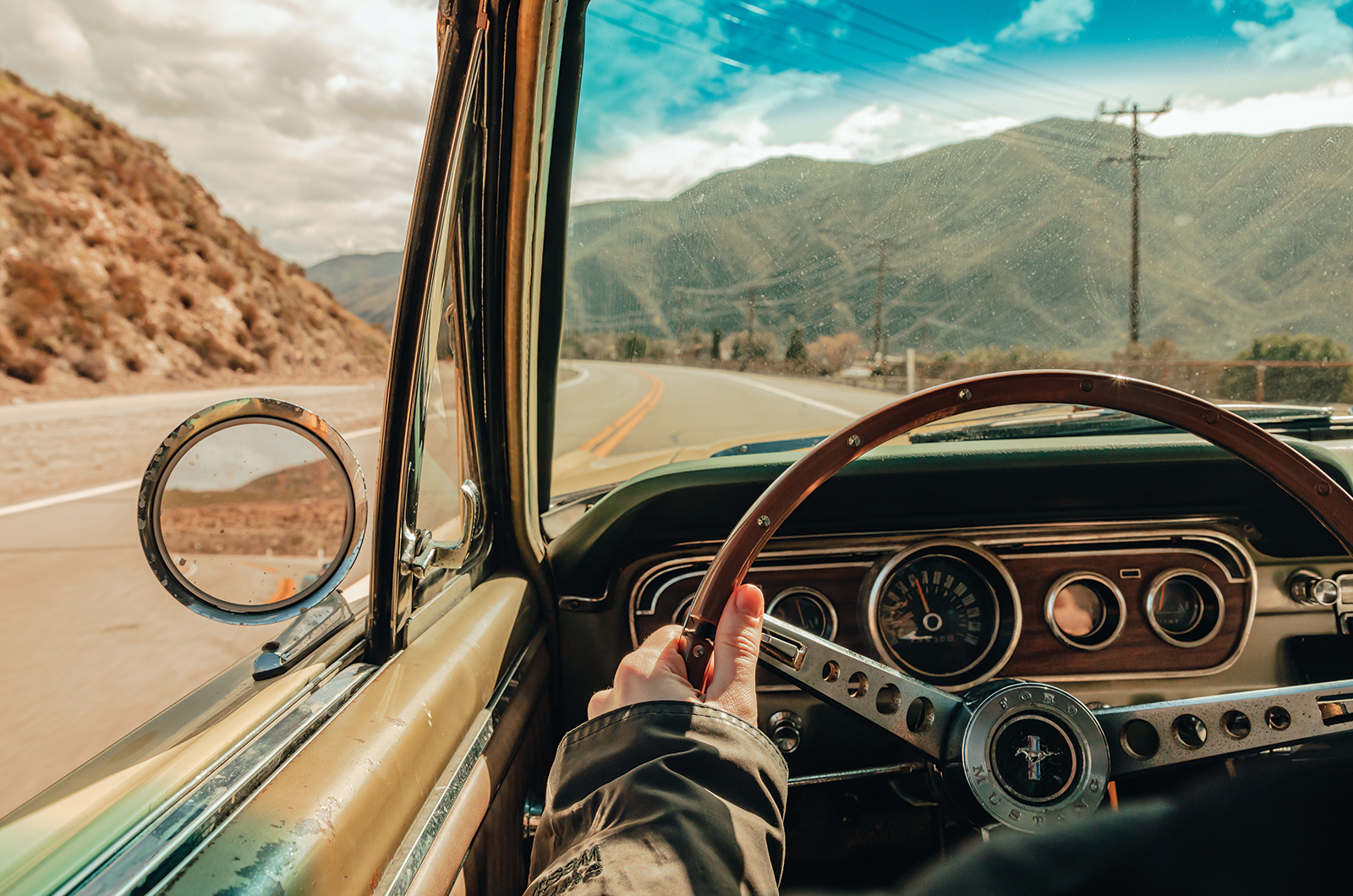
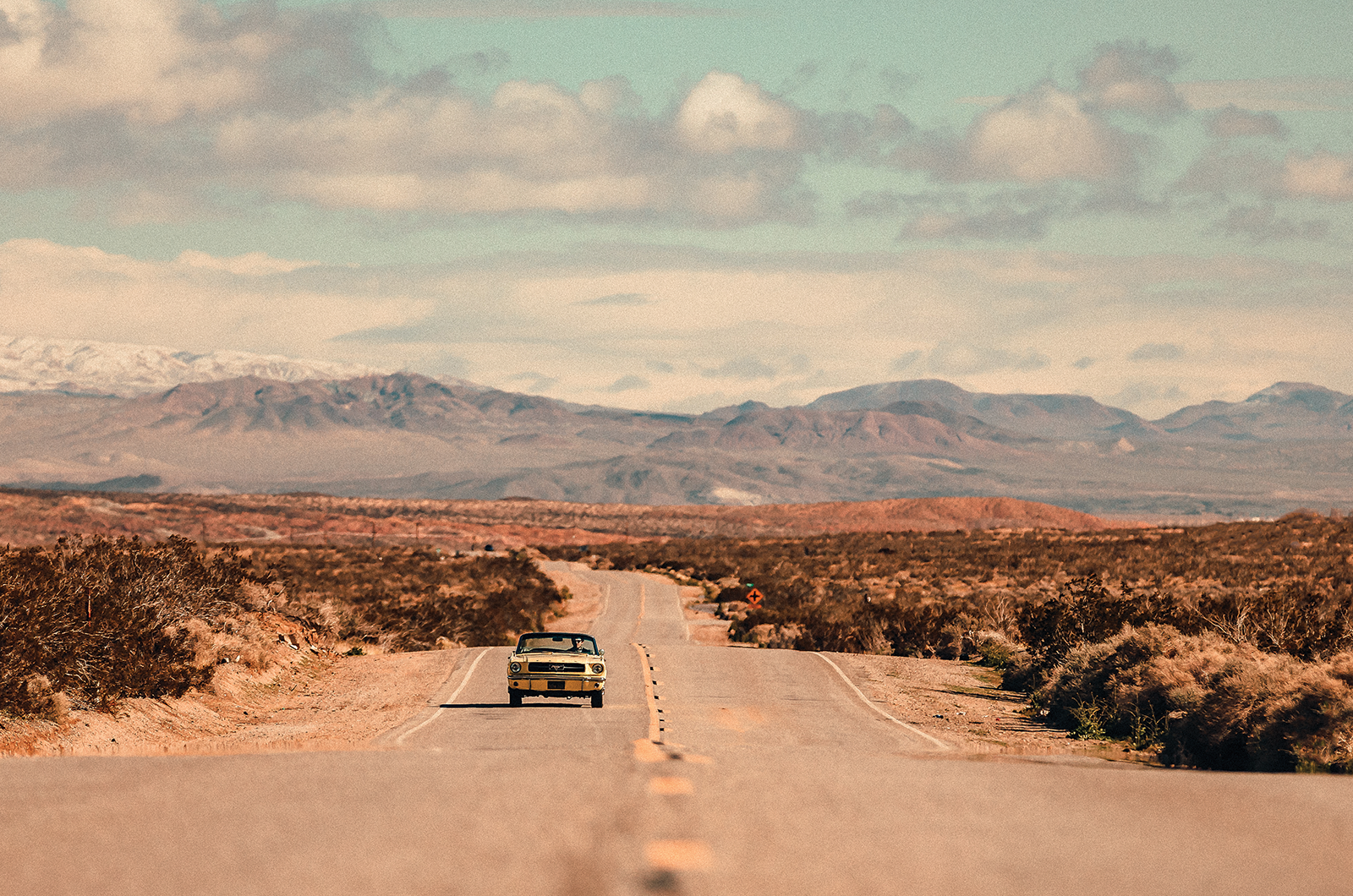
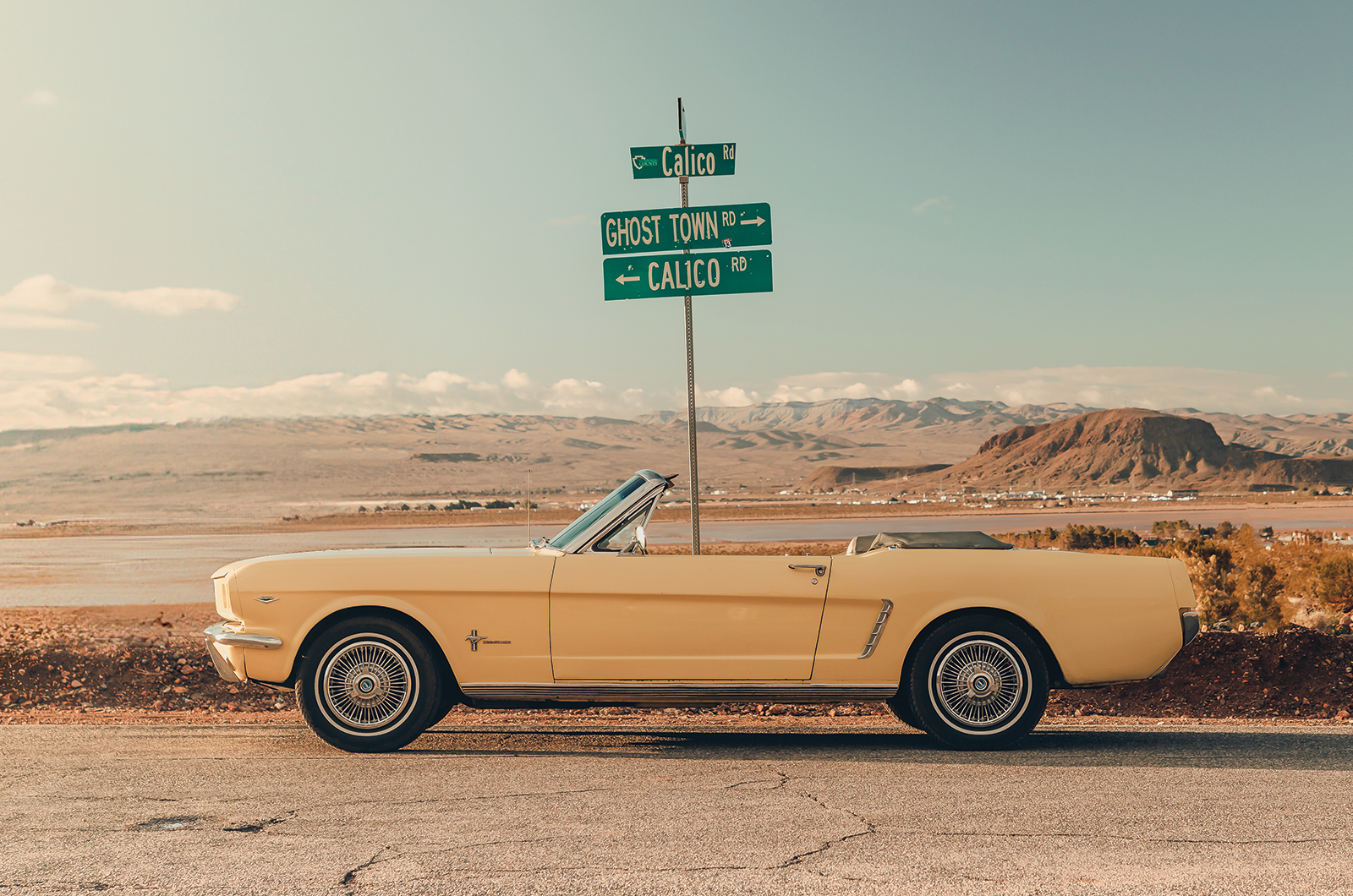
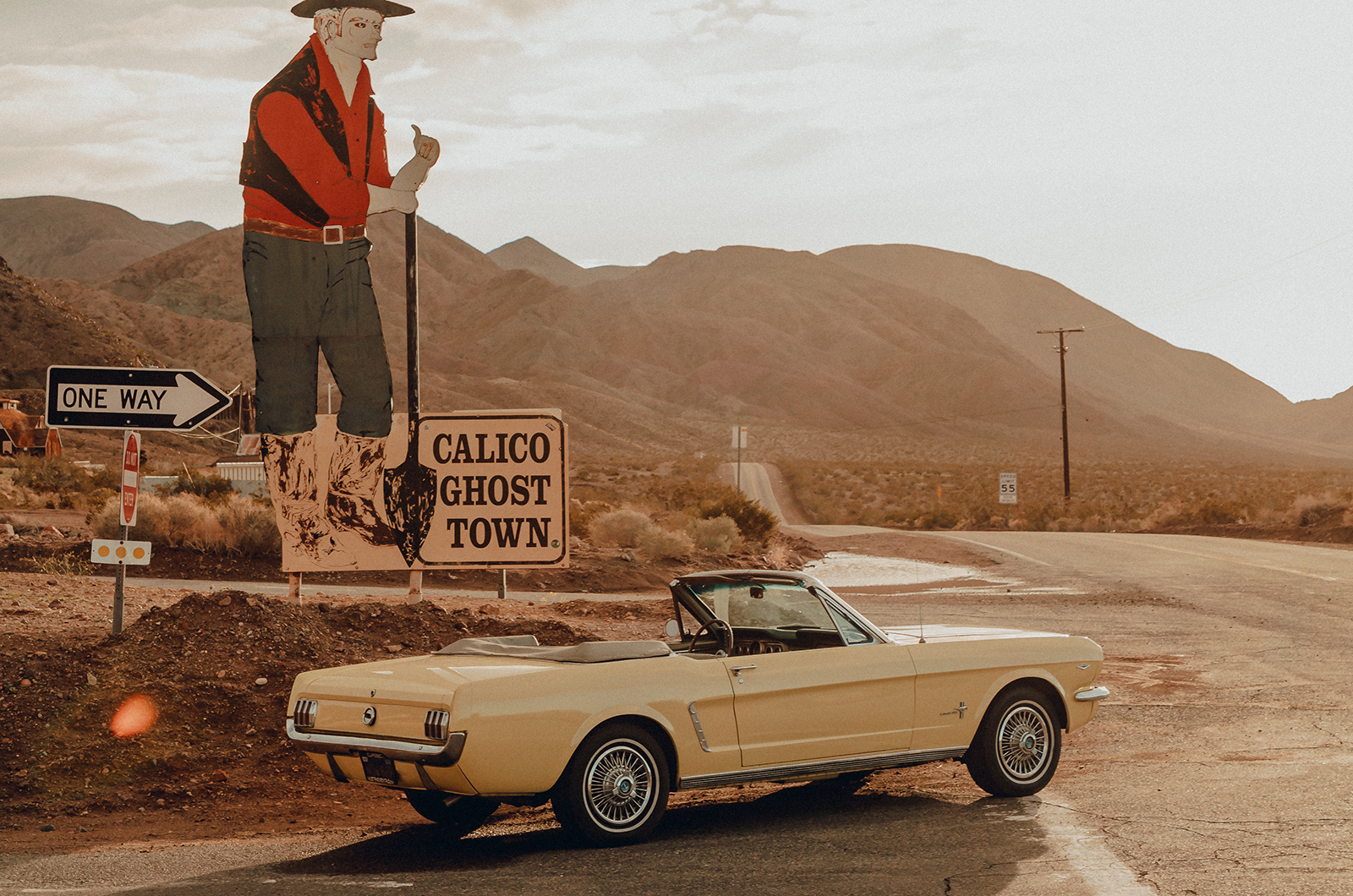
On the road to Calico, a former mining town which was restored in the 1950s
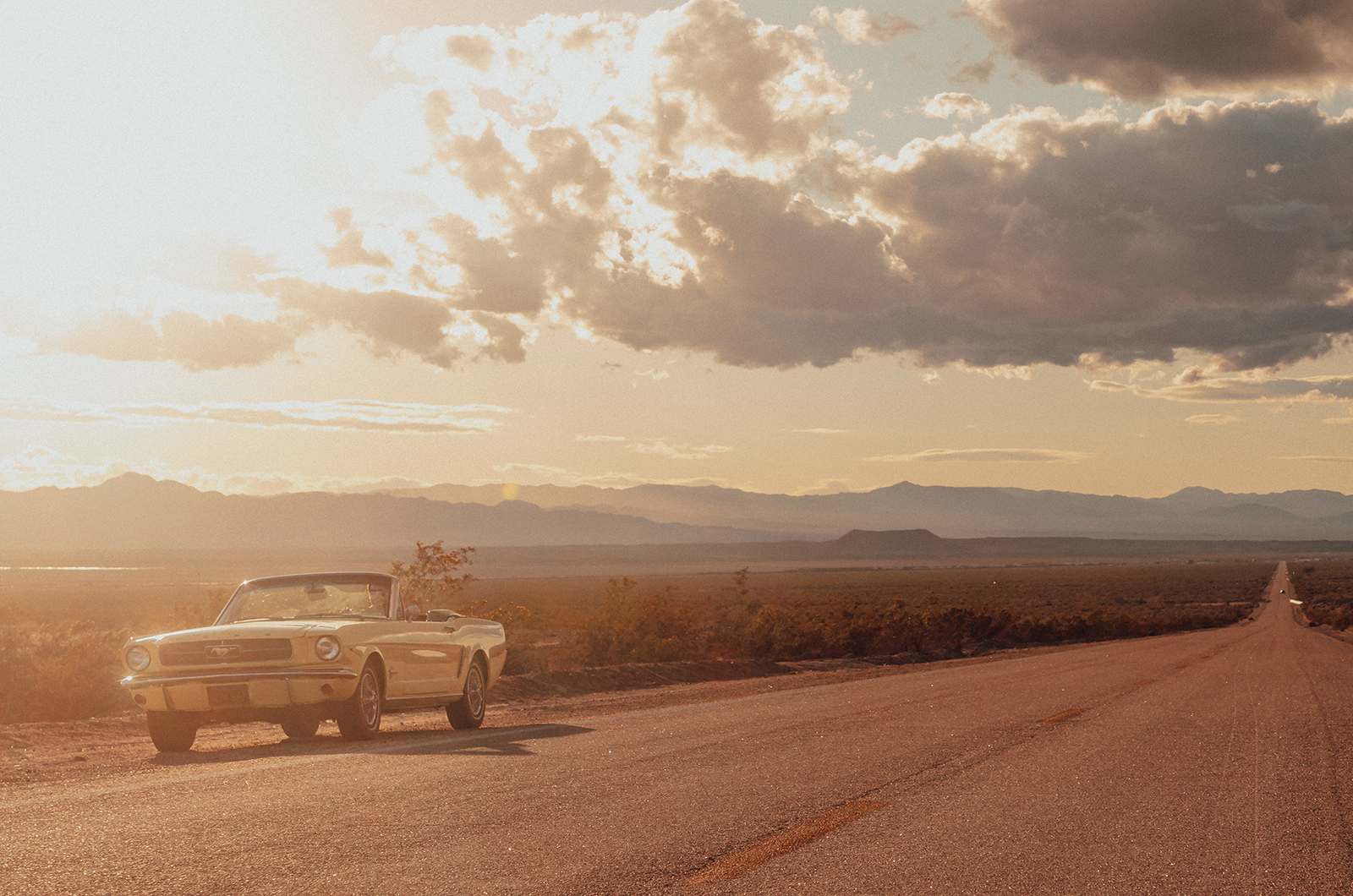
This far from LA the highway is modest by American standards, at four lanes per side, but those lanes are narrow and the Mustang is dwarfed by all but the odd hatchback.
The steering needs constant corrections to keep us straight, even if over-the-shoulder checks are a breeze.
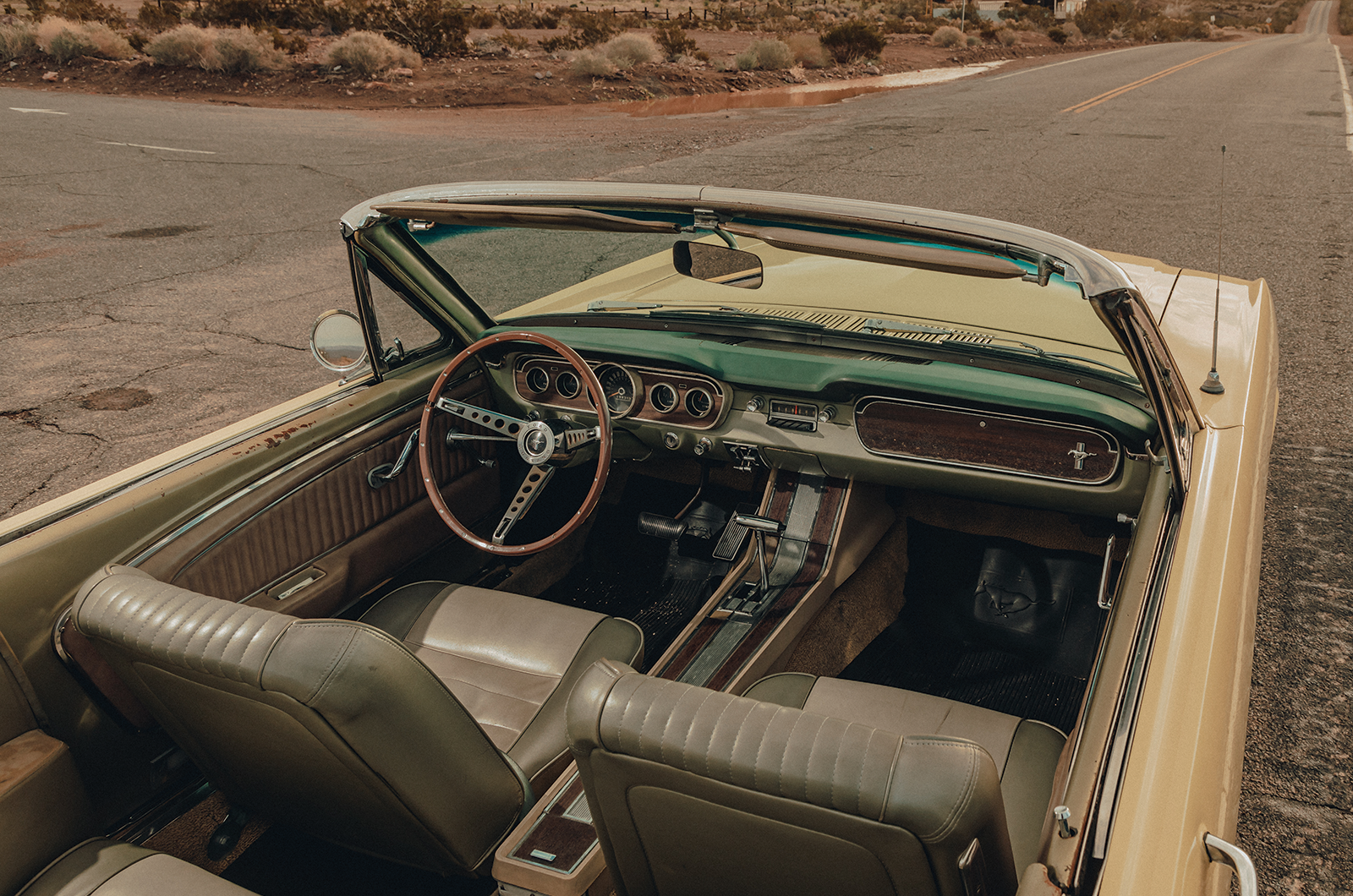
With the roof down you can look back straight over the boot, thanks to the car’s low waistline and lack of head restraints.
This exposure reminds you of the Mustang’s age. That and the buffeting from the wind and the sawing at the wheel.
But, in fairness to the Ford, one thing it can do is speed.
What would have excited the buyer of this 289 in 1965 is that you’ve got what we would today call modern cruising ability.
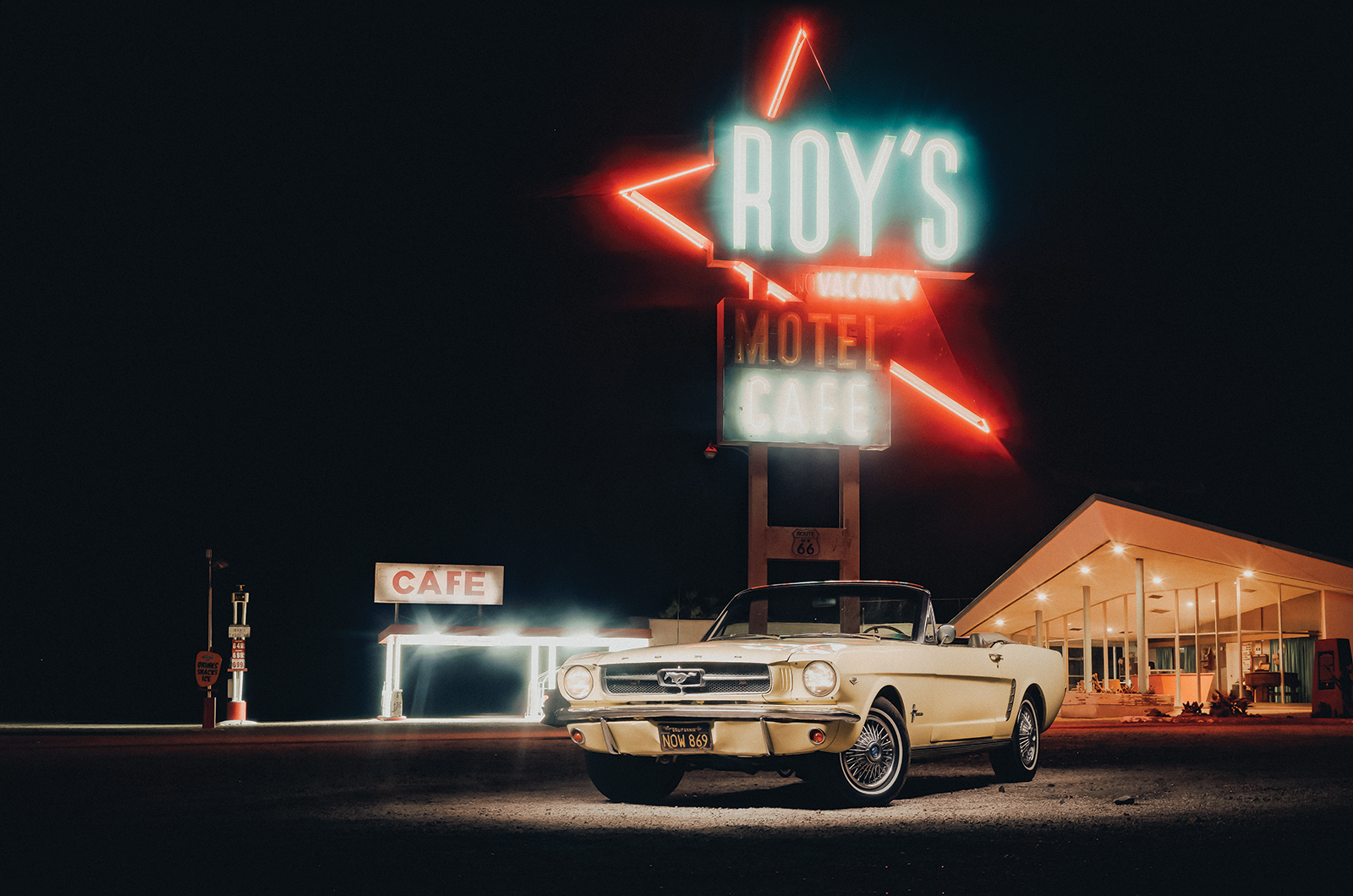
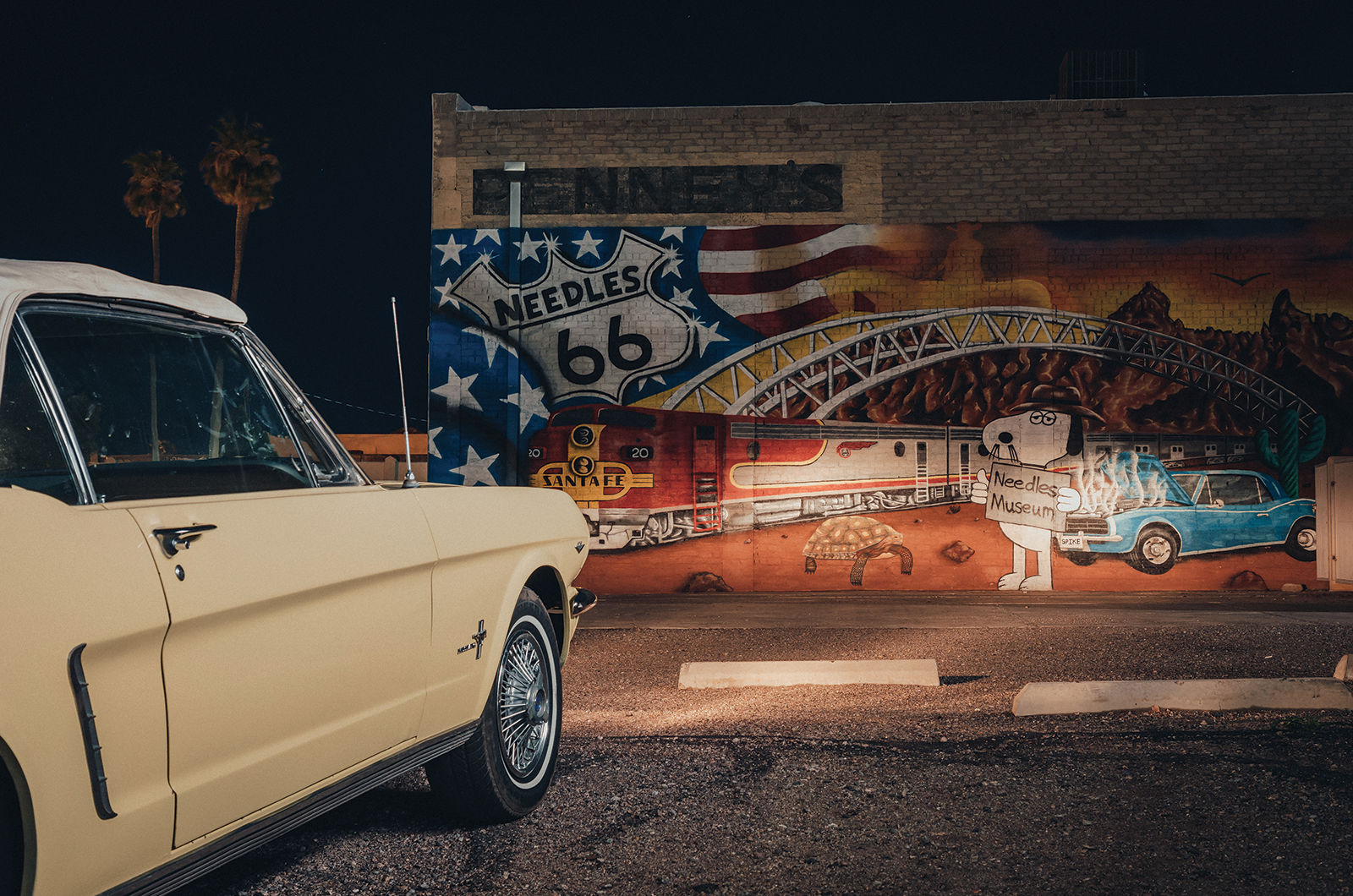
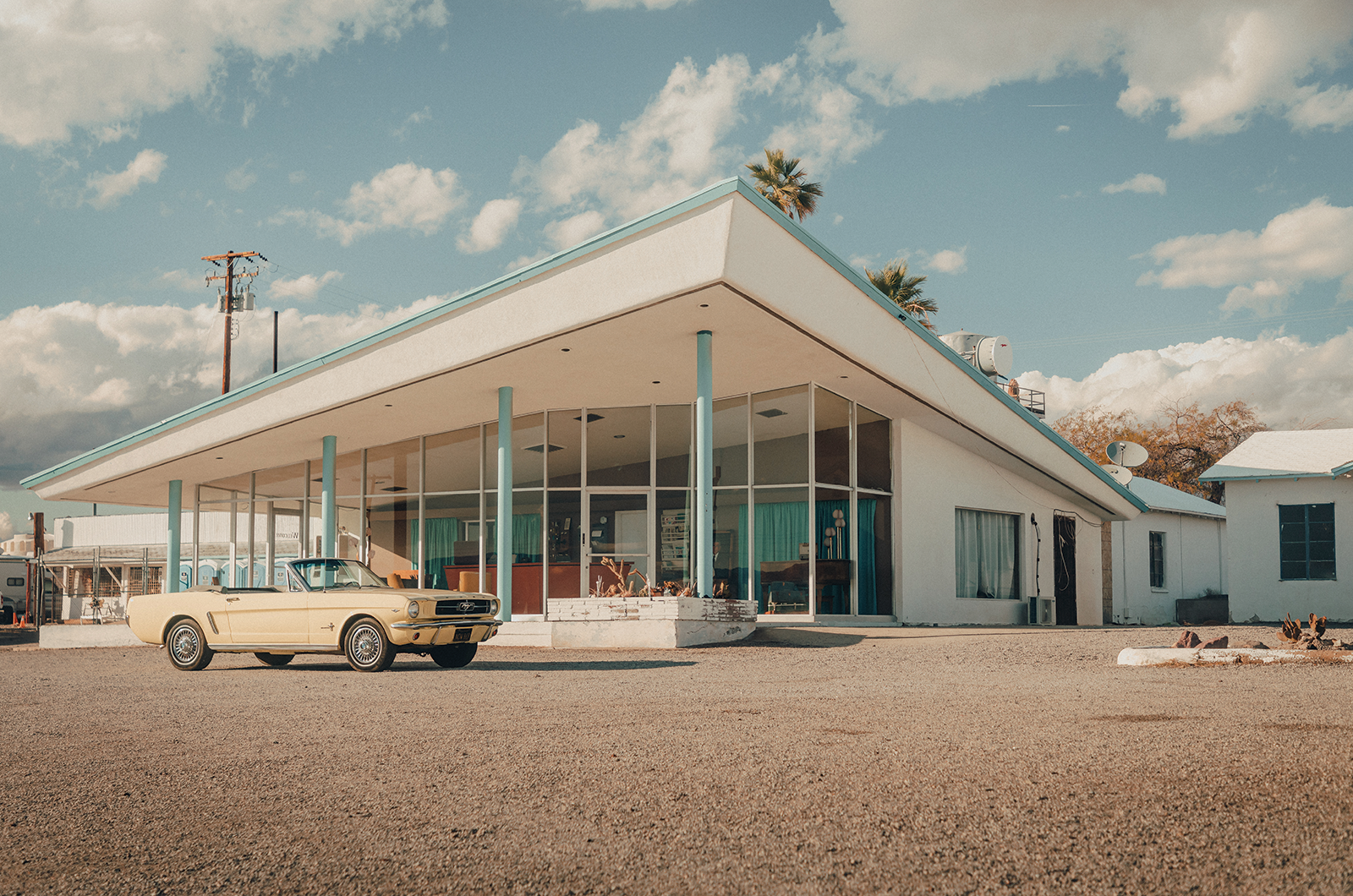
The Ford Mustang takes a break outside a Route 66 motel
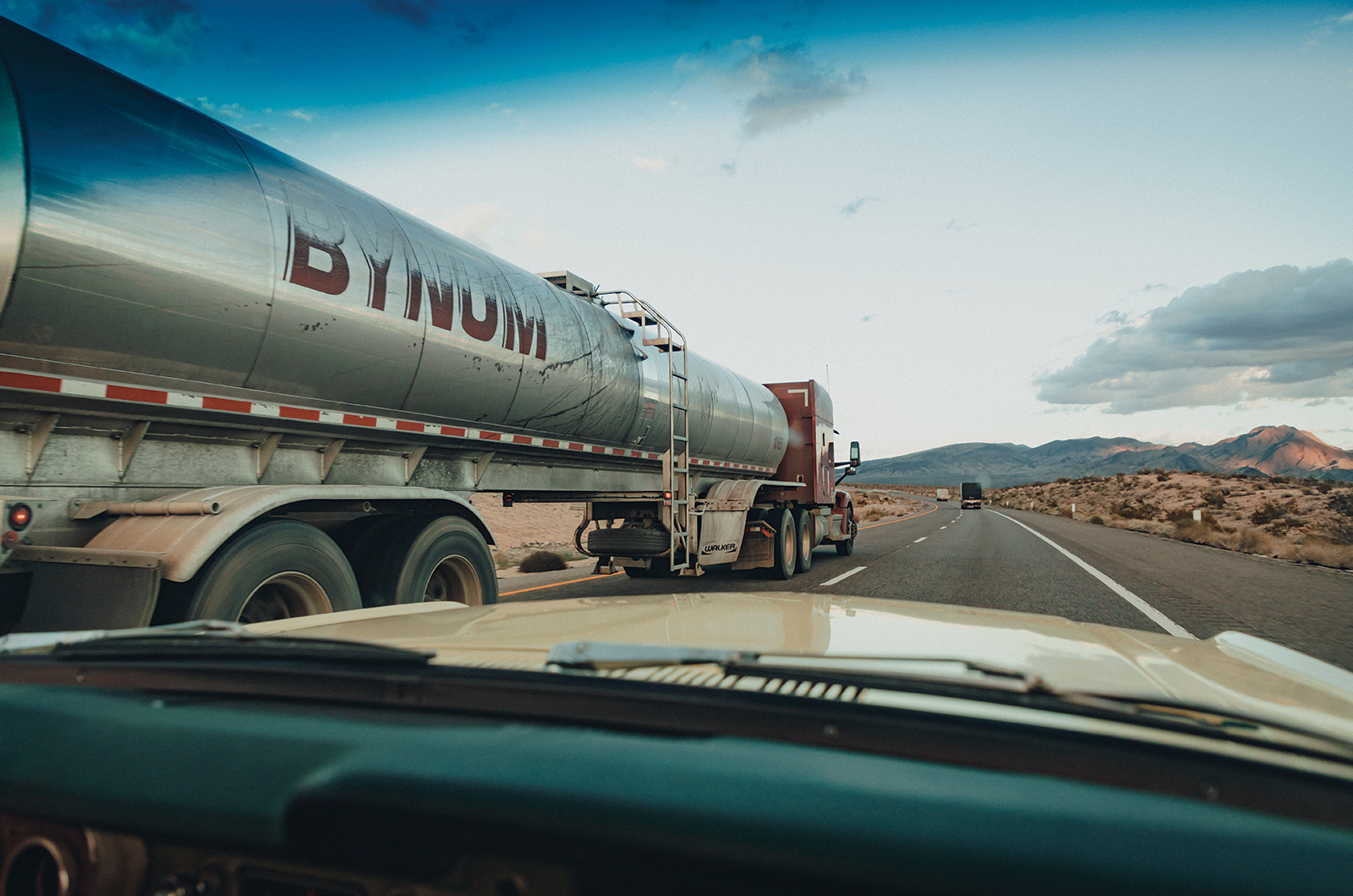
You’re not relegated to mixing it with the lorries, like you would be in many mainstream classic cars, and the Mustang feels quite comfortable at 70mph.
Top gear is relaxed and the suspension is soft enough to be supple.
Terrifying though it is threading the Ford between the pantechnicons, doing so bounces back the sound of the V8 to create a delicious, deep drumroll, and you soon come to revel in the experience.
Once again, the Mustang has a way of turning frowns into smiles.
Route 66 reappears halfway through the Cajon Pass and swings south-east into San Bernardino before a sharp turn west towards LA.
‘The distant thrum of the Mustang’s V8 gives an addictive impression of speed. The sensation is that you’re going faster than you really are, making you feel like the hero of your own movie’
Still short for time, we’re forced to cut the corner here, staying on I15 to pick up Route 66 at Rancho Cucamonga.
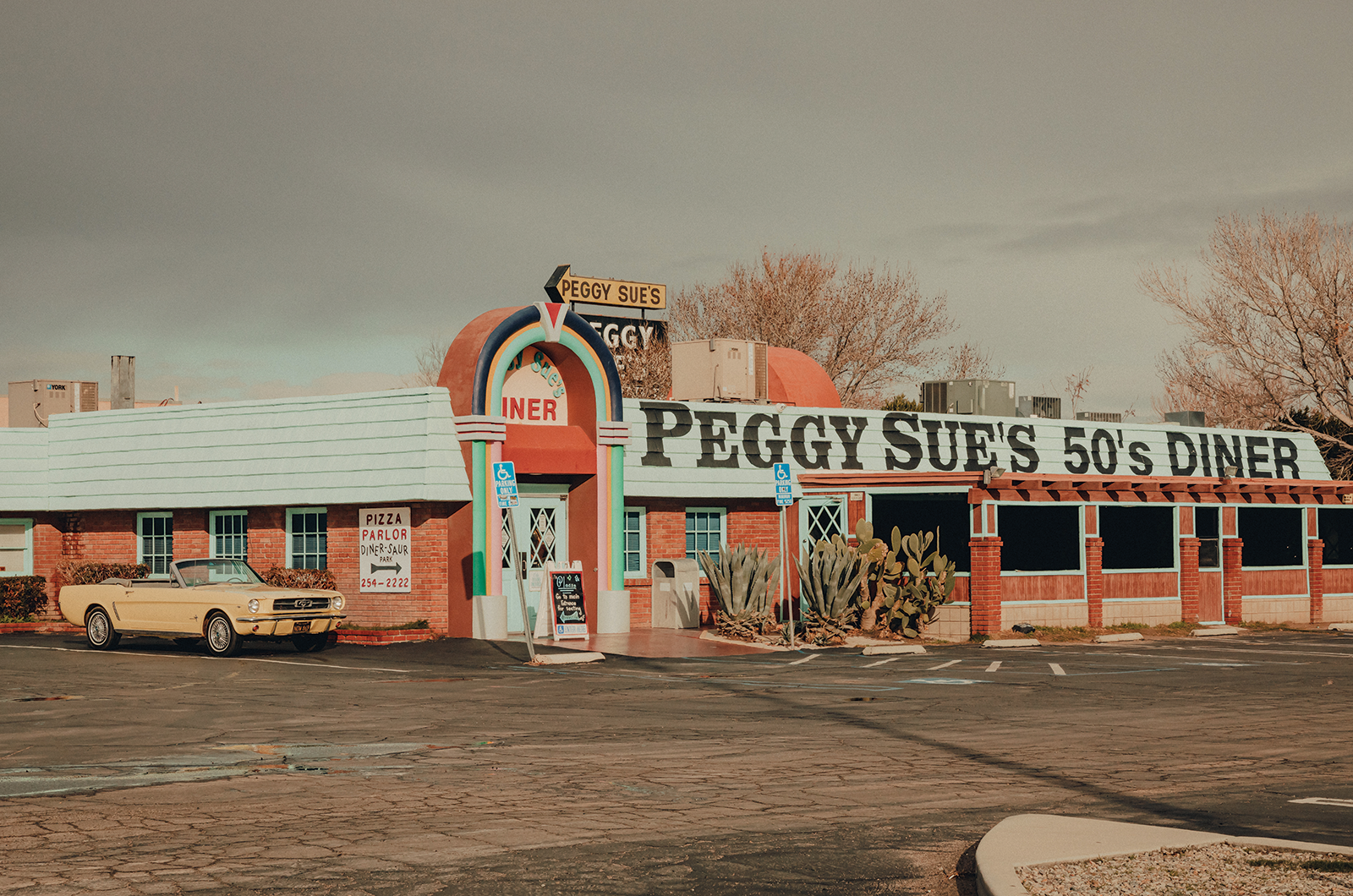
There’s time for a quick lunch and Angelenos are fanatical about the In-N-Out Burger chain, so it seems rude not to try it.
The queue for the drive-thru stretches up the road, so we do the un-American thing of parking and walking into the restaurant.
It’s leaving In-N-Out that proves a struggle.
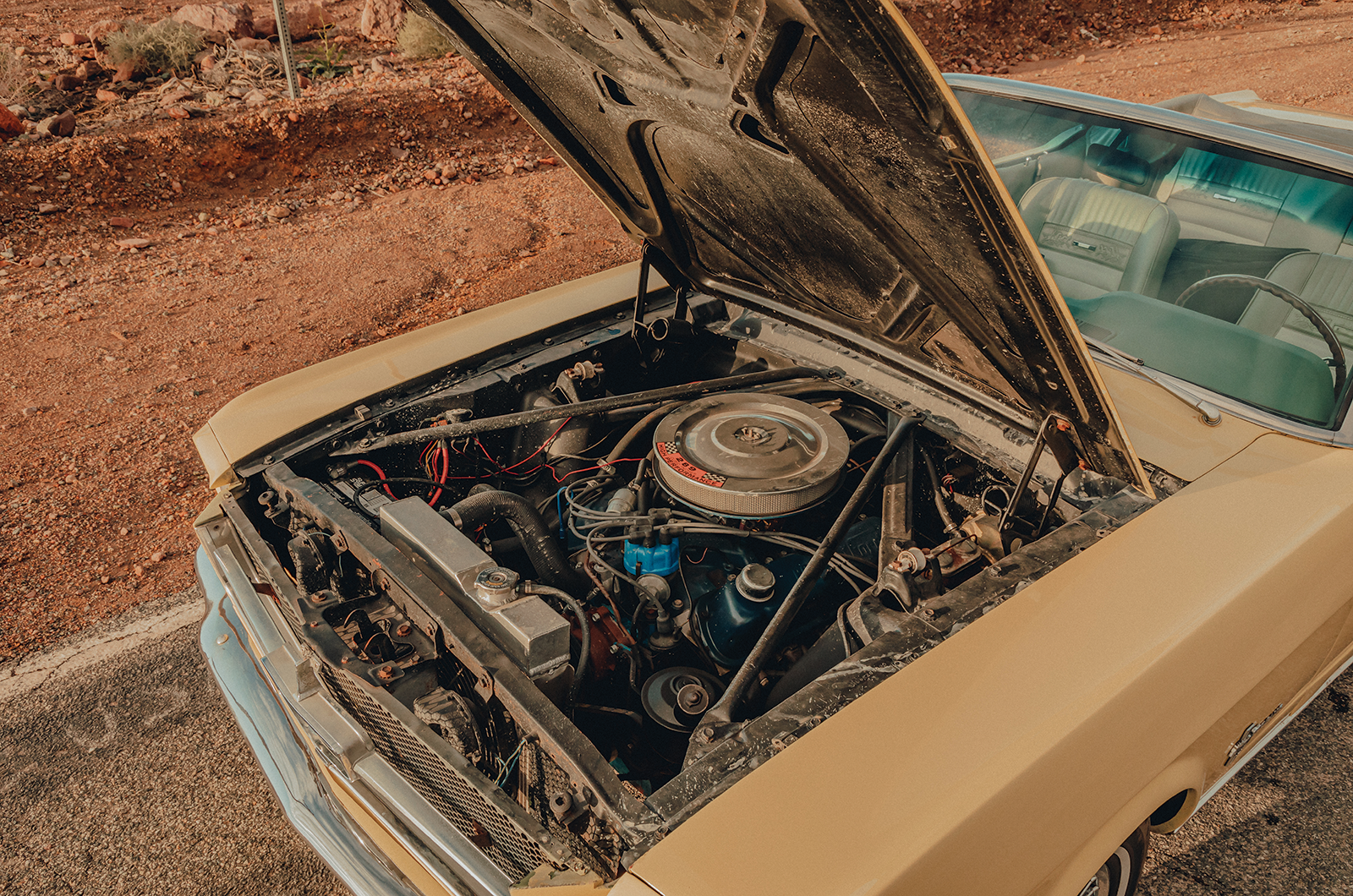
‘Our’ Ford Mustang has suffered from an annoying tendency to cut out at junctions, and it is becoming more noticeable: it will roll up to a stop sign with little or no throttle, sit happily at idle, then choke as you put your foot down.
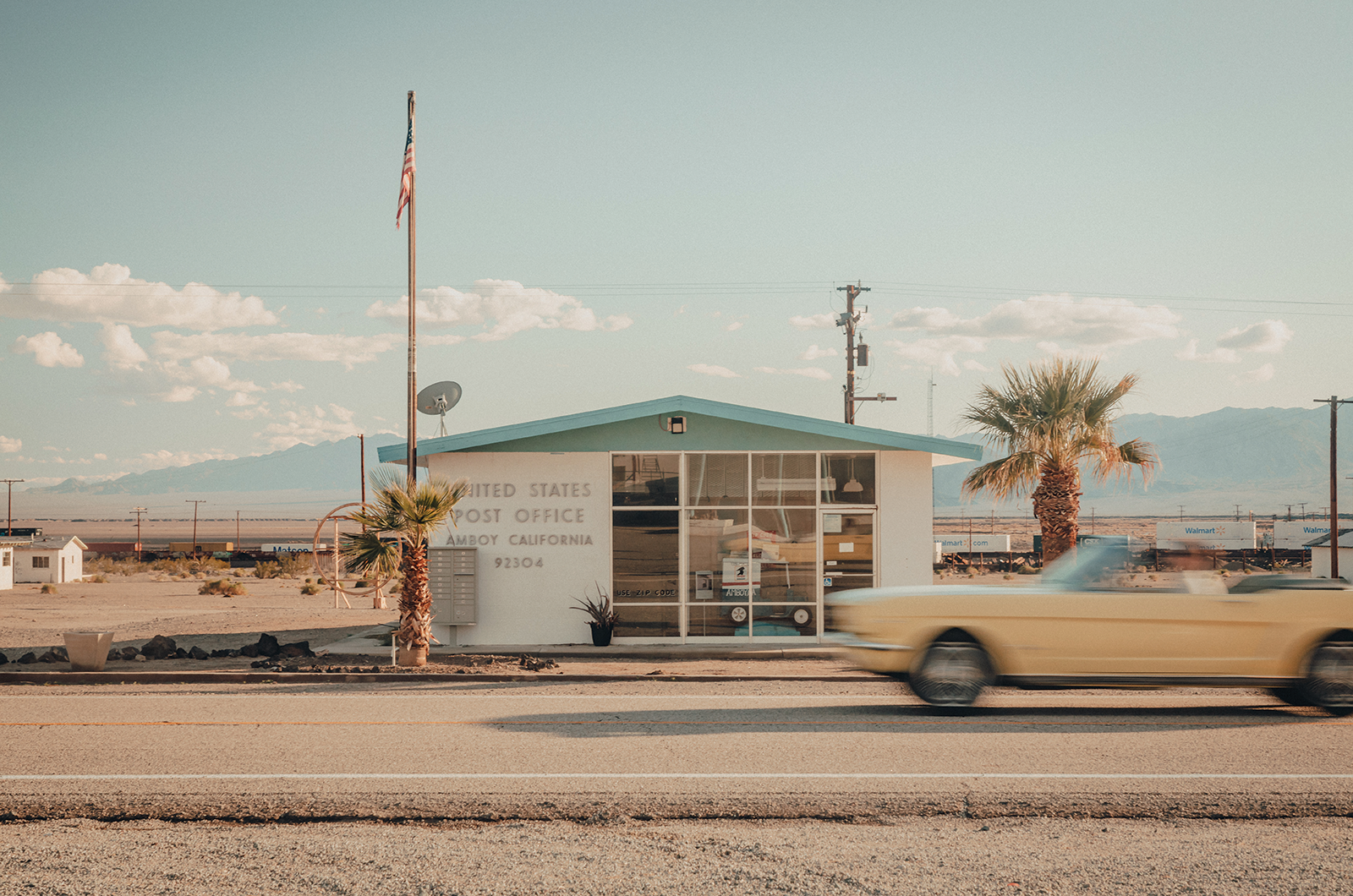
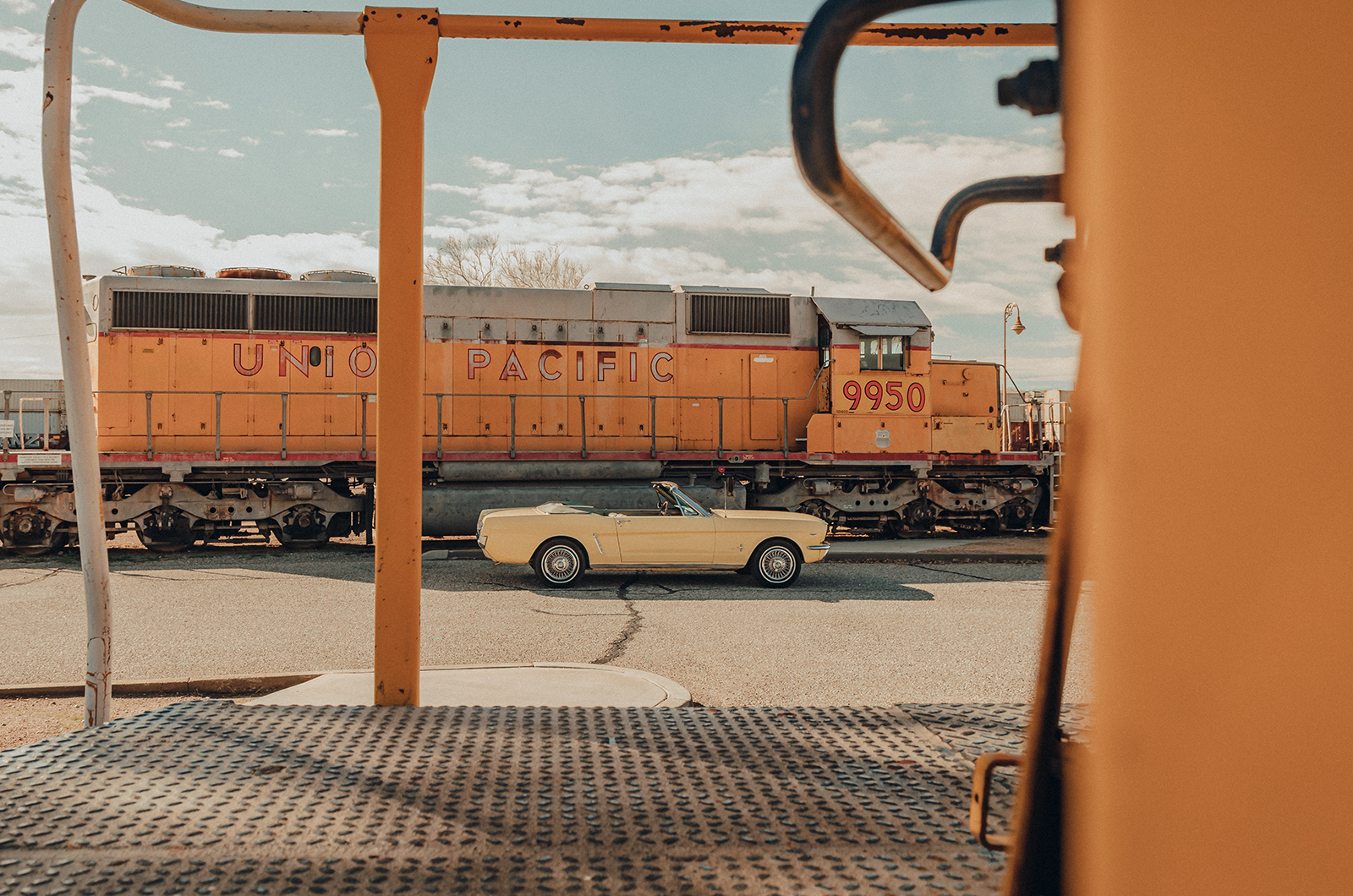
The railway still goes through Amboy, but a four-lane interstate has since diverted Route 66 traffic away from the town
In a succession of low-speed turns after lunch, we conk out in the middle of each crossroad, putting it into neutral and restarting before creeping away with as little throttle as possible.
The European caricature of American drivers is that they are quick to enrage, but I’m not beeped or sworn at: the Mustang effect again.
The stretch across the northern edge of LA’s huge sprawl isn’t exactly charismatic, but the nickname ‘America’s Main Street’ proves true here, going straight down what us Brits would call a high street into Old Pasadena.
It’s a fancy part of Southern California, particularly pretty where it dips down to the banks of the Arroyo Seco river, where it’s cooler and greener.
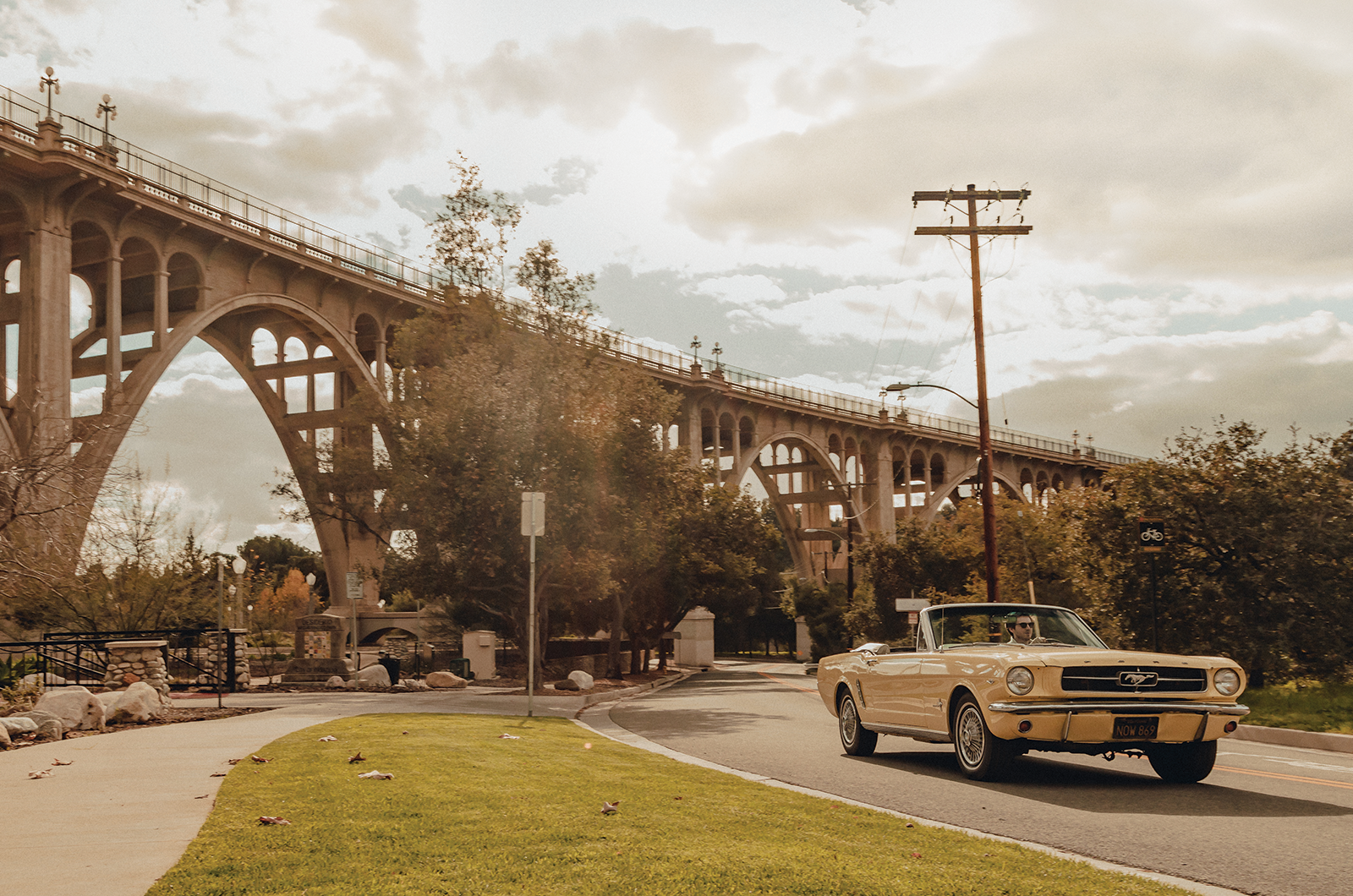
The Ford Mustang looks at home
Above it all loom two great bridges spanning the valley.
The older Colorado Street Bridge is an infamous suicide spot, particularly so during the Great Depression.
Now it’s lined by three-metre-high chain-link fencing.
The irony of this rich area building fences to stop the desperate dropping on to its lawns, rather than tackling the homelessness and deprivation that’s shockingly prevalent in LA, seems lost.
Route 66 changed direction in 1940, however, turning south just before the valley, so that is the route we take to Elysian Park.
An entire mountain in the middle of the city, with a small road system winding its way up, the park is astonishingly quiet on what we would consider a pleasant afternoon.
The Colorado Street Bridge has a tragic backstory
From here, it’s straight on to two of the most famous roads in the USA: Sunset Boulevard and Santa Monica Boulevard.
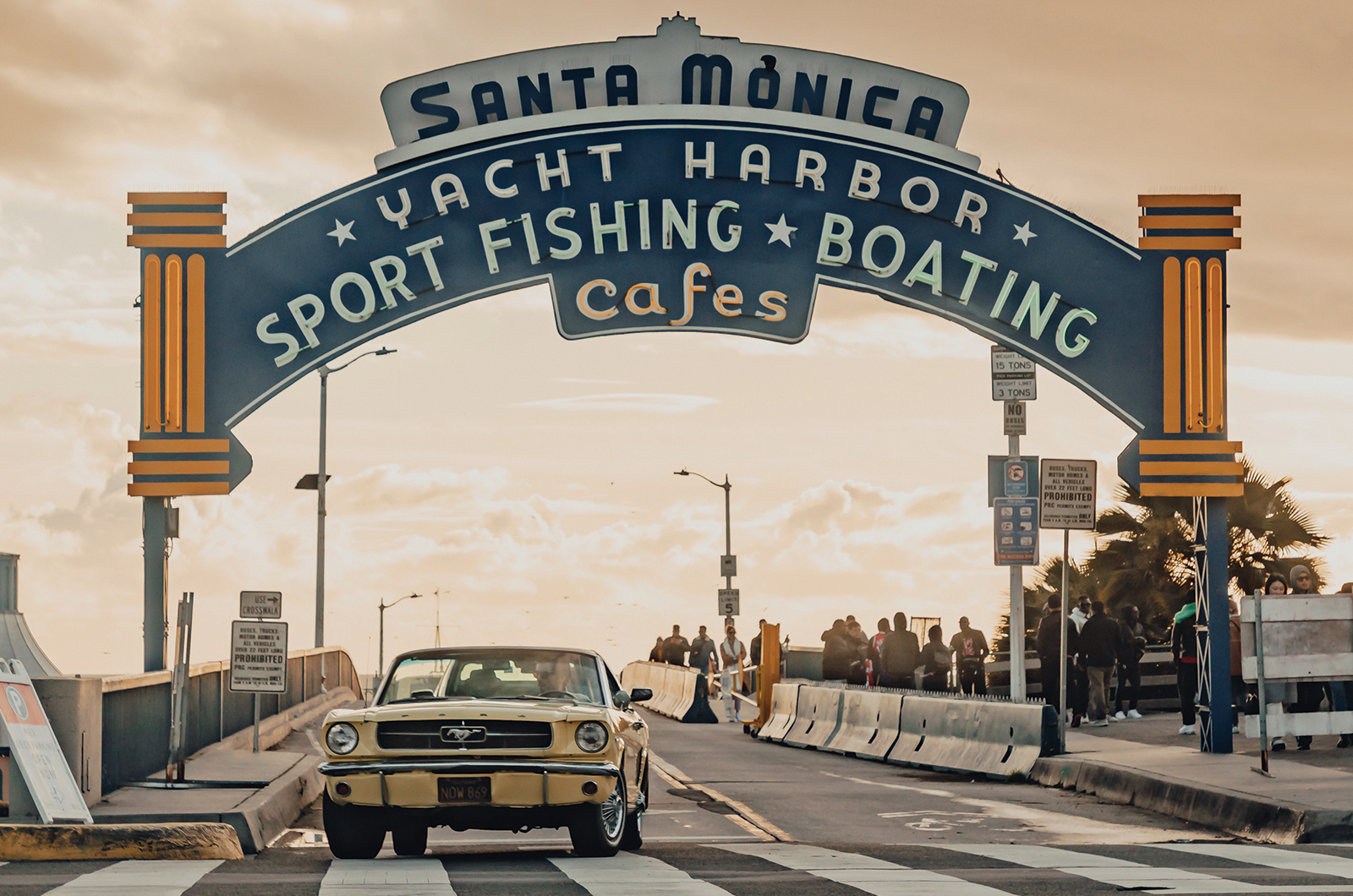
Route 66 officially ends two blocks north of Santa Monica Pier, but it’s the jetty that has nonetheless become the famous end point, and as we approach I have no idea if it’s going to be possible to get the Mustang on to it or not.
Vehicular access varies, so it isn’t until we get to the intersection in front of it that we see it’s open.
Max jumps out, Dukes of Hazzard-style, and he has until I turn around and come back to get in position for a photo of the car driving off the pier – and there’s nowhere for me to slow down or pull over after that.
The Ford Mustang on the highway
Anyone who has been to an American city knows that crossing the road takes a long time.
The car is king and jaywalking is a punishable offence.
The lights themselves take a long time to turn, and if you need to get to the opposite side of a crossroad with two crossings, you’ll be waiting minutes.
As I sit in the queue to get off the pier at a red light, I can see Max still stuck trying to do his second crossing.
His light changes just before mine, and he runs into position for our big finish-line shot.
After that, we just have the small matter of getting from one side of LA to the other in the evening rush-hour.
The end of the road: Route 66 stops just short of Santa Monica’s famed pier, but the beachfront attraction still serves as a fitting full stop to this epic Ford Mustang adventure
We manage to avoid some of the traffic by snaking through the million-dollar neighbourhoods of Ocean Park and Venice, but it is only delaying the inevitable: for the next two hours we crawl along the 405.
Our journey has made it clear just how broad the Ford Mustang’s ability is, but it had to be in order to have sold so well and enjoyed such enduring success.
It’s a capable GT with sporting appeal, but also a reasonably economical commuter in straight-six form; or with more powerful engines it becomes a storming muscle car.
All while seating four in comfort and costing about the same as a typical family car.
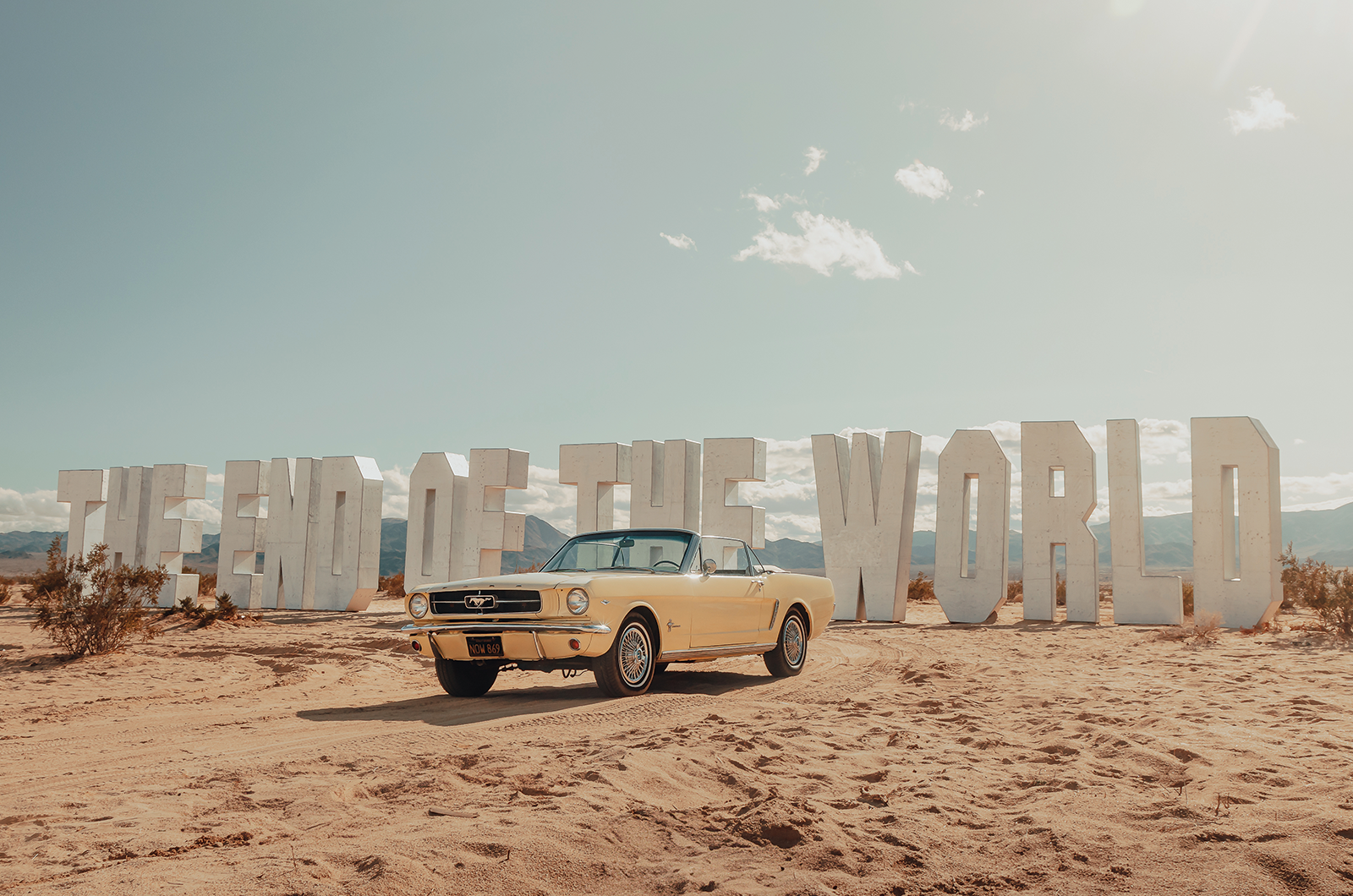
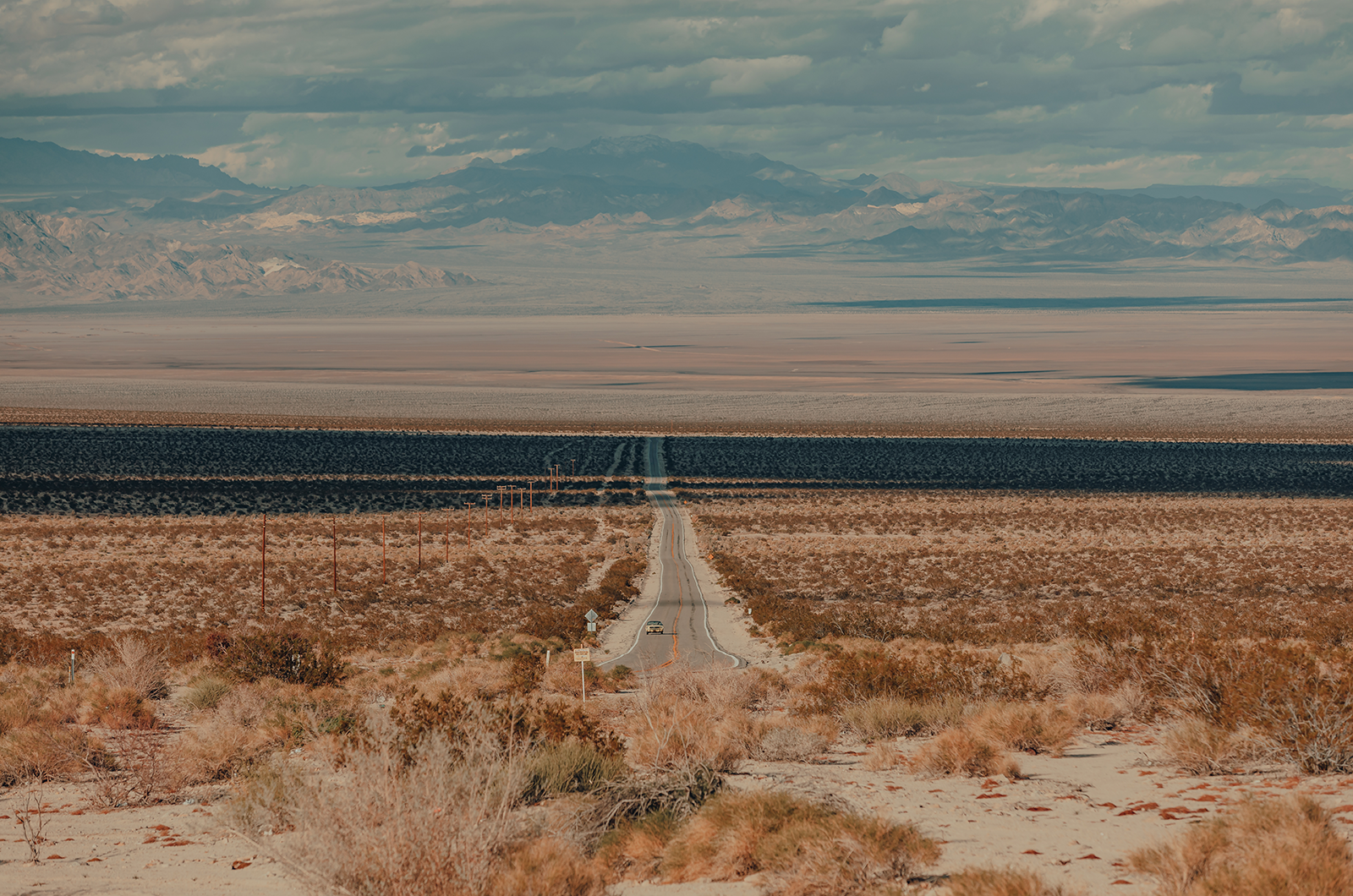
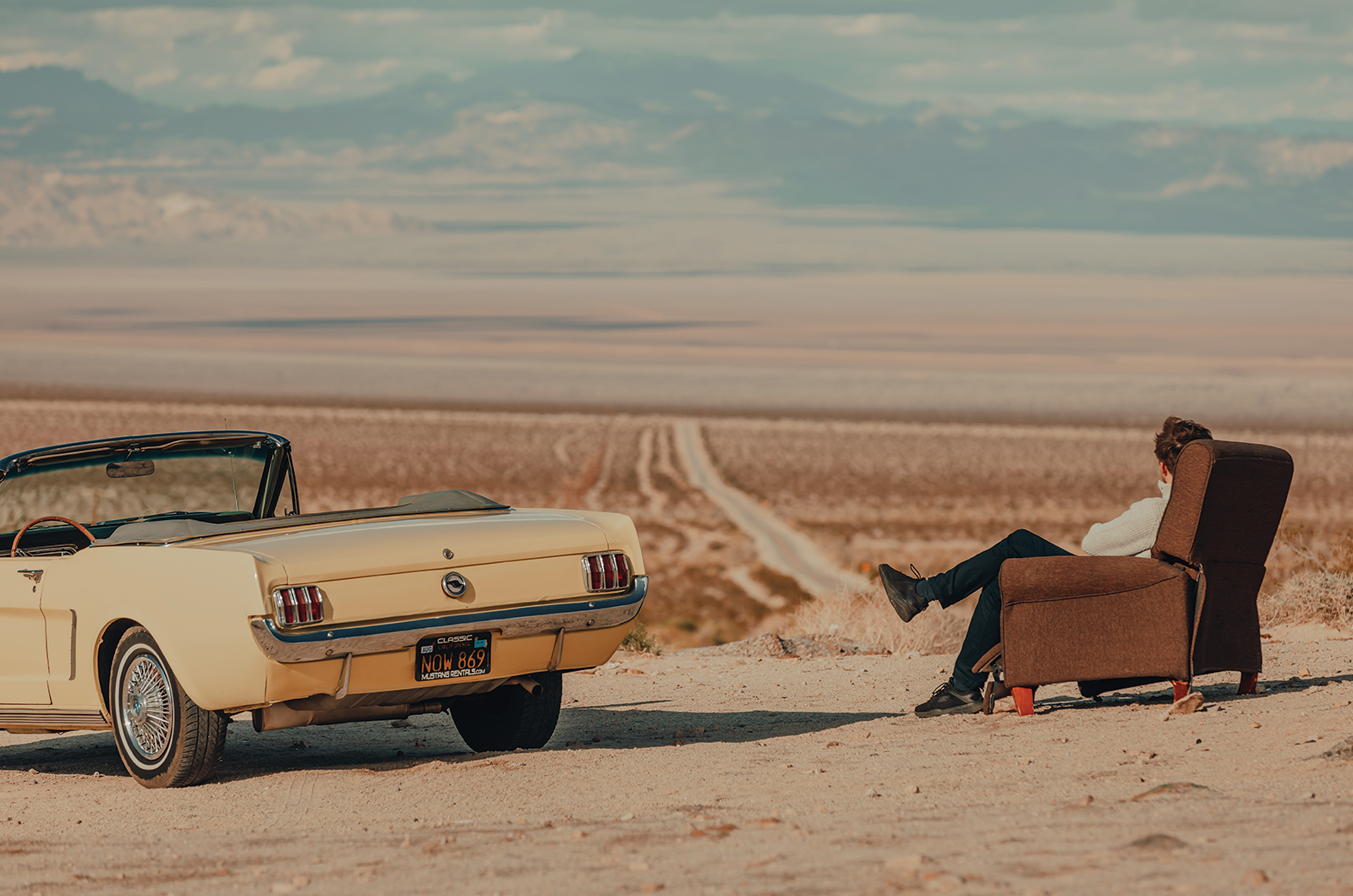
‘The scale of the emptiness is unfathomable – 30 miles of nothing in each direction’
The term ‘pony car’ was created for it, but for me that only describes the six-cylinder models and ignores all those other hats the famous Ford has worn.
The magic of the Ford Mustang is how it ticks the ‘ordinary car’ boxes – affordability, reliability, practicality – yet makes you feel just as special as that millionaire in a Ferrari.
Which makes it an exceptional long-distance companion.
There have been challenging moments, but the Mustang soldiers on and always put smiles on our faces.
An epic road trip is never what you first imagine it will be – things do go wrong and adventures happen – but a brilliant car such as this makes it a dream nonetheless.
Images: Max Edleston
Thanks to: Ford Motor Company and Sunland Ford
Factfile
Ford Mustang 289
- Sold/number built 1964-’65/680,989
- Construction steel monocoque
- Engine all-iron, ohv 4727cc V8, single Autolite four-barrel carburettor
- Max power 210bhp @ 4400rpm
- Max torque 300lb ft @ 2400rpm
- Transmission three-speed automatic, RWD
- Suspension: front independent, by unequal-length wishbones, coil springs, anti-roll bar rear live axle, semi-elliptic leaf springs; telescopic dampers f/r
- Steering recirculating ball
- Brakes drums, with servo
- Length 15ft 2in (4597mm)
- Width 5ft 8in (1732mm)
- Height 4ft 3in (1295mm)
- Wheelbase 9ft (2743mm)
- Weight 2861lb (1297kg)
- Mpg 17
- 0-60mph 9.5 secs
- Top speed 110mph
- Price new $2662 (1965)
We hope you enjoyed reading. Please click the ‘Follow’ button for more super stories from Classic & Sports Car.
Charlie Calderwood
Charlie Calderwood is Classic & Sports Car’s Features Editor