Why you’d want a Citroën Ami
Flaminio Bertoni excelled with his styling of Citroënʼs glorious DS.
Five years later, he was given free rein to design a new, smaller model to fill the void between the 2CV and the low-spec ID.
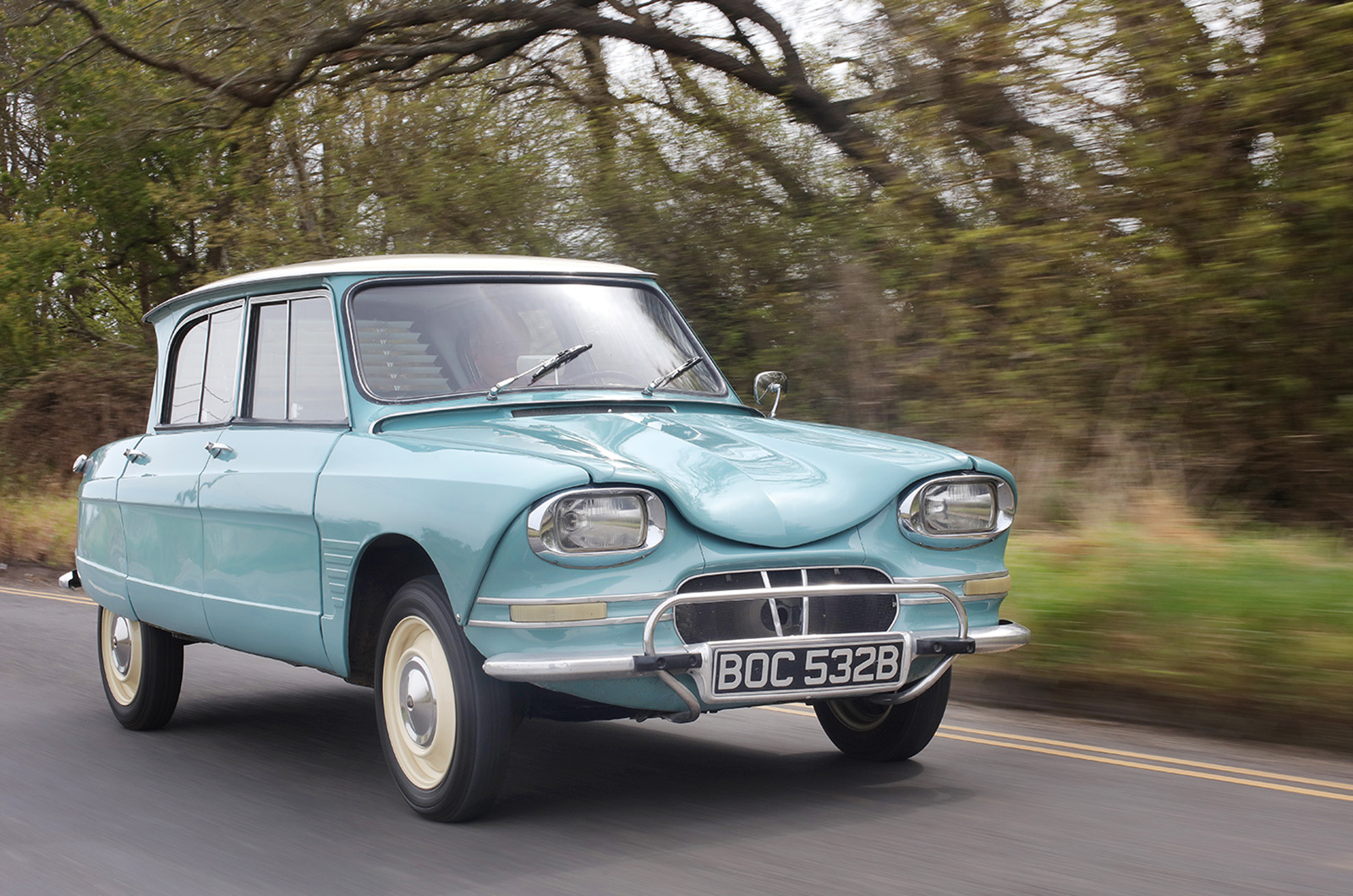
Bertoni wanted the Ami to appeal to well-heeled French lady drivers – and it certainly did, with a stunningly different, stylish and sophisticated small-car design.
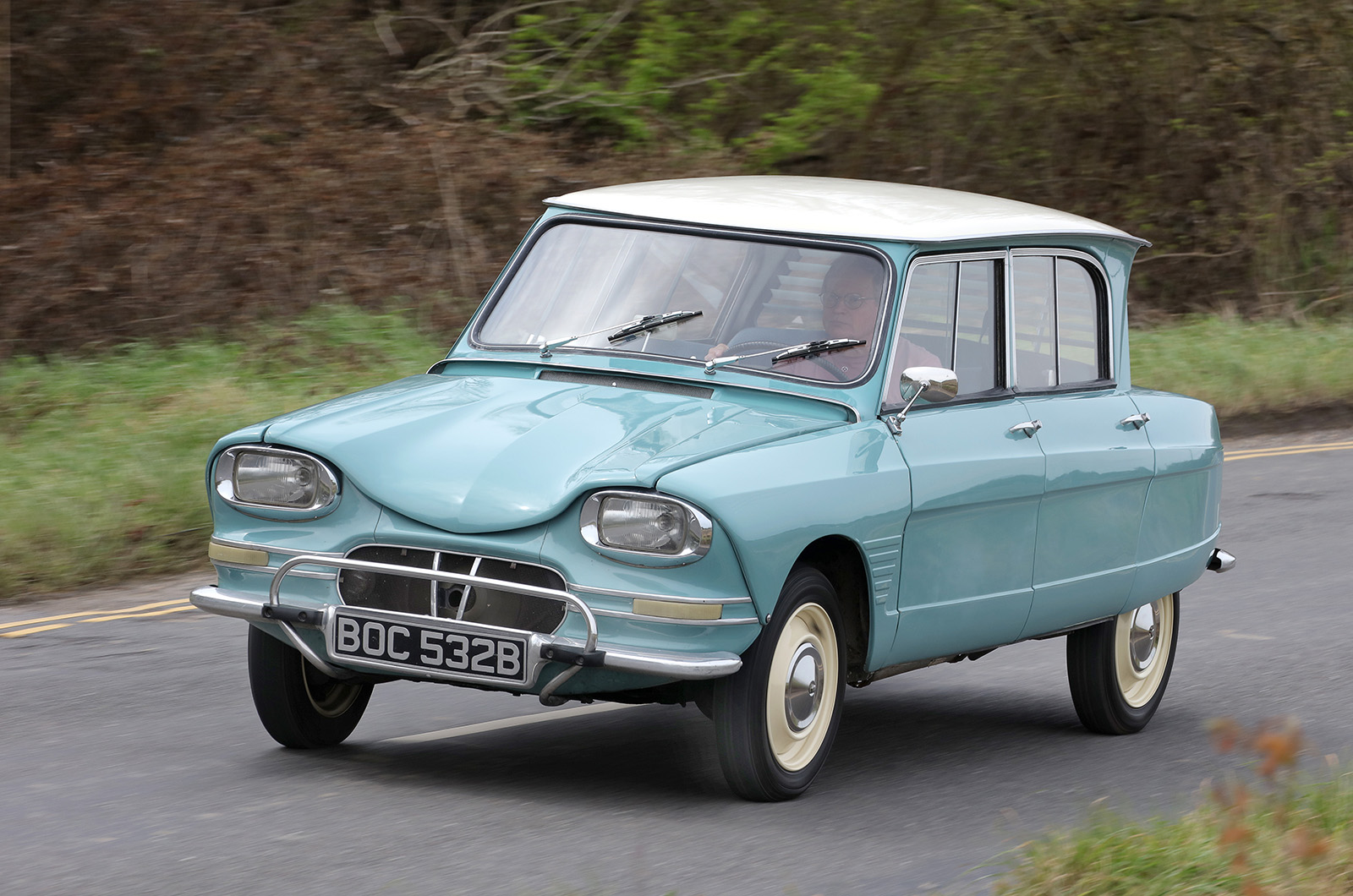
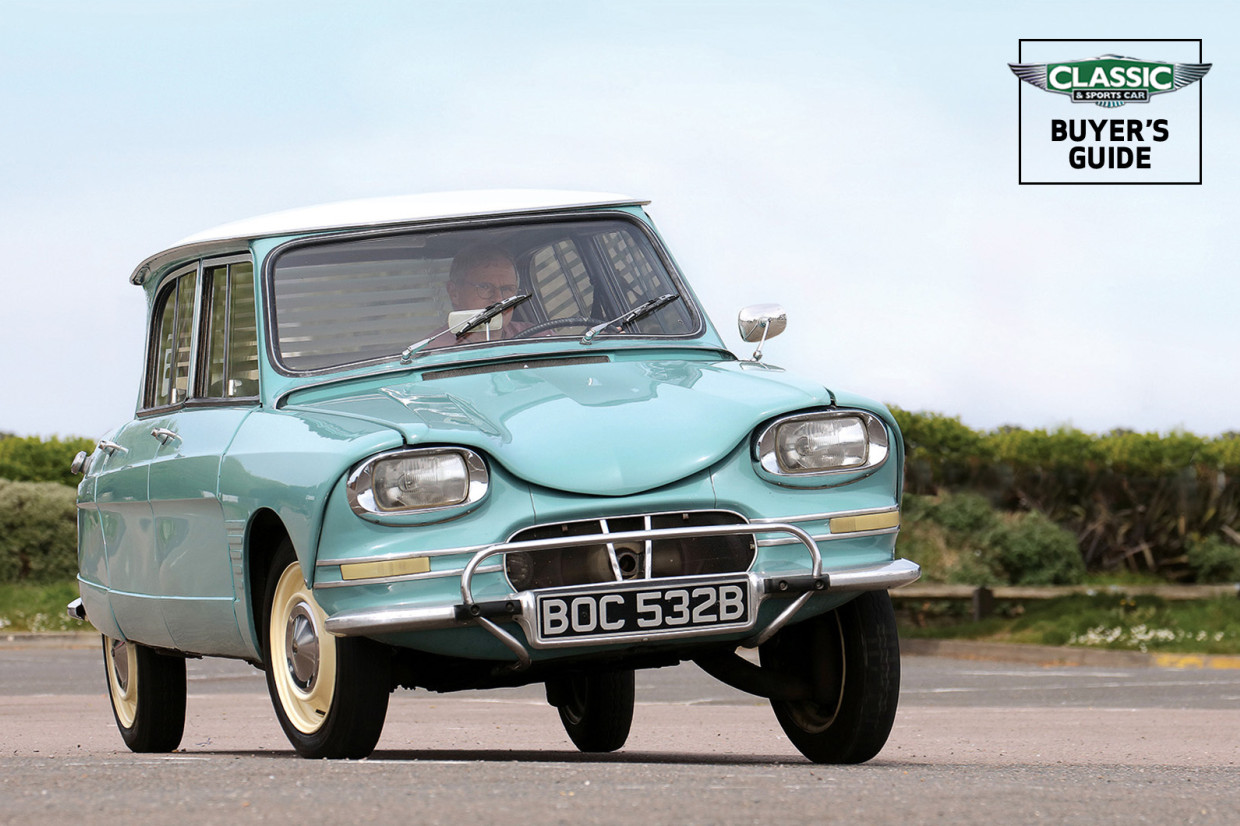
The droop-nosed, ID-style front had to be changed when the decision was made to use the 2CVʼs air-cooled engine, and the final look is not to all tastes, but it is eye-catching and achieved the desired aim of appearing significantly superior to the 2CV.
The Ami 6 pioneered non-round headlamps, and featured plenty of polished aluminium and multiple swage lines, allowing the use of thinner-gauge steel to keep the weight down and the performance up.
A stiffer bulkhead helped hold it all together, but the box-section sills were thin and rust-prone.
As with Fordʼs contemporary 105E Anglia, the reverse-rake rear window helped the car appear bigger, with a large glasshouse and a capacious boot.
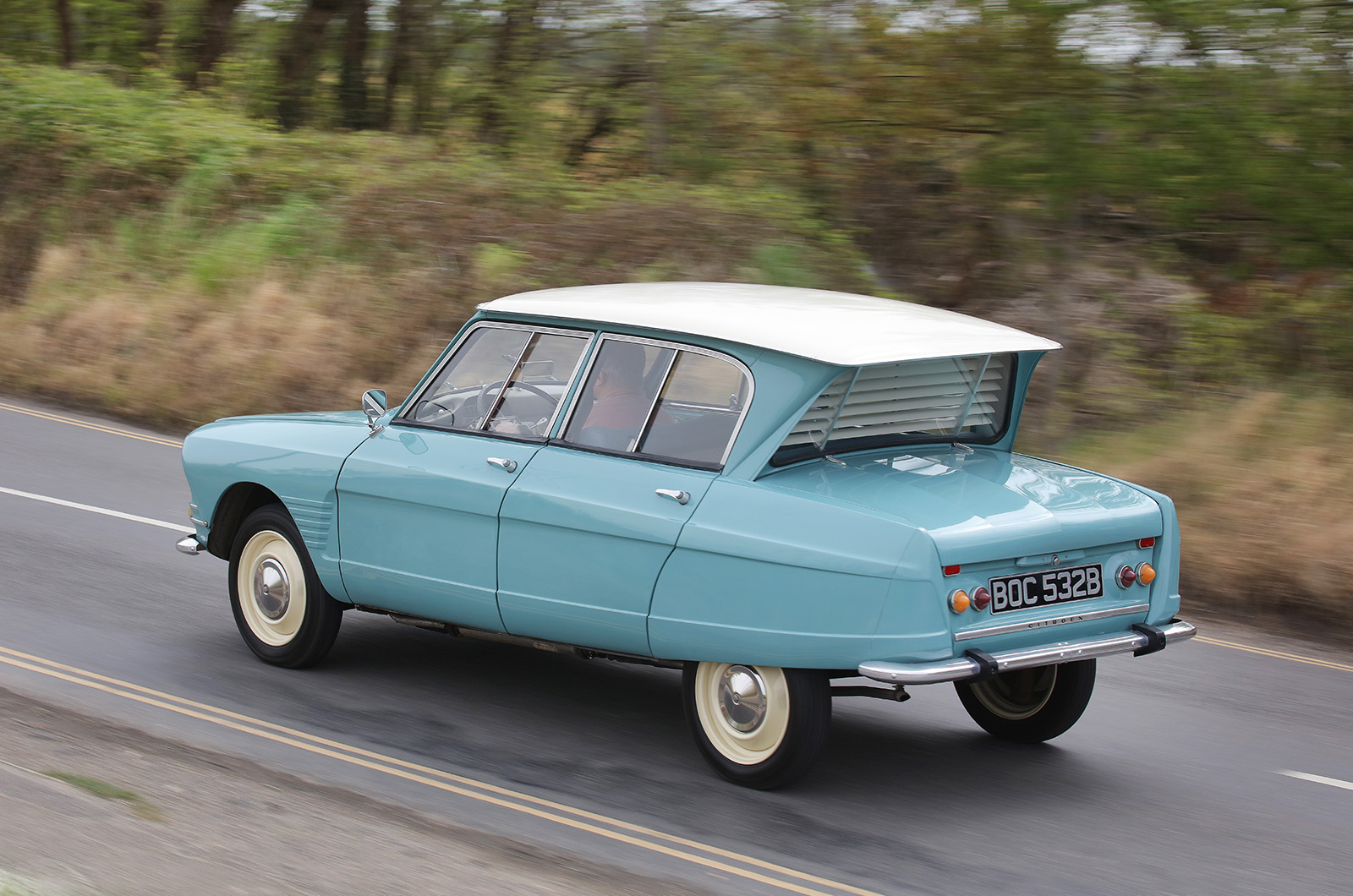
But the quirkiness of its looks didnʼt help sales: the estate version, launched three years later, outsold the saloon (551,880 to 483,986) and made the Ami Franceʼs best-selling car in 1966.
To give the car a boost over the 2CV, the 425cc engine was bored and stroked to 602cc, making 24bhp.
Inevitably, this unit later found its way into the 2CV after also being used in the Dyane, which would then give its 32bhp version of the flat-twin to the Ami 8 in 1968.
The 8, restyled by Robert Opron, featured cleaner lines and front disc brakes; five years later the Super arrived, with a 1015cc flat-four from the GS and near hot-hatch performance.
Stiffer anti-roll bars helped to avoid the usual criticisms of ridiculous roll angles; the interior wasnʼt neglected either, with Luxe, Confort and Club specs, the last including reclining front seats.
The 8 estate again outsold the saloon (386,582 to 342,743), though the hot-hatch nature of the Super clearly appealed: it outsold its wagon variant 24,797 to 19,222.
The rarest conventional Ami was the Service van, but scarcest of all was the M35 Wankel-engined coupé, of which 267 were built for evaluation.
Amis were also built in Spain, Yugoslavia, Portugal, Belgium, Argentina and Chile.
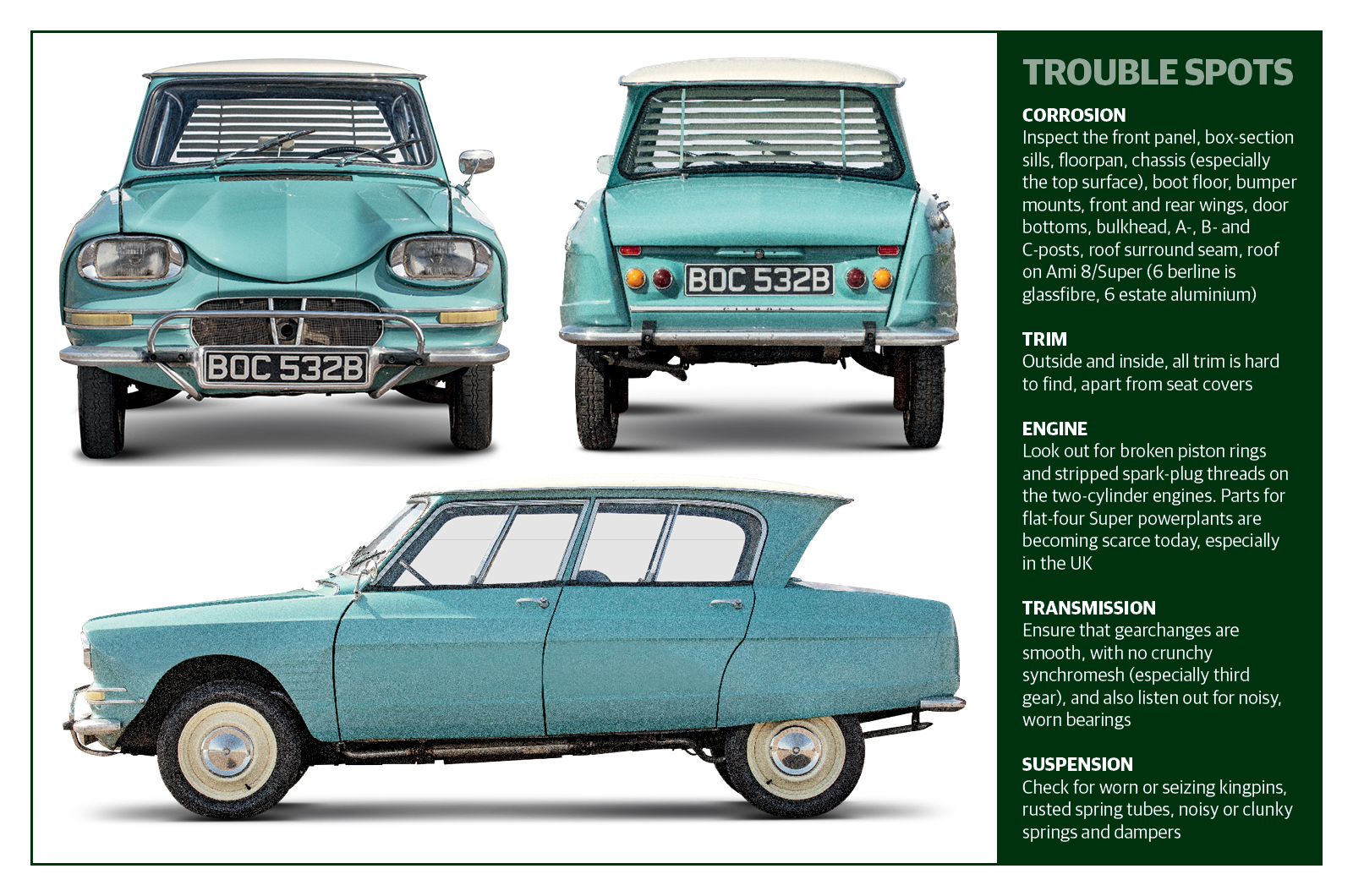
Rust was the main killer, due to thin steel and limited protection.
Images: James Mann
Citroën Ami: what to look for
Trouble spots
Please see above for what to check before you look at any Citroën Ami classic cars for sale.
Engine
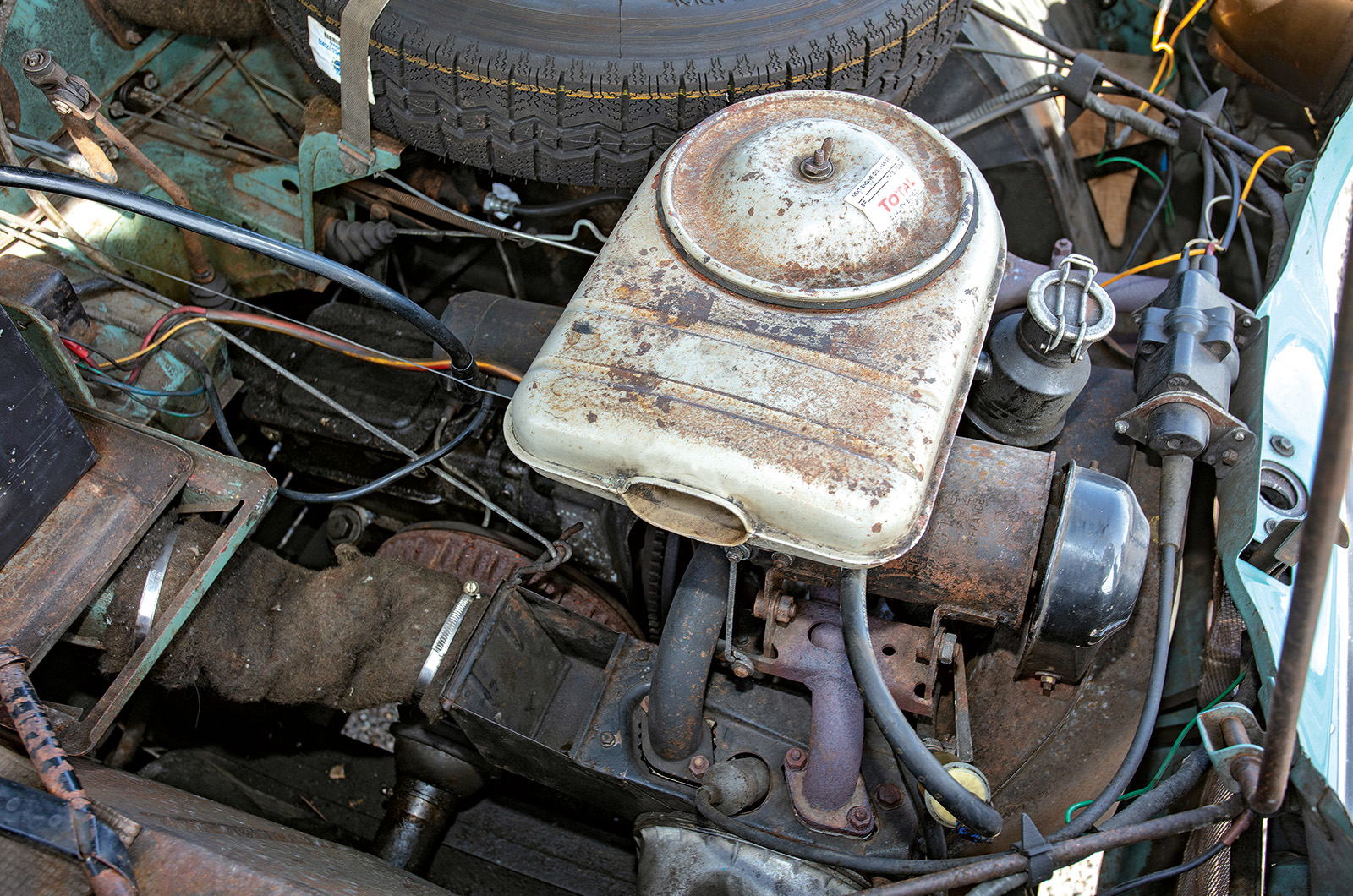
The horizontally opposed 602cc twin with inboard drum brakes looks pure 2CV today, but when new it was 40% bigger – enough to move the Citroën Ami significantly upmarket.
The engine bay of this car is largely unrestored and highly original. The underbonnet-mounted spare carries a new 125 R15 Michelin X – the original spec and still available.
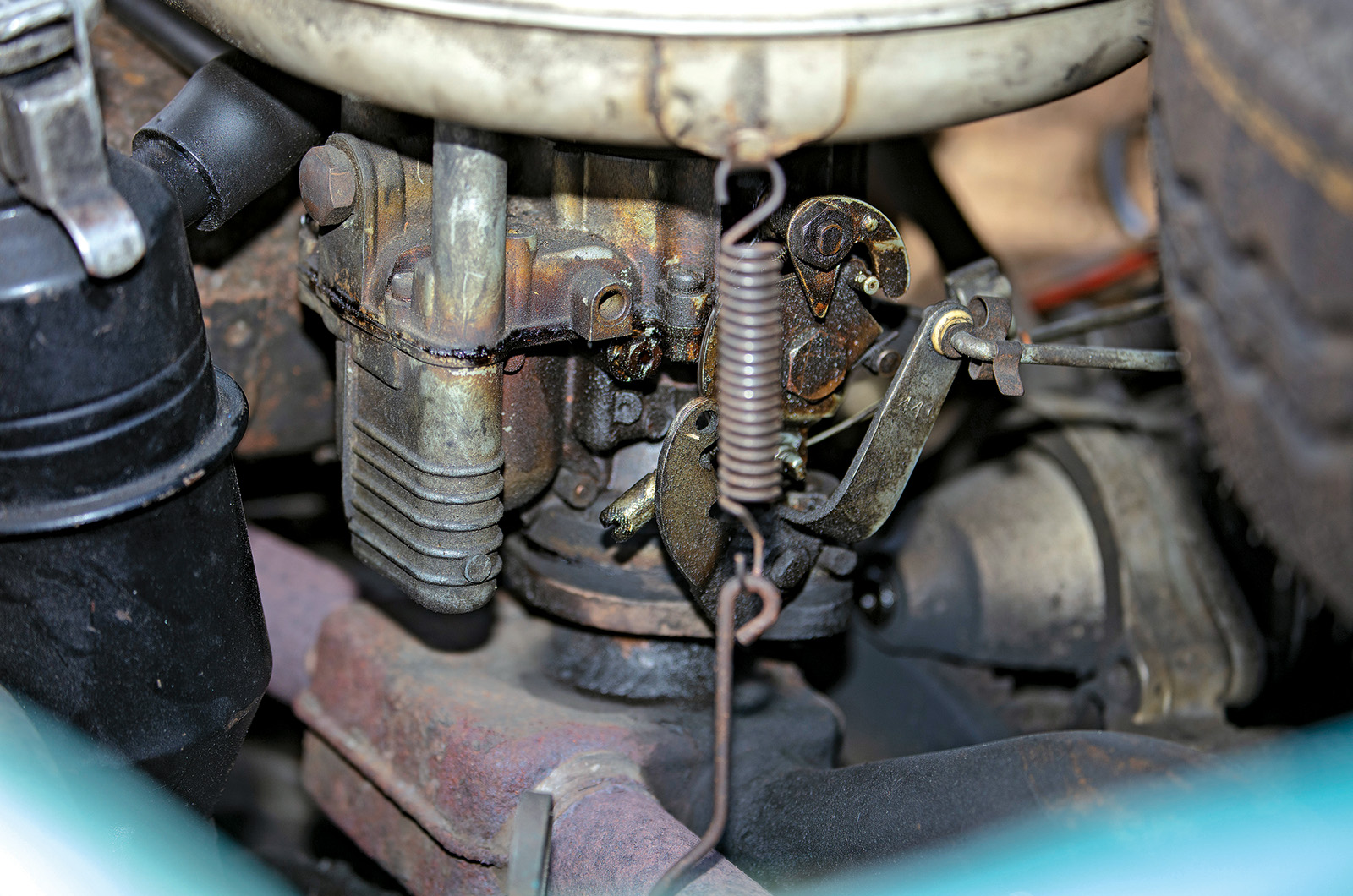
The single-choke Solex carb, replaced by twin-choke from 1968, does wear with age and can lead to poor running. New units and service parts are available.
Suspension
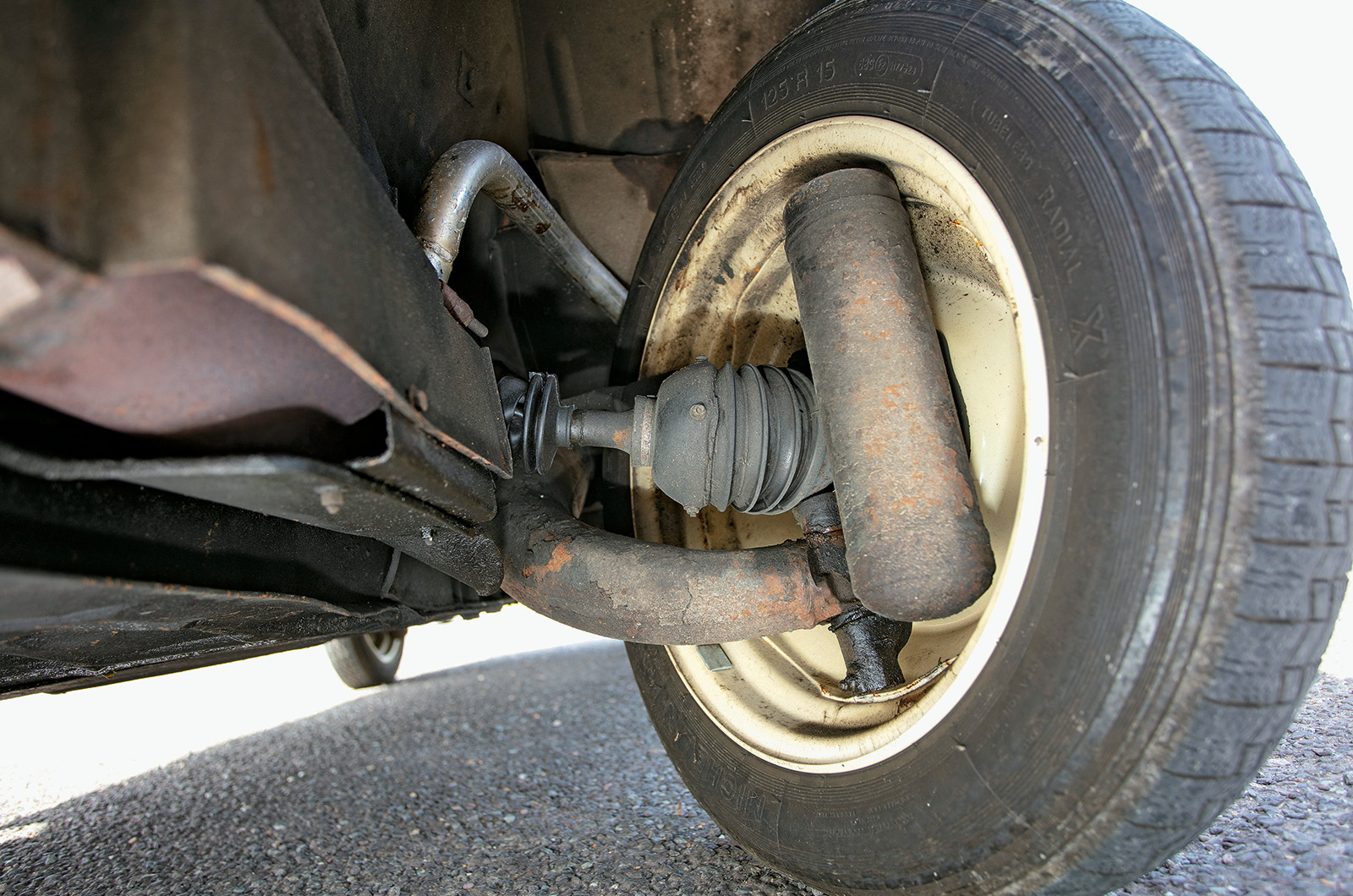
Check for kingpin wear and leaks from the interconnected suspension units, which get noisy if neglected.
Brakes are inboard drums (6) or discs (8/Super).
Gearbox
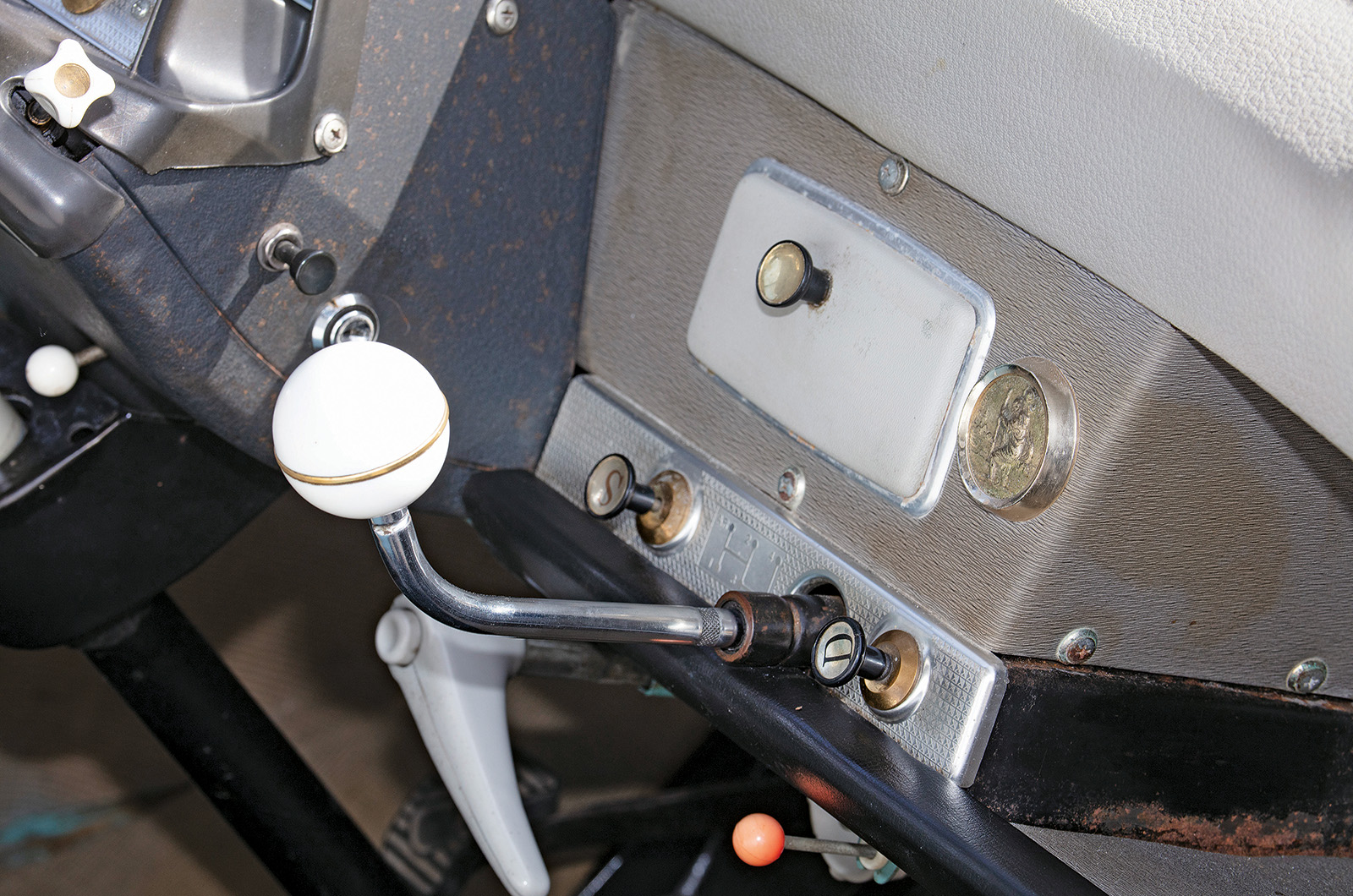
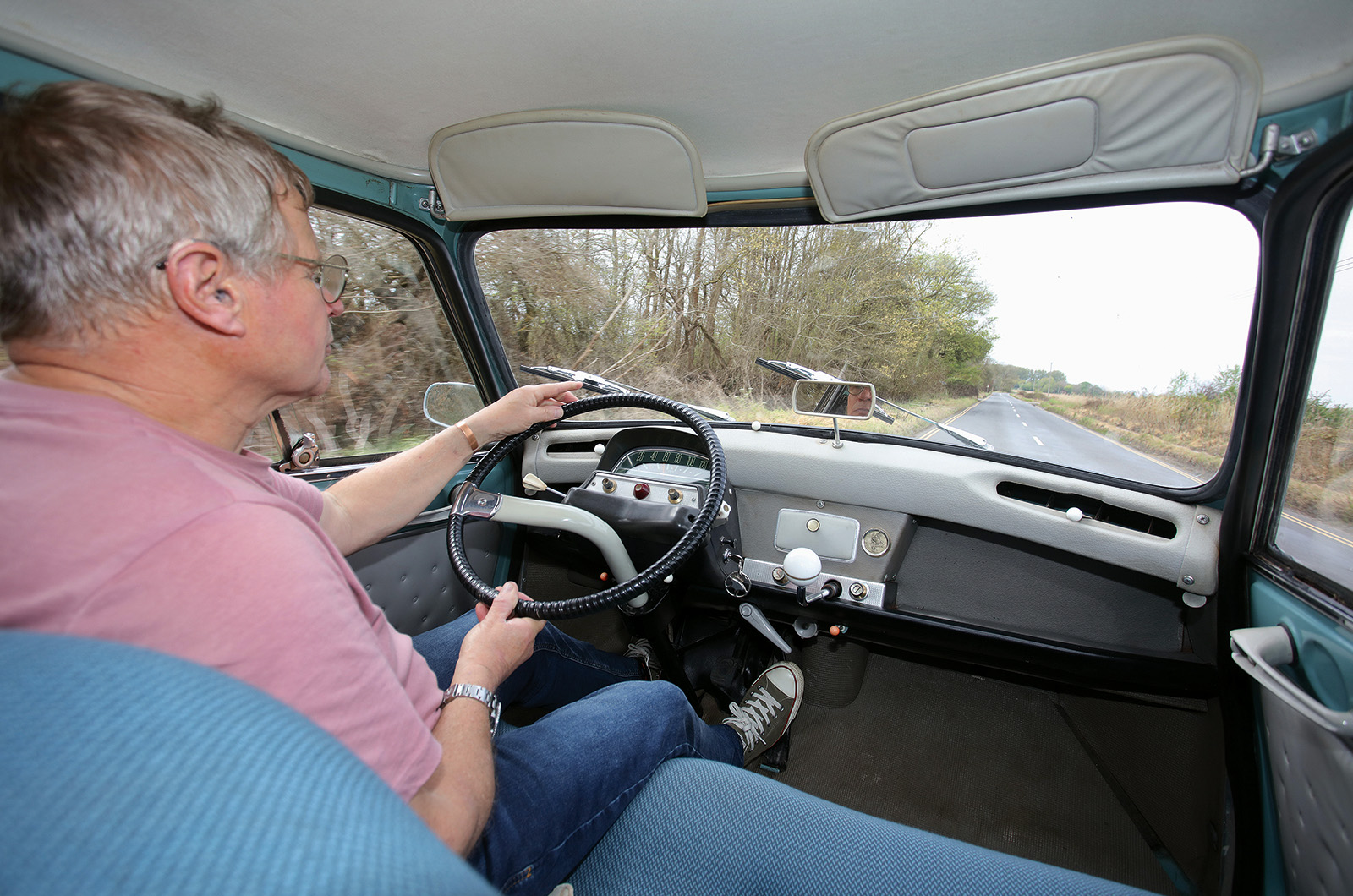
The Citroën Ami’s unconventional gear gate is quickly learned, and helps educate the driver that top on the two-cylinder cars is an overdrive, out on a limb like a fifth gear.
Interior
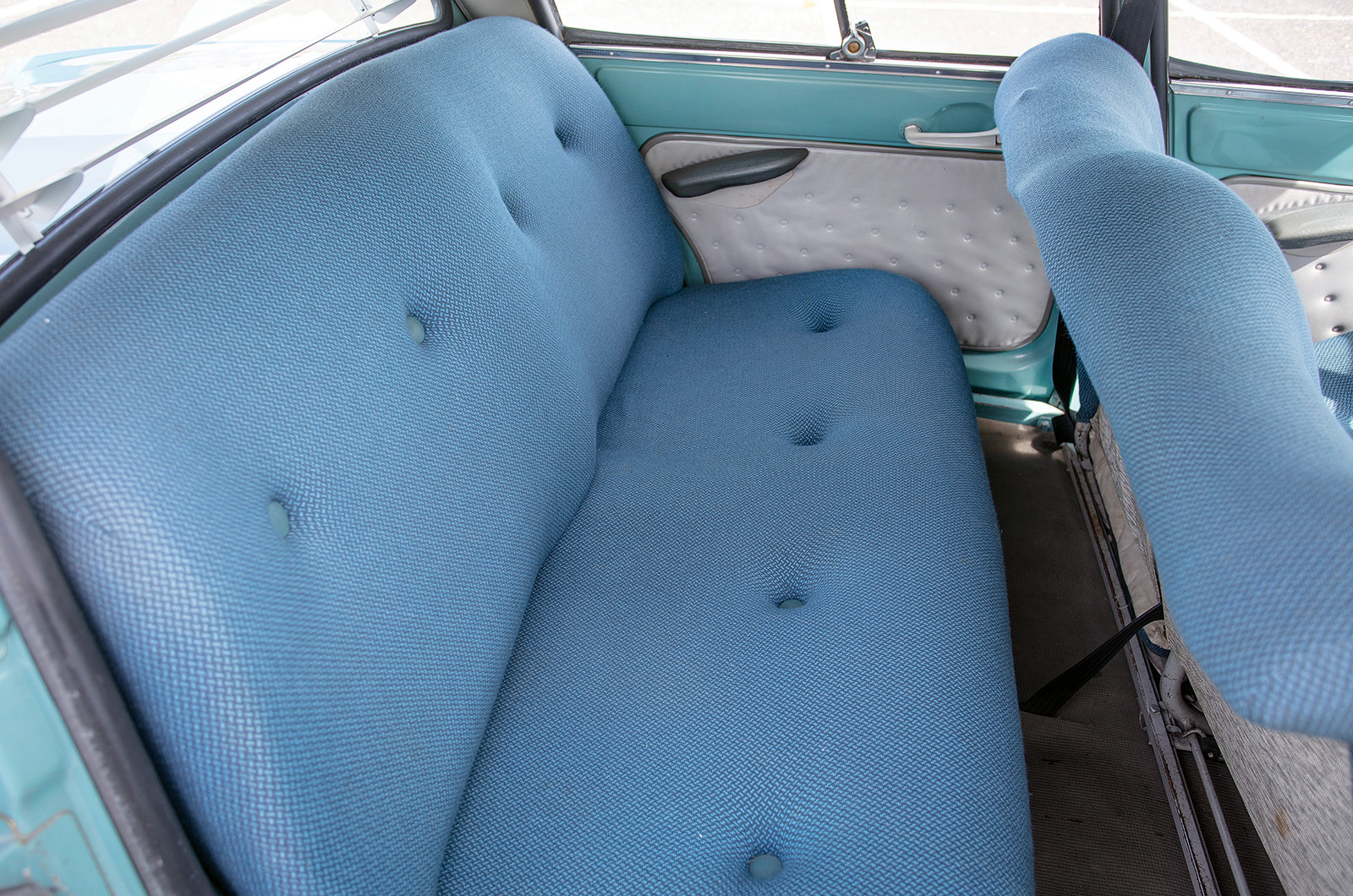
Deep, soft seats with stylish door trims and furniture emphasise the chic French appeal of the Citroën Ami.
Seat trim is available, but other interior parts are hard to find.
Citroën Ami: before you buy
The Citroën Ami built on the pure simplicity of the 2CV, with added power and a plusher interior to take it upmarket.
Air-cooled, with two horizontally opposed cylinders and no distributor, there was little to go wrong.
The interconnected front/rear coil-sprung independent suspension gave a superb ride and adding deep, soft seats made the Ami one of the most comfortable cars of its generation.
Unsprung weight was kept low thanks to lightweight wheels and inboard front brakes, while rack-and-pinion steering, a four-speed, all-synchromesh gearbox, separately controlled fresh-air ventilation and warm-air heating, radial tyres and hydraulic brakes were also ahead of most period rivals.
Rattly, weak flat-twins may have broken piston rings or need valve adjustment.
The four-pot Super is much more powerful, but rare: many have been broken to uprate 2CVs.
Front suspension, especially the kingpins, needs frequent maintenance – greasing every 1000 miles was specified for early cars.
Brakes should be well up to reassuring stops; if not, check for oil in the front drums on early cars, and seized cylinders or caliper pistons.
Parts are all available due to being shared with 2CVs.
The Citroën Ami is less prone to water getting into the car than the 2CV, but rot is still the main concern, especially because body parts are mostly unavailable – though there are some repair panels.
The Ami 6ʼs complex pressings are particularly difficult to replicate, so check them carefully for filler and past bodgery.
Citroën Ami price guide
Restoration/average/show*
- Ami 6: £2000/8000/17,000
- Ami 8: £1000/5000/10,000
- Super: £1250/6000/12,000
Prices correct at date of original publication
*Estates c10-20% less than saloons
Citroën Ami history
1961 Ami 6 Confort berline launched
1962 Basic ‘Touring’ spec added
1963 Higher compression for 26bhp
1964 Estate: Touring/Confort/Commercial
1966 Alternator and 12V electrics, new dash, stainless three-bar grille, 27.5bhp
1967 Club trim option on estate (1967 for berline): twin headlights, chrome strips, carpet, reclining seats, whitewall tyres
1968 One-piece tail-lights, gold boot badge, honeycomb grille, 32bhp
1969 Ami 8 fastback/estate/van replaces 6: front disc brakes, anti-roll bar, Confort/Club
1970 M35 rotary coupé (267 built)
1973 Super: 1015cc flat-four, floor change, bigger brakes, stiffer chassis, new grille/dash
1979 Production ends
The owner’s view
After 20 years running the Metropolitan Owners’ Club, Nick Savage returned to a previous love.
“I paid £30 for an Ami 8 Estate when I first started work, and ran it for six months,” he recalls. “I had another for five years from 1995.
“I like to have cars that are a bit different: I’ve had SMs for years and I love all French cars from the 1950s to the ’70s.
“I think the styling is fabulous, especially the DS and SM – and the Ami is so quirky.
“I’ve only recently bought this one, but was chasing it for two years. It was restored in 1998 but is still on its original chassis – the early ones were better quality.
“We take it to as many shows as we can because people love to see it: last weekend it attracted far more attention than the Jaguar E-type next to us. There’s no Citroën badge on the front, so people don’t know what it is.
“Ami 6s are very rare here – one right-hand-drive car has been brought back recently from Finland.”
Also consider
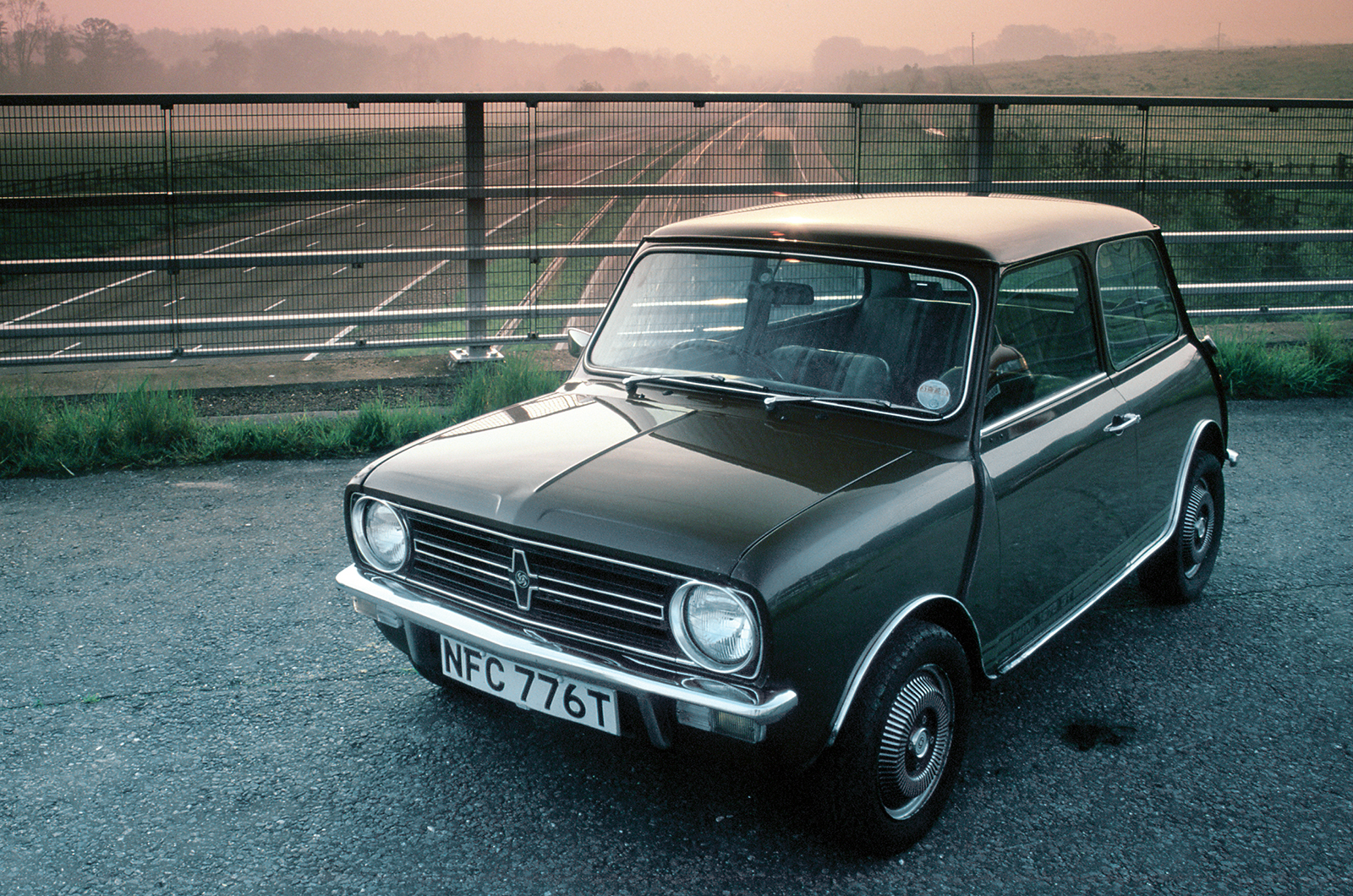
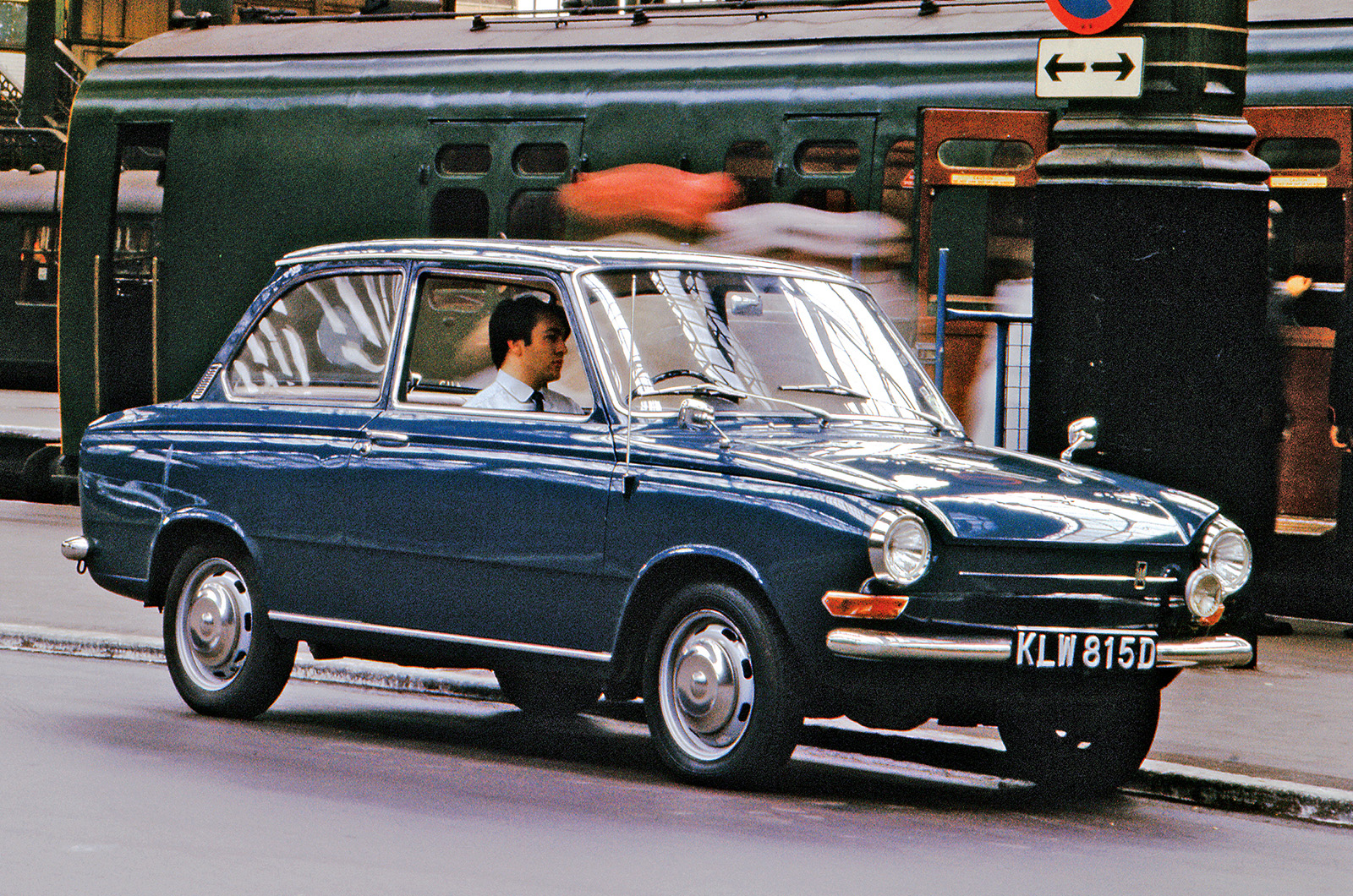
The classic Mini (left) and DAF 33/44/55 are alternative buys
BMC MINI
Clever packaging, sporty set-up and lively performance gave the Mini a very different appeal to the Ami – though the Super and 1275GT were comparable on pace. Huge fanbase, but rot-prone.
Sold 1959-2000 • No. built 5,387,862 • Price now £2-20,000*
DAF 33/44/55
The Dutch equivalent, initially with an air-cooled flat-twin and a rear-mounted continuously variable transmission and 750, 844 or 1108cc in the Super-rivalling 55. Great value today.
Sold 1962-’75 • No. built 644,503 • Price now £500-10,000*
*Prices correct at date of original publication
Citroën Ami: the Classic & Sports Car verdict
The Citroën Ami is a supremely comfortable, small, classic car, oozing style and individuality.
The character of an Ami 6 compared to an Ami 8 or a Super is very different, and estates offer an extra dimension of usefulness with less wacky styling, so choose the Ami that suits you.
Finding one is the next challenge: they are few and far between.
If you buy a project, make sure it’s as complete as possible, because sourcing parts can be tricky.
FOR
- Simple and inexpensive to run
- Plentiful mechanical spares supply due to sharing with the Citroën 2CV
- An Ami makes a good project, provided the rare trim parts are salvageable
AGAINST
- These cars are rot-prone, with minimal parts availability for bodywork and trim
- A rusty or incomplete Ami can be an expensive nightmare
Citroën Ami specifications
- Sold/number built 1961-’79/1,840,396
- Construction steel body on punt-type steel chassis, glassfibre roof on Ami 6
- Engine air-cooled, iron-block, alloy-head, ohv 602cc flat-twin, or all-alloy, ohc 1015cc flat-four, Solex carb (twin-choke from ’68)
- Max power 24.2bhp @ 4750rpm to 53bhp @ 6000rpm
- Max torque 29.5lb ft @ 3000rpm to 52lb ft @ 3500rpm
- Transmission four-speed manual, FWD; optional centrifugal clutch on Ami 6/8
- Suspension independent, at front by leading arms (anti-roll bar on Ami 8) rear trailing arms (anti-roll bar on Super); interconnected coil springs and inertia, friction dampers f/r (telescopics from ’63)
- Steering rack and pinion
- Brakes drums (Ami 6) or discs/drums
- Length 13ft-13ft ¾in (3960-3980mm)
- Width 5ft-5ft 1in (1520-1550mm)
- Height 4ft 10½in-4ft 11in (1485-1500mm)
- Wheelbase 7ft 10½in (2400mm)
- Weight 1452-1692lb (660-769kg)
- 0-60mph 34.3-16.4 secs
- Top speed 65-90mph
- Mpg 28-50
- Price new £1465-1670 (1976)
READ MORE