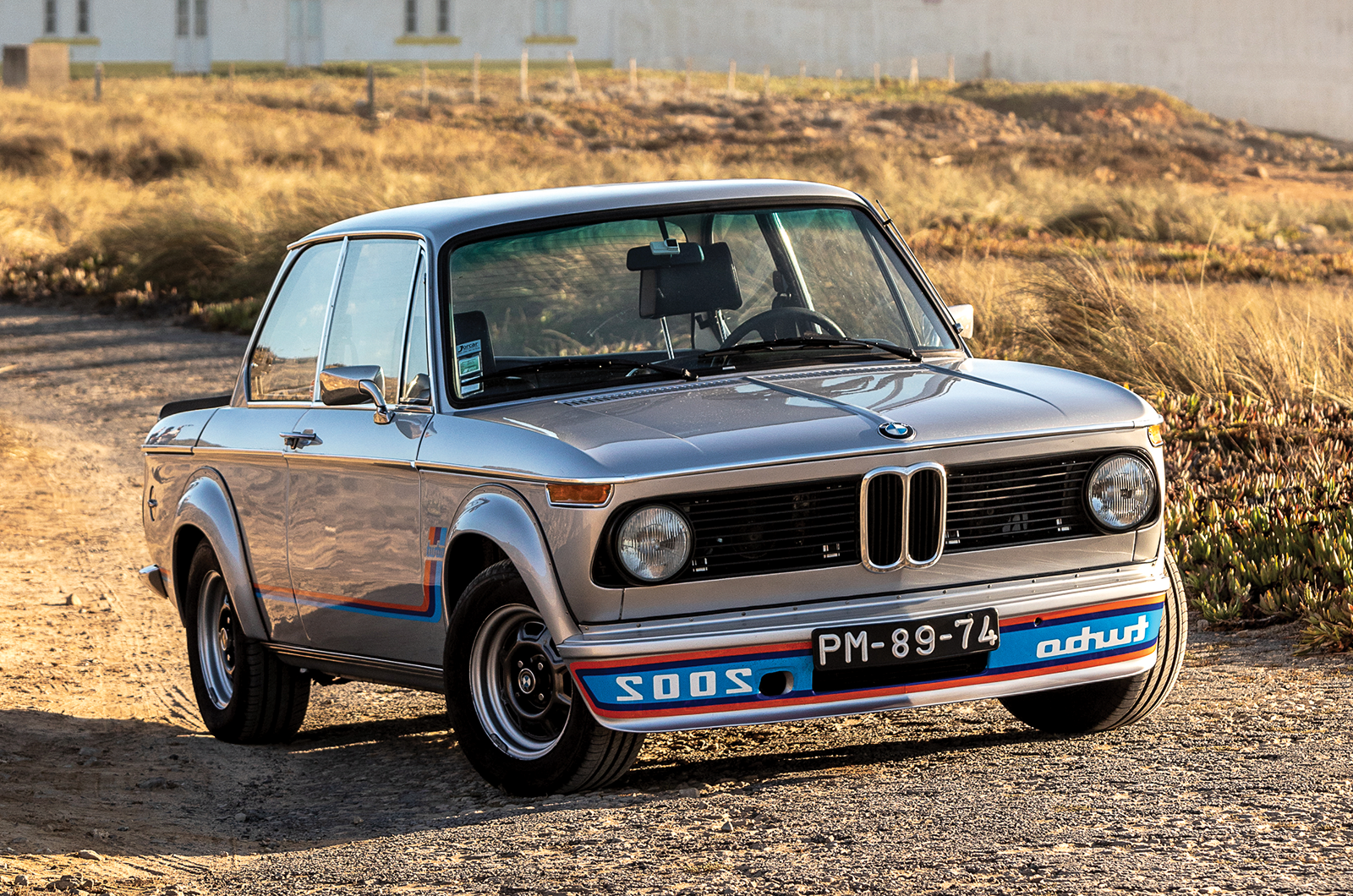
BMW 2002 turbo: statement of intent

| 23 Jun 2026
Classic & Sports Car – BMW 2002 turbo: induction ceremony
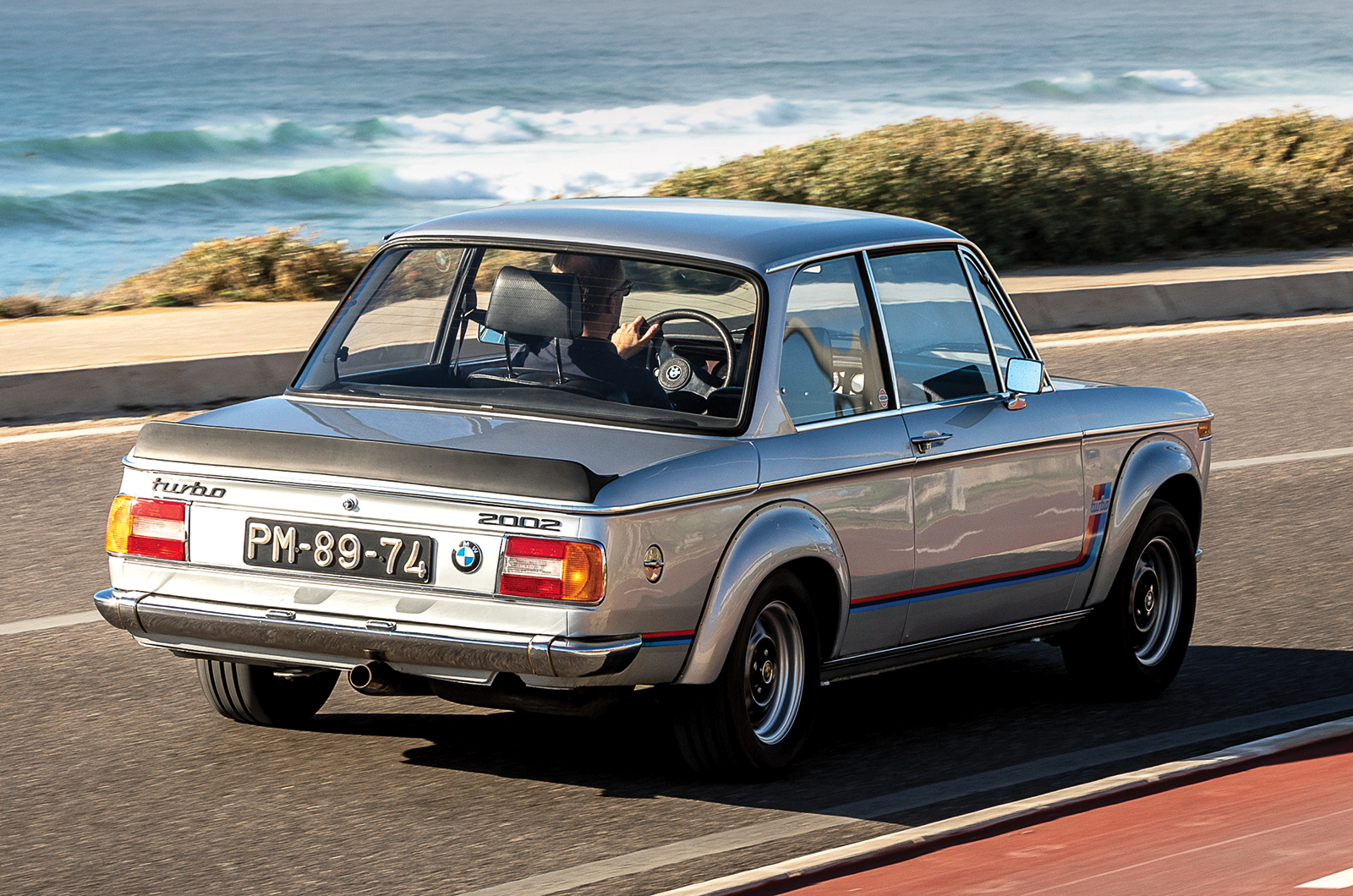
The man with the mahogany suntan, dressed in pastel-hued Lycra cannot get enough of us – the international language of hand signals speaks volumes.

It helps that the word ‘turbo’ is universal, mind you, as is the whooshing sound.

And this is the third such tête-à-tête we’ve had in the past five minutes.

Sorry, it’s time to leave for one more panning shot, time to enter a Vaseline-over-the-lens, soft-focus dreamscape.

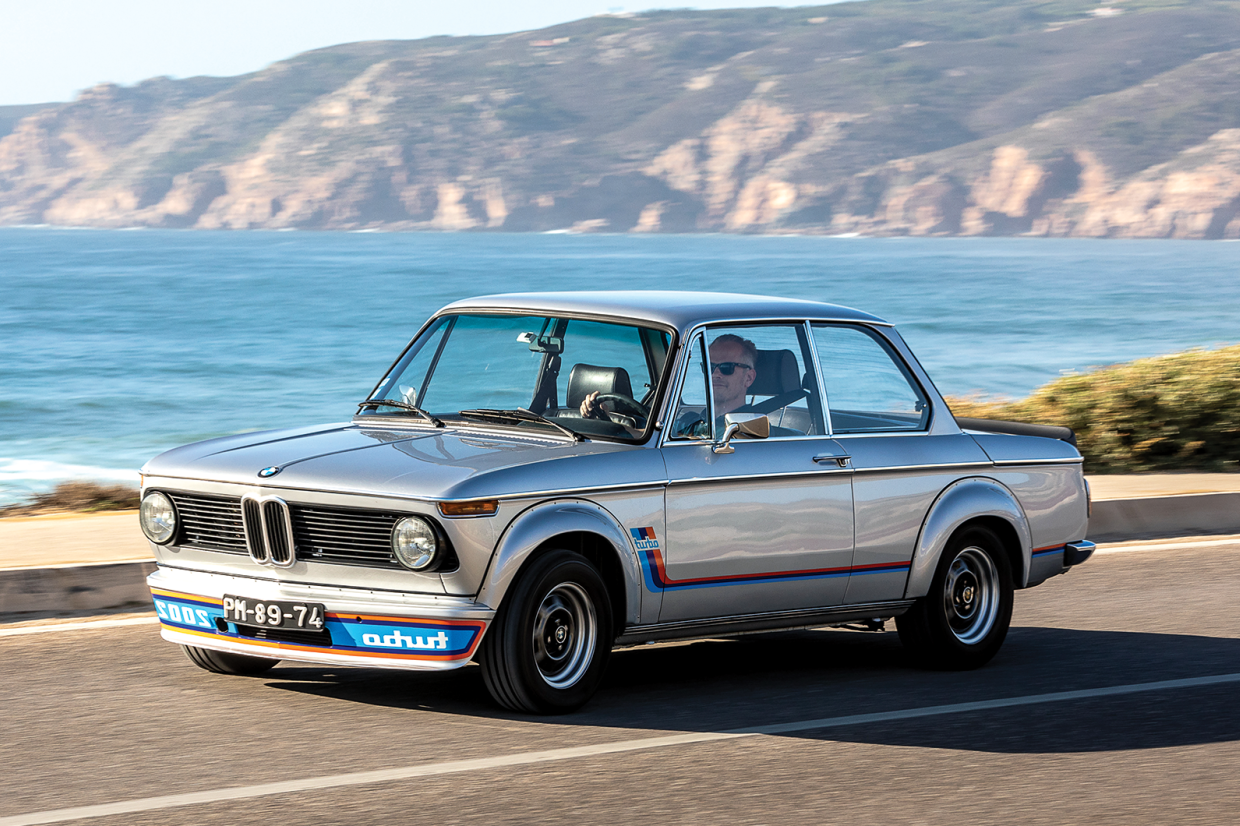
Driving along Estrada do Guincho, the road alongside the beach that appeared in the opening scene of James Bond movie On Her Majesty’s Secret Service, makes it hard not to romanticise.

Classic & Sports Car – BMW 2002 turbo: induction ceremony
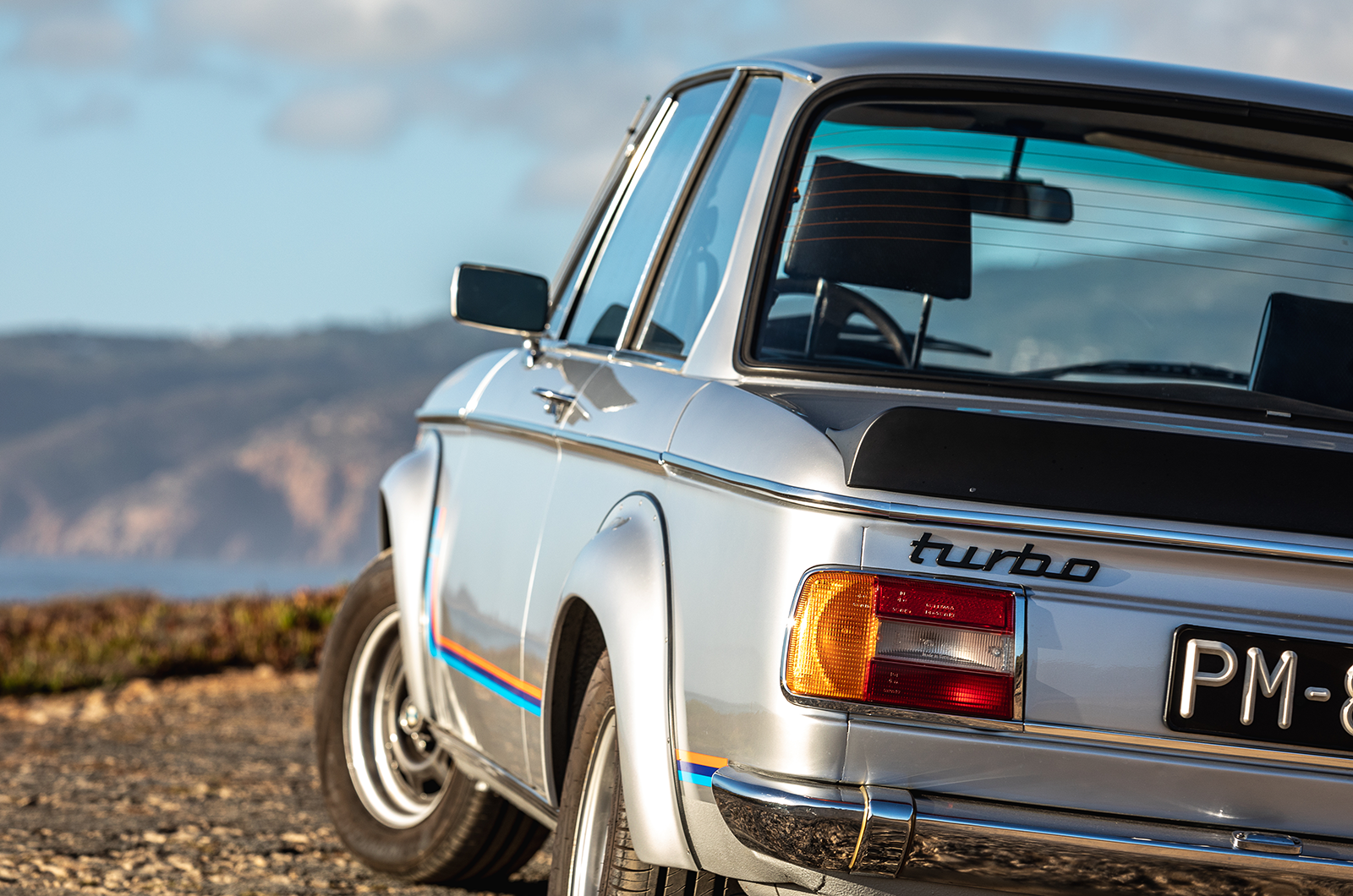
With a fuel crisis looming, the BMW 2002 turbo’s release was poorly timed

Portugal’s Estoril Coast is a thing of wonder, as is the carnival of exotica that accompanies it.

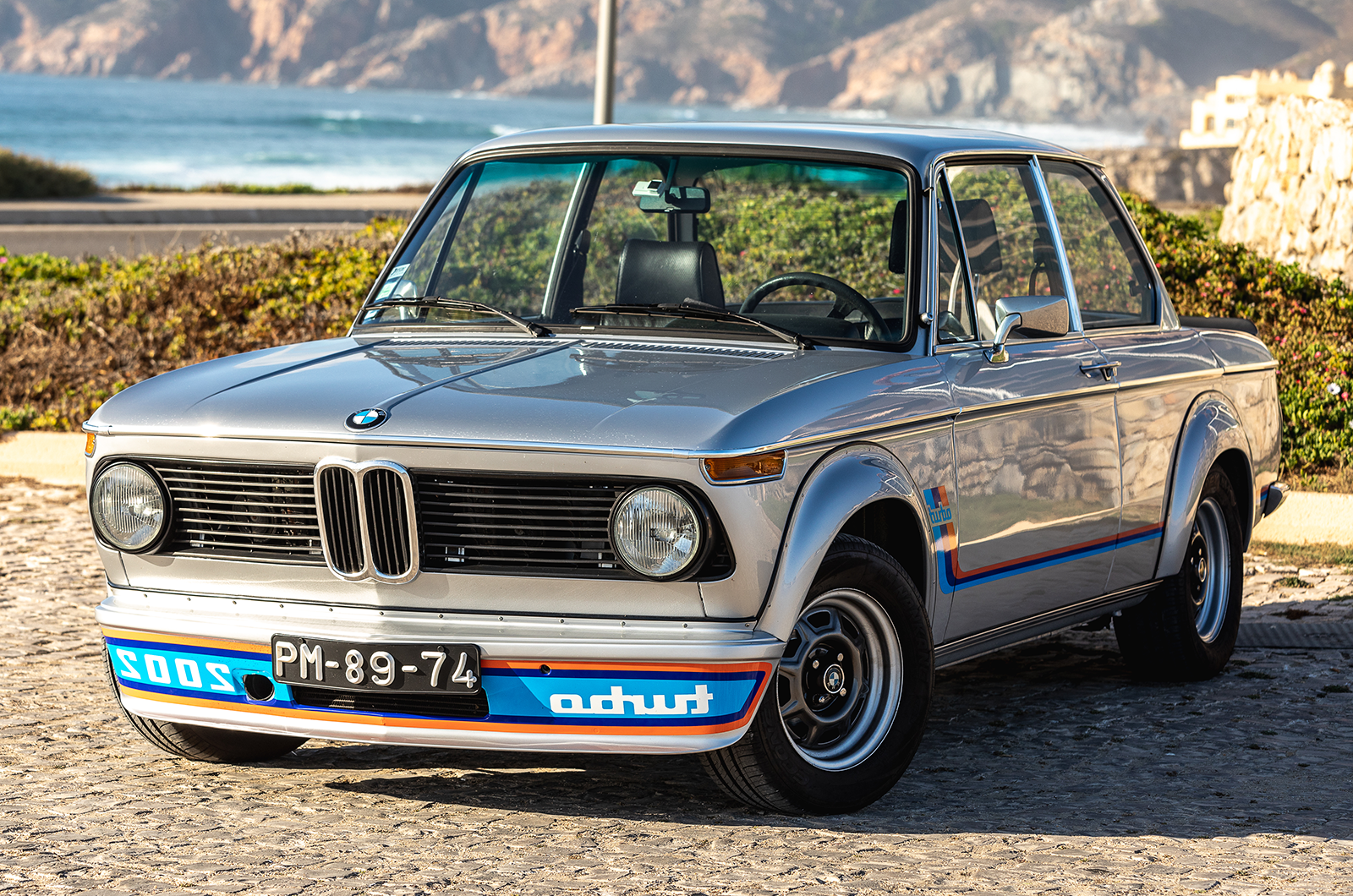
None, though, have quite the gravitational pull of a 1974 BMW 2002 turbo.

This is the trailblazer that got burned, a non-homologation special that nevertheless had competition ancestry.

It also looks achingly hip, in a screwed-on spats, lairy stripes sort of way.

Looks-wise, nothing about this car is in the realms of the subtle.

However, approach the turbo expecting all hell to break loose with each exploratory prod of the accelerator, and prepare to be disabused.

There’s brimstone in here for sure, but it’s kept in check.

Classic & Sports Car – BMW 2002 turbo: induction ceremony
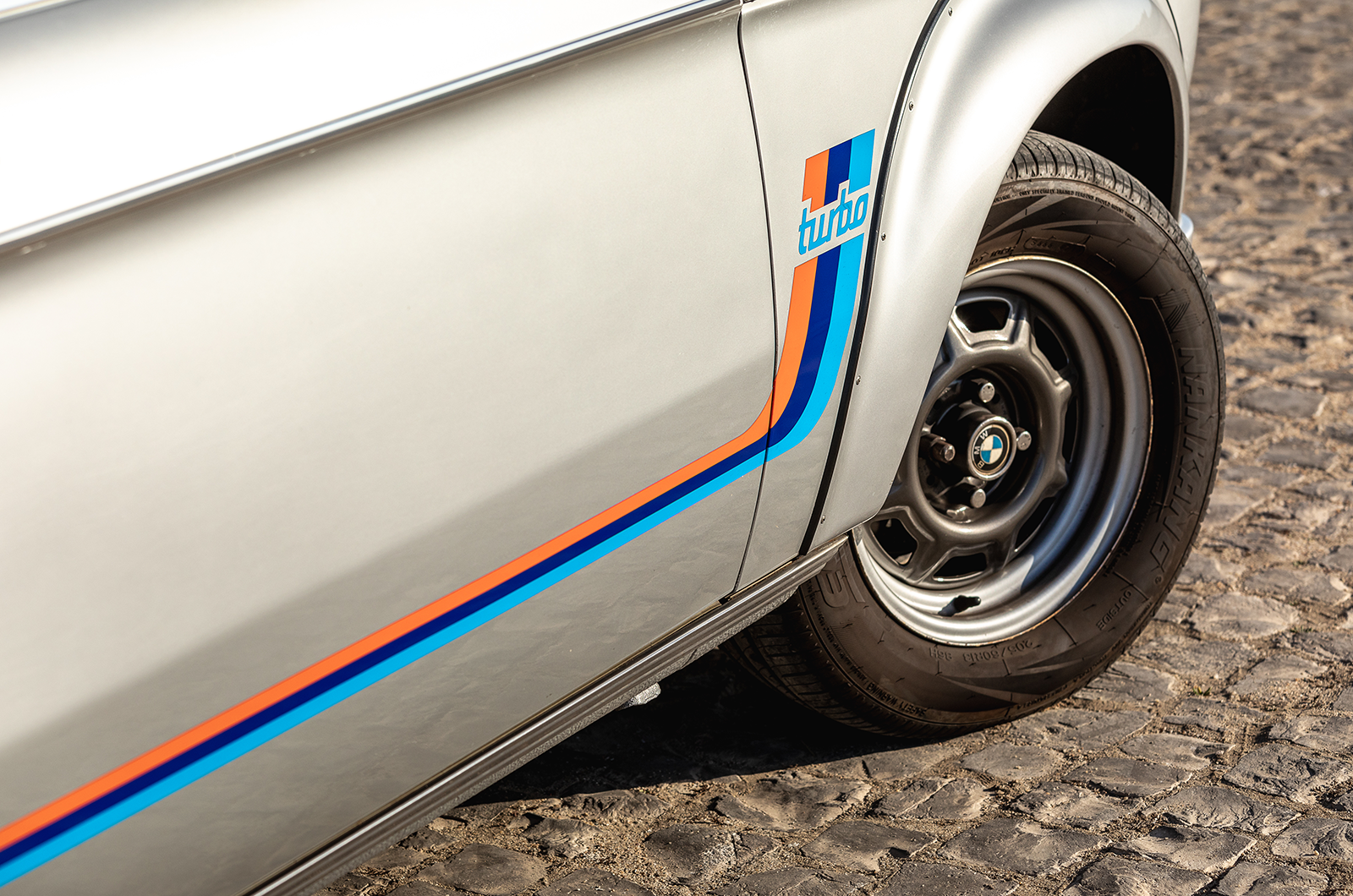
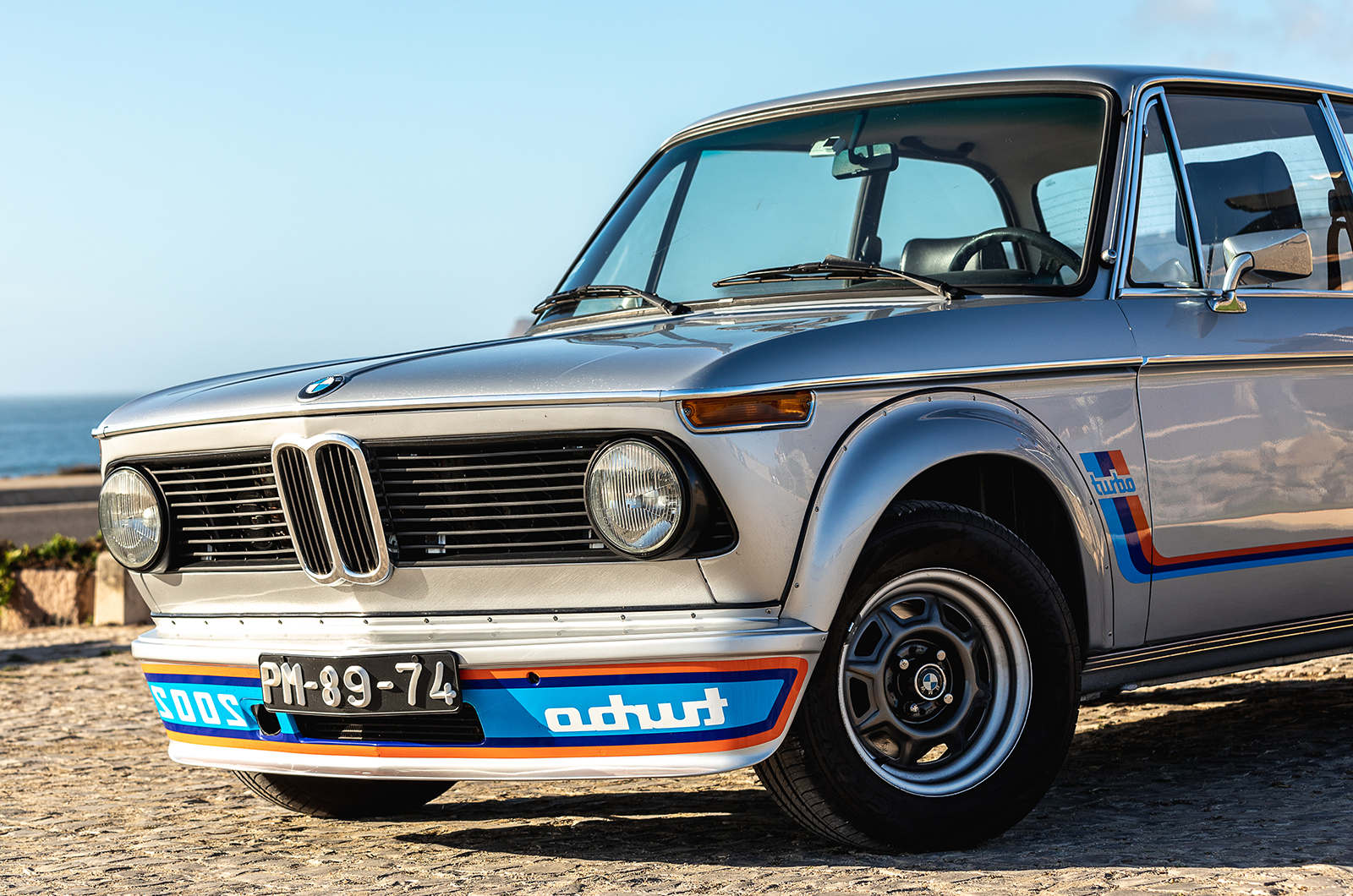
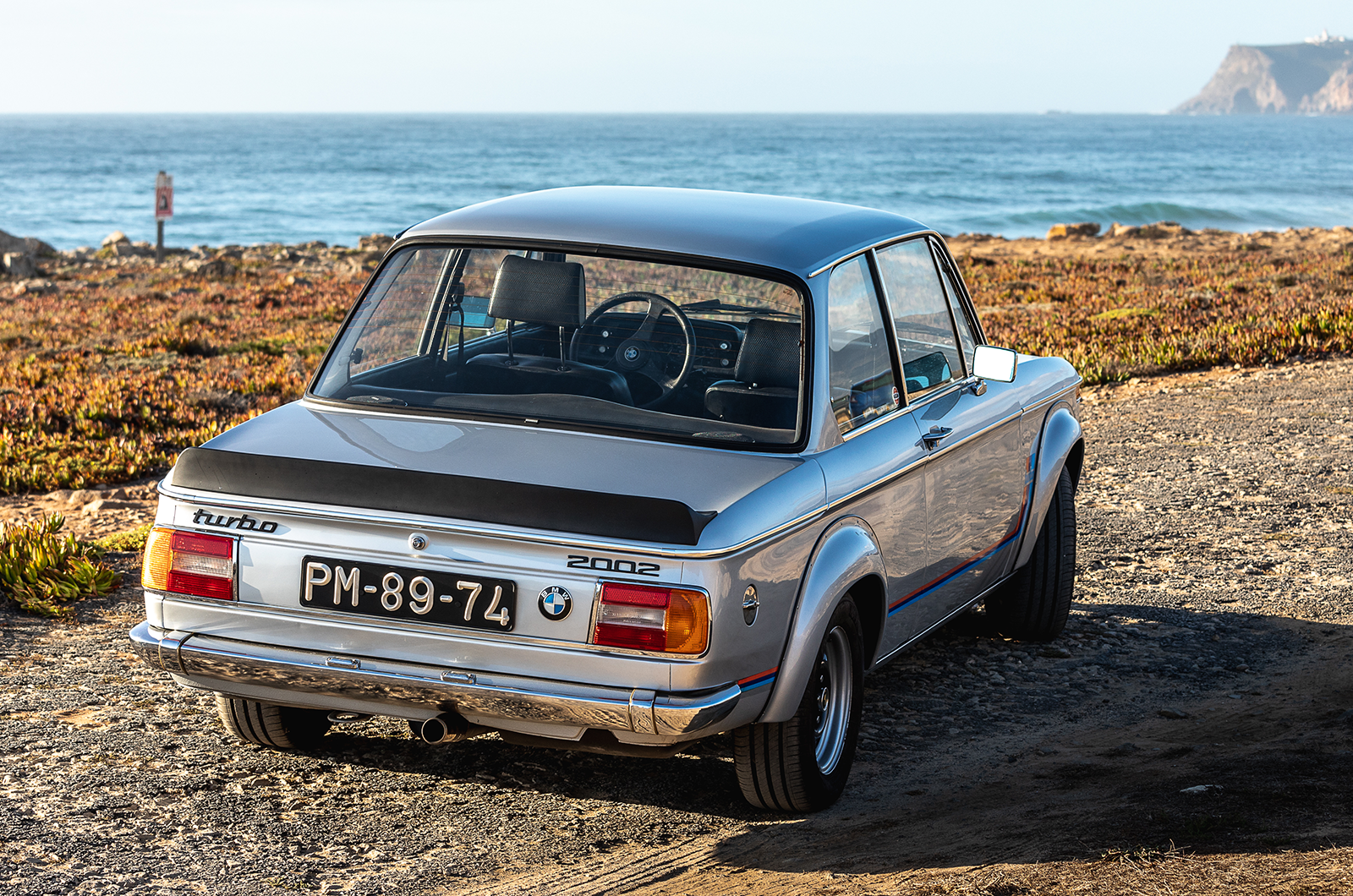
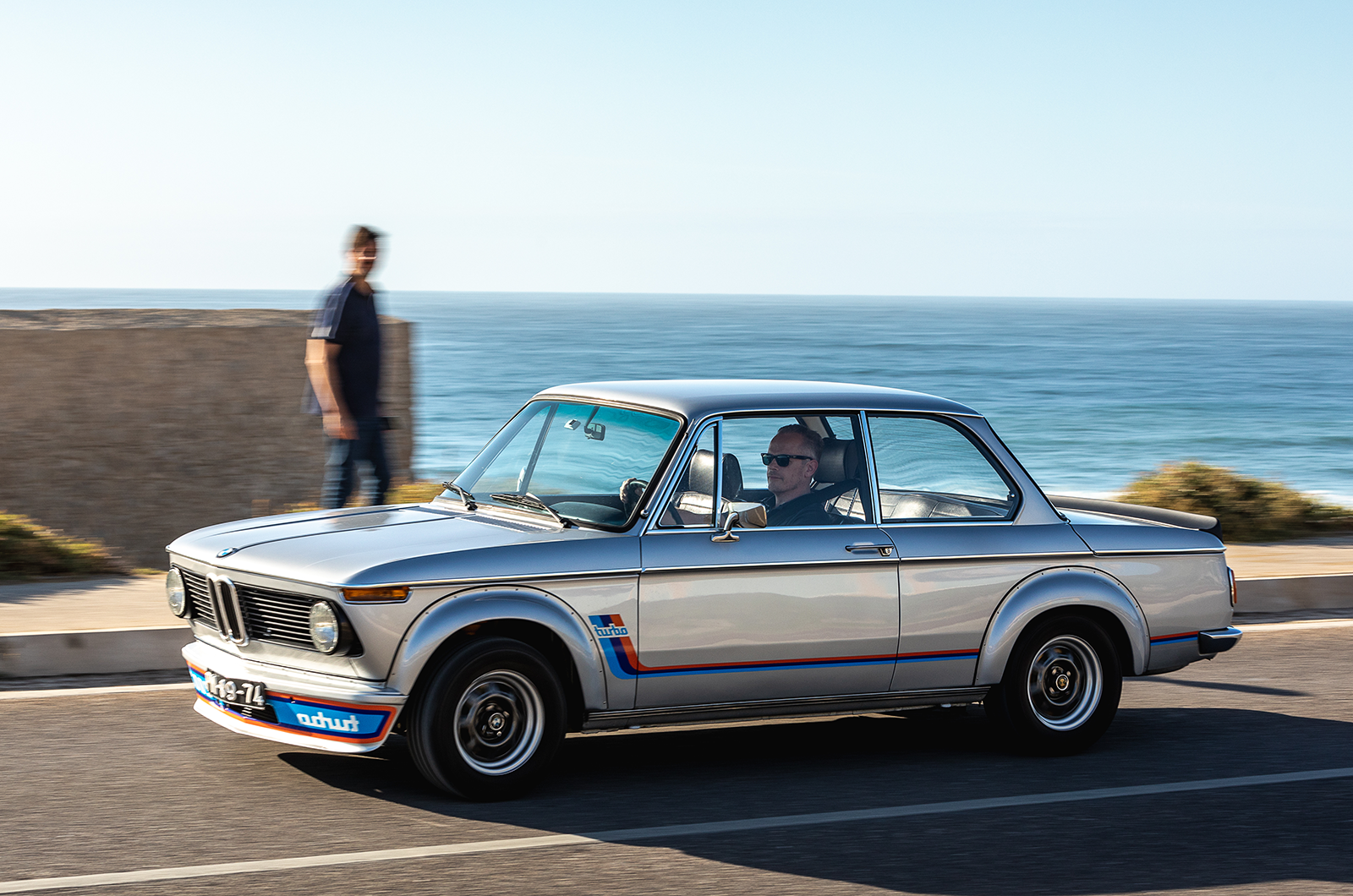
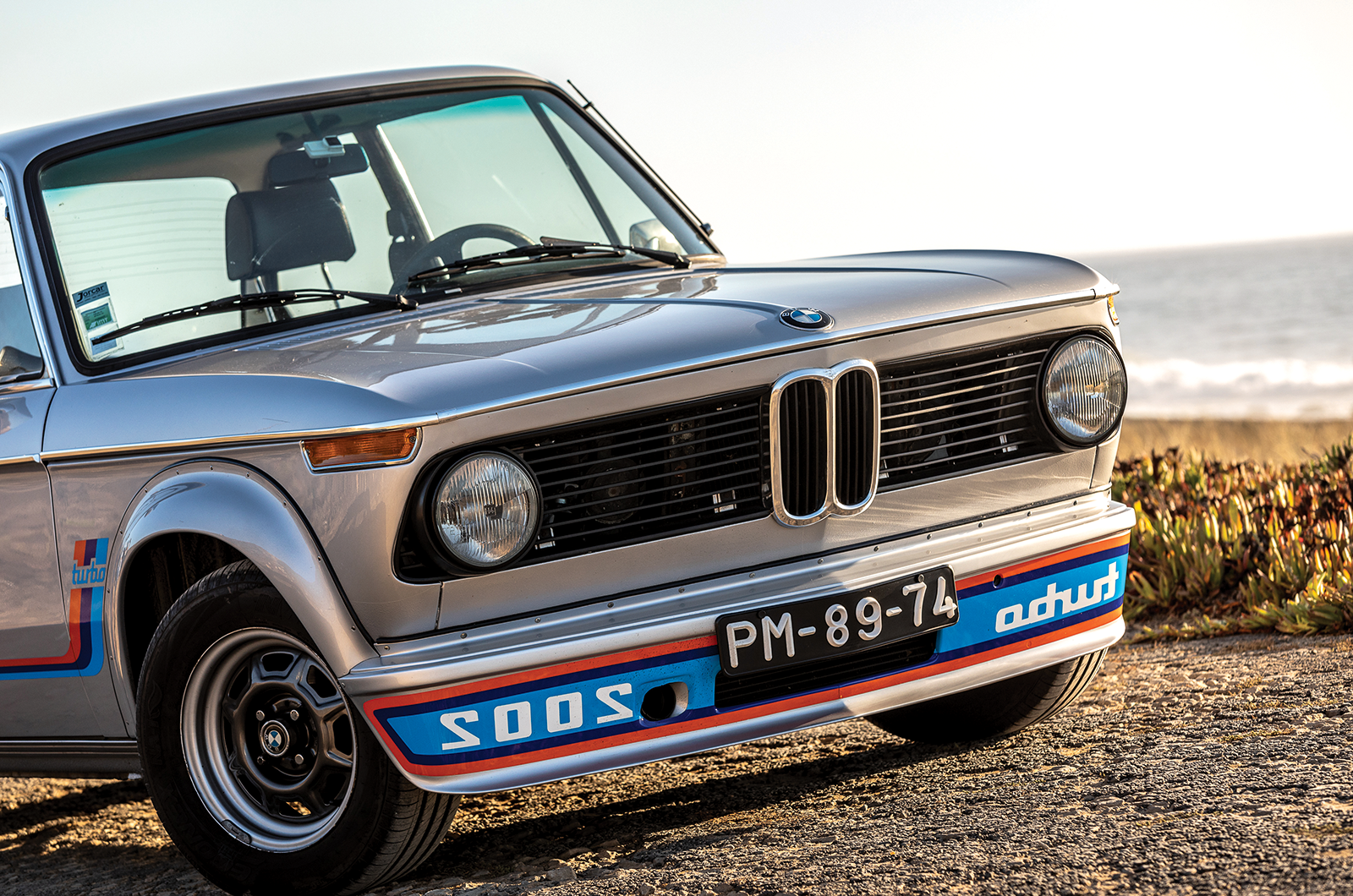
A spoiler and racing stripes declare this BMW’s intent

What impresses people is generational, of course, and the turbocharger is a case in point.

There was a time, say, around four to five decades ago, when forced induction was the new big thing.

And by ‘new’, we actually mean ‘old’, because the technology had been around for aeons.

It’s just that in the 1970s, and particularly the ’80s, a car bearing the legend ‘turbo’ somewhere in its nomenclature suddenly represented bragging rights.

It equated to a certain kind of cachet that went way beyond mere performance; it represented cutting-edge cool.

Heck, there was even an aftershave called Turbo.

Classic & Sports Car – BMW 2002 turbo: induction ceremony
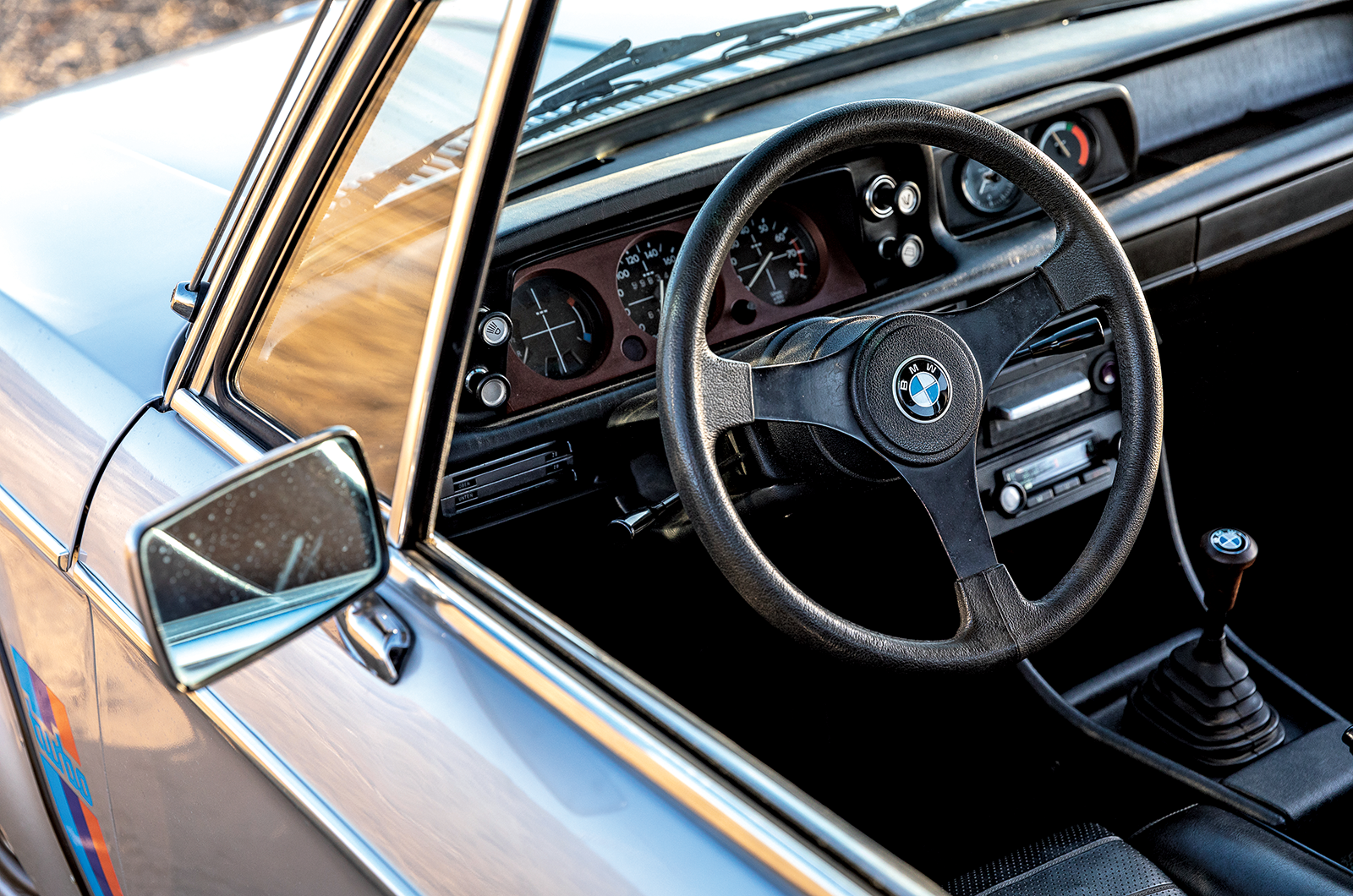
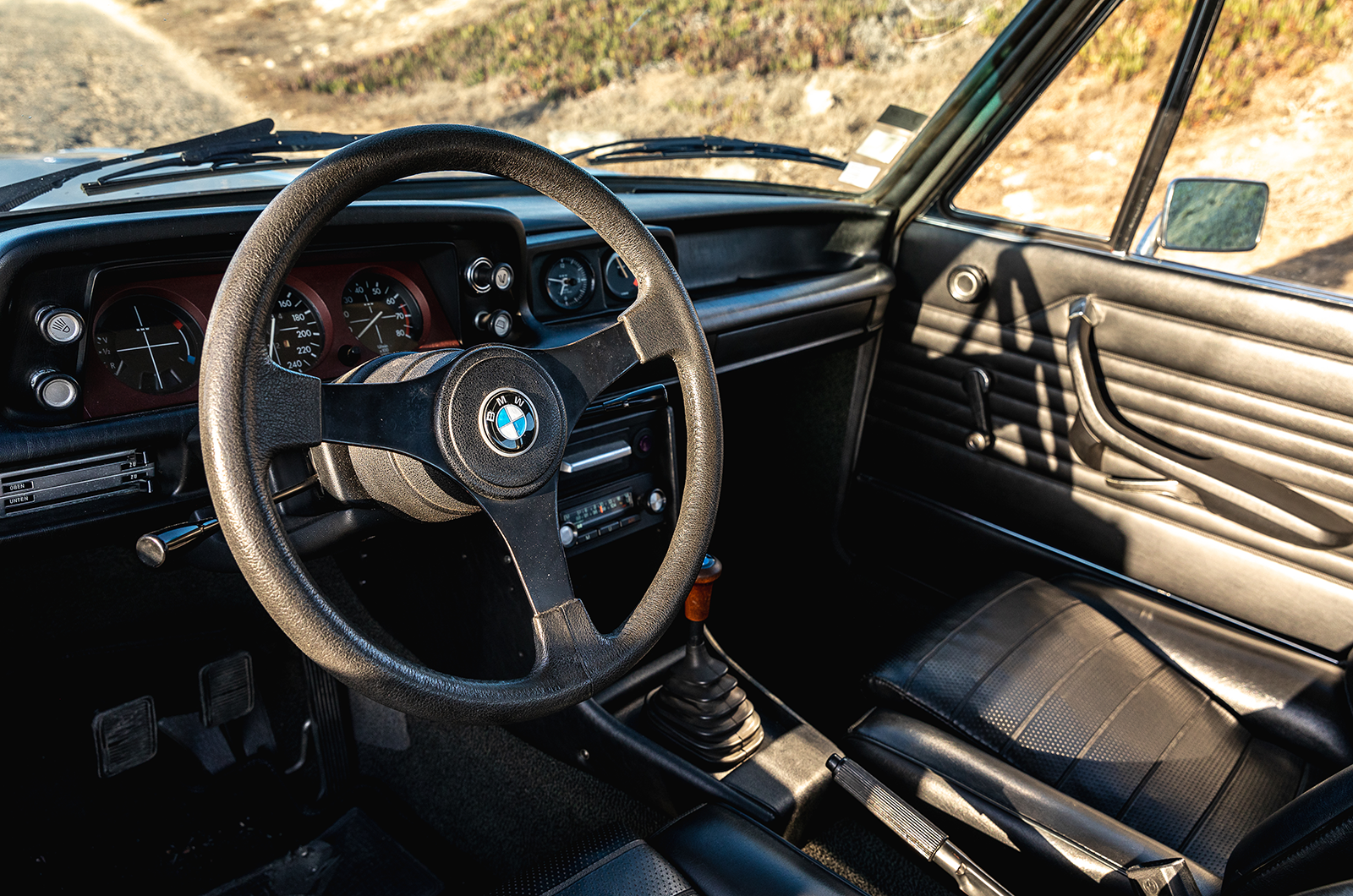
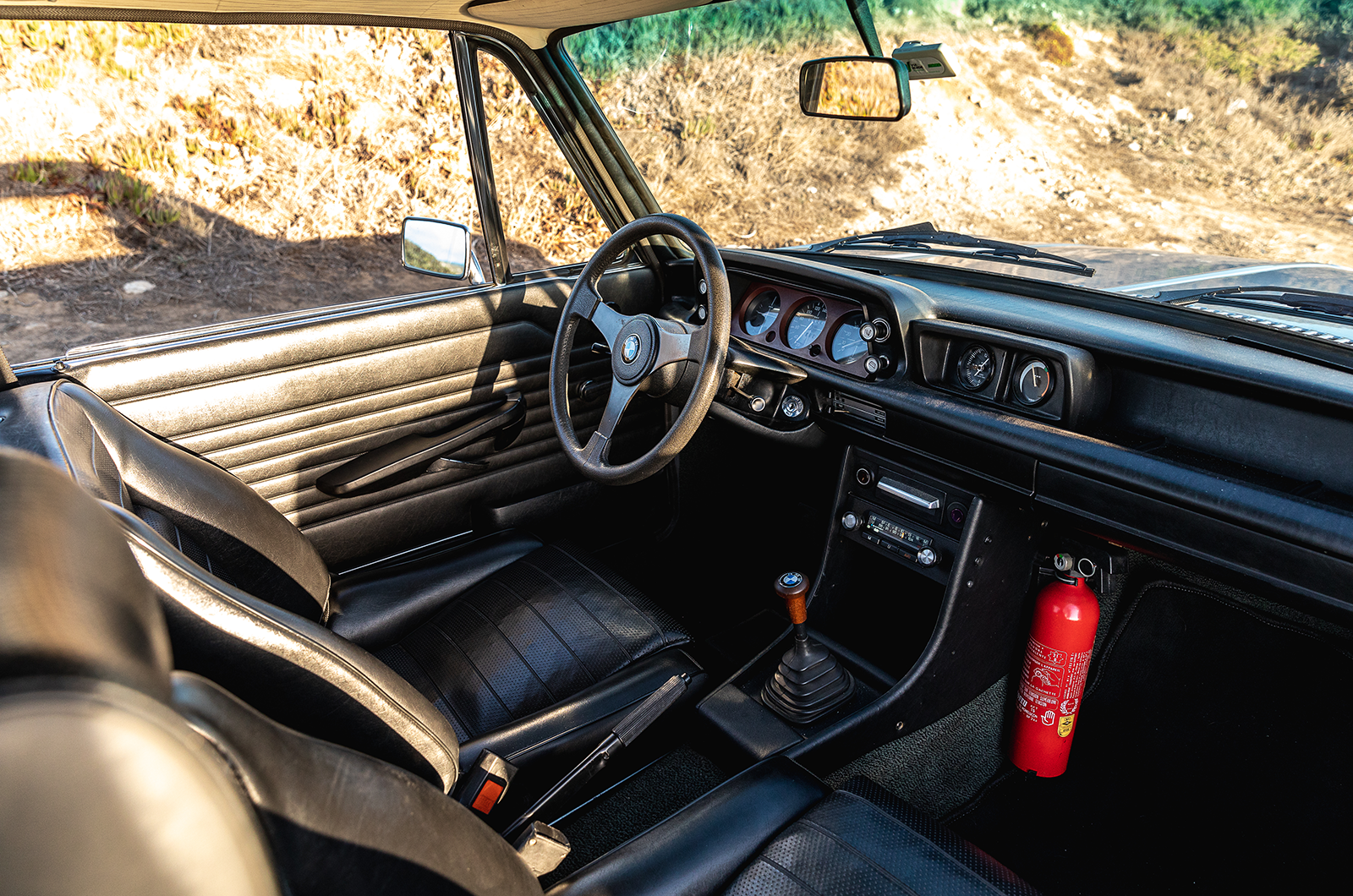
A somewhat staid cabin is at odds with the BMW’s exterior treatment

The American automobile industry was an early adopter of this means of boosting power.

A quarter of a century before Renault turned Formula One on its head via its ‘Yellow Teapot’, the Indianapolis 500 was running forced induction. 

Indeed, the Indy 500 polesitter in 1952 was thus equipped (it was also diesel-powered).

As for road cars, General Motors got the jump on everyone by bringing the Oldsmobile Jetfire to market in 1962.

The biggest of Detroit’s Big Three followed almost immediately with the Chevrolet Corvair Monza Spyder.

International Harvester, a brand not synonymous with speed, also produced a turbocharged variant of its Scout utility vehicle.

Classic & Sports Car – BMW 2002 turbo: induction ceremony
The potent 1990cc blown ‘four’ is docile and tractable when needed

The machine pictured here, meanwhile, represented year zero for production models rocking forced induction in Europe.

It was the first of its kind, no less.

What’s more, it was brought to market off the back of a motorsport campaign.

During the 1968 European Touring Car Challenge, a raft of privateer Porsche 911s went to war with the works BMW 2002s, which were equipped with Kugelfischer mechanical fuel injection.

The BMWs made an impressive 200bhp at 7500rpm, with the aid of 11:1 compression, and they were equipped with large, eye-catching wheelarch extensions and spiderweb-patterned BBS alloy wheels.

Classic & Sports Car – BMW 2002 turbo: induction ceremony
‘There isn’t the harum-scarum blitz you might expect. The BMW isn’t unruly, but you’re aware of the turbo spooling up as you nudge 4000rpm’

The Munich factory squad bagged the spoils – just.

The margin of victory was half a point, Porsche having taken the final three rounds.

The winners were clearly on the back foot.

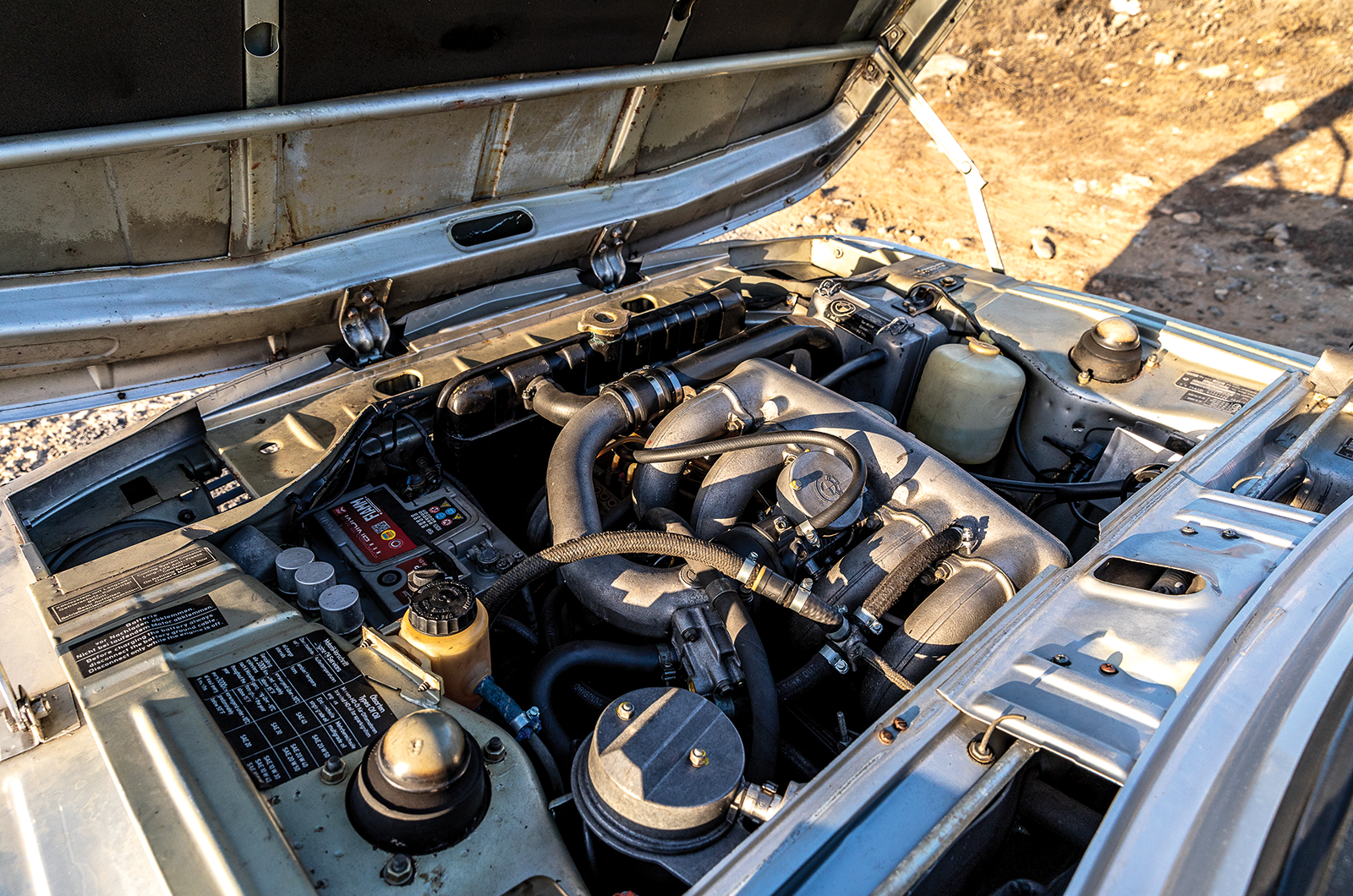
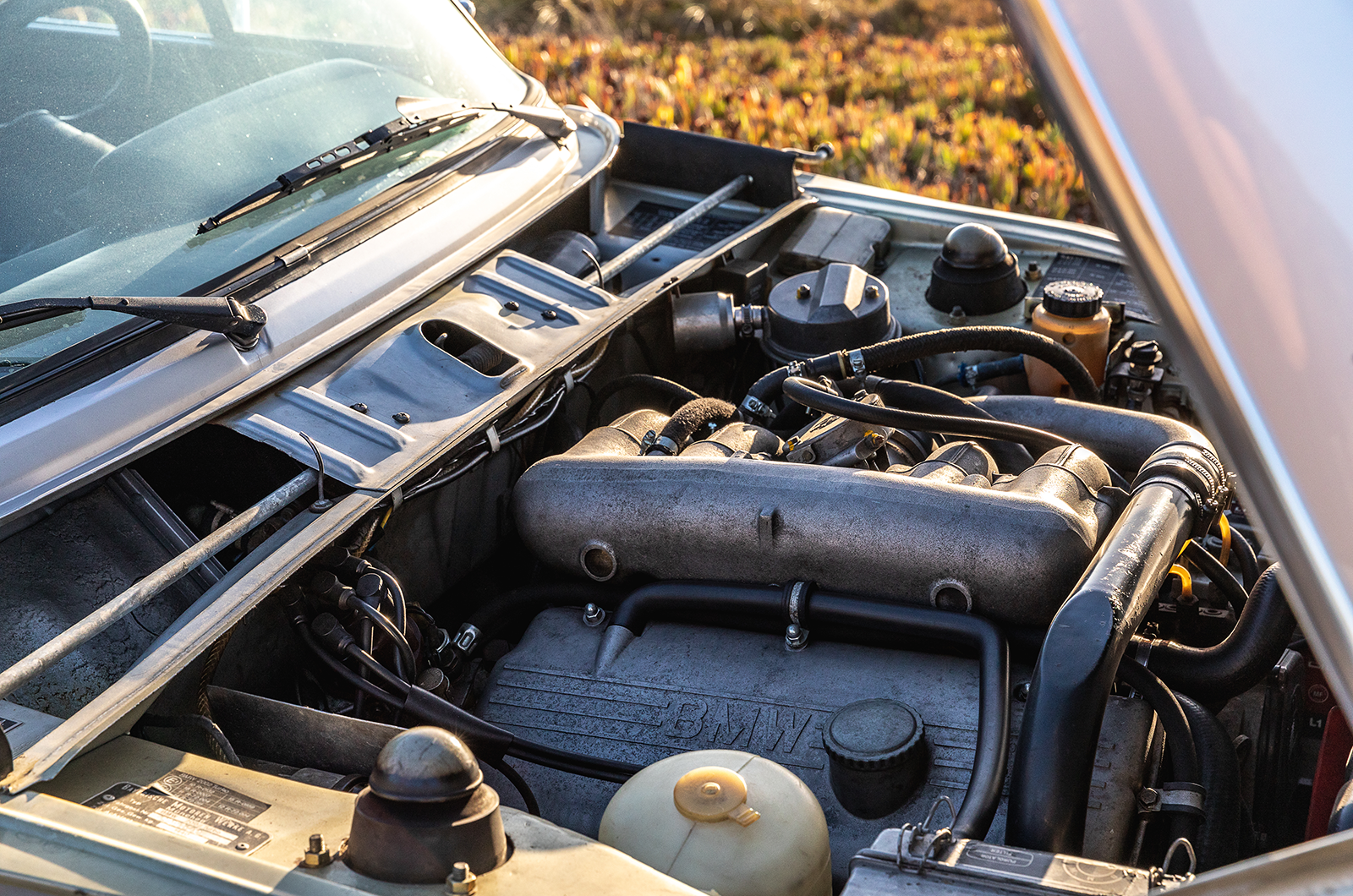
BMW made full of use of the broad-minded Group 5 regulations for the season ahead, the new strain of 2002 racer featuring a single KKK turbocharger mounted forwards and to the right of the slant-four, and fed by the Kugelfischer injection system via a mass of tubing that ran, tendril-like, over the cam cover.

Weighing less than 1900lb (862kg) and boasting four-wheel disc brakes behind 10in-wide wheels, the 2002 TiK (the ‘K’ standing for kompressor) performed brilliantly.

Classic & Sports Car – BMW 2002 turbo: induction ceremony
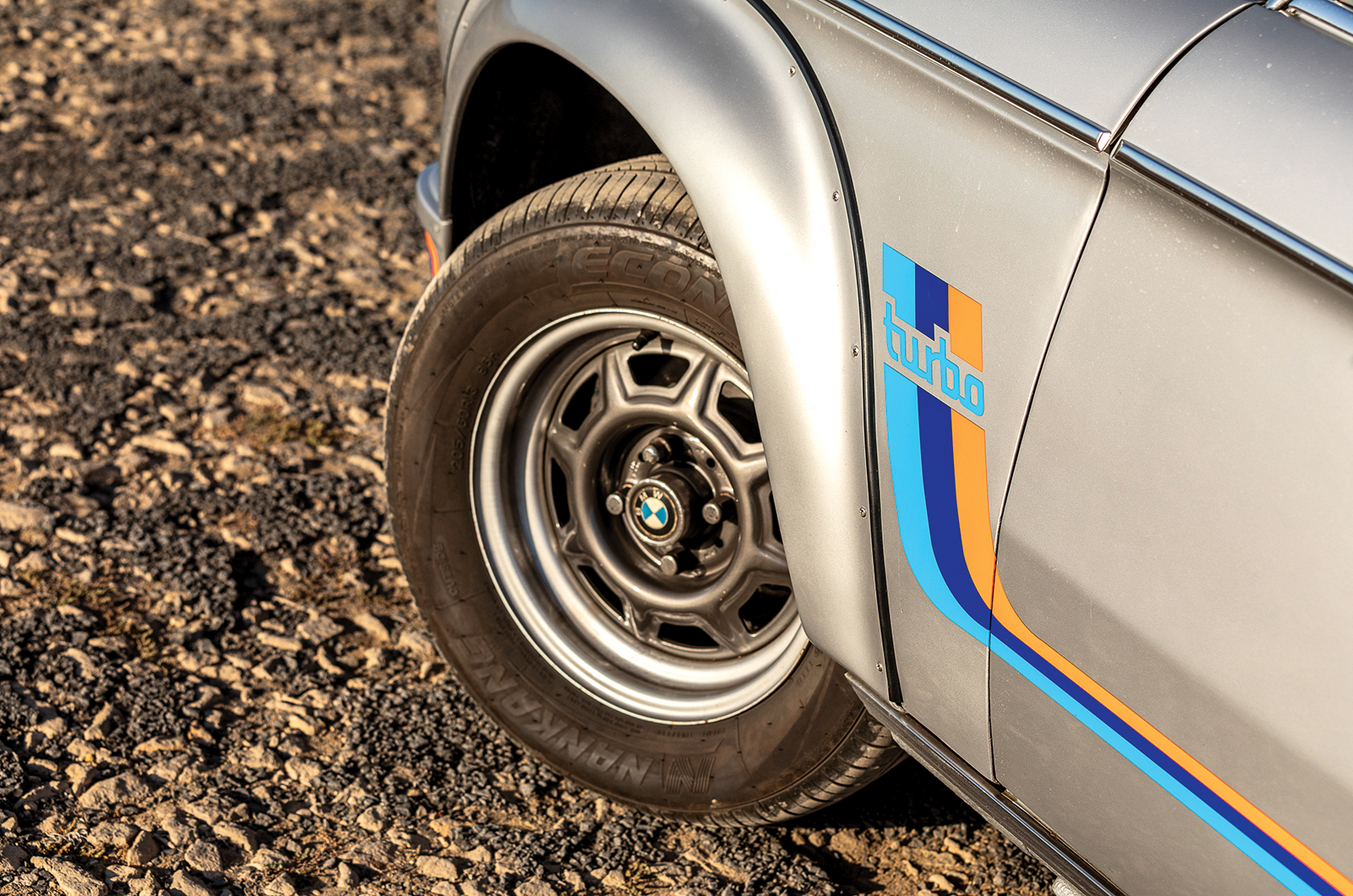
A set of Mahle wheels reinforces the 2002 turbo’s motorsport-inspired looks

Sure, fuel consumption was horrific, and there was no intercooler, but gradual reductions of the compression ratio and constant reinforcement of the high-pressure fuel pump meant that it stayed together long enough to give Dieter Quester four outright victories.

BMW beat Porsche to the 1969 constructors’ gong in its class, while Quester was Division 3 champion in the drivers’ standings.

However, rule changes for 1970 heralded BMW’s exit, although ’02s would continue to be fielded – with varying displacements, and in carburetted and injected forms – by Alpina.

BMW also flirted with rallying ’02s, memorably with a 16-valve head.

Classic & Sports Car – BMW 2002 turbo: induction ceremony
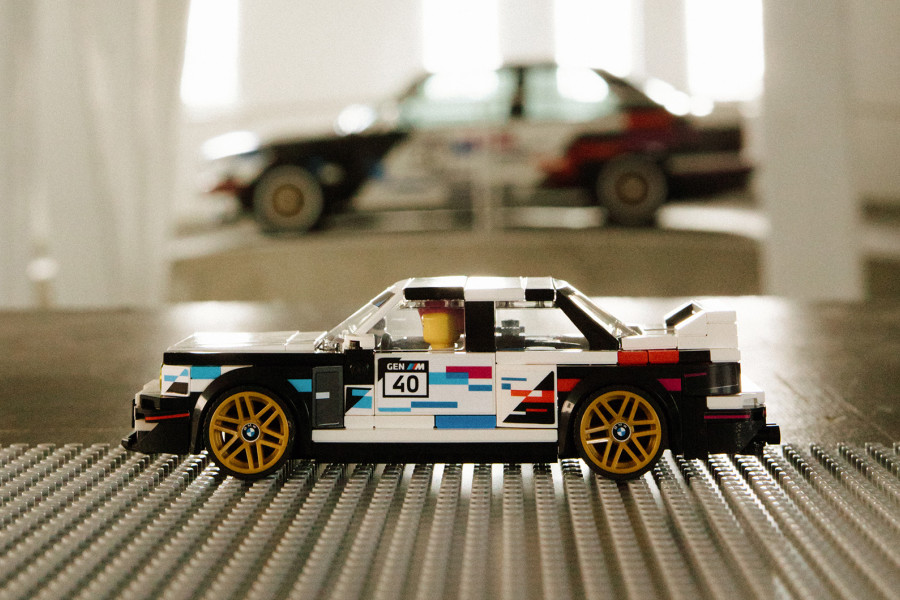
Meaty wheelarches add to this classic BMW’s purposeful aesthetic

While the turbo programme had proven to be short-lived, lessons had been learned from it.

For a start, at 1.0 to 1.2bar, the rugged, four-cylinder engine would reliably deliver 280bhp at 7200rpm.

It was also surprisingly flexible, all things being relative, and uncommonly quiet at high speed.

As much as 324bhp was available with the boost turned all the way up, but only until the loud bang that preceded pieces of shrapnel escaping in all directions.

All of this expertise with forced induction wasn’t about to go to waste, either: witness BMW’s future campaigns in Formula One, most successfully with Brabham.

Classic & Sports Car – BMW 2002 turbo: induction ceremony

The steering is heavy, but the three-spoke wheel is a joy to use

It also led the marque to conclude that a turbocharged variant would add a little bit of fizz to a model that had been in production in various guises since 1966.

It is worth pointing out at this juncture that there had already been a turbocharged 2002 road car before, when legendary California-based Czech dealer and race entrant Vasek Polak offered to equip customers’ tii-spec cars with an Eberspacher turbo from 1972.

The factory’s own version, however, looked decidedly spicy by way of comparison. This was no Q-car.

Unveiled at Frankfurt in May 1973, the 2002 turbo bristled with showy intent, and deliberately so.

Classic & Sports Car – BMW 2002 turbo: induction ceremony

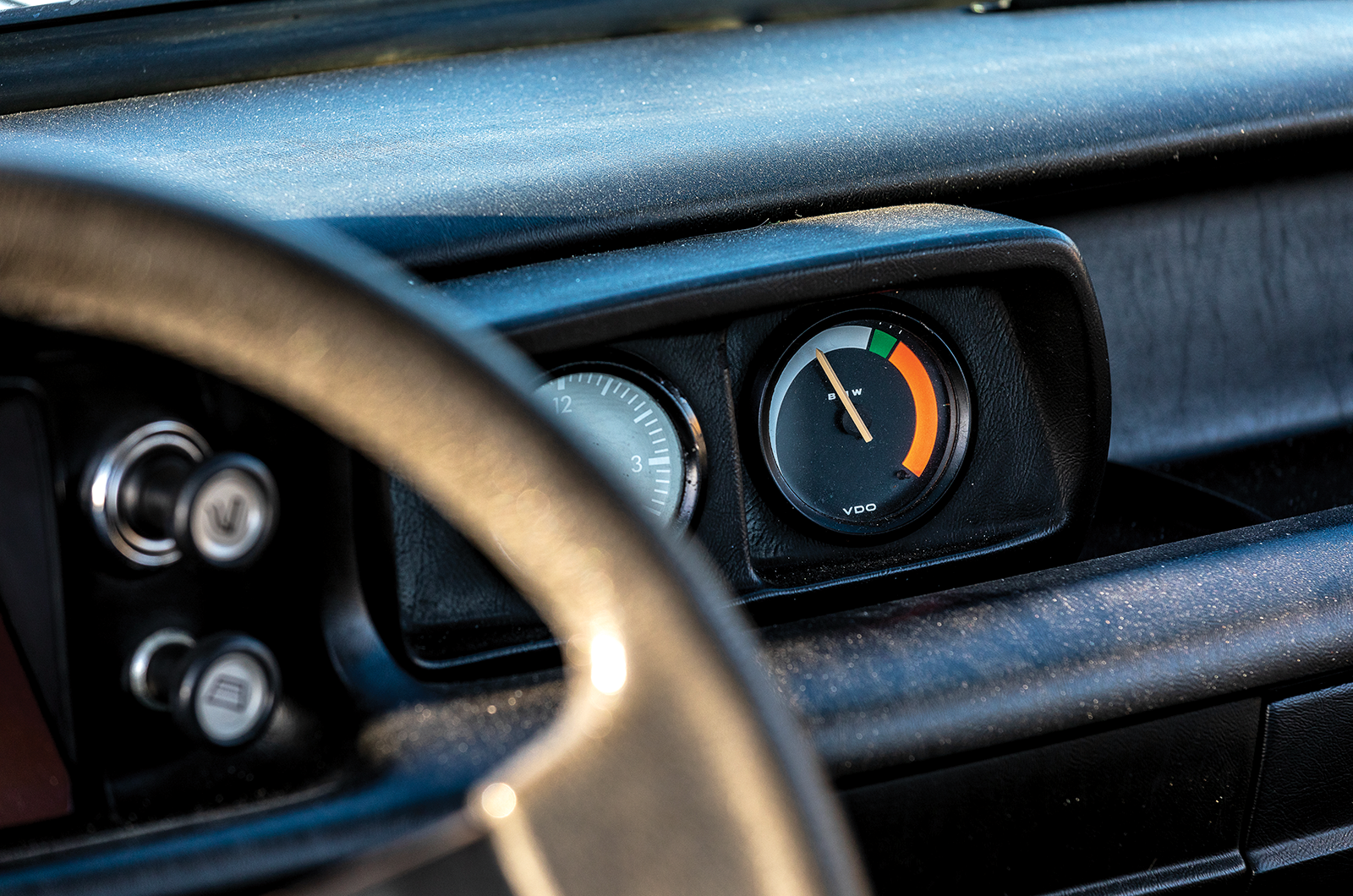
A clean, simple boost gauge sits in the BMW’s centre stack

The five-bearing, four-cylinder motor retained its familiar 1990cc displacement, but the compression was lowered to 8.5:1 (the tii was 9.5) and plumbing for the turbocharger easily filled the underbonnet space.

Aside from the engine, most modifications were made to handle the extra power.

From the enlarged fuel tank to the bigger radiator and oil cooler, there were significant upgrades.

The car’s suspension followed the usual BMW practice of MacPherson front struts and semi-trailing arms at the rear, but here there were stout anti-roll bars and stiffer coil springs at each end, plus trick Bilstein dampers out back.

Classic & Sports Car – BMW 2002 turbo: induction ceremony

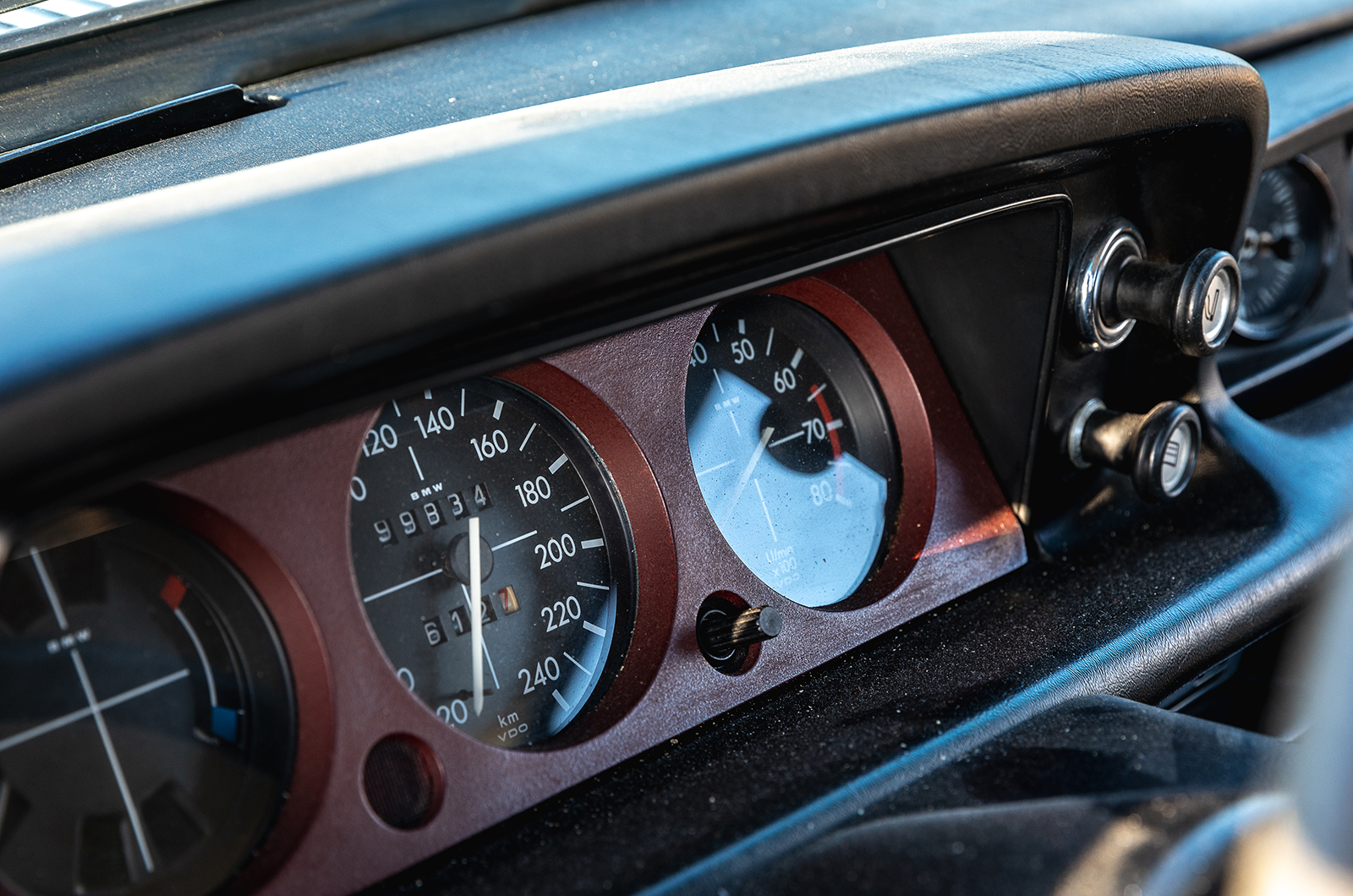
A simple set of dials are in line with the 2002 turbo’s unfussy interior

The changes didn’t end there. The rear axle carried a limited-slip diff and a 3.36:1 final-drive ratio (the 2002tii’s was 3.64); the front brake discs were the same as on the ti and tii, but packed four-piston calipers, while the rear drums were larger.

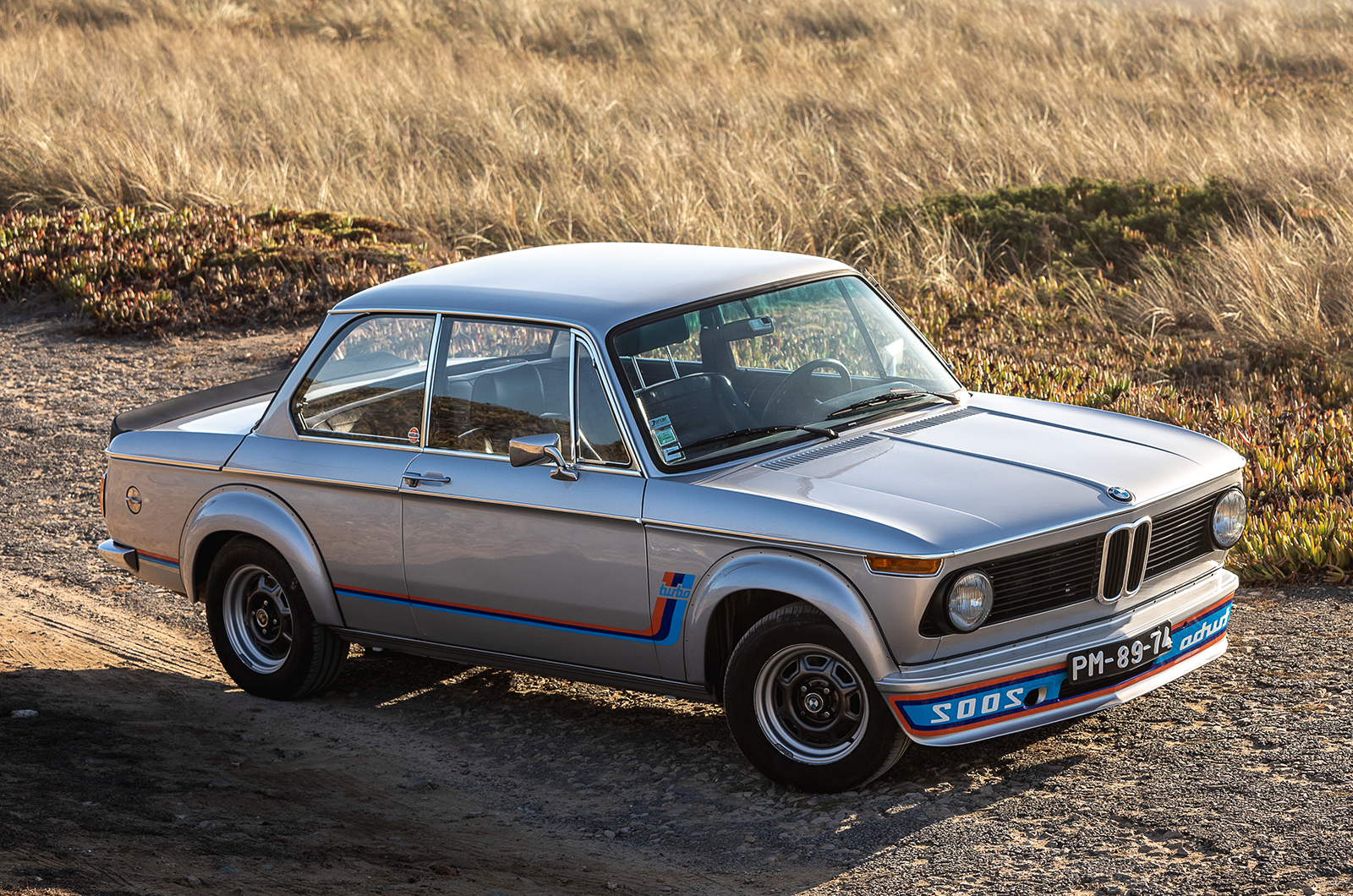
Then there was the physical makeover: the fat arches, front spoiler and go-faster stripes left you in no doubt that this was a factory hot rod.

It was ludicrously quick by the standards of the day, its maker claiming a top speed of 131mph and 0-60mph in less than 7 secs being possible, traction permitting.

This was searing stuff, the sort of figures that most sports cars of the day could only dream of realising.

Classic & Sports Car – BMW 2002 turbo: induction ceremony

The BMW 2002 turbo is not for the shy and retiring – it garners plenty of attention

There was, however, a small problem that did for the BMW 2002 turbo, and it was one that its maker could hardly have foreseen: the car’s introduction coincided with a fuel crisis.

Demand for anything remotely profligate with petrol suddenly evaporated – and the 2002 turbo was capable of 19.5mpg at best.

Speed was suddenly deemed anti-social and limits were lowered across the board, and BMW was pilloried in certain sections of the media for being so out of step with public sentiment.

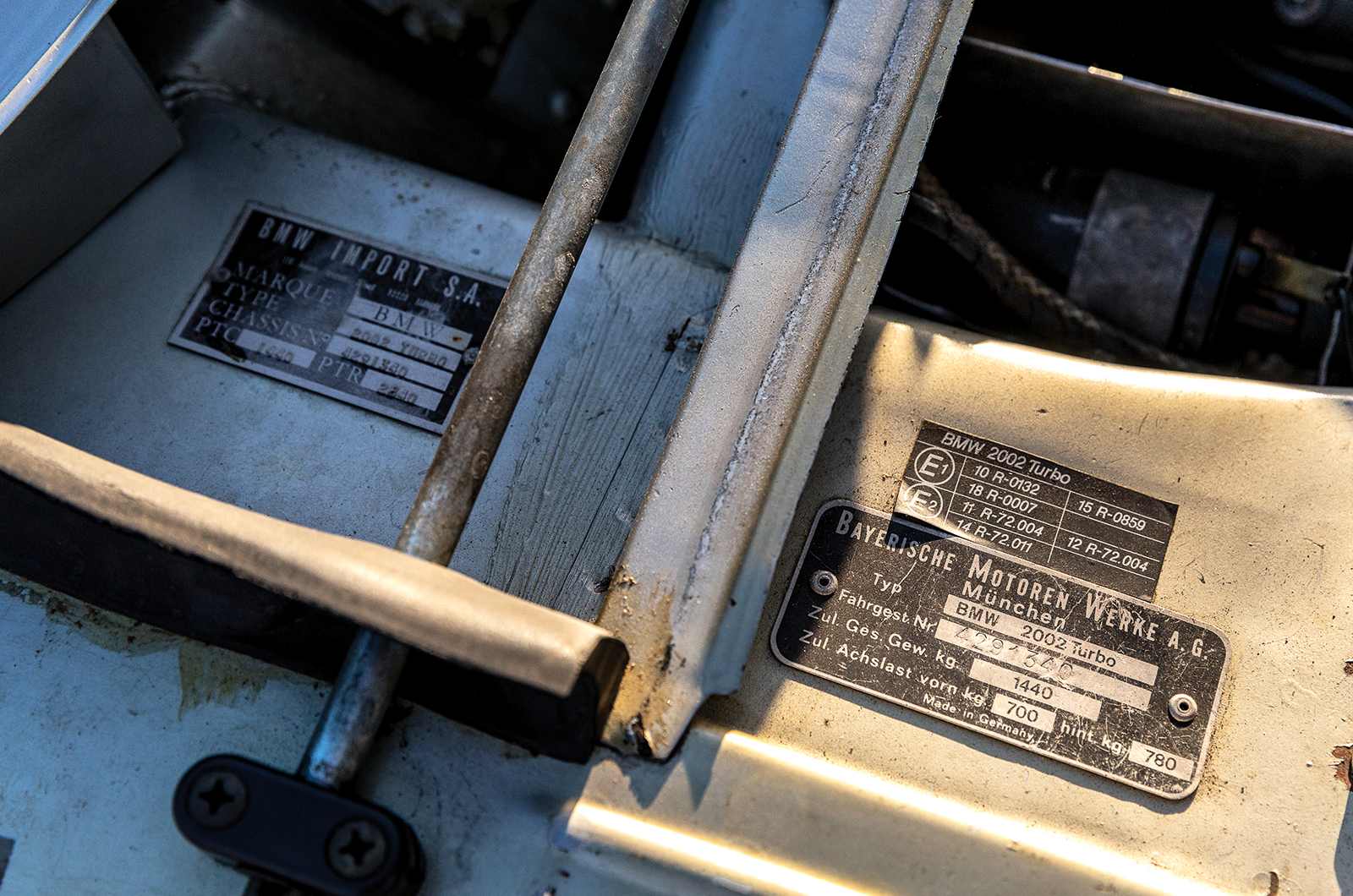
As a result, production of this model lasted only a mere 10 months. All told, just 1672 BMW 2002 turbos were made.

Classic & Sports Car – BMW 2002 turbo: induction ceremony

The 170bhp turbocharged ‘four’ is tractable, but never unruly

And in front of us today is one of them, resplendent in Polaris silver with the obligatory blue, violet and red racing stripes, and Mahle wheels.

BMW only ever offered turbos in two colours, the other being Chamonix white. Not that there weren’t any discrepancies between cars, not least in terms of logos and lettering.

The reverse-script ‘turbo’ decal emblazoned on the glassfibre front spoiler, for example, caused consternation in fuel crisis-riven Germany and was ultimately deleted.

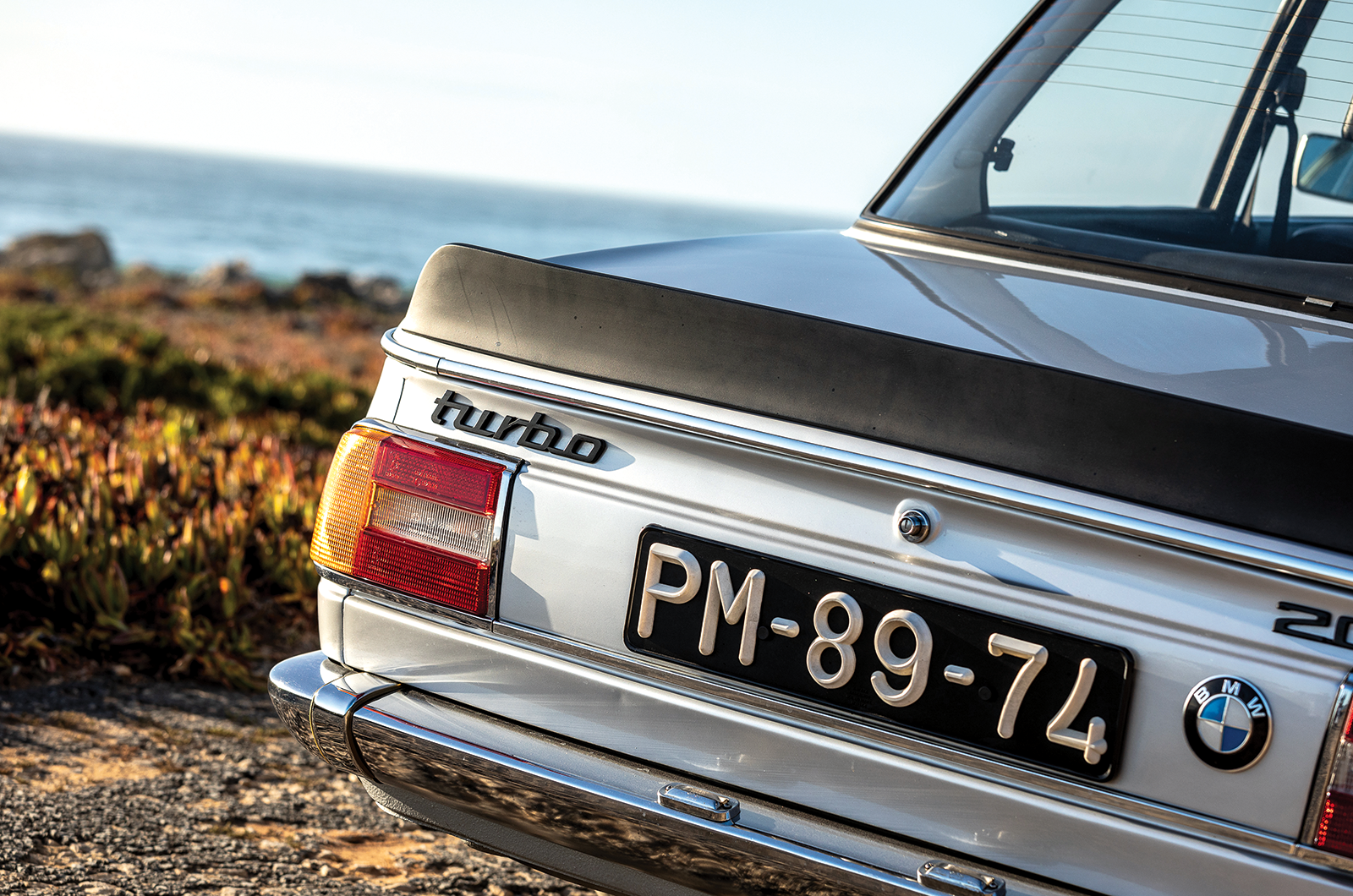
Up close, the turbo looks purposeful but cohesive in an oh-so-’70s sort of way, and the black rubber rear spoiler completes the ensemble.

Classic & Sports Car – BMW 2002 turbo: induction ceremony

Only 1672 BMW 2002 turbos were built

Inside the BMW’s cabin, it’s a riot of vinyl with little in the way of go-go frippery to match the outer dazzle, save the blood-red fascia.

That, and the central instrument cluster that houses the clock and VDO boost gauge.

The Rentrop seats are ultra-comfortable, the lack of meaningful ventilation in contrast letting the side down a little.

Fire it up and the enduring four-cylinder engine isn’t overly tuneful, but nor is it particularly loud.

The surprise is how docile it is when it isn’t pressed.

It idles happily at 1100rpm, but accelerating hard from a standstill isn’t the order of the day.

Classic & Sports Car – BMW 2002 turbo: induction ceremony

The BMW’s reverse-script ‘turbo’ graphics were dropped in the wake of the fuel crisis

This particular example you see here is period-perfect; it’s a driver, too, but our location precludes enthusiastic acceleration.

Past experience of the model, however, informs you that the classic BMW 2002 turbo is at its best once up and running.

The four-speed Getrag gearbox doesn’t like to be rushed, but it is difficult to make a hash of changes (a five-speed unit was also available).

Around town, the engine proves to be smooth and tractable, but a bit gutless in the lower reaches.

Once the road and conditions permit, however, it will rocket past 60mph before you have changed up from second to third.

Classic & Sports Car – BMW 2002 turbo: induction ceremony

The Rentrop seats are comfortable

There isn’t, though, the harum-scarum turbo blitz that you might expect.

The BMW isn’t unruly, but you’re aware of the turbo spooling up, particularly as you nudge 4000rpm and it keeps pulling.

That said, back off, and with the throttle closed for a few seconds but with the engine still above this magic figure, there is a pronounced hesitancy – lag – before it picks up from where it left off.

Once it does, the proceeding surge isn’t violent – it has ‘only’ 170bhp, let’s not forget.

Just don’t expect the sort of all-or-nothing, to-infinity-and-beyond shenanigans of most early turbocharged cars.

Classic & Sports Car – BMW 2002 turbo: induction ceremony

The BMW looks athletic, even at a standstill

This car does have personality. It makes you smile, but what impresses most is the fact that it still feels fast.

Sure, there are umpteen latter-day hatchbacks that would thrash it, but here you are not desensitised from what is happening.

The most impressive part is the car’s smooth top-end acceleration; it isn’t buzzy, and there’s a lack of fuss at high-ish cruising speeds.

The worm-and-roller steering resolutely chains it to ye olden times, but it has sufficient feel when it matters.

The BMW also corners much as you remember, feeling stable under braking with a slight tendency to tuck into bends if power is reduced.

Classic & Sports Car – BMW 2002 turbo: induction ceremony

‘The most impressive part is the car’s smooth top-end acceleration; it isn’t buzzy, and there’s a lack of fuss at high-ish cruising speeds’

Read any contemporary road test or report, and they are full of stories of derring-do and driving the BMW 2002 turbo on its lock-stops.

Somewhere south of ten-tenths, and in the here and now, we didn’t get to find out.

The car’s steering is relatively heavy, and you need to dutifully build the boost in second gear and then power out of a tight, second-gear corner to provoke even so much as a chirrup out of the rear tyres.

The lack of drama could, however, also be attributed to the paucity of talent on the part of the driver.

Either way, the BMW 2002 turbo feels nicely balanced and faithful with it.

Classic & Sports Car – BMW 2002 turbo: induction ceremony

The BMW 2002 turbo has a relaxed side that’s at odds with its riotous bodywork

The turbocharger also renders the BMW well-suited to motorway cruising, and it is good-natured at 70mph in top gear. You can hold a conversation.

On the debit side, the ride is on the firm side of unyielding, which rather goes with the territory, but it is still miles better than many recent sports saloons, for which meaningful suspension travel is apparently an optional extra.

The front disc brakes and the rear drums work well, too, with excellent pedal feel.

Even this, the briefest of catch-ups, serves as a reminder of how the 2002 turbo is a born entertainer, but one that isn’t overpowering.

Classic & Sports Car – BMW 2002 turbo: induction ceremony

Were it not for the fuel crisis, the turbo would have made far more of an impact – and sold in far greater numbers

You don’t need to stay on top of it all the time; you can relax.

It has a few rough edges, but it is hard not to emerge smitten by what constitutes a rare failure in the Munich marque’s canon.

That said, failure is a relative term.

The turbo succeeded on its own merits, but the timing of its arrival was comically awful.

You could also argue the world was perhaps not ready for a 2002 that cost almost twice as much as a tii.

What is telling is that, with the 3 Series due to arrive in 1975, the ’02 in its many flavours was already on its way out.

The turbo represented one final roll-out party favour. It just goes to show that glowing embers burn hottest.

Images: Bernardo Lucio


Factfile

Classic & Sports Car – BMW 2002 turbo: induction ceremony

BMW 2002 turbo

  • Sold/number built 1973-’74/1672
  • Construction steel monocoque
  • Engine iron-block, alloy-head, sohc 1990cc ‘four’, with KKK turbocharger and Kugelfischer mechanical fuel injection
  • Max power 170bhp @ 5800rpm
  • Max torque 178lb ft @ 4000rpm
  • Transmission four/five-speed manual, RWD
  • Suspension independent, at front by MacPherson struts rear semi-trailing arms, coils, telescopic dampers; anti-roll bar f/r
  • Steering worm and roller
  • Brakes discs front, drums rear, with servo
  • Length 13ft 10in (4219mm)
  • Width 5ft 6¾in (1621mm)
  • Height 4ft 7½in (1410mm)
  • Wheelbase 8ft 2½in (2499mm)
  • Weight 2380lb (1034kg)
  • 0-60mph 7.5 secs
  • Top speed 131mph
  • Mpg 19.5
  • Price new DM18,720

We hope you enjoyed reading. Please click the ‘Follow’ button for more super stories from Classic & Sports Car.