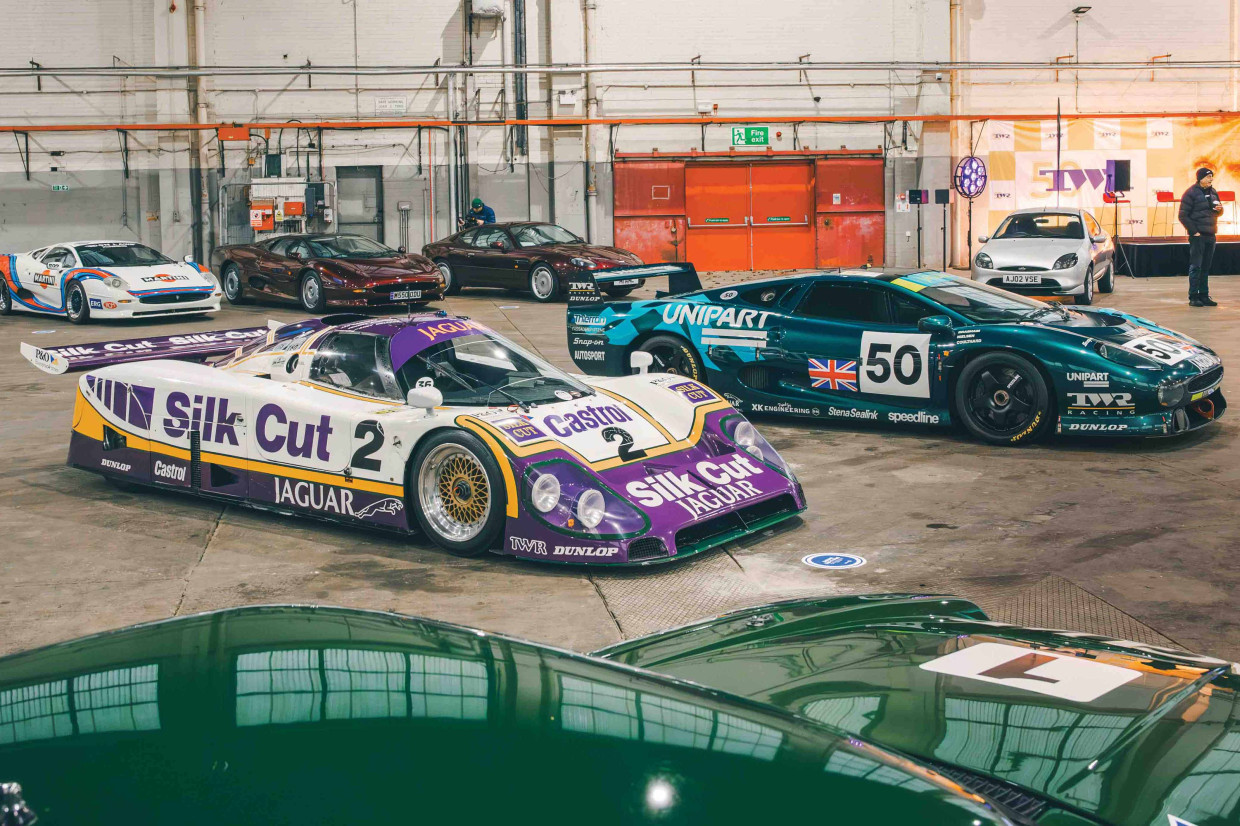
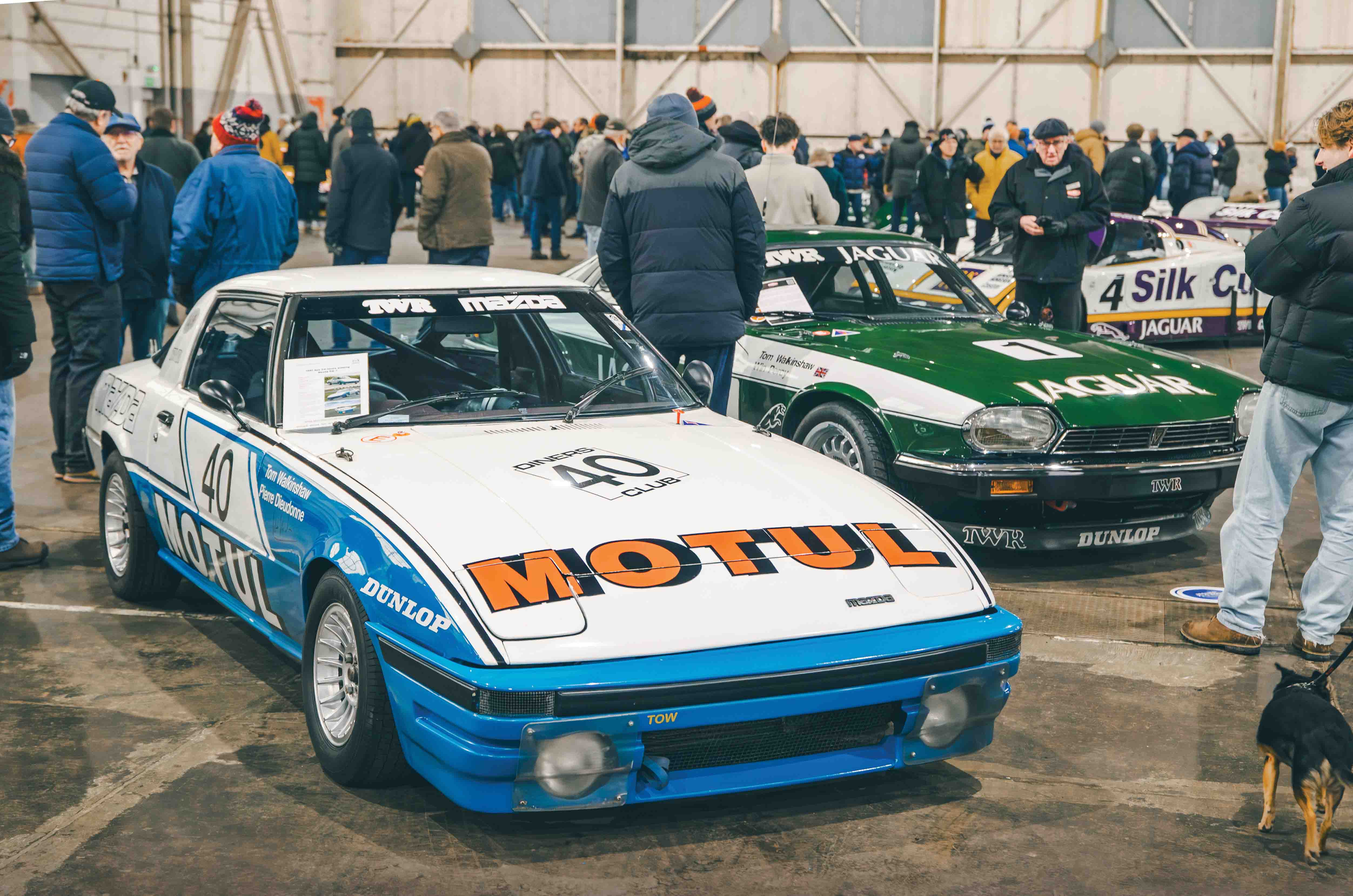
“Our car won the 1990 24 hours of Daytona,” he recalls. “At the beginning of the season, myself and engineer Winston Bush started working on a side project, a car for Le Mans.”
That summer, the US team’s XJR-12 won the French 24-hour race, TWR’s second victory.
“The car crossed the line and we ran to the gates for parc fermé,” remembers Peter.
“There was a massive track invasion, it was a sea of humans.”
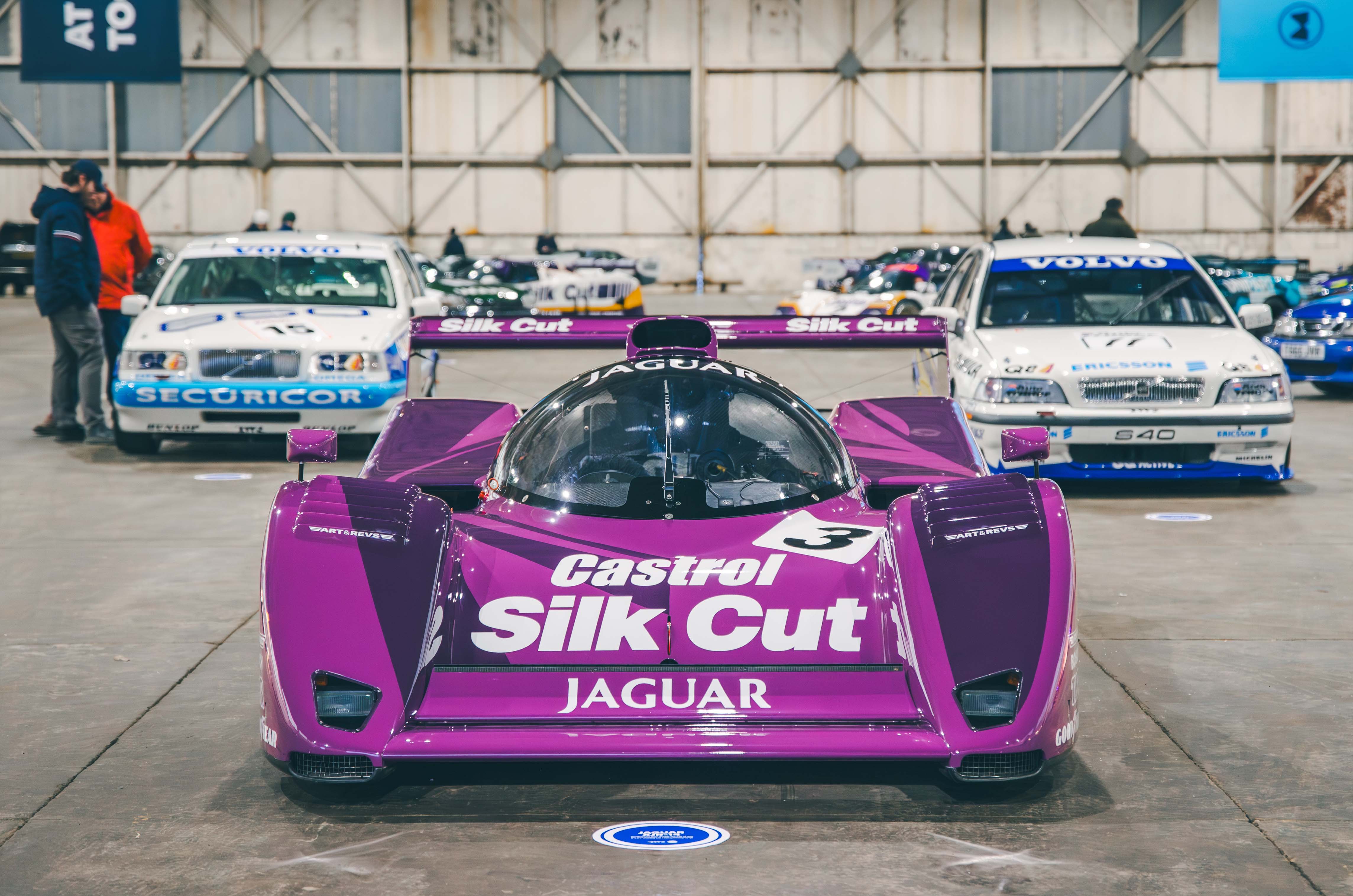
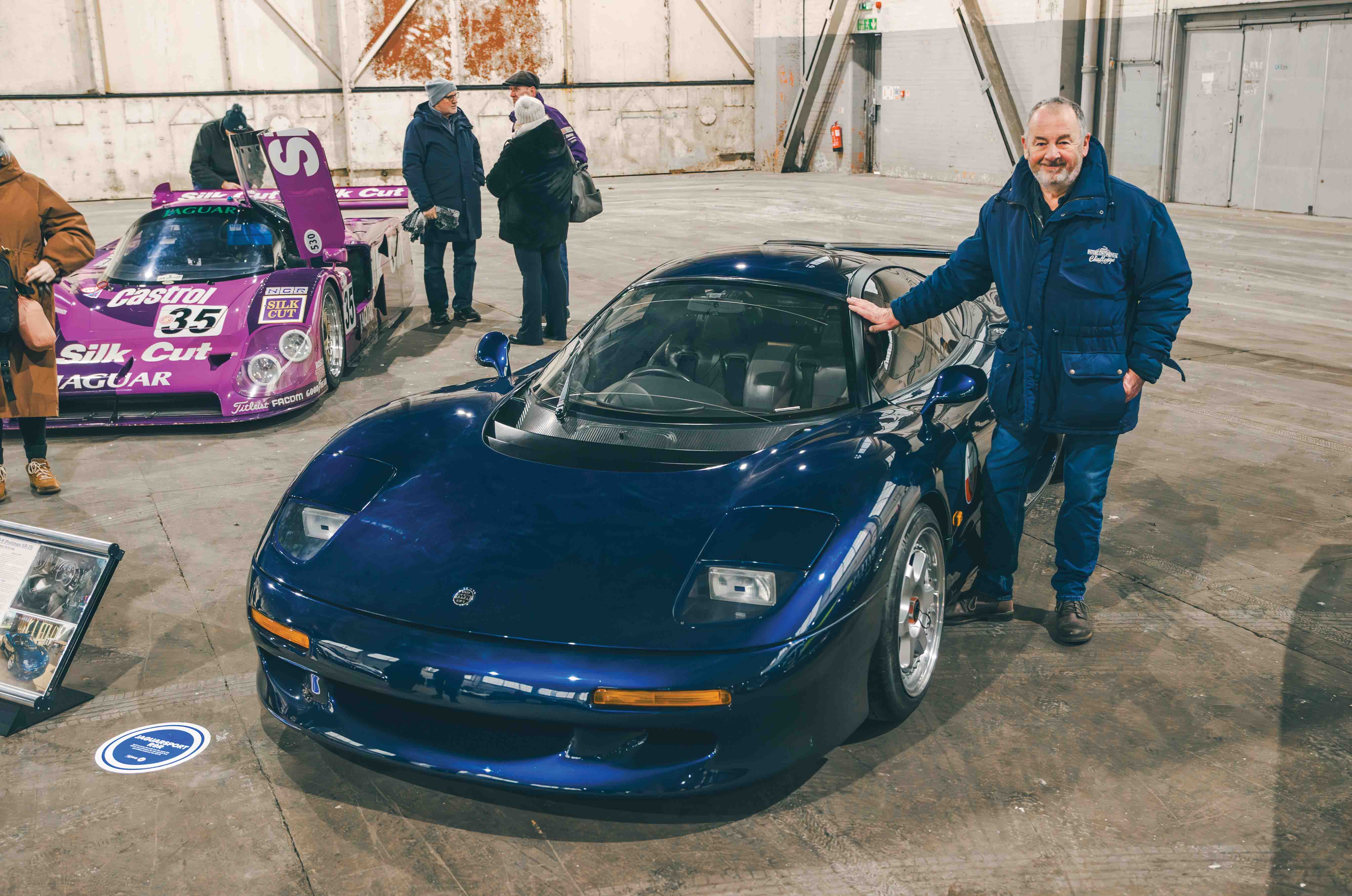
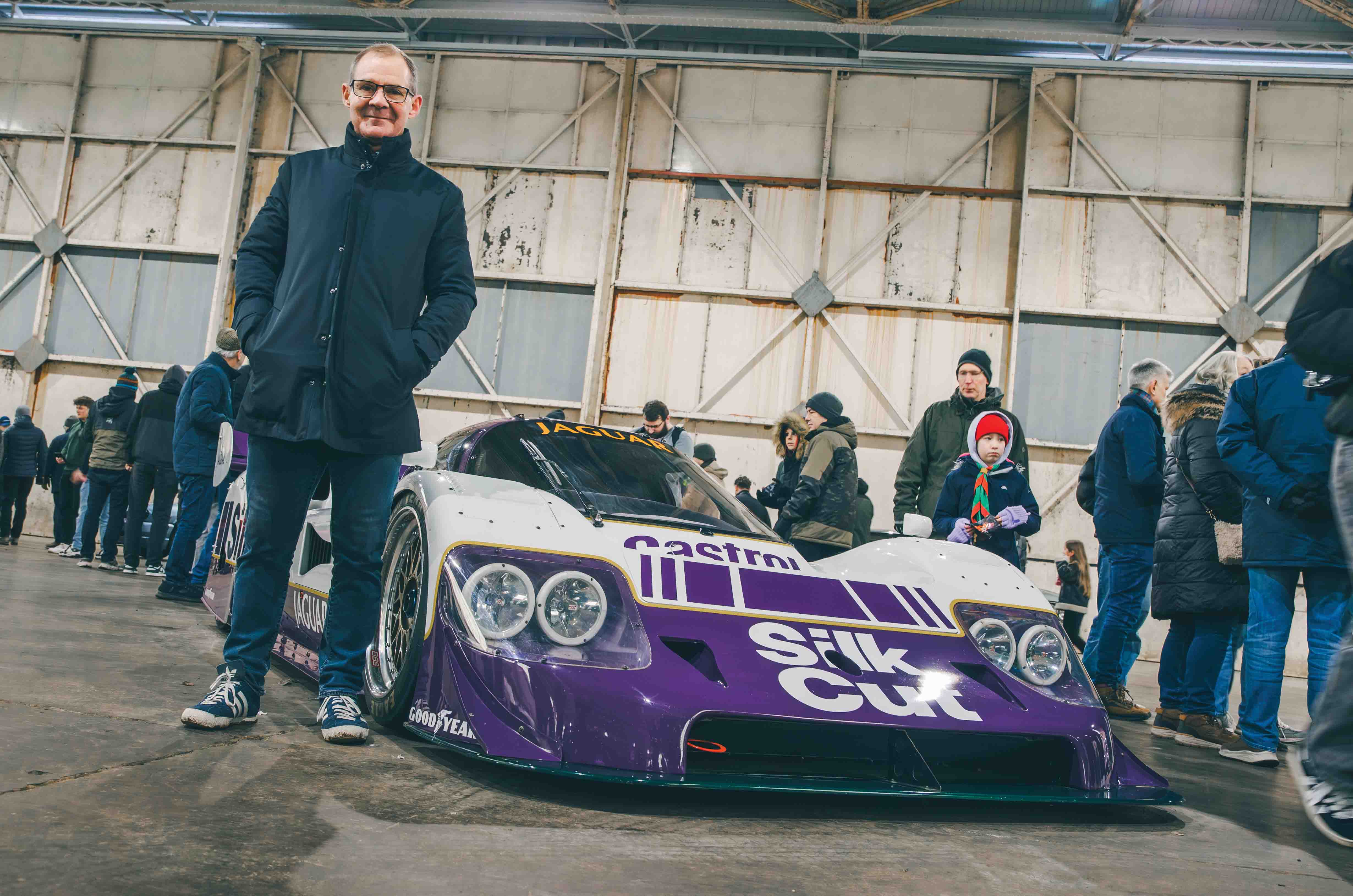
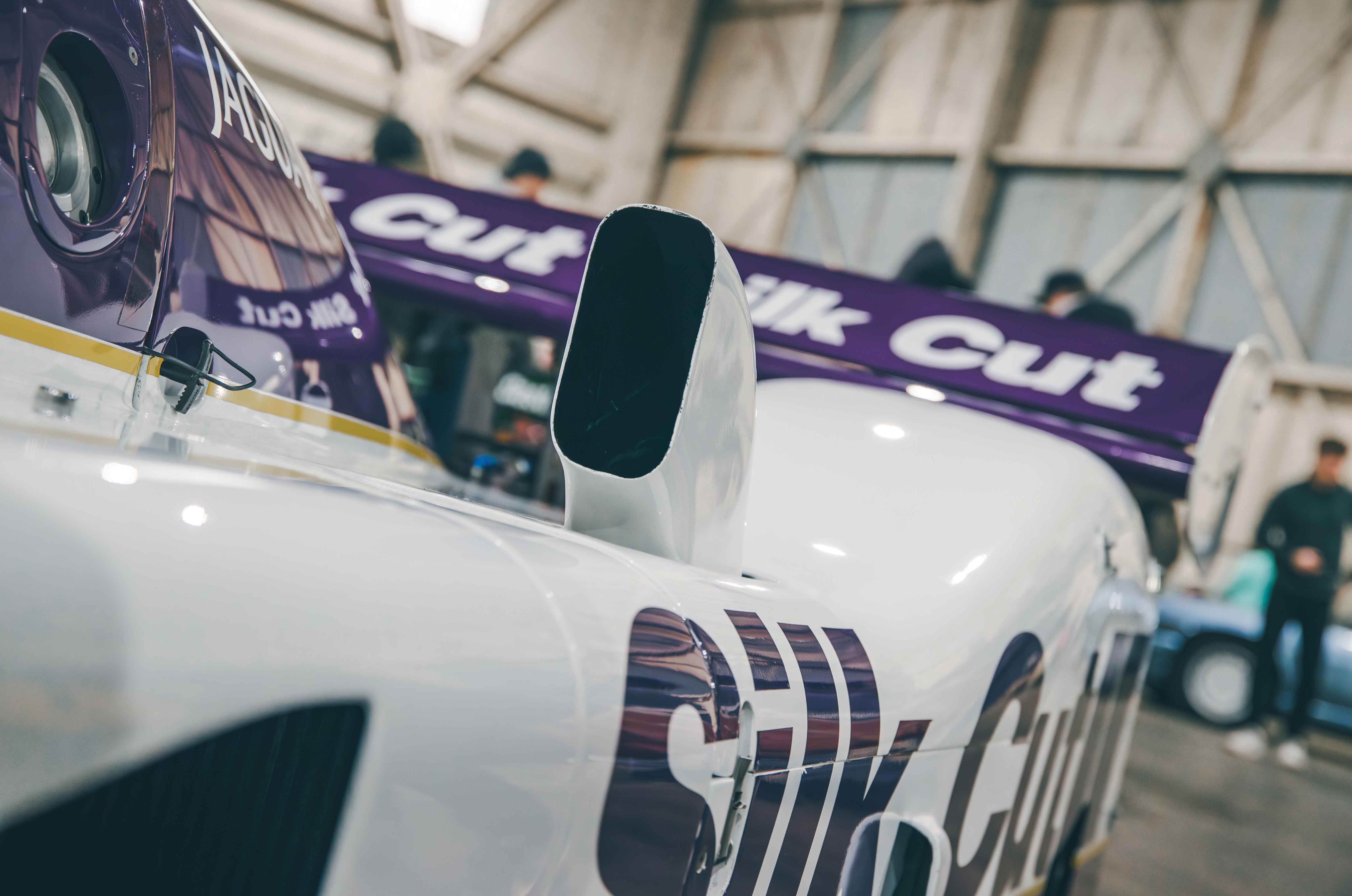
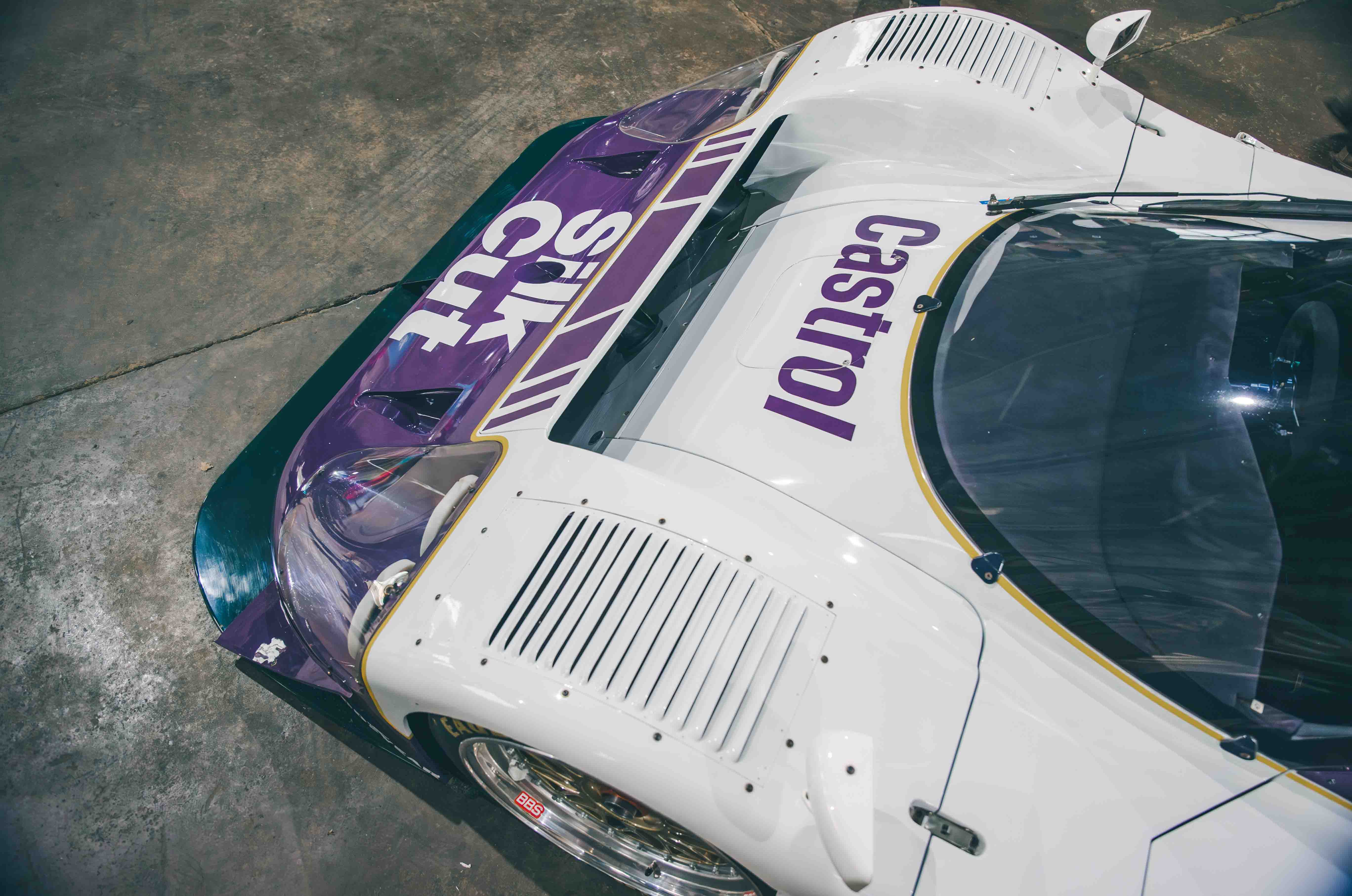
The Jaguar XJR-11 in the iconic Silk Cut livery
“John Nielsen was behind the wheel, fighting his way through all the people,” he says. “I opened the door and he was crying. I said: ‘Rev the freaking engine!’
“People were trying to peel off the stickers and pull off the wheel covers.”
Peter achieved his dream of working in F1, too, but the success at the Circuit de la Sarthe remains one of his dearest memories.
“I’ve won nine F1 World Championships, 130-odd Grands Prix – I had a fantastic career at Mercedes-Benz and Brawn GP – but all of it pales into insignificance compared to winning Le Mans with Jaguar and TWR.”
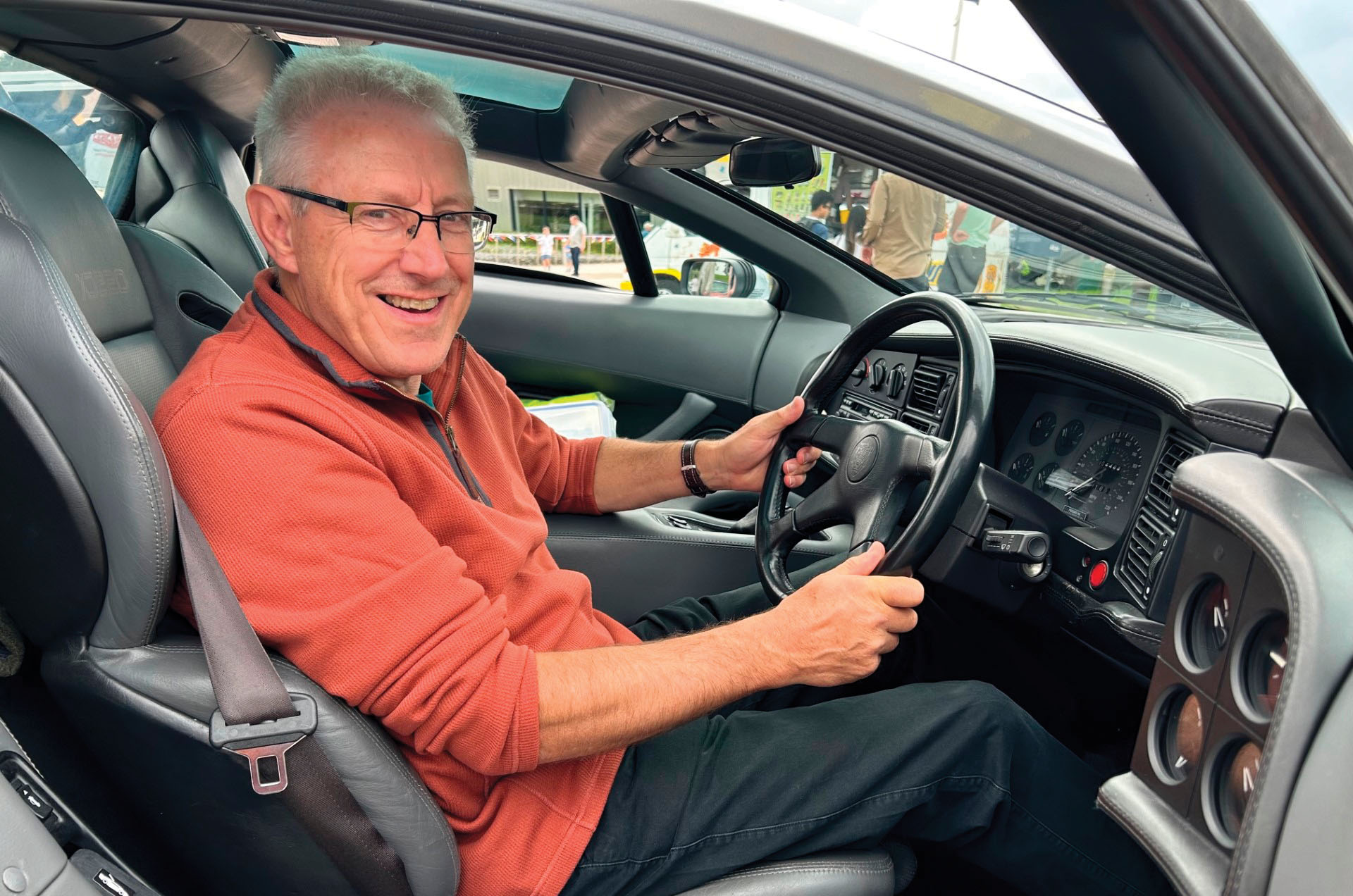
Nick Hull in the Jaguar XJ220’s cabin, which he designed
Nick Hull: designer
Designer Nick Hull had an awful lot of work to do when he arrived at JaguarSport in 1990.
Before a brief spell at Peugeot, he’d created the cabin for the original, V12-powered XJ220 prototype.
By the time he rejoined the project, the 48-valve V12 had been abandoned in favour of a twin-turbocharged V6 and the planned four-wheel-drive system had been replaced by a rear-drive set-up.
As a result, the entire car’s dimensions had to be changed.
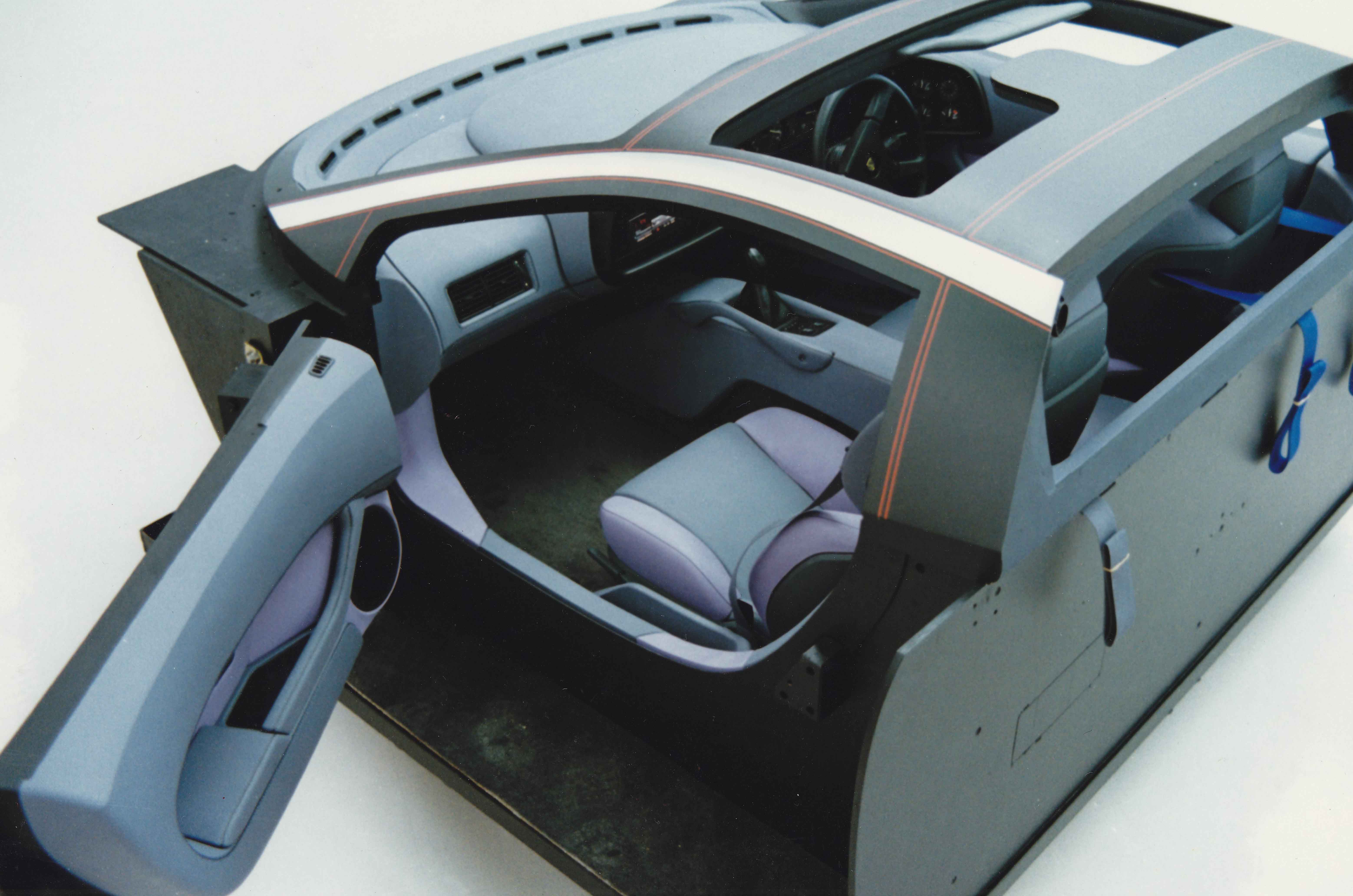
The design buck for the Jaguar XJ220’s interior
“It had to look like the concept because there were already orders from customers,” he remembers.
“By that stage, the chassis of the production car was quite far down the line, but nobody had really taken into account the interior.
“It was quite hard to come back and discover that the original idea wasn’t going to work – or for it to work, there would need to be a lot of changes, which didn’t make me very popular.
“Keith Helfet was responsible for the exterior; we worked together to resurface the much shorter [by around 10in] production car. I was really the only designer within the team at JaguarSport; the rest were all engineers.
“As the only felt-pen fairy, I had to fight my corner.”
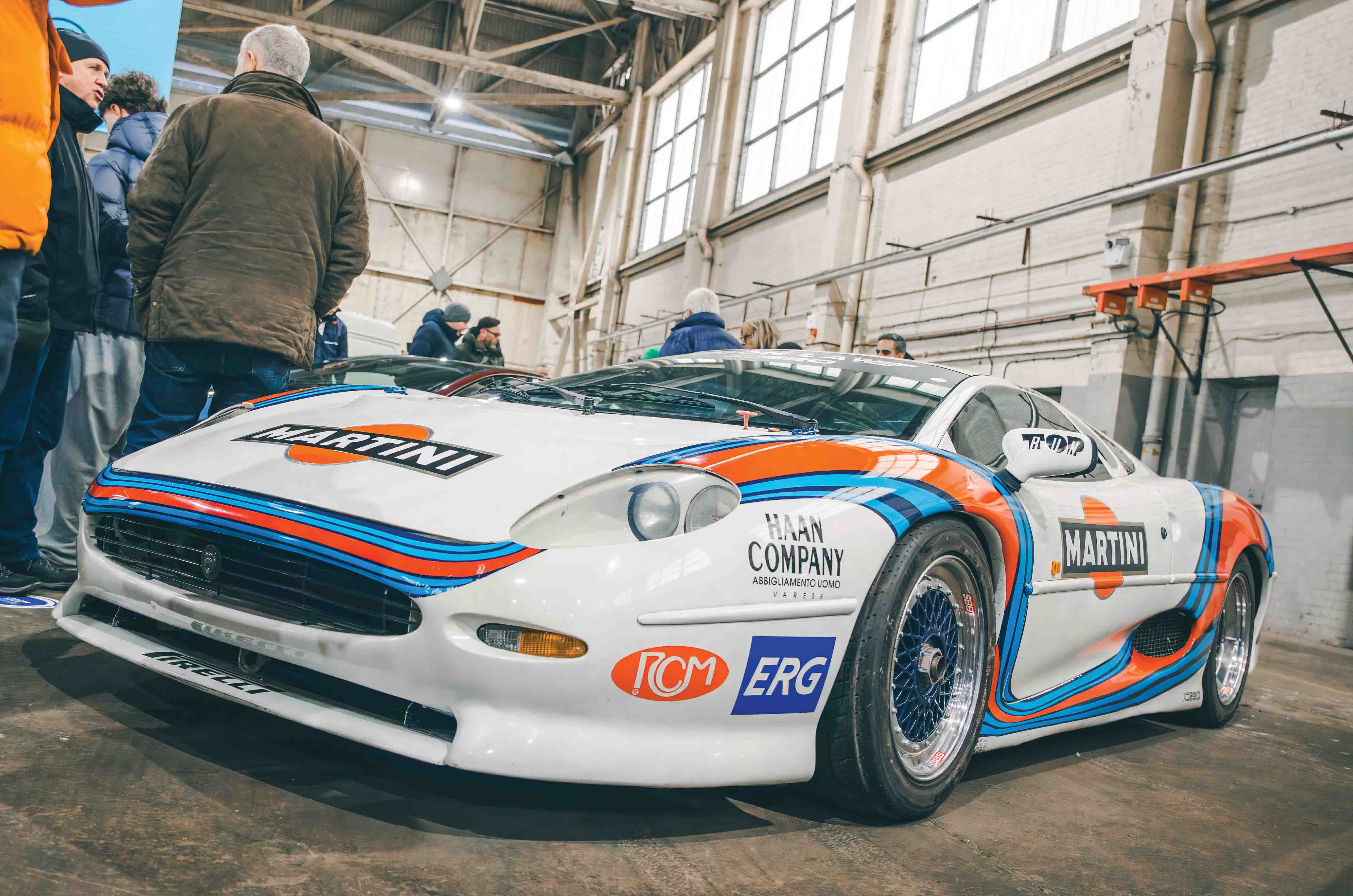
The Jaguar XJ220 evolved from V12 prototype to twin-turbocharged V6 production car
“I only had a few, fairly brief interactions with Tom,” continues Nick, “but he was a tough cookie.
“You tended to not overpromise with him. But he had a softer side, too.
“One Friday afternoon, he came in to see the interior buck I was working on. It was late in the day and I showed him around, and we discussed various points.
“He had a new BMW 850i parked outside and he mentioned some details from that car’s interior.
“He asked if I’d ever driven one. I said no, so he tossed me the keys and said: ‘Go take it out for an hour, then you’ll know what I’m talking about.’”
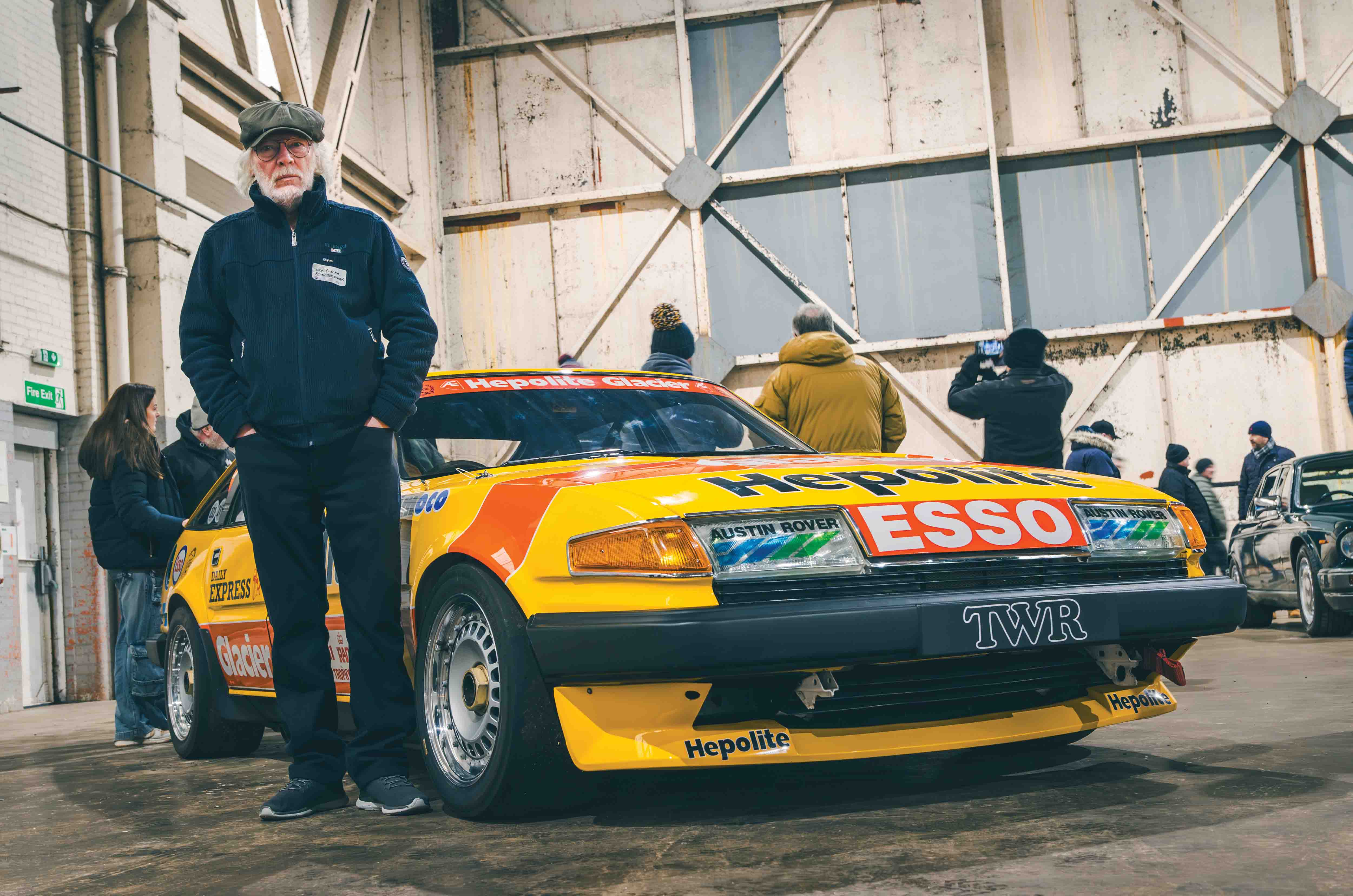
This Rover SD1 was at the heart of touring-car controversy in the 1980s
Ken Clarke: mechanic
In 1983, Ken joined TWR as a 31-year-old spannerman.
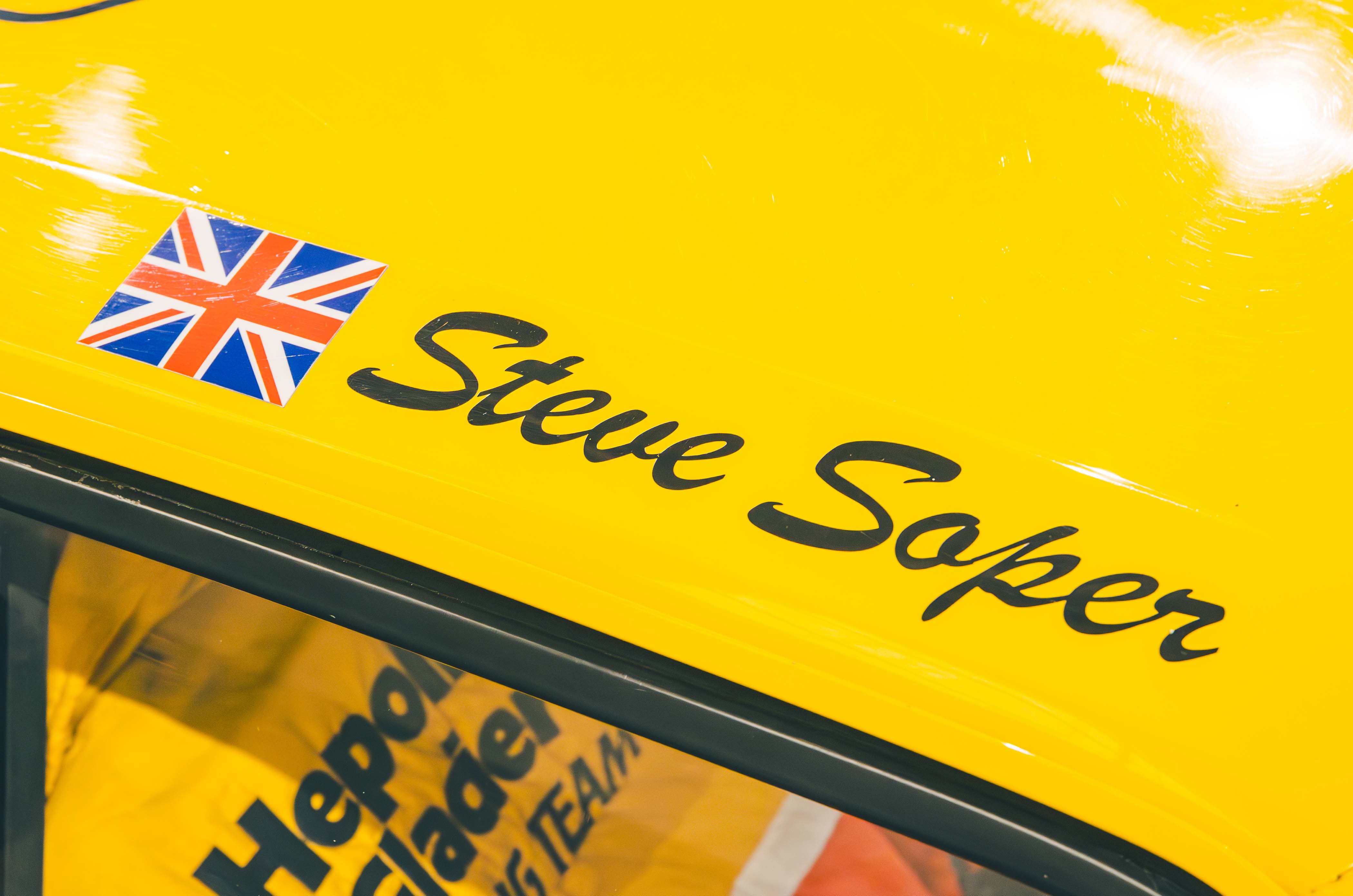
“My first job was to build this,” he says, standing next to the Group A Rover SD1 in which Steve Soper won the 1983 British Saloon Car Championship – but the driver was later controversially stripped of the crown.
While the off-track drama unfolded, Soper’s ’83 challenger was abandoned in a workshop.
“At the end of 1984, Bastos sponsored Rover’s Group A cars,” says Ken. “This was turned into a show car and shipped to Europe.”
Steve Soper piloted this Rover SD1 in the 1983 British Saloon Car Championship
“I left TWR in ’86 but always wondered what happened to it,” Ken explains.
“In 2007, I got a call from a guy who said: ‘I have an ex-Walkinshaw Bastos Rover.’ I said: ‘No you haven’t. They only built five and I know where they all are.’”
Ken received photos and quickly realised it was Soper’s ’83 car, thanks to one small detail.
“During a race at Brands in ’83, Jeff Allam caught the master switch with his elbow,” he says. The team moved the SD1’s cut-off further back.
“But Steve was a bit shorter than the others, and he wouldn’t have been able to reach it, so I just put a shroud on it.”
This Rover SD1 was restored by Ken Clarke, the same man who built it in the 1980s
Ken asked to buy the unfinished car, but the Dutch owner was set on restoring it.
He enquired again in 2008, ’09 and ’10 then, in 2011, he received an ultimatum: the owner invited Ken to make an offer.
If he liked it, the car was Ken’s. If he didn’t, Ken should never contact him again.
“He wouldn’t tell me how much he wanted,” says Ken. “I offered £5000. ‘Make it £5500 and the car is yours,’ he said.
“I spent six years rebuilding it then raced it with my son. Now it lives in the Silverstone Museum. I love it. I say it’s my pension, but I’d have to sell it for it to be worth anything.”
Tom Walkinshaw Racing engineered a mighty V10 for Formula One
Jon Hilton: powertrain engineer
The TWR story ends with one of the most advanced V10 motors ever built.
Jon Hilton was in charge of the project, having worked for Arrows in 1998 and ’99, after TWR acquired a majority stake in the team in the 1990s.
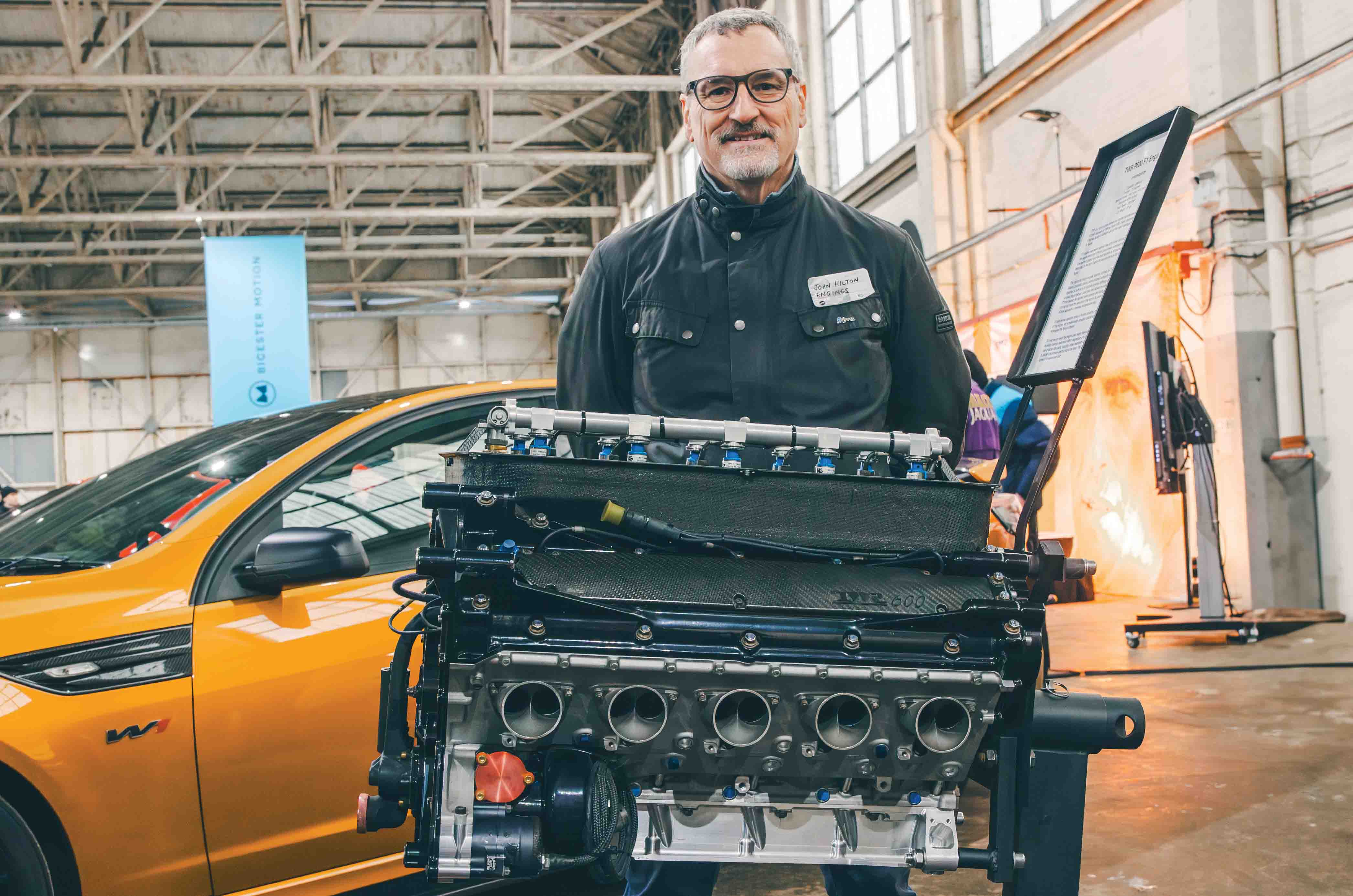
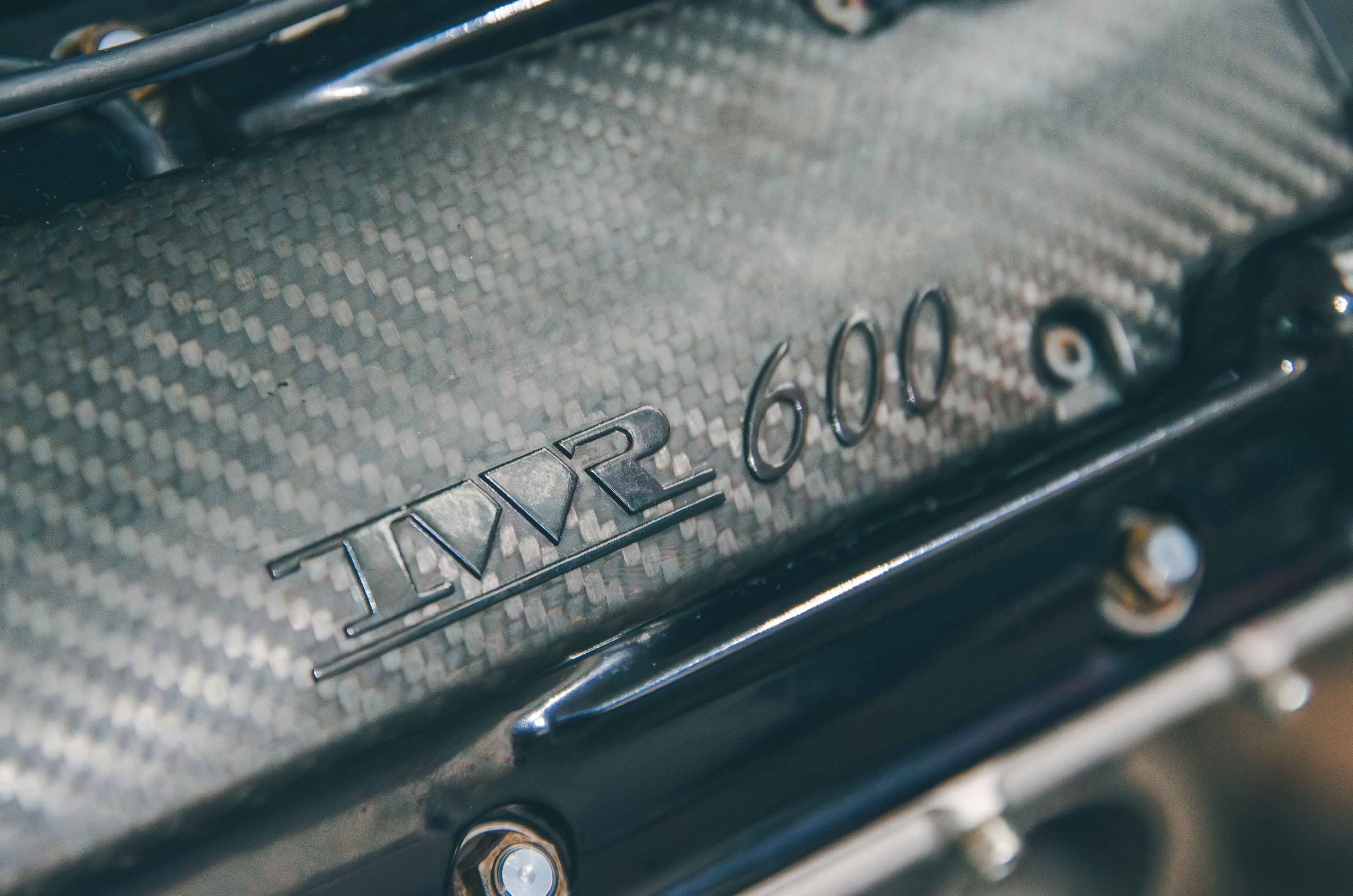
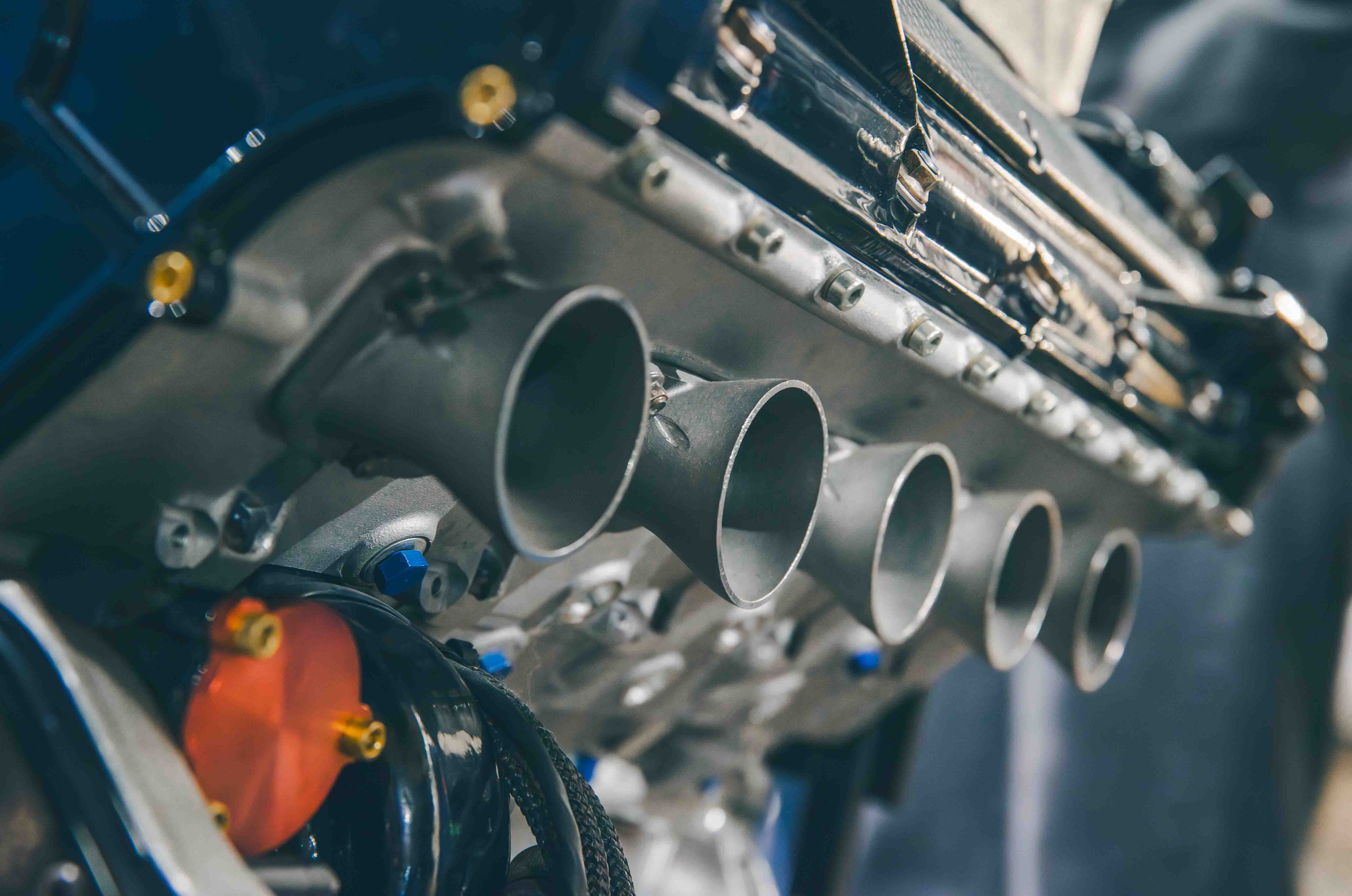
“This was an all-new design,” Jon says, pointing to a rare example of the firm’s unraced, 10-cylinder masterpiece.
“Tom was desperately trying to pull Audi into F1. It ran on the dyno in Ingolstadt; we very nearly did it.
“That’s what Tom was holding out for when TWR went bust.”
Tom Walkinshaw Racing’s F1 project was led by Jon Hilton
“It’s probably the lightest V10 engine ever,” he adds. “It weighs 91kg. There’s lots of magnesium, titanium fasteners and lots of carbonfibre.
“We used metal-matrix composite pistons – it was built before the rule about the metals you could use.”
When TWR went under, Flavio Briatore bought the V10 units and hired the firm’s boffins.
Everything they had learnt went into creating Renault’s mid-2000s F1 motor.
The TWR V10 used magnesium and carbonfibre
“We spent two seasons putting the lightweight, low-friction stuff into Renault’s engine, then won the title in 2005 and ’06,” he explains.
“Everything we developed for the TWR V10 resulted in us winning with Alonso.
“In 2006, we won the title on Sunday, then we were all fired the following week.
“The engine was homologated until 2014, there was a freeze on development and our job of making it go faster just disappeared.
“I asked Flavio: ‘What are you doing with the old TWR engines?’ He told me to chuck them in a skip.”
Instead, Jon asked if he could take them. Surprisingly, Briatori agreed: “I sold a load to Rajamäki Racing, which runs an F1 experience in Sweden. I kept this one for my coffee table.”
Enjoy more of the world’s best classic car content every month when you subscribe to C&SC – get our latest deals here
READ MORE
Jaguar XJ220 vs JaguarSport XJR-15: thunder cats
Celebrating Ford vs Holden at Bathurst: thunder Down Under
Unhinged hatches: Volkswagen Beetle RSI vs Renault Clio V6
Ryan Standen
Ryan Standen is Classic & Sports Car’s Staff Writer