Buyer’s guide: Ford Mustang

| 1 Jul 2026
Classic & Sports Car – Buyer’s guide: Ford Mustang

Why you’d want a Ford Mustang

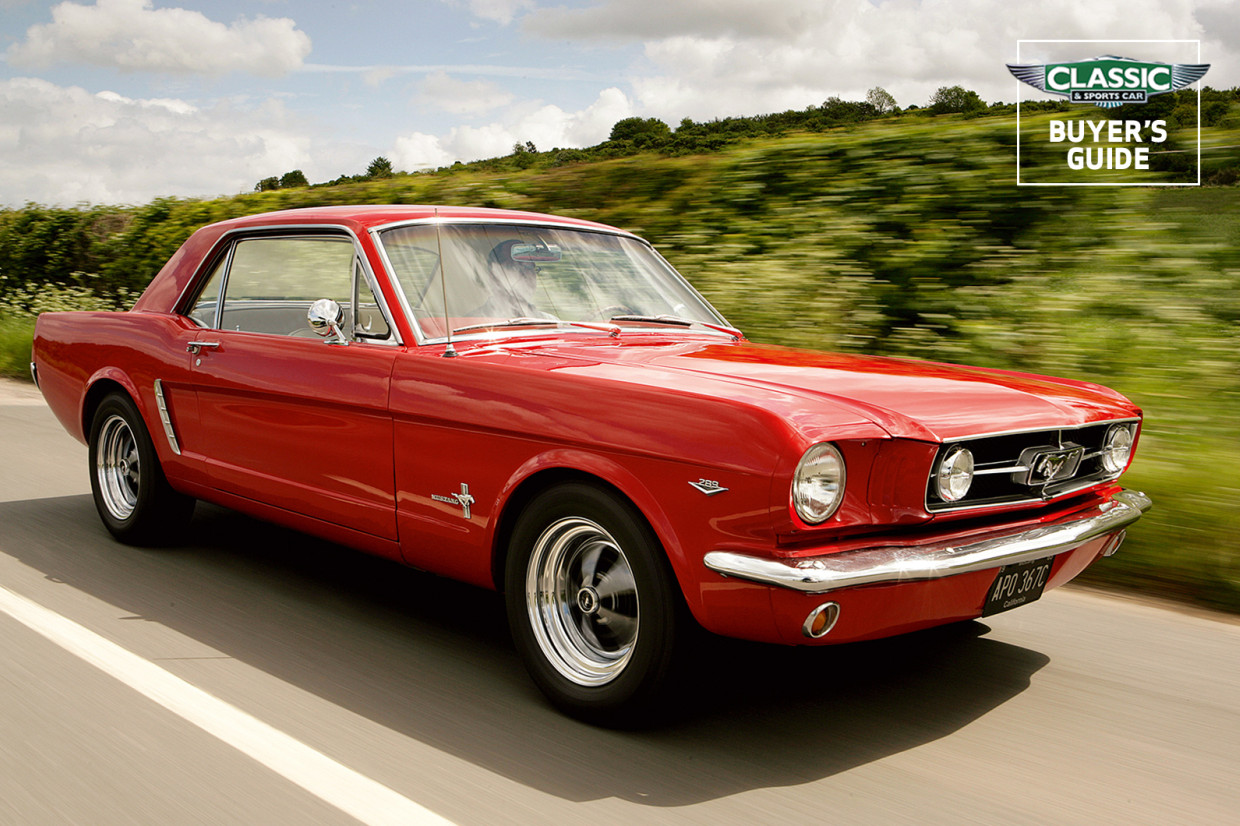
US motor manufacturing legend Lee Iacocca needed all of his famous powers of persuasion to bludgeon Ford’s management into backing the Mustang, but the new niche automobile instantly became America’s fastest seller.

Some 417,000 were shifted in the first year after its mid-’64 launch and it topped a million by February ’66, starting a whole new breed of ‘pony’ cars.

Though styled by Dave Ash and Joe Oros, it was Iacocca who specified that the Mustang must be a four-seater and big enough for a small-block V8.

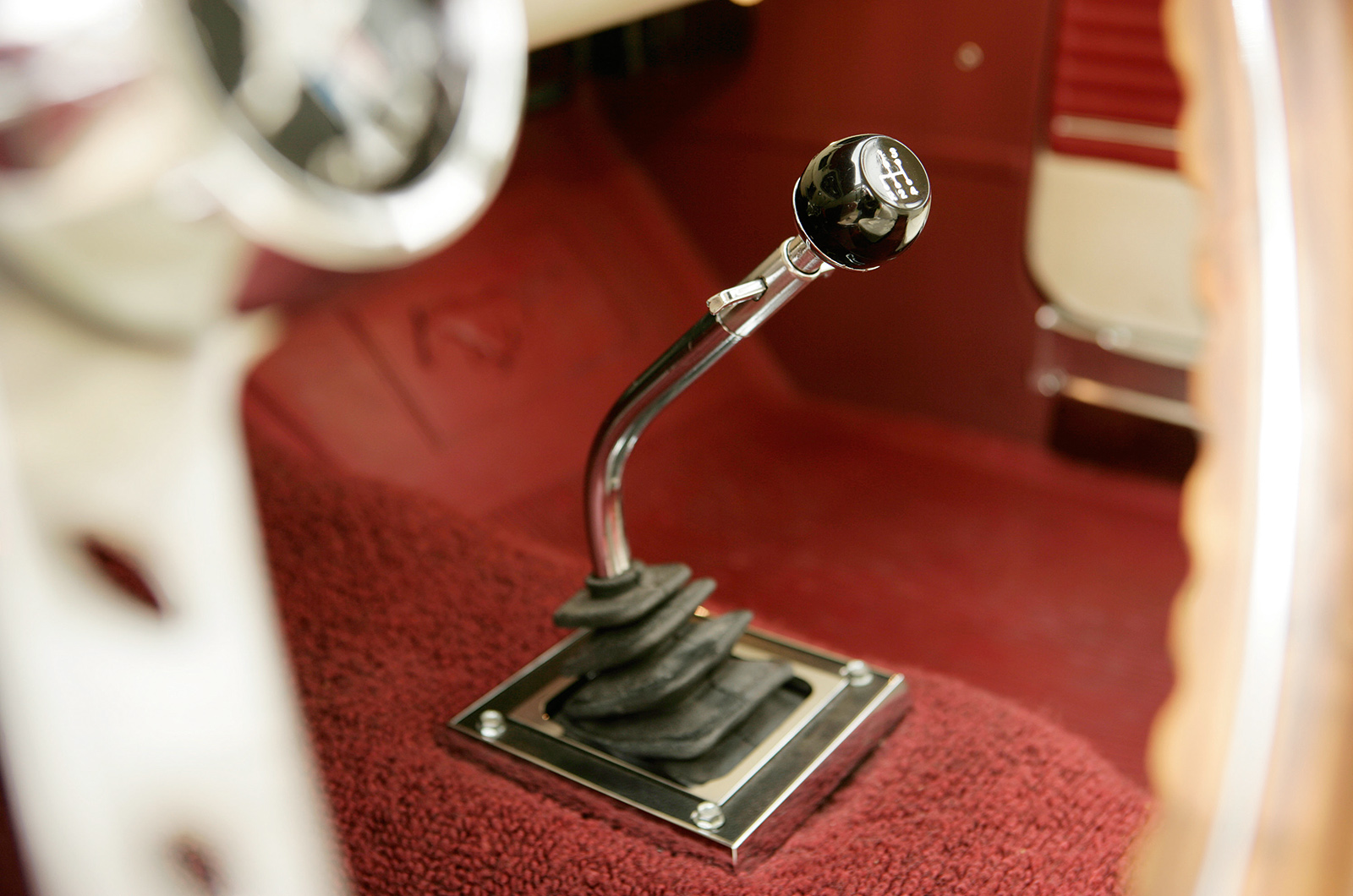
Bucket seats and a standard floor shifter broadened its appeal.

He was right. Though the Ford Mustang’s basis was the Falcon and the $2400 entry-level model had a straight-six, it looked every inch a sports car and the majority of customers forked out the extra for a 289cu in V8.

The early Mustang’s compact dimensions (by American standards) boosted its UK appeal, but that draw consequently declined a little as the Mustang grew, first in 1967 to accommodate the big-block 390cu in V8 then again in 1971.

Iacocca also regretted the growth and replaced the big Mustang with the compact Mustang II for 1974, which sold well but lacks enthusiast appeal.

Ford Mustang production embraced a hugely bewildering range of models and specifications, with many options adding to the mix.

From the start, you could specify power steering and brakes, air conditioning, a powered soft-top, an automatic transmission or a four-speed manual (instead of the standard three-speed), Rally Pac instruments, heavy-duty suspension, 14in five-spoke wheels and more.
Today, the price differential between specifications is vastly greater than when new and, before you splash out on a top-spec Ford Mustang, you need to check that the car is – and always has been – what it claims to be.

Films haven't helped: in recent years, myriad Mustangs have been transformed into ‘Eleanor’ (Gone in 60 Seconds) and Bullitt replicas, which fetch more than standard cars.

It is also key to check the main rust spots, particularly from cars that aren’t from ‘dry’ states.

Inspect the front wings (front/rear edges and wheelarch), chassis legs, front bulkhead (particularly below the air vents), floorpans, sills (inner, outer and reinforcing members), convertible hood wells, rear window/deck area, leaf-spring hangers, rear wings and valances.

Images: Tony Baker


Ford Mustang: what to look for

Classic & Sports Car – Buyer’s guide: Ford Mustang

Engine

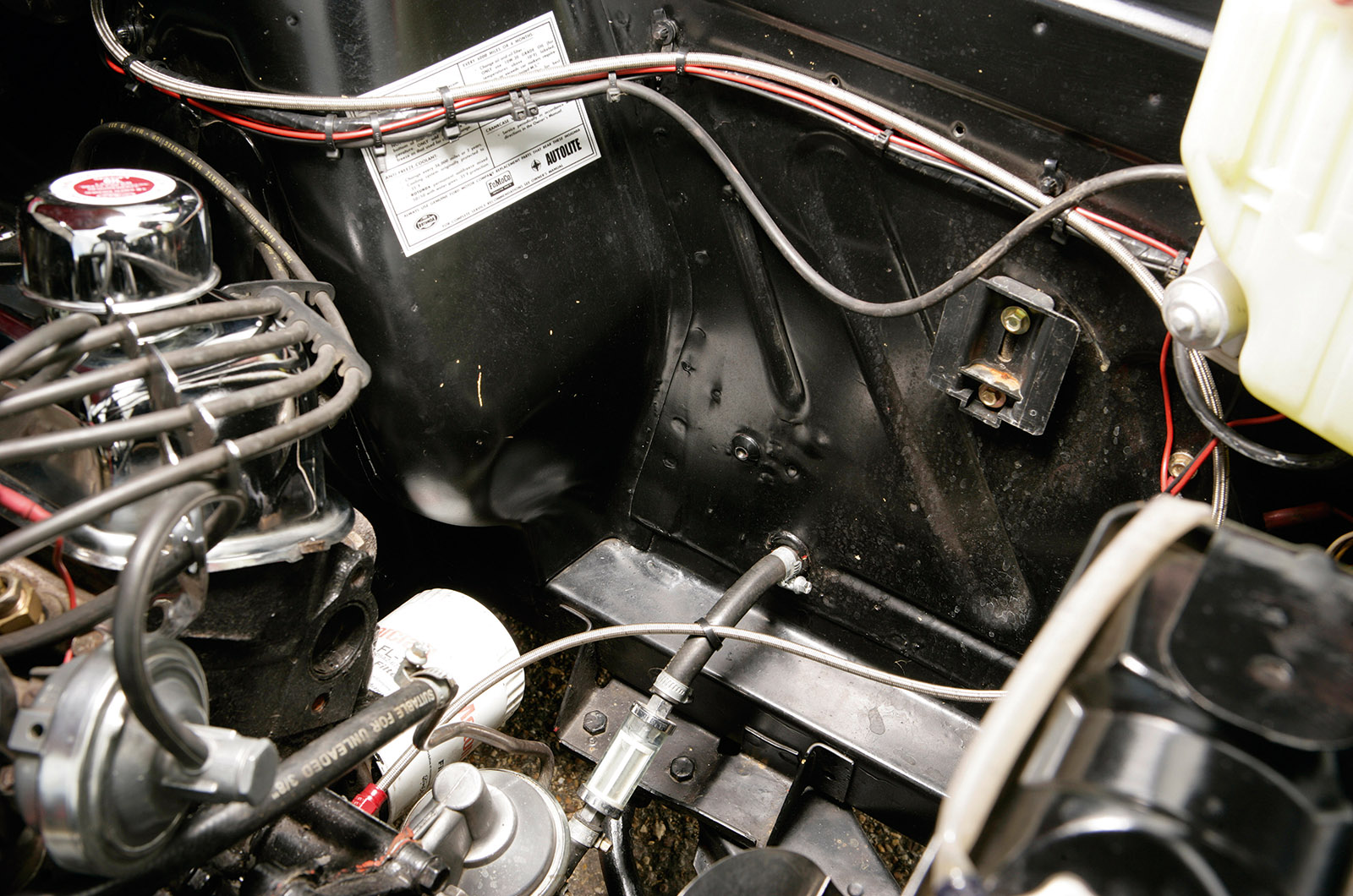
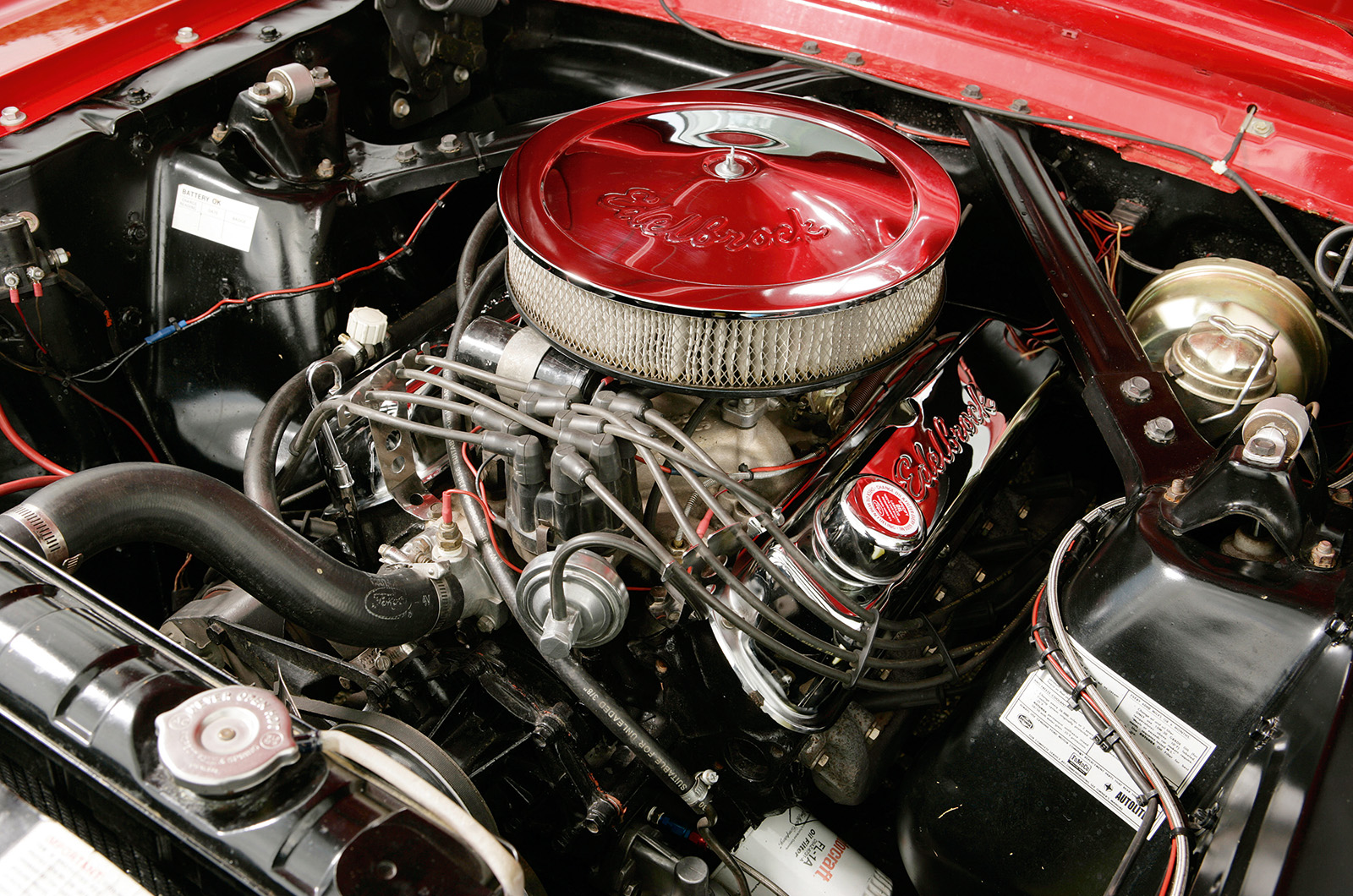
With the enormous variety of options, make sure the engine in the car is what is claimed (and, ideally, what was originally fitted).

All are strong (150,000 miles from a ‘six’, much more from V8s) and will smoke, rattle and leak oil when they get tired.

The small-block V8 is oversquare and high-revving, the big-block hugely torquey.

Classic & Sports Car – Buyer’s guide: Ford Mustang

Engine (continued)

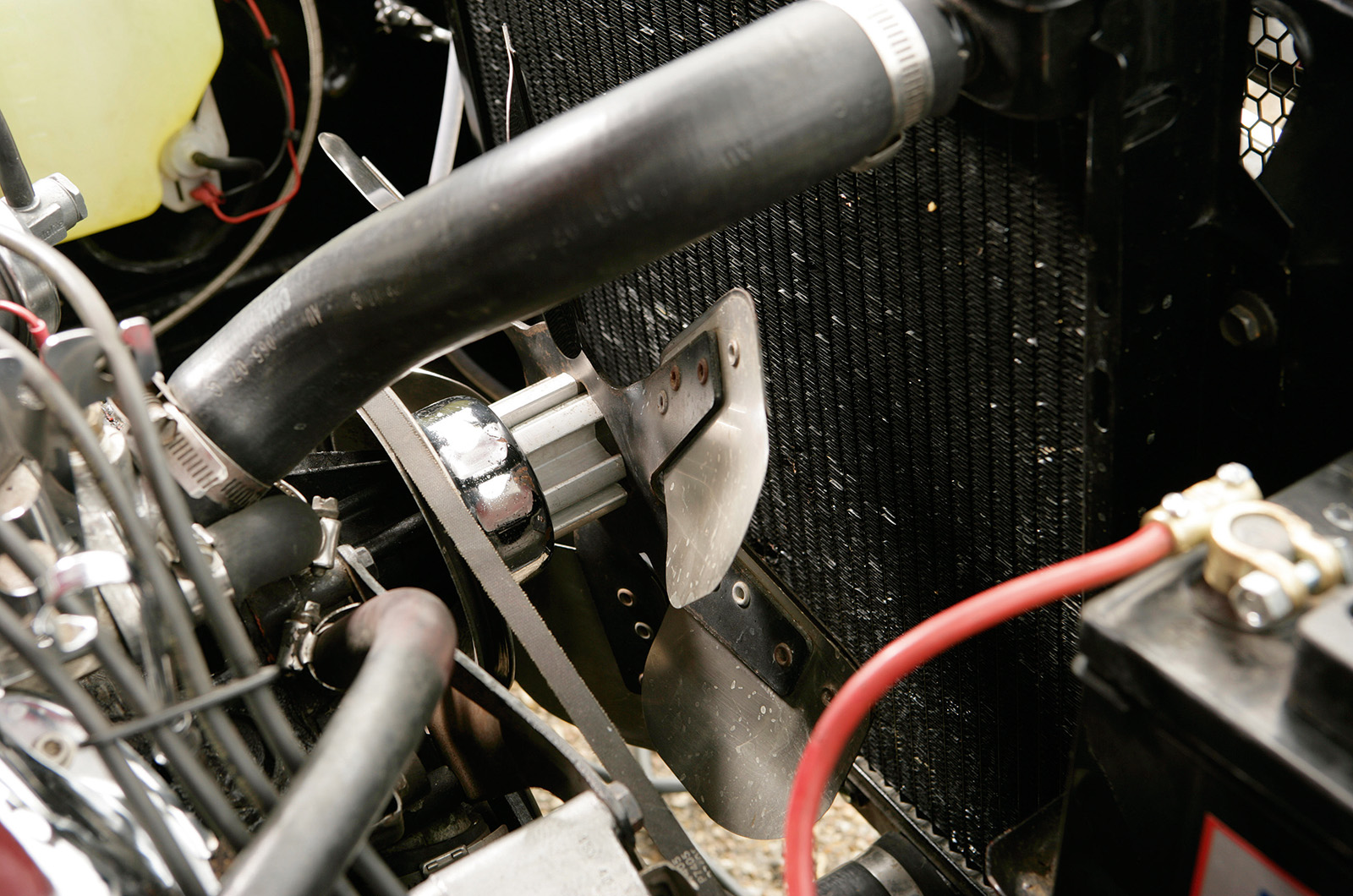
Overheating is a common complaint now, but shouldn't be: fit a new radiator and you can forget it.

Check for blown head gaskets with signs of water loss.

Classic & Sports Car – Buyer’s guide: Ford Mustang

Gearbox

Check for worn synchros and bearing noise in manuals, and for jumping out of gear.

Automatics are durable: the oil dipstick at the back of the engine will reveal neglect.

Classic & Sports Car – Buyer’s guide: Ford Mustang

Brakes

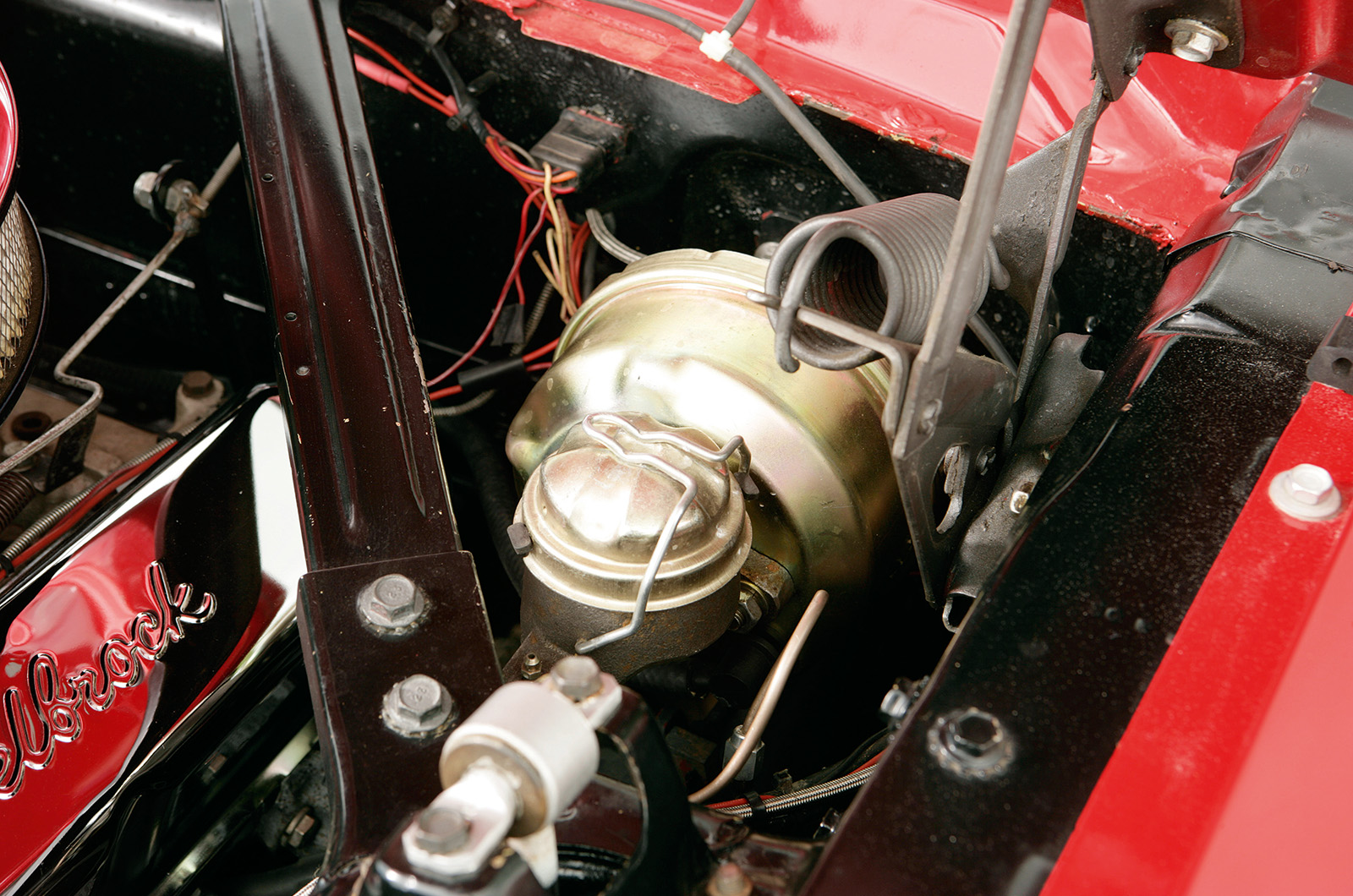
Servo is desirable, front discs even more so – yet until 1972 you couldn’t have them on a six-cylinder car.

You can retro-fit them: for fast driving, they are a must.

Classic & Sports Car – Buyer’s guide: Ford Mustang

Interior

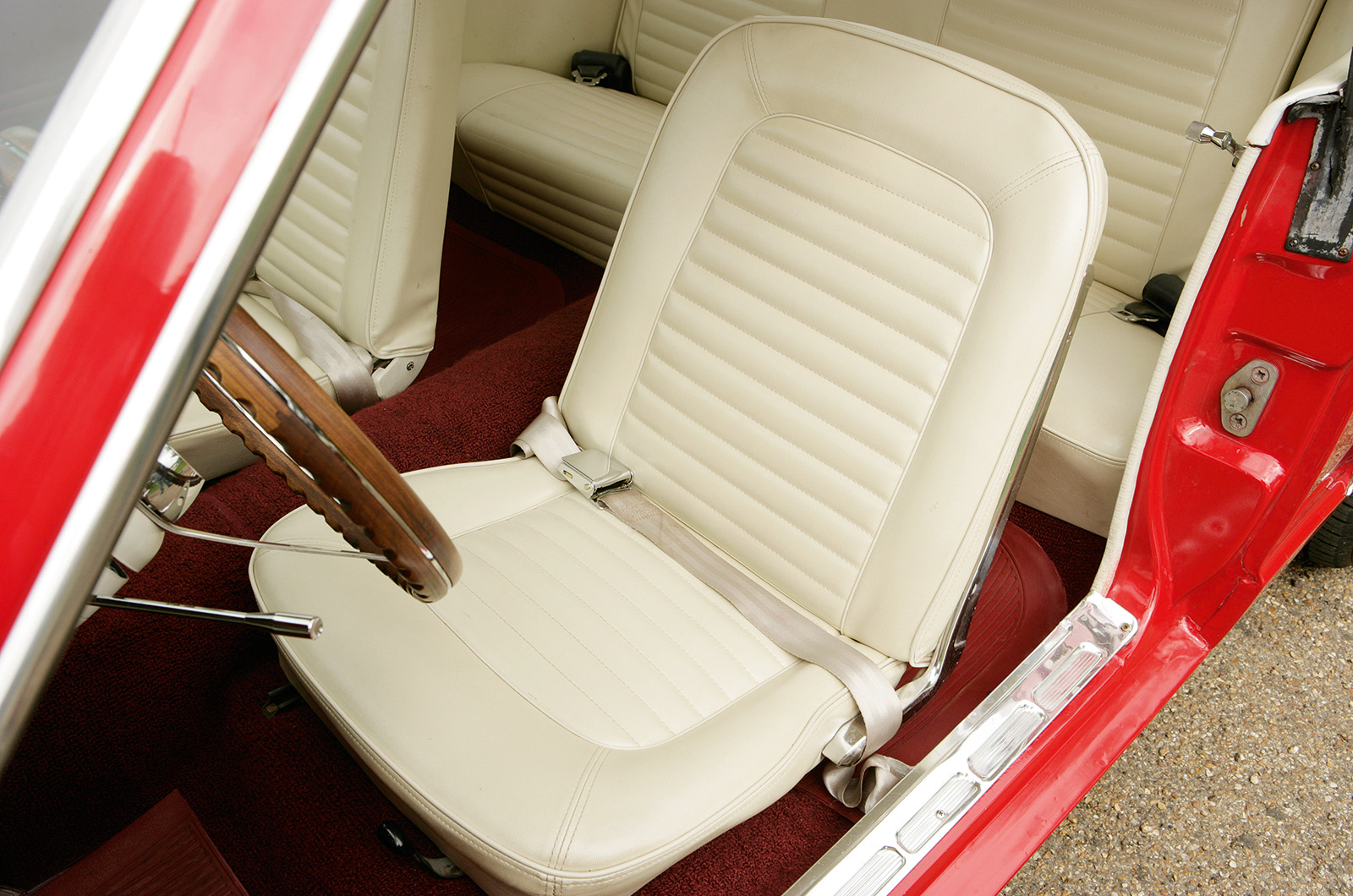
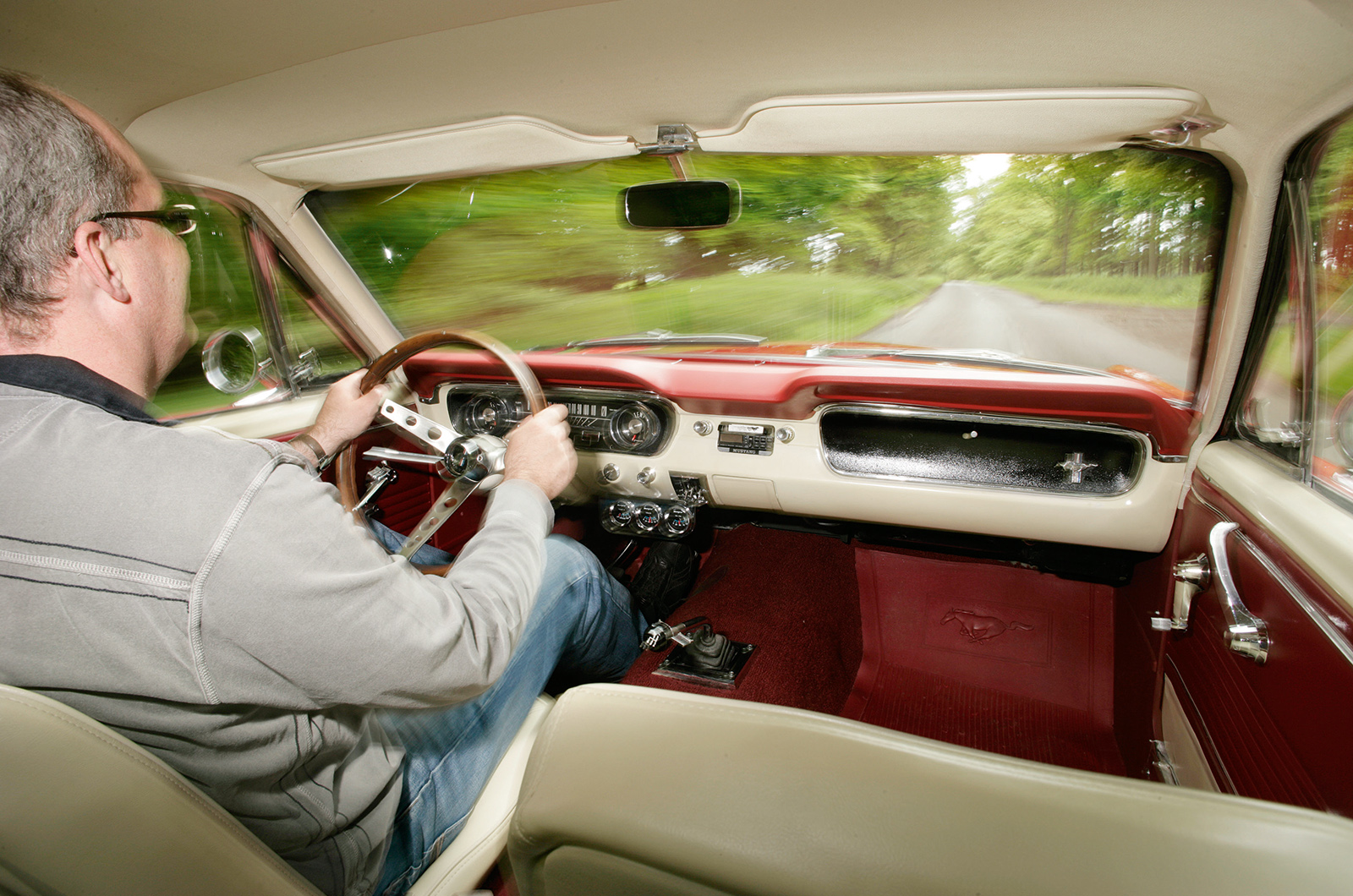
In Ford Mustangs, the cabin trim suffers with age and seat frames can crack, but all are available.

Codes on the VIN plate tell you what was first fitted, but many have been upgraded.

Classic & Sports Car – Buyer’s guide: Ford Mustang

Suspension

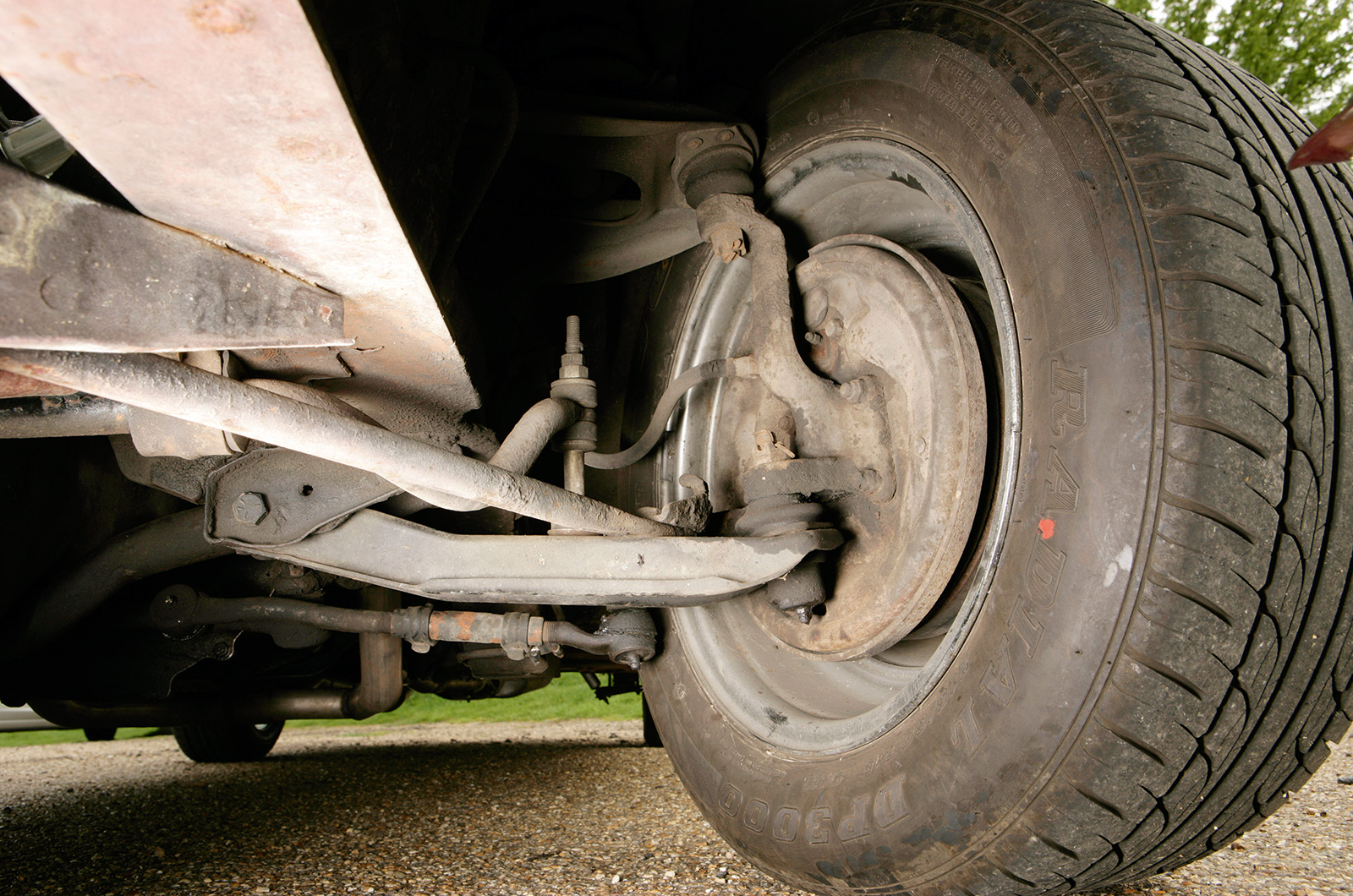
Look for ripples in front chassis legs, especially where they join suspension towers: they’re giveaway signs of past accident damage.

Check for rust, too.

Classic & Sports Car – Buyer’s guide: Ford Mustang

Suspension (continued)

The suspension is simple and strong; squeaks at front may be from worn top swivels.

A Ford Mustang’s steering is vague and heavy without (optional) power assistance.


Ford Mustang: before you buy

Classic & Sports Car – Buyer’s guide: Ford Mustang

With such a wide range of styles and options available, it is vital to become a Ford Mustang expert before buying one.

That way, if you want a high-specification model you can avoid tricked-up replicas, and if you don’t you can find a cheaper car that will still tick all of your boxes.

Check engines for the correct specification, for signs of overheating that may indicate a blown head gasket, and for excessive oil leaks and smoking, which suggest a rebuild is needed.

With a couple of pumps on the throttle from cold, any Mustang engine should burst quickly into life and pull smoothly through the rev range.

Don’t expect real fireworks from the lesser engines, especially when mated to the automatic gearbox, but pokier V8s should deliver terrific straight-line grunt without any flat-spots.

Make sure the transmission (automatic or manual) changes smoothly and doesn’t jump out of gear – manual ’boxes are probably the weakest component on a Mustang, and many have suffered plenty of abuse over the years, so be prepared for problems in this area. Rebuilding is not too costly, but adjust the price if you find problems.

Mustangs handle well by American standards.

For European drivers, the ride is reasonable and the handling a bit agricultural.

High-performance Mustangs are a real handful in the wet and most have been fitted with bigger wheels and tyres, which are useful to get some additional grip, but make power steering a highly desirable option.

The original drum brakes are barely adequate for gentle driving, but you can still get a complete front-disc conversion kit for less than £1000 from US-based specialists. Budget for that (and a servo) if you want to drive hard safely.


Ford Mustang price guide

Restoration/average/show

  • Notchback: £5000/18,000/35,000
  • Convertible: £7500/22,000/45,000
  • Fastback: £8000/30,000/60,000
  • Ultimate models: £30,000/75,000/150,000


Prices correct at date of original publication


Ford Mustang history

1964 Ford Mustang launched as convertible and notchback; 101bhp ‘six’ (later 120bhp) and 164/210bhp V8, with Hi-Po 271bhp 289 V8 and 2+2 fastback body following later

1965 306bhp Shelby GT350 launched. ‘Pony’ interior option and GT pack (front discs, stiffer suspension, foglamps) added

1966 Revised dashboard, horizontal grille bars

1967 2in longer, 2½in wider, 130lb heavier; 320bhp big-block; 355bhp Shelby GT500

1968 More engines including 280/325bhp 6.4 and 390/335bhp 7-litre Cobra Jet

1969 Twin headlights, Grande hardtop and Mach 1 fastback; 155bhp 4.1 ‘six’ and 375bhp 7.0 V8; Boss 302, Boss 429; Shelby models restyled

1971 2in longer/wider, 250lb heavier, 145-370bhp engines; Boss 351; 429 Cobra Jet

1973 Final year of Mustang I production


The owner’s view

Classic & Sports Car – Buyer’s guide: Ford Mustang

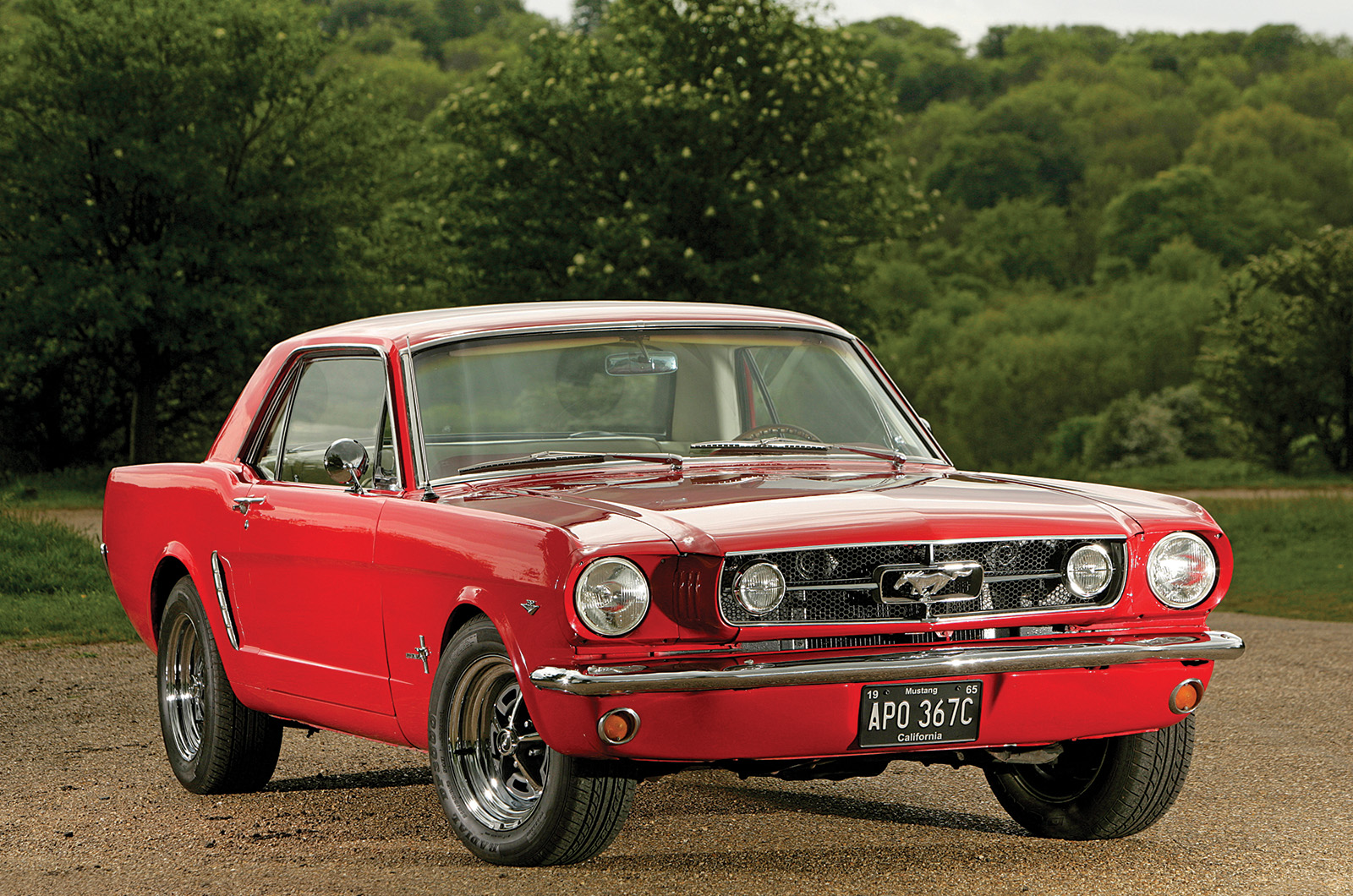
Looking for a V8 to replace a Crayford Ford Cortina, Sam Kershaw chose a notchback Mustang.

“I bought this rust-free California car a year ago from South Coast Mustangs. It came with a rebuilt engine and a warranty.

“With the pillarless coupe, you get the joy of a convertible without the impracticality.

“I’ve done twice as many miles as in my previous classics: there is a very active social scene.

“I’ve had the drum brakes overhauled, rebuilt the propshaft, replaced the pedalbox bushes and a radiator hose, but you can get most parts in the UK on next-day delivery.

“It has a few non-original parts – the GT grille and Magnum 500 wheels – but they suit it, and everybody loves the car.

“You can’t buy a red Mustang if you’re shy and retiring!”


Also consider

Classic & Sports Car – Buyer’s guide: Ford Mustang

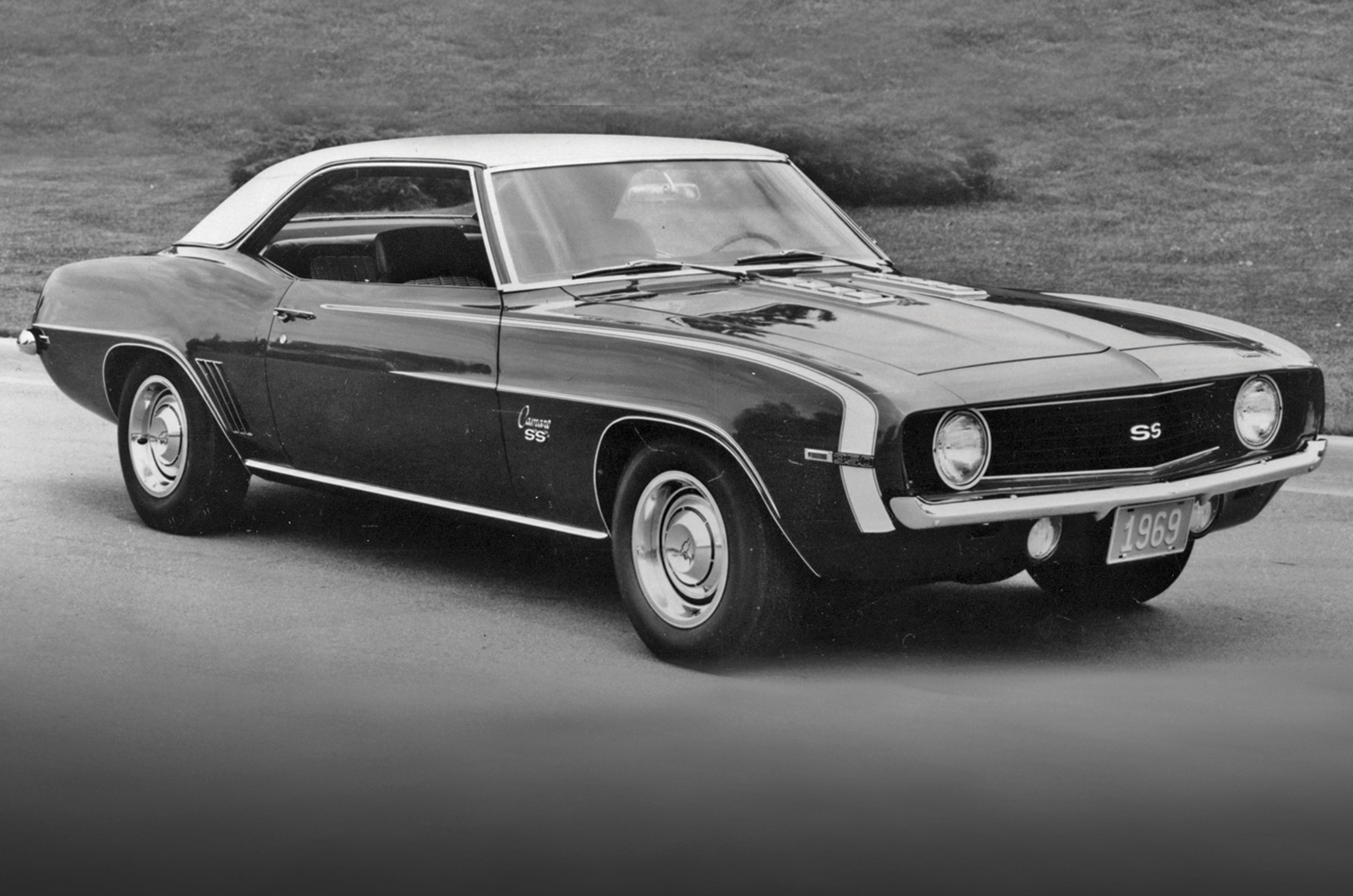
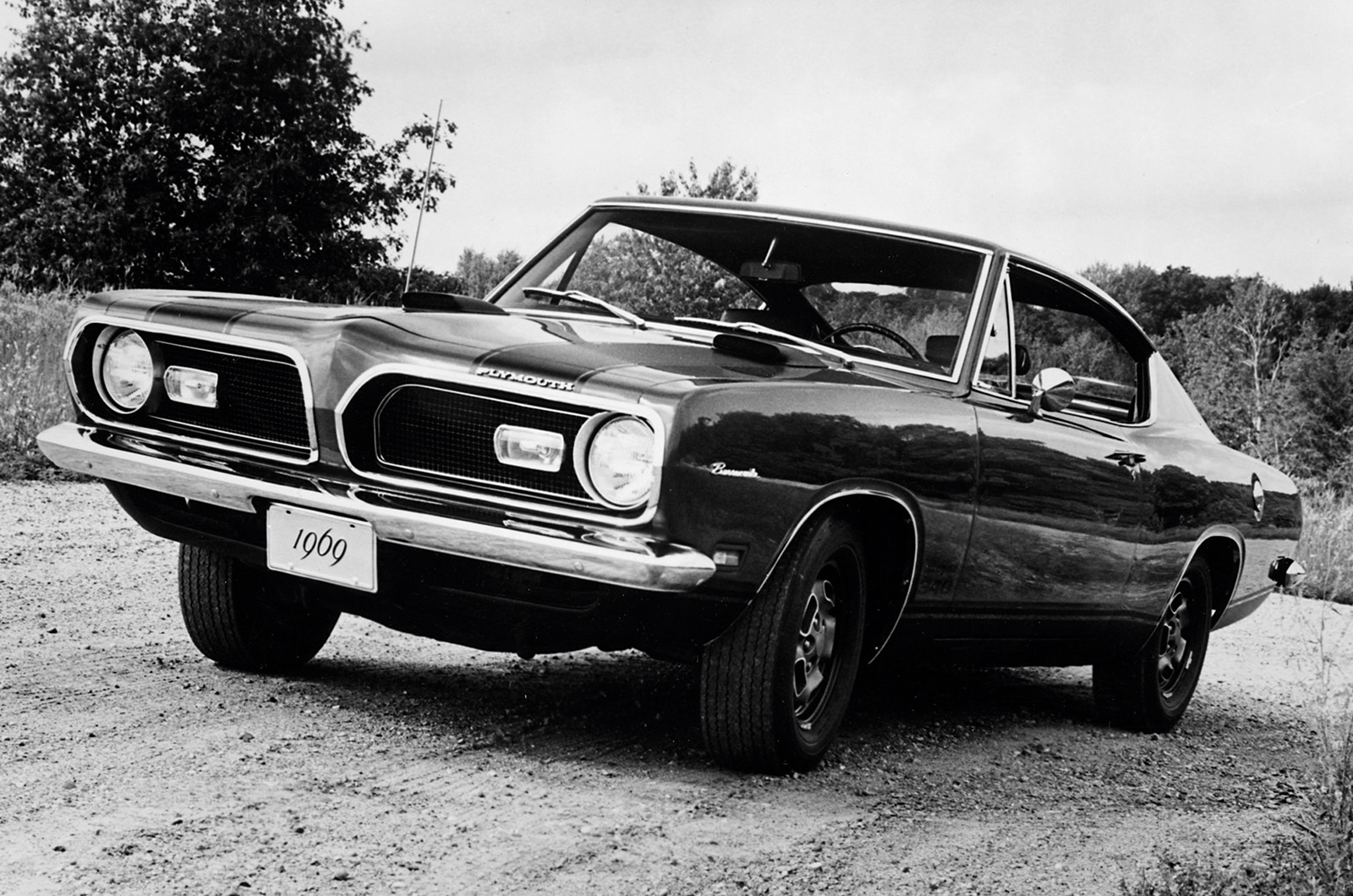
The Chevrolet Camaro (left) and Plymouth Barracuda are alternative buys

CHEVROLET CAMARO

Chevrolet joined the pony club two years late, but was successful with the Camaro coupe and convertible. Though sales lagged behind the Ford Mustang, it weathered the mid-’70s storm that killed many rivals.

Sold 1967-’81 • No. built 1,070,600 • Price now £15-100,000*


PLYMOUTH BARRACUDA

Launched just before the Ford, the Plymouth Barracuda began as a fastback Valiant. Sales lifted with a V8 in 1965, and leapt with a convertible and a restyle in ’67. Early cars are cheap, but a ’70s ’Cuda is big money.

Sold 1964-’74 • No. built 392,587 • Price now £6-100,000*


*Prices correct at date of original publication


Ford Mustang: the Classic & Sports Car verdict

Classic & Sports Car – Buyer’s guide: Ford Mustang

With such high production numbers, there are plenty of Ford Mustangs on the market to choose from, including many rust-free original cars, so if you take your time, you should find your ideal example at a sensible price.

There is little point taking on a restoration project unless you are seeking a challenge.

If you plan on buying an American-based car from Europe, be very careful: it is easy to be misled, and using a specialist importer is safer.


FOR

  • Fabulous noise and power from the V8s
  • Superb parts availability at competitive prices
  • There is a huge range of options to personalise each car
  • Good survival rate keeps prices fair


AGAINST

  • Drum brakes are not up to spirited driving
  • Lesser models can feel sluggish
  • The fuel consumption of the big V8s is scary

Ford Mustang specifications

  • Sold/number built 1964-’73/2,989,645
  • Construction steel monocoque
  • Engine all-iron, ohv 2.8/3.3/4.1 ‘six’ or 4.2/4.7/6.4/7.0 V8, Autolite/Motorcraft 1/2/4-barrel or Holley 4-barrel carburettor
  • Max power 101bhp @ 4400rpm to 375bhp @ 5600rpm
  • Max torque 312lb ft @ 3400rpm (’64 Hi-Po)
  • Transmission three/four-speed manual or three-speed auto, RWD
  • Suspension: front double wishbones, coil springs, anti-roll bar rear live axle, leaf springs; telescopic dampers f/r
  • Steering recirculating ball, optional power assistance
  • Brakes drums (optional servo and front discs)
  • Length 15ft 1½-9½in (4610-4815mm)
  • Width 5ft 9¼in-6ft 3in (1760-1905mm)
  • Height 4ft 4in (1320mm)
  • Wheelbase 9ft-9ft 1in (2745-2770mm)
  • Weight 2449-3088lb (1113-1404kg)
  • 0-60mph 7.6 secs (’64 Hi-Po)
  • Top speed 128mph
  • Mpg 12-25
  • Price new £3685 (hardtop, 1972)

READ MORE

All Classic & Sports Car buyer’s guides

Ford Mustang Boss 302 vs Mach 1: two-trick ponies

23 wild Ford Mustangs

Ford Mustang at 60: Route 66 in the original pony car