Chappe et Gessalin: the Alpine rival’s story

| 3 Mar 2025
Classic & Sports Car – Chappe et Gessalin: the Alpine rival’s story, told by its creator

Run by the three brothers Chappe and their nephew, Jean Gessalin, by the early 1960s Chappe Frères et Gessalin had become one of France’s leading specialists in glassfibre bodywork.

The firm had designed and built Alpine’s first car, the A106, then its 2+2 and GT4 models, and created the body of the Citroën 2CV-based UMAP and provided the mouldings for DB’s new 1959 Le Mans.

It built the prototypes of René Bonnet’s mid-engined Djet and, for Charles Deutsch, the steel prototype of the Panhard-CD, four 1962 Le Mans cars and production shells for the Panhard-CD.

Classic & Sports Car – Chappe et Gessalin: the Alpine rival’s story, told by its creator

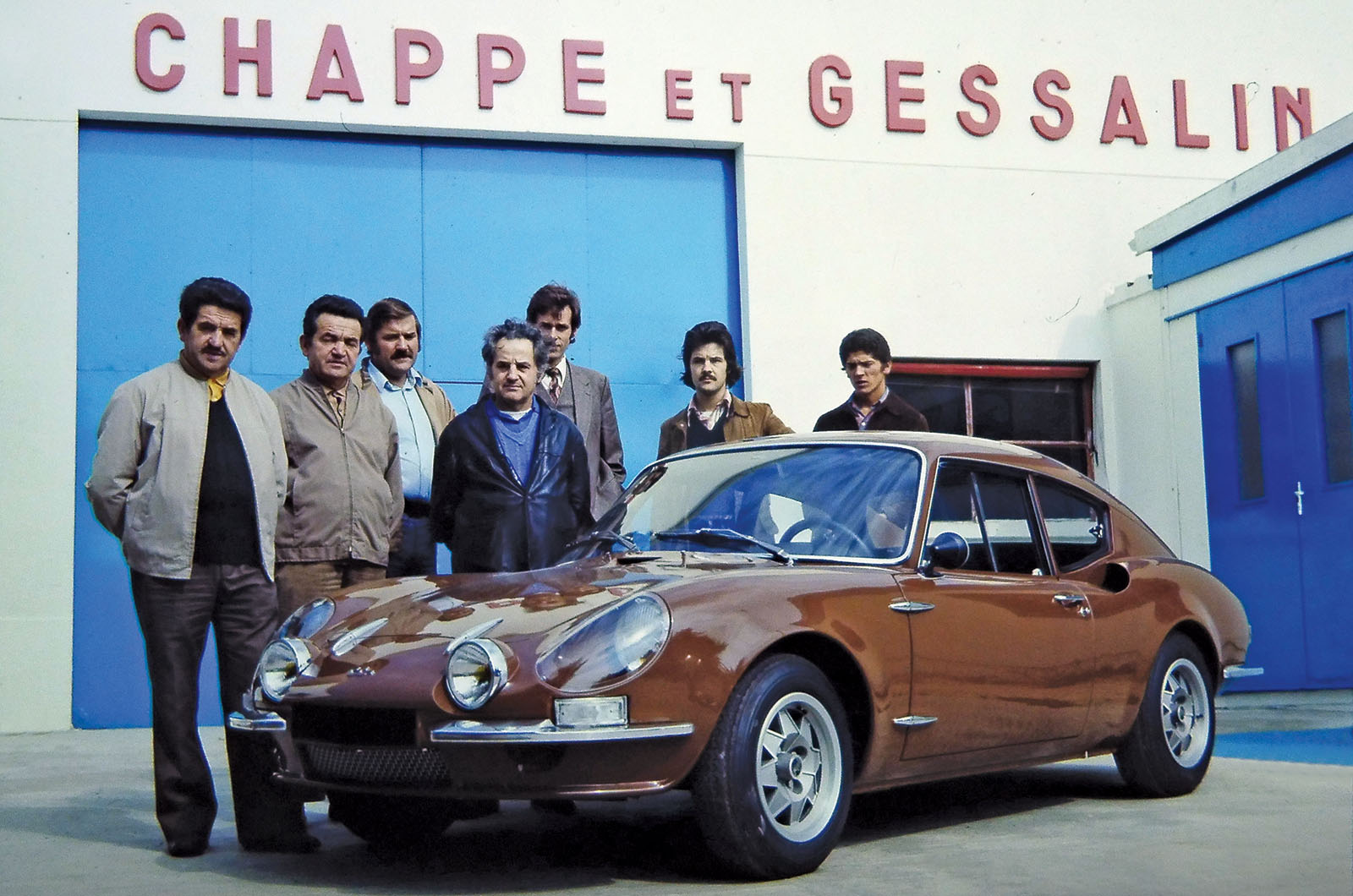
A late CG 1300 with (from left) Albert Chappe, Abel Chappe, Jean Gessalin and Louis Chappe

It was an impressive roster of activity for the modestly sized, 20-strong company, based in the Seine-et-Marne town of Brie-Comte-Robert.

But by 1965 the Alpine contracts were shrinking and the CD project was stumbling to an end, while the Djet had been taken under Matra’s wing.

There was a need to strike out in new directions.

Accordingly it was decided to use the firm’s expertise to produce a car under its own name, as Jean Gessalin relates.

“Subcontracting was too risky,” he says. “Alpine was proof of that. They just cut us out.

“We never knew where we were – there was no long-term programme. Things just gradually tailed off.

“The CG car was absolutely to go into competition with Alpine, that was the objective.

“[Alpine founder] Jean Rédélé hadn’t been kind to us. He’d left us on the touchline; we never got any royalties on the cars he made abroad.”

Classic & Sports Car – Chappe et Gessalin: the Alpine rival’s story, told by its creator

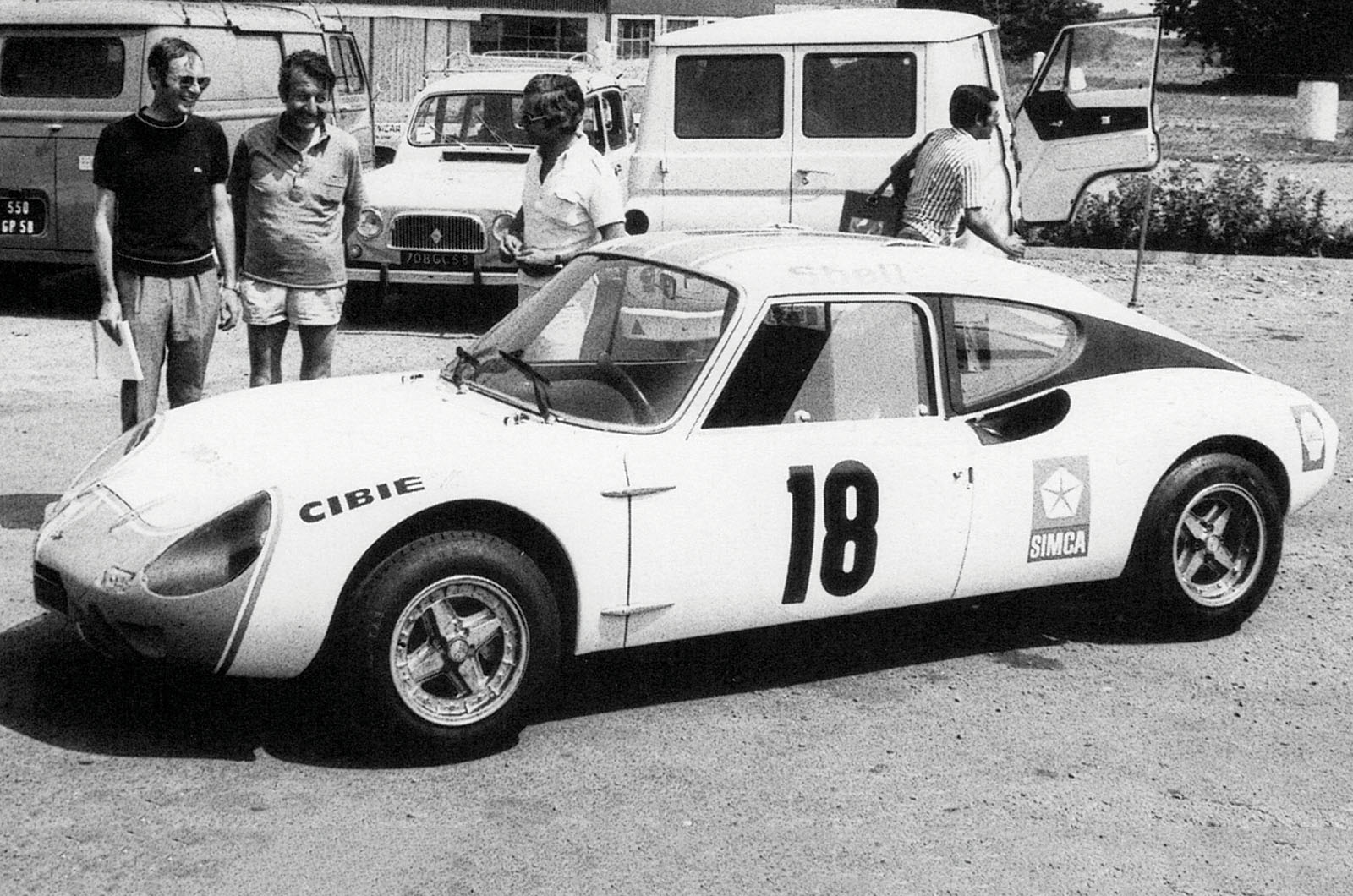
A CG 1000 Sports with a bolt-on top fitted and optional Delta-Mics alloys

The new car was based on the backbone chassis CG had designed for Alpine, but using the running gear of the rear-engined Simca 1000.

This meant Fiat-inspired transverse-leaf front suspension, with an anti-roll bar, and rear coil springs and semi-trailing arms.

Power came from a 44bhp version of Simca’s 944cc cast-iron pushrod ‘four’, driving via its usual Porsche-synchromesh four-speed gearbox and cooled by a laterally sited rear radiator.

Brakes, after the first seven cars, were discs front and rear, at first without a servo.

“It wasn’t that we particularly liked Simca,” admits Jean. “It was just that they were the only people suitable to work with us – and Simca didn’t have a sports car.

“The Bertone Coupé was the closest it got to one. I was counting on its connection with Fiat – or rather Abarth.

“I thought Abarth might help, maybe with a five-speed gearbox. I hoped eventually to have access to a better set of mechanicals.”

Classic & Sports Car – Chappe et Gessalin: the Alpine rival’s story, told by its creator

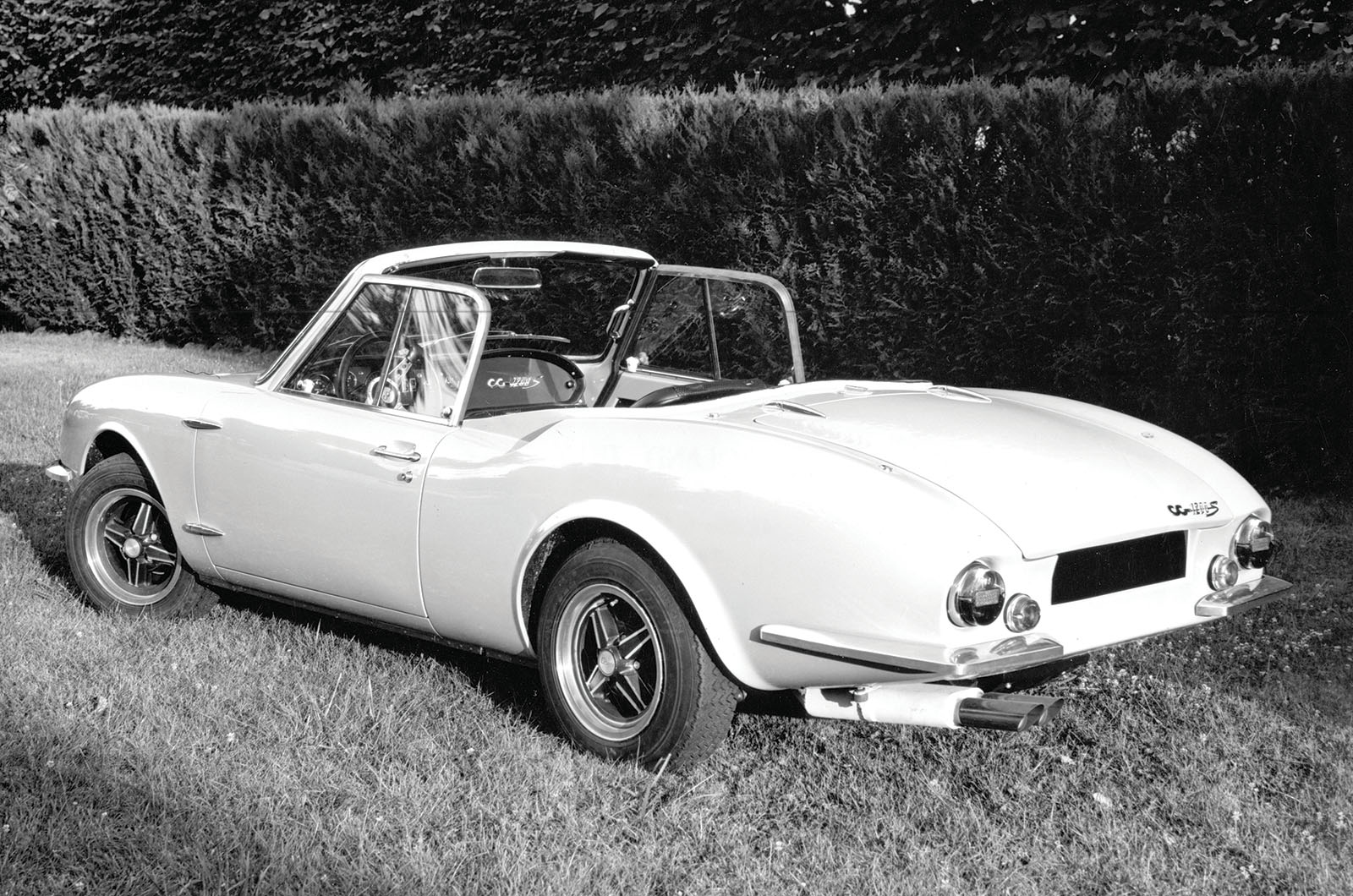
A CG 1200S coupé with its roof removed

With a welded-in floor and box-section side members, the CG chassis was rigid and light.

It carried open two-seater bodywork designed by Jean and used the windscreen of the Simca 1000 Coupé.

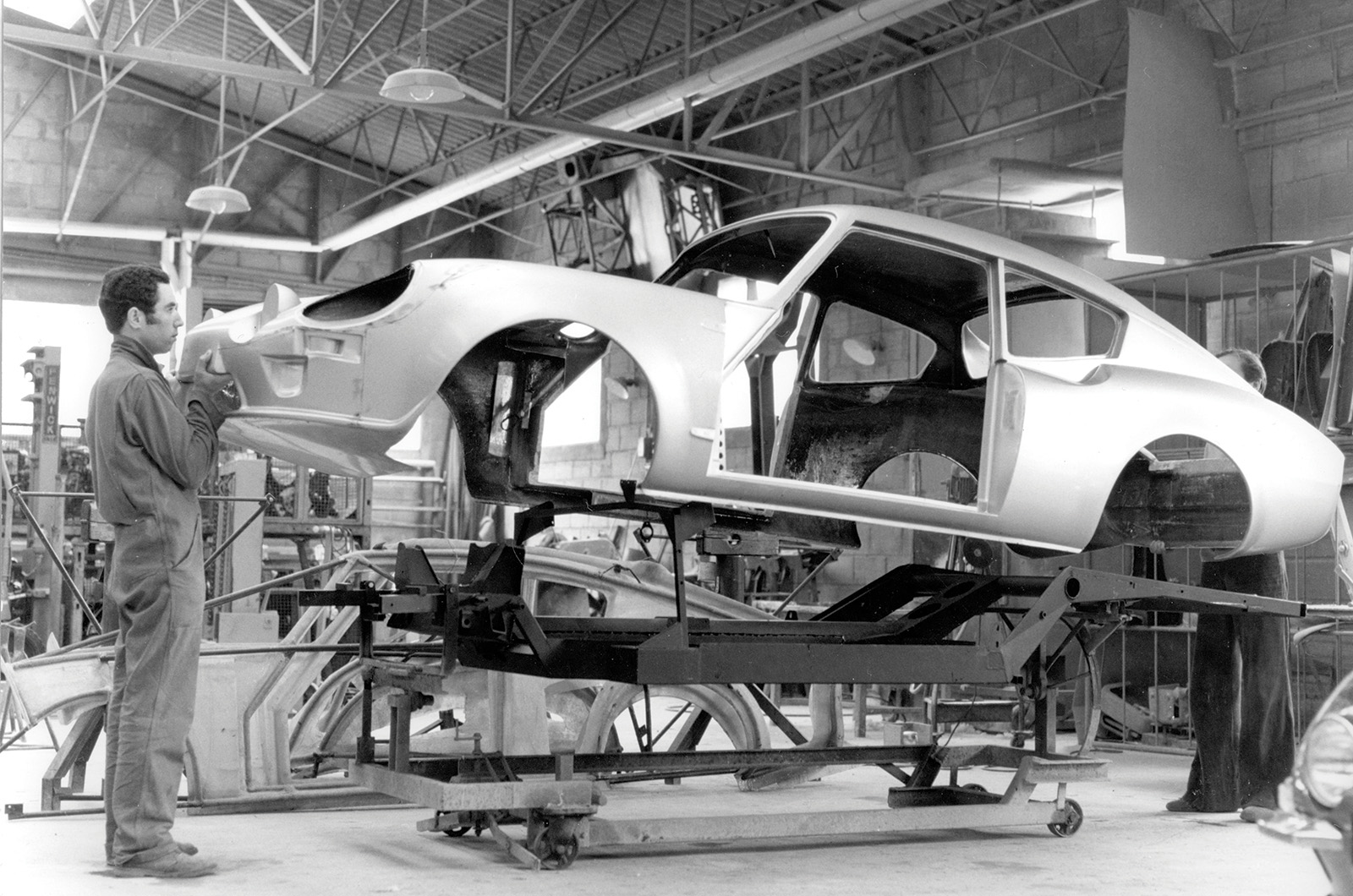
The construction of the glassfibre shell was simple: front and rear mouldings, joined by separate sills, bolted and riveted to the chassis.

Launched at the 1966 Paris Salon, the CG Spider 1000 was soon accompanied by a hardtop version.

“The chassis was strong because it had been designed for an open car,” observes Jean. “When we increased the power we never had to modify it.”

The start-up was hesitant. Apparently the first few examples were based on Simca 1000s sourced from scrapyards, with local Simca concessionaire Ciret helping with parts.

Only in spring 1968 was an agreement inked-in with Simca for the supply of complete powertrains.

Classic & Sports Car – Chappe et Gessalin: the Alpine rival’s story, told by its creator

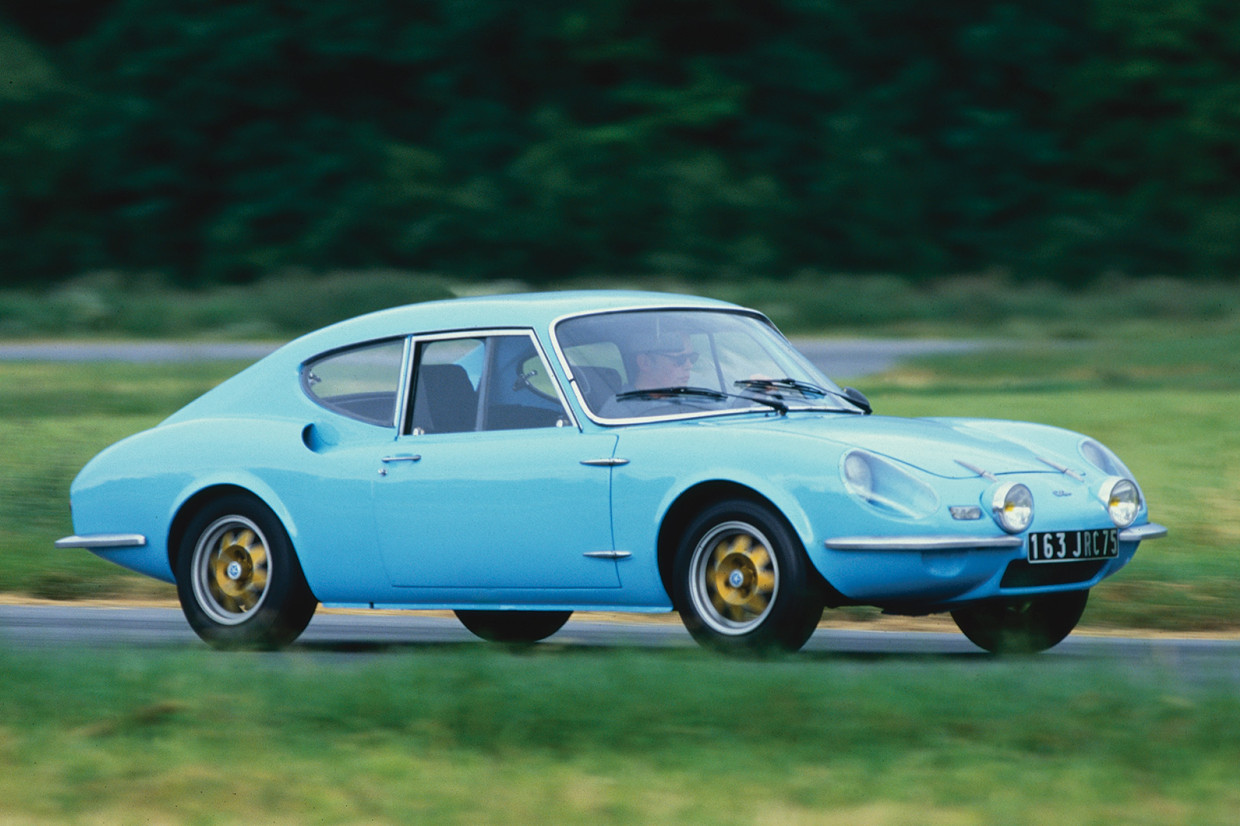
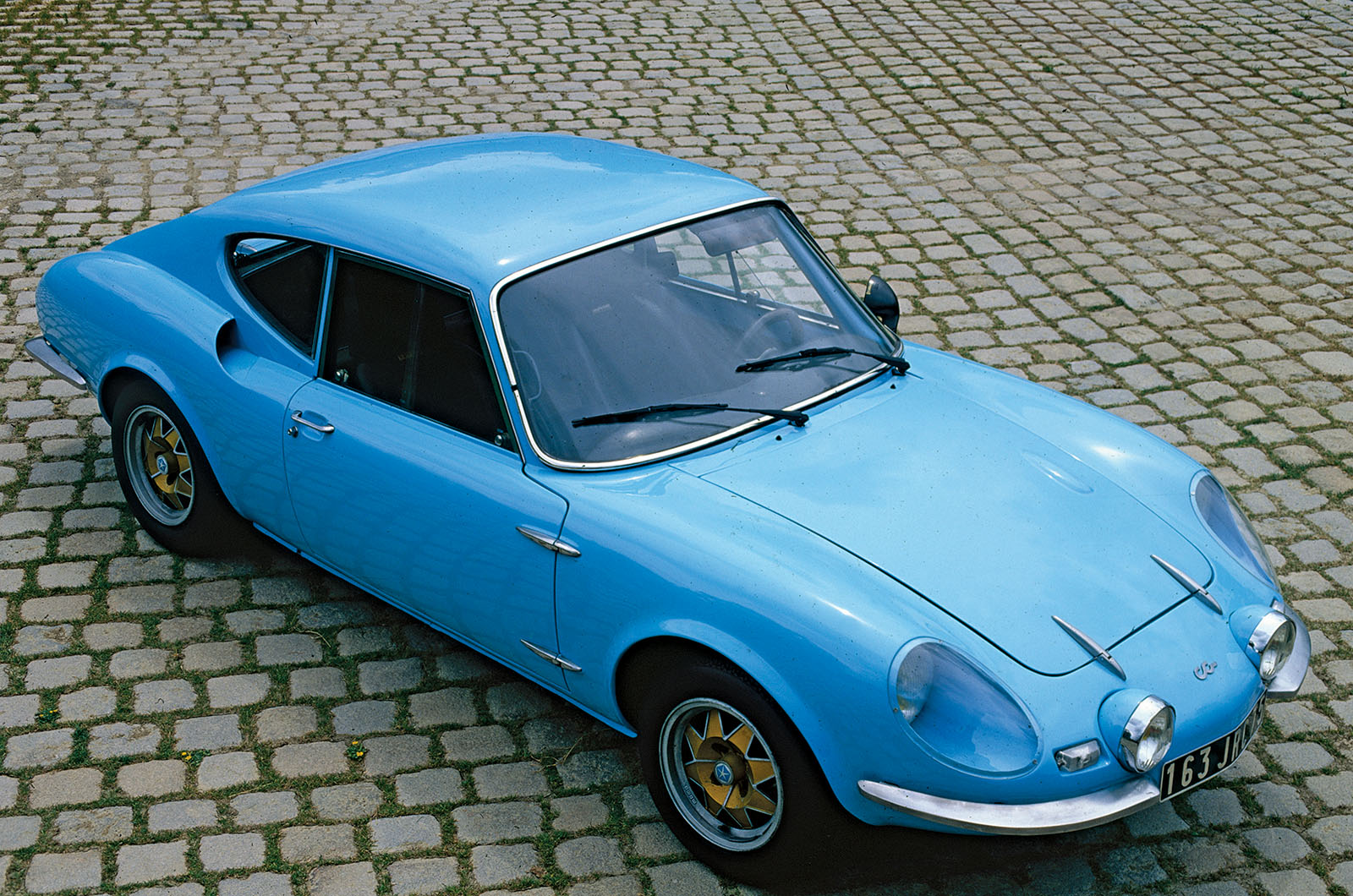
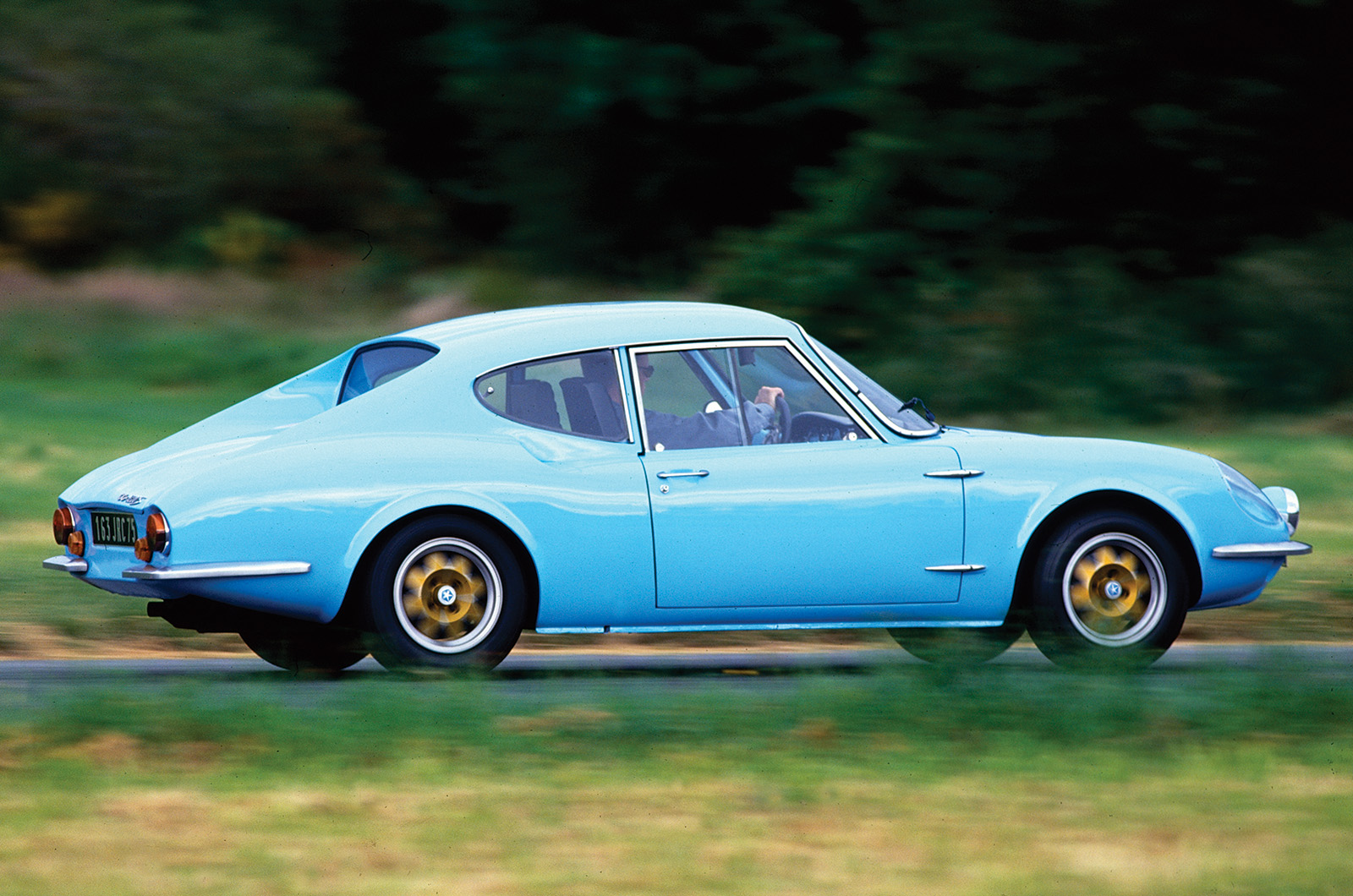
A bright-blue CG 1200S coupé on Momo alloy wheels; the 13in rims were always wider at the rear

Even the CG’s modest 640kg kerbweight couldn’t counter the limited performance of the Simca 1000 engine.

At 16,900 francs, the car was also relatively expensive.

For 1968, the CG took a key step forwards. There was the stripped-back, Ffr14,990 Sport 1000, missing bumpers, hubcaps and some interior trim.

Delta-Mics alloys and inset long-range lamps were available as options, along with various stages of engine tune, up to an 1148cc unit with a claimed 90bhp.

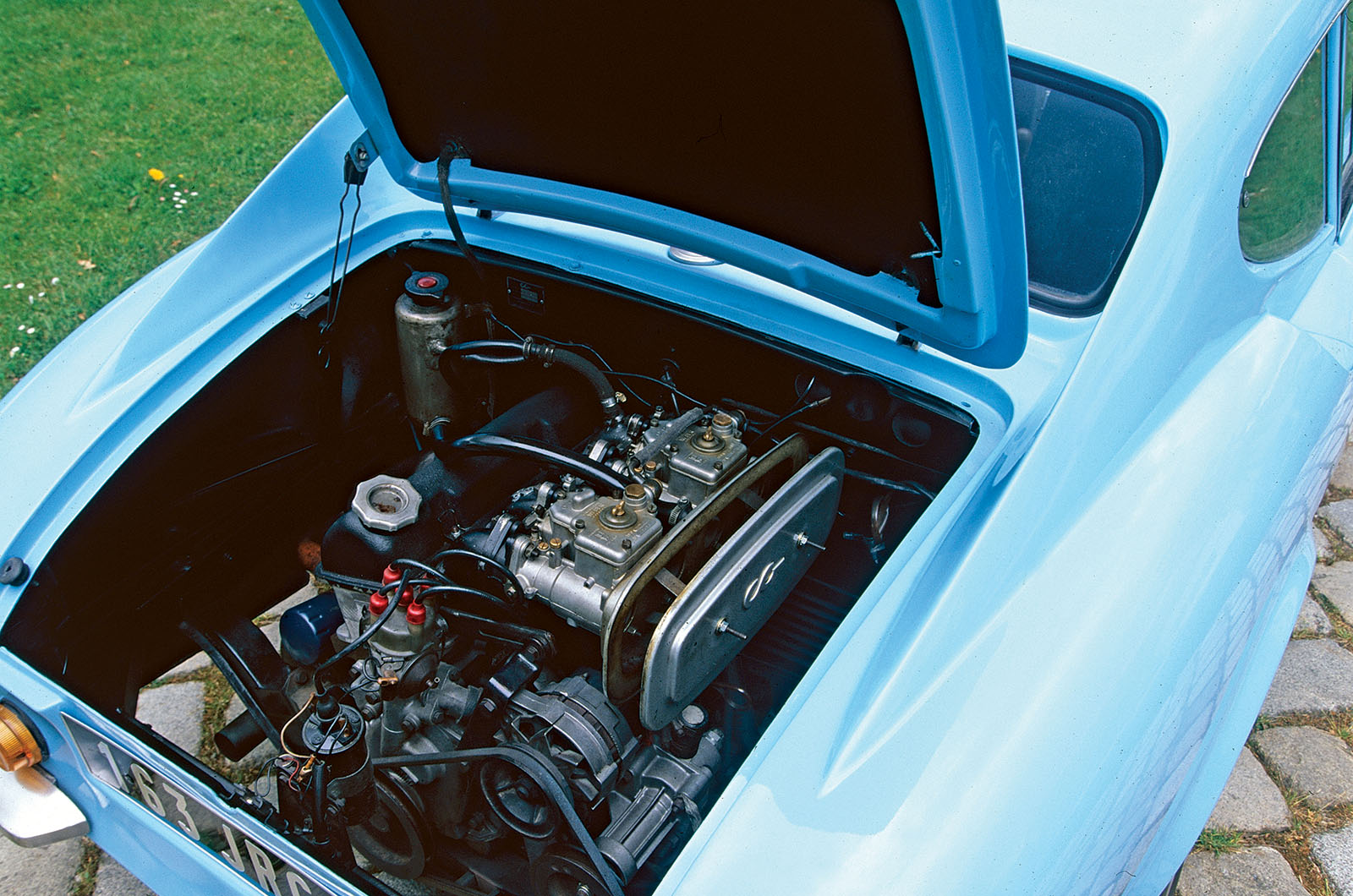
Then there was the standardisation of two new engines: the 49bhp 1118cc unit from the Simca 1000 Special to make the 1000S, and the 80bhp, twin-Solex 1204cc variant from Simca’s revised Coupé for the 1200S.

The cars also benefited from the 1000’s move to rack-and-pinion steering in place of the worm-and-roller type.

On the 1200S, the radiator moved to the front, as on the Simca 1200S Coupé, and the brakes gained a servo, while the rear end was tied down more firmly with paired dampers at each wheel.

Classic & Sports Car – Chappe et Gessalin: the Alpine rival’s story, told by its creator

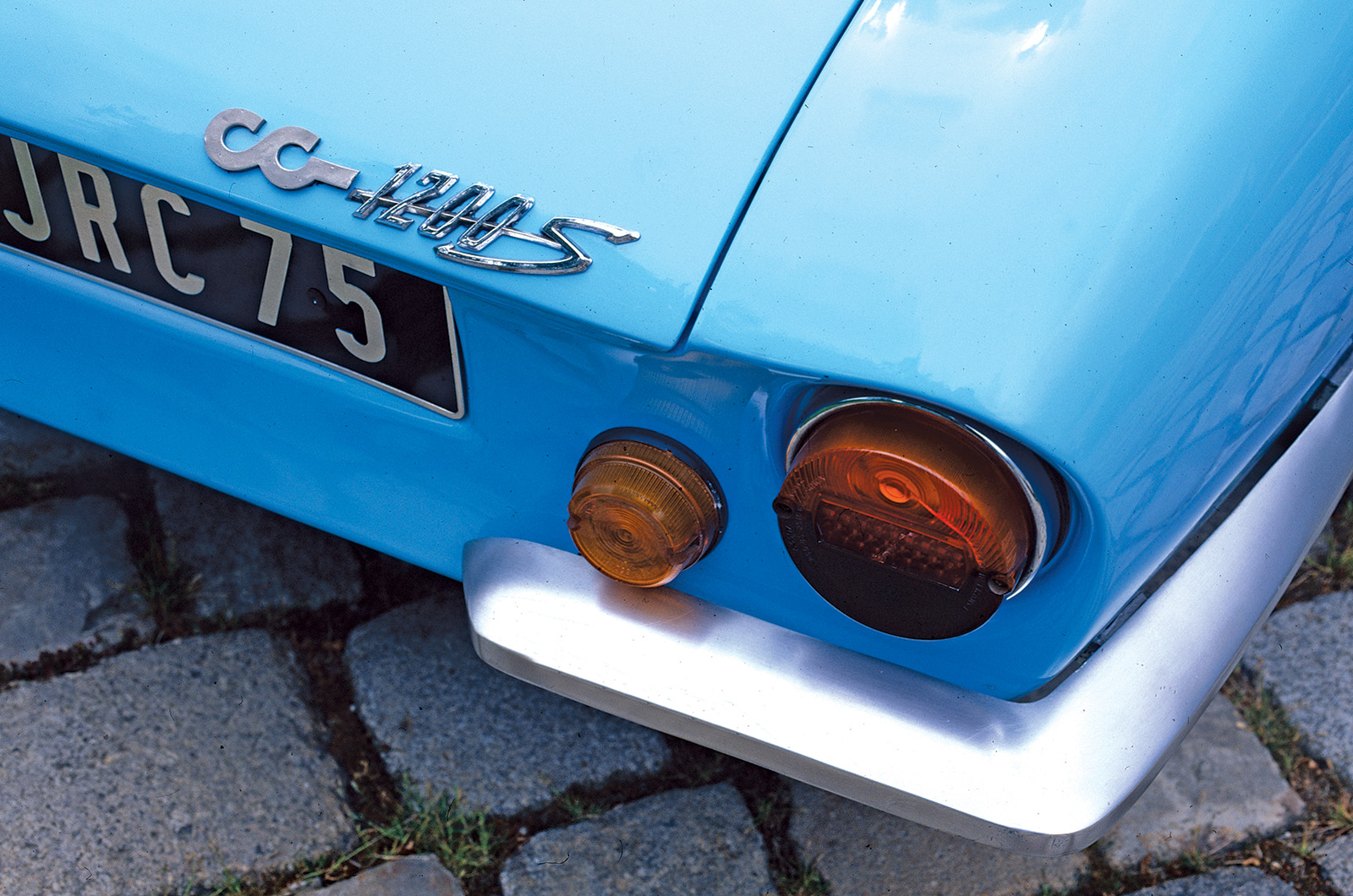
The CG 1000 and 1200 models used tail-lights from a Simca 1000

For both engine sizes, hardtop and open versions continued to be offered, the latter retaining winding windows. 

“After that, things started to take off,” Jean recalls. “Customers began to take part in competitions, and the calibre of our work struck a chord.

“The finish of the cars was good: we were making impressive improvements in the quality of the moulds.”

The smaller engine was deleted after just one season, and for 1970 Chappe et Gessalin offered only the 1200S, complete with a power hike to 85bhp; a little later that year the hardtop’s roof became a bonded-in part of the body.

Although the styling remained a touch amateurish and the utilitarian if well-equipped interior lacked flair, the company was now a genuine player in France’s small specialist-car market.

This status had been reinforced in late 1969 when distribution of the CG was taken on by Simca, which also extended its guarantees to the cars.

Classic & Sports Car – Chappe et Gessalin: the Alpine rival’s story, told by its creator

The radiator migrated to the front for the 1204cc ‘S’ – this CG 1200S has an uprated twin-Weber engine

Relations with Simca – or Chrysler France as it became in 1970 – were good, remembers Jean, with warm support from the director of sales and marketing, William Reiber, and competition manager Henri Chemin.

In 1970, the latter would expand Simca’s competition championship to include CG – a valuable leg-up for the marque: “When we began to get results in competition they took notice – not least because someone in the Simca design office, Michel Liochon, bought a CG to go rallying.”

By then CG had its own PR and competitions manager, Marc Seguin. “He had trained as an automotive engineer,” says Jean.

“He’d go to rallies at the weekend and look for good drivers who weren’t tied down by a contract. He was dynamic, brave and tenacious – and good behind the wheel.

“He was a very good salesman and did an enormous amount to develop relations between Simca and CG.

“He also persuaded Astérix cartoonist Albert Uderzo to design the ‘Coq Gaulois’ emblem for us, after our buildings in the Rue du Coq Gaulois.”

Classic & Sports Car – Chappe et Gessalin: the Alpine rival’s story, told by its creator

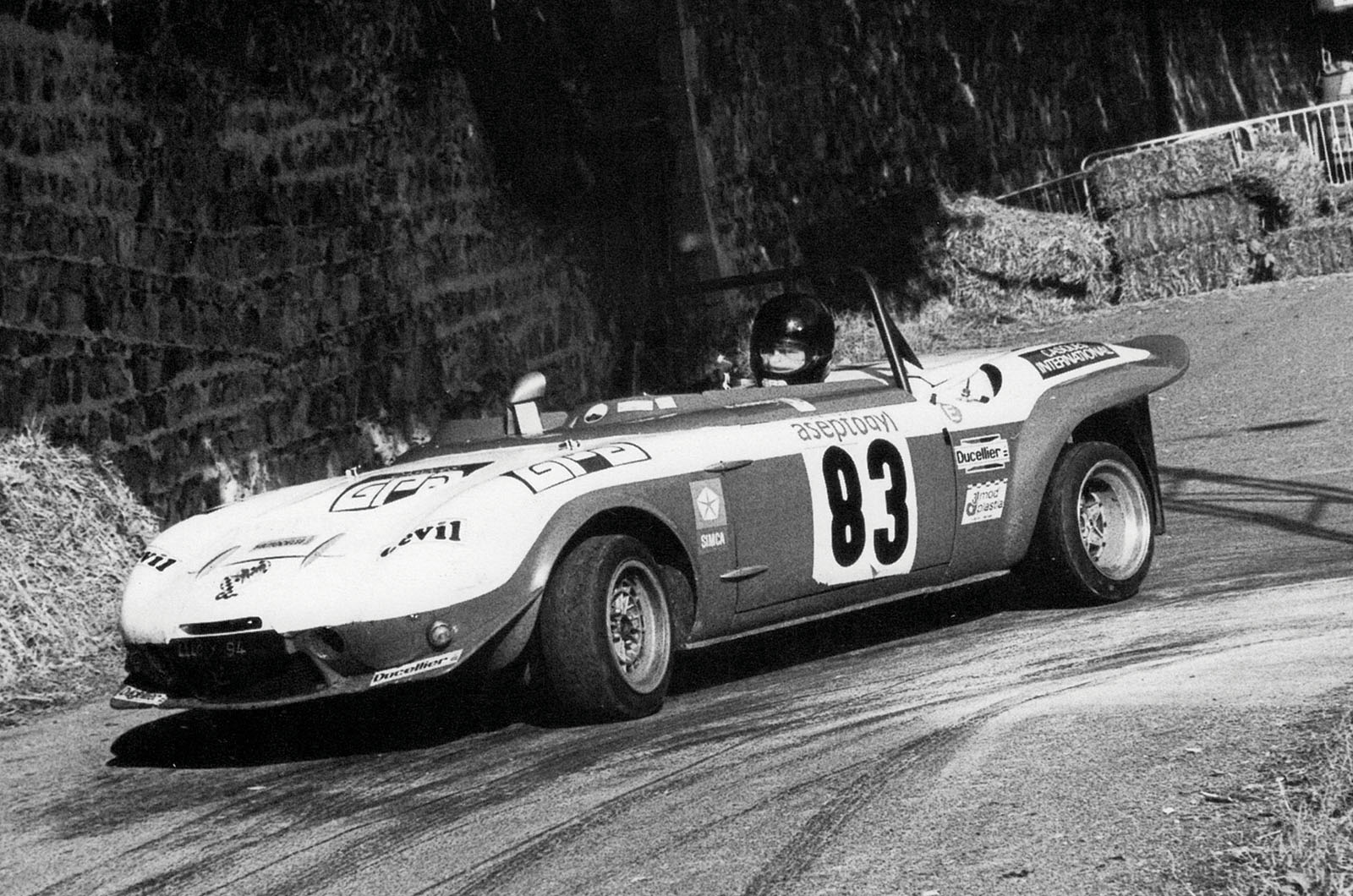
The competition-special CG 548 barquette tackles a 1974 hillclimb

But to offer an effective competition car despite the limited power of the Simca engines, Jean had to focus on reducing weight.

In this mission he was urged on by Matra engineer Bernard Boyer, who as son-in-law of Albert Chappe was very much part of the CG clan.

Jean still recalls his sage words: “Everything that doesn’t serve a purpose, get rid of it.”

In 1969, and following this advice, the rear structure supporting the engine was cut away.

The powerplant was held in place merely by two securing rods and a pair of lower mounts – not just reducing weight, but also diminishing its rearwards distribution.

The next stage was to add the option of a supercharger. Dubbed the 548, and latterly also available as an open barquette, this competition-only CG also had a thinner-gauge chassis, an aluminium floor and a lighter body.

Classic & Sports Car – Chappe et Gessalin: the Alpine rival’s story, told by its creator

The mid-engined MC was a collaboration with Matra

It could show the Alpines the way home and sold in decent numbers, according to Jean.

“It was developed outside working hours,” he adds. “Everything was done by hand and it didn’t cost much.”

Bolstered by the 548’s success, Henri Chemin promoted the idea of a CG for rallying, using a modified Chrysler 180 engine.

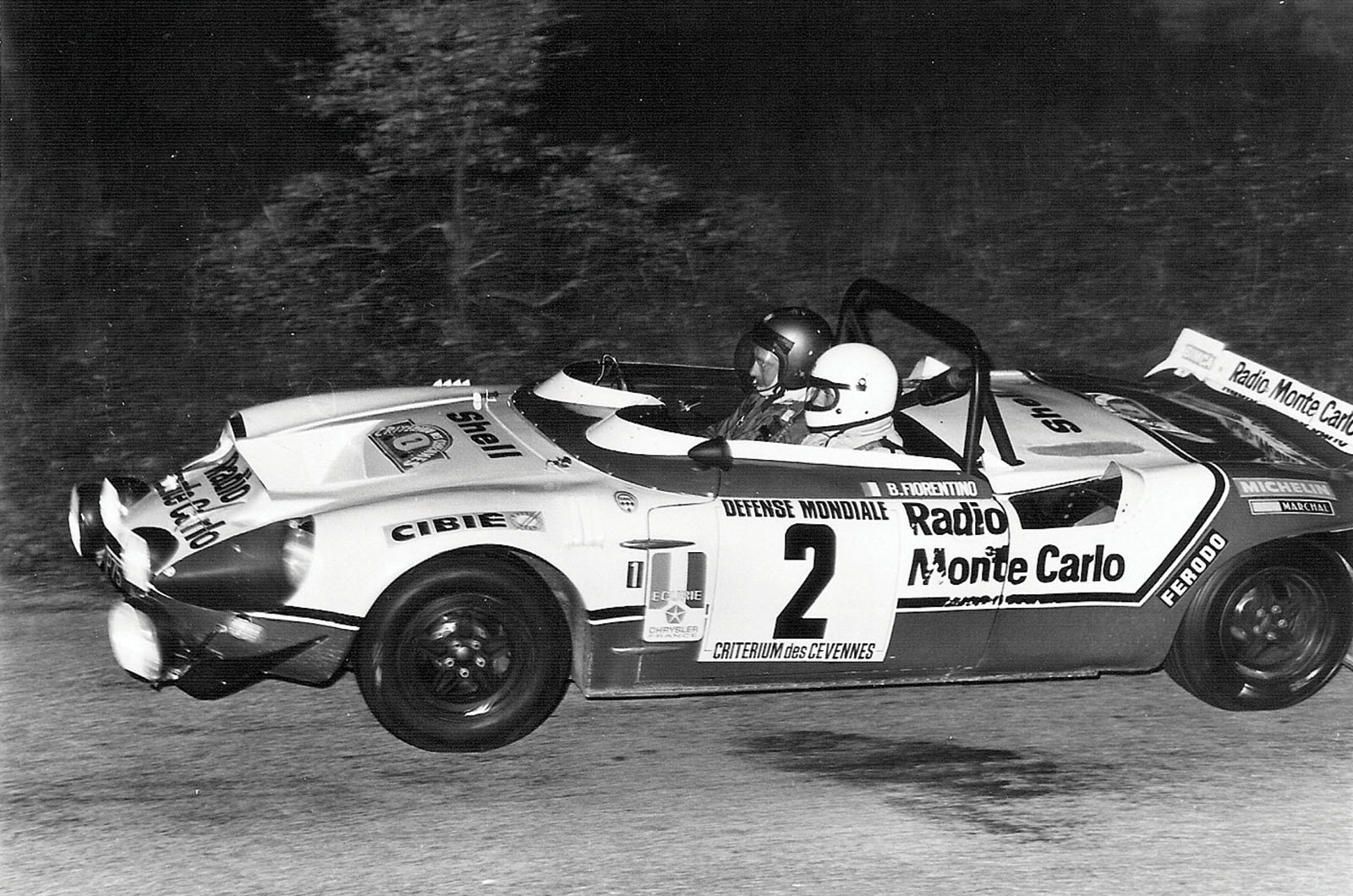
Designed at Matra under Bernard Boyer and unveiled in July 1970, the mid-engined MC was put together over just five months, with an adapted CG coupé body. An open Spider version followed. 

Jean is adamant that neither the competition activities nor the MC were overambitious, expensive distractions for the small company.

“Everything we did with Chrysler was paid for by Chrysler, including the MC programme,” he says. “Not only did we not spend a centime, but also the work we did was invoiced by the hour, and Matra gave us two draughtsmen to draw up the components.”

Classic & Sports Car – Chappe et Gessalin: the Alpine rival’s story, told by its creator

An MC Spider on the 1972 Critérium des Cévennes

Only five examples of the MC were built. It achieved honourable results, but wasn’t campaigned in numbers sufficient to dent Alpine’s dominance of French club motorsport.

Jean hoped a road car might be spun off from the design: “The 180 unit was a bit heavy – a real lorry engine – but we thought we could profit from the aura of the MC to do something along those lines, with a mid-mounted engine.” 

Meanwhile, the 1200S evolved into the restyled CG 1300, powered by the 1294cc engine of the Simca 1000 Rallye 2.

Output was 3bhp down on the 1204cc unit, but with more torque at lower revs; kerbweight, meanwhile, rose to 760kg.

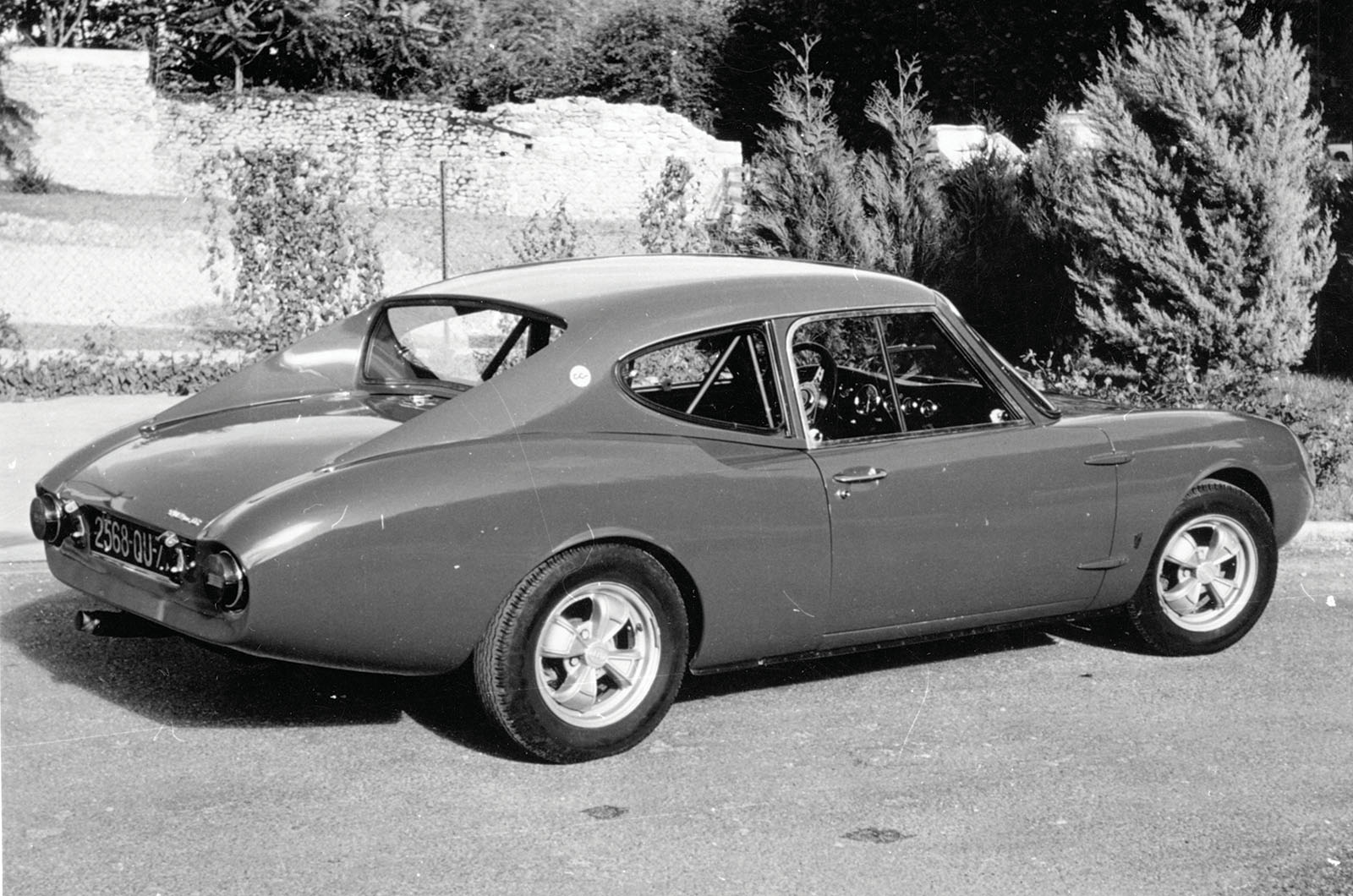
Introduced at the 1972 Paris Salon, the coupé-only 1300 had a substantially revised and shorter rear, with more angular lines and a bigger window, now glass.

The wheelarches had more pronounced flares, while at the front there was a small chin spoiler, the auxiliary lights were more deeply recessed and the indicators moved to sit under the headlights.

Classic & Sports Car – Chappe et Gessalin: the Alpine rival’s story, told by its creator

The CG 1200S was a genuine Alpine rival

Other changes included a return to a single damper at each rear wheel and the suppression of the servo – but uprated brakes with twin-pot front calipers and larger rear calipers were optional.

“It was the car in its most developed form; it’s the one to buy,” says Jean. “It goes, and it’s well balanced. It still had a transverse leaf at the front, but I think we added a bit of negative camber.

“Above all, there was the possibility of extra power – 95bhp – thanks to the availability of a modified head, plus a CG manifold and twin Webers instead of Solexes.

“We were helped by a Simca engineer. He was getting bored, so we recruited him.”

Production was by then in the order of 10 cars per month, and the company had boosted its payroll from 39 employees in 1971 to 48 – just below the threshold of 50, at which point more onerous French employment rules came into play.

Chrysler had introduced its Matra-Simca Bagheera, undoubtedly a more modern vehicle and often described as being a major factor in the ending of CG production.

Classic & Sports Car – Chappe et Gessalin: the Alpine rival’s story, told by its creator

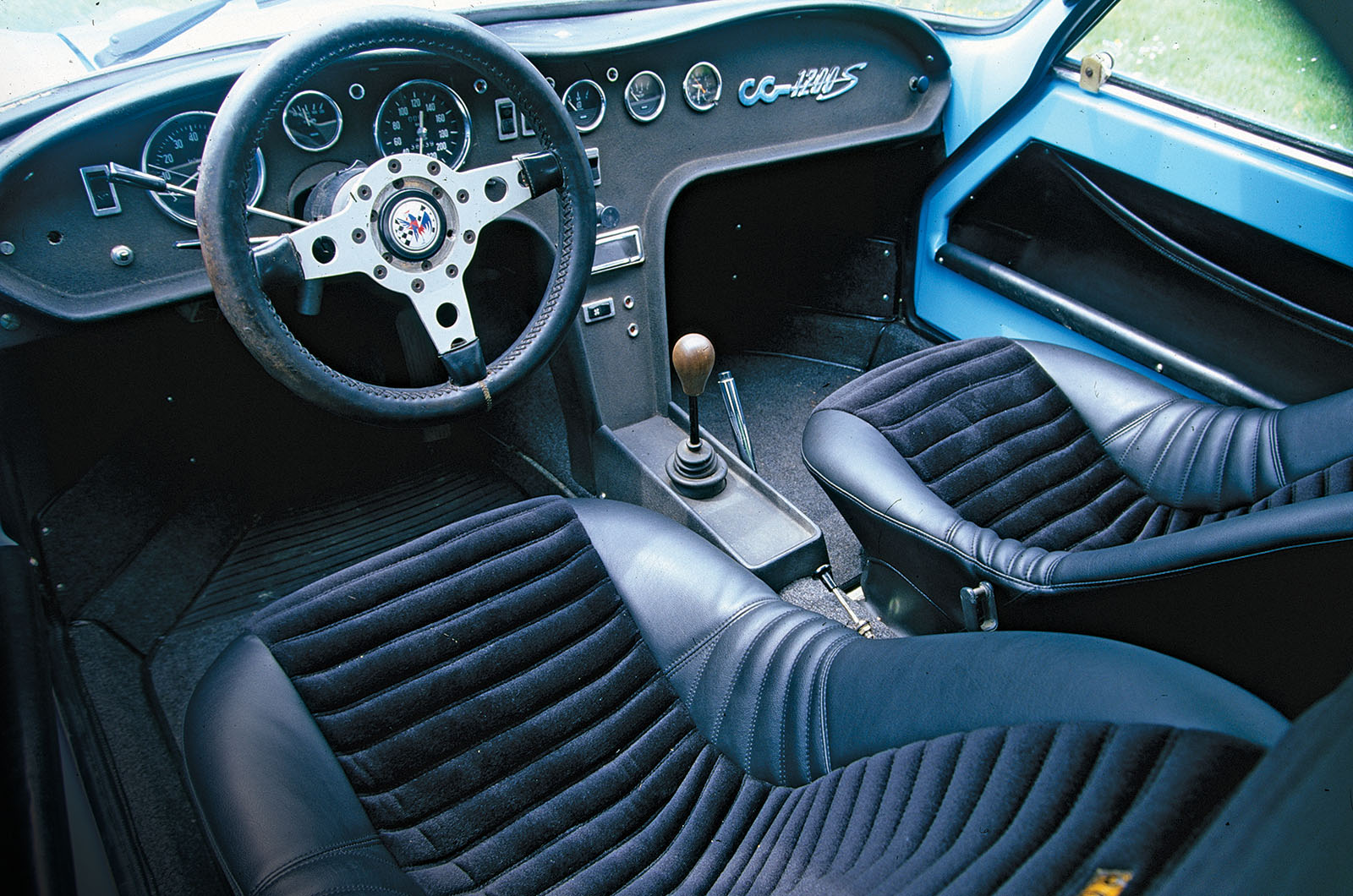
The CG’s bucket seats were moulded in-house at Chappe et Gessalin

The Bagheera was cheaper than the 1300, but aimed at a different market (as had been the case with the Simca 1200S Coupé) and, at the time, CG’s modest output of a maximum 100 cars per year appeared unthreatened.

But then came the 1973 Arab-Israeli war, the Fuel Crisis, the lowering of speed limits and finally, in November of that year, the banning of motorsport activities in France, which in turn led to Chrysler abandoning its support for the MC programme. 

“We had a pretty full order book for the 548, and we had 30 orders for the 1300 after the previous motor show,” recalls Jean.

“Then, from one day to the next, all the orders were cancelled. What with that and the new speed limits, people saw no interest in buying a CG.”

Driving the nails further into the coffin, Chrysler stopped supplying components.

In May ’74, Chappe Frères et Gessalin was wound up, ending nearly 40 years of noteworthy endeavour in the backwaters of the French motor industry, including the manufacture of a little under 400 CGs – around 30 of the 1000 and 1000S, 270 of the 1200S and 95 of the 1300. 

Classic & Sports Car – Chappe et Gessalin: the Alpine rival’s story, told by its creator

A CG 1300 chassis receives its shell; late examples of the 1200S also used this body

Jean describes the closure decision as consensual but abrupt: “It was only external events. We were making adequate money, but the rally ban arrived just when we were at our most vulnerable.

“My uncles were at retirement age, so two of them decided to retire.” 

But that wasn’t the end of the story. Jean, supported by Louis Chappe, rented part of the CG factory to make crash helmets.

Within 10 years, GPA helmets led the market and were Formula One and motorcycle GP scene fixtures.

Jean is not convinced that Chappe Frères et Gessalin needed to be closed, especially given that there was the possibility of carrying on with subcontract work: “We were moulding the bucket seats for the Simca Rallye 2, and that was earning decent money.

“A subcontractor did the covering, and the seats just shot out of the door – we had to build more factory space.

“But we were set up to make cars. It was difficult to change direction.”

Images: Classic & Sports Car archive


Owning a CG 1300: 40 years and counting

Classic & Sports Car – Chappe et Gessalin: the Alpine rival’s story, told by its creator

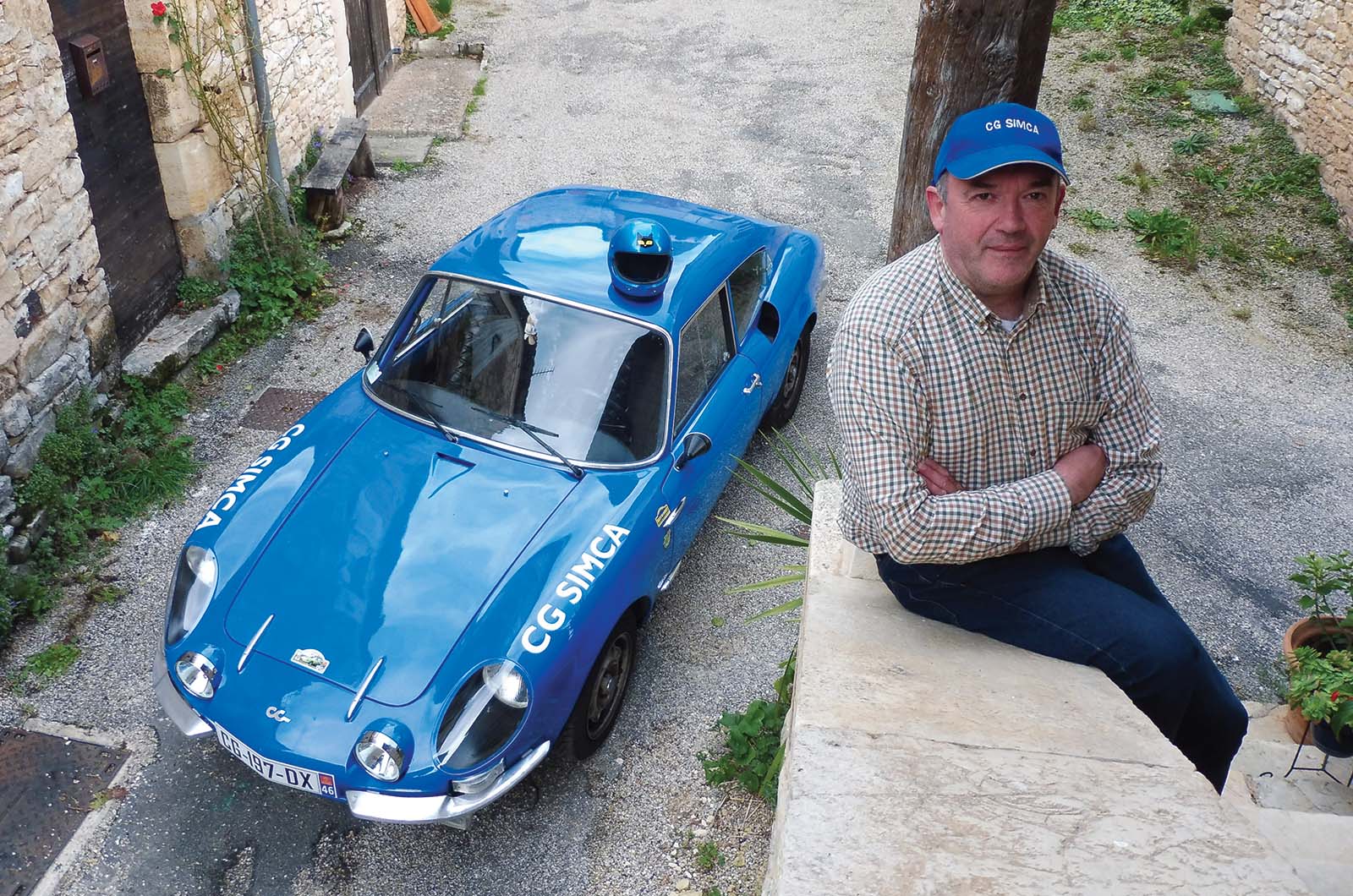
Eric Sance has owned this CG 1300 for more than four decades

Few people can have greater experience of CGs than Eric Sance, owner since 1984 of one of the very last 1300s. 

“I was a student at the time,” Eric says. “My father was a Simca engineer, and when I was four a colleague of his arrived at the house with his CG. From that day I wanted one.

“When I was 17 I started the search, specifically for a 1300 with the 95bhp kit – the fastest road model.”

Eventually Eric found a tired but original two-owner car, which he ended up rebuilding.

Since then he has used it in slaloms and hillclimbs, and as a circuit-opener for historic events.

“It has very good roadholding for a car of its age, helped by its wide track,” he continues. “The chassis could take more power.

“I like its rear weight bias, which makes it fun on small roads. Stability is very good, but it is a bit sensitive to sidewinds.

“I just regret that the car was never available with the later 1442cc Simca engine, and a five-speed gearbox for cruising.”

Eric rates his CG higher than the comparable Alpine: “It is better finished, waterproof and has good demisting. It’s also more spacious, thanks to a 12cm-longer wheelbase.

“That it has lasted as well as it has – even the carpets are the originals – is a gauge of its quality. The Chappes were a talented bunch.”


Enjoy more of the world’s best classic car content every month when you subscribe to C&SC – get our latest deals here


READ MORE

Alpine A110 GT4: from rally stage to school run

Renault Sport Spider vs Lotus 340R: diet poke

Matra Jet: rocket science