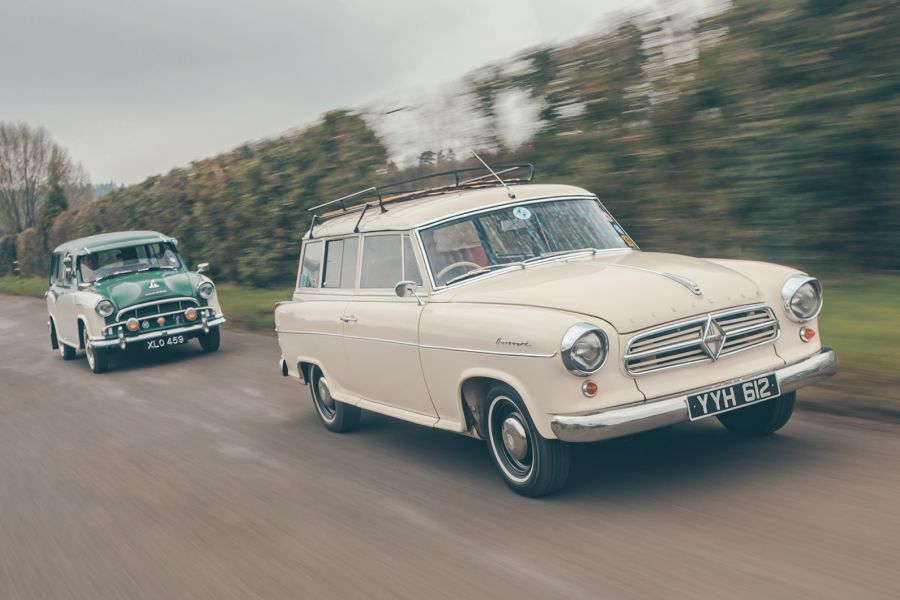
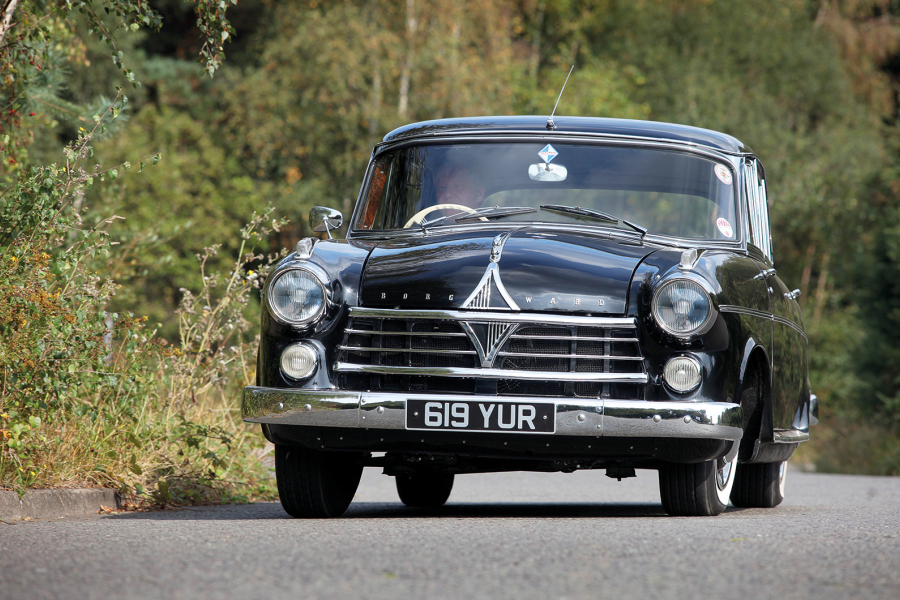
A final trickle of Borgwards was built in 1963, but poor Carl died that year, his heart broken.
He was not popular with everyone, and there is a theory that Bremen City Council and BMW were involved in a plot to finish off a company that had been bigger and more successful than the likes of Alfa Romeo and Volvo in the ’50s.
At least Borgward never had to witness the Mercedes takeover of his Bremen factory to build its vans and, in the ’70s, the first of its T-series estate models.
Yet the firm’s reputation lived on, long after Borgward’s demise.
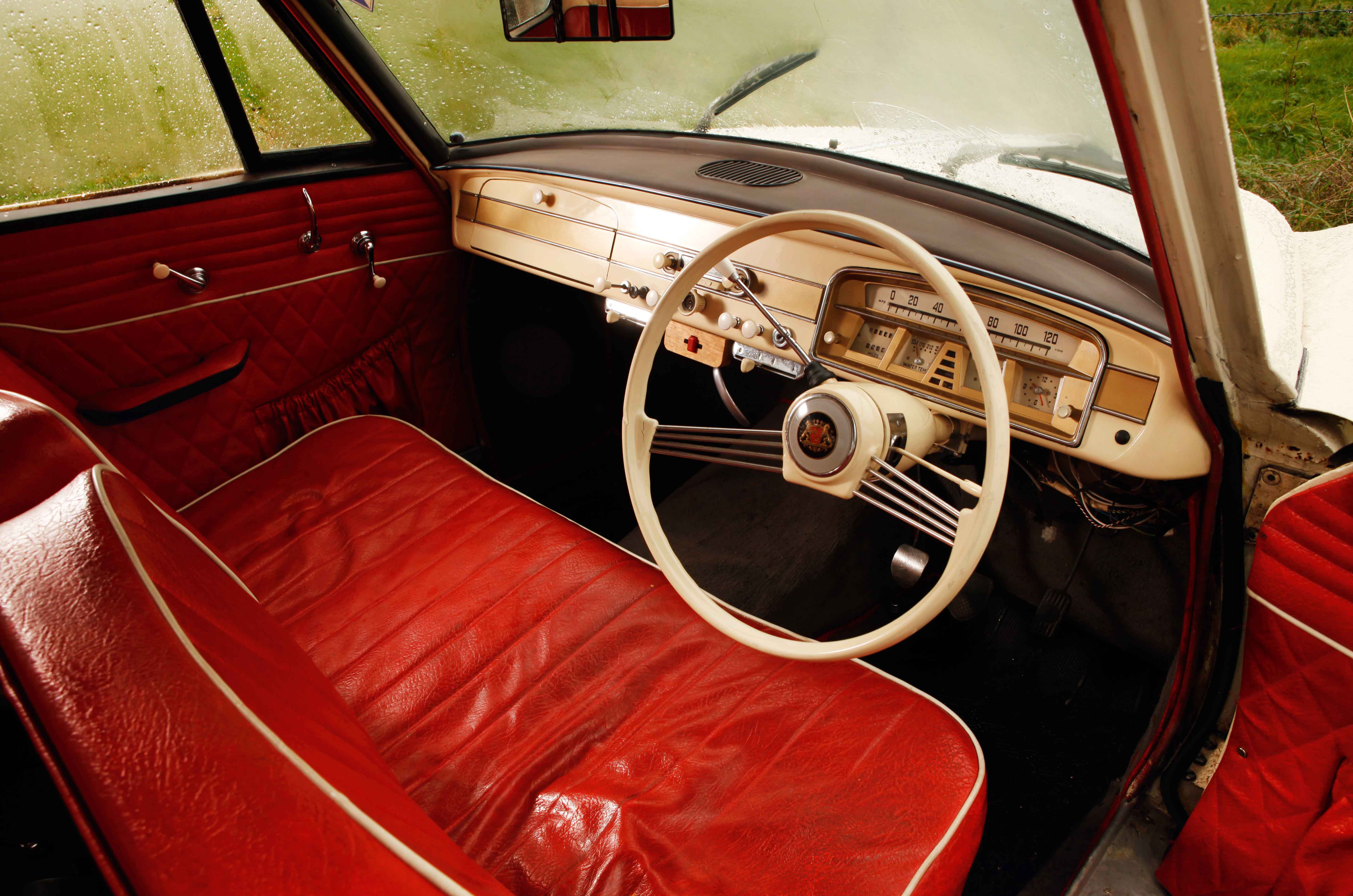
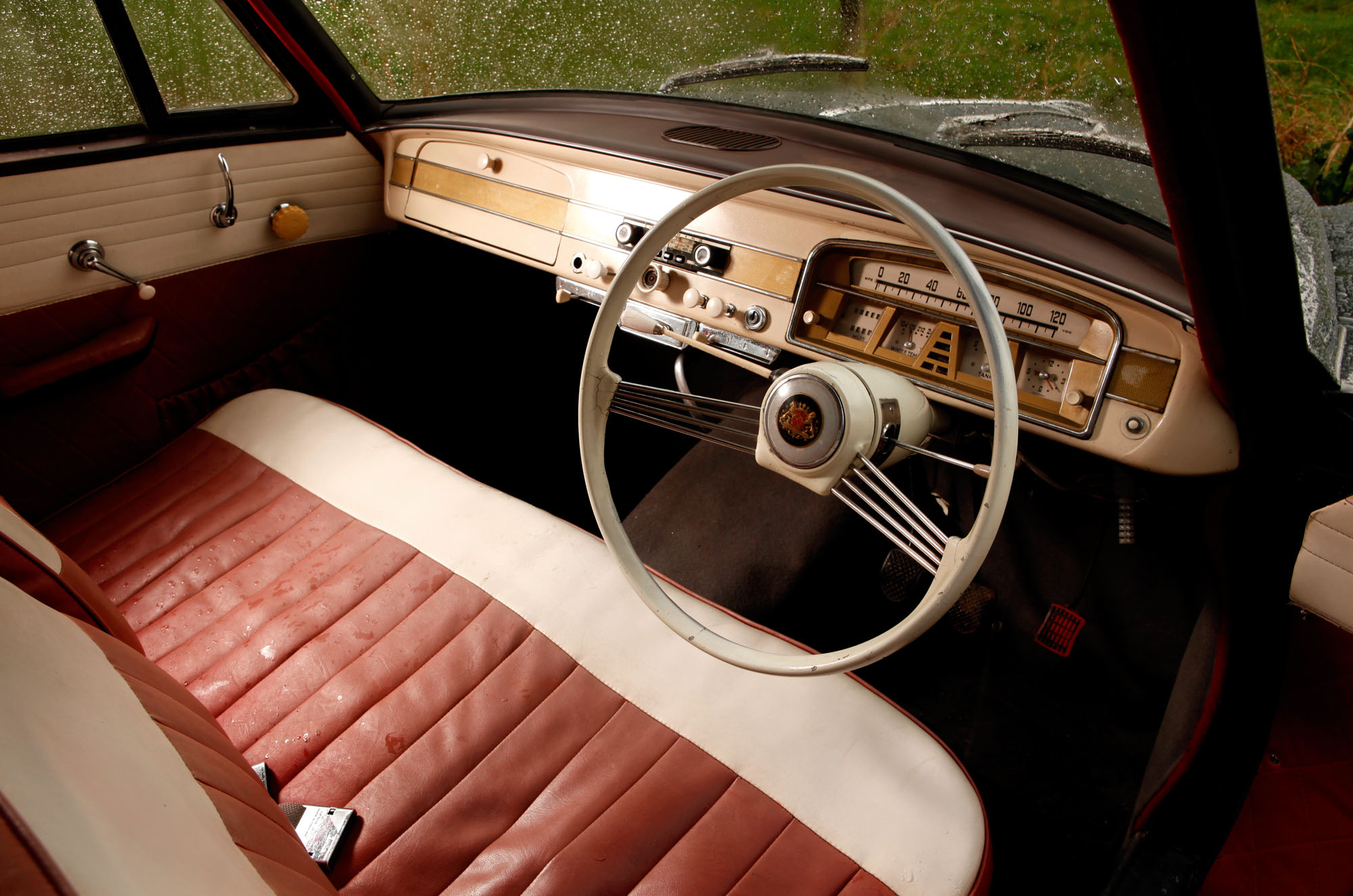
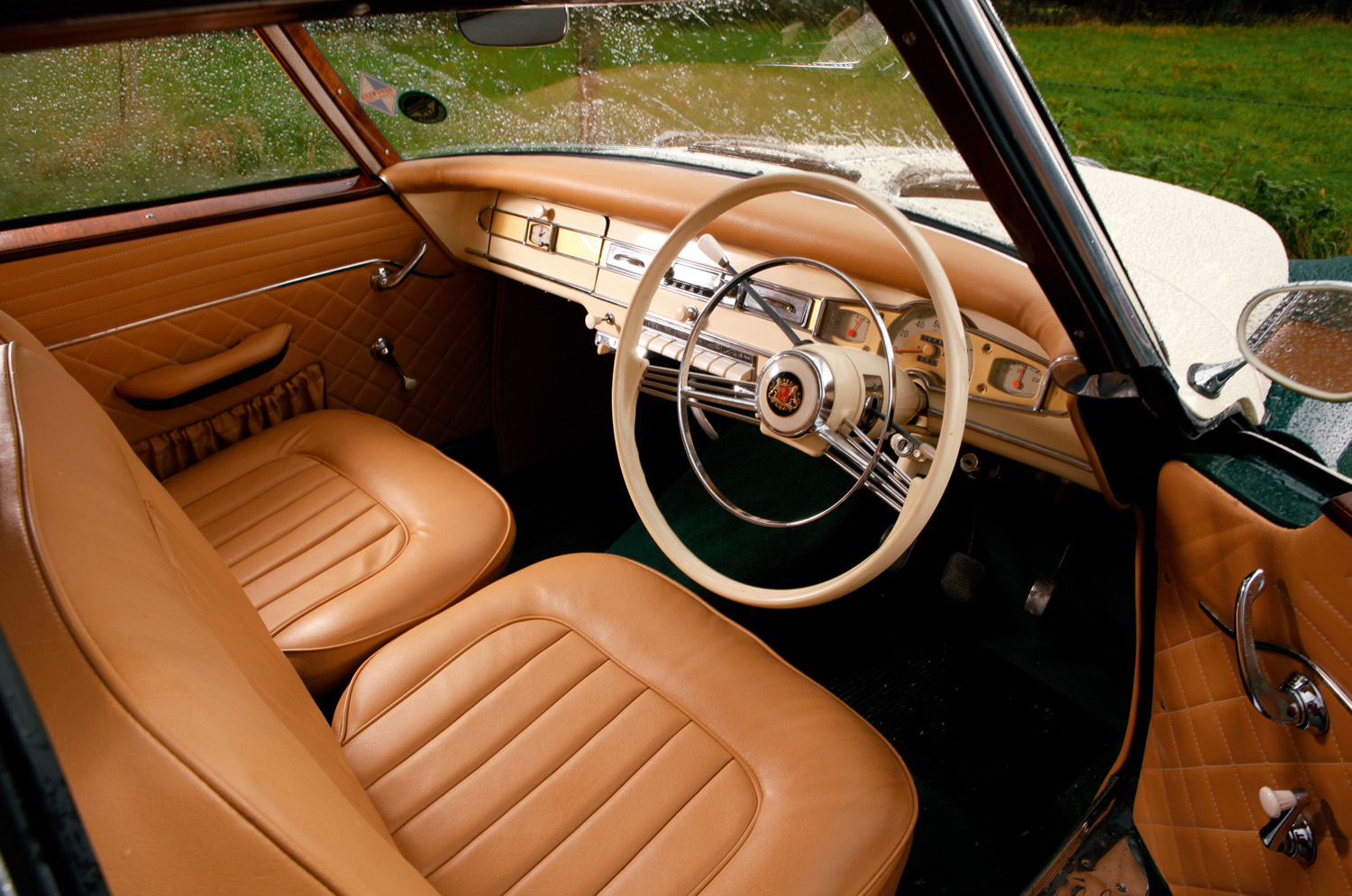
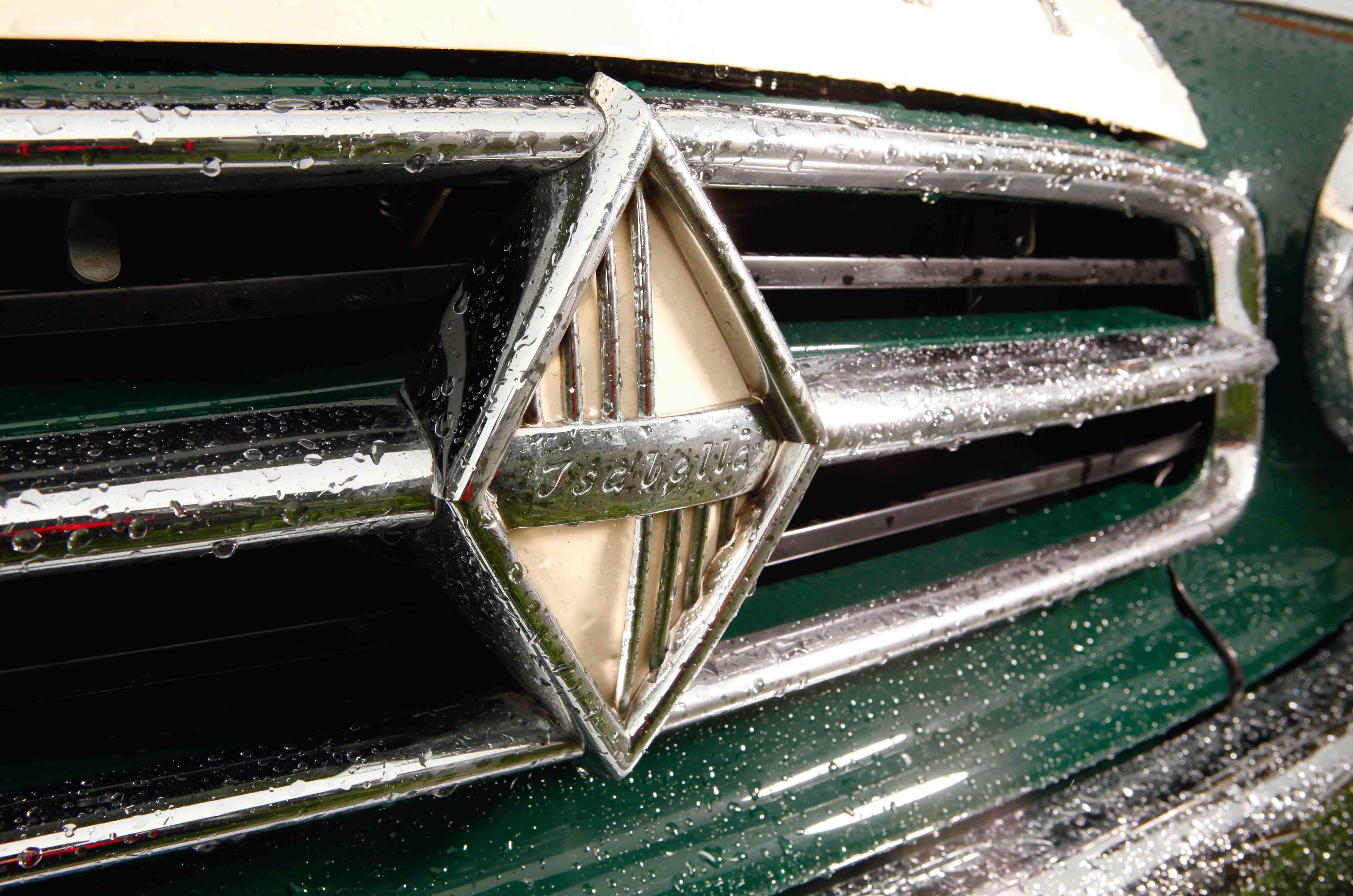
US-flavoured glamour lifts the Borgward Isabella Coupé’s otherwise sparse cabin
In the late 1960s, when the Mexicans and Argentinians were preparing to start building Borgwards again using original tooling, the standards set by the Isabella remained hard to find in most mainstream cars.
Satisfied owners the world over were still mourning the passing of the late, lamented Isabella and struggling to find a replacement.
The closer you look, the better these seemingly innocuous cars appear.
In fact, I would contest that these Borgwards were the inspiration for the successful modern German car as we know it today, and a portent of the rational West German automobile that set so many benchmarks in the second half of the 20th century.
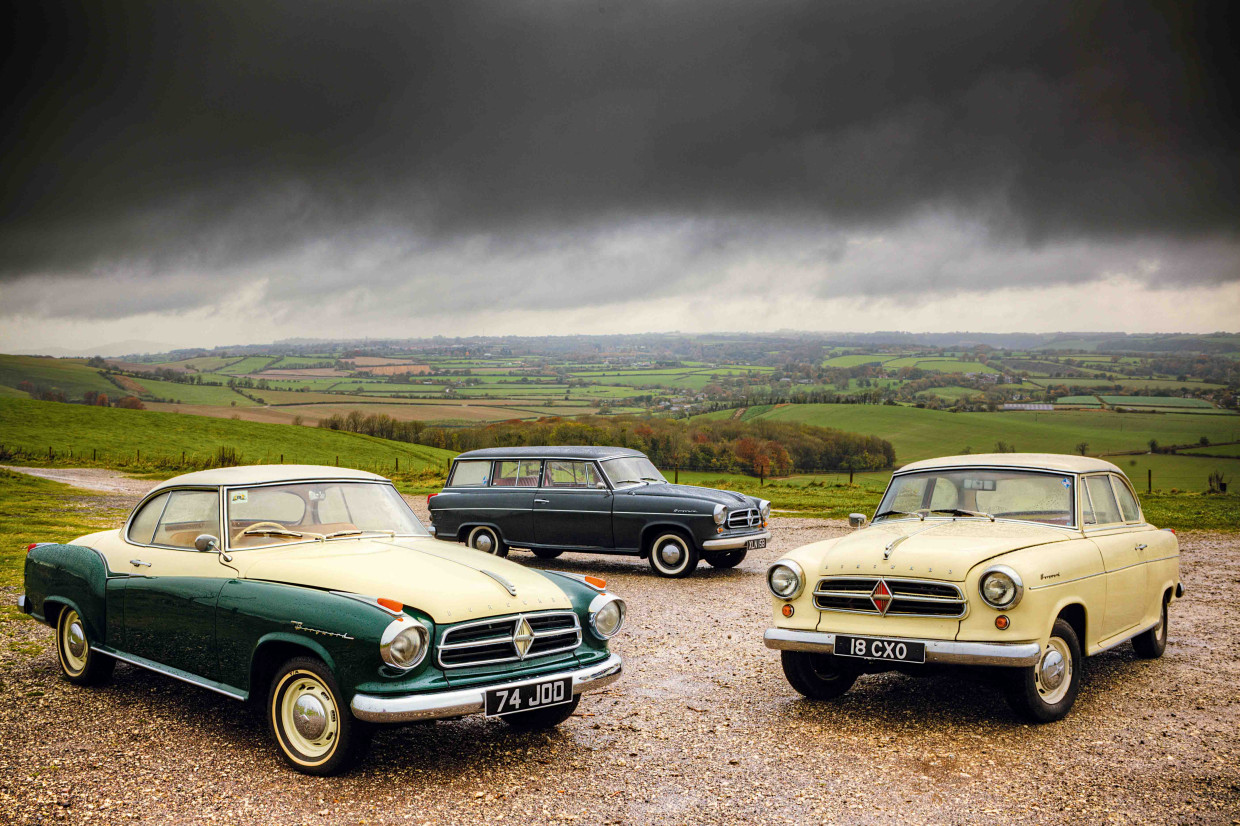
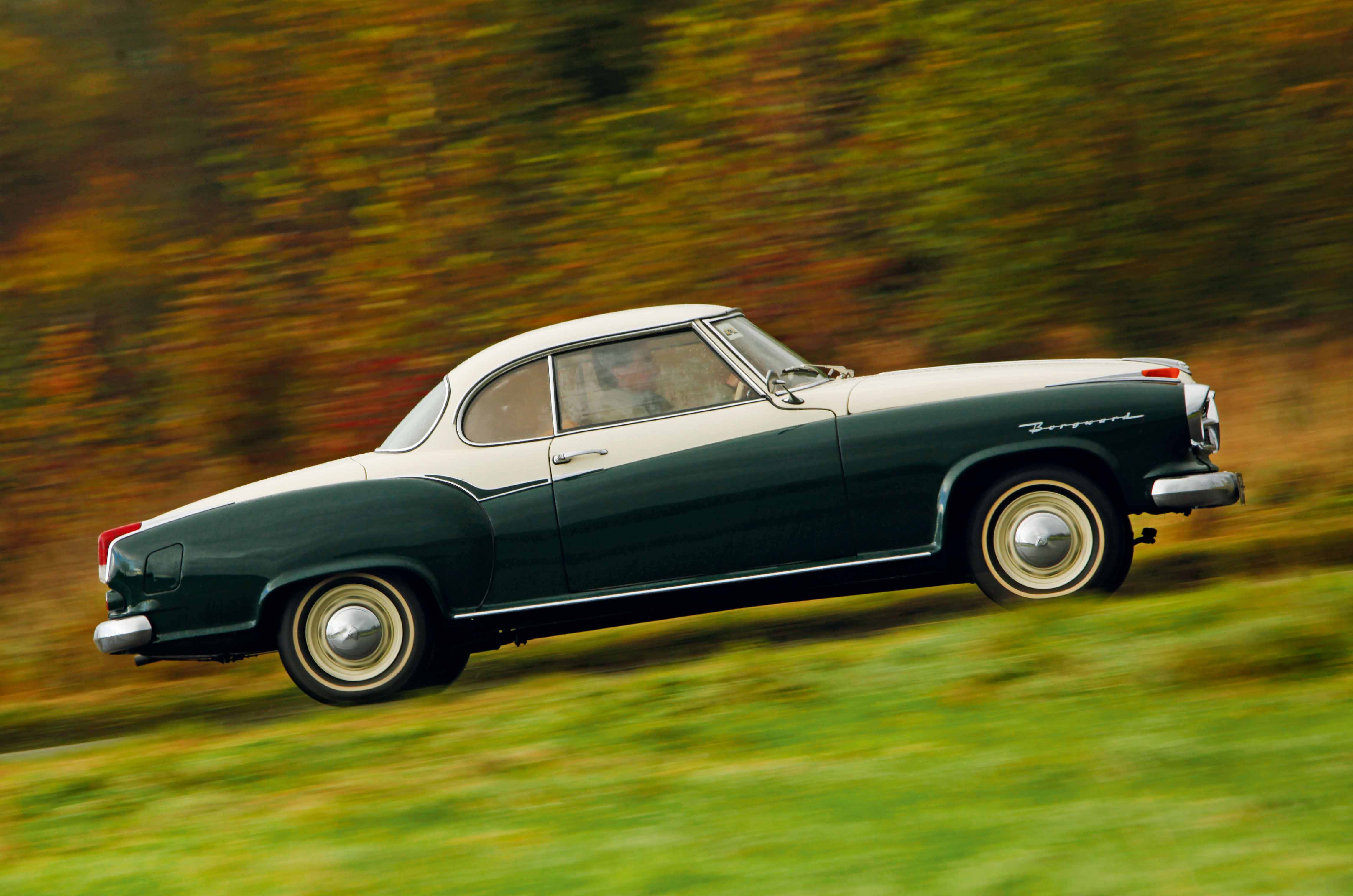
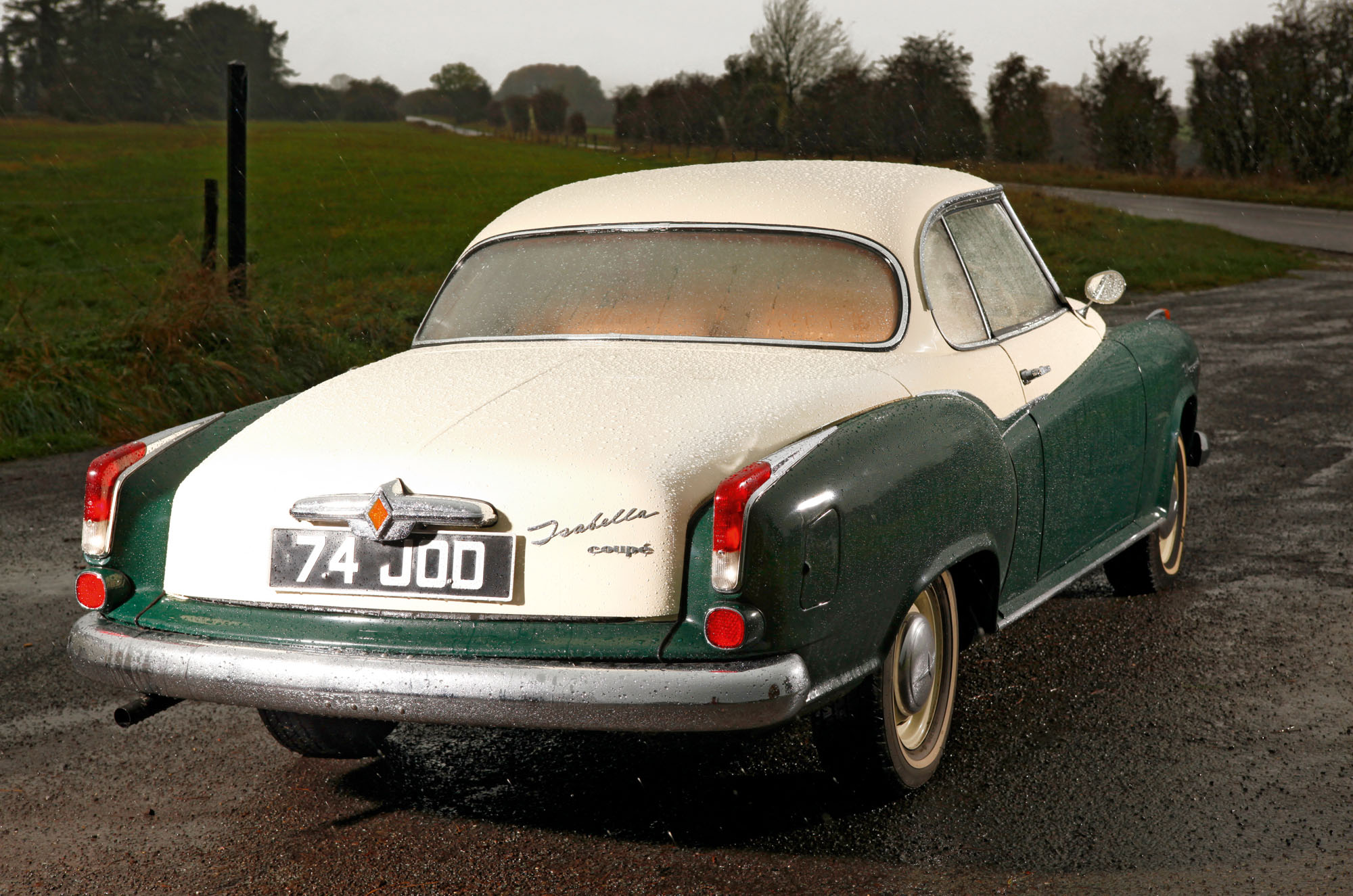
The Borgward Isabella Coupé’s lengthened boot gives it a far slimmer, more exotic air than its siblings
A car that offered no particular innovation, but an all-round competence born of sophisticated design combined with quality build and componentry; a car of substance that was not especially cheap but also ‘worth the money’ and not instantly obsolete; and a compact car with a sporty demeanour that promised engineering excellence, reliability and driver appeal in a practical, easy-to-run package.
The formula, in other words, for the first of the modern BMWs – yet the Isabella offered all of this in 1954, while the Bavarians were still lost in a world of unprofitable luxobarges and bubble cars.
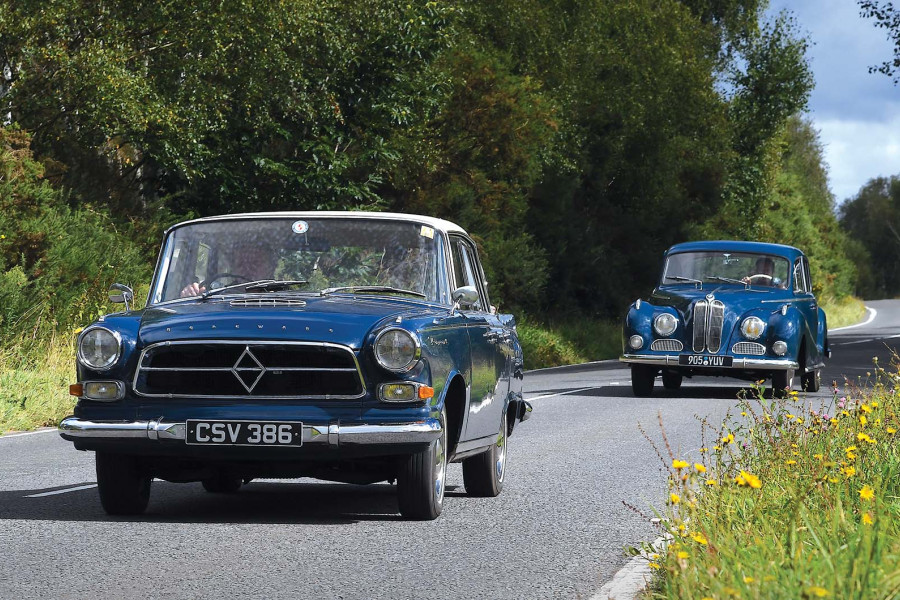
None of the above is a particularly innovative line of thought (all kinds of conspiracy theories still swirl around BMW and Mercedes’ roles in the demise of Borgward), but it is an inescapable fact that, with the closure of the Bremen-based empire from 1960, the way was left open for the 1961 BMW 1500 saloon to slip effortlessly into the niche that the much-loved Isabella had vacated.
The rest is history.
Images: Tony Baker
This was first in our May 2012 magazine; all information was correct at the date of original publication
Factfile
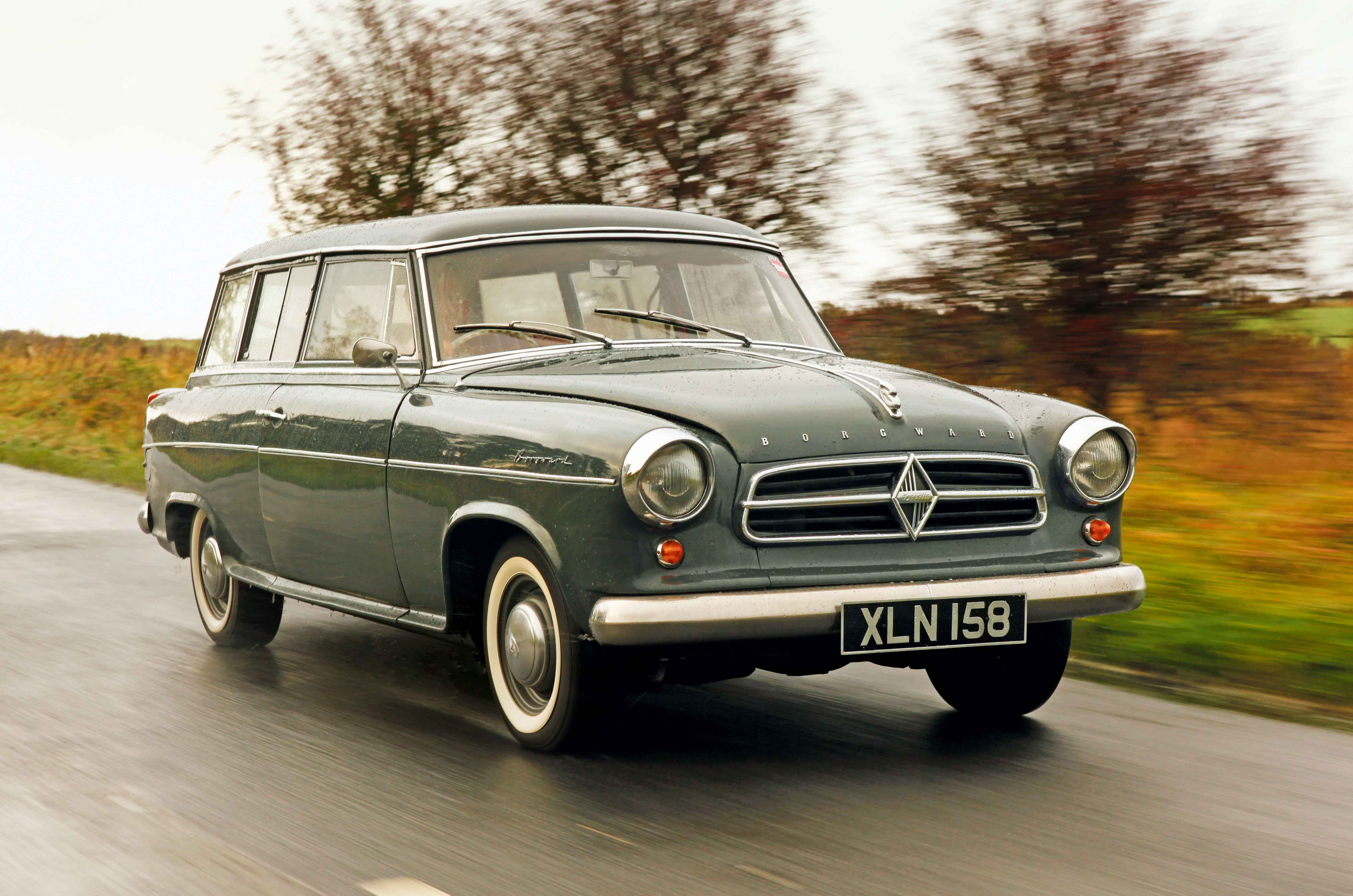
Borgward Isabella
- Sold/number built 1954-’62/202,682
- Construction steel monocoque
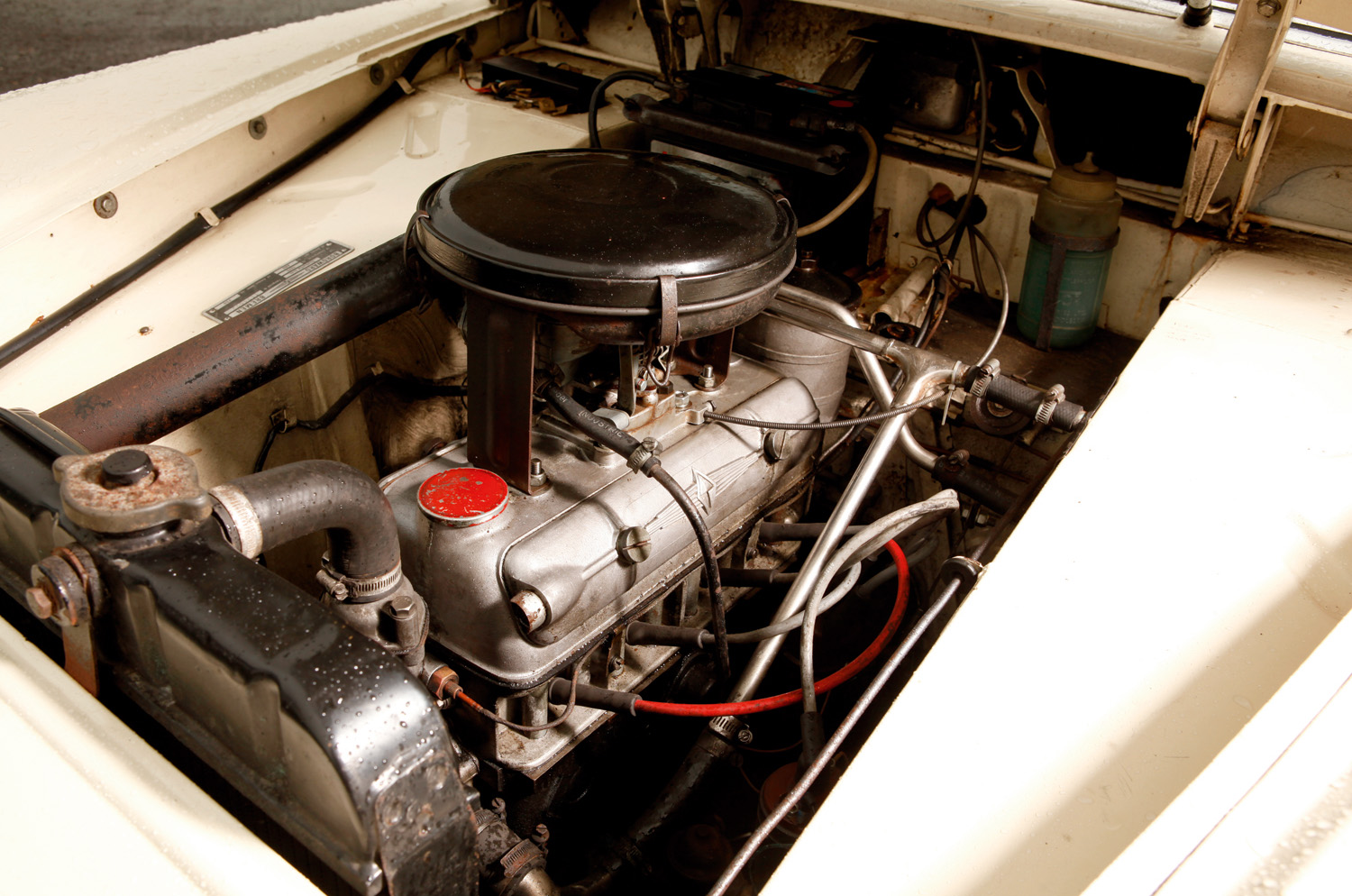
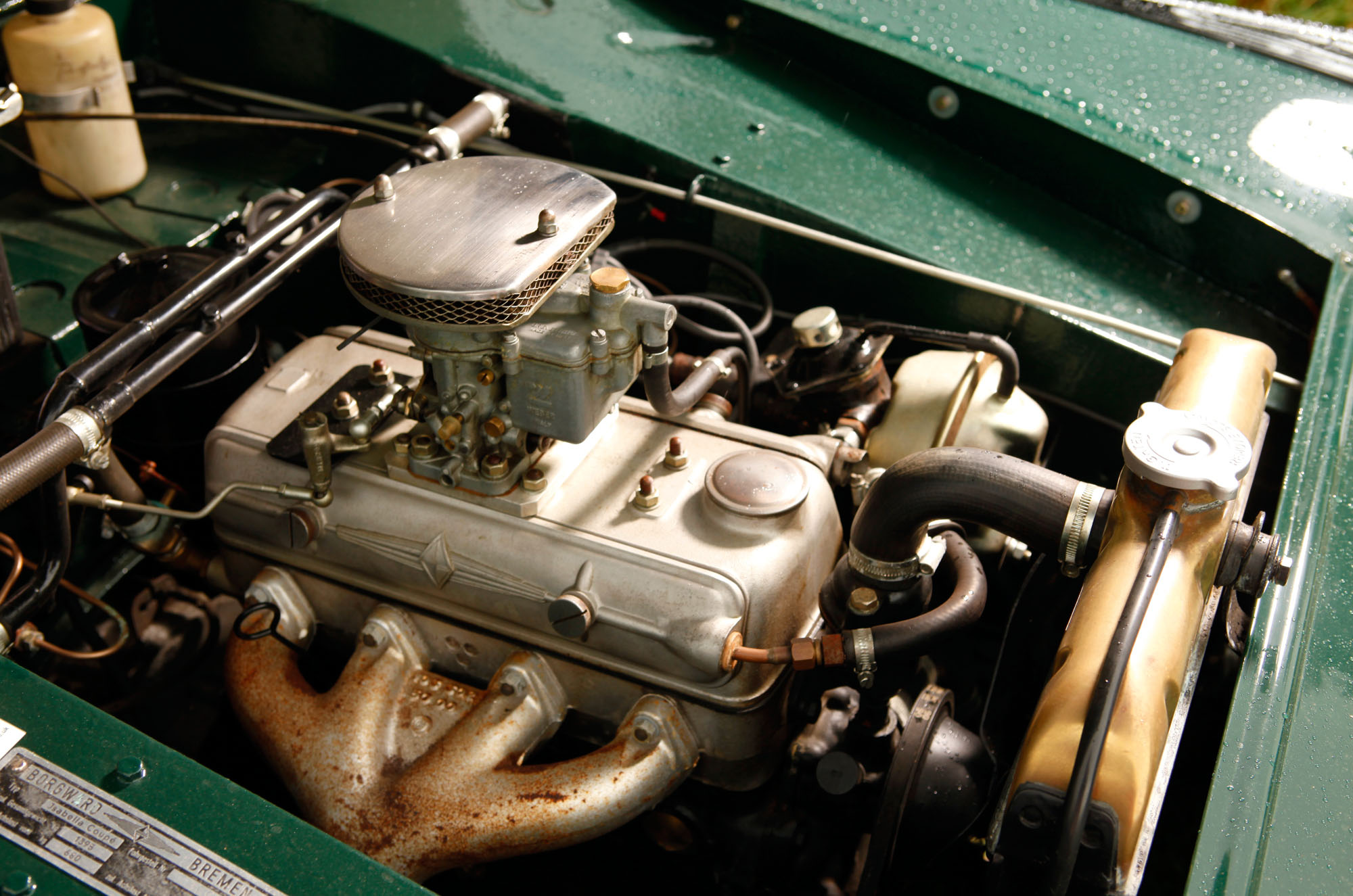
- Engine iron-block, alloy-head, ohv 1493cc ‘four’, single downdraught carburettor
- Max power 75bhp @ 5200rpm (TS)
- Max torque 84.6lb ft @ 2800rpm
- Transmission all-synchromesh four-speed manual, RWD
- Suspension independent, at front by double wishbones, anti-roll bar rear swing-axles, radius arms; coil springs, telescopic dampers f/r
- Steering ZF worm and roller
- Brakes drums, with front twin leading shoes
- Length 14ft 7½in (4460mm)
- Width 5ft 8¼in (1732mm)
- Height 4ft 10in (1473mm)
- Wheelbase 8ft 6½in (2601mm)
- Weight 2381lb (1080kg, saloon)
- Price new £1426
Enjoy more of the world’s best classic car content every month when you subscribe to C&SC – get our latest deals here
READ MORE
Hansa 1100: right car, wrong time?
Sun seekers: Mercedes-Benz 190SL, Porsche 356 and Borgward Isabella
BMW 1500: a different klasse
Martin Buckley
Senior Contributor, Classic & Sports Car