Star 20/60 Vela: early adventurer

| 30 Apr 2026
Classic & Sports Car – Star 20/60 Vela: a forgotten hero
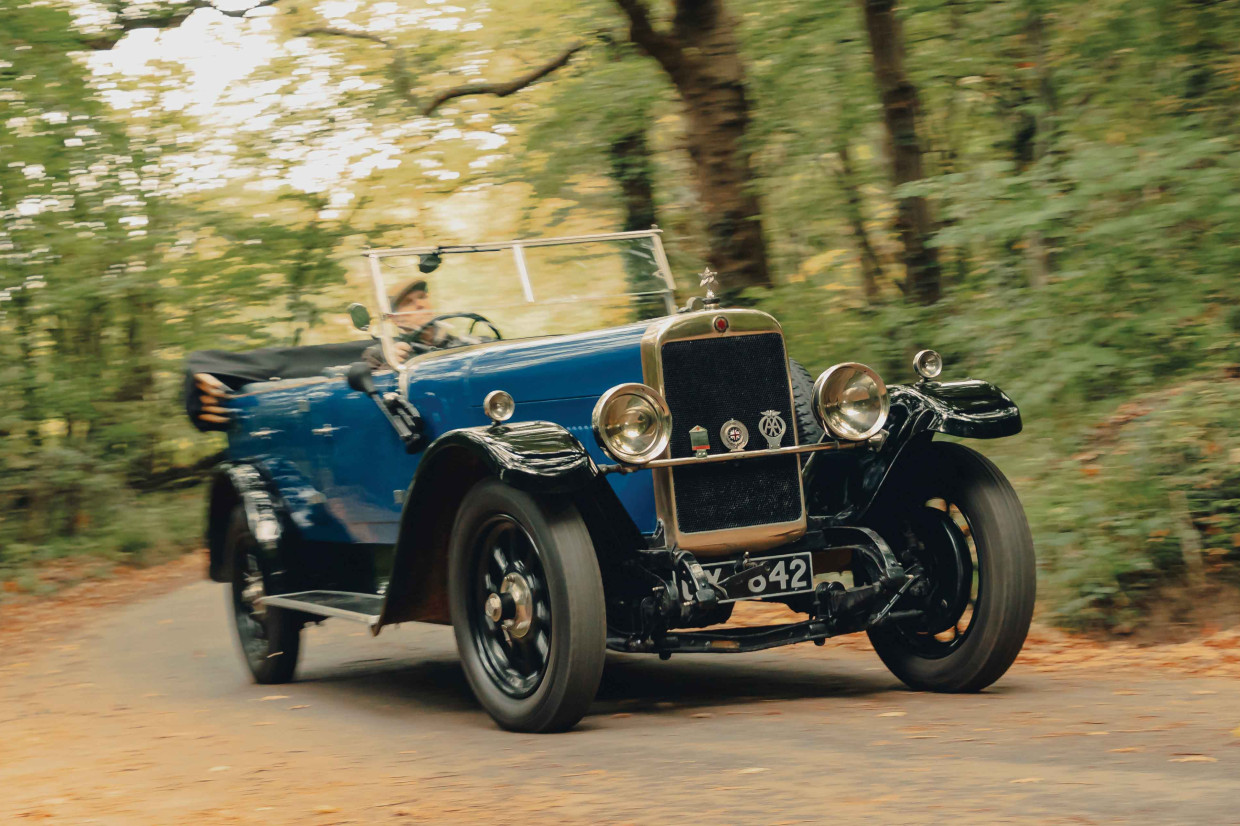
If any vehicle is emblematic of the declining value of pre-war machinery, it is this 1927 Star Vela.

The last-known six-cylinder Star to survive in the UK, it’s for sale at just under £30,000 – or roughly what you’d pay for a smart but relatively ubiquitous Mk2 Ford Escort RS 2000.

I fully understand the appeal of the rally-car tribute, but for me nothing quite compares with the engagement derived from driving a large, exquisitely engineered machine of the vintage era.

The Star is one such car and, for now anyway, its price is a blessing for those in the know – and this example more so for its continuous history, including 60 years’ ownership with its first owner’s family.

Classic & Sports Car – Star 20/60 Vela: a forgotten hero
Star burned brightly but briefly; at its peak, it was the UK’s sixth-largest car maker

Star was typical of so many British car makers whose candles burned brightly in the industry’s founding years, but later struggled in the face of rivalry from more mainstream marques.

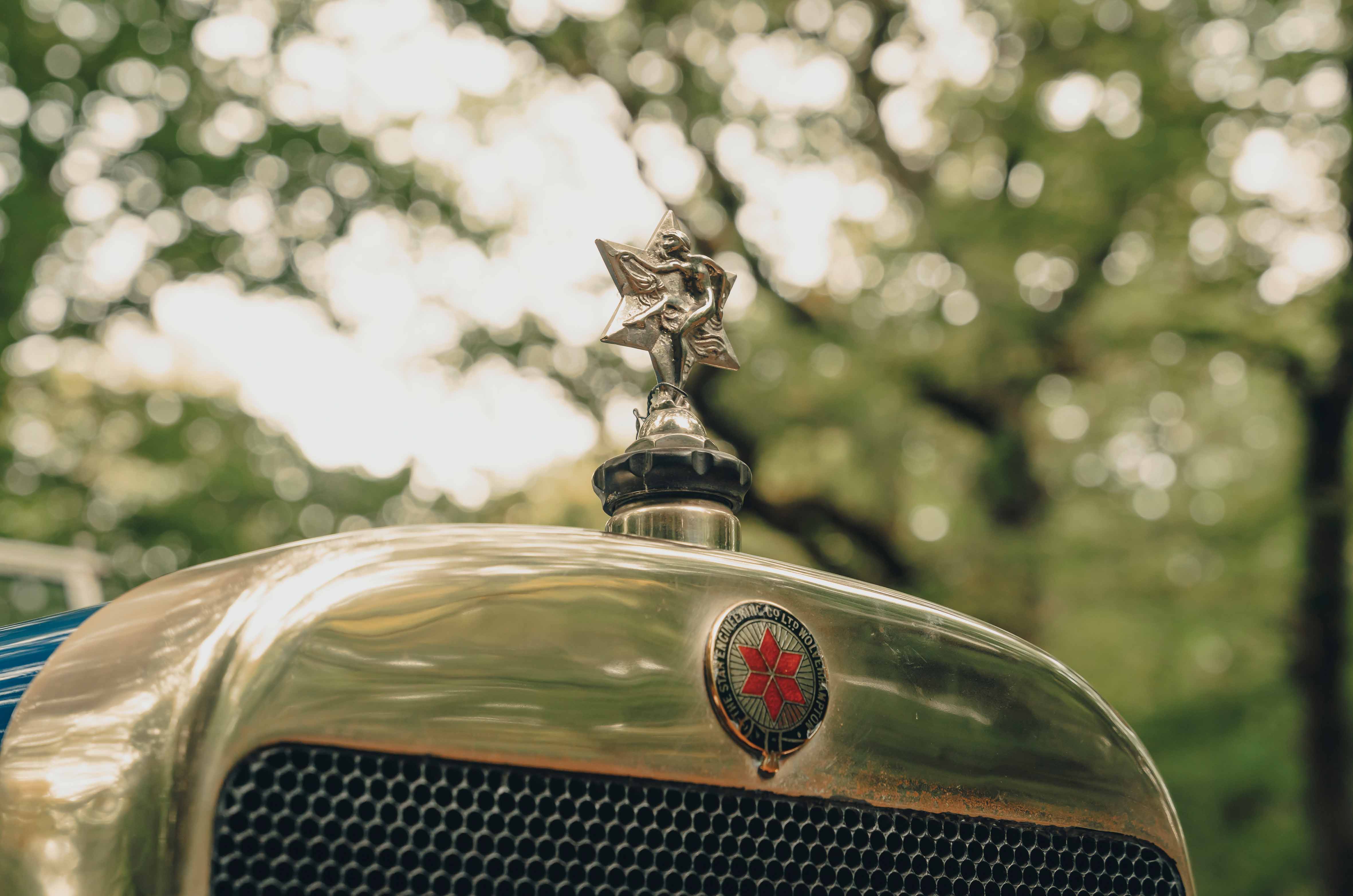
Star was established as a car maker in 1897 after a decade of cycle production.

Its first Star-Benz models used bought-in German mechanicals and sold well.

By 1903, output had grown to such an extent that Star built a new 40,000sq ft factory on Frederick Street in Wolverhampton.

Classic & Sports Car – Star 20/60 Vela: a forgotten hero
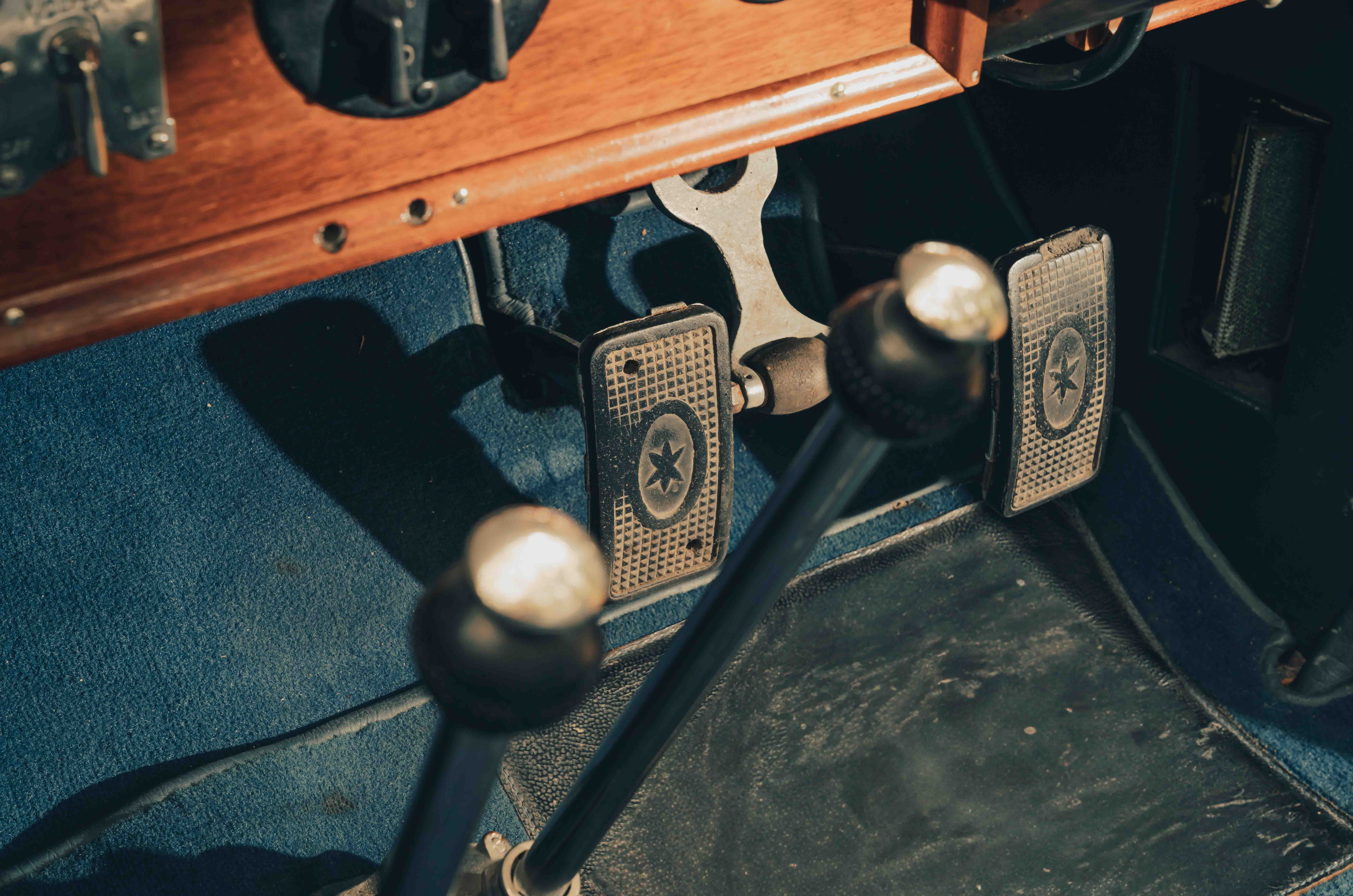
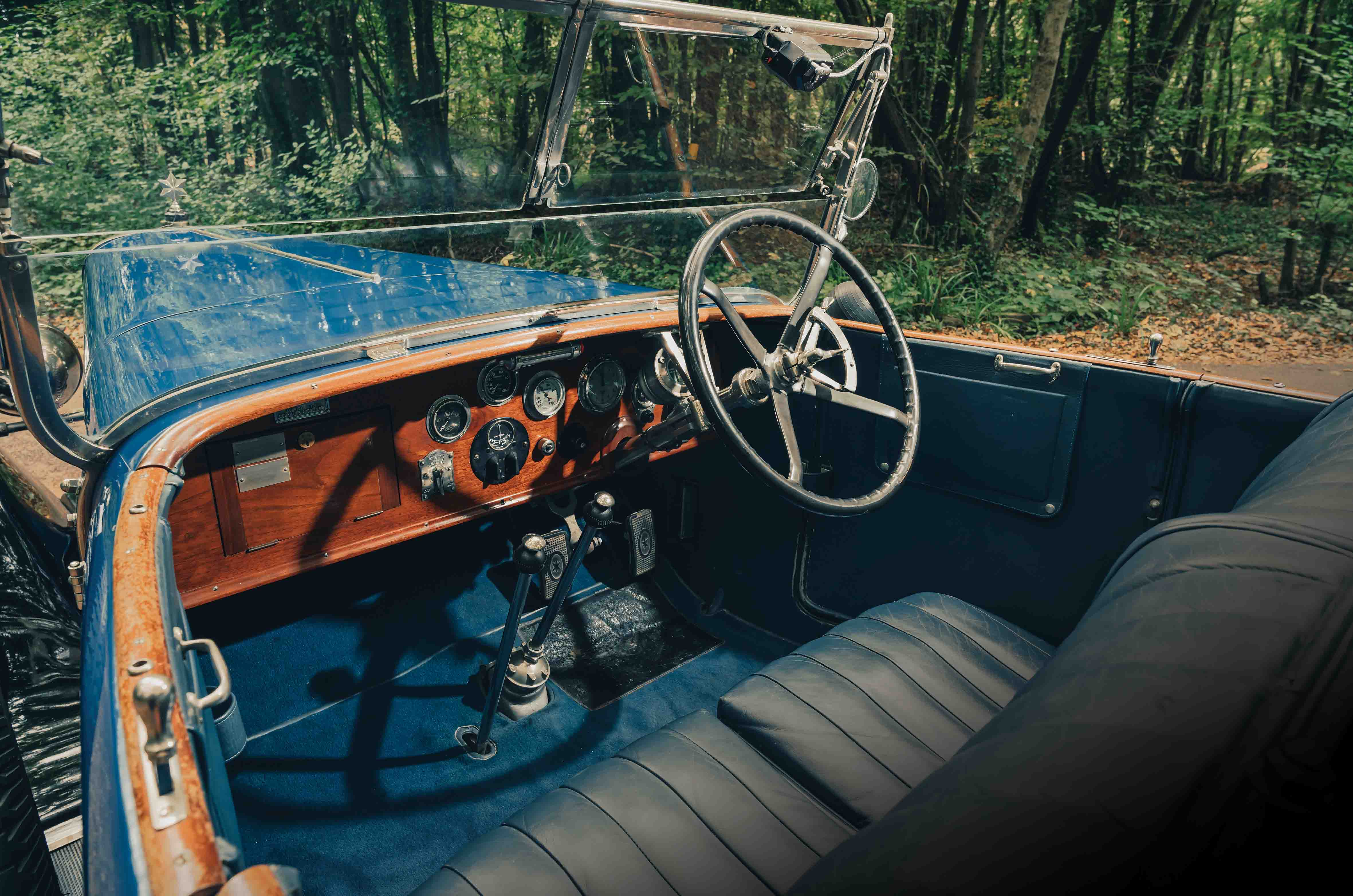
The Star 20/60 Vela’s cabin, with large steering wheel, and near-identical handbrake and gearlever

Edward Lisle, Star’s founder, had seen the sales potential of motorsport and entered his fledgling machines in “every test or competition for which they were eligible”.

By 1904, the company’s 10-litre models were being campaigned in the Isle of Man TT races and the Gordon Bennett Cup; by the decade’s end, Star’s 12hp and 15hp ‘fours’ had excelled at events such as the Irish Reliability and Scottish Automobile Club Trials, and in 1912 its torpedo-bodied, 3-litre 15.9hp set a 66.75mph average during an 800-mile RAC trial at Brooklands.

At the outbreak of WW1, Star was the sixth-largest motor manufacturer in the UK, producing everything from motorcycles and prestige automobiles to lorries and charabancs.

Classic & Sports Car – Star 20/60 Vela: a forgotten hero
The Star tourer’s folding hood is easily deployed

But Star’s run of good fortune was not to last.

Edward Lisle died in 1921, leaving his company with a very healthy order book but dated manufacturing processes that tore profit out of the business.

Meanwhile, an influx of cheaper, mass-produced models from the likes of Austin and Morris showed that, even for those who could afford a Vauxhall, Bentley or Star, there was now an abundance of less expensive alternatives to tempt them.

Sales sank from around 1000 vehicles per year mid-decade to a paltry 105 by 1927.

Classic & Sports Car – Star 20/60 Vela: a forgotten hero
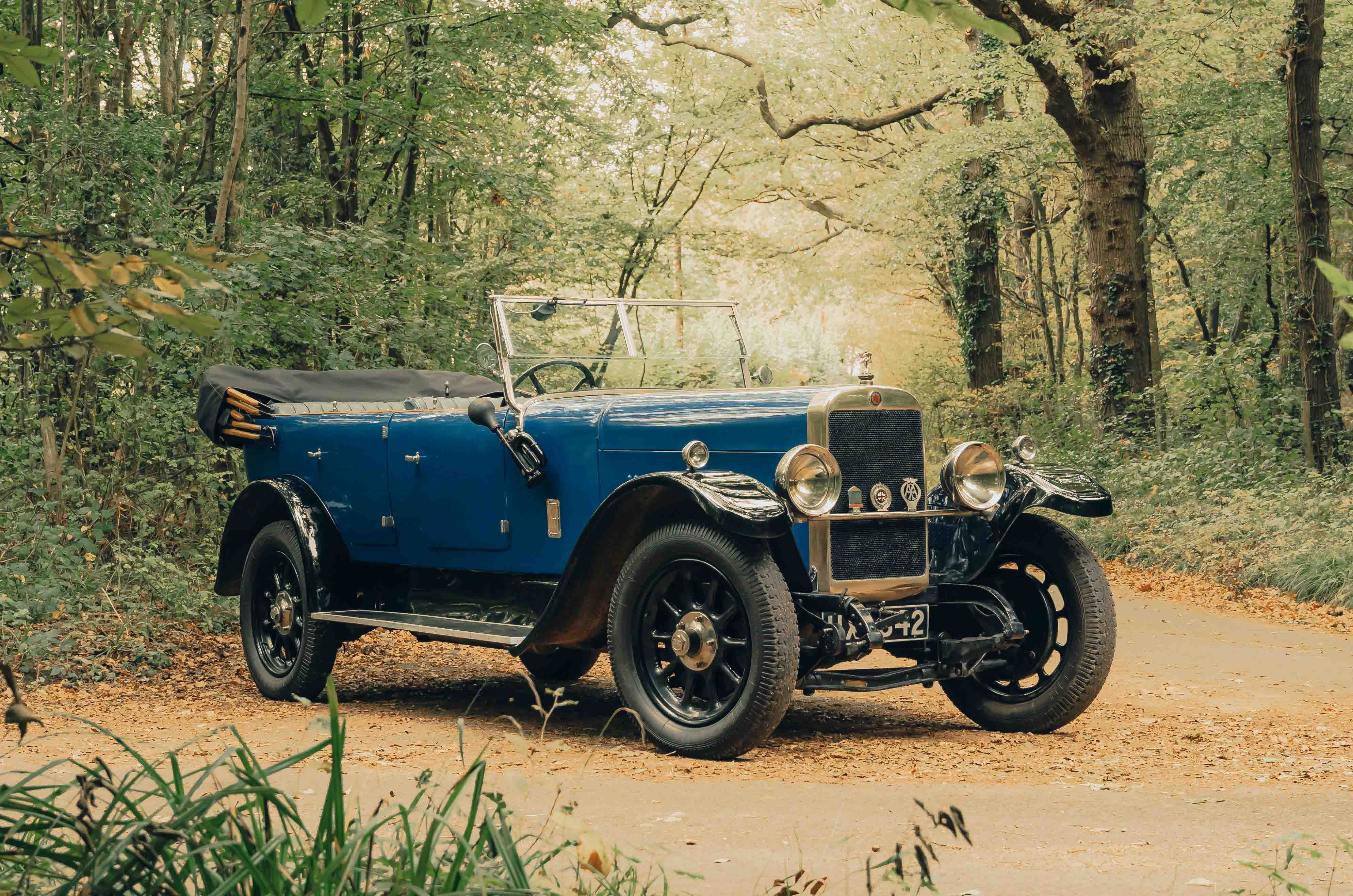
In the 1920s, Wolverhampton manufacturer Star rivalled Bentley for quality and durability, as this rare survivor proves

The following year, a deal was struck with Guy Motors to take over Star, resulting in the closure of its Frederick Street works and relocation to a smaller factory.

Despite efforts to introduce new models, Star became the victim of Guy Motors’ own financial woes after the Wall Street Crash. 

Guy called in the receiver, and by 1932 the Wolverhampton plant had ceased production.

None of which appears to have had any great impact on Star’s later models – at least, not judging by the relatively advanced engineering of ‘our’ 20/60 Vela model (technically a 24/70, as we’ll explain later).

Classic & Sports Car – Star 20/60 Vela: a forgotten hero

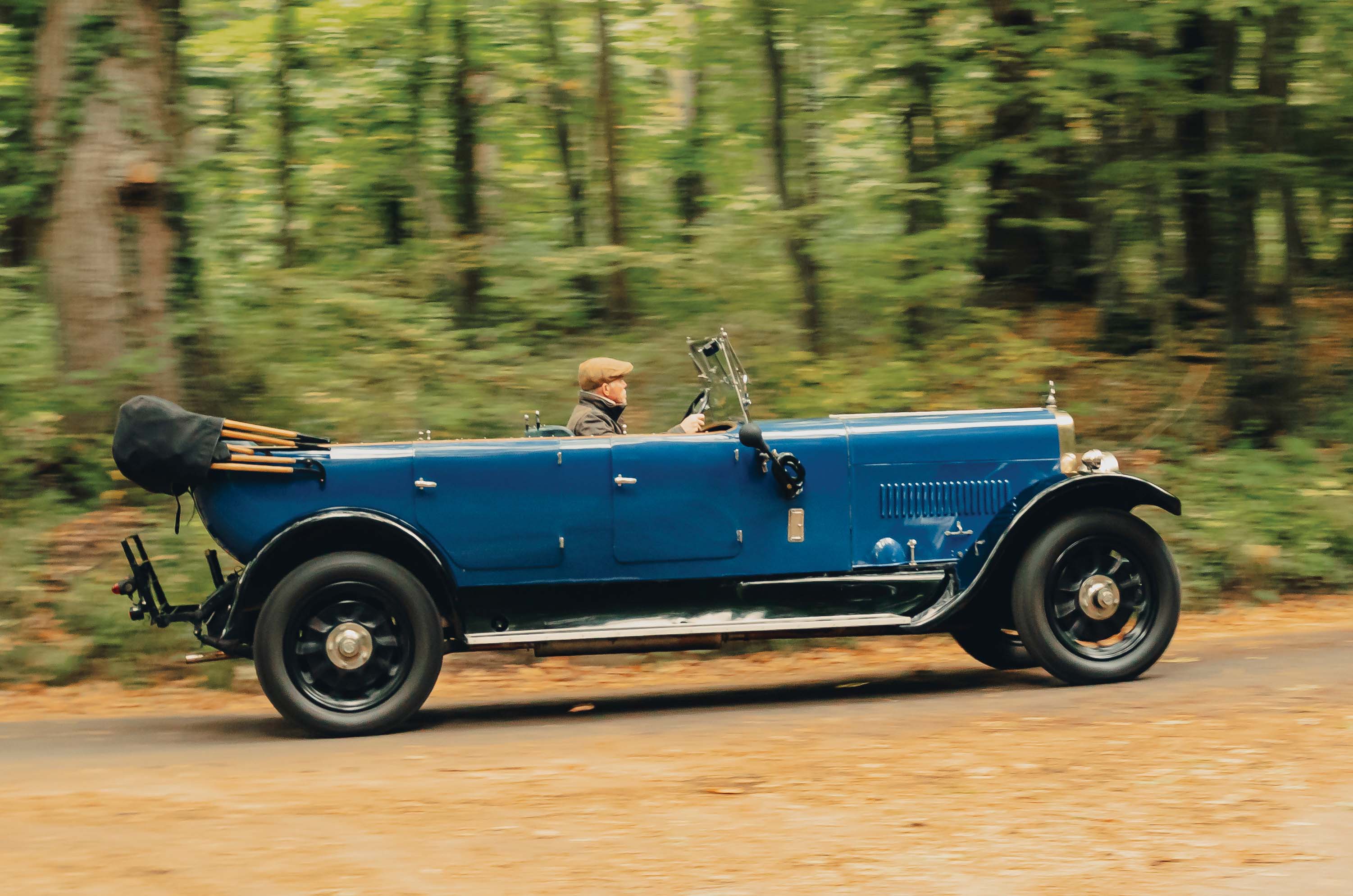
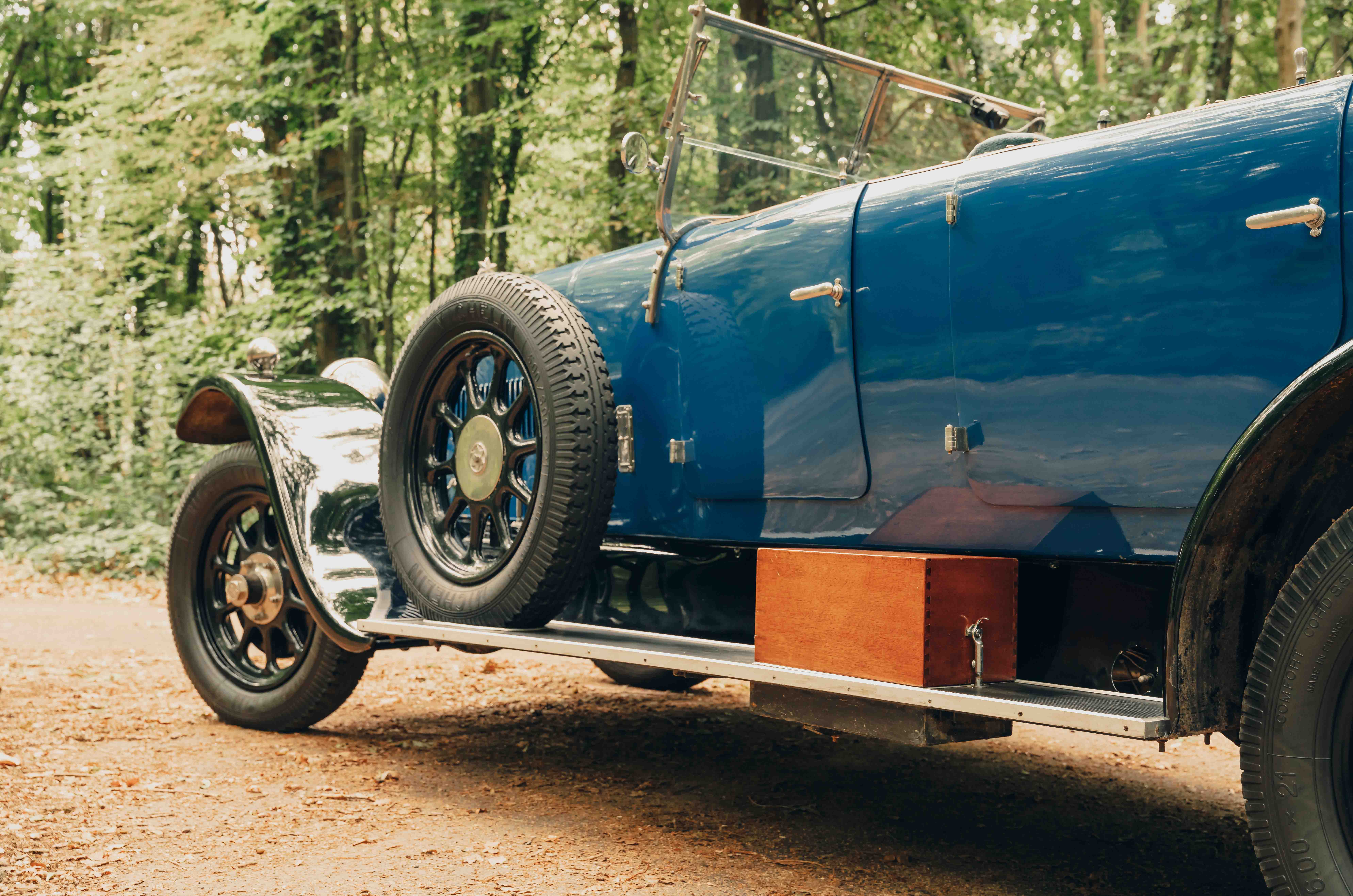
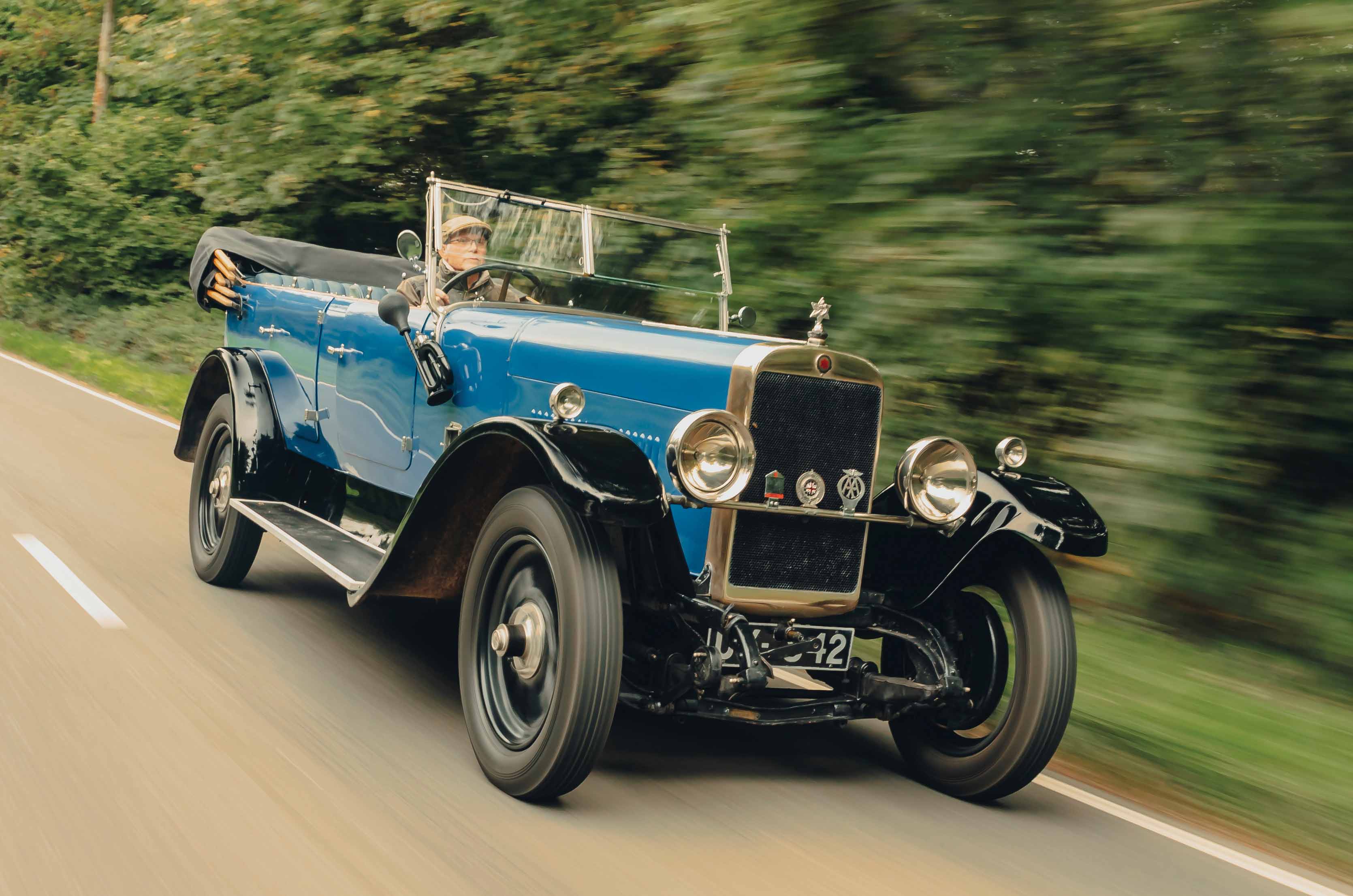
This Star 20/60 Vela is almost 17ft long, with the body sides raised by 2in

The six-cylinder 20/60 range was introduced in 1927, the year this car was built, and included everything from a bare chassis (£650) to a choice of eight body styles, from the two-seater Sagitta (£755) to the Norma Saloon Limousine (£1000).

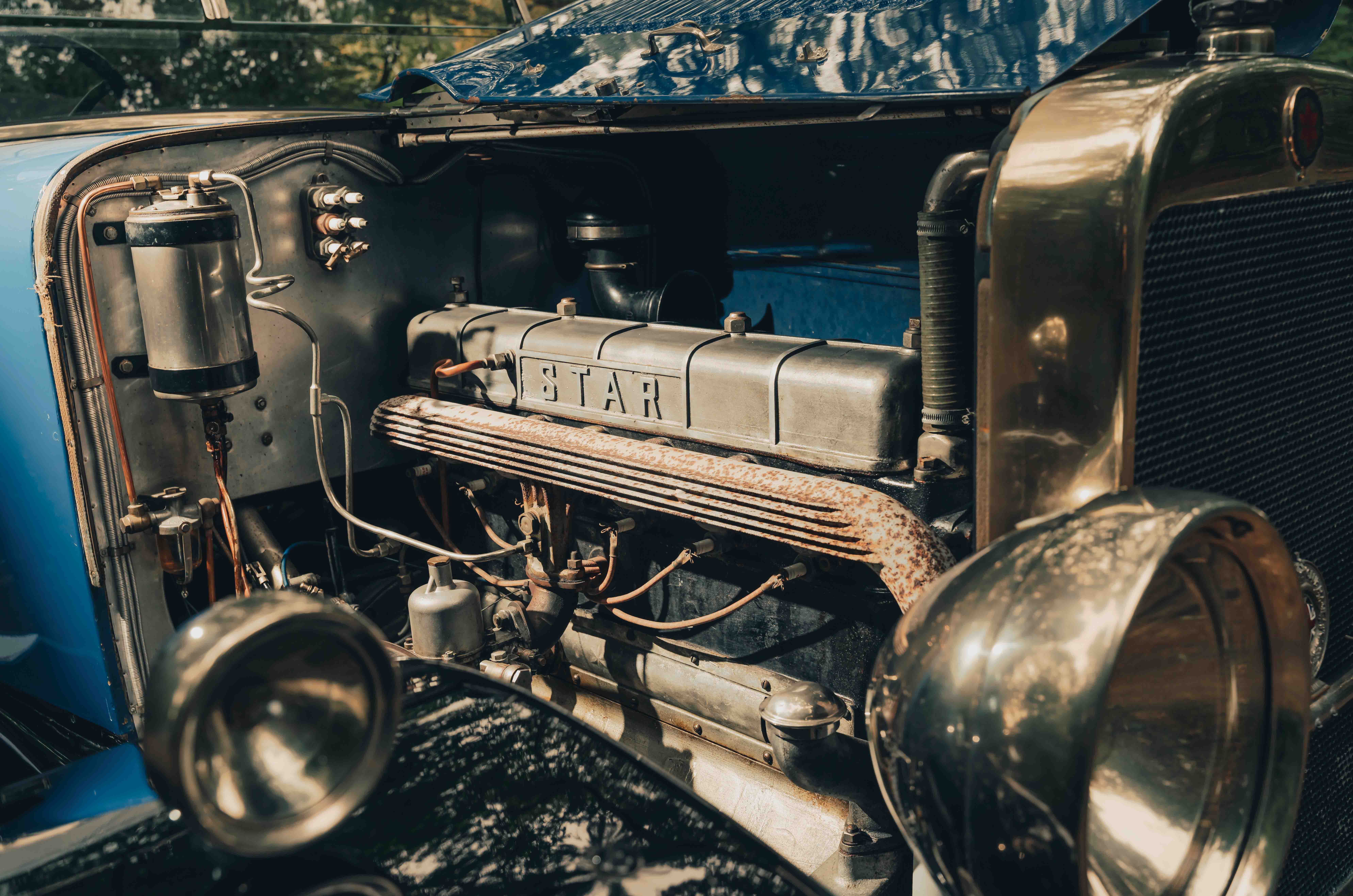
The 3180cc straight-six that powered each model was an in-house design and, while it perhaps lacked the technical innovation of, say, a Bentley ‘six’, it was the epitome of handmade craftsmanship.

Built to last, with cylinders of 75mm bore and 120mm stroke, and a seven-bearing crank, the unit had a detachable cylinder head with a permanent gasket for ease of maintenance, while two overhead valves per cylinder were operated by nickel-chrome rockers and lightweight tubular pushrods.

Classic & Sports Car – Star 20/60 Vela: a forgotten hero

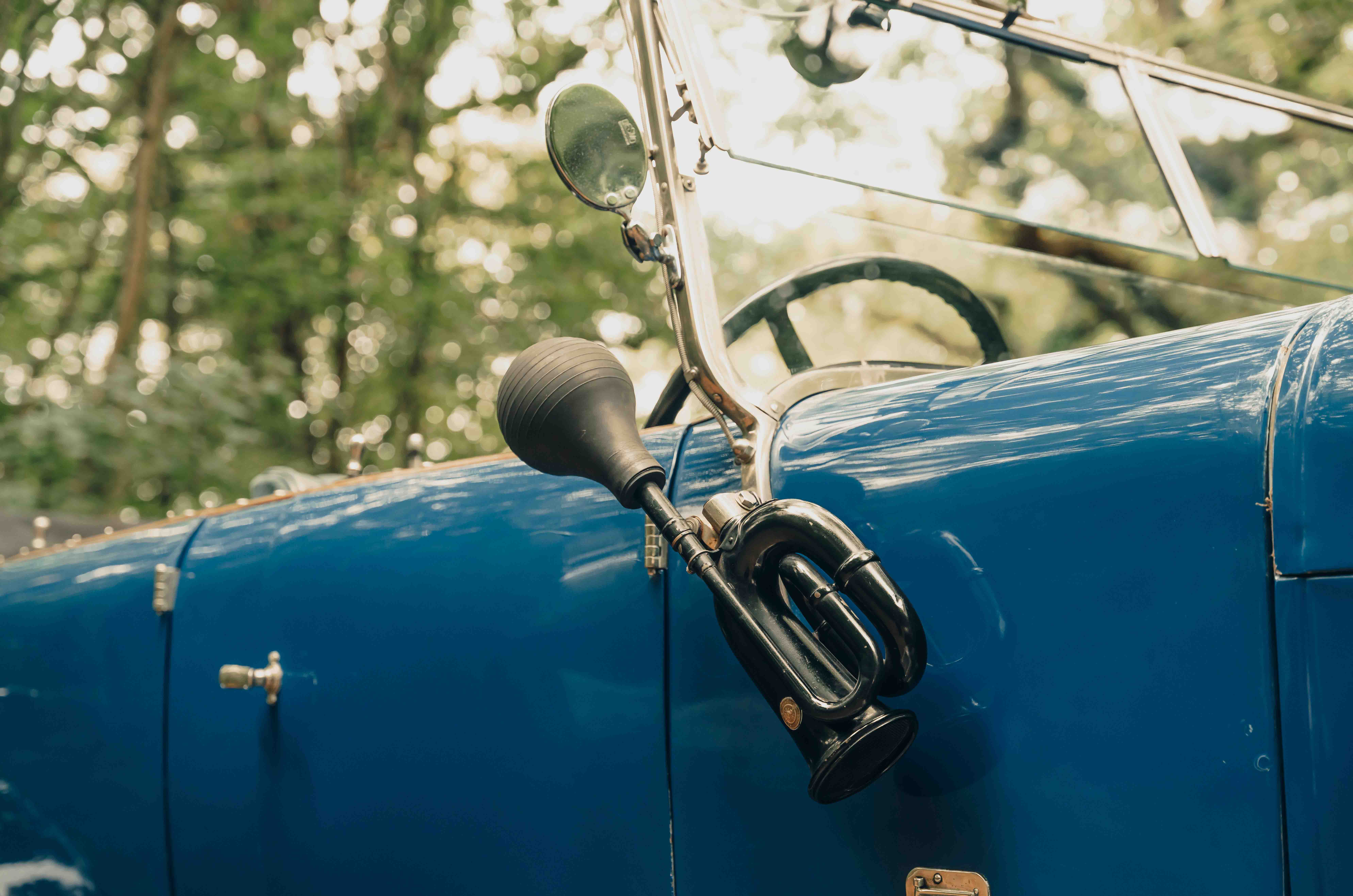
The Star’s bulb horn is a relic from early-20th-century motoring

An aluminium crankcase contained the seven-bearing camshaft, from which drive was sent to an oil pump in the sump, avoiding the need for priming.

The 20/60 used both a dynamo and magneto in tandem, with the magneto alone capable of looking after normal running should the dynamo be removed for maintenance.

The ‘six’ was fitted in-unit with a four-speed transmission.

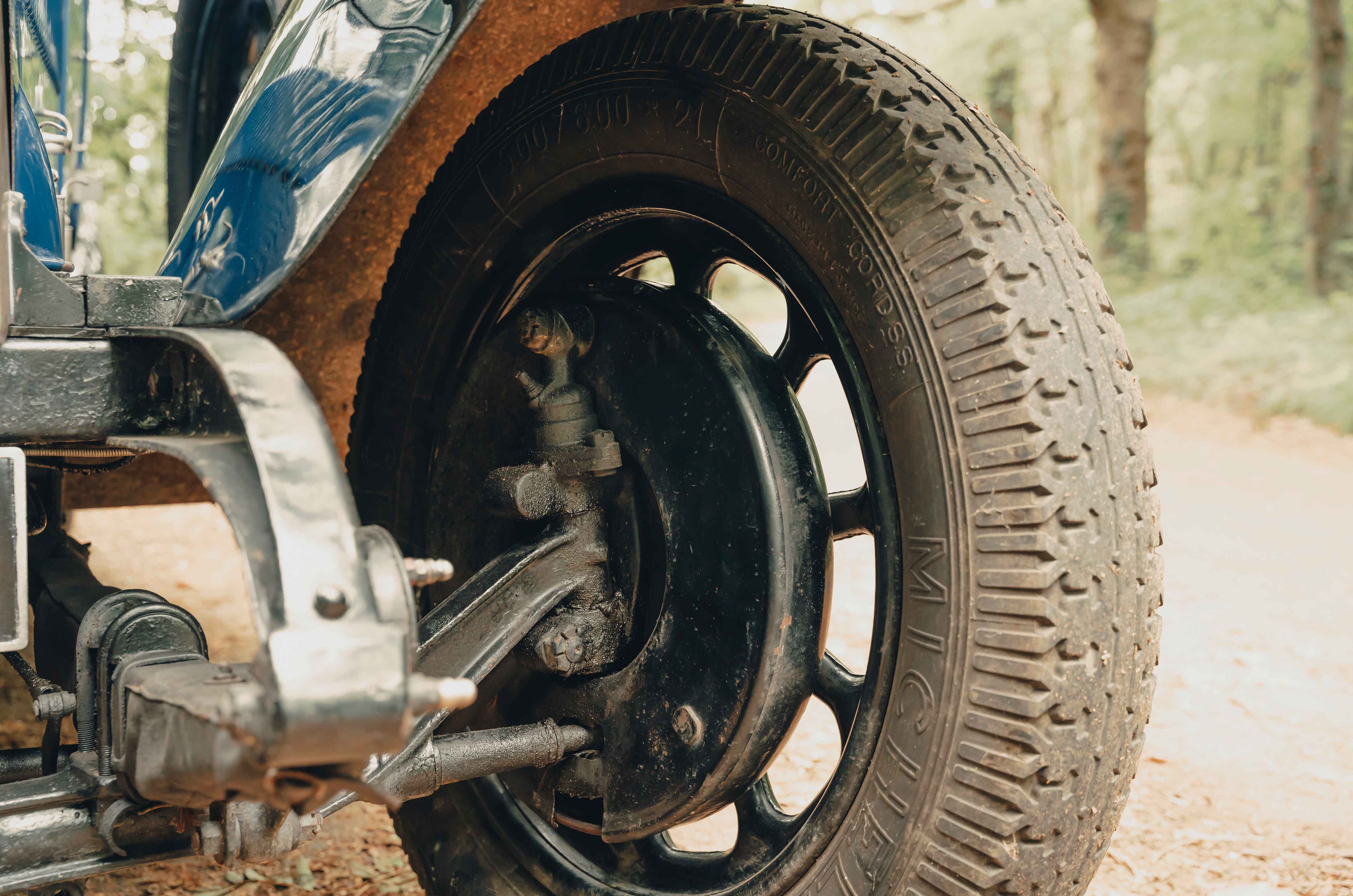
One technology unique to this particular Star was servo assistance for its Lanchester-patented four-wheel brakes, fitted by the factory four years after it was registered.

Classic & Sports Car – Star 20/60 Vela: a forgotten hero

This Star 20/60 Vela was fitted with servo assistance following its 1931 European tour

Lanchester had been the first British marque to adopt such a system, in 1924, with Rolls-Royce following the year after with its New Phantom.

Four-wheel brakes alone were still quite a novelty – serious sporting cars such as the Bentley 3 Litre and Vauxhall 30-98 only started using them in 1924 – so this 20/60 being so equipped was impressive in its day.

Star used a Turner vacuum servo comprising one aluminium cylinder divided into two, each with its own piston.

On paper, the system delivered a reportedly ‘smooth-acting, progressive brake’, and the level of assistance could be preset by the strength of the pull-off spring attached to the pedal: ‘tiptoe’ braking could be achieved, or something with extra feel for ‘more powerful drivers’.

Classic & Sports Car – Star 20/60 Vela: a forgotten hero

The Star 20/60 Vela’s handling is stable and secure, with light steering and good body control, while the brakes have superb power and feel

The Star 20/60’s pressed-steel chassis was utterly conventional, with tapered channel sections braced along its length and a large luggage grid at the rear.

The 11ft 5in wheelbase allowed for the 20/60 to be supplied with a host of substantial bodies, the Vela’s being a not inconsiderable 16ft 8in long and 6ft 2in wide.

We can only speculate why Herbert Mellor Jameson of Roughton House, Bridgnorth, chose this Star Vela, placing his order with the Wolverhampton factory early in 1927.

Classic & Sports Car – Star 20/60 Vela: a forgotten hero

First owner Herbert Mellor Jameson specified this Star Vela for touring

Only 175 20/60s of all body types were sold between then and the company closing, so it would have been a rare car – and expensive, costing £775 in five-seater Vela tourer specification.

But Star’s reputation for craftsmanship and durability likely would have swayed Jameson, given that he intended to use the car for long-distance touring in the UK and Europe.

He requested the car be supplied with artillery wheels rather than wire rims, better for withstanding the rigours of unpaved Continental roads.

Classic & Sports Car – Star 20/60 Vela: a forgotten hero

This Star 20/60 Vela tackled Europe’s key mountain passes in the early 1930s

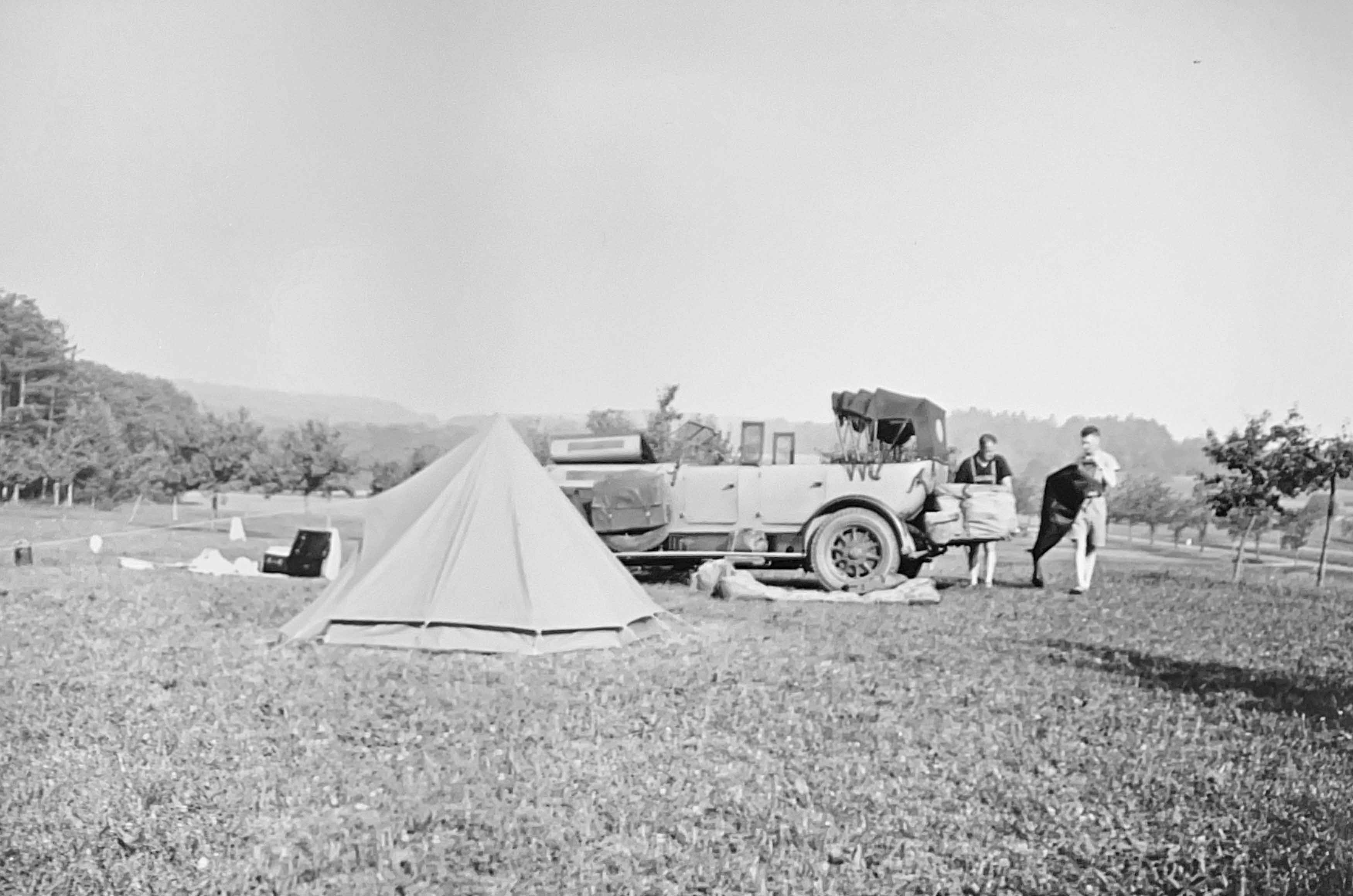
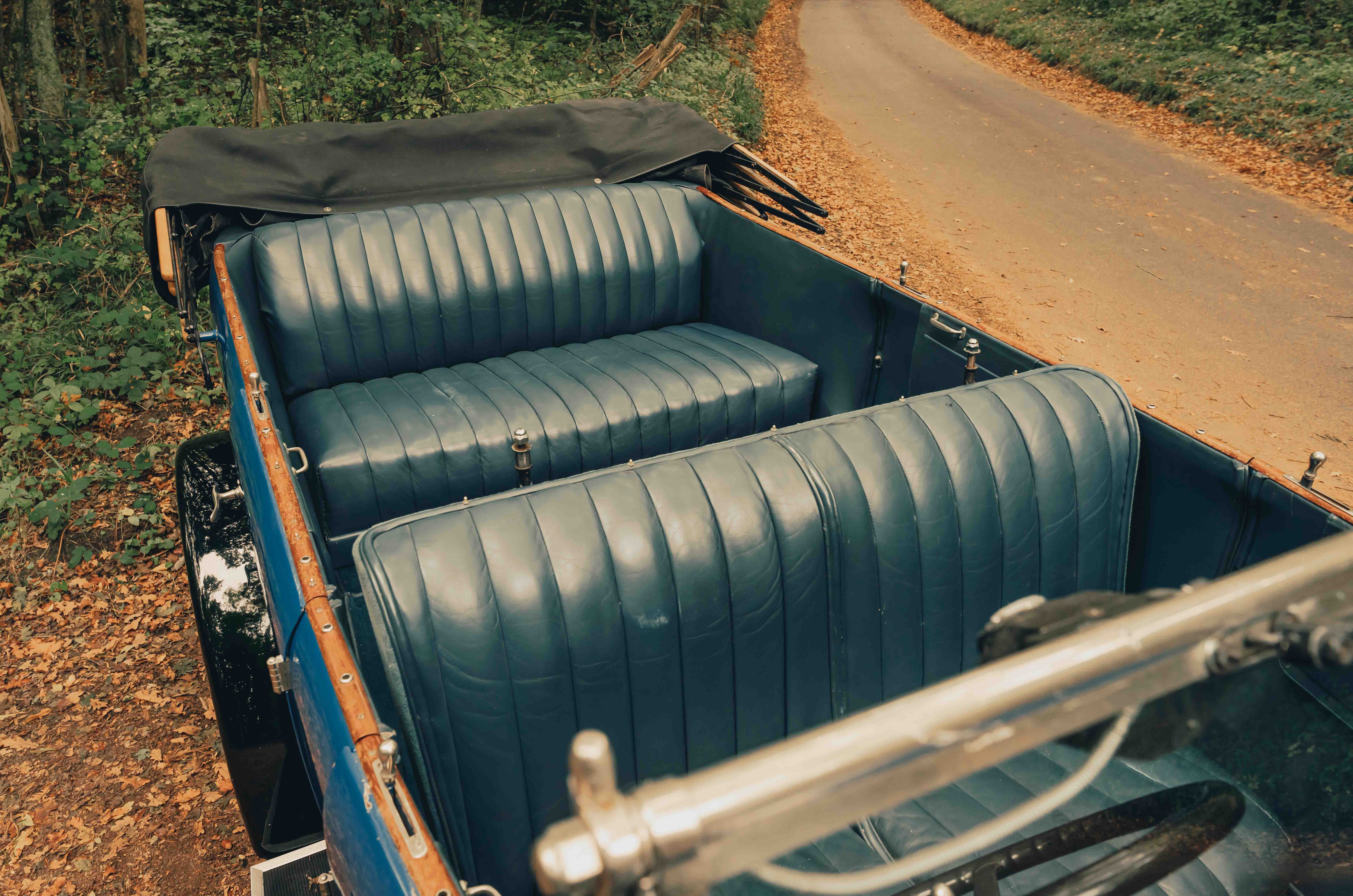
He also asked for the body’s sides to be raised by two inches and for the driver’s seat adjustment to extend forward to the steering wheel, so he could sleep in the space between it and the rear seat.

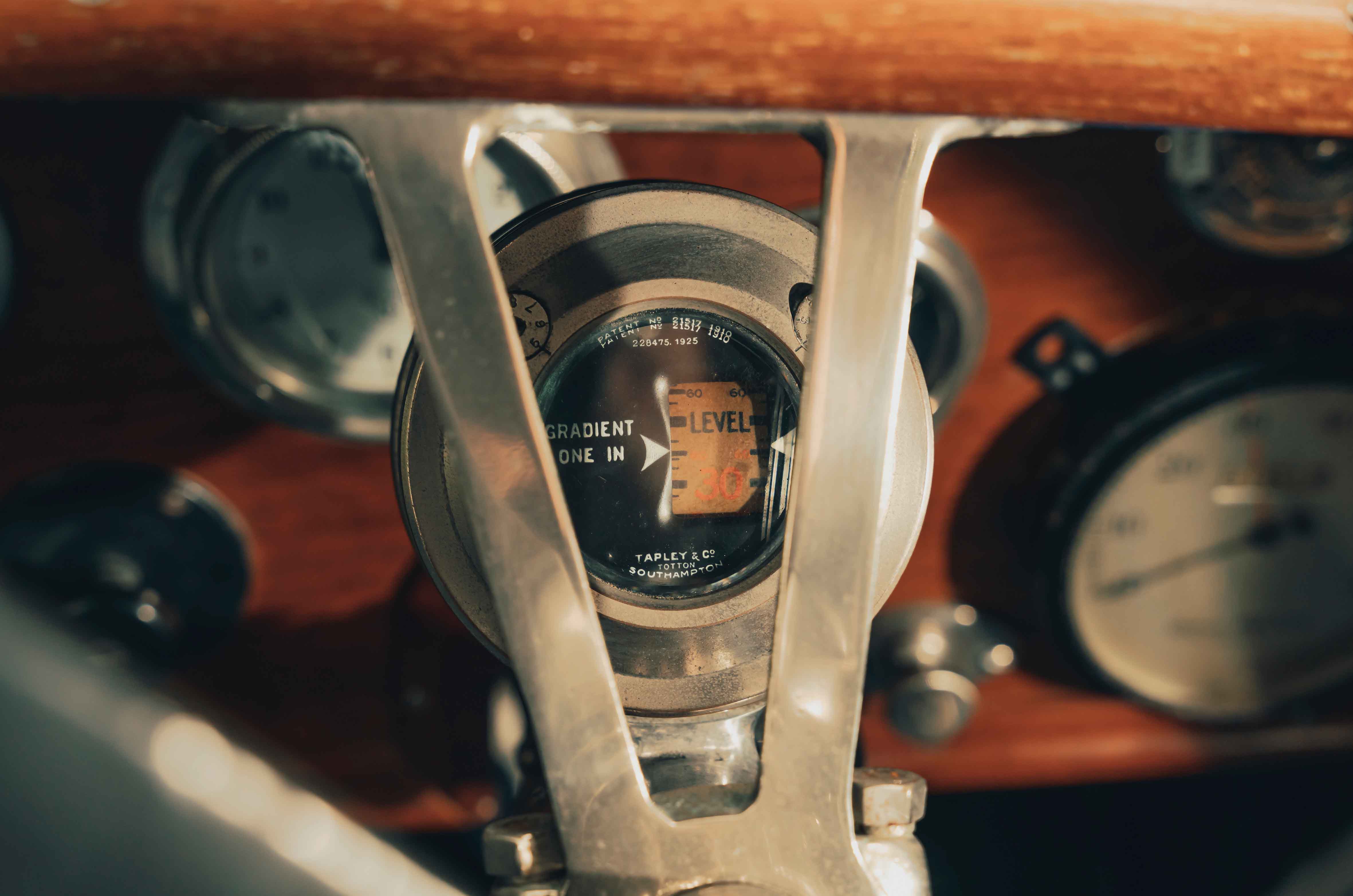
In anticipation of motoring up vertiginous mountain passes, a Tapley gradient meter was added (and is still fitted), plus a Bonniksen Time Speedmeter and an Autovac petrol gauge.

Passengers on the capacious rear bench had the benefit of an Auster ’screen, which would have been vital to deflect the buffeting typical in a tourer of this size.

Classic & Sports Car – Star 20/60 Vela: a forgotten hero

‘We can only speculate why Herbert Mellor Jameson chose this Vela, but Star’s reputation for craftsmanship and durability likely would have swayed him’

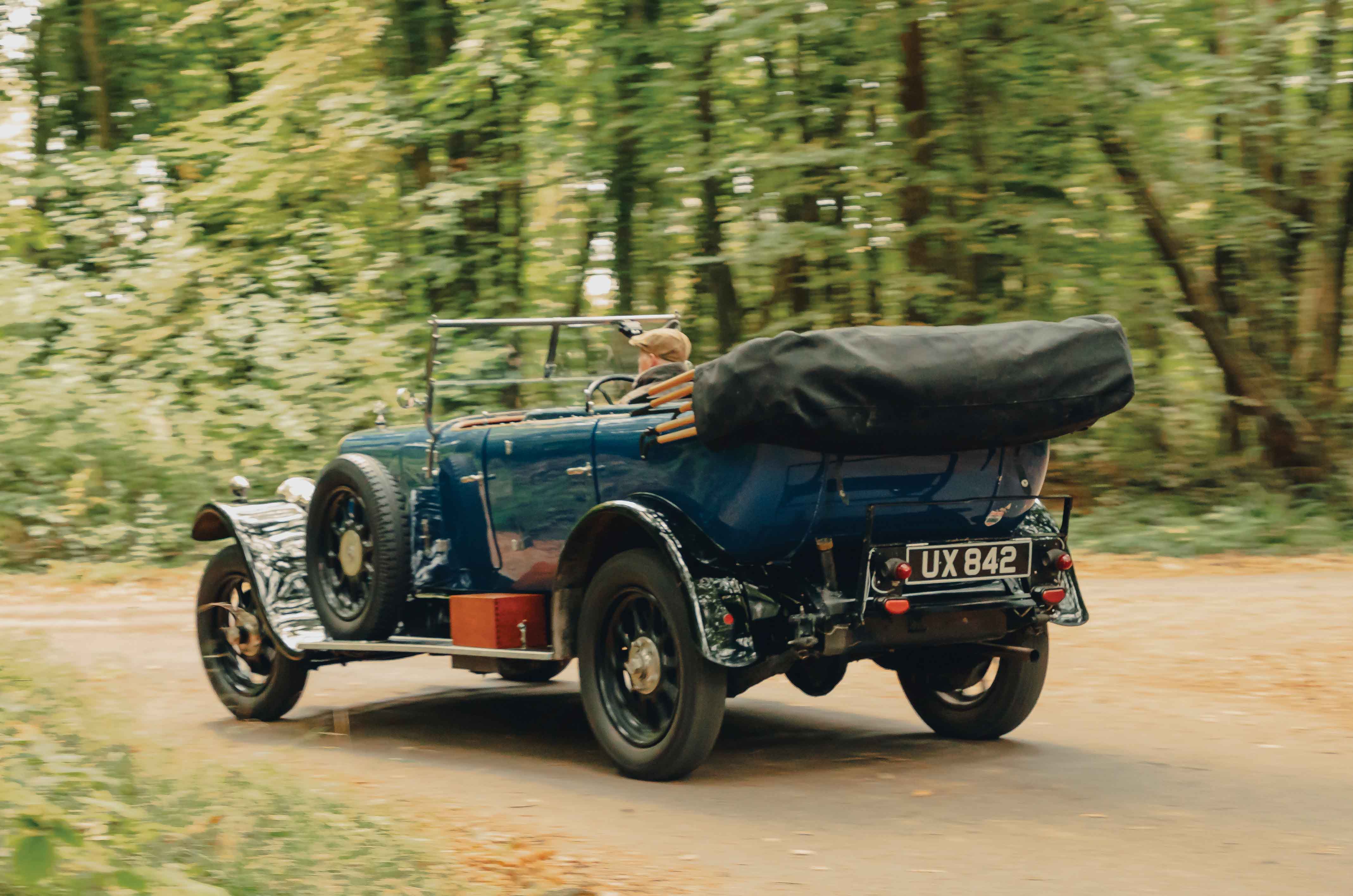
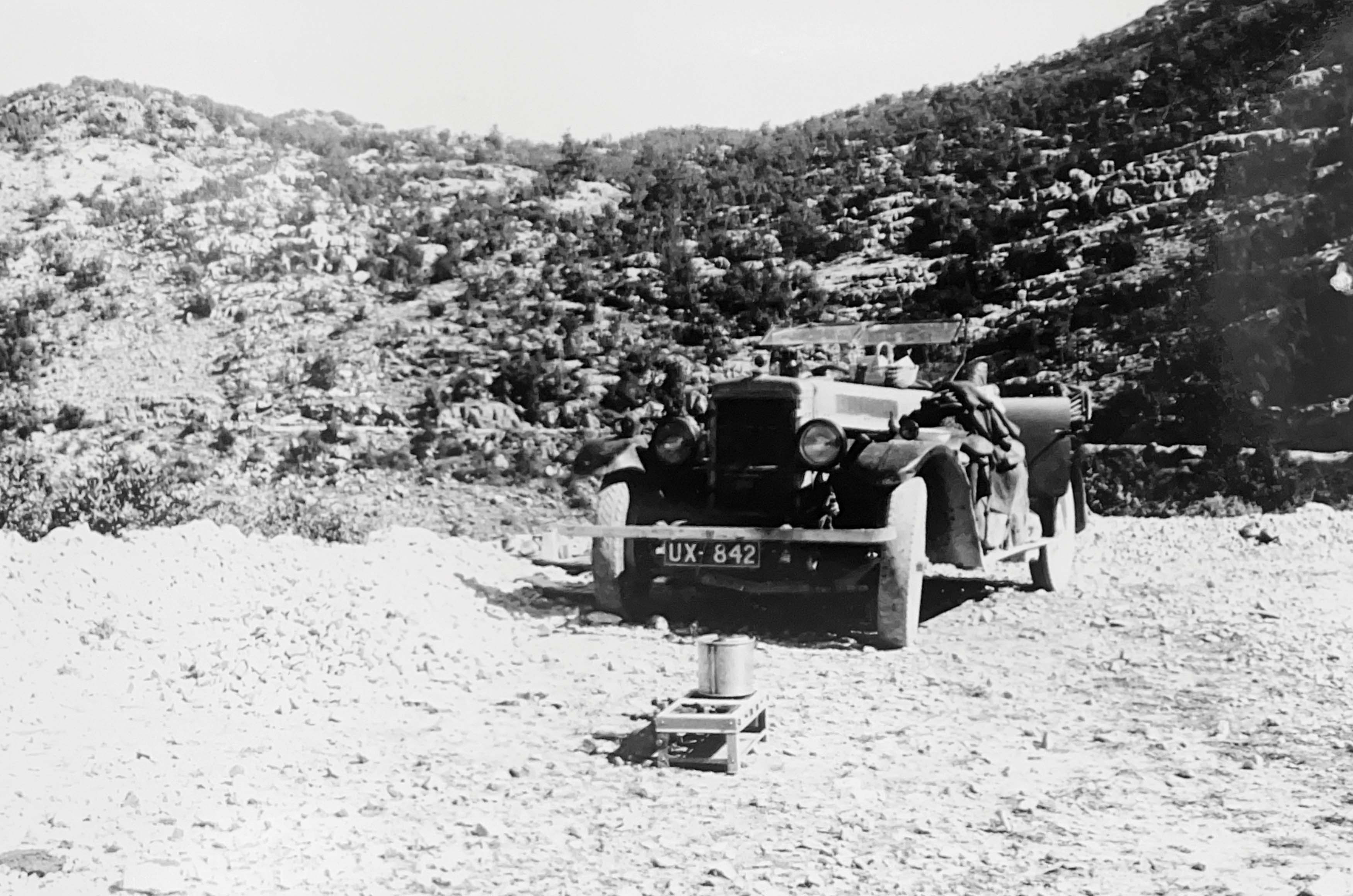
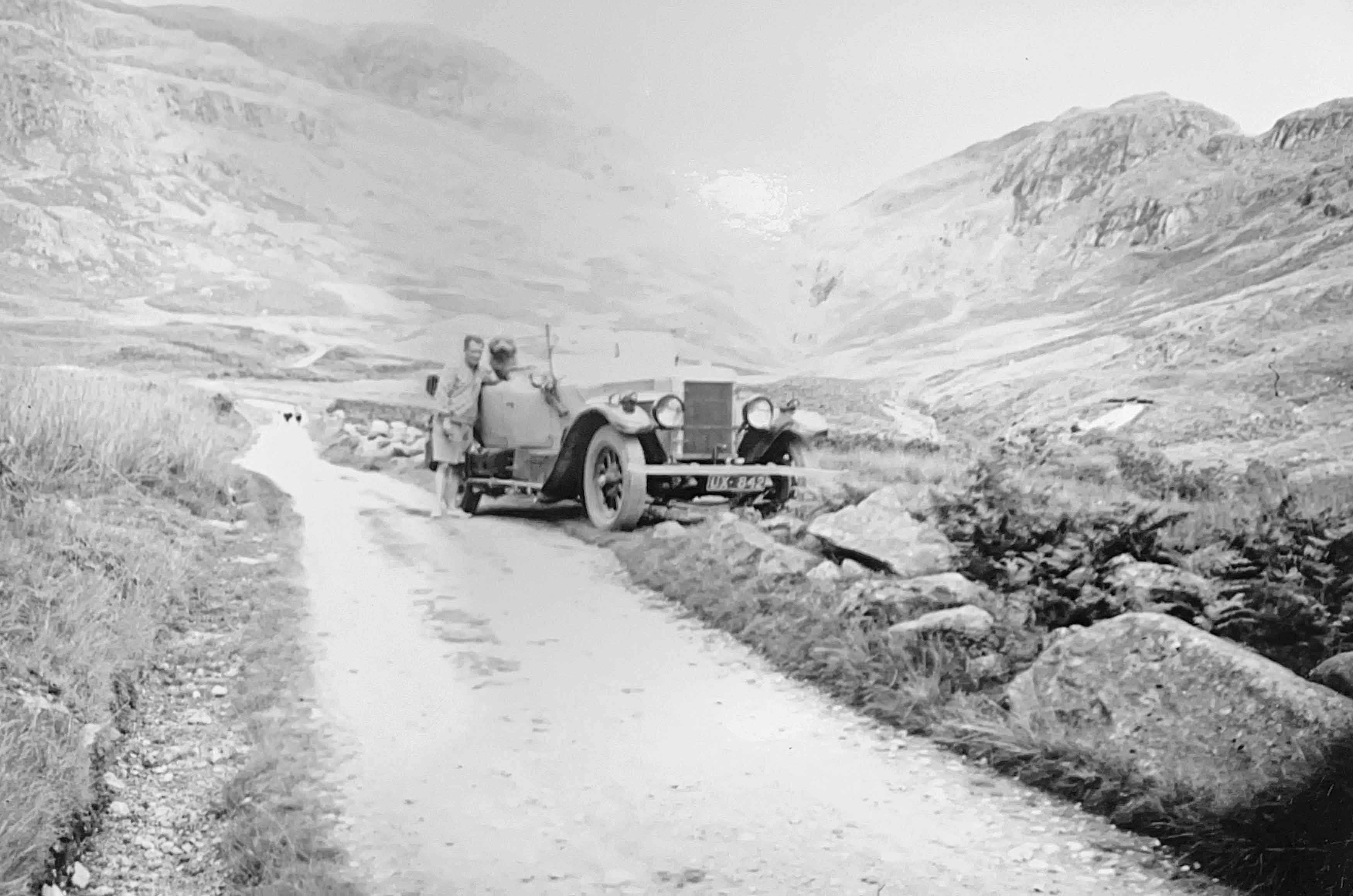
Jameson took delivery of chassis B274, registered UX 842, on 27 June 1927, its Vela tourer body painted cream with brown wings.

Jameson kept a meticulous log of not only subsequent maintenance work, but also the journeys the car undertook, including tours of the highest passes in England, Scotland and Wales up to the decade’s end.

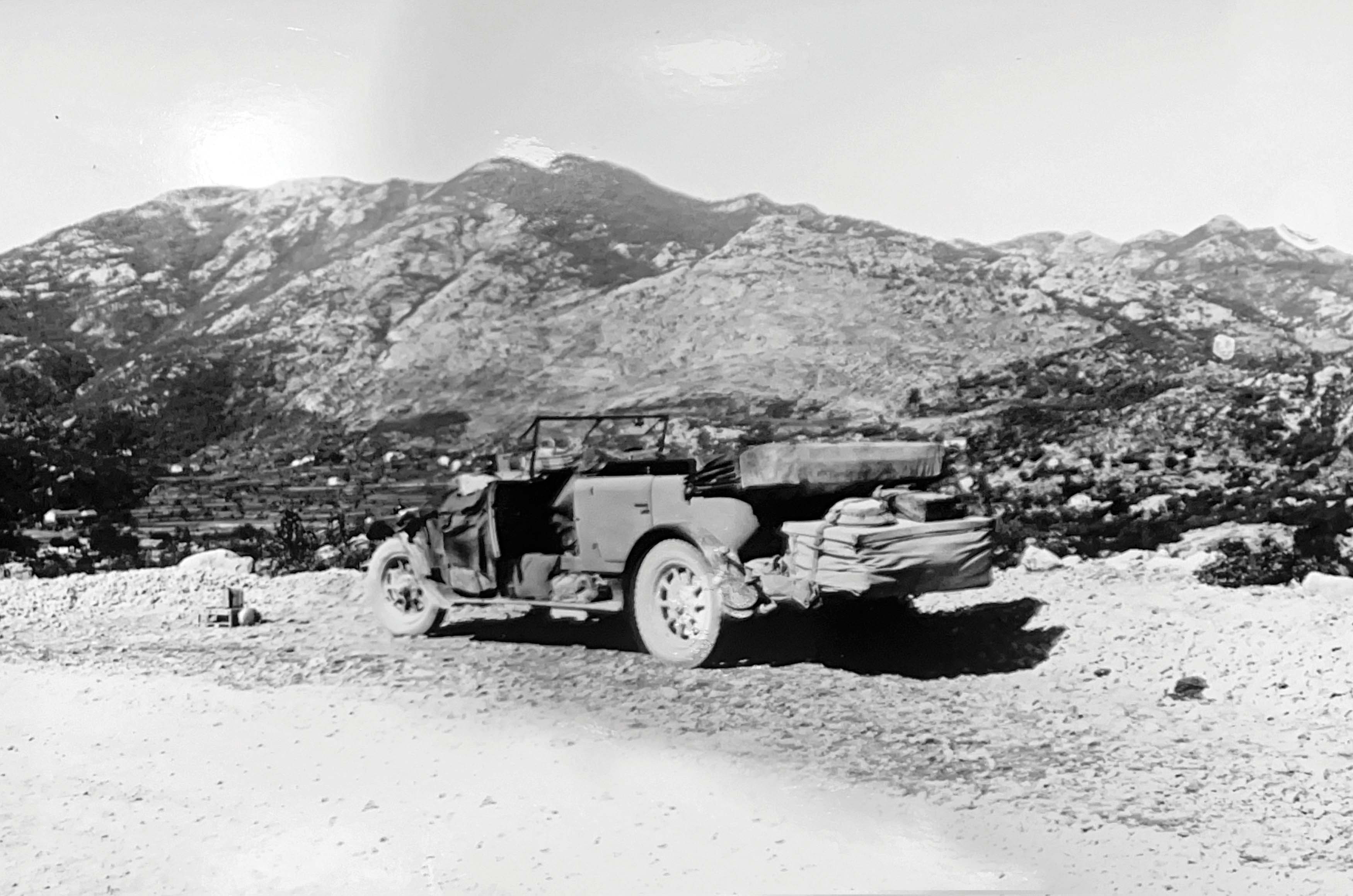
In the summer of 1931, he embarked on a more ambitious road trip.

Landing in Calais on 18 July, he drove through Germany and Italy to the Albanian border, returning to Britain via Switzerland in August.

Classic & Sports Car – Star 20/60 Vela: a forgotten hero

This Star 20/60 Vela on one of its long-distance adventures

His interest in ‘climbing passes’, as he noted, led him to tick off the Galibier, Stelvio, Tauern, Katschberg, Loibl and Grossglockner along the way – a rare motoring feat from nearly a century past.

Perhaps as a result of this tour, Jameson returned UX 842 to the factory later in 1931 requesting two upgrades.

Hauling a heavy (3920lb) car up challenging inclines would have tested its engine to the limit; and anyone who has descended an Alpine pass in a large vintage car will know the toll it can take on even a four-wheel braking system (albeit an early one).

Classic & Sports Car – Star 20/60 Vela: a forgotten hero

The Star’s spacious rear bench

When the Star was returned to Jameson, it was fitted with a larger, more powerful engine, likely from the 2½-ton Flyer chassis that underpinned Star’s commercial range.

With an increase in bore from 75mm to 80mm, the unit displaced 3620cc, equating to a 24/70 rating. 

At this point UX 842 also acquired the Turner vacuum servo, which would have inspired greater confidence while heading down the mountain passes to which Jameson was drawn.

Classic & Sports Car – Star 20/60 Vela: a forgotten hero

The Star’s engine was upgraded from the original 3180cc ‘six’ to a 3620cc unit in 1931

However, only one more European tour – in 1937, and again to the Albanian border – was recorded in Jameson’s log before the Star was put into storage in 1939 at Alderson Bros Engineers in Bridgnorth.

There it remained until 1950, when Jameson decided to sell it due to ill health.

Aldersons was instructed to accept as little as £50 for the car – or, failing that, to scrap it after removal of its magneto and dynamo.

The garage was spared that decision when Jameson died on 14 July that year, and his son, David, decided that the Star should be recommissioned and stay in his ownership.

Classic & Sports Car – Star 20/60 Vela: a forgotten hero

The Star 20/60 Vela is a smooth and effortless performer

He sent the car to Crown Garage in Bridgnorth, where its Autovac was repaired and a new battery fitted.

David then drove the Star to his home in Oxford, where it stayed for the next 36 years, although with very little use.

In 1986, after almost 60 years in the Jameson family, UX 842 was sold to a Mr Roberts from Liss, Hampshire.

Six years after that, it was acquired by Norman Shipley of Tatenhill, near Burton-on-Trent. 

Classic & Sports Car – Star 20/60 Vela: a forgotten hero

This Star 20/60 Vela was repainted in the 1990s

He undertook a full restoration, changing the original coffee-and-cream colour scheme for a blue body with black wings and blue trim.

Due to ill health, Shipley sold the car through dealer Jeremy Wade in 1997, and it has since had four owners.

At first acquaintance, it’s the sheer size of the Star that leaves you slightly agog.

At nearly 17ft long it dwarfs anyone sitting behind the wheel, the effect heightened, literally, by the extra depth of its body panels.

Classic & Sports Car – Star 20/60 Vela: a forgotten hero

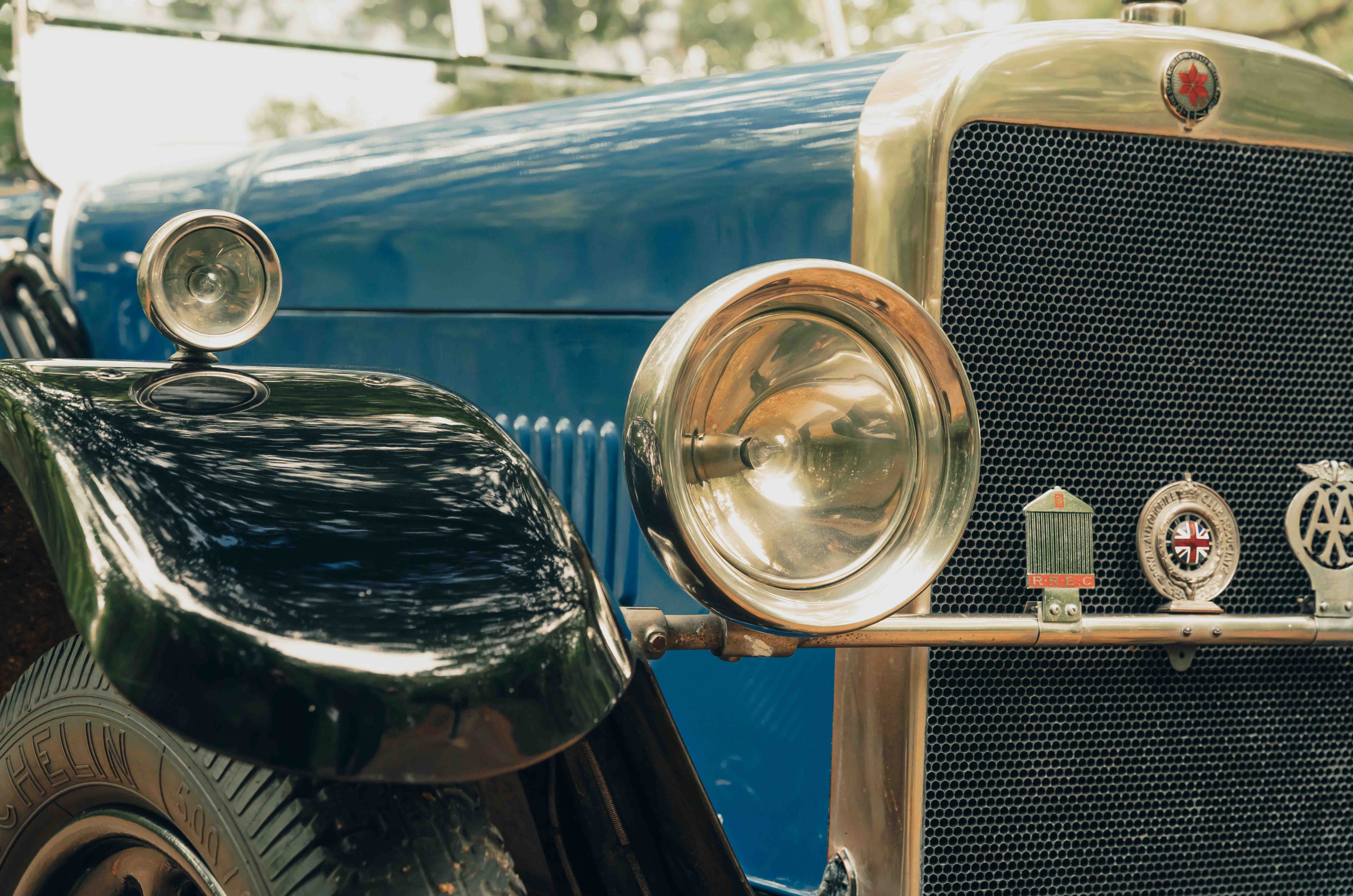
This Star 20/60 Vela’s first owner requested this gradient meter, fitted from new

You would never call it a stylish car, as you might a Bentley or perhaps a Vauxhall 23-60, but it cuts an imposing dash, and its robust looks give it an almost militaristic bearing, set off by Jameson’s chunky artillery wheels.

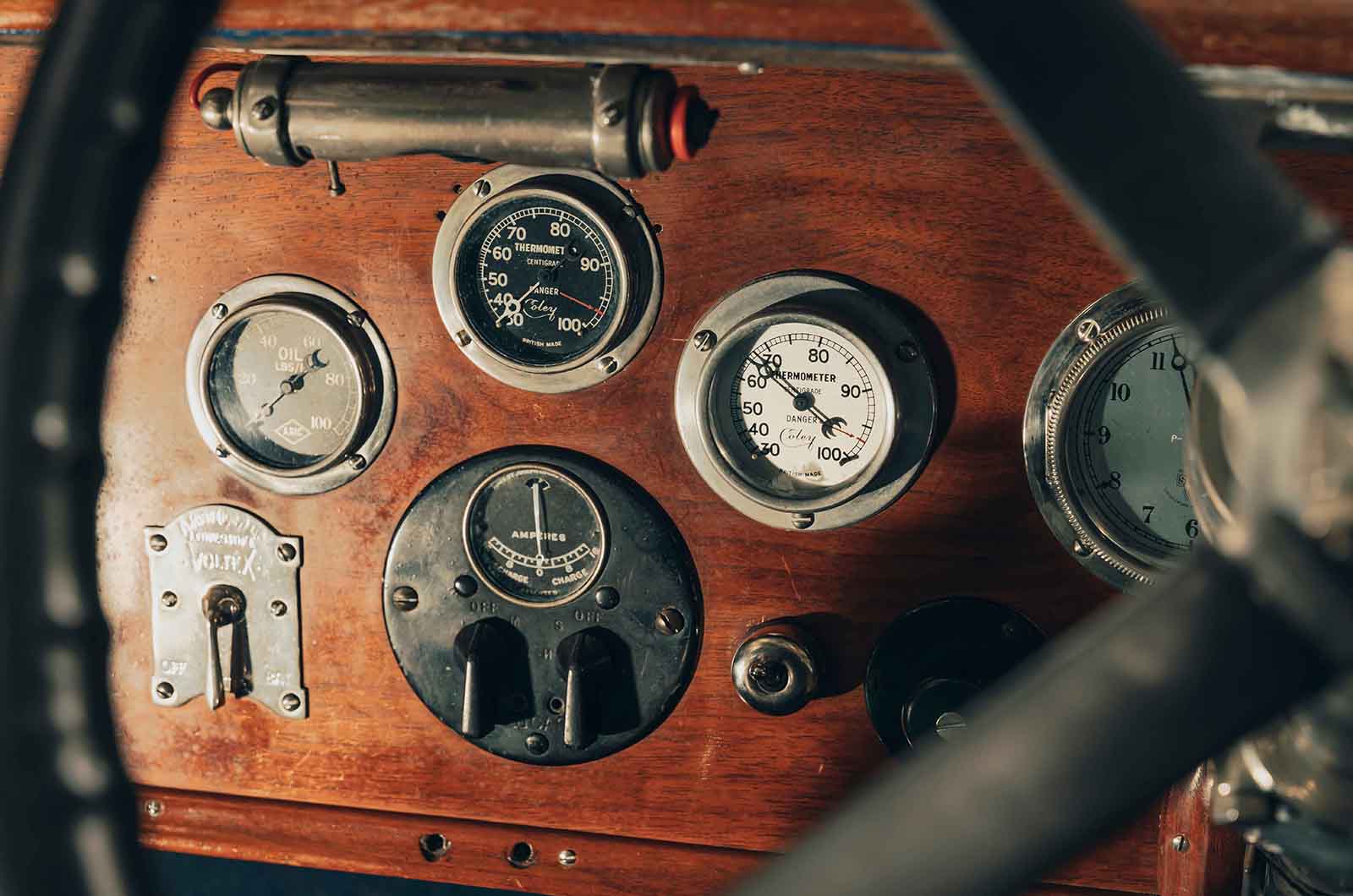
From the broad driver’s seat you face a generously equipped dash, with oil-pressure plus oil- and water-temperature gauges to your left, along with a clock, and Jameson’s additional petrol gauge to the right of the steering column; his gradient meter is mounted in a beautifully crafted aluminium shell, visible through the vee of the column’s stay.

A large, four-spoke steering wheel dominates your view, a quadrant sprouting from its hub with flanged levers for ignition and throttle.

Classic & Sports Car – Star 20/60 Vela: a forgotten hero

The Star 20/60 Vela’s busy dashboard

Tall – and confusingly near-identical – levers for gears and handbrake poke from the middle of the floor, and the pedals are arranged with a central throttle.

To drive, the Star falls very much into the ‘tourer’ rather than ‘sporting’ category.

The engine is a delight: exceptionally smooth and quite sonorous when extended, with a typically heavy flywheel action, meaning patience is required to let revs drop enough for crunch-free shifts through the four-speed ’box.

Classic & Sports Car – Star 20/60 Vela: a forgotten hero

The Star 20/60 Vela has a central roller throttle

The gearchange is a revelation: the ball-topped lever operates across a small gate, with zero play and a level of precision that is at odds with this car’s age.

There’s a typical whine through the intermediate gears, but once into top the engine’s urge has you cruising effortlessly at 55-60mph, peering over hedgerows and putting large SUVs in their place.

At these speeds the car’s mass is reasonably well controlled by its cart springs and Smith dampers, and overall its handling is safe and secure.

Classic & Sports Car – Star 20/60 Vela: a forgotten hero

‘In 1927 it would have been a rare car – and expensive, costing £775 in five-seat Vela tourer specification’

The steering is pleasantly light as speeds increase, but what really inspire confidence are the servo-assisted brakes, which, as well as providing superb stopping power for a century-old car, do so with surprising feel and progression; I also love the way the brake pedal pushes back against your right foot when you turn off the engine.

Star lacked the ultimate allure of some contemporaries, but in terms of engineering integrity, build quality and presence – as well as this particular example’s well-documented history – the 20/60 provides an enticing gateway into vintage-car ownership at sensible money.

That it’s only one of five six-cylinder Stars that survive in the world makes its use and preservation all the more important.

Images: Max Edleston

Thanks to: Graham Bradley


Factfile

Classic & Sports Car – Star 20/60 Vela: a forgotten hero

Star 20/60HP Vela  

  • Sold/number built 1927-’32/175
  • Construction pressed-steel chassis; steel bodywork over ash frame
  • Engine iron-block/head, alloy-crankcase, ohv 3180cc ‘six’, single SU carburettor, Autovac feed
  • Max power 20hp (RAC rating)
  • Max torque n/a
  • Transmission four-speed manual, RWD
  • Suspension solid axles, semi-elliptic leaf springs, Smith dampers f/r
  • Steering worm and wheel
  • Brakes drums
  • Length 16ft 8in (5080mm)
  • Width 6ft 2in (1880mm)
  • Height n/a
  • Wheelbase 11ft 5in (3480mm)
  • Weight 3920lb (1778kg)
  • 0-60mph n/a
  • Top speed 65-70mph
  • Mpg n/a
  • Price new £775
  • Price now £30,000*

*Prices correct at date of original publication


Enjoy more of the world’s best classic car content every month when you subscribe to C&SC – get our latest deals here


READ MORE

HE Two Litre Sports: still going strong

Horstman Super Sports: proof of concept

Genevieve reunion: meet the Darracq and Spyker film stars