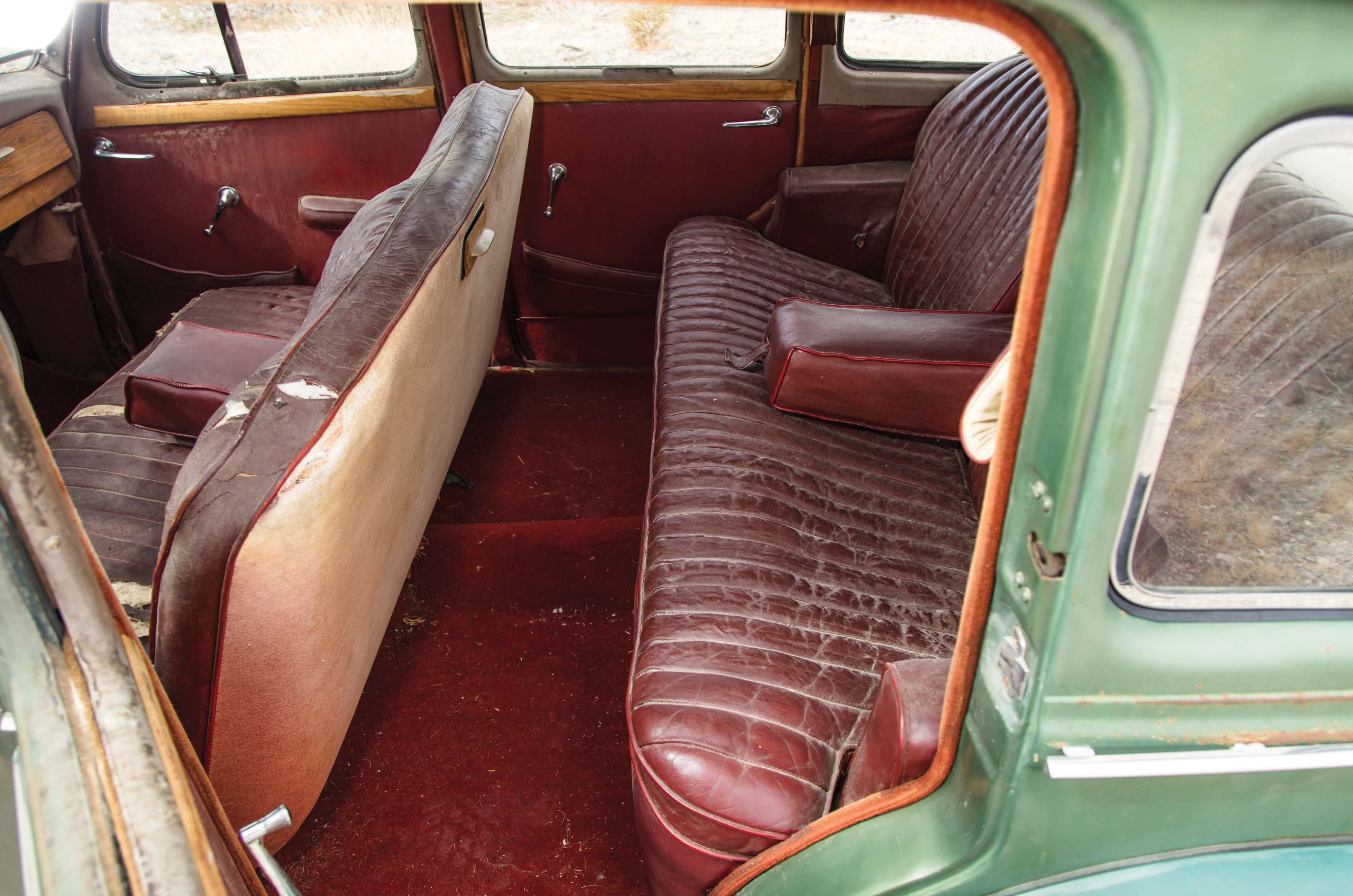
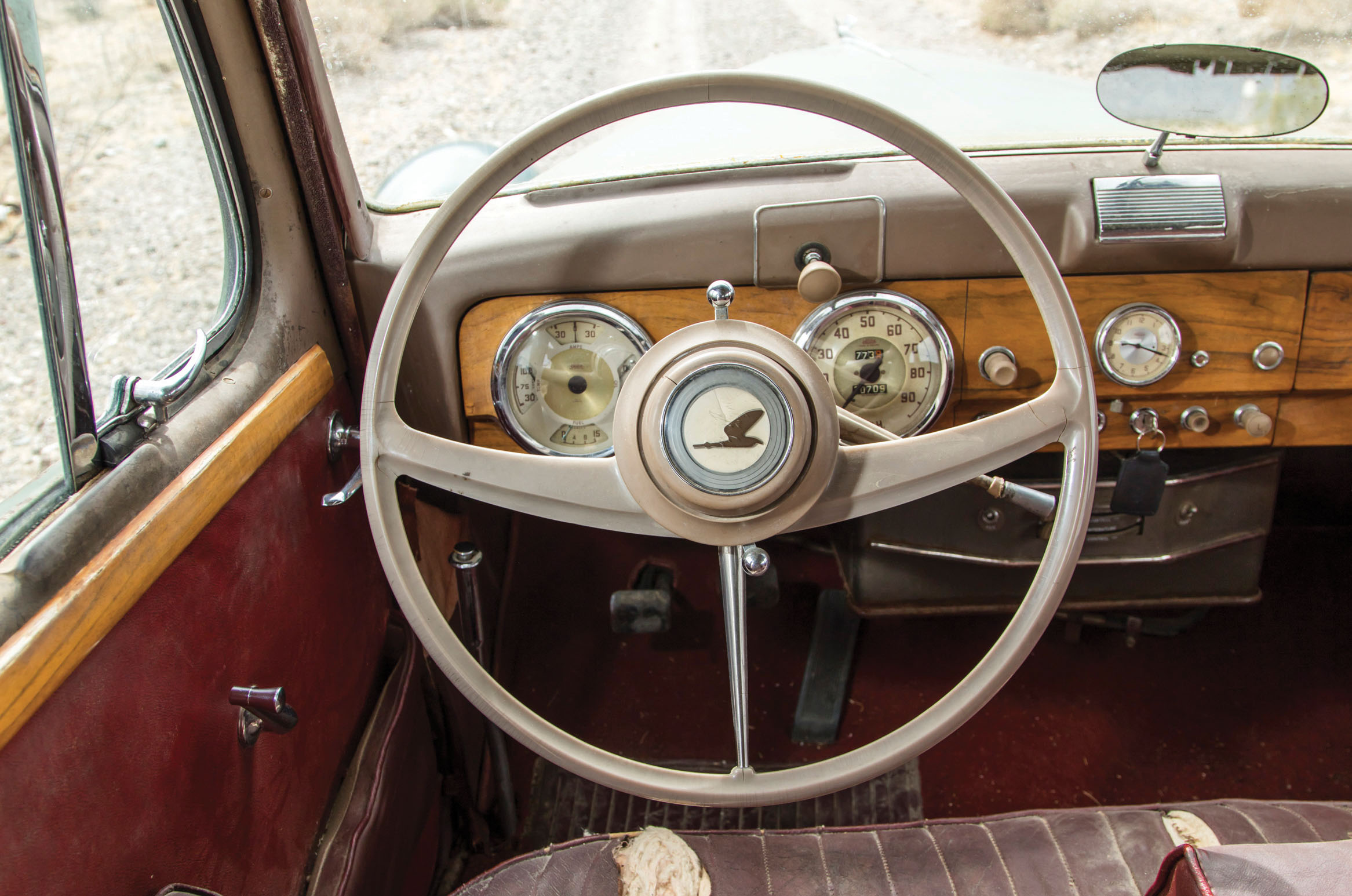
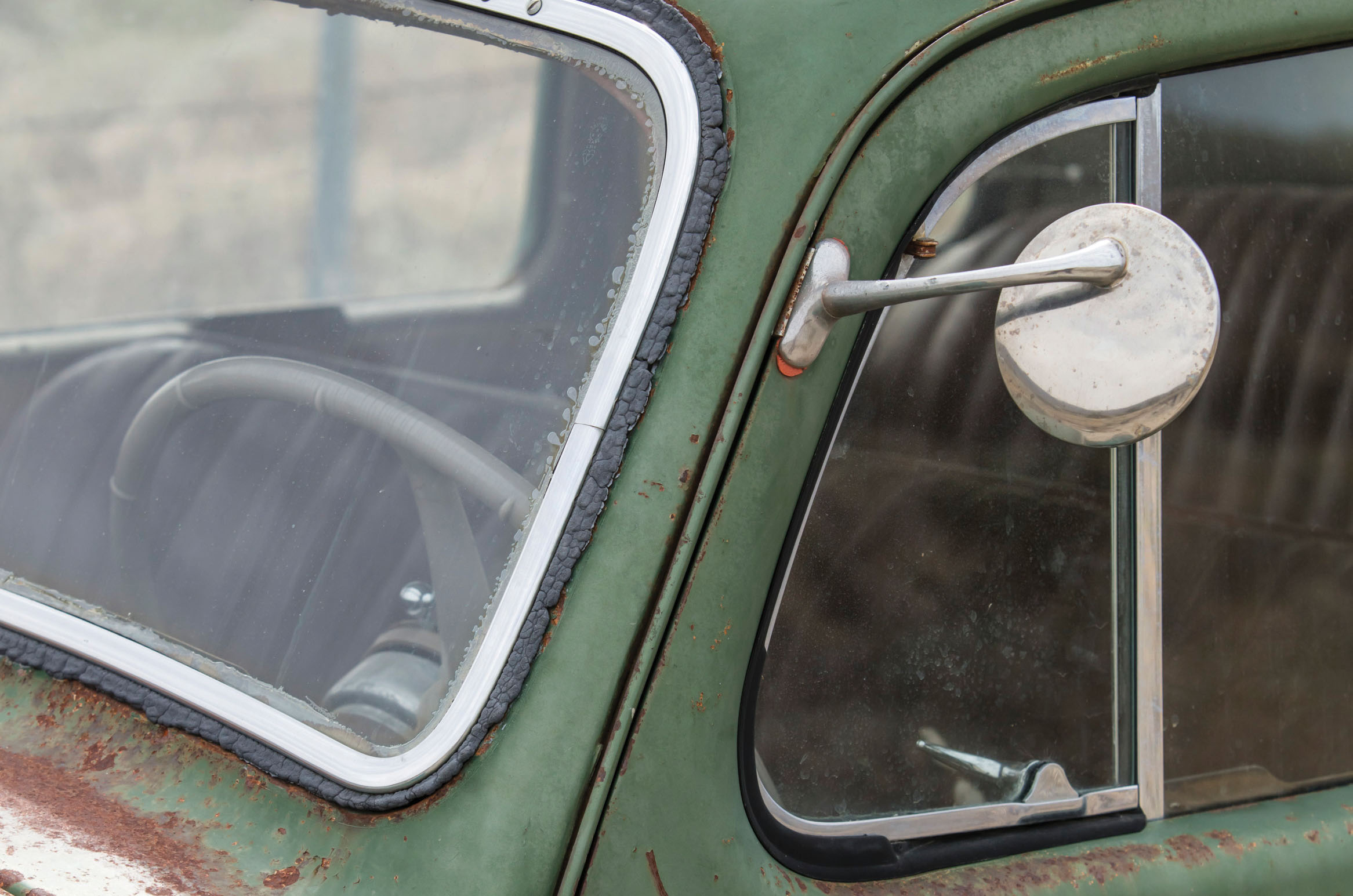
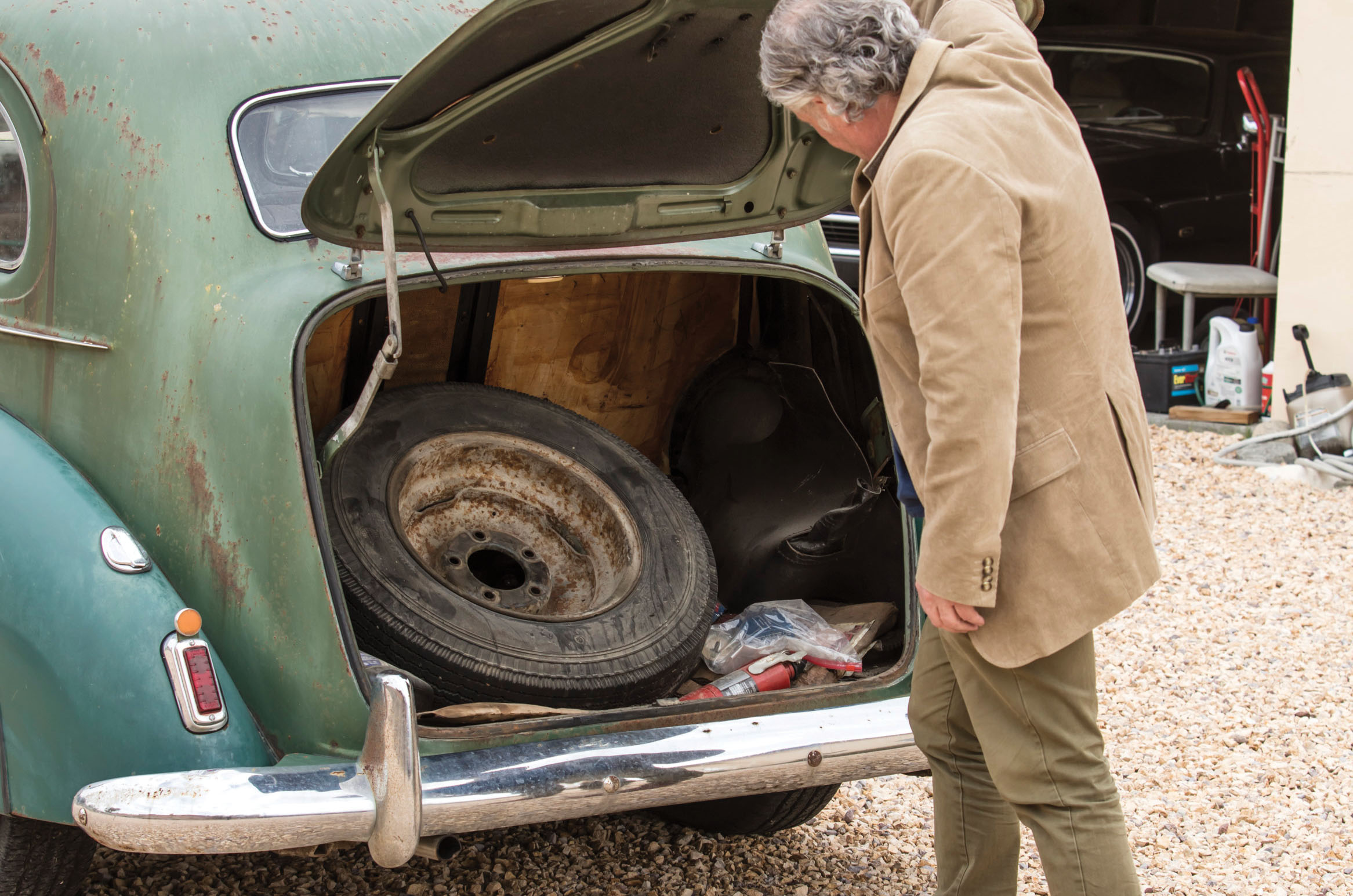
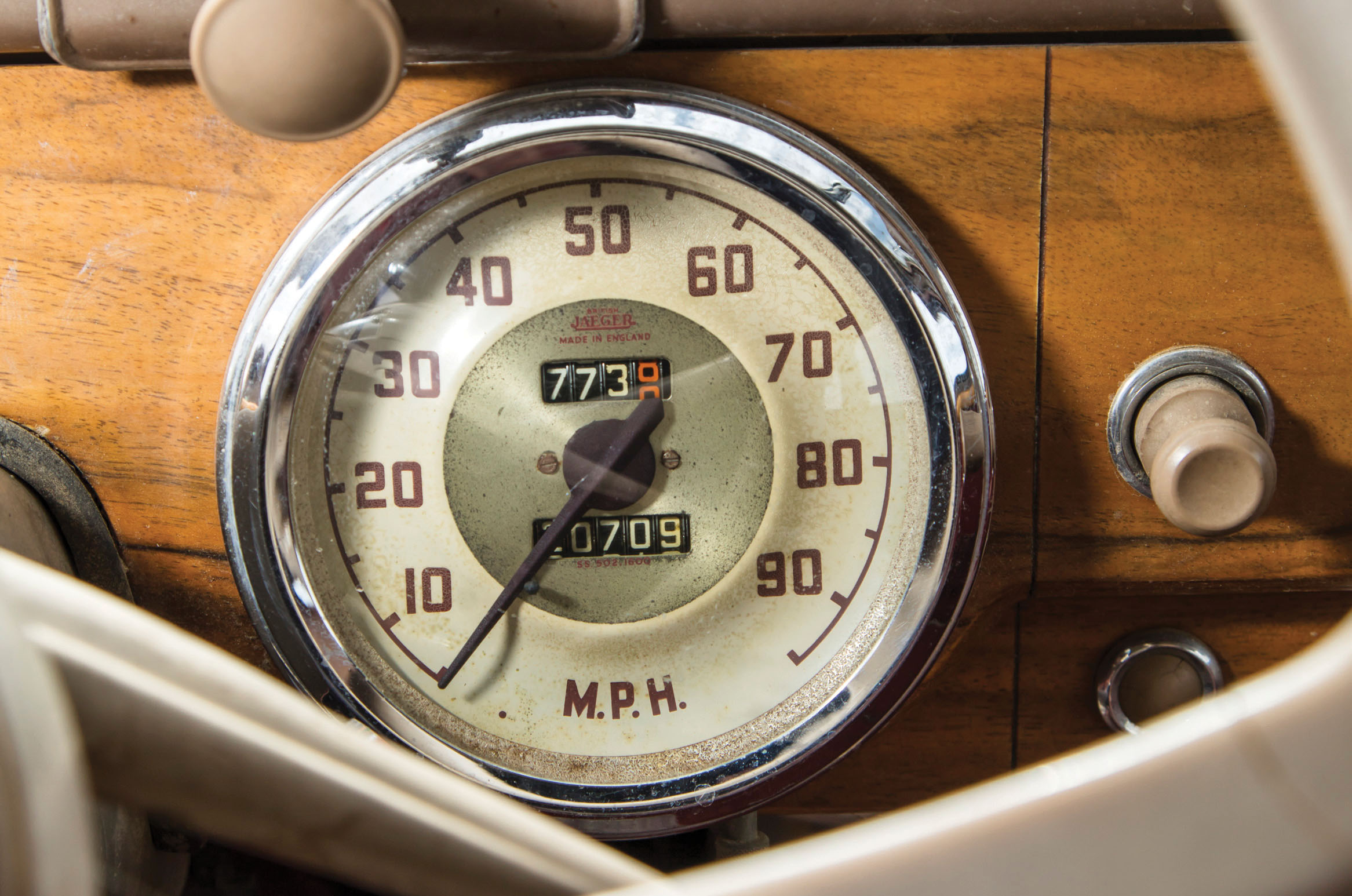
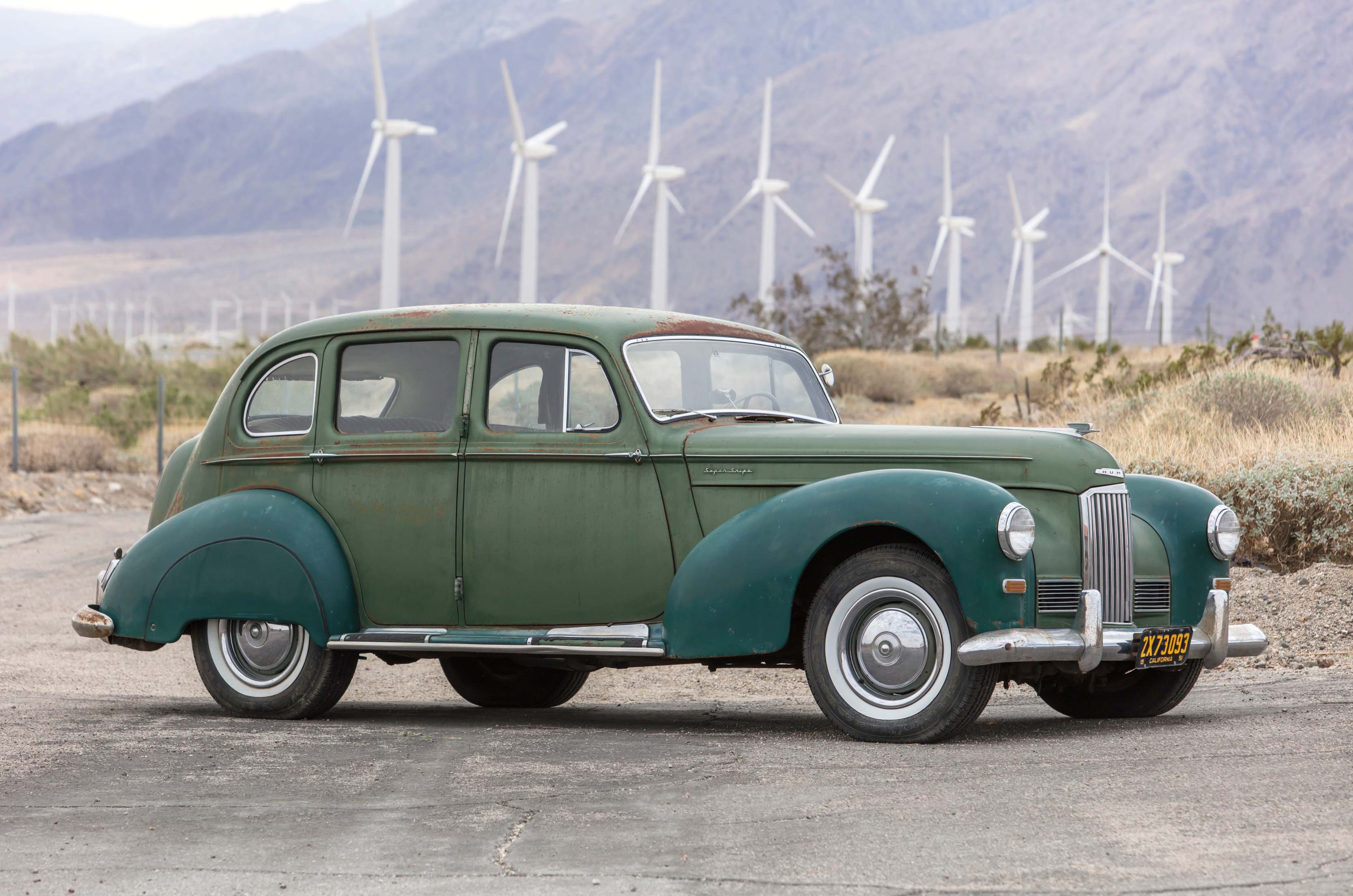
The rear-seat leather and the wood have survived well; the dash features individual controls for left- and right-hand wipers (a very pre-war touch), and black-on-cream instruments to match the steering wheel.
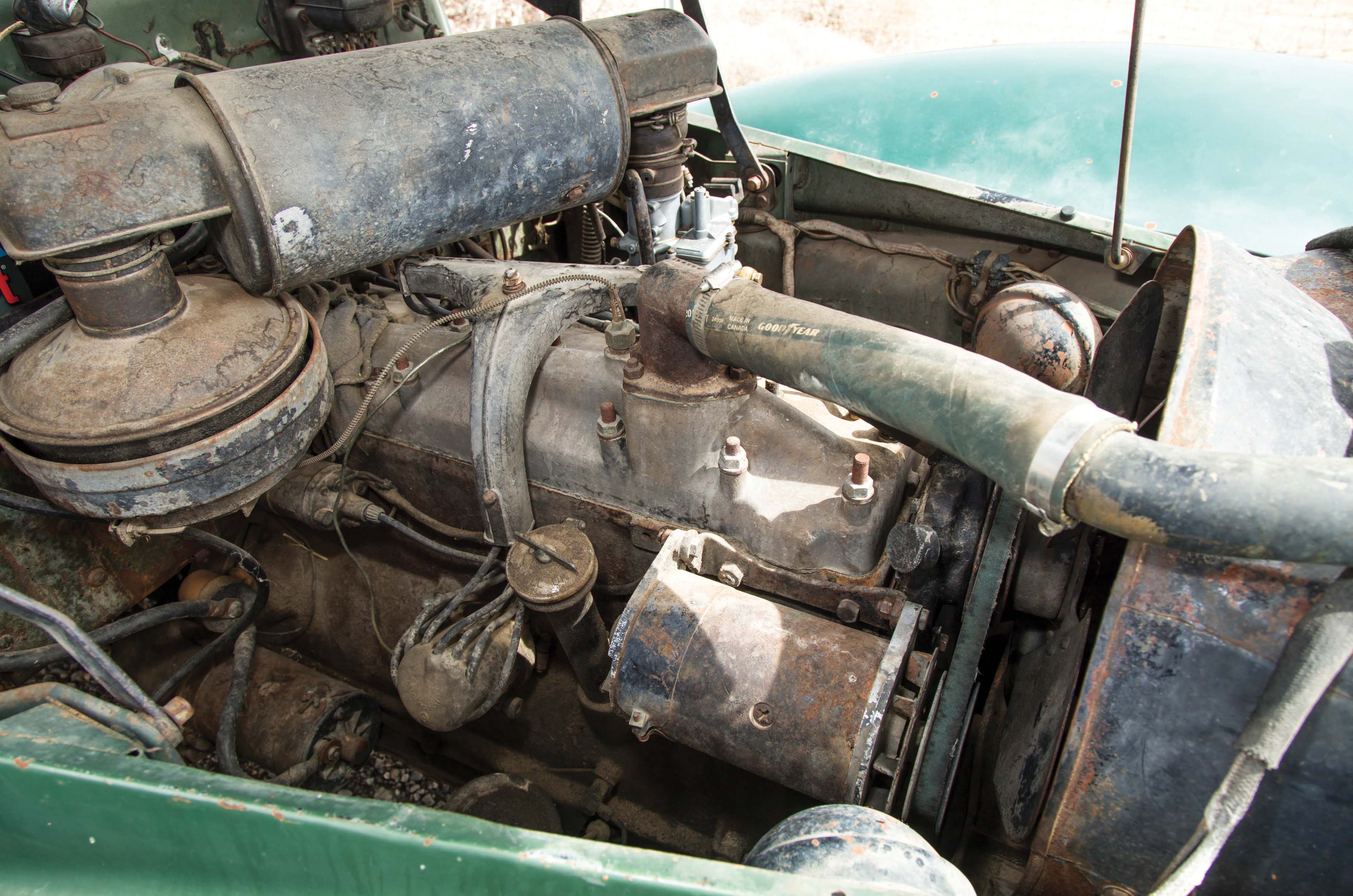
Press the pushbutton starter (aided by the automatic choke) and the engine, shared with Commer commercials of its day, is quiet and gentle.
High revs are pointless, as is the ‘crash’ bottom gear most of the time, because torque is so abundant. On the flat it is natural to sigh away in second gear and go straight into top.
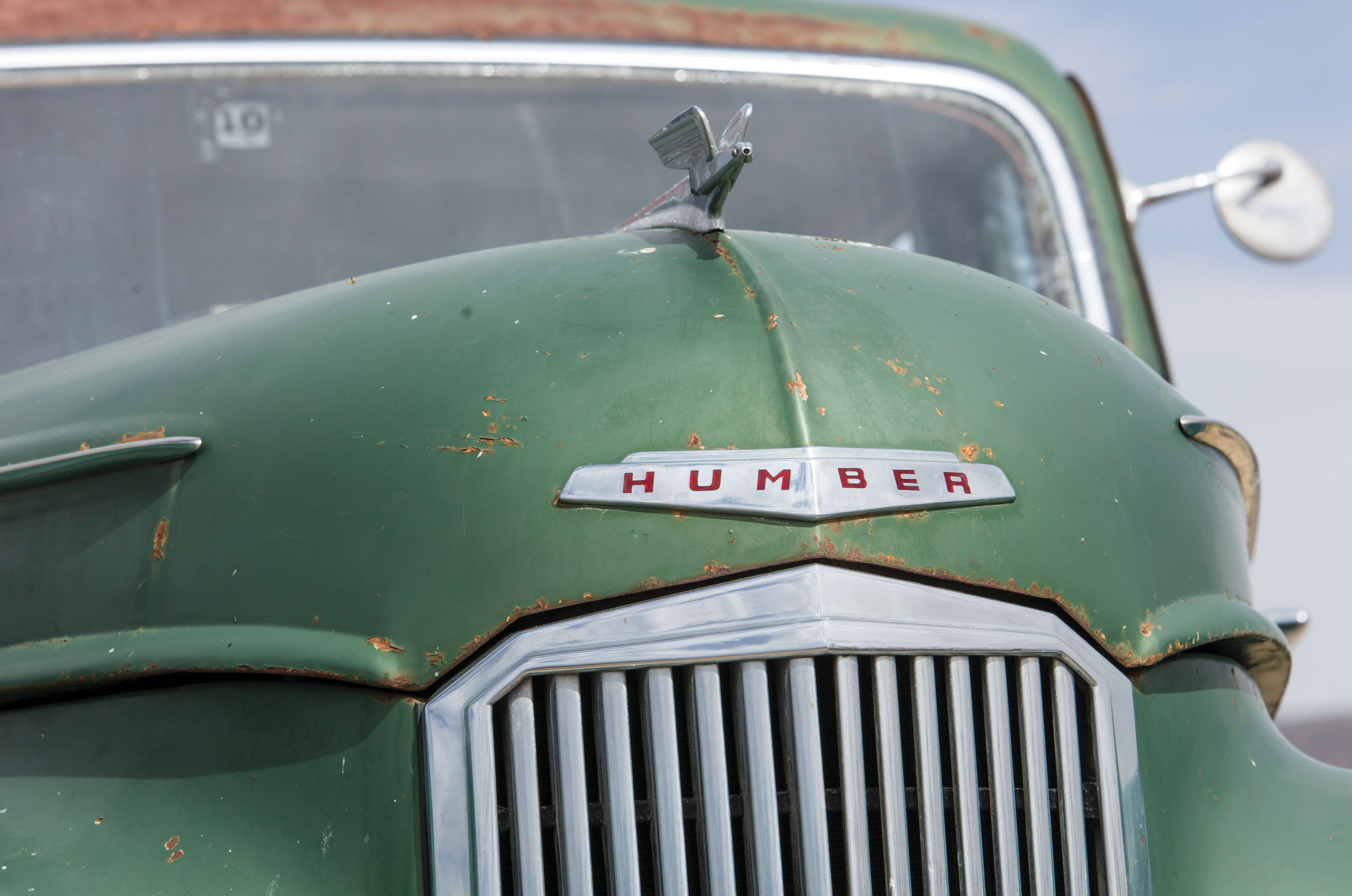
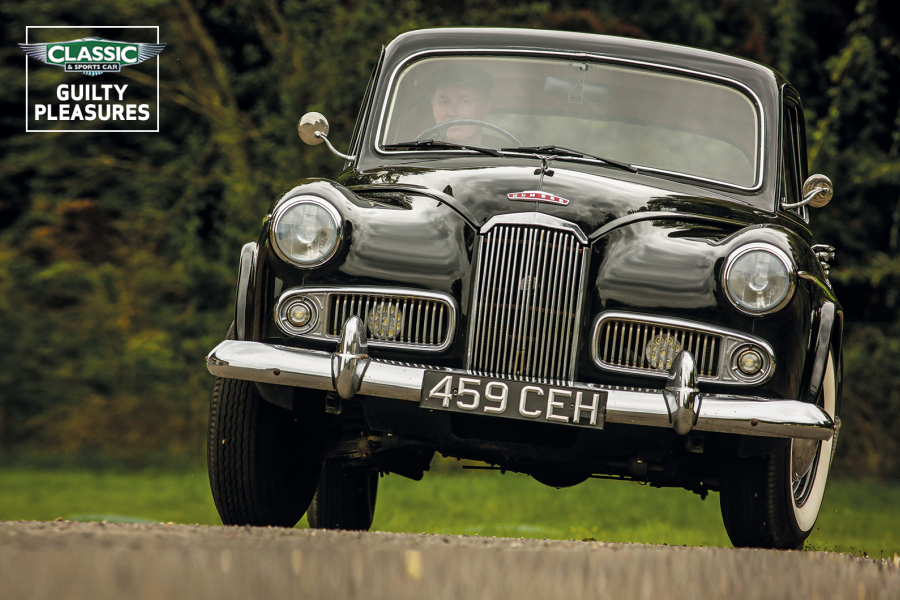
The column lever moves easily and fairly precisely, and the Humber is soon lolloping along in its easy stride with the giant bonnet taking up most of the view through the narrow ’screen.
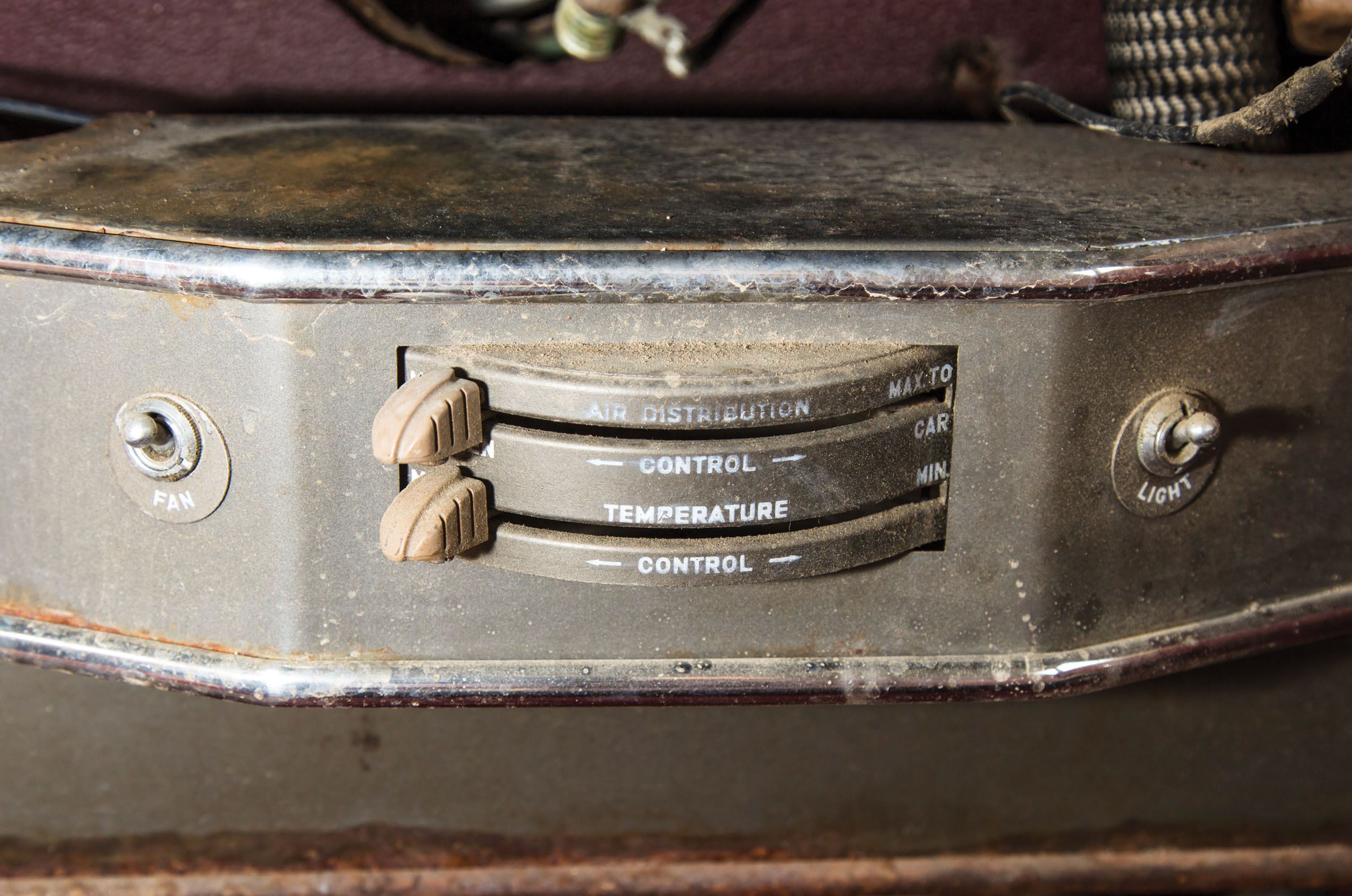
The Humber Super Snipe MkIII’s heater was fitted as standard
On the straights you weave the steering like a bad actor in a film noir thriller; not even a memo from the Ministry could persuade the front end to turn in briskly on command – the understeering Humber makes you feel like the paid help as you feed between locks.
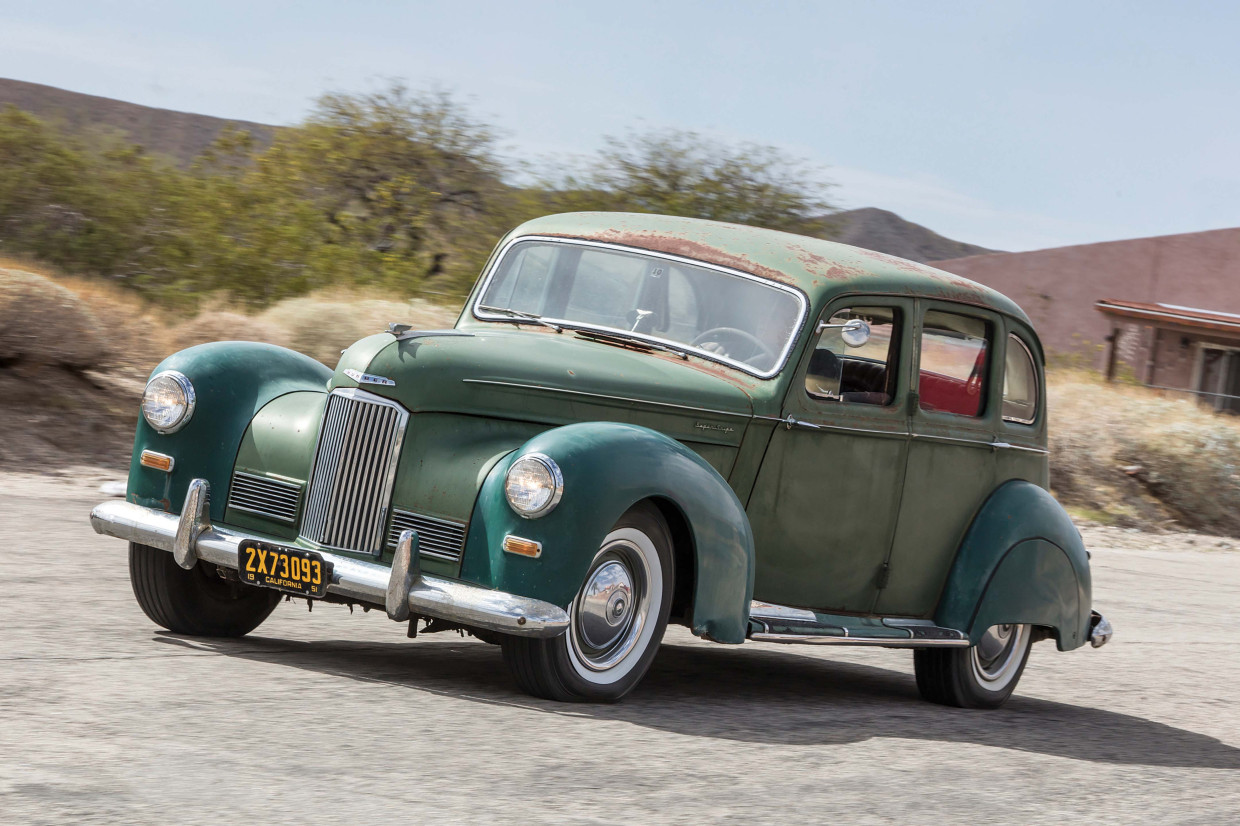
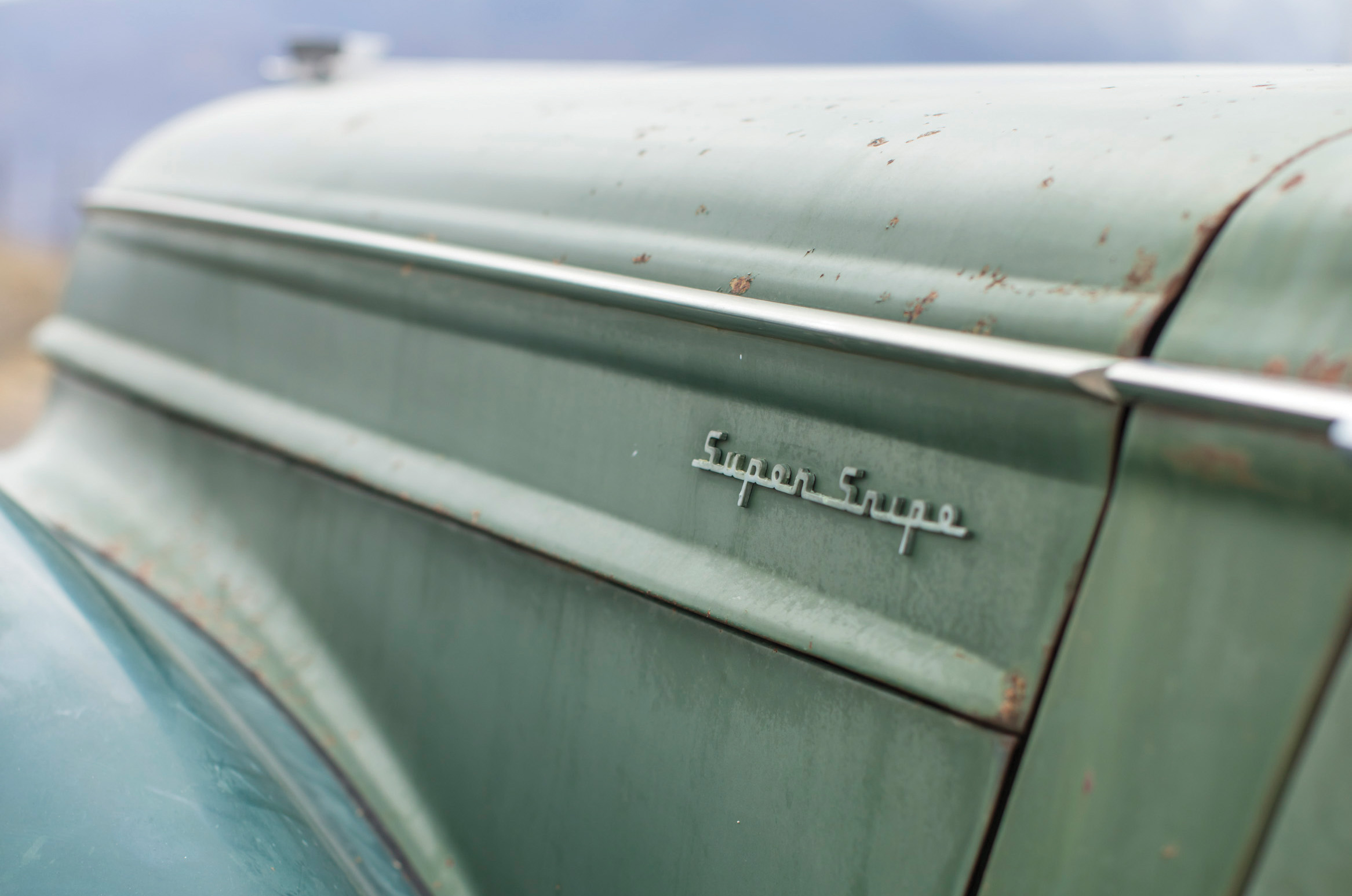
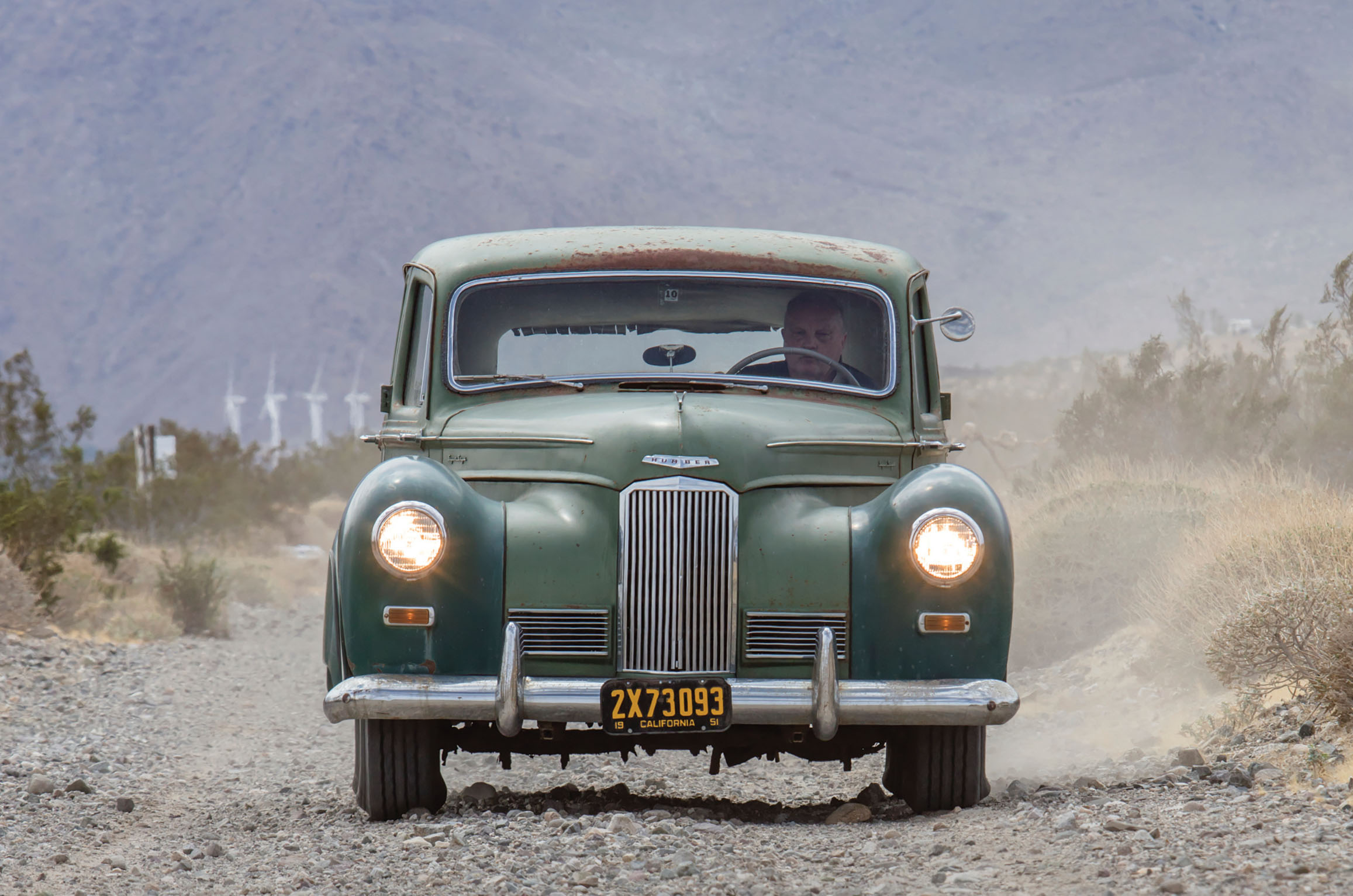
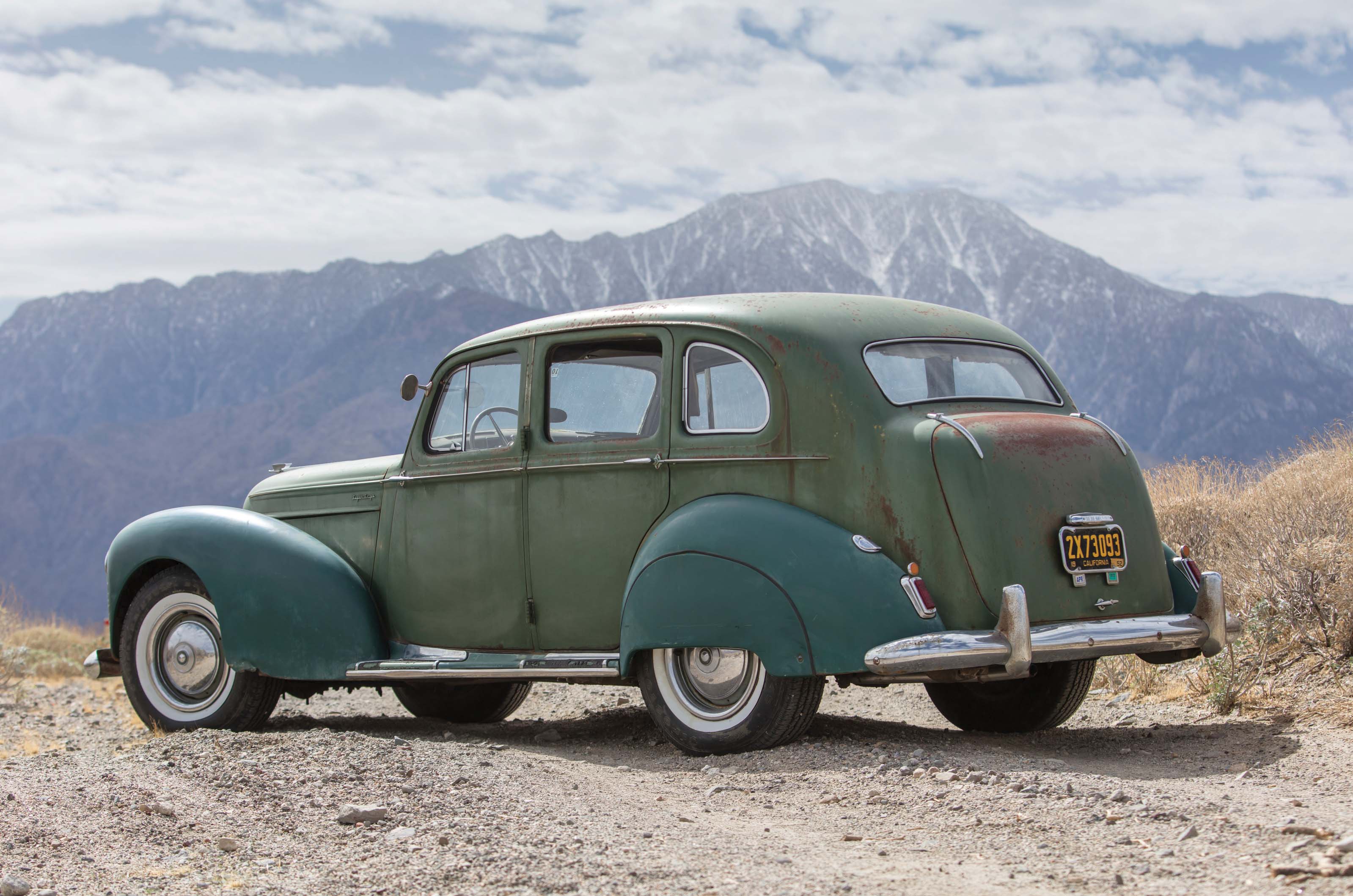
The 1948-’52 Humber Super Snipe was a reassuringly traditional car in a brave new world of nationalised railways and free healthcare under Clement Attlee’s Labour administration.
An era when test pilots such as John Derry, who broke the sound barrier in 1948, were the new heroes of the jet age.
The Humber Super Snipe’s easy-to-read speedometer
The Super Snipe’s role in life was to be an important car for important people.
These machines looked their best in gleaming black, usually about to decant a homburg-hat-wearing politician outside Number 10.
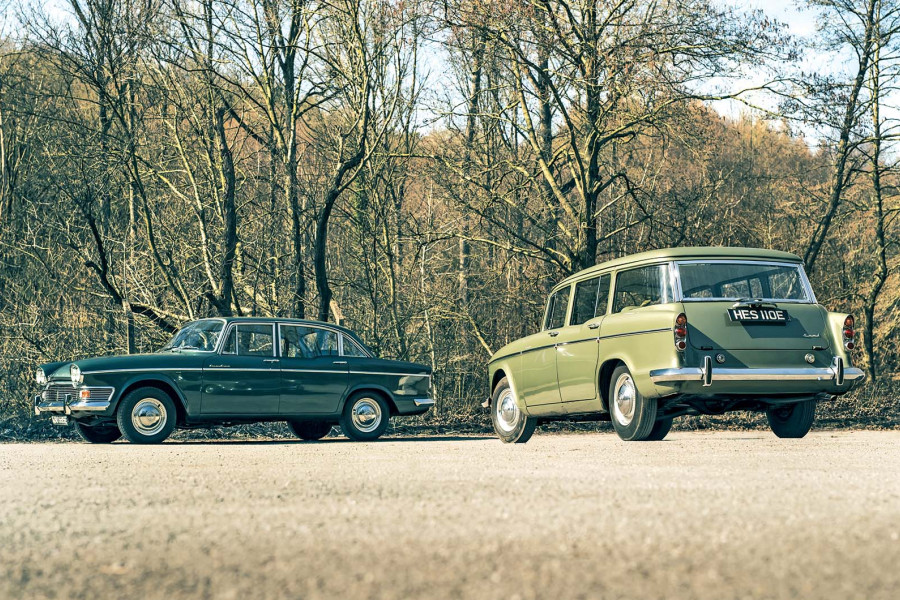
Humber would maintain its position as the default-choice government car until the demise of the ‘Series’ Super Snipes and Imperials in 1967.
By then the ‘Mark’ (as opposed to the ‘Series’) Humbers were already a rapidly fading memory from a considerably more formal world.
Images: Pawel Litwinski
Factfile
Humber Super Snipe MkIII
- Sold/number built 1950-’52/8703
- Construction steel chassis, steel body
- Engine iron-block, alloy-head, sidevalve 4086cc ‘six’, single Stromberg carburettor
- Max power 100bhp @ 3400rpm
- Max torque 197lb ft @ 1200rpm
- Transmission four-speed manual, RWD
- Suspension: front independent, by upper wishbones, transverse leaf spring rear live axle, semi-elliptic leaf springs, Panhard rod, anti-roll bar; lever-arm dampers f/r
- Steering variable-ratio recirculating ball
- Brakes drums
- Length 15ft 10¾in (4845mm)
- Width 6ft 2¾in (1899mm)
- Height 5ft 5¾in (1670mm)
- Wheelbase 9ft 9½in (2985mm)
- Weight 3987lb (1808kg)
- 0-60mph 21.2 secs
- Top speed 84mph
- Mpg 16-18
- Price new £1208 (including Purchase Tax)
- Price now £5-15,000*
*Price correct at date of original publication
Enjoy more of the world’s best classic car content every month when you subscribe to C&SC – get our latest deals here
READ MORE
Keeping up appearances: Ford vs Vauxhall vs Hillman vs Singer vs Humber vs Riley
Rover P5B: yes, Prime Minister
Austin Sheerline vs Vanden Plas Princess: the Longbridge Daimlers
Martin Buckley
Senior Contributor, Classic & Sports Car