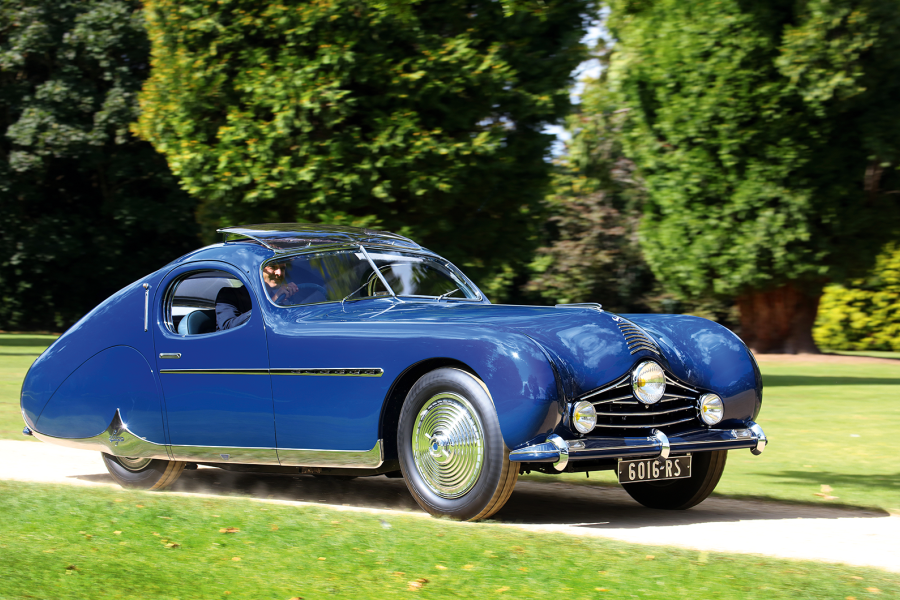
Talbot-Lago T150 CSS ‘waterdrop’ coupé: beauty, and a beast

| 21 Oct 2025
Classic & Sports Car – Talbot-Lago T150 CSS ‘waterdrop’ coupé: beauty, and a beast

You’ve got to hand it to the French.

While they may deem any culture that isn’t theirs as being crass and hollow, they certainly know how to embrace style.

From Coco Chanel’s little black dress to Philippe Starck’s God Raysse bar stool, there’s an innate sense of rightness that’s ineffably cool, and rarely more so than in the rarefied world of the automotive couturier: witness this Talbot-Lago T150 CSS.
Classic & Sports Car – Talbot-Lago T150 CSS ‘waterdrop’ coupé: beauty, and a beast

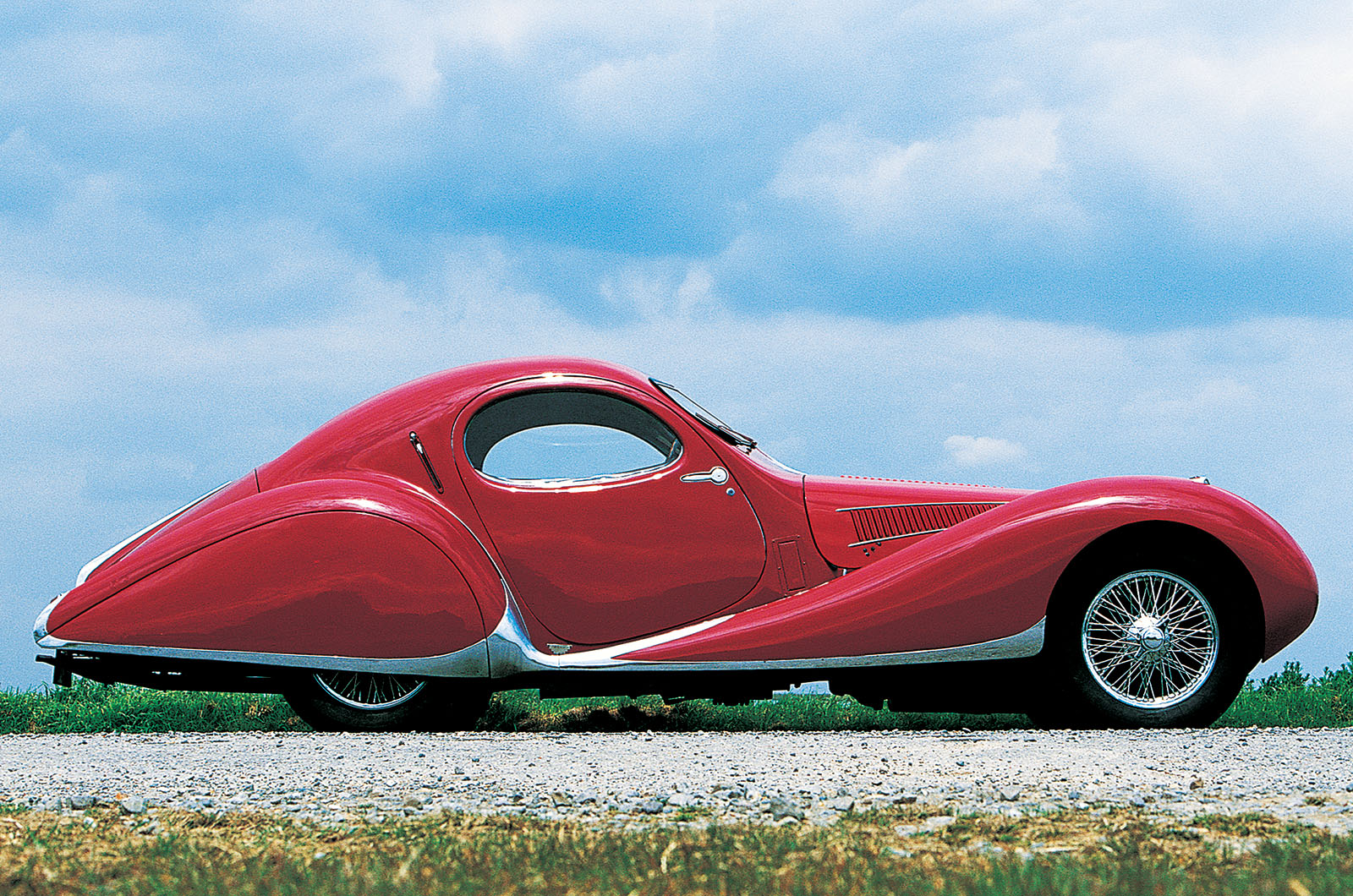
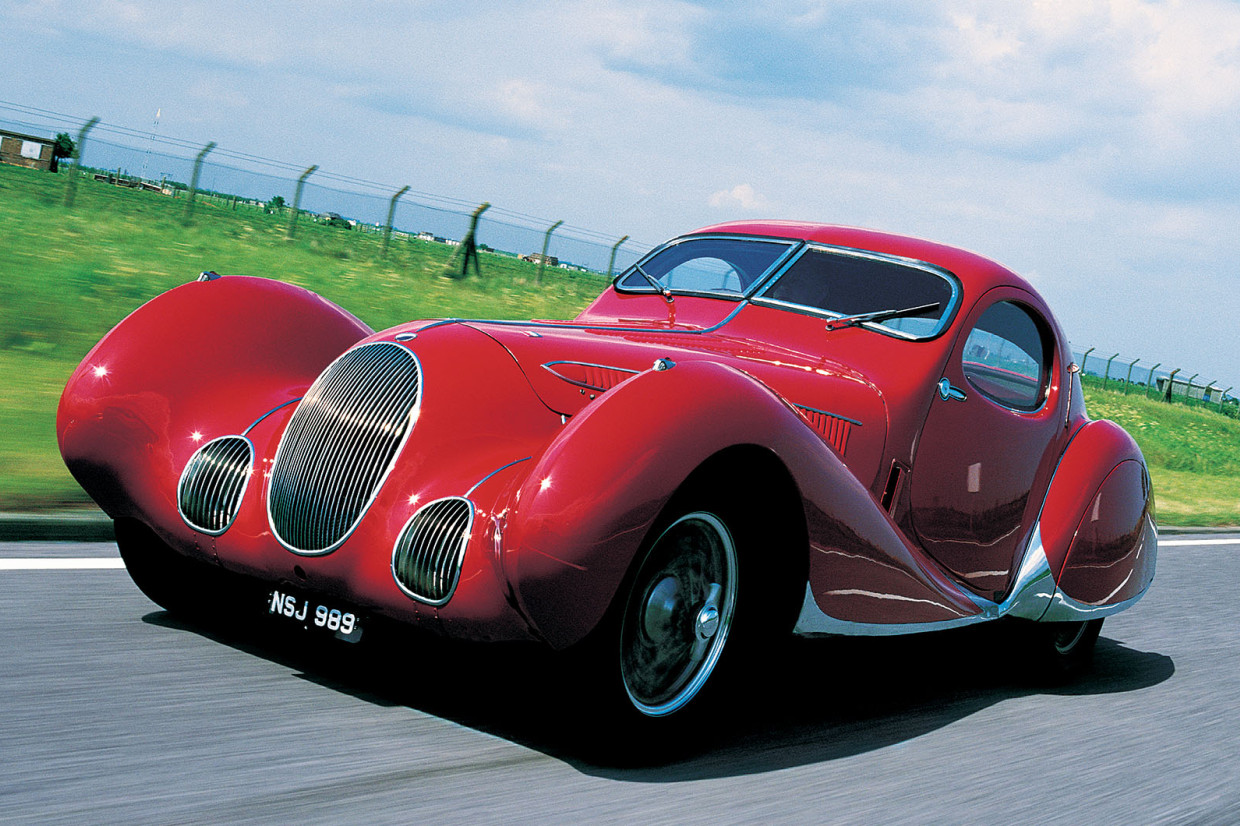
Talbot shrugged off its dowdy image with the breathtaking Figoni et Falaschi-bodied T150 CSS ‘waterdrop’ coupé, the brainchild of Anthony Lago

While its name lacks elegance, the Figoni et Falaschi-bodied goutte d’eau coupé remains the empress of motorised high glamour.

More than any other, this Boulogne-sur-Seine company came to embody the swoopy, sculptured art of 1930s streamlining.

But not for the Parisians the rational, measured approach: moving a car through the air more efficiently was of secondary importance to the romanticised, creative conceit.

And, despite the problems of the era, there was no shortage of punters willing to fund the creation of these extraordinary flights of fancy.
Well, 14 anyway – the coupés marking the beginning of the end for this charismatic firm. Yet today’s nickname is wrong. The cars are known as ‘Teardrops’, but goutte d’eau translates as ‘waterdrop’.

The company was formed by Italian-born Joseph Figoni. He arrived in France in 1897, aged three, and began to learn his craft 11 years later as an apprentice to wagon-builder Emile Vachet.

Called up for military service in 1914, Figoni remained in the army for seven years before opening a small body repair shop on his departure; by 1925, he was clothing proprietary chassis.

Classic & Sports Car – Talbot-Lago T150 CSS ‘waterdrop’ coupé: beauty, and a beast

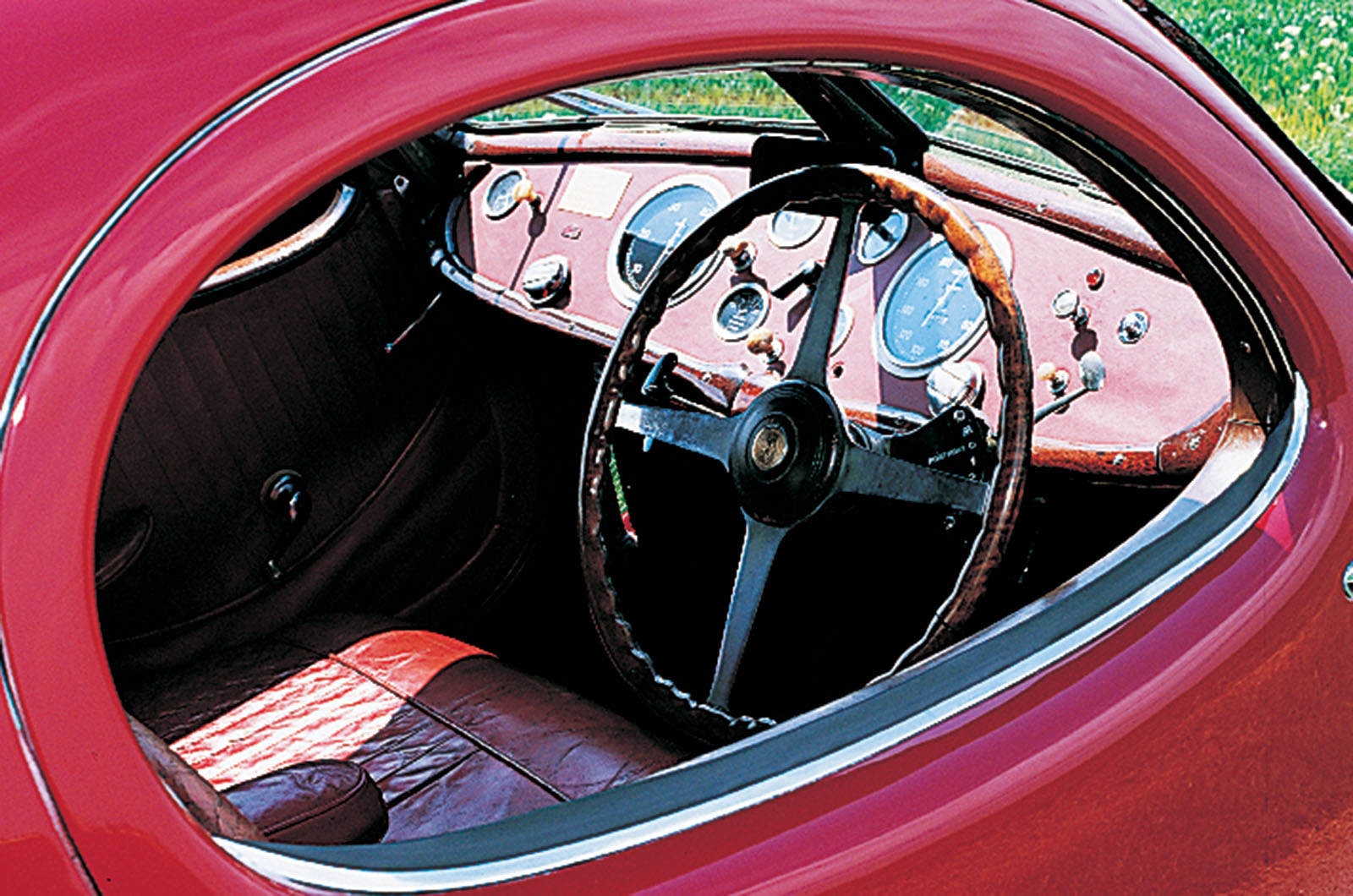
The Talbot-Lago T150 CSS ‘waterdrop’ coupé’s cocooning cabin

His work attracted the attention of the motorsport fraternity – his aerodynamic shape on an Alfa Romeo 8C-2300 won at Le Mans in 1932, driven by Raymond Sommer and Luigi Chinetti, who repeated the feat a year later.

Ovidio Falaschi became a partner in 1935 for no other reason than his love for exotic cars.

The prosperous entrepreneur has long been considered the moneyman to Figoni’s artist, but the Tuscan keenly contributed to all sides of the business.

In period, he said: “We really were true couturiers of automotive coachwork, dressing and undressing a chassis one, two, three times and even more before arriving at the definitive line that we wanted to give to a specific ensemble.”

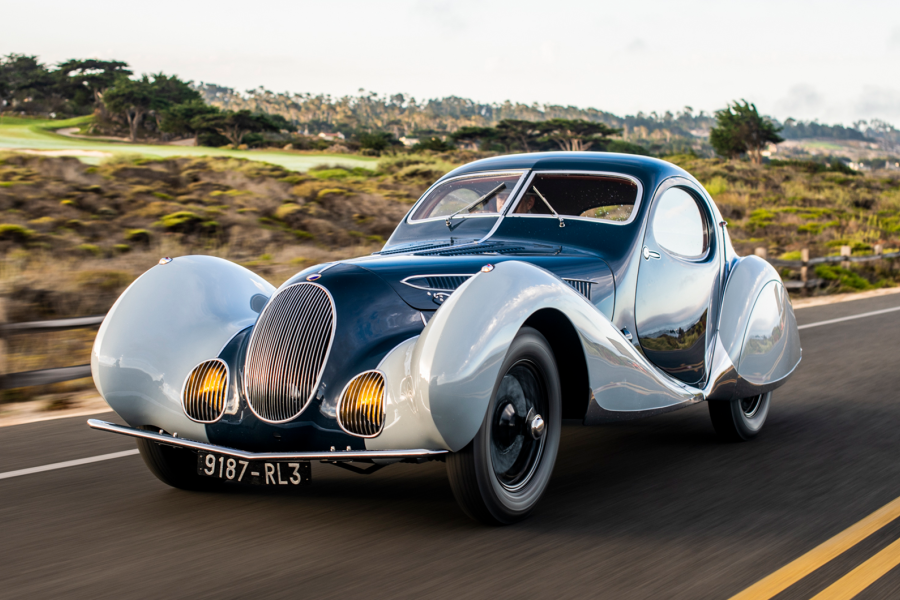
This approach was brought into sharp focus with the coupés. No cars were identical, with deviation in wing style, window profile, headlight design and roof angle. 

More than anything else, these fabulous machines acted as image-builders for Talbot.

The Suresnes marque was previously known for staid, perpendicular machines that were low on glamour and high on stodginess.

Classic & Sports Car – Talbot-Lago T150 CSS ‘waterdrop’ coupé: beauty, and a beast

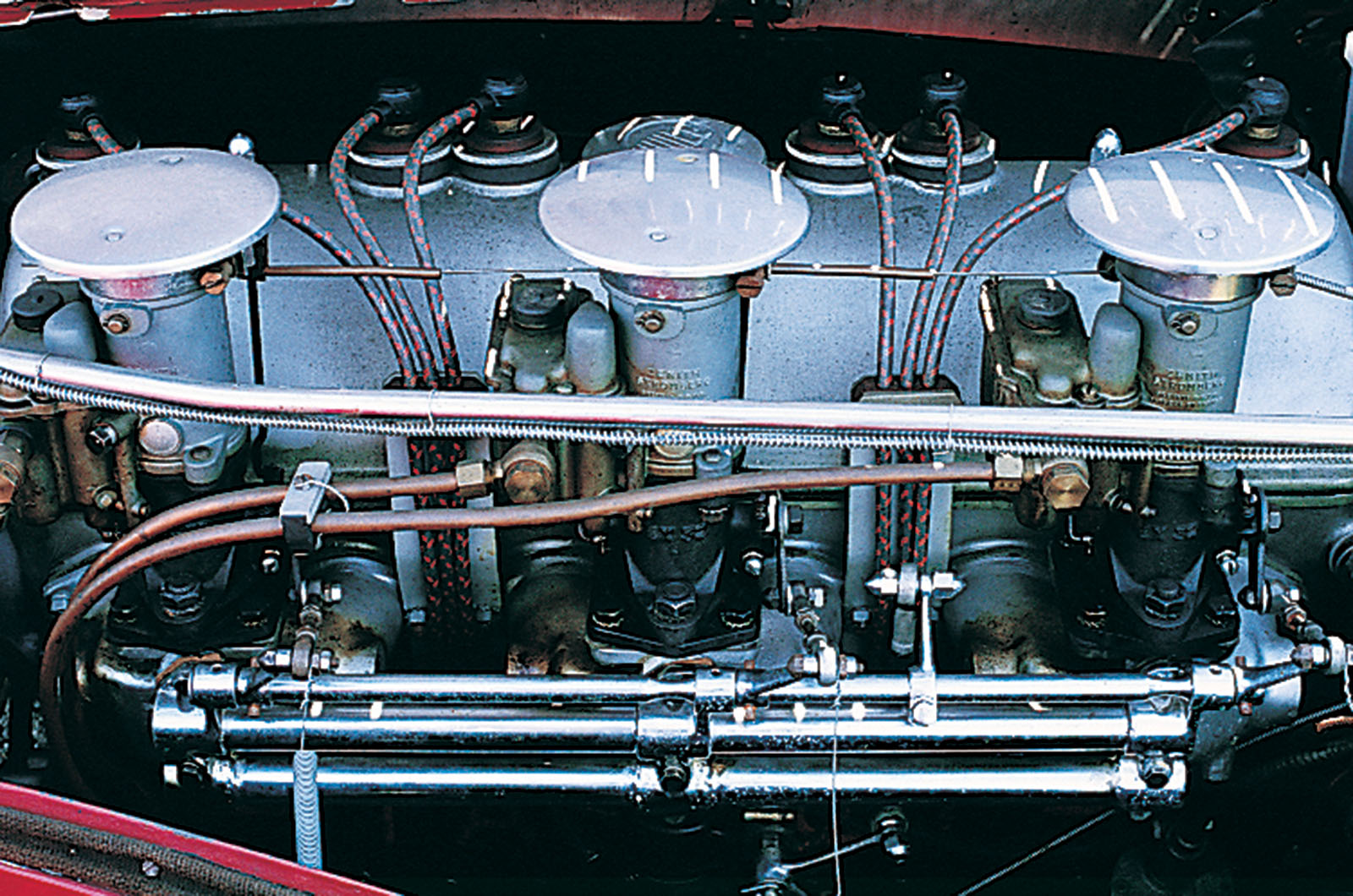
This Figoni et Falaschi-bodied Talbot-Lago has triple Solexes on its 4-litre ‘six’

The makeover was down to one man: Anthony Lago. The Venetian was a former major in the Italian air force who emigrated to Britain after WW1.

In the early 1920s he imported Isotta-Fraschinis before heading to Wilson Self-Changing Gears Ltd as an engineer.

He joined Sunbeam (he was headhunted after trying to sell it transmissions) and was assistant manager by 1933, but disillusionment with the Sunbeam-Talbot-Darracq parent company soon set in.

He was dispatched to the Darracq arm a year later, but senior management had long gone after emptying the coffers, and the whole combine soon fell apart.

Somehow, Lago managed to raise enough finance – a French government subsidy helped – to revive Talbot-Darracq as an independent manufacturer after Rootes bought Sunbeam.

Outmoded models were then canned. Lago wanted a more vibrant, sportier image, key to which was style and a racing pedigree.

A new six-cylinder car was shown at the 1934 Paris Salon with a handsome body by Figoni.

Classic & Sports Car – Talbot-Lago T150 CSS ‘waterdrop’ coupé: beauty, and a beast

Just 14 Talbot-Lago T150 CSS ‘waterdrop’ coupés were built

The bond was set.

Two years later, the 4-litre T150 was released, but, while Talbot-Lago made its presence felt on the track (triumphs included the 1937 and ’38 French GPs, and a third in the ’38 Le Mans 24 Hours), it was the launch of the ‘waterdrop’ in April 1937 that brought the marque to its zenith.

According to Richard Adatto’s masterwork From Passion to Perfection, the first owner of this 1937 example remains unknown.

However, by 1939 it had been imported into the US by Luigi Chinetti and sold to Tommy Lee.

Inheriting great wealth at just 28, Lee indulged himself with a fleet of fast cars, hiring a team of engineers and mechanics to tailor them to his specification.

The Talbot – and two others he owned – soon became a regular fixture in illicit drag racing in Los Angeles and on the dry lakes at Muroc.

It remained in Lee’s keep for 11 years, but, having suffered severe spinal injuries in a high-speed accident in the early 1940s, he became addicted to painkillers and took his own life in January 1950.

Classic & Sports Car – Talbot-Lago T150 CSS ‘waterdrop’ coupé: beauty, and a beast

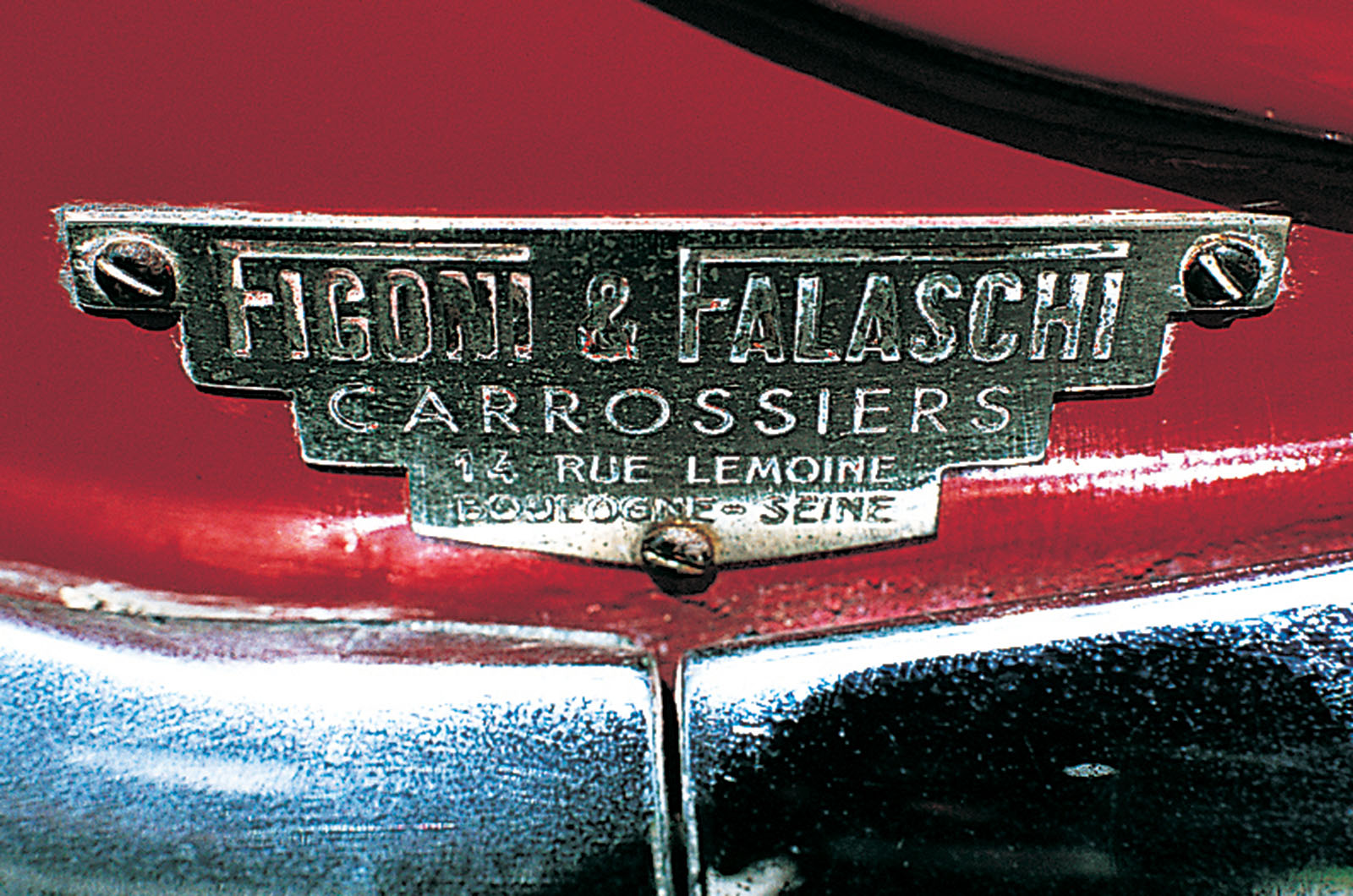
Coachbuilder Figoni et Falaschi helped to build Talbot’s reputation as a maker of glamorous and exotic machines

Following Lee’s suicide, chassis 90105 was consigned to International Motors of LA, from where it was bought by Ralph Knudsen who drove the car to his Milwaukee, Wisconsin, home.

He didn’t keep it long. On parking it outside a local restaurant, the Talbot was spotted by legendary industrial designer (and Excalibur initiator) Brooks Stevens, who tracked down Knudsen and badgered him into selling.

Shortly after the purchase, Stevens entered the Talbot in the 1950 Watkins Glen Grand Prix, in which James Floria drove it to 11th.

After a few further competition outings, the car was retired to Stevens’ Wisconsin motor museum, where it remained until 1994.

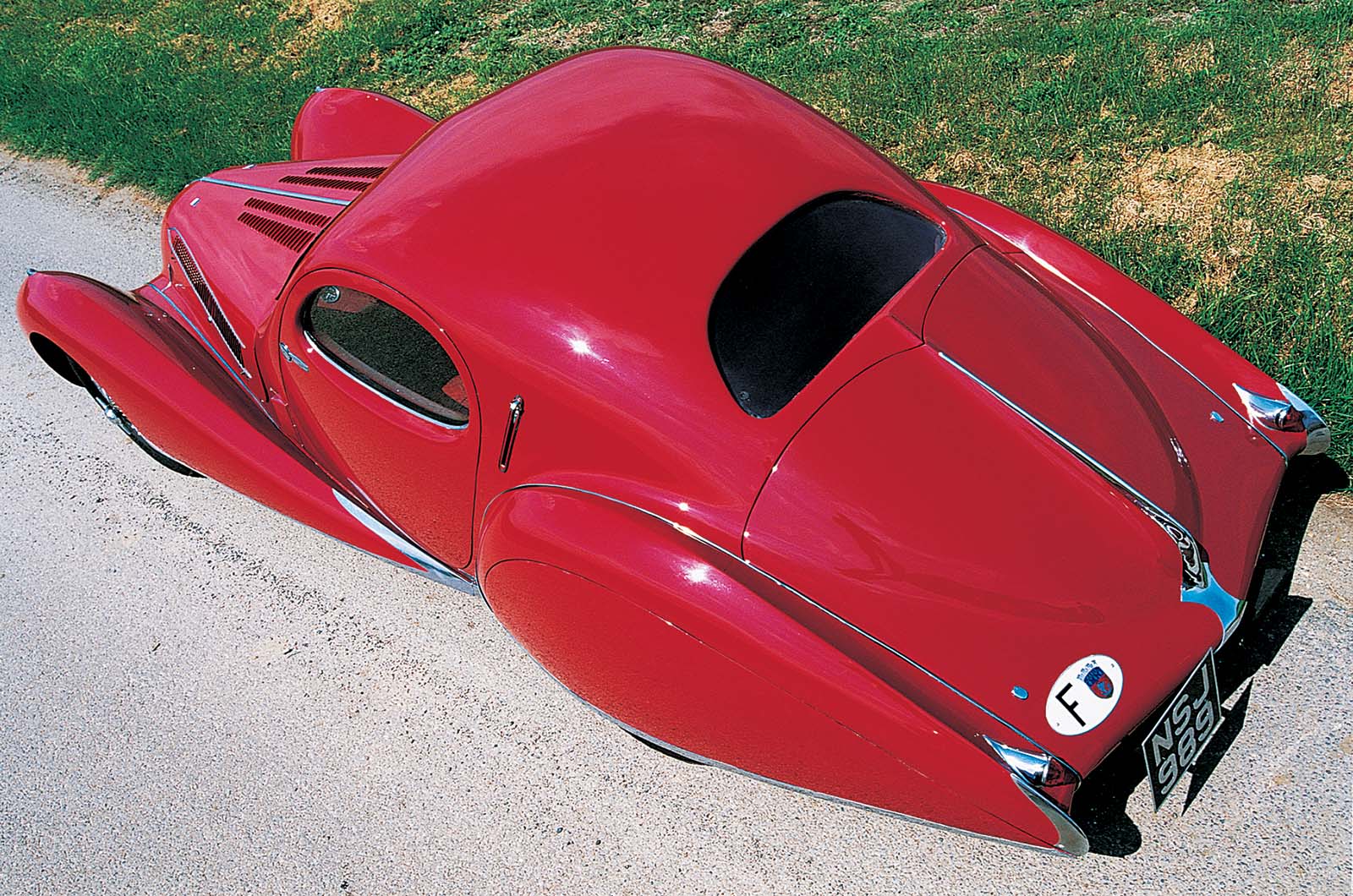
At some point, the Talbot was resprayed in red from its original French blue with grey wings.

Apparently this was done at the whim of the museum’s curator, much to Stevens’ chagrin, although another – entirely unsubstantiated – story has it that a gardener ‘borrowed’ the car and caused some damage, so roped a friend into painting it in the hope that nobody would notice.

Classic & Sports Car – Talbot-Lago T150 CSS ‘waterdrop’ coupé: beauty, and a beast

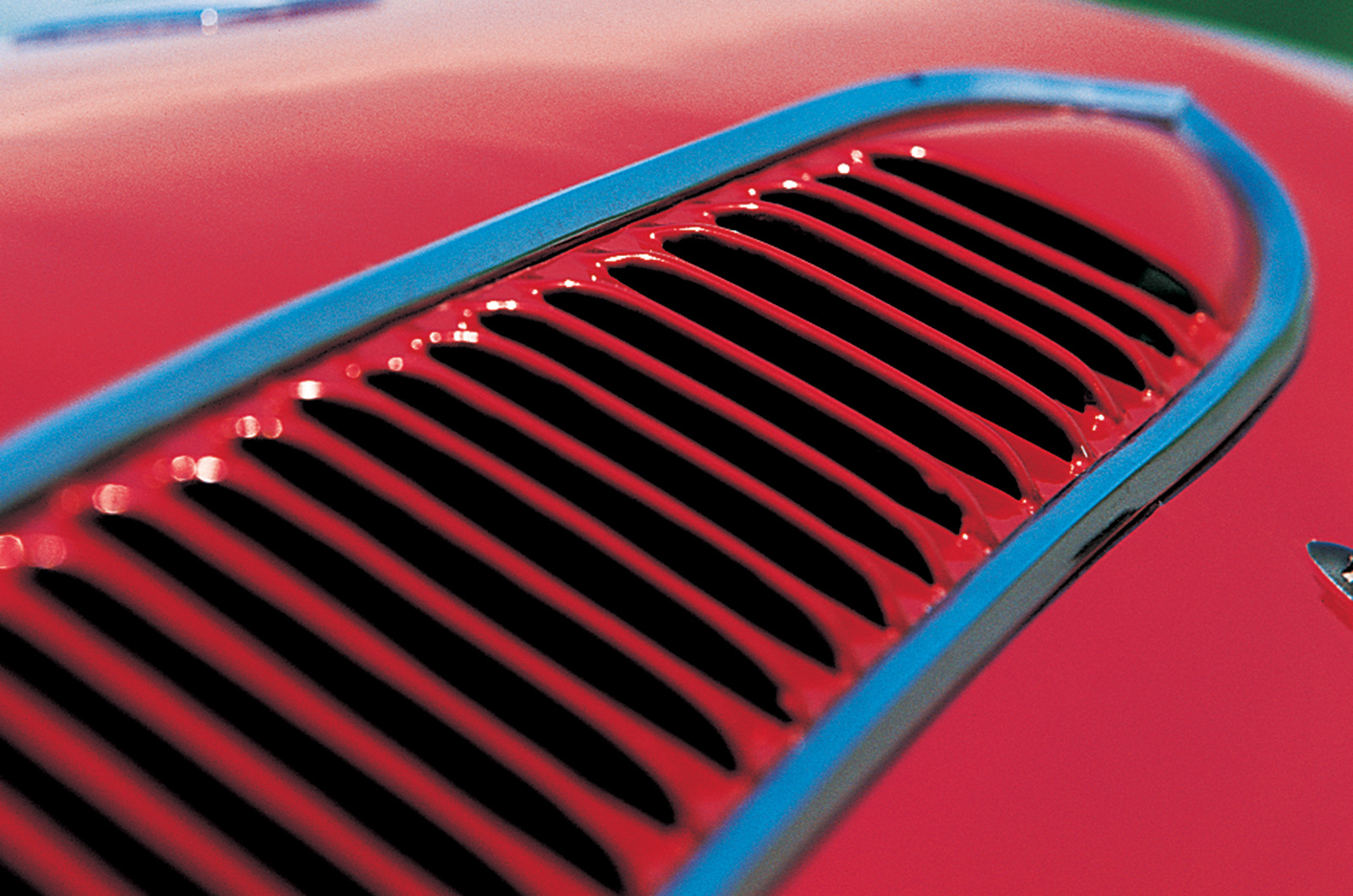
The Talbot-Lago T150 CSS ‘waterdrop’ coupé’s neat bonnet vents

Currently residing in Essex, this ‘faux cabriolet, two place’ is in a delightfully original state.

Though mechanically fettled in the early 1990s, it hasn’t been got at physically.

That said, after its imminent sale at auction, there remains the worry that it will be torn apart and treated to a Pebble Beach makeover.

Pearlescent lilac with hobbit-hide upholstery? I wouldn’t bet against it.

This car is distinct from its siblings and doesn’t have a sunroof, although uniquely it features a crank-out windscreen, the design having been patented by Figoni et Falaschi.

Inside, the cabin is cosy without being cramped, with elegant woodwork contoured around the ovoid side glazing, wheel angled at 45° ahead of the spread of gauges. The view ahead is sublime. 

Underneath the dramatic skin, it’s backed up by a thumping great heart: 4 litres of straight-six with an iron block from an older design and an aluminium hemi head engineered by Walter Becchia, architect of the Citroën 2CV flat-twin.

Classic & Sports Car – Talbot-Lago T150 CSS ‘waterdrop’ coupé: beauty, and a beast

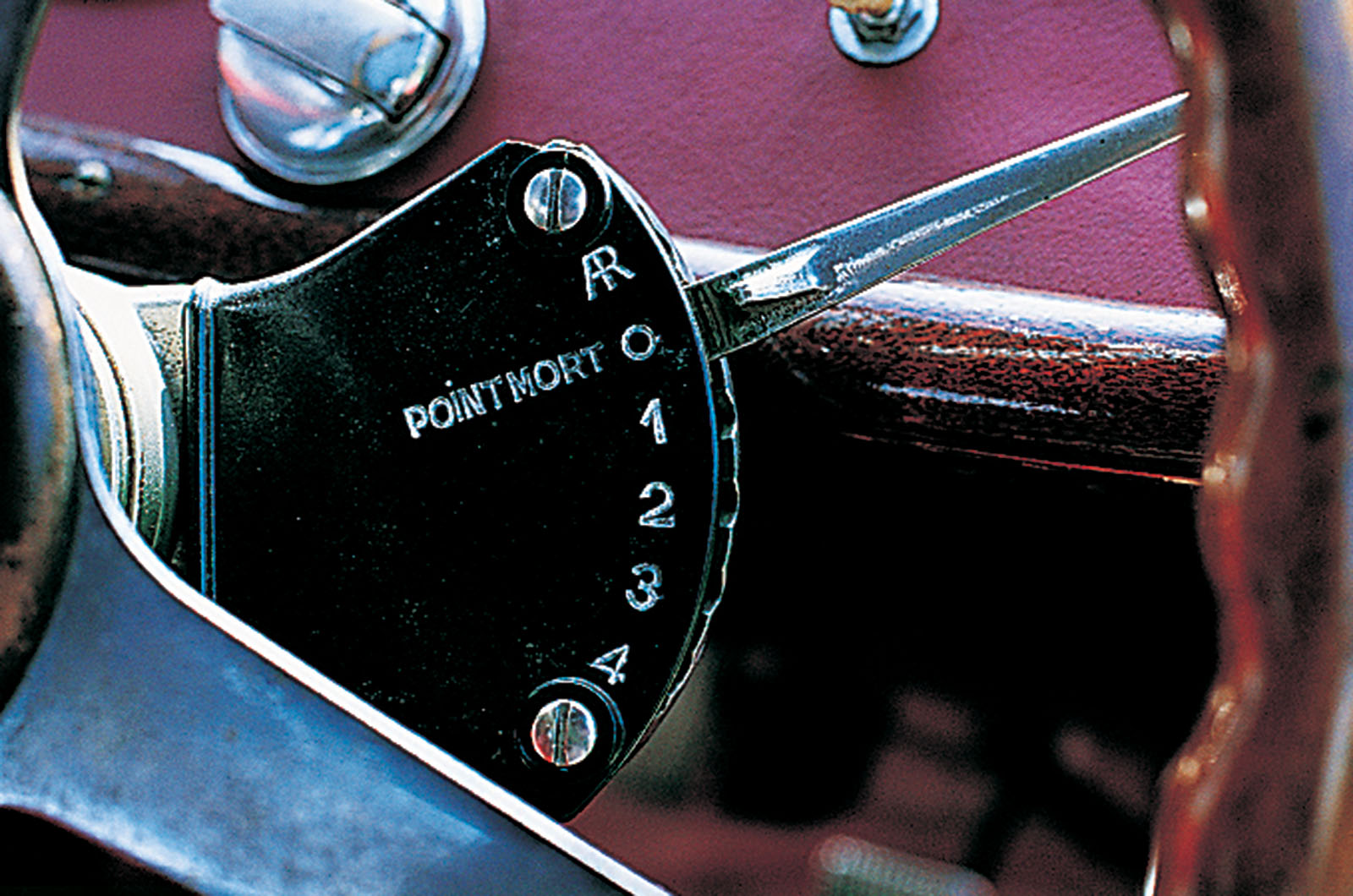
The Talbot-Lago’s preselector works beautifully

It sits in a box-section chassis, the sides of which are linked by tubular crossmembers, and is fed by a trio of downdraught Solex carburettors.

At the front, the stub-axle uprights are located by a lower transverse leaf spring, single-tube upper links and substantial diagonal radius arms running back to the chassis.

The rear end comprises a live axle on leaf springs, with friction dampers all round.

Driving this remarkable device requires you to fathom the Wilson preselector gearbox.

Saddled with a heavy ENV self-changer, there’s a normal plate clutch requiring hefty pressure at the pedal – forget gently slipping it – because the same action operates both clutch and preselector.

But it works superbly, cushioning changes while adding an edge of refinement lacking in many exotics from the period.

And does it go. Period figures quote a top speed of 137mph, which, considering its Grand Prix-related running gear, might not be so fanciful.

Classic & Sports Car – Talbot-Lago T150 CSS ‘waterdrop’ coupé: beauty, and a beast

The Talbot-Lago T150 CSS ‘waterdrop’ coupé looks just as striking from above

It feels fast for its vintage, with plenty of low-down torque and gutsy mid-range performance. The steering, too, inspires with a smooth, fast action.

You get the impression that, with enough space, you could really throw this car around.

Given the modest rubber, it starts to get a bit jiggy when exiting a corner and the cable-operated Bendix drums are less than inspiring.

And the bodywork tends to shimmy a little, the ash frame for the fabulous coachwork being solidly mounted.

While the Talbot will easily outperform most cars 30 years its junior, it’s the outer dazzle that’s the major draw.

It really does make your temples throb just looking at it. It’s just such a shame that Figoni and Falaschi never got the chance to better it.

When France fell to the Germans, Figoni left for the Dordogne and, upon his return to Boulogne after hostilities ended, turned his hand to making household appliances.

Falaschi went back to Italy, where he ended his days as a hotelier. The duo left behind time-defying works of art that continue to bring a tear(drop) to the eye.

Images: Peter Spinney

This was first in our October 2005 magazine; all information was correct at the date of original publication


Enjoy more of the world’s best classic car content every month when you subscribe to C&SC – get our latest deals here


READ MORE

Delahaye Type 145: the retired racer turned chic coupé

Unique Voisin: unloved ‘four’ to Pebble Beach winner

Talbot 105 B1 Airline: from tired classic car to concours standout