
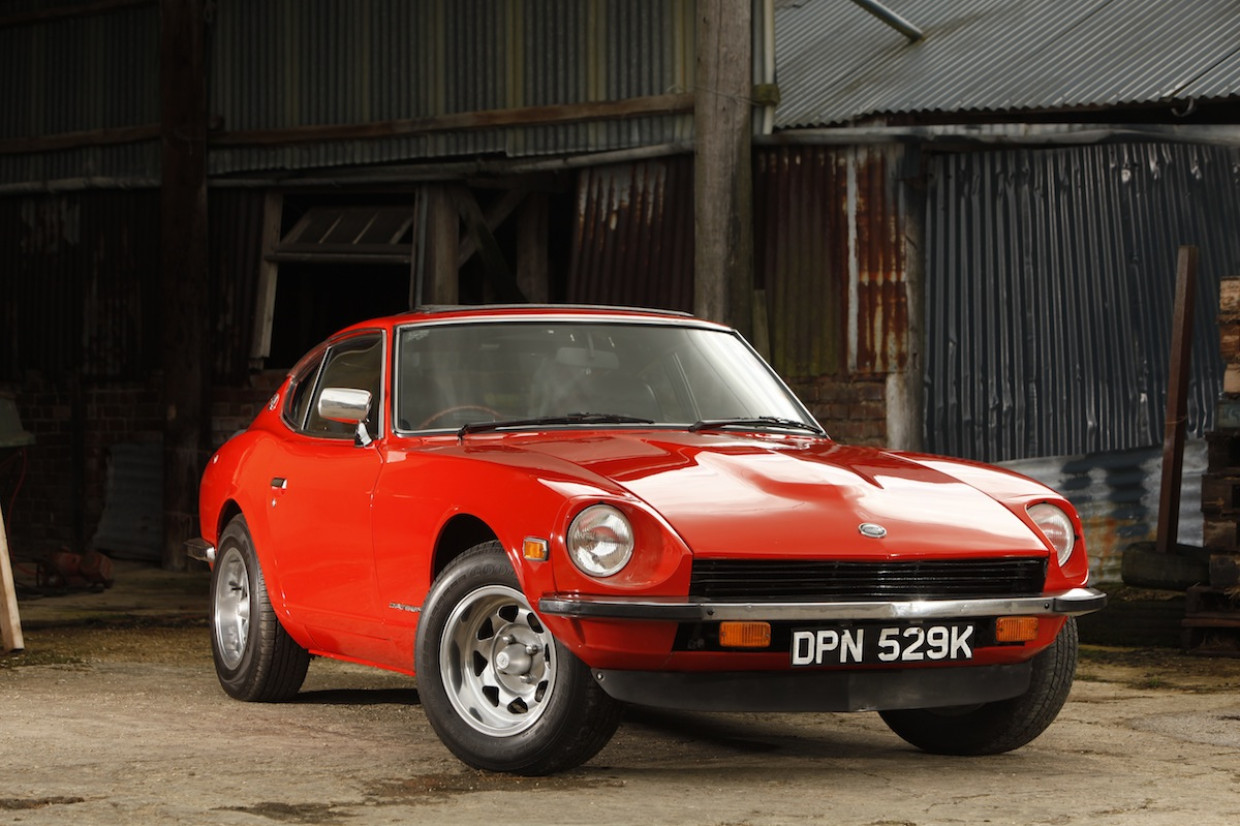
For so long a student car - especially in the US - it was success in historic rallying that helped people to appreciate the grunty Datsun anew, to finally take a mass-produced Japanese sports car seriously, and subsequently for demand and values to spiral.
As ever, this has polarised the market between those cars that have been fully restored - and wear a price tag that reflects that - and those that desperately need restoration, but will cost far more than they are worth at the end.
Be warned, these are expensive cars to restore properly. Be warned again: there are loads of badly bodged ones that will cost the same as half-decent car and cost the same as a restoration project to make good.
Importing a car from the US is still worth considering, but, even more so than with most classics, this is one you really want to have a good look at before handing over your money.
The reason is rot, lots of it, which has slashed the survival rate from the half a million units built.
Launched in 1969 and in production for a decade, the image-changing Datsun was a roaring success in the States, where it outsold all of the European sports cars.
The appeal lay not just in that silhouette E-type styling (and the battle stil rages over who deserves the credit for it), but in the throaty 2393cc straight-six, which led to period comparisons with the Big Healey.
Performance was impressive: the durable 'six' propelled the sleek Datsun to 60mph in 8 secs and on to a top speed of 125mph.
The 240Z was relatively sophisticated, too, with all-independent suspension, a five-speed 'box and front disc brakes.


