Why you’d want a Ford Mustang
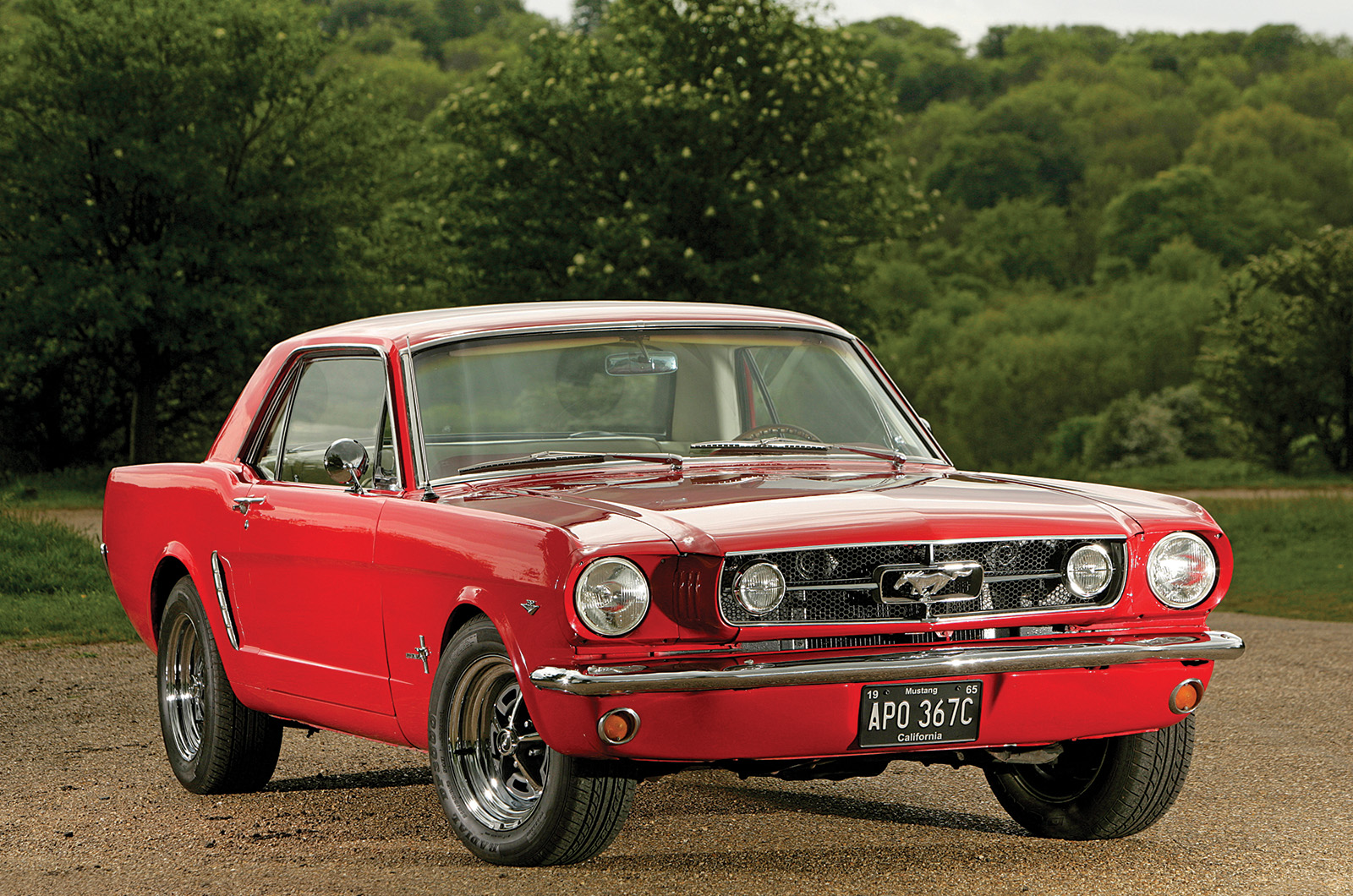
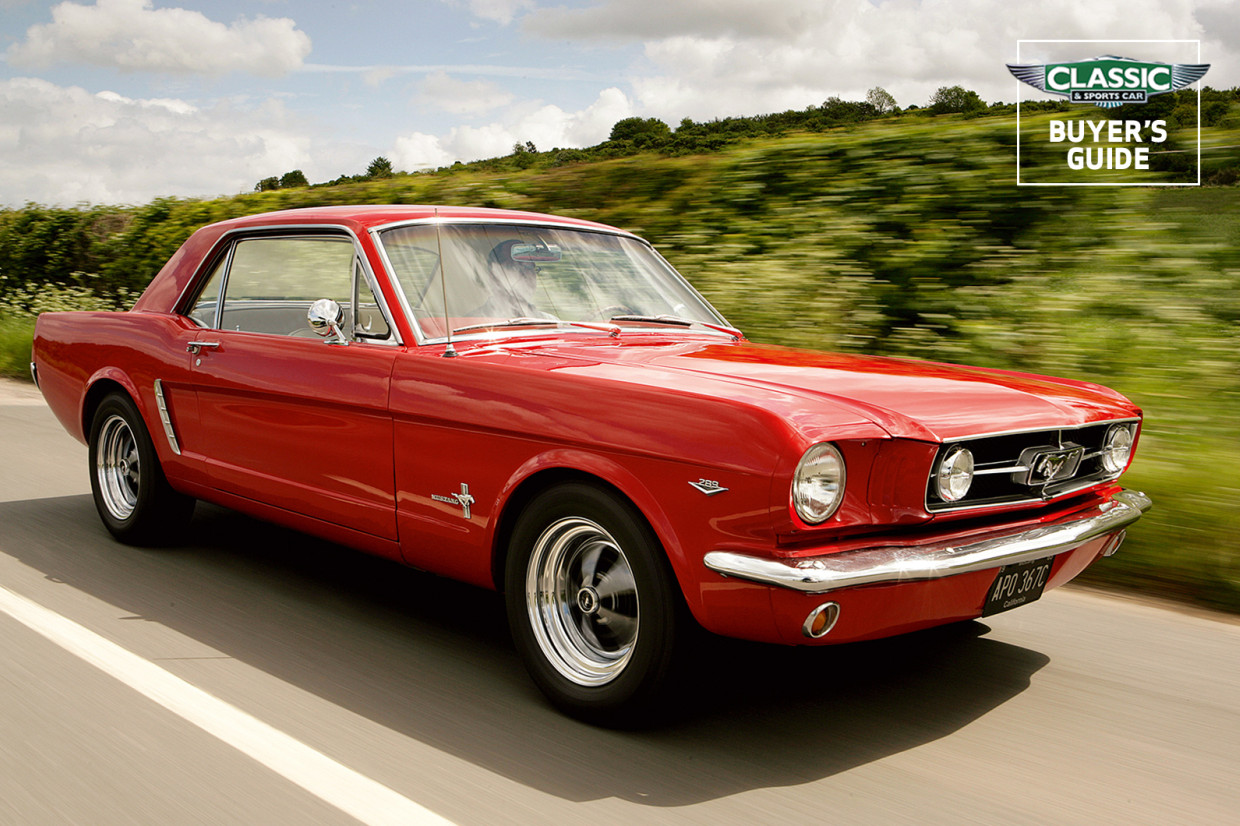
US motor manufacturing legend Lee Iacocca needed all of his famous powers of persuasion to bludgeon Ford’s management into backing the Mustang, but the new niche automobile instantly became America’s fastest seller.
Some 417,000 were shifted in the first year after its mid-’64 launch and it topped a million by February ’66, starting a whole new breed of ‘pony’ cars.
Though styled by Dave Ash and Joe Oros, it was Iacocca who specified that the Mustang must be a four-seater and big enough for a small-block V8.
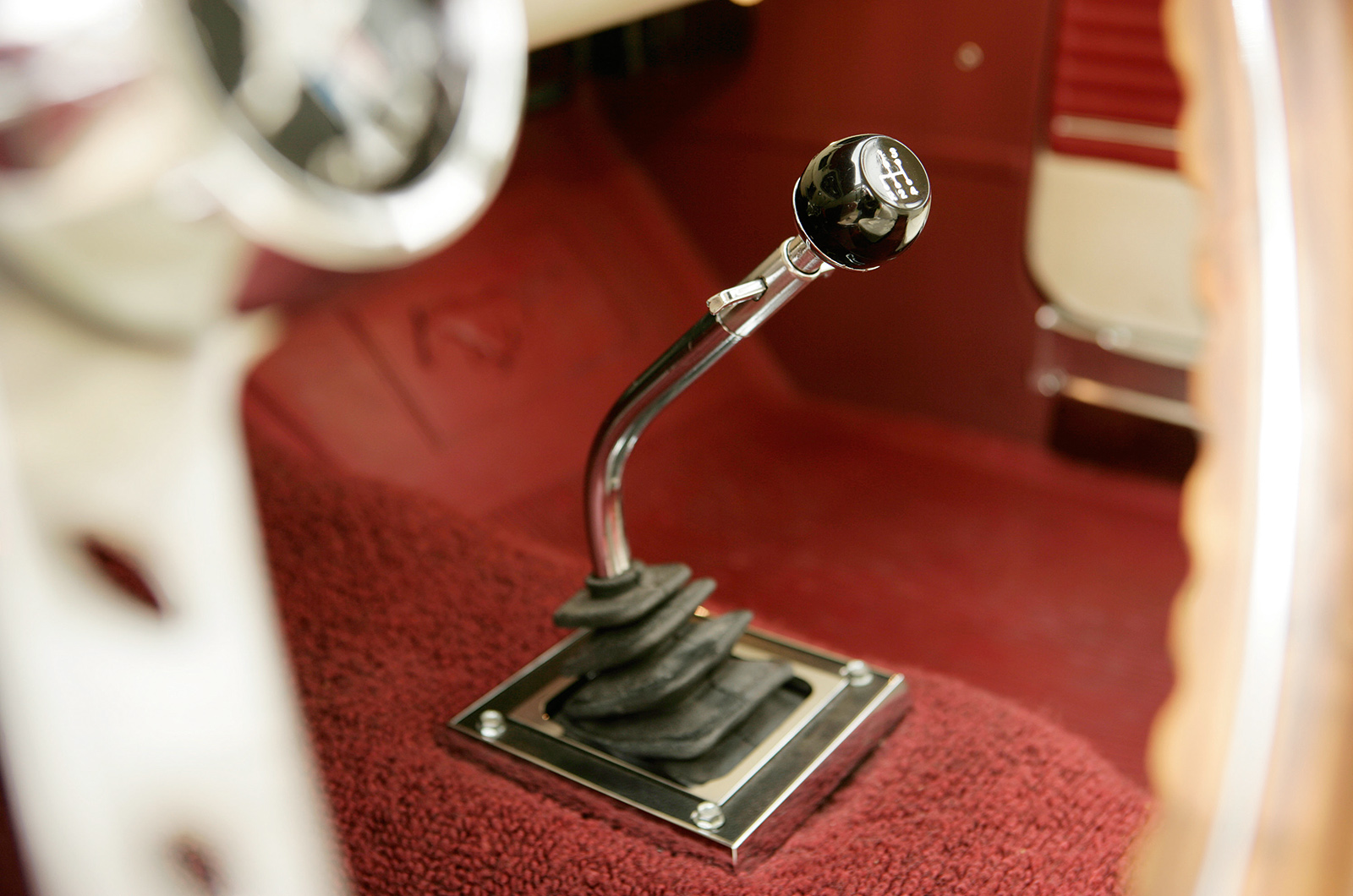
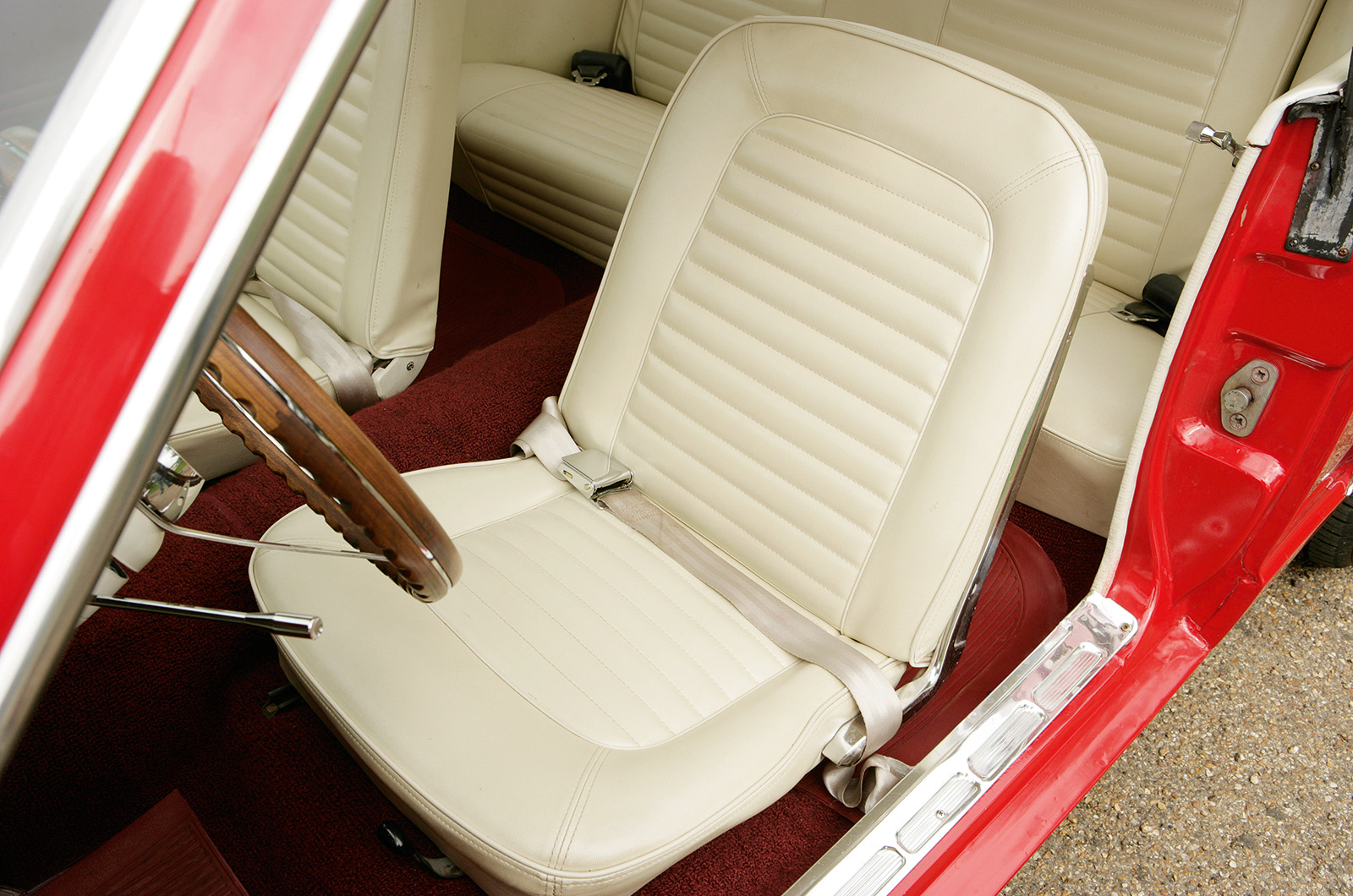
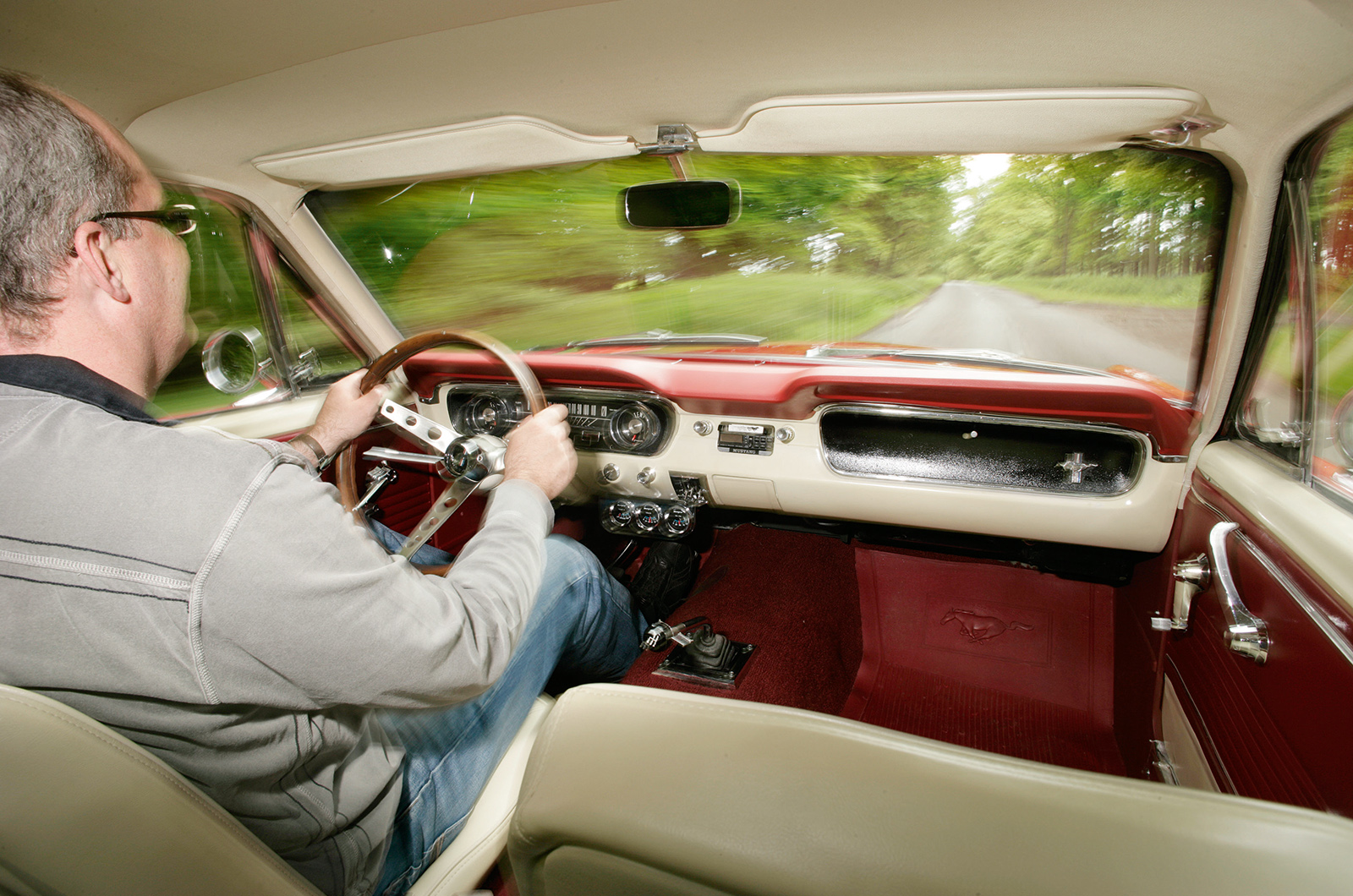
Bucket seats and a standard floor shifter broadened its appeal.
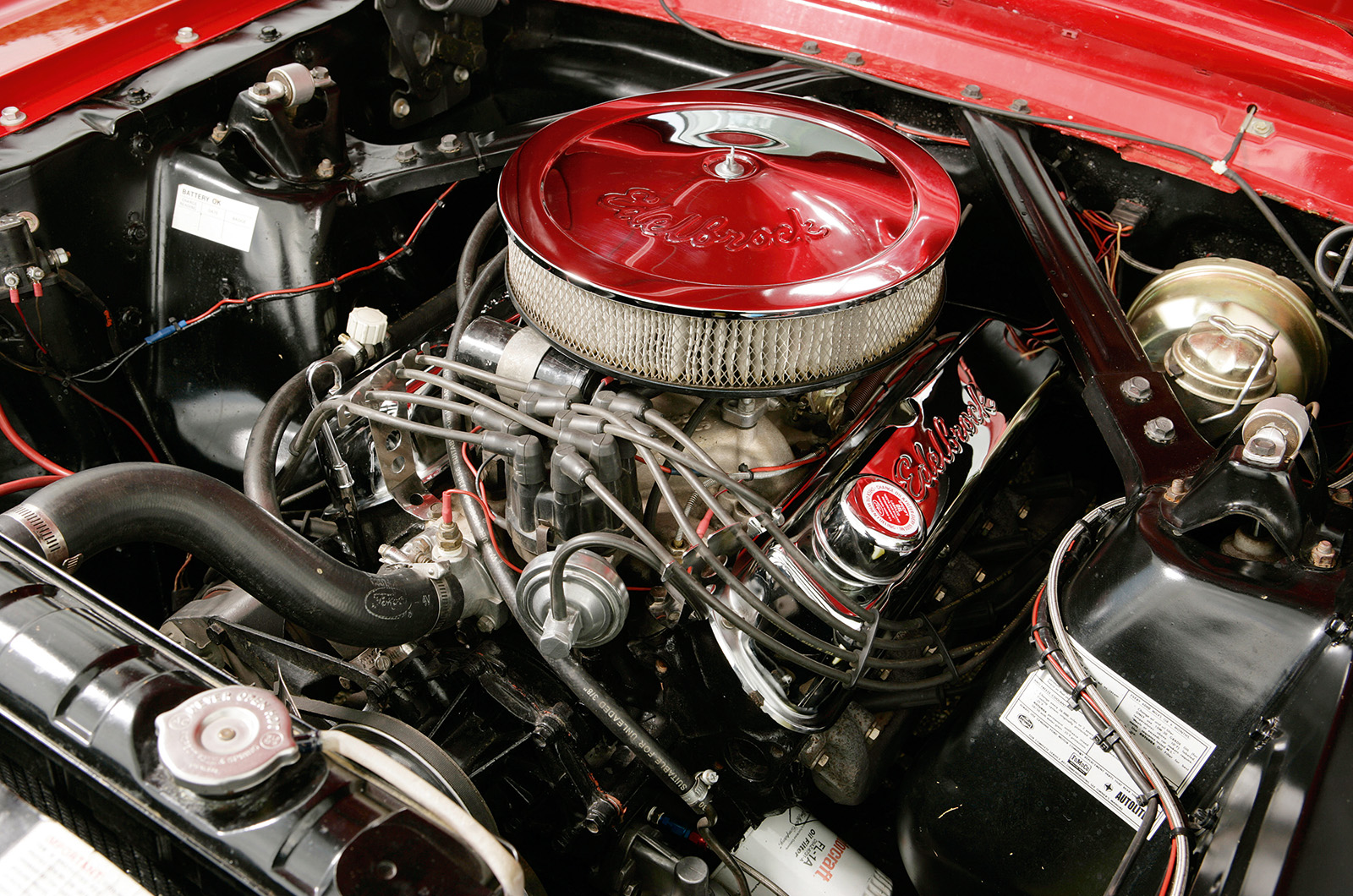
He was right. Though the Ford Mustang’s basis was the Falcon and the $2400 entry-level model had a straight-six, it looked every inch a sports car and the majority of customers forked out the extra for a 289cu in V8.
The early Mustang’s compact dimensions (by American standards) boosted its UK appeal, but that draw consequently declined a little as the Mustang grew, first in 1967 to accommodate the big-block 390cu in V8 then again in 1971.
Iacocca also regretted the growth and replaced the big Mustang with the compact Mustang II for 1974, which sold well but lacks enthusiast appeal.
Ford Mustang production embraced a hugely bewildering range of models and specifications, with many options adding to the mix.
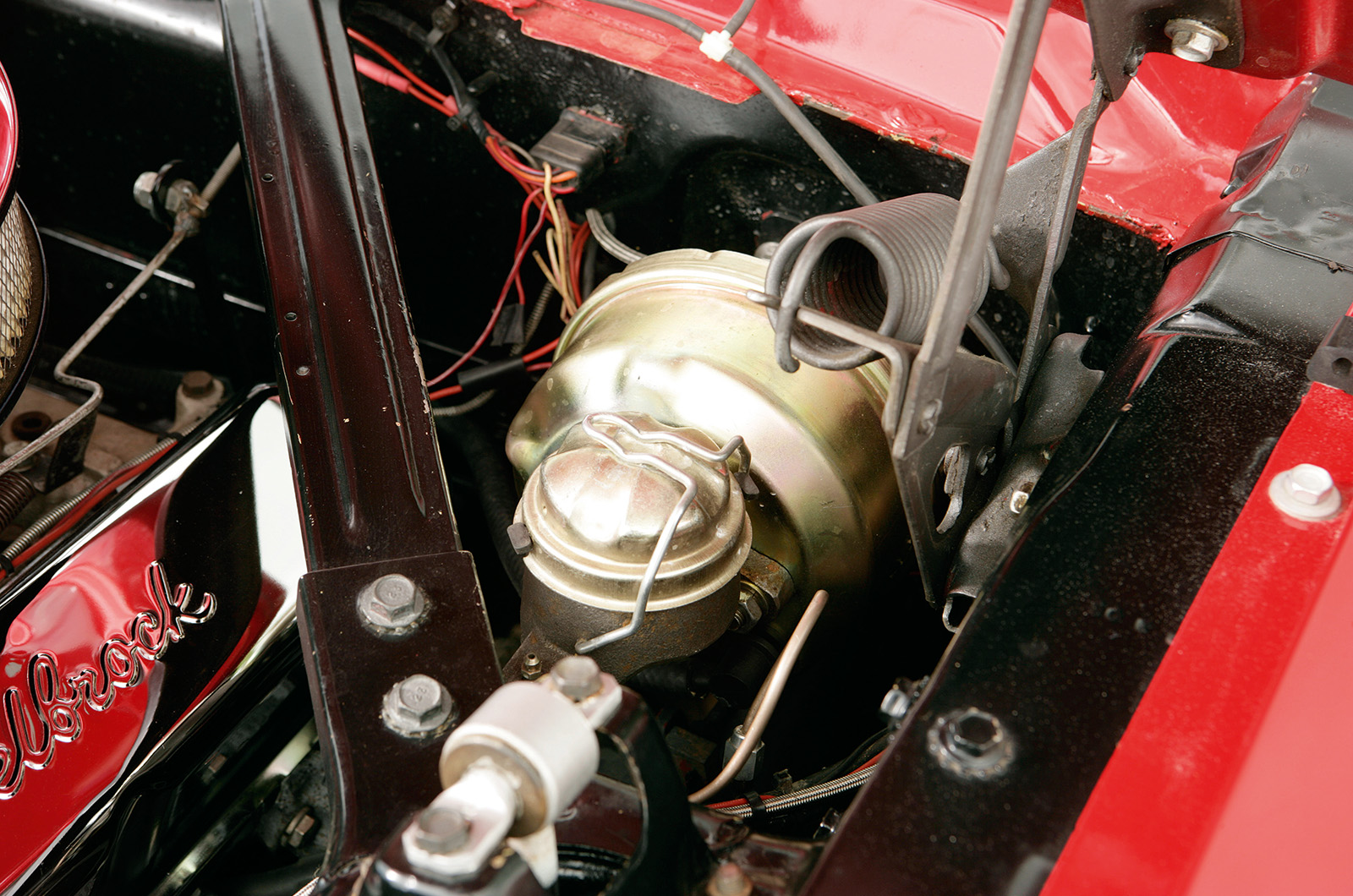
From the start, you could specify power steering and brakes, air conditioning, a powered soft-top, an automatic transmission or a four-speed manual (instead of the standard three-speed), Rally Pac instruments, heavy-duty suspension, 14in five-spoke wheels and more.