It was now considered to be Portugal’s most accomplished racer, and had begun to attract commercial sponsorship, with Vacum Oil (now Mobil) even featuring it in its advertising.
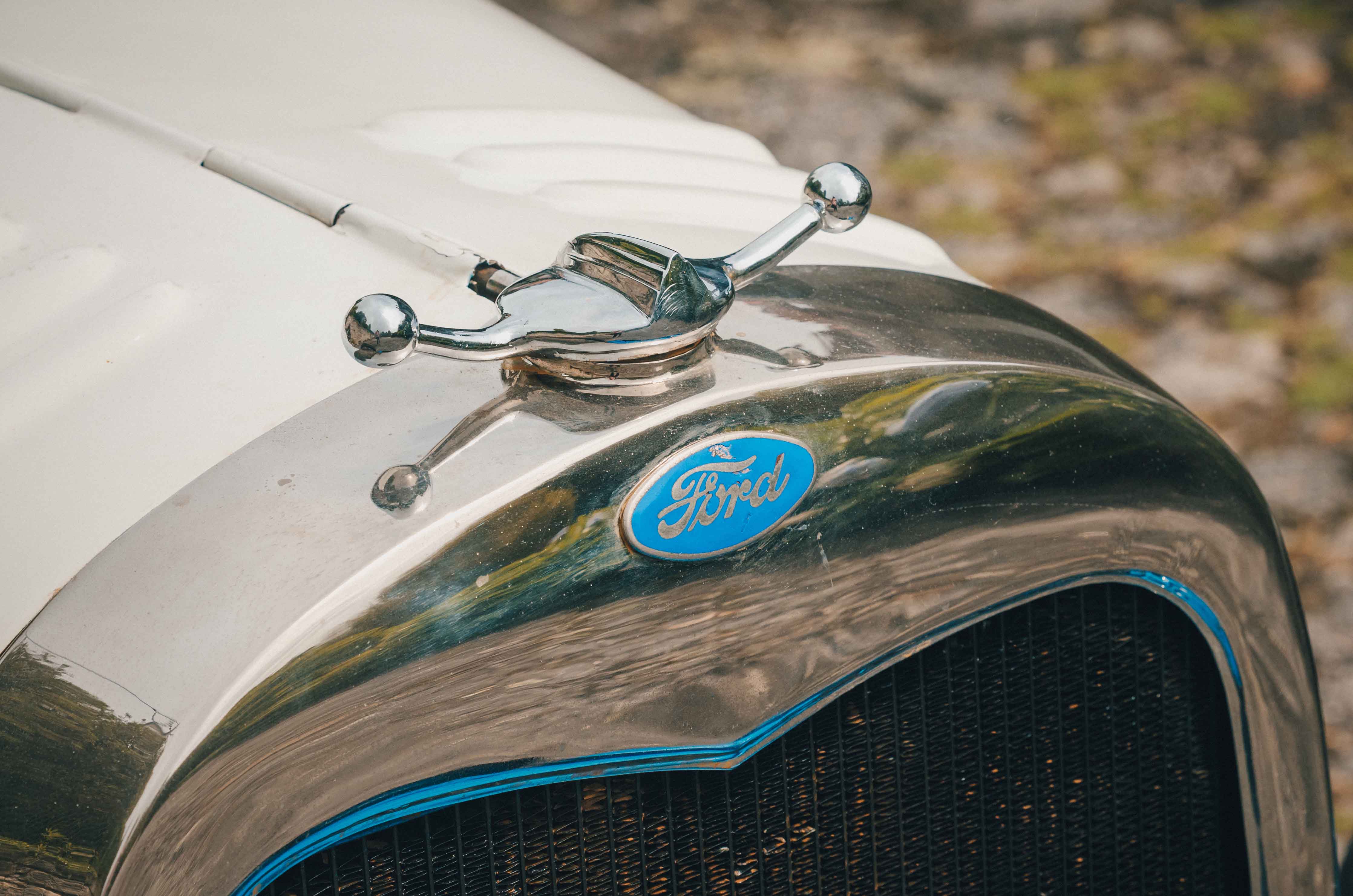
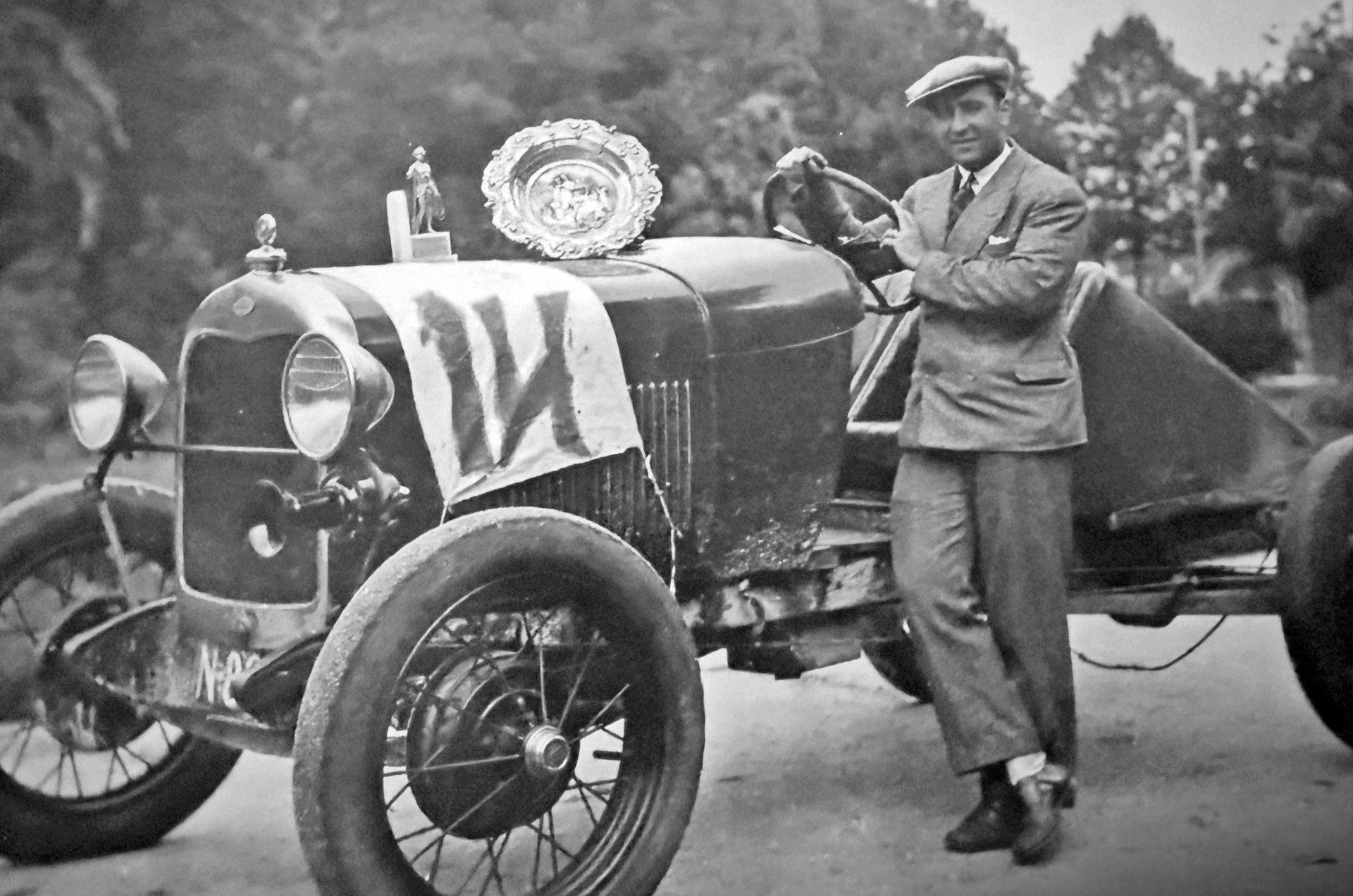
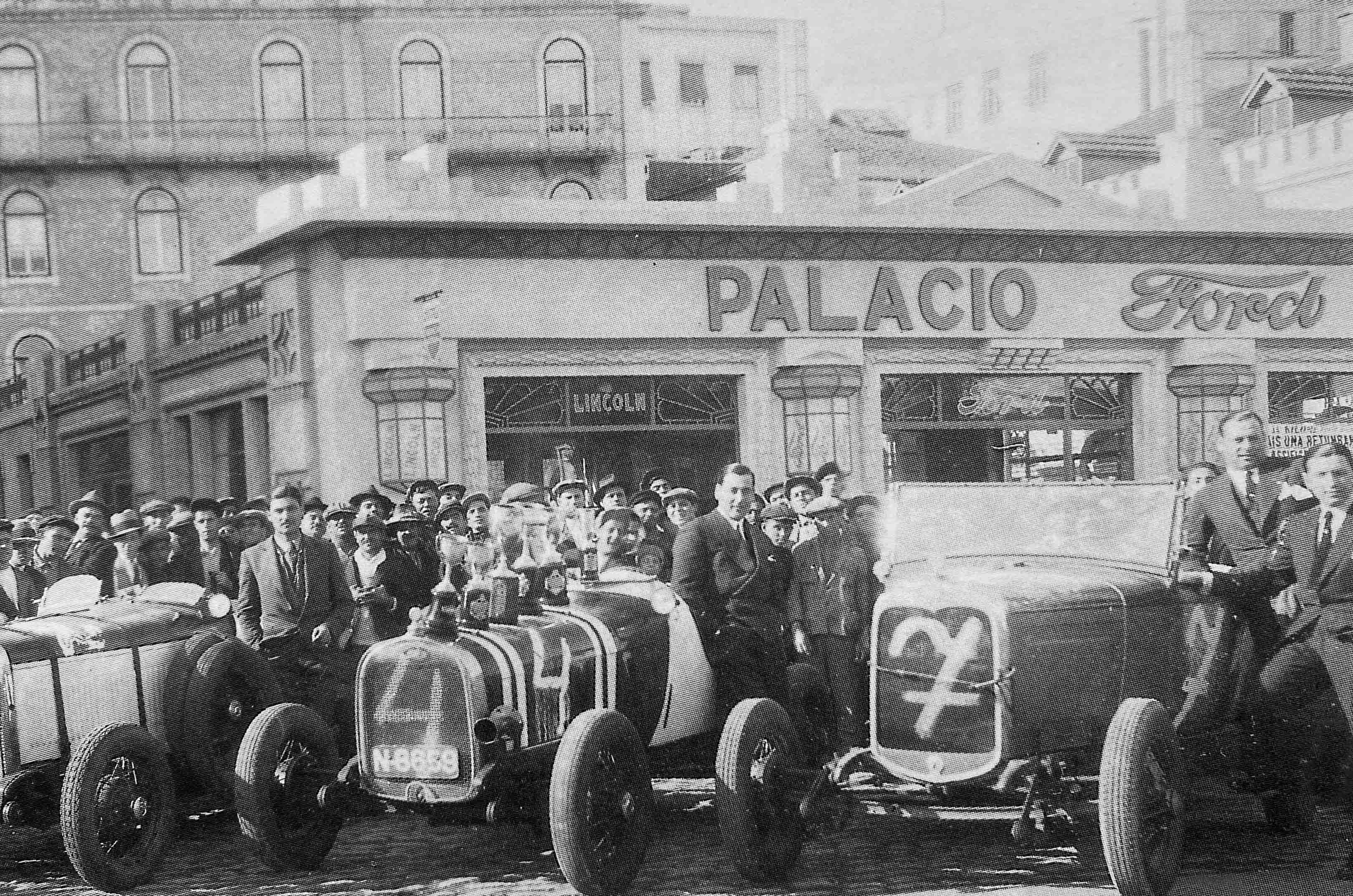
Palácio Ford, Lisbon’s largest dealership, displayed the car between events, its many trophies proudly balanced along the length of its bonnet.
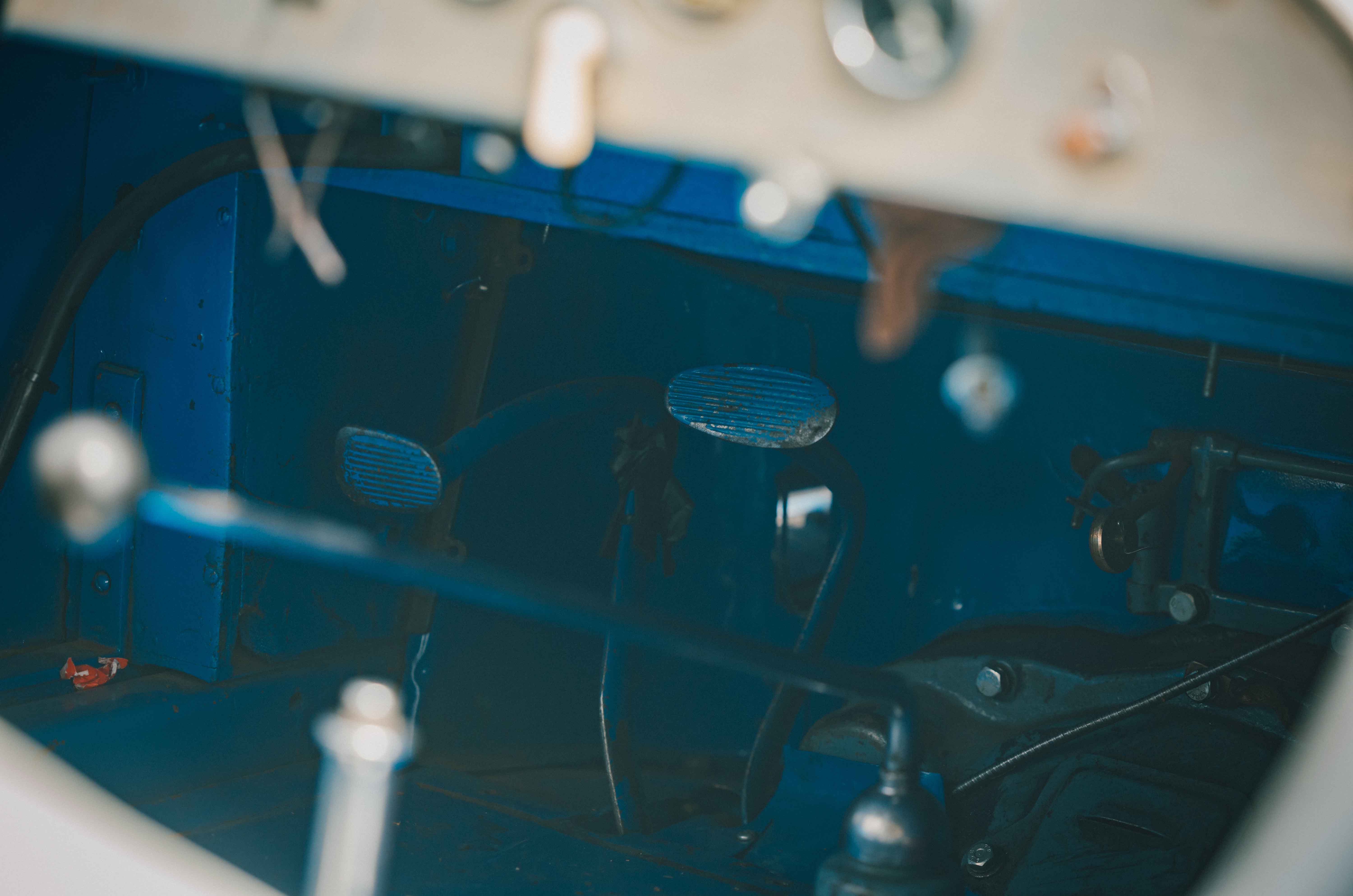
The Felcom Special’s pedal arrangement is familiar to modern drivers
But the Felcom was far from resting on its laurels.
A second attempt at the Circuito de Vila Real featured Sameiro driving again, this time clinching second behind brother Vasco’s Invicta.
Third place at Penha hillclimb came a week later, followed by another visit to Boavista with Ferreirinha at the wheel.
Here, the Felcom initially led a field of Invictas and Bugattis, but mechanical failure again forced retirement on lap 15.
Frustrated by its inconsistent performance, Ferreirinha stripped the engine, only to discover that the Miller cylinder head had raised the engine’s compression ratio to an unsustainable level, perhaps explaining the repeated issues.
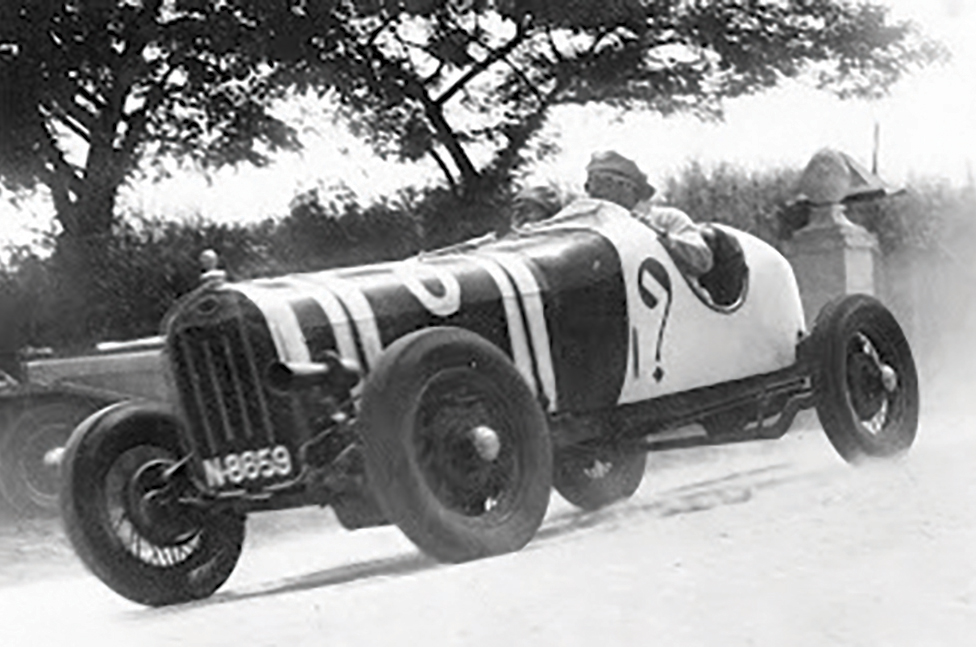
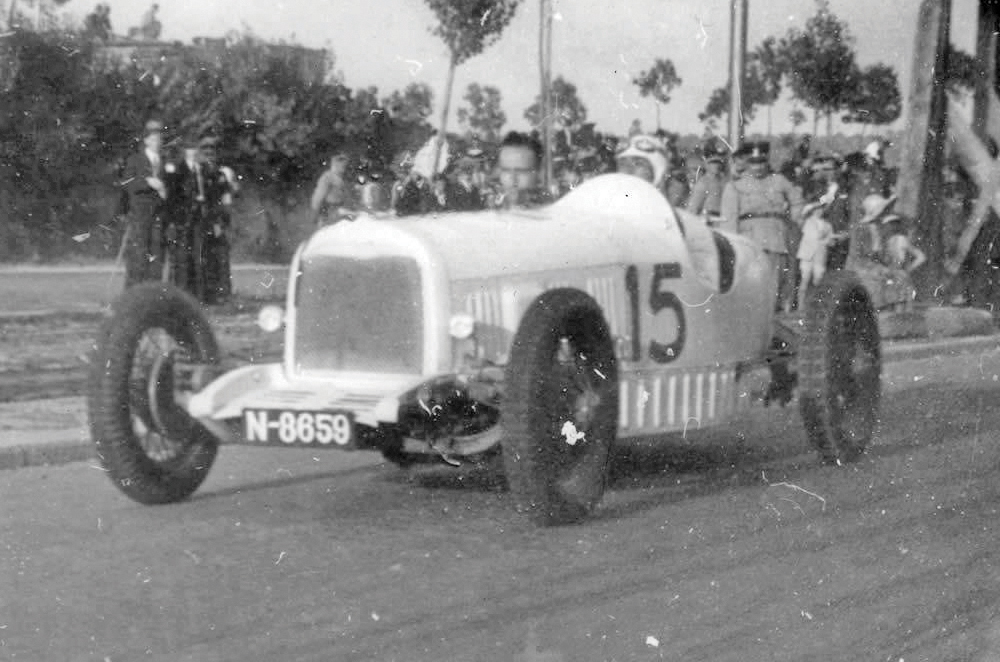
The Felcom Special soon after the addition of its third and final body, with Eduardo Carvalho at Boavista, 1933 © Pedro Filipe
What rectification took place thereafter is not recorded, but at the end of the 1932 season Menéres sold the Felcom to Eduardo Carvalho.
Its new keeper redesigned the body into the third incarnation it still wears today, and prepared it for the following season.
However, after entering 1933’s Campo Grande – where engine problems yet again resulted in a DNF – and that year’s Boavista Grand Prix, along with a few other events up until 1935, Carvalho and the Felcom never quite managed to replicate the success enjoyed by Menéres, Ferreirinha and Sameiro earlier in the decade.
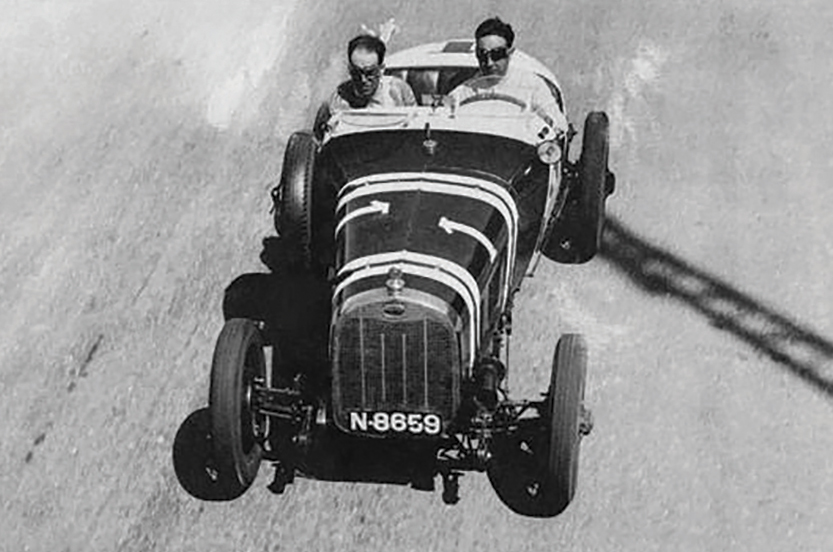
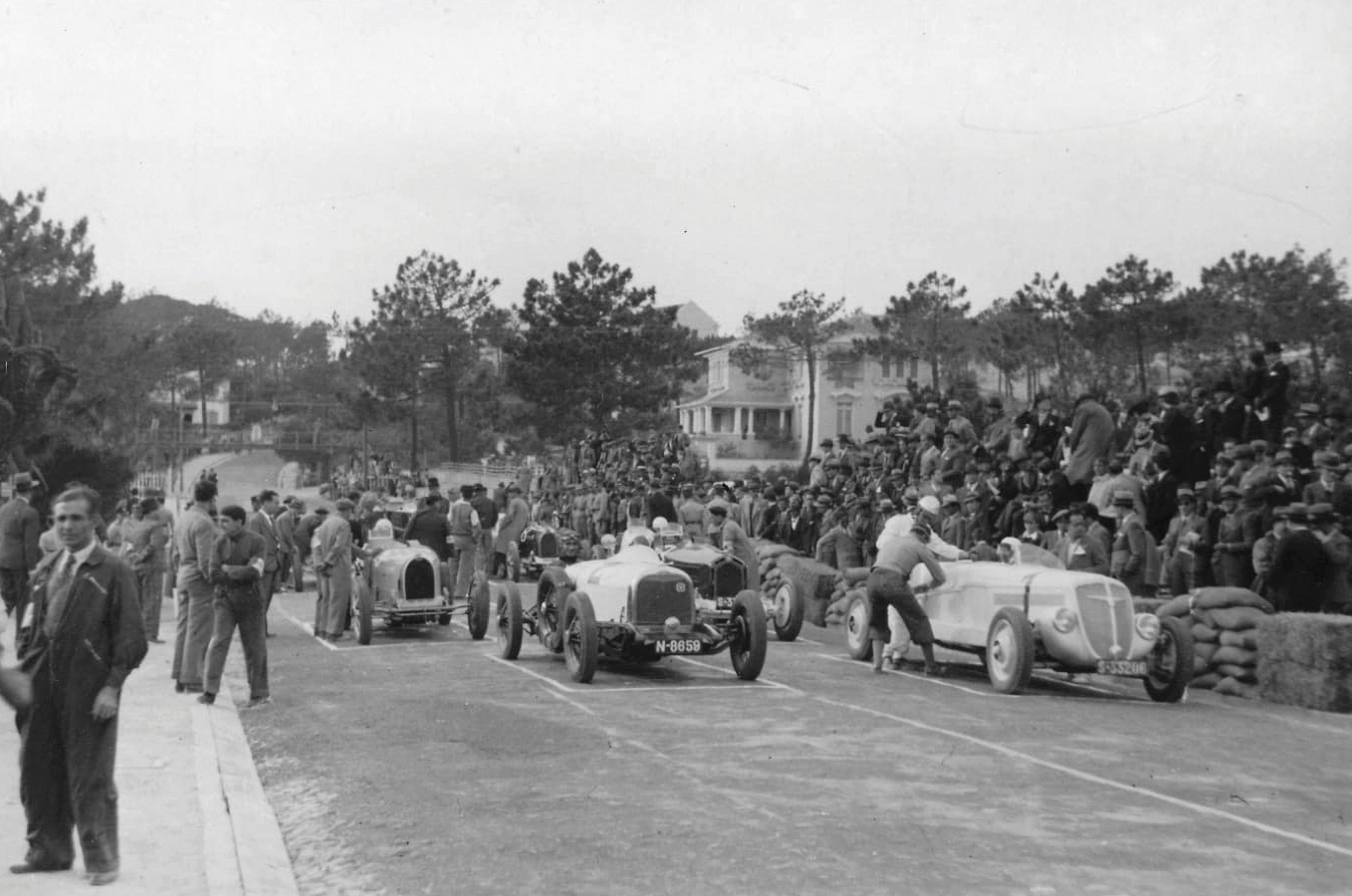
The Felcom Special prepares for its final race, with Henrique dos Santos at Circuito da Boavista, 1935 © Pedro Filipe
Unfortunately, the car’s history is patchy from the mid-’30s until the 1960s, when it was acquired for a collection and restored, though it remained largely unused until 2019, when it came into the hands of arch-enthusiast Pedro Filipe.
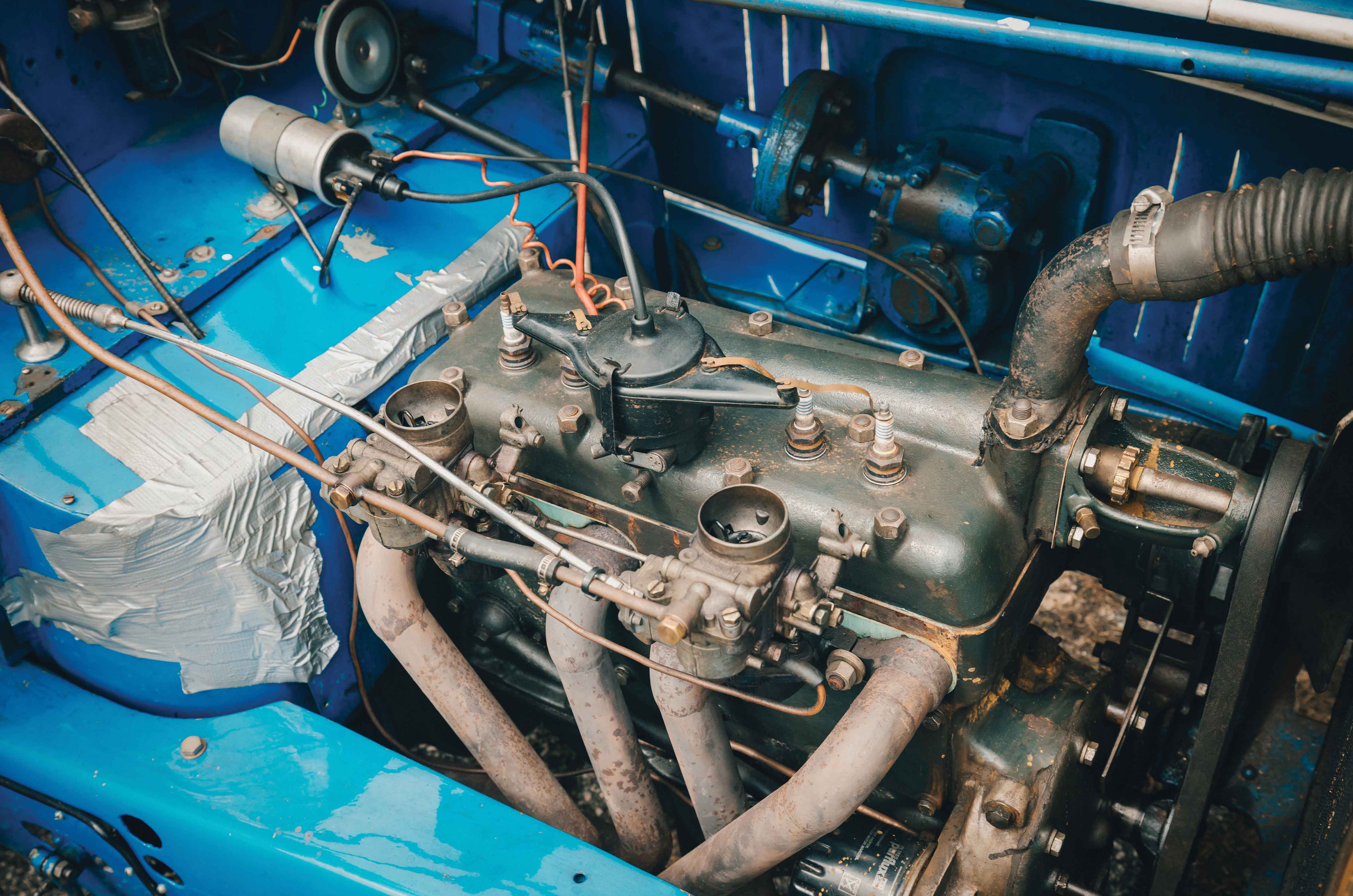
With its engine by then displacing 3.6 litres, up from the original 3.3, Pedro recommissioned the car and in 2022 entered the Vintage Revival Montlhéry in France, taking the Felcom out of Portugal for the first time in its 94-year history.
Poignantly, in 2024 he raced the car once more at Vila Real circuit, as well as returning to Montlhéry for a second time.
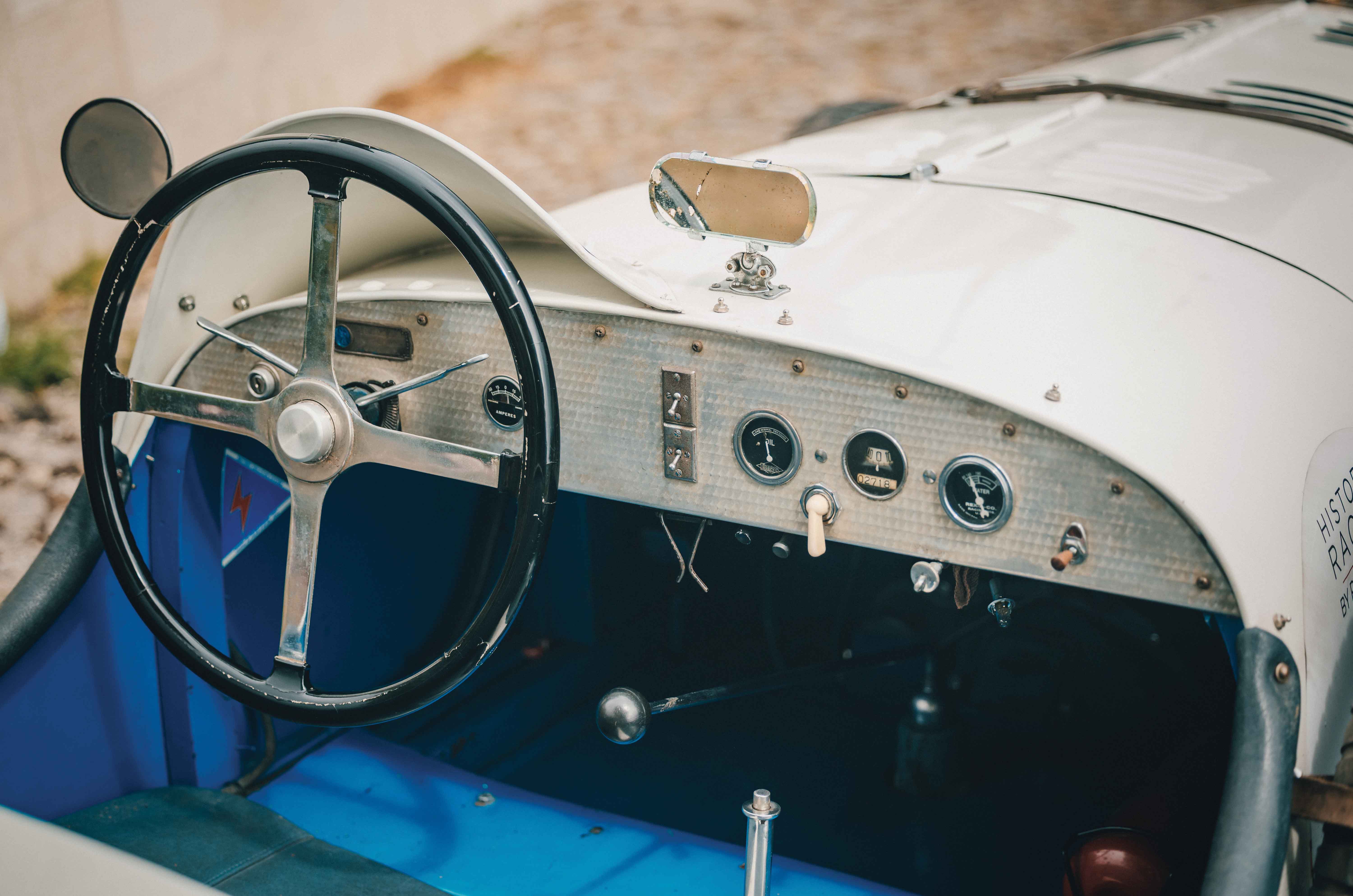
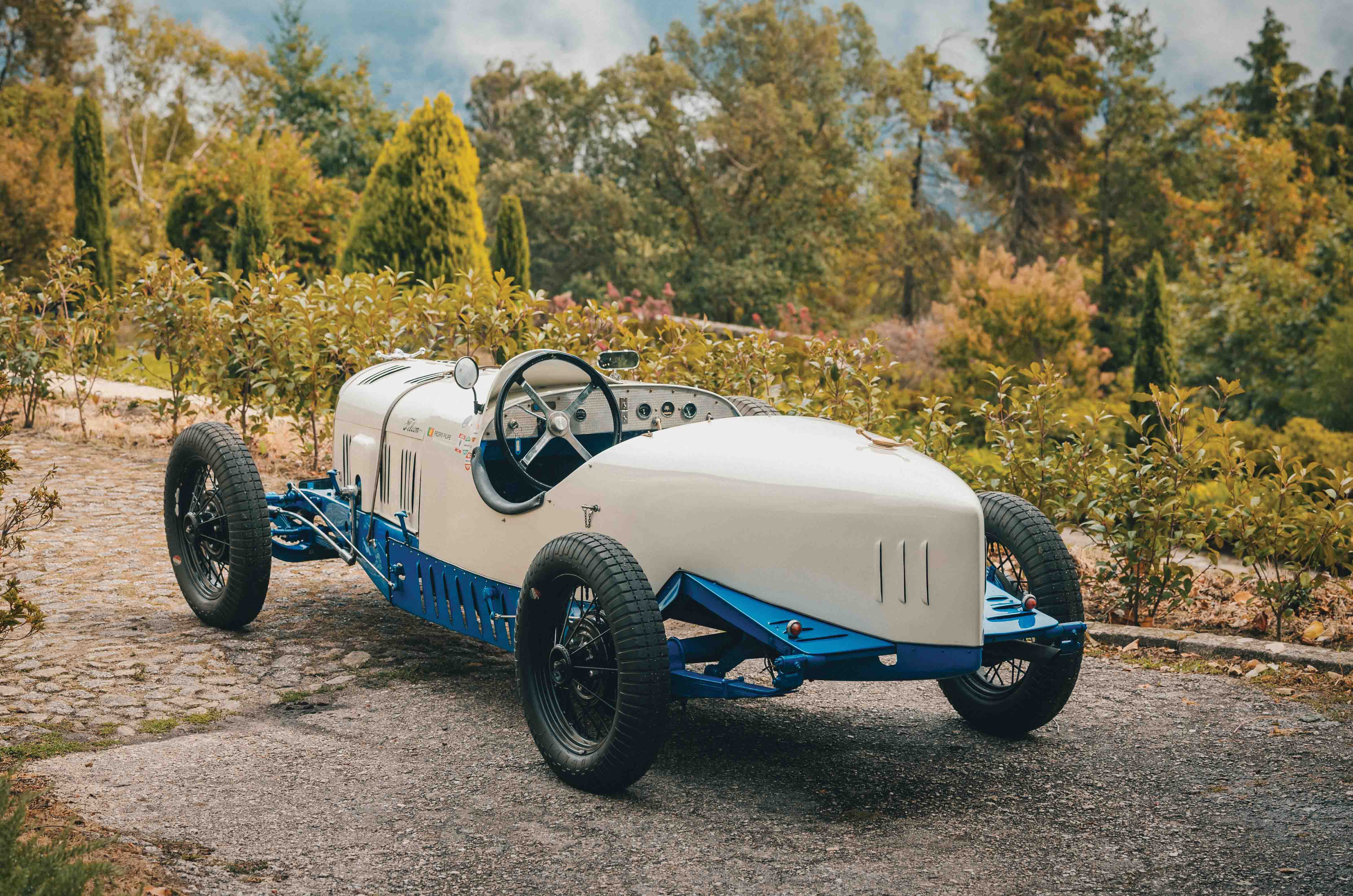
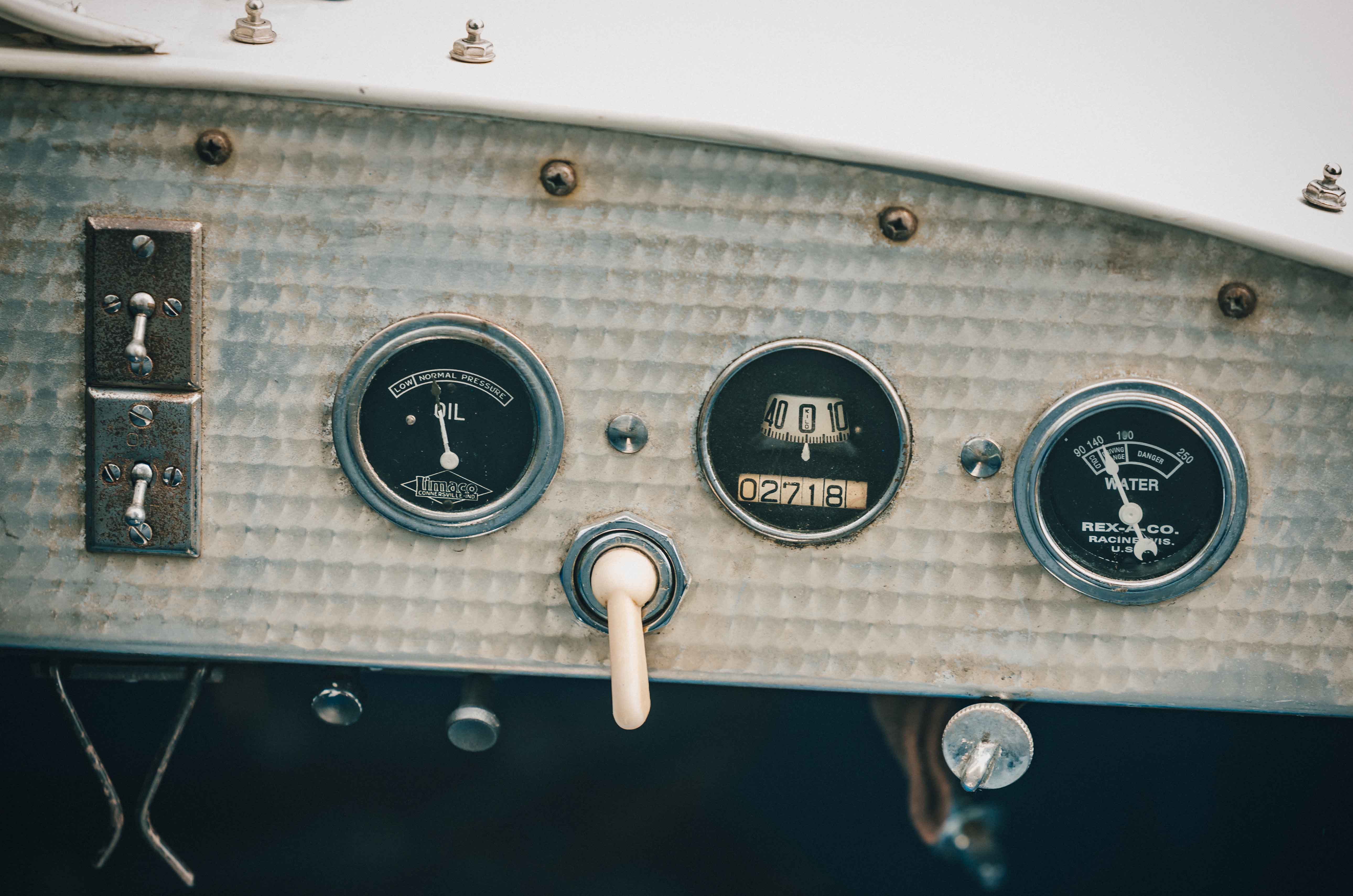
The Felcom Special’s cockpit contains the bare minimum of dials and switchgear
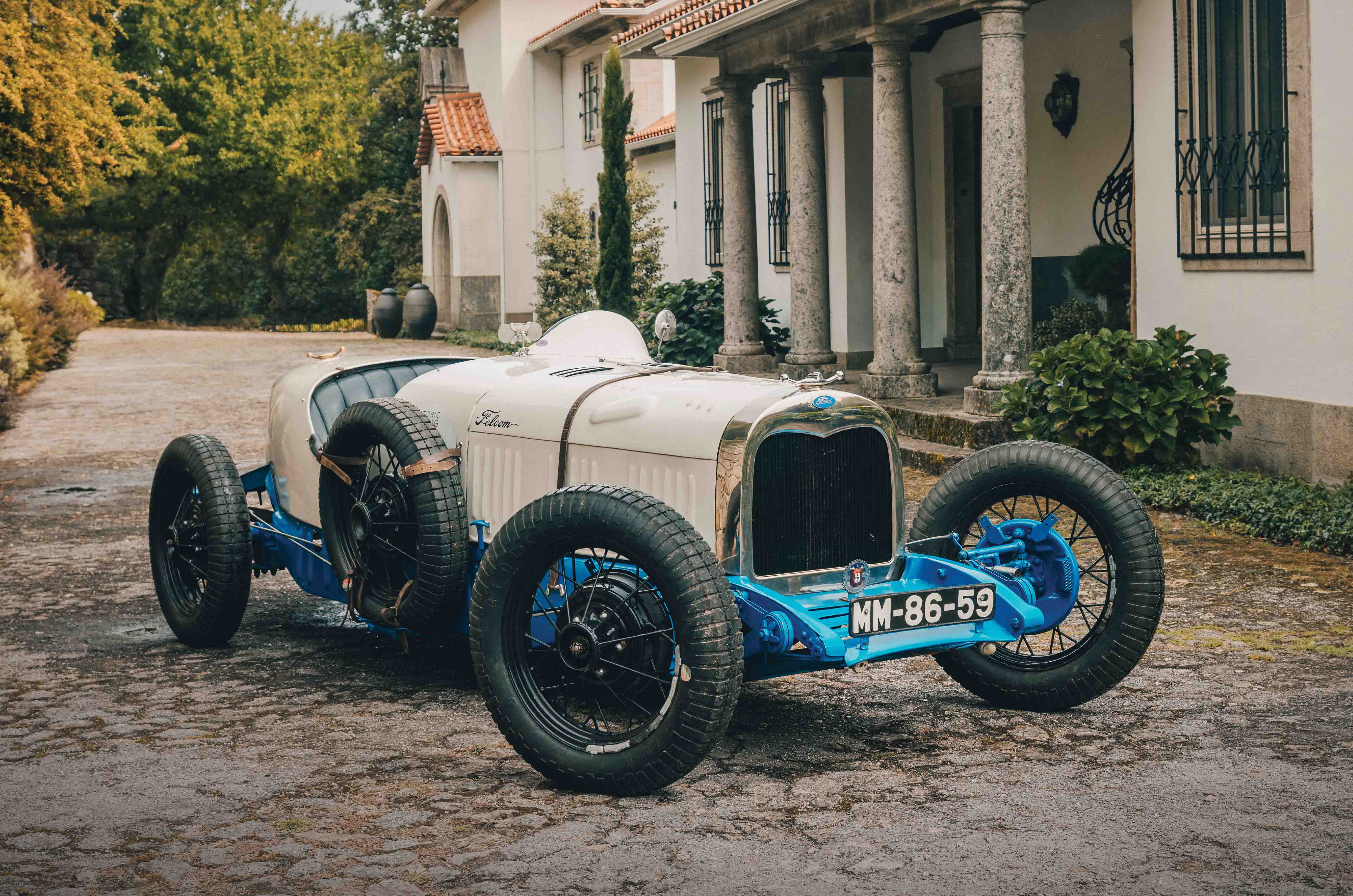
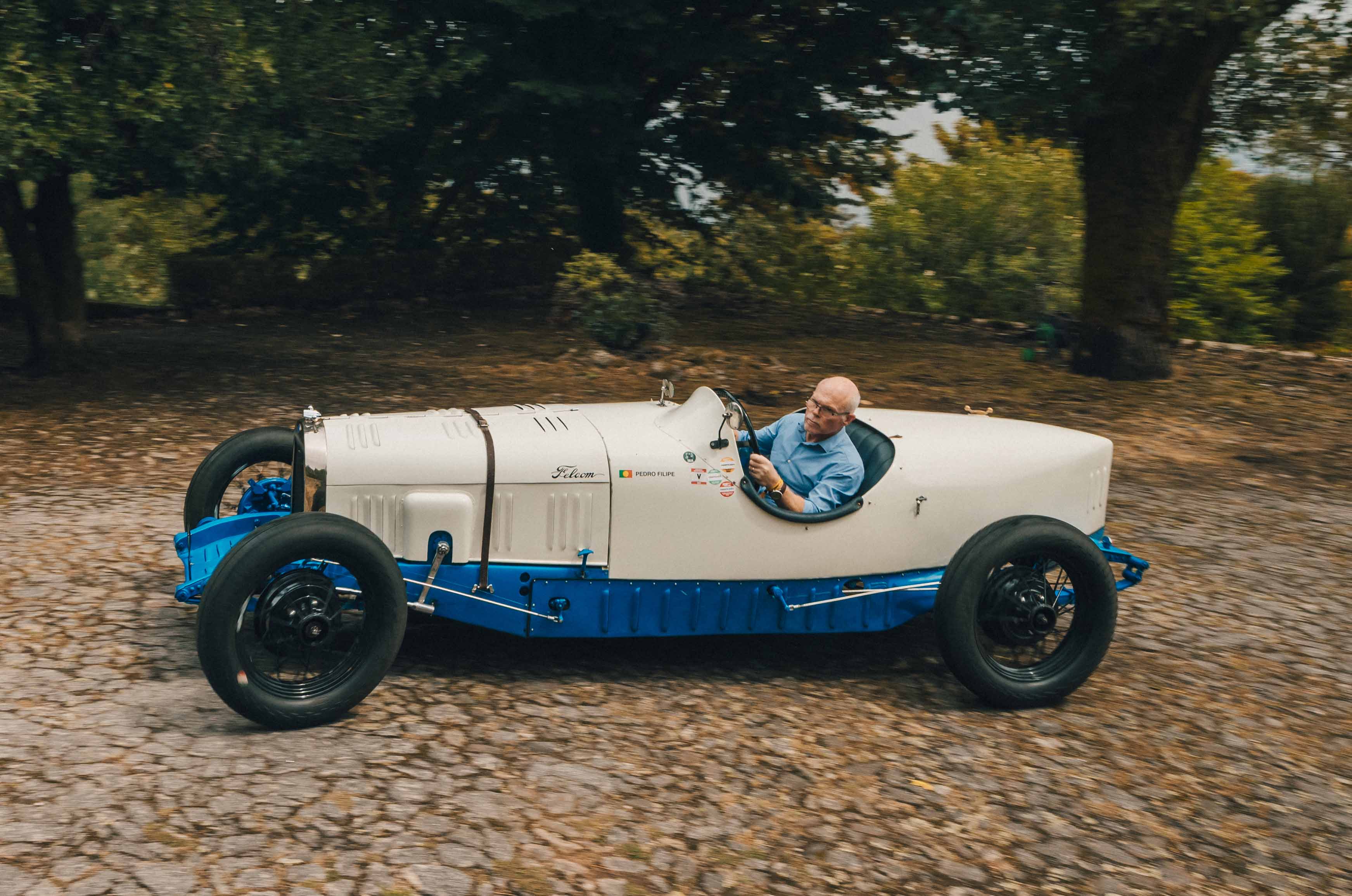
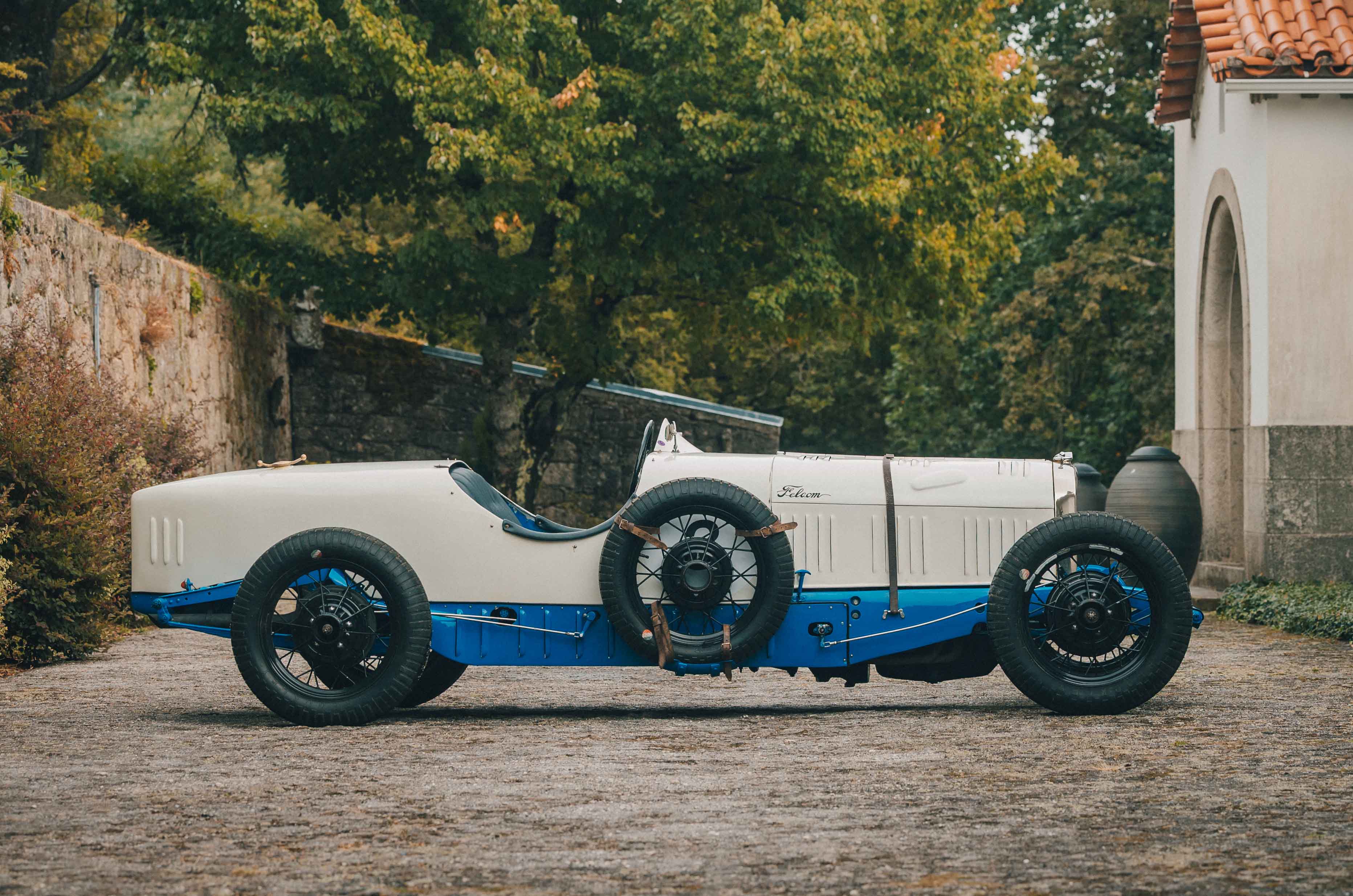
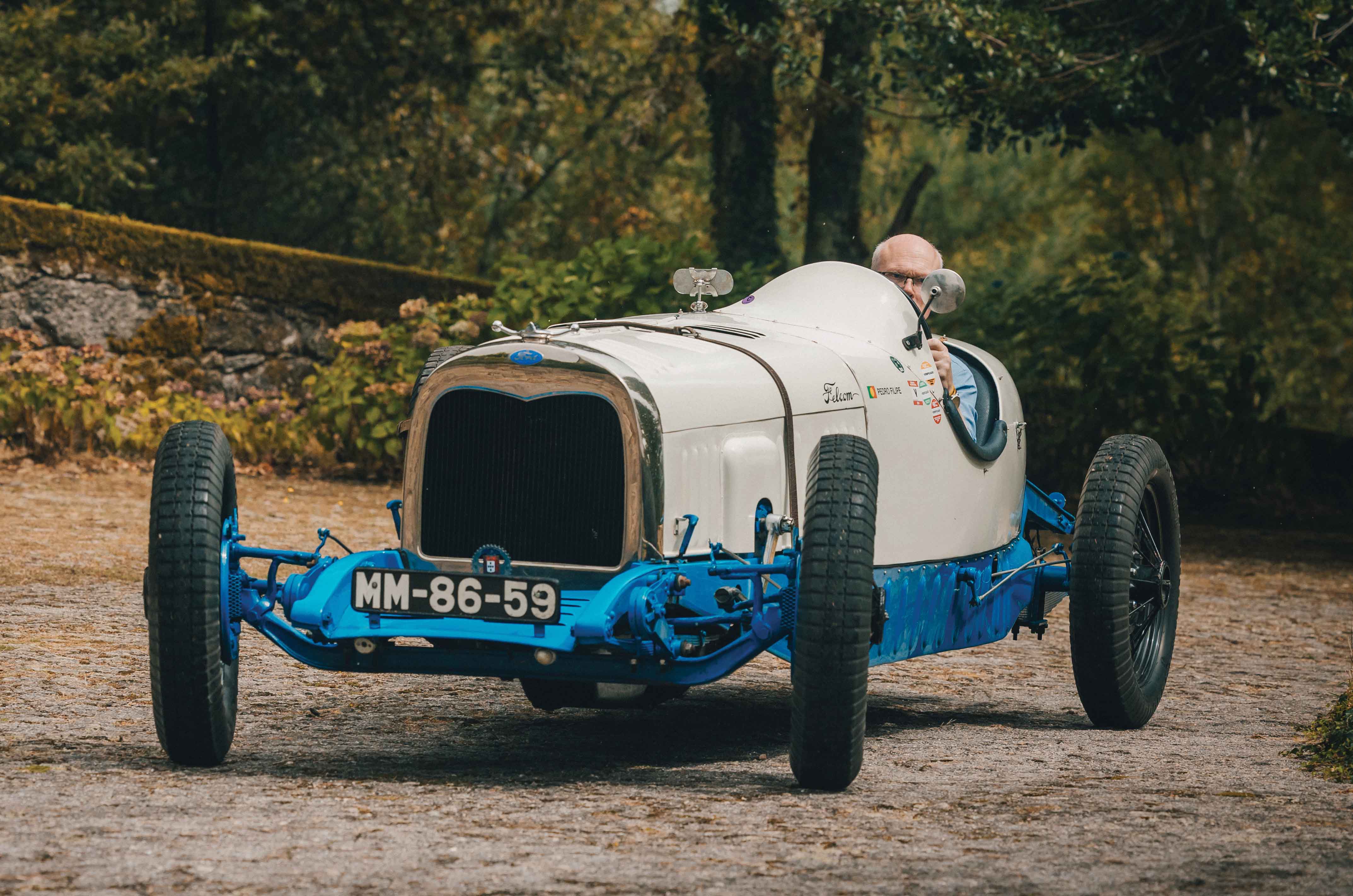
Carvalho’s post-1932 bodywork lends the Felcom an aesthetic gravitas it lacked during its time with Menéres and Ferreirinha.
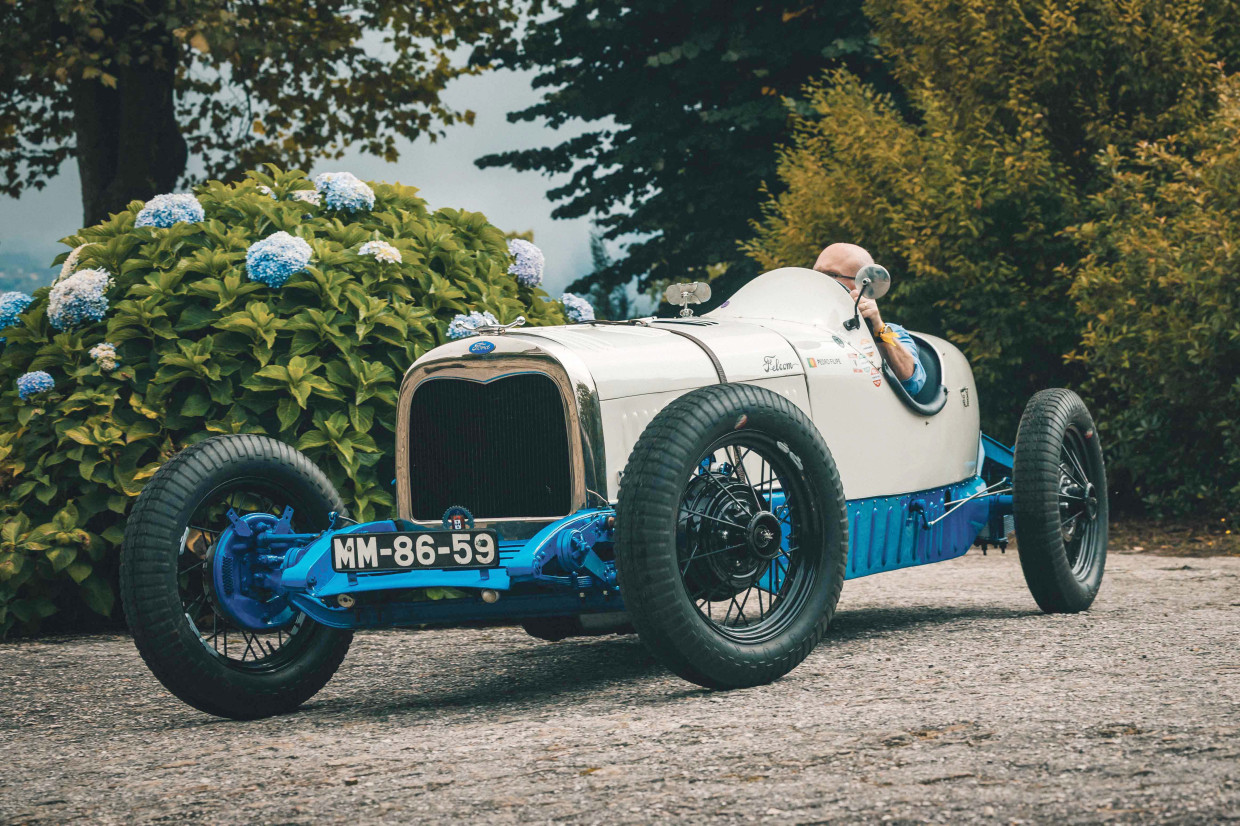
Derivative it may be, with hints of ERA, Bugatti and Delage in its design, but with its exposed wheels, crisply pointed rump and low-slung stance, the Felcom is a perfect flag-bearer for early Portuguese motorsport.
You sit low in the left-hand-drive cockpit behind a huge, sprung four-spoke wheel, legs outstretched before you to control the conventionally arranged pedals – the accelerator little more than a button.
Four small dials for charge, oil, water temperature and speed (on a rotating barrel up to 140kph) are spread across the turned-aluminium dash, with only a few unlabelled switches for auxiliaries.
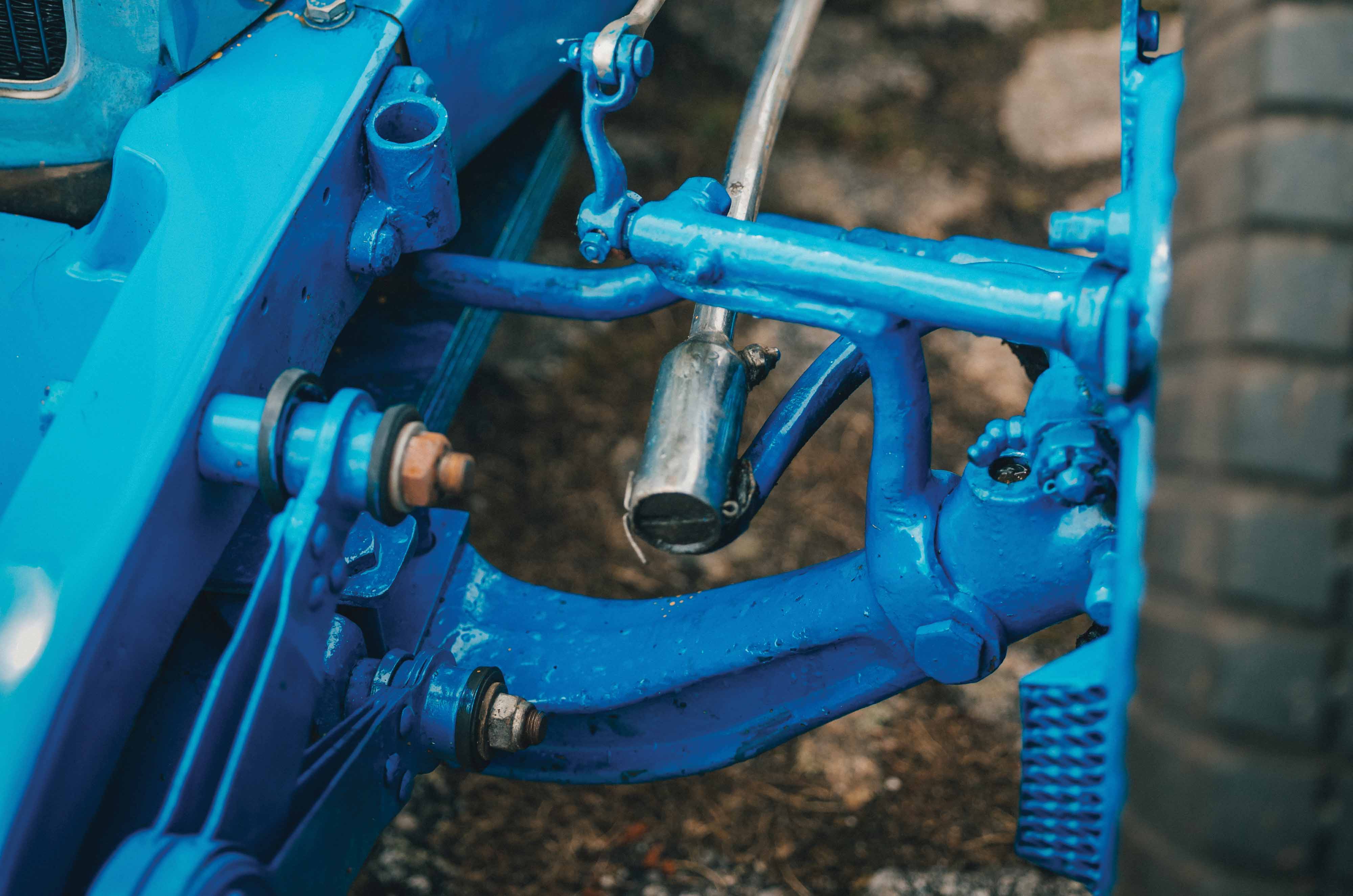
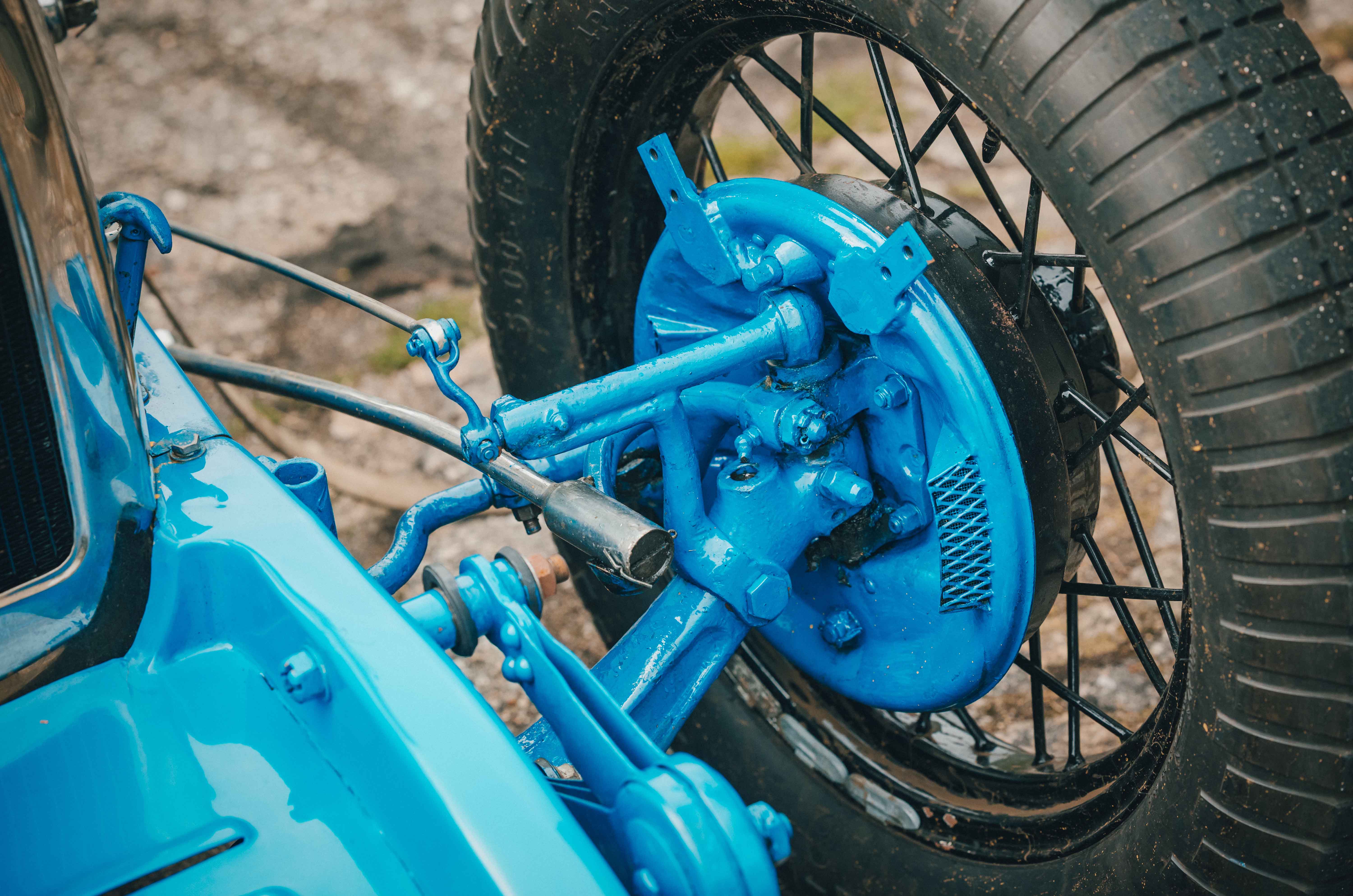
The Ford Model A’s four-wheel brakes were carried over to the Felcom Special
The lever for the three-speed ’box is at least 2ft long and sprouts near-horizontally from the lower bulkhead.
Fire up, and all eyes in the paddock turn towards the Felcom as its four-banger’s unsilenced, staccato baritone rents the air.
There’s no ’screen, but as I pull out on to the cobbled Caramulo streets, I can only just see over the metal wind-deflector.
Pedro admits the brakes still need fettling, so we’re being circumspect; the steering is also running a little too much caster, so its responses are sharp to say the least.
The Felcom Special is not short on agility, aided by its low centre of gravity
But the torque is immense, more than enough to spin the rears in the tall second and third gears with little provocation, and fling you up this mountainside town’s hilly roads in the same way it would have around Boavista circuit nearly a century ago.
Pedro’s enthusiasm for the car is palpable, and he vows to get me back into it for the 2026 hillclimb.
As we watch visitors admiring the racer in the paddock, it’s strange to think that this popular festival in some small way owes its success to the Felcom, which helped to ignite Portugal’s love for motorsport
Images: Manuel Portugal
Thanks to: Pedro Filipe; Caramulo Motorfestival
Enjoy more of the world’s best classic car content every month when you subscribe to C&SC – get our latest deals here
READ MORE
Hudson ‘Bestium’ special: Domingo Bucci’s hometown hero
Mercedes-Benz SSKL: recreating the first Silver Arrow
Huayra Pronello Ford: Argentinian sensation
Simon Hucknall
Simon Hucknall is a senior contributor to Classic & Sports Car