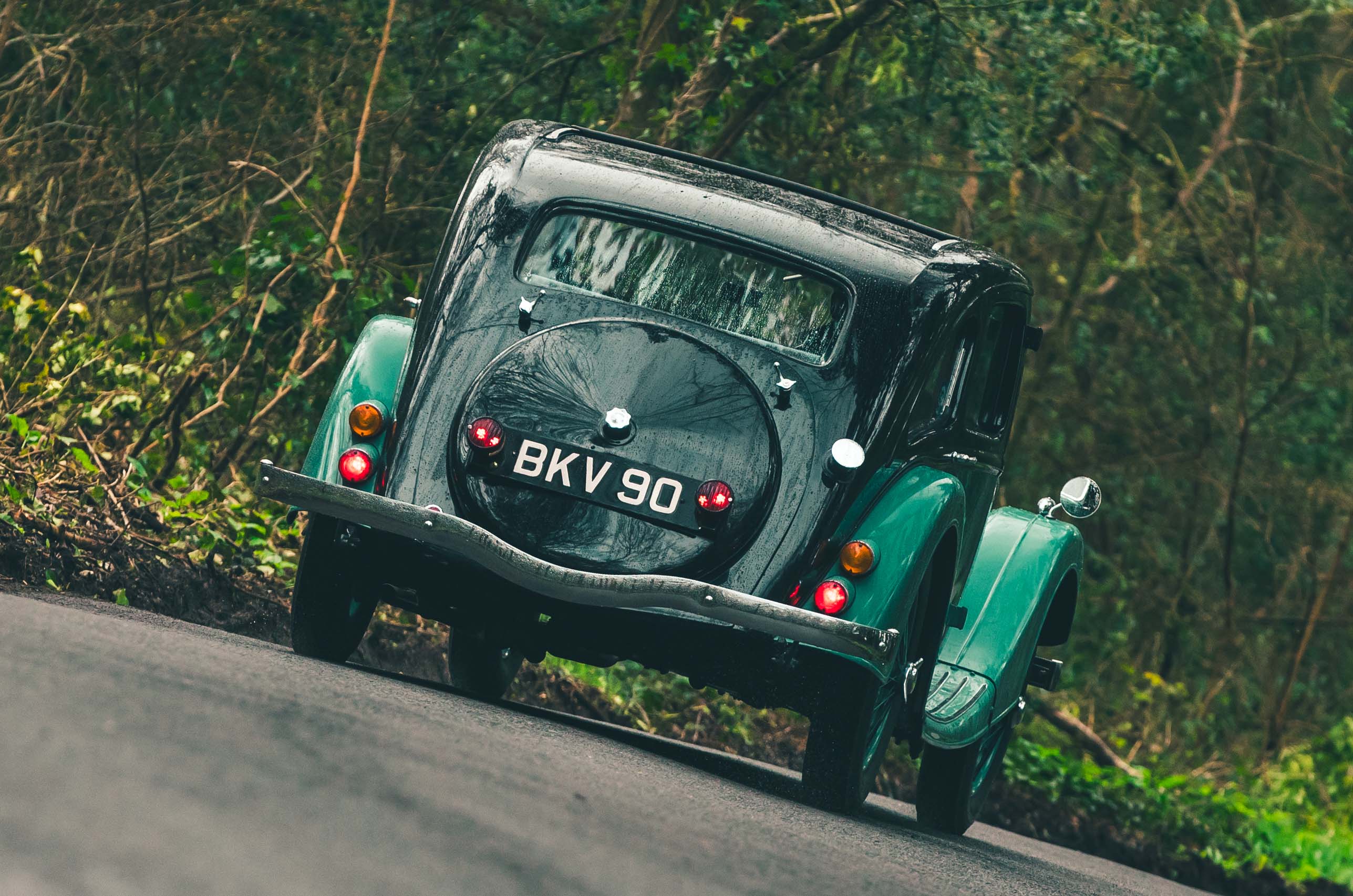
Riley Kestrel Sprite 1½ Litre: variation on a theme

| 28 Sep 2026
Classic & Sports Car – Riley Kestrel Sprite 1½ Litre: variation on a theme
Rileys of the 1930s – especially those from the pre-Nuffield era – are still spoken of in respectfully hushed tones.

My tone while writing these words is not so much hushed, however, as it is faltering and confused – if only because untangling the hierarchy of pre-war Riley models, model names and bodies is a task worthy of an Open University degree or at least a Mastermind specialist subject.

Then again, you do not need to boast an encyclopaedic knowledge of Riley production history to know where the firm, in the midst of its golden age, went wrong.

Classic & Sports Car – Riley Kestrel Sprite 1½ Litre: variation on a theme
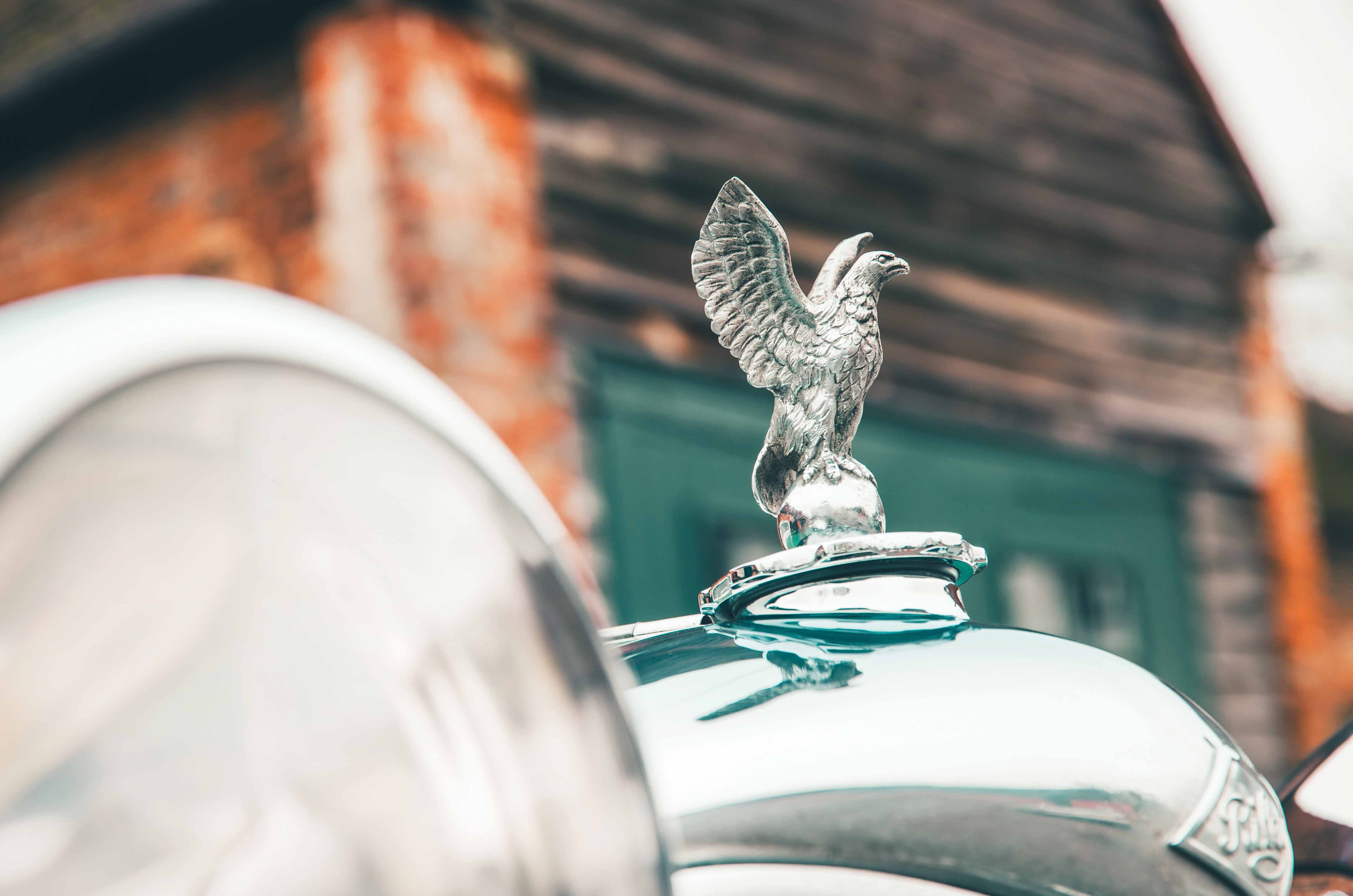
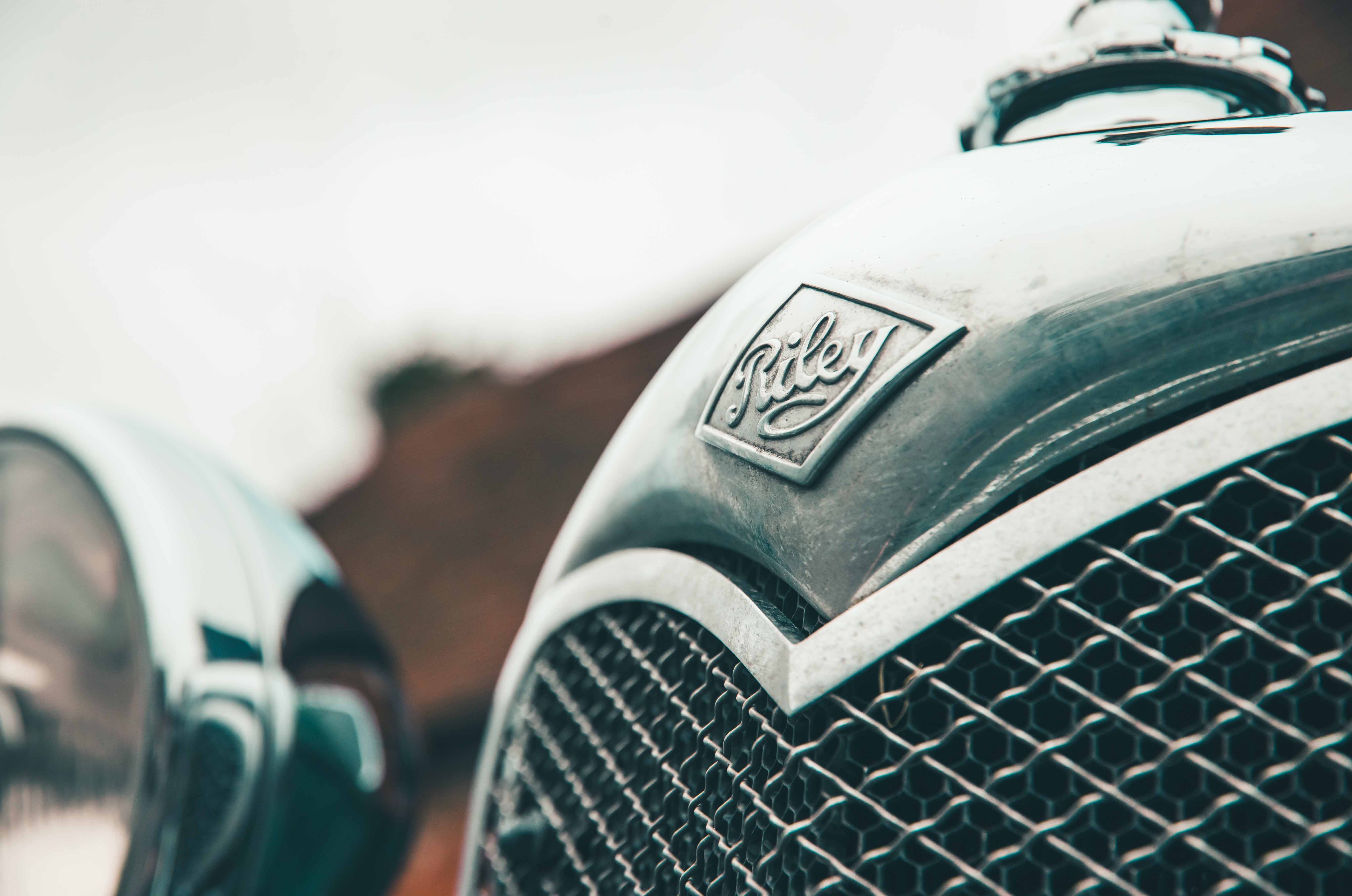
Riley’s proud mascot adorning the Kestrel’s gleaming chrome radiator shell portrays the model’s eponymous bird of prey

Undercapitalised and overstretched, Riley (Coventry) Ltd was also wildly commercially undisciplined, offering at the height of its popularity as an independent entity no fewer than 40 possible variations of chassis, body and engine.

The famous West Midlands manufacturer, which was very much a family affair, specialised in building high-quality, relatively compact cars that punched above their weight on the road and in every form of competition.

Just to name a few highlights, Rileys landed the Tourist Trophy in 1932, while a factory team came remarkably close to winning Le Mans in 1934.

And Riley mechanicals provided the basis of the supercharged ERA voiturettes.

Classic & Sports Car – Riley Kestrel Sprite 1½ Litre: variation on a theme
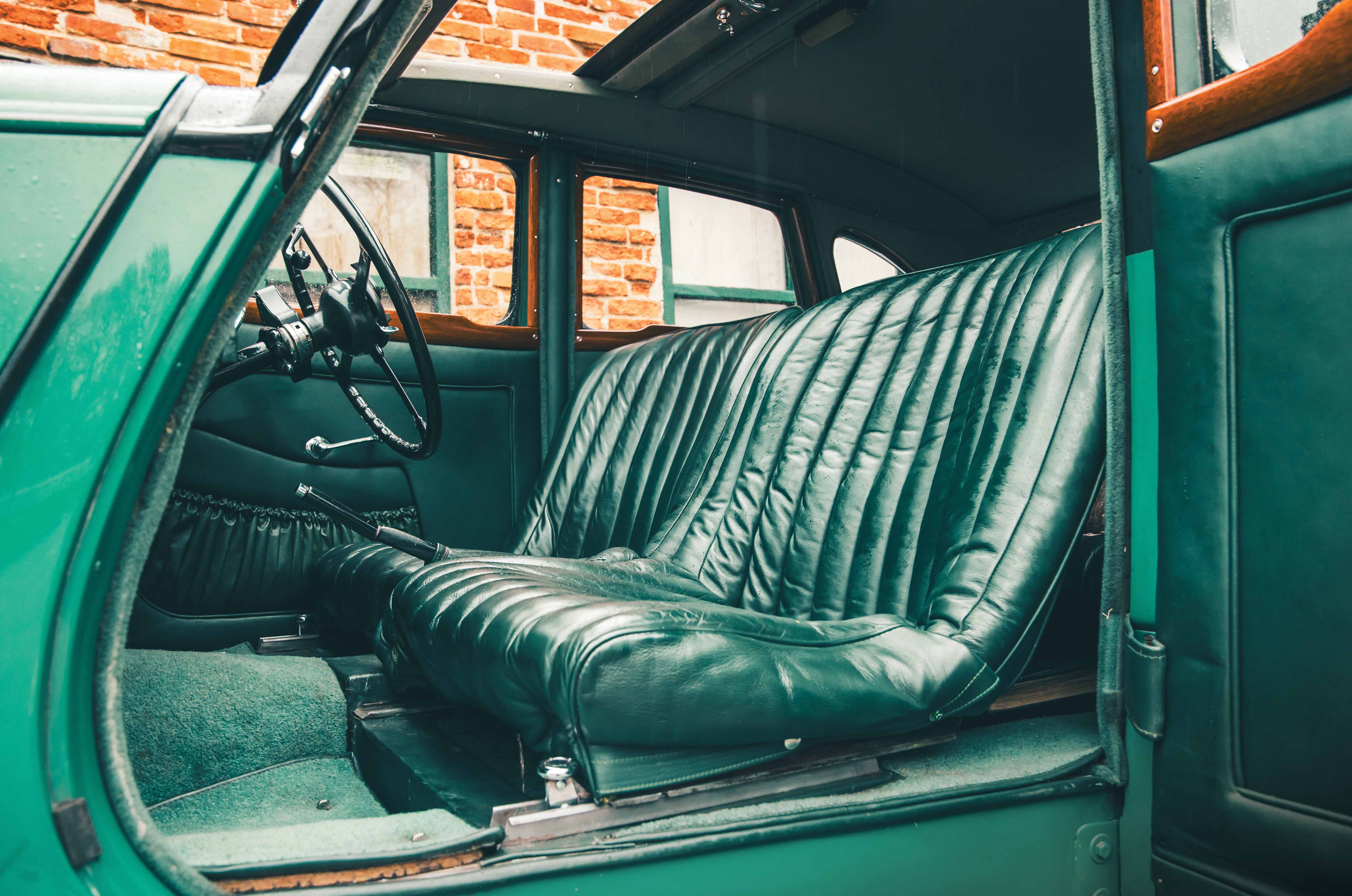
The Riley Kestrel Sprite 1½ Litre’s sculpted front bucket seats

Riley’s famous ‘As old as the industry, as modern as the hour’ mission statement, coined during its glory years, was spot-on.

William Riley, a maker of bicycles, only reluctantly allowed his eldest sons to produce a Riley-badged motor car in 1898.

The five male offspring – Victor, Allan, Percy, Stanley and Cecil – went on to establish the Blue Diamond’s reputation with sporadic production of tricars and modest runabouts before building an early reputation for good engineering with larger, sidevalve-engined post-WW1 models.

Classic & Sports Car – Riley Sprite 1½ Litre: variation on a theme
‘Because Riley Kestrel Sprites were so capable and agreeable to drive, BKV 90 was still in daily use in the 1960s’

Then came the Riley Nine.

This ‘wonder car’, largely designed by Percy and Stanley Riley, used a four-cylinder motor with hemispherical combustion chambers, short pushrods and twin camshafts mounted high in the sides of the block.

It set new standards for small-car performance and, in various forms, remained Riley’s signature power unit for two decades.

The glamorous open two-seater models of the 1930s – the Brooklands, Imp, Sprite and particularly the beautifully proportioned MPH – were every English schoolkid’s daydream, but these models were only manufactured in handfuls.

Classic & Sports Car – Riley Sprite 1½ Litre: variation on a theme
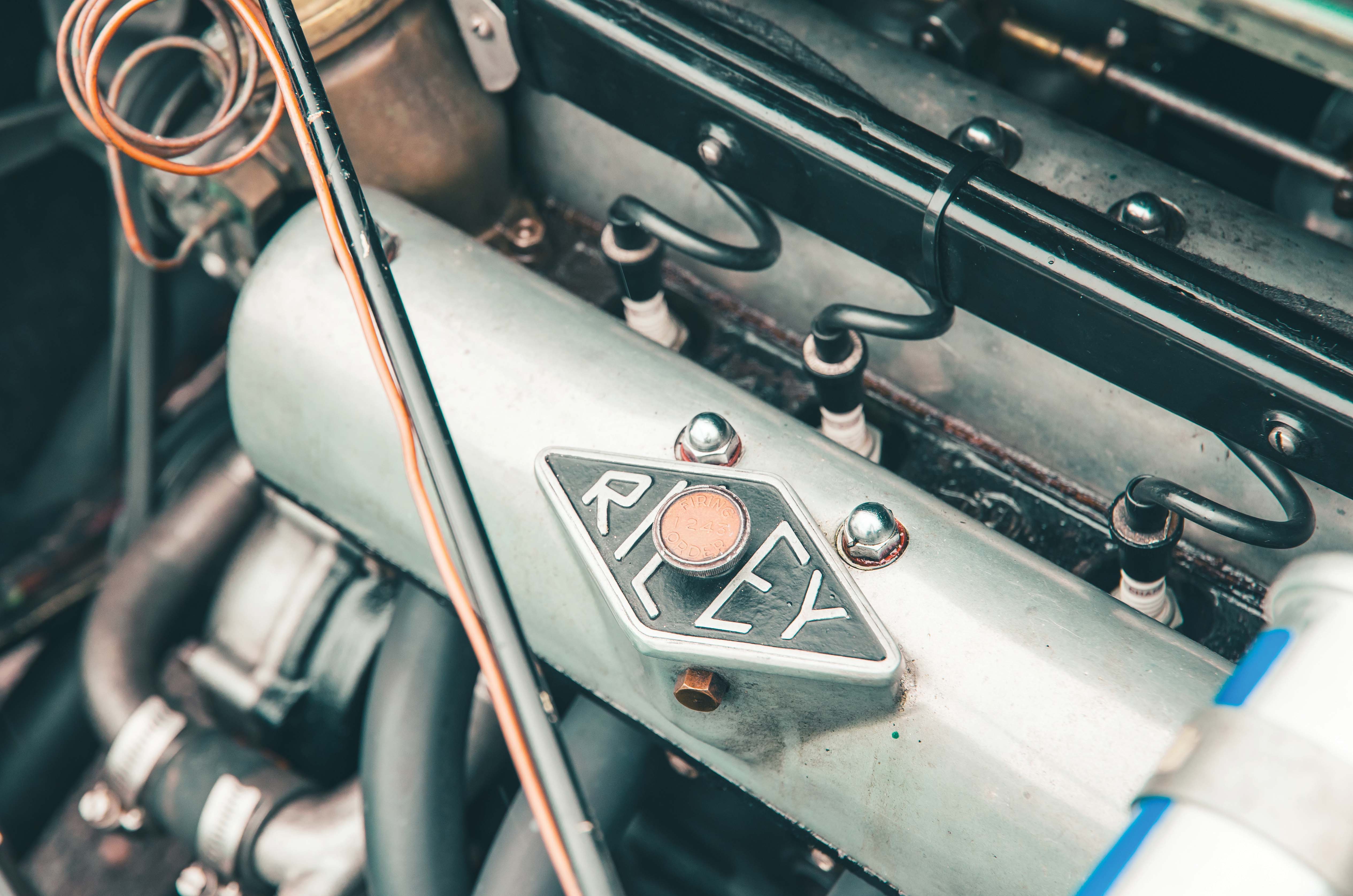
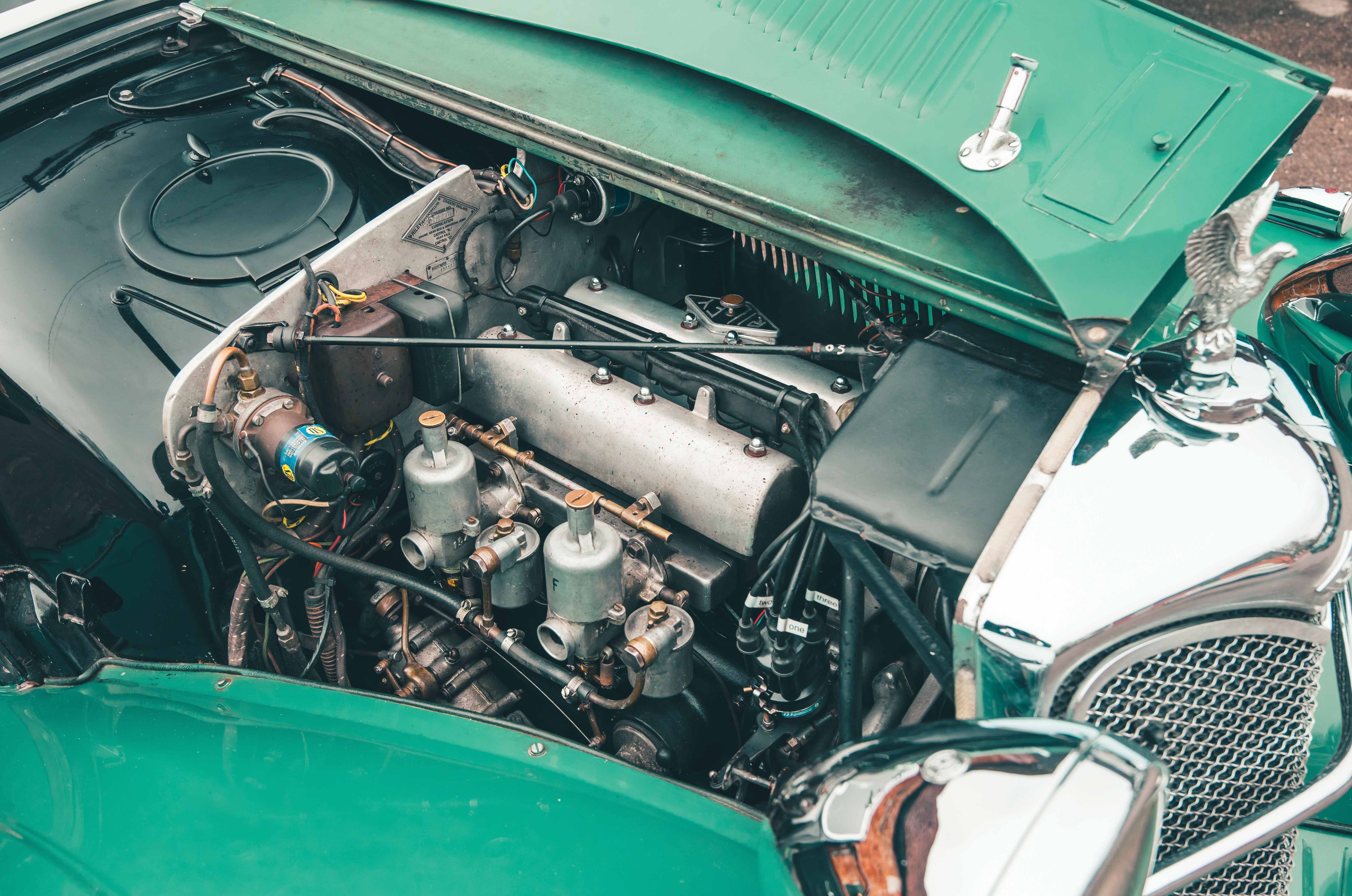
The Riley Sprite 1½ Litre’s ‘high-cam’ engine has longer inlet duration

Saloons and tourers remained the firm’s bread-and-butter products, but even these were only ‘mass produced’ within the loosest interpretation of that phrase, while at the same time being locked into a regime of yearly tweaks and fresh variations on a theme for a fanbase of faithful owners.

These Rileys were always the most clubbable of cars, like a minor cult.

It says something that the Riley Motor Club, the second-oldest one-make group on the planet, was also the world’s largest by 1933, with some 2000 members.

Classic & Sports Car – Riley Sprite 1½ Litre: variation on a theme
The Riley Sprite 1½ Litre’s 1496cc four-cylinder engine

The cars were not cheap, yet they were not really expensive for what they offered: at £398, a 1936 Riley 1½ Litre such as the one pictured here (with the Kestrel body, preselector ’box, Dunlop tyres and Triplex safety glass all round) was twice the price of an unexciting Austin 12/4 saloon, but probably more than twice the car.

A little context is useful, if just to get your bearings.

There were three versions of the Nine between 1930 and ’36 (each available with up to seven distinct types of body, obviously), and that’s without even getting into the various six-cylinder cars, the pre-Nuffield Victor or the handsome, one-year-only 2½-litre Big Four.

This model, in Kestrel, Adelphi and Close Coupled Saloon variants, was in effect a warm-up act for the post-war RMs. Then there was the fascinating, but doomed, 8-90 V8.

Classic & Sports Car – Riley Sprite 1½ Litre: variation on a theme
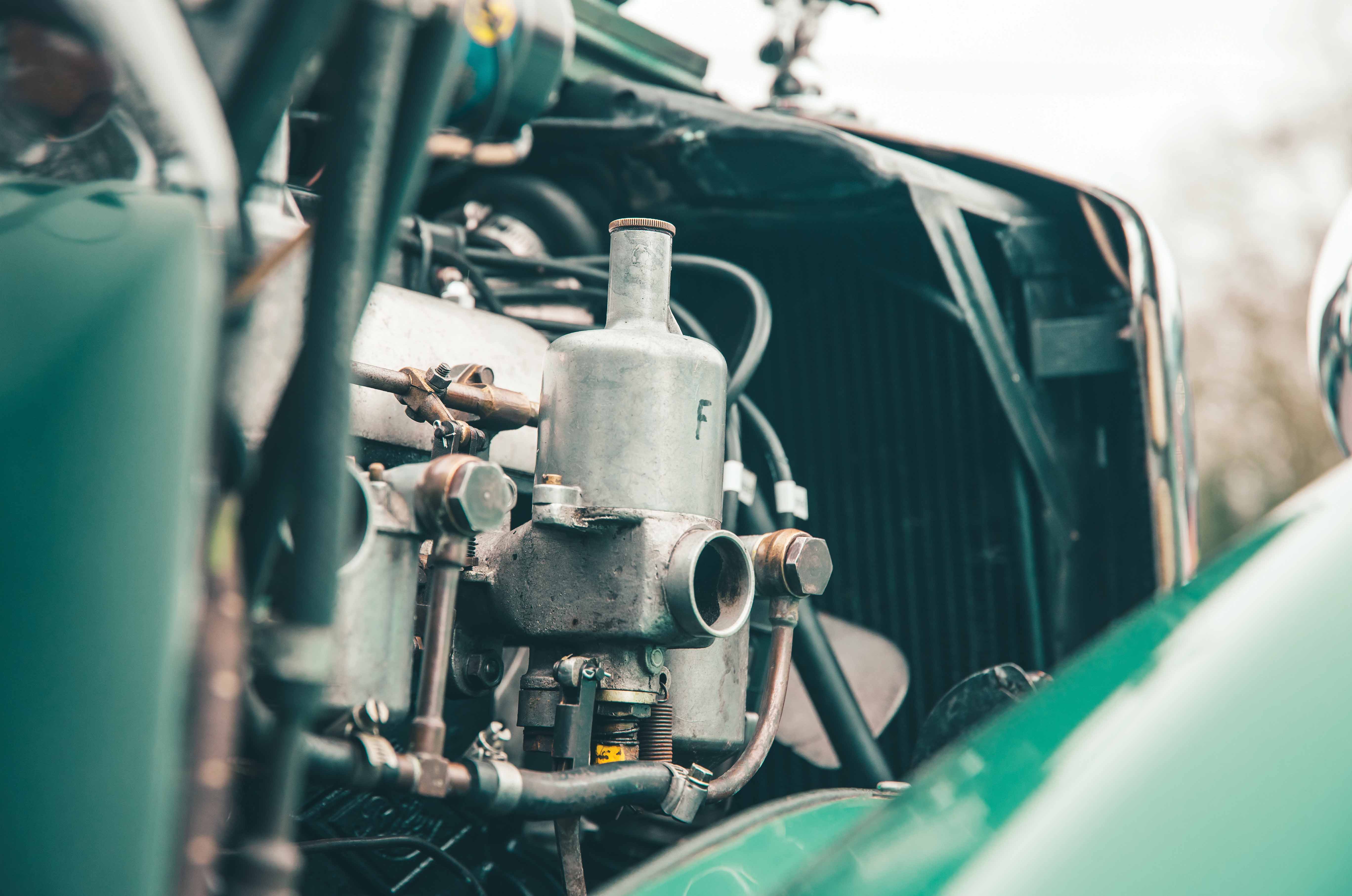
The Riley Kestrel Sprite’s twin 1¼in SU carburettors

Most of the cars from the Foleshill factory were the Nine of 1087cc and the 1½ Litre 1496cc four-cylinder models, but Riley also made a variety of high-camshaft ‘sixes’, no larger than 1726cc.

All combined, on ordinary, wide semi-elliptic springs, they had excellent handling, a good ride and the kind of 70-80mph-plus performance normally only to be found in lumbering 3- or 4-litre machinery of the day.

Then there was the styling. When most saloons of the ’30s had high, boxy lines, Rileys were (mostly) distinctively sleek and raffish, with exciting names such as Monaco, Biarritz, Adelphi, Merlin and, perhaps most famously of all, Kestrel.

Classic & Sports Car – Riley Sprite 1½ Litre: variation on a theme
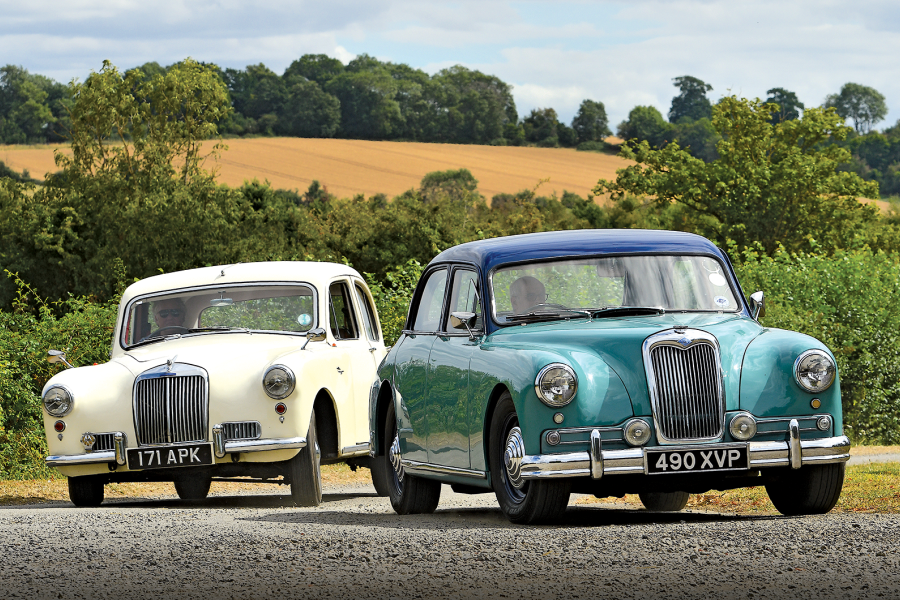
The Riley Kestrel has good vision, quick steering and a decent ride

This streamlined, Art Deco-style coachwork was first seen in four-light form in 1932, for what would be the booming 1933 model year: sales were up 138%.

The Kestrel body, built in aluminium over a wooden frame by Midlands Motor Bodies (led by Allan Riley) was much imitated by Riley’s competitors, and is almost as synonymous with the pre-war models as the high-cam engine.

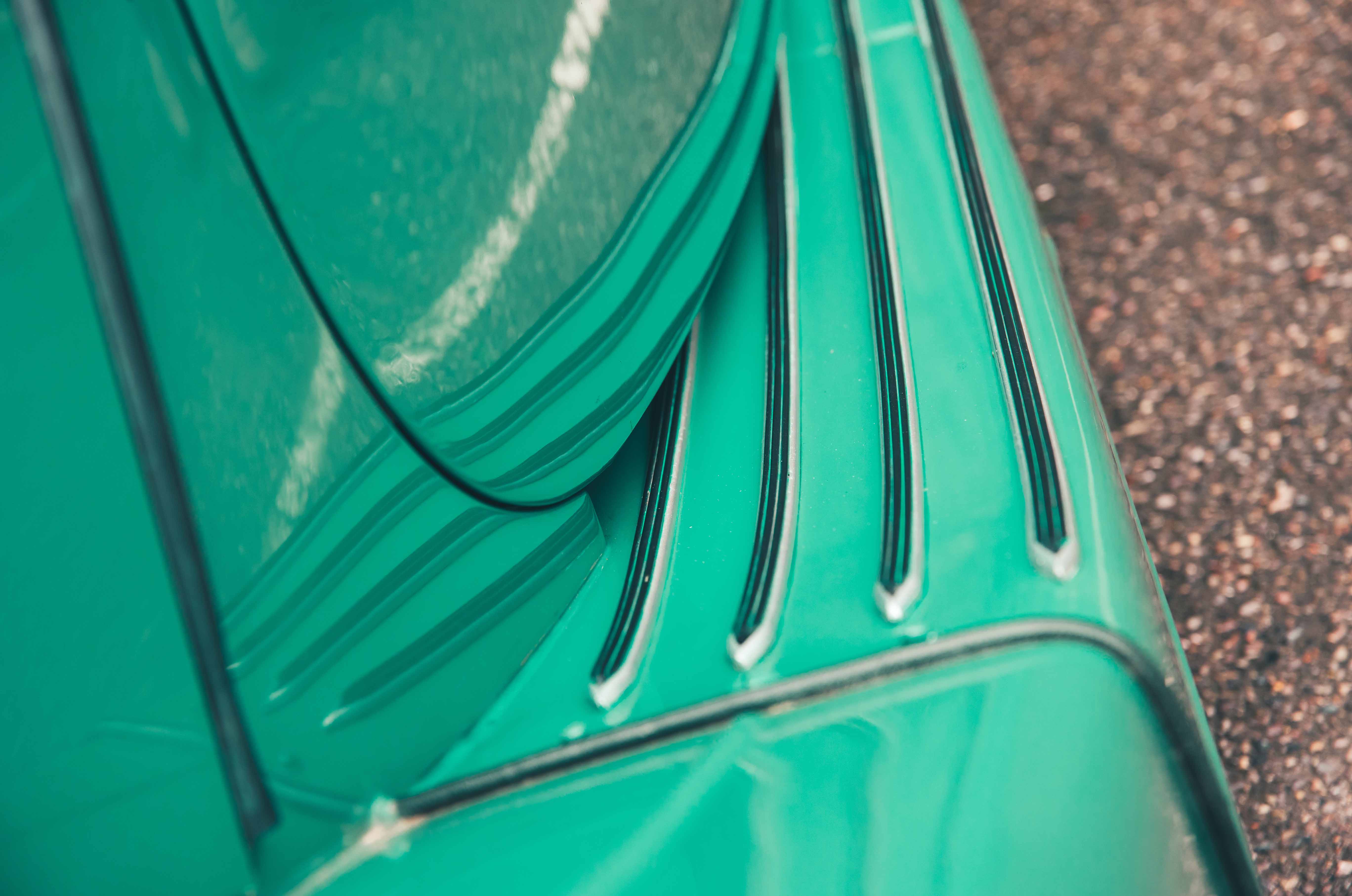
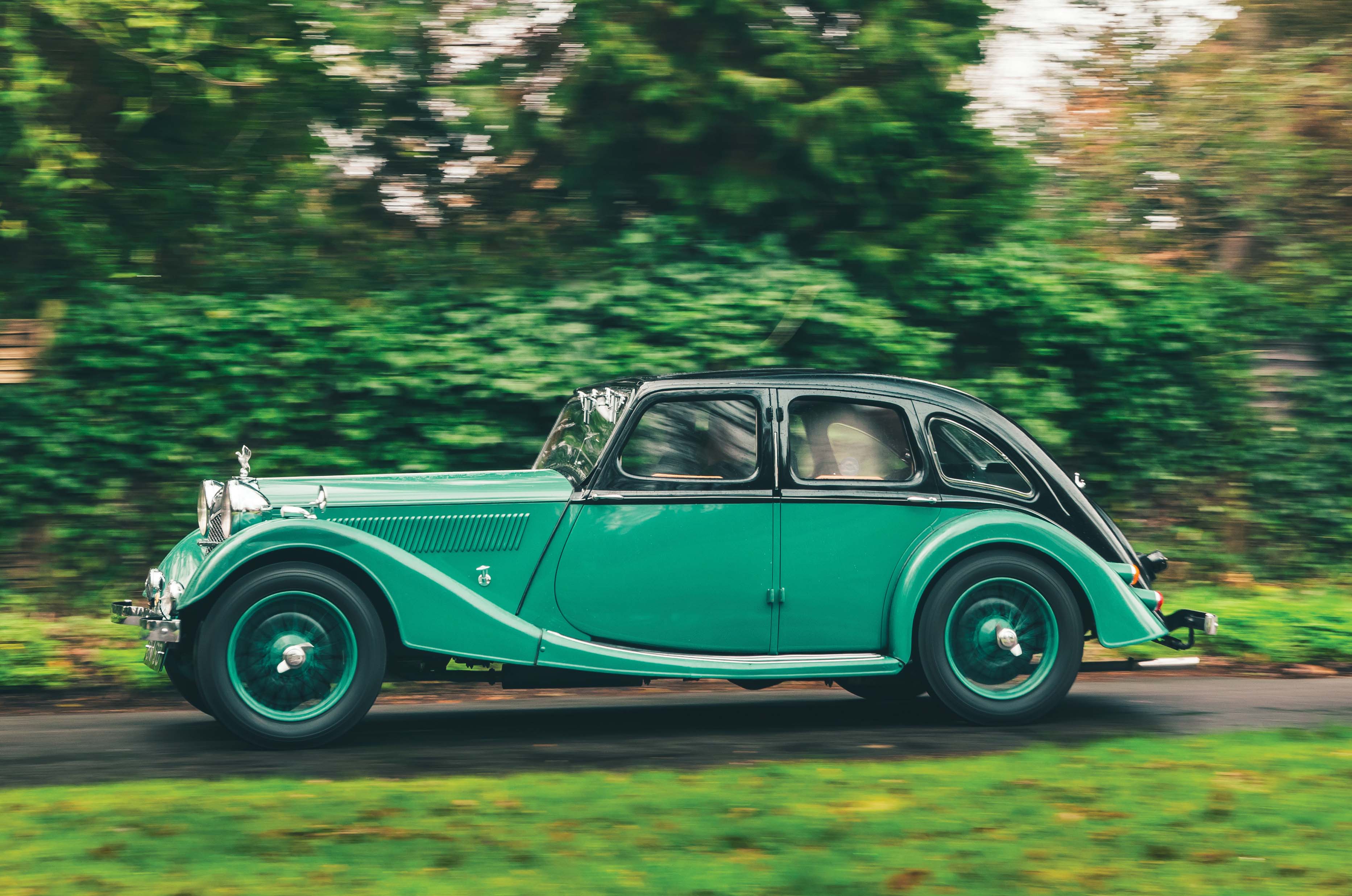
This was the first ‘aero line’ style in British series production, with its distinctive, flowing tail, squat roof, raked windscreen and a boot recess for the spare wheel.

It was immediately popular, particularly on the 9hp chassis (once the wheelbase had been extended to get it all to fit), but also as a six-cylinder 12-6 or 14-6.

Classic & Sports Car – Riley Sprite 1½ Litre: variation on a theme

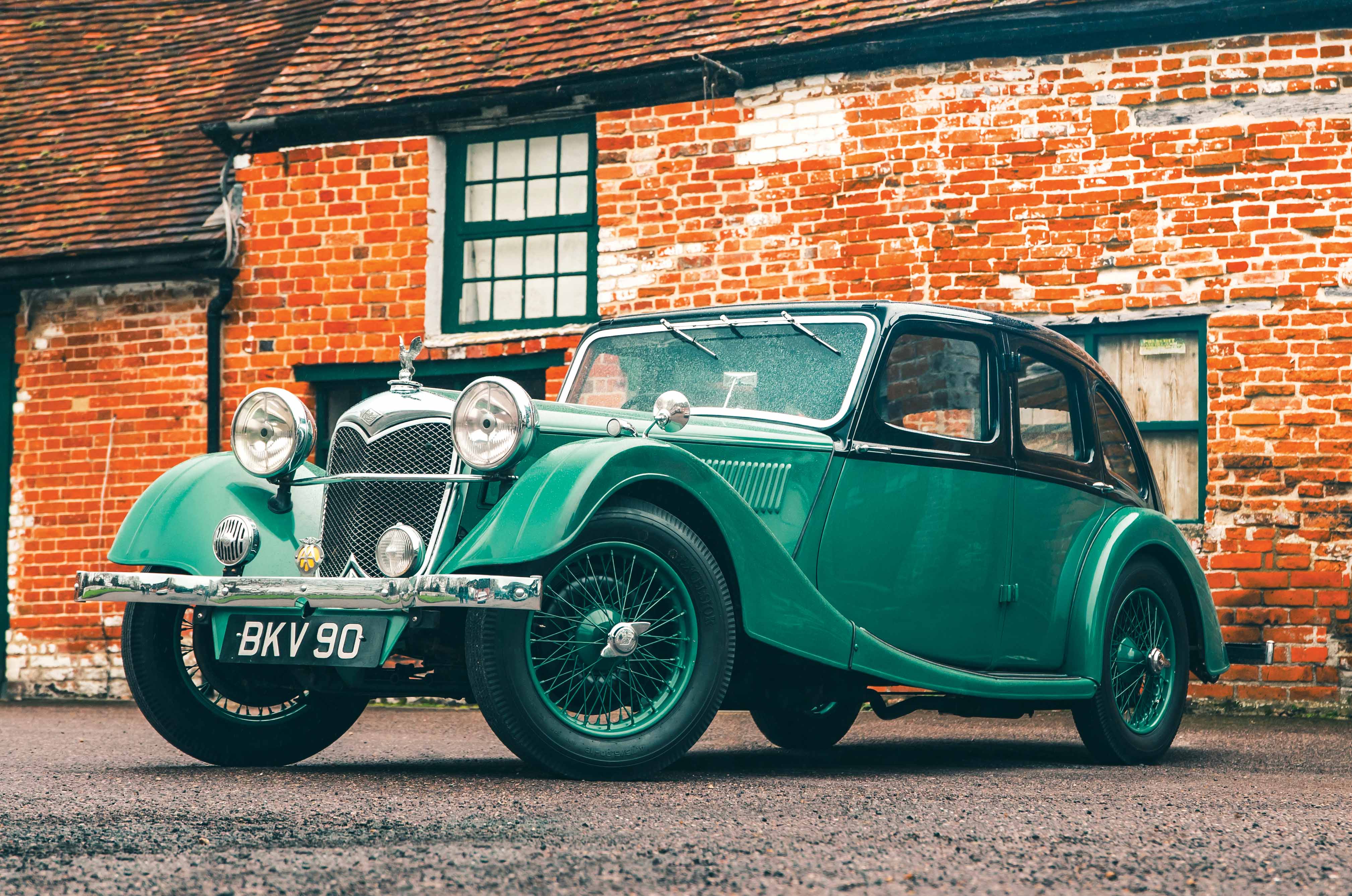
This finely aged Riley Kestrel Sprite reveals the marque at its best

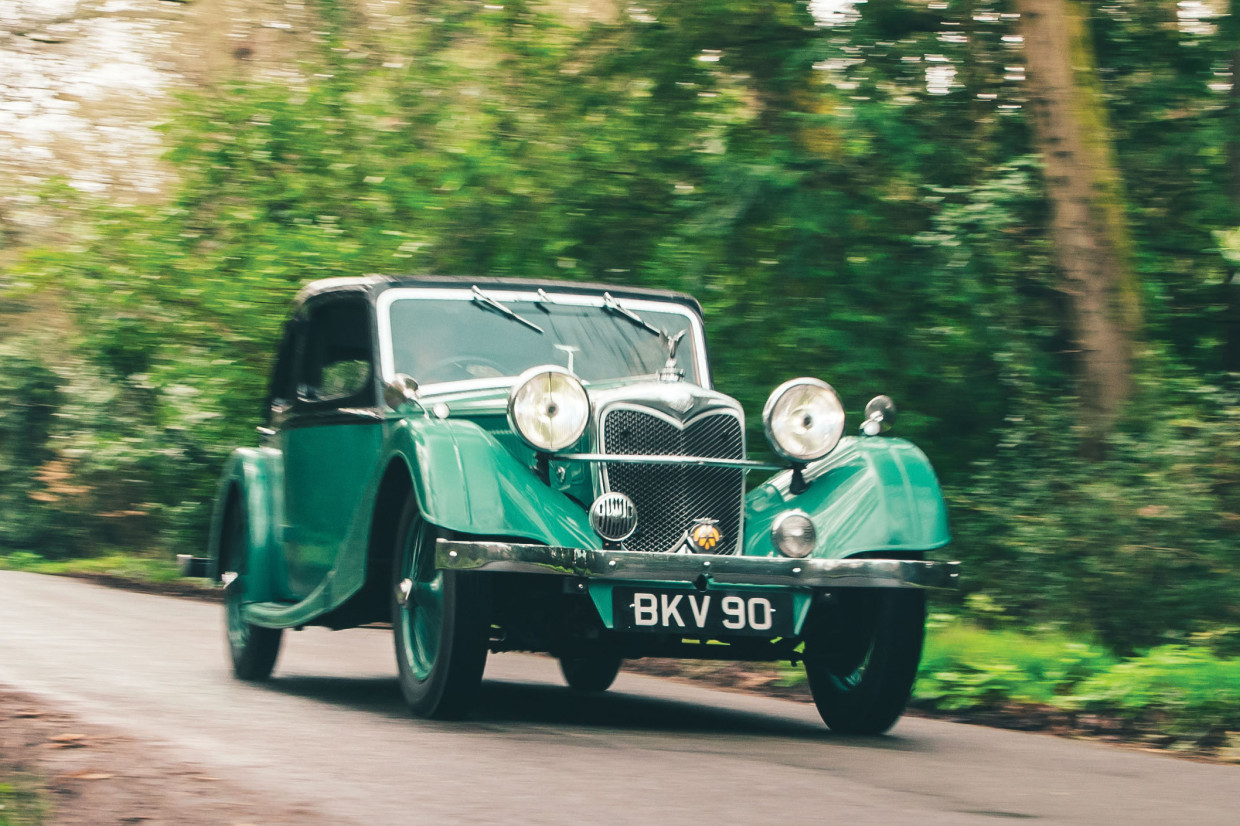
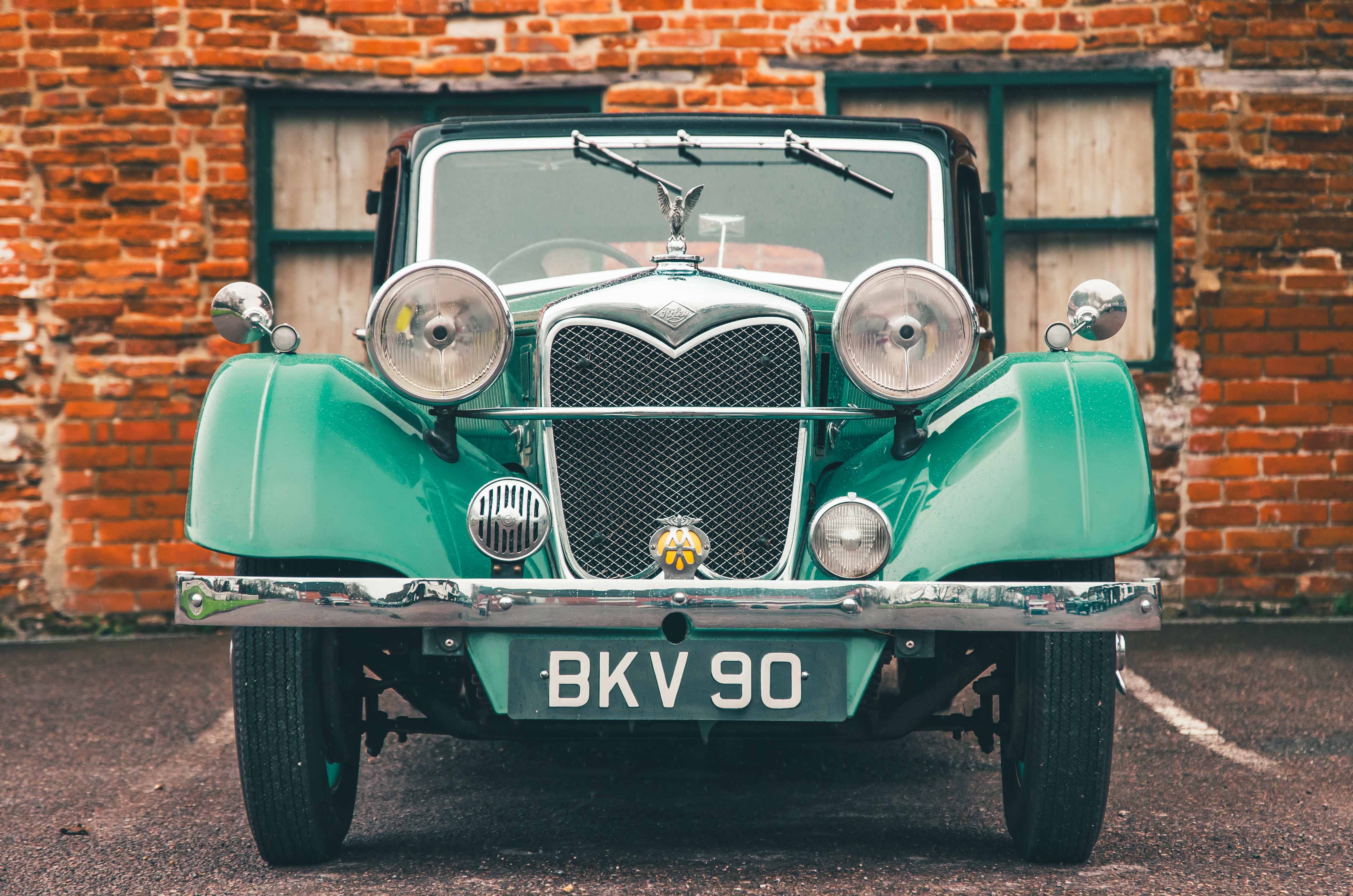
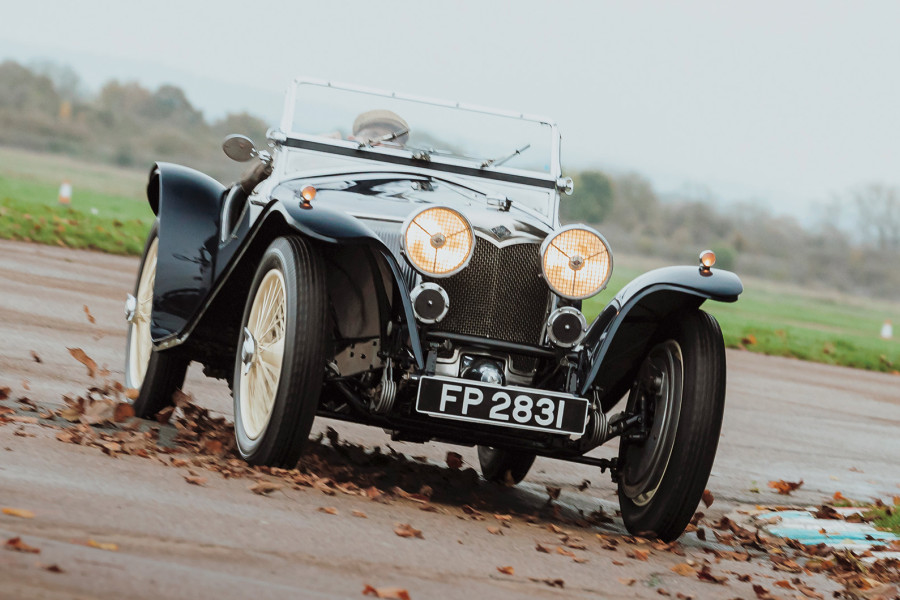
Andy Seager’s BKV 90 is a six-light Kestrel Sprite 1½ Litre – or, if you prefer the old name, a 12/4: 12 RAC horsepower, four cylinders.

This means the later, Hugh Rose-designed crossflow version of Percy Riley’s high-cam unit (with three main bearings) that would form the basis of the post-war RM and Pathfinder engines.

Sprite means ‘TT’ tune: an inlet cam with 20° more duration, twin 1¼in SU carburettors, bigger valves, higher-compression domed pistons and a Scintilla Vertex magneto (though this example is now running a more modern distributor and coil for greater usability).

The end result is 60-65bhp at 5000rpm, compared with 45bhp at 4500rpm for the standard engine or 55bhp for the Special Series.

Classic & Sports Car – Riley Kestrel Sprite 1½ Litre: variation on a theme

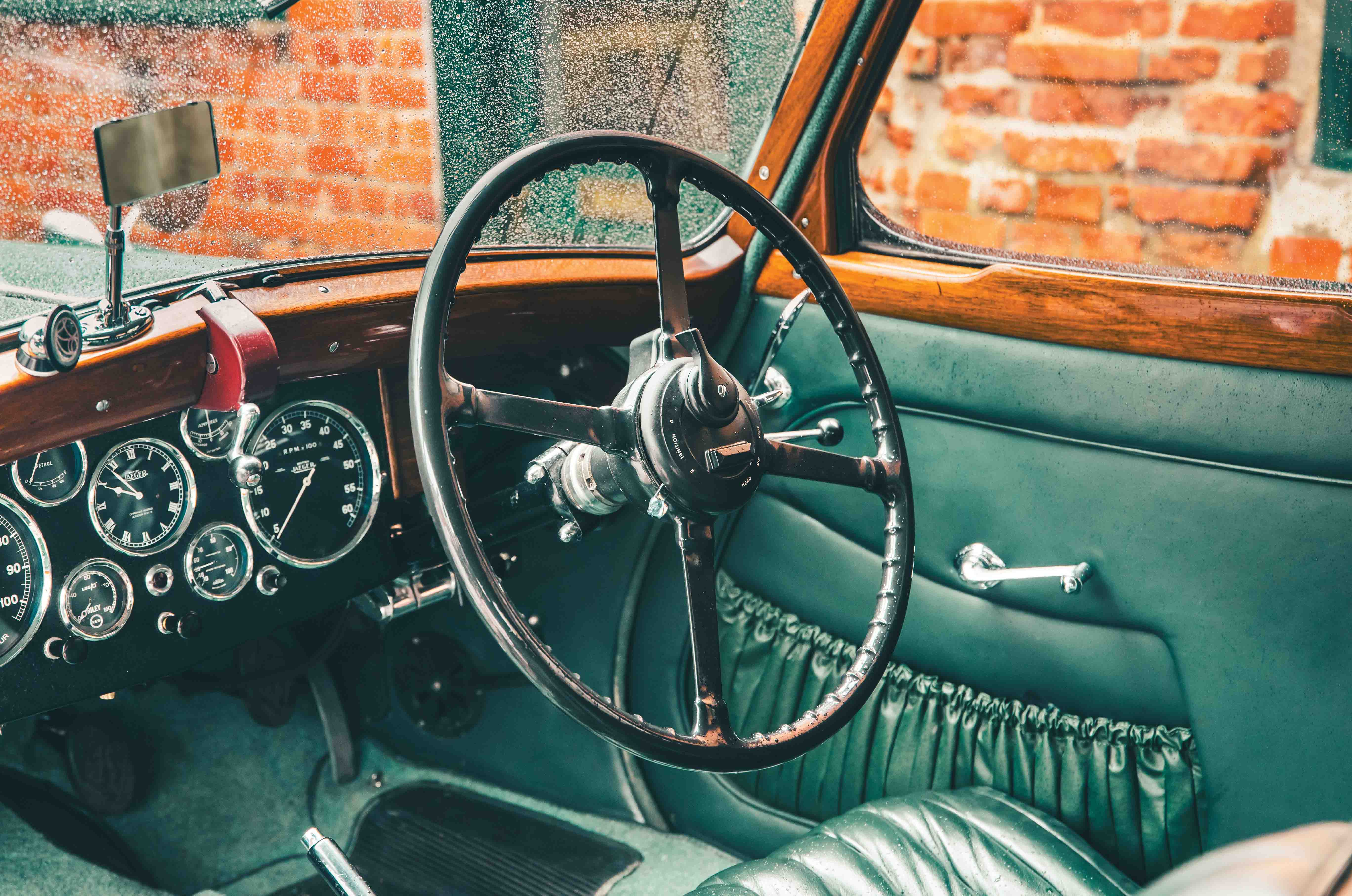
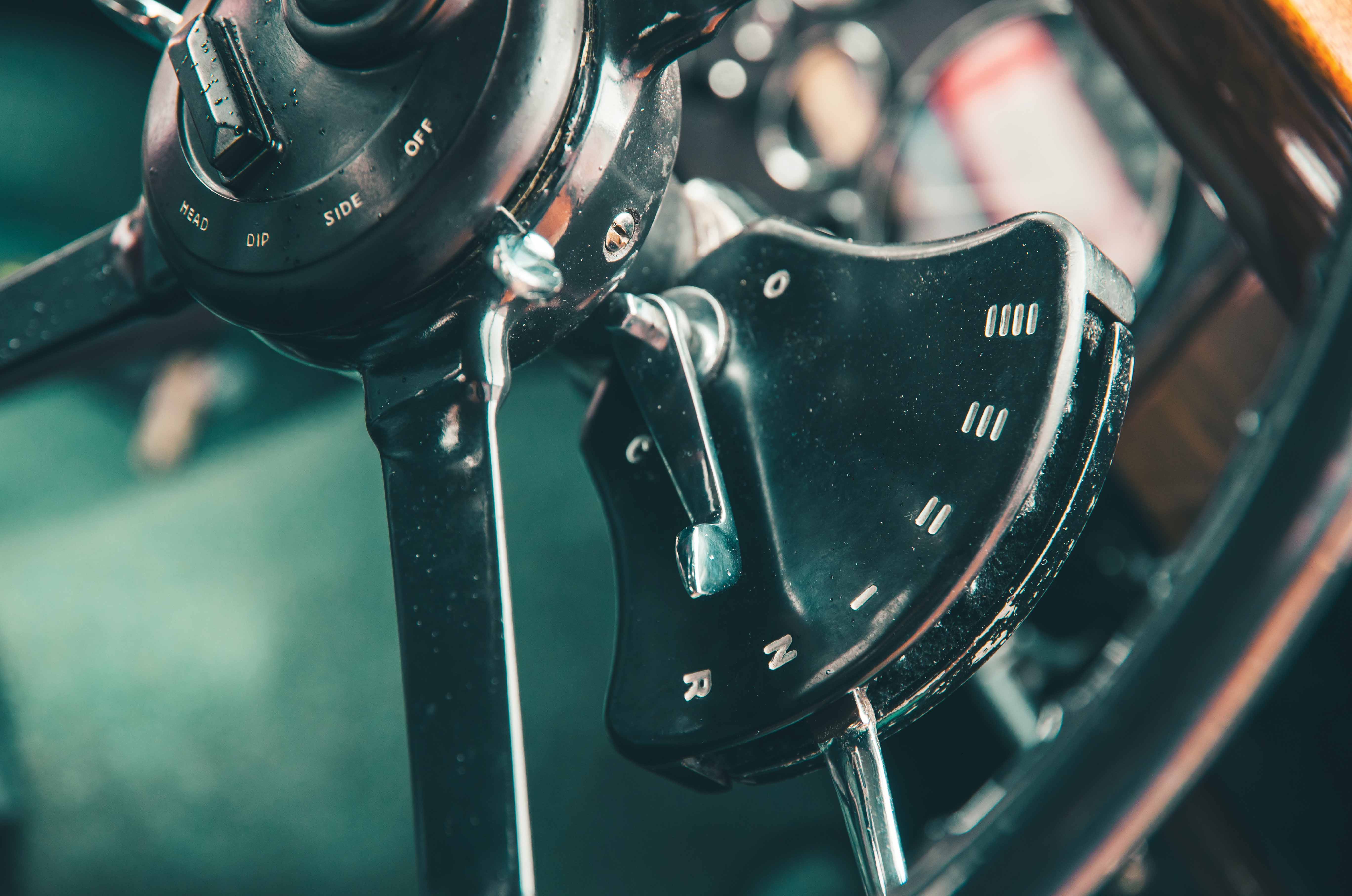
The Riley Sprite 1½ Litre’s steering wheel has controls for lights, ignition and trafficators

Andy says that BKV 90 has recorded 66bhp on the rolling road.

Riley’s advertising copy reads like cheeky music-hall banter, promoting the Kestrel Sprite as an ‘over eighty job… the finer points of which are wasted on ordinary mortals’.

The preselector transmission, an Armstrong Siddeley unit in this case, was a big selling point and standard across the range unless you specifically asked for a manual ‘crash’ gearbox.

How many Kestrel Sprites were made is difficult to confirm, according to Andy. “As with anything Riley, the waters are cloudy when seeking absolute detail, remembering that the firm went into receivership in 1938,” he explains.

Classic & Sports Car – Riley Sprite 1½ Litre: variation on a theme

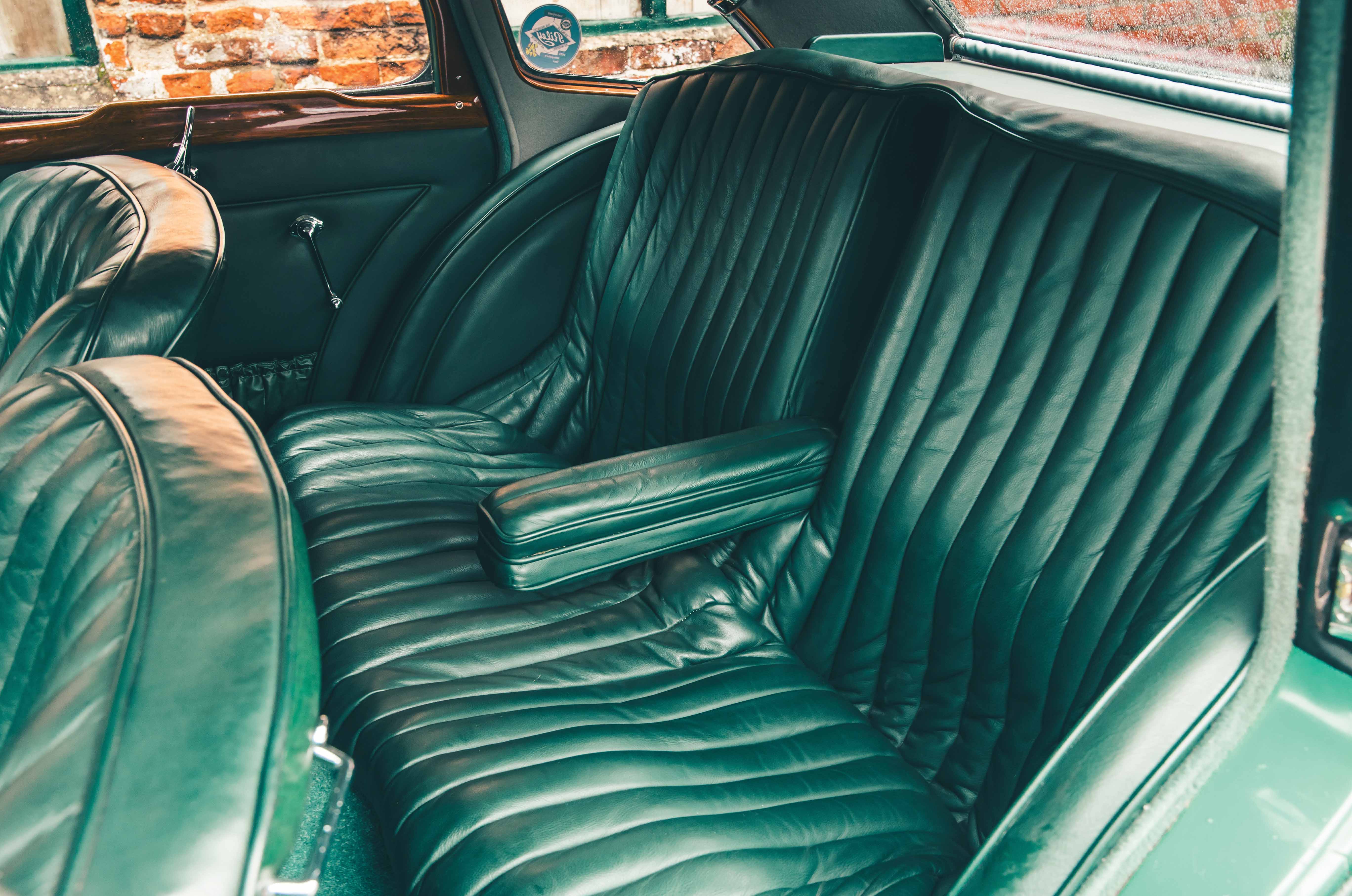
The Riley Sprite 1½ Litre has cosy seating for two in the rear cabin

“Some records were salvaged from a skip when British Leyland was in charge, but it is believed many were lost in a fire during the war,” he continues.

“I think a total of about 1100 12/4 ‘six-light’ Kestrels were made. But it is not clear what percentage of them were Sprites – a wild guess on my part might be 200.

“The slight confusion is that by 1938 all the six-lights were effectively Sprites, although with coil ignition, I believe, and questionably without the Sprite camshaft.

“At the time, sales of Sprites were being lost to the Big Four, which was available in Kestrel form. The Big Four was the 2.5-litre unit that evolved into the RMB/RMF engine.”

Classic & Sports Car – Riley Sprite 1½ Litre: variation on a theme

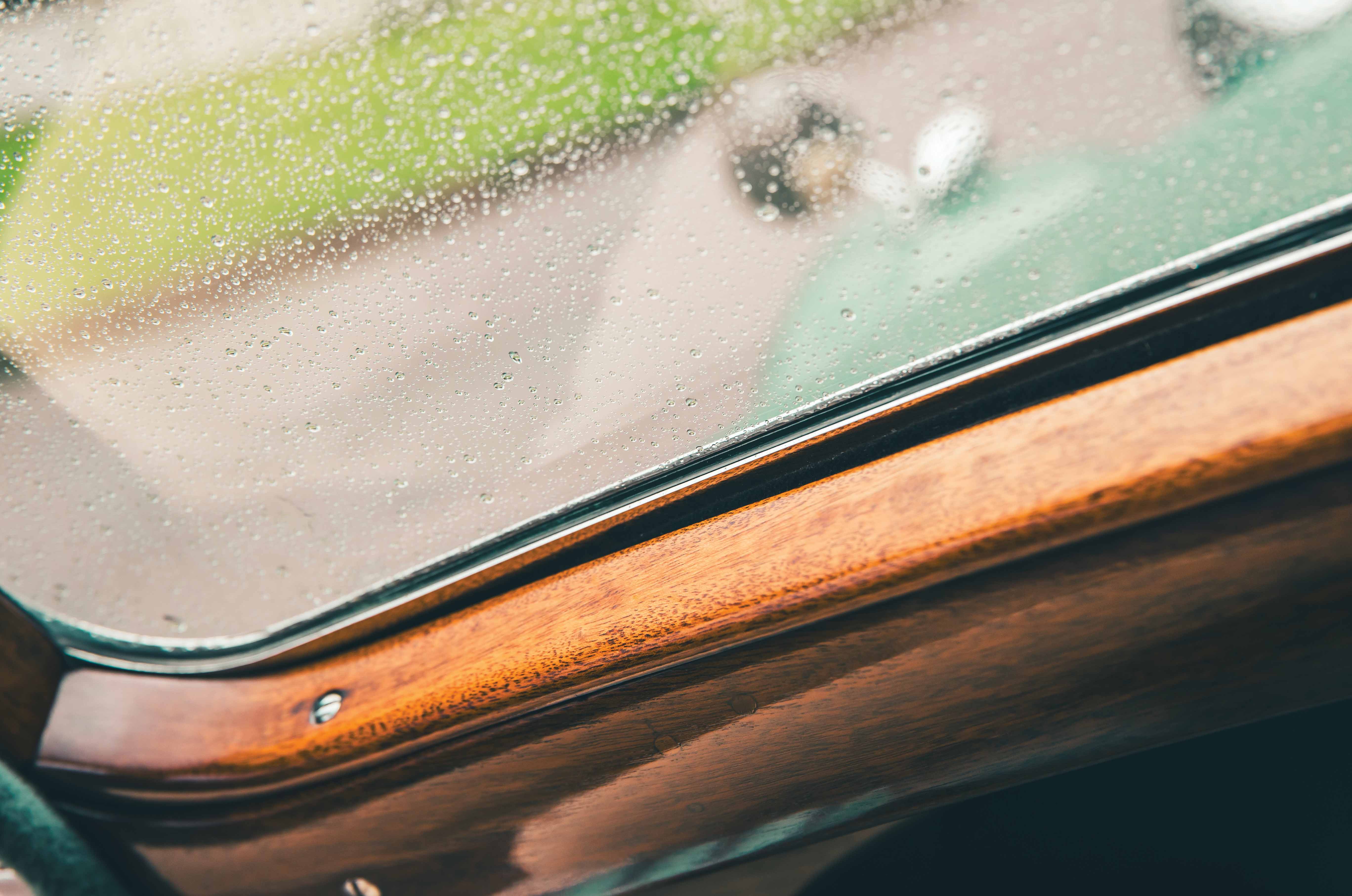
The Riley Sprite 1½ Litre has solid timber door cappings

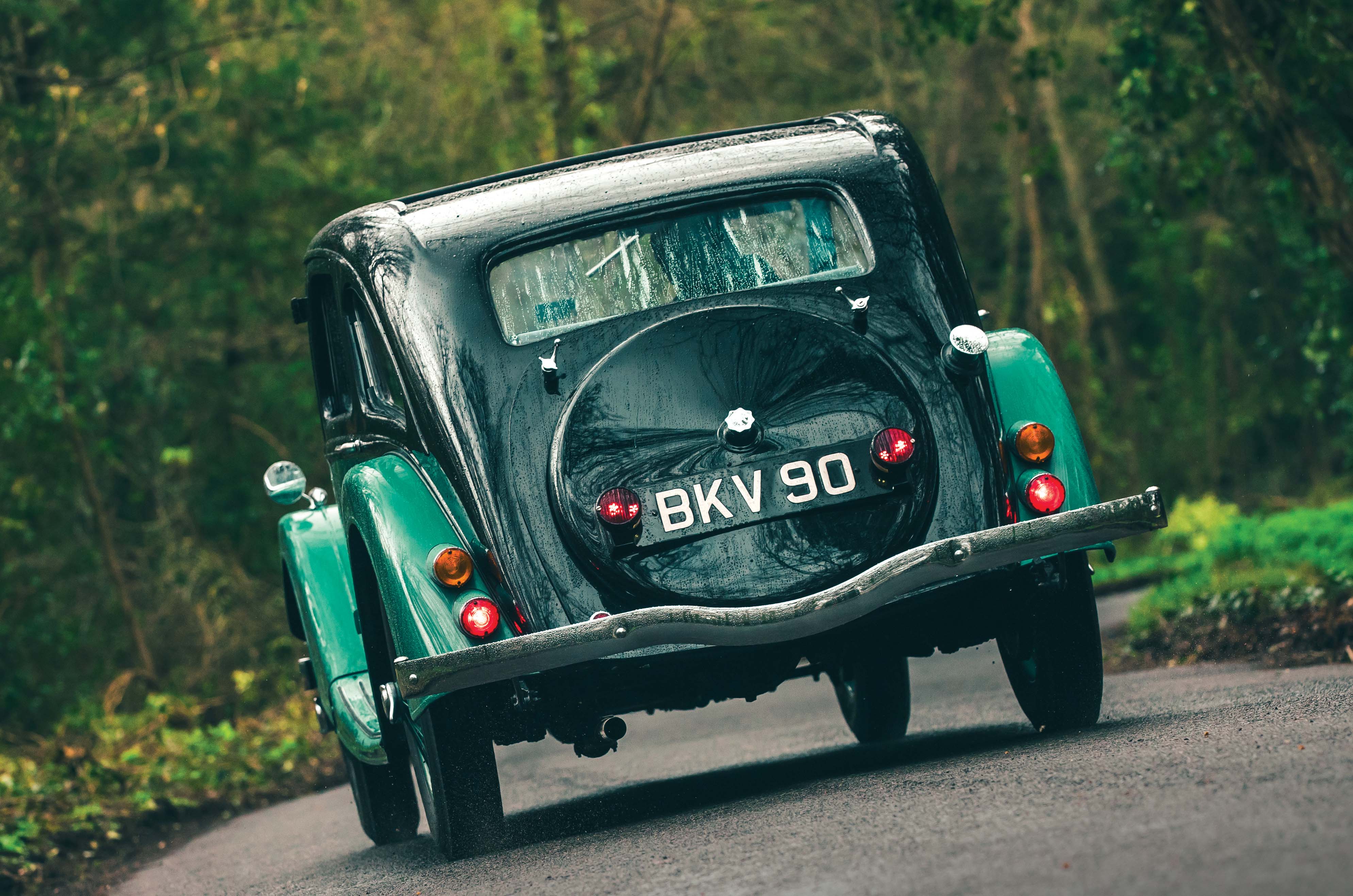
BKV 90 was first registered in October 1936 as a demonstration car, but was also used for several months by Cecil Riley, finished in his customary red.

Major Cecil (1895-1961) had enlisted during WW1, but he returned to join the family business in 1919.

He was involved in testing and development of the Nine, among many other activities.

BKV 90 might have been a press demonstrator for the Olympia motor show that year, but what is known for certain is that Cecil kept the 1½ Litre Kestrel until February 1937, when it was sold to London Riley agent Jimmy James.

Classic & Sports Car – Riley Kestrel Sprite 1½ Litre: variation on a theme

This Riley Sprite 1½ Litre lost its original running boards

From there the history is patchy, but because these cars were so capable, and generally more agreeable to drive than the average post-war tin-box saloon, BKV 90 was still in daily use in the 1950s and ’60s, like many pre-war Rileys.

By 1960, this car had gone through a variety of further custodians and had been repainted an unflattering sludge green from its original red.

It was still being taxed for the road, sporadically, between 1968 and 1984, but at some point it had lost its running boards.

Unearthed in the 1990s (with a cracked engine block), it was subsequently restored by specialist Blue Diamond. Today, 28 years on, that restoration is just nicely weathered in.

Classic & Sports Car – Riley Sprite 1½ Litre: variation on a theme

The Riley Sprite 1½ Litre’s performance is brisk

Being a 1½ Litre Kestrel, BKV 90 has the cruciform chassis with 51in-wide track; it has lost its original Luvax ‘Bijur’ central lubrication system, which used a manifold vacuum to attend to those things needing very regular supplies of oil, but there were still wheel hubs, leaf springs and other things to service manually.

It even featured 12V electrics when many cars were still 6V, yet it retains such anachronisms as rod-operated brakes.

The Kestrel is a low car, narrow for its length and with an alert, rakish stance on its tall, 18in knock-on painted wire wheels.

Andy says it will cruise happily at 60-70mph (allowing for the vagaries of those Girling brakes, although the drums look substantial) and The Autocar talked of 63mph in third held to 6000rpm.

Classic & Sports Car – Riley Sprite 1½ Litre: variation on a theme

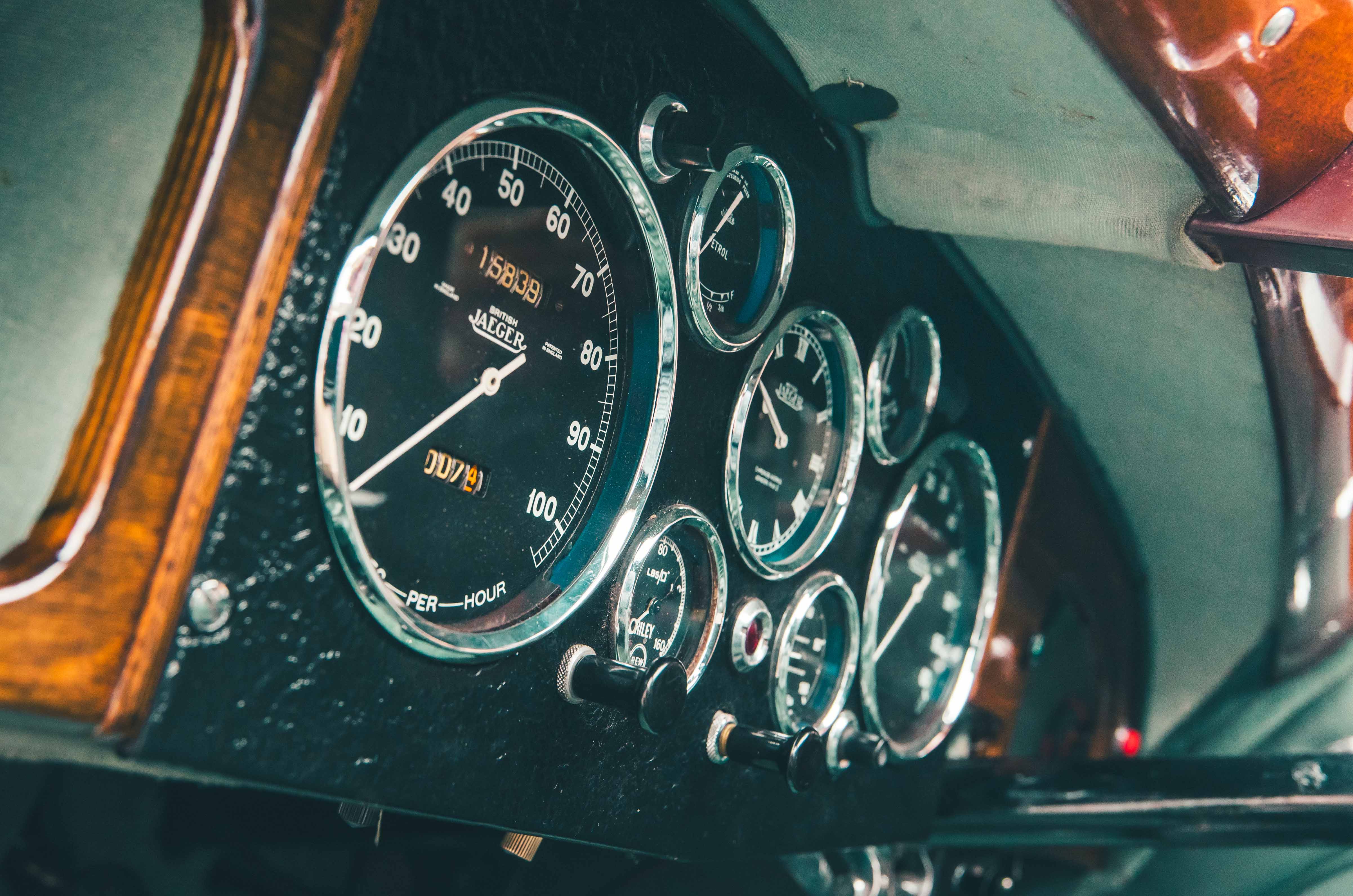
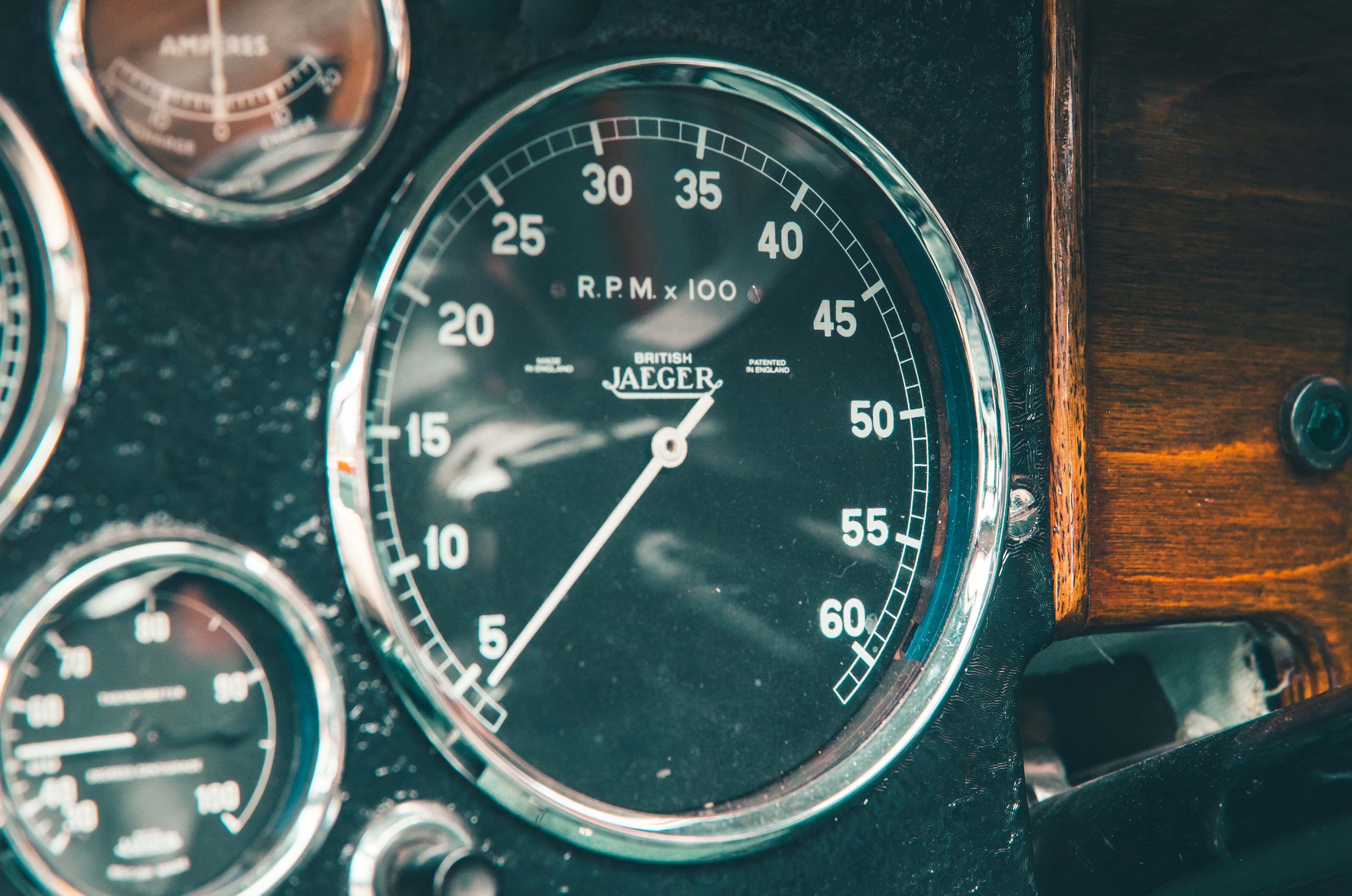
The Riley Sprite 1½ Litre’s crowded dashboard tells all you need to know

The boot is bigger than it promises to be from the outside, and, thanks to the dropped footwells, four normal-sized humans can sit comfortably, if cosily, inside.

Riley was very keen on the idea of placing the occupants between the axles rather than over them, in the interests of ride.

The doors open wide, fit well and shut like old railway carriages. For ventilation, the ’screen hinges open and there is a giant sunroof.

The huge steering wheel has horn, trafficator and headlight switches on its hub, plus ignition advance/retard controls – retard for cold starts, advance for more urge and responsiveness; there is a separate ‘mixture control’ on the dashboard.

Classic & Sports Car – Riley Sprite 1½ Litre: variation on a theme

The Riley Sprite 1½ Litre’s preselector gearbox is intuitive

With the ignition on, you press the tiny starter button and the engine springs into life instantly, its quiet 500-600rpm idle joining a whine from the fluid flywheel – and the straight-cut gears in the epicyclic gearbox – and a light flutter from the exhaust.

There are good views across the slender bonnet and the domes of the Rotax headlights. You sit quite low in semi-bucket seats mounted on Leverol adjustable runners, and the steering is offset to the left.

The wooden dashboard is giddy with instruments and switches, and there are cubbyholes on either side.

The fuel gauge doubles as an oil-level indicator and an ammeter; the speedometer reads to 100mph and, this being a Sprite, you get a rev counter.

Classic & Sports Car – Riley Kestrel Sprite 1½ Litre: variation on a theme

Pulling away is effortless in the Riley Sprite 1½ Litre, once you get used to the preselector gearbox

Moving off is simple. You choose first on the quadrant, press and release the gear-selection pedal, ease the accelerator down firmly and move away.

The clutch is a mechanical, centrifugal device that takes up at about 550-600rpm.

Further gearchanges are pre-selected on the quadrant and brought into play simply by pressing and releasing the left pedal; the acceleration is brisk enough to keep up with most traffic and not get in the way of the rest.

Riley copywriters talked of ‘hairline’ steering, and at two turns between tight locks the Kestrel is easy to manoeuvre and can be placed accurately.

Classic & Sports Car – Riley Sprite 1½ Litre: variation on a theme

The sporting Riley Sprite 1½ Litre has a rev counter

It certainly doesn’t weave around or hop from bump to bump in the manner of a proletarian Ford Y-type.

You sense its low centre of gravity, the fact that the engine is placed well behind the front wheels, and its delightful eagerness.

The steering is far from heavy, and the long, wide springs accommodate most potholes quite well. The rest of them you can just slalom between in this slender car.

There is work to do in terms of acclimatising to where various controls are and what gear to select next, but it focuses the mind on the job in hand.

Classic & Sports Car – Riley Sprite 1½ Litre: variation on a theme

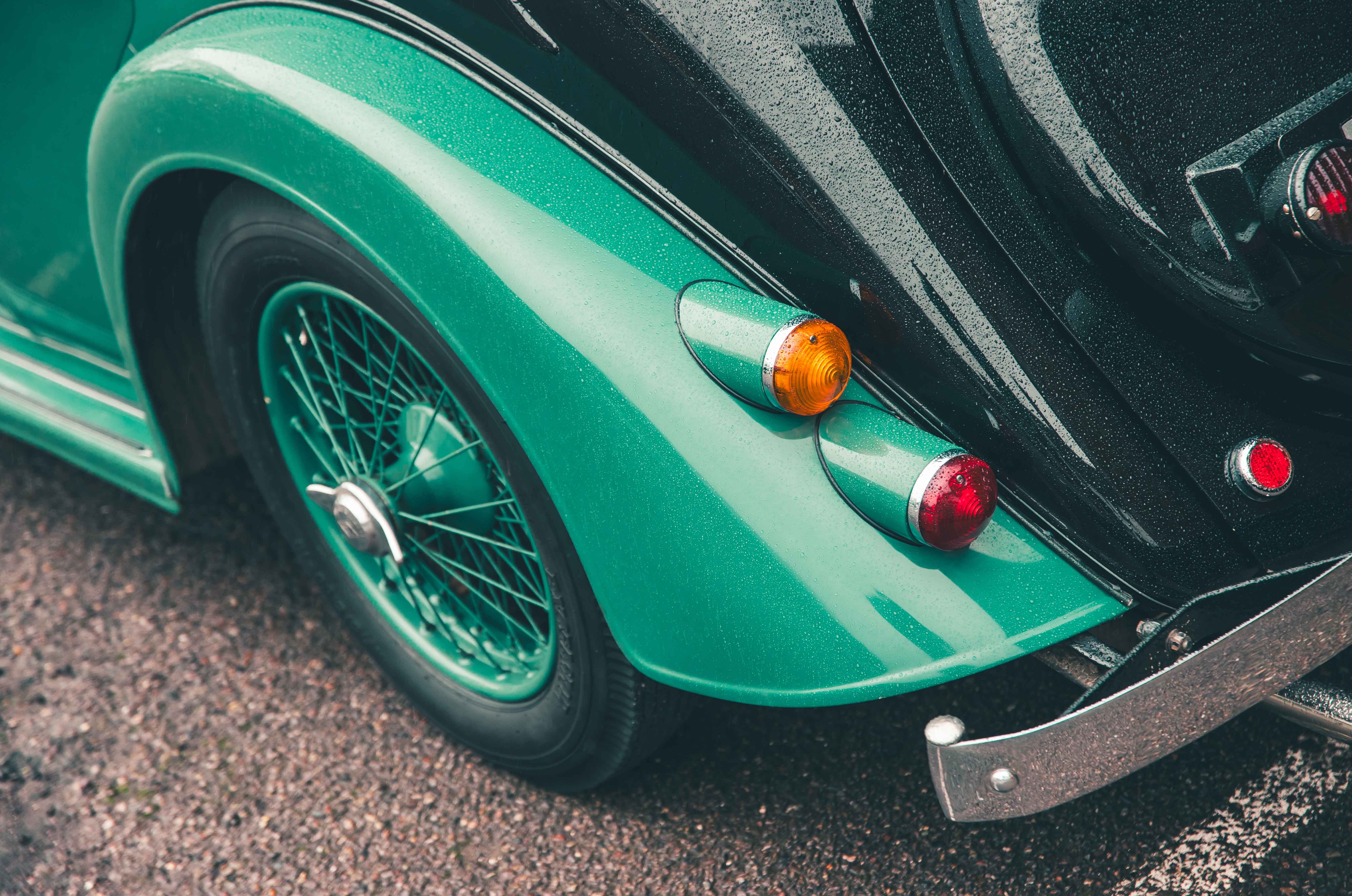
The Riley Sprite 1½ Litre’s rakish rear is a Kestrel signature

The engine revs freely and quite smoothly, and by 40mph you’re humming along in the ‘solid’ top gear of this Armstrong ’box of tricks that did so much to simplify gearchanging before synchromesh was widespread.

Bus bars and brake bands working on drums in an epicyclic geartrain (where all the gears are in constant mesh) mean you can whip up and down ratios with impunity.

It’s part of the fun of driving an intrinsically thoroughbred British car that in many ways, considering its 90 years, has no right to drive as well as it does.

Images: Jack Harrison

Thanks to: Phoenix Green Garage


Factfile

Classic & Sports Car – Riley Kestrel Sprite 1½ Litre: variation on a theme

Riley Sprite 1½ Litre

  • Sold/number built 1935-’38/1100
  • Construction steel chassis, aluminium body over ash frame
  • Engine all-iron, high-cam 1496cc ‘four’, twin SU carburettors
  • Max power 65bhp @ 5000rpm
  • Max torque 90lb ft (est)
  • Transmission four-speed preselector, RWD 
  • Suspension: front beam axle rear live axle; semi-elliptic leaf springs, friction dampers f/r
  • Steering worm and sector
  • Brakes Girling rod-operated drums
  • Length 14ft 6in (4420mm)
  • Width 5ft 1¼in (1251mm)
  • Height 4ft 11in (1499mm)
  • Wheelbase 9ft 4½in (2858mm)
  • Weight 2800lb (1270kg)
  • 0-60mph 29 secs
  • Top speed 85mph
  • Mpg n/a
  • Price new £398
  • Price now £25-30,000*

*Price correct at date of original publication


Enjoy more of the world’s best classic car content every month when you subscribe to C&SC – get our latest deals here


READ MORE

20 cars to remember Riley

Shifting sands: MG VA vs Riley 12/4

Austin A90 Atlantic vs Riley RMC: missing the mark in style