Mitsubishi Pajero Evolution: desert stormer

| 25 Sep 2026
Classic & Sports Car – Mitsubishi Pajero Evolution: desert stormer

The year is 1998.

Bill Clinton is being impeached following the Monica Lewinsky scandal, Google is founded and the first Harry Potter is published.

Saving Private Ryan is in the cinemas, Mika Häkkinen wins his first Formula One drivers’ championship, and Mitsubishi cars come first, second, third and fourth in the Paris-Granada-Dakar Rally, with the Pajero taking all three top spots.

It’s a feat that’s all the more exceptional because the manufacturer had also come first, second, third and fourth in 1997.

Classic & Sports Car – Mitsubishi Pajero Evolution: desert stormer

Built to homologate Mitsubishi’s Dakar warrior, the Pajero Evolution is an unsung hero

The Japanese brand had to settle for second in 1999 and 2000, with the Schlesser Renault Mégane taking victory.

It clearly channelled its runner-up rage well, because it then went on to an astonishing run of consecutive wins from 2001 to 2007 – still a record for the event.

Anyway, to cut an inspirational yet long, uncomfortable and sandy story short, the Pajero remains the most successful vehicle in the history of the Dakar Rally.

Now, the Dakar has always been an event for the sort of person who considers it a good day if they have only broken one rib.

Classic & Sports Car – Mitsubishi Pajero Evolution: desert stormer

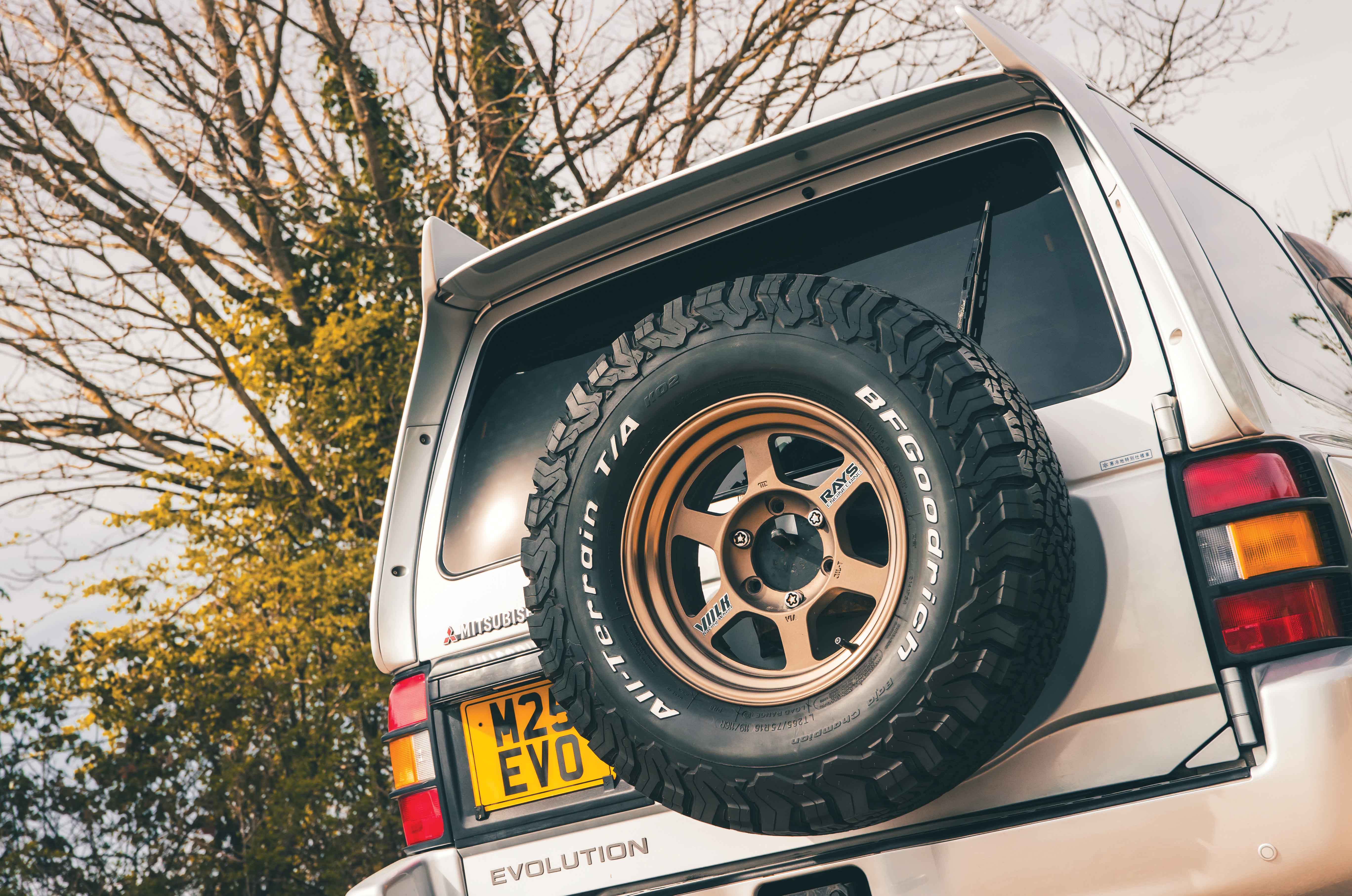
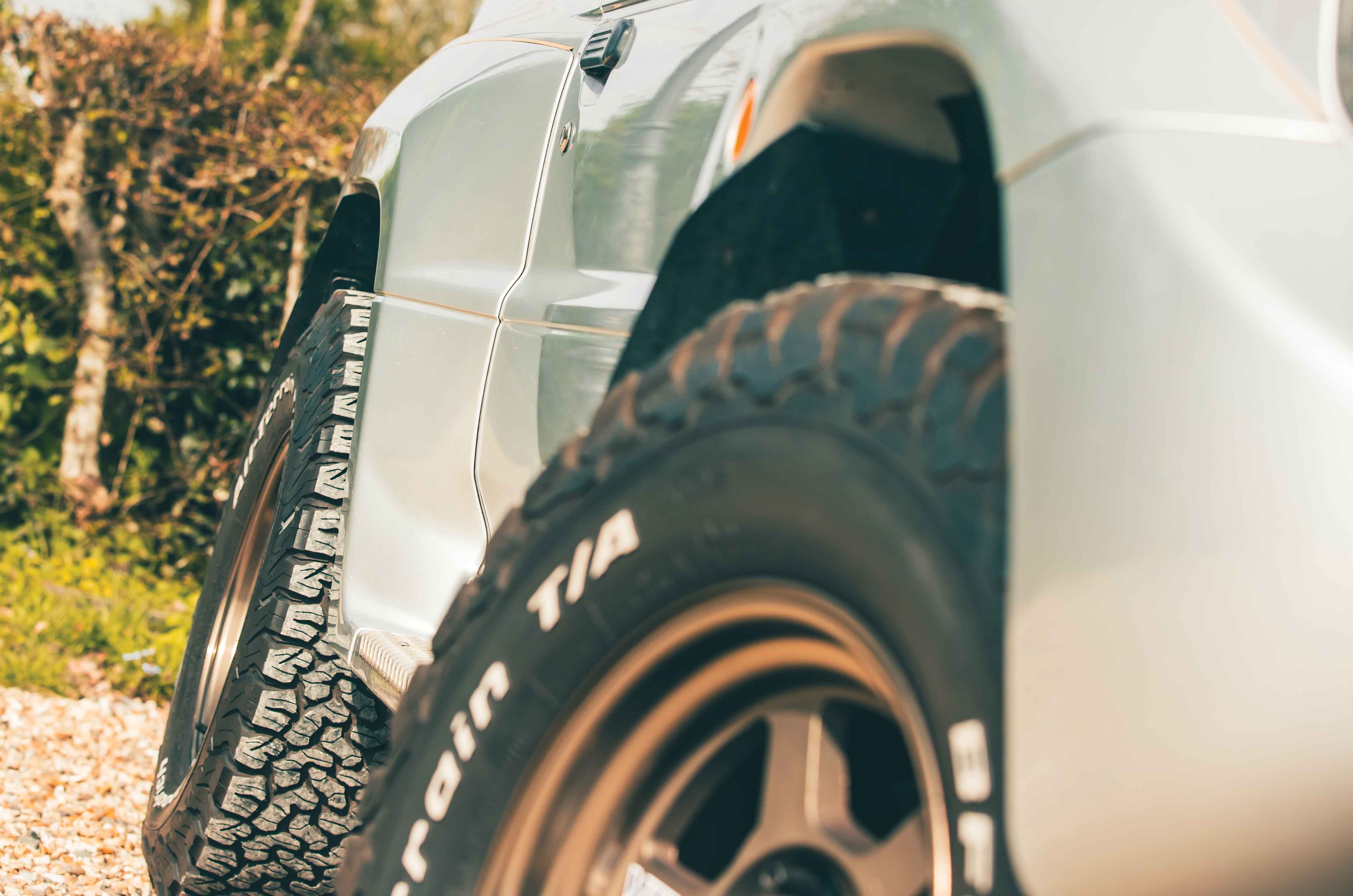
The Mitsubishi Pajero Evolution’s 16in wheels wear balloon-like BFGoodrich off-road tyres

Maybe that is why it’s so easy to forget what a phenomenon this epic rally-raid really is – because the people who take part are not inclined to make a big deal about covering 5219 competition-stage kilometres (3243 miles, as was the case in 1998) and some 10,500km (6525 miles) overall.

I have never had the honour of meeting them, sadly, but I imagine that rally aces such as Bruno Saby, Jean-Pierre Fontenay, Kenjiro Shinozuka and Jutta Kleinschmidt (among the many legends who have competed on the punishing Dakar for the works Mitsubishi team) wouldn’t make much fuss if their trousers were on fire, never mind enduring a few thousand miles of endurance rallying.

Back to 1998, though, and the Paris-Granada-Dakar Rally ran for 17 days from Versailles, France, to Lake Retba near Dakar, Senegal.

Classic & Sports Car – Mitsubishi Pajero Evolution: desert stormer

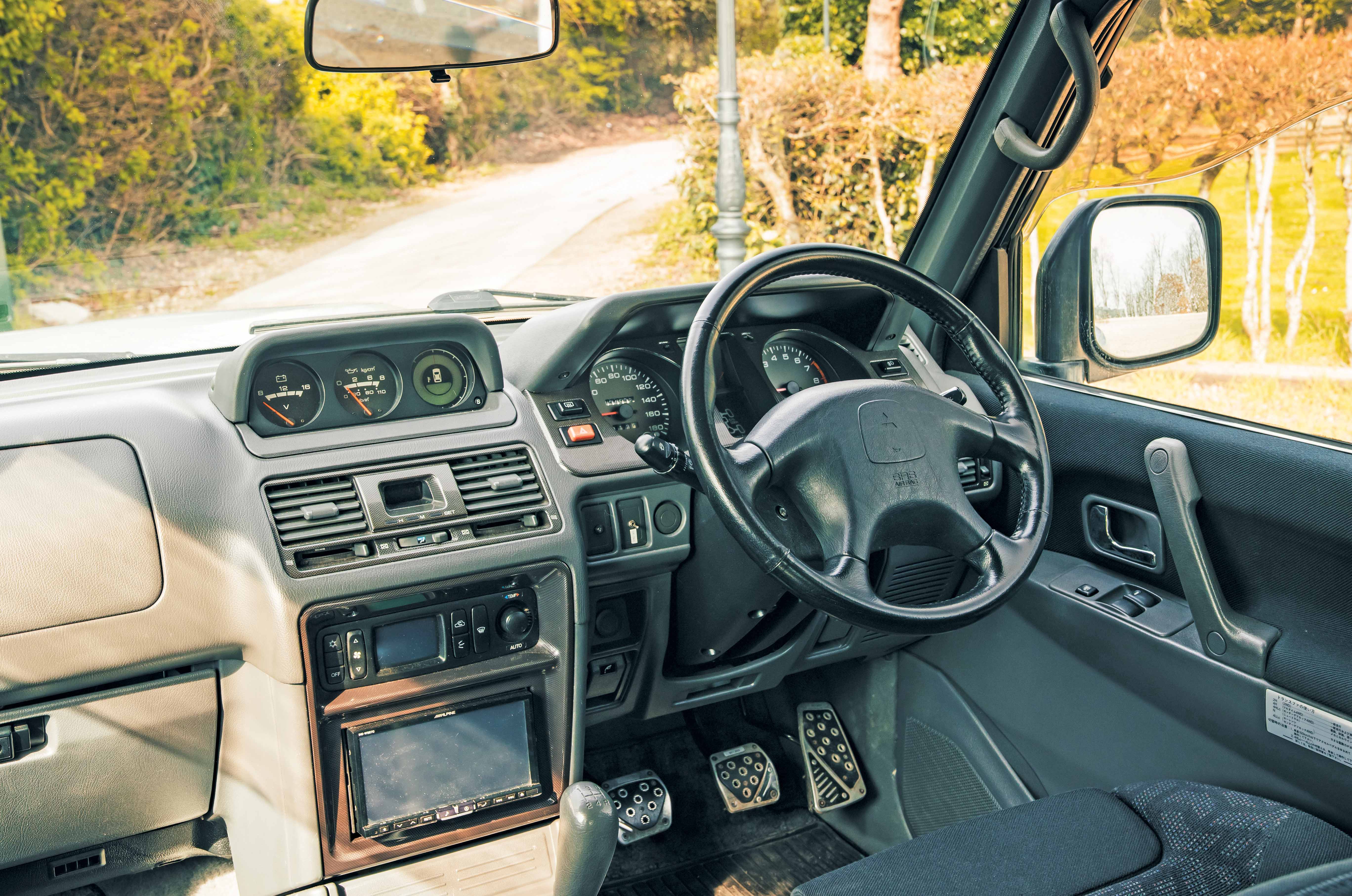
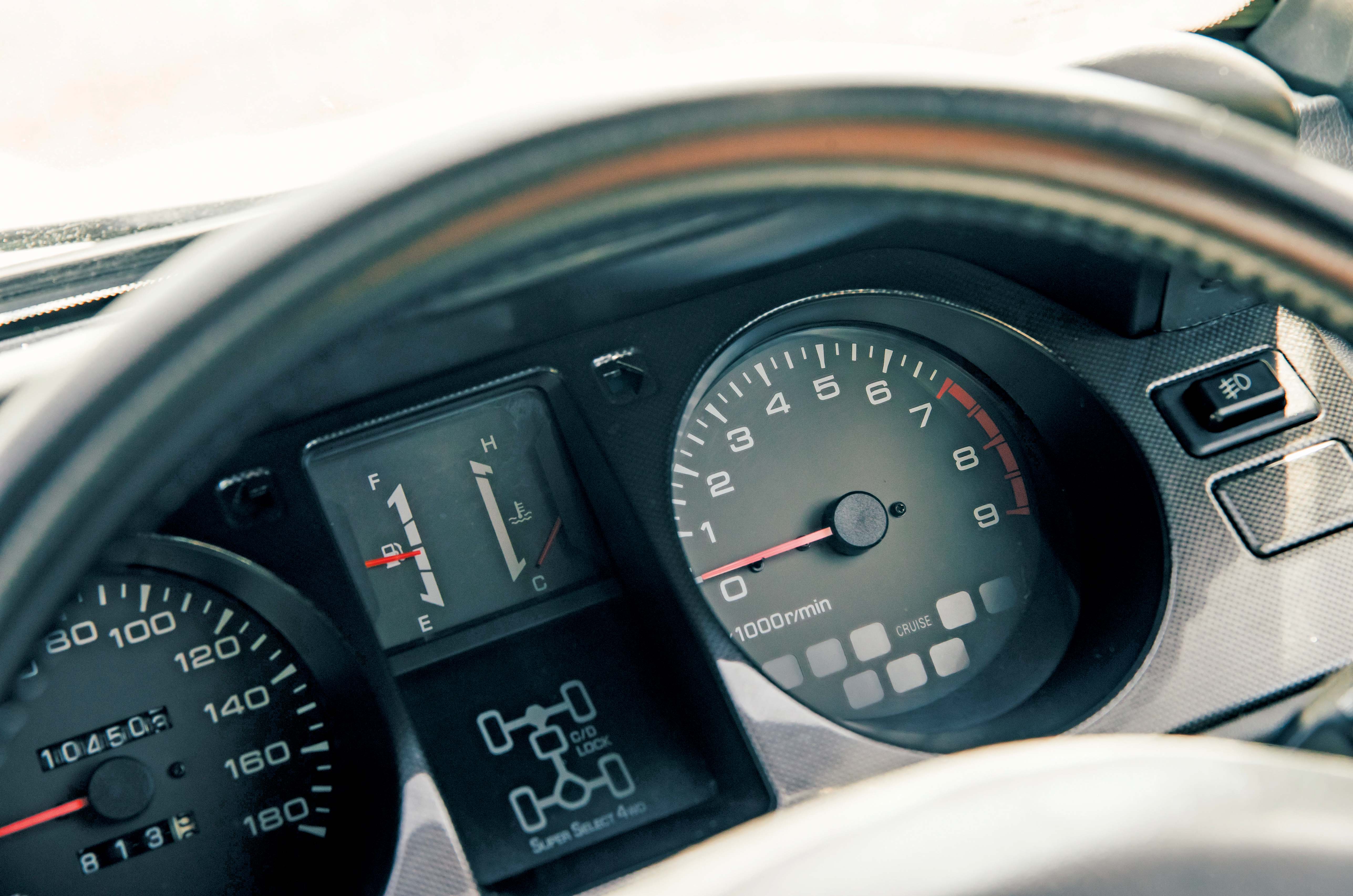
There’s a lot of grey plastic in the Mitsubishi Pajero Evolution’s compact cabin

Think of all the variables. All the challenges. The stress and the elation.

In 1998 it was this car – the Mitsubishi Pajero Evolution – that the winners were driving. And it’s quite a bruiser, isn’t it?

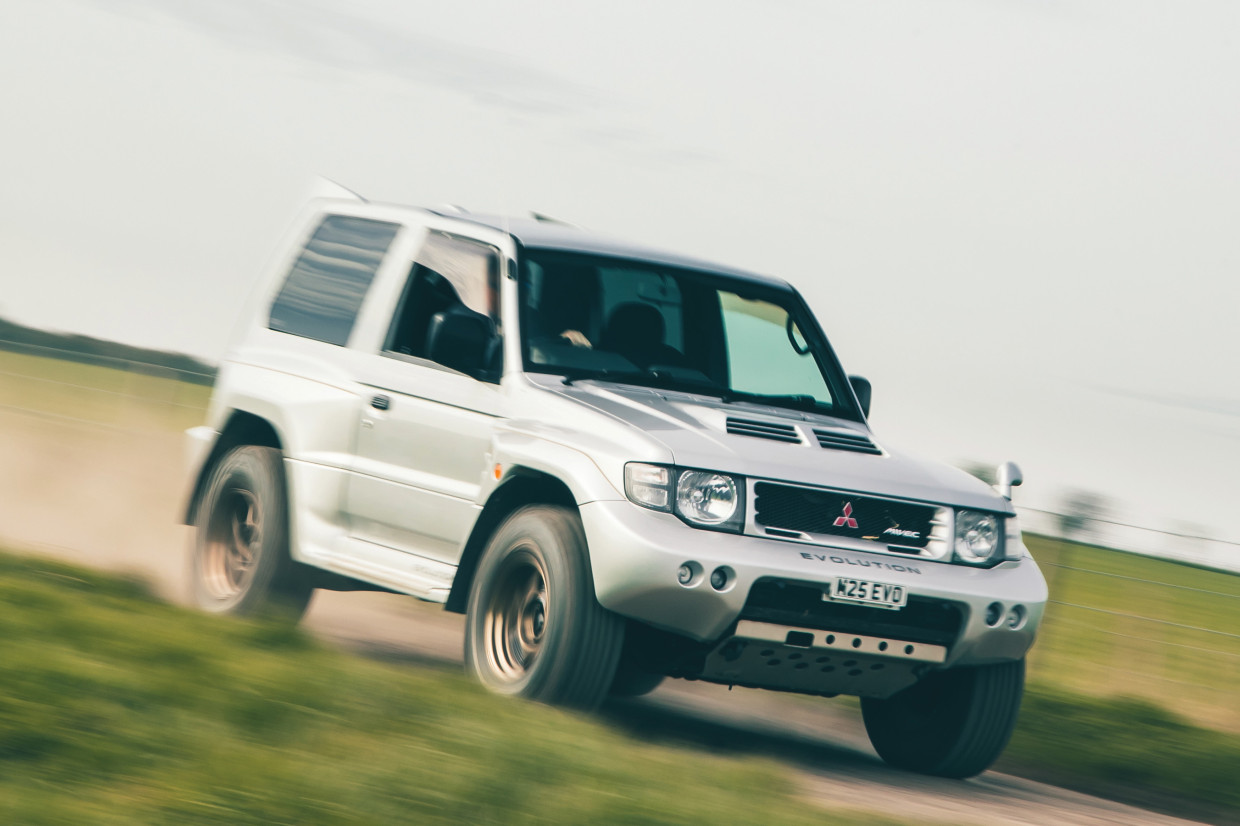
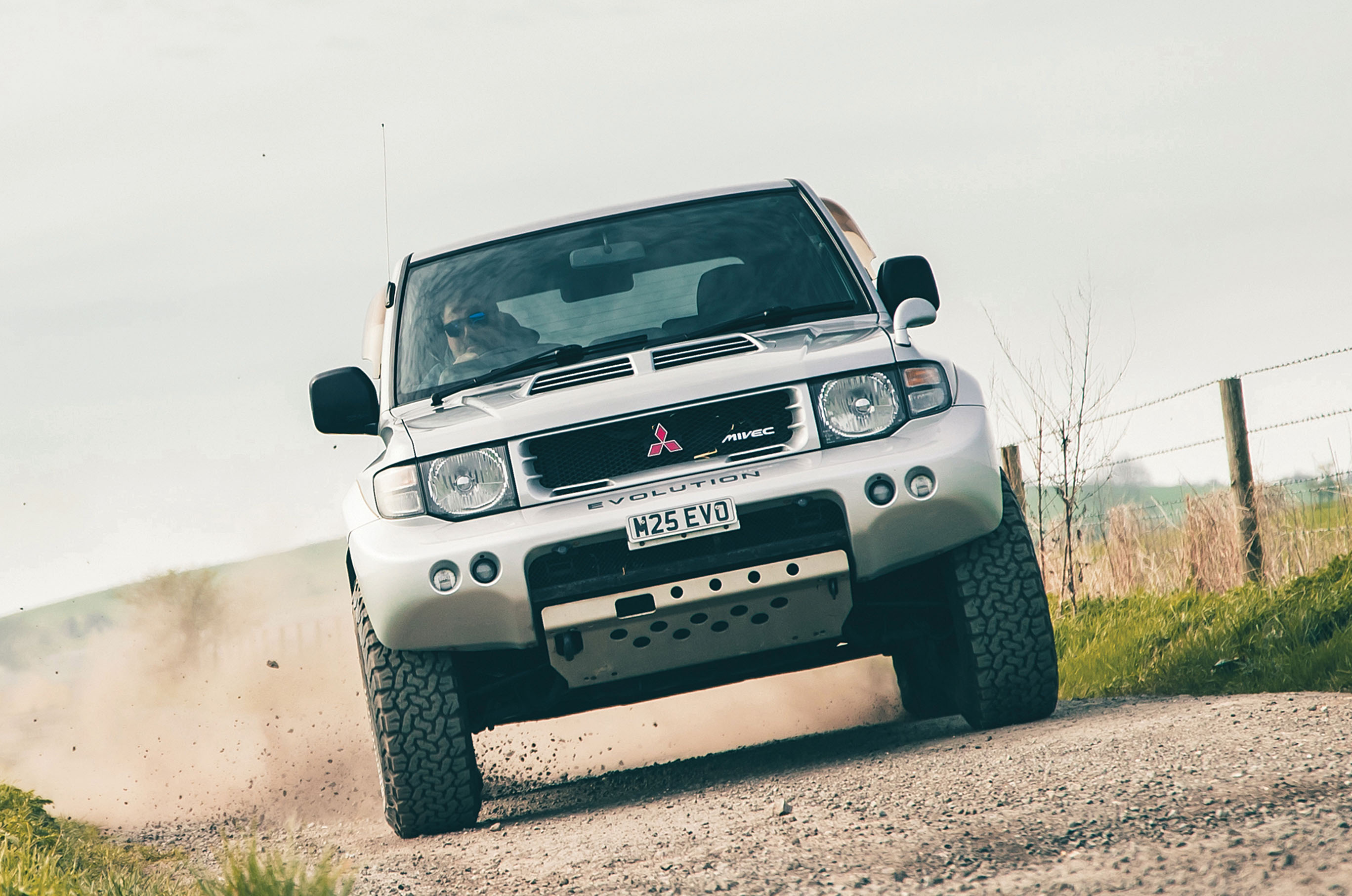
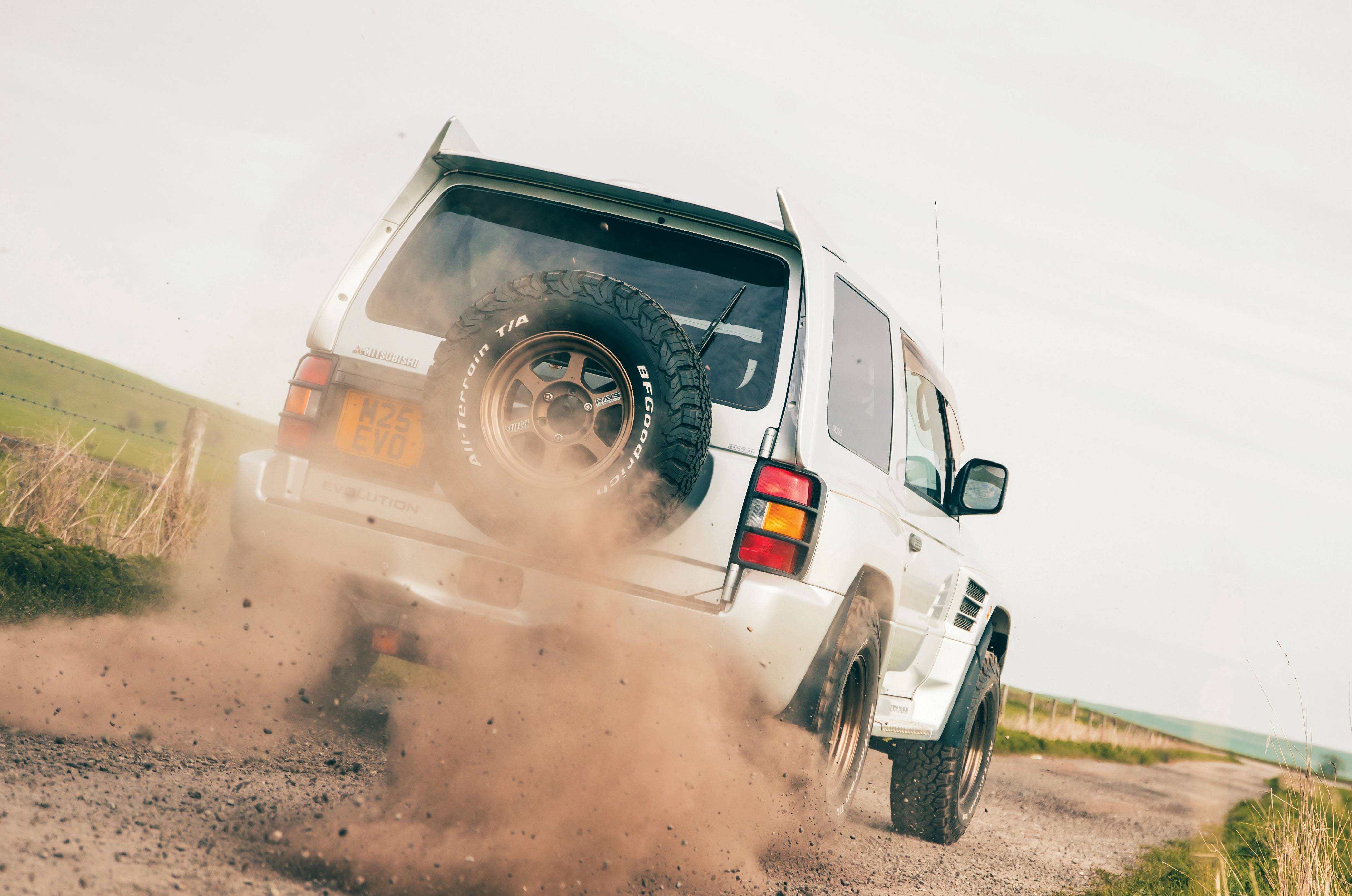
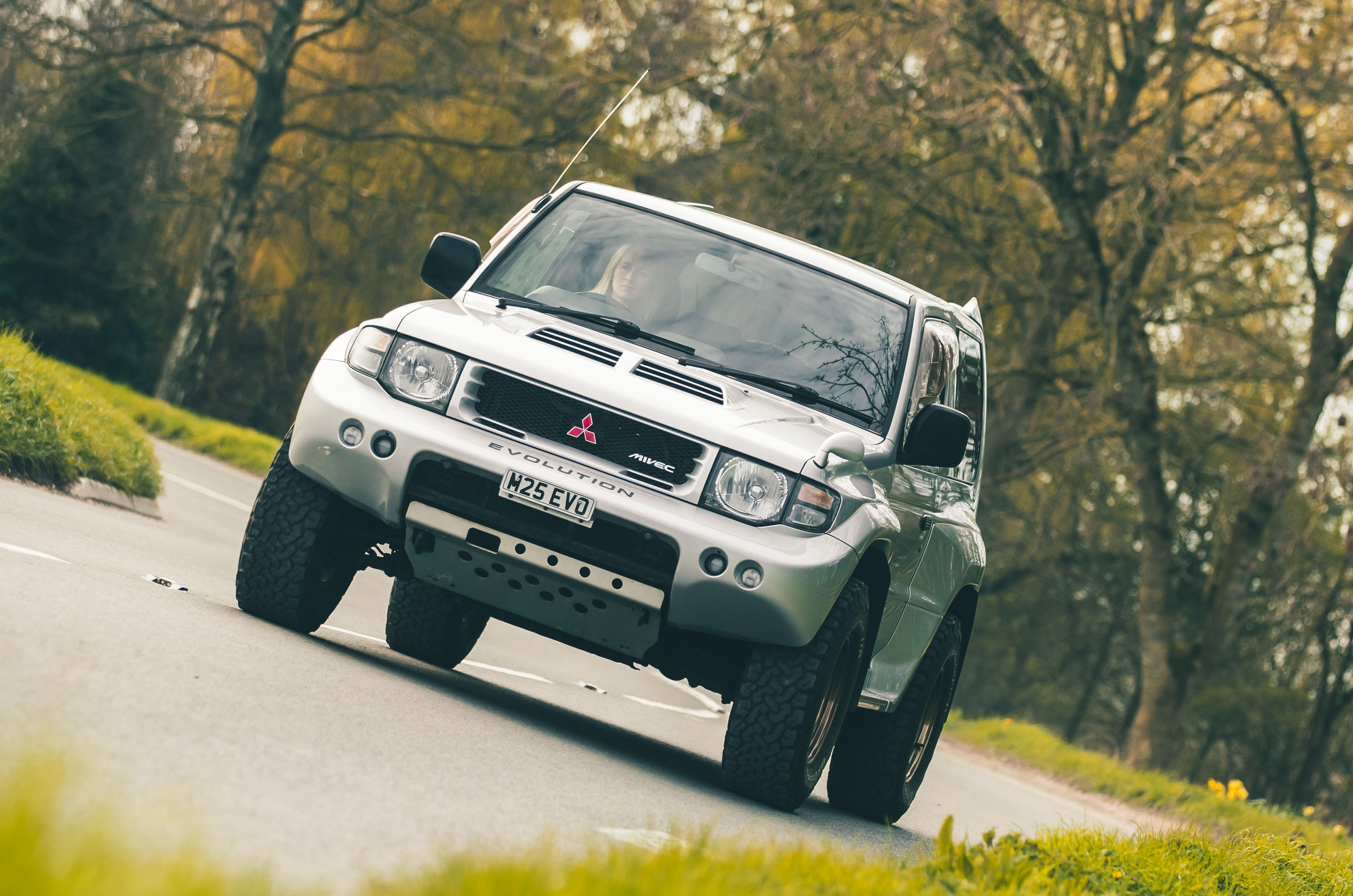
Even sitting in a calm pub car park near Chippenham on a sunny Friday morning, the immaculate silver Pajero Evo before me looks belligerent – it almost looks as if it’s annoyed with the serenity of the occasion, and it wants to go and shout at things instead.

Only 2693 examples of the Pajero Evo were produced (some records suggest that figure was actually 2500, but Mitsubishi appears to have lost the paperwork – possibly behind a sand dune in Africa), and all of them were sold in its home market of Japan from 1997 to 1999, largely so that Mitsubishi could meet the Dakar Rally’s T2 homologation requirements.

Classic & Sports Car – Mitsubishi Pajero Evolution: desert stormer

The Mitsubishi Pajero Evolution’s 7000rpm redline

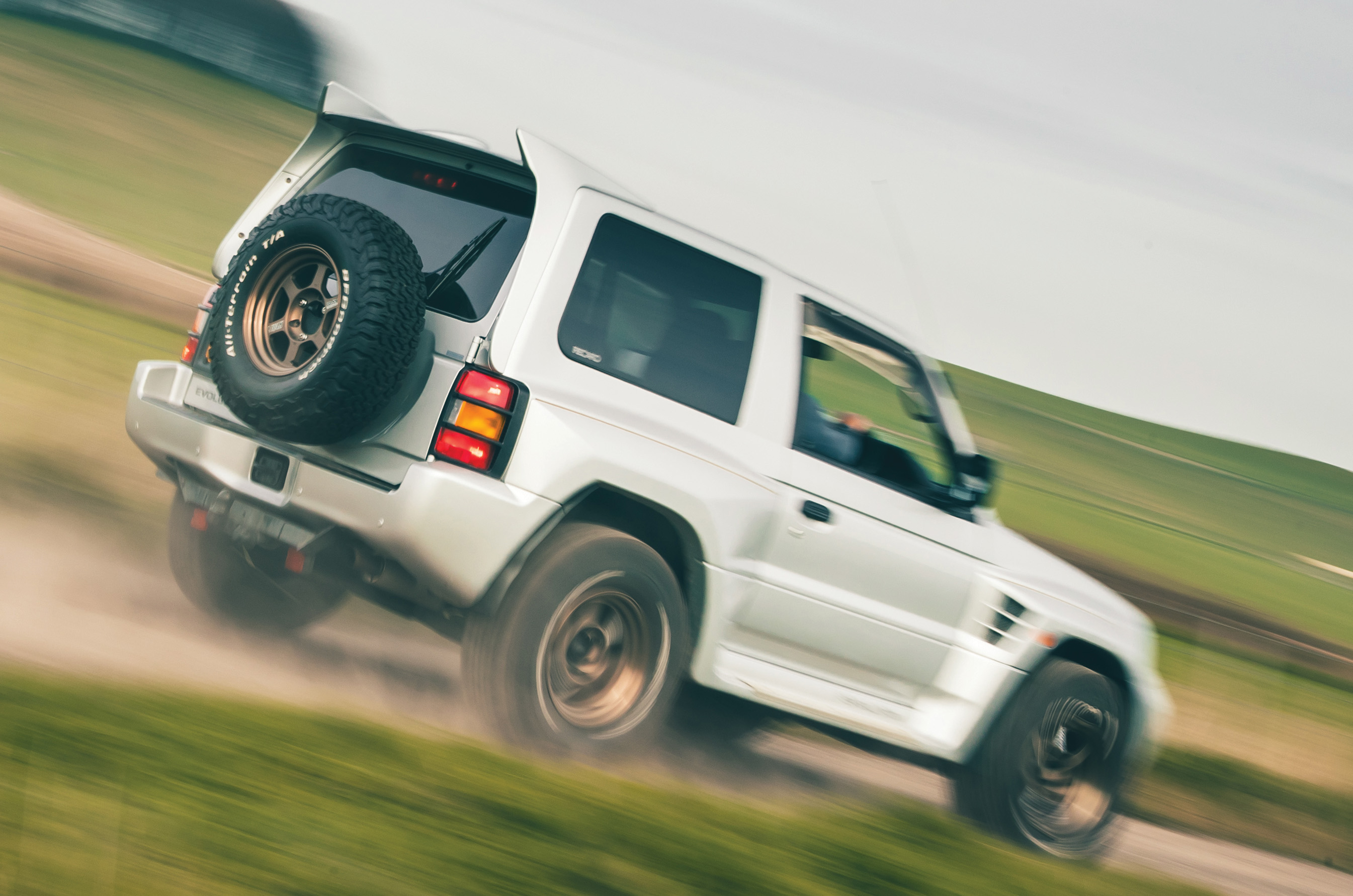
Mitsubishi gave the short-wheelbase Pajero warrior a stiffer body, quicker steering, Torsen differentials for both axles plus a locking centre diff, along with double-wishbone suspension up front and a multi-link rear – offering nearly a foot of travel from the long coil springs.

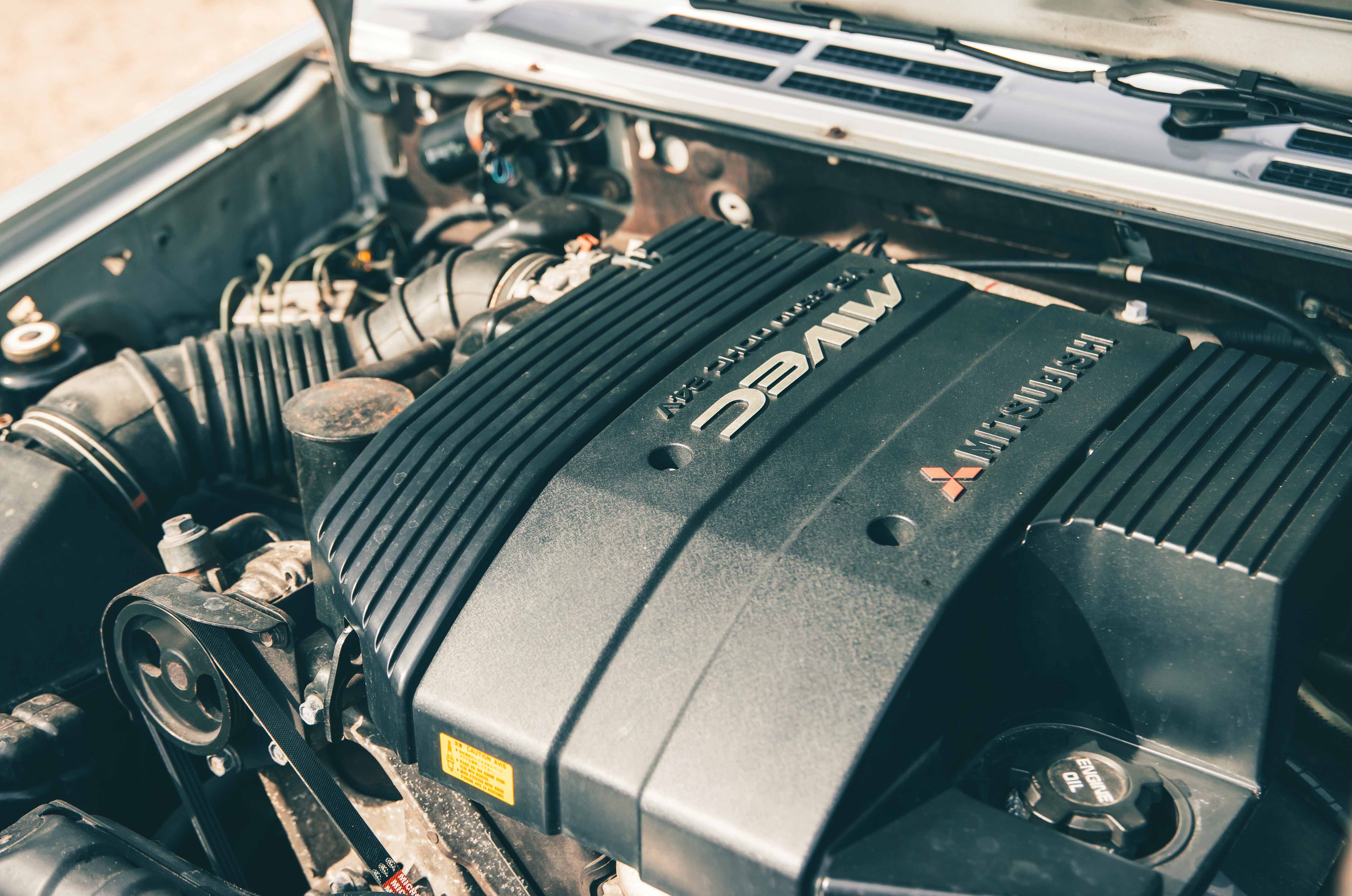
Power came from a naturally aspirated 3.5-litre V6, with twin cams per bank and MIVEC (Mitsubishi Innovative Valve timing Electronic Control) variable timing on its 24 valves for 276bhp and 257lb ft.

And let’s not forget the extended tracks. At 1.59m, the axles were 125mm wider at the front and 110mm at the back, although the Evo sat on the same 2.45m wheelbase as the standard three-door Pajero.

Classic & Sports Car – Mitsubishi Pajero Evolution: desert stormer

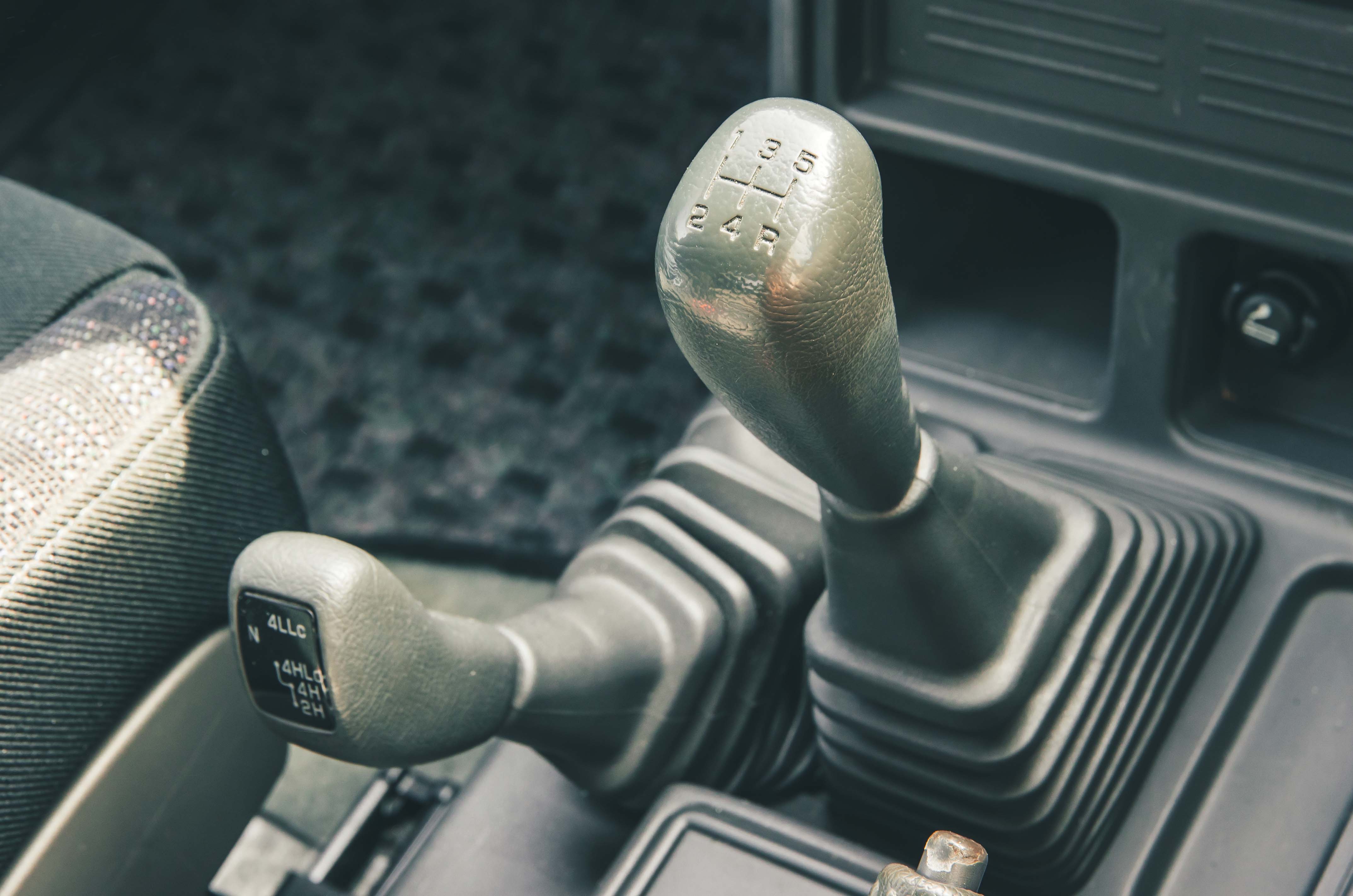
This Mitsubishi Pajero Evolution is a rare manual

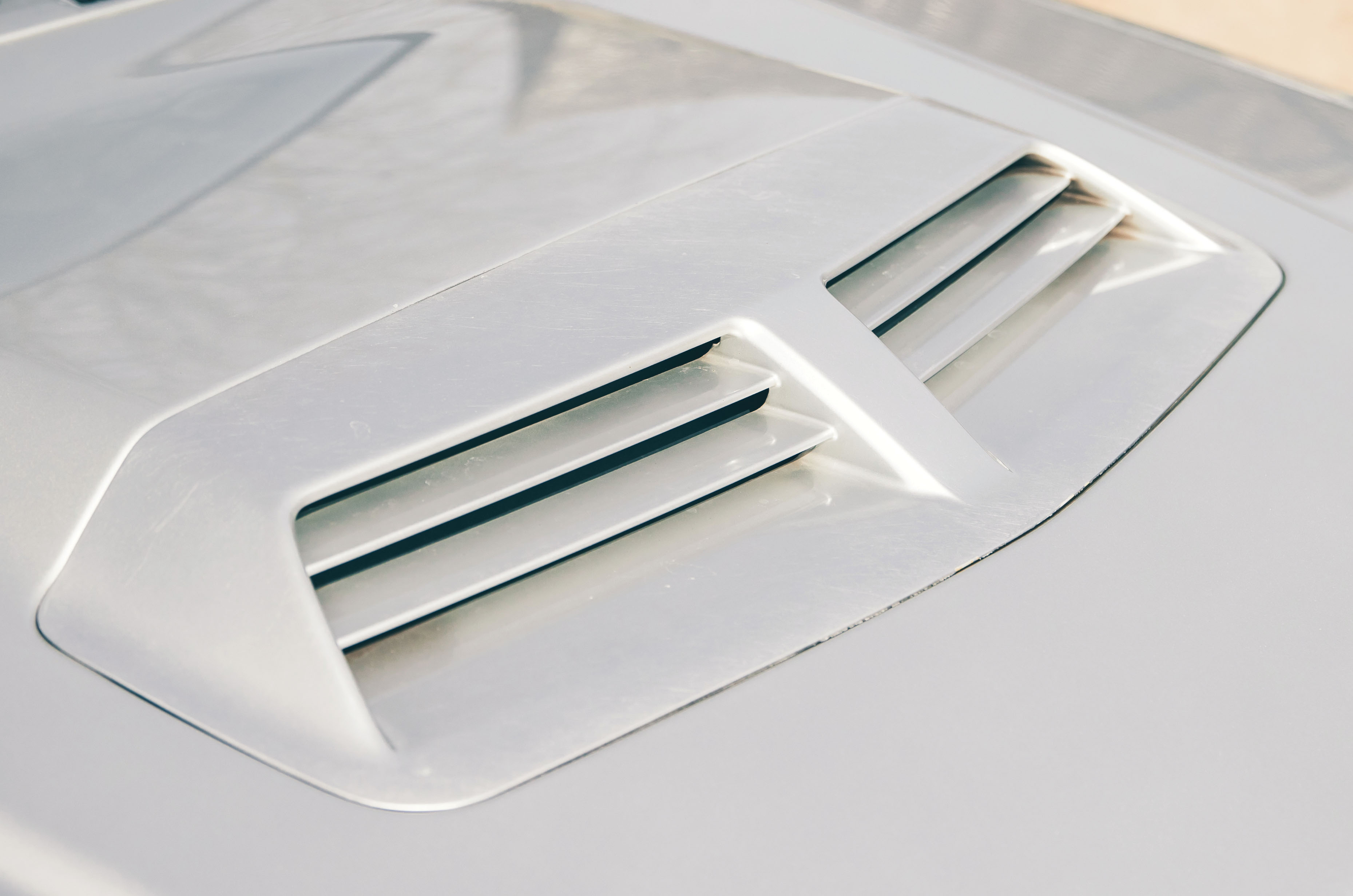
You certainly can’t miss it: the bulldog stance from those broad tracks and blistered arches, the devilishly horned rear spoiler, the twin bonnet nostrils… It’s not subtle. Which is, of course, the whole point.

We’ve established, then, that we’re well into legendary status with this car. 

Many of us will have lusted after a Lancer Evolution, but the Pajero Evo is another pedigree motorsport hero in the Mitsubishi back catalogue.

And we should probably have heard significantly more praise for it echoing through the halls of fame over the years.

Classic & Sports Car – Mitsubishi Pajero Evolution: desert stormer

The Mitsubishi Pajero Evolution has a foot of suspension travel, giving a sense of invincibility

So when the opportunity arose to drive this mint example for sale with Cult Status Cars, it was impossible to resist. This silver 1998 Pajero Evo has 60,000 miles on the clock, and is extra special in being a manual.

The five-speed automatics are more common (although still not common at all, but you know what I mean), so it’s a rare example of an already rare car. 

It’s thought that only 634 were specified with a manual gearbox, but firm numbers for the Evo are more scarce even than the car itself, so there are also reports that the number may be as low as 300.

As for how many Pajero Evos made it to the UK market – well, you guessed it, there are no confirmed figures, but the Pajero Owners’ Club UK speculates that it would be measured in the dozens, not the hundreds.

Classic & Sports Car – Mitsubishi Pajero Evolution: desert stormer

The Mitsubishi Pajero Evolution’s 3496cc V6 makes 276bhp

As you heave the gearstick out of second and into third, though, spurring the V6 into a bassy, flatulent state of fury as it climbs towards 5000, then 6000rpm and onwards, the official numbers cease to really matter.

There is something about driving a big, tall, broad Sports Utility Vehicle that – for better or worse – brings an inherent sense of indomitability, a smugness that’s tied to an intangible feeling that, unlike most other cars in your vicinity, the Mitsubishi could just drive over stuff lying in its way rather than round it.

The Pajero Evo doubles down on that bullishness.

If a Land Rover Defender and a Pajero Evo walked into a bar, so to speak, the Evo would be the one to start a fight over nothing. Probably with the Defender. And it might well win.

Classic & Sports Car – Mitsubishi Pajero Evolution: desert stormer

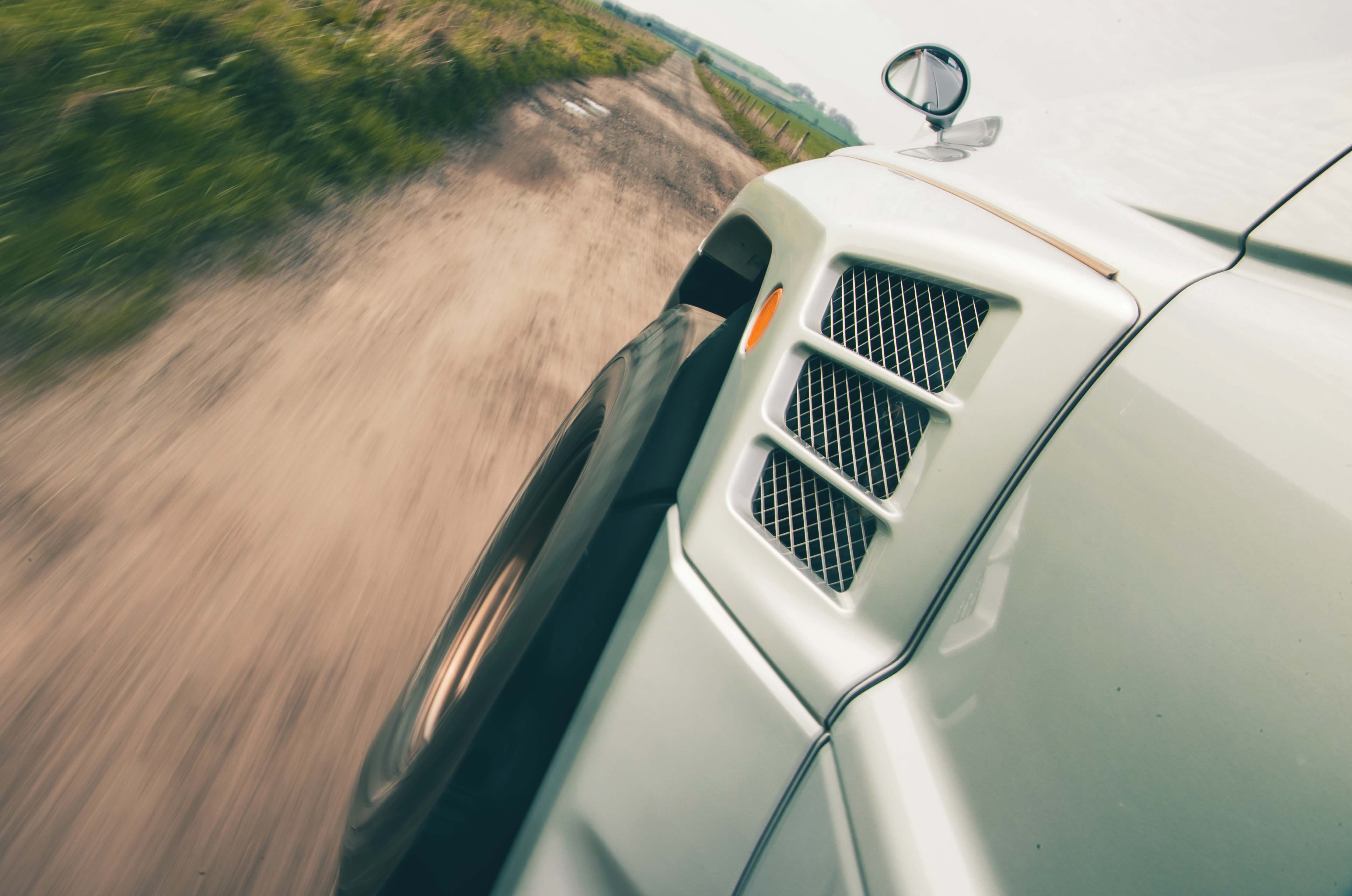
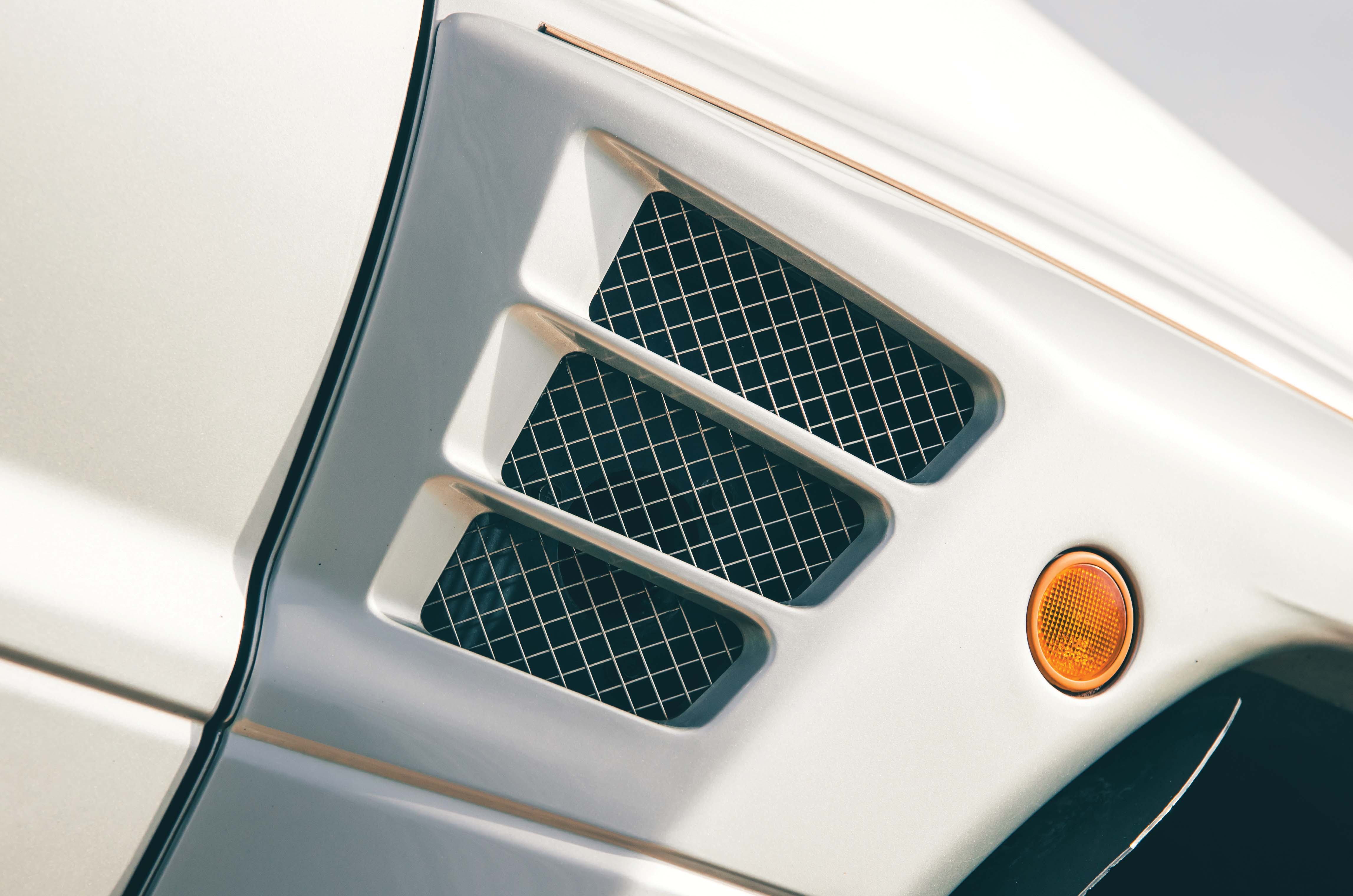
The Mitsubishi Pajero Evolution’s wing vents draw out hot air

That’s the instant and weirdly intoxicating machismo that the Pajero exudes on first sight – never mind when you twist the key, fire up the V6 and wobble exuberantly down the road on those Dakar-spec springs.

Actually, that’s probably a bit unfair. The Pajero is no scythe through the corners, but it is a performance SUV and, while the rebound (rebound, rebound, rebound…) on those springs is a thing of comical joy, there is a deftness to the suspension control that hints at what this car is capable of when pointed at the horizon and instructed to keep going, no matter what.

If anything, the huge, 265/75 R16 BFGoodrich Baja Champion tyres on ‘our’ car reinforce the sensation of this being a very blunt tool for road driving.

Classic & Sports Car – Mitsubishi Pajero Evolution: desert stormer

The Mitsubishi Pajero Evolution looks big and scary, but it has a supermini’s footprint

That’s not to say the Pajero isn’t a riot on the road: it’s hardly delicate, but that’s okay because it’s all the more enjoyable for it.

In the same way that ice sculpture with a chainsaw won’t be precise and may not even have pretty results, the process itself will be a lot more fun than using the right tool for the job.

There’s just a savage relish to the way the Mitsubishi approaches driving on Tarmac.

The steering response is meaty, slow and imprecise, but the differentials help to drag the nose around and keep your corner trajectory surprisingly neutral, even with a lot of throttle, which in turn makes it easier to trust that you will end up on the bit of road you’re aiming for, despite the heroic levels of body roll.

Classic & Sports Car – Mitsubishi Pajero Evolution: desert stormer

The Mitsubishi Pajero Evolution looks a lot more purposeful than the standard model

Ultimately, it delivers the big reactions you expect: the hefty, slow steering response of an off-roader; damper compression and rebound designed to handle tough terrain rather than switchbacks just off the M4; and a gearbox engineered primarily to endure unrelenting abuse instead of delivering silken shifts.

Let’s be honest, in objective terms this is not a car that you’re going to go out and drive for its deft handling and fingertip tactility.

You are in wildly the wrong corner of the classic-car world if you came here for that.

But there is a ‘grab it by the scruff of the neck’ satisfaction to the Pajero Evo, when you get it right.

Classic & Sports Car – Mitsubishi Pajero Evolution: desert stormer

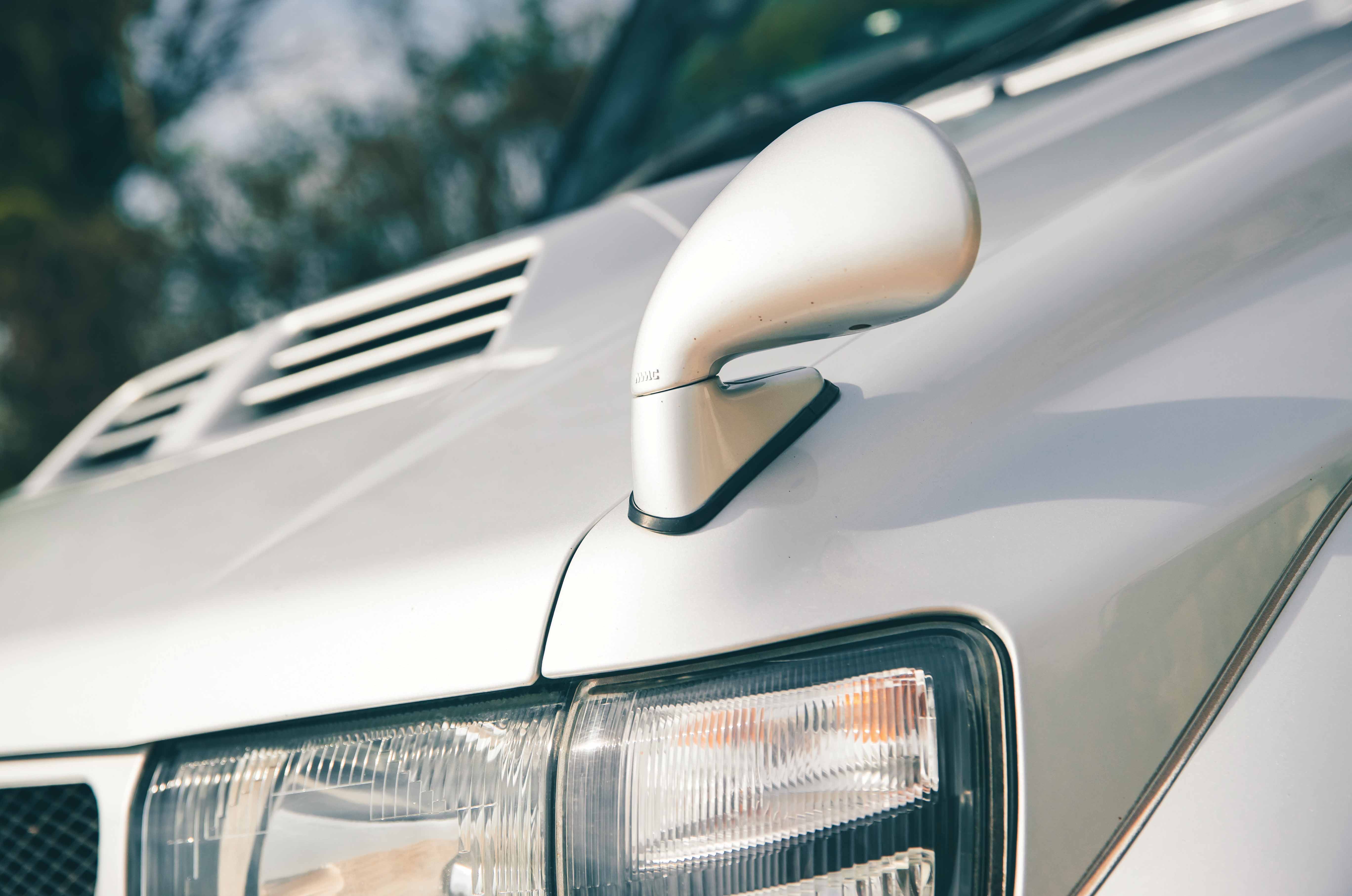
The Mitsubishi Pajero Evolution’s factory-fitted blindspot mirror

Pedal placement is good enough for precise heel-and-toe action, which is essential to reduce the pitch of the nose under weight transfer as you enter a corner.

While far from sharp, the steering lends enough feedback and response that you can feed the Mitsubishi through the twisties accurately.

Get that weight balanced right and this most bombastic of Evos does compose itself and hustle properly.

As for the performance, well, a 0-60mph time of around 8 secs (even that isn’t confirmed because the Pajero Evo was never officially imported into Europe) was not bad at all for a car weighing 1970kg in the late 1990s – especially a naturally aspirated SUV.

Classic & Sports Car – Mitsubishi Pajero Evolution: desert stormer

The Mitsubishi’s steering is slow and there’s a surplus of body roll, but the diffs help keep you on course and the Pajero Evolution is fun in the corners

Peak torque arrives at 3000rpm, so it’s no surprise that it’s in the mid-range where the V6 feels most at home and most responsive.

But, as with every aspect of this car, it is at its hilarious best when you are fully committed.

With the V6 passing 6000rpm and heading towards the 7000rpm redline, there’s a point where you stop riding the torque and discover the frantic but elastic peak power.

This is where the Mitsubishi turns into a serious, motorsport-derived machine rather than a torque-heavy off-roader.

Classic & Sports Car – Mitsubishi Pajero Evolution: desert stormer

The Mitsubishi Pajero Evolution’s bulging arches

After all, the 24-valve V6 in the Evo shares only its block with the standard Pajero: this is no mildly tweaked mass-production motor, it was designed so the Dakar Rally cars could use the same engine, albeit with a lot of fettling for endurance competition.

And let’s not forget that, being a three-door, the Pajero Evo is less than 4.1m long and 1.9m wide, which by today’s standards is supermini-sized.

You don’t notice that until you slide into the snug, fantastically retro Recaro seats, cast your gaze over the shiny, elephant-grey plastics and glance over your shoulder to the only-just-usable rear seats.

Such is this rally monster’s presence that it’s easy to forget it actually has a conveniently small footprint.

Classic & Sports Car – Mitsubishi Pajero Evolution: desert stormer

The Mitsubishi Pajero Evolution’s chunky side steps

The Pajero Evolution is a serial winner, yet it remains one of the lesser-known modern classics.

It also occurs to me that a car this fun, this nonchalant about poor road surfaces and this delightfully theatrical at normal speeds, is only becoming more relevant in a world in which it’s hard to find a clear stretch that isn’t blighted by potholes and other traffic.

Perhaps this super-Mitsubishi is actually one of the most sensible daily classics for 21st-century life.

Dramatic yet tough, compact yet rapid, and wholly satisfying despite being objectively kind of terrible, this is a vehicle you love for its eccentricities and which is just a laugh to spend time in, whether you’re pottering down a good road or attacking no Tarmac at all. You’ll never need to worry about potholes again.

If ever there was an example of a modern classic to persuade traditional enthusiasts that SUVs can be ‘proper’ performance cars, with a very genuine pedigree and a huge fun factor, you’re looking right at it.

Images: Jack Harrison


Lamborghini to GMC: extrovert SUVs for brave buyers

Classic & Sports Car – Mitsubishi Pajero Evolution: desert stormer

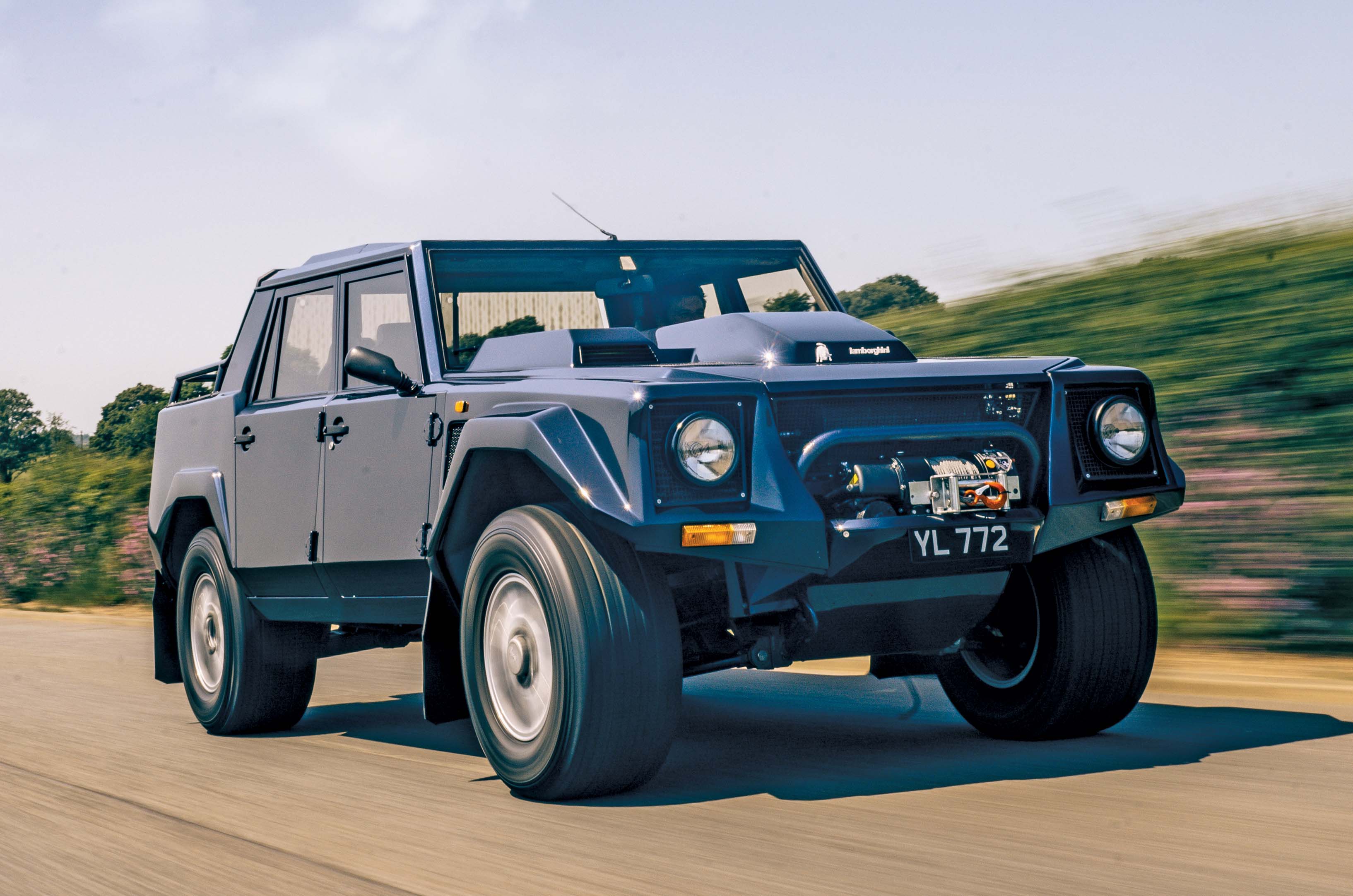
Lamborghini LM002

Only 301 examples of the Lamborghini LM002, the poster child of the brash, ‘so bad it’s good’ breed of performance SUV, were built from 1986-’93, and very few in right-hand drive.

Complete with the V12 from a Countach in its nose, the LM002 remains one of the most recognisable SUVs ever.

Interestingly, Lamborghini prepared two LMs with the intention of running them in the Dakar, but funding ran out before they made it to the startline.

Classic & Sports Car – Mitsubishi Pajero Evolution: desert stormer

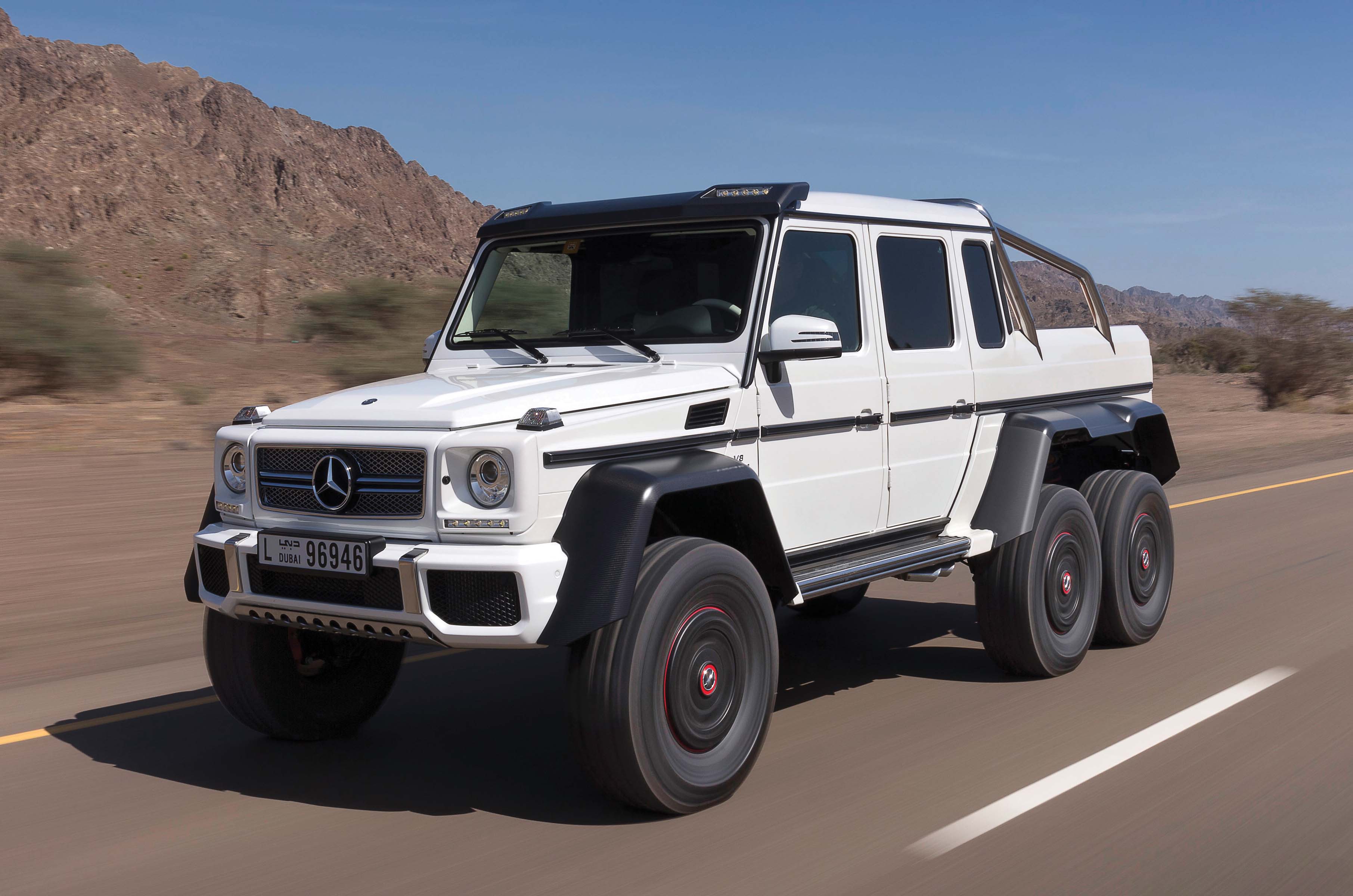
Mercedes-AMG G63 6x6

As if the twin-turbo 5.5-litre V8-powered G63 AMG 4x4 wasn’t ludicrous enough, Mercedes-Benz unveiled one of the most madcap cars ever by adding an extra pair of wheels and raising the chassis via portal axles.

This made the car so long that a pick-up bed was grafted on to the back.

A 0-60mph time of 7.8 secs initially seems fairly slow for a 536bhp car, but the 6x6 weighed more than four tonnes, so you’d need a C1 licence to drive it in the UK.

Classic & Sports Car – Mitsubishi Pajero Evolution: desert stormer

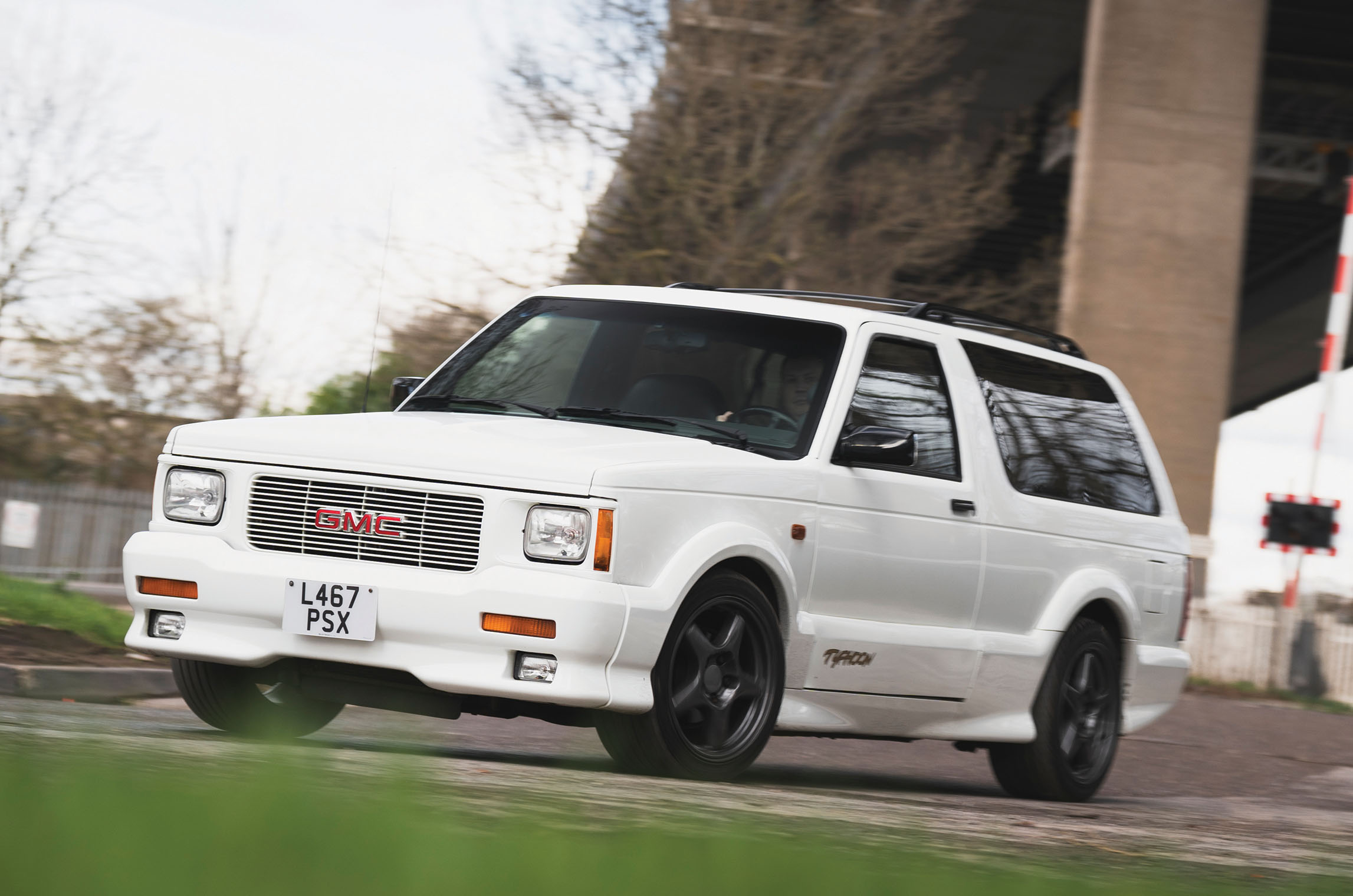
GMC Typhoon

Starting out as a Buick project to drop a turbo V6 into a Chevrolet S-10 pick-up, GMC first came out with the Syclone in 1991, bringing performance previously unknown to the pick-up market.

From there it was simple to add bodywork to create a two-door SUV, the Typhoon, with 280bhp and a 0-60mph time of 5.3 secs.

Nearly 5000 of this wacky halo model were sold from 1992-’93, proving more popular than its Syclone originator.

Images: Jack Harrison


Factfile

Classic & Sports Car – Mitsubishi Pajero Evolution: desert stormer

Mitsubishi Pajero Evolution

  • Sold/number built 1997-’99/2693
  • Construction steel ladder chassis, steel body
  • Engine iron-block, alloy-heads, dohc-per-bank 3496cc V6, fuel injection
  • Max power 276bhp @ 6500rpm
  • Max torque 257lb ft @ 3000rpm
  • Transmission five-speed manual, 4WD
  • Suspension independent, at front by double wishbones rear multi-link; telescopic dampers, anti-roll bar f/r
  • Steering power-assisted recirculating ball
  • Brakes ventilated discs, with servo and anti-lock
  • Length 13ft 4½in (4075mm)
  • Width 6ft 1¾in (1875mm)
  • Height 6ft 3¼in (1915mm)
  • Wheelbase 7ft 11¼in (2420mm)
  • Weight 4321lb (1970kg)
  • 0-60mph 8 secs
  • Top speed 130mph
  • Mpg 20mpg (est)
  • Price new £18,000 (Japan only)
  • Price now £25-50,000*

*Price correct at date of original publication


Enjoy more of the world’s best classic car content every month when you subscribe to C&SC – get our latest deals here


READ MORE

Signing off in style: Mitsubishi Lancer Evolution VI vs Evolution X

Mercedes-Benz G-Wagen: Paris-Dakar winner recreated

The Lamborghini LM002: absurd yet enchanting