Darracq 200hp: mighty, 25-litre V8 record-breaker

| 15 Oct 2026
Classic & Sports Car – Darracq 200hp: the 25-litre V8 record-breaker

We barely breached the speed limit on the private drive of Madresfield Court, but it was enough.

The bumpy, stately Worcestershire venue couldn’t be further removed from the wide-open sands of Daytona or Saltburn, where this V8 veteran dragster blasted to 120mph record runs, but our modest speed had more than satisfied me.

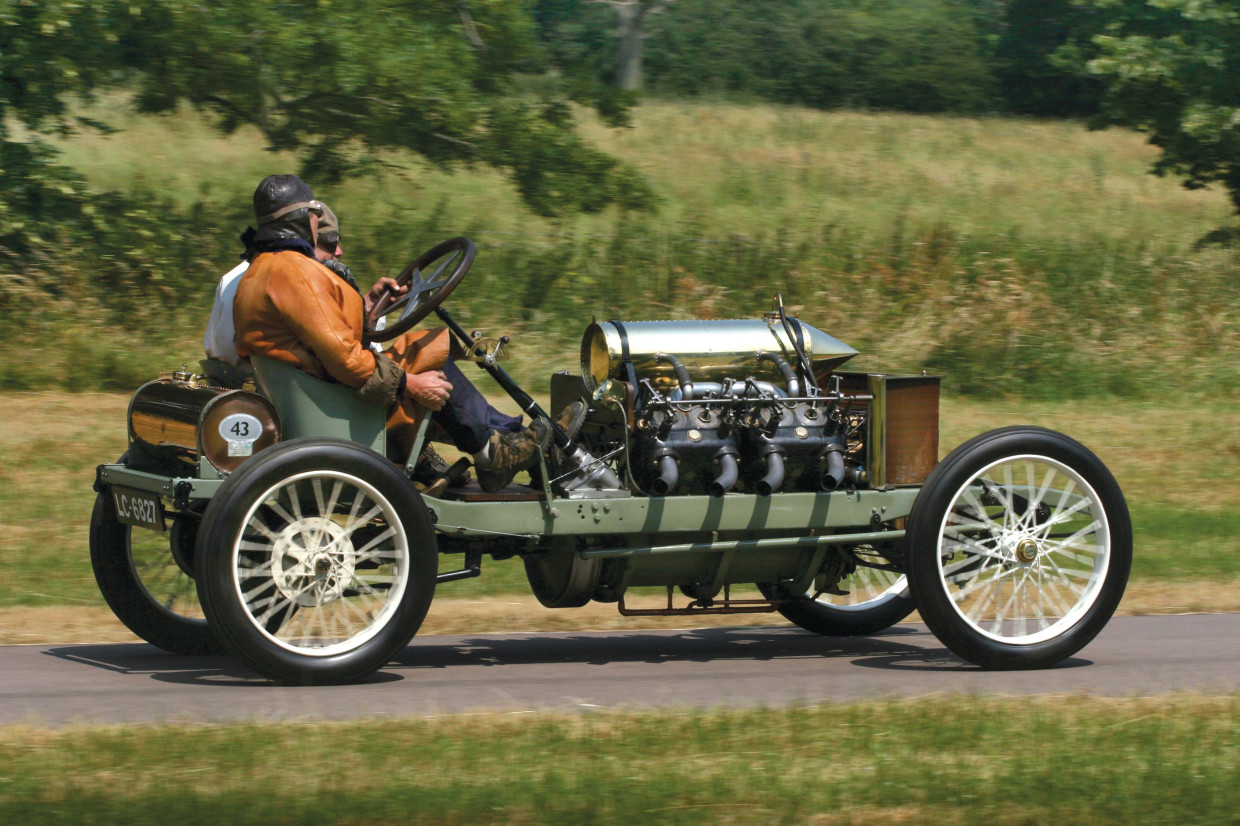
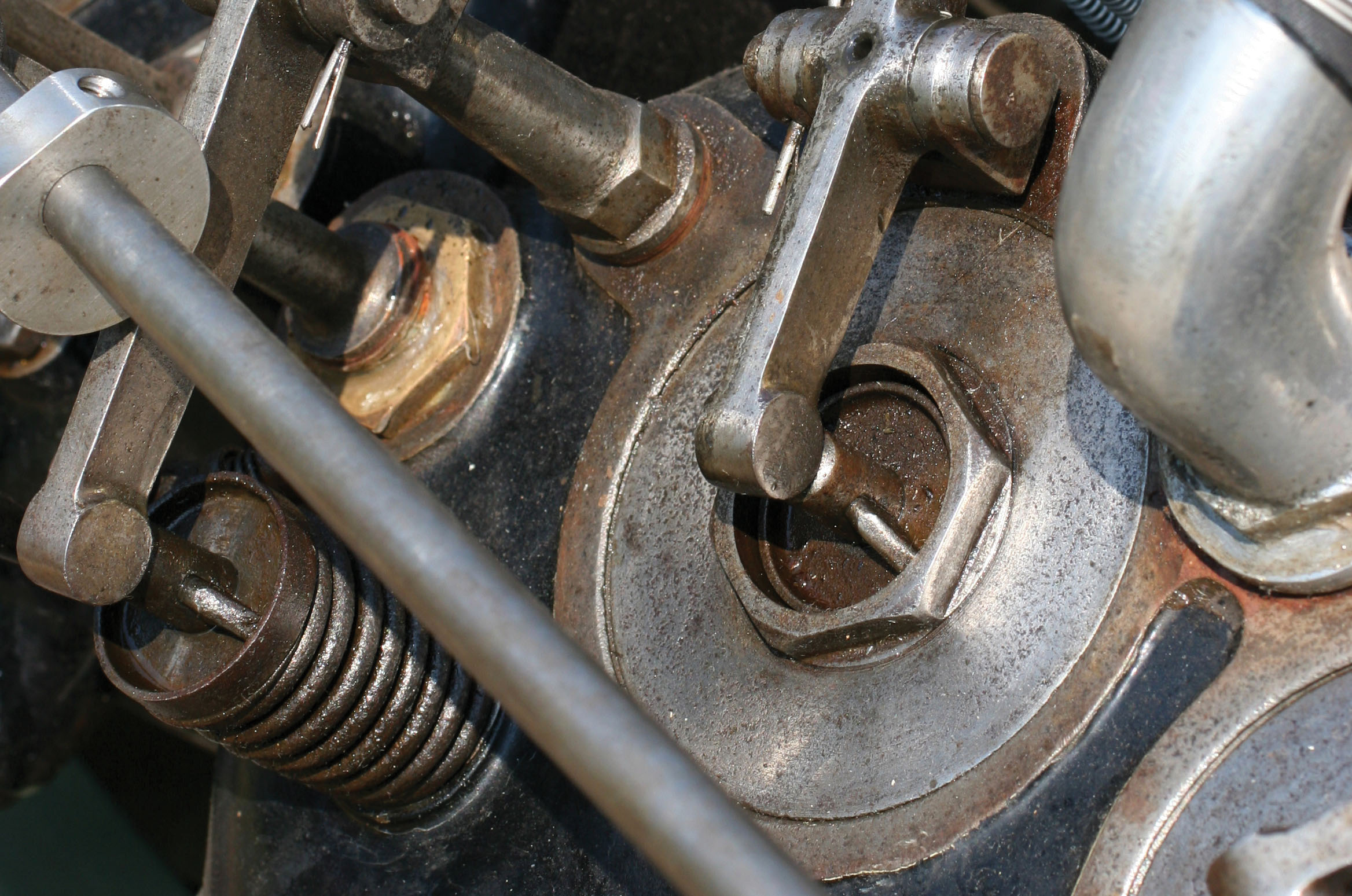
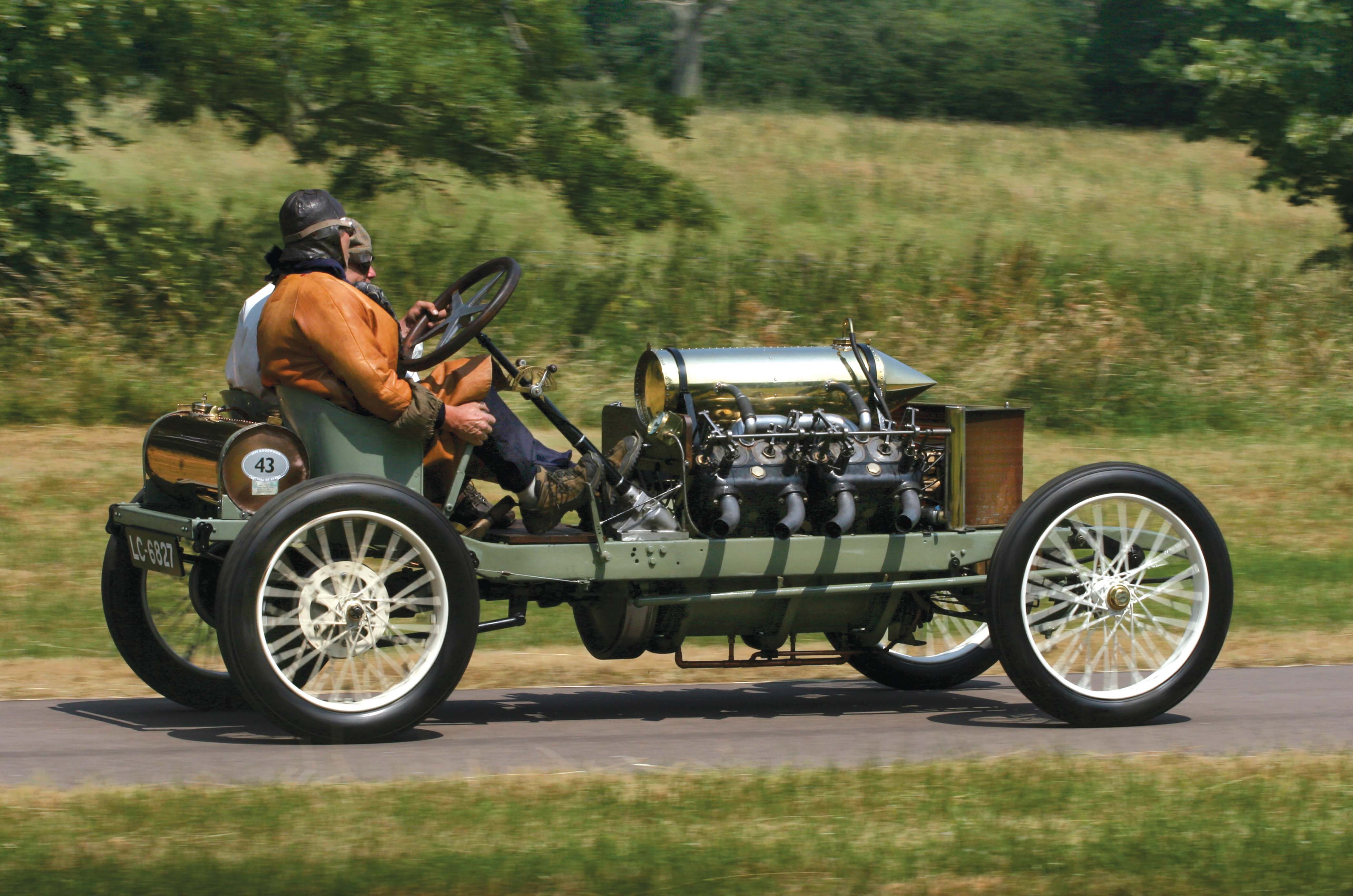
For a moment, perched high on this fully exposed 25-litre Darracq, nervously watching the frantic external valvegear and eyeing the flames shooting from the stub exhausts while the driver throttled back, I wished this historic run would be over quickly.

Classic & Sports Car – Darracq 200hp: the 25-litre V8 record-breaker

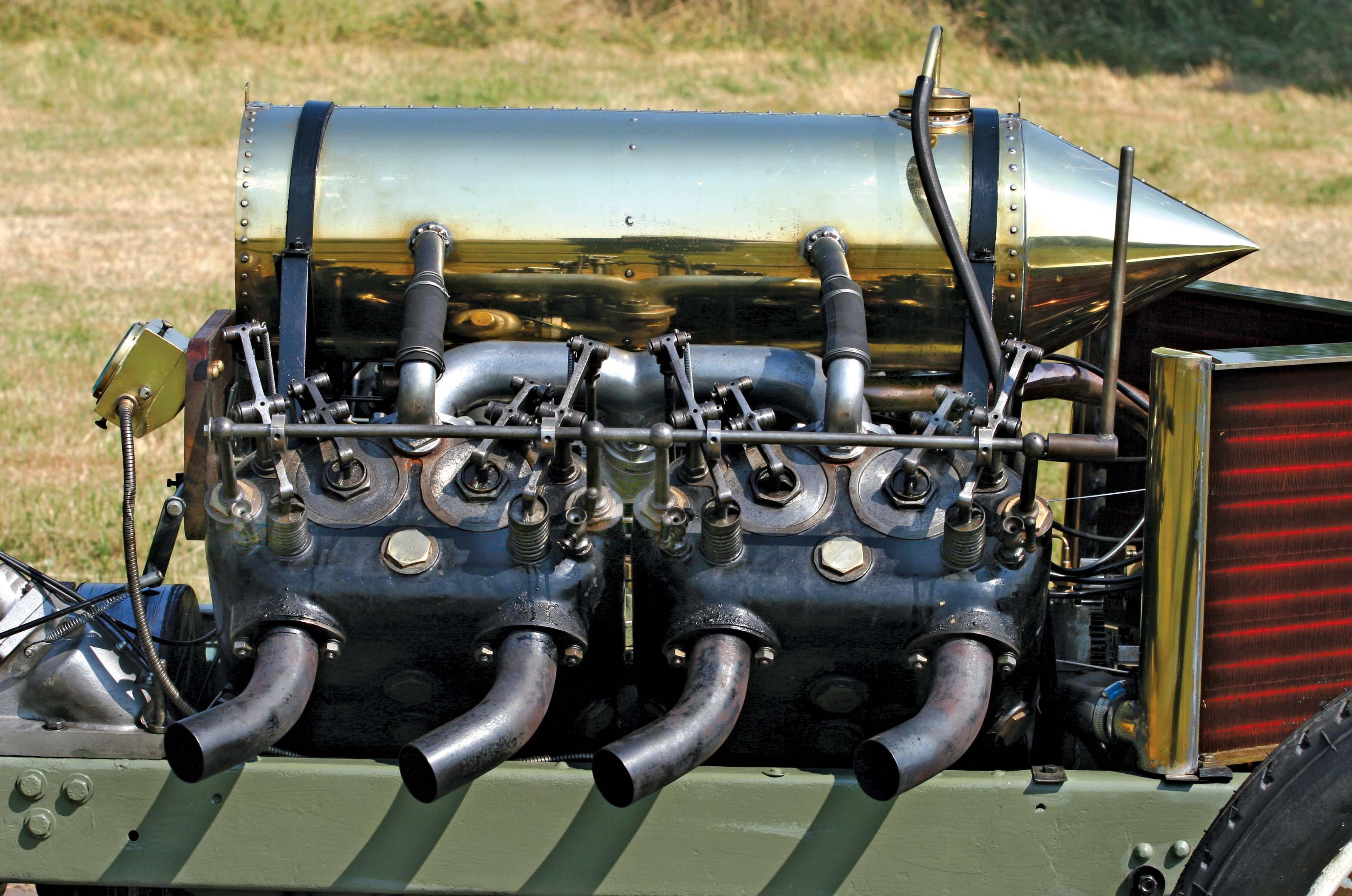
The Darracq 200hp’s pioneering V8 engine was created by joining a pair of four-cylinder blocks

The day did seem jinxed. Just starting the 1905 200hp bedstead was a headache. The previous day at a private test it had started easily, but for over an hour the big V8 refused to fire.

The go-kart-sized tyre of a Honda-powered roller endlessly churned a massive flywheel under the chassis, with three men struggling to hold it.

With an estimated 4:1 compression ratio and 3-litre-plus pots, the V8’s kickback is worse than any angry mare.

Finally it exploded into life and we clambered up into the hot-seat. With no firewall to protect the driver and the short exhausts blasting away like a Howitzer emplacement, a fuel line suddenly came adrift.

Everyone scrambled to find the extinguisher, and I’ve never leapt from a vehicle so quickly.

I was secretly hoping it was all over so I could retreat to the local, but the crew eventually repaired the fuel system and was once more shouldering that external starter like a rugby team’s second row.

After more nervous fettling of the ignition, the V8 again belched into life. The blast from the exhaust was fearsome and even 20ft away spectators were knocked back as if hit by a zephyr.

I didn’t like the excessive revs the nervous driver was using as he worked the hand-control throttle, and the lack of caster at the front looked all wrong. What if the engine grenades, or axle tramp starts a chassis fit?

With only two speeds, the cone clutch took an eternity to bite as it crawled slowly away. Finally it all hooked up and, even at low revs, the Darracq quickly started to canter.

Classic & Sports Car – Darracq 200hp: the 25-litre V8 record-breaker

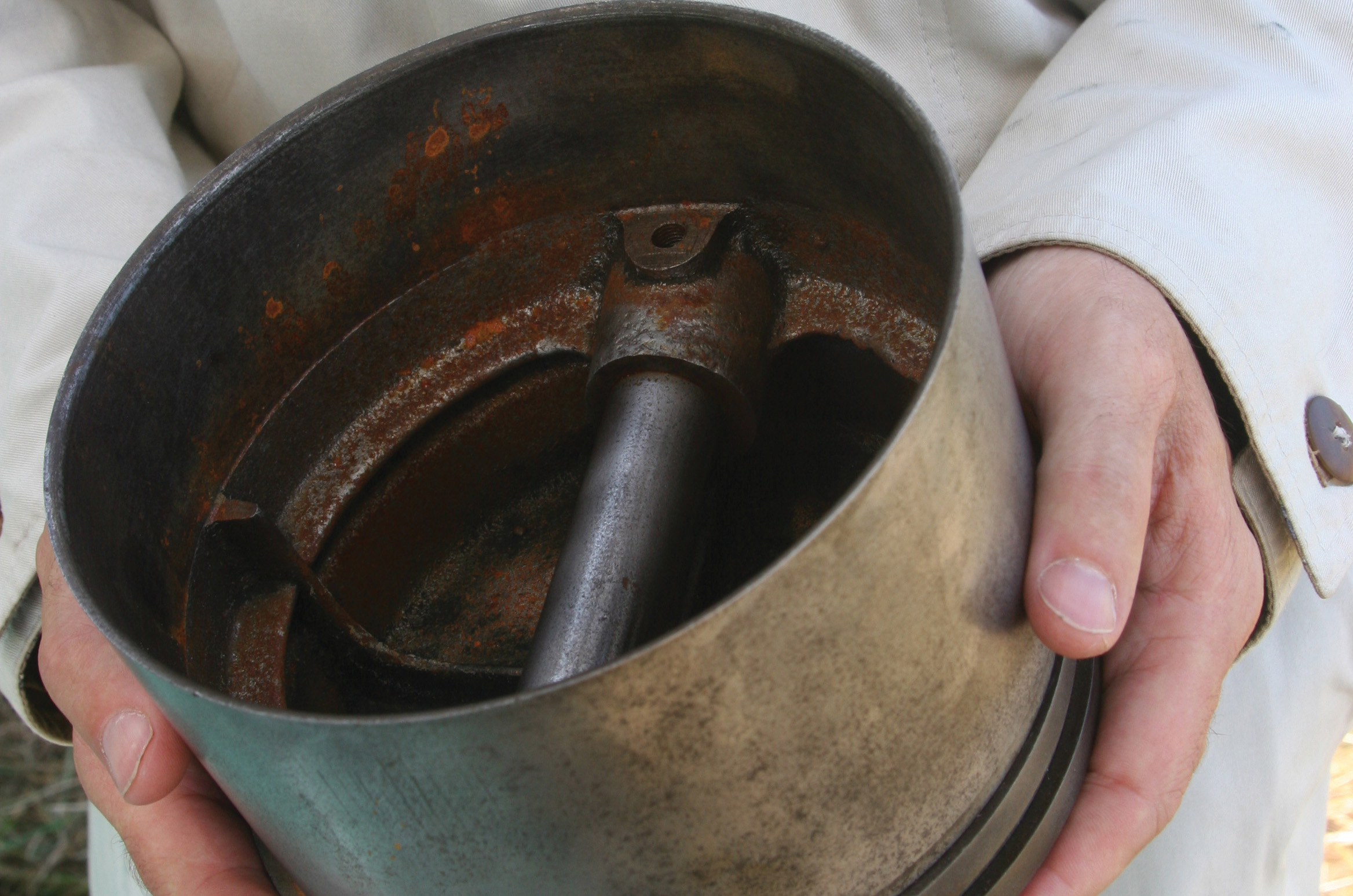
The Darracq 200hp’s new pistons were cast in the 1990s

In second gear, this bare-boned beast used to regularly do the ton at just 1000rpm, but the physical punishment for its valiant crews – particularly in the winter with little protection other than overalls, goggles and linen helmets – must have been ferocious.

To distract from the frantic engine ahead I pumped fuel and watched the pressure gauge.

Thankfully, driver Bill Beck had no intention of unleashing the Darracq far up such a narrow, bumpy road. No sooner were we picking up speed than he throttled back to let the car coast.

More flames flashed out as he hauled up the handbrake. Spattered with oil and fuel, my admiration for the passengers of Victor Héméry and Algernon Lee Guinness has soared.

I’d love to have witnessed Héméry’s epic 109.65mph run on the narrow Arles-Salon road just north of Marseilles on a freezing 30 December morning in 1905, but no amount of money would have persuaded me into the passenger seat at those perilous speeds.

At least at Madresfield there were no trees to hit.

Job done, Héméry only complained that the low temperatures had impeded the engine’s fuelling and declared he could have gone faster.

The French press was more enthusiastic. ‘Can you imagine what that frightening speed of 5 metres a second must be like?’ asked L Gerard in La Vie Automobile. ‘Well, it’s that of hurricanes that flatten houses and trees… This time, without any exaggeration, the car has beaten the train.’

Land Speed Record car design was at a turning point in 1905, as engineers realised that a racing car wasn’t quick enough to claim the title. Thus the era of the monster-engined Special dawned, and no challenger better captured that spirit than the 200hp Darracq.

Classic & Sports Car – Darracq 200hp: the 25-litre V8 record-breaker

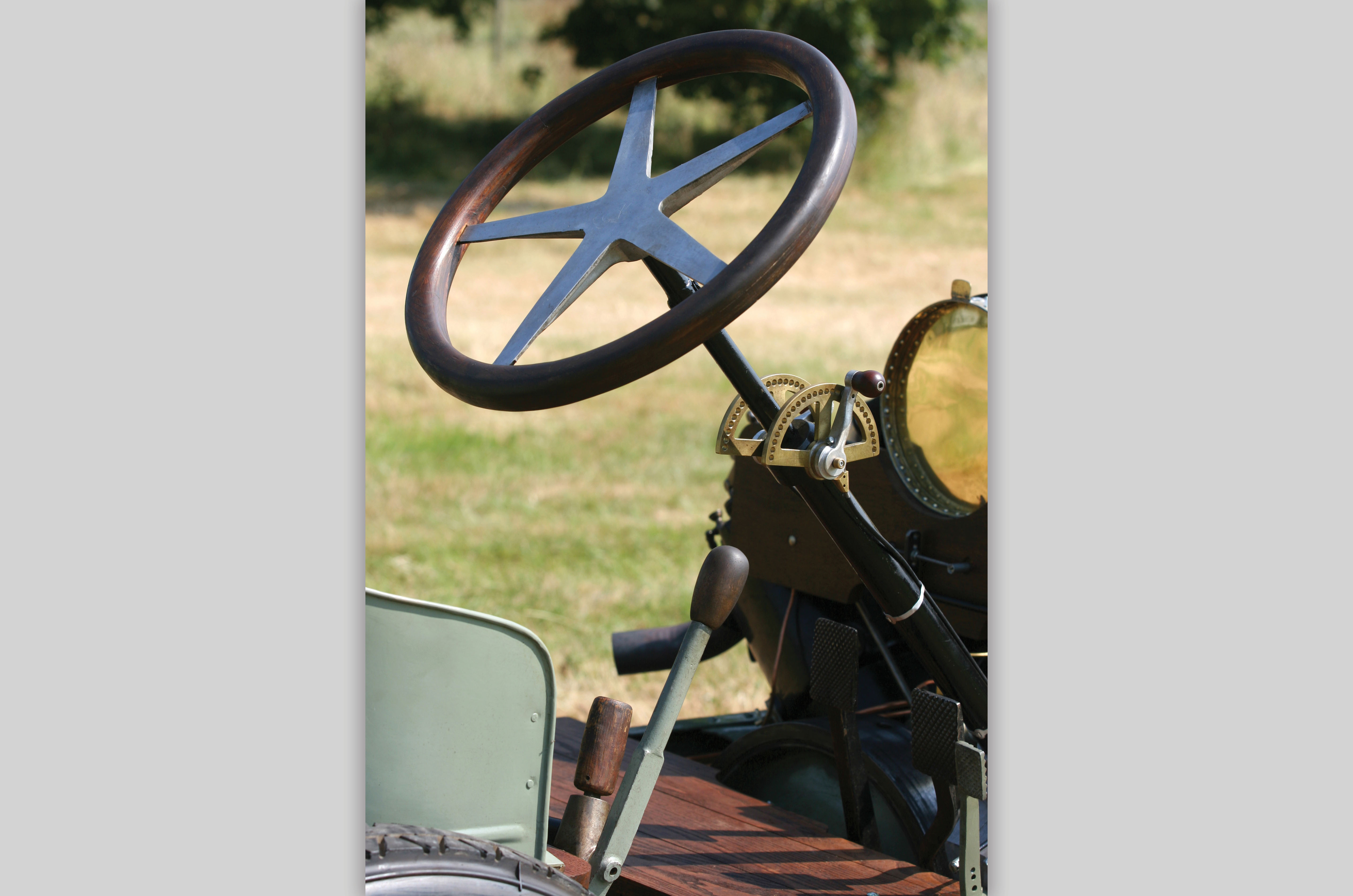
The Darracq 200hp’s steering wheel sits high and exposed

For his new record car, chief engineer Louis Ribeyrolles developed the first true V8 engine by mounting two four-cylinder blocks on a common crankcase.

Forked connecting rods were used, and a single central camshaft above the crankshaft worked all the valves via pushrods and rockers.

In the age of the never-ending bonnet, the new Darracq was a revelation, halving the length of the engine while retaining its huge capacity.

The monster 25,422cc motor featured four sets of pair-cast cylinders, as used on Darracq’s successful Gordon Bennett racer design.

The radical engine was fitted into a conventional Arbel steel ladder chassis with shaft final drive to a two-speed rear axle. Weight was kept to a minimum, with no bodywork and just two bucket seats in line with the rear axle.

The only streamlining was a vee-shaped Grouvel & Arquembourg radiator and a rocket-shaped water tank straddling the cylinder banks. The compact challenger weighed around 1982lb (899kg) and was completed just after Christmas.

Keen to claim the LSR title to cap a great year for Darracq, Héméry was immediately testing on the long, straight roads across the plain of La Crau in Provence.

The car’s potential was confirmed, and two days later the 200hp sprinter became the second Darracq to claim the record.

Classic & Sports Car – Darracq 200hp: the 25-litre V8 record-breaker

The Darracq Land Speed Record car’s huge engine is intimidating, with exposed valvegear and no firewall

The car was then shipped to the USA for the annual Ormond-Daytona Beach Automobile Races as part of a four-strong Darracq team, but it was a troubled affair.

First it was declared over the weight limit, then, once the car had been lightened, Héméry fell out with judges who claimed he had jumped a starting signal.

US agent Charles Cooke took over managing the team and employed Louis Chevrolet, who set a new one-mile record for petrol cars of 30.6 secs, but was upstaged by newly crowned LSR holder Fred Marriott with the Stanley Rocket.

On the final day at Daytona, Stanley and Darracq lined up for a shootout. Victor Demogeot replaced Chevrolet and the Darracq pipped the steamer by 0.8 secs at 122.5mph to be crowned ‘Speed King of the World’.

After its return from America, the Darracq remained dormant until the Hon Algernon Lee Guinness of the famous brewing family made an approach to buy it.

Guinness, with his younger brother Kenelm, more usually called Bill, had built up an impressive team of racing cars at the family home near Windsor.

Algernon’s skilful driving in a much-modified British-built Weir-Darracq had been noted by the French concern at the 1905 Gordon Bennett trials.

In May of that year Algernon, with business partner and chum HW ‘Bill’ Bunbury, arrived at Suresnes to inspect the record car.

Who better to demonstrate the machine’s phenomenal performance than Darracq’s leading driver, Héméry? Having survived a terrifying ride around the factory and local roads, Algy haggled over the price and the famous Darracq was trained back to Windsor.

Classic & Sports Car – Darracq 200hp: the 25-litre V8 record-breaker

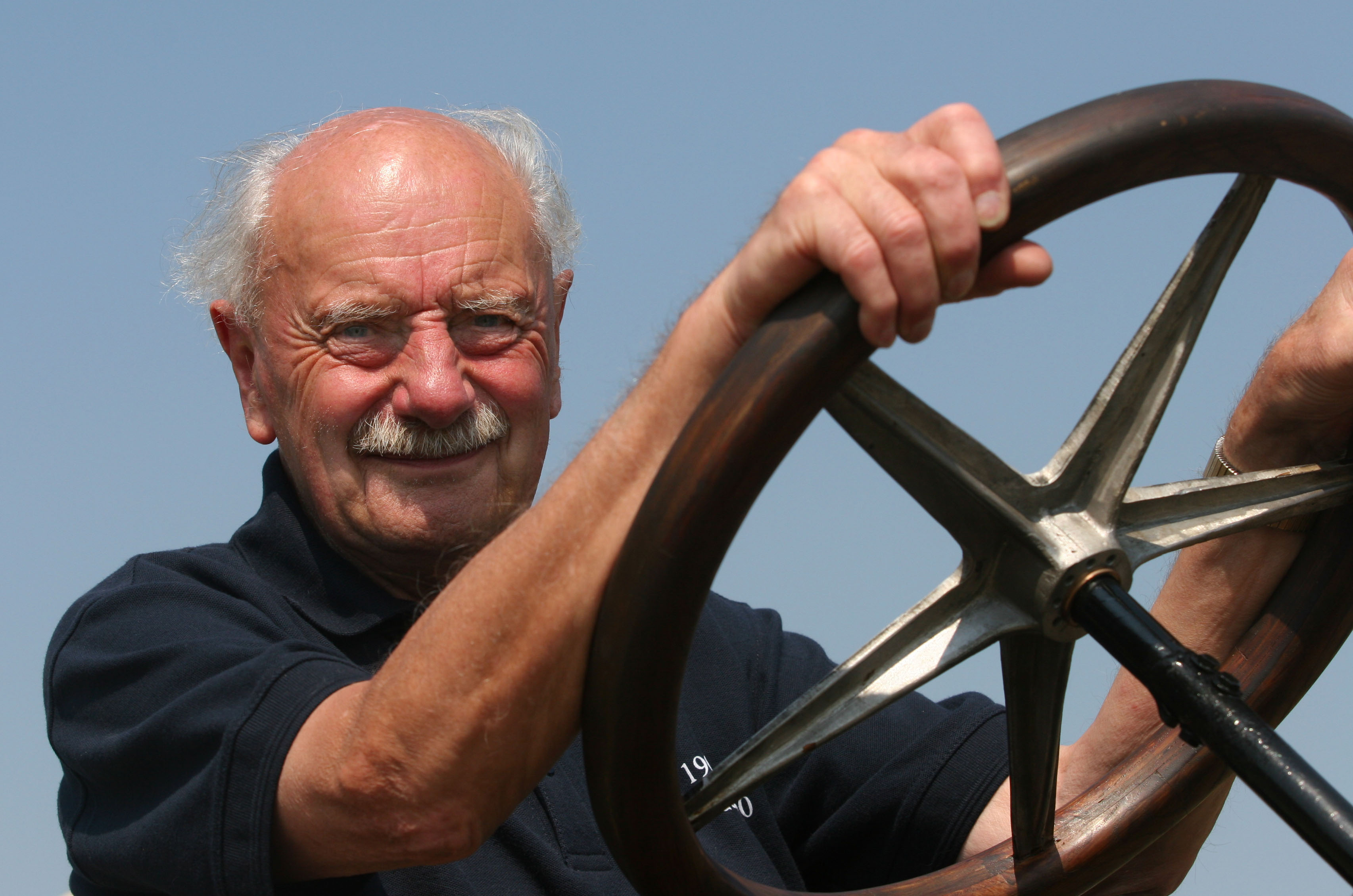
The Darracq 200hp’s late owner, Gerald Firkins, finally took the helm after the 50-year rebuild

After testing and fettling on the roads around Datchet, Algy felt prepared to give the Darracq its debut at the Ostend speed trials in Belgium. He was on determined form, roaring into the record books on 14 July with a European flying kilometre best of 117.7mph.

The news that one of the fastest cars in the world was based in England meant Guinness and the Darracq were much in demand at speed events.

At the Blackpool Promenade speed trials, Algy was laden with silverware after the Darracq set world-best times for the standing kilometre, at 32.4 secs, and the standing mile, at 45.6 secs, plus a British flying kilometre record of 21 secs.

The sight of the 200hp Darracq blasting along Blackpool’s seafront at 106mph must have been awesome.

The LSR Darracq was regularly tested near Windsor and a favourite spot was the road over Hartford Bridge Flats (now Blackbushe), to where the Darracq was towed at night in readiness for the first clear runs at dawn.

“Other cars brought materials and mechanics and were used as patrols,” Bunbury told The Autocar. “We had no trouble from the police. Actually, they used to ask when we would be there, for they loved to look on – unofficially.

“I was very lucky to have a few runs on the Flats with Algy,” he said. “They were the biggest thrills I ever experienced on any car, including the big Benz at Brooklands with Hornsted.”

Bunbury vividly reported that the car ran without floorboards, requiring passengers to brace their feet on the exposed crossmember: “Up to 40mph you felt shaken to pieces, but at full throttle the air pressure on one’s body was terrific. The seats were perched up high with no protection, which made you hang on for dear life.”

A month later Guinness was back in France. At the Dourdon speed meeting he set fastest time of the day with a flying-mile time of 111.85mph, and his spectacular form continued the following weekend at the Le Barbe hillclimb near Gaillon, where he blitzed the record by 4 secs at 144kph.

Classic & Sports Car – Darracq 200hp: the 25-litre V8 record-breaker

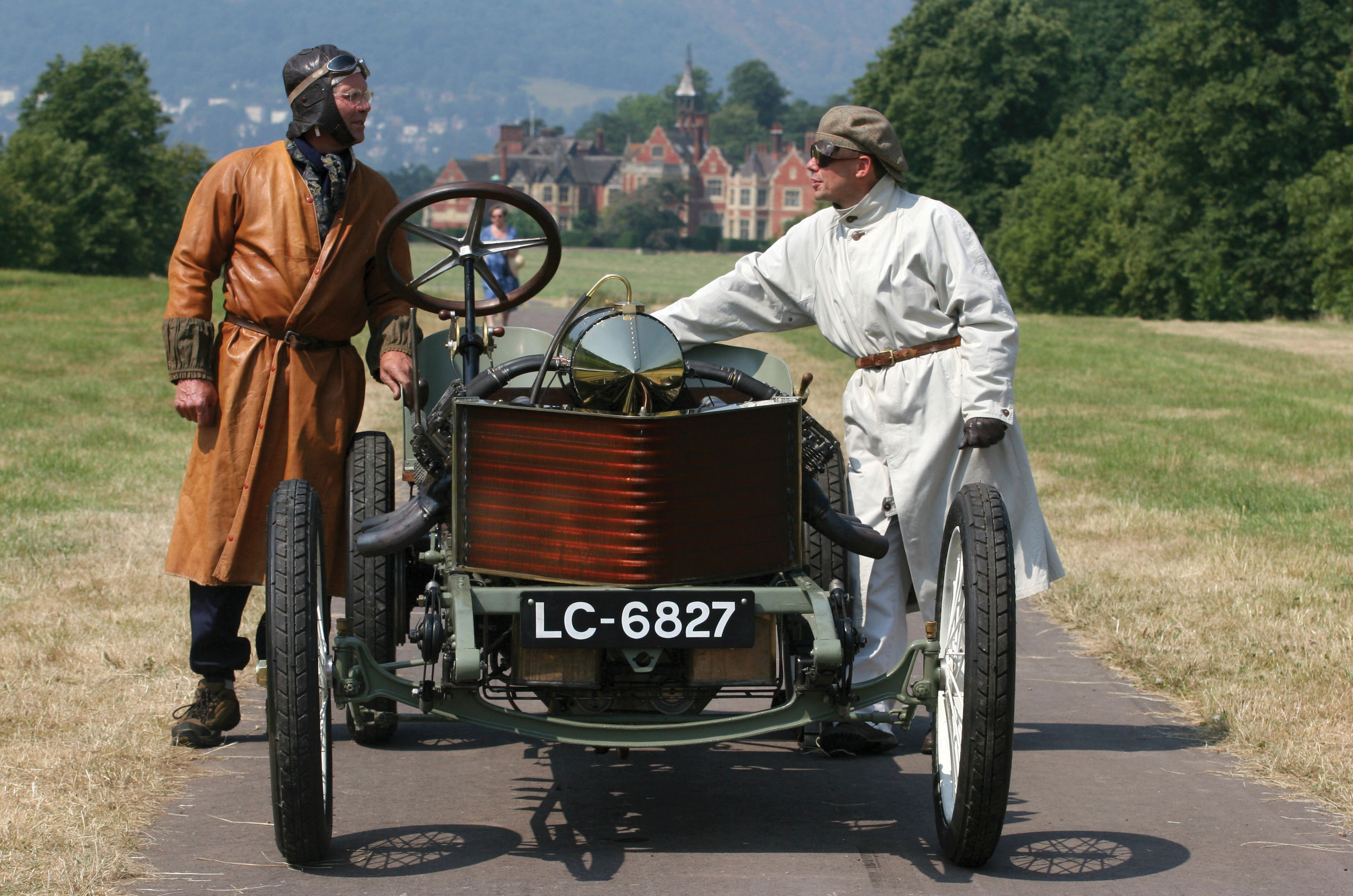
Classic & Sports Car’s Mick Walsh – on right, dressed for the occasion – chats with restorer and driver Bill Beck ahead of his ride in this Darracq 200hp

Alexandre Darracq was no doubt grateful for the publicity of Guinness’ further success at Dourdon and Le Barbe, because his once-dominant Darracq racers were by then struggling against rivals from Renault, Lorraine-Dietrich and Fiat.

Throughout 1907 Algy Guinness chalked up more records at Scheveningen and at Saltburn Sands, where not even a flooded course could deter him.

Later, in June 1908 over a drier route, he clocked a remarkable 121.57mph for the flying kilometre, a record that wasn’t bettered until 1922.

The Autocar’s artist Frederick Gordon Crosby immortalised the full drama of this spectacular charge using artistic licence to enhance the moment. The proportions of the mighty V8 are exaggerated, while the stub exhausts are shooting flames from both banks.

At full chat such fiery drama wouldn’t be a feature, but the painting captures all the heroism of the fearless Guinness crew.

Bill Boddy thought the Darracq 200hp was too frail to race at Brooklands, but American Dugald Ross offered to buy the car for £2000 if it could top 100mph, so, timed by BARC officials, it clocked 112.2mph and 115.4mph at the then newly opened Weybridge track, making it the largest non-aero-engined machine to run there.

Ross was tempted aboard for a ride, but the experience so terrified him that the deal fell through.

One of the best 200hp Darracq stories involved a bet that Algy couldn’t drive it from Datchet to Maidenhead and back.

One hot summer Sunday, dressed in white flannels, blue coats and boaters, Algy and mechanic ‘Snowball’ Whitehead were push-started away. With no reverse gear or numberplates, the Darracq roared to the old Bath road, did a U-turn in the forecourt of Skindle’s Hotel and drove straight back without stopping.

The boaters were donned for the final few hundred yards to and from the hotel, with Algy and ‘Snowball’ bowing left and right like royalty before they returned home.

Classic & Sports Car – Darracq 200hp: the 25-litre V8 record-breaker

The reborn Darracq 200hp is a bare-bones, 25-litre thriller

The last appearance of ‘Old Iron’ – as the Darracq had become known – was back at Saltburn in 1909, when Algy made four runs and again took the fastest time with a flying kilometre of 120.26mph.

Then the famous car was stored at the back of a Datchet workshop until the business closed down. From there its exact fate is a mystery, but it’s most likely a dealer bought the engine and scrapped the rest other than the front sections of the chassis.

At some point Algy Guinness bought back the engine and kept it until he died in 1954. Thankfully, his widow appreciated the significance of the V8 and went to great lengths to find an appreciative home.

Gerald Firkins, who already owned a 1914 16hp model, was recommended and in 1956 the engine, with sawn-off chassis sides, was transferred to his north London workshop.

There began a 50-year rebuild, where possible using period Darracq parts. Progress was delayed as Gerald went to evening engineering classes to learn the various crafts needed to recreate the Darracq.

During the strip-down, the capacity was discovered to be 25.4 litres rather than 22.5 litres, and the engine was in good shape.

The crankshaft, conrods and camshaft were all fitted back in, but a new set of eight huge pistons had to be recast in the early 1990s to replace the cracked originals.

Other challenges included remaking the two-speed rear axle, but thankfully drawings were discovered in a 90-year-old notebook.

In 2005, the restored Darracq made static appearances at Goodwood, Brooklands and Shelsley Walsh, but Firkins had to wait until April 2006 to hear that V8 burst back into life.

Spurred on by the working engine, friends rallied round to complete the car. By then not strong enough to drive the beast, Gerald was still emotional when ‘Old Iron’ rumbled down the drive at Madresfield Court in July.

After a century in hiding, this legendary record car is set for a more public life after being sold by Bonhams for £199,500. Wouldn’t it be marvellous to see ‘Old Iron’ lining up for The Vintage Sports-Car Club’s Edwardians race at Mallory Park, or rumbling around Brooklands once again?

Images: James Mann

This was first in our February 2007 magazine; all information was correct at the date of original publication


Enjoy more of the world’s best classic car content every month when you subscribe to C&SC – get our latest deals here


READ MORE

Driving record-breaker Sir Henry Segrave’s Sunbeam Twin Cam

Métallurgique-Maybach: aero-engined behemoth

Vauxhall vs KRIT vs SCAT: Edwardian titans do battle