Pontiac Memphian ambulance: estate of emergency

| 13 Oct 2026
Classic & Sports Car – Pontiac Memphian ambulance: estate of emergency

The world of ambulances, hearses, flower cars and other such ‘professional’ vehicles fostered quite a lively scene in America between the 1940s and the ’60s.

While British ambulances were tall, white boxes mounted (usually) on a commercial chassis, America’s equivalents were long, low, wide and entirely relatable to the giant, chrome-encrusted passenger cars on which they were based.

With spinning red lights, wailing sirens, mysteriously frosted side glass and luridly eye-catching paintjobs, they brought a sense of theatre to the road – at least in my television-fuelled imagination.

The nearest I got to one was my Dinky Cadillac Superior Ambulance.
Classic & Sports Car – Pontiac Memphian ambulance: estate of emergency

The proliferation of road-accident casualties across 1950s America fuelled a new growth industry in specialist ambulance conversions

Some famous American emergency vehicles have passed into morbid folklore, such as the 1952 (or possibly 1954) Buick Flxible that attended James Dean’s crash in 1955 – and which had a prang itself on the way to the hospital. 

Or the US Navy Pontiac Bonneville that took JFK’s casket from Air Force One to Bethesda Naval Hospital on 22 November 1963.
That car, later mired in controversy over its authenticity when sold at auction (the real JFK ambulance was supposedly scrapped), was one of 15 built for the US Navy by Superior Coach Company.

In fact, the roles of ambulance and ‘funeral coach’ often crossed over, and some worked in both jobs.

Classic & Sports Car – Pontiac Memphian ambulance: estate of emergency

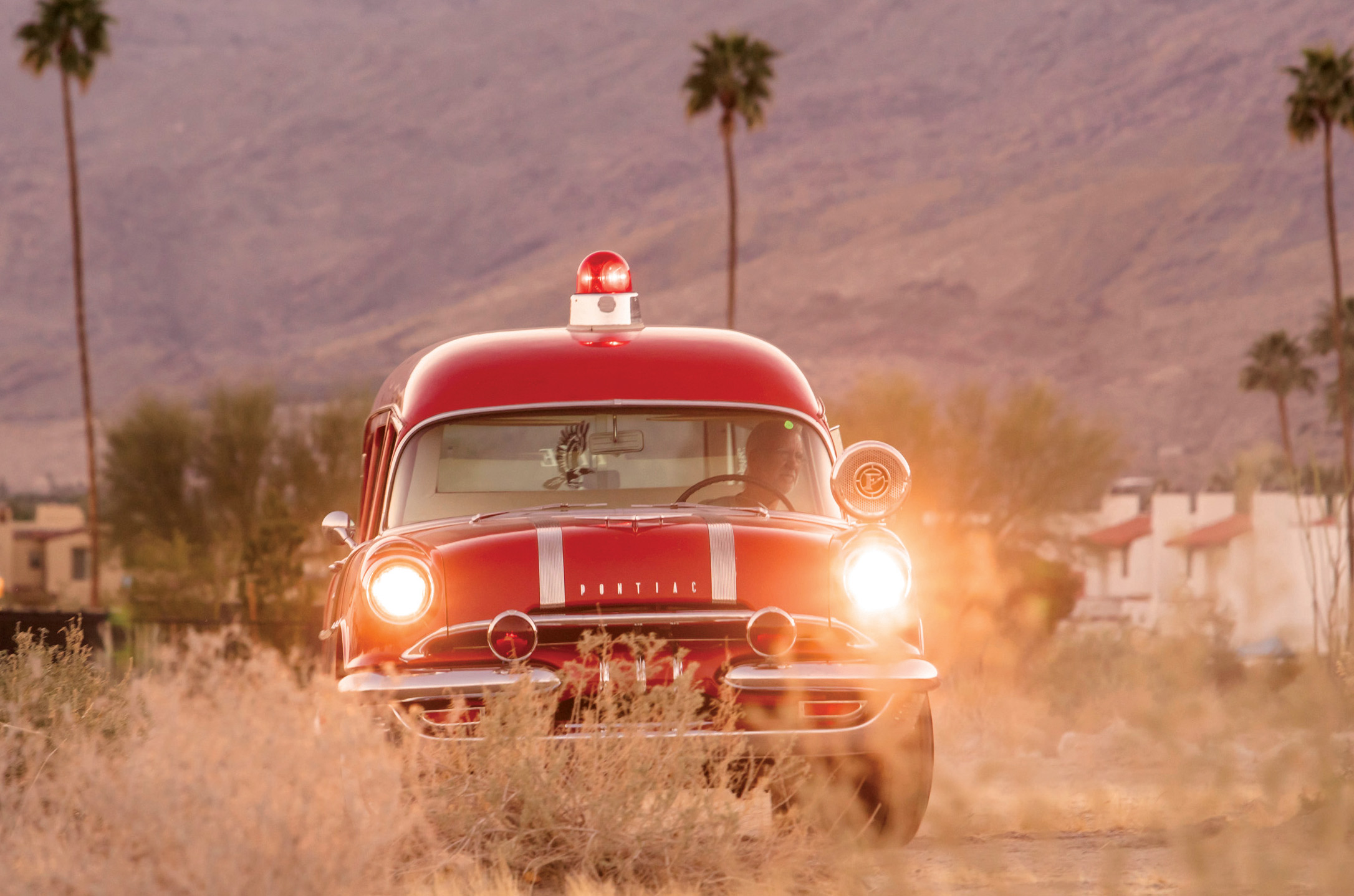
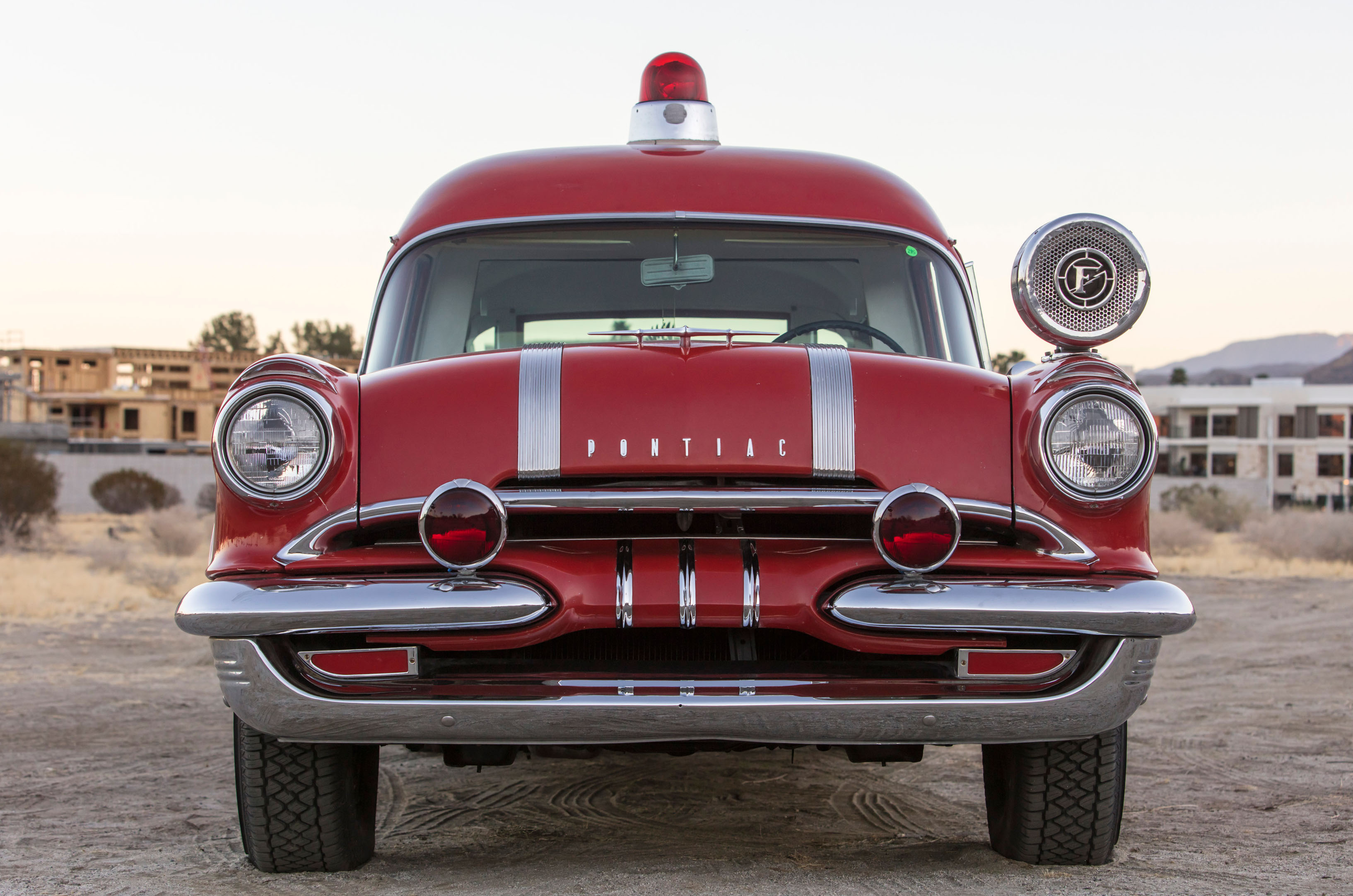
The Pontiac Memphian ambulance’s front-wing-mounted siren is loud enough to scatter the traffic ahead

These were known as combination cars, marketed on the basis that they could be swapped easily from ambulance to hearse, which made them popular in small towns where two vehicles couldn’t be justified.

Through to the early 1970s, an American ambulance was based on either a light commercial – and was a straightforward van with a stretcher – or a car chassis, usually supplied by the factory as a rolling unit with front wings, bonnet and ’screen, and possibly an assortment of quarter panels, depending on the nature of the adaptation.

Ambulance chassis tended to come from the factory with stiffer springs and uprated electrics to run the lights, sirens and radio sets.

Most, but not all, were based on chassis that would be stretched by 24-36in by the coachbuilder.

Classic & Sports Car – Pontiac Memphian ambulance: estate of emergency

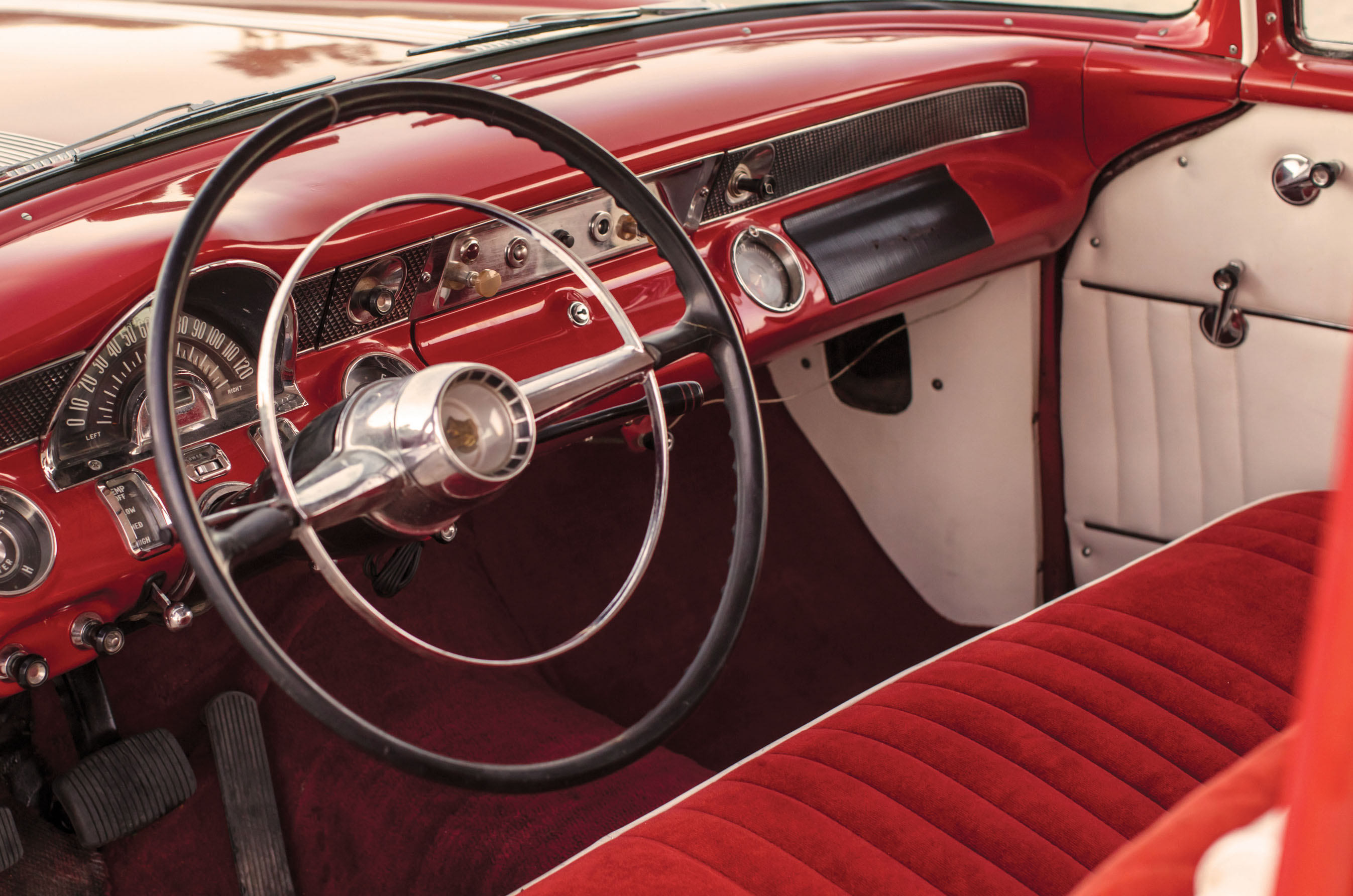
The Pontiac Memphian ambulance’s manual column shift can be awkward

Emergency vehicles were assembled on pretty much every make of car you can think of, including even Cadillacs and Packards, conversions of which were generally used by private hospitals.

The use of V8 engines was not shied away from, if only to pull the heavy bodywork.

In the 1950s, this was usually in combination with a three-speed manual gearbox rather than an automatic, which was still a relatively young technology.

Almost none of the coachbuilders – Miller-Meteor, Superior Coach Company, Sayers & Scovill Company and the National Coach Company to name a few of the best known – dedicated themselves to any particular marque exclusively.

Classic & Sports Car – Pontiac Memphian ambulance: estate of emergency

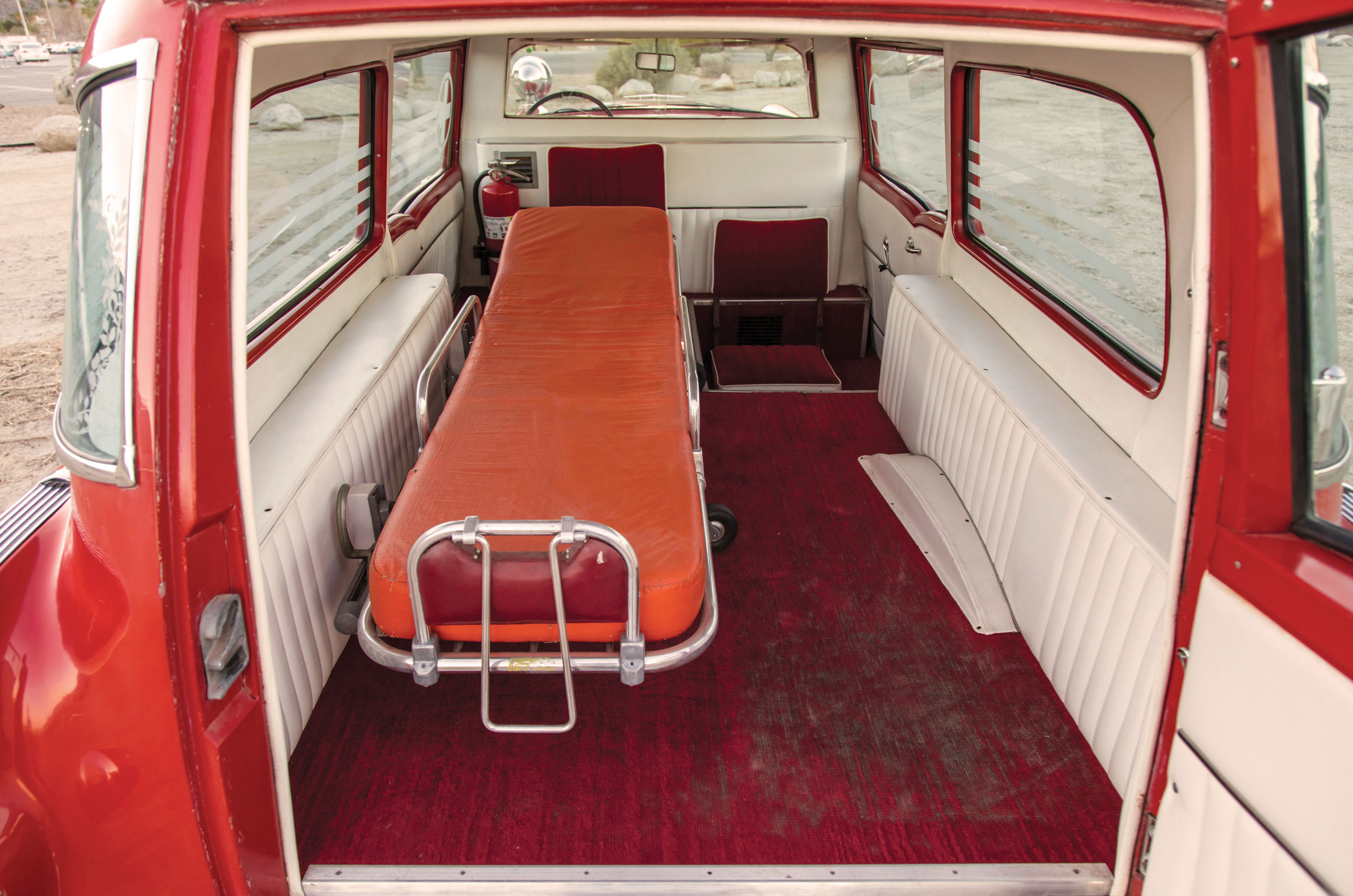
This Pontiac ambulance’s white vinyl trim might not be original

Cadillac was popular, perhaps on the basis it was possible to buy a ready-made extended limousine/commercial chassis direct from the factory.

The demand for these professional cars meant that larger manufacturers such as Miller-Meteor could support a full range of trim levels, with reassuring names such as Sentinel, Volunteer and First Aider.

Ford, Chrysler, Edsel, DeSoto and many others provided the more affordable options; Willys even created a four-wheel-drive, Jeep-based ambulance.

Classic & Sports Car – Pontiac Memphian ambulance: estate of emergency

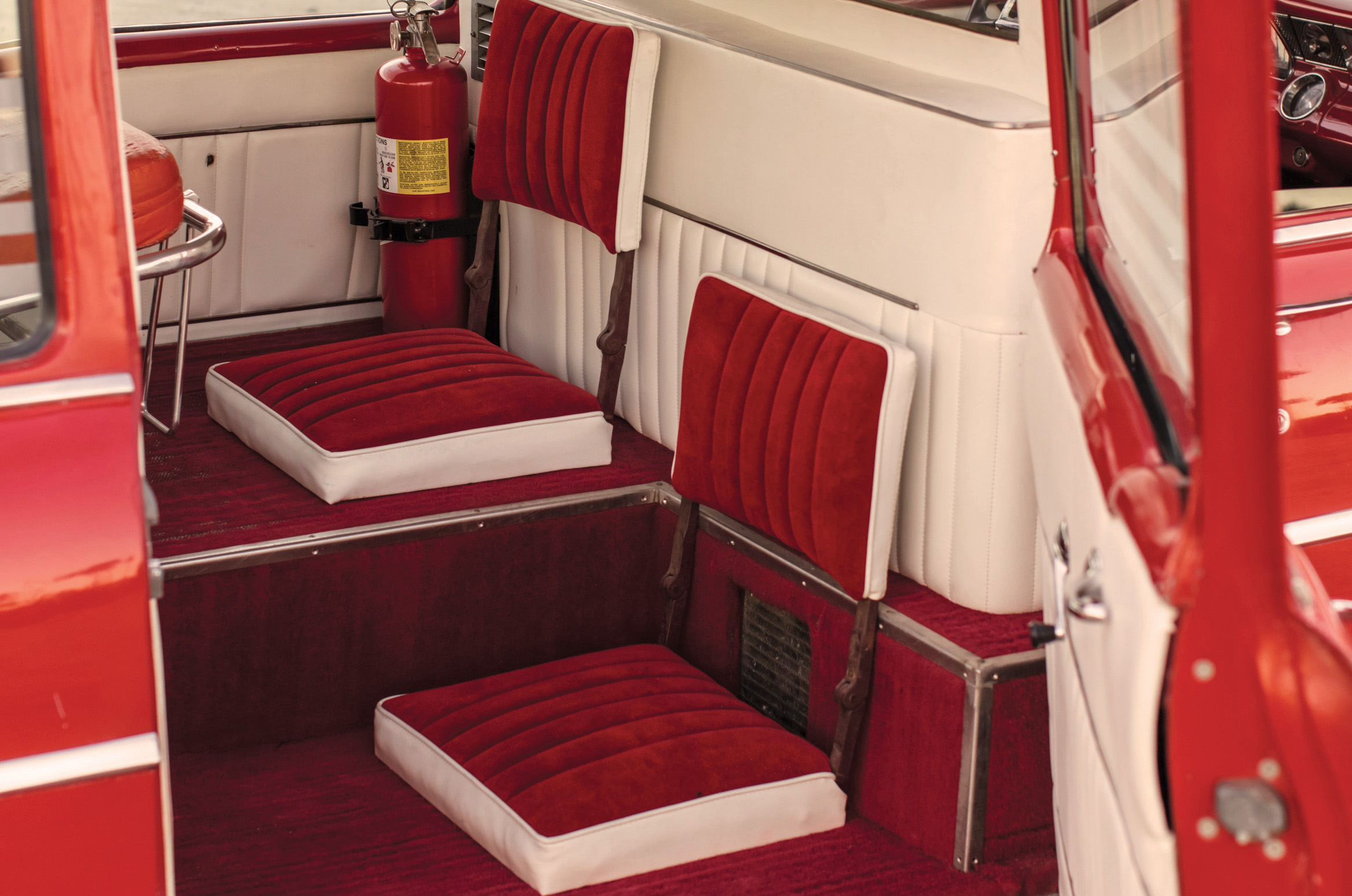
This classic ambulance is fitted with jump-seats, but minimal medical equipment

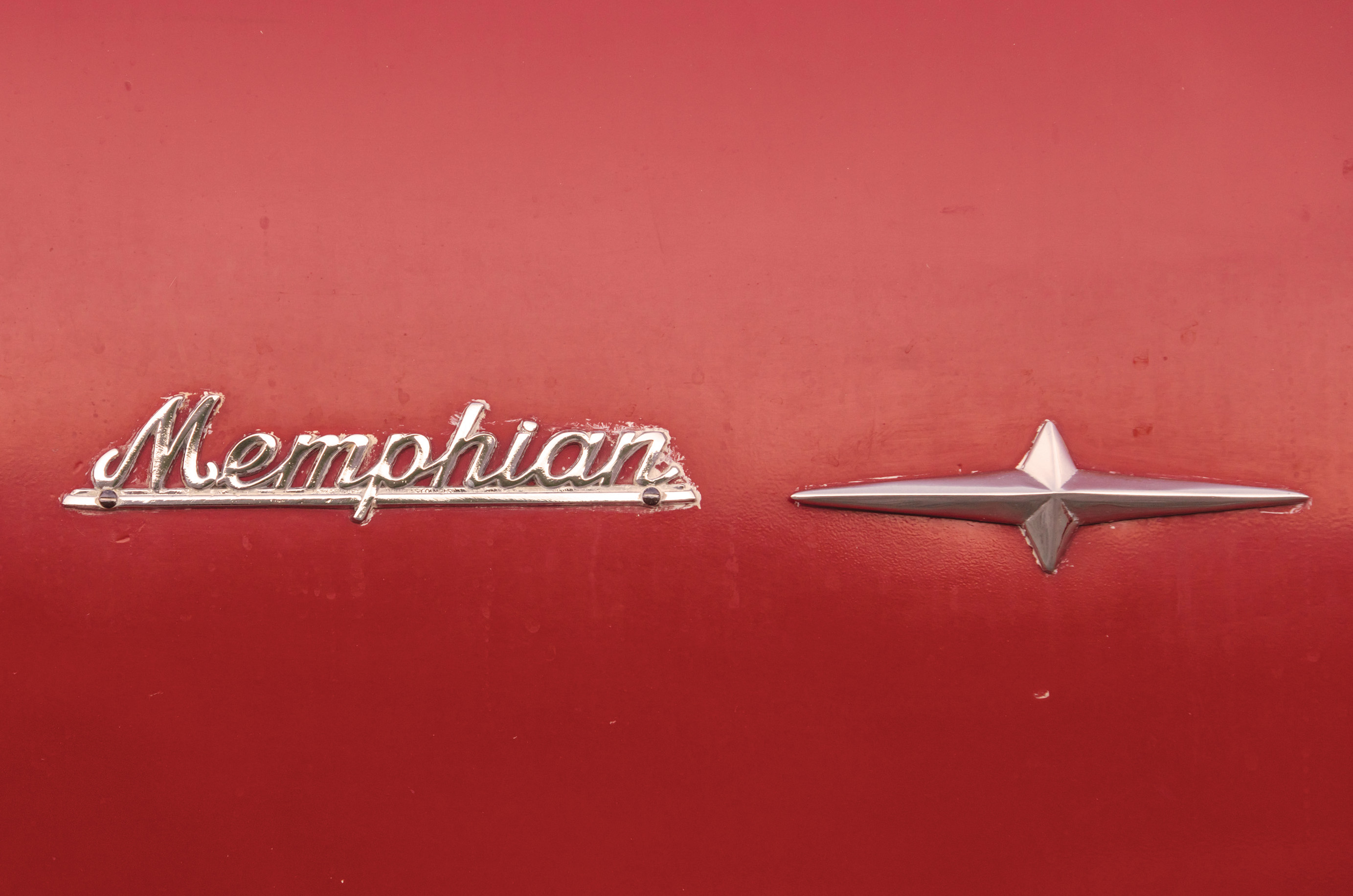
Memphis Coach Company was a leading professional-car producer.

Based at 2087 York Avenue in Memphis, Tennessee, it was formerly known as the Economy Coach Co. 

Memphis was owned by JK Barnett and was best known for its Memphian-branded Edsel, Pontiac and DeSoto long-wheelbase ambulances, although the choice was not limited to these makes: Memphian customers could choose from Ford, Chevrolet, Mercury, Plymouth and Chrysler chassis, too.

Military and government contracts could be lucrative: Dodge-based Memphian military ambulances were created on the standard-wheelbase four-door sedan chassis.

Classic & Sports Car – Pontiac Memphian ambulance: estate of emergency

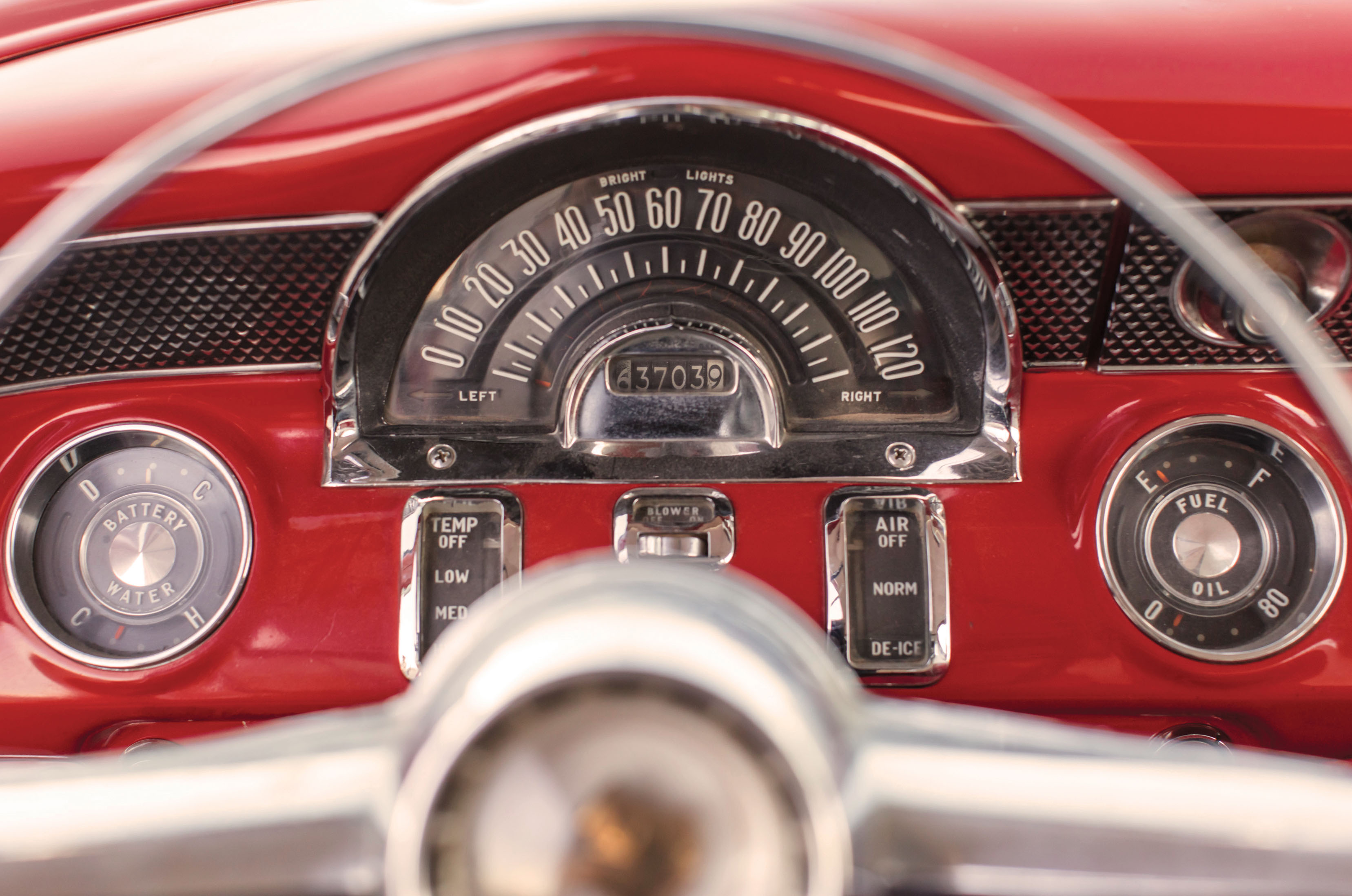
The Pontiac Memphian ambulance’s cabin features a semicircular speedometer and lots of chrome

Among the rarest Memphian creations was a high-top ambulance based on a standard-wheelbase Edsel Corsair four-door.

The firm’s all-new 1955 Memphian styling featured stamped, stainless-steel upper frames welded to the doors, the leading edges of which were extended by 12in, as were the quarter panels.

The side glasses were flat and, on the ambulances, panoramic rear corner windows were optional, with a signature roof design in steel rather than glassfibre.

The cavity for the rear license plate was also cut out of the original boot and let into the loading door.

Classic & Sports Car – Pontiac Memphian ambulance: estate of emergency

The Pontiac Memphian ambulance’s steering is unassisted but low-geared, so not heavy

Pontiac cars were favourite subjects for repurposing at Memphis Coach Co. Among the last conversions it did was a standard-wheelbase 1961 Pontiac ambulance on a Star Chief four-door sedan, plus a series of 1961 Memphian ambulances for the US Air Force.

These were on an extended wheelbase with an unusually tall, 48in raised steel roof assembly (but with standard-height doors and ’screen) and highly unusual tail-lights.

How many Pontiac Memphian ambulances were built in 1955 is hard to know, but it appears they were, at that stage, reasonably common.

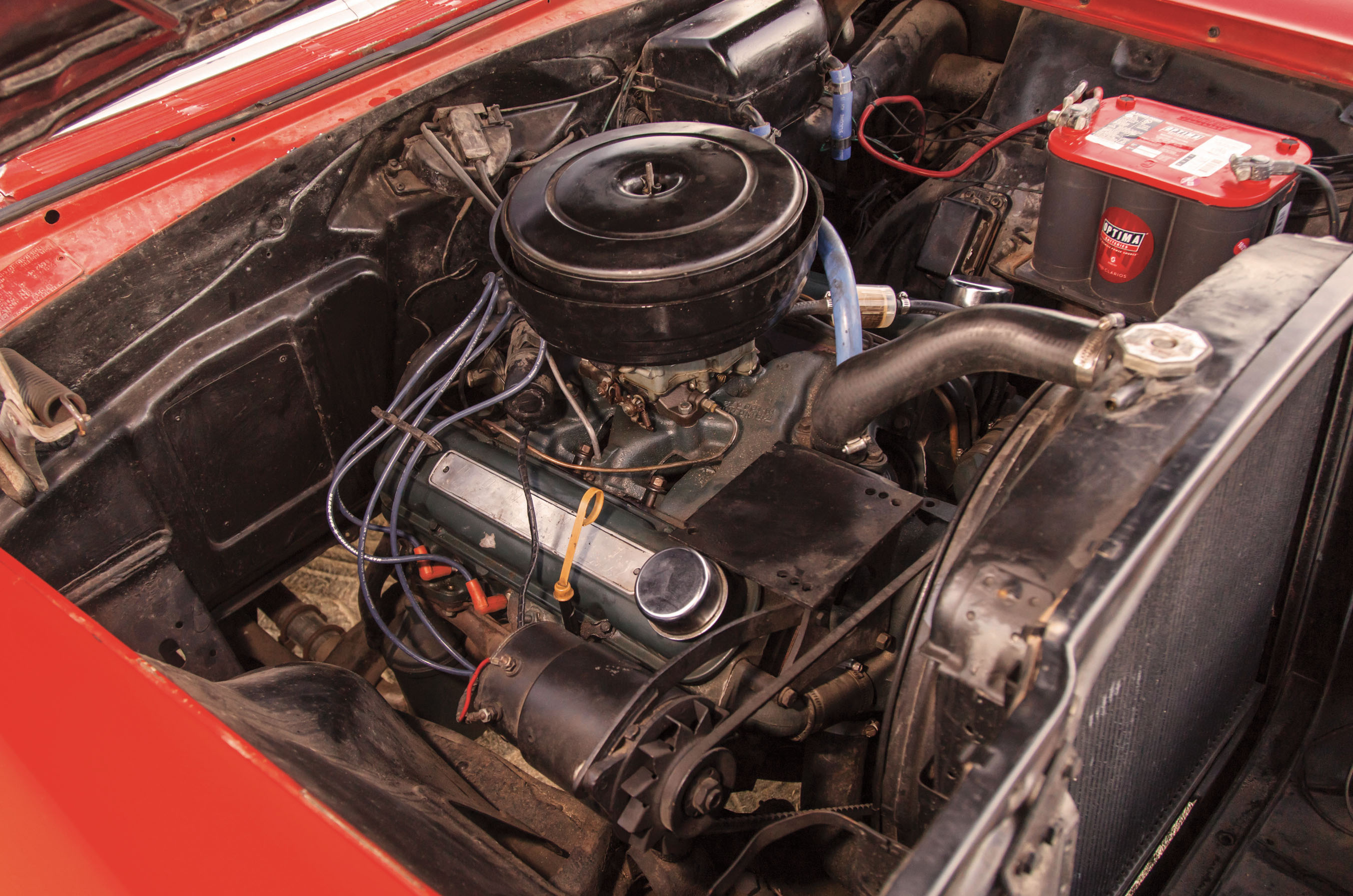
For 1955, Pontiacs came with its first V8 since 1932: the new overhead-valve Strato-Streak that completely banished the old L-head ‘sixes’ and straight-eights.

Classic & Sports Car – Pontiac Memphian ambulance: estate of emergency

Memphis was a big player in the conversion scene

The firm also had a new chassis and body that year: the basic underpinnings were shared with Chevrolet, but the styling was Pontiac’s own.

Model types ranged from the $2105 Chieftain to the $2691 Custom Catalina, and the Star Chief Custom Safari was essentially Pontiac’s version of the Chevrolet Nomad.

This was also the first year Pontiac sales broke the half-million mark, putting the General Motors division sixth overall for sales in the USA.

On the basis that it was going to be pulled to bits anyway, Memphis would likely have taken the Pontiac in its most basic Chieftain form.

Classic & Sports Car – Pontiac Memphian ambulance: estate of emergency

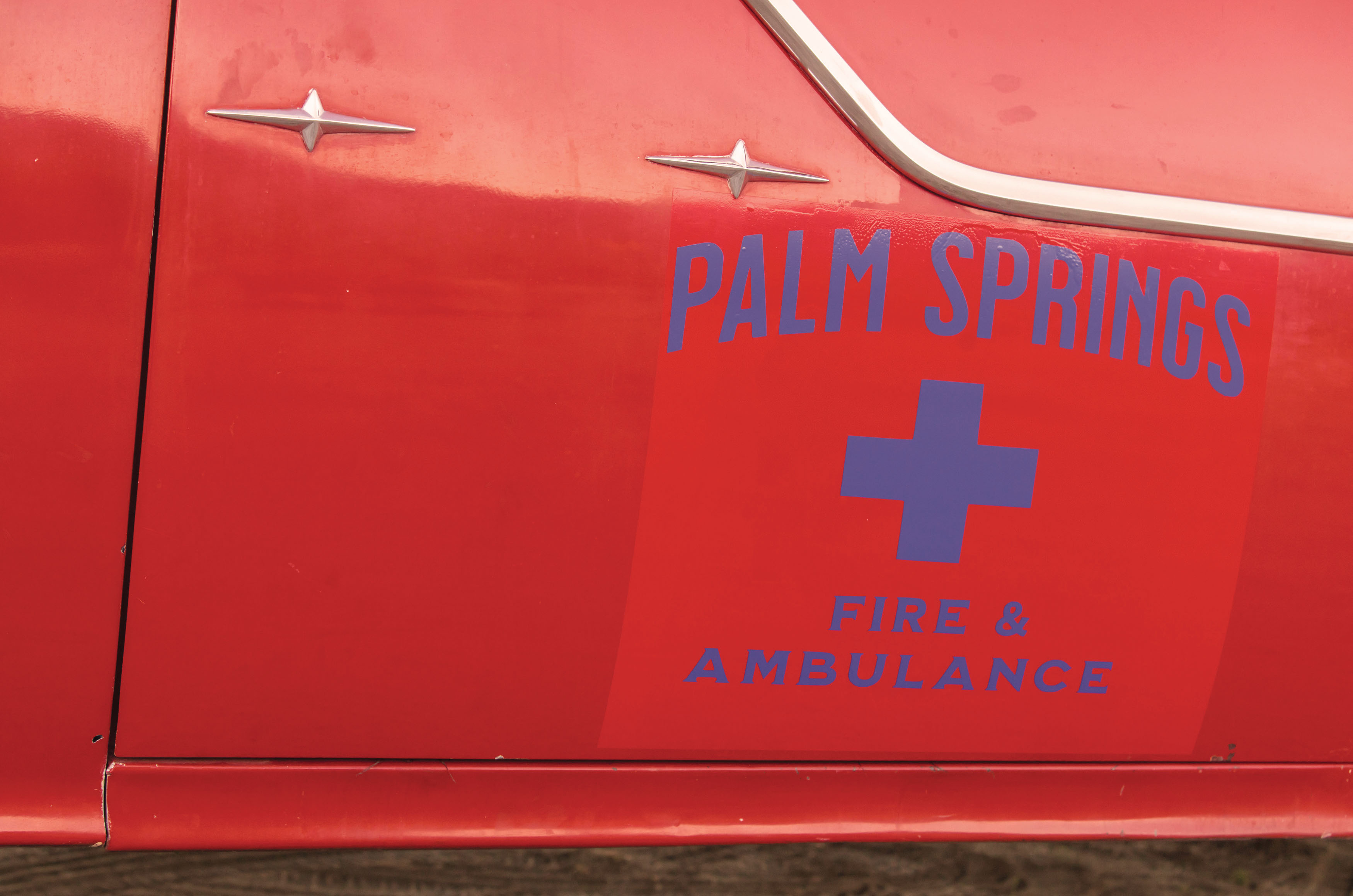
This Pontiac Memphian ambulance’s livery was added by a recent owner

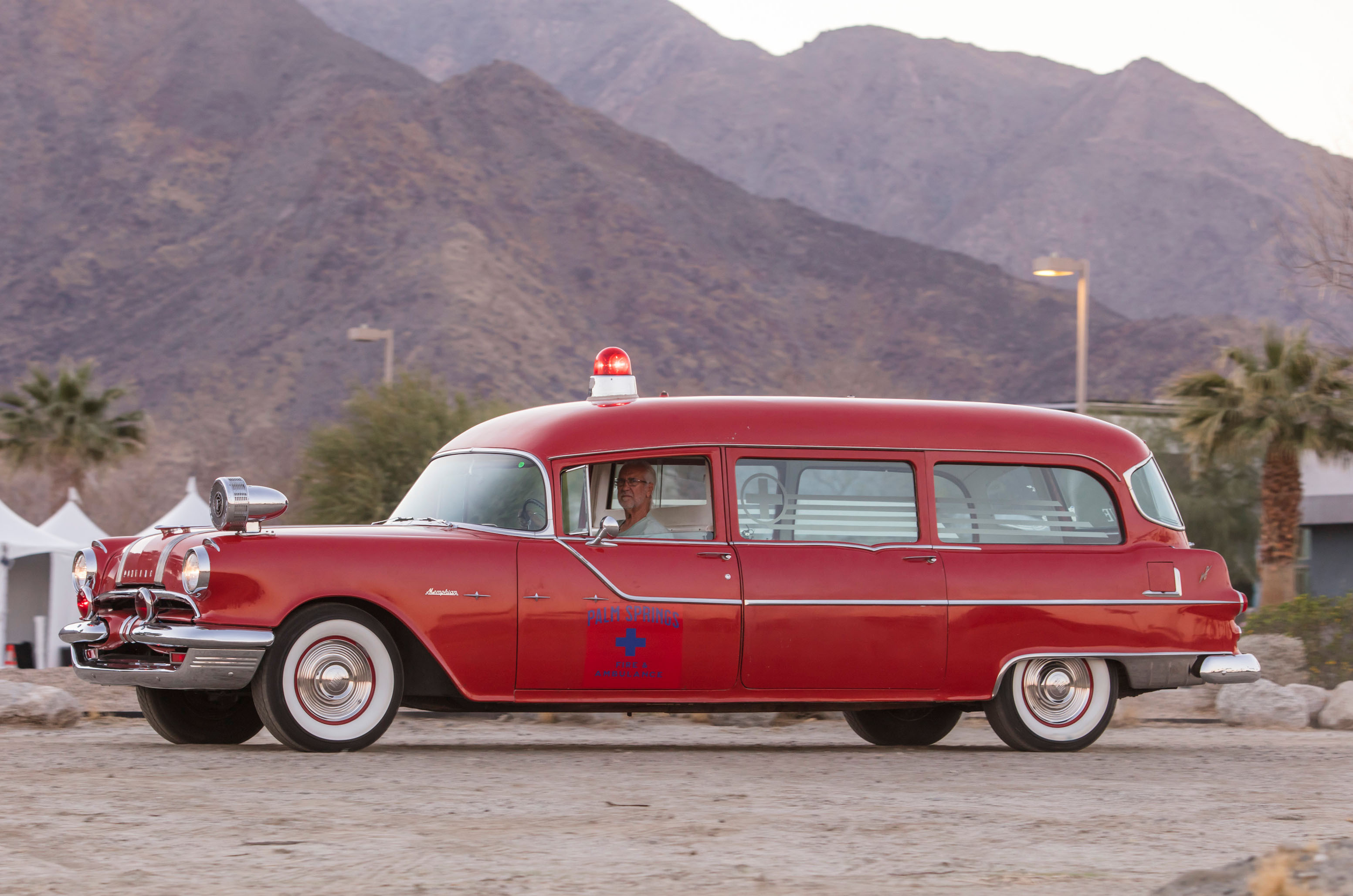
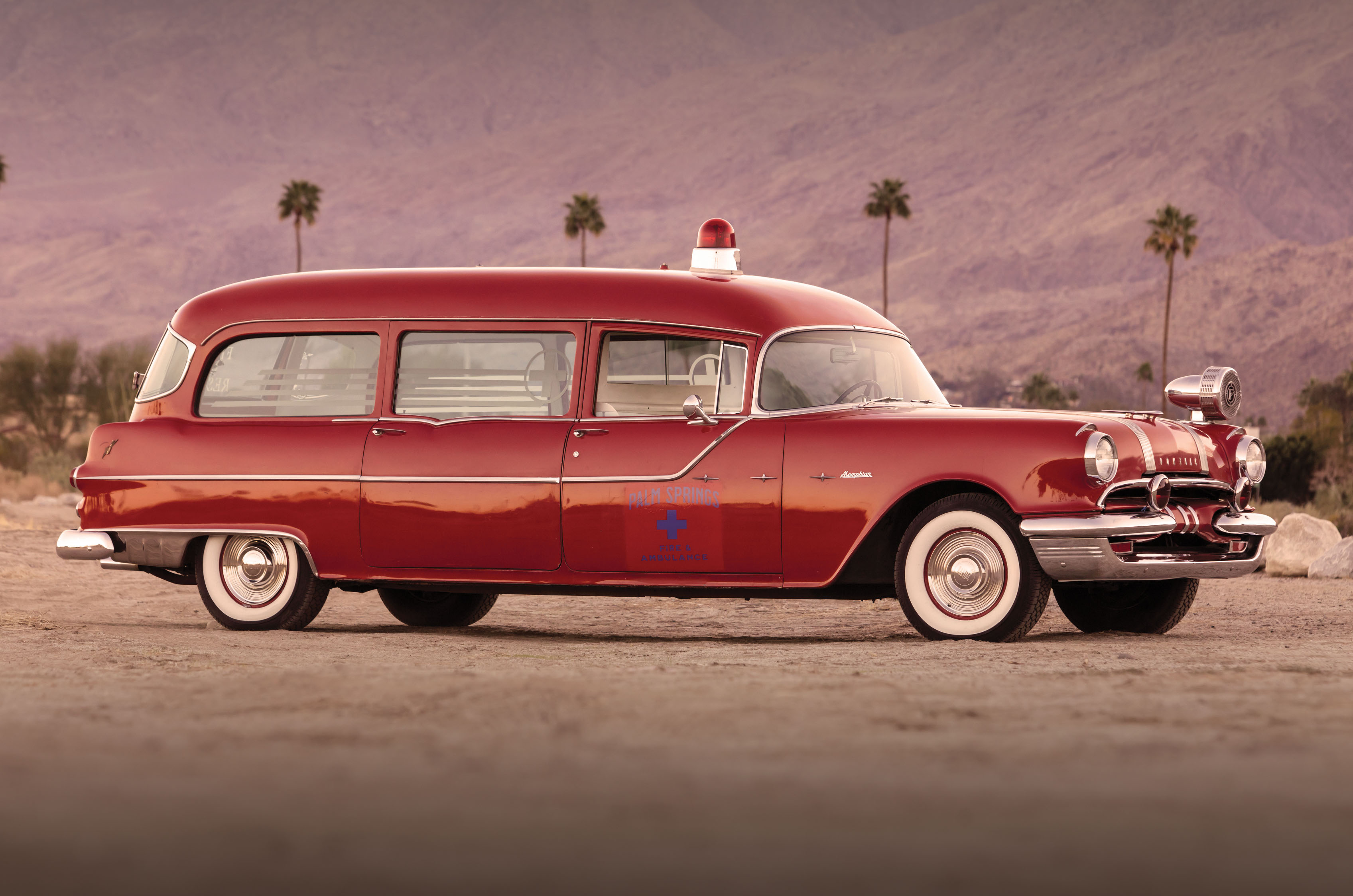
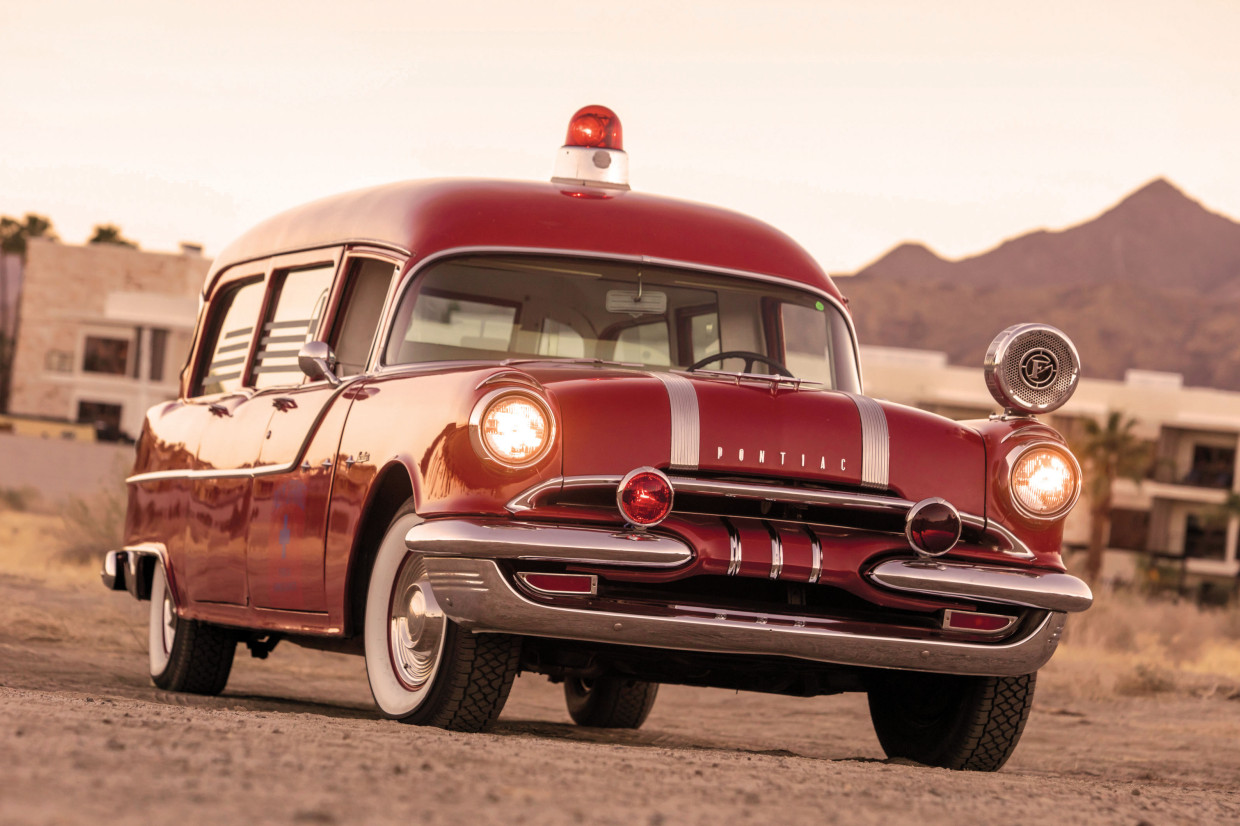
We found this rare 1955 example on offer at auctioneer McCormick’s Palm Springs fixture last year.

Lot number 285 was a ‘no sale’ at $21,500, an illustration of the specialist nature of a classic emergency-service vehicle.

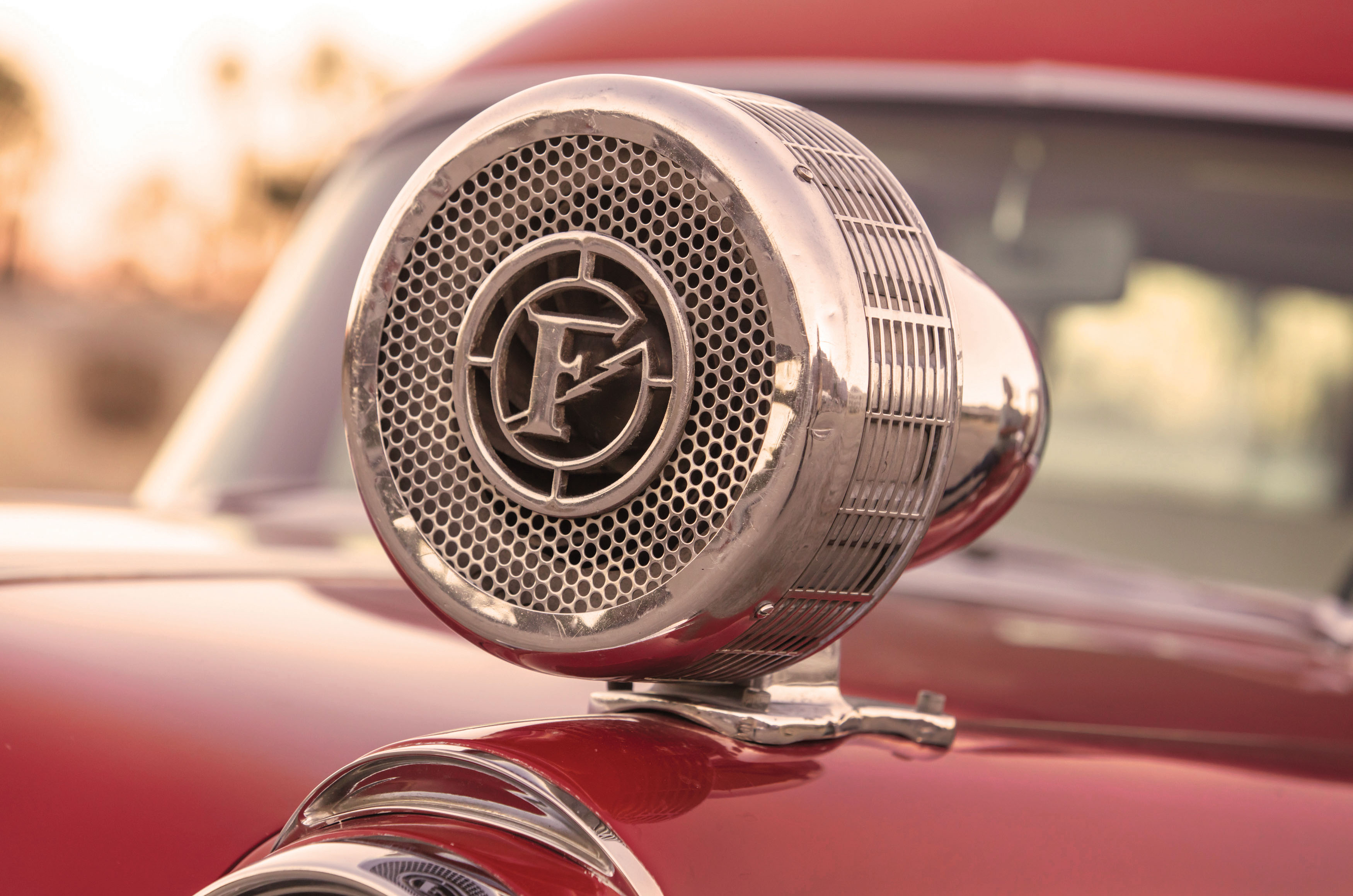
For some, the enormous siren mounted on the front wing might well be worth the price of admission alone.

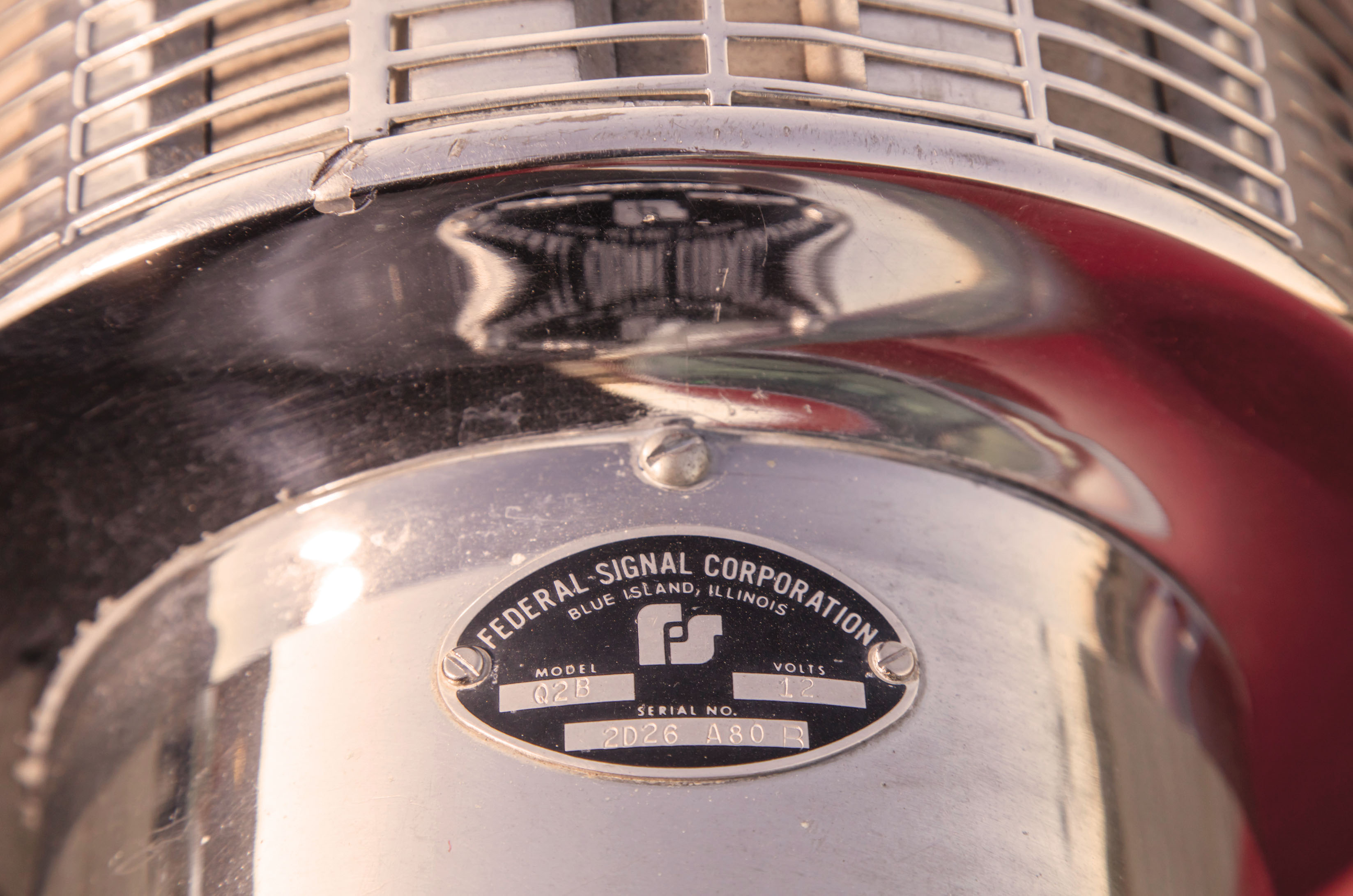
Supplied by the Federal Signal Corporation of Illinois, it looks like something you would use for air-raid warnings and is loud enough to make your ears bleed.

The large, flashing red light on the roof also still works, and there is the usual frosted window glass, a large, side-hinged tailgate and extended rear doors in both flanks.

Classic & Sports Car – Pontiac Memphian ambulance: estate of emergency

The Pontiac Memphian ambulance’s all-important red light still functions as it should

Up front, there is masses of space to work around the engine.

The front windscreen wraps around, leaving a dog-leg in the door opening to potentially catch your knee.

On this side of the partition is the normal (and huge) Pontiac passenger-car steering wheel, plus a standard bench seat and dashboard with a semicircular speedometer reading to 120mph, and the minor gauges sharing information on battery charging, water temperature, fuel levels and oil pressure.

The 67,300 miles shown on the odometer are likely original, with most of these vehicles only tackling shorter local trips while in service. 

Classic & Sports Car – Pontiac Memphian ambulance: estate of emergency

The Pontiac’s Strato-Streak V8 engine was new for 1955 and still provides decent punch, here paired with a three-speed manual gearbox

A section in the centre of the dashboard is given over to controls for the lights and sirens.

For the unfortunate occupant of the rear, the Pontiac is really little more than a luxury meat wagon.

There is a stretcher here for the patient and twin occasional jump-seats for the attendants, mostly trimmed in red velour and white vinyl, which I suspect is not strictly original.

The red Pontiac is signwritten with ‘Palm Springs Fire & Ambulance’ livery, but this was applied in a moment of whimsy by the current owner, who actually lives in San Jose.

Classic & Sports Car – Pontiac Memphian ambulance: estate of emergency

This Pontiac Memphian ambulance predates organised emergency services or even basic medical care while on the way to hospital

The Pontiac is absurdly long, quite lively and undeniably fun. It pulls away authoritatively, and has plenty of punch in reserve in second and top.

The manual column gearchange is acceptably accurate, but it is easy to see why 90% of Pontiac buyers went for an automatic in 1955.

The Memphian almost seems to go faster when you switch on the siren, causing the local pedestrians to choke on their skinny mochas.

There is no power steering, but with the number of turns between locks seemingly in double figures, the steering is not heavy.

Classic & Sports Car – Pontiac Memphian ambulance: estate of emergency

The Pontiac Memphian ambulance’s siren wears its maker’s plate

From the mid-1960s onwards, the future of these coachbuilt, passenger-car-based ambulances was in the balance.

Legislators realised that a more specialised type of vehicle was required – one with a stronger frame that would support the weight of the new medical equipment coming on stream.

It was becoming obvious that more lives would be saved if meaningful attention could be given to patients while still on their way to the hospital.

This new type of ambulance required trained operatives to use them, in a world in which one in 37 deaths was the result of a car accident.

Classic & Sports Car – Pontiac Memphian ambulance: estate of emergency

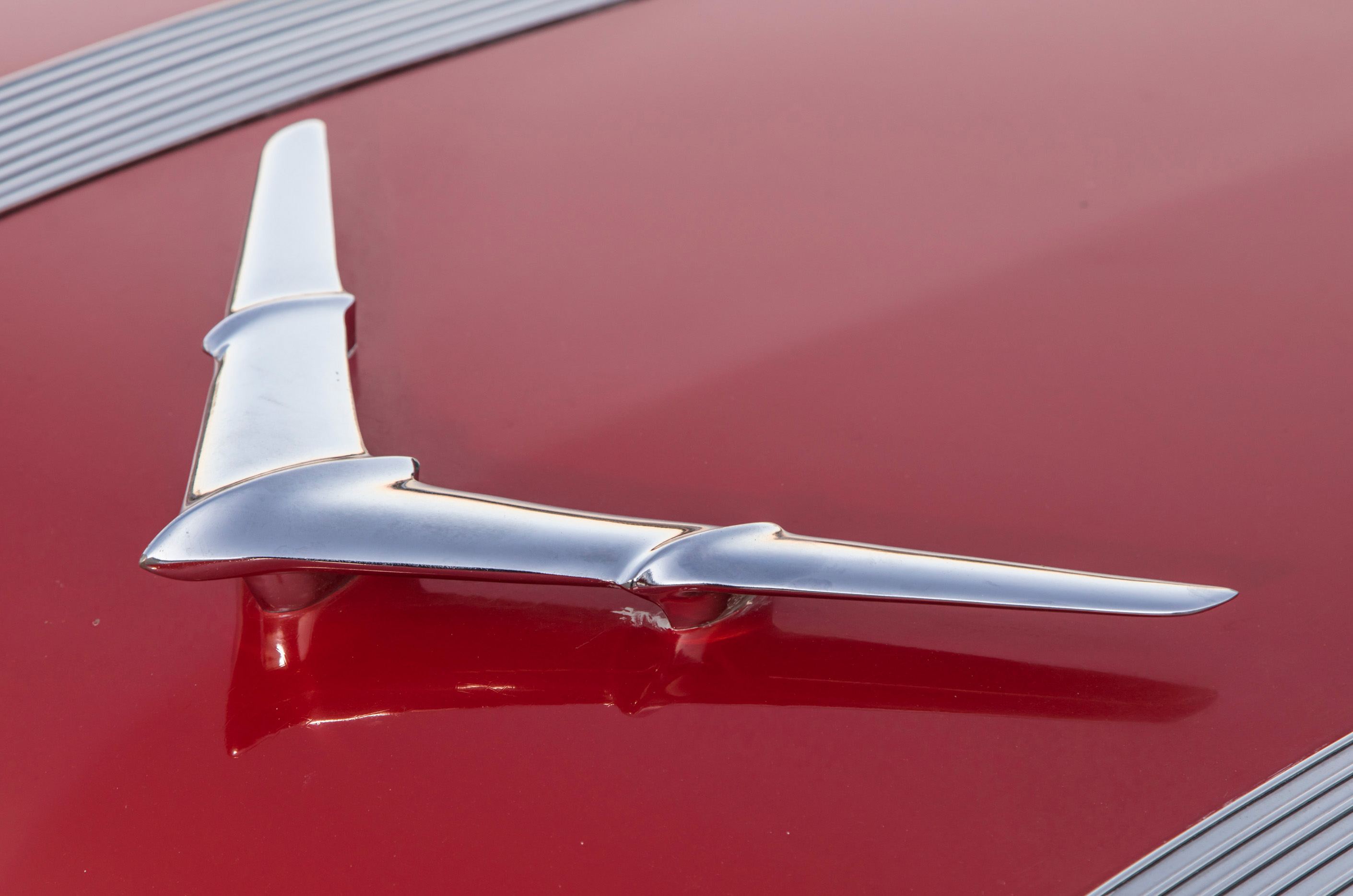
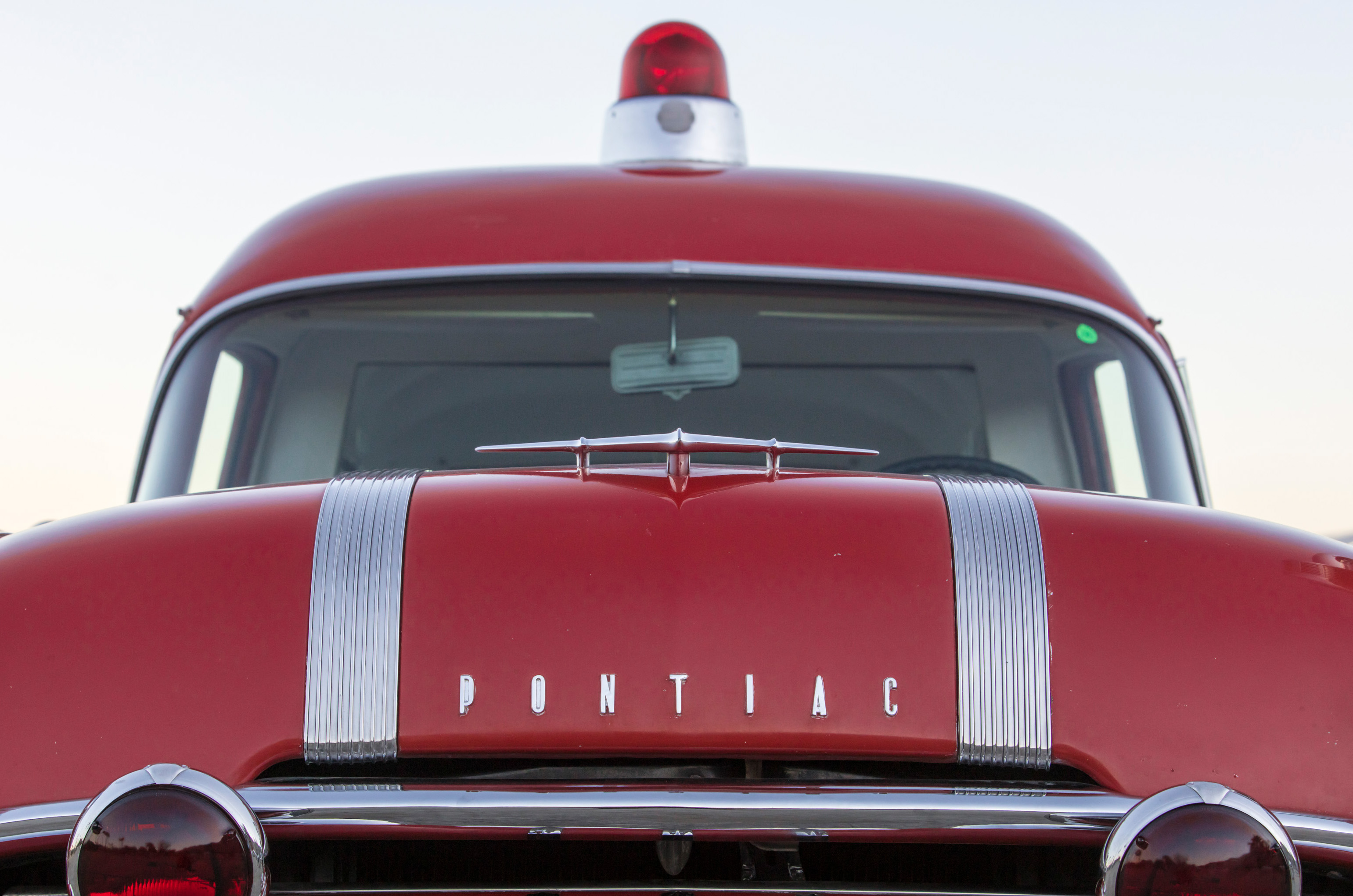
The Pontiac Memphian ambulance’s jet-age hood ornament

Specifications for these van- and truck-based emergency vehicles began to be drawn up in the early 1970s, and by the end of that decade the final car-based ambulances were being built.

The fact that manufacturers were also dramatically downsizing their full-sized cars helped speed up the demise of the coachbuilt ambulance, although many of them remained in use in remote areas well into the 1980s.

As lovely as it is, the Pontiac Memphian is the product of an unregulated environment in which an ambulance was little more than a ‘scoop and scoot’ taxi with a gurney mounted in the back.

These vehicles often contained no life-saving equipment, other than maybe oxygen, and most drivers could offer little more than soothing words and a Band-Aid.

Classic & Sports Car – Pontiac Memphian ambulance: estate of emergency

Siren blaring and lights flashing, you’d struggle to miss the Pontiac Memphian ambulance in your mirrors

There was no organised emergency service in the modern sense, not even the possibility of a ‘911’ call – those didn’t come in until 1968.

This was another time, another world.

It is odd to contemplate it now, but ambulances in 1950s America were run by local police or fire departments; as a side hustle of a random business (such as, say, a local furniture shop); or by funeral homes. 

That can’t have been very confidence-inspiring, but it was at least practical: if their patient passed away, they could simply carry on to the mortuary…

Images: Pawel Litwinski


Enjoy more of the world’s best classic car content every month when you subscribe to C&SC – get our latest deals here


READ MORE

AQC Jetway 707: meet the Oldsmobile Toronado with 15 seats

AEC Regent 486: a life of service

Also in my garage: fire trucks and military vehicles