Toyota Celica GT vs Mazda MX-6 vs Rover 220 turbo: ’90s hits

| 11 Jun 2026
Classic & Sports Car – Toyota Celica GT vs Mazda MX-6 vs Rover 220 turbo: ’90s hits

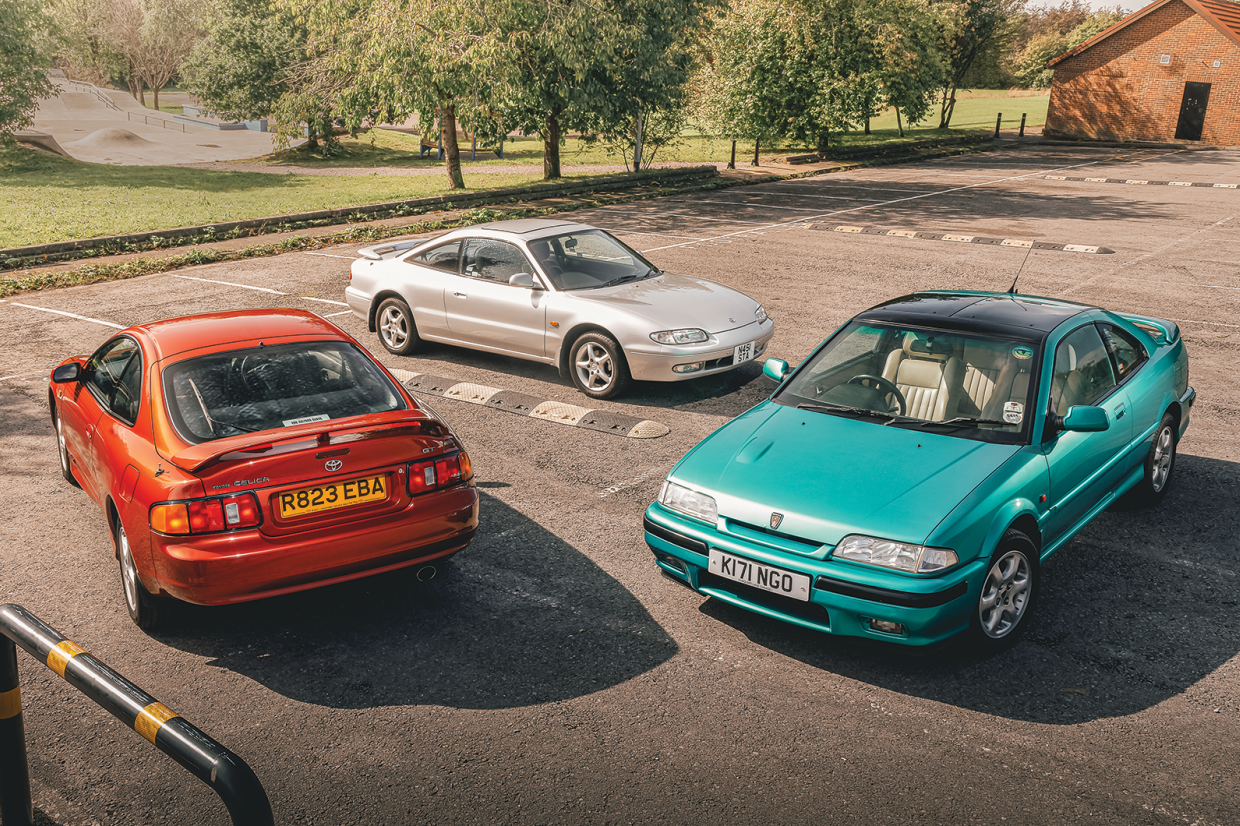
As insurers killed off the hot hatches of the late 1980s, motoring manufacturers returned to the coupé en masse in the early 1990s, encouraging a new wave of powertrain innovation to squeeze lots of horsepower into compact front-wheel-drive cars.

Regular, eight-valve four-cylinder engines from the featherweights of the past, such as Peugeot’s 205 GTI, wouldn’t cut it.

Rover, Mazda and Toyota – none of which were probably the first names off the tongue when considering a sports coupé in early 1990s Britain – chose turbocharging, a relatively tiny V6 and a highly tuned twin-cam to stake their claims.

Classic & Sports Car – Toyota Celica GT vs Mazda MX-6 vs Rover 220 turbo: ’90s hits

Toyota was riding high in the 1980s and ’90s, and the sixth-generation Celica was born out of its success

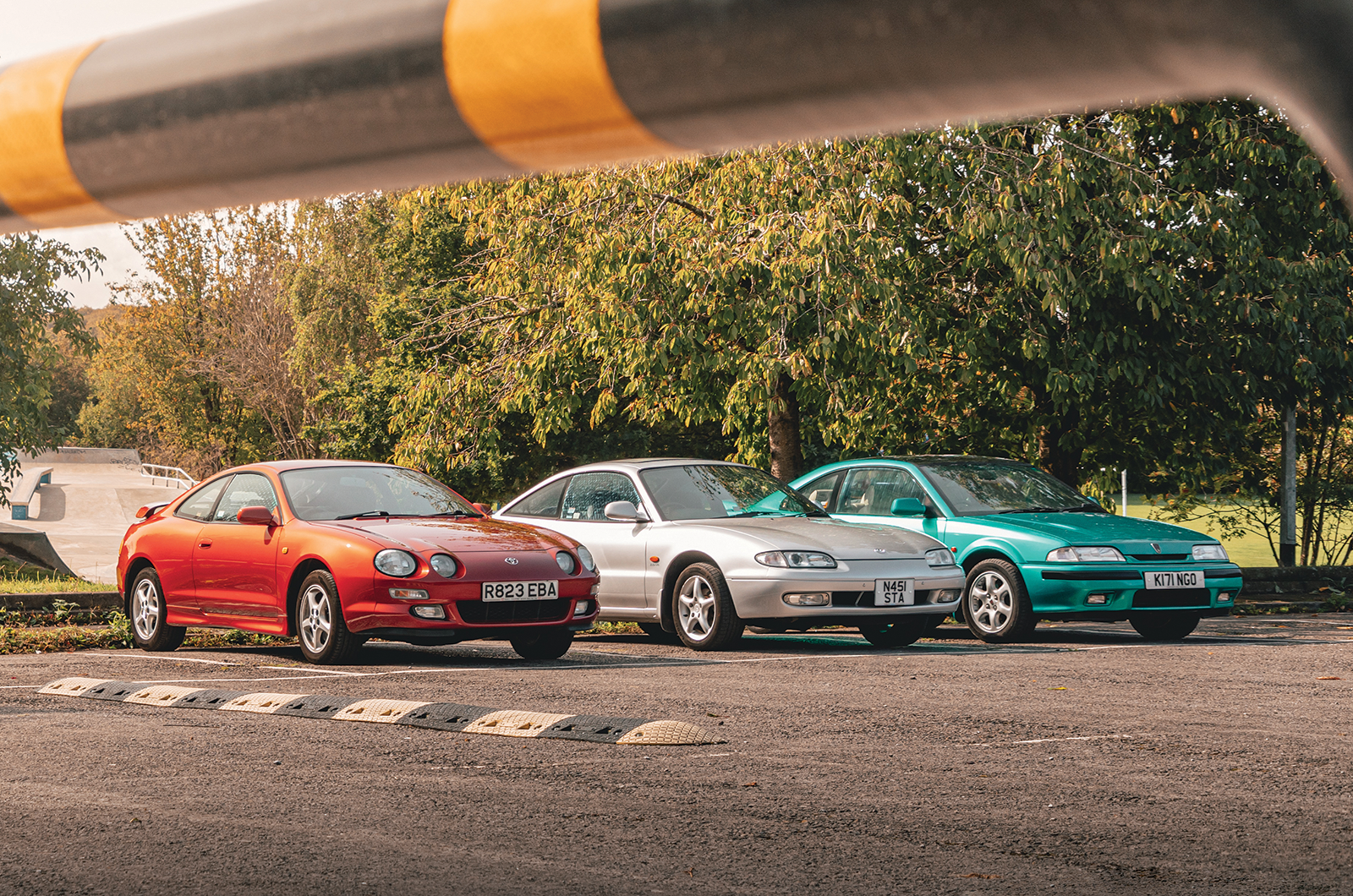
Two Japanese and one Brit – except, of course, there’s some sniggering from the back of the class when describing this particular Rover as British.

That’s not without reason, because the R8-generation 200-series was largely developed in Japan – and it was built by robots imported from there, too.

In the case of the latter, that was to the relief of all involved.

But this 200 is perhaps the most British of all the R8s.

Not only is the engine all Rover, unlike the early 216, but the ‘Tomcat’ coupé bodyshell was unique to the marque, while the 220 turbo model was developed here, too. Anglo-Japanese, then.

Classic & Sports Car – Toyota Celica GT vs Mazda MX-6 vs Rover 220 turbo: ’90s hits

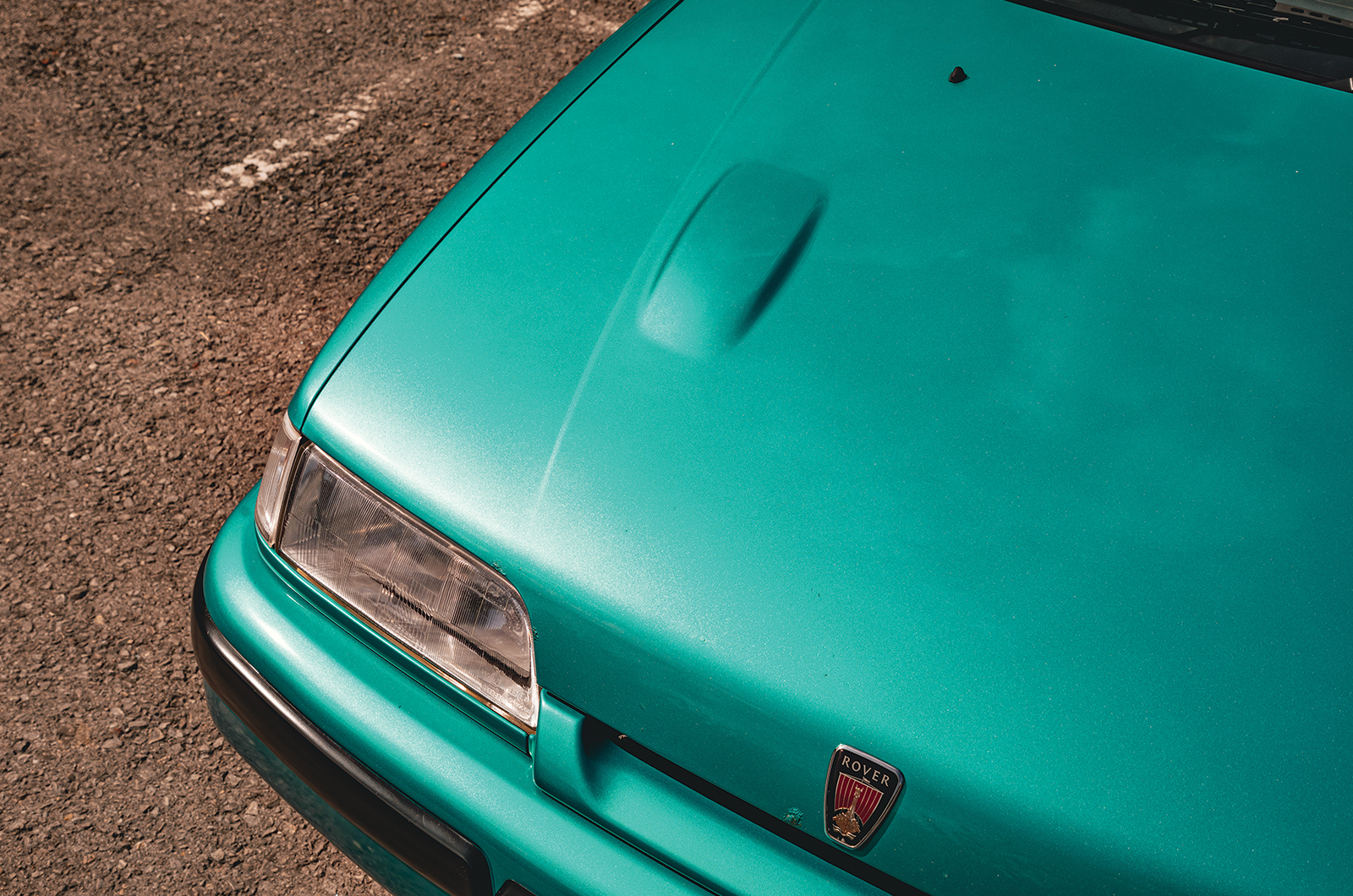
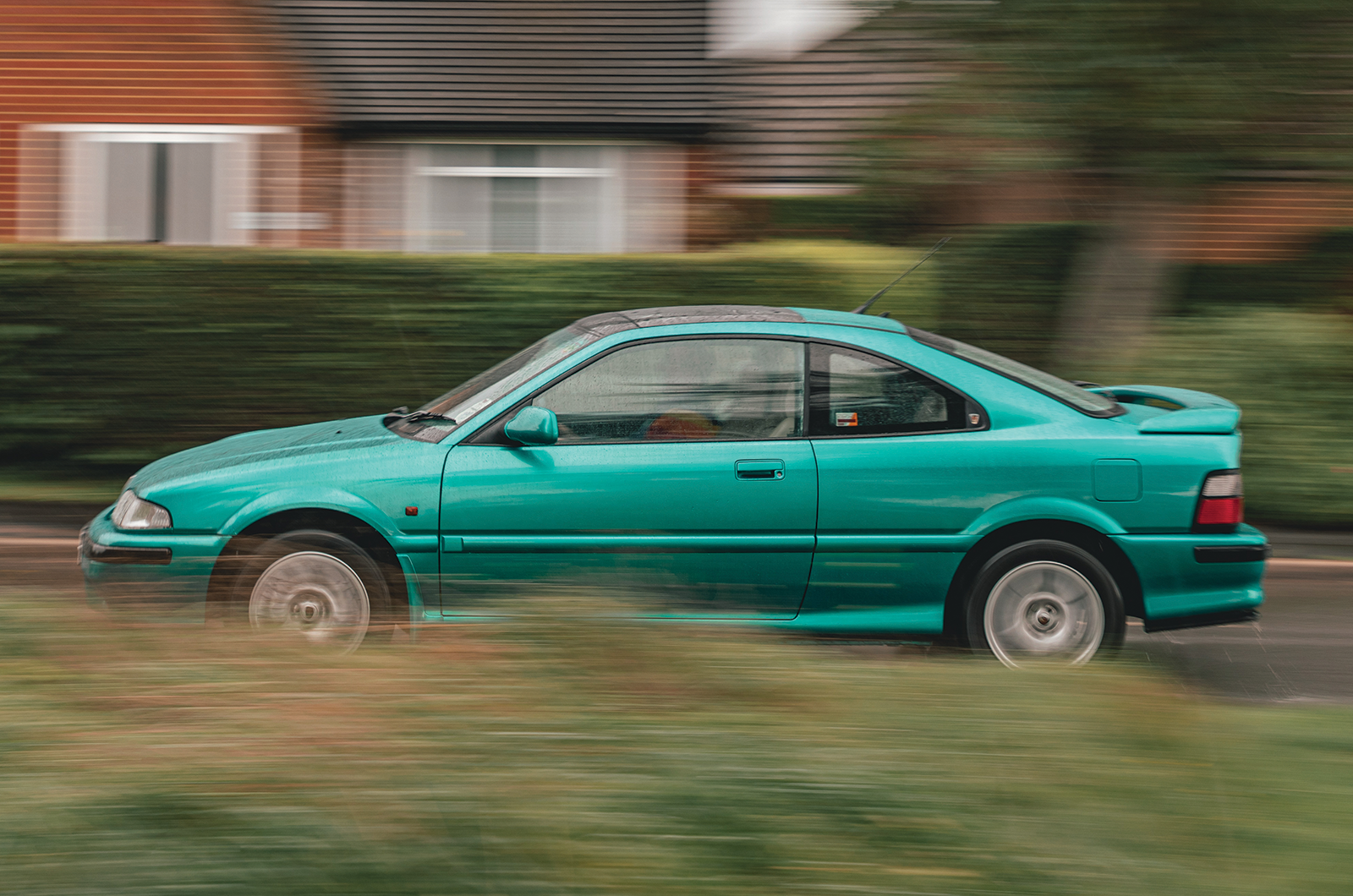
The Rover 220 turbo’s bonnet bulge clears the cambelt cover

The Rover does have a slightly disjointed look to it, but not because of its mixed origins.

Its curvaceous, sweeping C-pillar and rounded boot spoiler don’t quite fit with its angular front end, or the strong horizontal lines of its side strips and bumpers.

Its top half is a coupé of late 1992, slammed on to the lower body of a car that made its debut in 1989. Rover knew it, too.

The R8 was facelifted along with the rest of the 200 range in 1994, just two years after its launch, with the addition of a rounded grille – although this only slightly softened the effect.

Here in pre-facelift form, as it would have gone up against the Mazda and Toyota, the Rover sticks out as looking the oldest.

Classic & Sports Car – Toyota Celica GT vs Mazda MX-6 vs Rover 220 turbo: ’90s hits

‘The Toyota Celica GT has the best gearshift here – and even among many highfalutin contemporaries from Bavaria and Stuttgart’

Toyota was on a completely different styling schedule.

Having become an international behemoth in the 1980s, the company was operating on a four-year model cycle, allowing it to stay on track with visual trends.

Just a few months after the launch of the fifth-generation T180 Celica in late 1989, the sixth-generation car was in development.

This near-constant rebodying was made possible by large amounts of continuity under the skin: 1993’s T200 Celica differed little in its chassis design compared to its predecessor, or even that of the 1985 fourth-generation Celica that had ushered in the model line’s switch to front-wheel drive.

Classic & Sports Car – Toyota Celica GT vs Mazda MX-6 vs Rover 220 turbo: ’90s hits

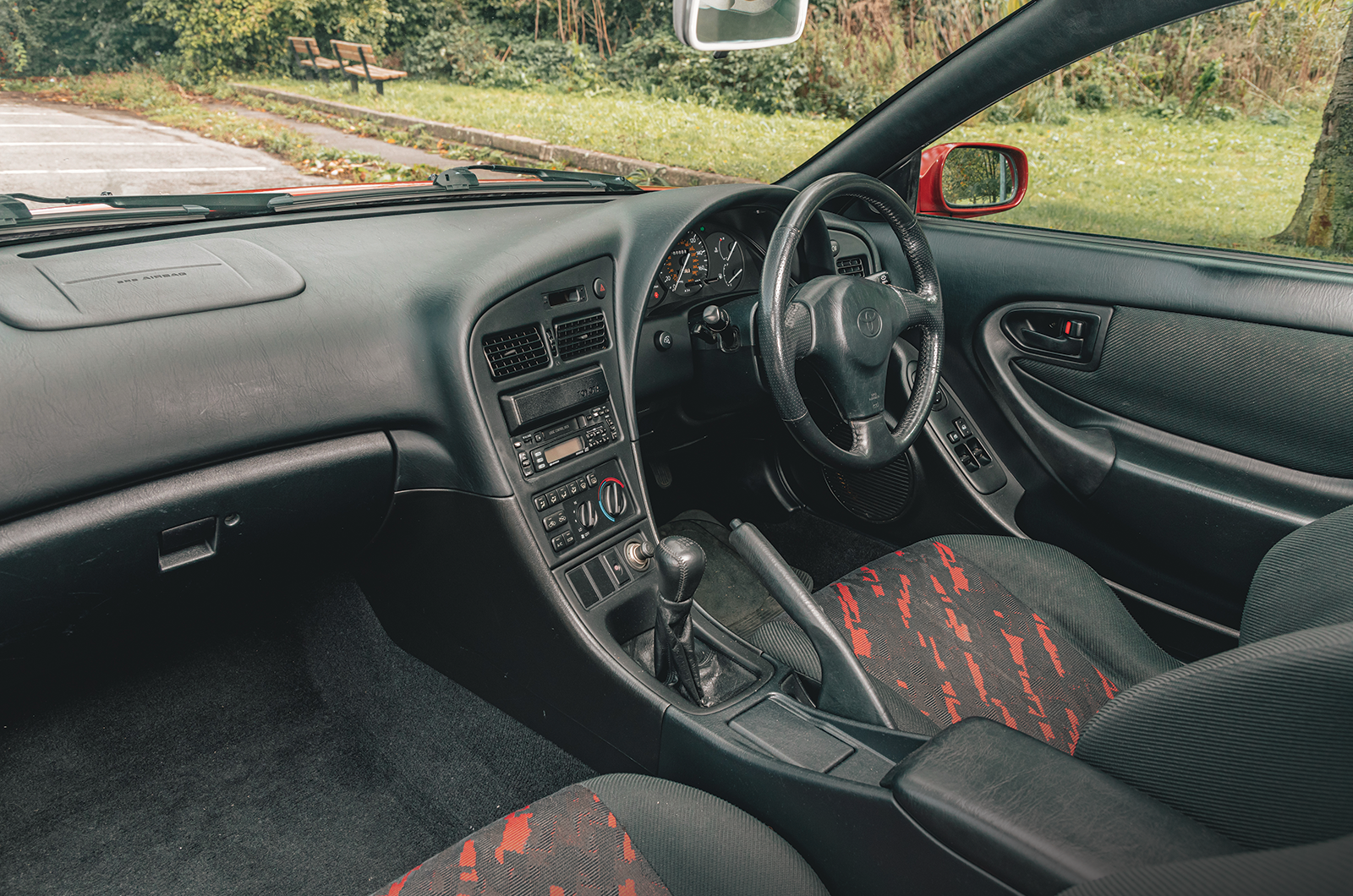
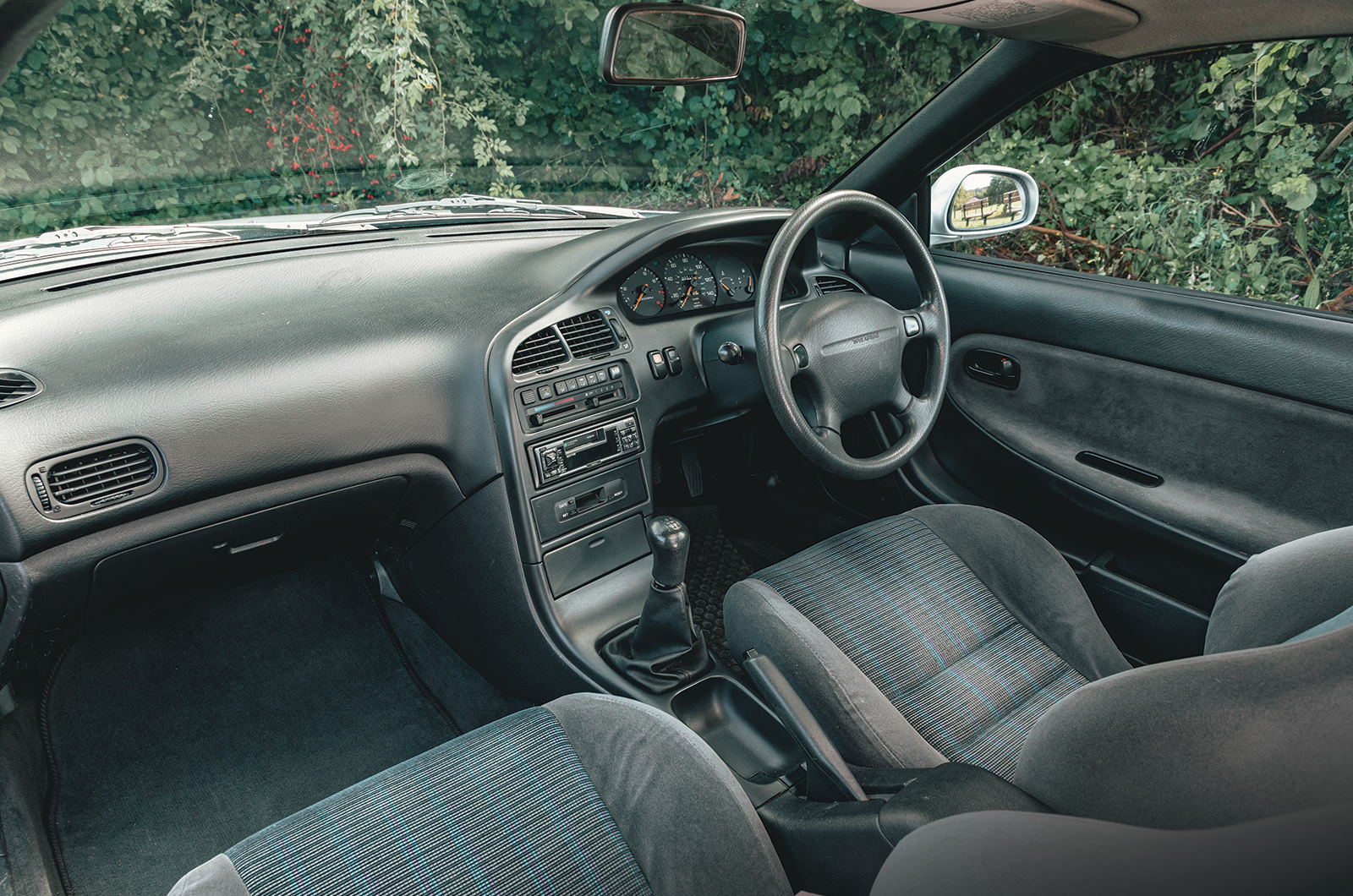
The Toyota Celica GT’s wraparound dashboard echoes the Supra’s, but it feels cheaply built

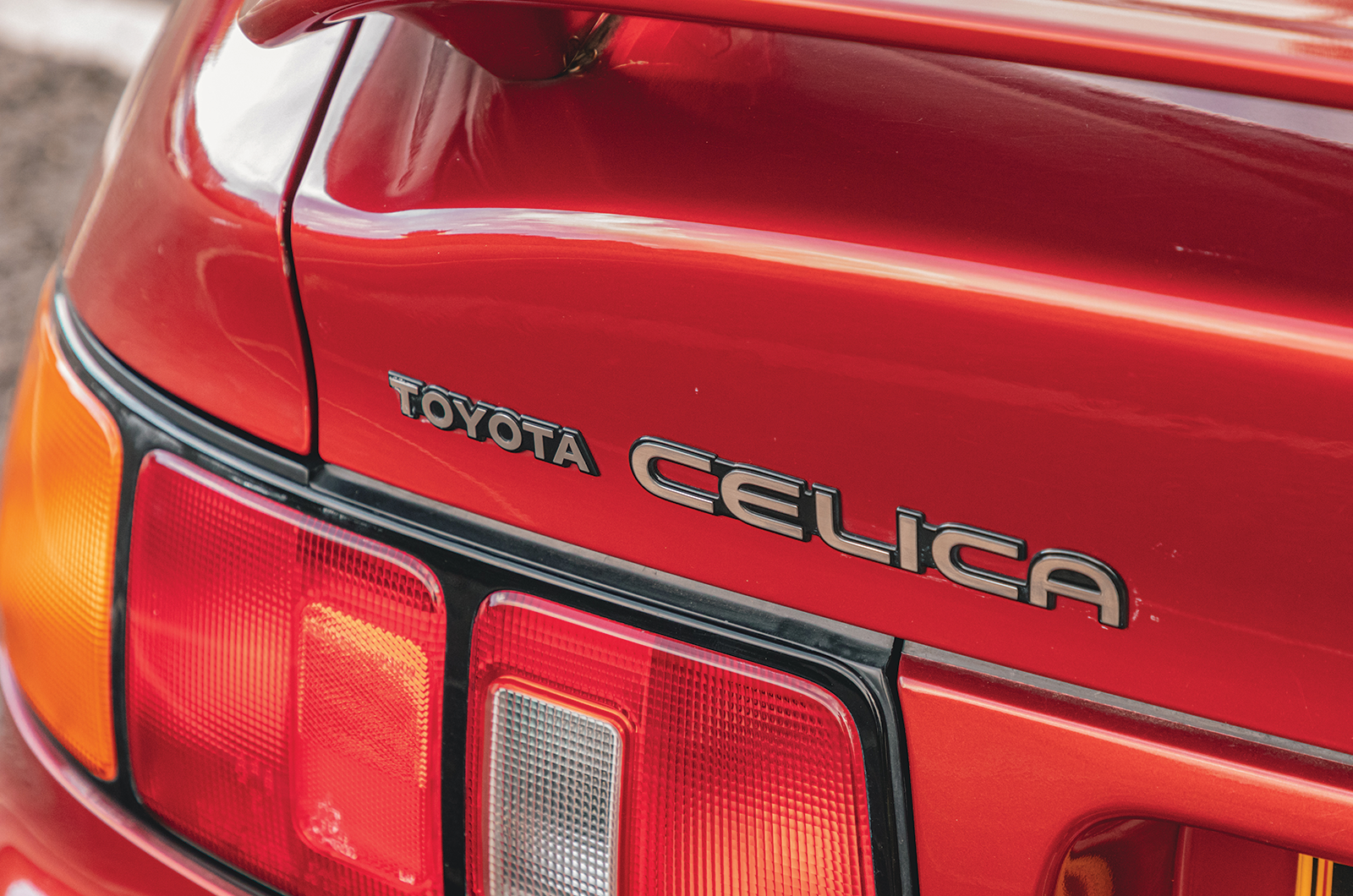
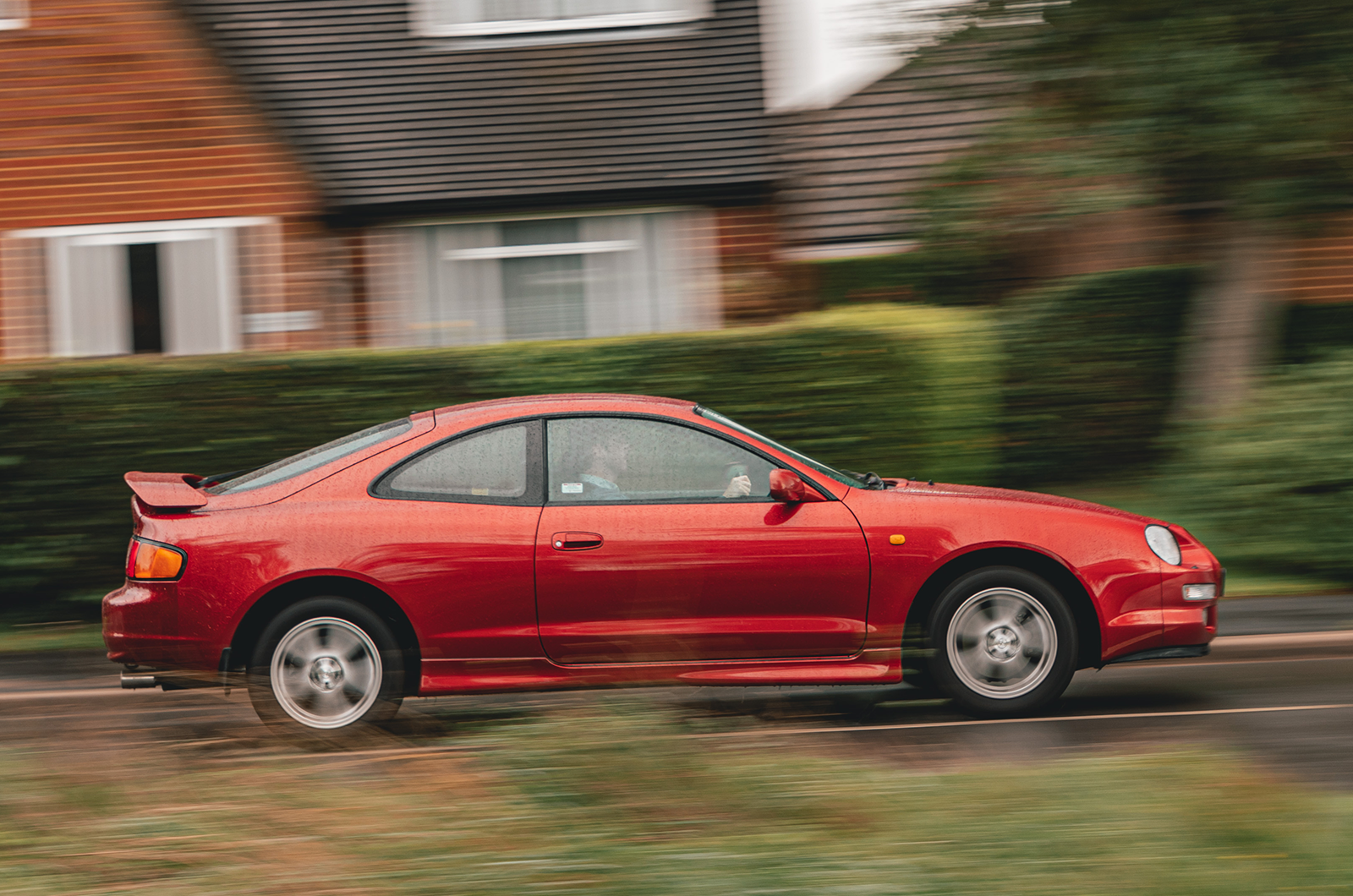
The main styling aim was to give the Toyota Celica a more distinctive face, and its quad lights certainly do that, although there’s something slightly gawky about them.

So, too, that rear quarter, uncomfortably stretched to provide greater rear legroom and a vast boot.

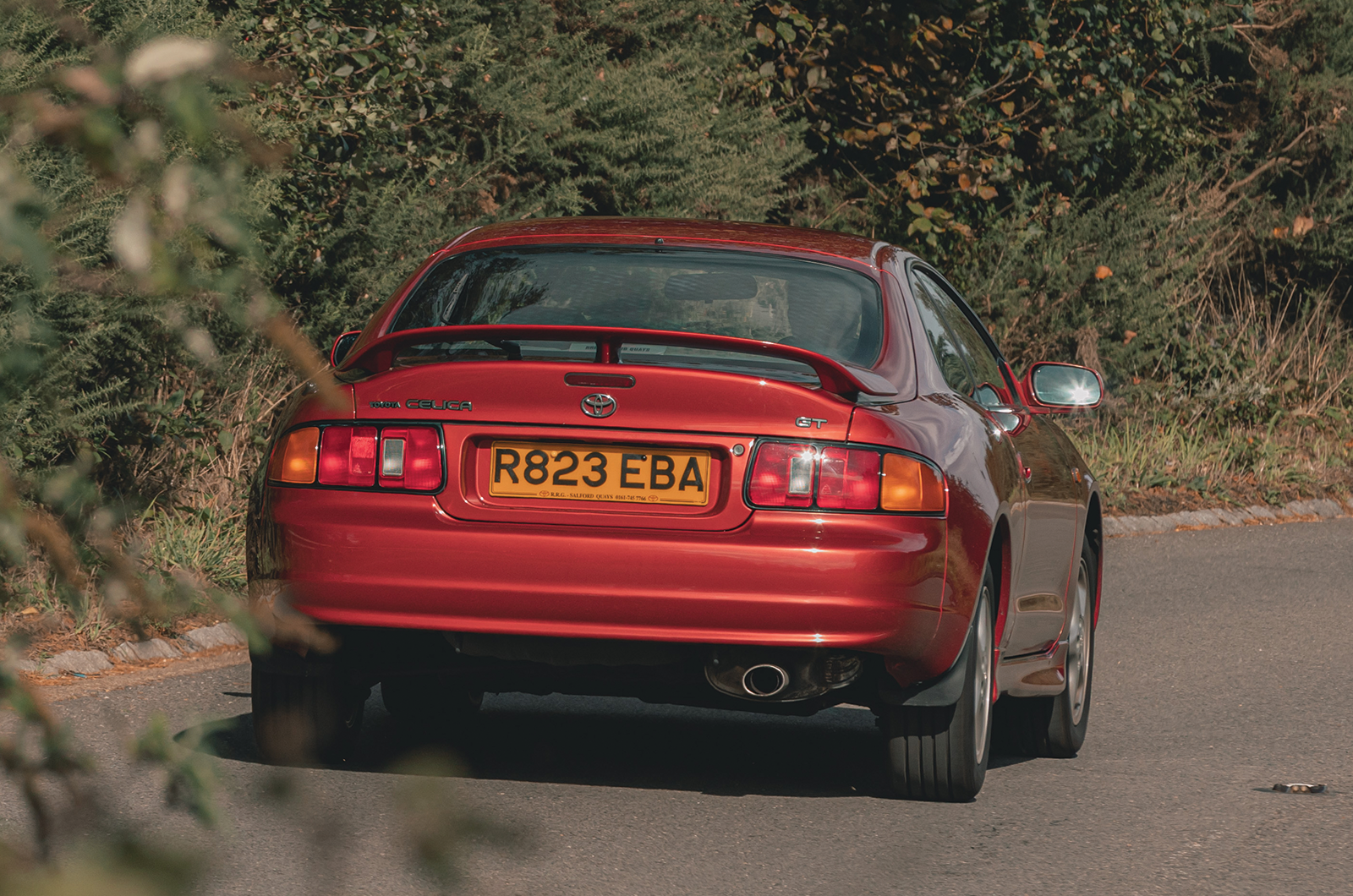
Still, it has plenty of good angles, especially its rear aspect.

With its organic, smooth surfacing and colour-coded body trim, there’s no denying Toyota’s latest coupé was bang up to date.

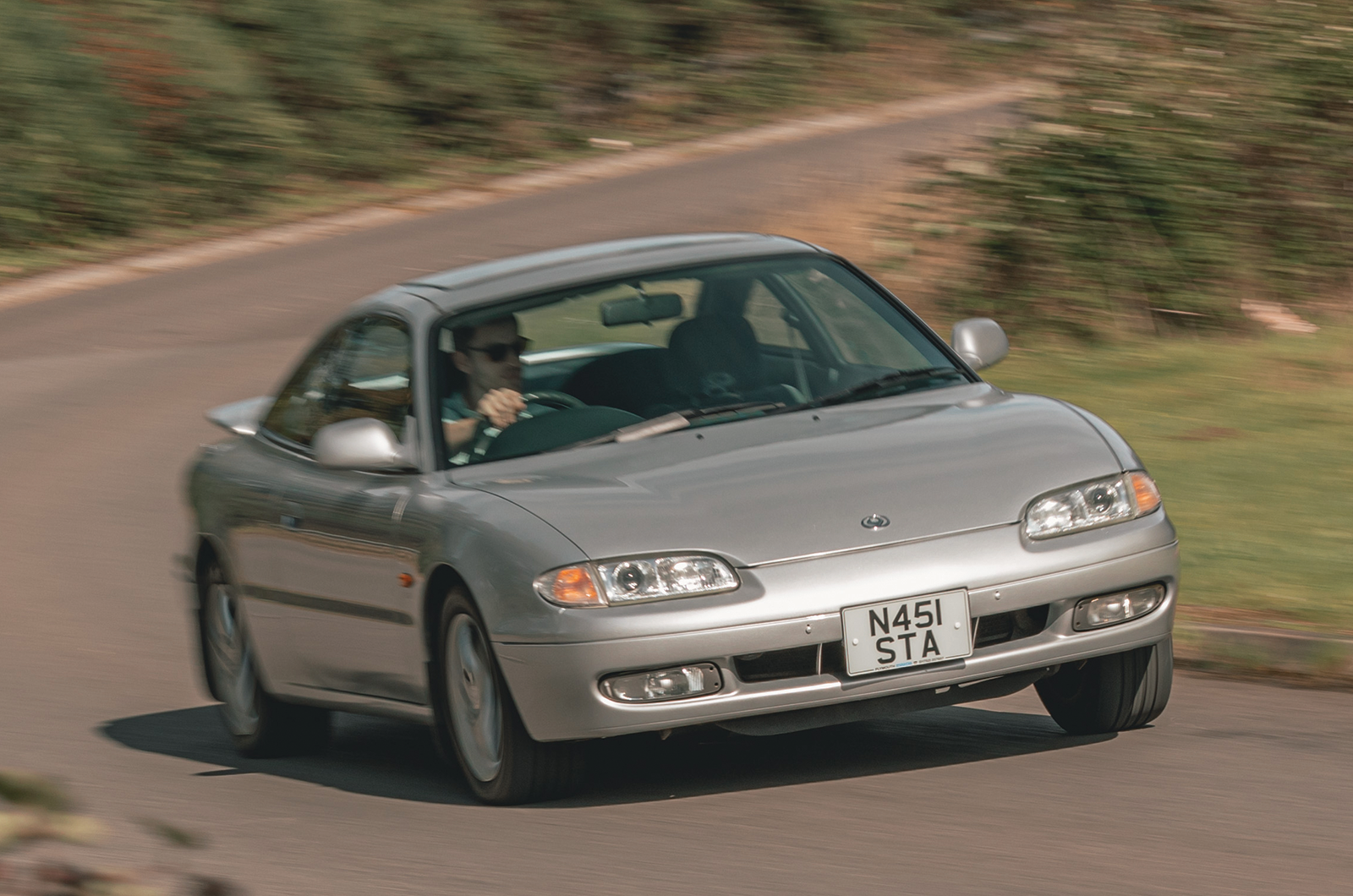
You can’t talk about smooth surfacing without mentioning the Mazda MX-6, though.

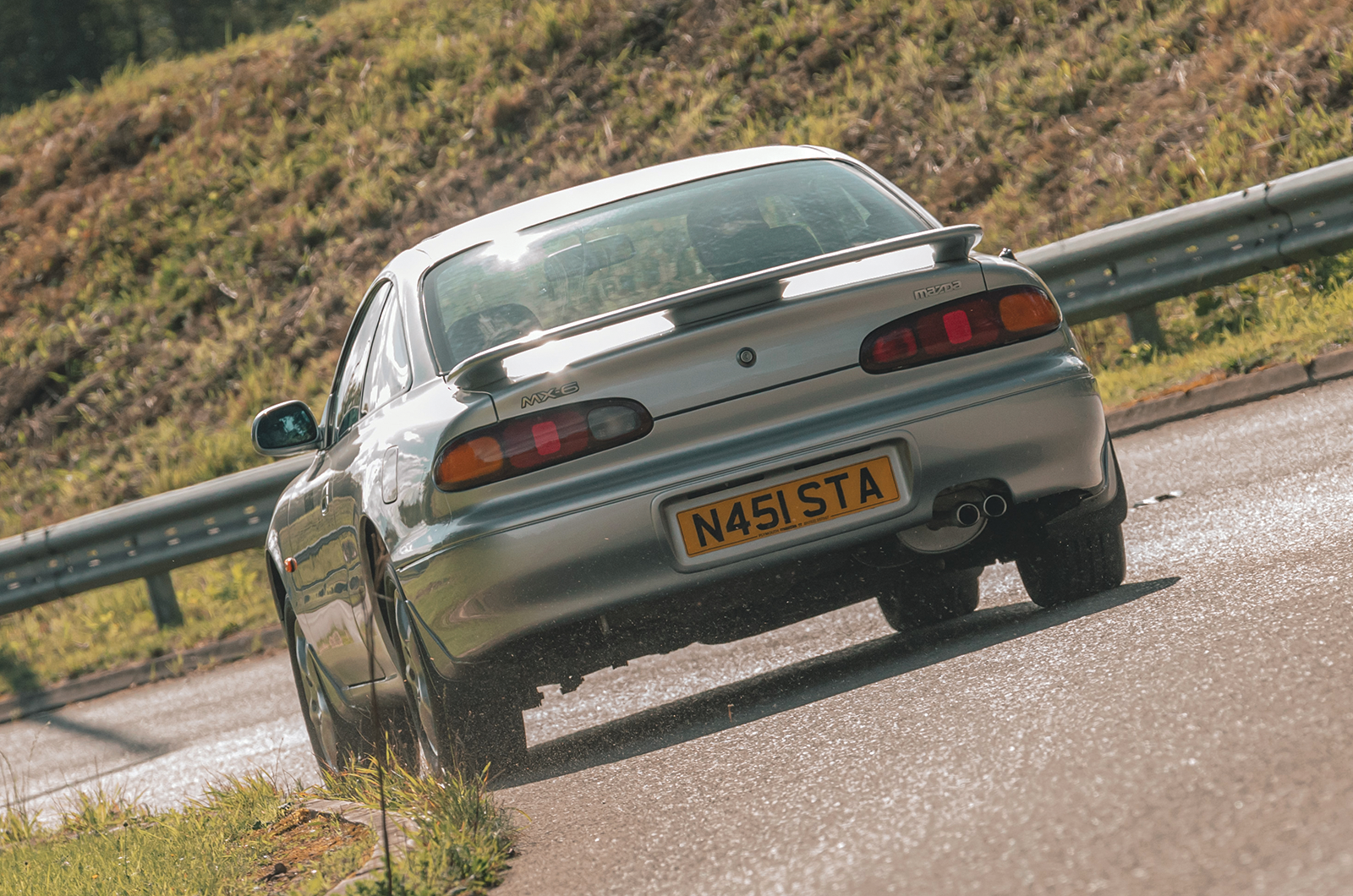
It must be one of the most rounded coupés ever made, and it’s hard to believe it came out just before the Rover.

Classic & Sports Car – Toyota Celica GT vs Mazda MX-6 vs Rover 220 turbo: ’90s hits

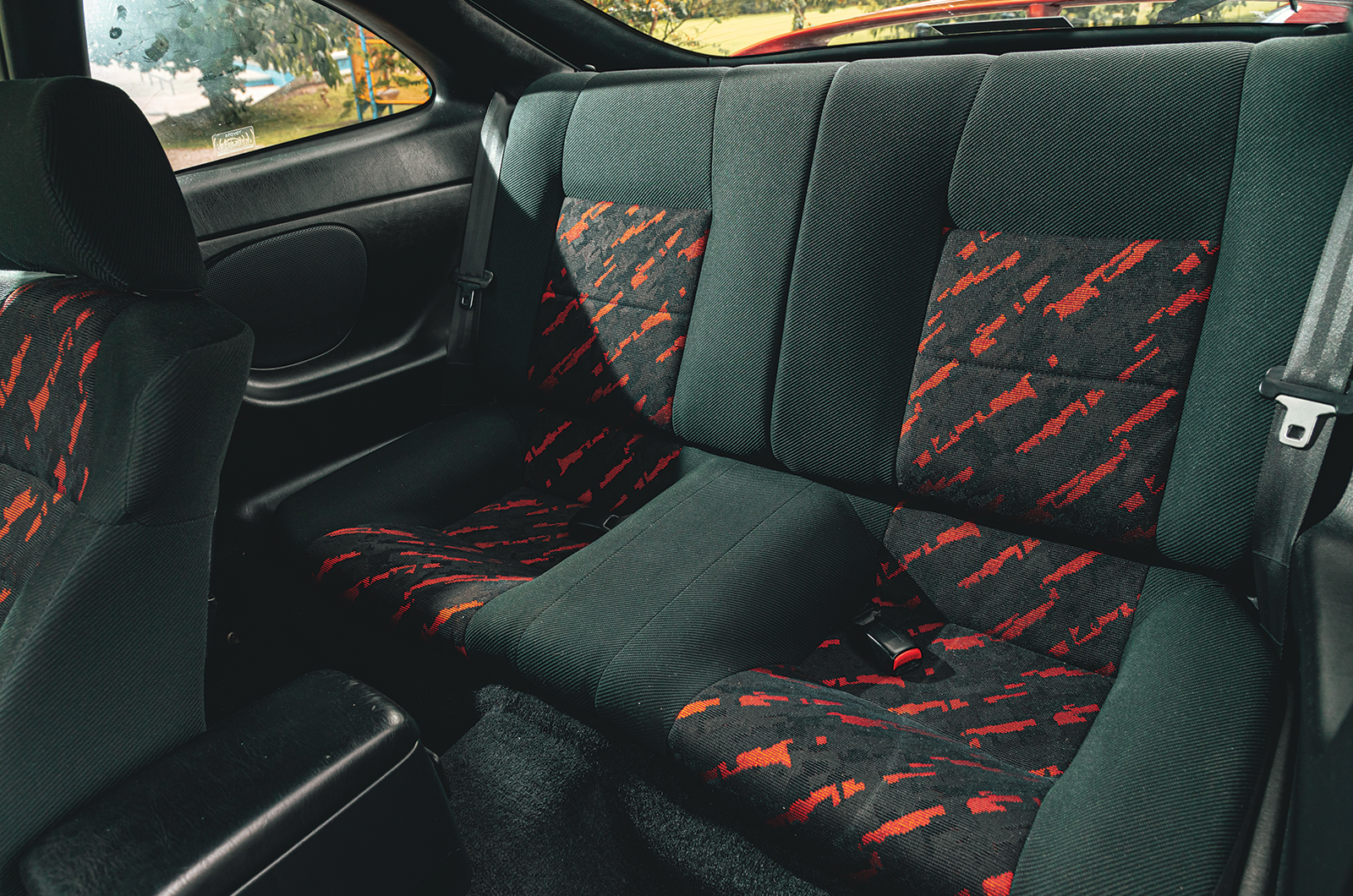
The Toyota’s vibrant fabric marks the Celica GT out as a ’90s child

You could say the same were it alongside contemporaries from Vauxhall, Volkswagen and BMW, too.

And yet, thanks to its long and low coupé proportions, it avoids looking quite as blobby as many cars of the mid-to-late 1990s.

Its nose is particularly sleek, with an impressively low bonnet line considering the largest engine of this trio is stuffed beneath.

Mazda decided to trump the entire coupé class, VW Corrado excepted, with a compact V6.

The manufacturer had form here, having produced its K-series six-cylinder unit as small as 1.8 litres in the MX-3, and as a 2-litre motor in the Xedos 6 and 323F.

Classic & Sports Car – Toyota Celica GT vs Mazda MX-6 vs Rover 220 turbo: ’90s hits

The Toyota Celica GT is rev-happy and engaging

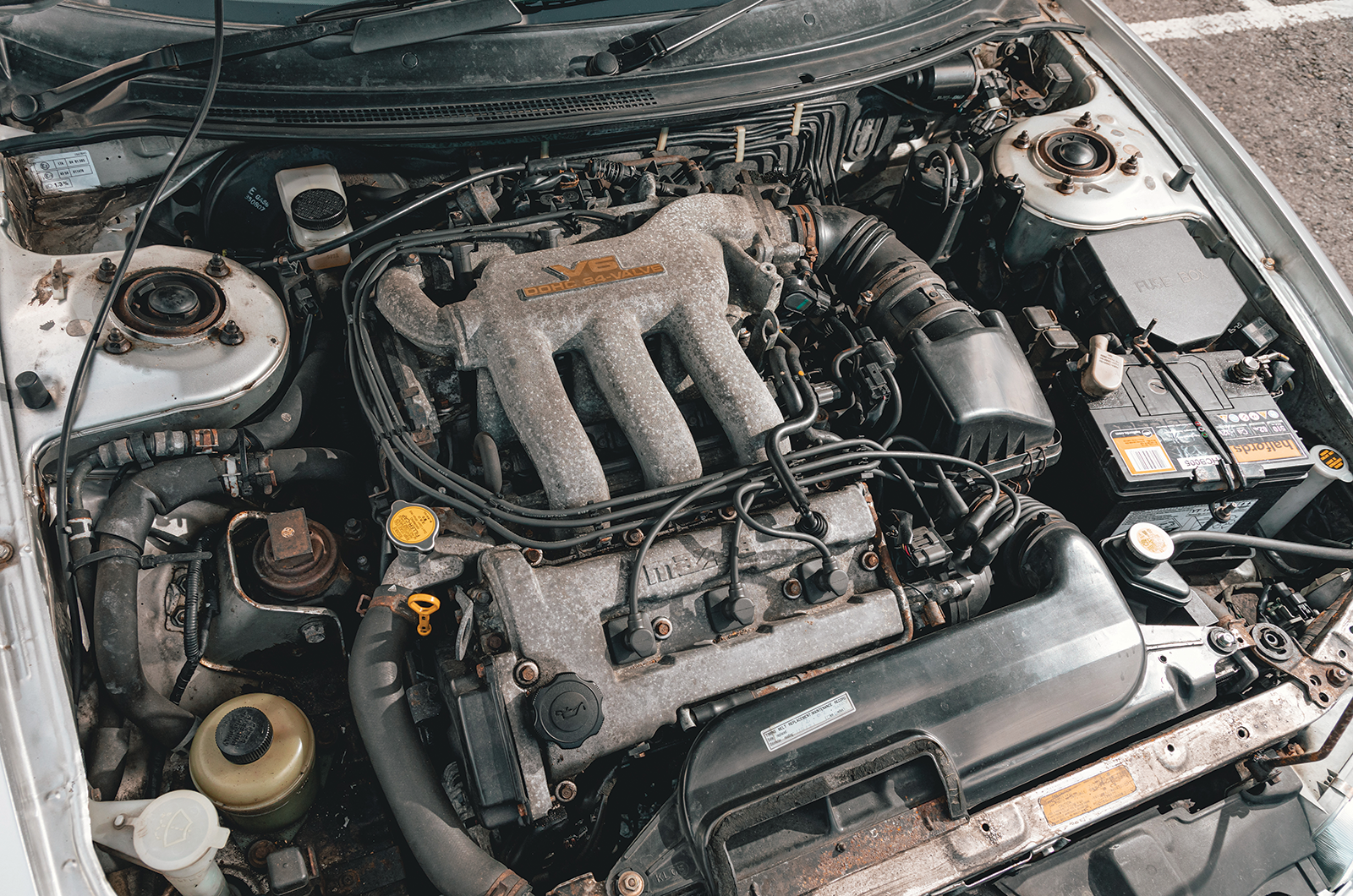
You’d think it would have made a simple, cheap-to-build and compact engine for this purpose, but this all-alloy, quad-cam, 24-valve unit is as high-tech as anything of its day.

Mazda took the opposite approach to Volkswagen’s famous VR6 when solving the question of how to fit six cylinders into a transverse, front-drive platform: the KL is an oversquare V6, banked at 60° so that it can be squat and wide.

This forces extra length in the engine bay of the MX-6 – you couldn’t drop a KL V6 into a Golf like you can a VR6 – but this wasn’t considered an issue for a model range that was focused on sporting appeal, with the longer bonnets to go with it.

Classic & Sports Car – Toyota Celica GT vs Mazda MX-6 vs Rover 220 turbo: ’90s hits

Mazda’s supple MX-6 feels the most composed

It is relatively relaxed in its tuning, producing little more power than the Toyota despite an extra 499cc.

Instead, it uses that capacity to provide greater flexibility and, in particular, smoothness.

It isn’t the most charismatic engine ever – buyers who chose the Mazda MX-6 thinking they’d get a nice Alfa Romeo Busso-type V6 sound would be very disappointed – but the old adage of ‘no replacement for displacement’ rings true, in that it offers the best motive experience of all three cars that are with us today.

It’s linear, smooth and powerful in its work, and does provide a distant growl at high revs.

Classic & Sports Car – Toyota Celica GT vs Mazda MX-6 vs Rover 220 turbo: ’90s hits

The Mazda MX-6’s bland interior is also the best put together

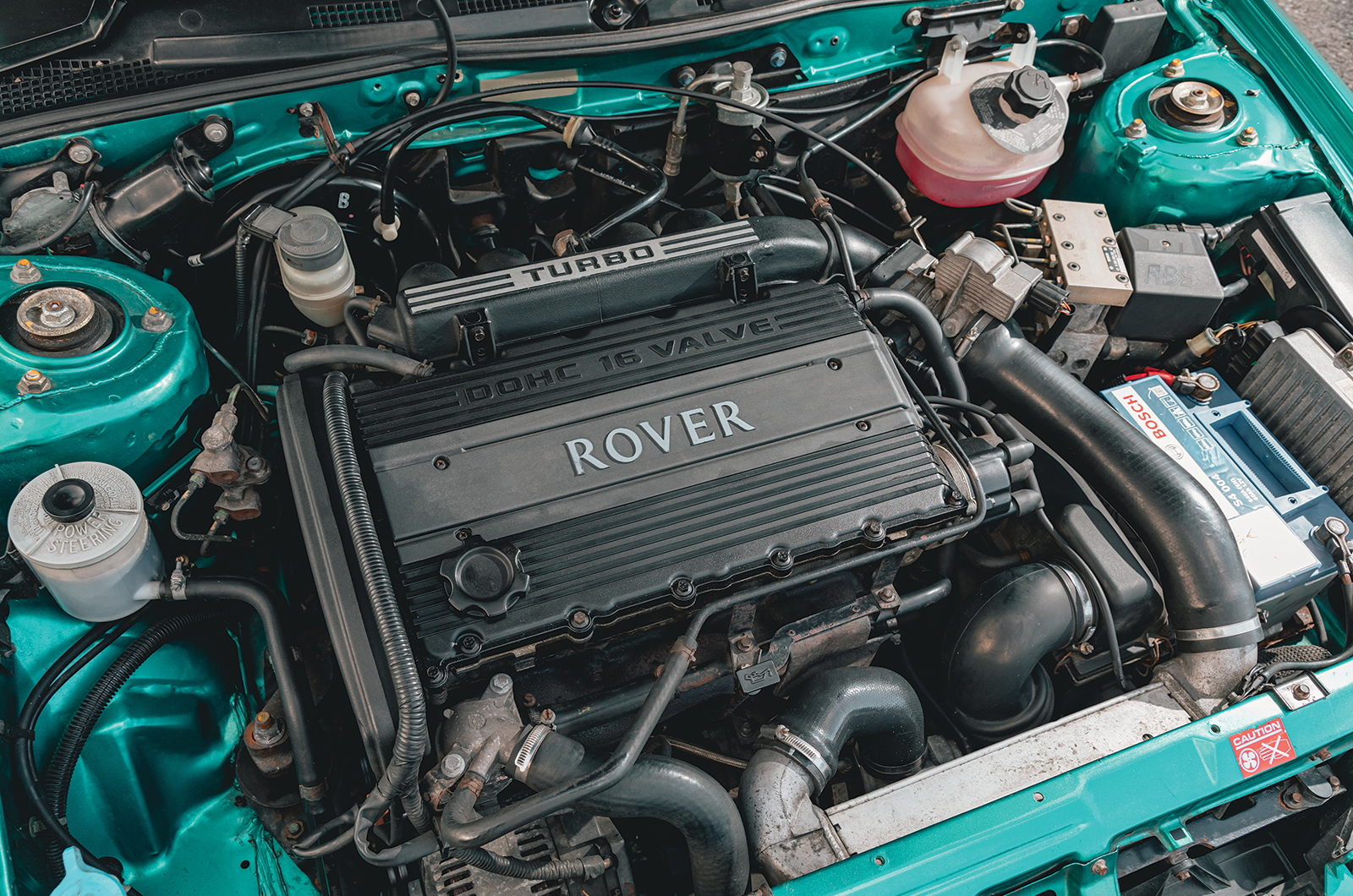
The Rover’s 2-litre T-series engine, however, couldn’t be less subtle if it tried: it’s got a whacking great big turbo on it.

There is some progression to the way the boost builds, but it is still far from smooth in its delivery and, once the turbo is spinning, the Tomcat surges forward with real savagery.

Certainly, it’s more than such a light car on relatively narrow tyres can handle, and this model’s reputation for torquesteer is deserved.

It’s not definitely uncontrollable, but you need to grip the steering wheel very firmly and be ready to correct the car when attempting full acceleration.

Classic & Sports Car – Toyota Celica GT vs Mazda MX-6 vs Rover 220 turbo: ’90s hits

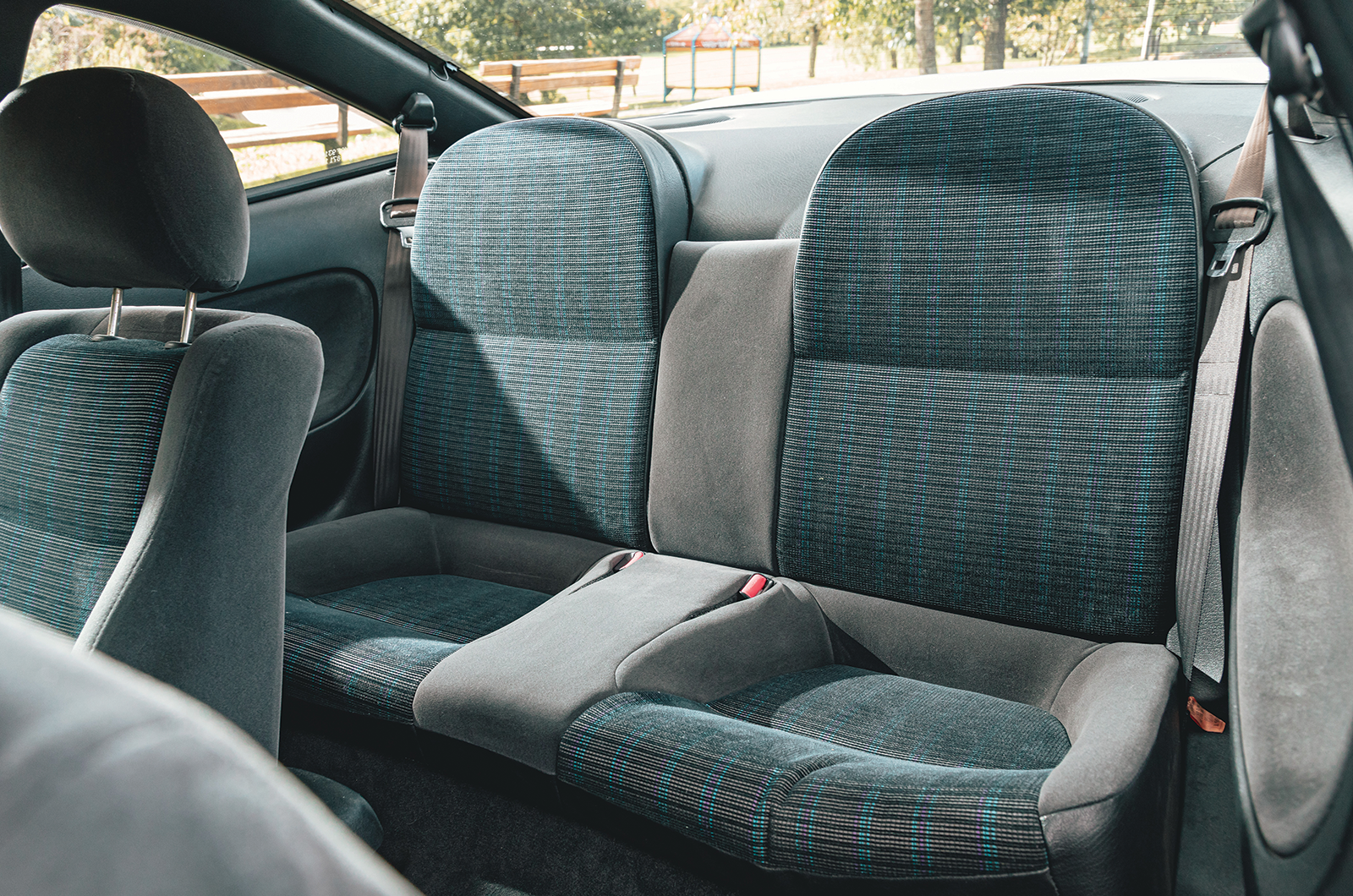
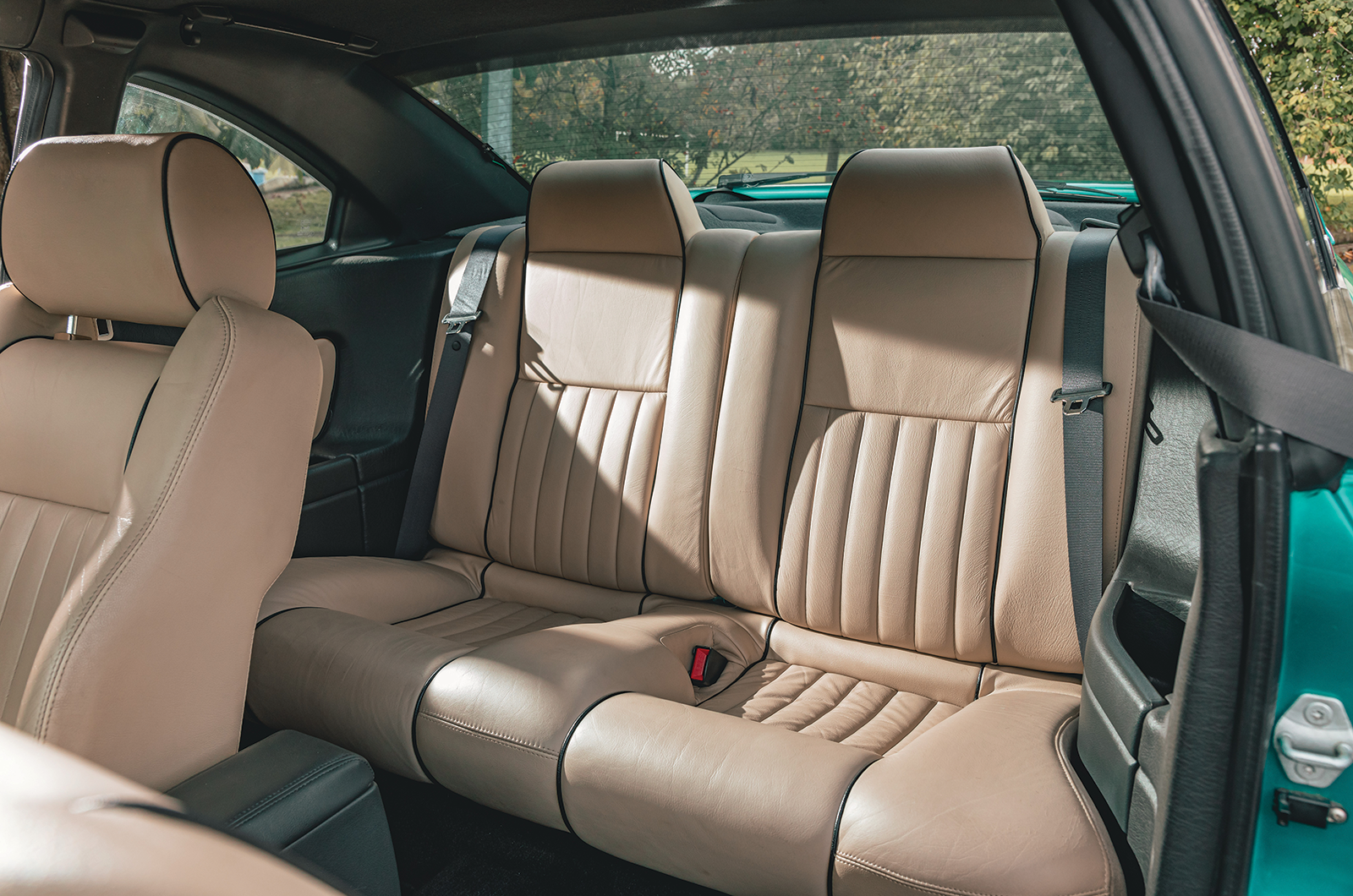
The Mazda’s sculpted rear seats are set low

Yet it is genuinely quick for it, considerably faster than its two Japanese rivals here, despite being slightly cheaper when it was new.

When driven at eight or nine tenths – where most drivers are much more likely to be, most of the time – the Rover is still just as rapid as the Celica at full chat, and its torquesteer is much less pronounced.

There is no denying what an accomplished technical exercise the Celica’s 3S-GE engine is, though.

Not only is the specific output of 89bhp per litre impressive for a naturally aspirated engine of its time, but, with forged internals and Toyota’s trademark build quality, this highly stressed twin-cam happily runs into stratospheric mileages with just basic servicing.

Classic & Sports Car – Toyota Celica GT vs Mazda MX-6 vs Rover 220 turbo: ’90s hits

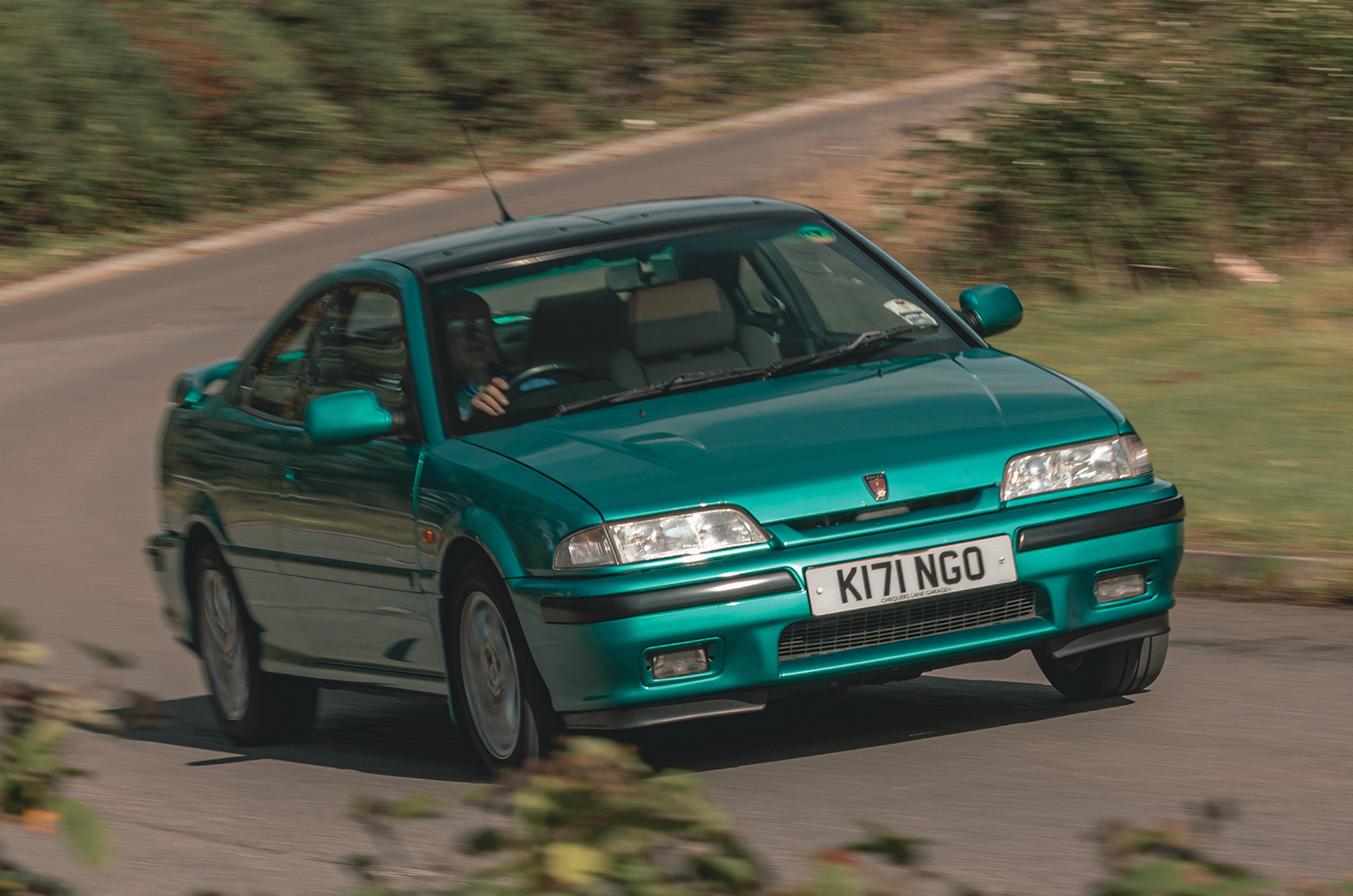
Rover’s fastest car at launch, the 220 turbo can be a handful

The many Celicas and MR2s boasting well north of 150,000 miles on the clock attest to that.

It’s Toyota at its best – but there’s no beating a V6 or a turbo with an NA four-cylinder engine.

When fully on the boil, hunting its screaming 7500rpm limiter, the Celica can keep up with the Mazda MX-6, yet it feels truly muscular only in the top third of its rev range.

That’s not to say that this is a peaky, torqueless wonder: a clever, variable-intake system maintains drivability down low, albeit only to the extent that it performs like a regular Toyota Corolla unit when you want to potter along to the shops.

Classic & Sports Car – Toyota Celica GT vs Mazda MX-6 vs Rover 220 turbo: ’90s hits

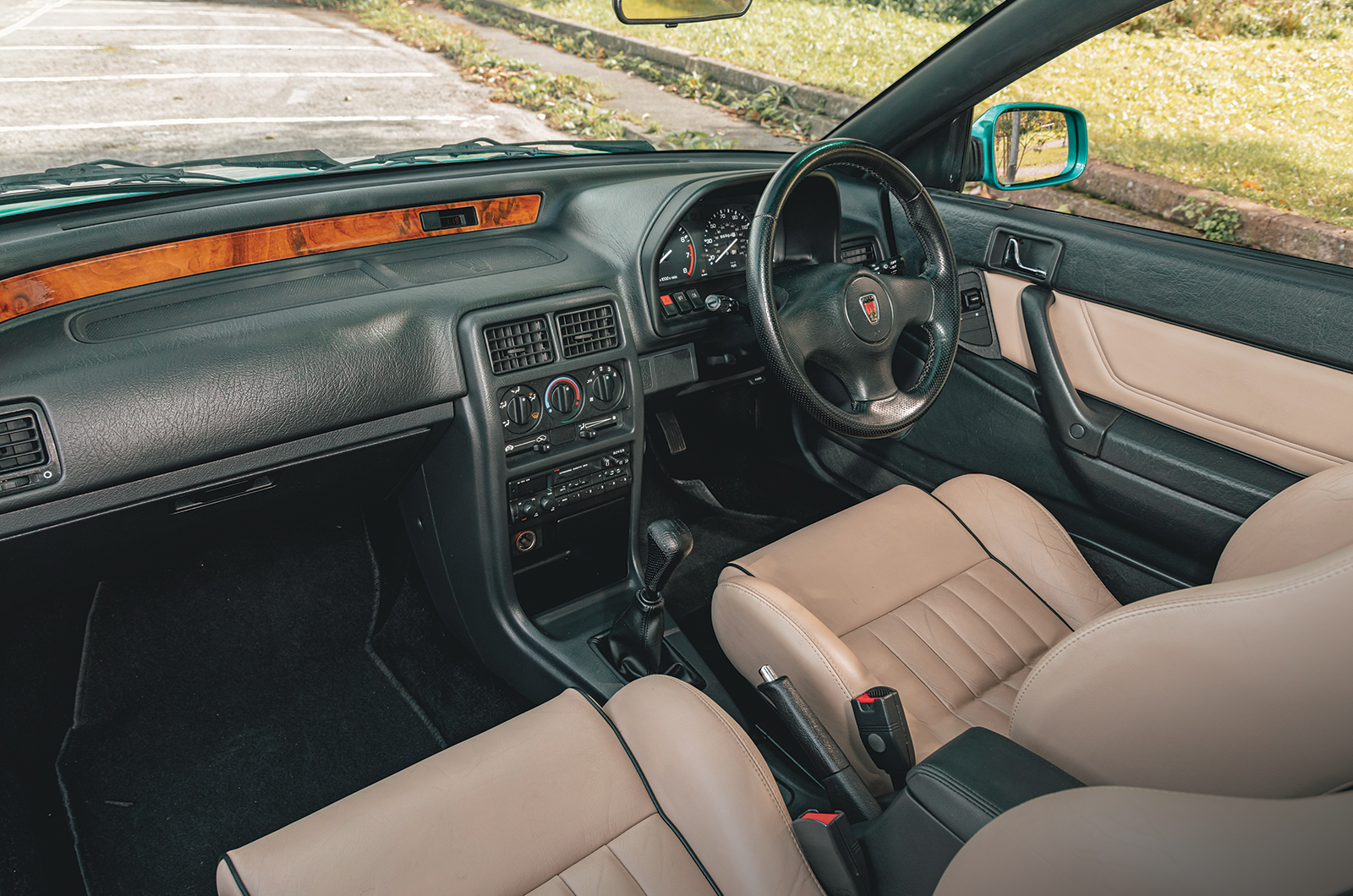
This car’s optional full leather matches the Rover’s traditional cabin

In fairness, it’ll sip fuel like a Corolla when driven in such a way, too.

Neither as fast as the Rover, nor as flexible as the Mazda, the saving grace of the Toyota’s drivetrain is its brilliant gearbox.

The shifter is well-weighted and close to the steering wheel, but not too long in the throw, either.

It allows you to get the best out of the 3S-GE unit and it’s such a joy to quickly switch through the ratios with the admittedly rather plasticky gearknob.

It has the best gearchange of the three cars we have here – and even among many highfalutin contemporaries from Bavaria and Stuttgart. Very impressive.

Classic & Sports Car – Toyota Celica GT vs Mazda MX-6 vs Rover 220 turbo: ’90s hits

The Rover 220 turbo’s large C-pillars darken its rear quarters

The Toyota Celica also gets the nod for the best steering of this trio, with pleasant weight as well as a decent amount of feedback.

It’s still refined, if not as brilliantly communicative as a Lotus, but it’s a good and very usable set-up.

The Celica’s suspension is a little bit more ordinary, though, the all-MacPherson-strut configuration being the accountant’s choice rather than the engineer’s.

Too high in its ride, and under-wheeled, it feels a touch on its tiptoes around corners, although it’s reasonably comfortable for that.

It’s not soft enough to prevent the hard plastics of the interior rattling against each other with annoying frequency, however, which adds to the unfortunate aura of this car being built to a price.

Classic & Sports Car – Toyota Celica GT vs Mazda MX-6 vs Rover 220 turbo: ’90s hits

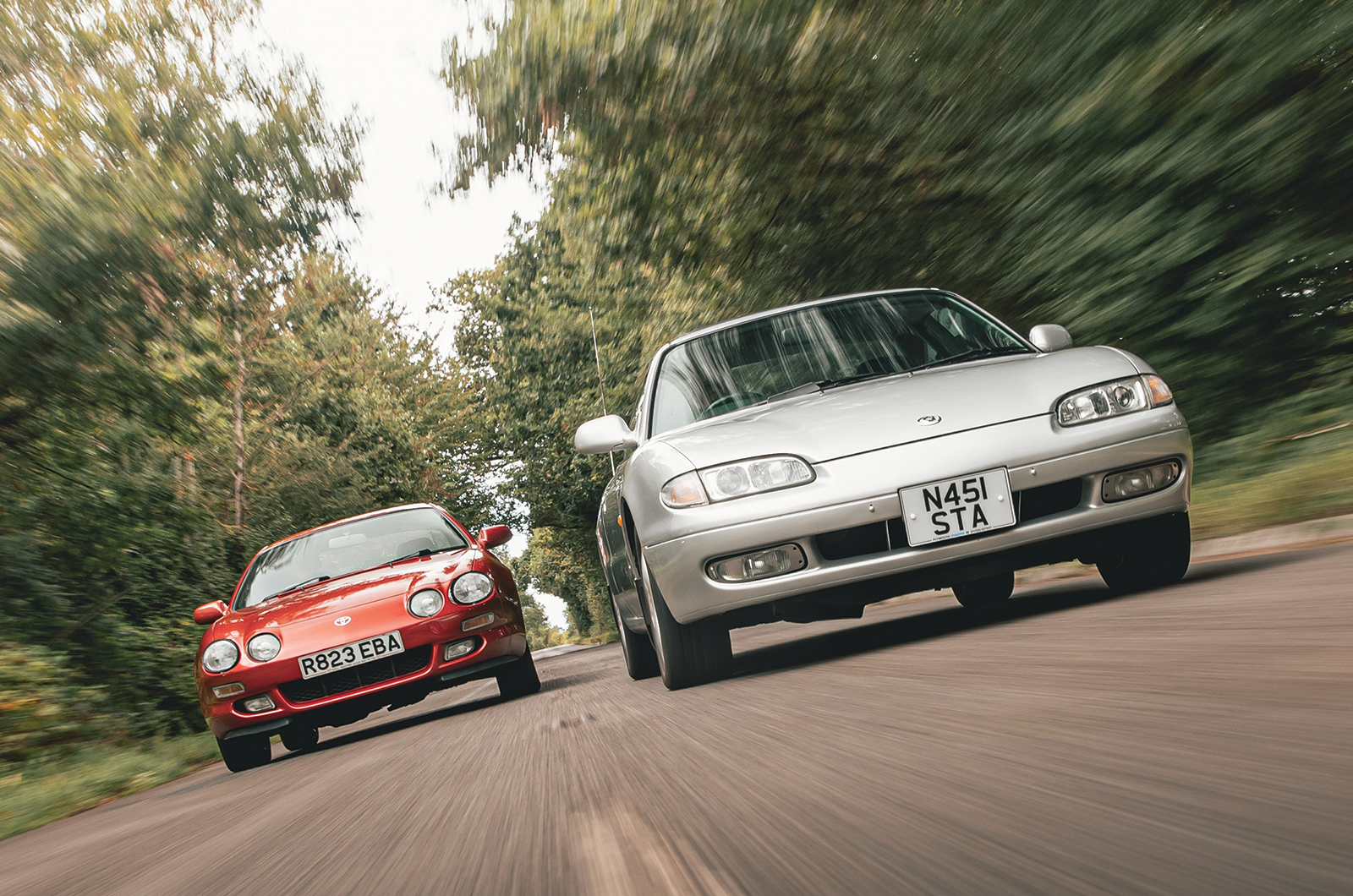
The Toyota Celica GT’s four-lamp face (left) is certainly distinctive, while the Mazda MX-6 is simply sleek

Bearing the 200 name, the Rover doesn’t attempt to hide its family-car origins.

But it does have the good fortune of that car being a dynamic leader in its class, which you might not say of a Toyota Corolla.

It’s delightfully chuckable thanks to quick, reactive steering and the great directional agility bestowed upon it by its short overhangs and low profile.

Fantastic vision gives the driver the confidence to make the best use of the chassis’ abilities, too.

The Rover feels light and bright thanks to its large glasshouse – except for the back seats, where the relatively thick C-pillars darken things somewhat.

Classic & Sports Car – Toyota Celica GT vs Mazda MX-6 vs Rover 220 turbo: ’90s hits

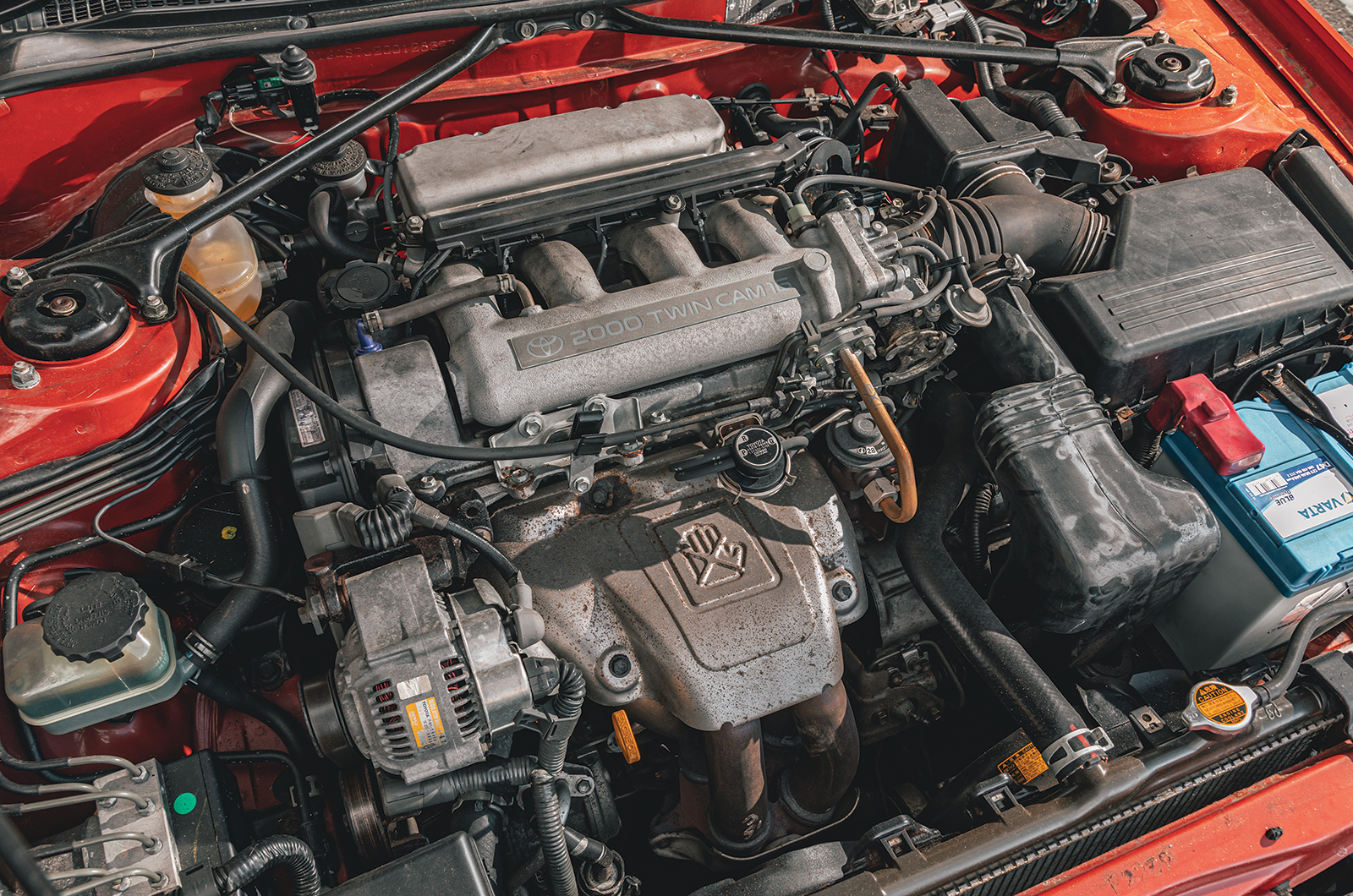
Toyota’s trick 3S-GE ‘four’ has variable intake and forged internals

This playful, lightweight and lively chassis is brilliant fun in the lesser 216i and naturally aspirated 220 versions of the Rover coupé, but is a bit overwhelmed by the performance of the turbocharged T-series.

The brakes don’t feel quite strong enough in this application and there’s that hefty dose of torquesteer, which the Zexel-Gleason Torsen differential can’t fully control.

All power-assisted Rover 200s have slightly odd steering, with a vagueness both at dead-ahead, at high speed, and when under load, mid-corner.

Not so unnerving when you’re playfully throwing around a 111bhp 216, but more of a concern here.

Classic & Sports Car – Toyota Celica GT vs Mazda MX-6 vs Rover 220 turbo: ’90s hits

The Rover 220 turbo has lots of torquesteer despite its trick differential

The Torsen differential interferes even further, with the steering wheel desperate to self-centre whenever the weight comes off the front wheels over a mid-corner undulation.

It’s firm over those bumps, too, but while the T-bar roof does encourage a few rattles, there is a feeling of quality inside the Rover that’s missing in the Toyota.

The dash top, steering wheel and doorcards are made of soft, plush-feeling plastics.

But, as on its exterior, the 220’s interior has a split personality.

The centre stack, a flimsy-looking thing designed by Honda (and which it had stopped making in Japan by 1992), drags down the ambience.

Classic & Sports Car – Toyota Celica GT vs Mazda MX-6 vs Rover 220 turbo: ’90s hits

The Rover’s turbocharged T-series engine has plenty of low-end grunt, with 174lb ft of torque available at 2100rpm

It’s a bit of an old-school, hot-hatch experience then, the Rover.

You cling on tight to the steering wheel, aware that the engine clearly has more power than the chassis was ever constructed for, and do your best to hustle it down the road.

It never feels sophisticated, but it is, nonetheless, a thrilling challenge for the enthusiastic driver.

Stepping into the Mazda MX-6 from either of the other two cars here is to feel as if you’re going into a much more mature offering.

Its springing is that bit softer, which means it copes with bumps in the road far better, yet it isn’t roly-poly as a result.

Classic & Sports Car – Toyota Celica GT vs Mazda MX-6 vs Rover 220 turbo: ’90s hits

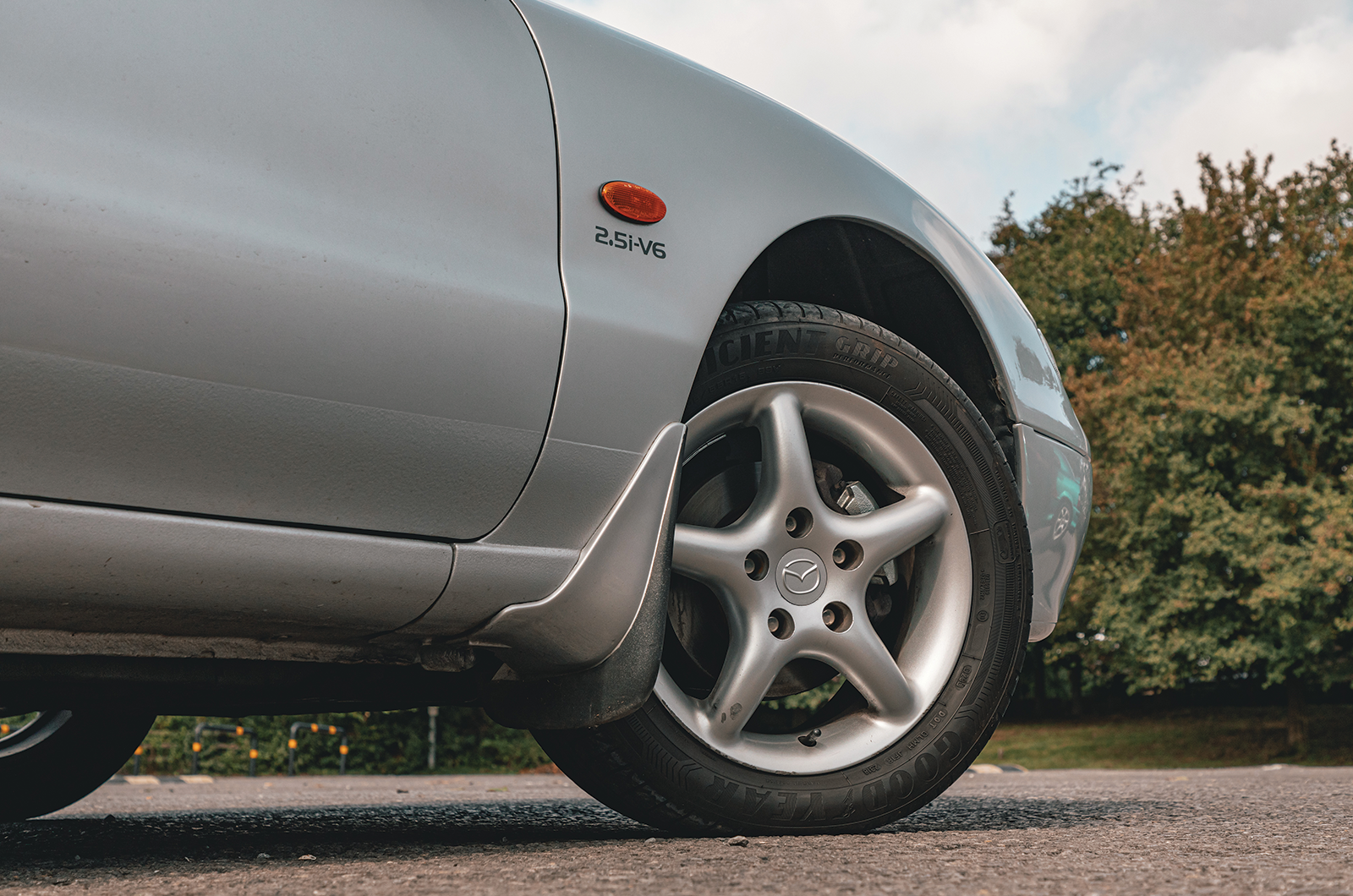
This Mazda MX-6 sports dealer-fitted MX-5 alloy wheels

The low centre of gravity provided by the Mazda’s squat V6 engine and sleek glasshouse is noticeable, allowing the car to corner with real composure and grace.

Its rear axle never bounces around a corner as the Rover and Toyota are prone to do, despite the 220 having the most advanced rear suspension on paper.

With its supple ride, mini V6, as well as the extra length in its body, it’s clear Mazda was pitching the MX-6 as much as a budget GT car as a sports coupé.

It’s never as chuckable as the Rover, while its steering isn’t quite as precise as the Celica’s, but it possesses the most confidence-inspiring chassis.

Classic & Sports Car – Toyota Celica GT vs Mazda MX-6 vs Rover 220 turbo: ’90s hits

Mazda’s all-alloy V6 engine weighs little more than its ‘four’

The Mazda is the only car of this set that feels truly sorted.

The Rover is quicker from point-to-point, for sure, but it requires bravery where the MX-6 provides easy pace.

Similarly, it’s the only automobile here that has an interior that implies any luxury.

Though the plastics aren’t quite as nice as some of the Rover’s, nor is its dash quite as swooping as the Celica’s, it doesn’t rattle over bumps, road noise is hushed and every piece of the cabin fits together with real precision.

It might look plain by modern standards, but it feels a cut above, and its low beltline provides brilliant vision, too.

Classic & Sports Car – Toyota Celica GT vs Mazda MX-6 vs Rover 220 turbo: ’90s hits

‘With its supple ride, mini V6 and the extra length in its body, the Mazda MX-6 is as much a budget GT car as a sports coupé’

Today, relative ubiquity has made the Toyota Celica the bargain buy of this trio.

In fact, some examples are only just falling out of mainstream use, which is quite some testimony to their reliability and practicality – and, also, proof that parts are still available to keep them on the road.

It’s the car that is the all-rounder of this group, however it lacks that bit of spark for all its sensibility.

The Rover 220 turbo coupé is the hooligan here, something you would never have said of anything from this car manufacturer 20 years before – or a decade after.

It’s not refined, or serious, but it’s great fun.

Classic & Sports Car – Toyota Celica GT vs Mazda MX-6 vs Rover 220 turbo: ’90s hits

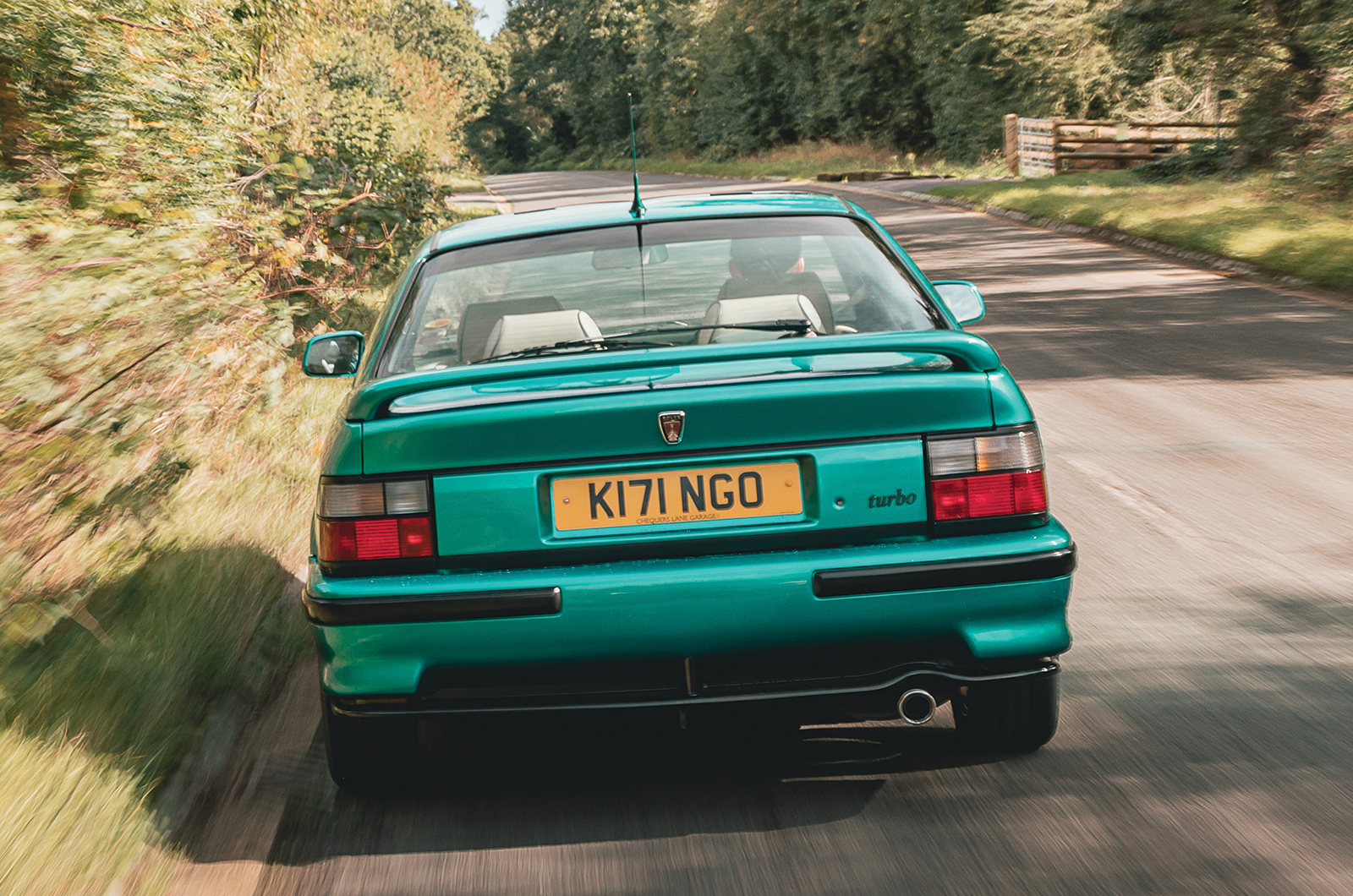
The Rover 220 turbo’s swooping roofline is at odds with its blocky base

If you were to take just one of these classic cars for a blast down a back-road to put a smile on your face, you’d pick the Rover Tomcat.

And yet, from its silky-smooth engine, through ahead-of-its-time styling, to its super-refined chassis, it’s the Mazda MX-6 that really impresses.

Unlike the other two choices here today, it’s a vehicle from a manufacturer with a point to prove and the money to back it up.

Mazda’s present-day image, compared to that before the 1990s – admittedly with the help of the MX-5, the 323F and the RX-7 – suggests this range-topper worked.

And the MX-6 is great fun to drive.

Images: Max Edleston

Thanks to: 7 Star Car Sales; Rover Coupé Owners’ Club; Paul Charlesworth; Kevin Willis


Factfiles

Classic & Sports Car – Toyota Celica GT vs Mazda MX-6 vs Rover 220 turbo: ’90s hits

Toyota Celica GT

  • Sold/number built 1993-’99/17,779 (total UK sales)
  • Construction steel monocoque
  • Engine iron-block, alloy-head, dohc 1998cc 16v ‘four’, fuel injection
  • Max power 173bhp @ 7000rpm
  • Max torque 137lb ft @ 4800rpm
  • Transmission five-speed manual, FWD
  • Suspension independent, by MacPherson struts, anti-roll bar f/r
  • Steering power-assisted rack and pinion
  • Brakes vented front, solid rear discs, with servo and ABS
  • Length 14ft 6in (4420mm)
  • Width 5ft 9in (1750mm)
  • Height 4ft 3in (1300mm)
  • Wheelbase 8ft 4in (2540mm)
  • Weight 2645lb (1199kg)
  • Mpg 32
  • 0-60mph 8.3 secs
  • Top speed 137mph
  • Price new £19,230 (1993)


Mazda MX-6

  • Sold/number built 1991-’97/537,748 (including related Ford Probe)
  • Construction steel monocoque
  • Engine all-alloy, dohc-per-bank 2497cc 24v V6, fuel injection
  • Max power 165bhp @ 5600rpm
  • Max torque 163lb ft @ 4800rpm
  • Transmission five-speed manual, FWD
  • Suspension independent, by MacPherson struts, anti-roll bar f/r
  • Steering power-assisted rack and pinion
  • Brakes vented front, solid rear discs, with servo and ABS
  • Length 15ft 2in (4615mm)
  • Width 5ft 9in (1750mm)
  • Height 4ft 4in (1310mm)
  • Wheelbase 8ft 7in (2610mm)
  • Weight 2712lb (1230kg)
  • Mpg 28
  • 0-60mph 7.5 secs
  • Top speed 134mph
  • Price new £19,245 (1993)


Rover 220 turbo coupé

  • Sold/number built 1992-’95/708,003 (all R8-generation 200s)
  • Construction steel monocoque
  • Engine iron-block, alloy-head, dohc 1994cc 16v ‘four’, turbocharger and fuel injection
  • Max power 197bhp @ 6000rpm
  • Max torque 174lb ft @ 2100rpm
  • Transmission five-speed manual, FWD
  • Suspension independent, at front by MacPherson struts rear multi-link, coil springs, telescopic dampers; anti-roll bar f/r
  • Steering power-assisted rack and pinion
  • Brakes vented front, solid rear discs, with servo and ABS
  • Length 14ft (4270mm)
  • Width 5ft 6in (1680mm)
  • Height 4ft 6in (1370mm)
  • Wheelbase 8ft 4in (2550mm)
  • Weight 2612lb (1185kg)
  • Mpg 30
  • 0-60mph 6.2 secs
  • Top speed 150mph
  • Price new £18,790 (1993)

We hope you enjoyed reading. Please click the ‘Follow’ button for more super stories from Classic & Sports Car.