The MkIV Zodiac had been one of Ford GB’s more public mistakes, being big and clumsy and not especially reliable at first.
With the Granada, and its cheaper Consul stalemates, Ford sought to re-establish its big-car reputation with a more internationally acceptable design that would be sold across Europe and thus complete the process of rationalisation with the German Ford range that had begun with the Escort.
It shares its Essex V6 with the old Zodiac/Executive, but the Granada is in a different world of assured cornering power and pleasingly direct steering.
It has a soft ride yet doesn’t wallow, and it feels so grown-up and capable that it was clearly designed with the Jaguar XJ6 as a benchmark.
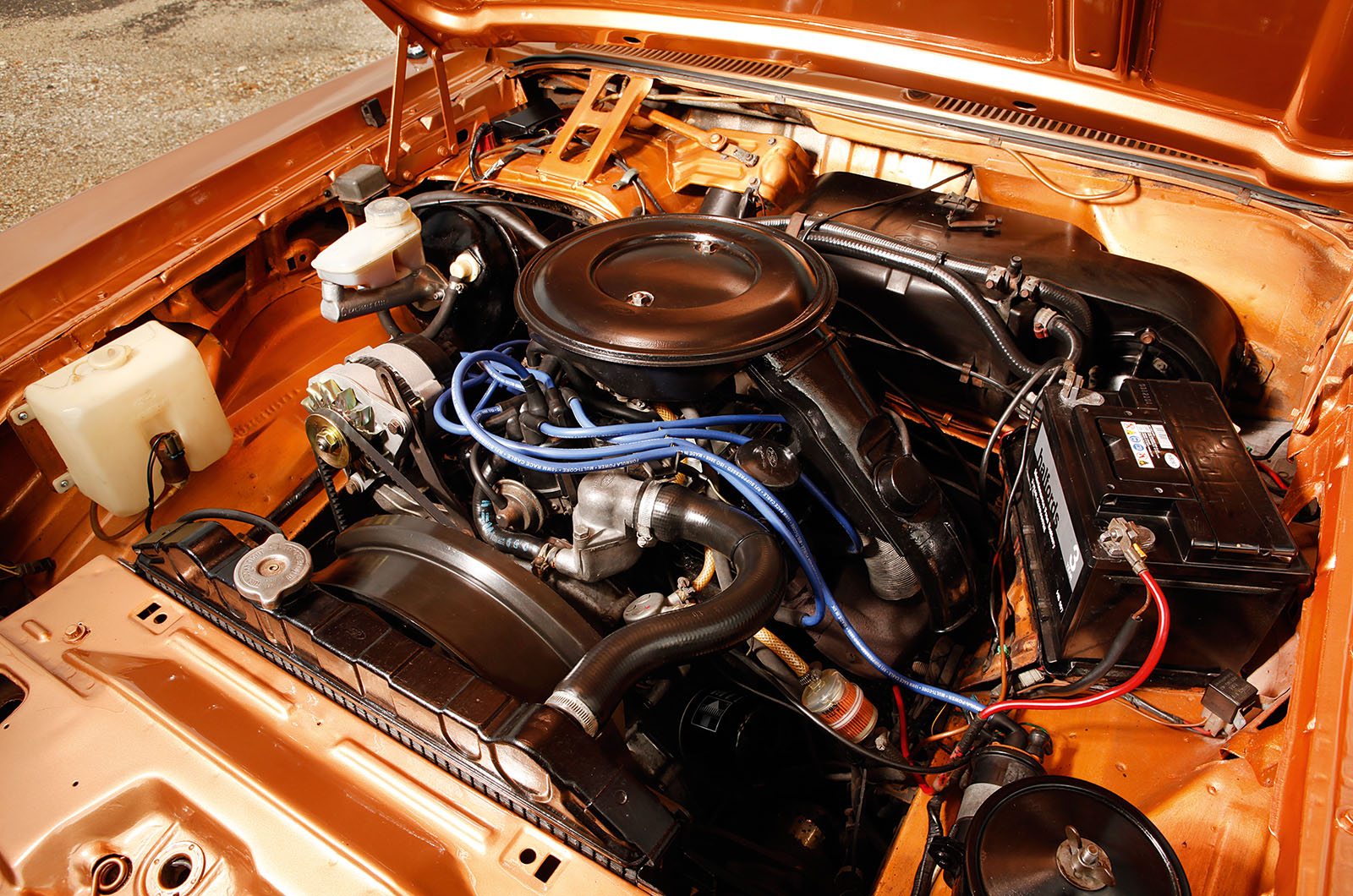
The Ford Granada 3.0 Ghia’s punchy Essex V6
The Ford Granada 3.0 Ghia is livelier than a Zodiac, too, with an earthy V6 throb as it winds out on loafing torque via the C3 auto ’box.
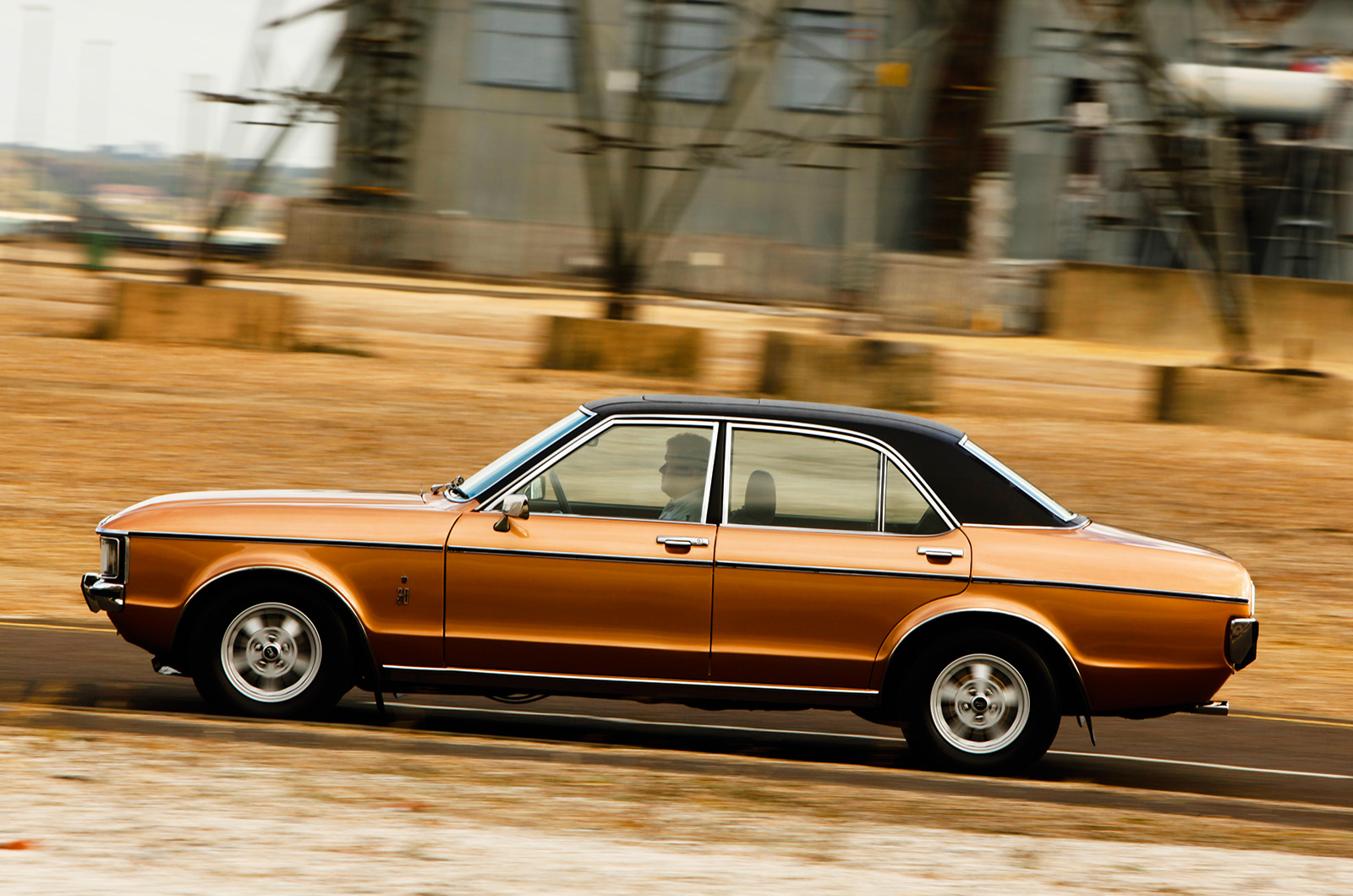
Bullishly handsome in an angular sort of way, its front end gets more identity from the Ghia grille treatment, but the GXL also has plenty of kitsch appeal as a throwback to the aspirations of the early ’70s.
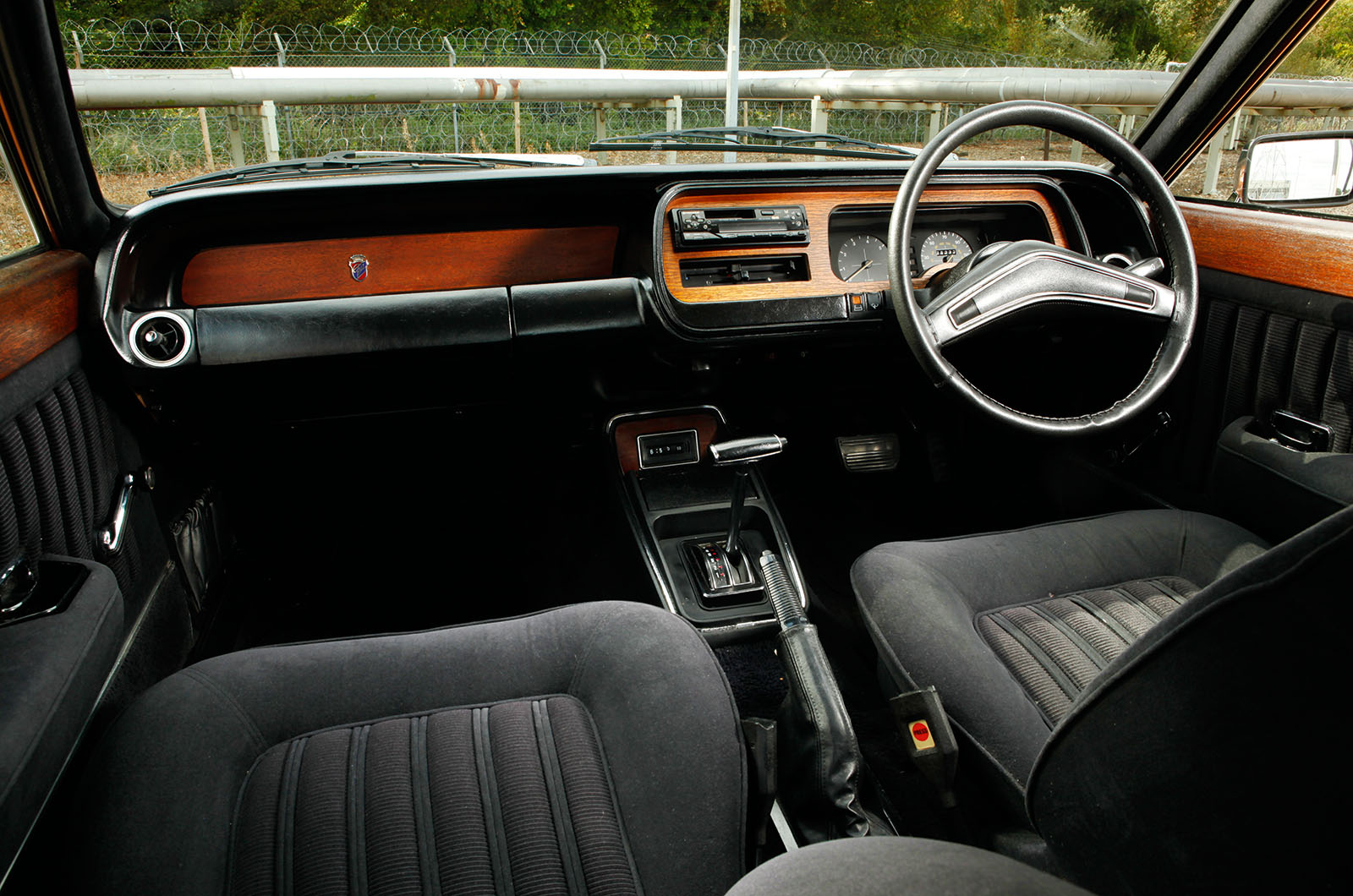
The Ghia looks almost excessively tasteful with its broad cloth seats and restrained wood trim.
This example, belonging to Mark Marsdon (he bought it via eBay the first time he ever went online) is a genuine back-up car from The Sweeney.
The Ford Granada 3.0 Ghia’s roomy and rational cabin
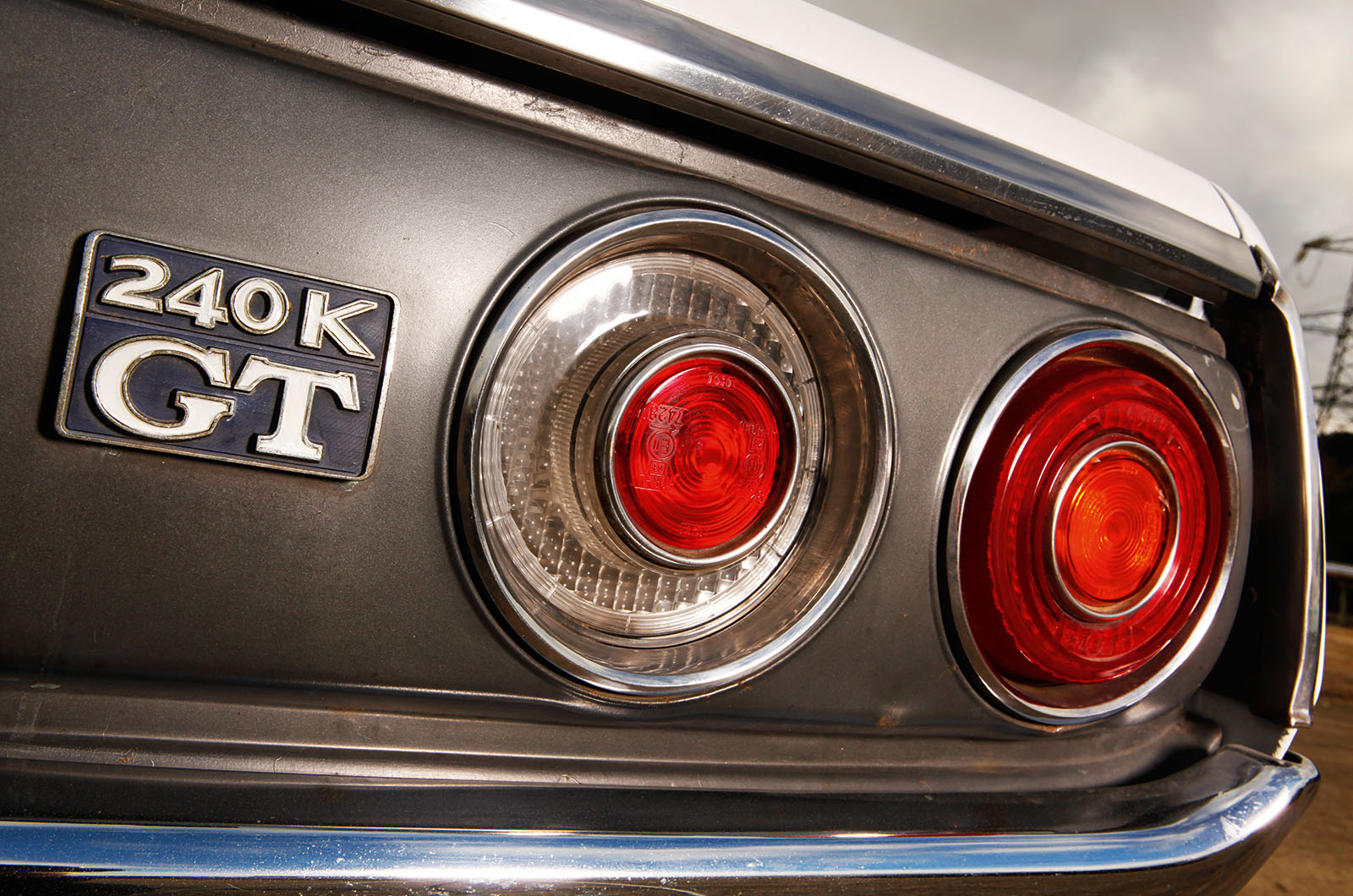
Datsun Skyline 240K GT
Datsun introduced the 2.4-litre Skylines in 1973 to plug the gap between the Laurel and the 260C, but there had been Skylines in Japan for years, the name having its origins within Prince Motors before Nissan’s 1966 takeover.
It offered great value for money, but the market didn’t buy into the idea of big Japanese cars in the way it did the smaller ones, so 240Ks were always rare in the UK.
This Datsun Skyline 240K GT belongs to David Silk, a Rolls-Royce engineer at Goodwood who got his apprentices to respray it in non-original white.
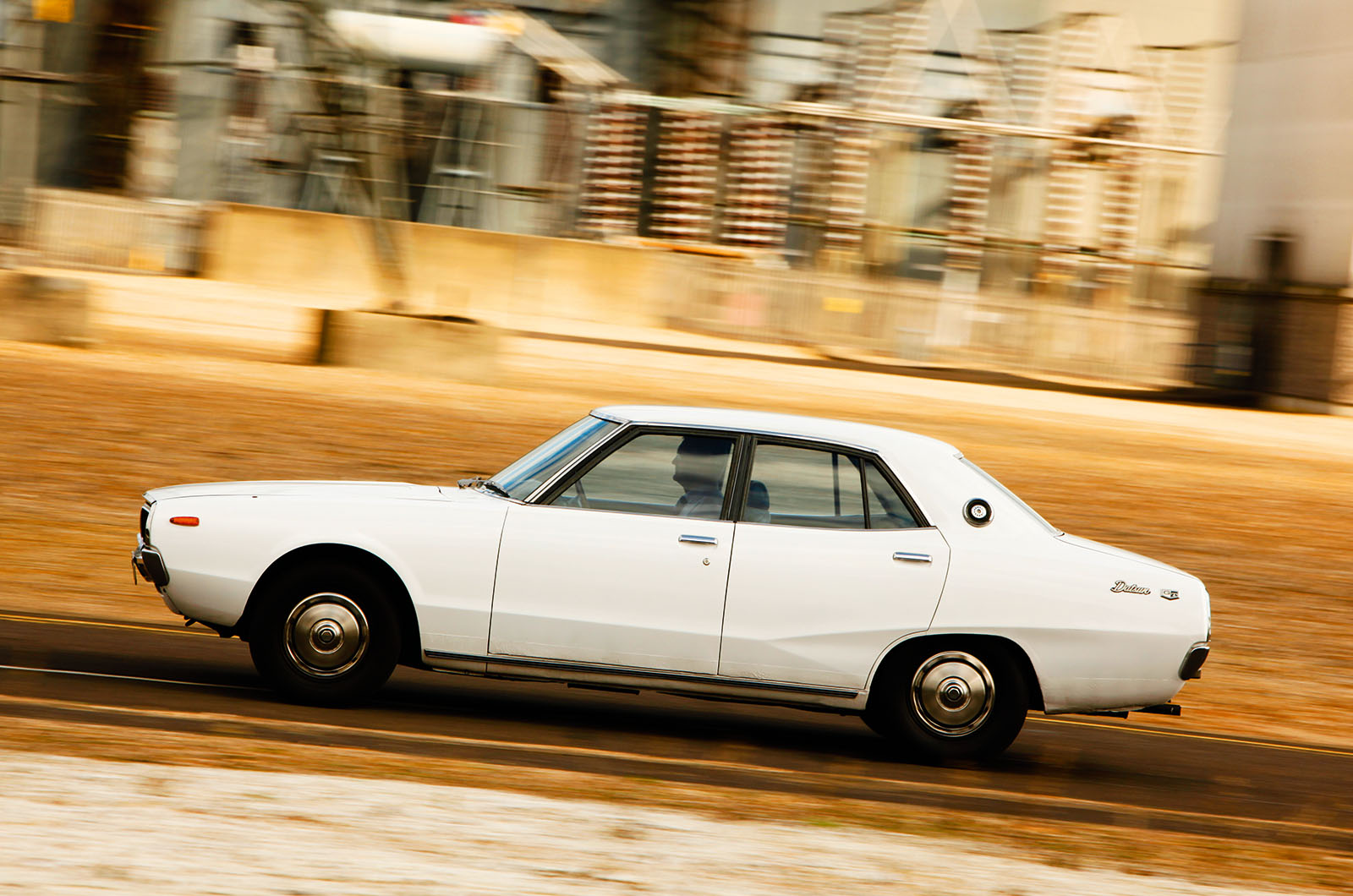
The Datsun Skyline 240K GT’s styling shows clear Stateside influence
If you were being generous, the Datsun Skyline 240K GT could be described as a four-door 240Z.
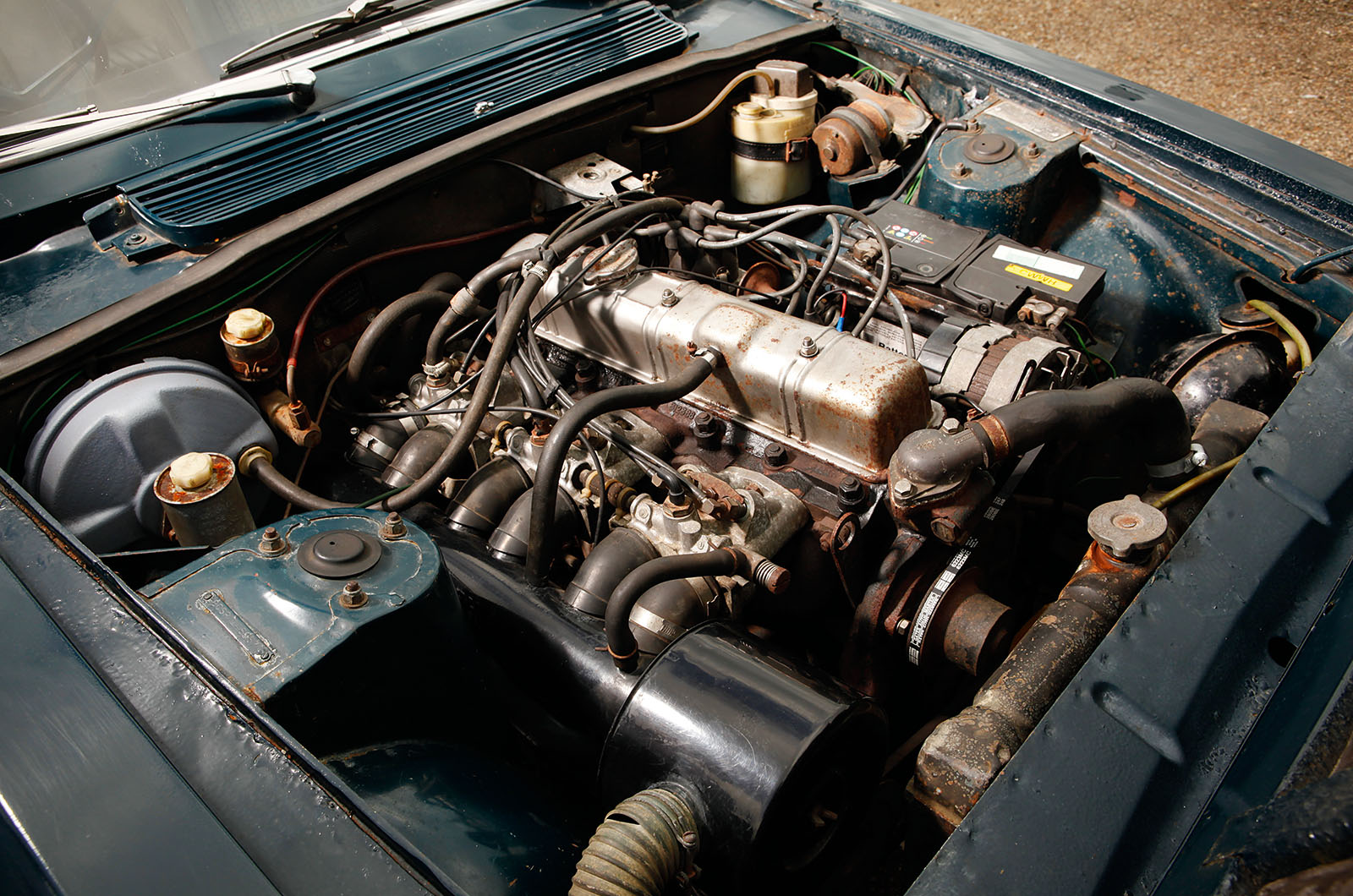
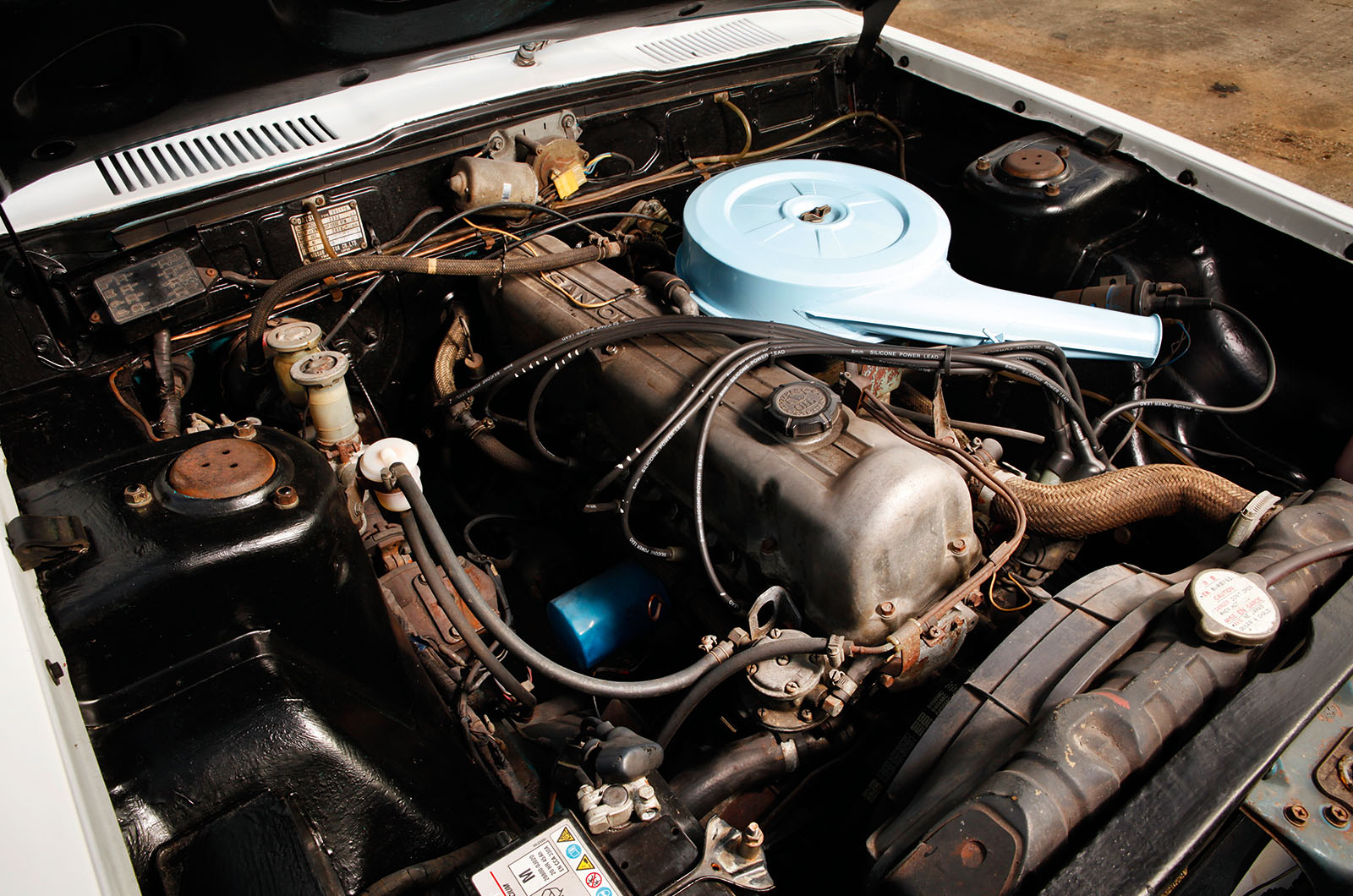
It has that car’s straight-six engine, albeit in 130bhp form thanks to milder valve timing and single rather than twin carburettors. It looks a neatly planned installation in the roomy engine bay.
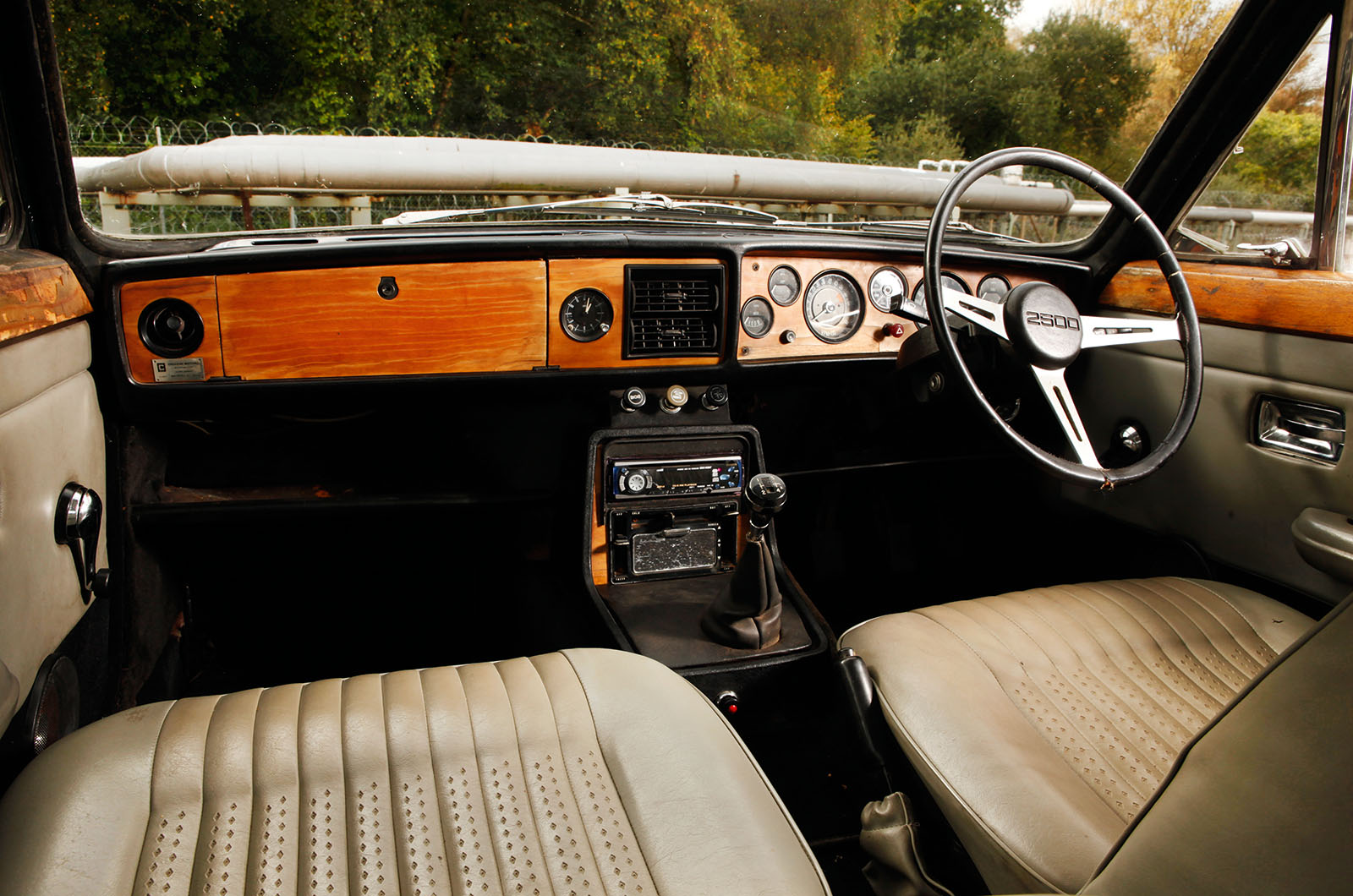
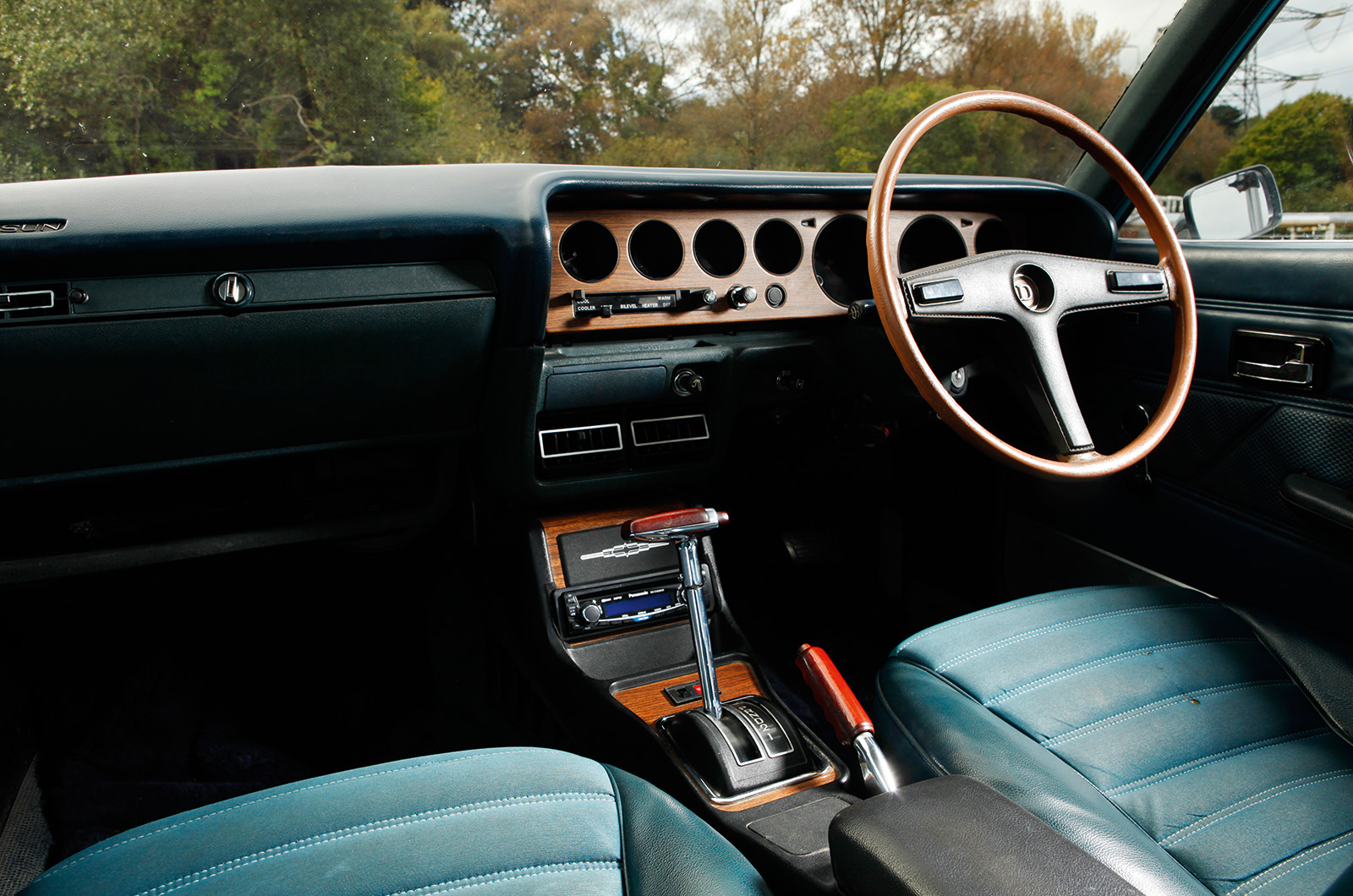
The point about ’70s Japanese cars was that they came with everything you could expect for the price, and the 240K GT lives up to this
with seven instruments on its pseudo-sporty dashboard.
Injection-moulded plastics are used unremittingly in the cabin, but there are surprisingly few of the florid embossed finishes that were a trademark of ’70s Japanese cars. Thick rear quarters and low-set seating make the cabin slightly oppressive.
The Datsun Skyline 240K GT’s big ‘six’ is shared with the 240Z
More to the point, the Datsun has an overhead camshaft and an independent rear end by semi-trailing arms, but these tend to raise expectations of a car that lacks something in personality.
Neither is there anything especially ‘GT’ about the 240K, which has adequate rather than urgent pace that is shackled by a perfectly smooth automatic ’box when you feel that it deserves a manual.
With its high, curvaceous waistline and big, circular tail-lights, it is styled like a late-’60s US car, yet it has an appeal of its own – the brittle, fleeting charm of cheap friction toys you got at the market as a kid, where the picture on the box always looked better than the car inside.
Brittle plastics inside, but the Datsun Skyline 240K GT still looks stylish
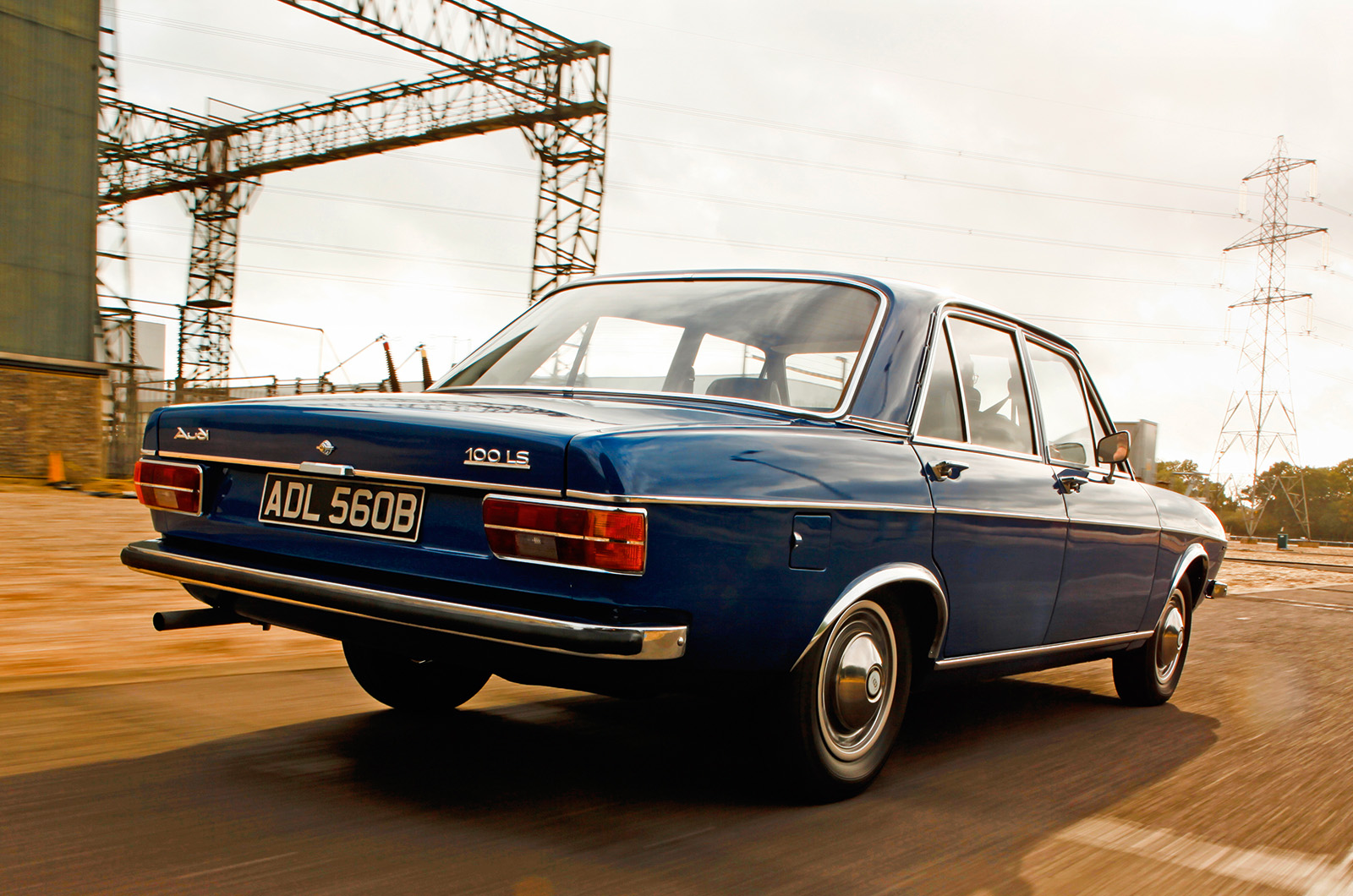
Audi 100 LS
Audi was still a relatively young marque in the early ’70s, the name revived after decades dormant within the DKW/Auto Union group.
When Volkswagen bought Mercedes’ share in 1965, it inherited the Super 90, powered by a four-stroke, Benz-designed engine.
The 100 was essentially a longer, lower and wider version of the 90, using most of the same mechanical ingredients in a more handsome, five-seater body.
That this 1.7-litre, four-cylinder car – this one is part of Audi UK’s historic collection – can apparently stand comparison with six-cylinder rivals of up to 3 litres demonstrates the quality of the design.
The Audi 100’s angular shape has aged well
The shape already showed the direction in which Audi was heading.
Neither as majestic as a Mercedes-Benz nor as aggressive as a BMW, the Audi 100 LS looks clean, neat, sensible and grown-up.
It has aged more gracefully than almost any of the others here and is much less obviously an ‘old car’.
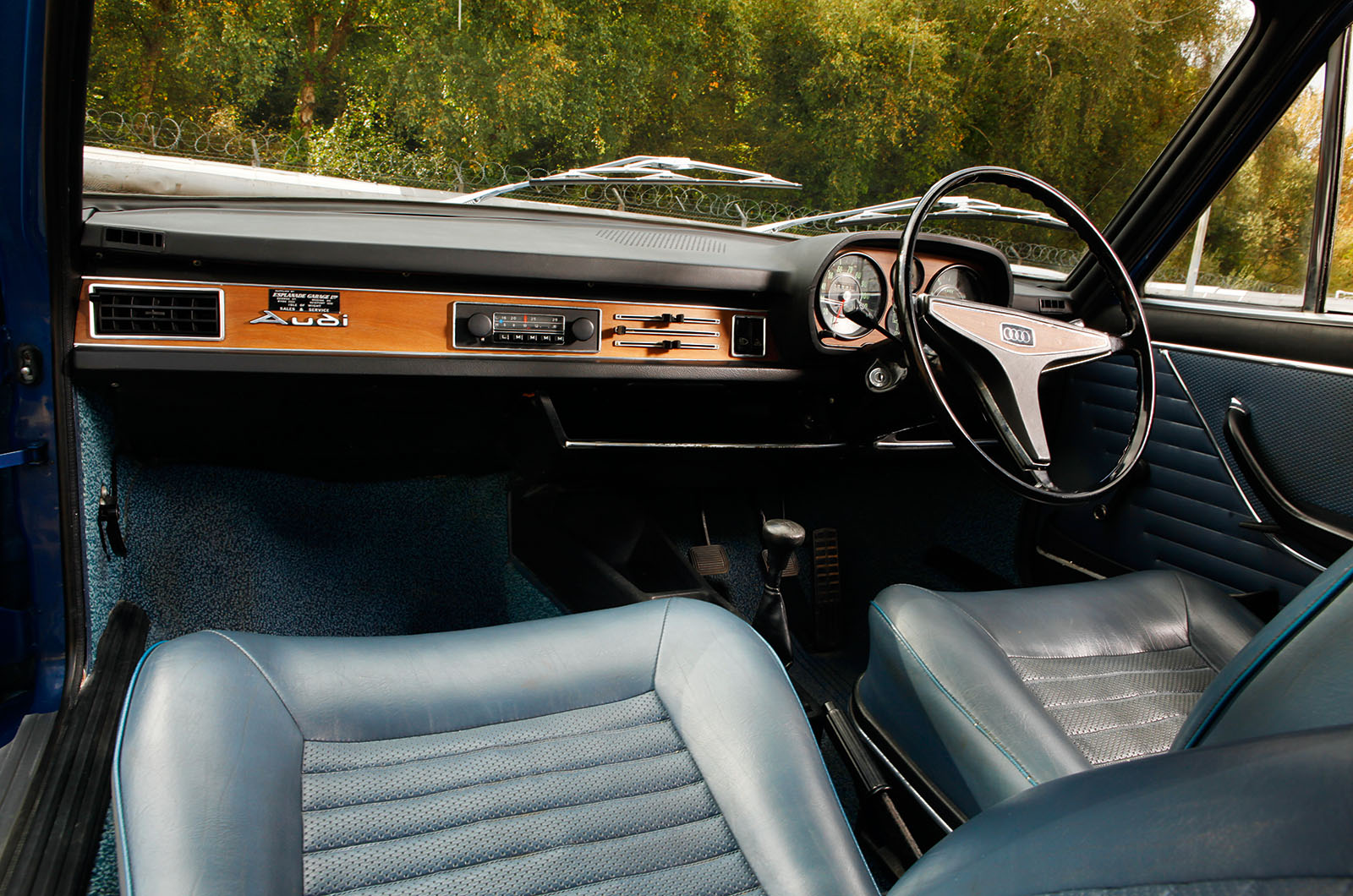
And if the over-styled, pretentious cabins of some of the more jumped-up barges present are an instant turn-off, then the calculated simplicity of the Audi’s interior, with its general air of Teutonic harmony, no ugly materials or tacky finishes, will have instant appeal.
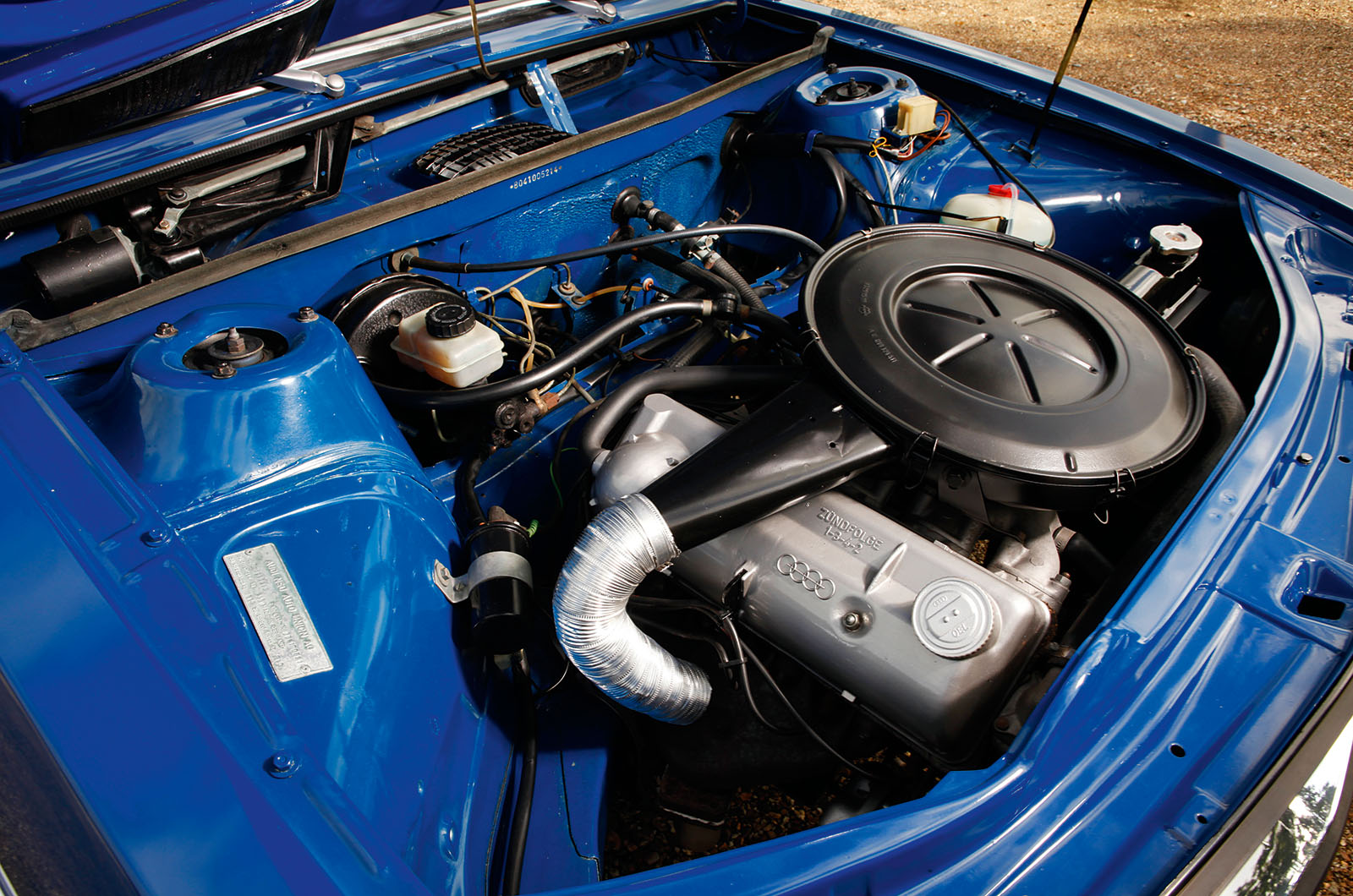
The Audi 100 LS has the smallest engine here; it needs to be worked hard
Behind the wheel, the Audi 100 LS doesn’t have quite the immediate satisfaction of the Rover or the Triumph, it has to be said.
The tappety, rather harsh ‘four’ needs to be revved quite hard to extract its performance via a fairly accurate four-speed manual transmission, and the experience isn’t helped by the sharp clutch.
Front-wheel drive should make the Audi feel a relatively modern experience, and it does have a sense of stability and security, but the heavy steering requires four turns between its locks for a 32ft (9.7m) turning circle, adding to the feeling that you have to put rather more effort into driving the 100 LS than you really want to.
The Audi 100 LS has a simple, sensible cabin
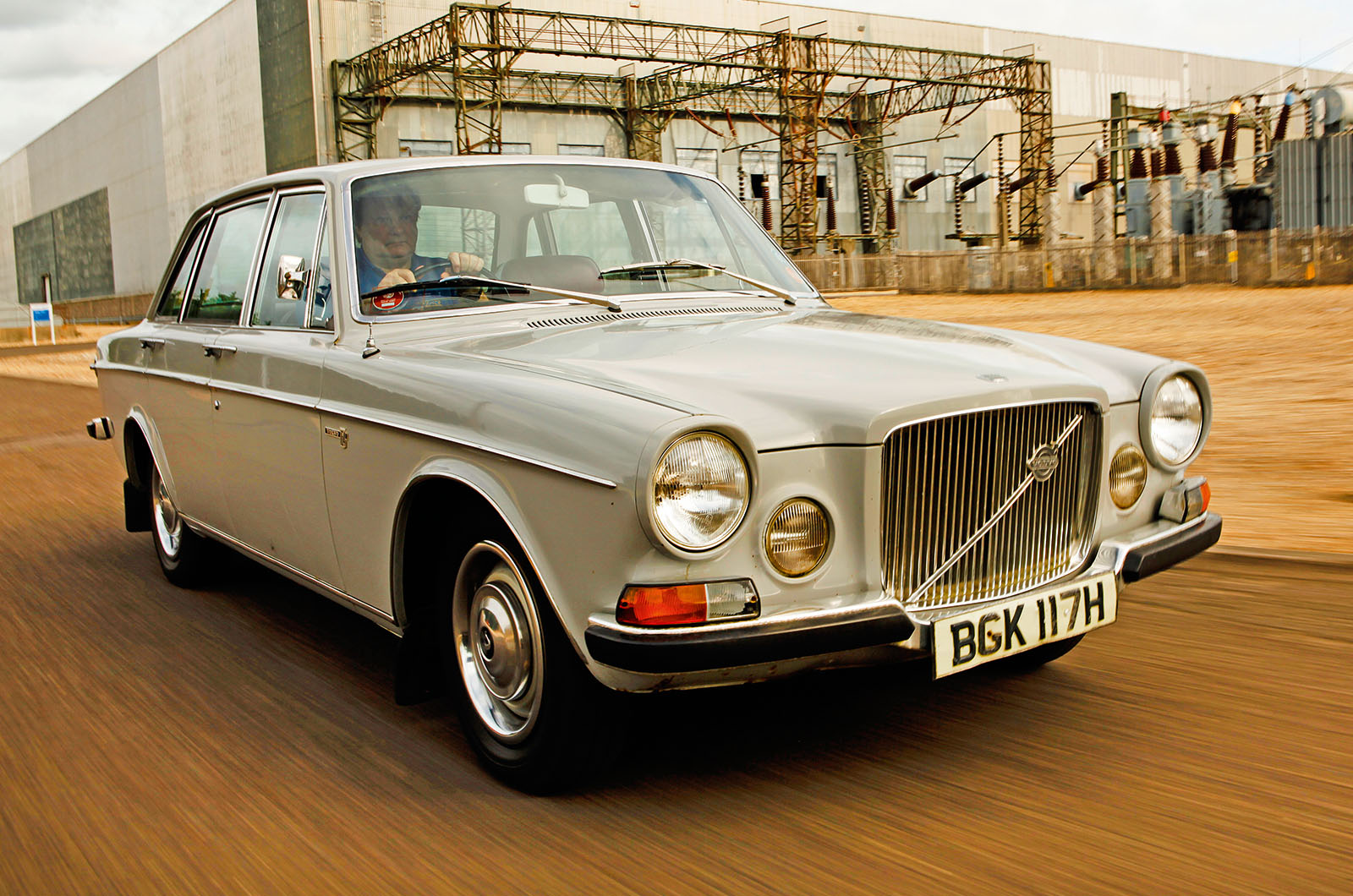
Volvo 164
Volvo produced long-lasting, rugged, four-cylinder cars for sensible types, so the appearance of the seemingly rather suave 164 in 1968 would have likely been somewhat perplexing for the traditional Volvo buyer.
Six thirsty cylinders, leather seats and power-assisted steering would have been an affront to the established customer base’s more puritan sensibilities, but from Volvo’s point of view it was a way to tap into a wealthier market using a car that had all of the marque’s usual virtues, plus some refinement and luxury.
Not that the 164 was a revolutionary vehicle.
The Volvo 164 was the Swedish marque’s flagship
By stretching the nose of the 144 to accept the seven-bearing, oversquare, six-cylinder version of the B20 engine, the Swedes had in effect created an Austin Westminster for the 1970s. In other words, a classic barge.
Not that there is anything wrong with that.
I always thought the pre-impact-bumper 144s were rather handsome, and the 164, with its large, square front grille, looks strong and distinguished on those now remarkably skinny-looking 165-section tyres.
To drive, it is a big, sensible car that doesn’t tempt you to do anything rash behind its big, sensible wheel.
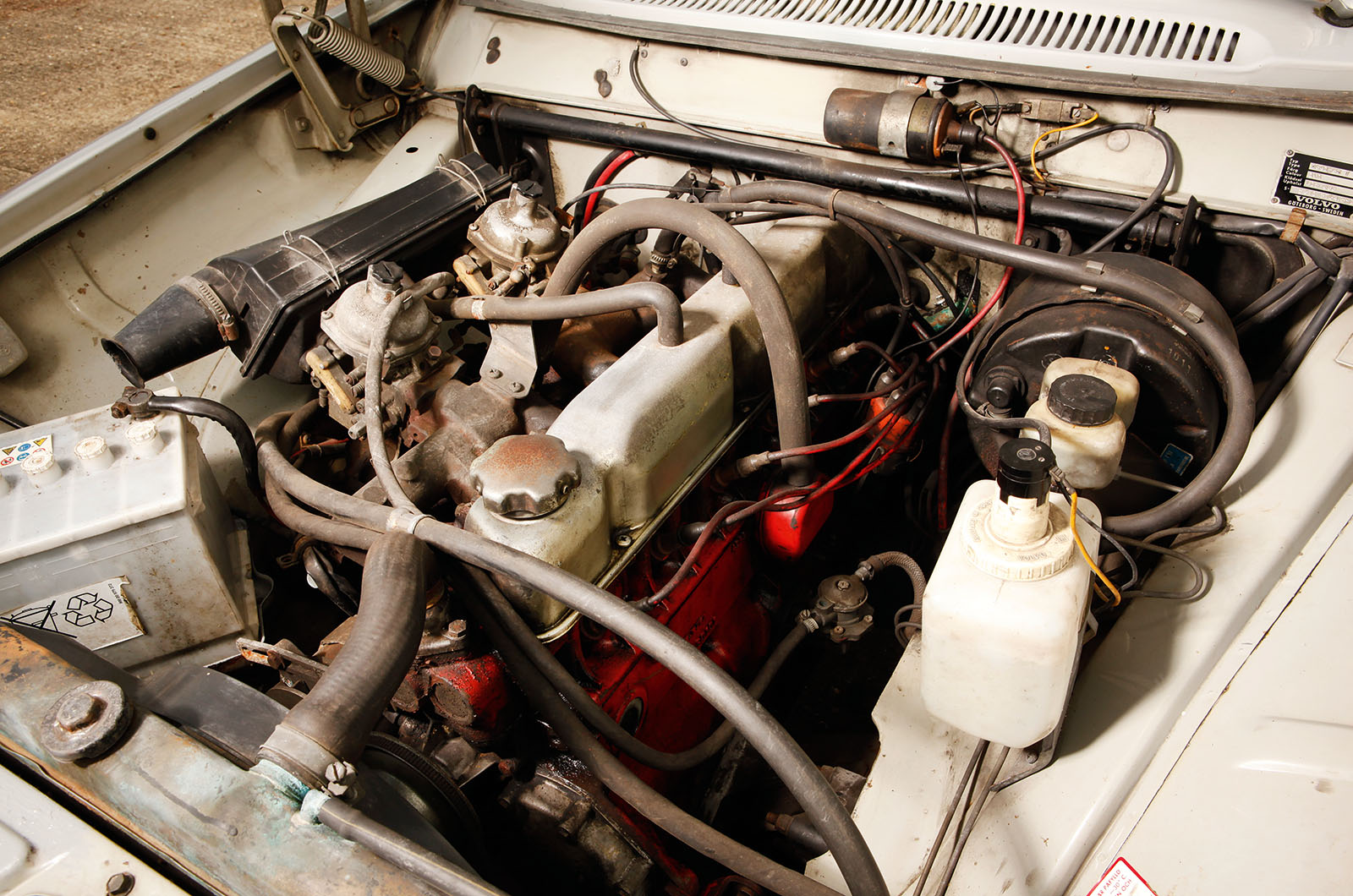
The Volvo 164’s ‘six’ was also used by Marcos
Being an early, non-injected version, Volvo Owners’ Club 164 registrar Roger Sampson’s car offers performance that is smoothly adequate rather than inspiring, with a remote but powerful thrum from an engine that was never used in any other Volvo; subsequent prestige models were powered by the joint-venture ‘Douvrin’ V6.
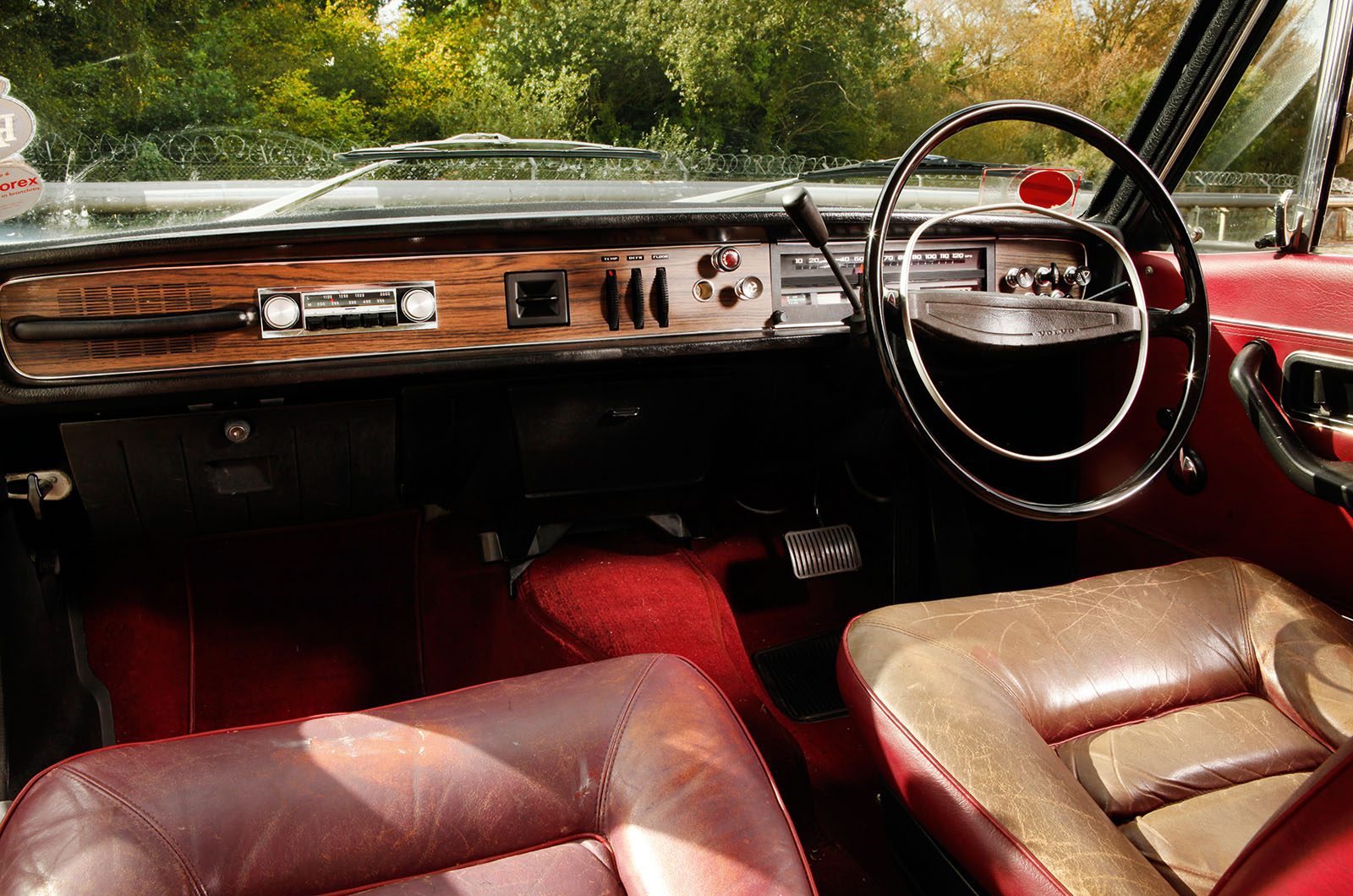
The ribbon speedometer and column shifter for the Borg-Warner automatic give a flavour of the ’60s, but the latter blunts the effortless cruising ability that would have made the four-speed manual plus overdrive, with its pleasing change, a more versatile option.
The Volvo’s seats are comfortable and hold you well as the body roll builds, and understeer takes the fun out of enthusiastic cornering activity.
The Volvo 164’s rational cabin is trimmed with leather
Rover 3500S
Although the P6 was almost a decade old by the time the manual ‘S’ version of the 3500 appeared in 1971, the Rover maintained an air of superiority over its generally more superficial rivals.
That two contenders here are from the same British Leyland corporate stable shows how confused was the big-car line-up of the soon to be state-owned giant.
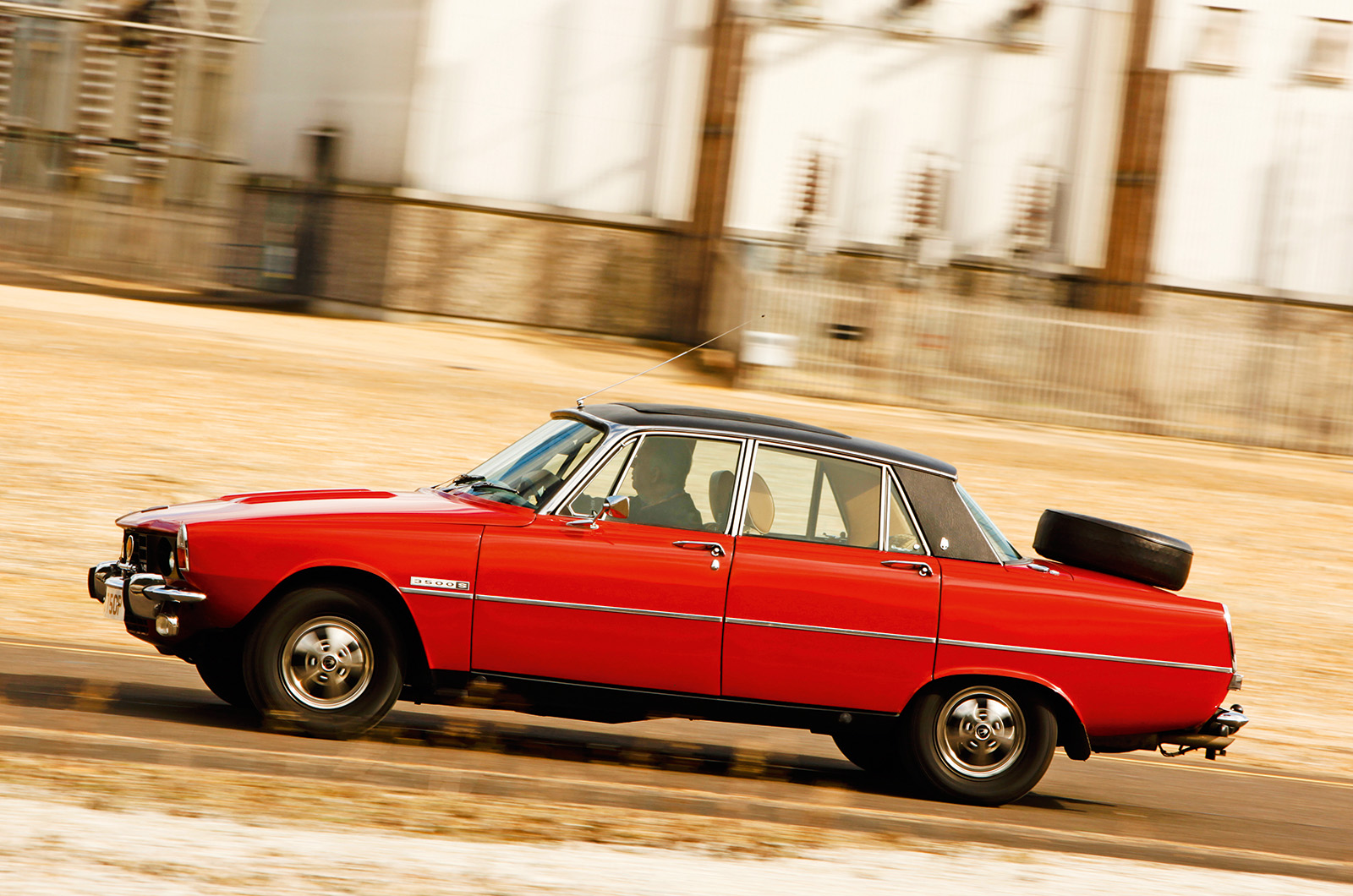
Personally, I like the original chrome-grille 3500 – or Three Thousand Five as it was called at first – and always thought the post-1970 jazzy wheeltrims, plastic grilles and fake bonnet bulges were a little beneath the car’s dignity.
The Rover 3500S has a boot-mounted spare wheel, an odd yet popular P6 option
Even with the big V8, the Rover 3500S is really more what used to be called a ‘sports saloon’ than a barge, and it fitted neatly into the vacuum left by the small-bodied S-type and 420 Jaguars.
It rides softly and roll builds quickly, but the optional power steering makes the Rover feel much wore wieldy than the unassisted versions.
I can’t help thinking the automatic ’box better suits the car’s character, but with a five-speed from an SD1 (a popular conversion), the 3500S has a long and quite economical gait.
From the inside, the Rover 3500S feels relatively narrow and close-coupled, and it is a strict four-seater with those pleasing (and much-imitated) individually sculpted rear seats.
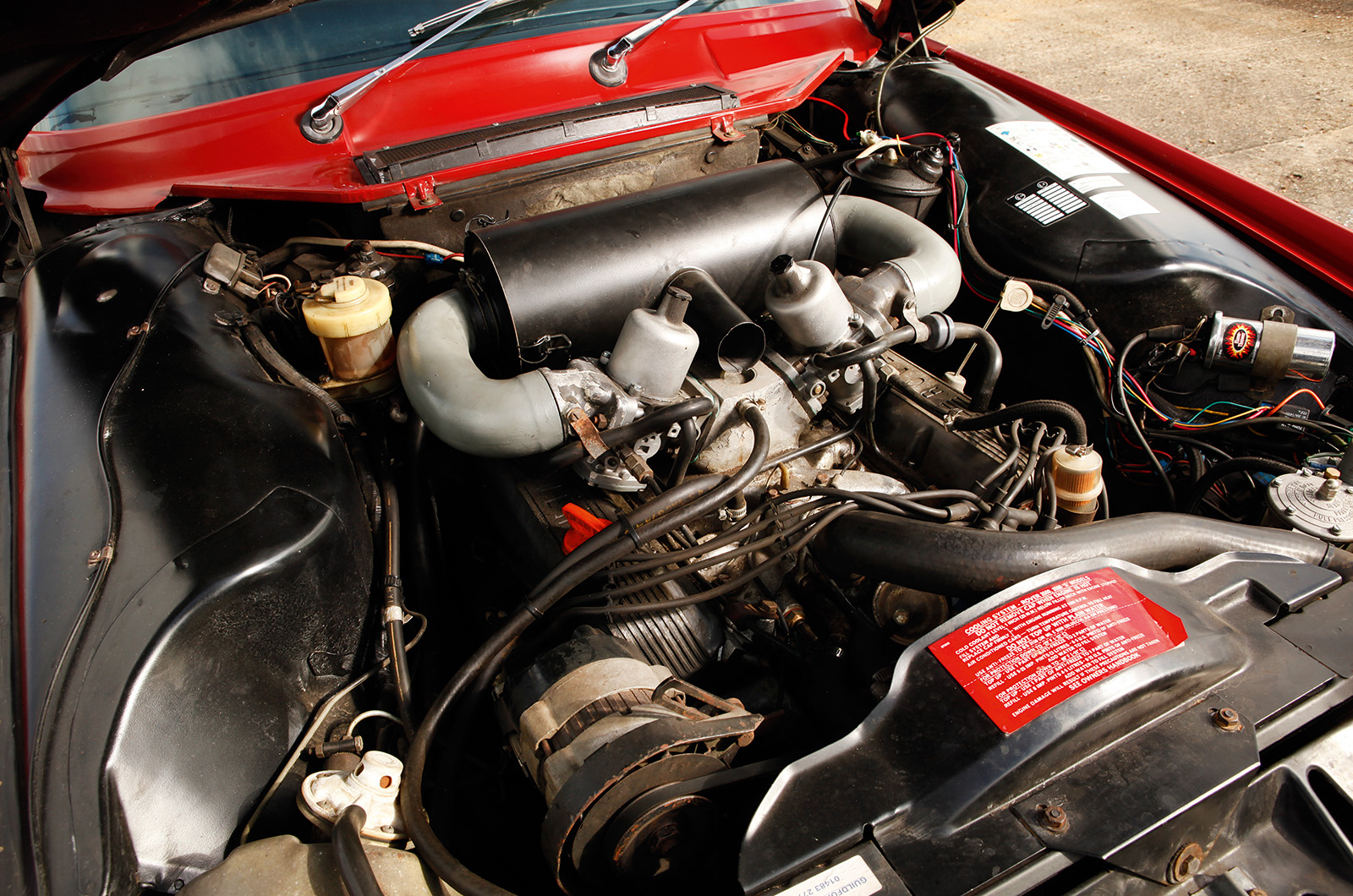
The Rover 3500S has a Buick-derived V8
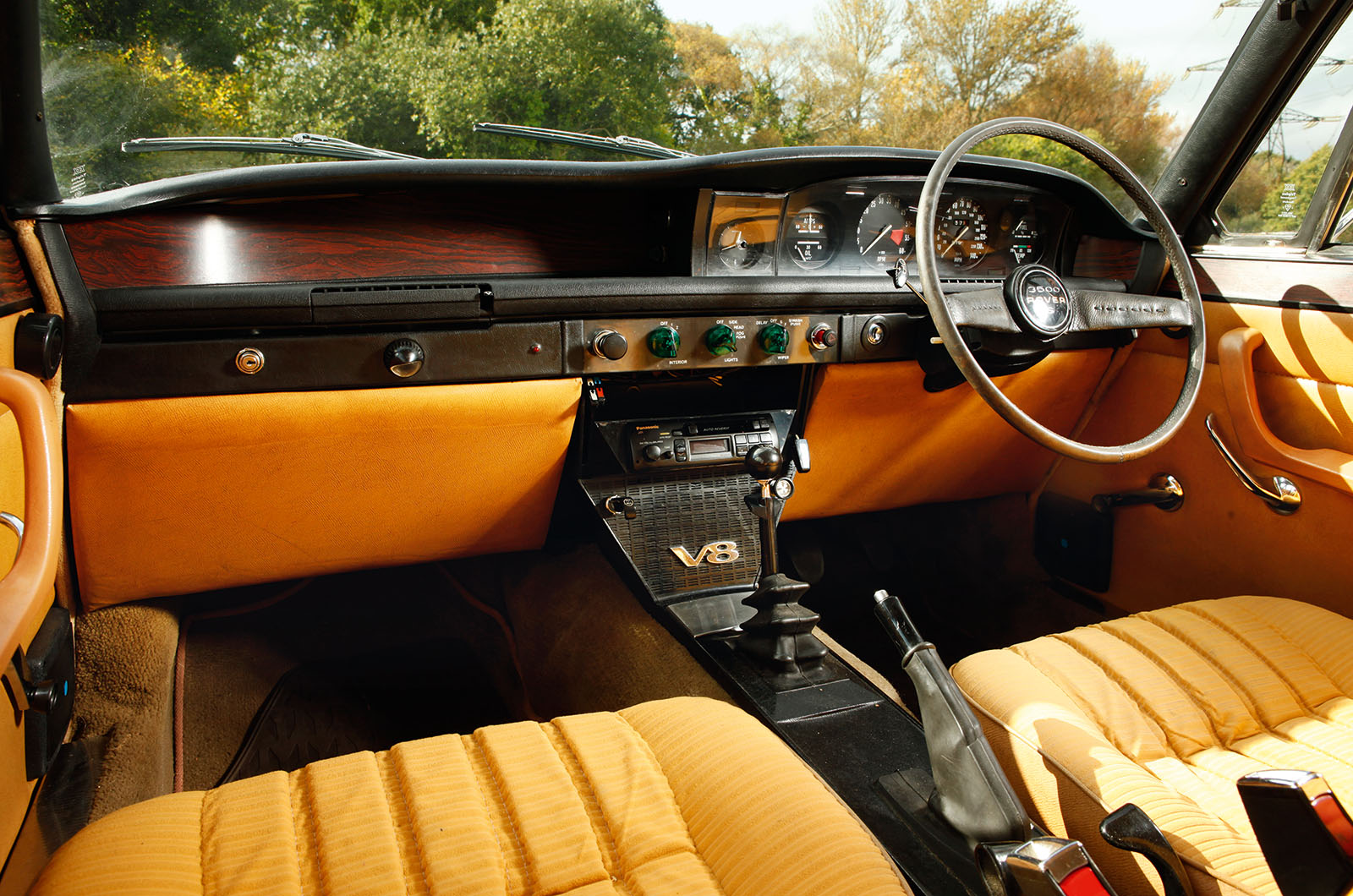
The Rover’s doors shut beautifully, plus it has highly effective face-level ventilation and ergonomically crafted light and wiper controls that feel different to the touch and glow a soft green at night.
It says everything about this car that it is the only one here that is used every day by its owner, Neil Castle, who calculated that it would be cheaper to run than a modern.
Even without the silky pulling power and refinement of three and a half litres and eight cylinders – which really put the 3500 in another league from its smaller-engined rivals – the Rover would be a marvellously planned car that just makes you ask: where did it all go wrong?
The Rover 3500S has a clean dashboard and bright trim
The verdict
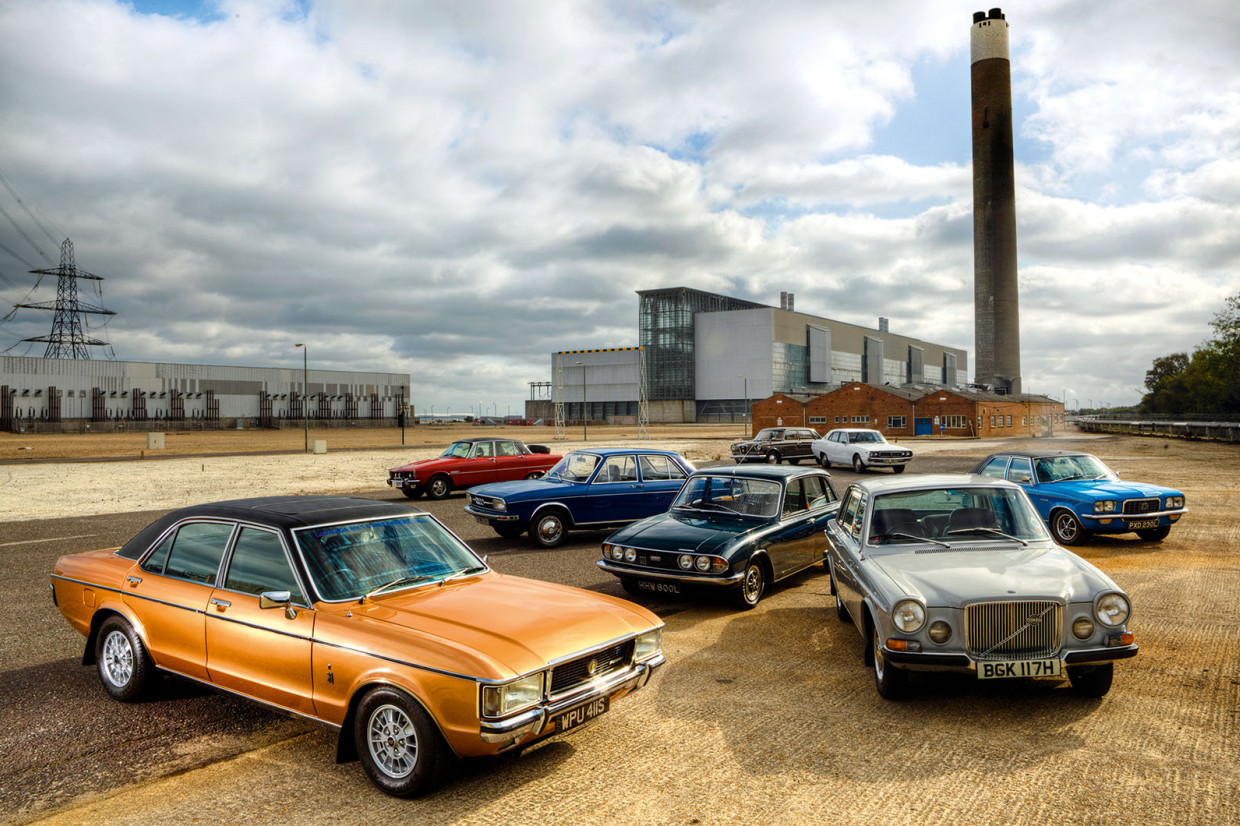
In a classic-car culture focused on ‘fun’ sports cars and all that goes with that particular fantasy, it is fascinating to get a close-up view of the big saloons that make up our relatively recent automotive past.
They represent real variety plus the mores and attitudes of a society that seems like another world.
Today, these cars’ attempts at conveying authority, luxury and status appear almost touchingly naïve.
They get relatively little attention and in some cases face extinction; I seriously wondered when, if ever, I would see some of these classic cars in the metal again.
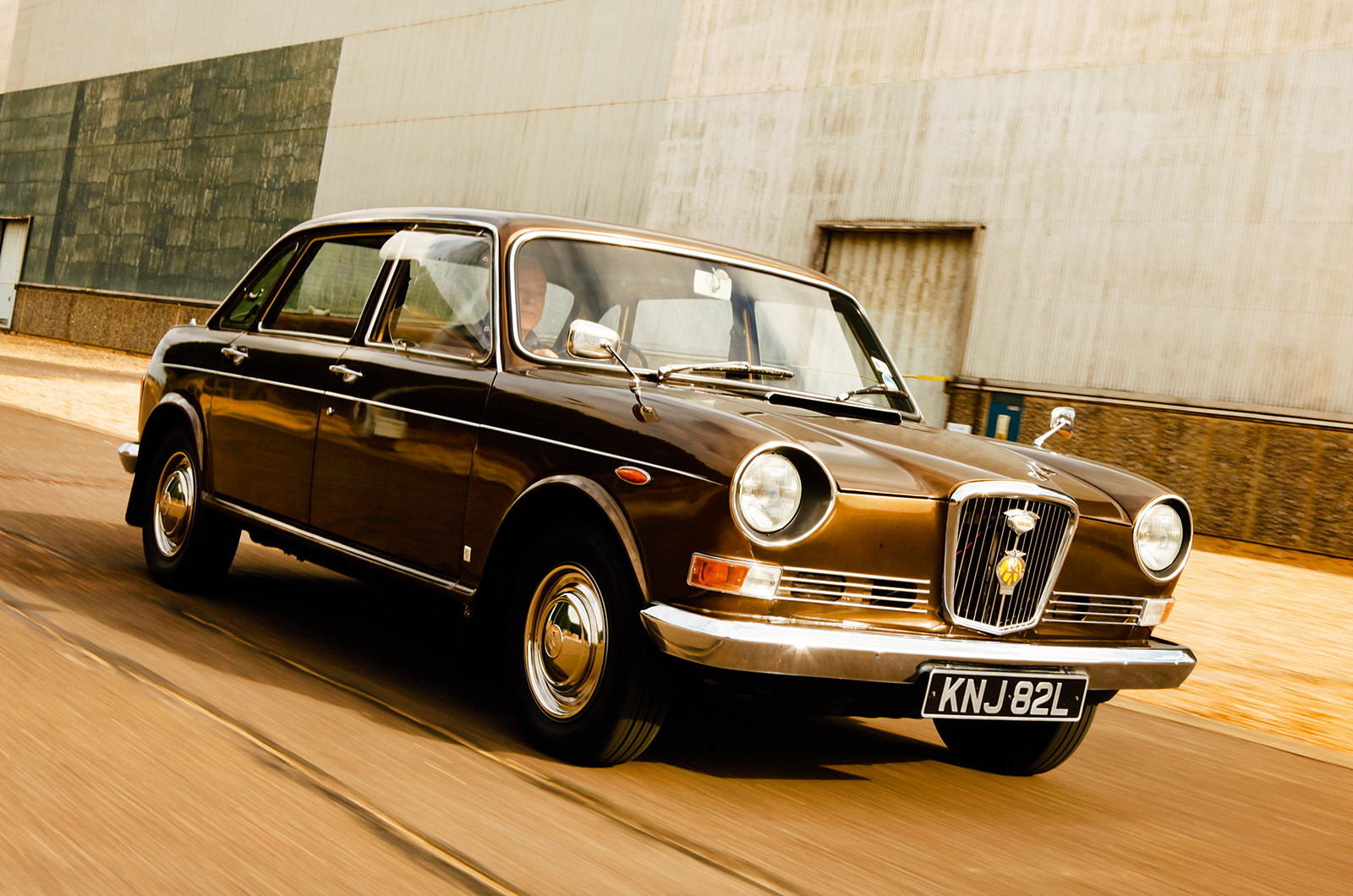
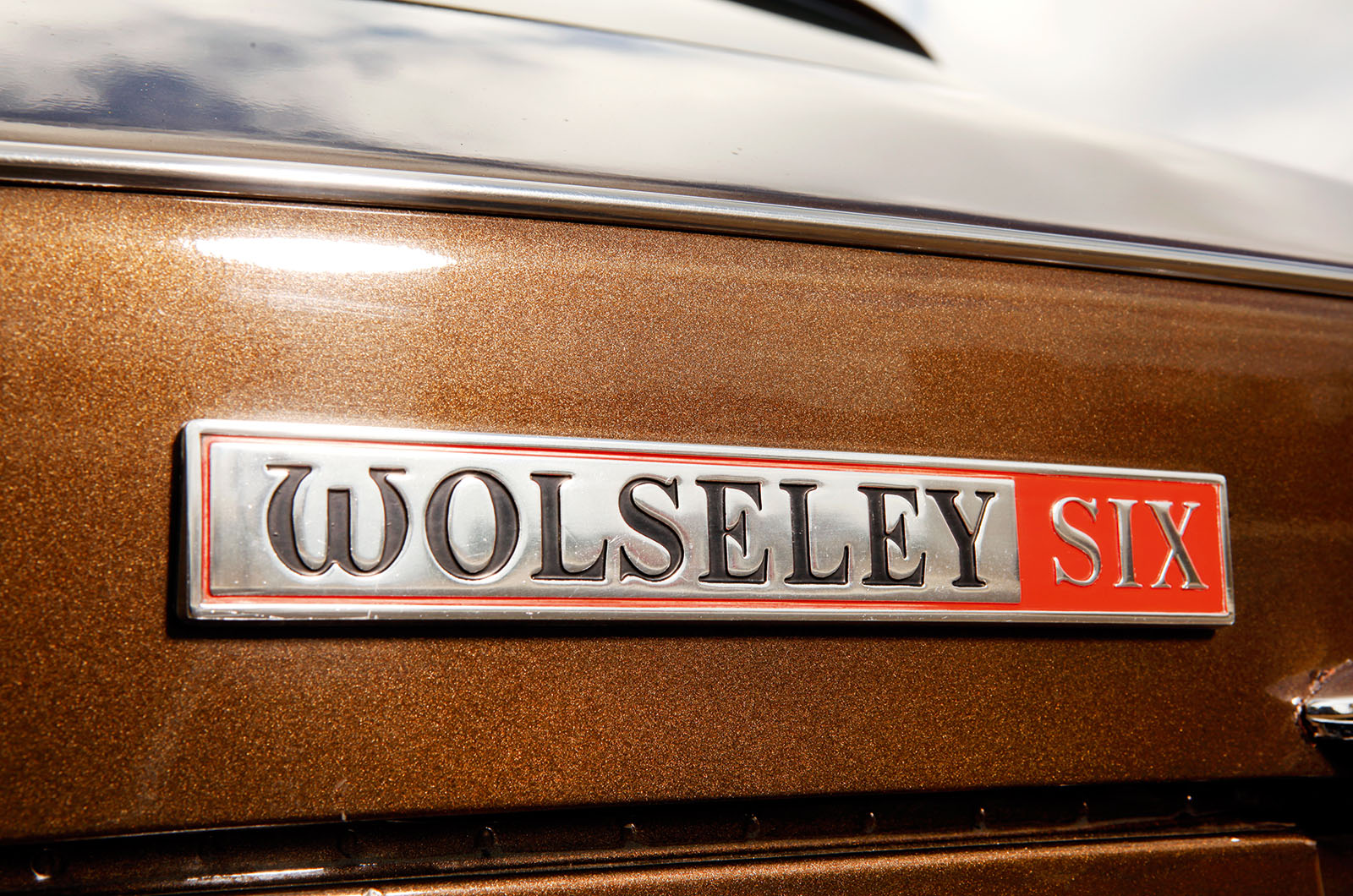
The Wolseley Six’s stately badge
Sports cars seem to get endlessly rebuilt, but 1970s barges are locked in a cycle of attrition as interest in them wanes and spares become, for many, difficult to find.
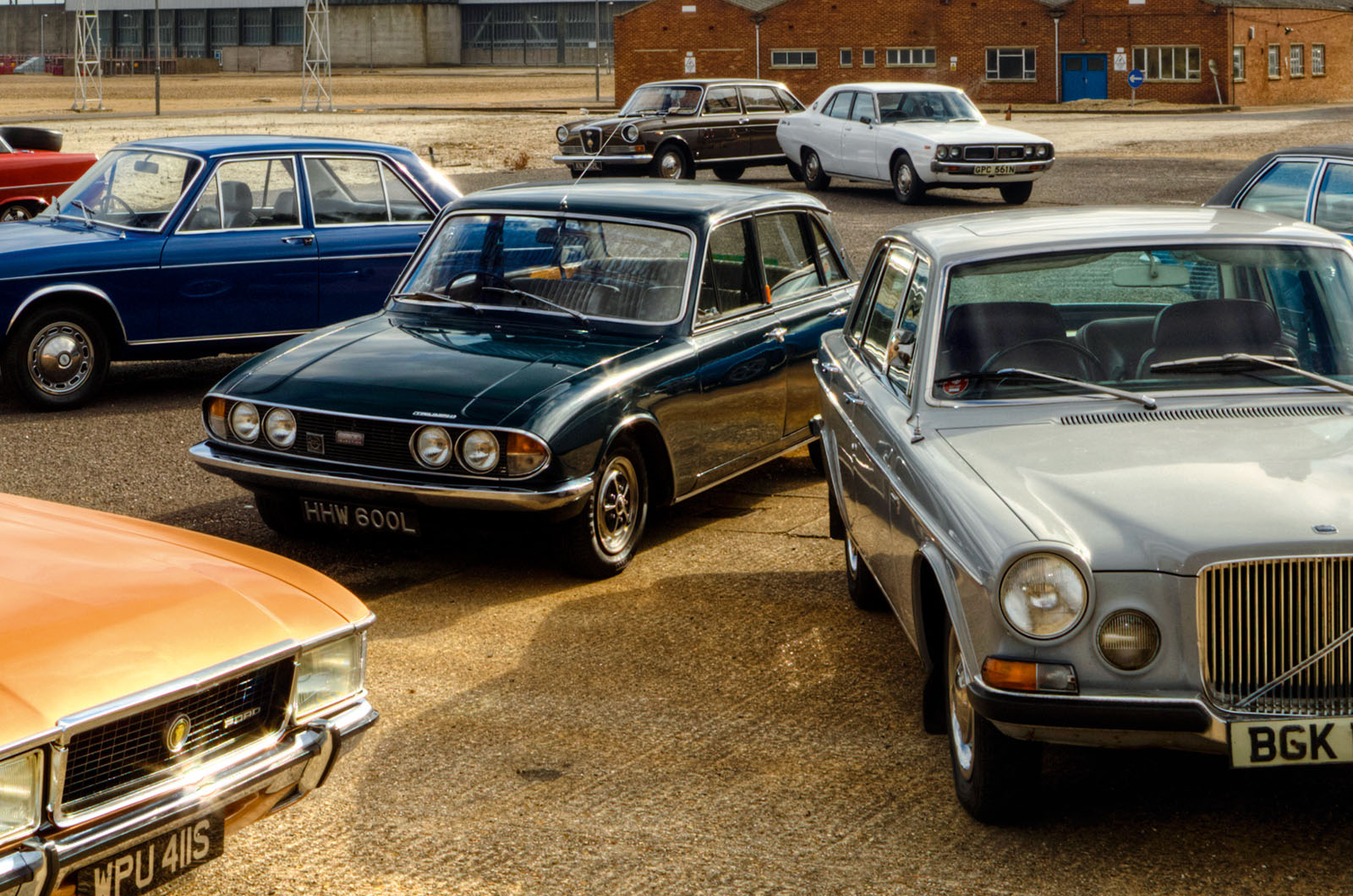
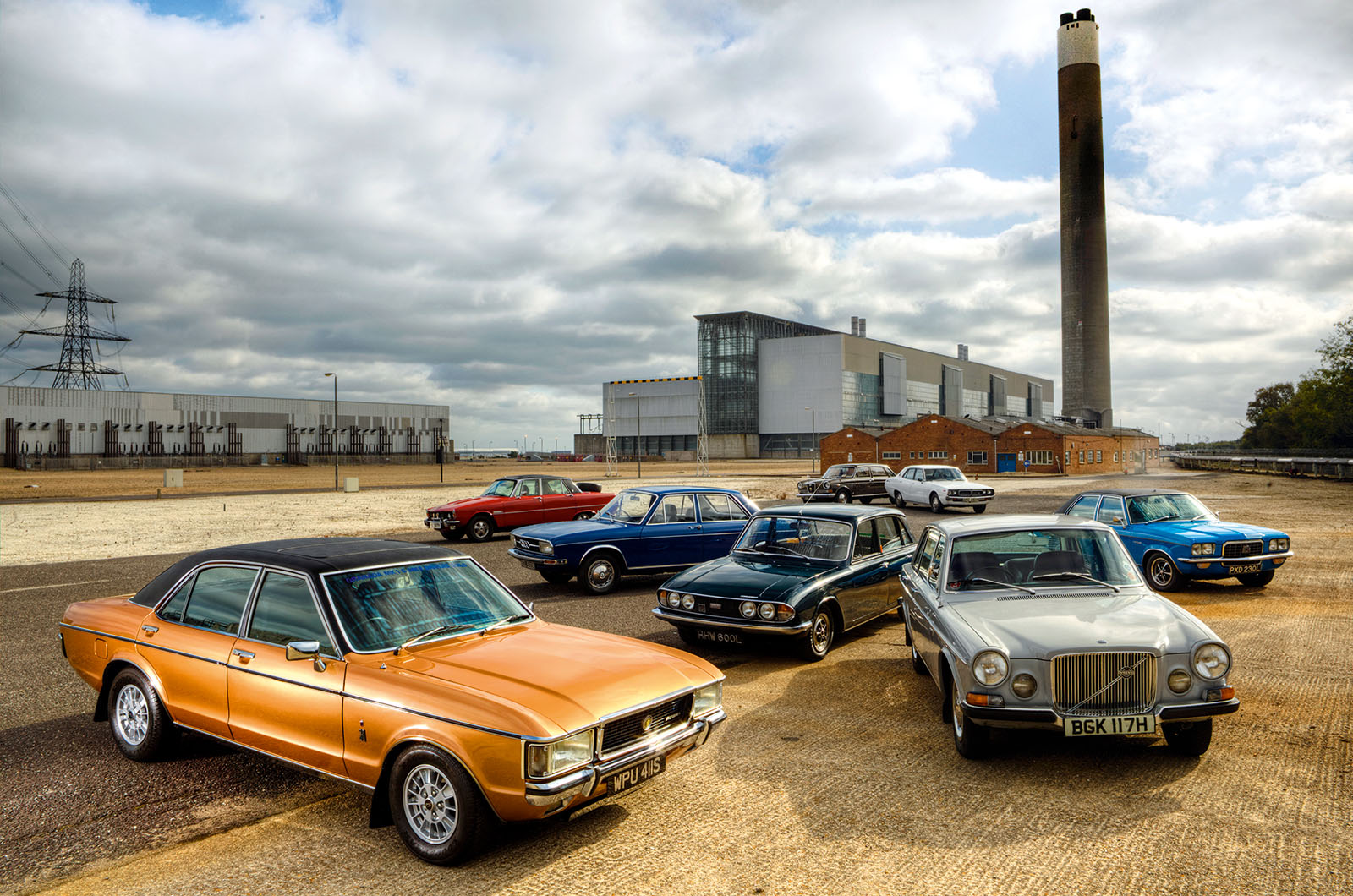
Feeling privileged to have them all in the same place at the same time, I find choosing a favourite difficult.
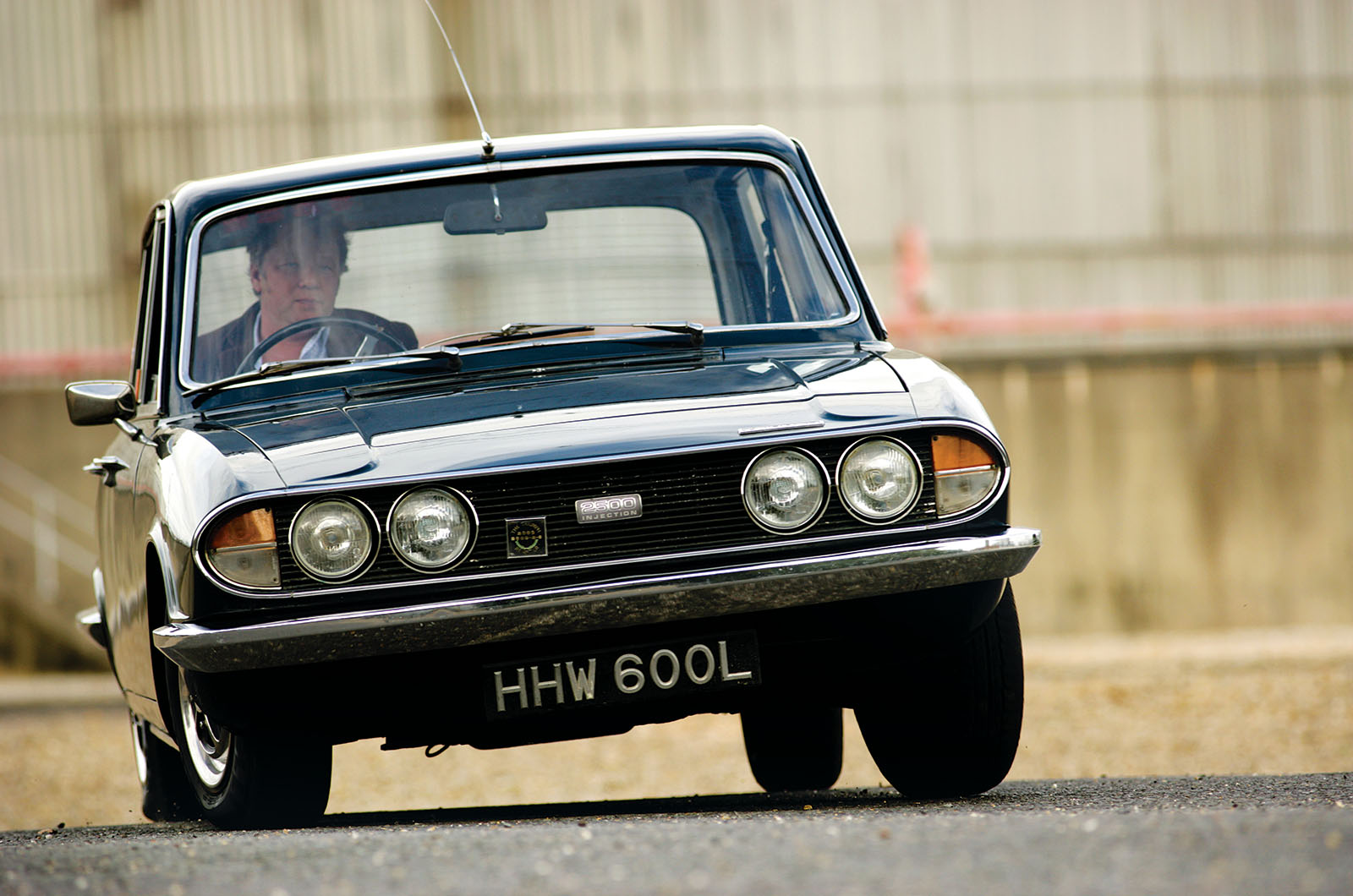
The Rover, Triumph and Audi stand out as having best weathered the test of time, but they lack the kitsch appeal that makes the Vauxhall, Ford, Datsun and, to an extent, the Volvo such essential barge material.
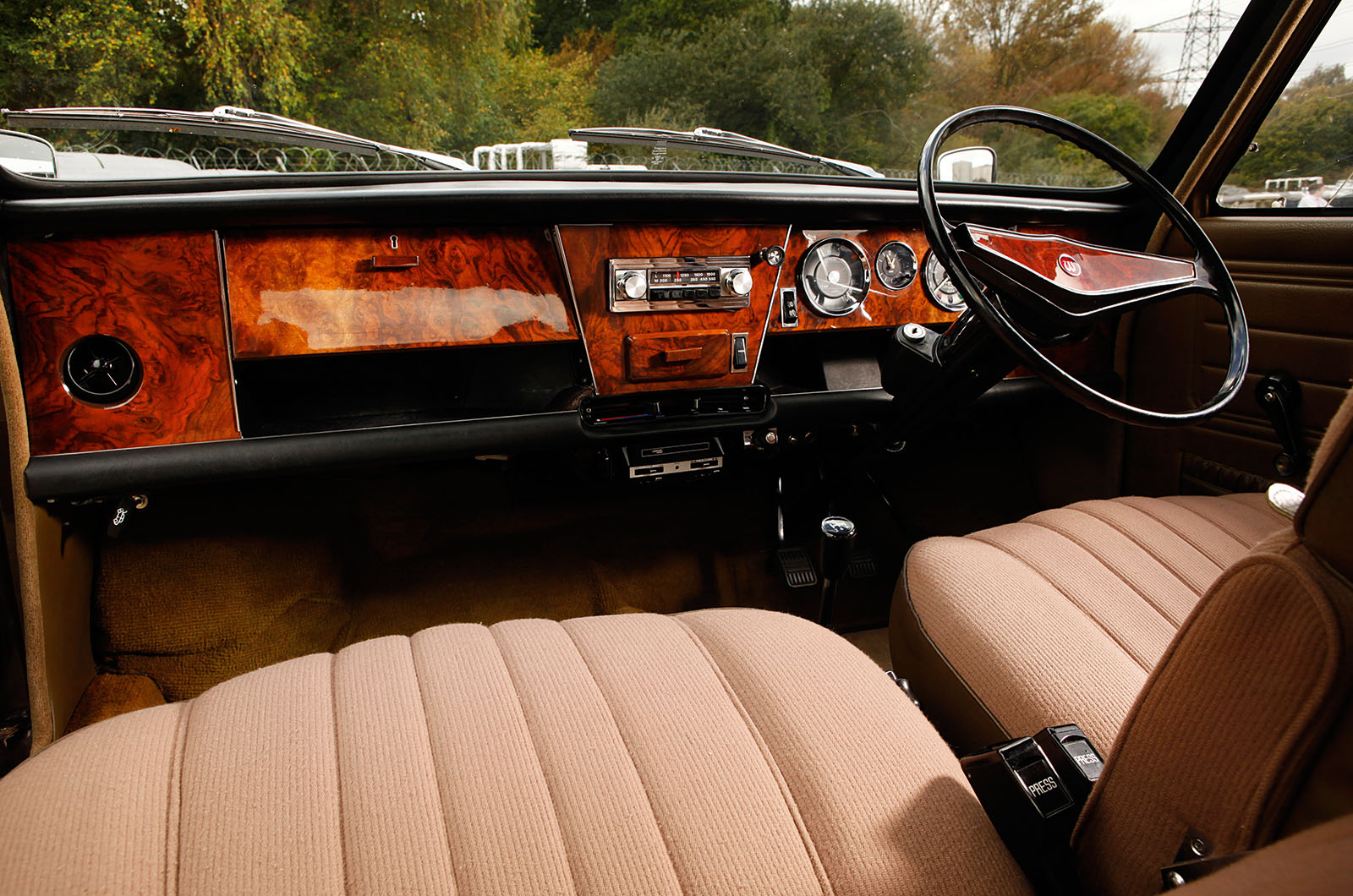
And yet the Wolseley, a product of the coldly analytical mind of a man who avowedly disliked big cars, has a strange allure.
Images: Tony Baker
This was first in our January 2012 magazine; all information was correct at the date of original publication
Factfiles
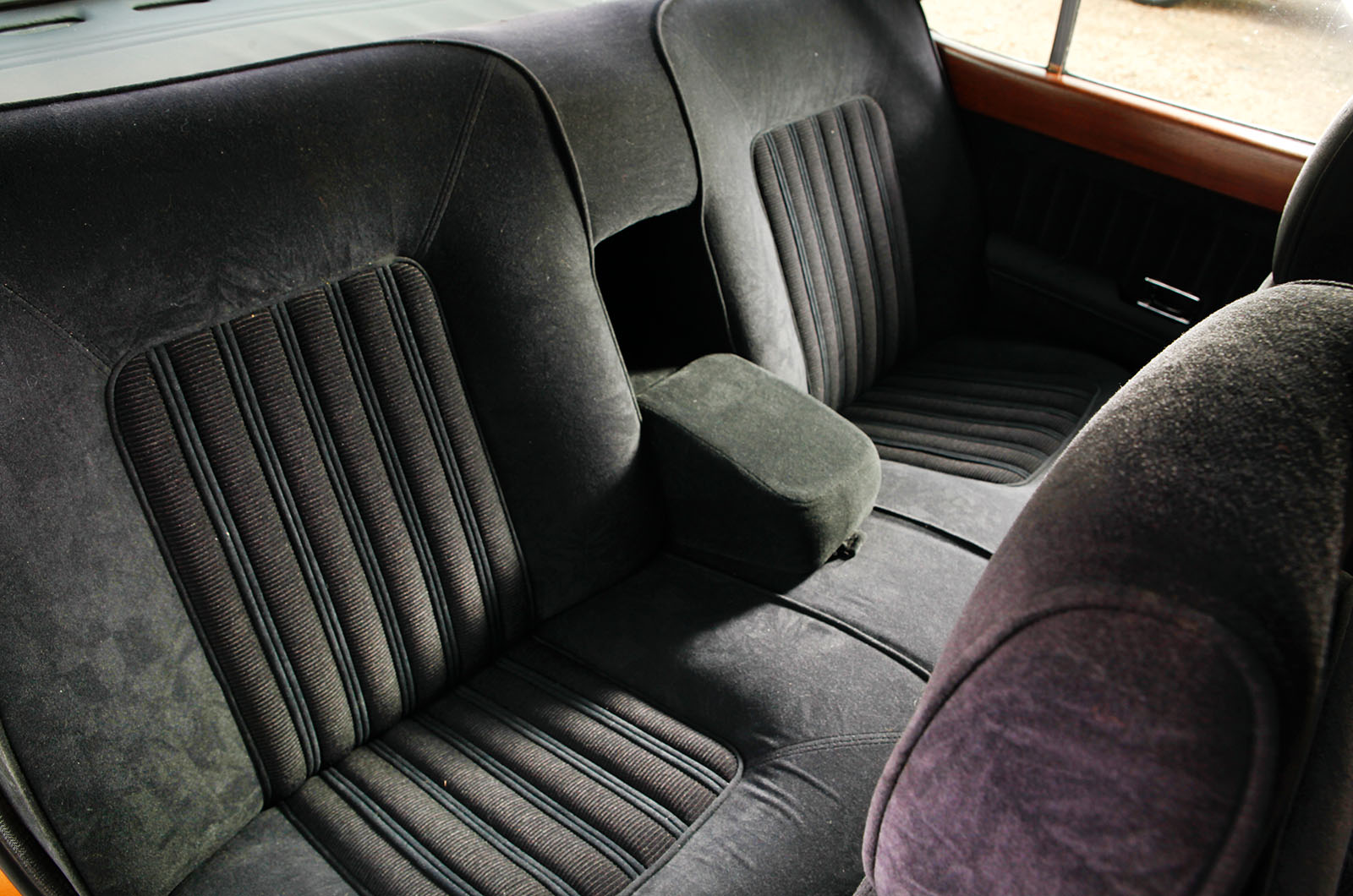
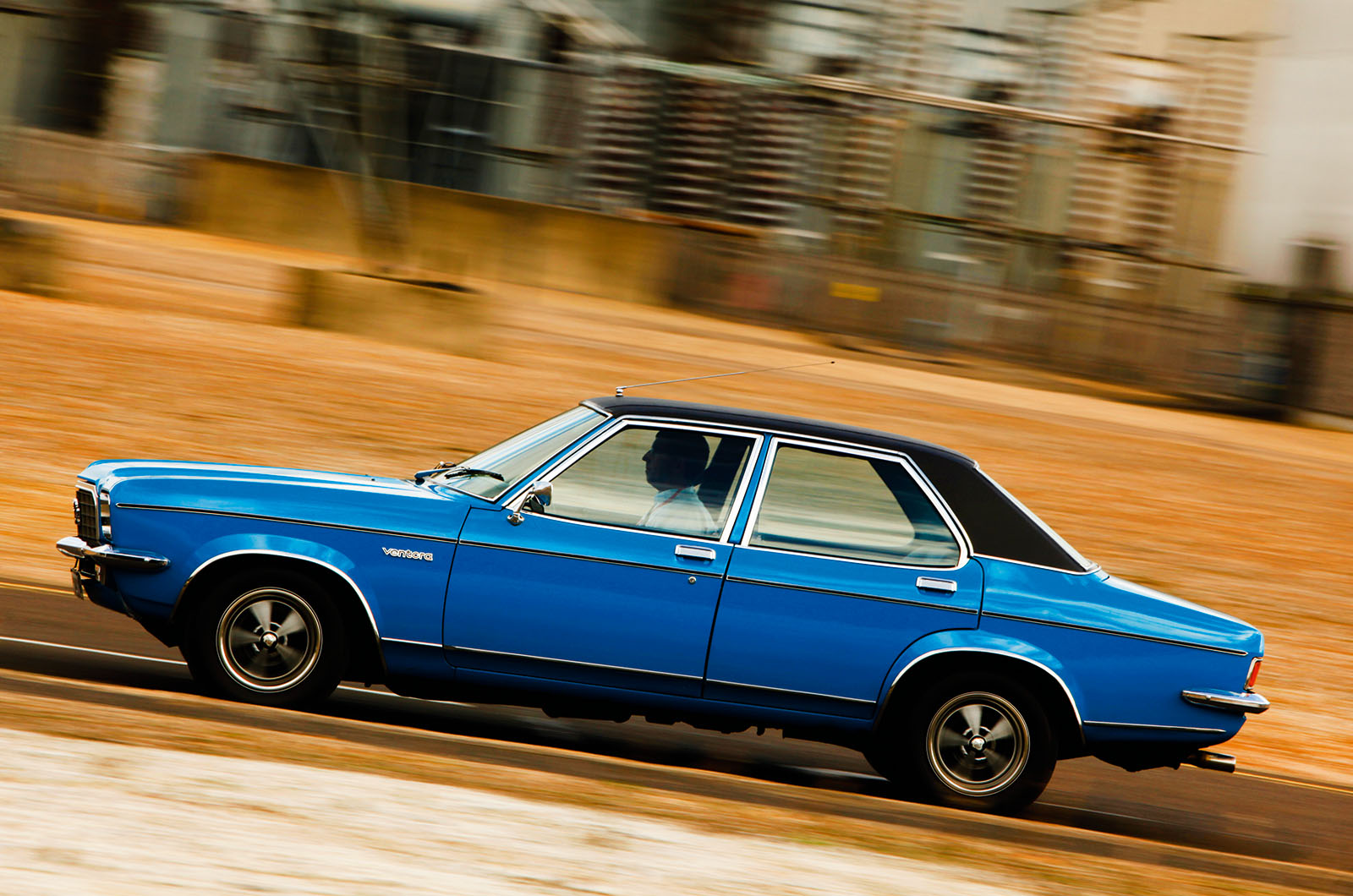
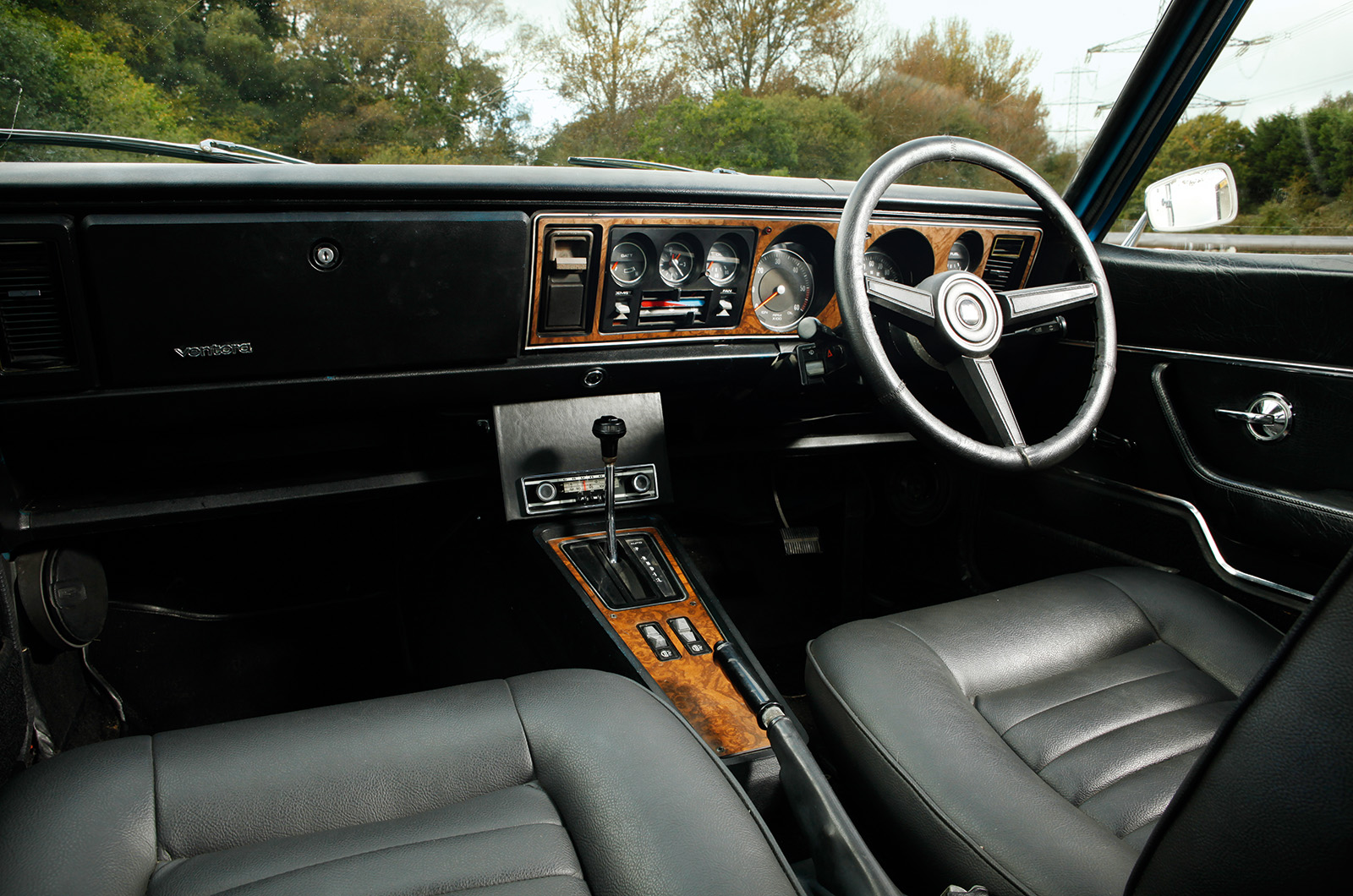
Vauxhall Ventora
- Sold/number built 1972-’76/7291
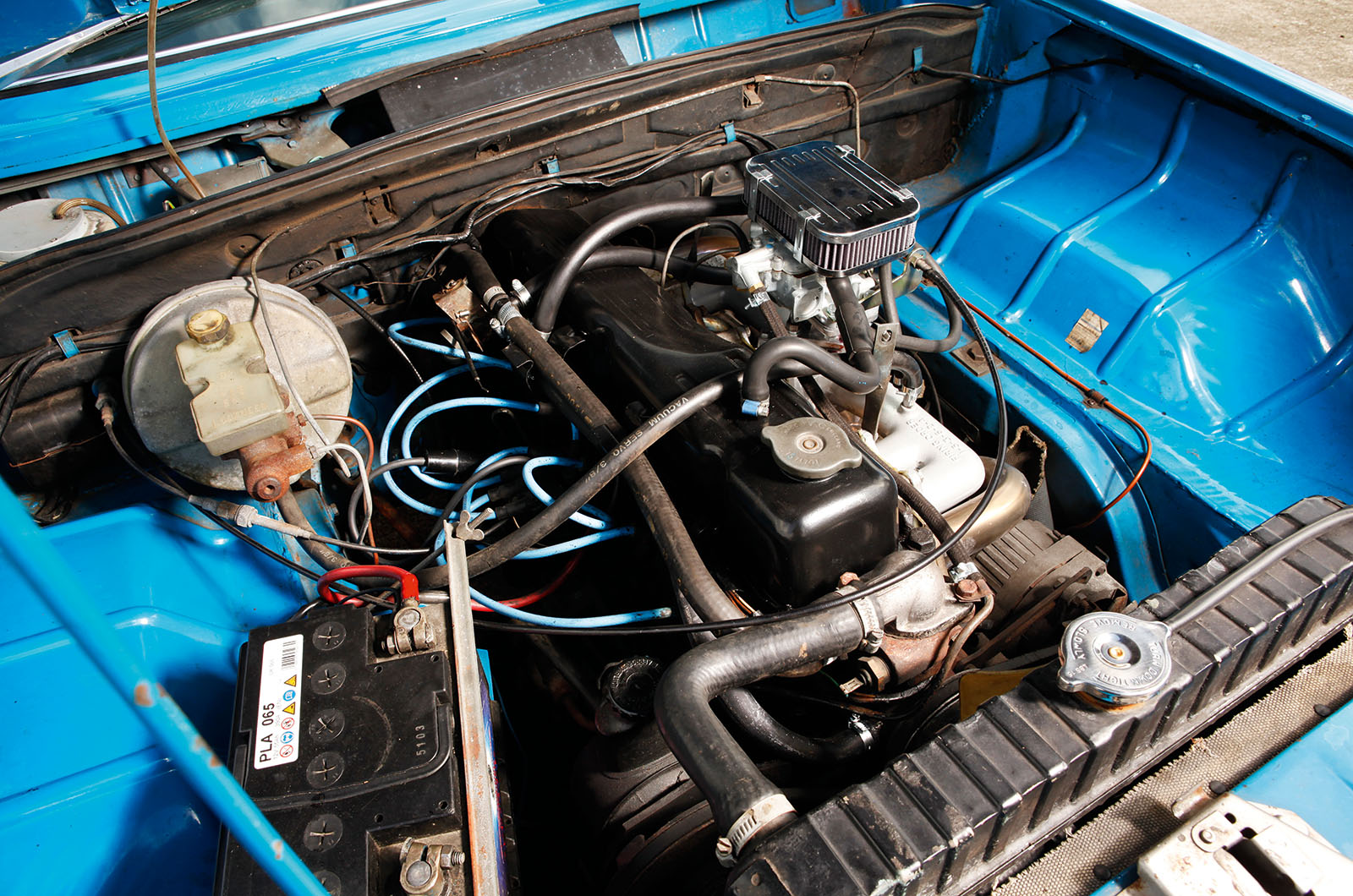
- Engine ohv 3294cc ‘six’, single Zenith carburettor
- Max power 124bhp @ 4600rpm
- Max torque 174lb ft @ 2400rpm
- Transmission three-speed auto, RWD
- Suspension: front independent, by wishbones, anti-roll bar rear live axle, trailing arms, Panhard rod; coil springs, telescopic dampers f/r
- Steering power-assisted rack and pinion
- Brakes discs front, drums rear, with servo
- Weight 2860lb (1297kg)
- 0-60mph 12.8 secs
- Top speed 104mph
- Mpg 20
- Price new £1799
Wolseley Six
- Sold/number built 1972-’75/25,214
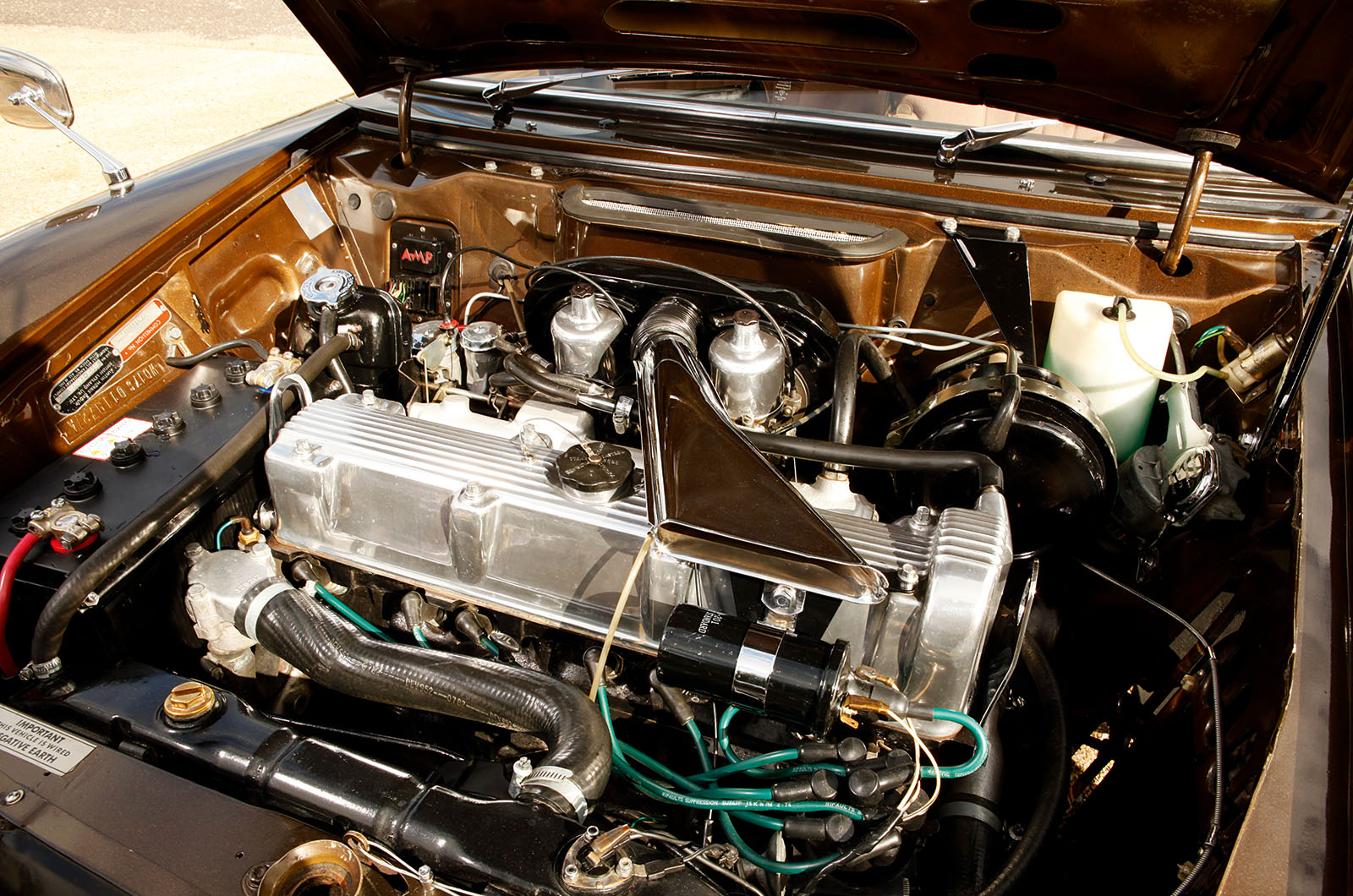
- Engine ohc 2227cc ‘six’, twin SU carburettors
- Max power 110bhp @ 5250rpm
- Max torque 126lb ft @ 3500rpm
- Transmission four-speed manual, FWD
- Suspension independent, at front by double wishbones rear trailing arms; hydrolastic spring/damper units f/r
- Steering rack and pinion
- Brakes discs front, drums rear, with servo
- Weight 2617lb (1187kg)
- 0-60mph 12.7 secs
- Top speed 102mph
- Mpg 26
- Price new £1719.58
Triumph 2.5 PI Mk2
- Sold/number built 1969-’75/49,742
- Engine ohv 2498cc ‘six’, Lucas fuel injection
- Max power 132bhp @ 5500rpm
- Max torque 153lb ft @ 2000rpm
- Transmission four-speed manual, optional overdrive, RWD
- Suspension independent, at front by MacPherson struts rear semi-trailing arms, coils, telescopic dampers; anti-roll bar f/r
- Steering power-assisted rack and pinion
- Brakes discs front, drums rear, with servo
- Weight 2688lb (1219kg)
- 0-60mph 11 secs
- Top speed 108mph
- Mpg 24
- Price new £2189
Ford Granada 3.0 Ghia
- Sold/number built 1972-’77/846,609 (all Mk1s)
- Engine ohv 2994cc V6, Weber carburettor
- Max power 138bhp @ 5000rpm
- Max torque 132lb ft @ 3000rpm
- Transmission three-speed auto, RWD
- Suspension independent, at front by wishbones, anti-roll bar rear semi-trailing arms; coil springs, telescopic dampers f/r
- Steering power-assisted rack and pinion
- Brakes discs front, drums rear, with servo
- Weight 3025lb (1372kg)
- 0-60mph 10 secs
- Top speed 110mph
- Mpg 24.5
- Price new £2204 (GXL)
Datsun Skyline 240K GT
- Sold/number built 1972-’77/700,155
- Engine ohc 2393cc ‘six’, Hitachi carburettor
- Max power 111bhp @ 5000rpm
- Max torque 132lb ft @ 3600rpm
- Transmission three-speed auto, RWD
- Suspension independent, at front by MacPherson struts rear semi-trailing arms, coils, telescopic dampers; anti-roll bar f/r
- Steering power-assisted recirculating ball
- Brakes discs front, drums rear, with servo
- Weight 2579lb (1170kg)
- 0-60mph 11 secs
- Top speed 112mph
- Mpg 26
- Price new £1997
Audi 100 LS
- Sold/number built 1968-’76/796,787 (all 100s)
- Engine ohv 1760cc ‘four’, Solex carburettor
- Max power 100bhp @ 5000rpm
- Max torque 100lb ft @ 3000rpm
- Transmission four-speed manual, FWD
- Suspension: front independent, by double wishbones rear beam axle, trailing arms, Panhard rod; coil springs, telescopic dampers, anti-roll bar f/r
- Steering rack and pinion
- Brakes discs front, drums rear, with servo
- Weight 2407lb (1092kg)
- 0-60mph 12.7 secs
- Top speed 104.2mph
- Mpg 29.7
- Price new £1938
Volvo 164
- Sold/number built 1968-’75/155,068
- Engine ohv 2978cc ‘six’, twin Zenith carburettors
- Max power 145bhp @ 5500rpm
- Max torque 163lb ft @ 3000rpm
- Transmission three-speed automatic, RWD
- Suspension: front independent, by double wishbones, anti-roll bar rear live axle, radius arms, transverse link; coil springs, telescopic dampers f/r
- Steering recirculating ball
- Brakes discs, with servo
- Weight 3135lb (1422kg)
- 0-60mph 12.8 secs
- Top speed 107mph
- Mpg 19.5
- Price new £3450
Rover 3500S
- Sold/number built 1970-’77/19,896
- Engine ohv 3528cc V8, twin SU carburettors
- Max power 150bhp @ 5000rpm
- Max torque 204lb ft @ 2700rpm
- Transmission four-speed manual, RWD
- Suspension: front independent, by double wishbones, anti-roll bar rear de Dion axle, Watt linkage; coil springs, telescopic dampers f/r
- Steering recirculating ball
- Brakes discs, with servo
- Weight 3002lb (1362kg)
- 0-60mph 10.2 secs
- Top speed 122mph
- Mpg 22.3
- Price new £2444.11
Enjoy more of the world’s best classic car content every month when you subscribe to C&SC – get our latest deals here
READ MORE
Alfa Romeo, Rover, Ford, Peugeot, Toyota and Talbot: battle of the barges
Austin 3 Litre vs Wolseley Six: affordable luxury
Vauxhall Ventora 2: underrated and ready for adventure
Martin Buckley
Senior Contributor, Classic & Sports Car