Wynne Mitchell: rallying’s Mr Fixit

| 12 Jun 2026
Classic & Sports Car – Wynne Mitchell: rallying’s Mr Fixit

The anecdote has thus far been delivered by detour and digression.

Wynne Mitchell is doubled up in mirth as he recounts a story surrounding Tony Pond’s third-place finish on the 1985 RAC Rally of Great Britain.

The event marked the international debut for the MG Metro 6R4, which he’d helped midwife into being.

Behind the scenes, however, it was chaos after the competition chief’s Rover SD1 chase car blew its engine when exiting Carlisle.

It was at this juncture that a secondhand Saab was appropriated from a forecourt, a Range Rover was purloined and a Mercedes-Benz hired.
Classic & Sports Car – Wynne Mitchell: rallying’s Mr Fixit

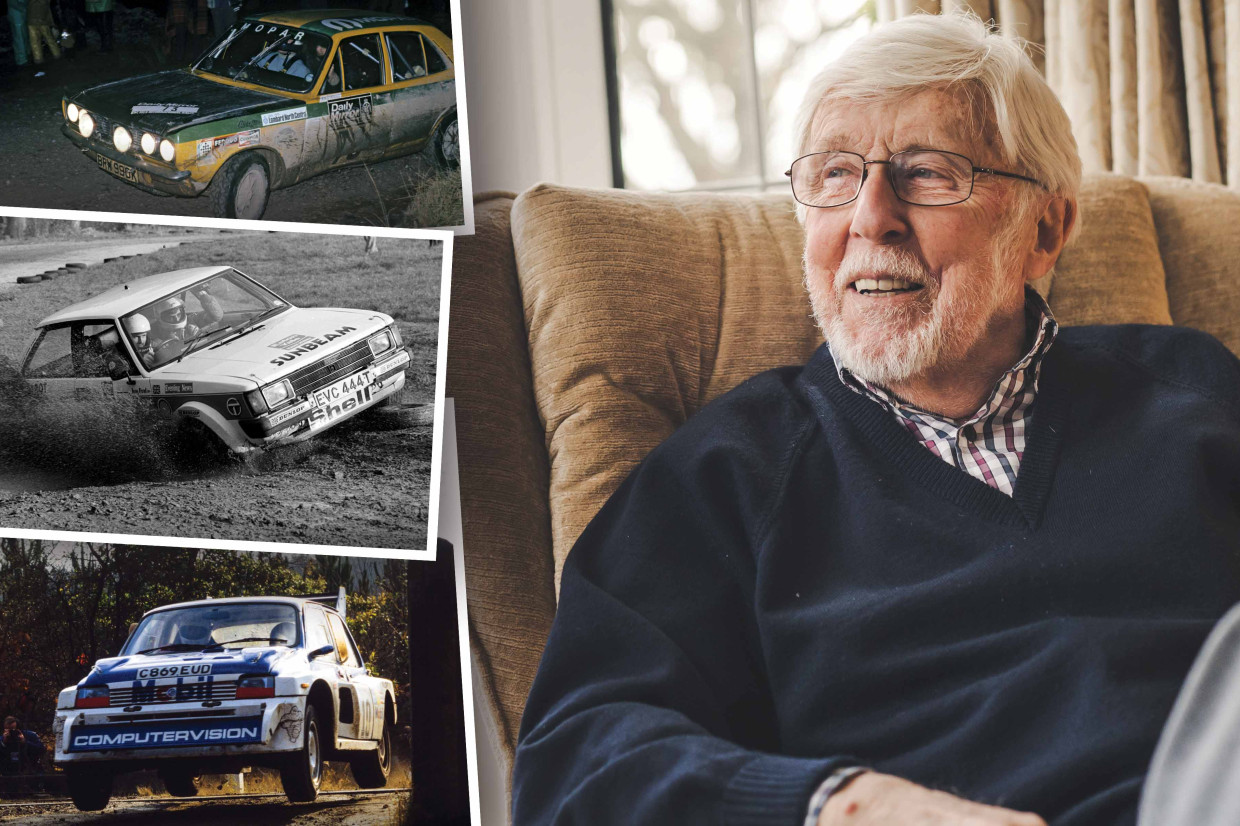
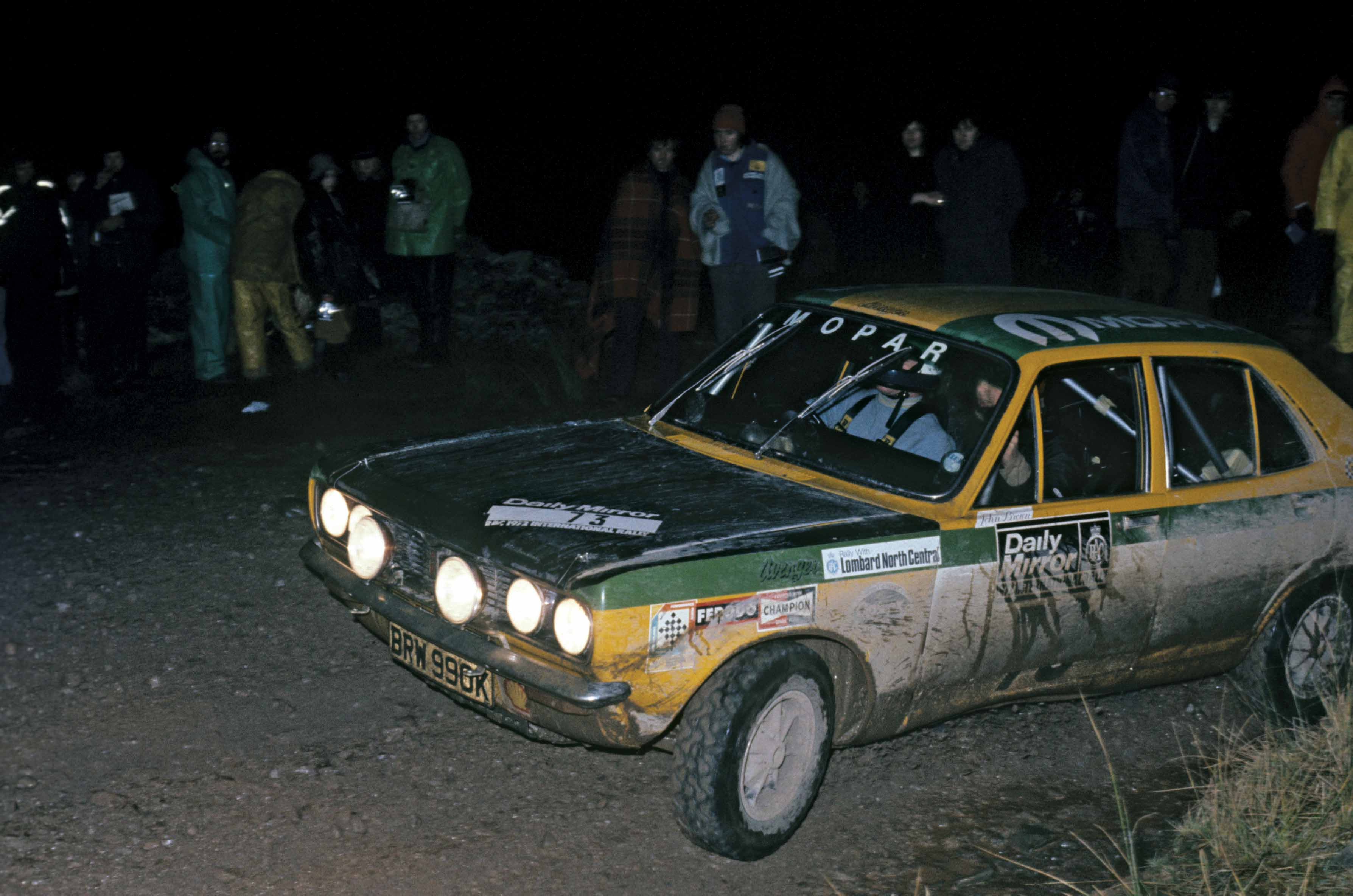
Colin Malkin and John Brown in the Hillman Avenger on the 1972 RAC Rally © Getty

“It was a madhouse,” our hero insists. “Honestly, you wouldn’t believe some of the things that went on behind the scenes on rallies back then.

“I didn’t believe them at the time, and I was there. You did what you had to do to keep going.”

And with that, conversation turns to an only partially libellous story surrounding a former star driver’s after-hours activities; this then coalesces into a yarn involving high-profile team principals’ misdeeds.
“Now, I probably shouldn’t be telling you this,” he invariably says, before segueing into another story that is annoyingly unprintable.

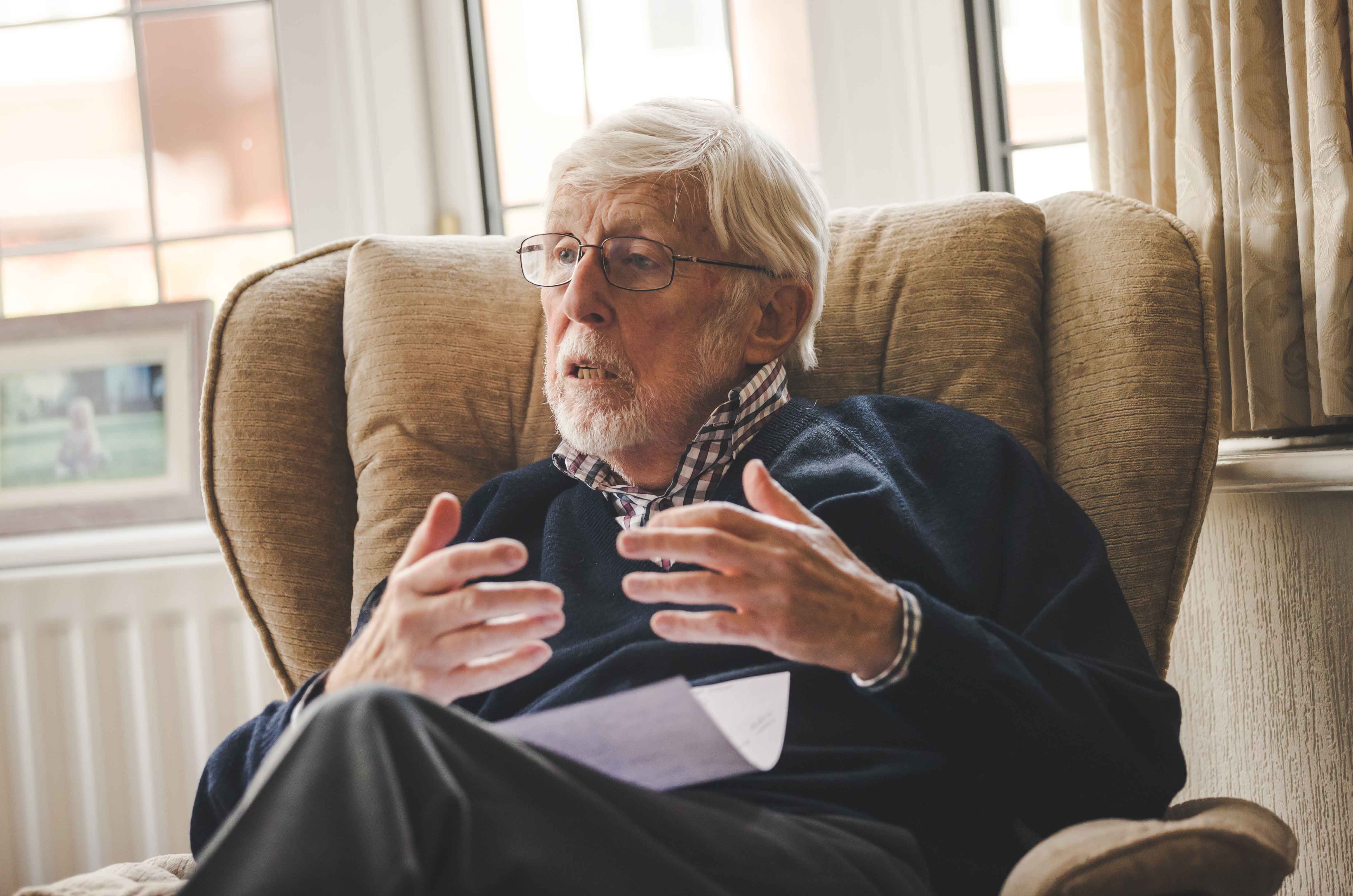
Wynne Mitchell is instantly likeable and almost pathologically humble, conferring credit on others rather than basking in the glow of his own achievements.

His dabs are all over many a rally weapon and also several well-known road cars. 

“I was born in Glyncorrwg,” he says. “My father had buses, and his family before him had charabancs and taxis, so the interest in transport was always there.

“When I left school, some of my friends went down the mines and some went to the steelworks. A few got into teaching. That didn’t interest me.”

Classic & Sports Car – Wynne Mitchell: rallying’s Mr Fixit

Wynne Mitchell has fond memories of his days on the rallying scene

“I wanted to do something that involved cars, but there was nothing in South Wales,” he says.

“Then I saw an advert in The Autocar: Jaguar had a few vacancies for students.

“I wrote to them and then went to Coventry for an interview. I was told to finish my A-levels and apply the following year.”

He finished his studies, but instead joined the Rootes Group in 1955.

Wynne adds: “I did a sandwich course in mechanical engineering at Aston University as part of my training. I then worked in Ryton, where the Hillman Imp was being developed.”

Warming to the theme, he continues: “In time, I became project development engineer for the Imp Sport and the Asp sports car, which sadly didn’t come to anything.

“I then became the liaison between the competitions department and the engineering side.

“That started in 1965 and it was an eye-opener. I remember going to Bagshot, where the rally Imp was being tested by Peter Harper.

“There were these one-in-three ramps and Peter had the accelerator flat against the bulkhead as he went through the gears – and this as we went downhill. I thought he had lost his mind.”

Cue more laughter. 

Classic & Sports Car – Wynne Mitchell: rallying’s Mr Fixit

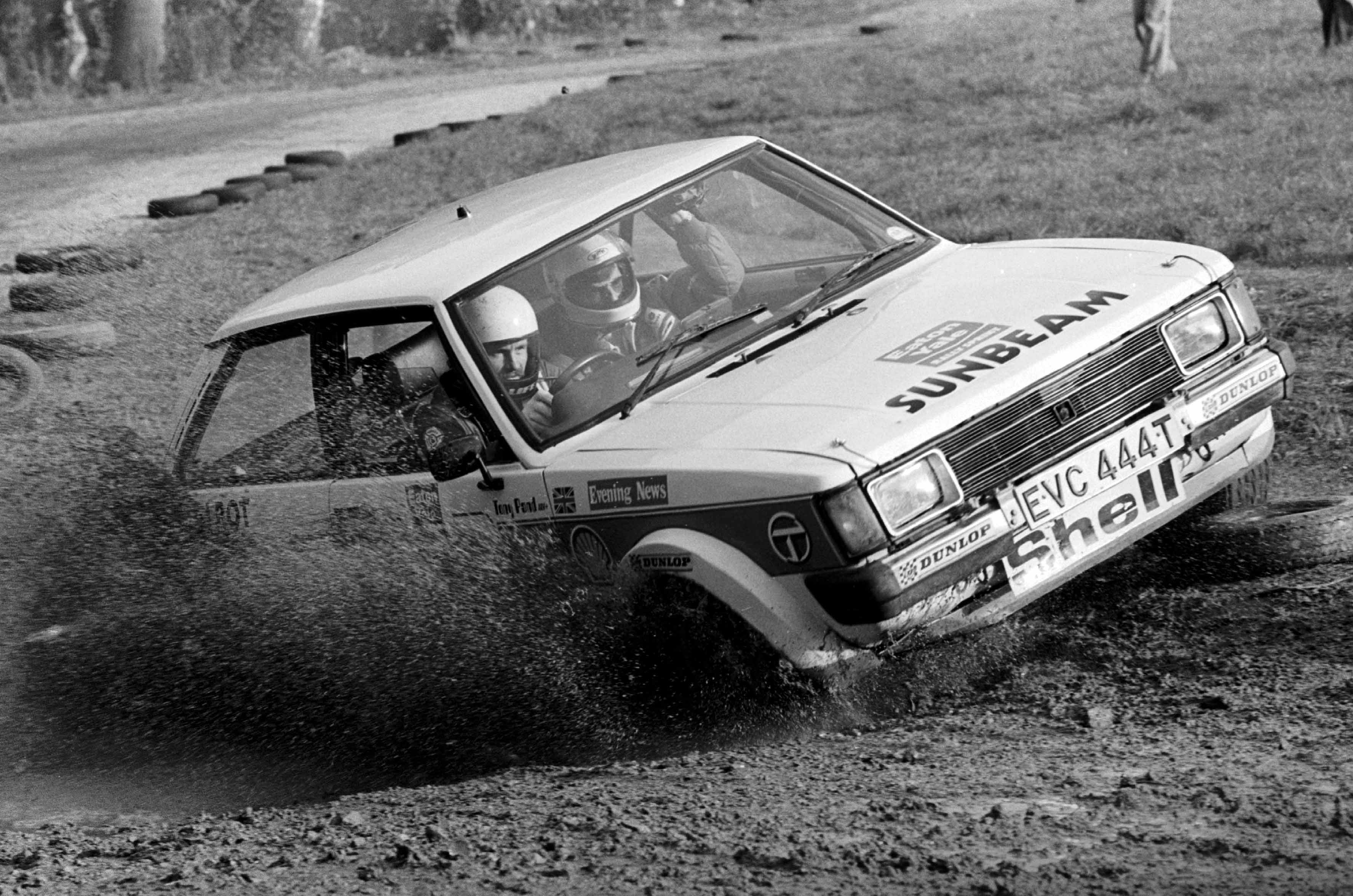
Tony Pond attacks the Eaton Yale Rallysprint in the Talbot Sunbeam Lotus, a car Wynne Mitchell helped conceive © Getty

Motorsport would then provide a welcome distraction from, say, Federalising the Hillman Avenger-based Plymouth Cricket for the US market.

“You have to remember what it was like back then,” explains Wynne. “There were five-year plans every few months, and obviously Chrysler exerted more and more influence [it assumed complete control in 1970].

“We won the London-Sydney Rally in late 1968 and the competition department was closed the following March. After that we sort of ticked over on the quiet.

“We properly reopened in October 1972 and did the RAC Rally a month later, with Colin Malkin in a 93bhp Avenger.

“That year, we – the Chrysler Competitions Centre – came up with the Avenger Tiger.

“We decided on the springs, damper settings and so on, while the styling department dolled it up with spoilers and stripes.

“To the outside world, I was the assistant competitions manager to the boss, Des O’Dell; internally, I was the administrator.

“One of my jobs was to sort the homologation for rallying.”

Classic & Sports Car – Wynne Mitchell: rallying’s Mr Fixit

Wynne Mitchell is an unsung hero of the stages

Which meant the Avenger, explains Wynne: “Neil Eason-Gibson at the RAC suggested we homologated it for Group 1 with twin carbs. 

“I thought we couldn’t do that for the regular car because we hadn’t made enough of them, but the Tiger had them.

“But if Neil was suggesting it, and he was the one who checked everything, then why not?

“I remember needing a signature from Geoffrey Ellison, a senior director at Chrysler. He said: ‘What am I committing perjury for now?’ It got to the point that I didn’t bother Geoffrey.

“I became quite proficient at forging his signature. I went to chapel quite a few times, begging for forgiveness.”

Then there was the Avenger BRM, which competed despite not being a catalogued model.

“There were to have been three versions,” says Wynne. “A pushrod-engined car, a GT with an overhead-cam unit and a twin-cam.

BRM came up with a four-valve head, which put noses out of joint internally because the engineering boys felt they could have come up with something.

“There was a cachet to the BRM name, though. The idea was for it to be a bit like the Lotus Cortina. It didn’t happen, which was down to the product-planning people, not us.”

Classic & Sports Car – Wynne Mitchell: rallying’s Mr Fixit

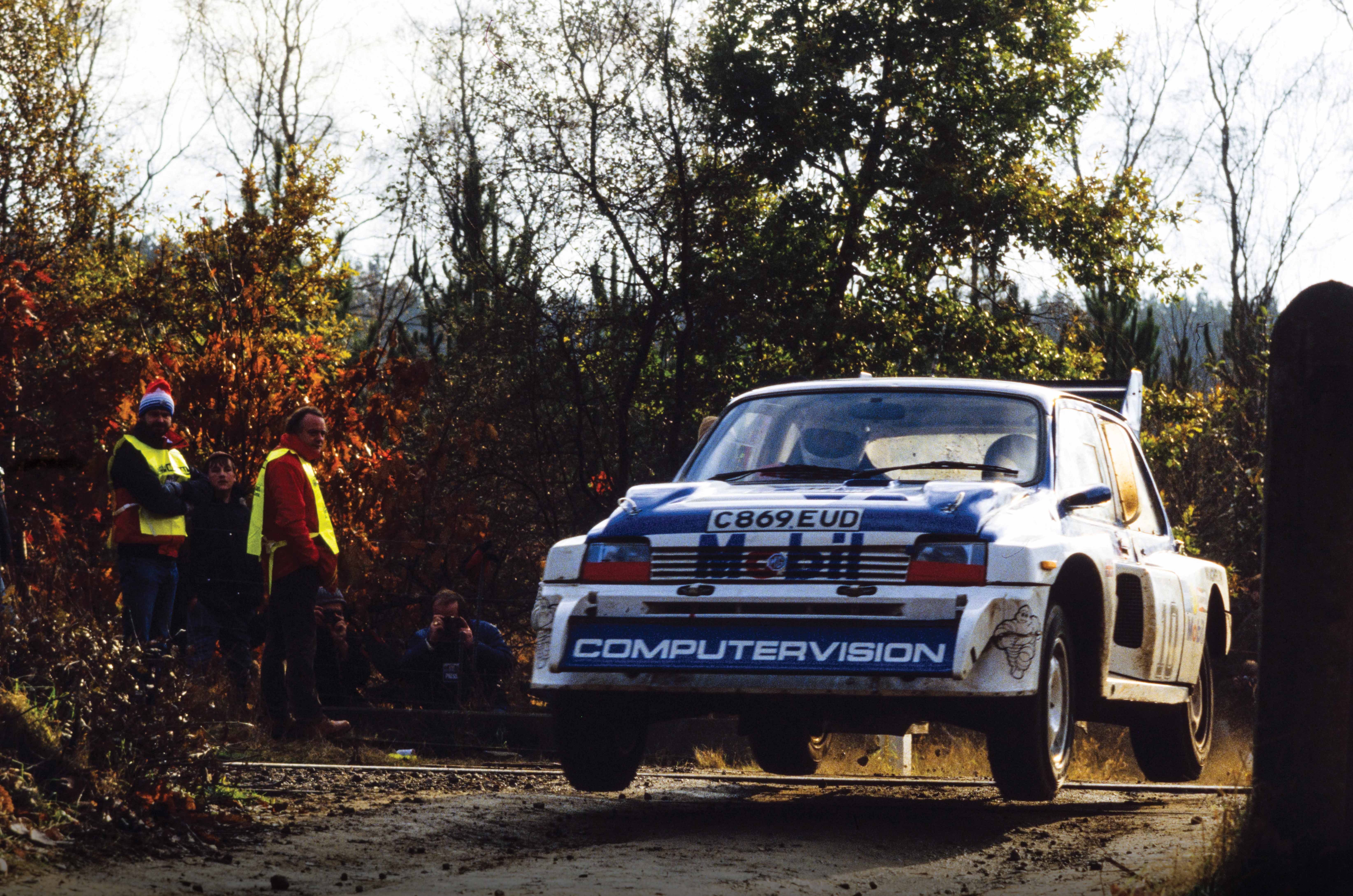
Tony Pond and Rob Arthur took the MG Metro 6R4 to third place on the 1985 RAC Rally © Getty

“The first rally with the Avenger BRM was the Cheltenham Festival in October 1974, when Colin drove our old test car fitted with a road-spec BRM engine to outright victory,” Wynne remembers.

“It was an unofficial entry, though. The Avenger BRM’s first ‘proper’ event was the Circuit of Ireland rally in March 1975.

“The engine here had been built by BRM in its entirety, and the piston clearances were excessive so it spewed out oil – it was running down the wings. We only managed 17 stages before it retired.”

The team persevered, but a new weapon was clearly needed. Enter the Sunbeam Lotus.

Wynne says: “The Sunbeam was based on the Avenger platform, and I looked into seeing if the engine Lotus used in the Elite would fit. 

“I didn’t want to bother them until I knew it would go in, so I phoned Mike Jones, who was chief engineer at Jensen – they had used it in the Jensen-Healey.

“He said there was an engine in the experimental department we could borrow, and we subsequently put it in an Avenger.

“After that, I phoned Mike Kimberley, who was the MD at Lotus. Mike and I had been at college together.”

Classic & Sports Car – Wynne Mitchell: rallying’s Mr Fixit

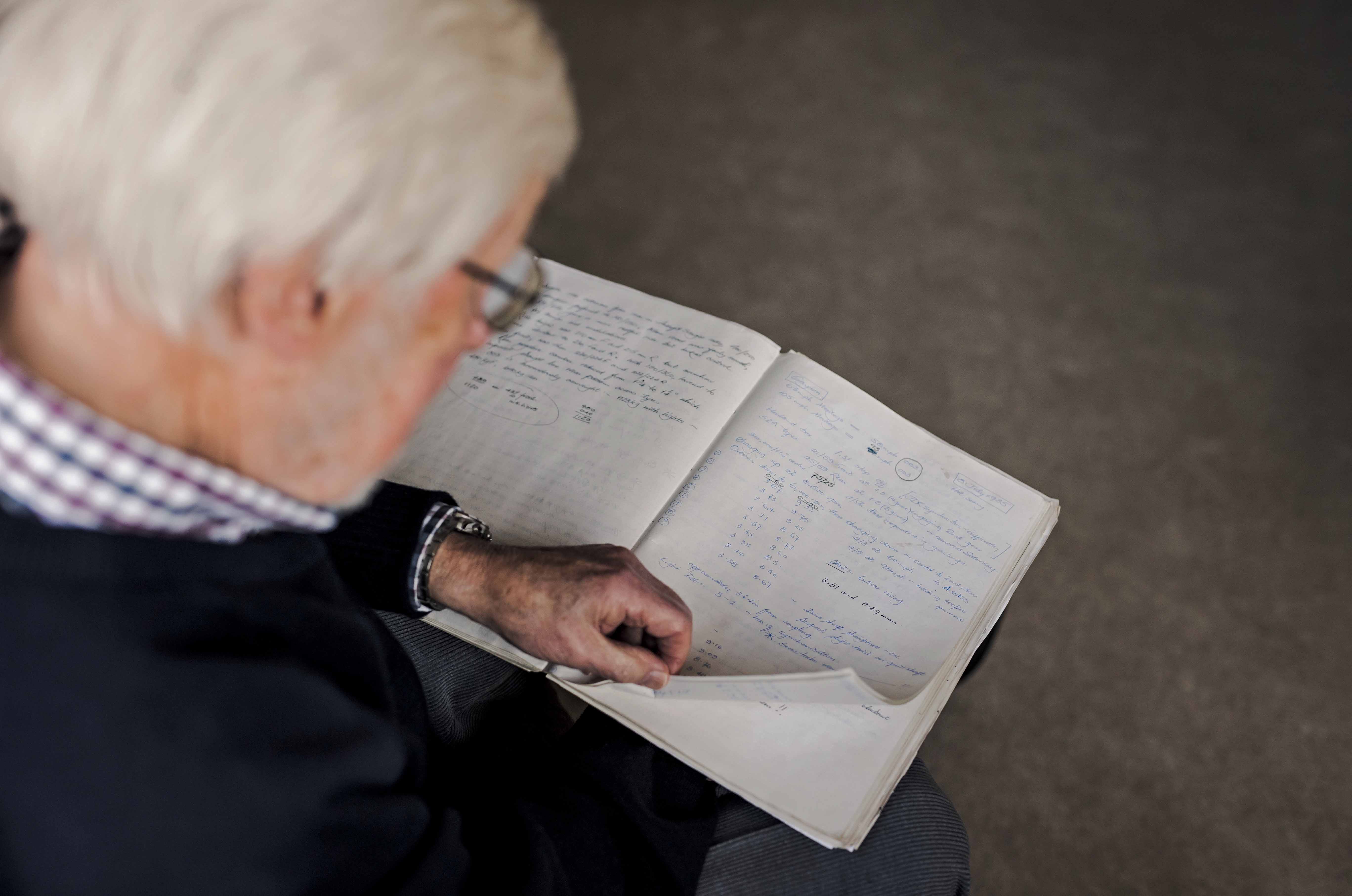
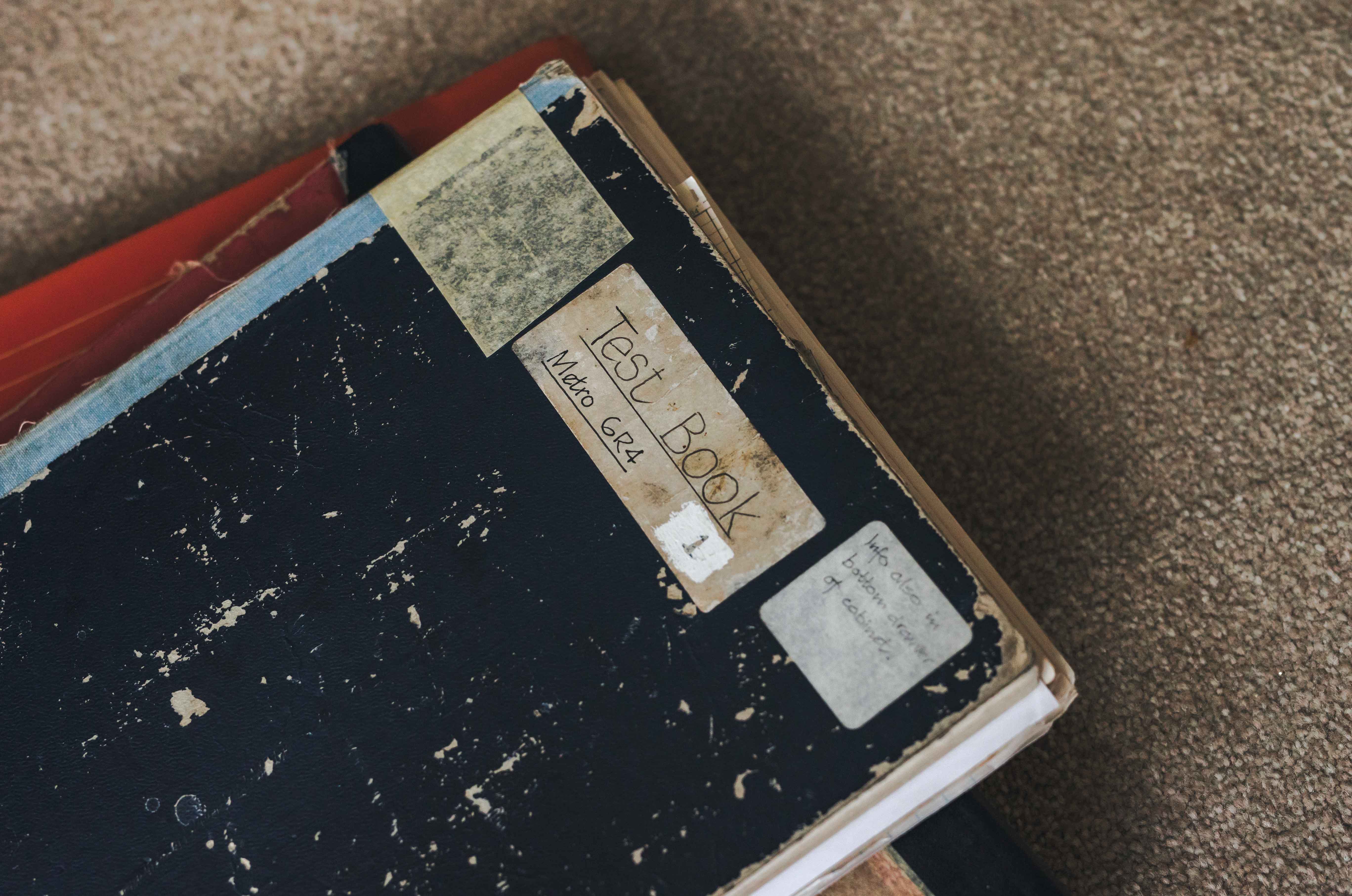
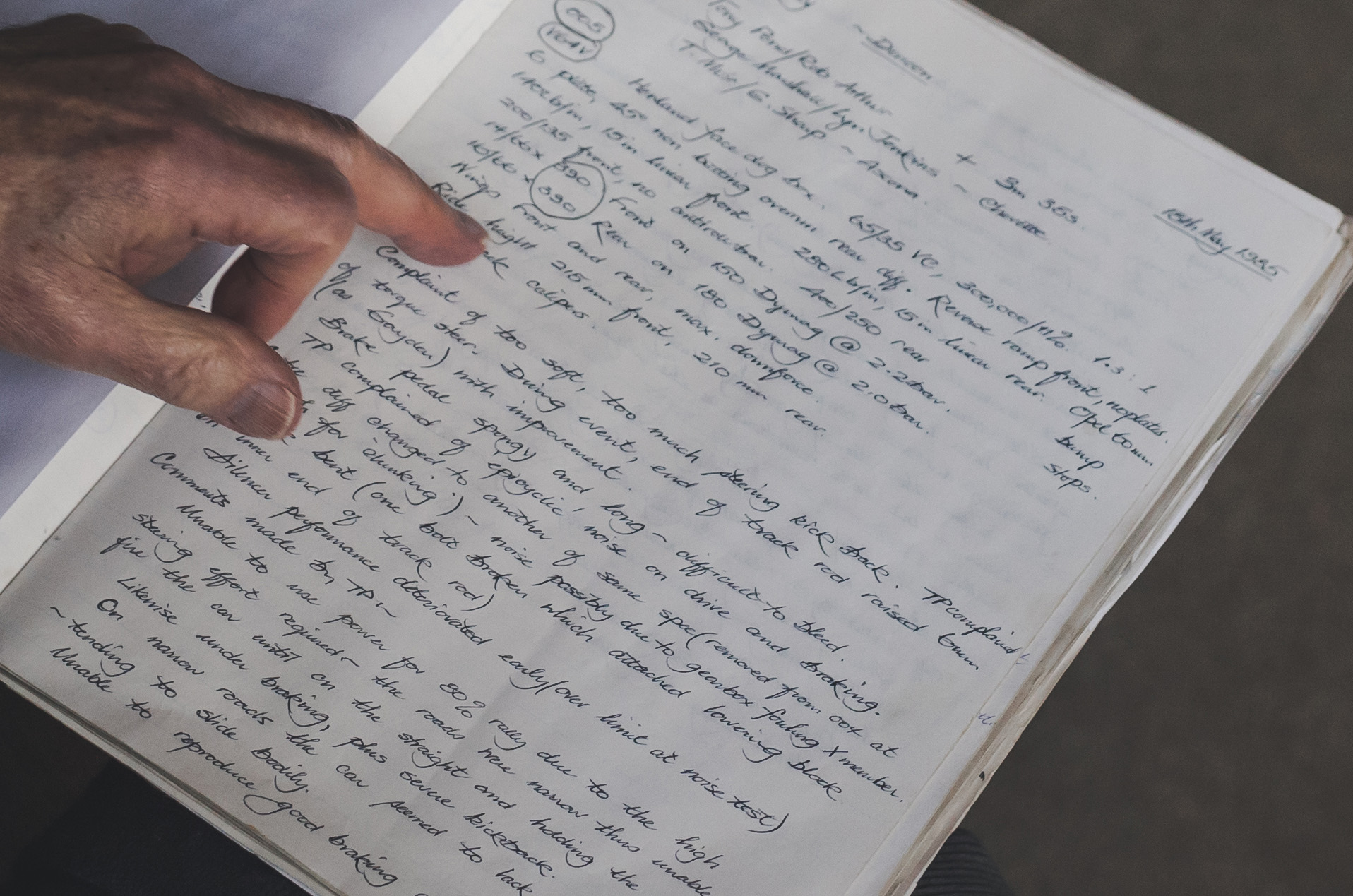
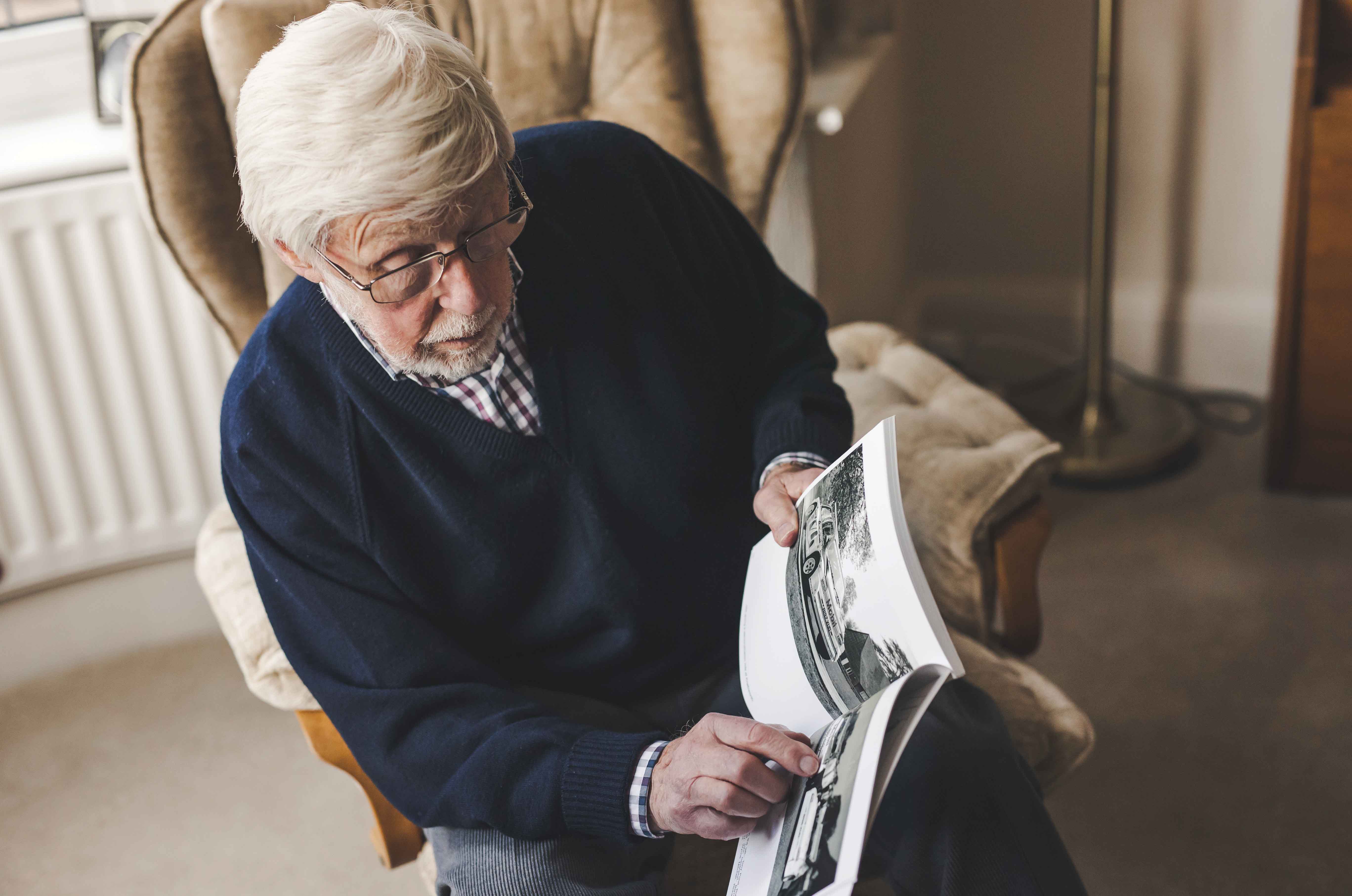
Wynne Mitchell carefully logged the development of the MG Metro 6R4 in hand-written notebooks

“Anyway, Des, development engineering director Peter Wilson and I had a chat with Mike and the Lotus engine man, Graham Atkin,” Wynne recalls.

“We wanted 230bhp in rally spec, which is what the BDA-engined Escorts were making.

“It ended up at 2.2 litres, but the point is we thrashed something out but then had to persuade the management to make road cars. I left that to Des, who was very political.”

Des O’Dell took Ellison for a spin in a Lotus-powered Avenger GLS and, at a stroke, the kernel of a new competition-led model took shape.

“He loved the car and asked if it had the BRM engine,” Wynne continues. “Des opened the bonnet and Geoffrey saw it was a Lotus unit.

“That got the wheels turning in his mind. He then spoke to the board.

“The contract was signed with Lotus towards the end of 1978, and we borrowed Tony Pond from British Leyland Motorsport to test the rally car.

“It was very kind of BL’s competitions manager, John Davenport, but of course he received feedback about what we were doing.”

Classic & Sports Car – Wynne Mitchell: rallying’s Mr Fixit

The MG Metro 6R4 evolved from a Williams-designed prototype to a Group B rally weapon

“Tony then drove for us in 1979, but things went sour between him and Des,” he says.

“Anyway, we had to homologate the car and prove we had made a sufficient number so it could run in Group 4 that season. Let’s just say we got the paperwork and leave it at that!”

A year later, Henri Toivonen drove a works car to victory on the RAC Rally of Great Britain, but Wynne wasn’t around to witness this triumph.

“I did 24 years at the company as Rootes, Chrysler and then Talbot,” he explains. “I won’t say that I fell out with Des exactly, but I’d had enough so I walked away from the sport.

“I became the chief project manager working on the final-drive unit for the MCV-80 – a tank to you and me.

“I had no involvement with rallying for 18 months, and then Bill Blydenstein phoned me late one Saturday afternoon: Gerry Johnstone was leaving as his development man, and might I be interested in helping?”

Having quit motorsport in part due to the antisocial hours, Wynne soon found himself busier than ever.

“I worked for Bill on the Chevette HSRs under Dealer Team Vauxhall, but also on the Nissan 240RS programme,” he says. “I joined Bill on the understanding I would work on weekends and holidays, and it soon took over.

“In 1982 I went with Tony Pond to the Corsica rally in a Nissan. After he made the start I caught a flight to do the Circuit of Ireland, where Russell Brookes and Terry Kaby were driving the Vauxhalls. That wasn’t unusual.”

Classic & Sports Car – Wynne Mitchell: rallying’s Mr Fixit

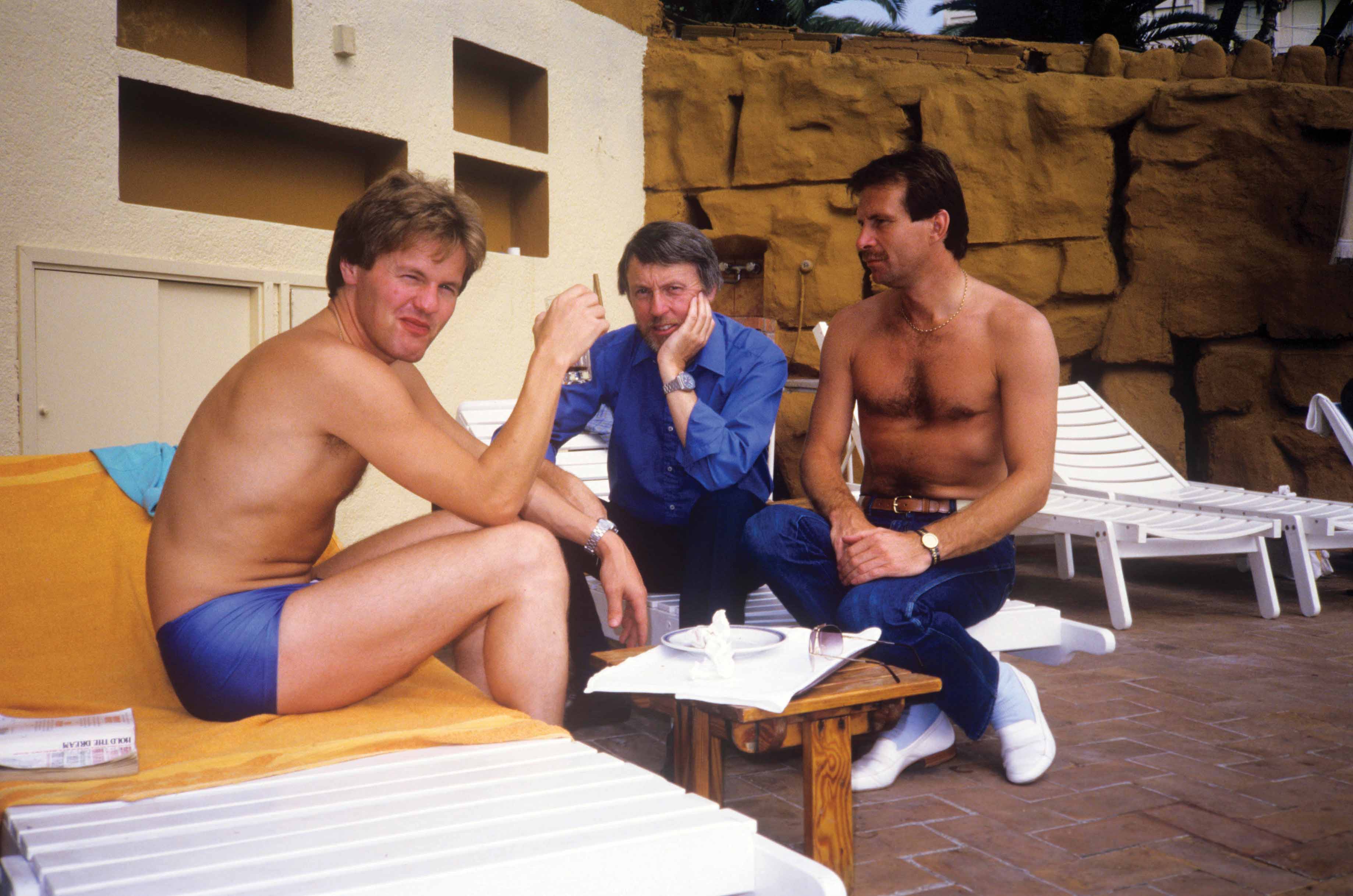
Malcolm Wilson (on left), Wynne Mitchell (centre) and Tony Pond photographed during the 1986 San Remo rally © McKlein

There then followed a full-time return to motorsport with Audi Sport, which lasted eight months before Wynne joined the MG Metro 6R4 programme.

“John Davenport handwrote a contract,” he says. “I signed it in July 1984, and to begin with I was a sort of ‘engineer without portfolio’.

“Originally, the car was to have been powered by a normally aspirated Honda V6, but that never materialised.

“The whole car underwent so many changes, some of them imposed on us. For example, Michelin decreed we wouldn’t be going with 340mm tyres. Suddenly they were 390mm.

“Williams had designed a racing car. It wasn’t ever going to withstand an international rally or be serviceable out in the sticks. As such, we had to modify and strengthen it.

“Finishing third on the RAC in 1985 was brilliant, but we had a terrible start to the ’86 season due to silly things.

“Then, of course, Group B was banned in March of that year after spectators were killed on Rally Portugal. That was supposedly on the grounds of safety.

“If that was the case, it should have been banned immediately, but the FIA decided to carry on until December.”

Classic & Sports Car – Wynne Mitchell: rallying’s Mr Fixit

The rally workload was tough, but Wynne Mitchell has no regrets

With nothing to campaign, Austin Rover’s motorsport activities soon came to a juddering halt.

“We looked into doing a Paris-Dakar rally car based on the Rover 800, but it was all over by March 1987,” he tells us.

“I got involved in concept engineering with Austin Rover and was then approached by Tom Walkinshaw.

“However, Tony Pond was keen to set up on his own, so I stalled for time with Tom until Tony had made up his mind. We then formed Tony Pond Racing. We mostly worked for Rover.

“We did the development and sorted the specification for the 216GTi and Tomcat coupé one-make championships, and for the MGF Cup.

“I also worked for Mitsubishi, or rather Ralliart, but still under the guise of Tony Pond Racing.

“I was involved in so many projects, though, including the Bonneville record attempt with the MG EX-F. We did 217mph in 1999 with just 1.4 litres.

“A year later, we went back with twin-supercharged V8 power [with the EX255], but the department that built the spaceframe was five weeks late delivering what it had promised.

“That impacted on everything else. MG Rover had got Fina to put in some money, so we had to go. It was hopeless.”

Pond’s passing in 2002 affected Wynne greatly – and not just professionally. “Tony was a super driver, but more than that, he was a friend,” he says.

“After he died I worked for Prodrive, but I was loaned out to work with Jaguar on the supercharged X-type programme.

“I retired in 2004. I’m not involved in motorsport any more, but I still have my choir practice.

“I did that every Tuesday evening throughout my time in motorsport.

“It was the only thing that kept me sane, because I gave up so much when I was rallying.” Pause. Ponder. “I wouldn’t have missed it for the world.”

Images: Jack Harrison


Enjoy more of the world’s best classic car content every month when you subscribe to C&SC – get our latest deals here


READ MORE

Mike Pilbeam: king of the hills

Chris Sclater: meet rallying’s unsung hero

Ford Escort vs Hillman Avenger vs Vauxhall Firenza: hot-hatch beaters