Buick Roadmaster Estate Wagon: the woodie’s last hurrah

| 15 May 2026
Classic & Sports Car – Buick Roadmaster Estate Wagon: the woodie’s last hurrah
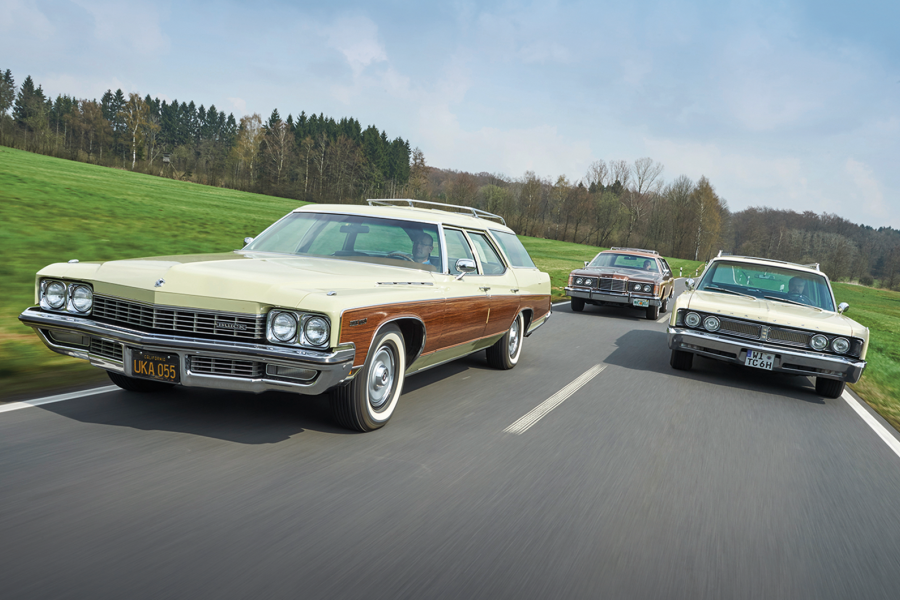
It was the surfers of the early ’60s who, having taken out-of-fashion estate cars to their hearts, named them ‘woodies’.

But in the ’30s, ’40s and ’50s they were just station wagons.

As cosy as a Bing Crosby Christmas movie, their origins lay in the open-sided depot hacks, suburbans and carry-alls used since horse-drawn days by resort hotels to collect guests from railway stations.

Classic & Sports Car – Buick Roadmaster Estate Wagon: the woodie’s last hurrah
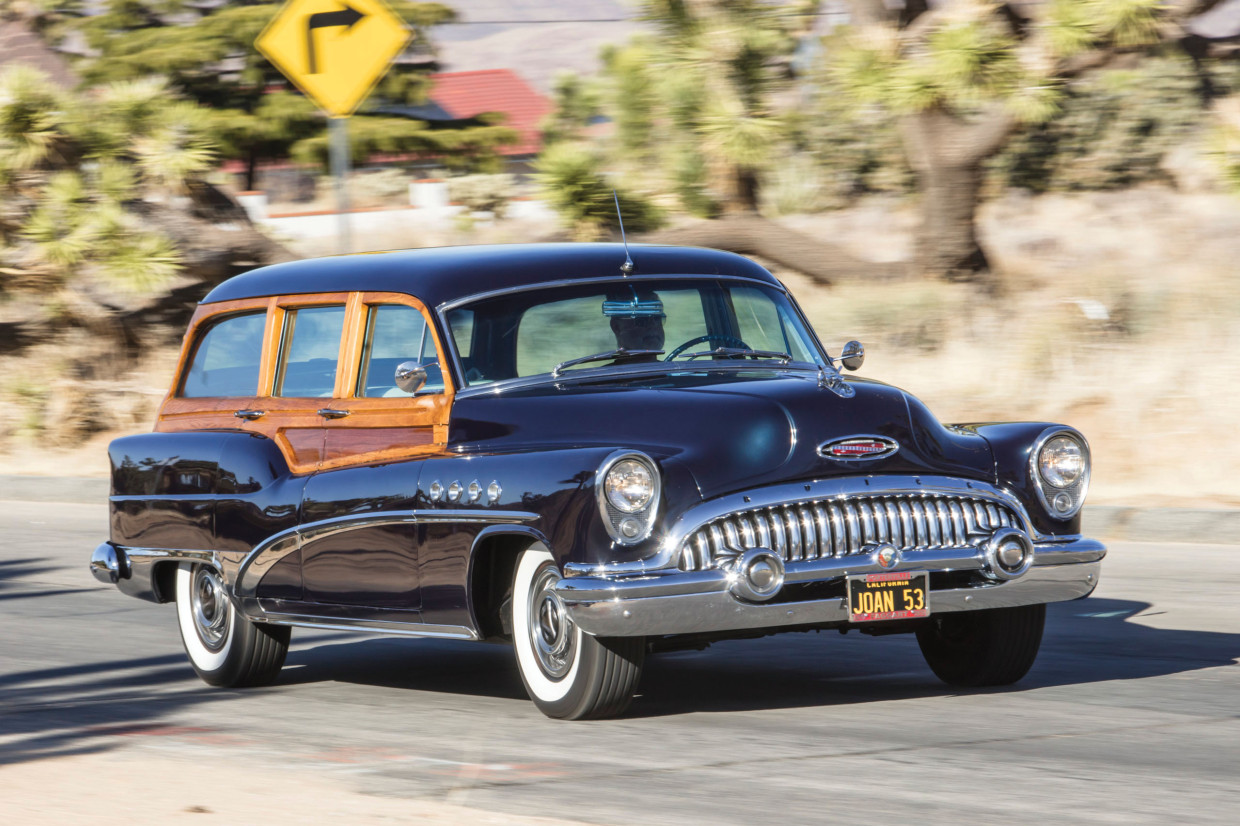
Ready to take on the open road in this classic Buick Roadmaster Estate Wagon

The station wagon was never a uniquely North American type of vehicle, but somehow the Americans, with their ranches and country clubs, and a requirement to haul large families and their chattels over vast distances in comfort, had made the genre their own by the middle of the 20th century.

The dream was sold to the masses as a reassuring symbol of family life and the homely apple-pie values upon which the country was built.

But the 20-year reign of the factory-built, wood-panelled utility automobile was already coming to an end in America by the early 1950s.

Classic & Sports Car – Buick Roadmaster Estate Wagon: the woodie’s last hurrah
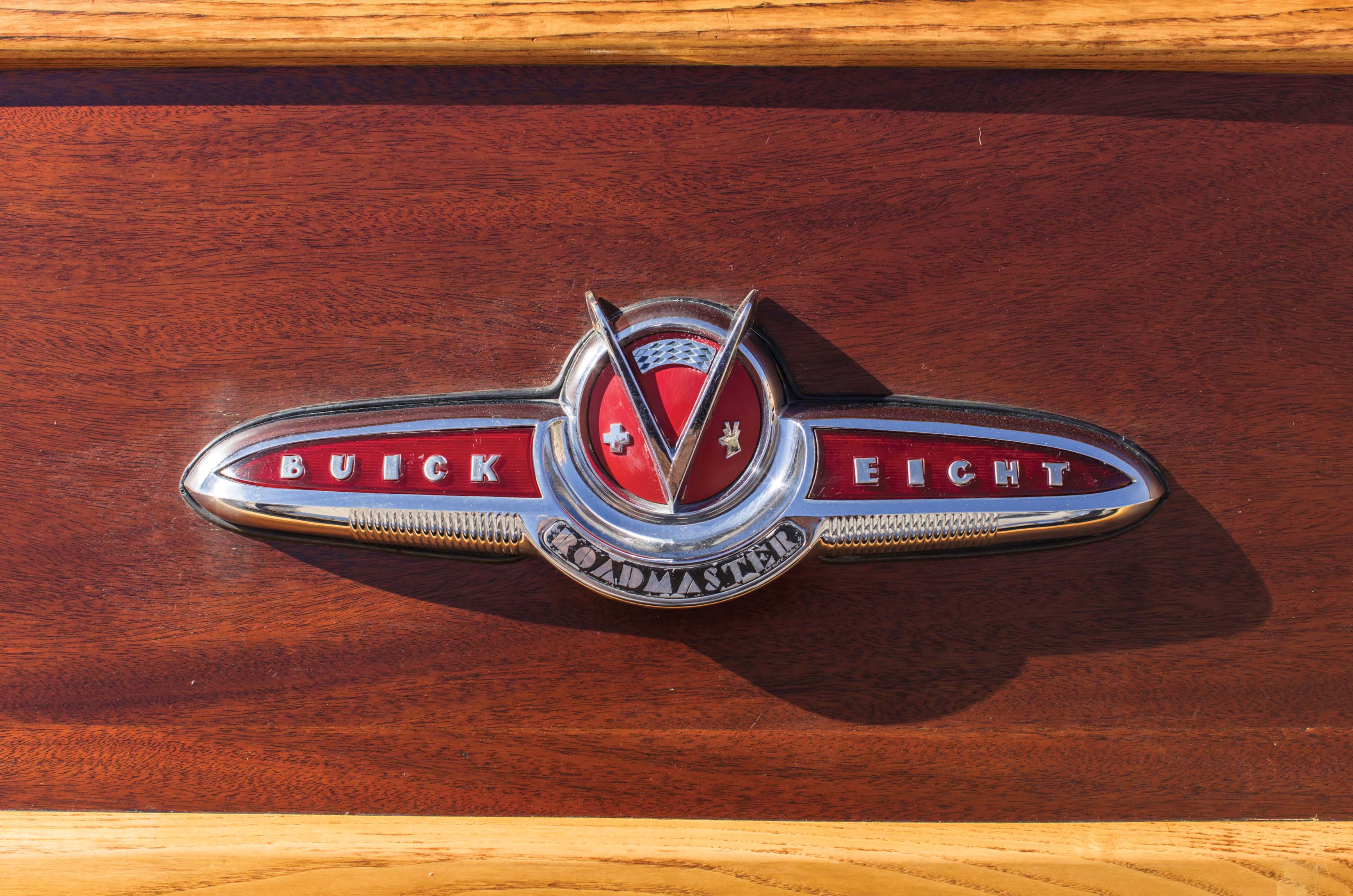
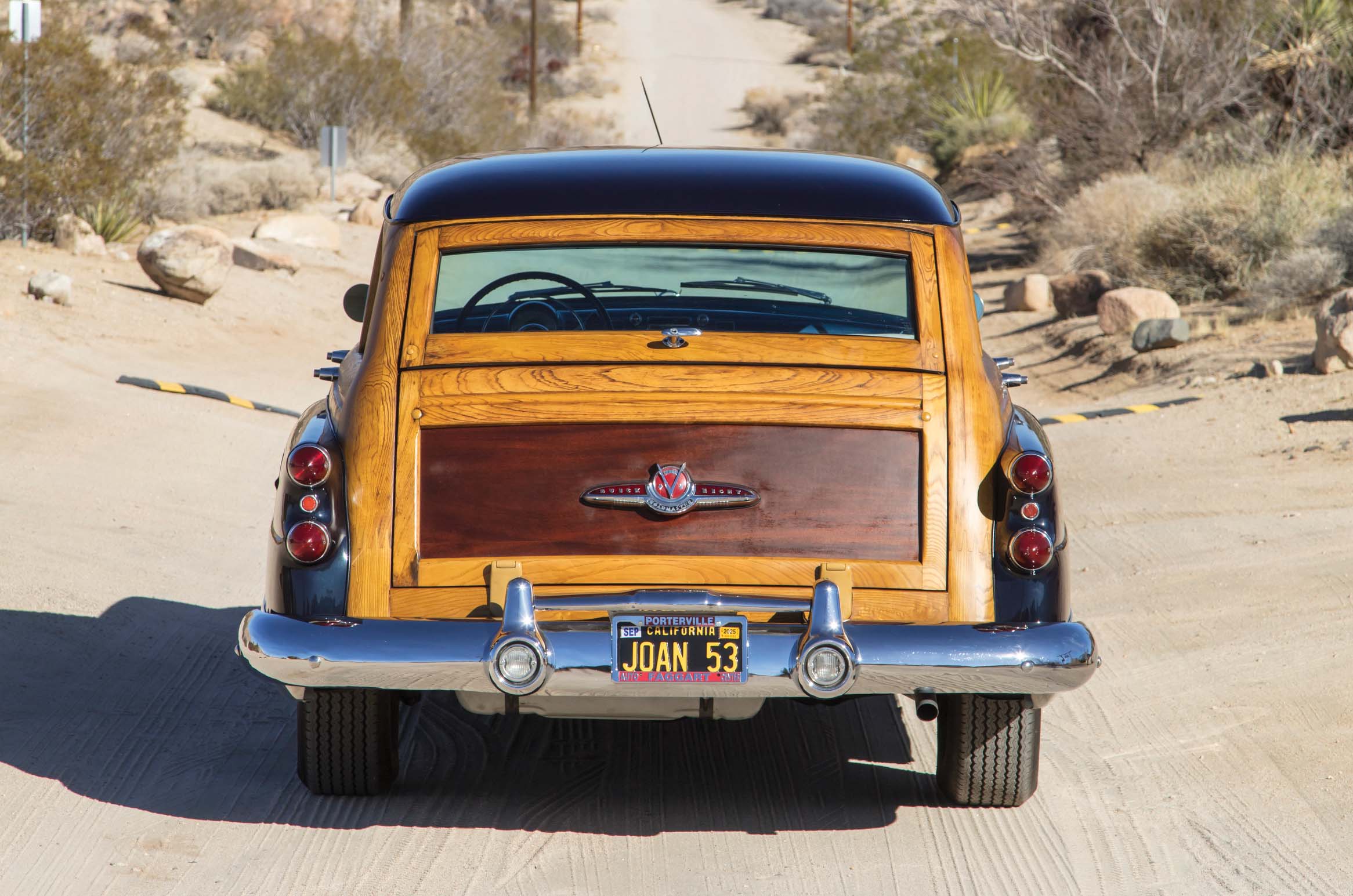
The Buick Roadmaster Estate Wagon’s bootlid badge

The customers still loved them, seemingly not put off by the seasonal creaks and rattles (the wooden joints swelled in the winter) and higher maintenance requirements of this organic material.

In a post-war world of steel shortages wood was, after all, cheap and abundant, but it was also labour-intensive to work up into a body compared with modern steel pressings. 

It was these manufacturing costs, and the threat to raw profit, that killed the woodie.

Classic & Sports Car – Buick Roadmaster Estate Wagon: the woodie’s last hurrah
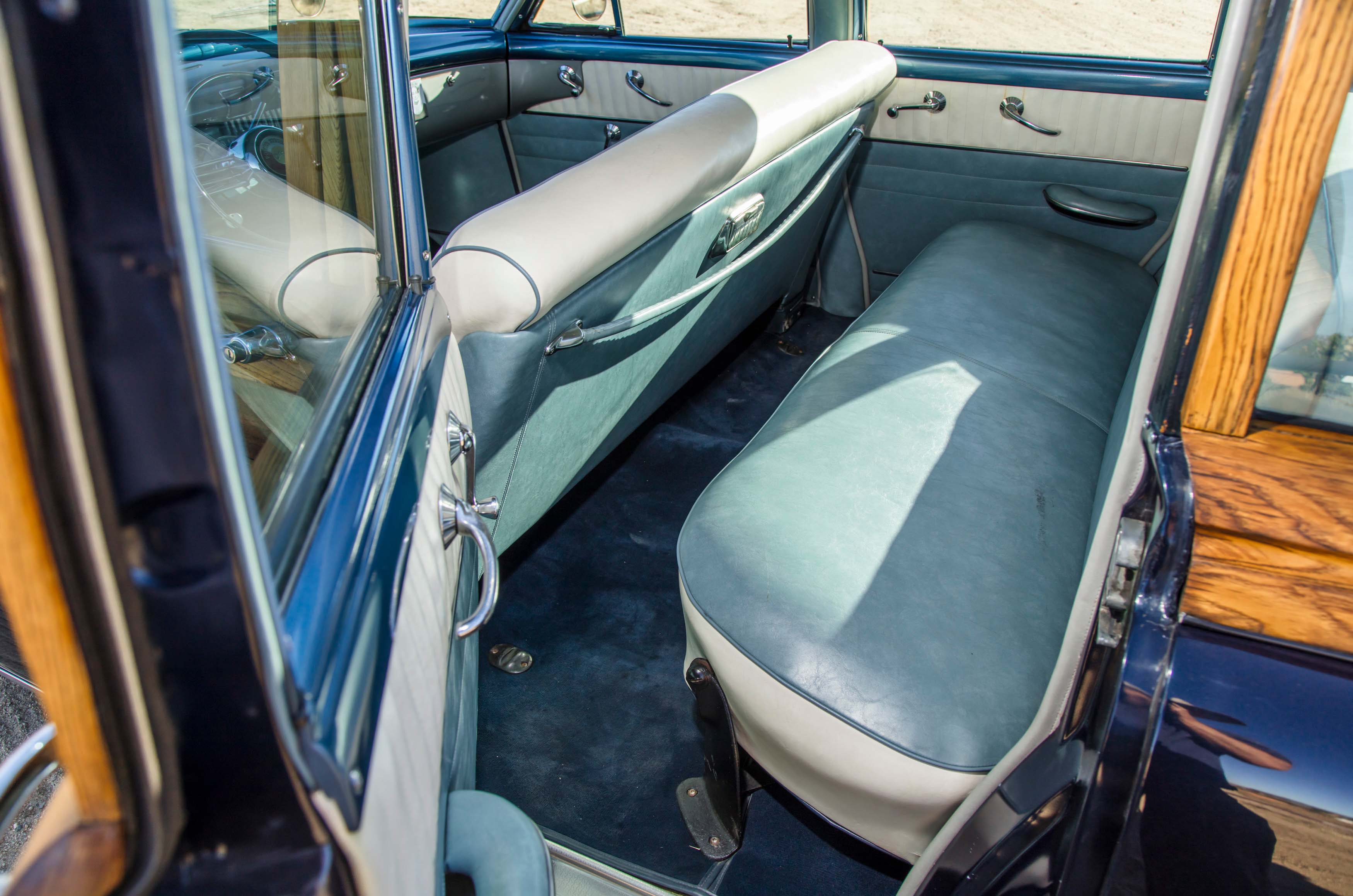
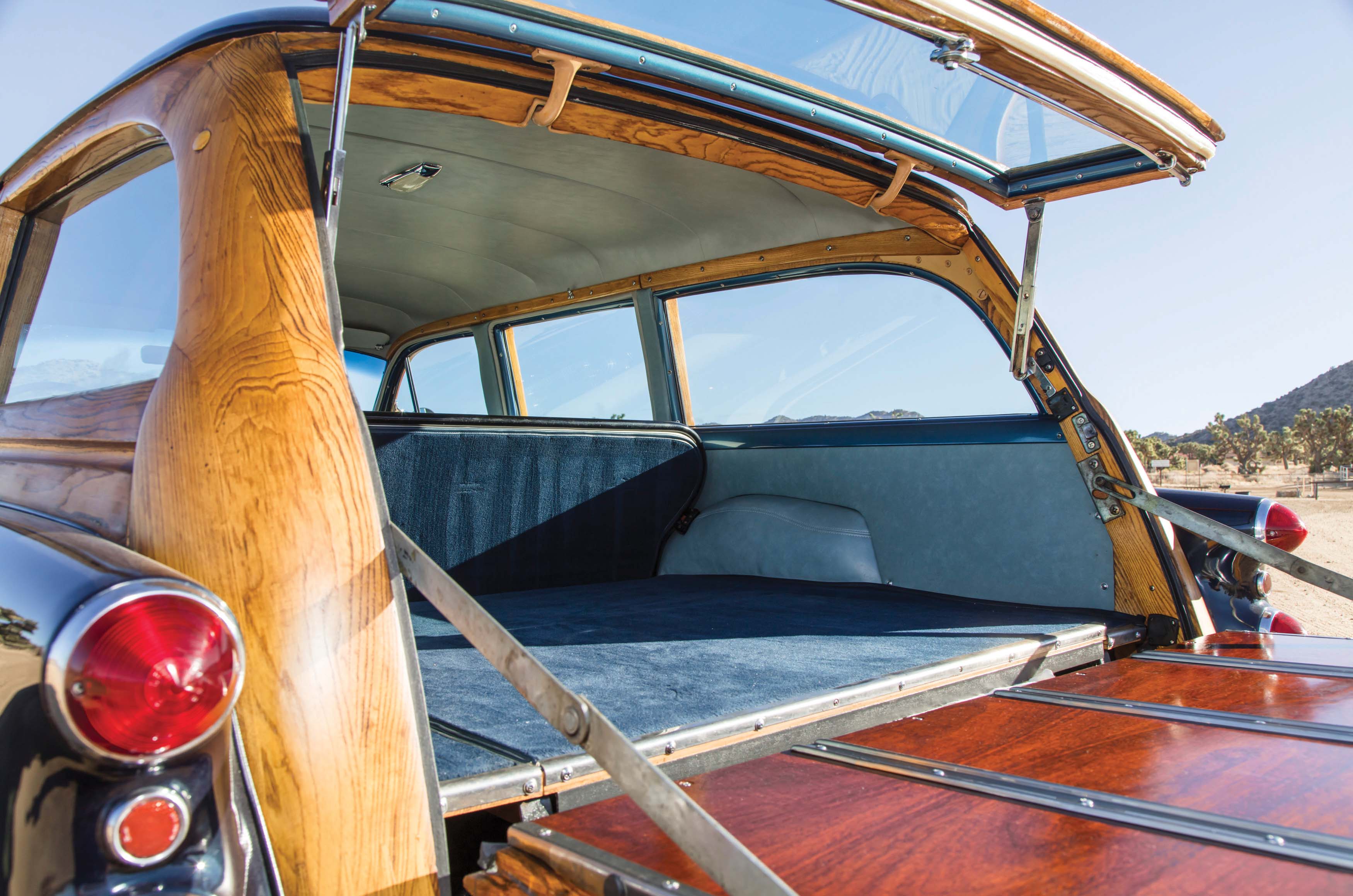
The classic Buick’s split bootlid opens to reveal a 6ft-long load bay

Without much in the way of fanfare, they began to disappear.

Chevrolet and Plymouth dropped theirs in 1949 and 1950 respectively; Ford went all-steel for its wagons 1952; wood was strictly decorative on Pontiac’s wagons from 1953.

The era of the ‘tin woodies’ had begun.

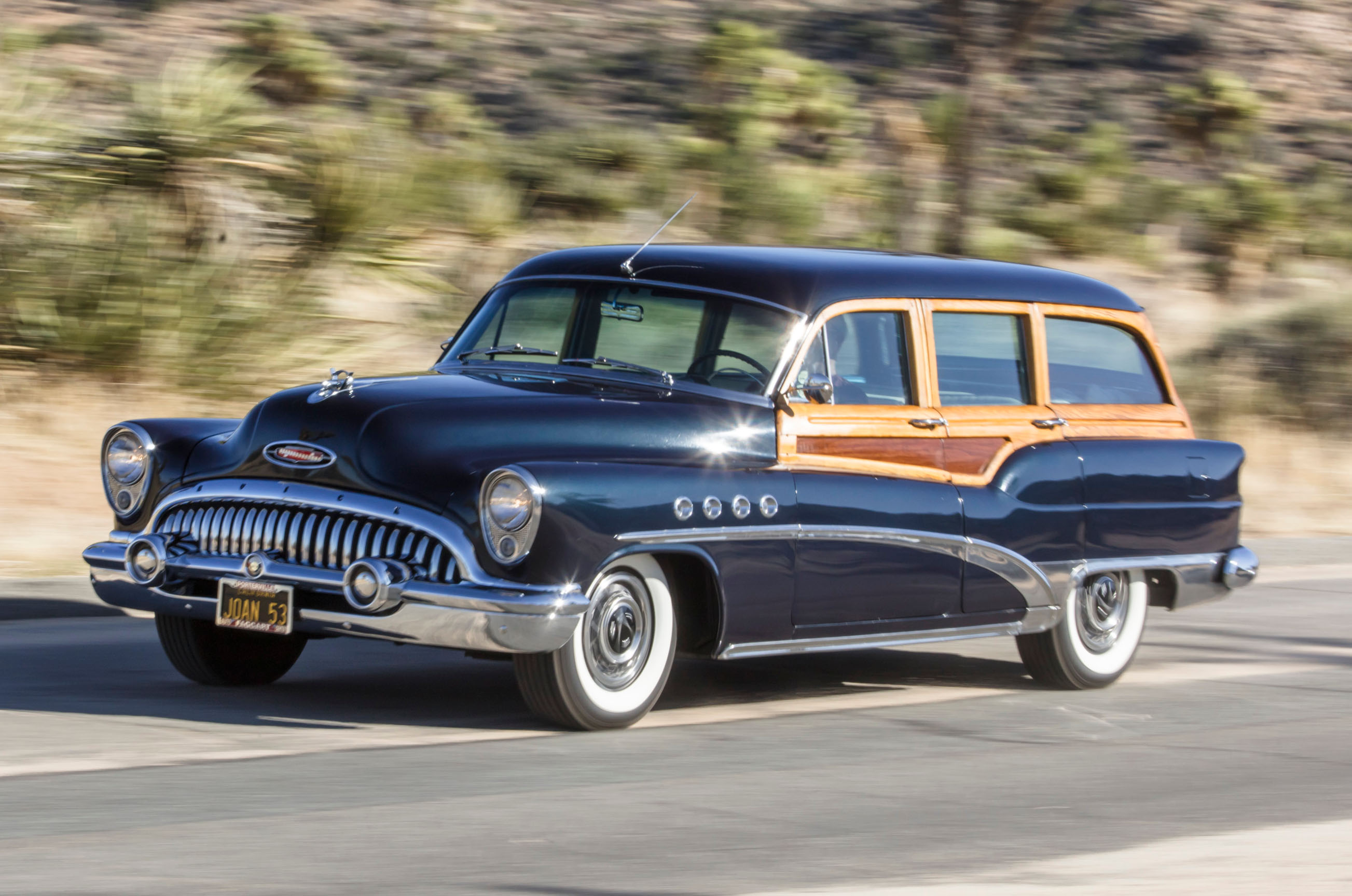
The ’53 Buick Estate Wagons are widely acknowledged as the final traditional woodies built in America – and the most expensive, from a company second only to Cadillac in the General Motors divisional hierarchy.

Classic & Sports Car – Buick Roadmaster Estate Wagon: the woodie’s last hurrah
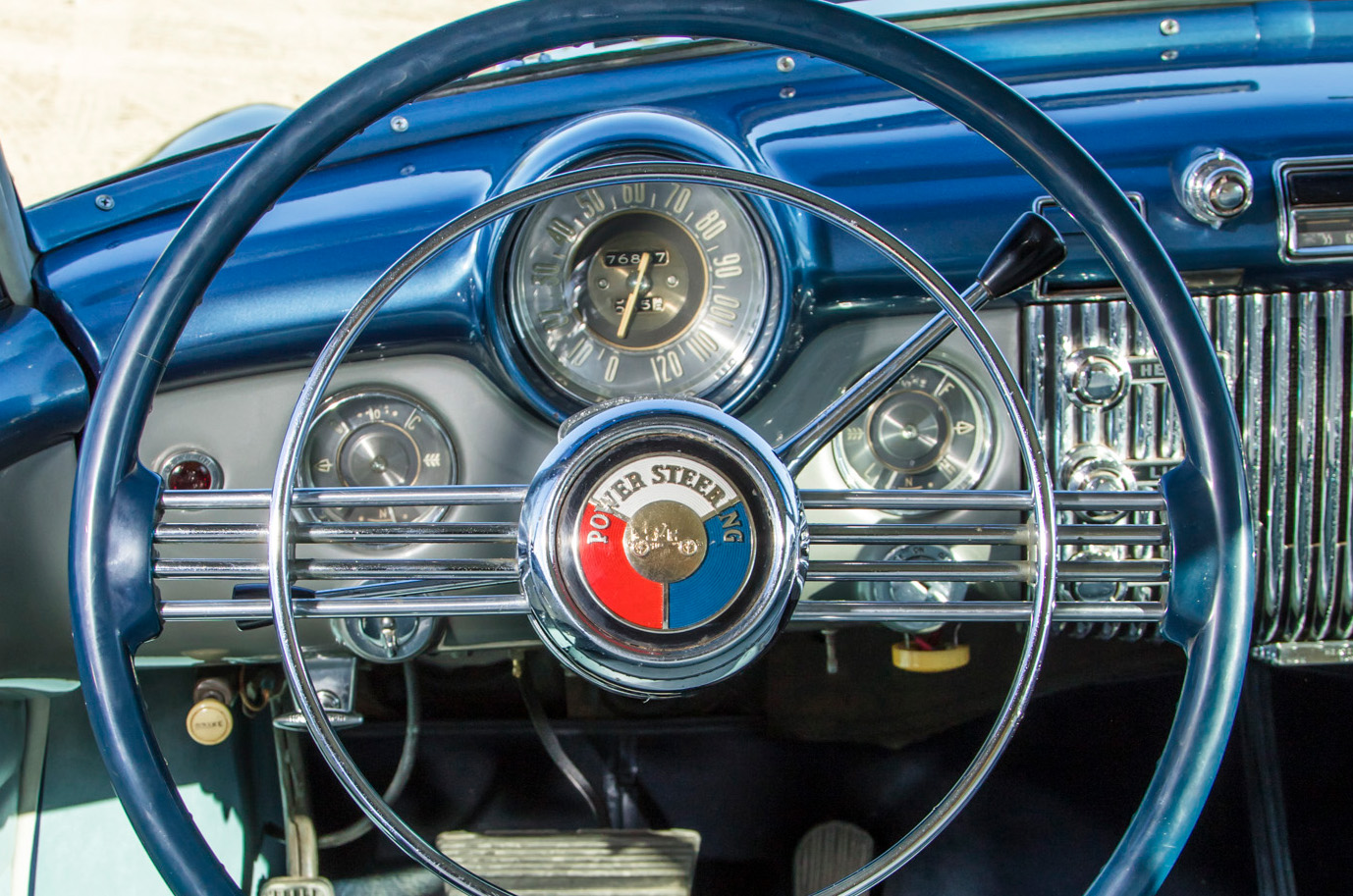
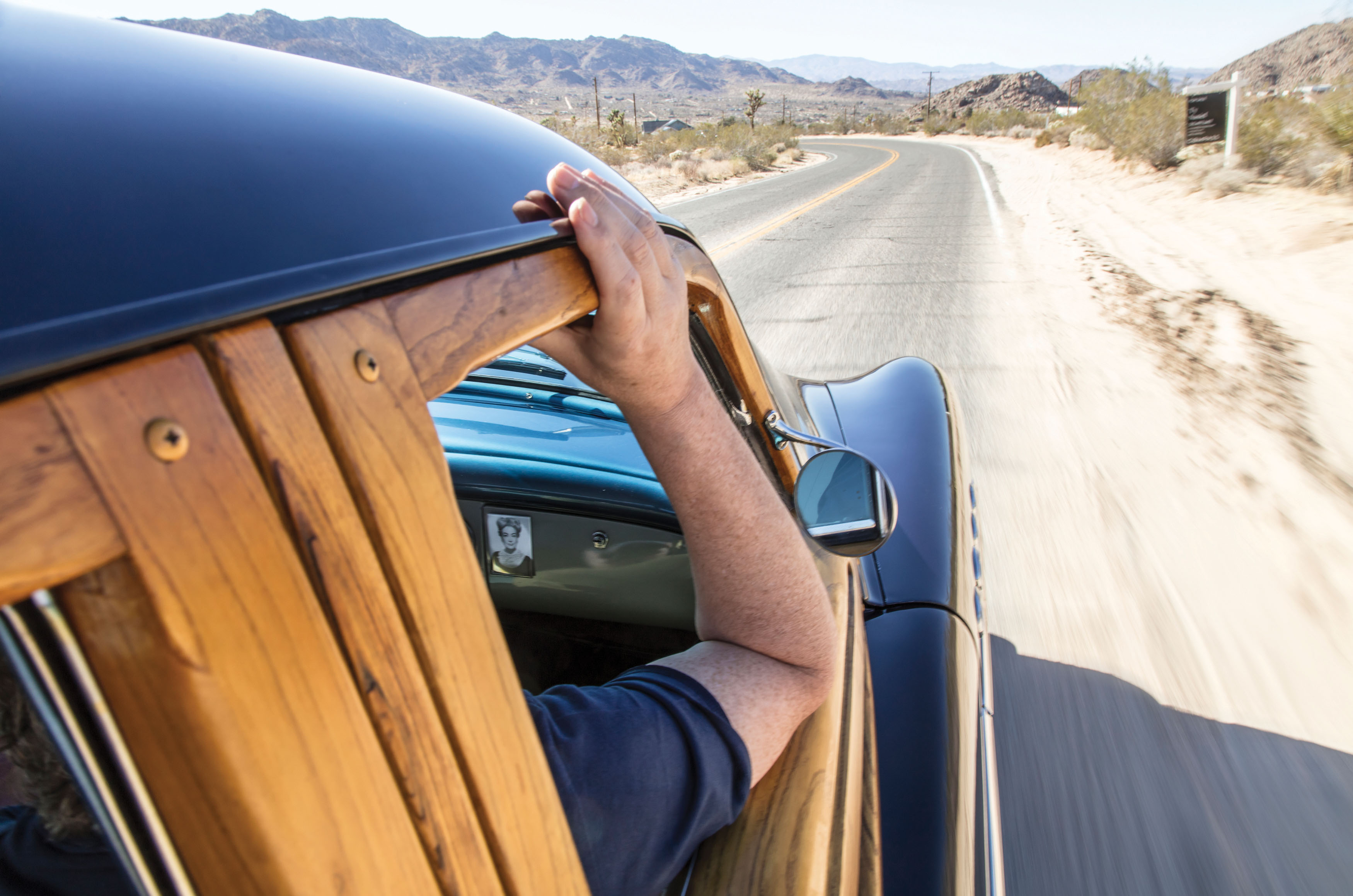
The Buick Roadmaster Estate Wagon has light steering and a big wheel

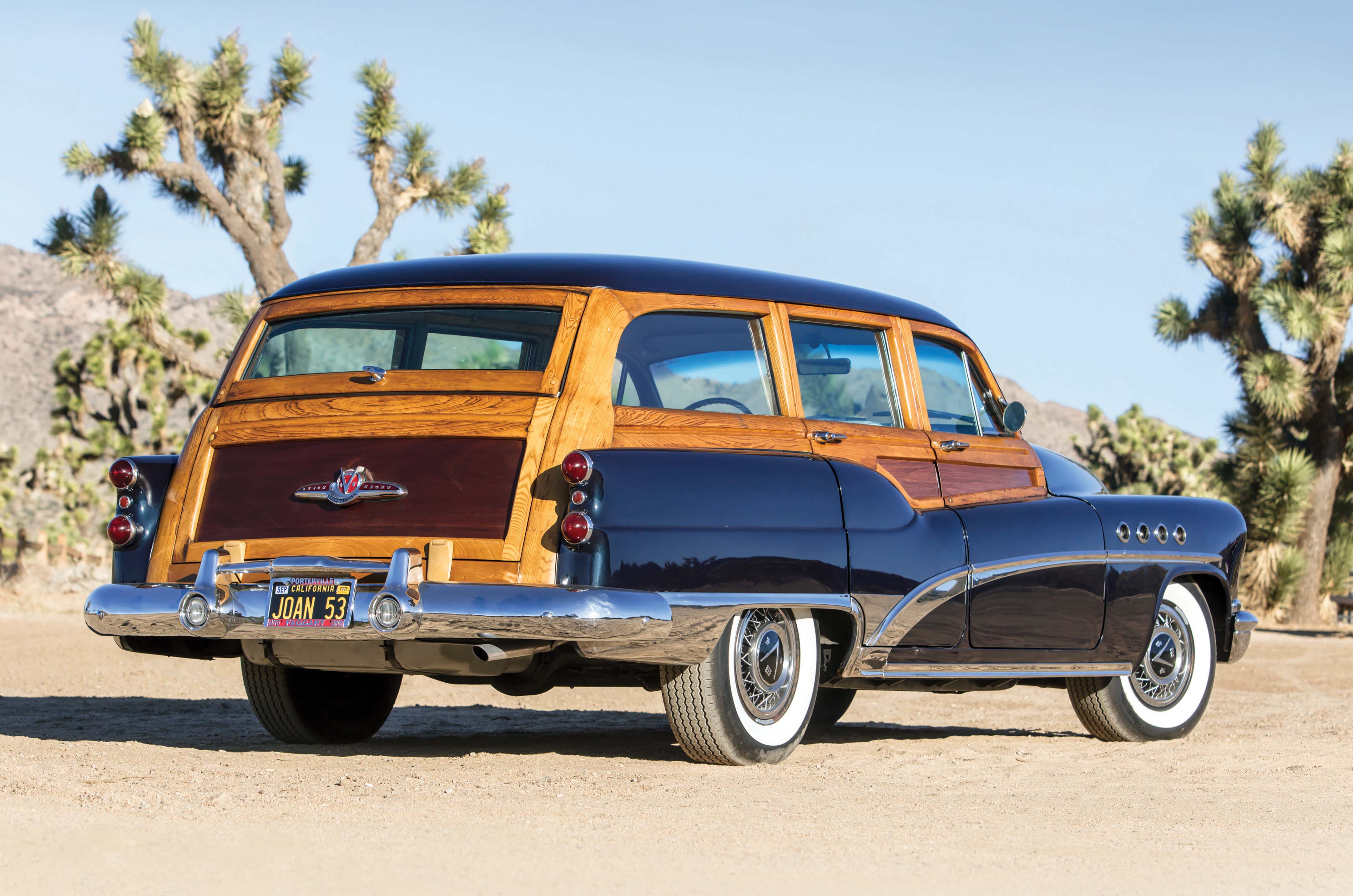
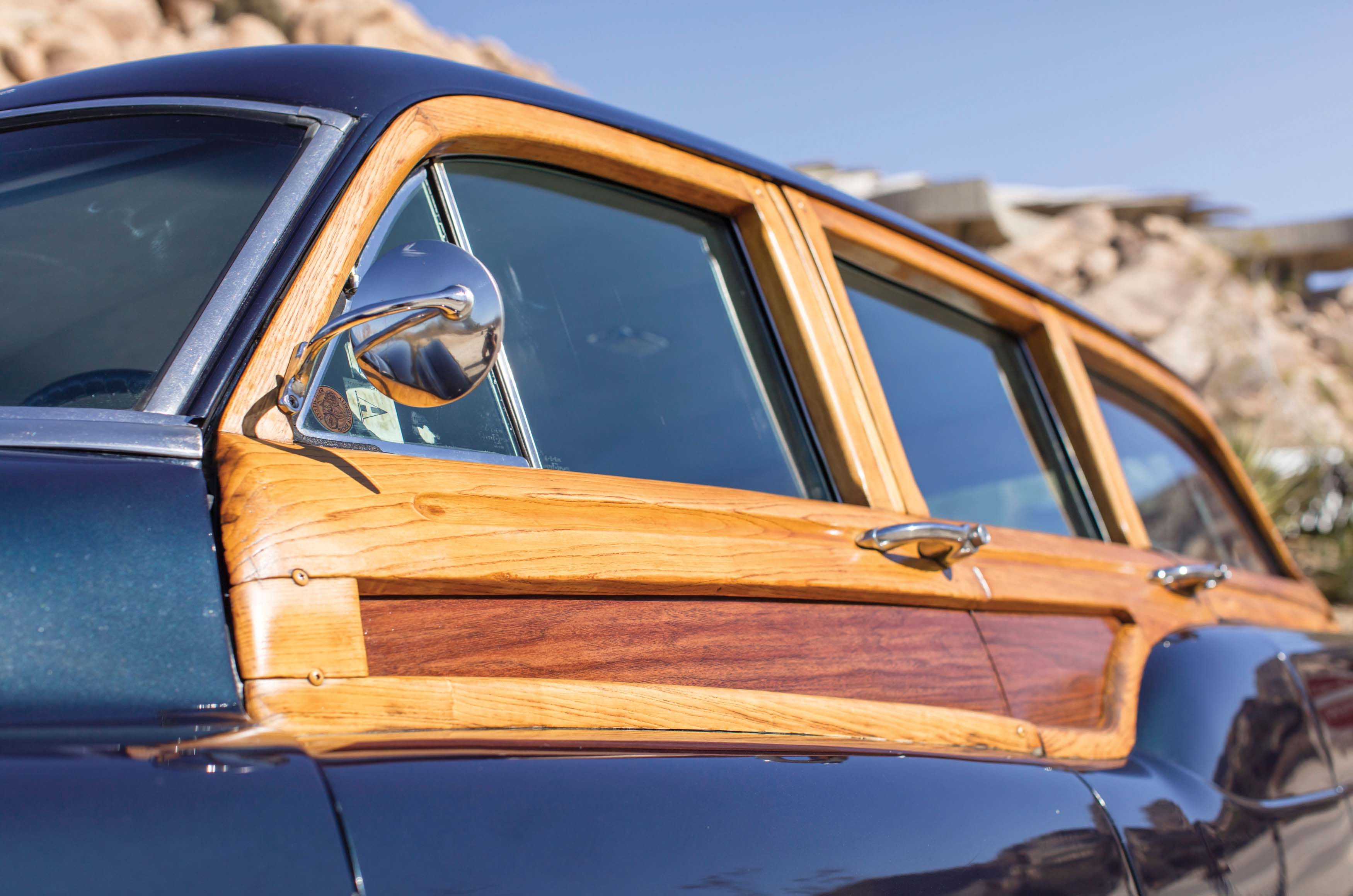
These were real woodies with rustic white ash and mahogany timbers supporting the back of the roof and framing the upper/lower tailgates, thus integral to the rear-end structure.

From being a purely commercial, working vehicle built by the likes of Ford, Dodge and Chevrolet, the wood-panelled station wagon became a fashion statement at a certain point in the late ’30s.

Cadillac would never make an official one, but Packard embraced the concept, as did Buick.

It was a move that came straight from the top, inspired by an encounter that GM styling chief Harley Earl and Buick boss Harlow Curtice had with a Hollywood socialite (and the wife of a film director) at a cocktail party in 1938.

Classic & Sports Car – Buick Roadmaster Estate Wagon: the woodie’s last hurrah
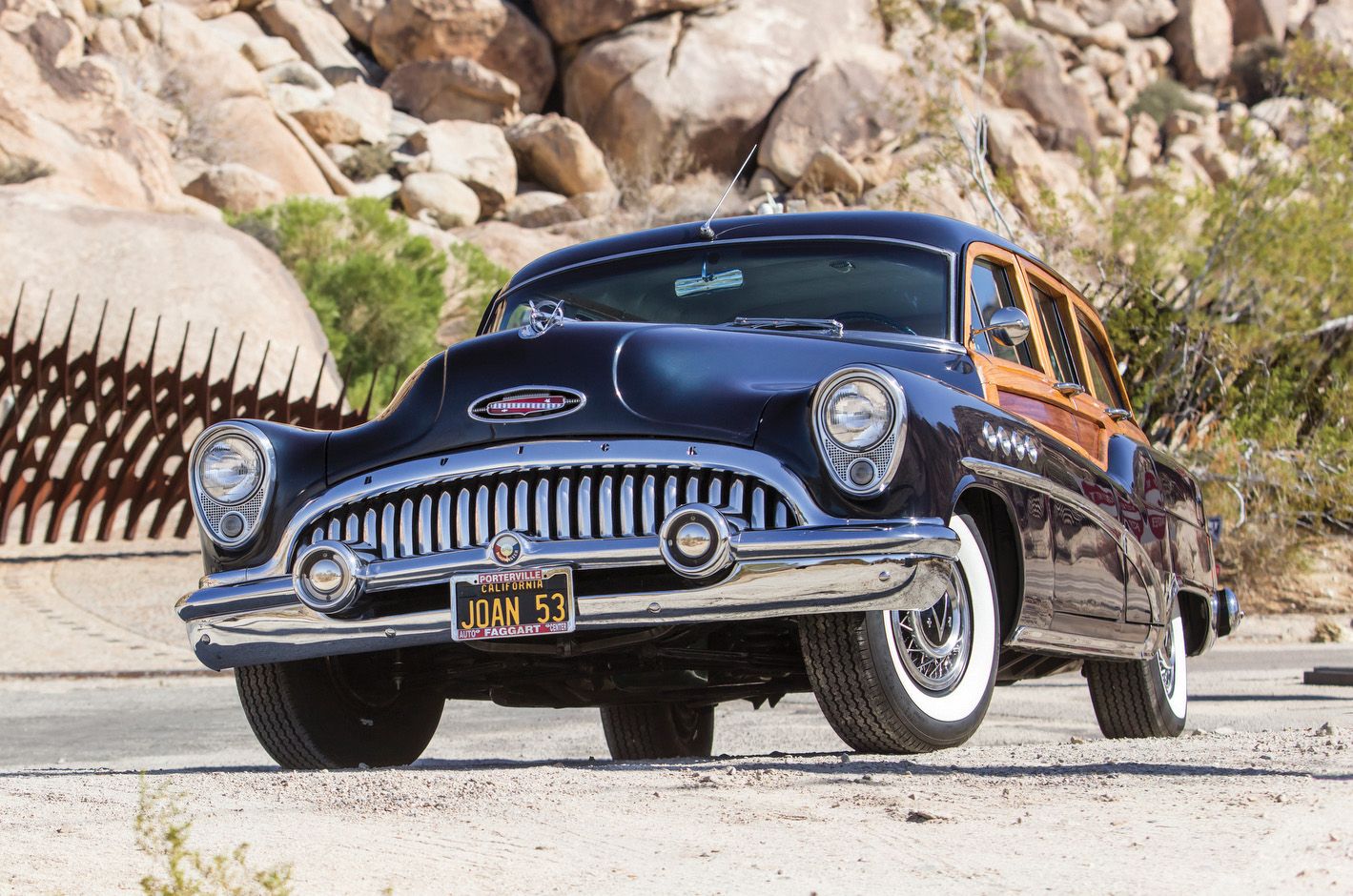
‘The Buick Roadmaster Estate Wagon was only one rung below the new flagship Roadmaster Skylark in the fiscal pecking order’

When the woman in question stated she would buy a Buick “if only they made a wagon”, the pair sensed an untapped market: something had to be done.

The first examples were offered for the 1940 and 1941 model years, reappearing again in 1946 as the Estate Wagon in the Super series and as the Roadmaster Estate Wagon in ’47.

They were joined by an all-steel-bodied version, with token non-structural wood, in 1949.

Classic & Sports Car – Buick Roadmaster Estate Wagon: the woodie’s last hurrah
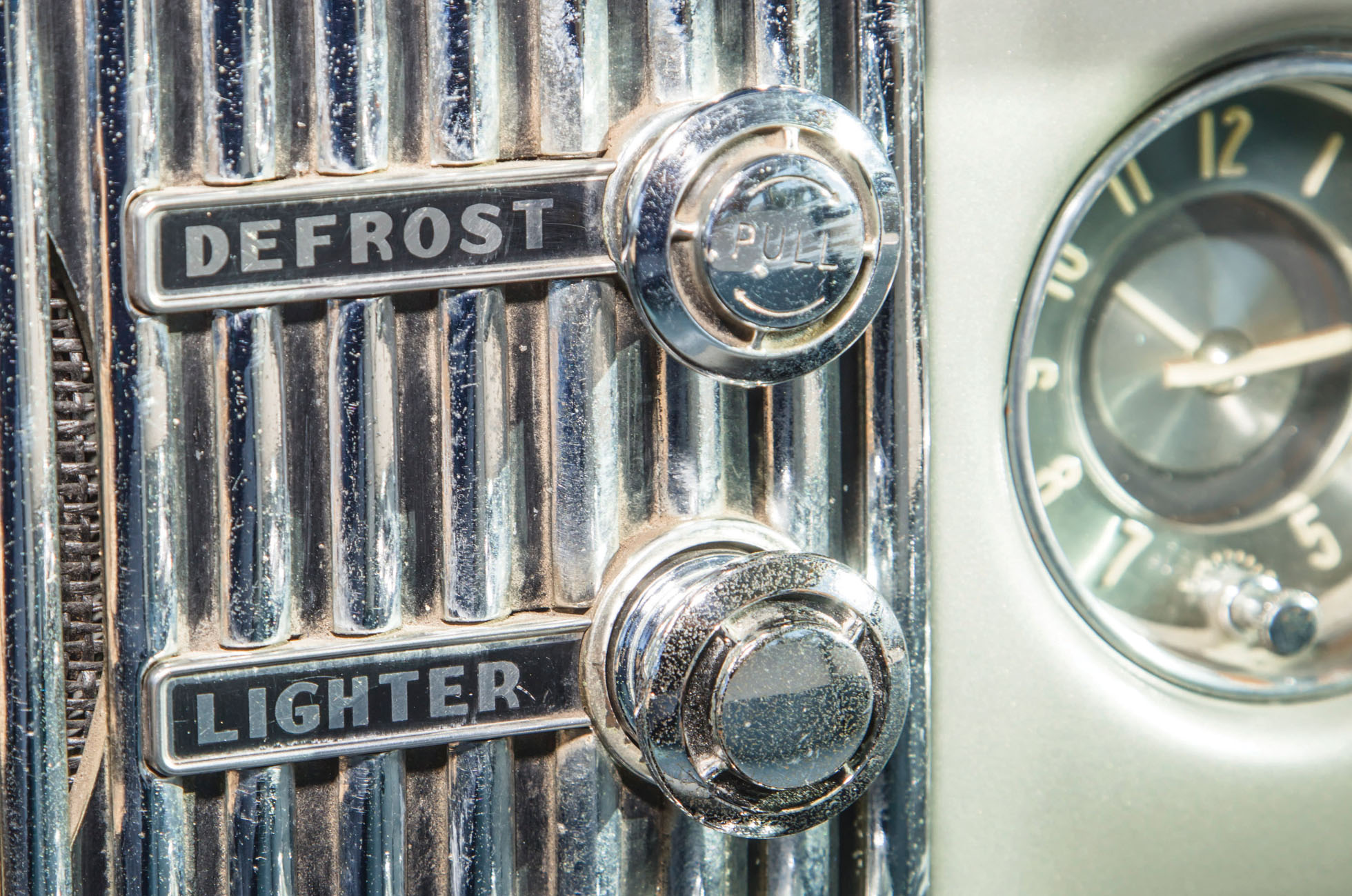
Bold labelling on the Buick’s dashboard controls

Celebrating its 50th anniversary in 1953, Buick was a division with solidly upper-middle-class values and a reputation for good build quality that sat well with the traditional half-timbered look.

This combined with high sales that were a strong third to Chevrolet and Ford.

Buick had been a cornerstone of the GM empire since its inception and was instinctively conservative yet never stodgy: it had built 100mph production cars in the 1930s and was determined to be right up to the minute in technology, having pioneered automatic (Dynaflow) transmission as well as options such as power steering and air conditioning.

Classic & Sports Car – Buick Roadmaster Estate Wagon: the woodie’s last hurrah
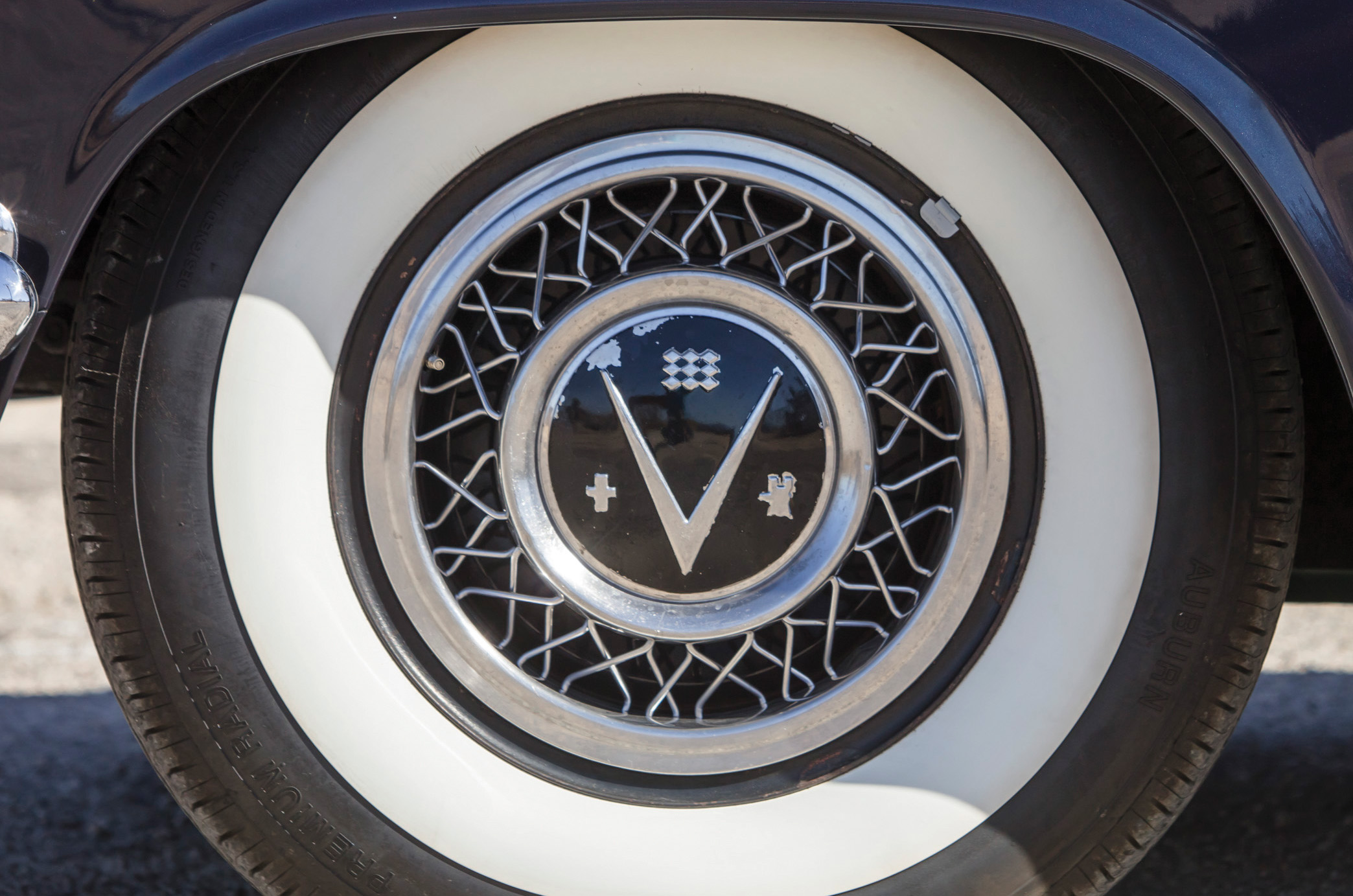
The Buick Roadmaster Estate Wagon’s whitewall tyres

Certainly, Buicks were top of the American wagon pecking order in 1953.

If the wooden construction was more expensive (and less durable) than its all-steel equivalent, then it perhaps appealed to Buick buyers’ more elitist and traditionalist instincts.

Already there was something nostalgic about this car, whose brochure was keen to note that the Estate was a ‘limited-production model’ suitable for both country pursuits and town living.

Classic & Sports Car – Buick Roadmaster Estate Wagon: the woodie’s last hurrah
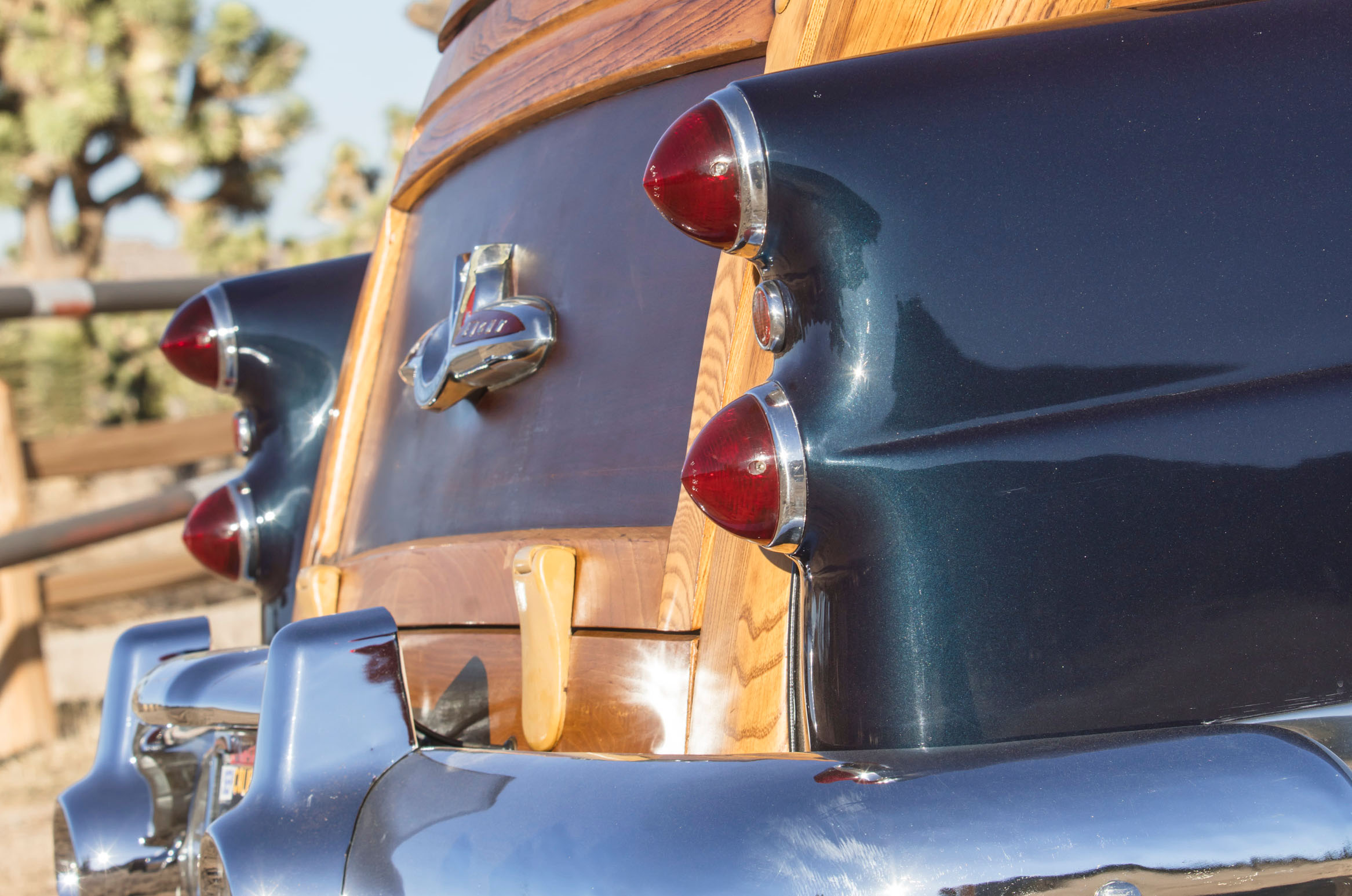
The classic Buick’s rear is dominated by rich mahogany and sculpted ash

Buick wagon construction was farmed out to a coachbuilder in Michigan.

Ionia had been producing station wagons – and the occasional concept – for GM since 1938.

At its height, the firm employed 20,000 workers and supplied wooden parts to Ford and Chrysler.

Later it built most of the Continental MkII bodies for Ford and continued producing all-steel wagon bodywork for Buick until the mid-’60s.

Classic & Sports Car – Buick Roadmaster Estate Wagon: the woodie’s last hurrah
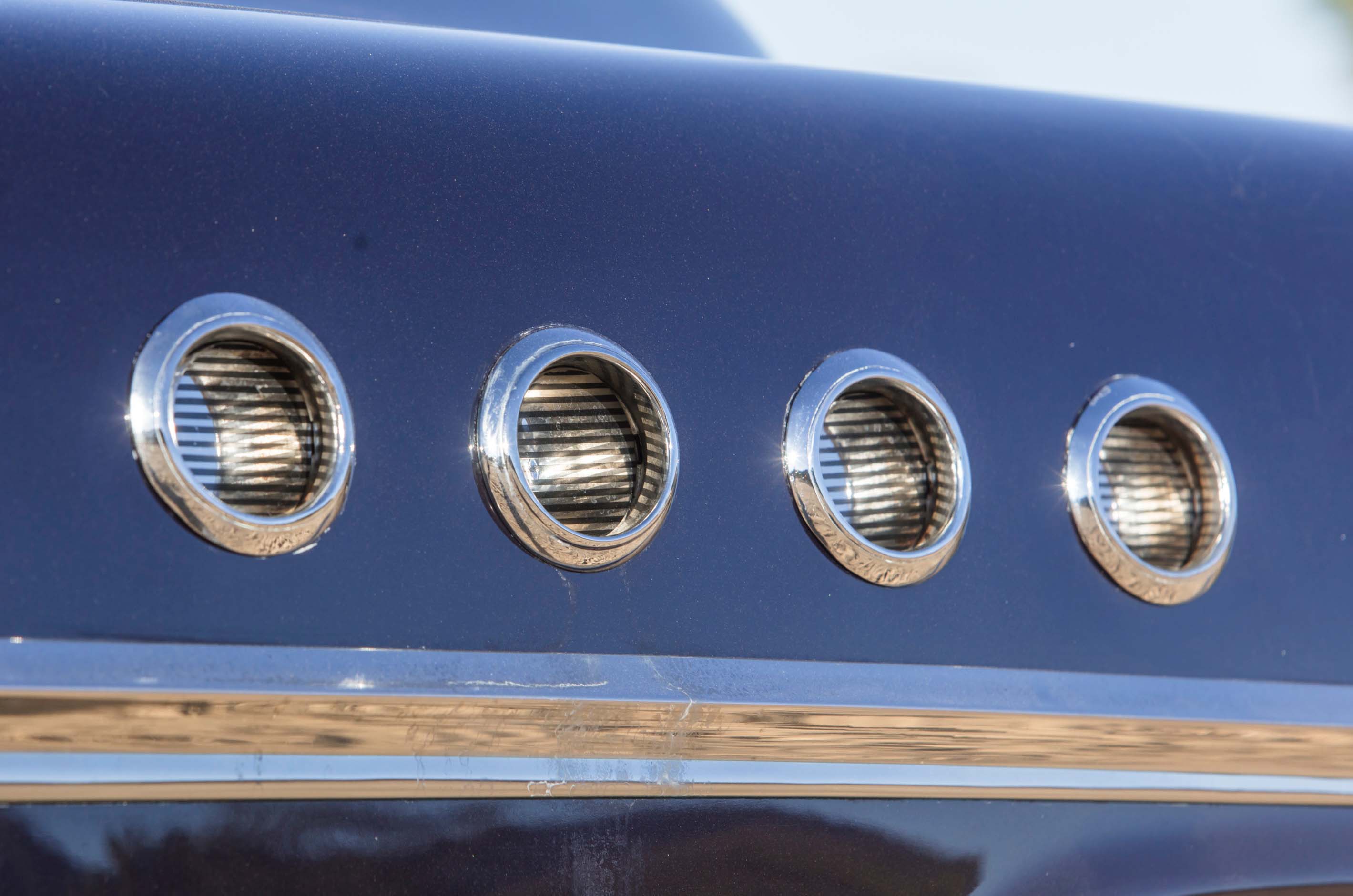
The Buick Roadmaster Estate Wagon’s row of four Ventiports

The basic outline of the 1953 sedans, convertibles and Estate Wagons dated back to ’49 and Buick’s first post-war restyle, complete with ‘power dome’ bonnet, one-piece curved windscreen, gleamingly fulsome wraparound bumpers and a generous chrome grille set in a toothy grimace.

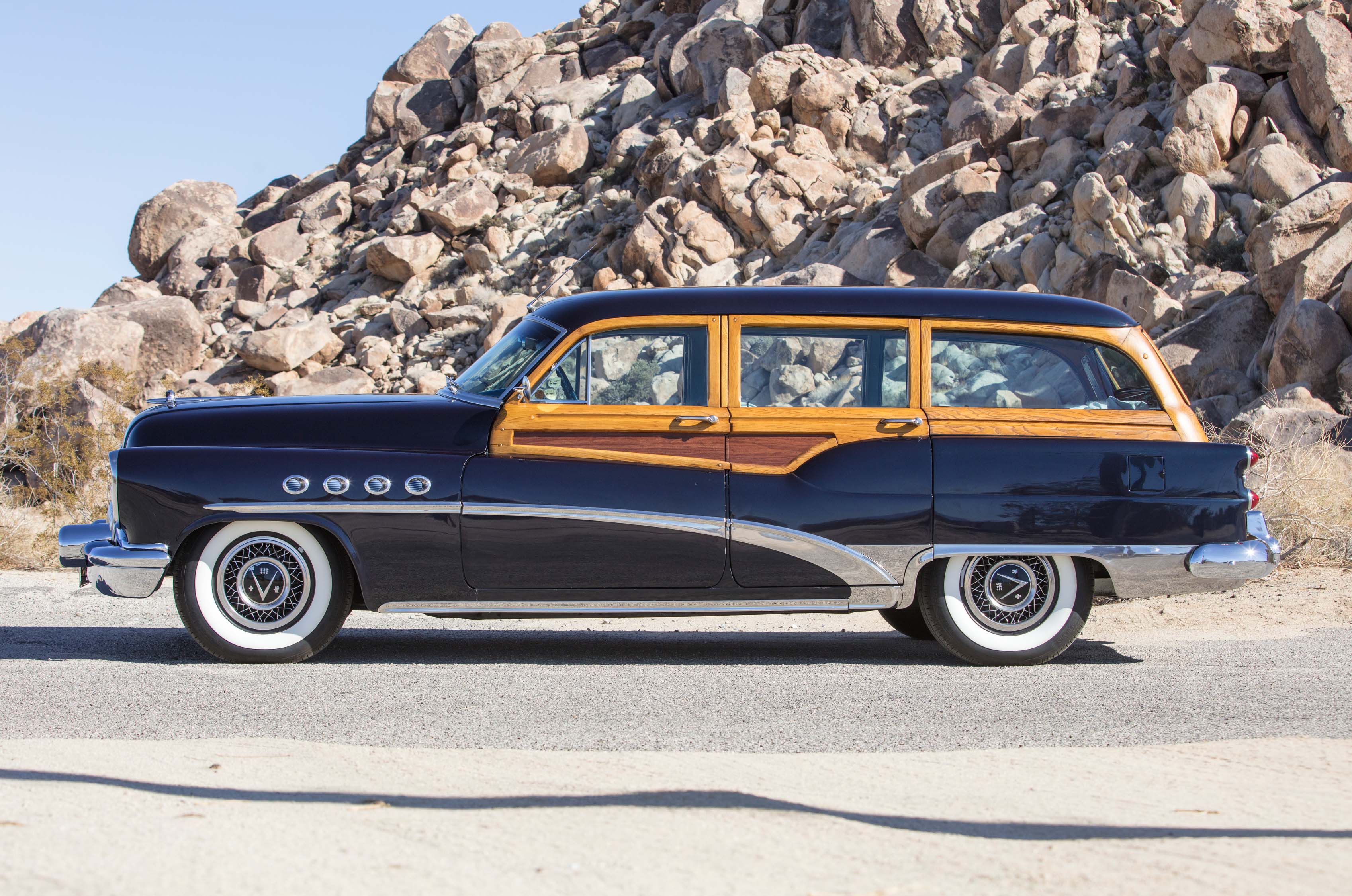
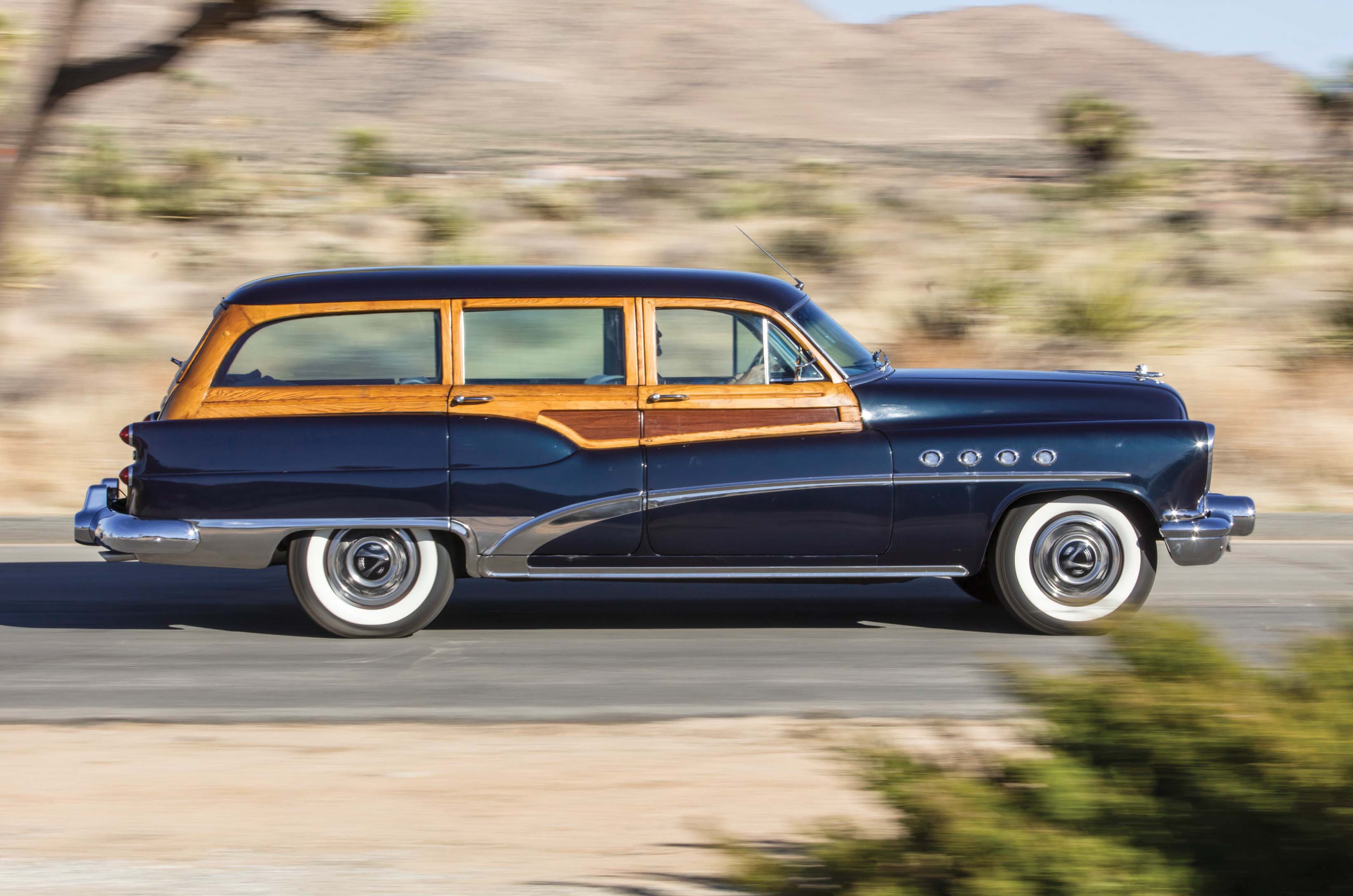
From the side, the stainless-steel ‘spear sweep’ moulding and ‘Ventiports’ on the wings were Buick signature touches. 

The Ventiports, fighter aircraft-inspired gimcrackery, were open at first, but were sealed soon in the production run when it was reported that male high-school students were relieving themselves into them.

Classic & Sports Car – Buick Roadmaster Estate Wagon: the woodie’s last hurrah
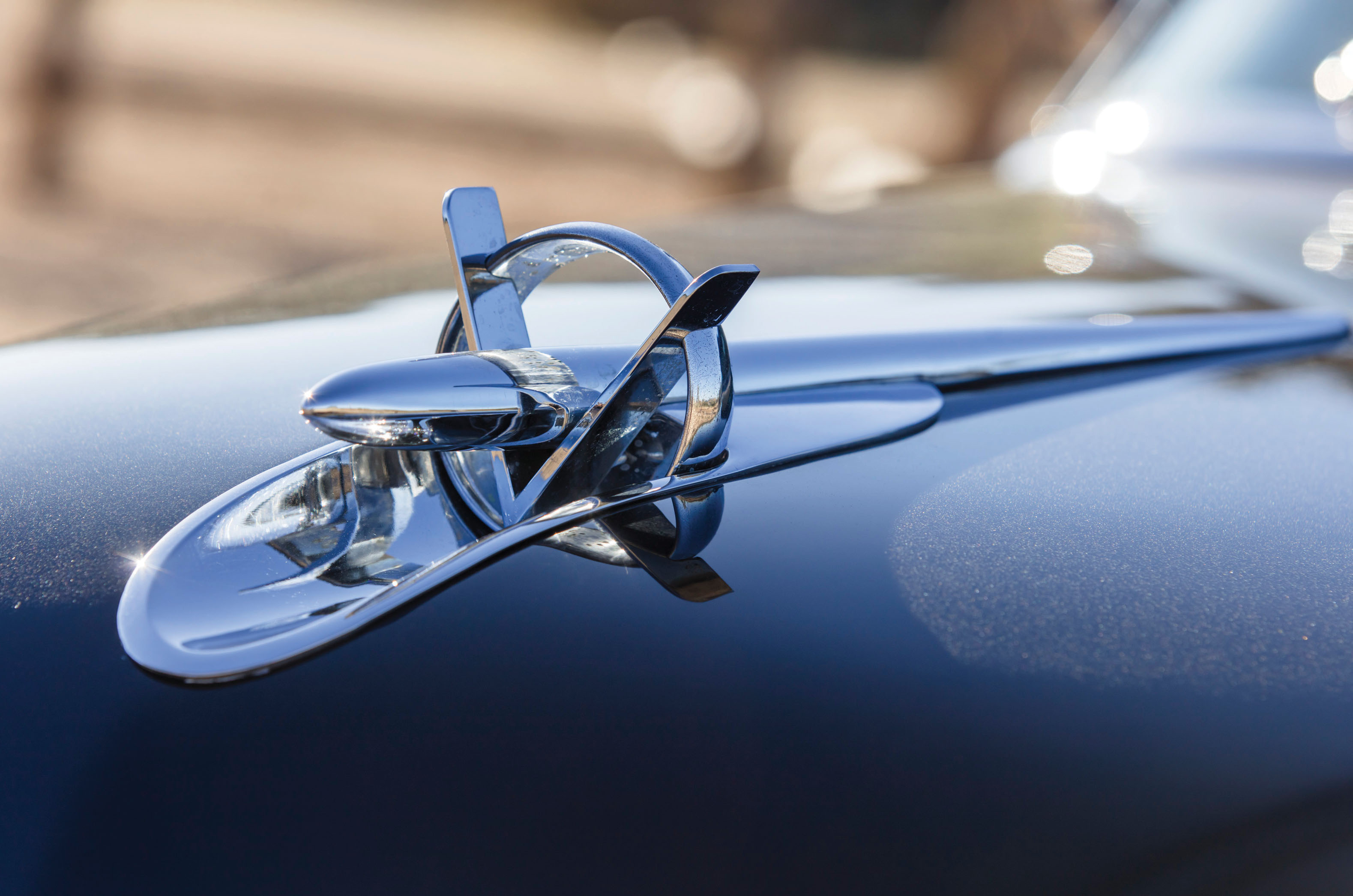
This Buick Roadmaster Estate Wagon’s gunsight bonnet mascot

Under the skin, it was surprising how little was shared with other GM divisions, even the bits you could not readily see.

Equipped with a torque tube and four coil springs – for what the brochure called a ‘million-dollar ride’ – the husky, cross-braced chassis was unique to Buick.

The wishbone and coil-sprung front end, with lever-arm dampers, was similar to Cadillac but ‘Buick tuned’, while the 12in drum brakes were generously sized by US standards.

The 1953 Buick range was offered in Special (Series 40), Super (Series 50) and Roadmaster (Series 70) trim levels, embracing two- and four-door sedans, two-door convertibles and the four-door wagons.

Classic & Sports Car – Buick Roadmaster Estate Wagon: the woodie’s last hurrah

This Buick Roadmaster Estate Wagon’s factory paint was Verde Green, but the timber is original

The latter were only available as a Super or a Roadmaster, the $4031 Roadmaster Estate Wagon being only one rung below the new flagship Roadmaster Skylark Convertible in the fiscal pecking order.

The model 79R Roadmaster Estate Wagon was less numerous than the dreamboat Skylark, with just 670 built.

Even in Super form, the Estate Wagon was rare in 1953, with only 1830 cars laid down out of a total Buick production run of almost half a million units that year.

How, at a glance, do you tell a Super from a Roadmaster? The cheaper Super version has three Ventiports on its front wings, as opposed to four on the more powerful Roadmaster, which also had the four-barrel carburettor and power steering as standard.

Classic & Sports Car – Buick Roadmaster Estate Wagon: the woodie’s last hurrah

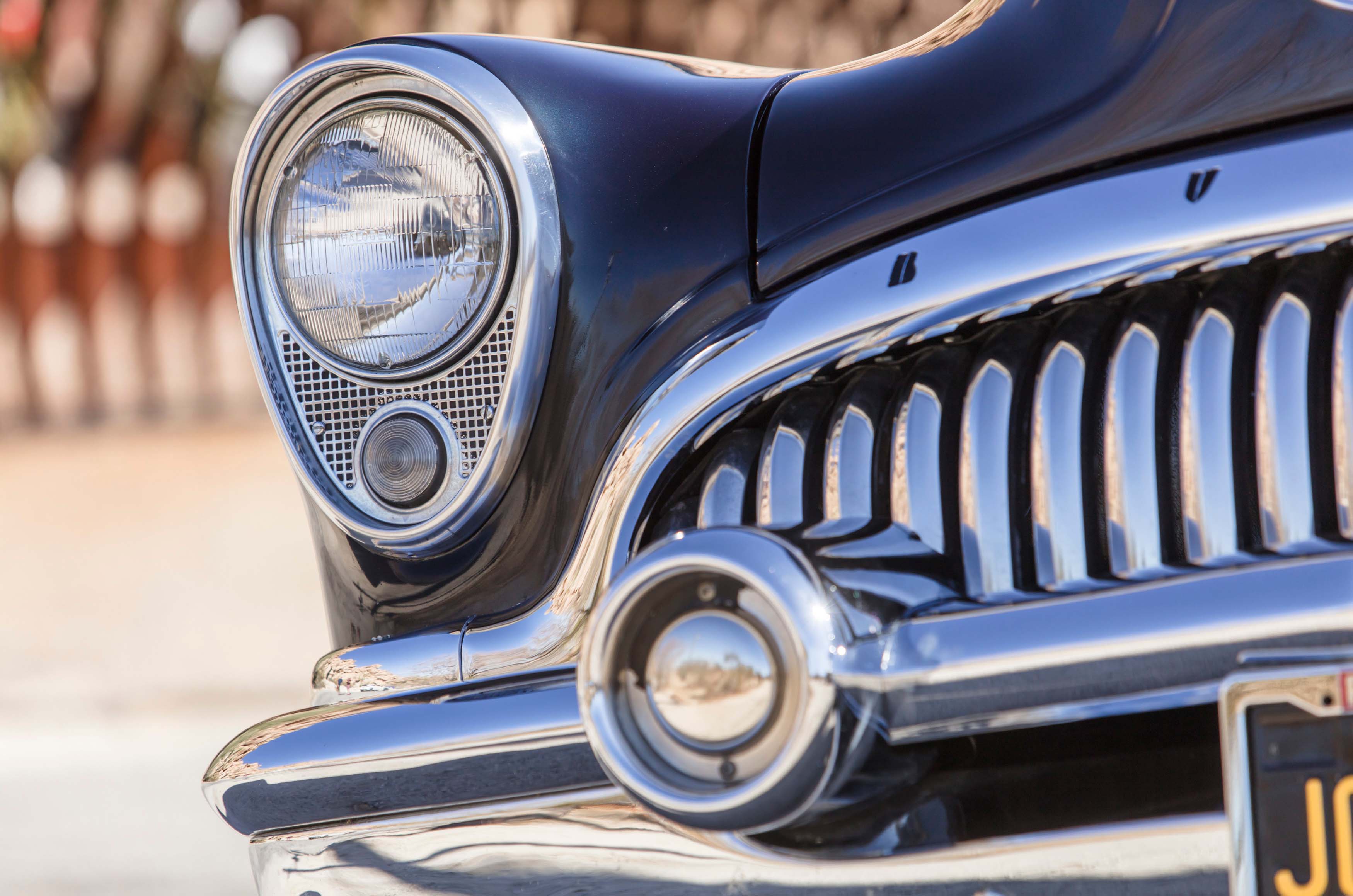
The Buick Roadmaster Estate Wagon’s grille and bumper were revised for ’53

For 1953, the basic bodyshell was the same as 1952, but with tweaks to the grille, wraparound bumper and headlight treatment, plus a lower bonnet line thanks to the squatter dimensions of that new, overhead-valve V8 engine.

Overhead-valve straight-eights had been part of the Buick identity for decades, but it was difficult to argue against taking the V8 route.

The new motor was not only much lighter, but also 13½in shorter, and that meant the engineers in Flint, Michigan, were able to reduce the wheelbase by 5in.

The new engine was pokey, too. With 188bhp and running the highest compression ratio in the industry (at 8.5:1, made possible by the increasing availability of ‘high test’ 90-octane fuel), the 100mph-plus Roadmaster would haul its 4424lb bulk to 60mph in 12 secs.

Classic & Sports Car – Buick Roadmaster Estate Wagon: the woodie’s last hurrah

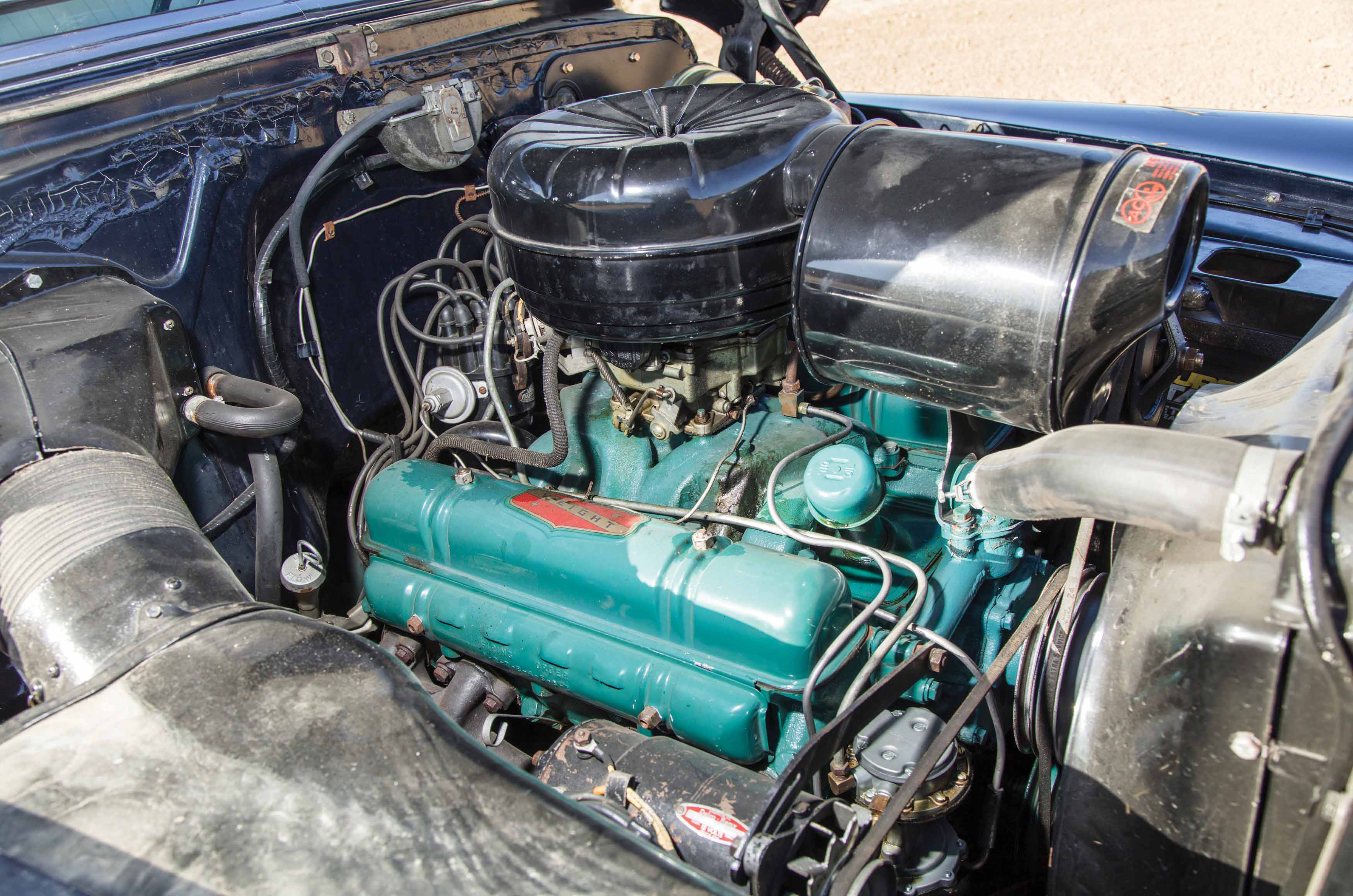
The Buick Roadmaster Estate Wagon’s high-compression, 5.3-litre V8 makes a seamless 300lb ft, but it’s built for mid-range urge and durability, not the drag strip

Here was a modern, short-stroke, 322cu in V8 with pent-roof combustion chambers and vertical ‘nailhead’ valves for a compact valvetrain that prioritised low- and mid-range urge with long-term durability over high revs. 

It had a modern, 12V electrical system for bright lights, easy starting and the ability to run power-sapping options galore.

It was 15bhp stronger than the Super and had a full 60bhp more than the entry-level Special, which was still powered, for its final season, by that venerable straight-eight.

Classic & Sports Car – Buick Roadmaster Estate Wagon: the woodie’s last hurrah

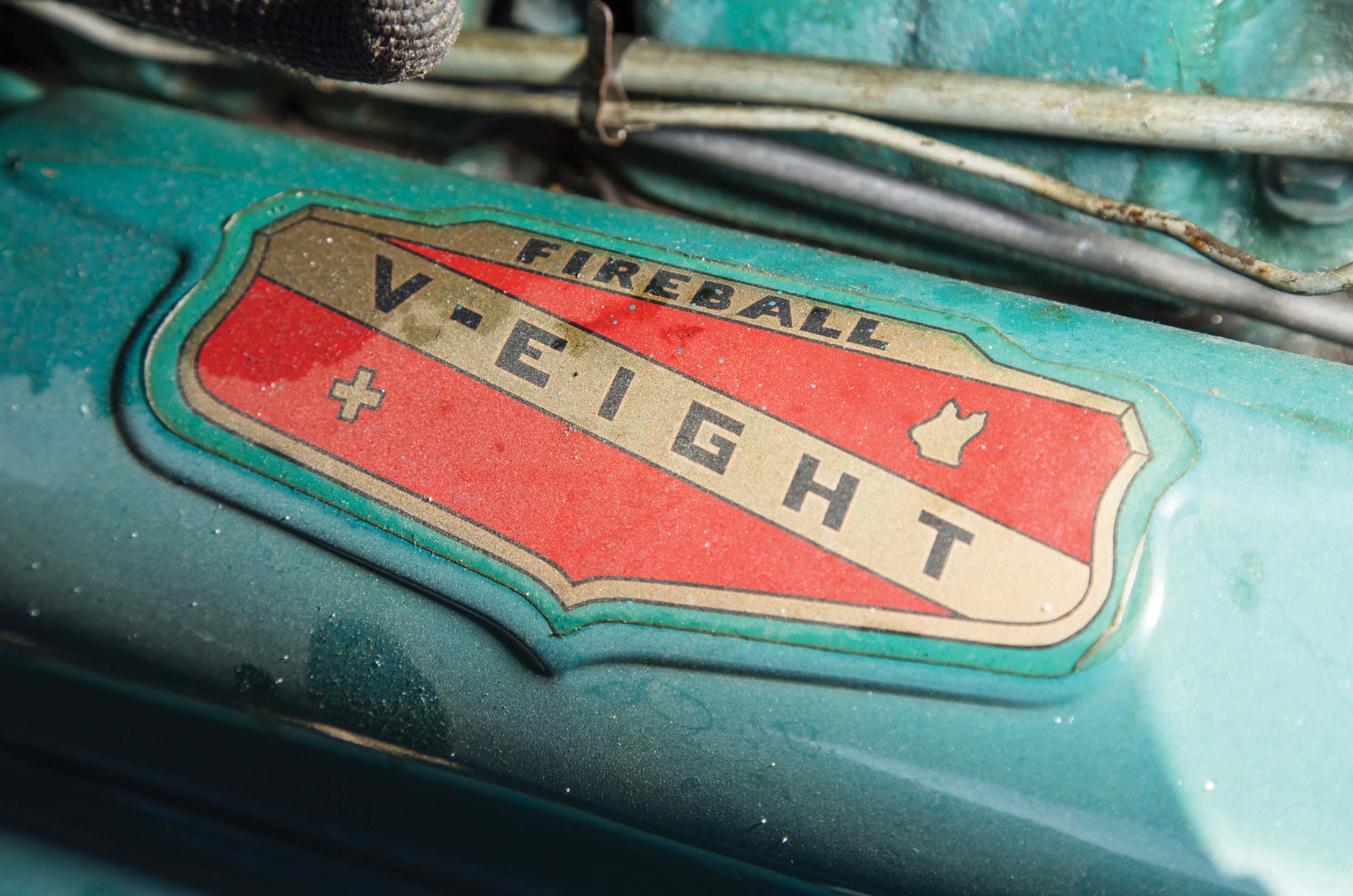
The Apple Green finish was reserved for the 322cu in ‘Fireball’ V8

The ‘Fireball’ V8 was really all about torque, with 300lb ft at 2400rpm.

In Roadmaster form it had the industry’s first four-barrel carburettor (invented by Buick engineer Adolph Braun) and the latest, twin-turbine version of the division’s famous Dynaflow automatic ’box, developed from wartime use in tanks.

The Dynaflow offered Low and Drive ranges, but when pulling away in ‘D’ you could rely on the multiplication of the torque converter to give stepless acceleration.

A Dynaflow was standard in the Roadmaster, but 75% of Buick customers were choosing it for lesser models, too.

Classic & Sports Car – Buick Roadmaster Estate Wagon: the woodie’s last hurrah

The Buick Roadmaster Estate Wagon is relaxed, smooth and remarkably quiet, with a soft and floating ride that borders on wallowy

These last-of-the-line Buick woodies are now highly desirable, with just 30 thought to survive in Roadmaster form.

Bryan Burns of Yucca Valley, California, bought his in Boston in 2022.

It shares garage space with an early clap-door Lincoln, a Chrysler Imperial of the same era and some other Buicks, which were his first love. “It lived on the East Coast for most of its life,” Bryan says.

“It was originally Verde Green, but before the previous owner it had a colour change to Imperial Blue – a proper Buick shade – and the interior was redone. But the wood is original.”

Classic & Sports Car – Buick Roadmaster Estate Wagon: the woodie’s last hurrah

Woodwork forms the Buick Roadmaster Estate Wagon’s rear structure

Bryan grew up in a Buick family: “My aunt and uncle had them, and my parents did; we lived across the street from a Buick dealer. They were just well-built, solid cars. If you repair something on one, you only do it once.”

Bryan points out that a fully loaded Buick was about the price of an entry-level Cadillac.

Bryan finds his ’53 Roadmaster a doddle to drive. “I was thinking of buying a Continental MkII, but Buicks are easier,” he says. “I looked at a 1948 Lincoln Continental as well. I loved the look of the car, but driving it was another story.

“This is five years younger and you have power steering, power brakes and 12 volts: so many improvements in such a short period.”

Classic & Sports Car – Buick Roadmaster Estate Wagon: the woodie’s last hurrah

‘Woodies’ were going out of fashion by the 1950s; instead, it was the decade of tailfins

On first meeting the Buick Estate Wagon, you get the impression that this is a car that still has two of its wheels firmly in the 1940s.

By 1953, as the Korean War ended and Eisenhower was inaugurated, its patrician values were out of step with a new world of colour televisions, TV dinners and a magazine called Playboy that had recently arrived on the newsstands.

The deep, Imperial Blue paintwork sets off the timber elements nicely, the doors shut with a high-quality thud and there are no jarring elements to a shape that predates some of GM’s more gruesome 1950s designs.

Classic & Sports Car – Buick Roadmaster Estate Wagon: the woodie’s last hurrah

The Roadmaster Estate Wagon’s striking profile is accentuated by Buick’s signature side moulding

The chrome is abundant, but not ladled on.

With its gunsight bonnet mascot, clap-hands windscreen wipers and the reversing lights neatly integrated into the rear overriders, this is an authoritative rather than garish automobile.

The upper and lower tailgates swing open to reveal a load area that extends to 6ft long with the rear seats folded – but watch your head on the painfully protruding catch of the counterbalanced upper half.

Some earlier post-war Buicks had ingenious, side-opening bonnets that hinged left or right; this one hinges conventionally at the rear to reveal a V8 painted apple green and topped by a huge air cleaner and attended by a massive battery.

Classic & Sports Car – Buick Roadmaster Estate Wagon: the woodie’s last hurrah

The Buick Roadmaster Estate Wagon is capable of 100mph

Inside, the twin sofas will accommodate six easily; there is headroom aplenty and a suggestion of a transmission hump.

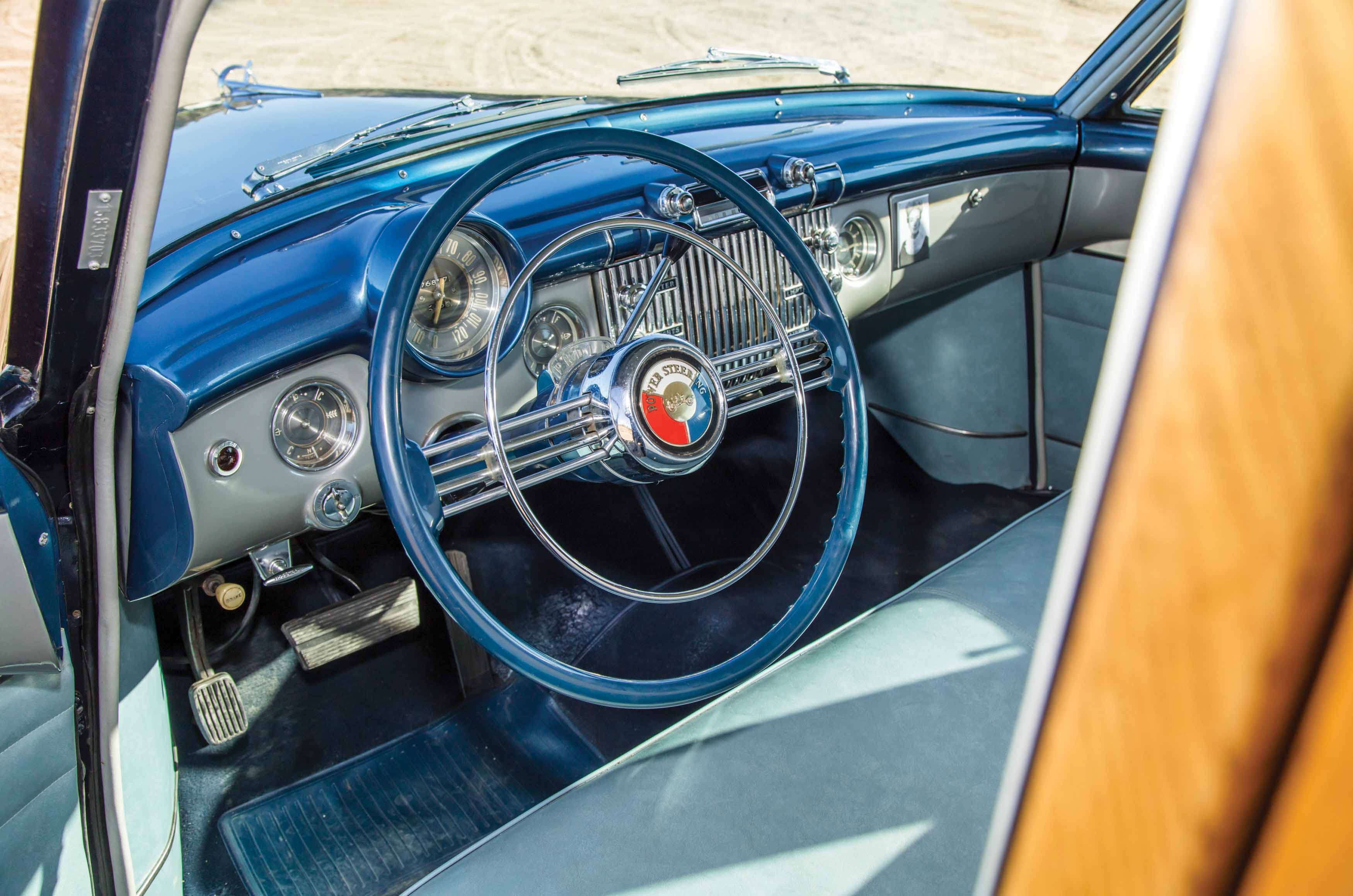
The top of the dashboard flows into the door cappings, and the massive steering wheel proudly announces on its centre hub that it is power-assisted.

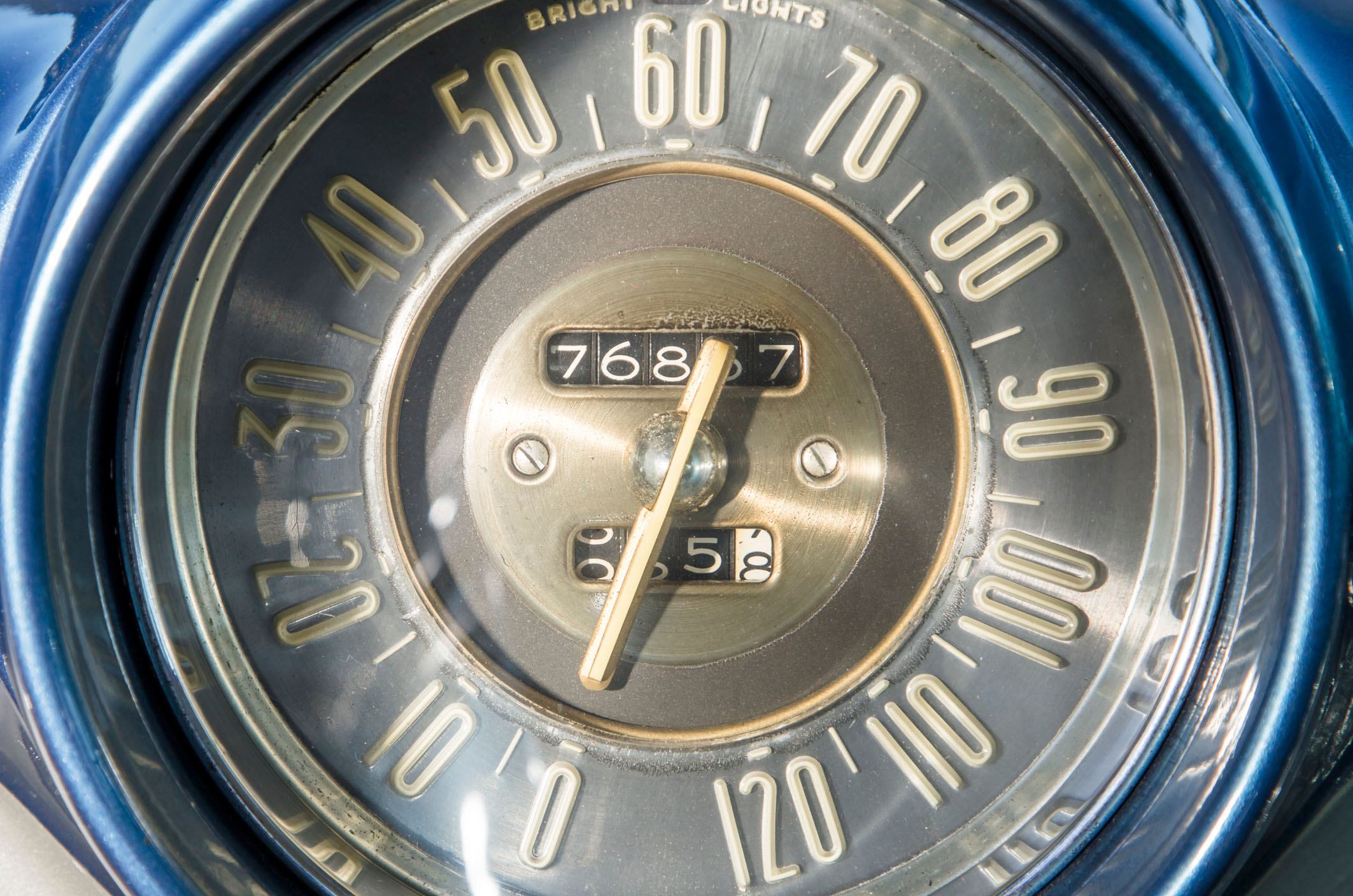
The circular speedometer reads clearly up to 120mph, flanked by oil-pressure, water-temperature and fuel gauges.

The knobs for lights, heating, ventilation and wipers are styled into the chrome-laden centre of the dash. 

The windows wind manually and there are handles for the quarterlights.

Classic & Sports Car – Buick Roadmaster Estate Wagon: the woodie’s last hurrah

There’s room for six inside the Buick Roadmaster Estate Wagon

To start, you turn on the ignition, then press the throttle to the floor to work the starter motor – a very pre-war touch.

The engine is subdued, though, with a precision burble to the exhaust and an almost silent tickover.

With Drive selected, the Buick surges forward gently up to cruising speeds.

There are no gearchanges, which means that the Dynaflow – a five-element, two-stage torque converter giving drivetrain multiplication – has to be the ultimate in smoothness if not efficiency.

Classic & Sports Car – Buick Roadmaster Estate Wagon: the woodie’s last hurrah

The Buick Roadmaster Estate Wagon from the driver’s seat, with ‘Power Steering’ script on the steering wheel’s centre hub

There’s no kickdown, but you can feel resistance feeding back through the throttle linkages as the secondary chokes start to open and the big Buick gets into its stride, still with extraordinarily little noise from the engine – or from the suspension, for that matter.

Road noise is also well suppressed; the ride is pillow-soft at both ends, almost to the point of wallow. 

The steering is as low-geared and fingertip-light as you would expect, but the Buick is directionally stable and easy to manoeuvre, which is what buyers demanded.

You could go in search of tyre squeal and terminal understeer, and find both quite readily.

Better to drive with a rhythm that befits its considerable dignity and reflect on the fact the Roadmaster Wagon must have been the finest and fastest estate car available anywhere in the world in 1953.

Images: Pawel Litwinski


Factfile

Classic & Sports Car – Buick Roadmaster Estate Wagon: the woodie’s last hurrah

Buick Roadmaster Estate Wagon

  • Sold/number built 1953/670
  • Construction steel chassis, steel and timber body
  • Engine all-iron, ohv 5277cc V8, four-barrel carburettor, 8.5:1 compression ratio
  • Max power 188bhp @ 4000rpm
  • Max torque 300lb ft @ 2400rpm
  • Transmission two-speed automatic, RWD
  • Suspension: front independent, by wishbones rear live axle, anti-roll bar; coil springs, lever-arm dampers f/r
  • Steering power-assisted recirculating ball
  • Brakes drums
  • Length 18ft ¾in (5507mm)
  • Width 6ft 8in (2029mm)
  • Height 5ft 4½in (1638mm)
  • Wheelbase 10ft 7in (3226mm)
  • Weight 4424lb (2007kg)
  • 0-60mph 12 secs
  • Top speed 100mph
  • Mpg 14
  • Price new $4031
  • Price now £50,000*

*Price correct at date of original publication


Enjoy more of the world’s best classic car content every month when you subscribe to C&SC – get our latest deals here


READ MORE

Plymouth Belvedere ‘Max Wedge’: street fighter

Chrysler Newport Town and Country: wood you believe it?

Your classic: Ford V8 Super Deluxe woodie