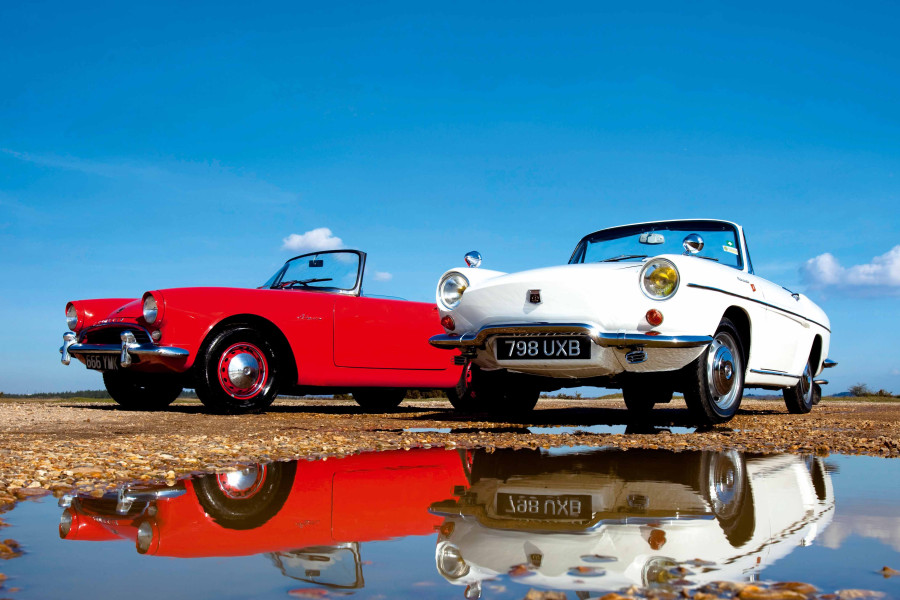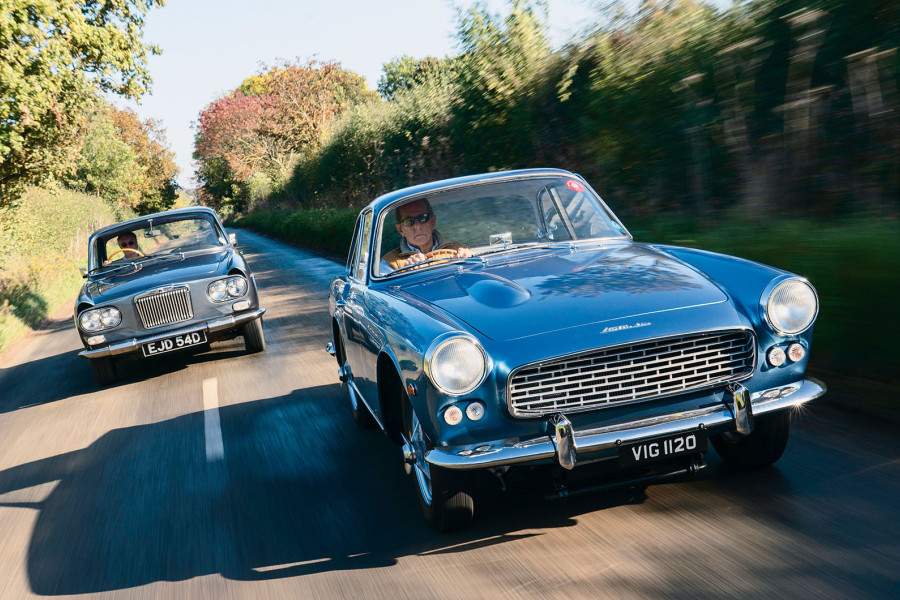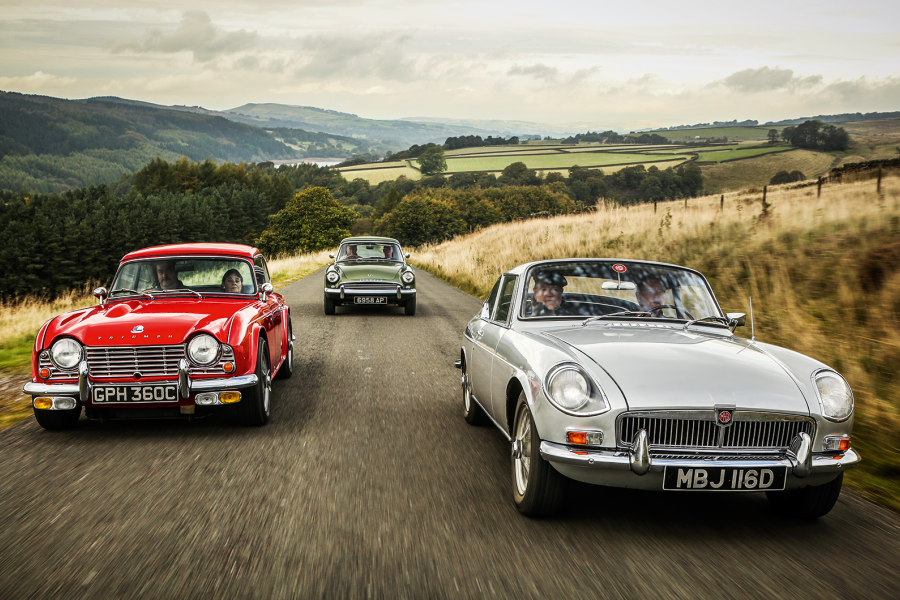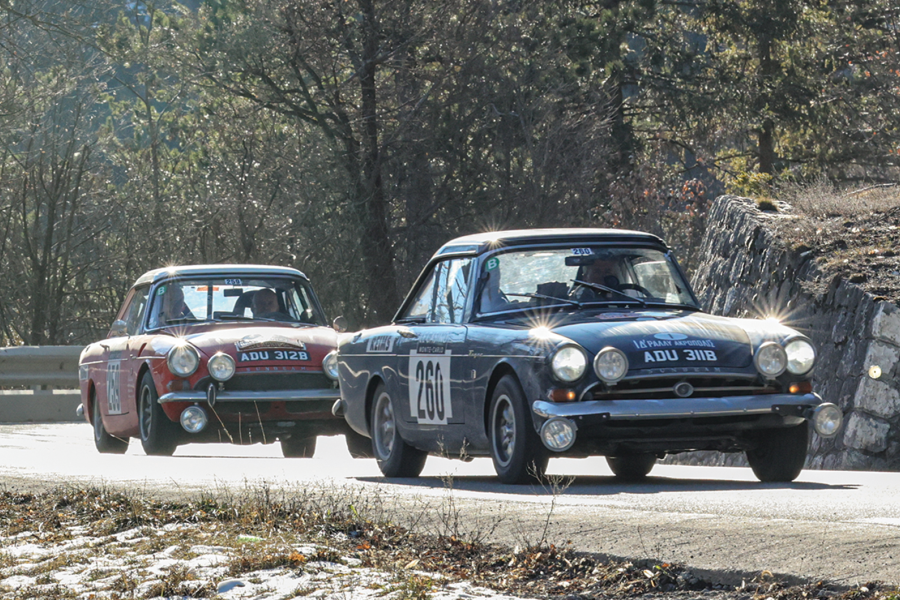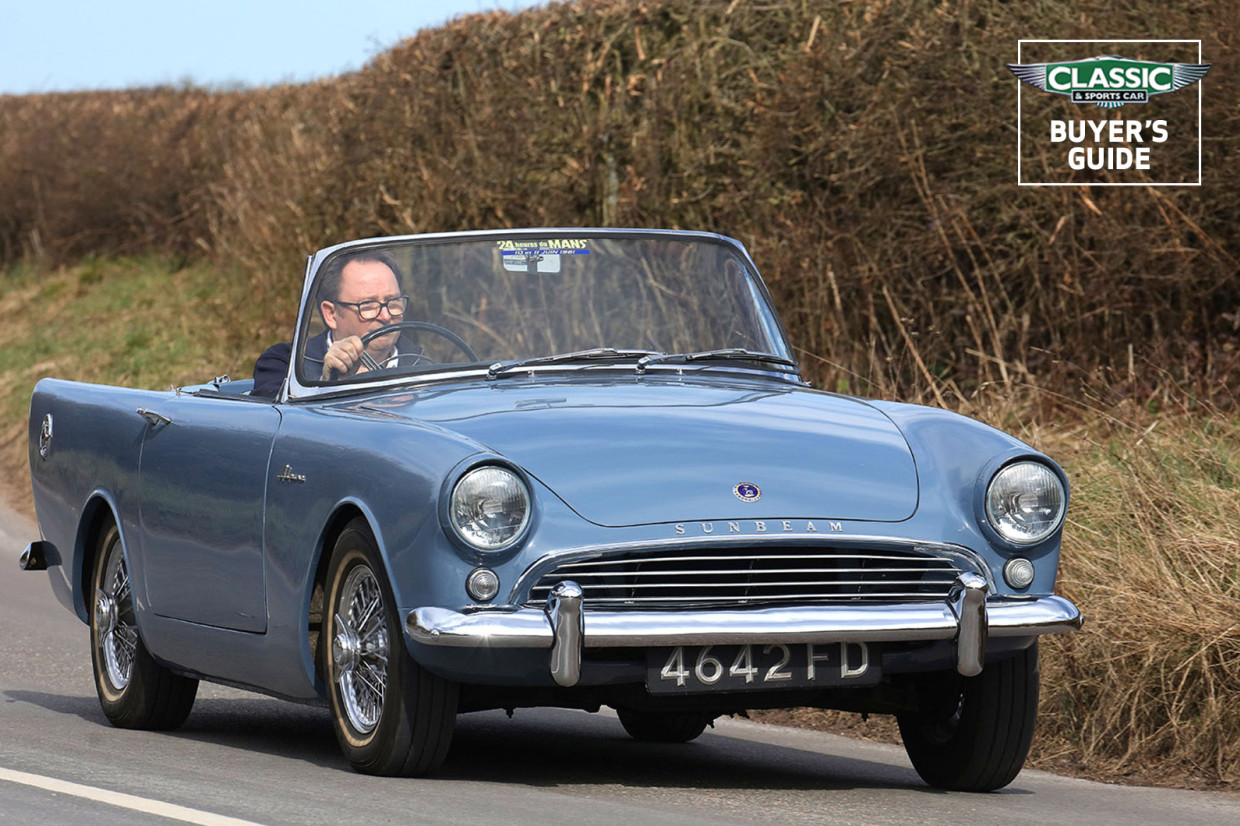
Why you’d want a Sunbeam Alpine
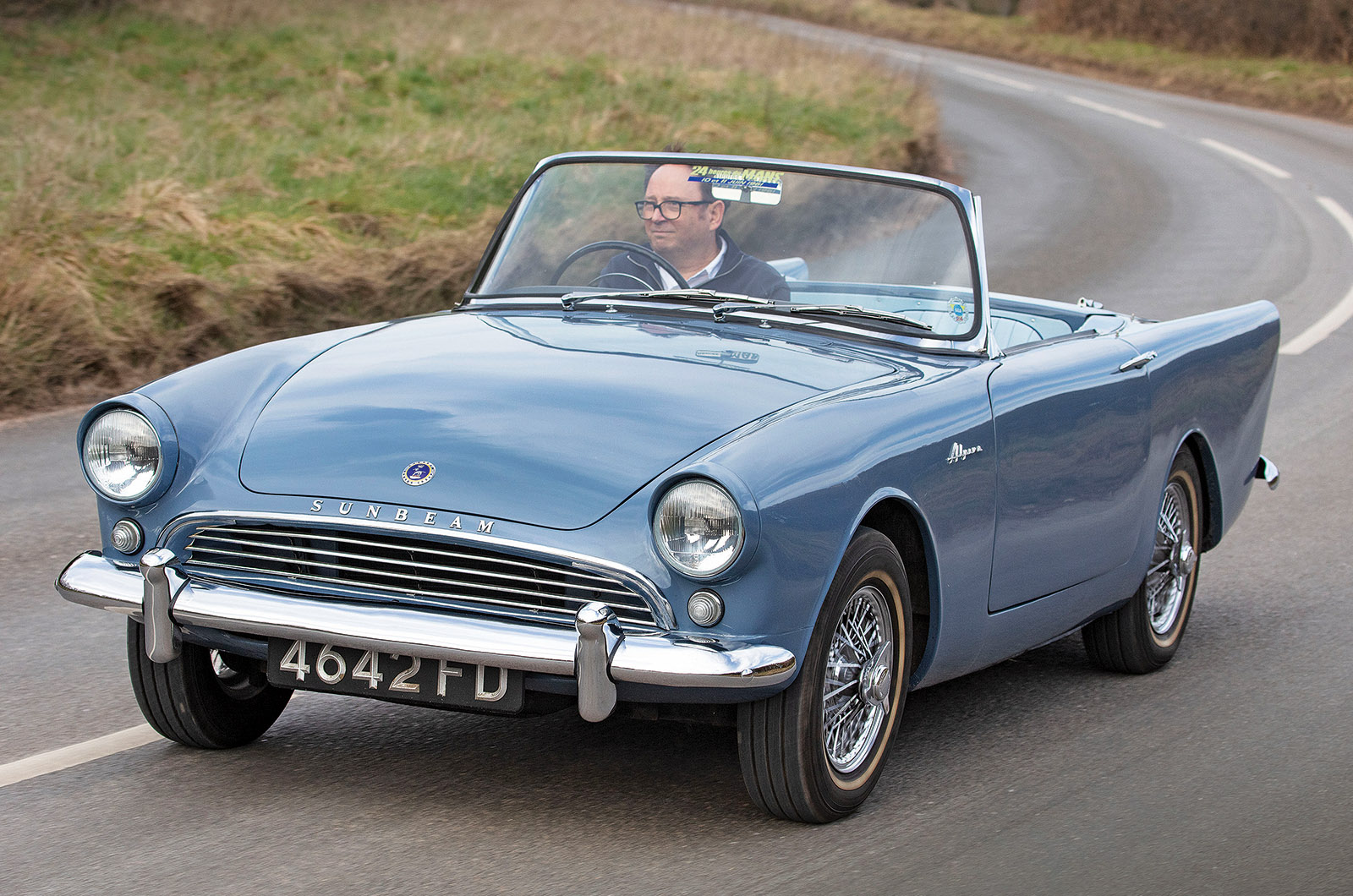
The Sunbeam Alpine was a very effective package from the off.
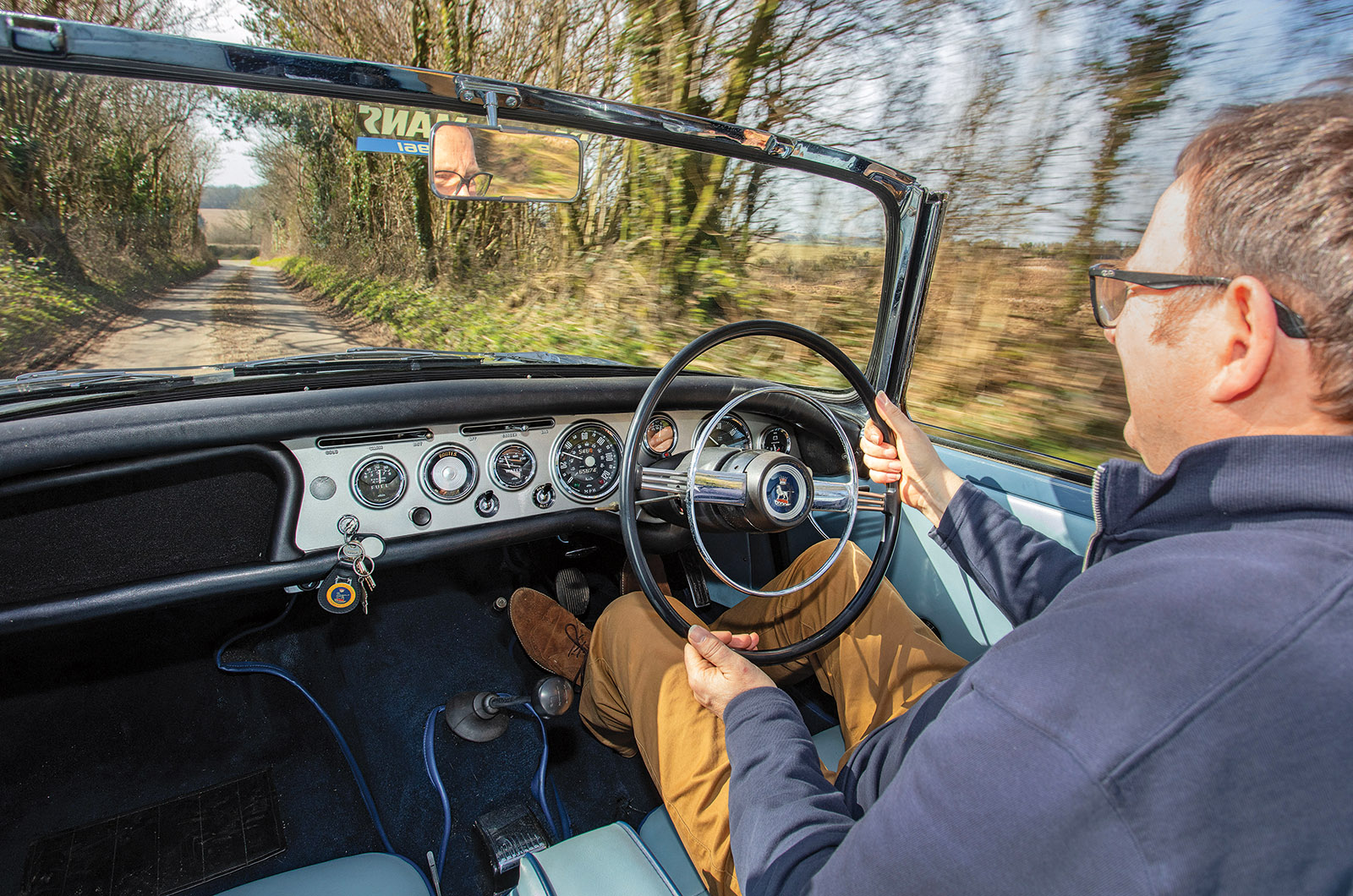
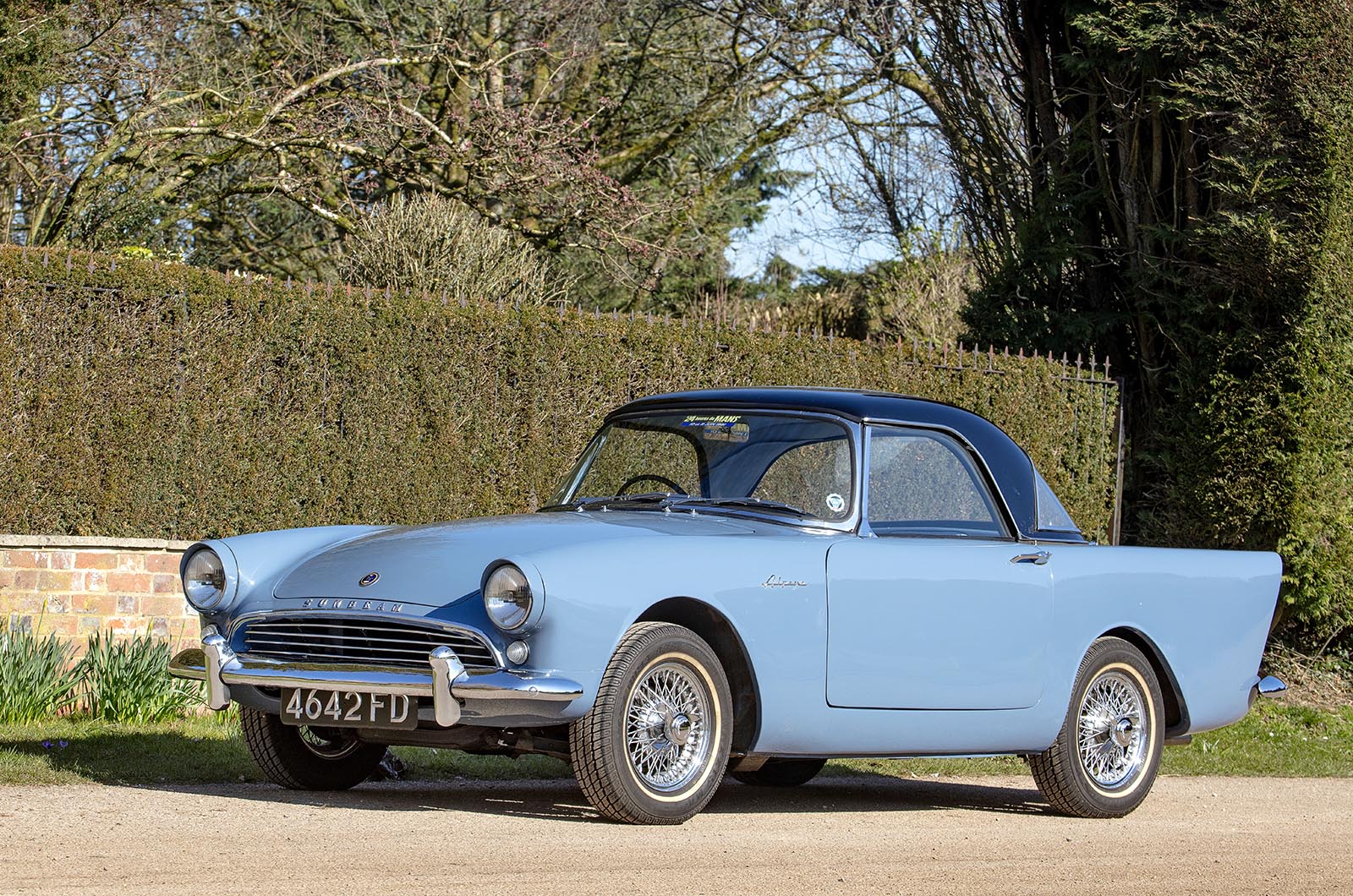
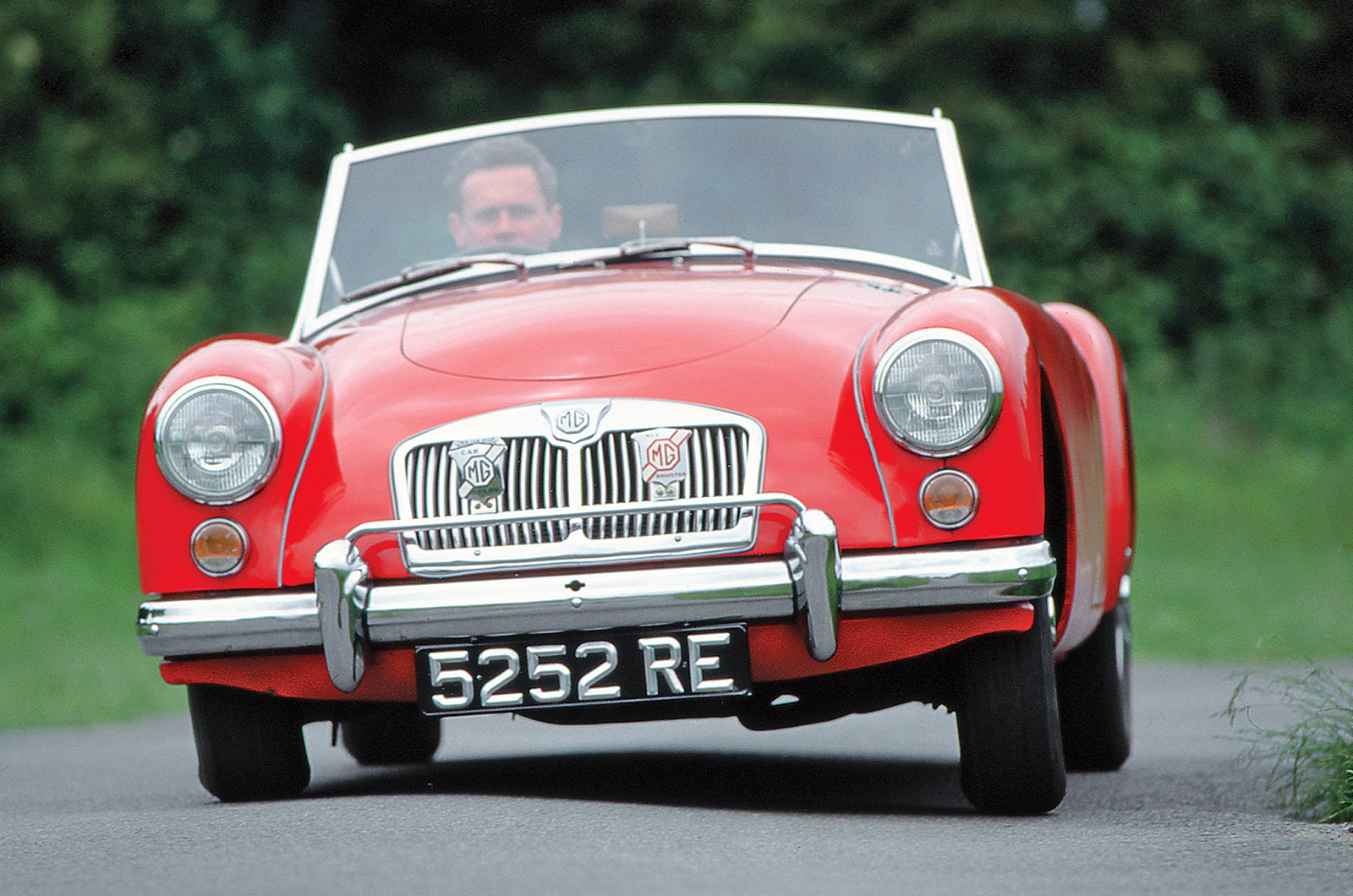
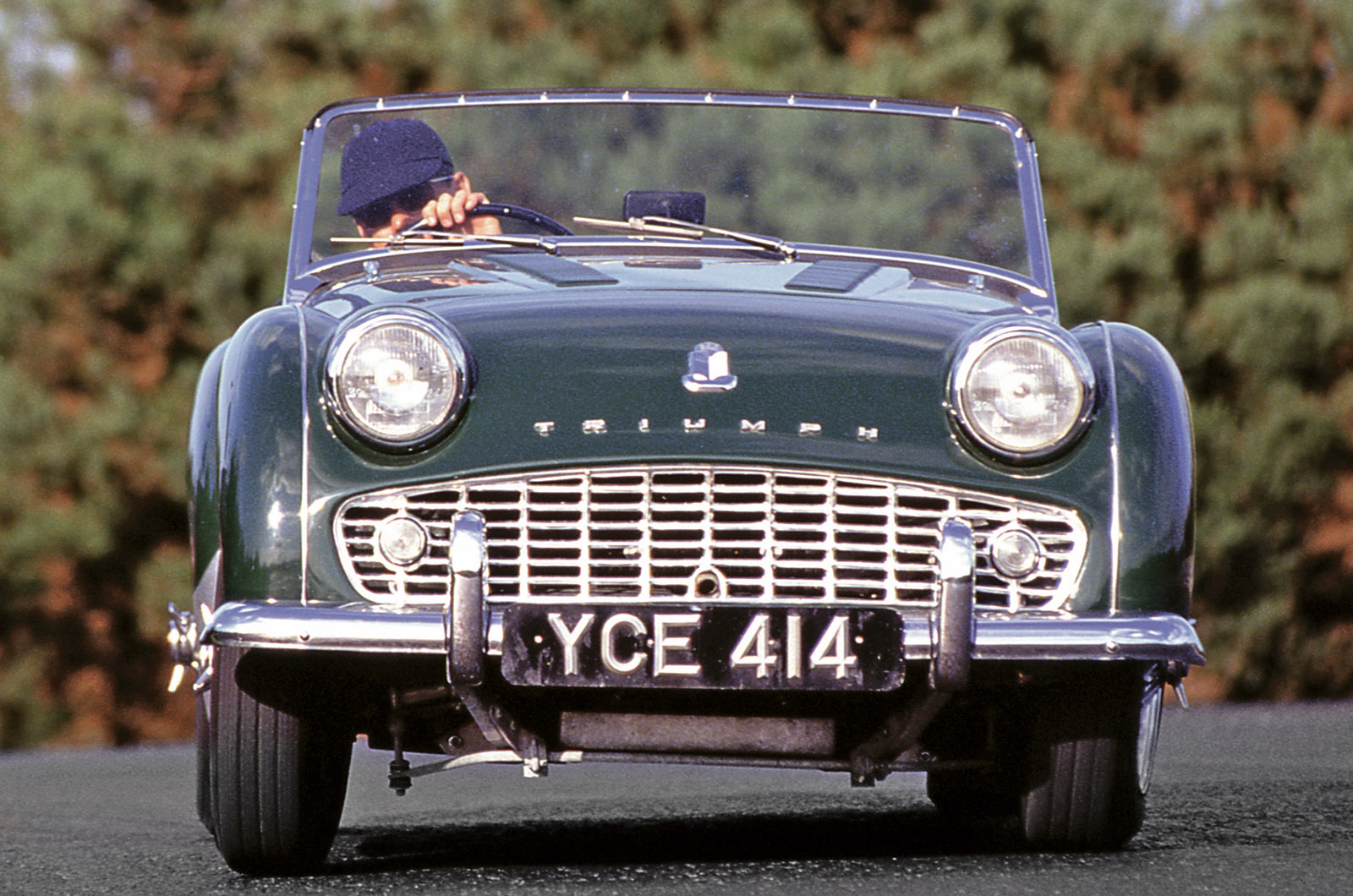
More comfortable than its main rival, the MGA, it boasted good aerodynamics and just enough transatlantic style to appear modern, but still understated.
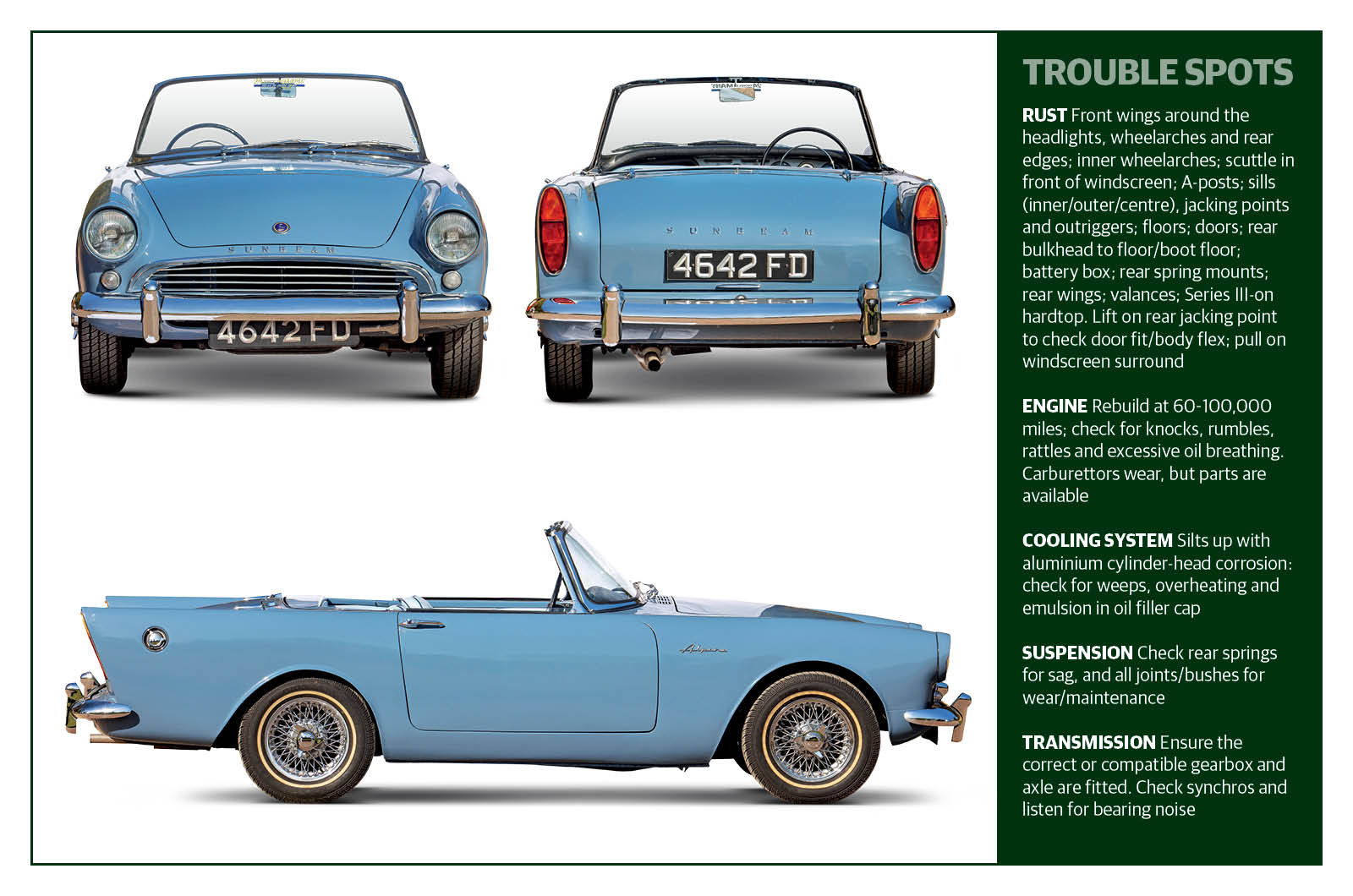
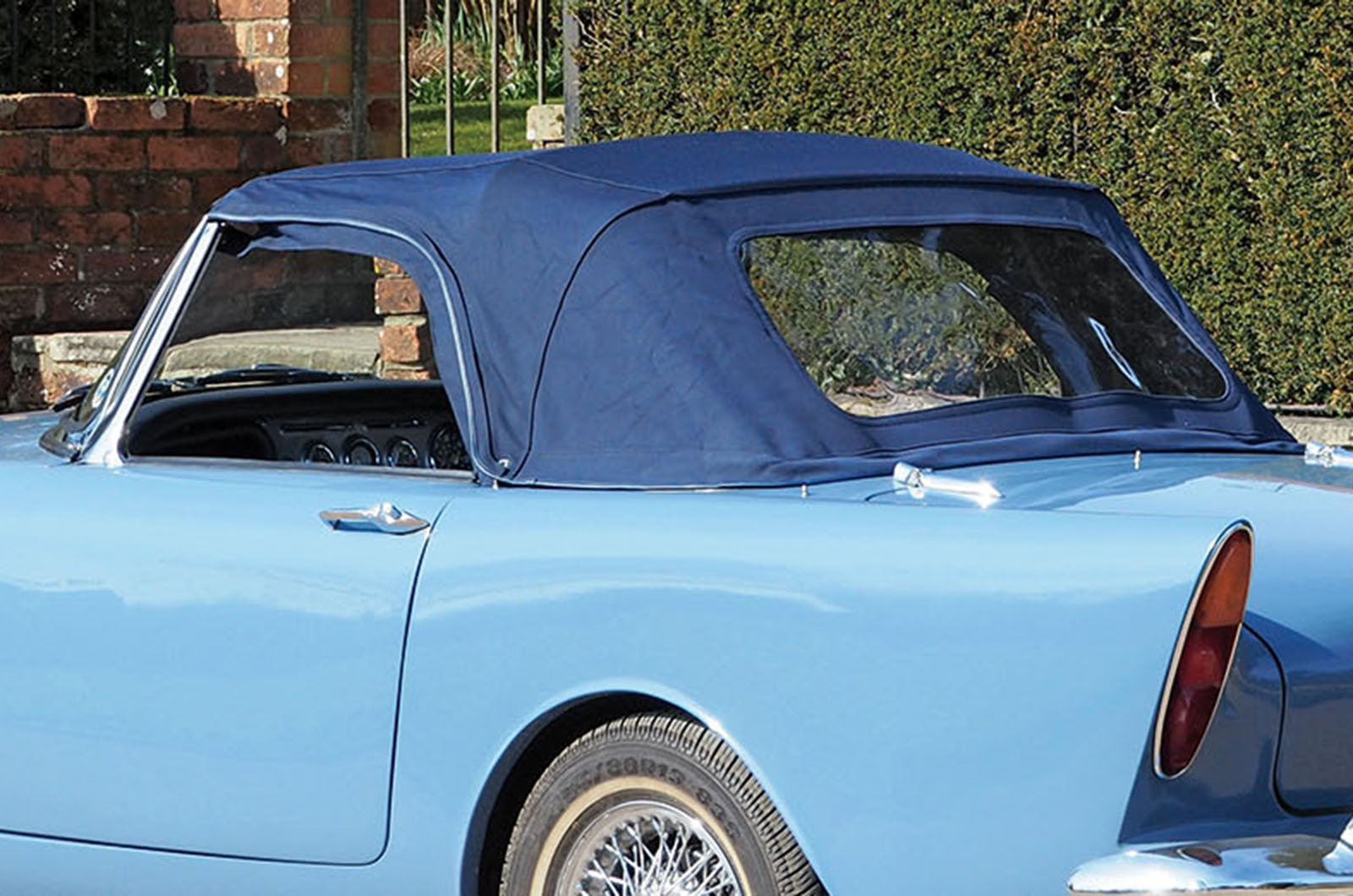
It had a small back seat, wind-up windows and an effective soft-top that tucked away out of sight below neat metal panels.
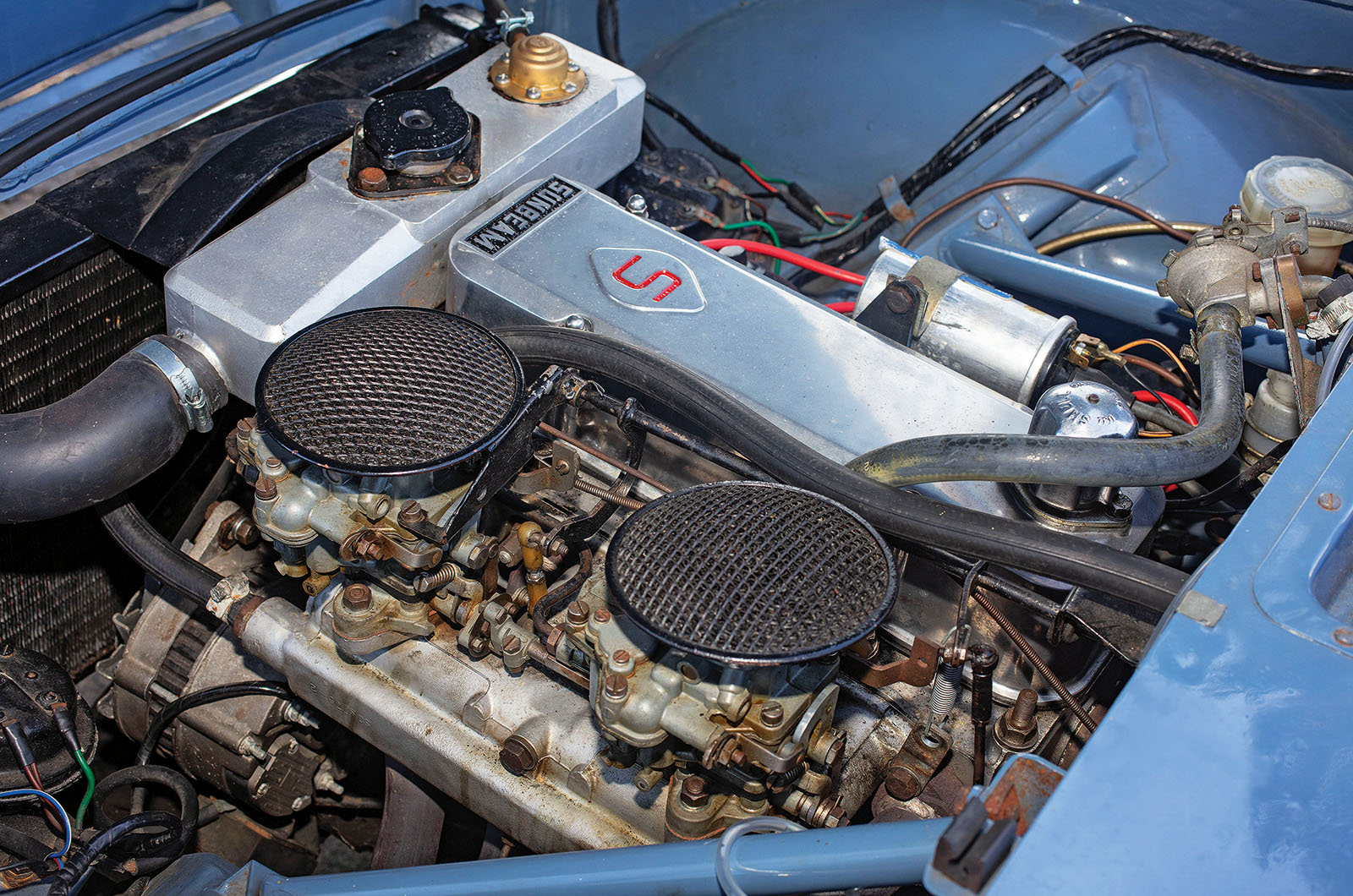
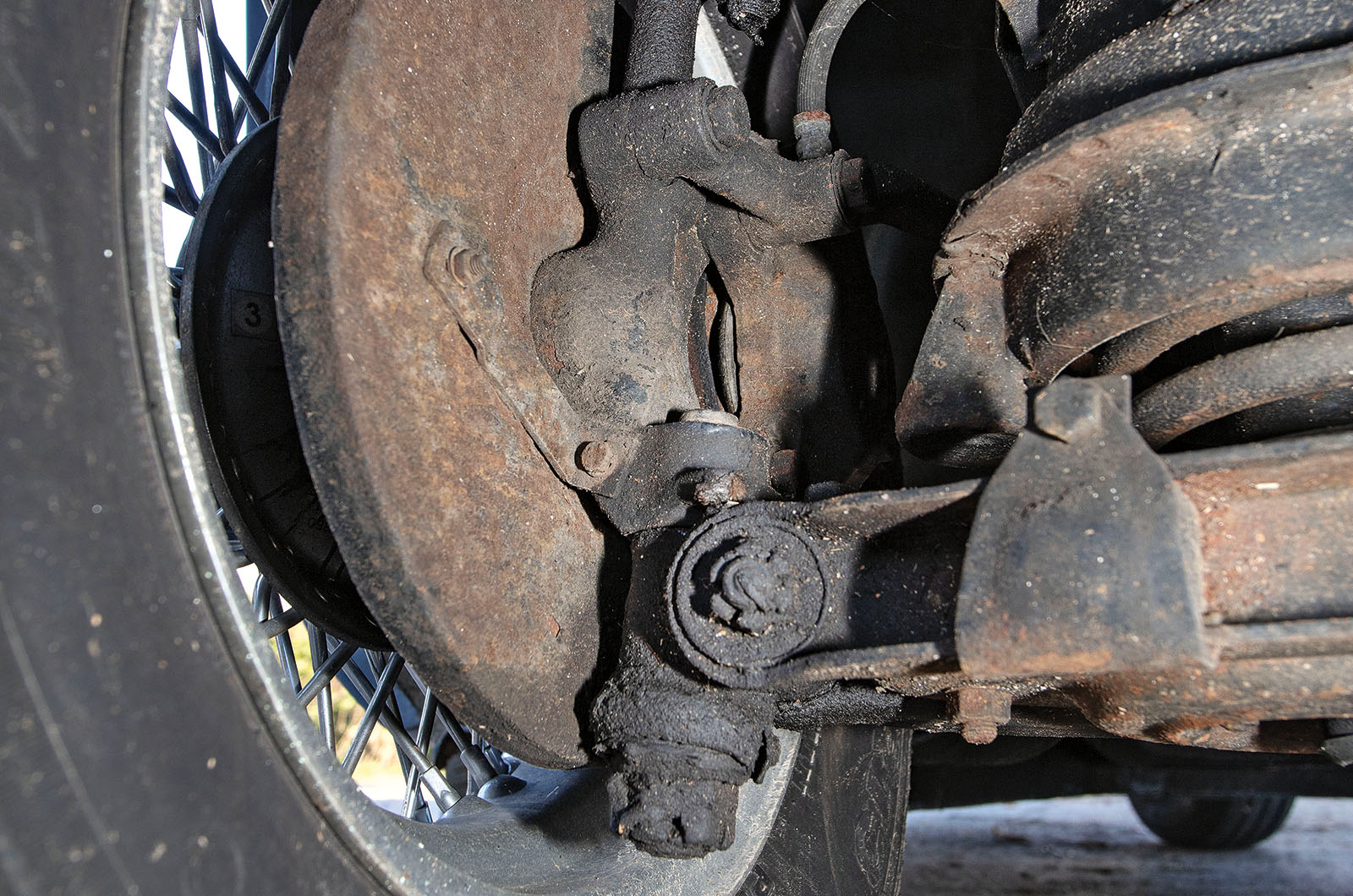
The running gear, uprated from the Sunbeam Rapier, was well-tried, with wishbone front suspension and disc front brakes (their first use on a Rootes Group car).
The monocoque body was immensely stiff, thanks to substantial cruciform chassis legs built into the Hillman Husky-derived floorpan.
Bolted-in tubular members linked the inner wheelarches to the front bulkhead: a belt-and-braces approach that made the Alpine very refined for a sports car.
It was a little heavy for competition, but that didn’t stop it winning the Index of Thermal Efficiency at Le Mans in ’61.
On test, the refinement, comfort and good handling impressed most, with well-chosen gear ratios when overdrive was specified. ‘The prescription for putting pleasure back into motoring,’ said The Motor.
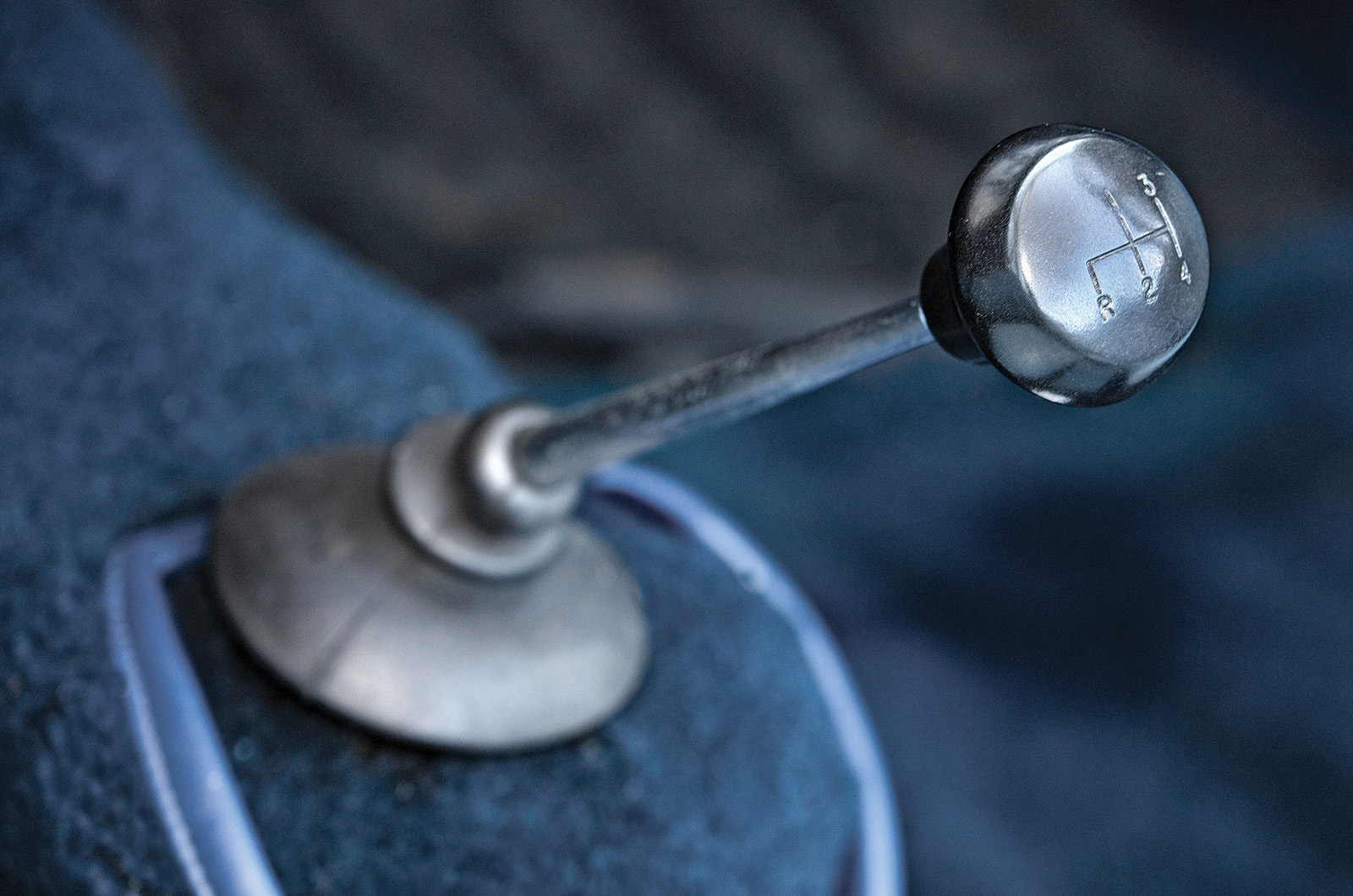
Optional overdrive on third and top gave six speeds; other options were an attractive curved aluminium hardtop, a heater, tonneau cover and wire wheels.
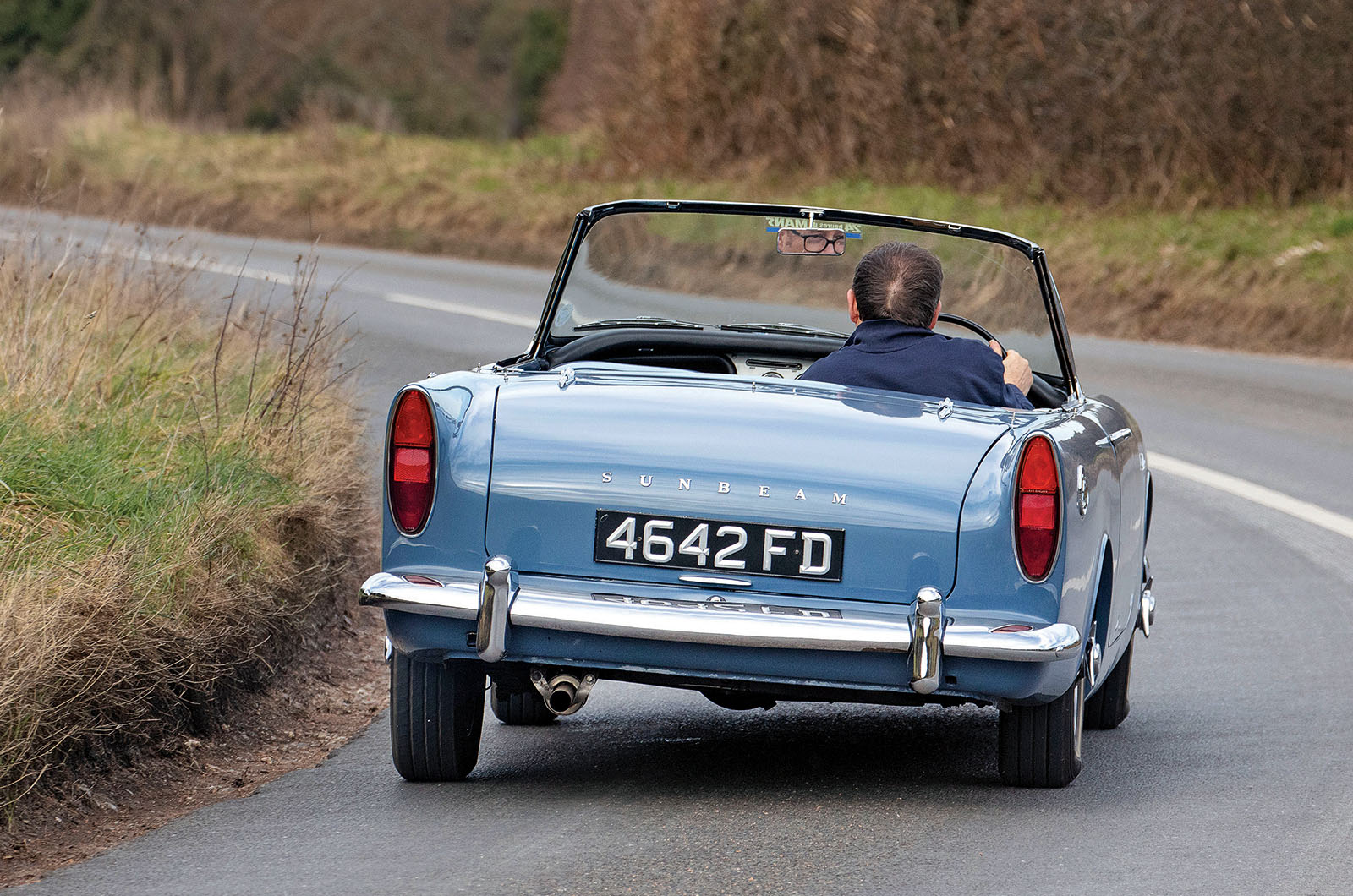
The Sunbeam Alpine Series II boosted handling, refinement and power – and was immortalised by James Bond in Dr No. Performance was unchanged, but increased flexibility and a quieter exhaust were appreciated.