Post-war America was a time of unbridled optimism.
After WW2, with most of Europe and much of Asia lying devastated, the United States emerged as the world’s first superpower.
It was an era during which America’s middle class also fully developed, driven by many returning veterans taking advantage of the GI Bill to attend college (the first generation to do so for most) and buy their first house.
Those starter homes of 1000sq ft or less often had attached garages.
Their new owners, having made sacrifices during the war years, were eager to park a shiny new US-built automobile inside.
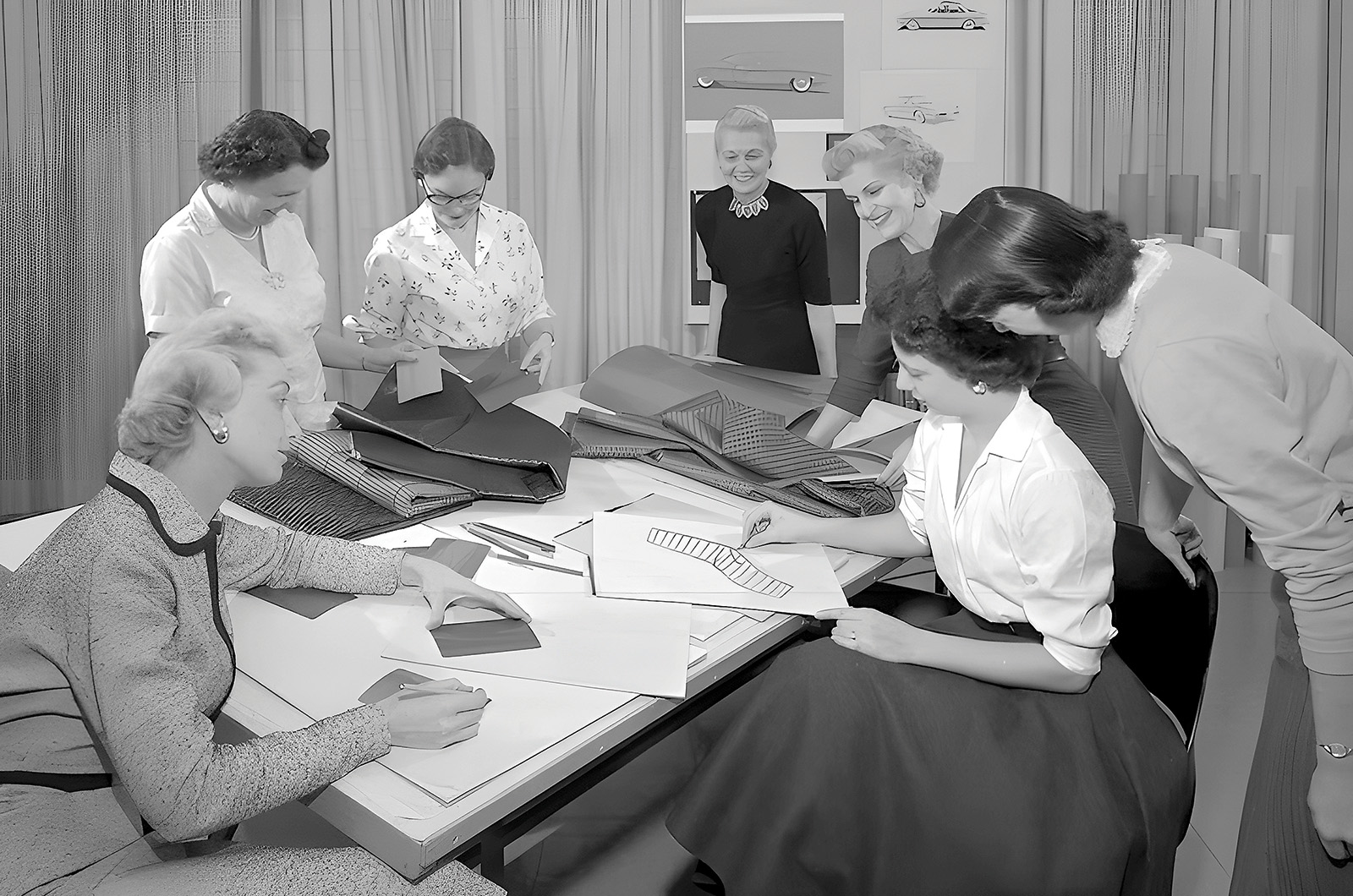
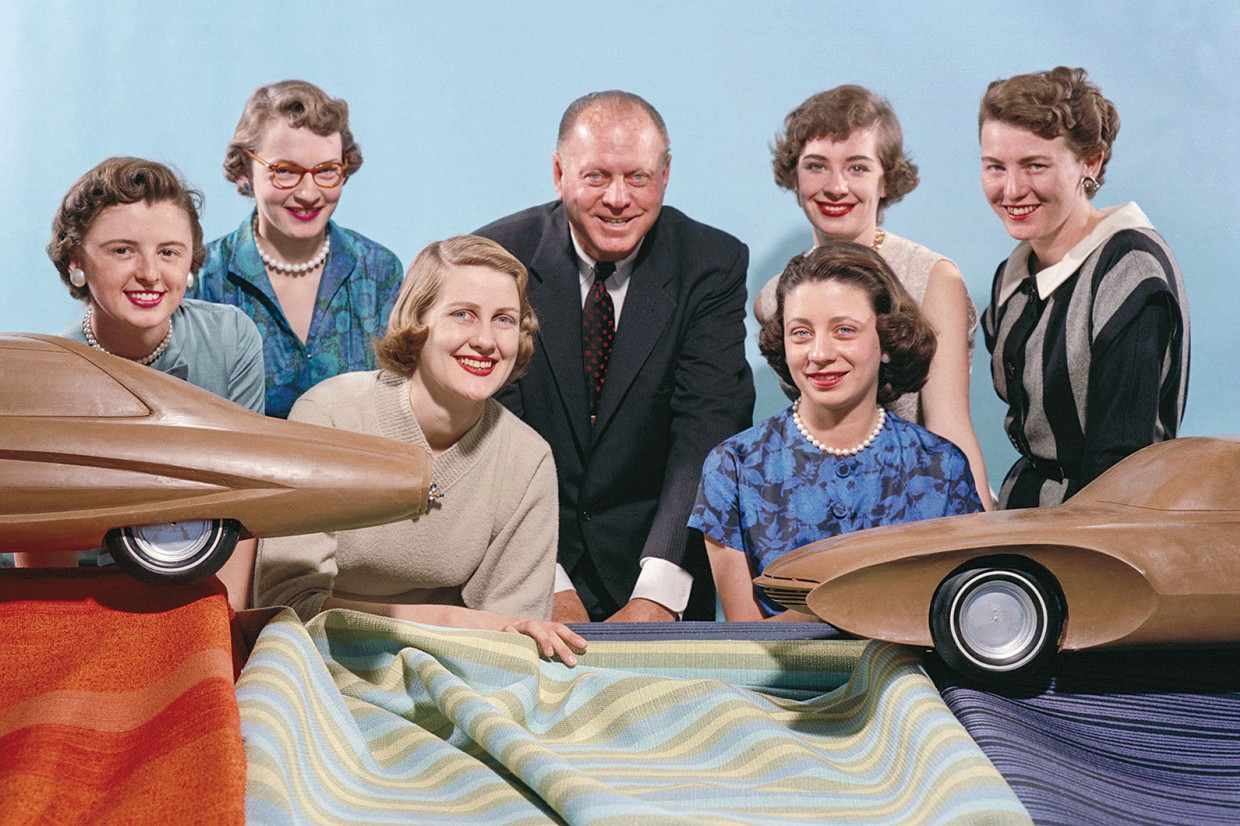
Seven of Harley Earl’s recruits were assigned across the five General Motors automotive divisions, from Buick to Pontiac
The remaining independent makers – such as Nash, Studebaker, Packard, Hudson, Kaiser-Frazer and more – were the first to introduce all-new models before 1948.
But in 1949, the Big Three – General Motors, Ford and Chrysler – countered.
These new cars looked nothing like their warmed-over, pre-war-rooted ’48 models.
The Big Three offered restyles every year, and planned obsolescence motivated hungry buyers to purchase a new car every other year.