That would be the final occasion on which Giannino competed in the Uovo, yet it remained part of the Scuderia Marzotto stable and raced on through the 1952 season.
Outings that year included a return to the Mille Miglia, driven by Guido Mancini.
After a cautious start, he arrived in Ravenna in 29th place but was then fastest of all on the challenging section across the mountains from L’Aquila to Rome.
He was seventh overall by the time he was forced into retirement between Siena and Florence.
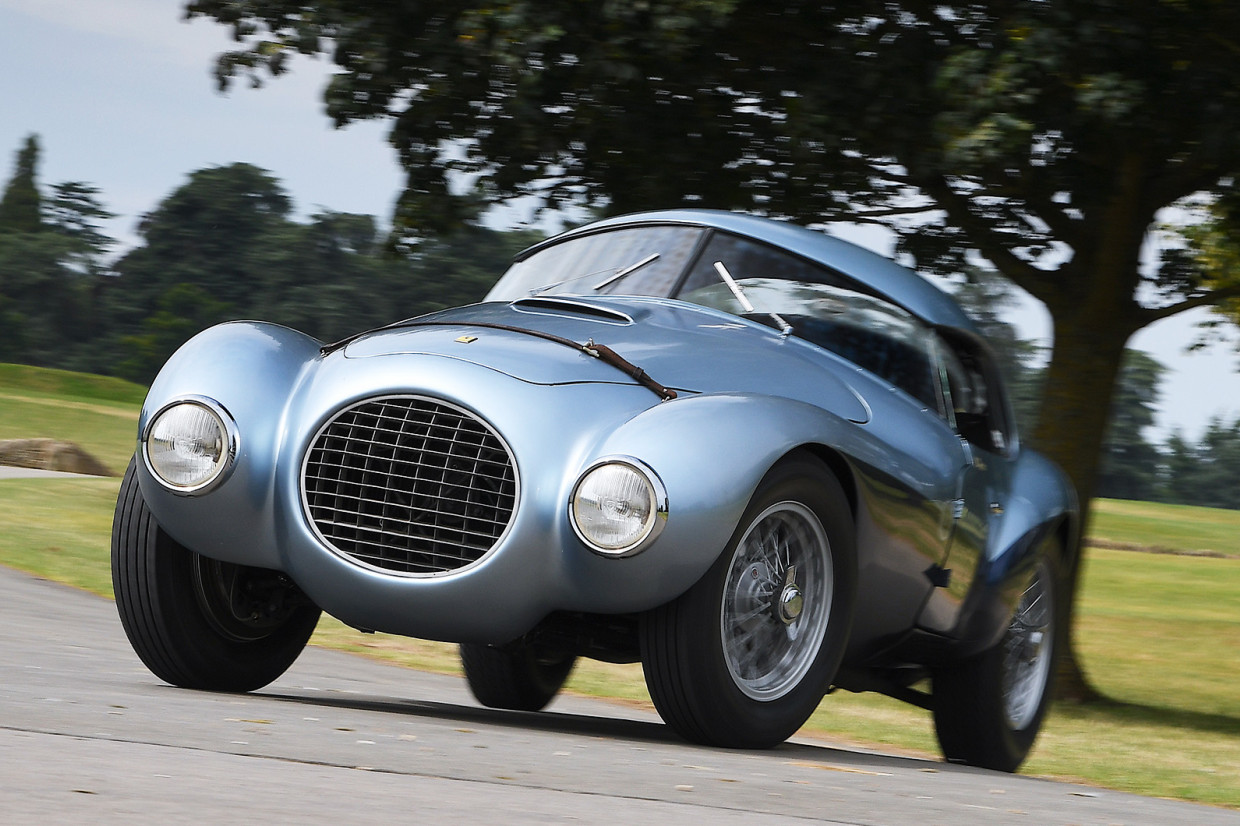
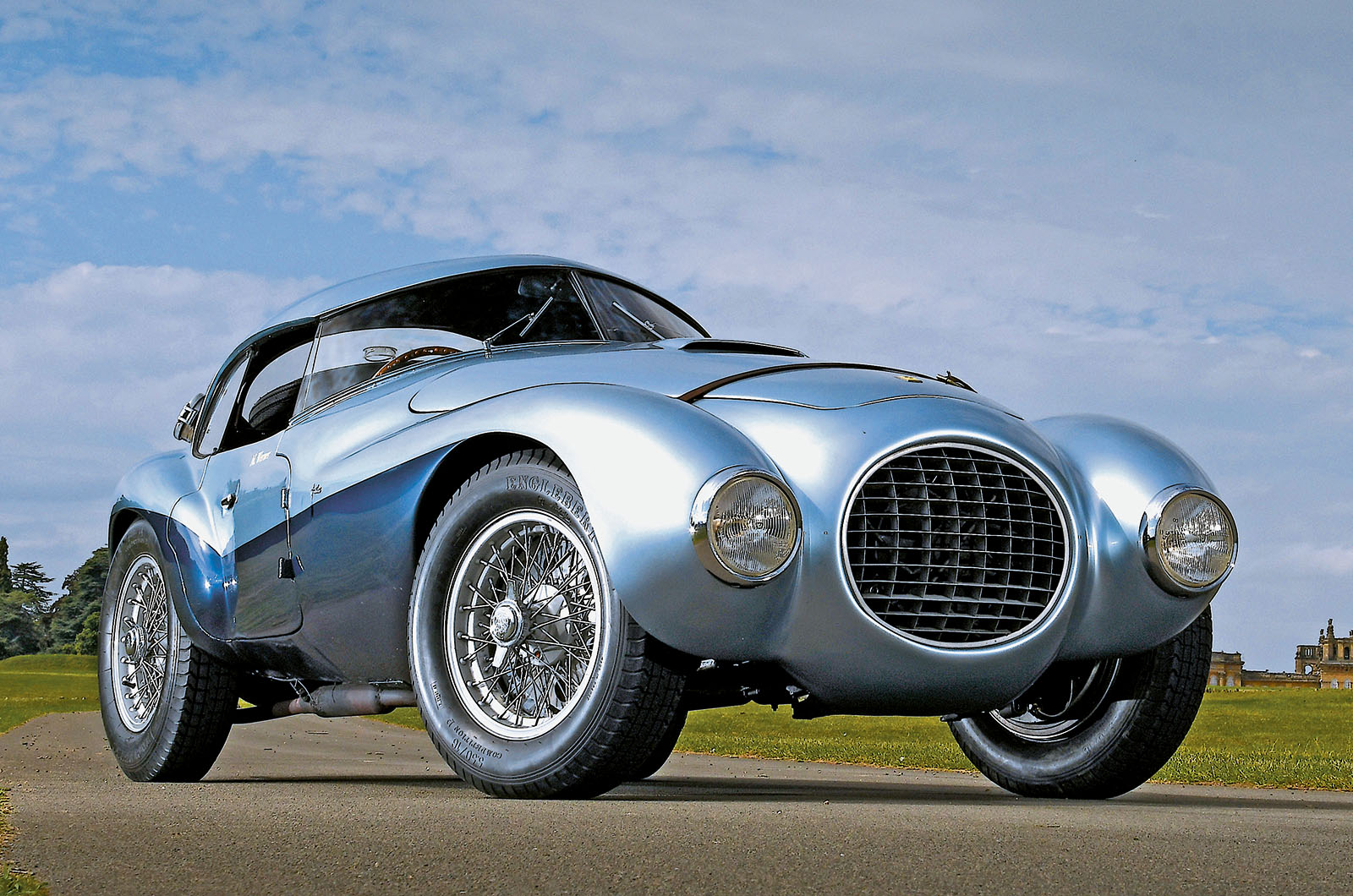
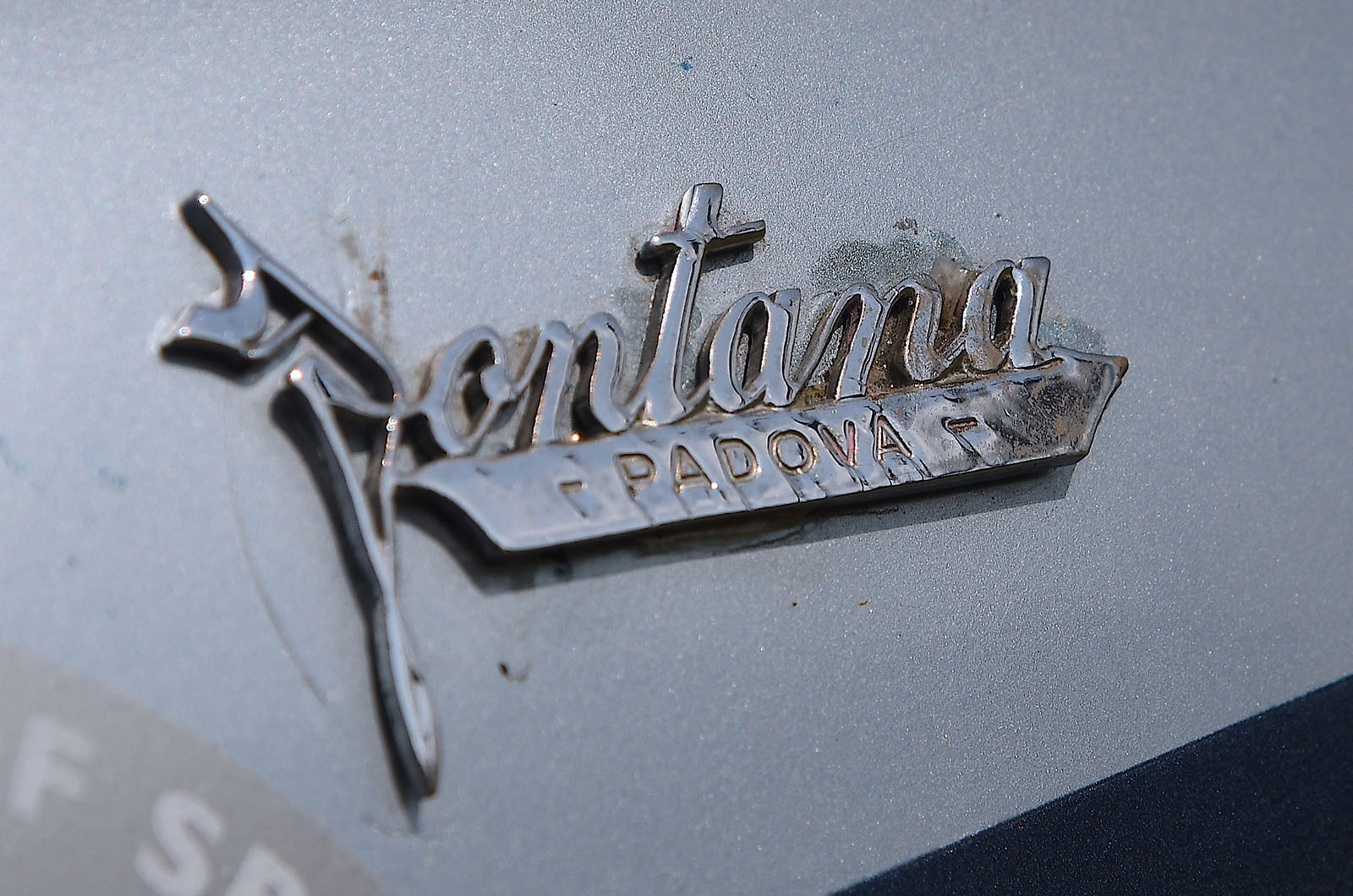
The Ferrari 166MM Uovo was constructed at Paolo Fontana’s coachbuilding company in Padova, apparently by designer Franco Reggiani
In late 1953 the Uovo was shipped to Mexico and sold – by then with a Ferrari 166 engine – via Carlos Braniff to Ignacio Lozano Jnr, publisher of Los Angeles-based Spanish newspaper La Opinión.
Lozano Jnr raced it at venues including Pebble Beach and Torrey Pines during 1954, and it was around this time that movie icon James Dean had his photograph taken with the car outside a workshop near the Burbank Studios.
Lozano Jnr later sold it to David Andrews, apparently minus its engine because Andrews had wanted to fit an American-built V8.
The car subsequently passed to Ferrari enthusiast Harvey Schaub and then, in 1982, to Jack du Gan, by which time it was looking very sorry for itself.
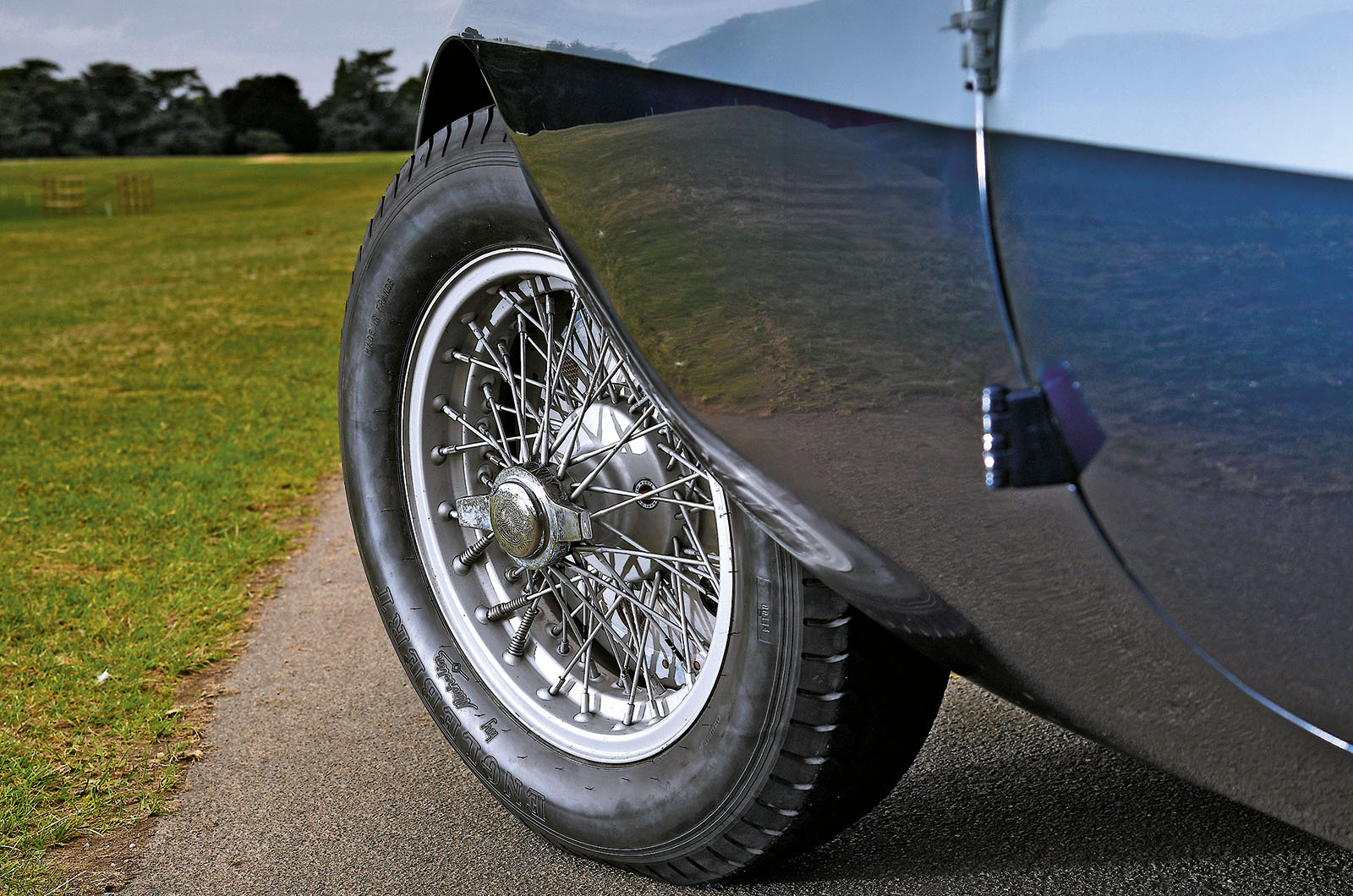
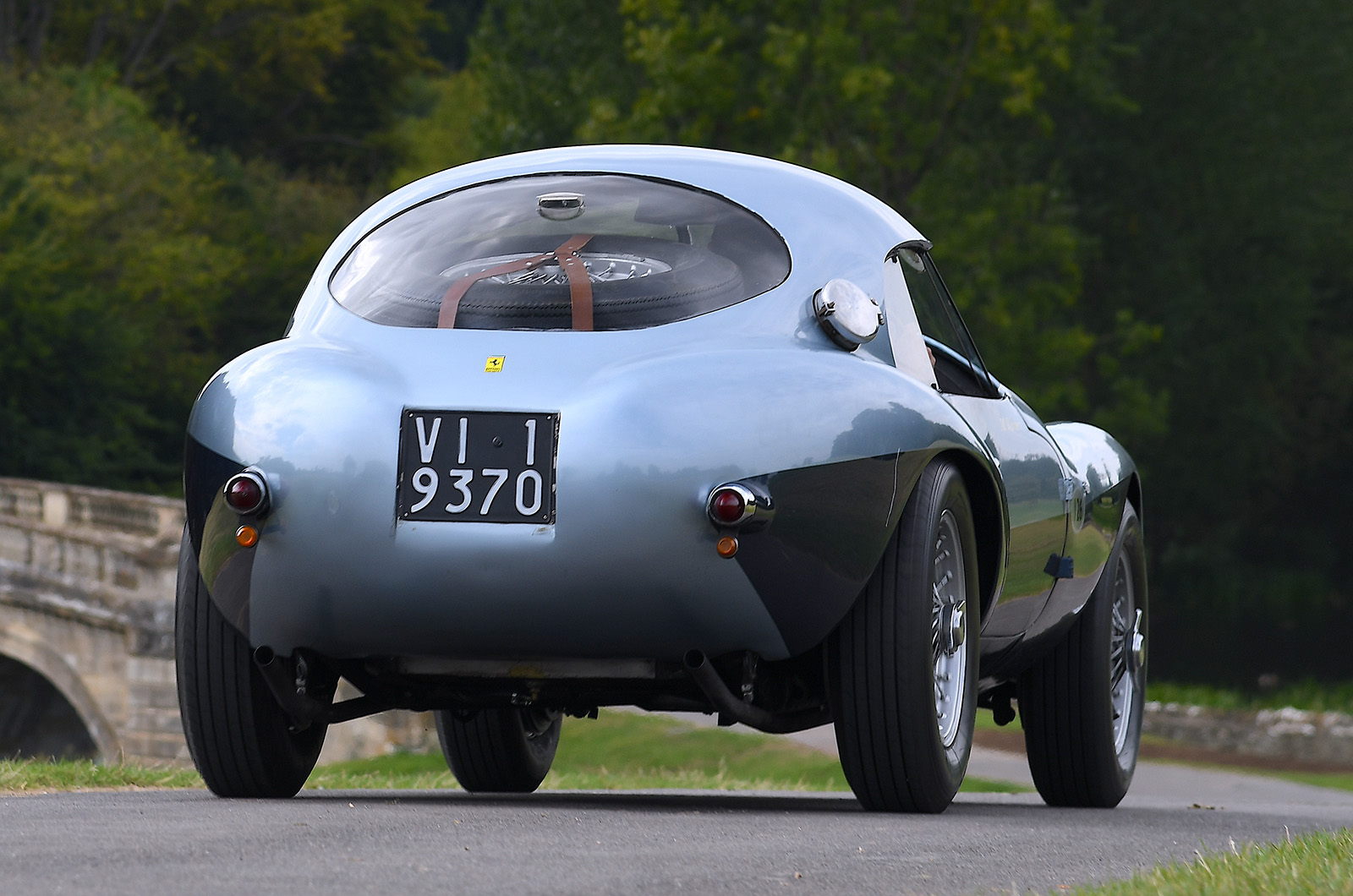
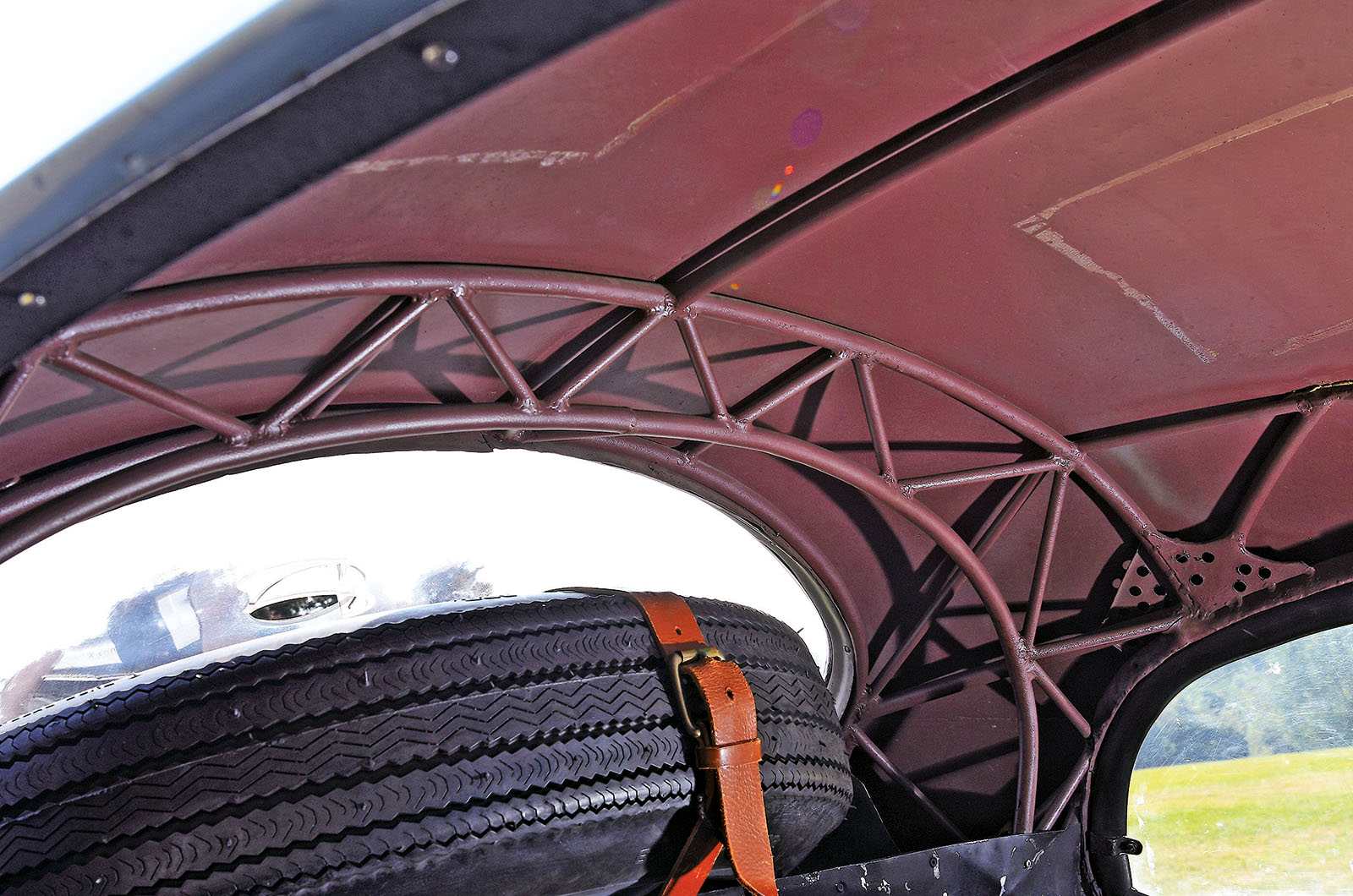
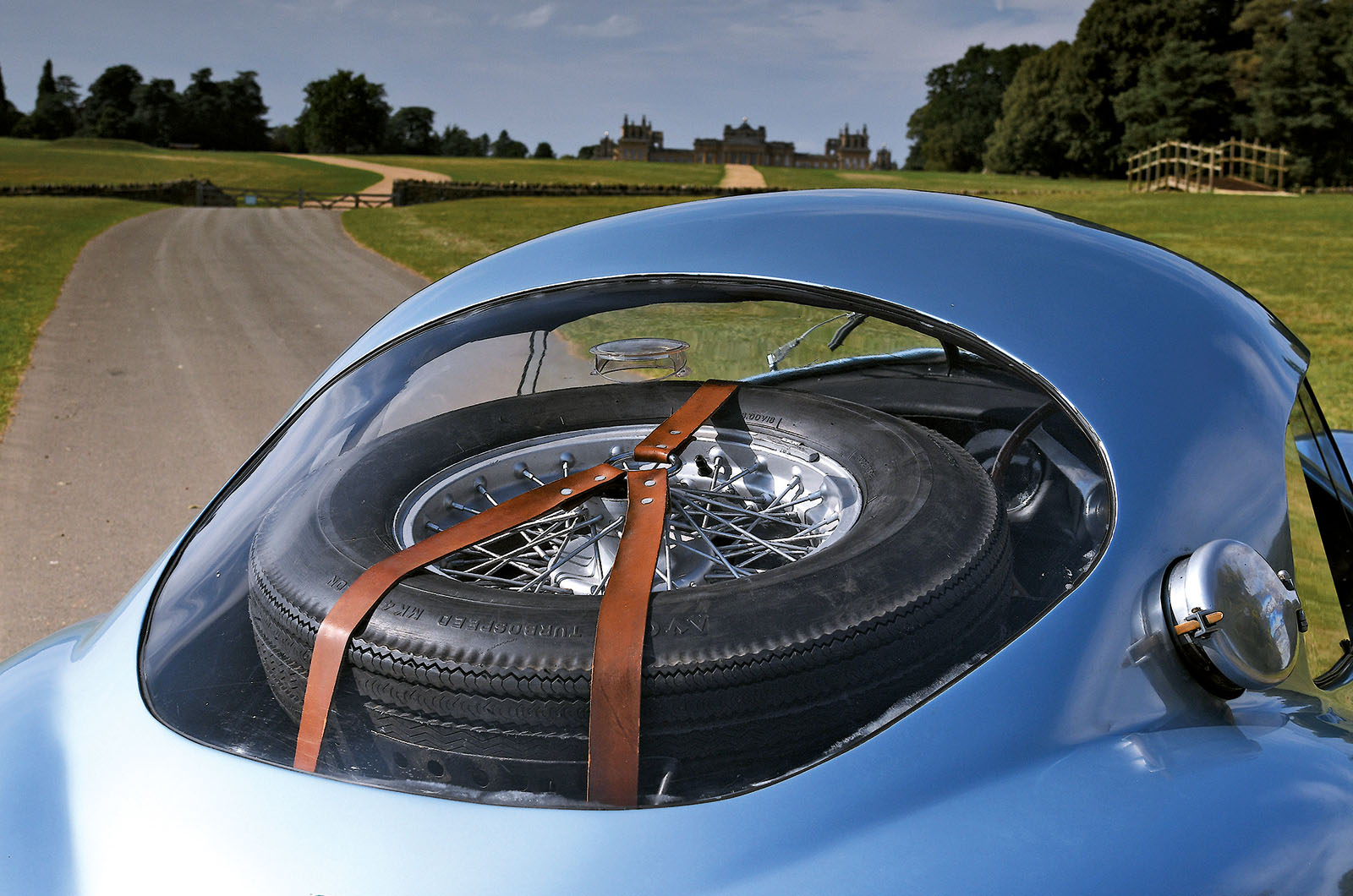
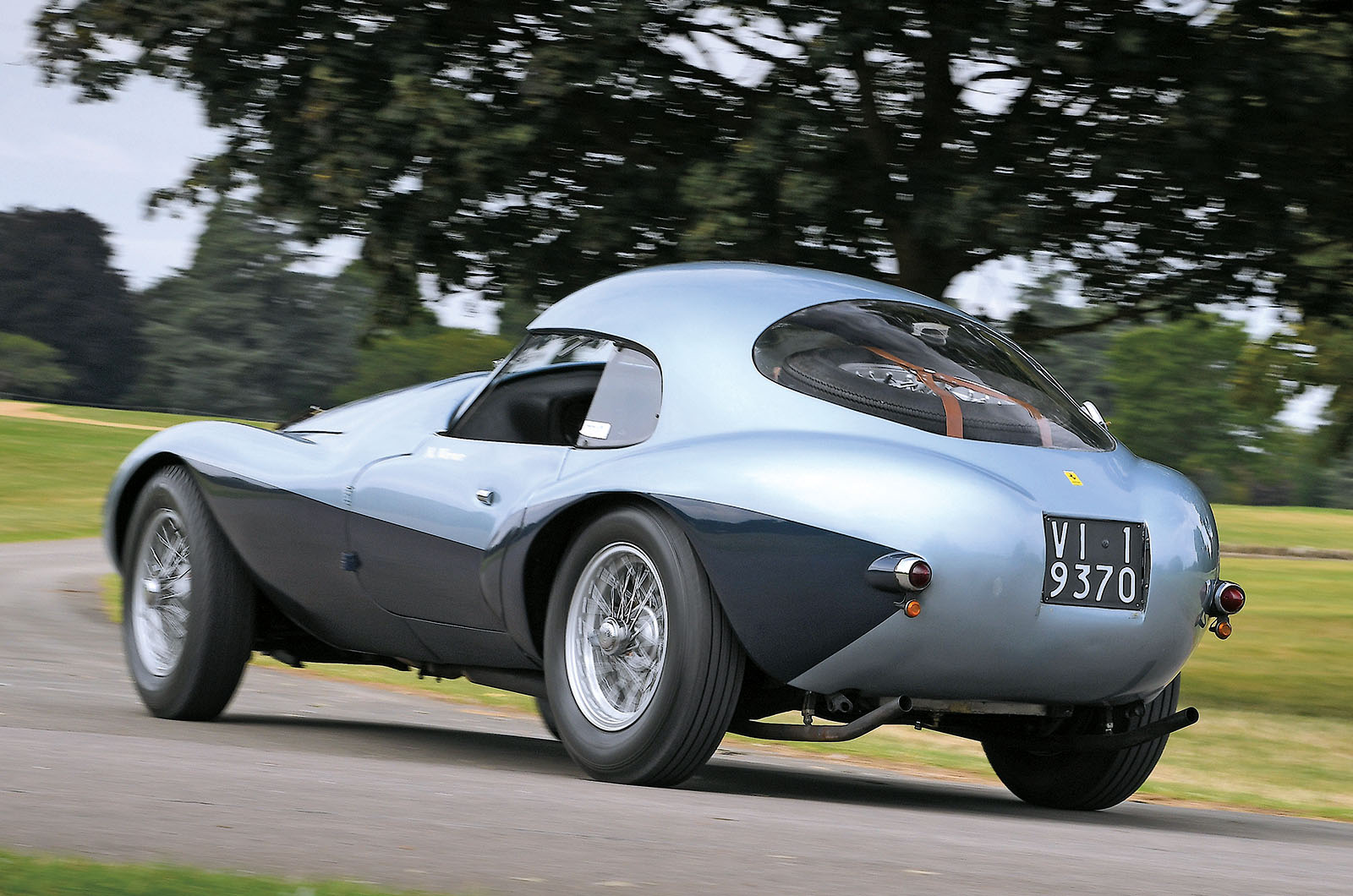
The Ferrari 166MM Uovo’s spare wheel, mounted at the back of the cabin
Du Gan set about fully restoring the Ferrari 166MM Uovo, stripping it down to its bare chassis and thankfully adopting a sympathetic, ‘refurbish rather than replace’ approach to its delicate bodywork.
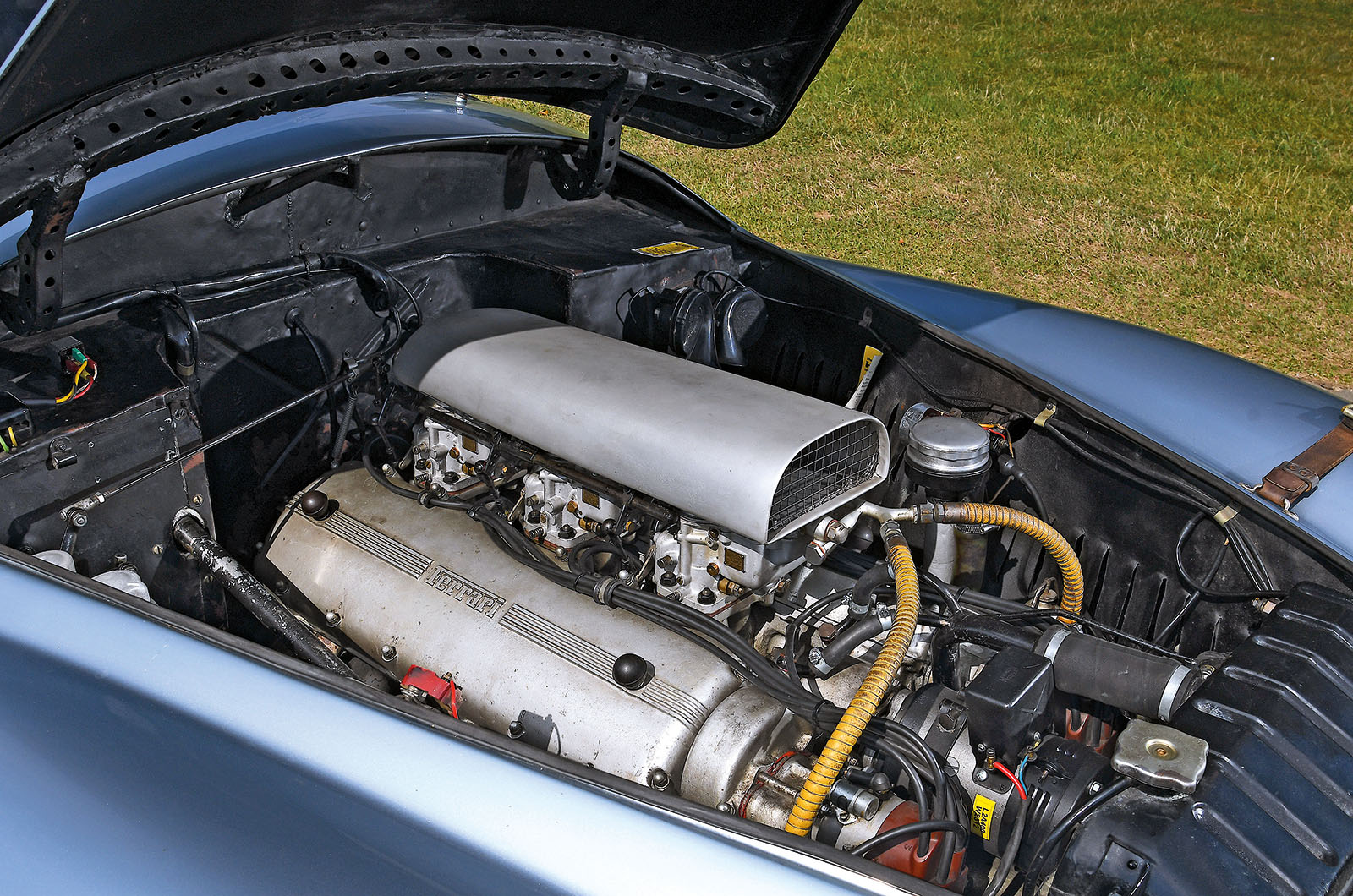
Somewhere along the way – while it was owned by either Andrews or Schaub – the car had gained the 2562cc engine from a Ferrari 212 Inter, which has remained with it ever since.
The work was completed in time for the 1986 1000 Miglia retrospective, and the Ferrari continued to be a crowd-pleasing addition to the event over the following few years.
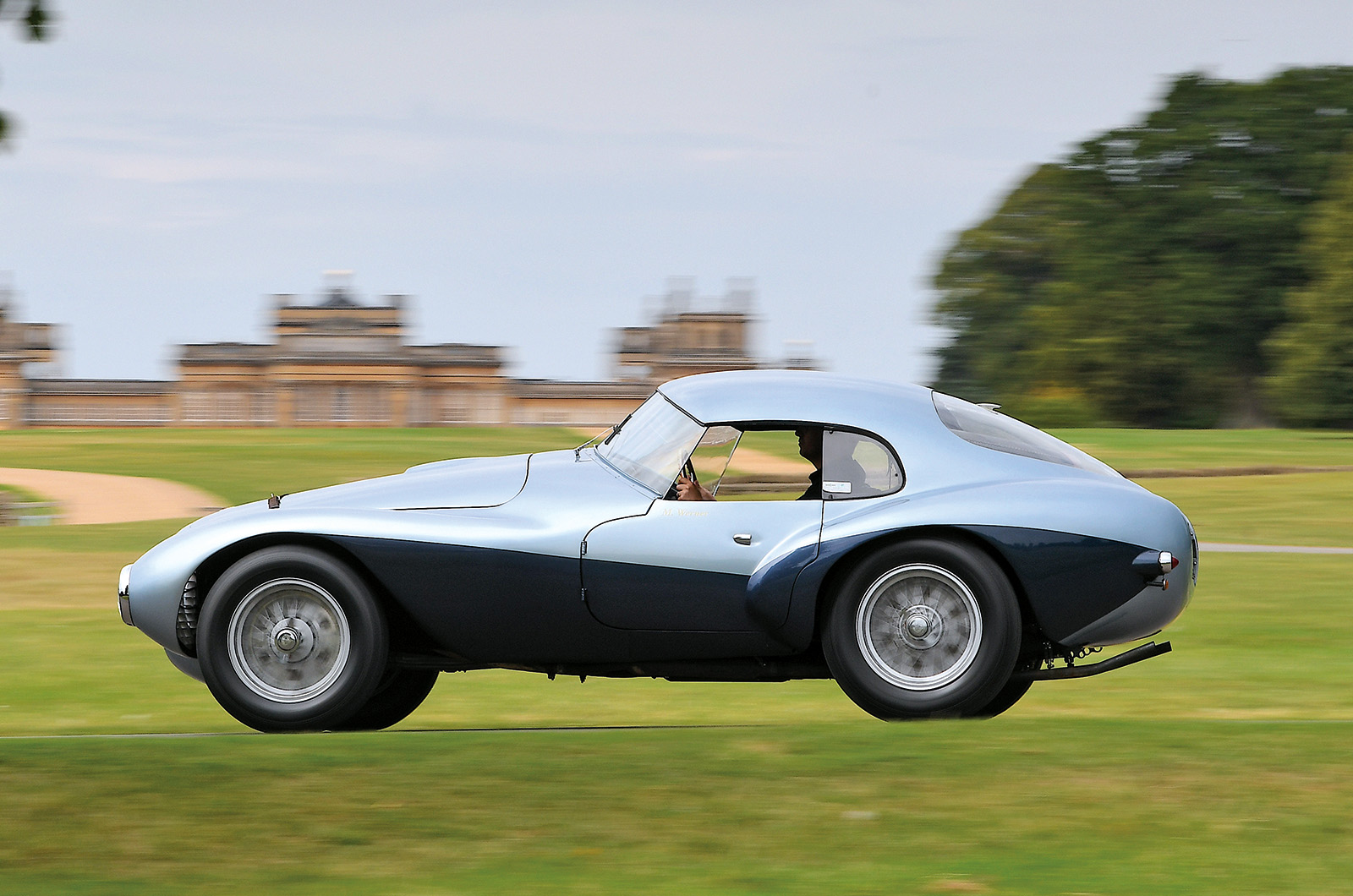
This unique Ferrari was restored in the 1980s, shortly before it participated in the 1986 1000 Miglia retrospective
It was even reunited with Giannino, who was impressed with the engine and gearbox, but less enamoured with the steering and brakes, both of which he recalled being much more effective in period.
He suggested that the tyres were too big, but conceded with good humour that old drivers “are also a little obsolete, and alas without the possibility of remedy”.
Giannino’s final race had been the 1954 Mille Miglia.
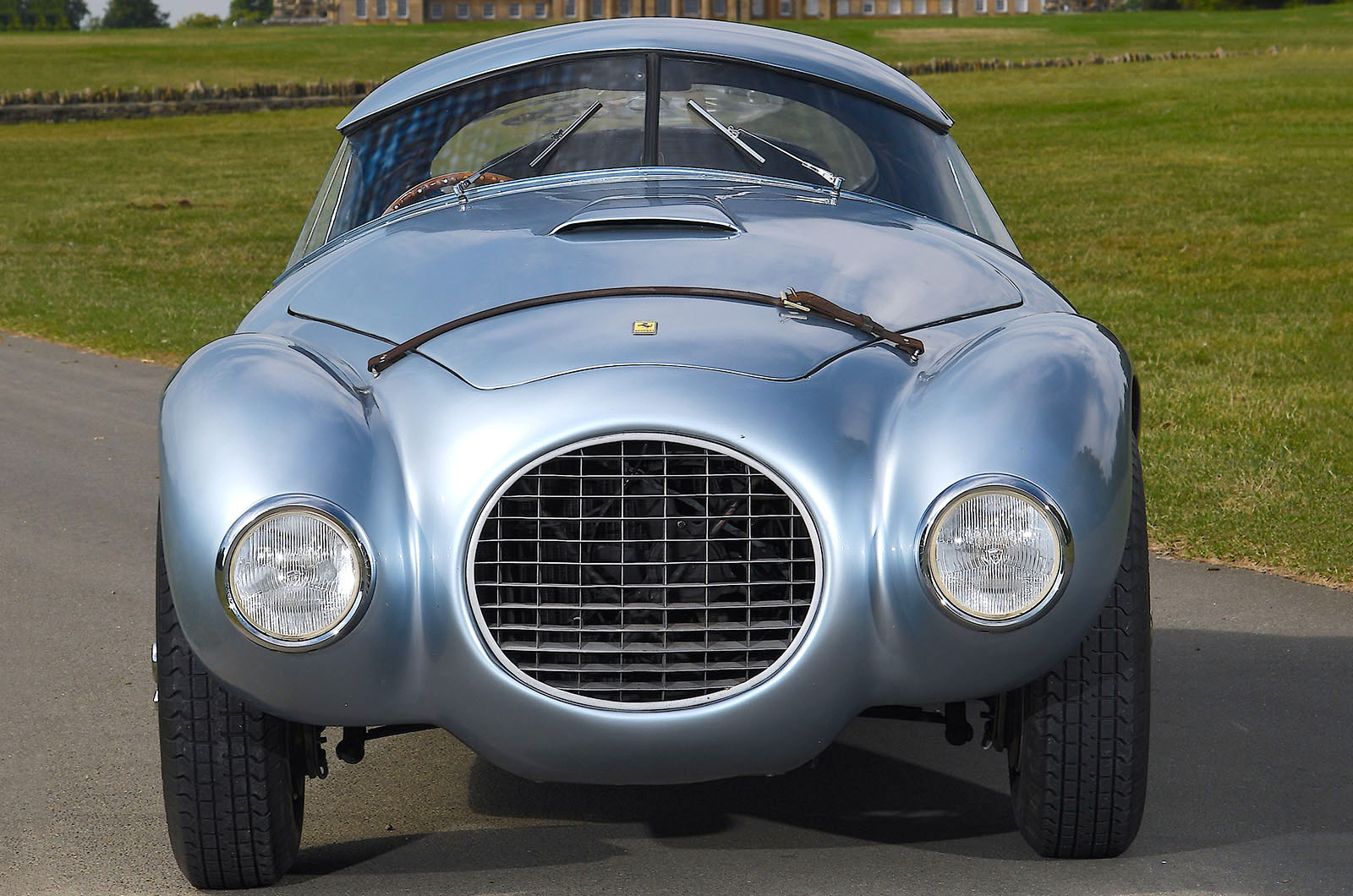
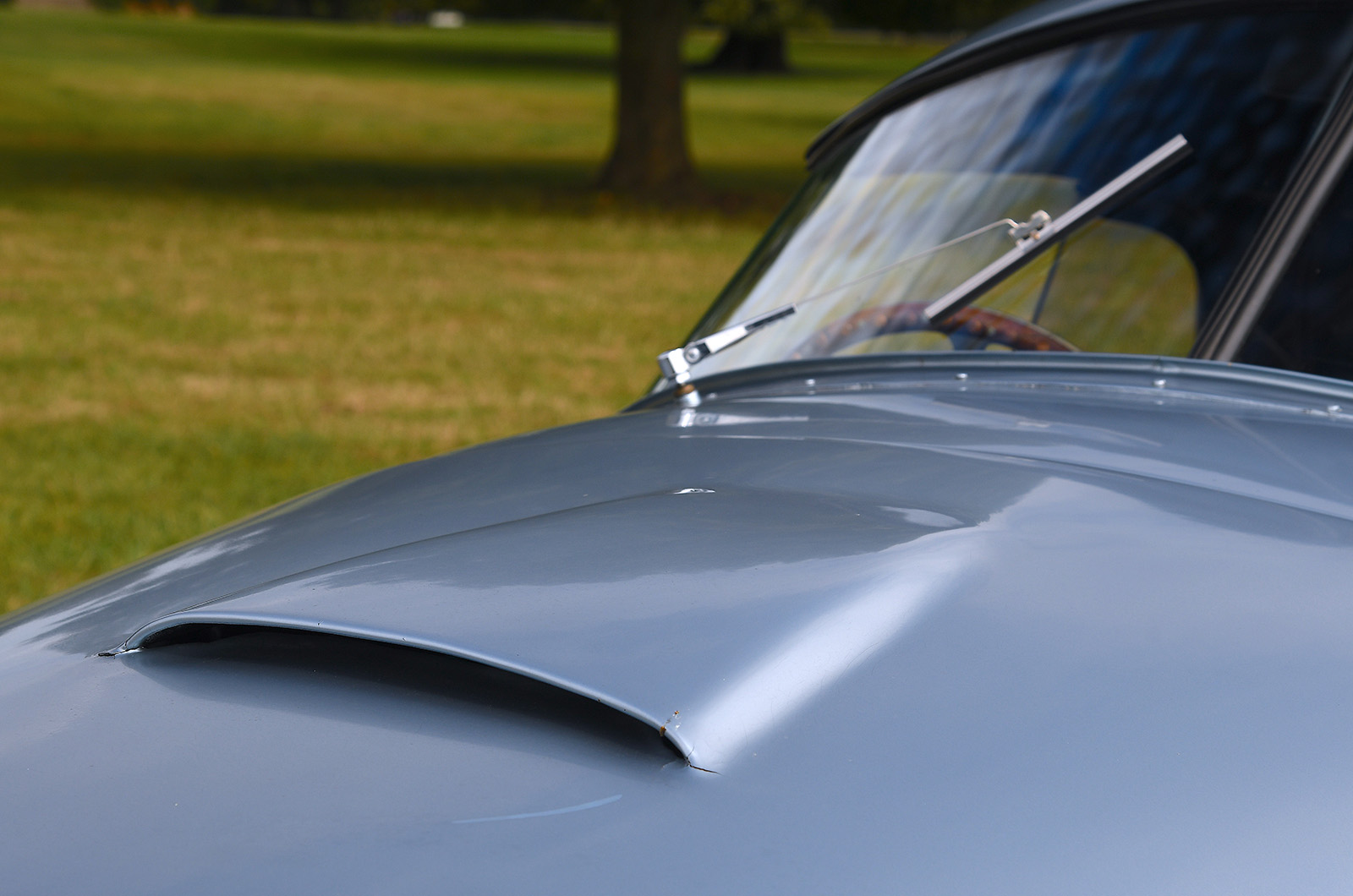
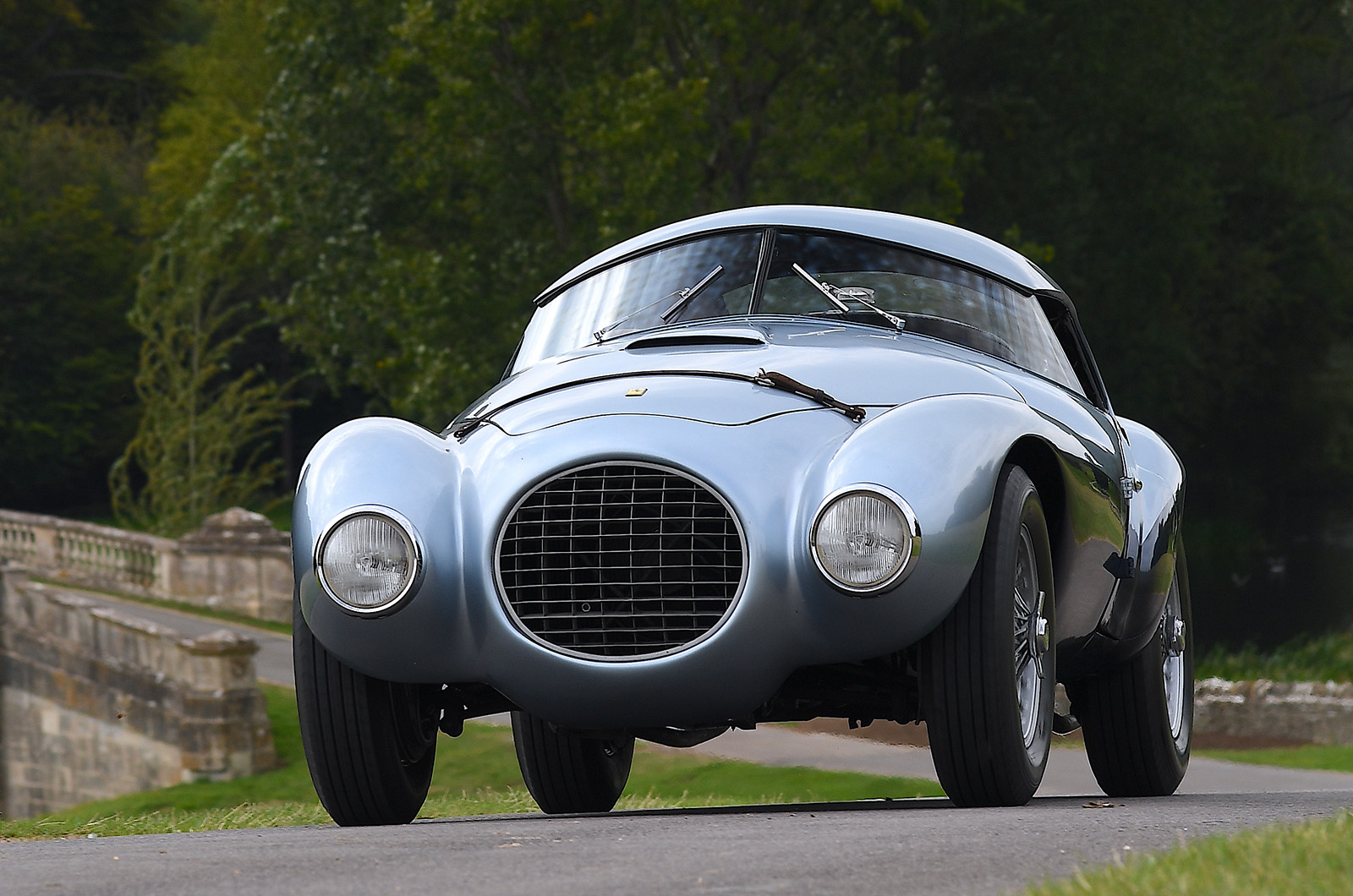
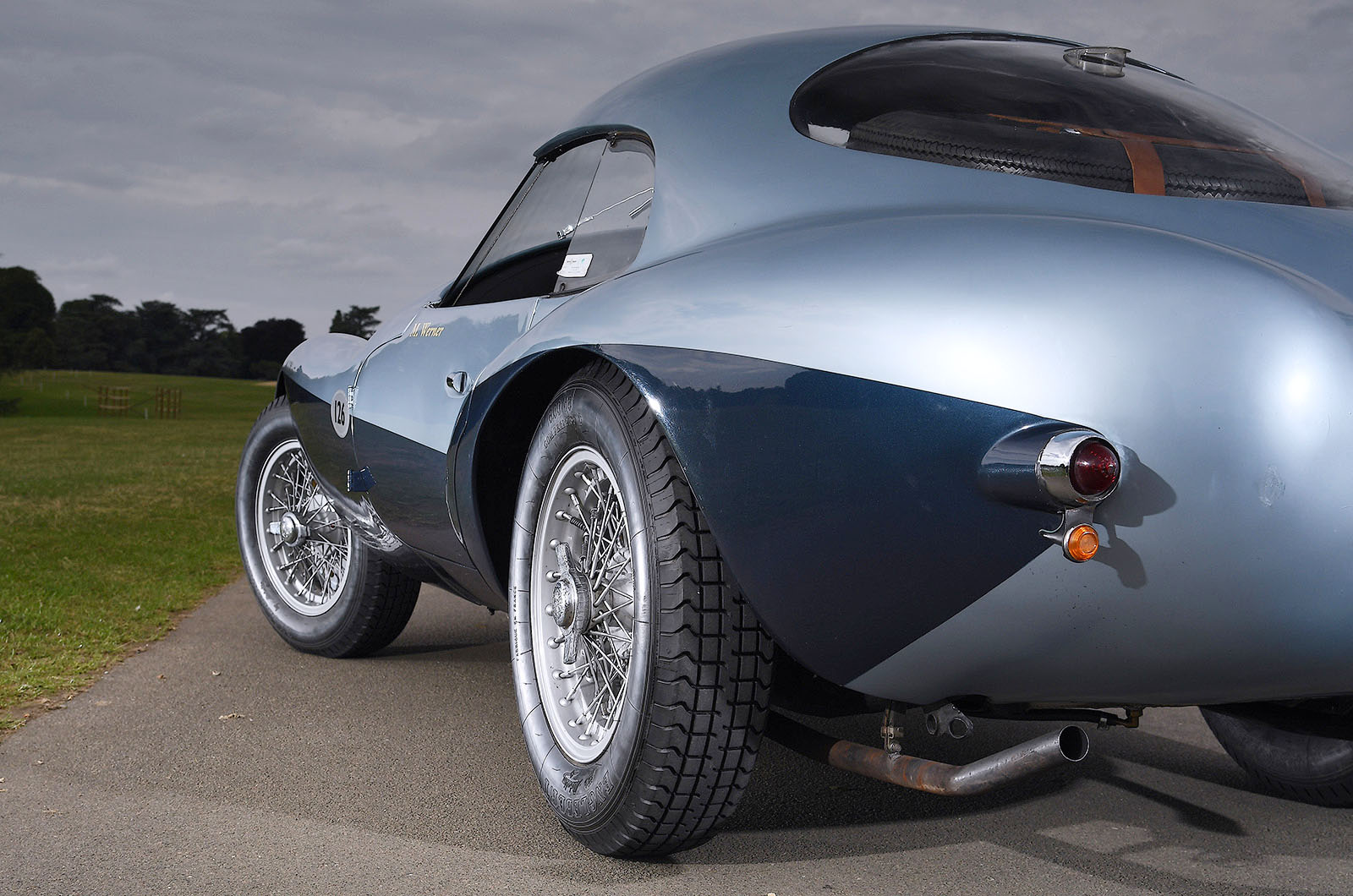
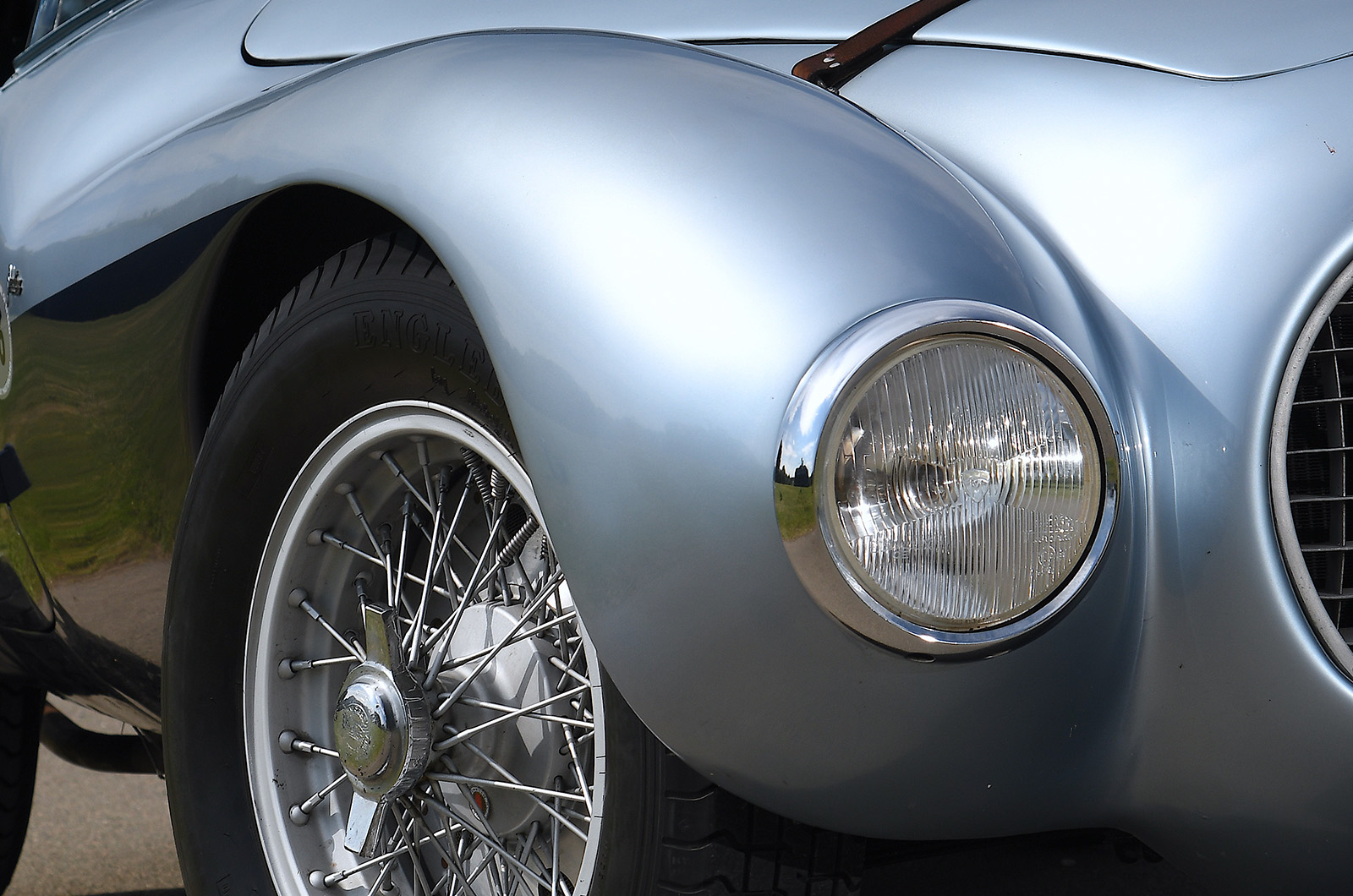
The Ferrari 166MM Uovo’s flowing bodywork still looks striking
As with his brothers, he’d known that his future lay in the family business empire, which had started in 1836 with the opening of a wool mill in the small town of Valdagno in northern Italy.
It then expanded greatly under the guidance of their father, Gaetano, who not only diversified beyond textiles into areas such as agriculture, but also built a ‘social city’ district in Valdagno that provided good-quality housing and schools, plus sporting and cultural facilities.
That sense of social responsibility would be passed down through subsequent generations of this remarkable family.
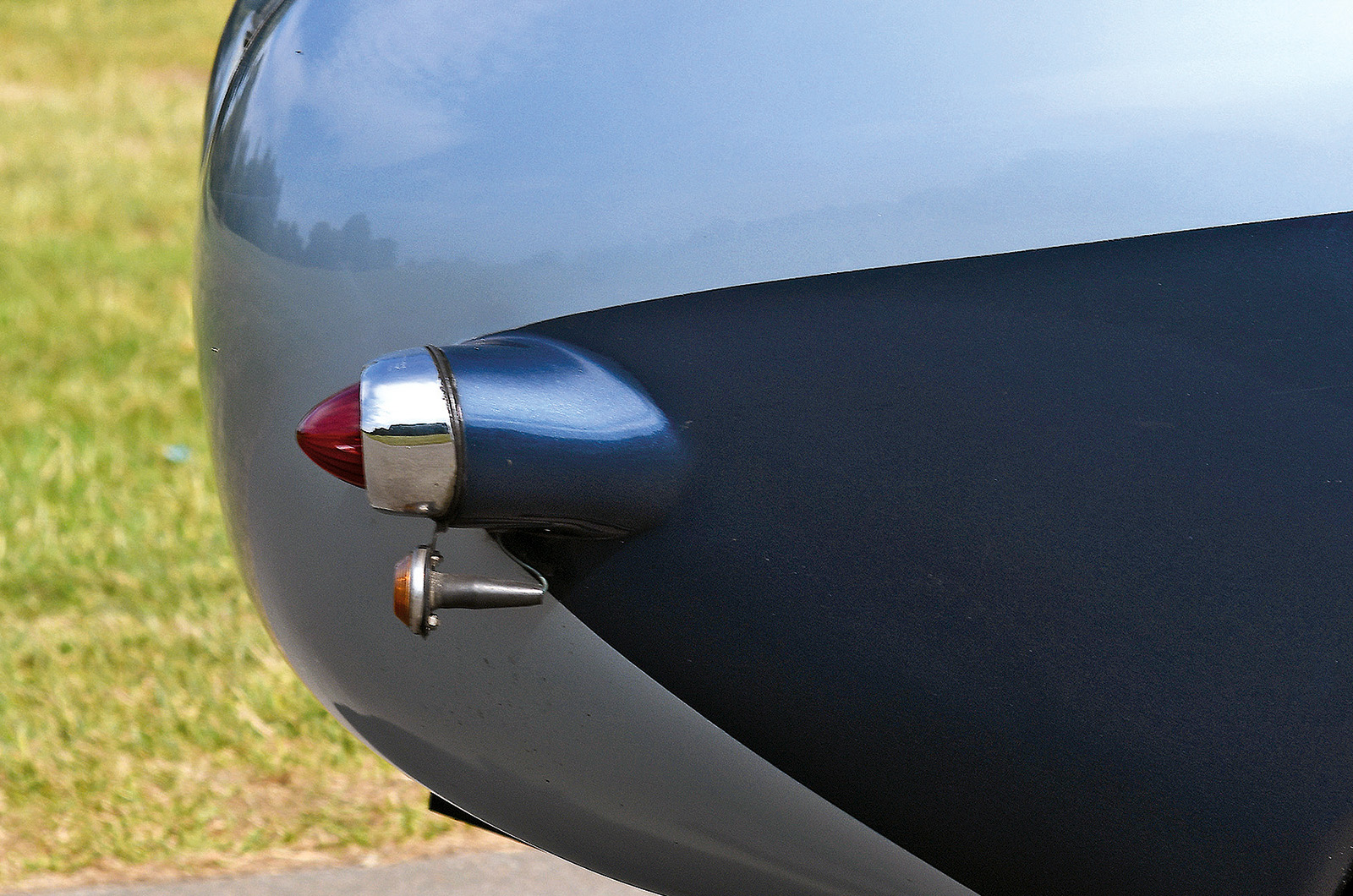
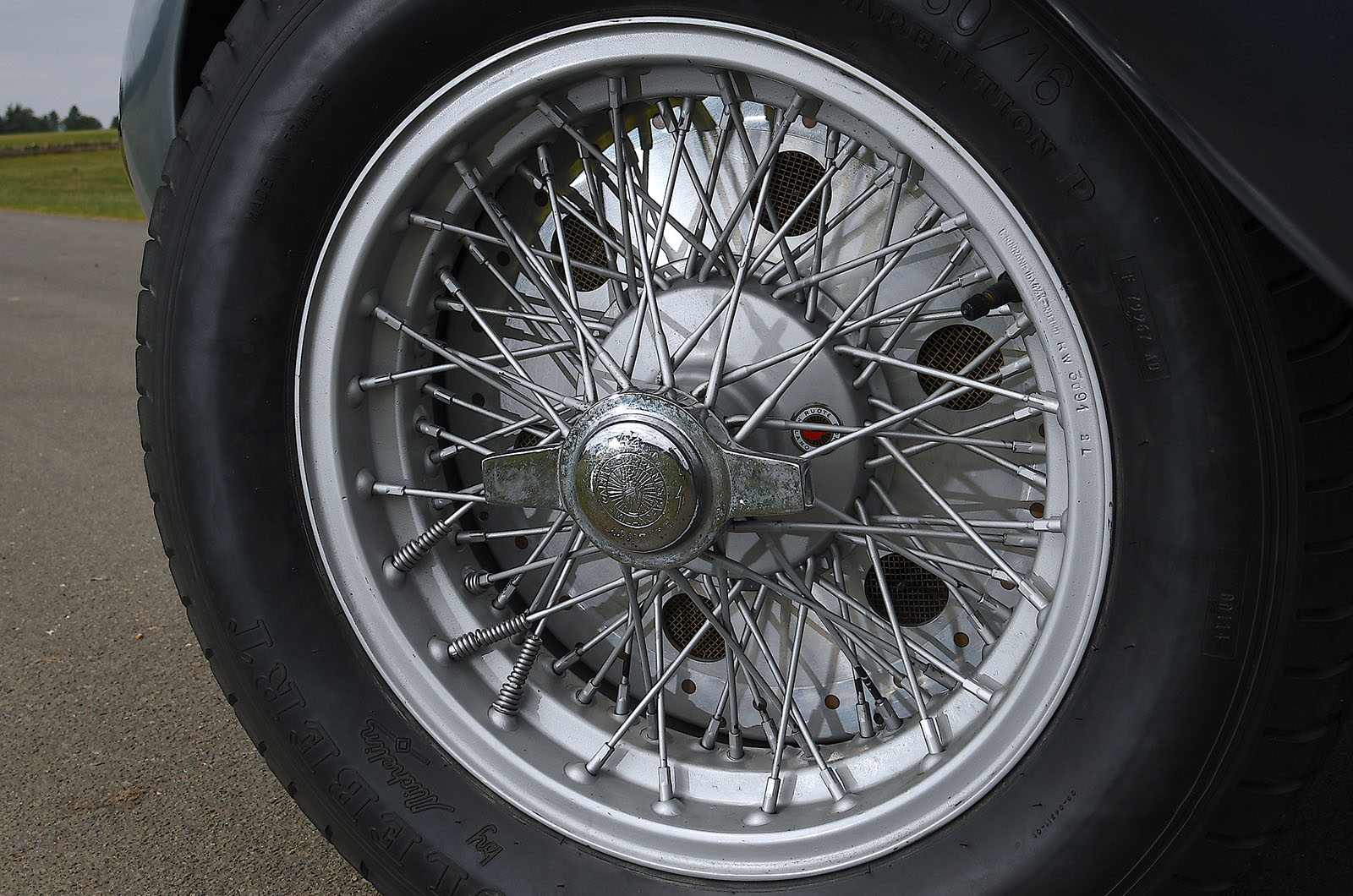
If this Ferrari’s looks aren’t enough, twin upswept tailpipes confirm the Uovo’s arrival
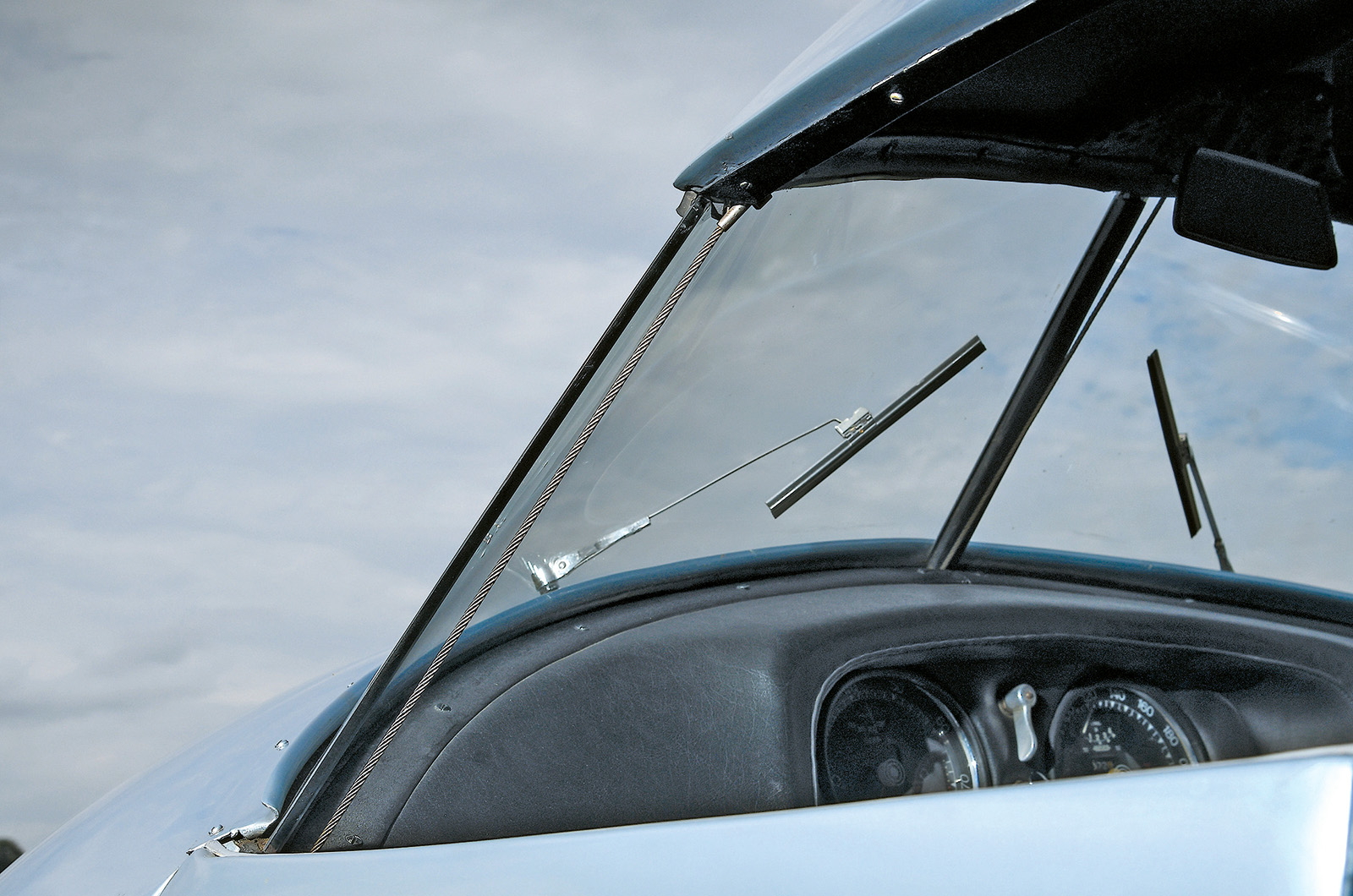
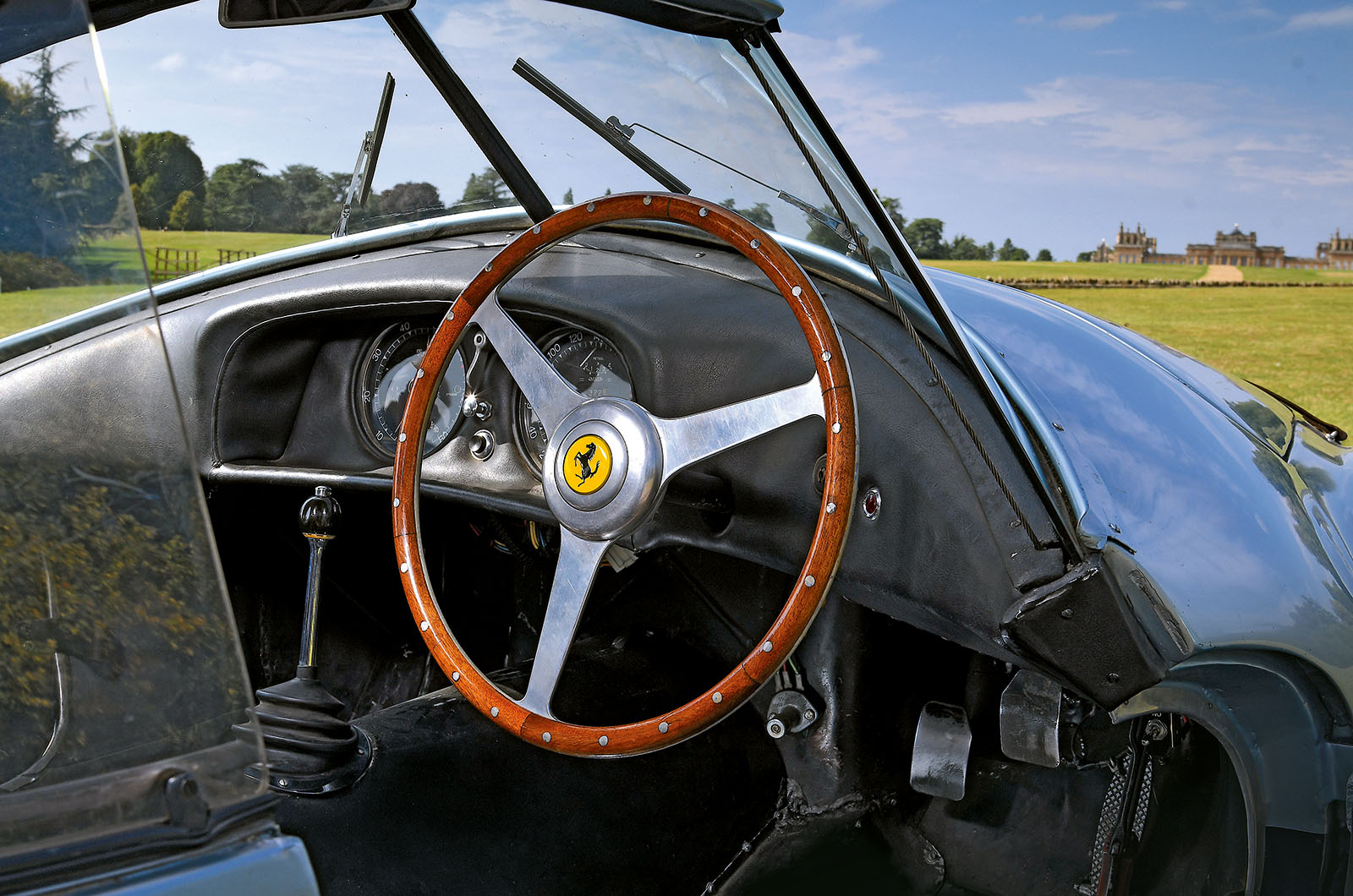
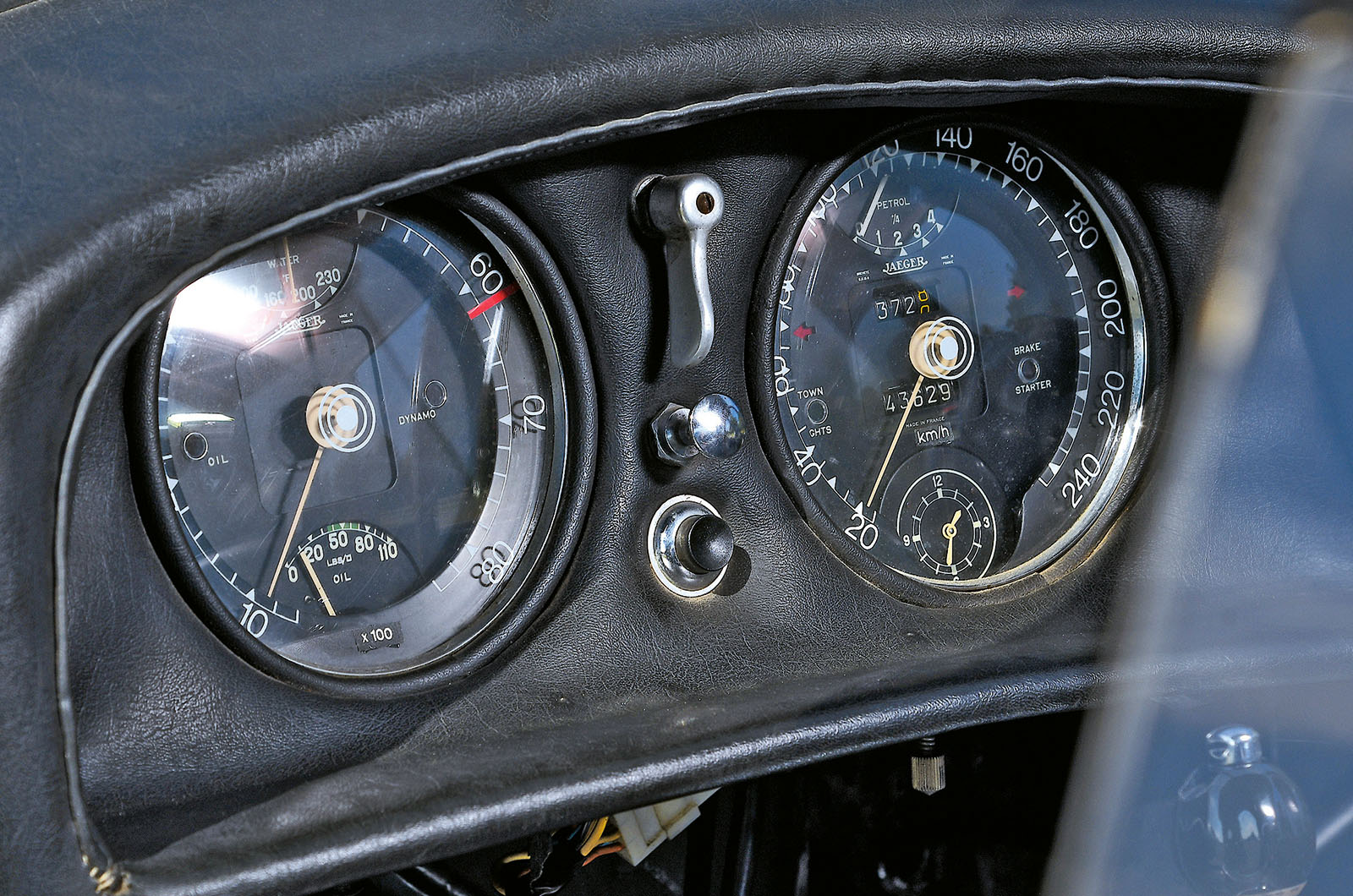
The Ferrari 166MM Uovo survives as a tribute to Giannino Marzotto’s youthful vision, and it’s impossible to sit in the spartan cockpit, looking over the high scuttle through that shallow windscreen, without picturing yourself following in his wheeltracks, howling through the Italian countryside.
An extremely effective road-racer in its day, it evokes a period in which amateur drivers – in the very finest sense of that word – could enjoy success at the highest level.
Images: John Bradshaw
Thanks to: Moritz Werner, Keith Bluemel, Barkaways and everyone at Salon Privé. The Porter Press book Ferrari Uovo is available via porterpress.co.uk
Enjoy more of the world’s best classic car content every month when you subscribe to C&SC – get our latest deals here
READ MORE
Alfa Romeo 1900 Super: tackling the Mille Miglia on a budget
Ferrari 166/195S Inter: returned to sender
1948’s game changers: Ferrari 166MM
James Page
James Page is a regular contributor to – and former Editor of – Classic & Sports Car