Gladiator 10hp: for the long haul

| 28 May 2026
Classic & Sports Car – Gladiator 10hp: for the long haul
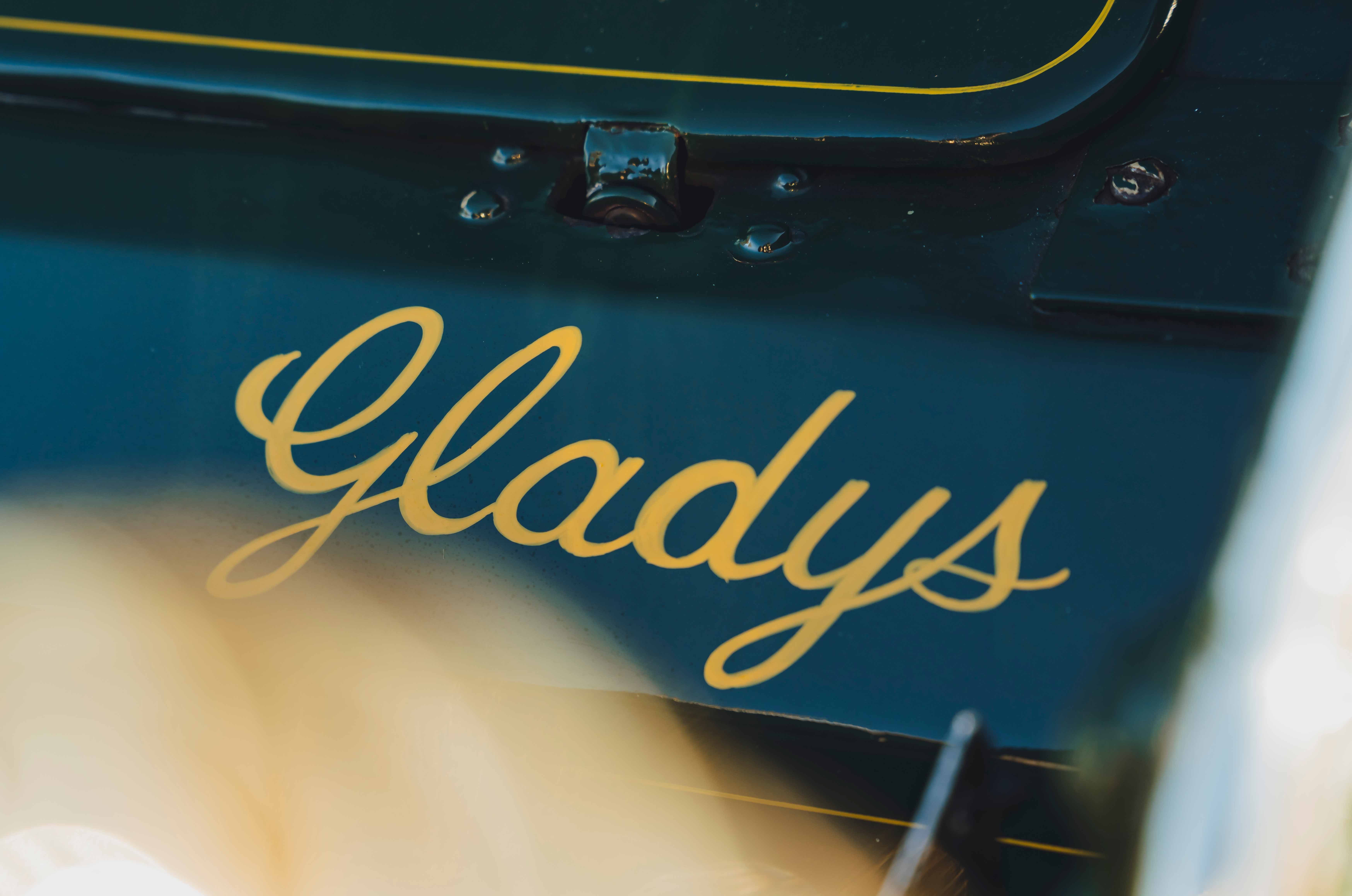
After 76 years of single-family ownership and 60 London to Brighton Veteran Car Run entries, you would expect this 1903 Gladiator 10hp – affectionately known as Gladys – to be the subject of a few incidents over the decades.

But one story that former keeper Richard Timmis recounts leaves me slightly agog: “We were returning home from Brighton once, along the coast road, when our tow car was overtaken by Gladys on her trailer.

“The hitch hadn’t been secured properly, and the trailer veered out of control and demolished a white van – it was all rather embarrassing.”

Classic & Sports Car – Gladiator 10hp: for the long haul
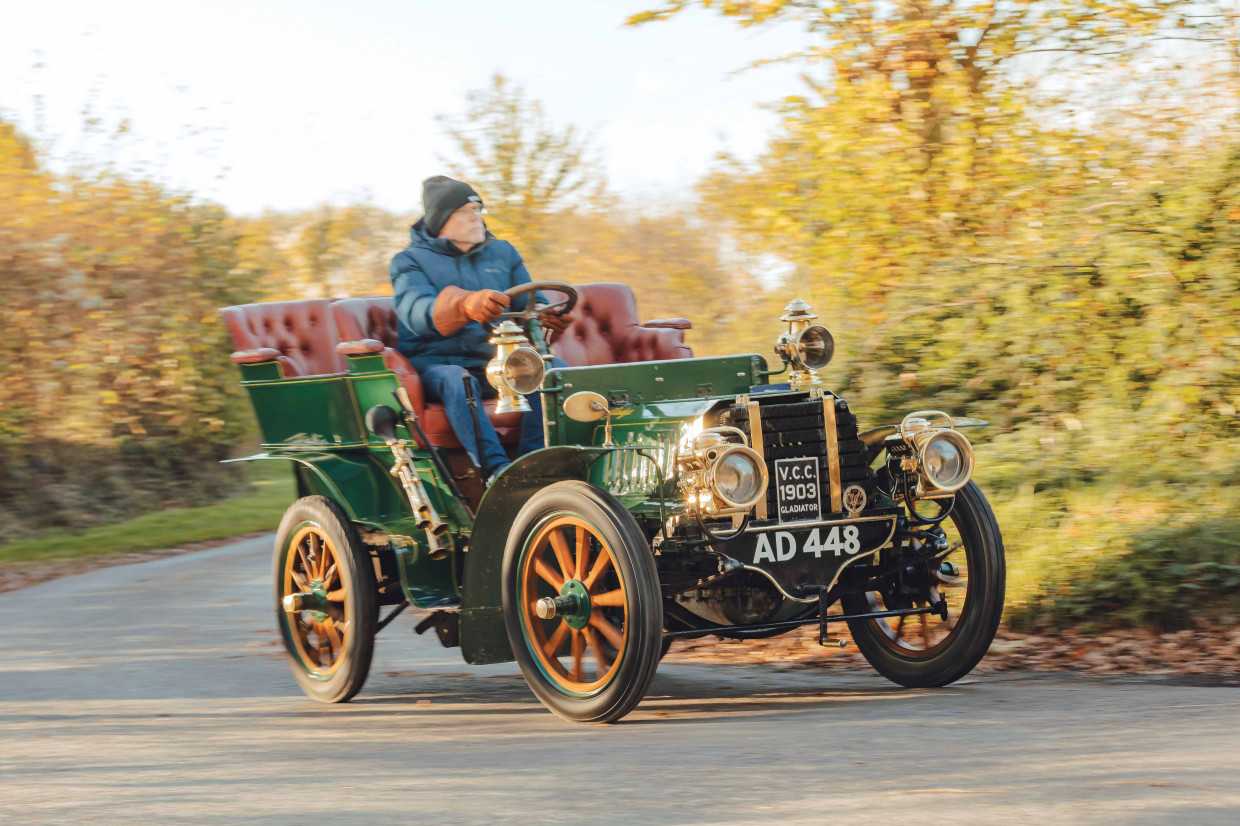
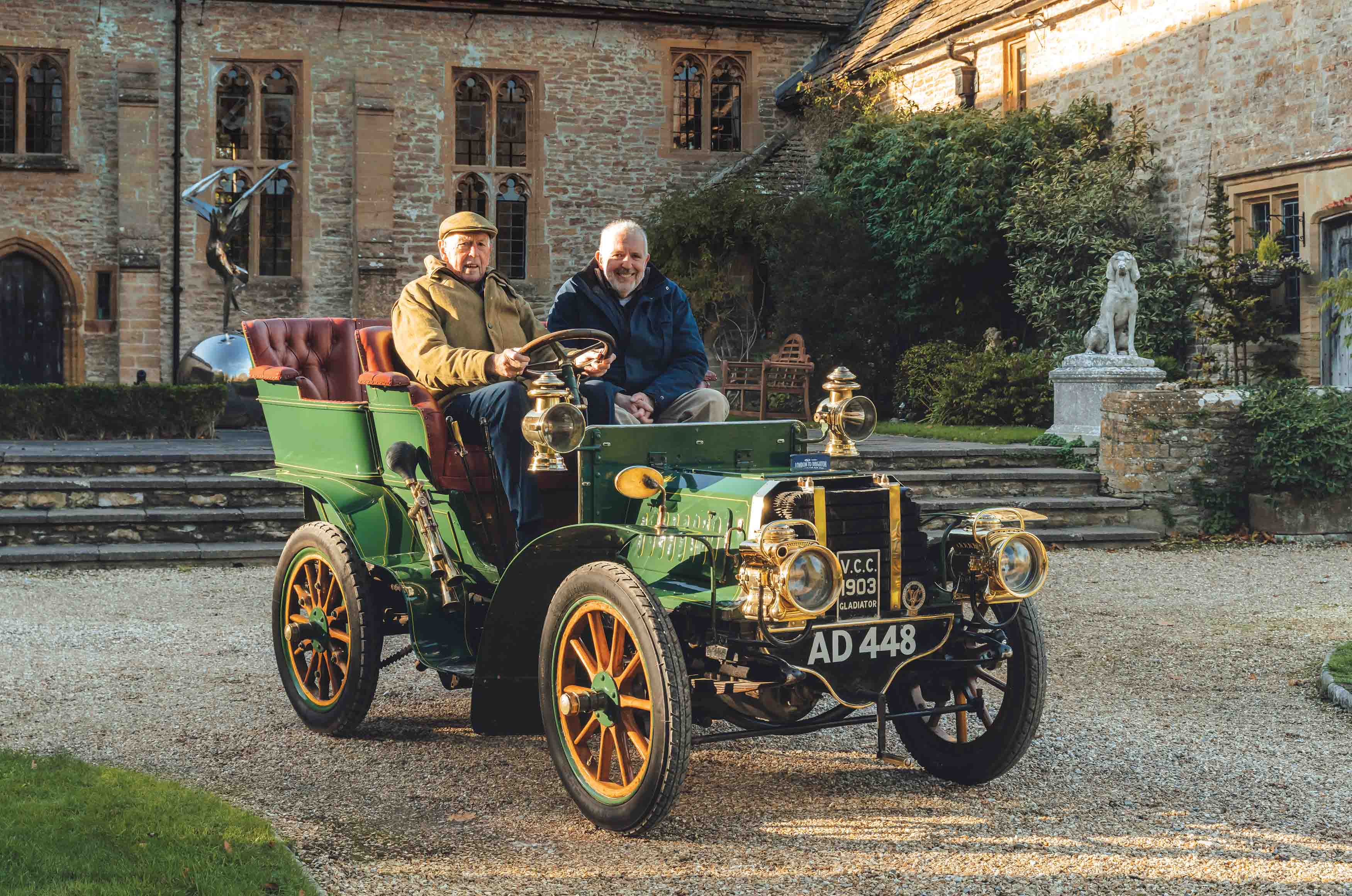
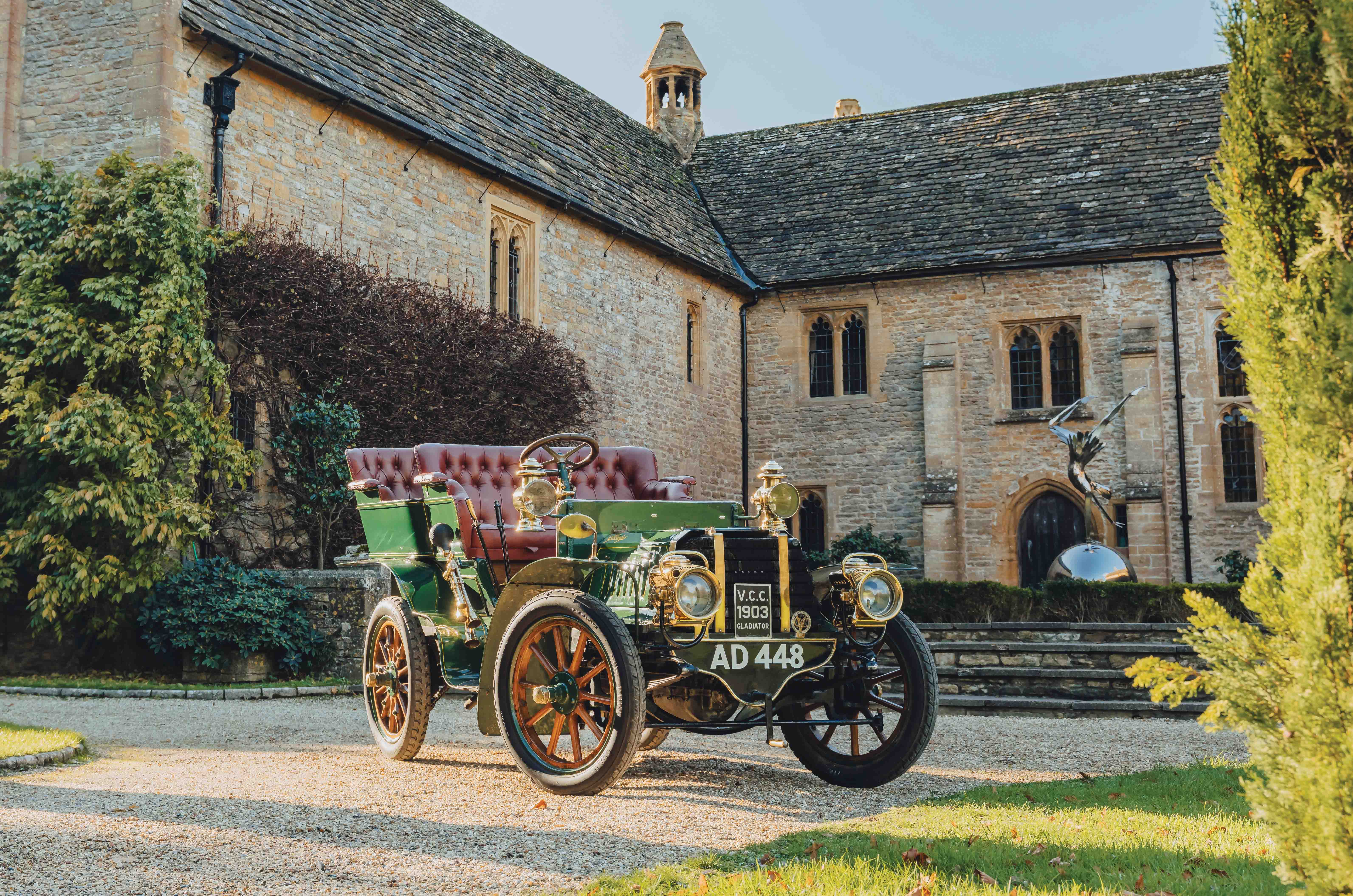
Meet ‘Gladys’, the 1903 Gladiator 10hp that’s been part of the Timmis family since 1950

Somehow, this sturdy veteran survived the crash and continues to take the annual capital-to-coast passage in its stride, with only four failed runs to its name since 1954.

It is also, unless you are well-versed in veteran history, a car built by an all but forgotten manufacturer, which typified the surprising détente, rather than rivalry, that existed between French and British car makers at the end of the 19th and the beginning of the 20th centuries.

Société Gladiator was, like so many other soon-to-be car makers, originally established as a bicycle manufacturer in 1891.

Based in the Parisian suburb of Le Pré-Saint-Gervais, its founders, Paul Aucoq and Alexandre Darracq, built up a hugely successful business.

Classic & Sports Car – Gladiator 10hp: for the long haul
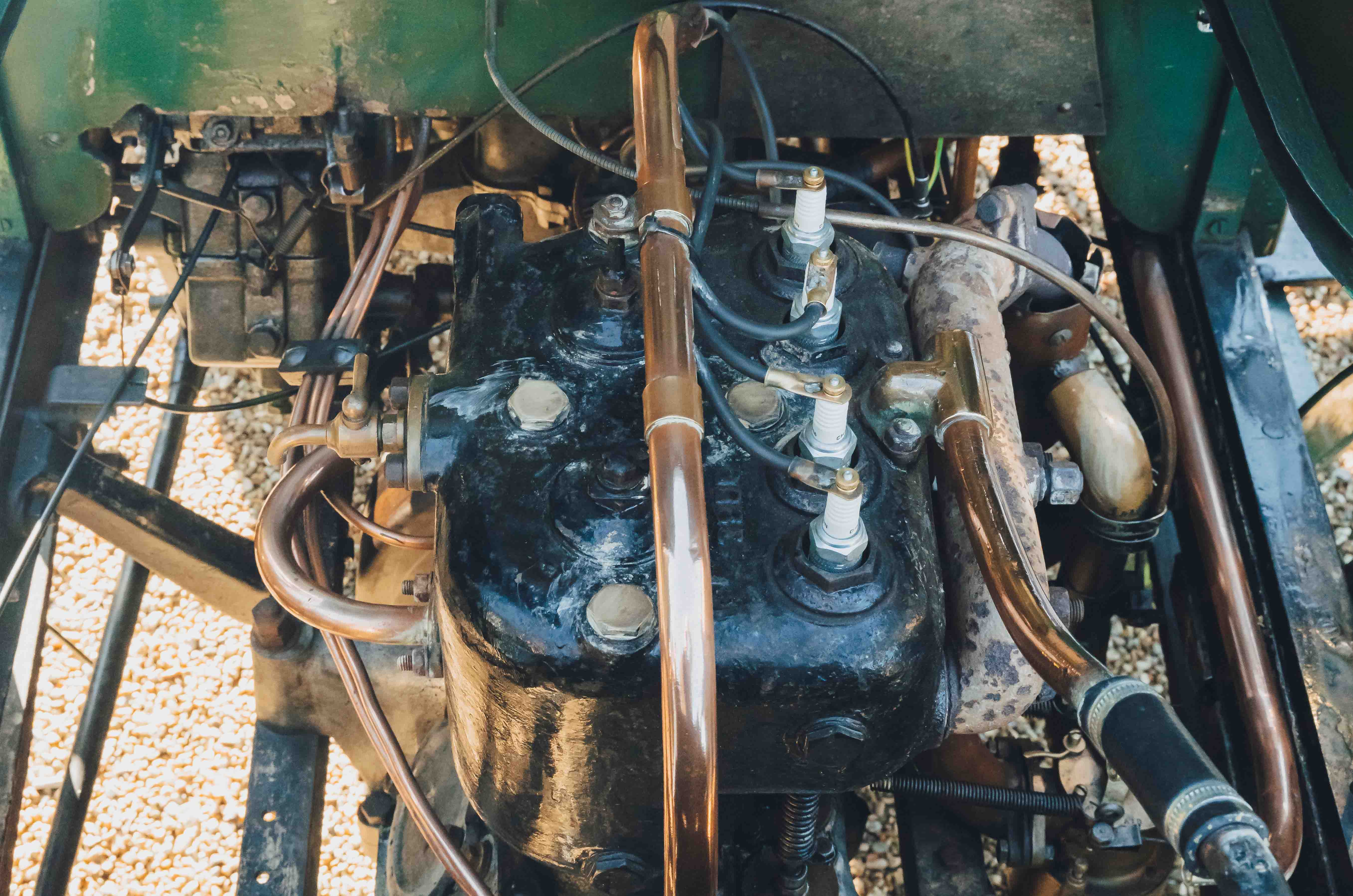
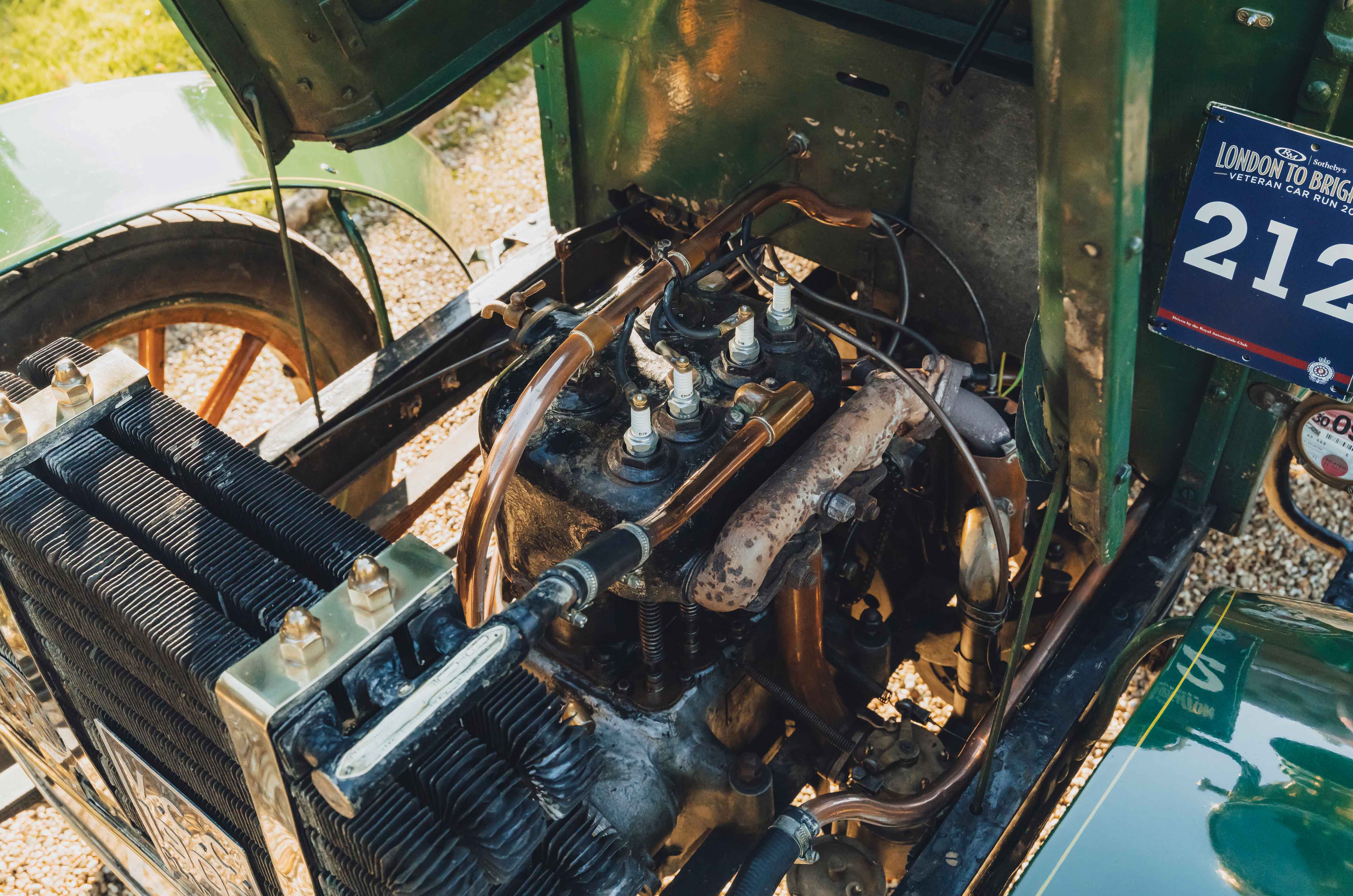
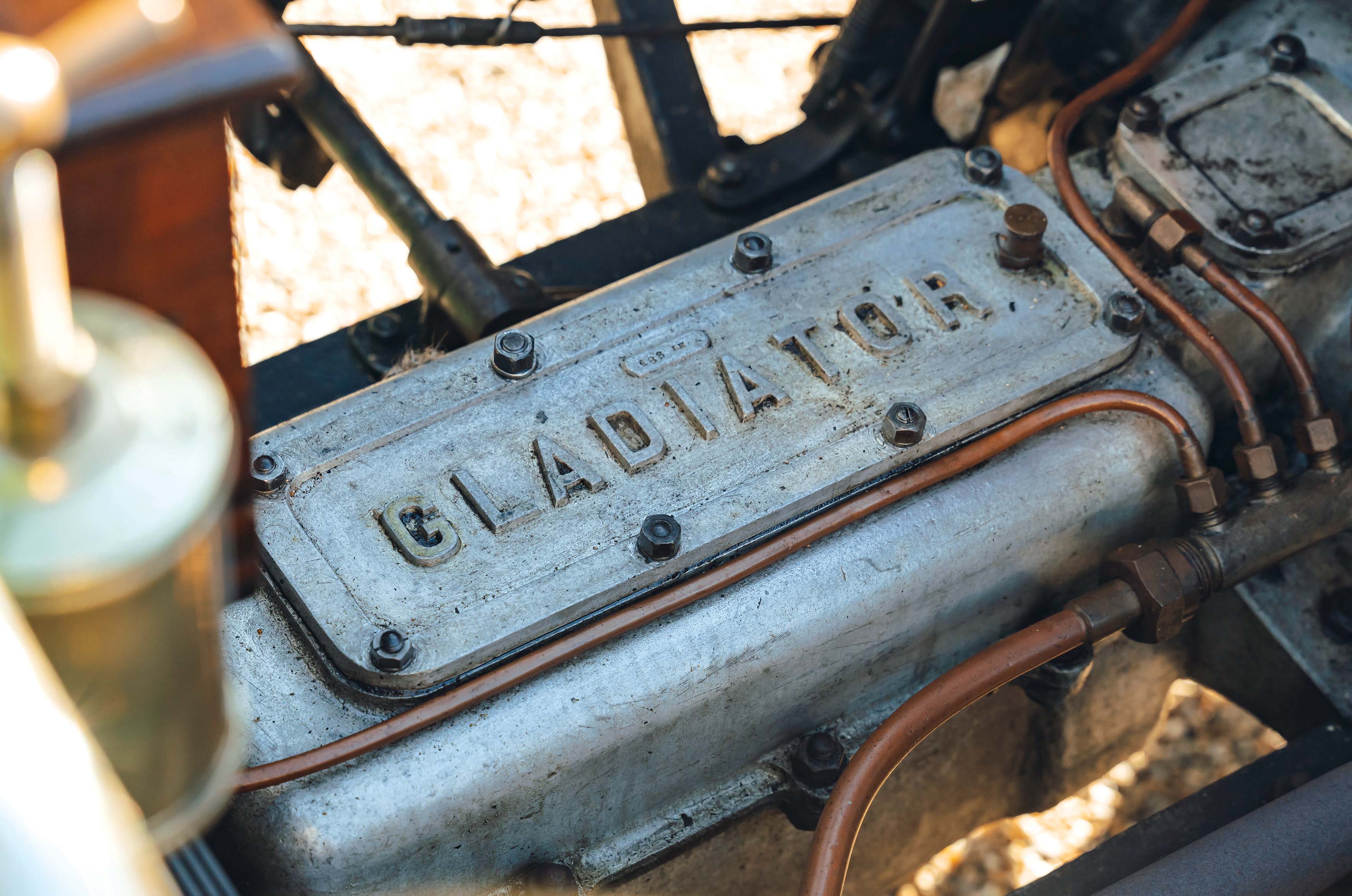
The Gladiator 10hp’s long-stroke, twin-cylinder engine

It was enough for Darracq to sell his share five years later and move his interests into the fledgling automobile industry: by 1904, his company was producing 10% of all French cars.

Meanwhile, Gladiator was purchased by a British syndicate including Dunlop’s co-founder, Harvey du Cros, and the owner of that company’s French manufacturing rights, Adolphe Clément.

Merging with other French and British firms, a new business was formed under the banner Clément, Gladiator and Humber Co Limited, with bicycles continuing to be its core focus.

Not for long, though. The introduction of motorised pushbikes, motorcycles and single-cylinder voiturettes quickly led to Gladiator’s first proper automobile.

Classic & Sports Car – Gladiator 10hp: for the long haul
The Gladiator 10hp has a very upright driving position

In 1899, it launched a small, single-cylinder model motivated by an Aster engine, which was produced in nearby Saint-Denis, Paris.

Aster engines continued to power a majority of Gladiators in single-, twin- and four-cylinder guises, and by 1901 growing sales had necessitated a second factory in Levallois-Perret, north-west of central Paris.

However, it was Britain that was taking the lion’s share of Gladiator production.

Du Cros had formed an alliance with motoring pioneer and sportsman SF Edge, and through their new, British-based Motor Vehicle Company Limited, they were selling around 80% of the 1000 cars that Clément-Gladiator was producing by 1903.

Classic & Sports Car – Gladiator 10hp: for the long haul

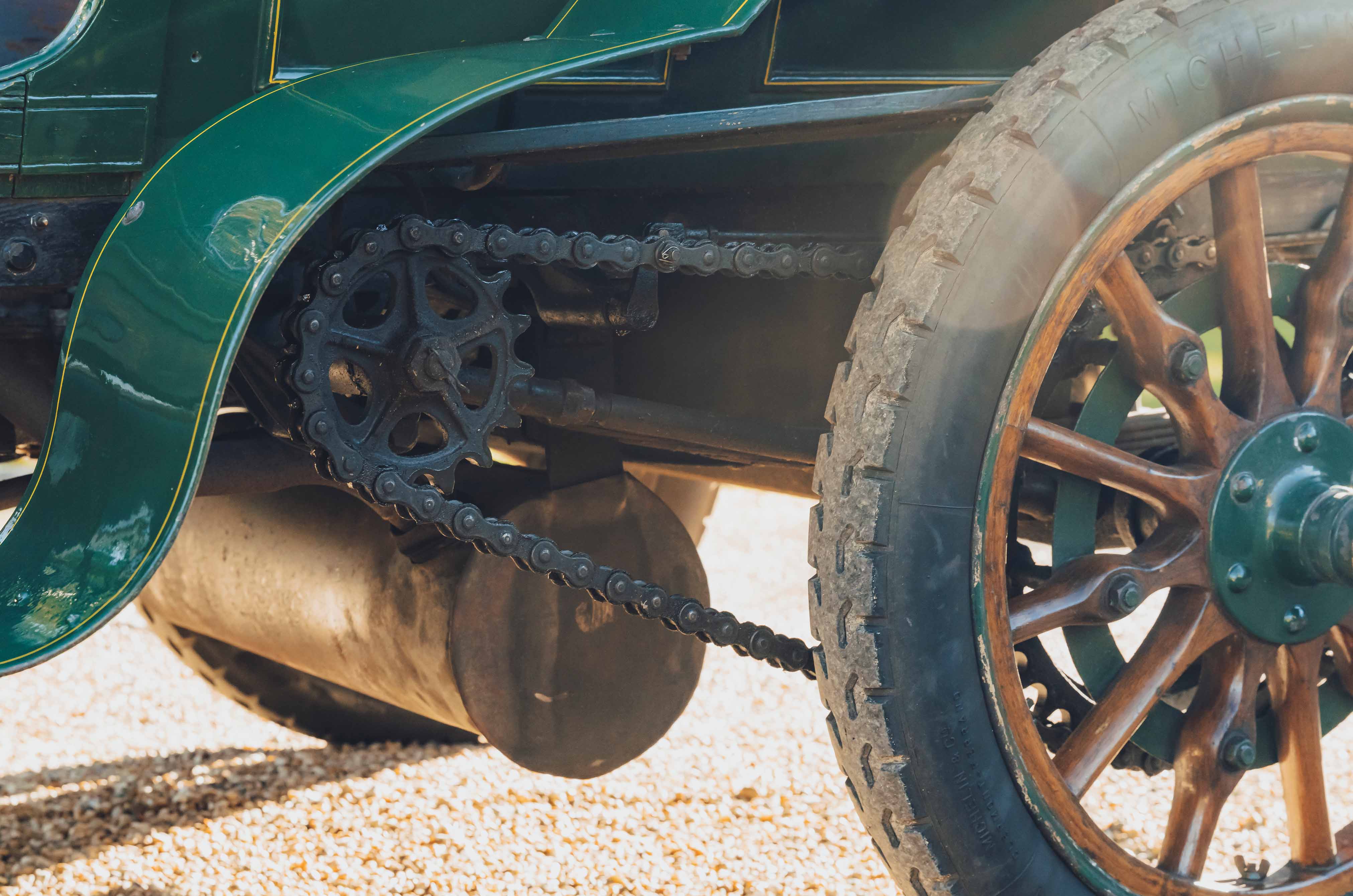
The Gladiator 10hp has two large chain-drives to its rear axle

Confusingly, two marques – Gladiator and Clément-Gladiator – coexisted, with the former supplying shaft-driven models and the latter, as seen here, with their final drives via chains.

Clément, though, departed the organisation to form his own Clément-Bayard firm that same year, but Gladiator as well as Clément-Gladiator models continued to be made at the original Le Pré-Saint-Gervais factory.

Looking back now, you could almost view the evolution of Clément-Gladiator as the automobile industry’s early take on the Entente Cordiale, soon to be finalised between British and French military powers.

Classic & Sports Car – Gladiator 10hp: for the long haul

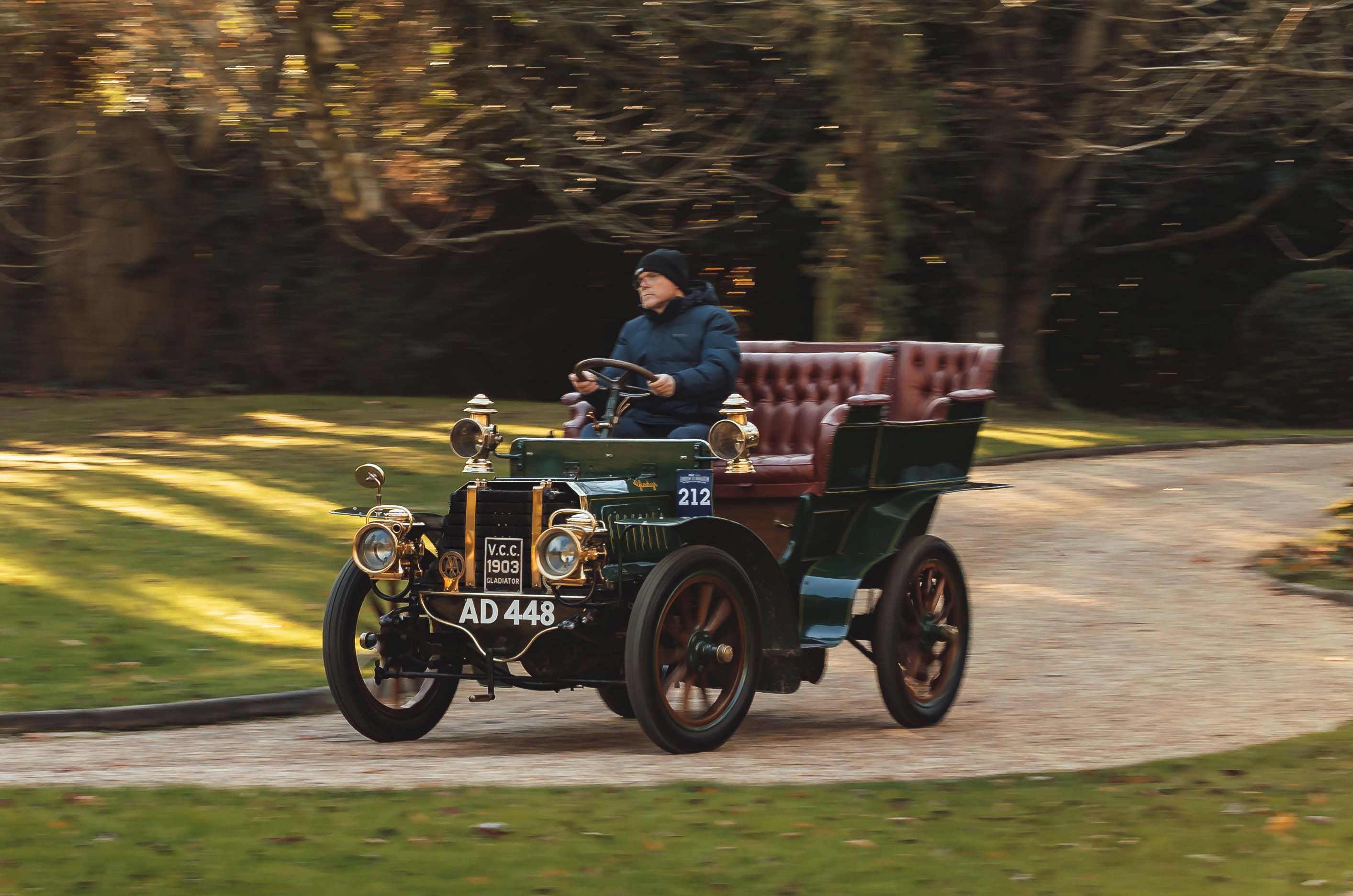
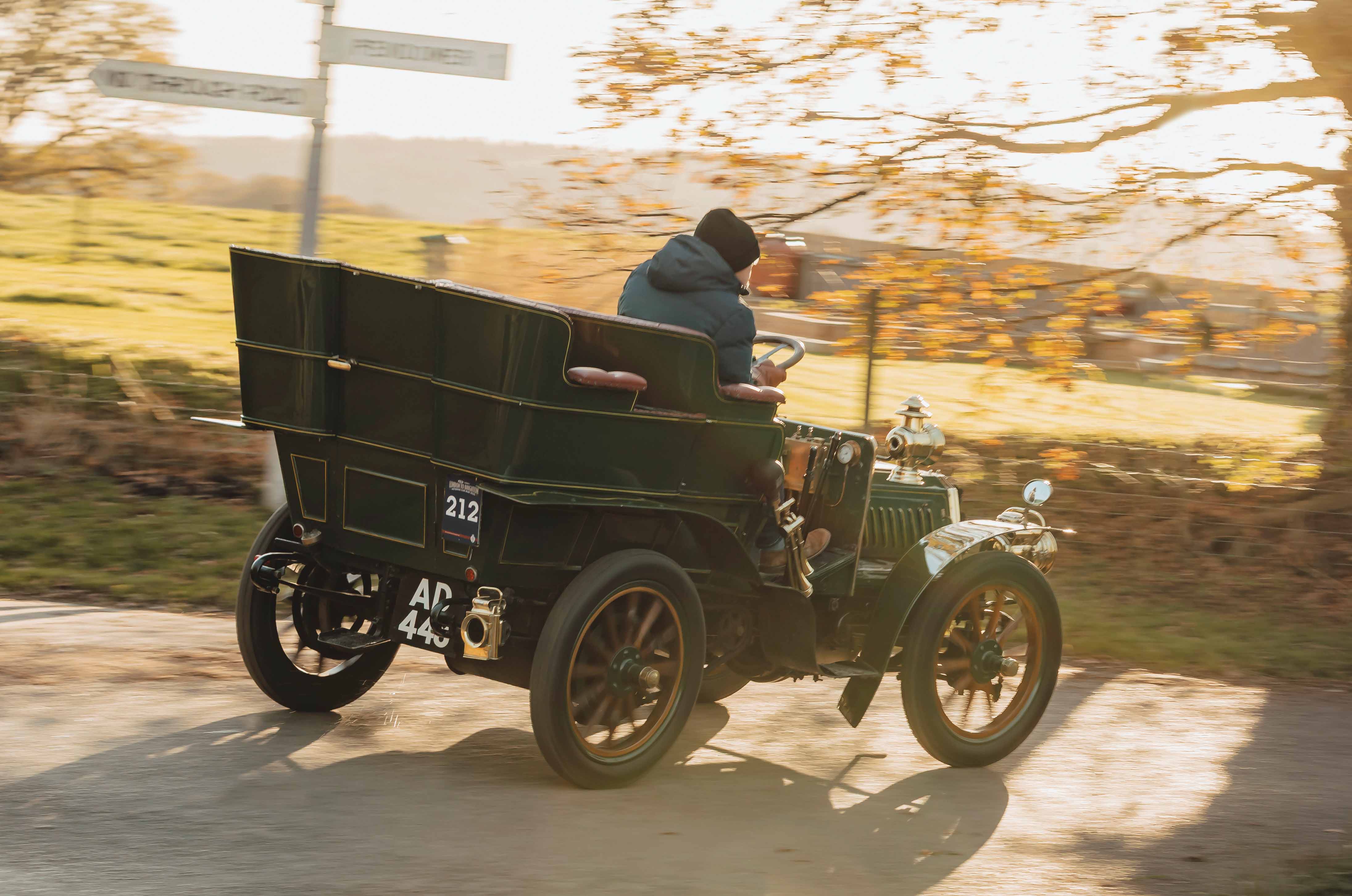
The Gladiator 10hp cruises comfortably at 20mph

Either way, it marked a period of co-operation between two countries that were each embracing the popularity of the motor vehicle.

Alas, in 1909, Gladiator was bought by Vinot et Deguingand, and its new parent merely used the nameplate for a near-identical range of cars to its existing Vinot marque.

By 1920, the Gladiator name had been dropped completely.

So today it’s fortunate that Gladys, the Timmis family’s 123-year-old Gladiator, remains in such rude health and continues to uphold the memory of this once great marque through its long-running appearances in the London to Brighton Veteran Car Run.

Classic & Sports Car – Gladiator 10hp: for the long haul

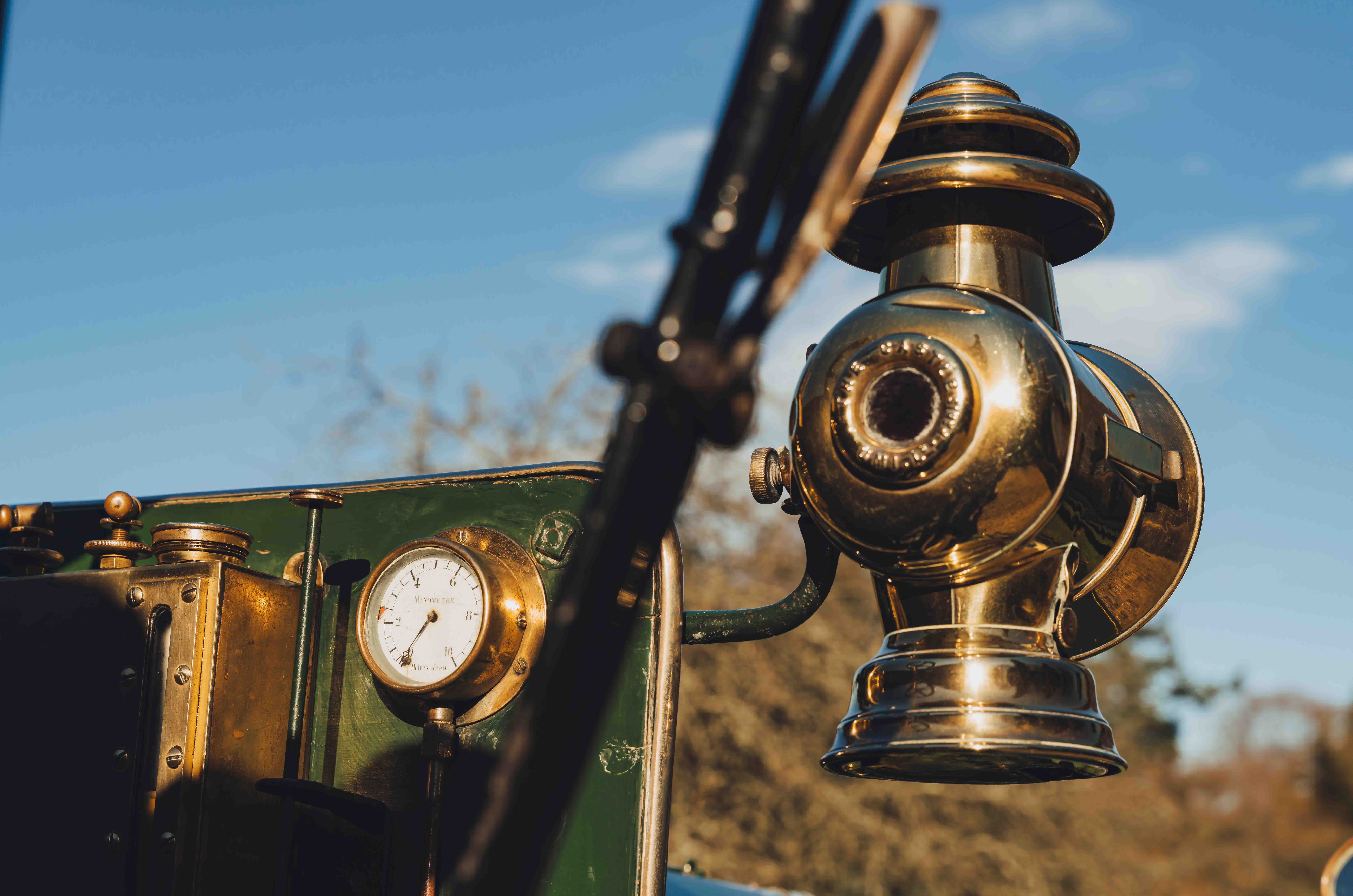
Two large headlamps sprout from the Gladiator 10hp’s dashboard

As a 10hp Rear Entrance Tonneau model, it emerged from Gladiator’s Le Pré-Saint-Gervais factory when the company was in its prime and exporting around 800 vehicles to the British Isles each year.

Estimates for this period vary, but it’s likely that there were around 8000 cars on our roads, so Gladiators would have represented a significant 10% of motorised traffic.

It would also have reached these shores at a time of far greater regulation, with the 1903 Motor Car Act mandating driving licences (even though a driving test was still more than three decades away), a new blanket 20mph speed limit and a formal registration system applying to all road vehicles – including Gladys.

Classic & Sports Car – Gladiator 10hp: for the long haul

Take a breath… this car’s full name is the Gladiator 10hp Rear Entrance Tonneau

There was not anything particularly groundbreaking about the Gladiator’s specification.

Its 10hp, water-cooled Aster engine comprised twin, cast cylinders of 88mm bore and 140mm stroke, for a displacement of 1703cc, operating with poppet valves and an automatic voltage regulator.

Lubrication was by a two-drip, dead-loss oiling system, with carburetion gravity-fed from a tank beneath the front bench seat.

While the engine is thought to be original, the ignition system has been modified over the years to improve reliability and for smoother running.

Classic & Sports Car – Gladiator 10hp: for the long haul

The Gladiator 10hp’s load-bearing gearbox

There are now two spark plugs for each cylinder, instead of one, the extra plug allowing drivers the luxury of a non-standard BTH motorcycle magneto to supplement the original, and rather feeble, trembler coils; Gladys now starts on the coils, with the magneto joining in when on the move.

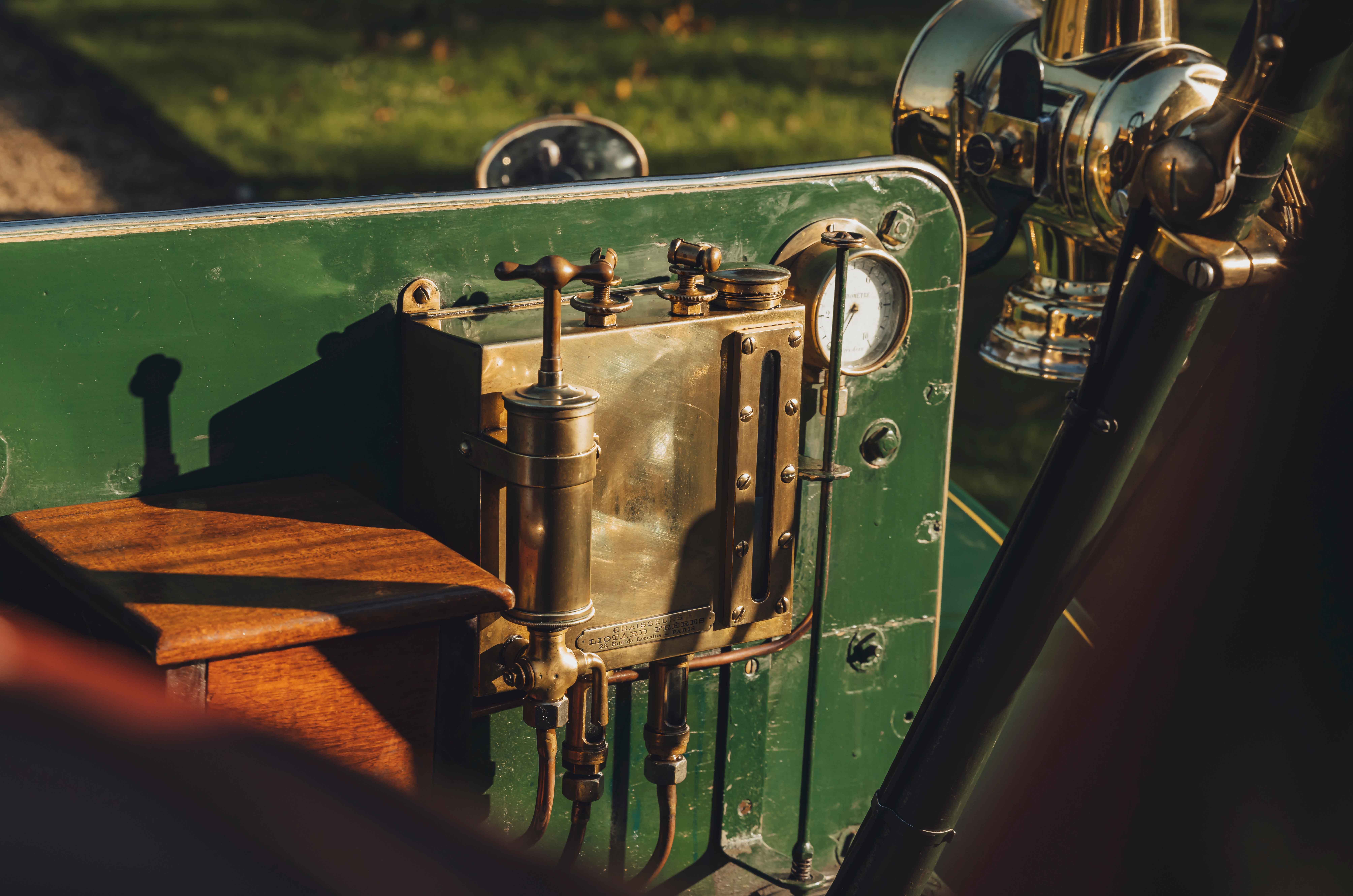
A large, rear-mounted water tank provides coolant for the radiator, its pump driven off the flywheel, and a dash-mounted Manomètre gauge indicates water pressure.

Lift the car’s floor panels and a ‘Gladiator’-stamped gearbox is revealed: in reality this is a Le Moine unit, structurally integral with the rear differential – though each employs its own oil chambers.

Classic & Sports Car – Gladiator 10hp: for the long haul

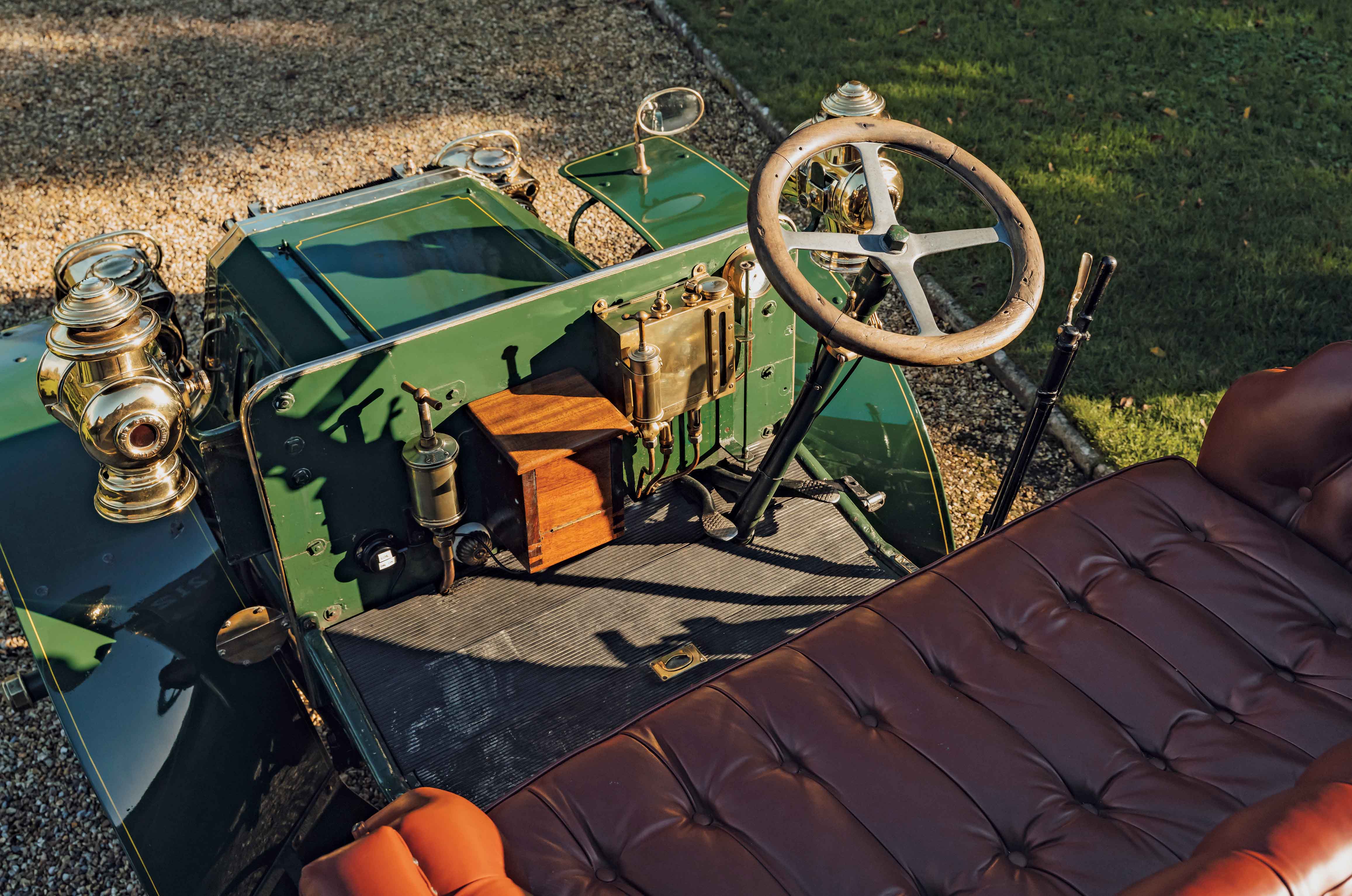
The grease pump and water-pressure gauge on the Gladiator 10hp’s simple dashboard

The ’box has four forward ratios, plus a reverse gear – a real boon for our back-and-forth photography – with two substantial chains delivering final drive to the rear axle; a separate plunger/pump located in front of the driver dispenses grease to the chain-drive’s bearings.

‘Imposing’ is how you would best describe this Gladiator’s appearance.

While the main rear section of its four-seat body was recreated by a professional joiner soon after the car was purchased by the Timmis family in 1950, it is faithful to the original design.

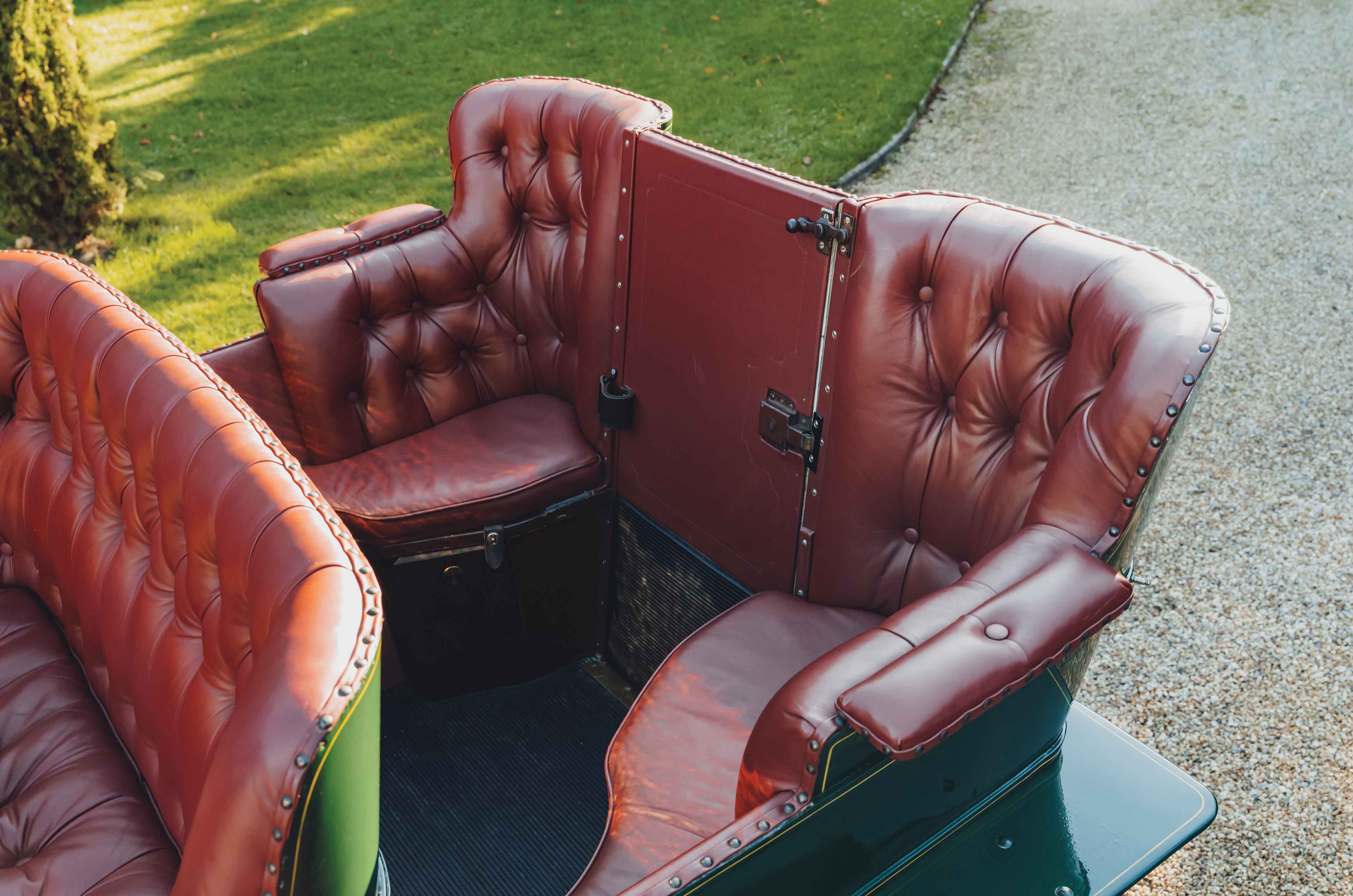
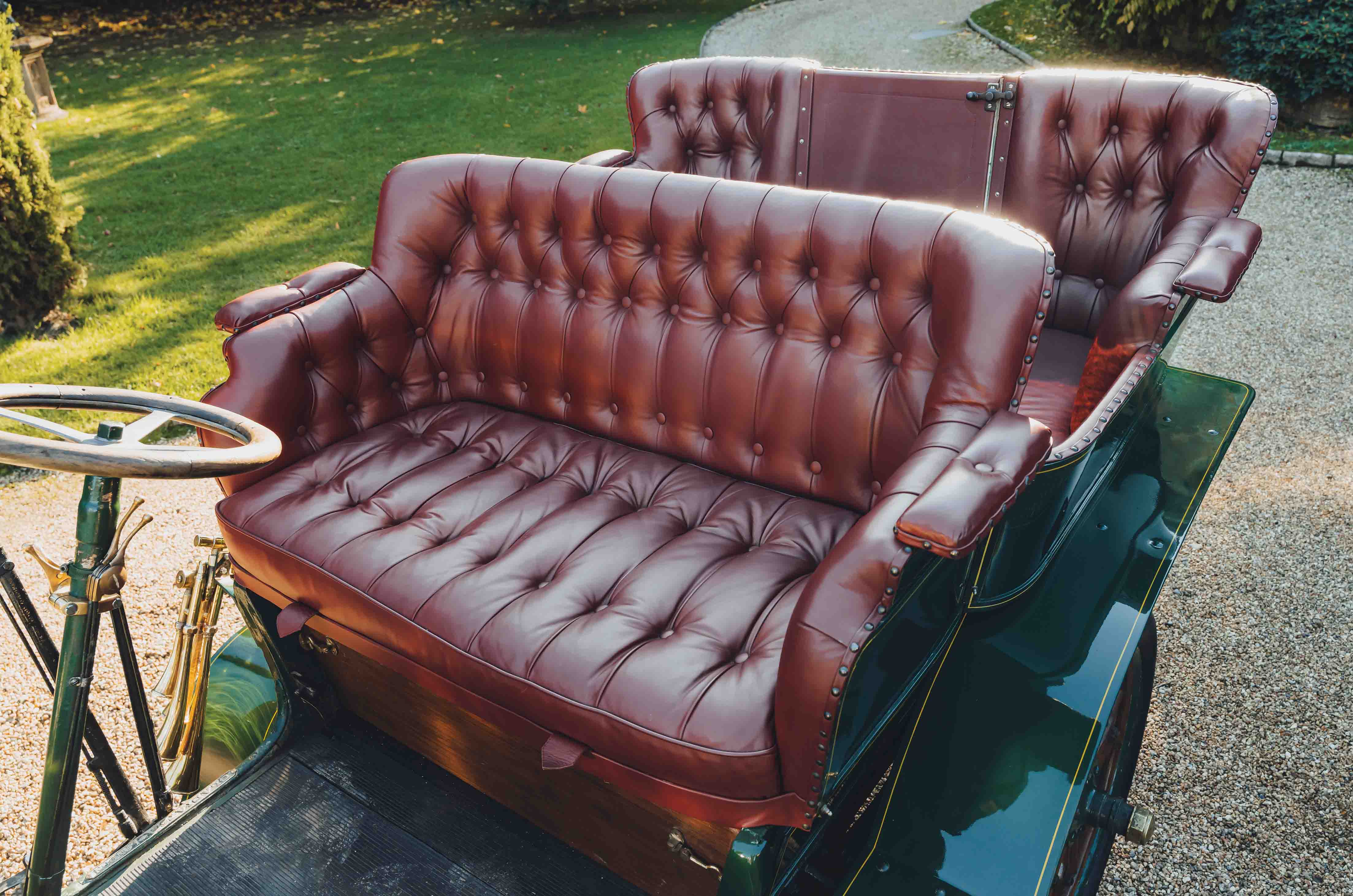
As its moniker suggests, passengers entered the car through a small door let into the rear panel, with a richly upholstered seat on either side of the opening.

Classic & Sports Car – Gladiator 10hp: for the long haul

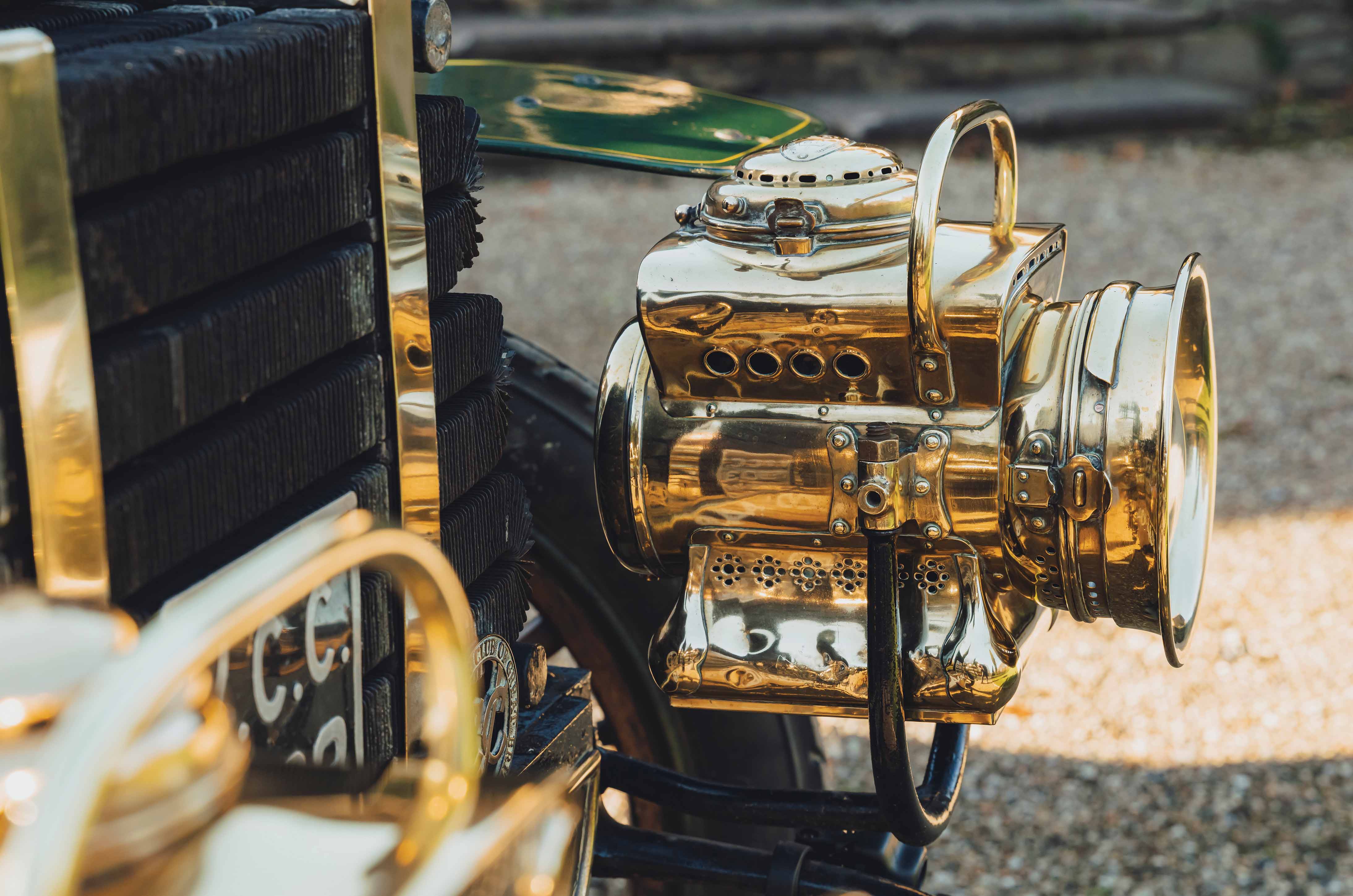
The veteran Gladiator’s large Powell & Hanmer headlamp

Typically, they were perched slightly above the driver and front passenger, with all occupants fully exposed to the elements and those at the front even bereft of a windscreen.

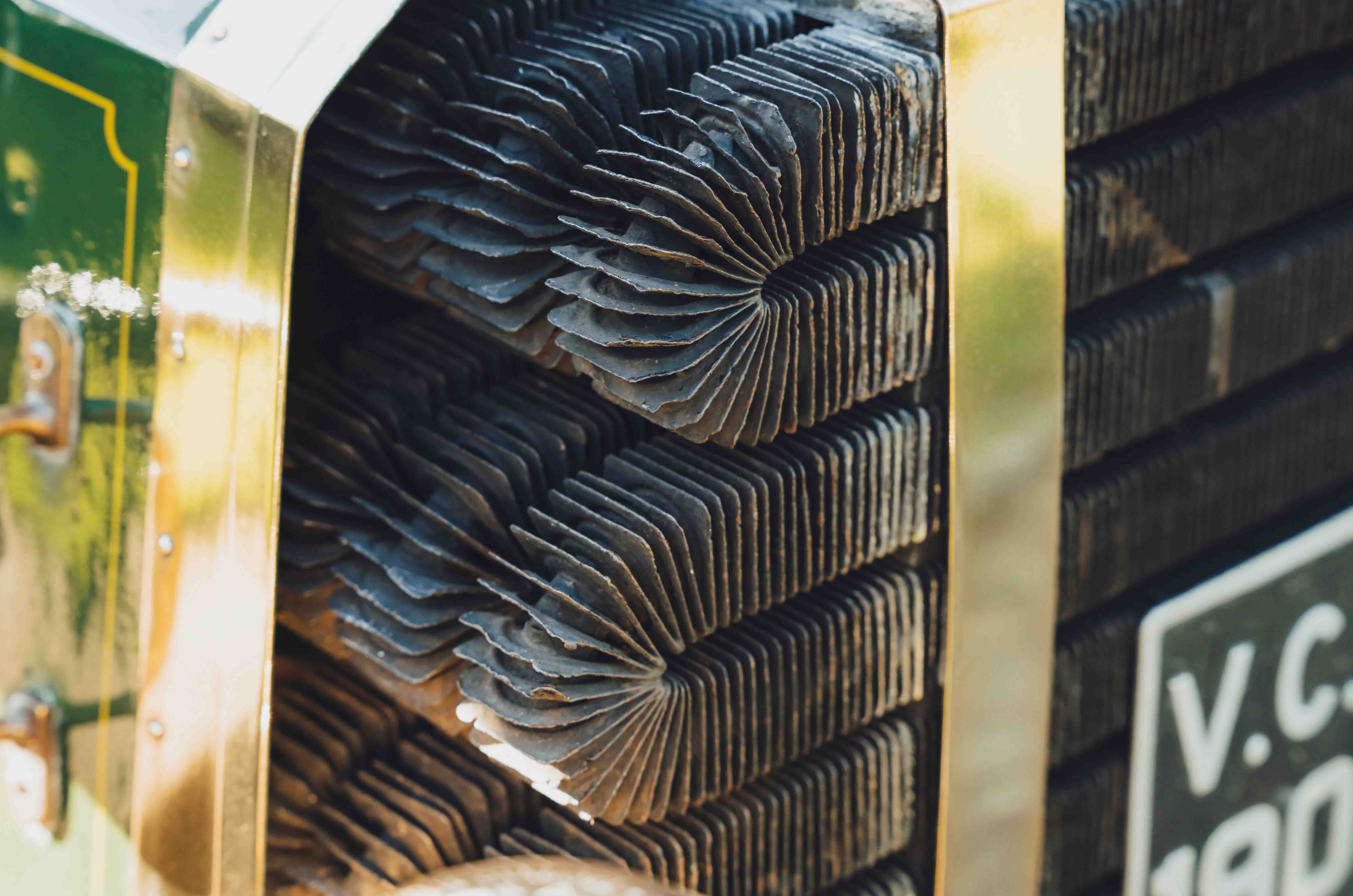
Four large, brass lights dominate the front of the car – two on the outer corners of the dashboard, and two larger Powell & Hanmer ‘Motor Headlamps’ mounted on either side of the tightly coiled radiator.

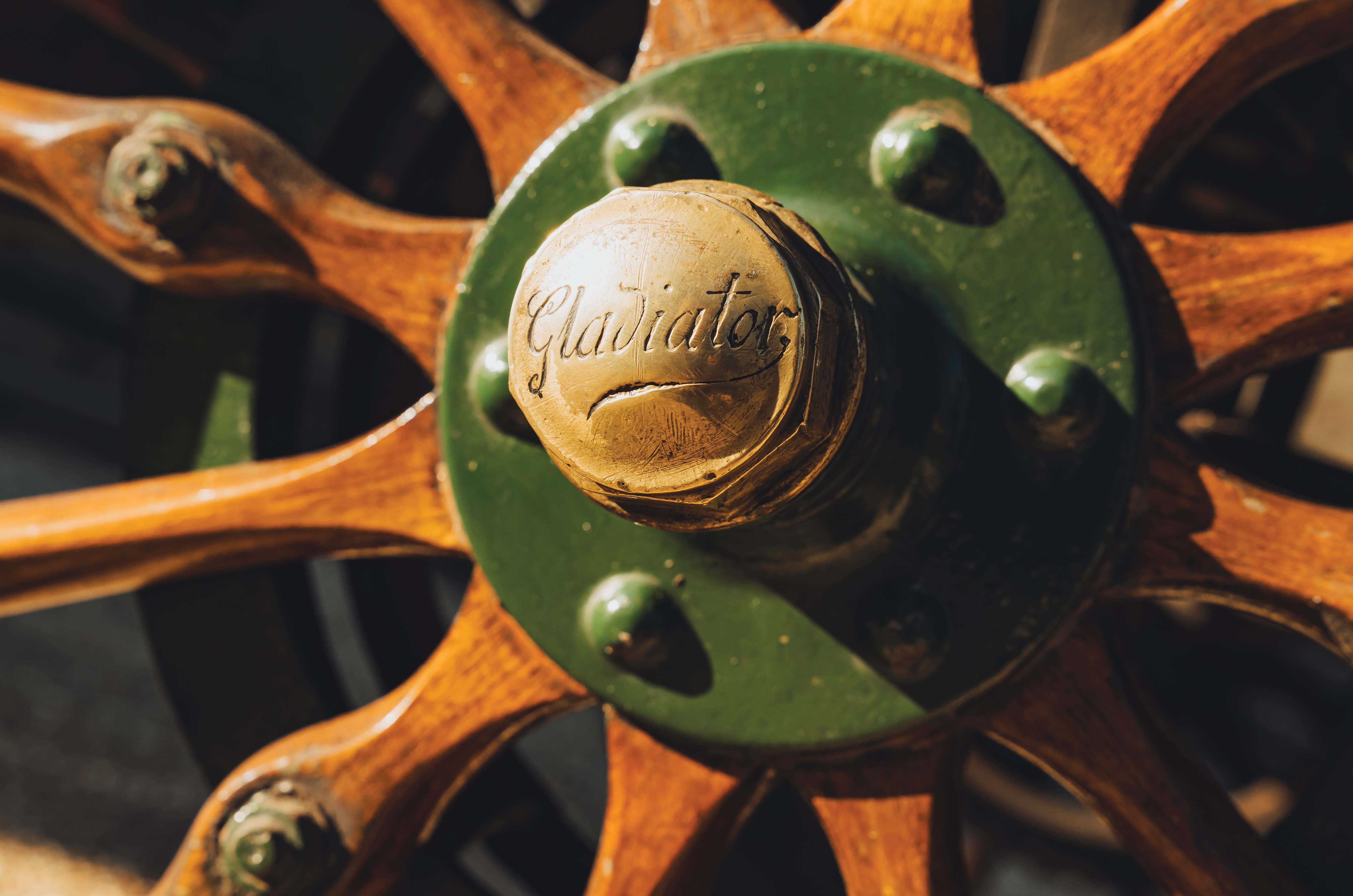
Smart, 10-spoke artillery wheels with brass, ‘Gladiator’-embossed centre fixings look quite superb, and sit beneath broad and elegant mudguards.

The rudimentary chassis’ side members are reinforced with metal and wood flitch plates, and the Gladiator is suspended all round by semi-elliptic springs.

Classic & Sports Car – Gladiator 10hp: for the long haul

The Gladiator 10hp’s radiator snakes up the front of the car

However, ‘our’ Gladiator was far from the grandiose-looking machine that we’re about to drive when it first became part of the Timmis family fleet.

We’re with Nigel and Richard, respectively grandson and son of Howard Timmis, who bought the car in 1950.

Howard, a Rolls-Royce apprentice engineer, was after an early veteran car eligible for the London to Brighton run, an event then still three years shy of being popularised by the film Genevieve.

He bought the car from Clapton-in-Gordano, near Bristol, where the vendor had dismantled the Gladiator with a view to restoring it, but lost interest in the project.

Classic & Sports Car – Gladiator 10hp: for the long haul

The Gladiator 10hp’s brass wheel-centres

Richard, then in his early teens, recalls accompanying his father in a lorry to collect the car and returning it to their home in Yeovil, where restoration work commenced.

While the engine, drivetrain and chassis were believed to be original and largely complete, many components were missing.

Remarkably, Howard had made contact with another Gladiator owner in South Africa, who proved to be helpful as work on the car progressed.

And then another stroke of luck: a neighbour in his village turned out to have the remains of a Gladiator on his land, with a tree growing through it, which Howard was able to purchase and use as a source for missing parts.

Classic & Sports Car – Gladiator 10hp: for the long haul

The Gladiator 10hp’s exposed cabin offers little protection from the elements

While the car’s new body was being crafted by a joiner, a replacement carburettor was found, matching the missing original item, and a new third gear was produced at the Rolls-Royce workshops by Carl Parkinson, with whom Howard had trained as an apprentice.

The chassis was also refreshed, including using new ash framing.

Bearing in mind that the London to Brighton run – and veteran machines in general – were perceived as highly niche pursuits at the time, you have to admire Howard’s determination to bring back the Gladiator to its former glory.

What he couldn’t have predicted was how this Anglo-French machine managed to galvanise his family’s passion for taking part in the veteran run through five generations, with Nigel’s son and two-year-old grandson the latest additions to the cohort.

Classic & Sports Car – Gladiator 10hp: for the long haul

Richard (left) and Nigel Timmins cherish the family 1903 Gladiator 10hp

Richard recalls that Howard first entered the event in 1954, towing Gladys in a horsebox behind a Land-Rover, and with both father and son taking turns at the wheel on the run itself.

As the years passed by, more family and friends were enlisted to fill the Gladiator as it motored down to Brighton, swapping passengers and drivers along the way.

The car’s finish rate must be up there with the best of them, too, having only failed to reach Madeira Drive on four occasions.

“Punctures were frequent in the early days,” remembers Nigel. “But that was before we realised that 80psi was needed in the beaded-edge tyres. We once saw the outer casing of a tyre rolling down the road ahead of us.”

Classic & Sports Car – Gladiator 10hp: for the long haul

The Gladiator 10hp’s sumptuous leather bench

Ignition issues also struck Gladys – hence the addition of a magneto. “And one trip was so cold,” laughs Nigel, “that we had to pee on the frozen water pump to thaw it out!”

But entering the run also revealed more information about the car’s past, which was largely undocumented in 1950.

For many years it was registered on the Somerset number RYC 700, but the Timmis family was informed on one L2B that the name WG Wooliams, which is still faintly inscribed on one of its steering wheel’s spokes, was either the original or a very early owner, and had lived in Gloucestershire.

More research revealed the car had been first registered AD 448, a Gloucestershire number with which it has since been reunited.

Classic & Sports Car – Gladiator 10hp: for the long haul

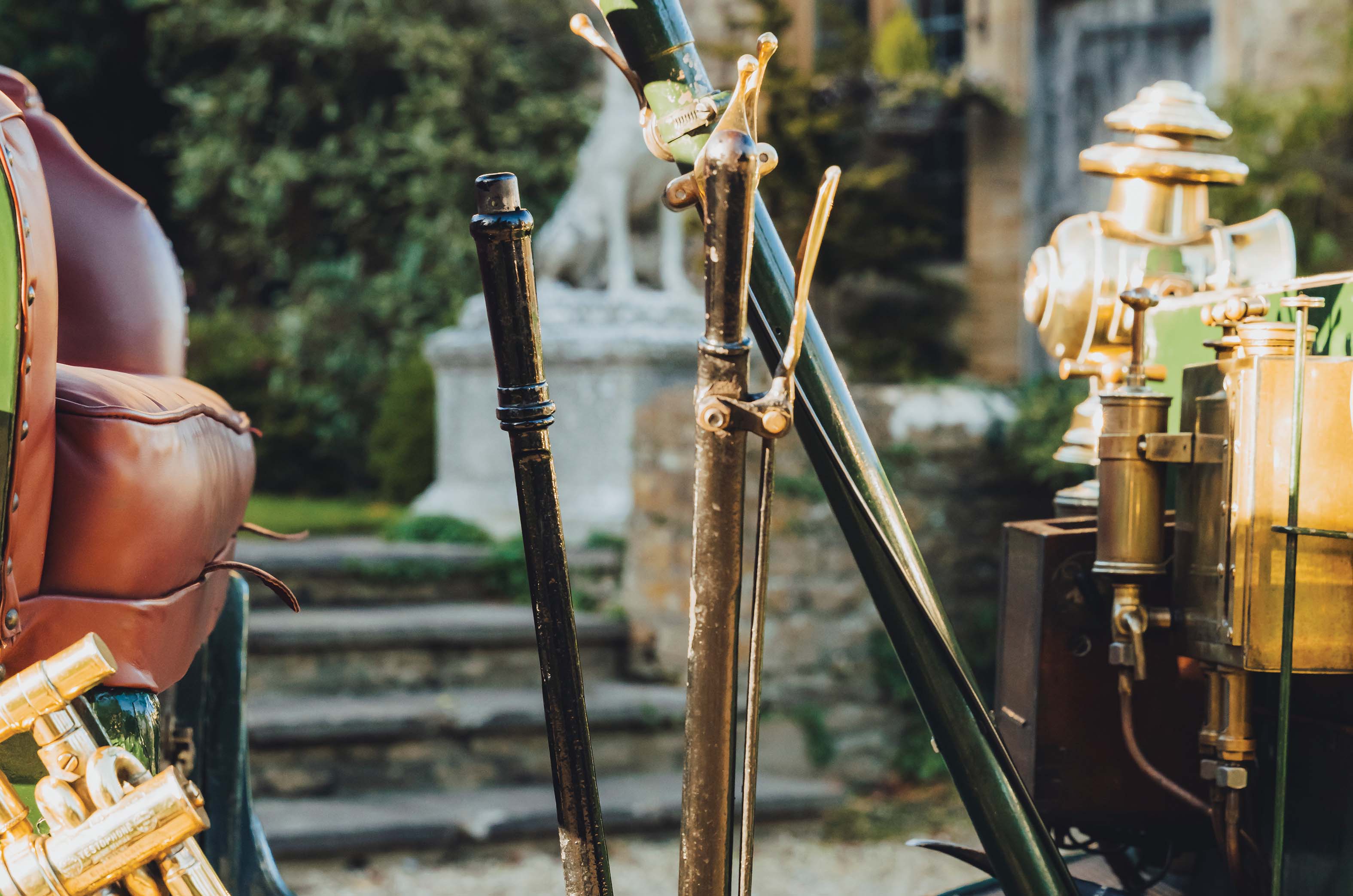
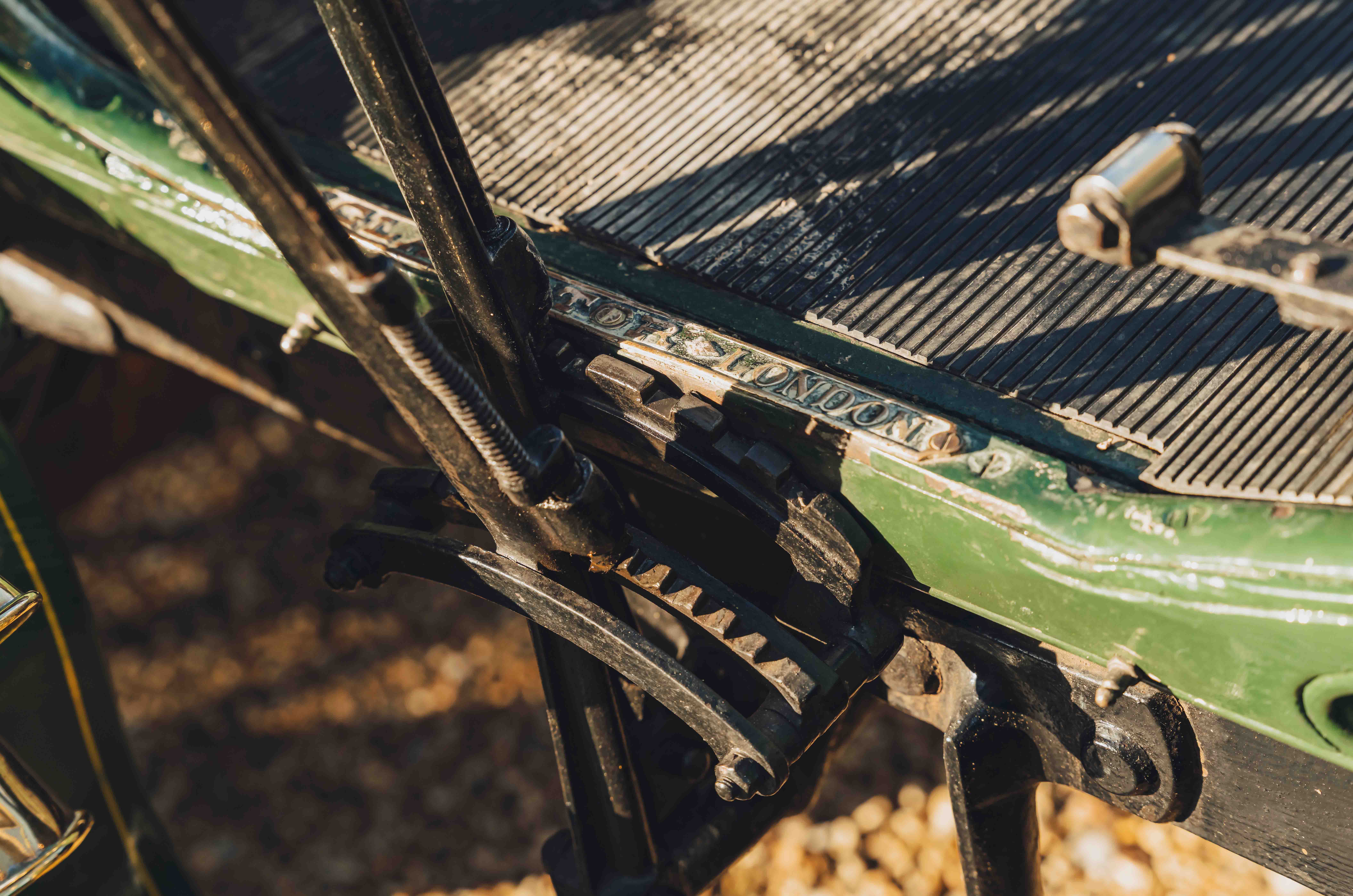
The Gladiator 10hp’s long handbrake and gearlever are mounted outside the cabin

The last time I drove a veteran was on a wide, modern A-road, which was a bit intimidating.

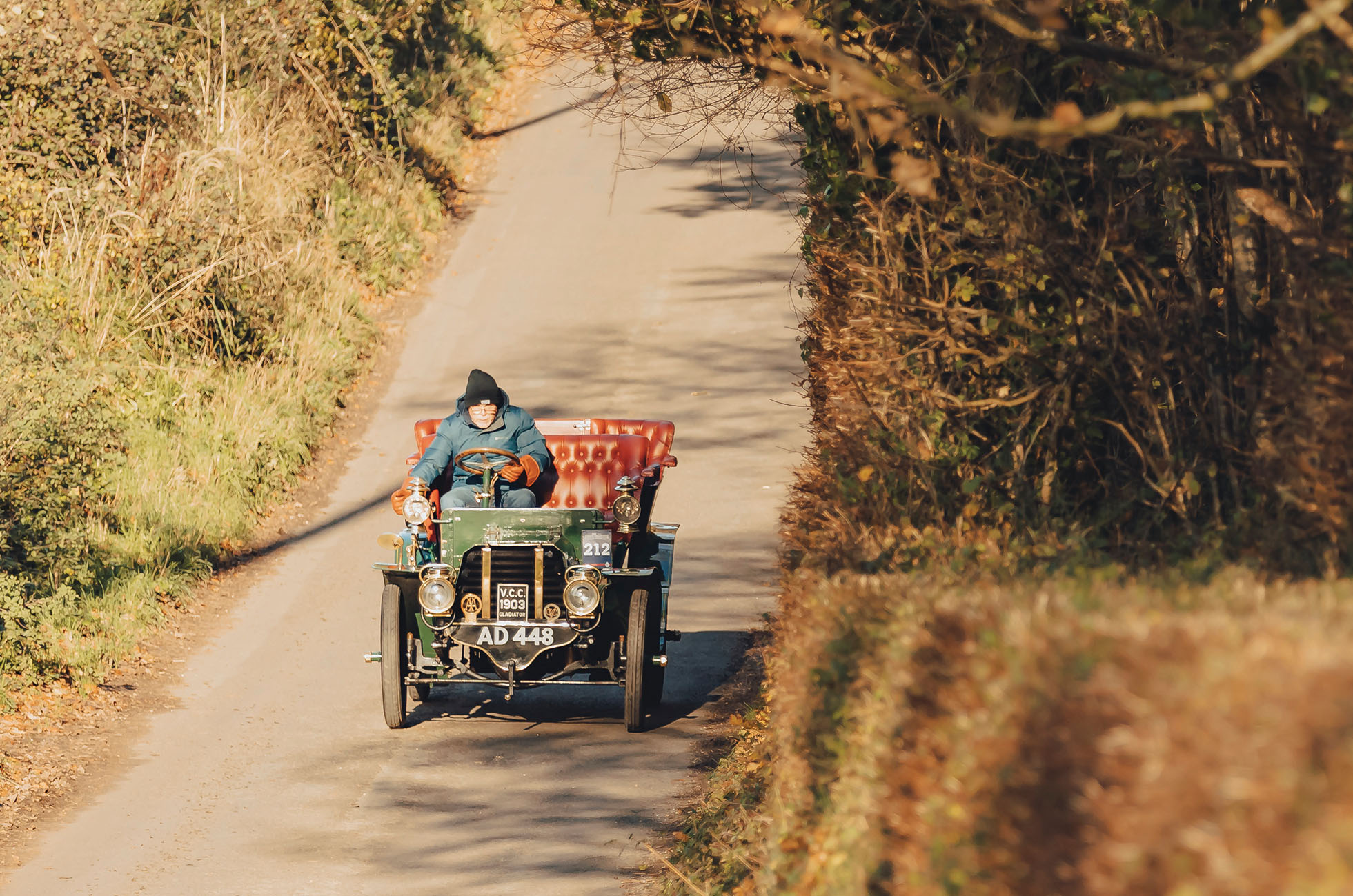
But today it could easily be 1903, as we set out along the high-hedged rural Somerset lanes that run between Nigel and Richard’s homes.

Starting Gladys is relatively straightforward: manually flood the carburettor, switch on the ignition then crank the handle a couple of times before the Aster twin fires and settles to a metronomically slow idle.

You perch majestically above the low dashboard, with a smallish, wood-rimmed steering wheel mounted almost horizontally before you, a pair of small, knurled-brass levers on either side of its column controlling the modified ignition system.

Classic & Sports Car – Gladiator 10hp: for the long haul

The Gladiator 10hp’s gearlever rewards finesse

Conveniently, the pedals are laid out as per a modern car’s, so I only have to acquaint myself with the gearshift before we move away.

Its long lever, mounted to my right, outside the bodywork and next to the handbrake, moves through a notched quadrant, with reverse one back, then neutral, and forward through gears one to four; the notches are nicely worn, so a degree of sensitivity is required to avoid missing a ratio.

Pulling away is a relatively smooth process, given the leather-lined cone clutch, and you feel as much as hear the twin’s thudding torque as you start to gather pace.

Nigel reminds me to let the revs drop to idle between changes to enable clean shifts, but once that caveat is observed, this veteran motors along nicely.

Classic & Sports Car – Gladiator 10hp: for the long haul

Excellent brakes and the familiar control layout make the Gladiator 10hp from 1903 surprisingly easy to drive

The brakes are excellent for an Edwardian machine, and by depressing the pedal along with the handbrake (not always necessary), retardation is rapid and reassuring.

You’d describe the steering as meaty, with plenty of heft required at any speed, but it is also quite direct, meaning that care needs to be taken over awkward surfaces to avoid upsetting its cart-sprung gait.

Gearing is decently high in third and top, so sitting at 20-25mph feels as if it would be comfortable and sustainable over a long distance.

Classic & Sports Car – Gladiator 10hp: for the long haul

The Gladiator 10hp’s sidevalve Aster motor is water-cooled

Objective impressions somehow miss the point.

Cars of this age are crude in many ways, but also gloriously transparent in the manner they respond to your every command.

They exercise your powers of concentration and mechanical sympathy in a way no modern car – however exotic – will ever do, and leave you with a sense that this is motoring in its purest, most organic form.

And, as Nigel remarked recently: “Gladys has been more than just a car – she’s been the thread connecting five generations of our family through heritage motoring.

“We hope this tradition will continue for as long as internal-combustion motoring on our roads is celebrated.”

Images: Max Edleston

Thanks to: the Timmis family; Jonathan Gill at MPA Creative; London to Brighton Veteran Car Run


Factfile

Classic & Sports Car – Gladiator 10hp: for the long haul

Gladiator 10HP  

  • Sold/number built 1902-‘03/n/a
  • Construction ash wood/pressed-steel chassis, aluminium/wood body
  • Engine iron monobloc, sidevalve 1703cc twin, single carburettor
  • Max power 10bhp
  • Max torque n/a
  • Transmission four-speed manual, RWD
  • Suspension rigid axles, semi-elliptic springs f/r
  • Steering worm and sector
  • Brakes rear drums
  • Weight 1653lb (750kg)
  • 0-60mph n/a
  • Top speed 30mph
  • Mpg n/a
  • Price new £400 (est)
  • Price now £150-200,000*

*Price correct at date of original publication


Enjoy more of the world’s best classic car content every month when you subscribe to C&SC – get our latest deals here


READ MORE

Genevieve reunion: meet the Darracq and Spyker film stars

Wolseley 3.5hp Voiturette: on the trail of the trial

Austin Ten adventure: kick-starting the passion