Minis vs Hillman Imps: back to front

| 13 Jul 2026
Classic & Sports Car – Minis vs Hillman Imps: back to front

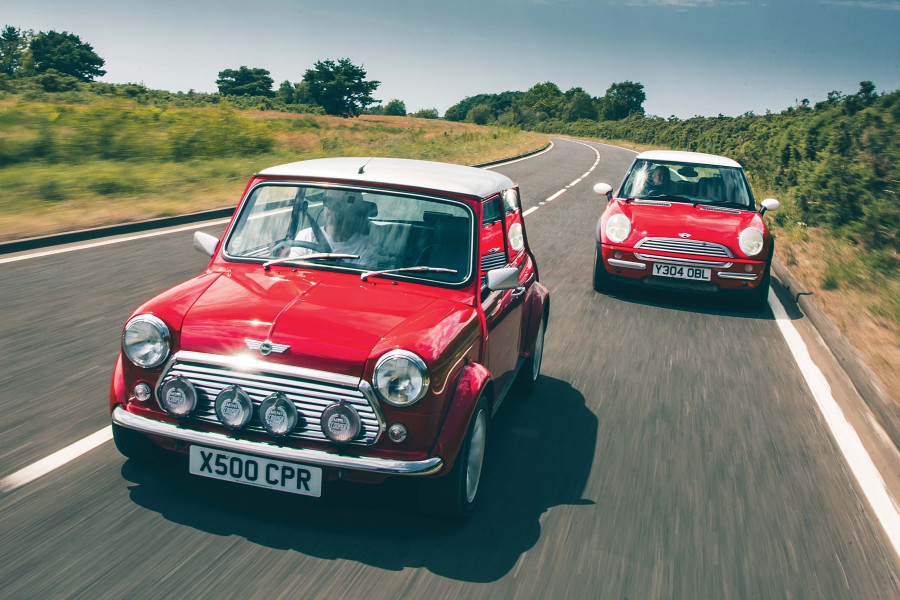
The clichéd view of the Mini versus the Hillman Imp tends to run along the lines that the latter was a rear-engined anachronism, while the former’s front-wheel-drive layout now dominates UK motoring.

At the time, in the real world, the differences that owners noticed were more fundamentally prosaic than design-led.

The Rootes Group suffered from government interference in its operations and a series of workforce strikes.

Classic & Sports Car – Minis vs Hillman Imps: back to front

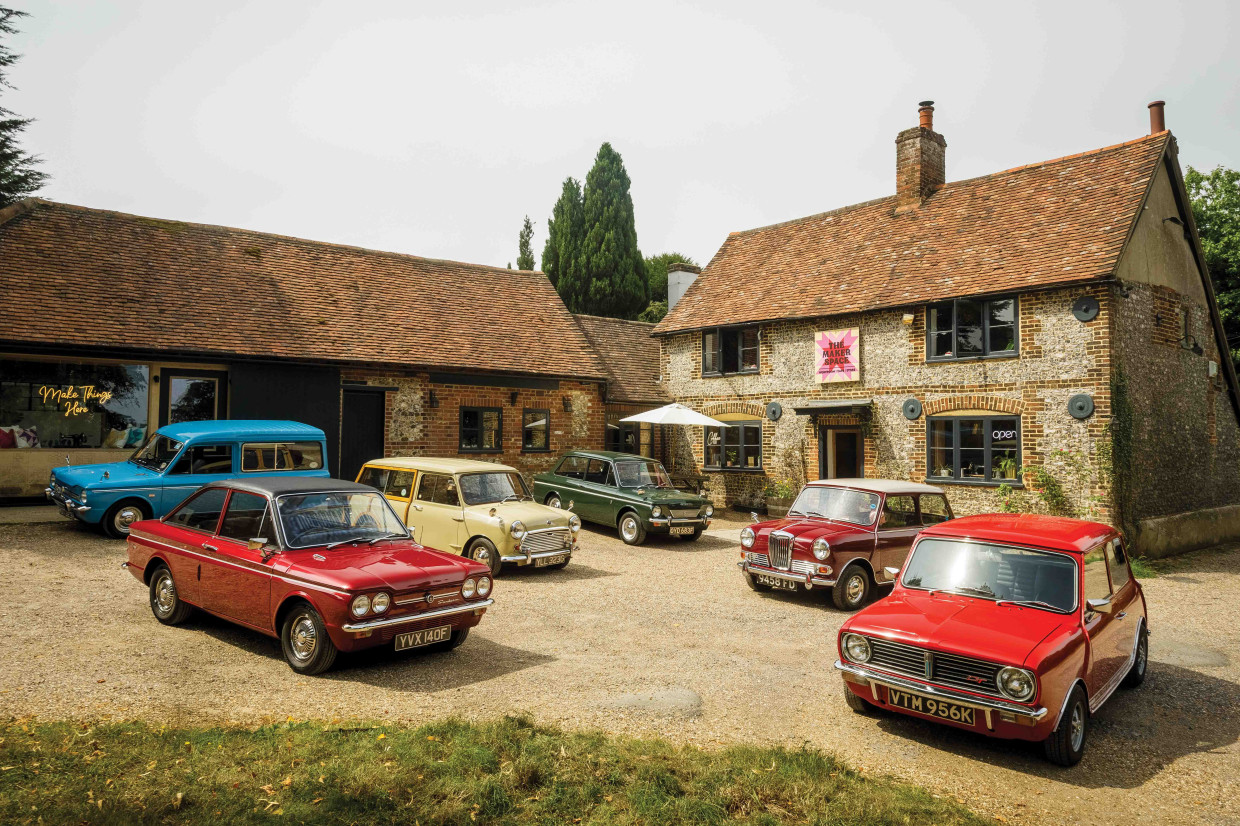
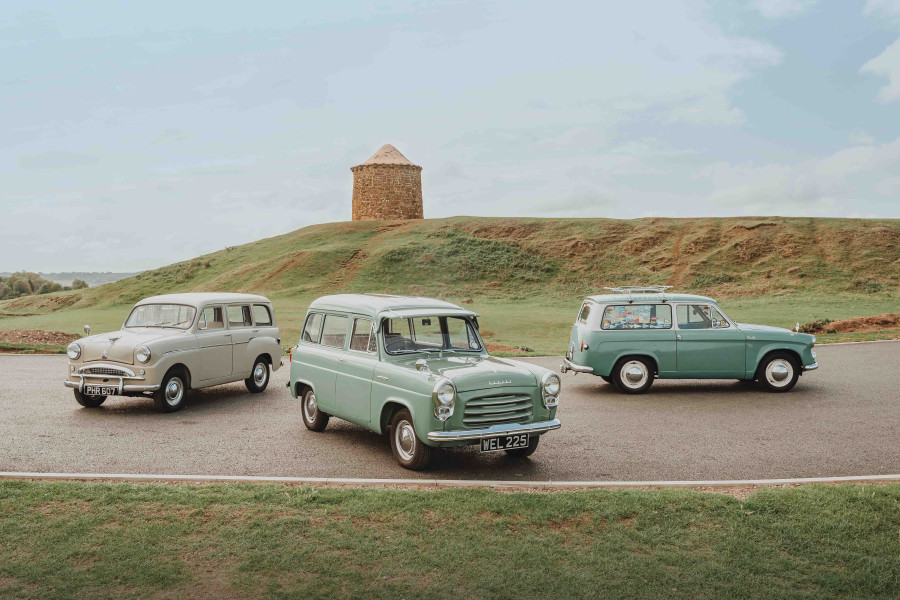
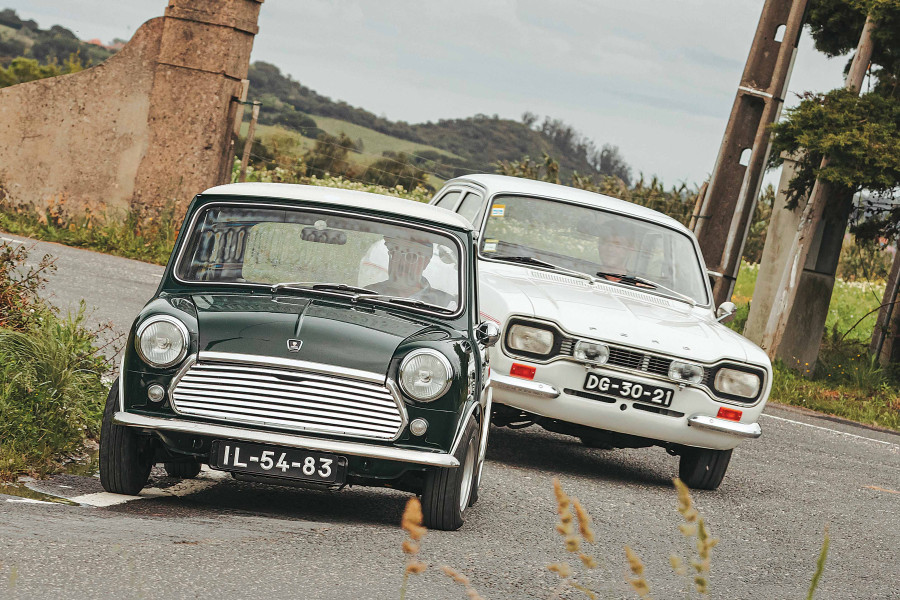
Key variants of the front-drive Mini and rear-drive Hillman Imp families go head-to-head

Too many owners of early Imps endured reliability problems, but this should not overshadow the Hillman’s sheer promise, lauded as it was by the motoring press on its launch in 1963.

Nor did a rear-engined layout prove to be a barrier to the sales of contemporaries from NSU, Renault and Simca.

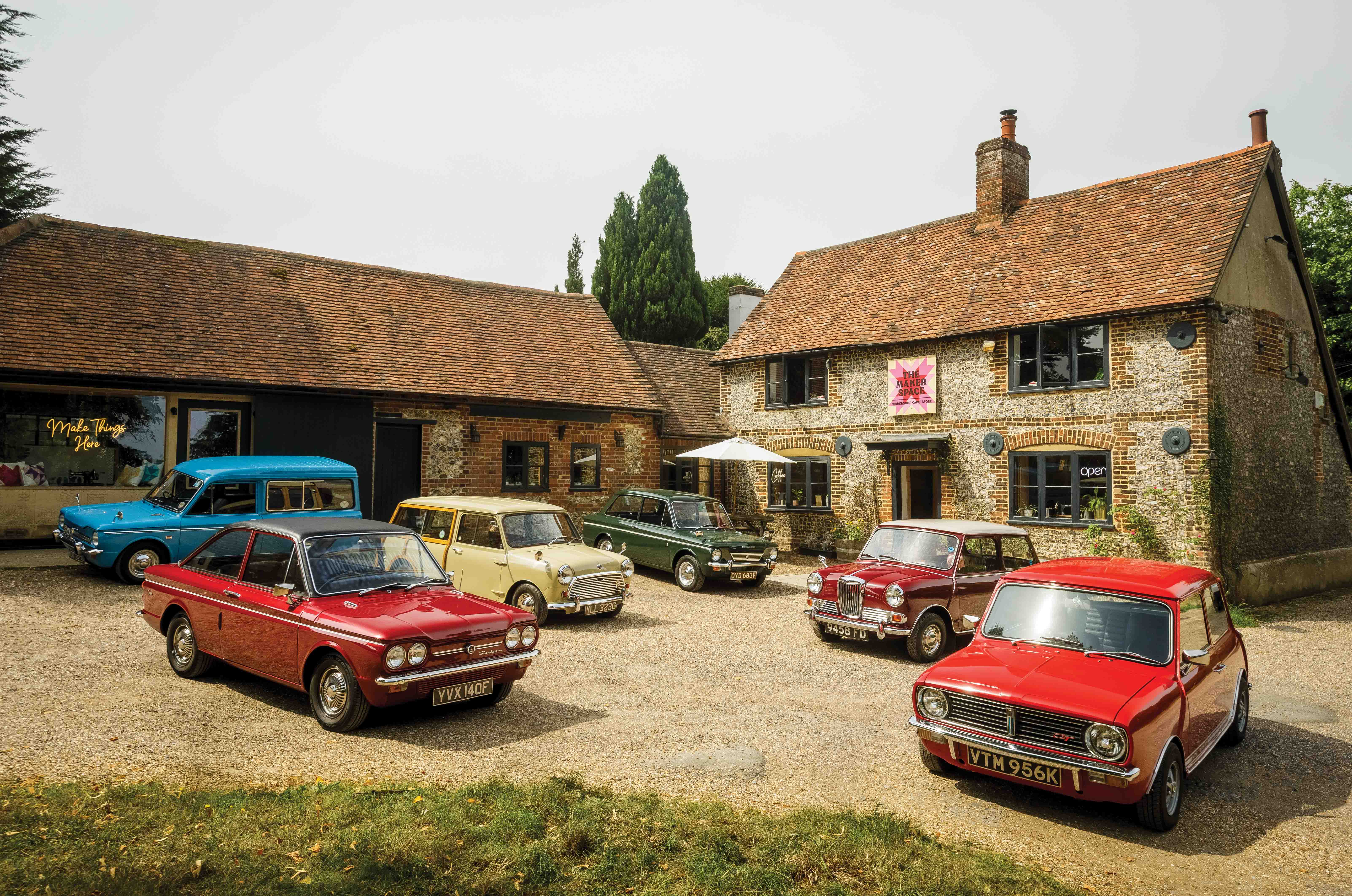
So, to give the two sides the comparison they deserve, we have gathered three direct rival variants of each.

Images: Tony Baker

Thanks to: The Maker Space; Tim Morgan, Tim Sears, The Imp Club


Riley Elf MkII & Singer Chamois Sport

Classic & Sports Car – Minis vs Hillman Imps: back to front

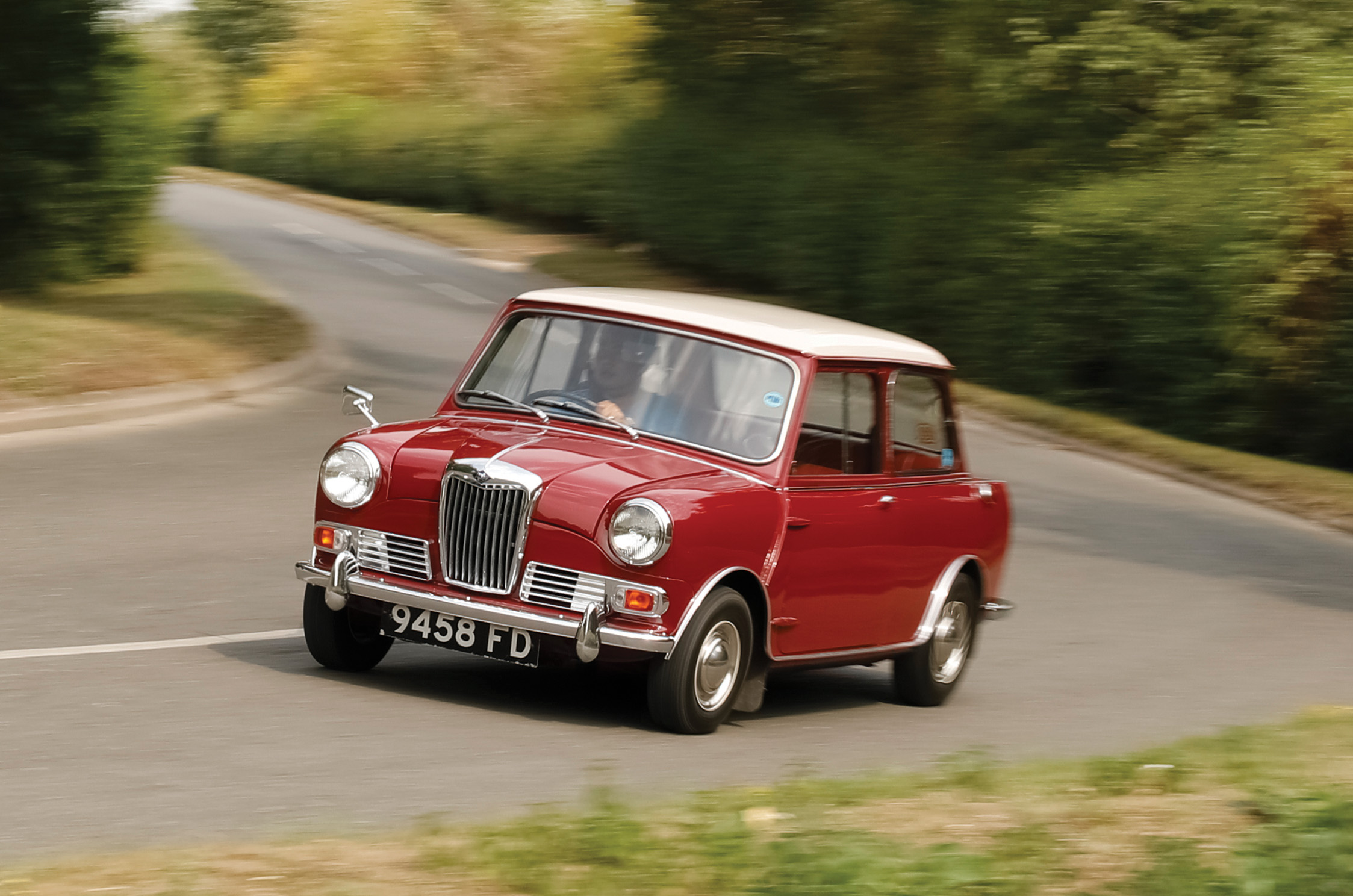
The Riley Elf MkII’s chrome face is still recognisably Mini

The British Motor Corporation introduced the Riley Elf and its Wolseley Hornet stablemate on 12 October 1961, to appeal to the haute suburbia market.

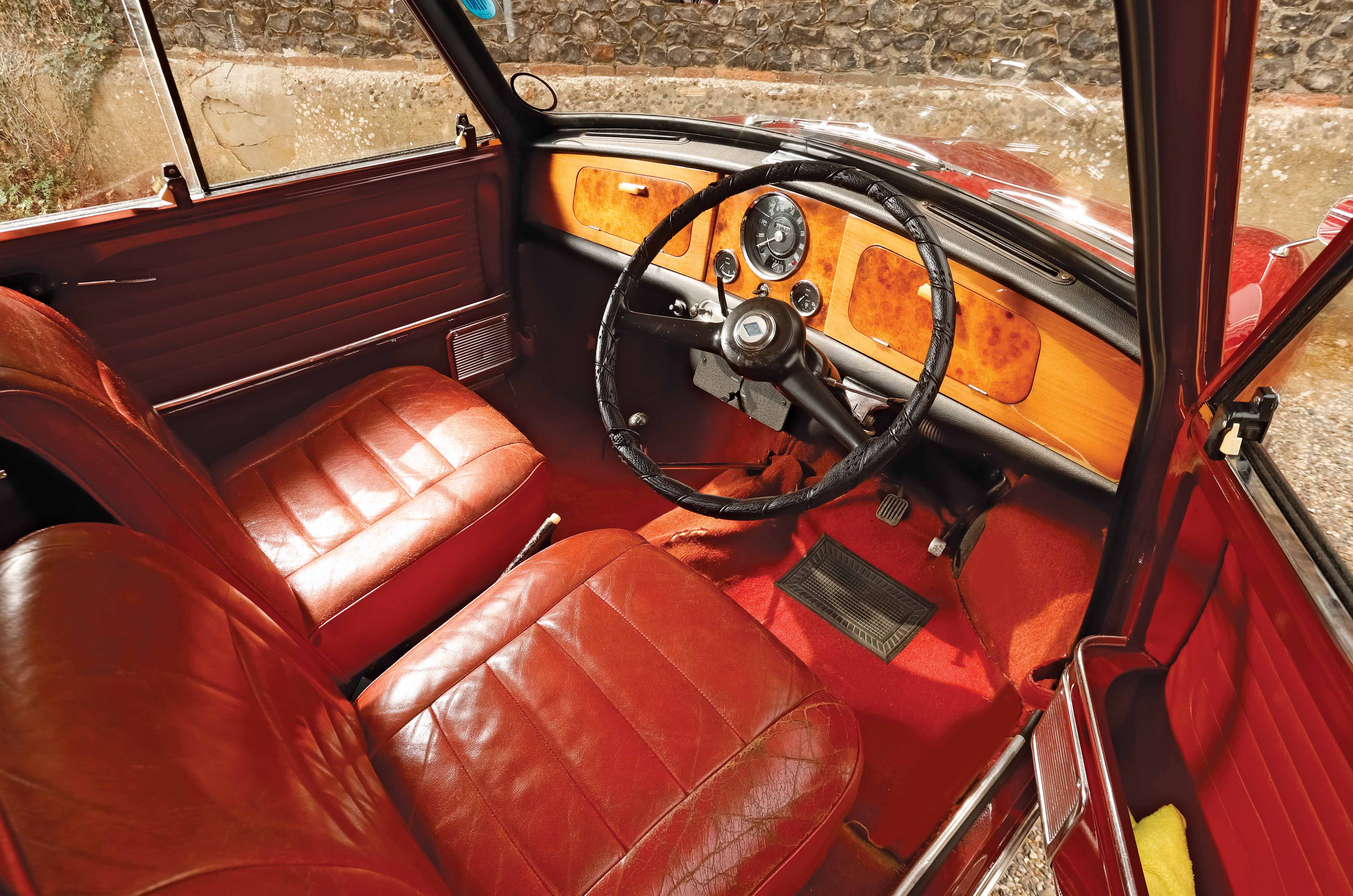
Dick Burzi had created the distinctive bodywork, which was 8½in longer than the standard Mini, while proud owners could revel in their hide-trimmed seats.

At £475 before Purchase Tax, the Elf cost £15 more than the Hornet, its price justified by its full-width, walnut-veneered fascia and twin gloveboxes.

One memorable advertisement posed the question: ‘Why do Riley owners look so dashed superior?’

Classic & Sports Car – Minis vs Hillman Imps: back to front

The Singer Chamois Sport has engaging handling

An Elf even guest-starred in 1966 Hammer horror The Witches, an everyday story of how the people of a small village practice pagan rites between jumble sales.

LJK Setright bemoaned ‘those small-minded snobs who found the idea of a Mini intriguing, but the name of Austin or Morris offensive and the evidence of austerity’.

Yet the Elf and Hornet were as suited to the social climber as the Cooper was to the weekend racer, with sales lasting until 1969.

That year also marked the demise of the Riley marque, a tragic victim of corporate foolishness.

Classic & Sports Car – Minis vs Hillman Imps: back to front

The Riley Elf MkII’s full-width, veneered dashboard

Avelino Carmelo Tolentino’s 1963 Elf is one of the first examples of the MkII, with a 998cc engine in place of the 848cc unit.

He bought his Riley in 2022 from the parents of a colleague, who had owned it for 34 years and were losing their storage space. 

“I had wanted to get a MkI Mini,” says Avelino, “but they were very expensive, and I’ve always had a soft spot for the Elf and Hornet.”

Avelino finds that his Riley drives much like a standard Mini: “It still copes with modern traffic, but motorways are not its thing. Driving along country roads is where it comes to life. 

“It reminds me of a pure, bare-bones driving experience compared to modern cars that do everything for you.”

Classic & Sports Car – Minis vs Hillman Imps: back to front

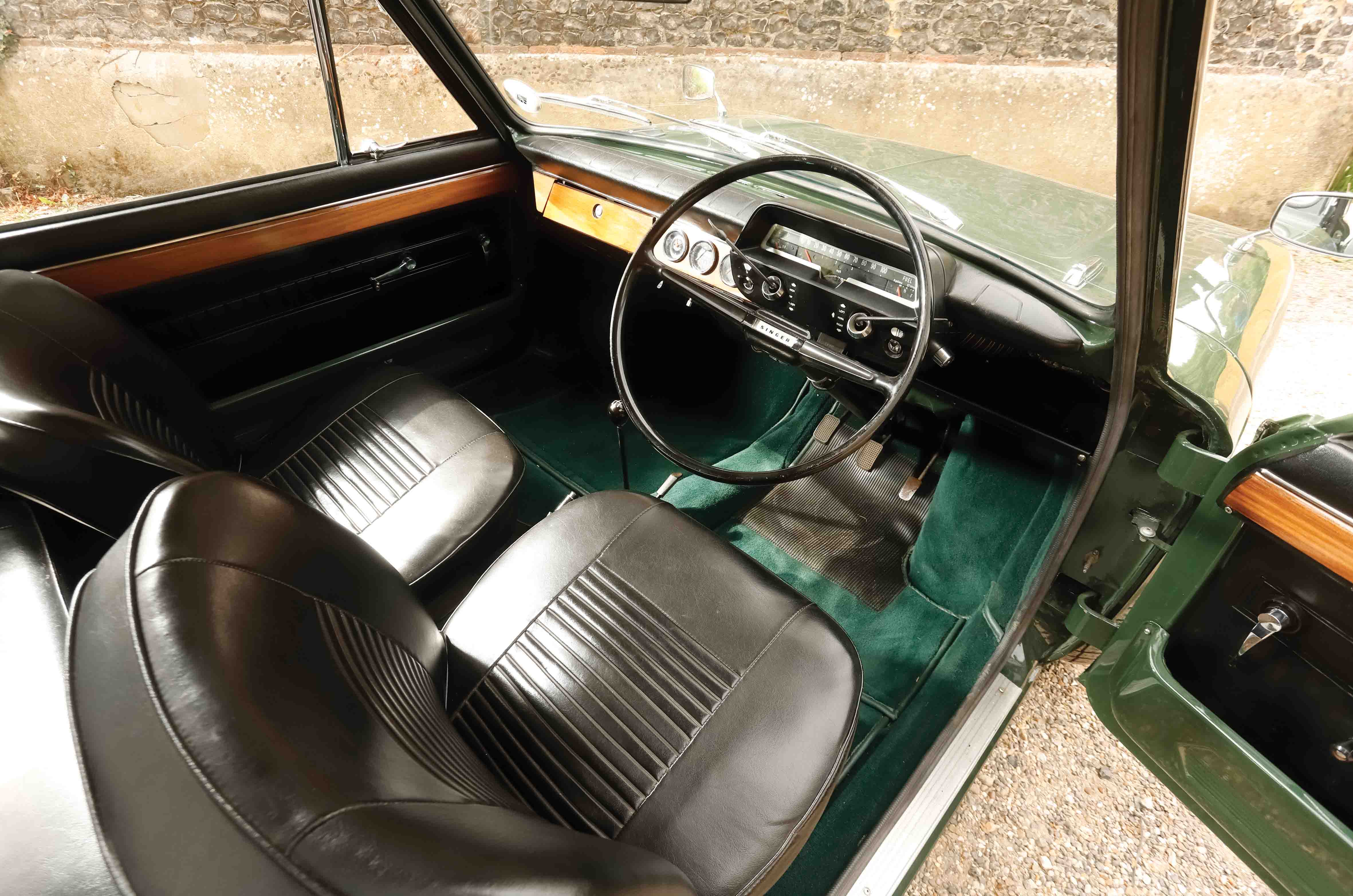
The Singer Chamois Sport’s cabin is luxurious but sober

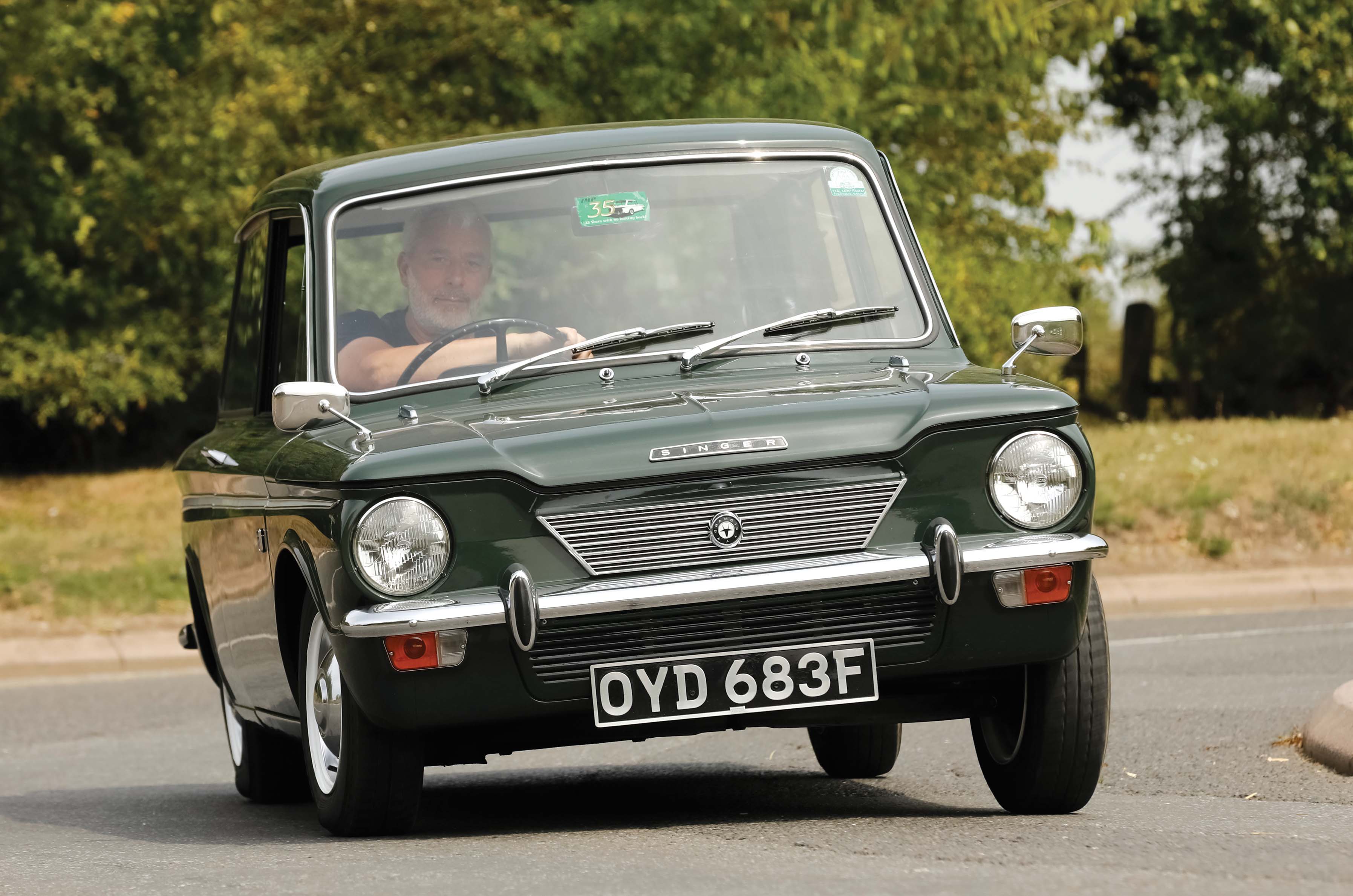
The first detail you notice about the Singer Chamois Sport is its splendid engine note, and the second is how its styling conjures memories of a chain-smoking Richard Bradford in Man in a Suitcase

All that was needed to complete the Modernist effect was Ron Grainer’s theme tune.

Les acquired his Sport in 1999: “It was in a partially restored state. It’s a real driver’s car with a lovely gearbox, and easily cruises at 55-60mph.

“I also own an Imp MkI, which is not so highly tuned and more flexible than the Chamois Sport – but not as quick!”

Classic & Sports Car – Minis vs Hillman Imps: back to front

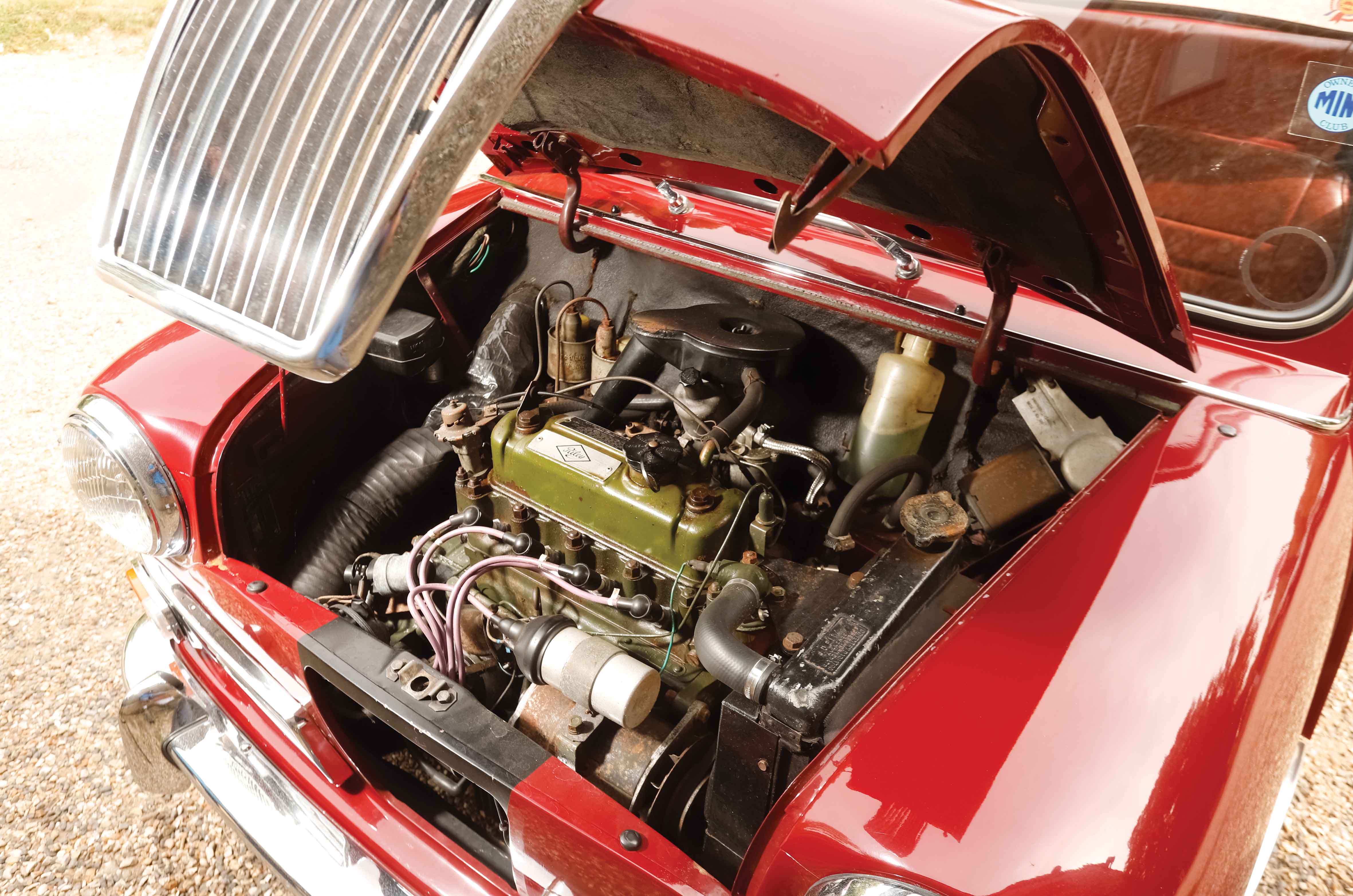
The Riley Elf MkII’s 998cc A-series yields a useful 38bhp

In terms of image, the Singer’s upmarket treatment is more subtle than the Elf’s.

If the Riley’s fascia resembles a 1950s radiogram, the Singer cabin looks as smart as a new office block.

Reclining front seats are a pleasant feature, and the instrument panel is as splendidly 1960s as it is ergonomic.

Autocar called the Sunbeam ‘one of the most pleasing small cars on the road today’, describing its performance and handling as ‘outstanding’.

Classic & Sports Car – Minis vs Hillman Imps: back to front

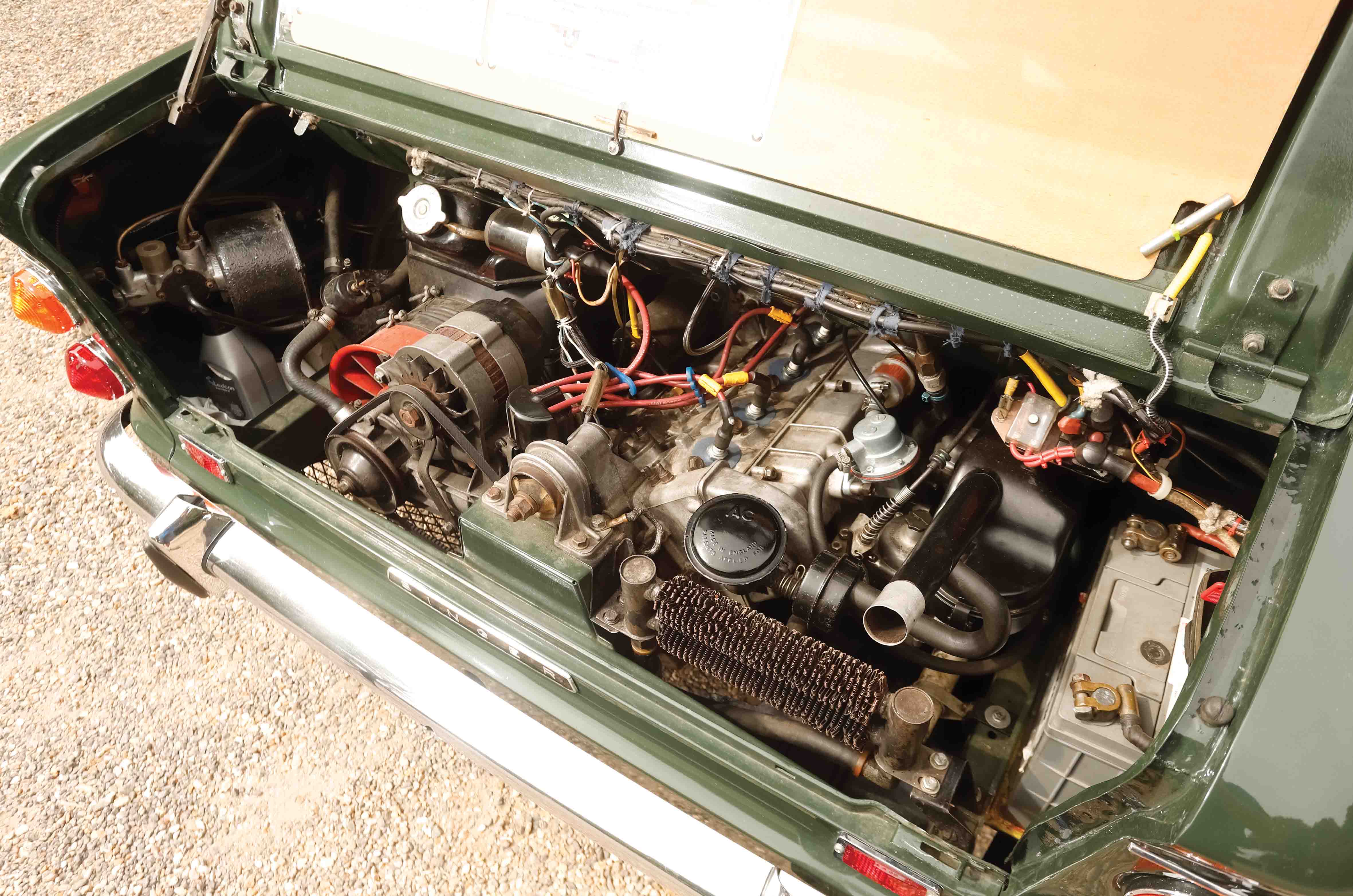
The Singer Chamois Sport’s ‘four’ is peaky with a high-lift camshaft

Yet by 1970, the Chamois Sport was no more, together with the Singer marque.

That year, the Rootes Group became known as Chrysler UK; the US concern had taken control three years earlier.

Detroit seemed to have little interest in the Imp family and the Chamois Sport became a lost opportunity.

If the Elf was in the tradition of the pre-war Riley Nine Lynx, the Chamois Sport had echoes of the Singer Nine Le Mans.


Austin Mini Countryman MkII & Hillman Husky

Classic & Sports Car – Minis vs Hillman Imps: back to front

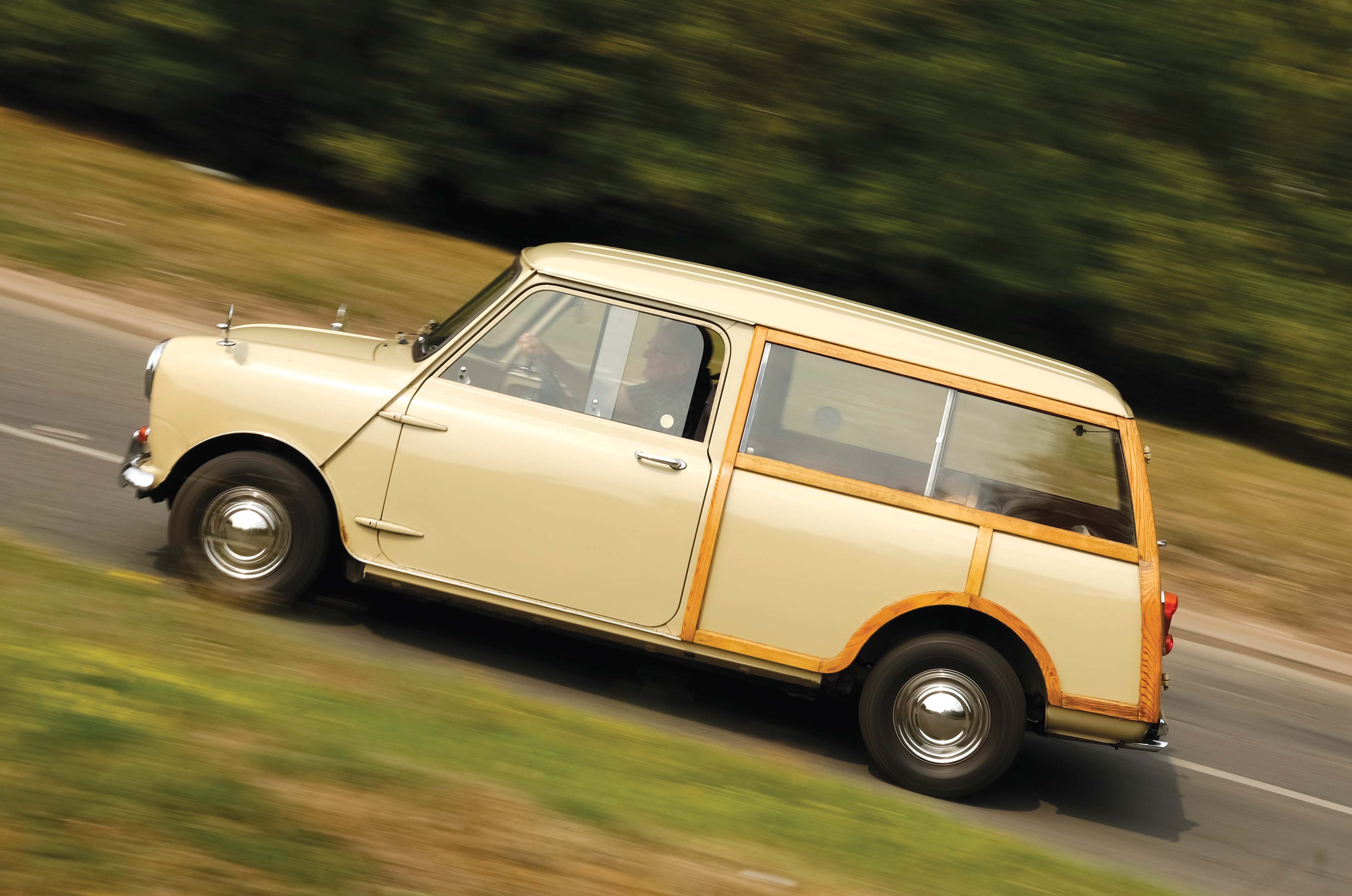
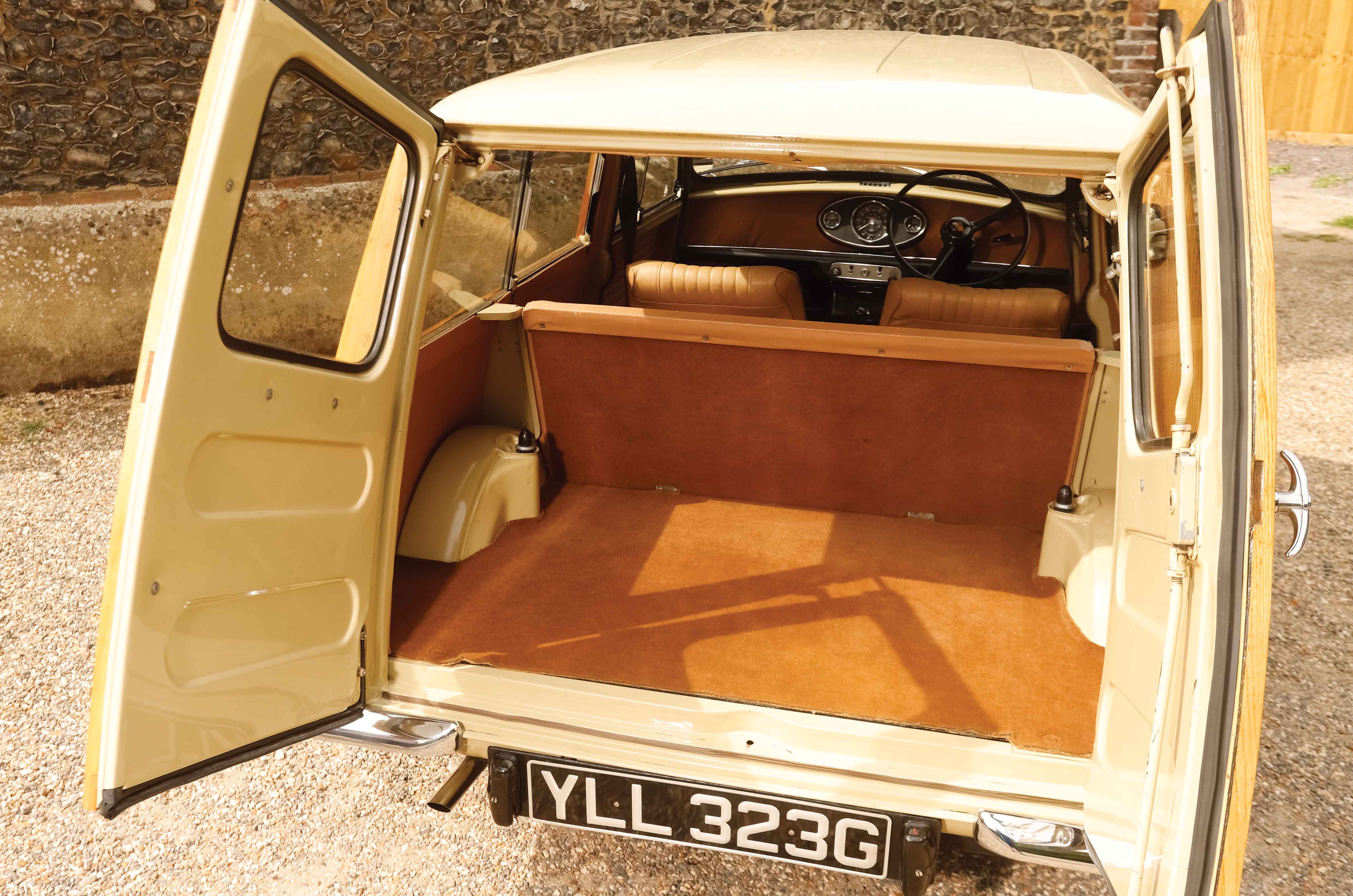
The Austin Mini Countryman’s ash frame isn’t structural

Experiencing Robert and Marion Isaac’s 1969 Austin Mini Countryman immediately evokes a lost world.

Its sliding windows, fan switch under the heater box and that distinctive gearbox whine bring to mind the Mini estates that once dominated supermarket car parks.

Some 60 years ago, an aghast-looking Donald Stokes was already stalking the corridors of the recently formed British Leyland Motor Corporation, but with a Mini Countryman all seemed safe and utterly respectable.

The Isaacs’ Countryman is a rare example of the MkII, produced between 1967 and ’69.

Classic & Sports Car – Minis vs Hillman Imps: back to front

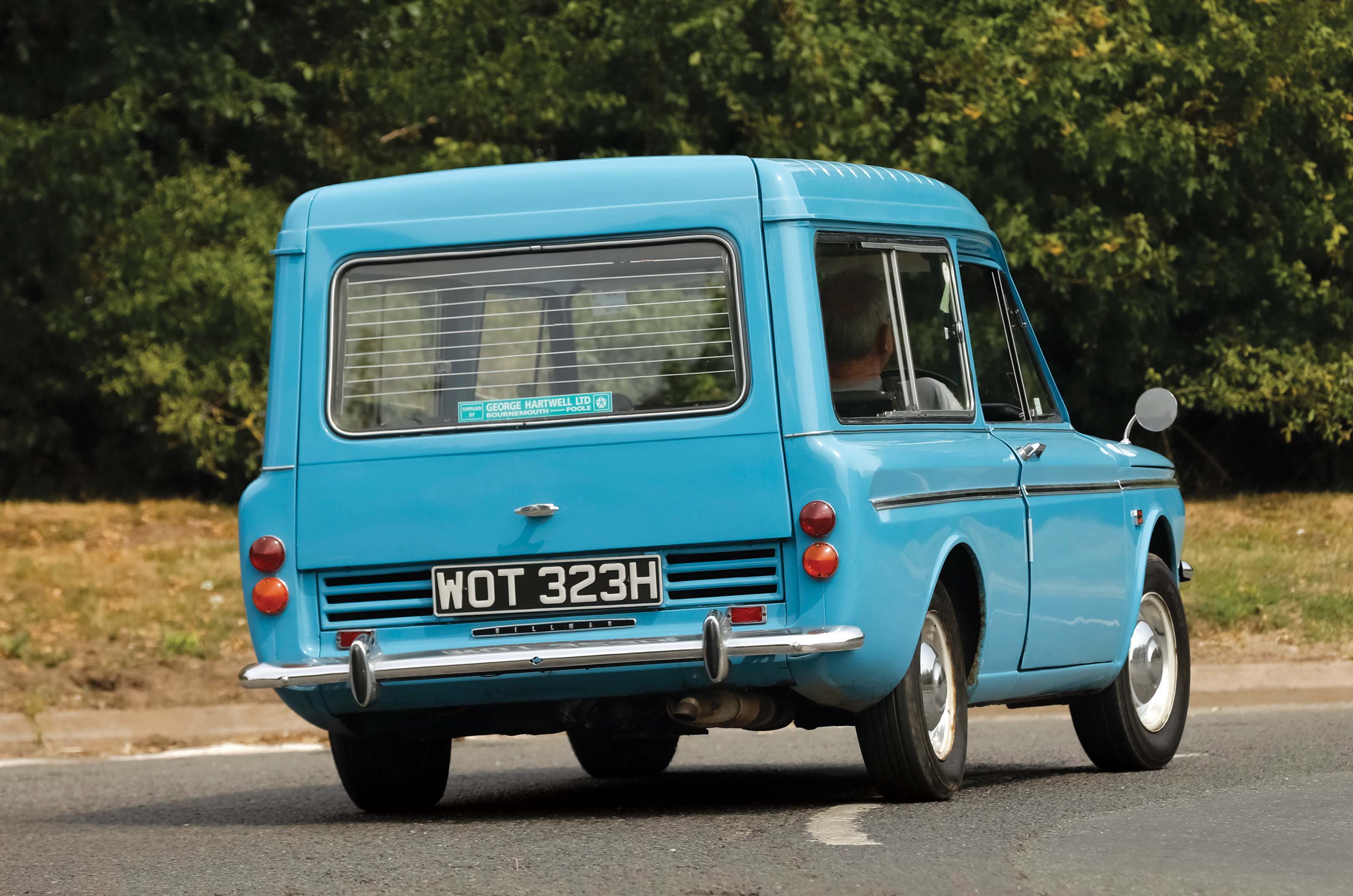
With more power than its the Commer Imp Van basis, the Hillman Husky is surprising fun to drive

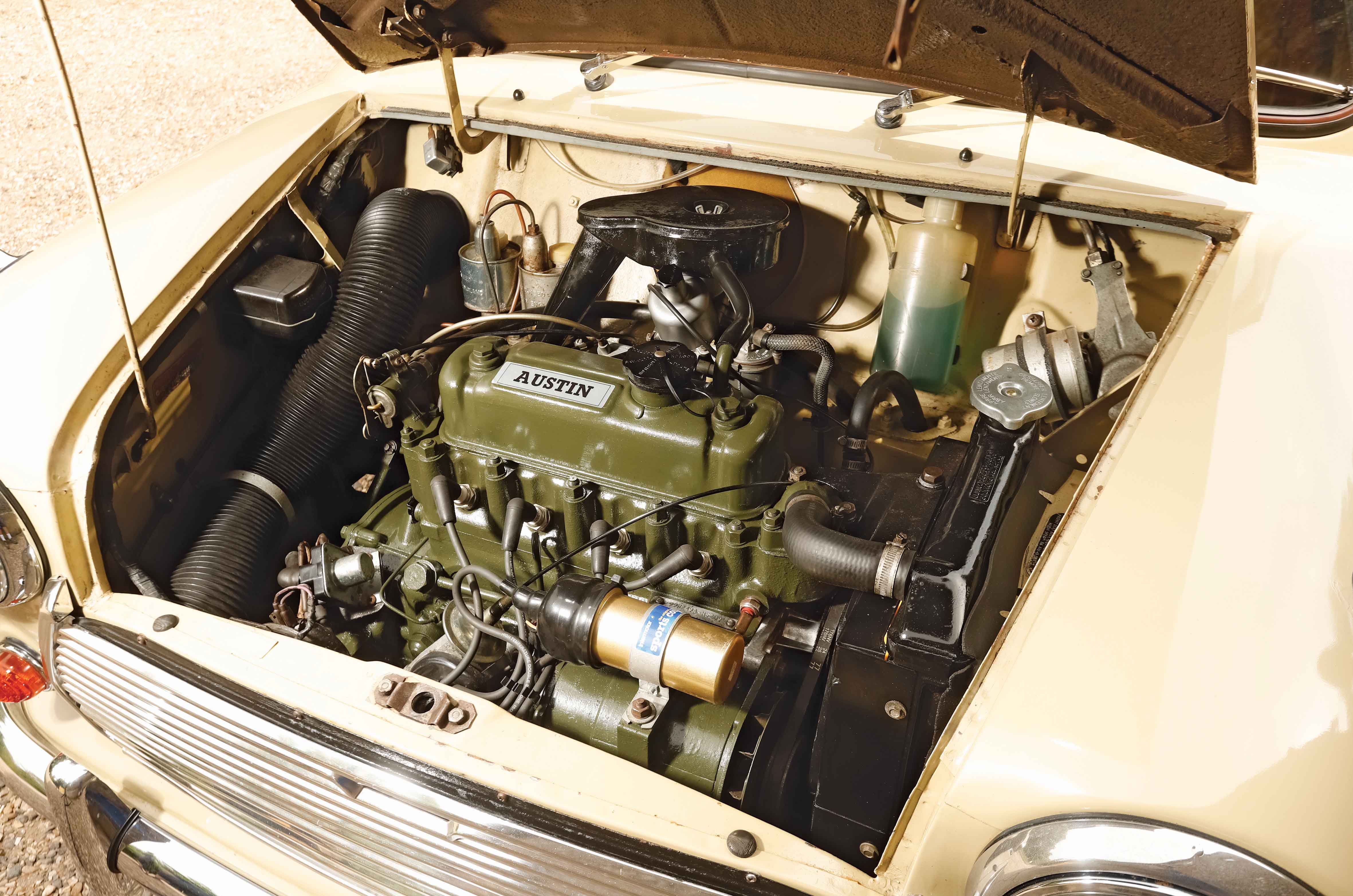
The second-generation Minis sported a new grille and, for the estate versions, the Elf/Hornet’s 998cc engine.

For those loyal to their local Morris dealership, there was the almost identical Mini Traveller, and the MkII estates retained the MkI’s timber framing.

BLMC made a cheaper, all-steel version, but its loss of social prestige was almost incalculable.

Robert bought his Countryman due to a long-standing interest in Minis. “We already had a Clubman Estate,” he says.

“A friend of Marion’s uncle had the Countryman under a tarpaulin in his garden and it needed rescuing, so we were able to get it and put it back on the road.”

Classic & Sports Car – Minis vs Hillman Imps: back to front

The Austin Mini Countryman MkII’s pokey 998cc ‘four’

Yesterday’s compact estates can feel less than lightweight to handle, and Robert notes the Countryman’s heavy steering and wide turning circle.

“It is very low, so you never really know if you’ve been seen,” he adds. “It has few if any creature comforts, but it is tremendous fun.

“People are always telling us they either learnt to drive in a Mini, their first car was one, or it is what their parents or grandparents drove.”

Meanwhile, Hillman dealers offered the Husky, which made its debut in 1967.

Classic & Sports Car – Minis vs Hillman Imps: back to front

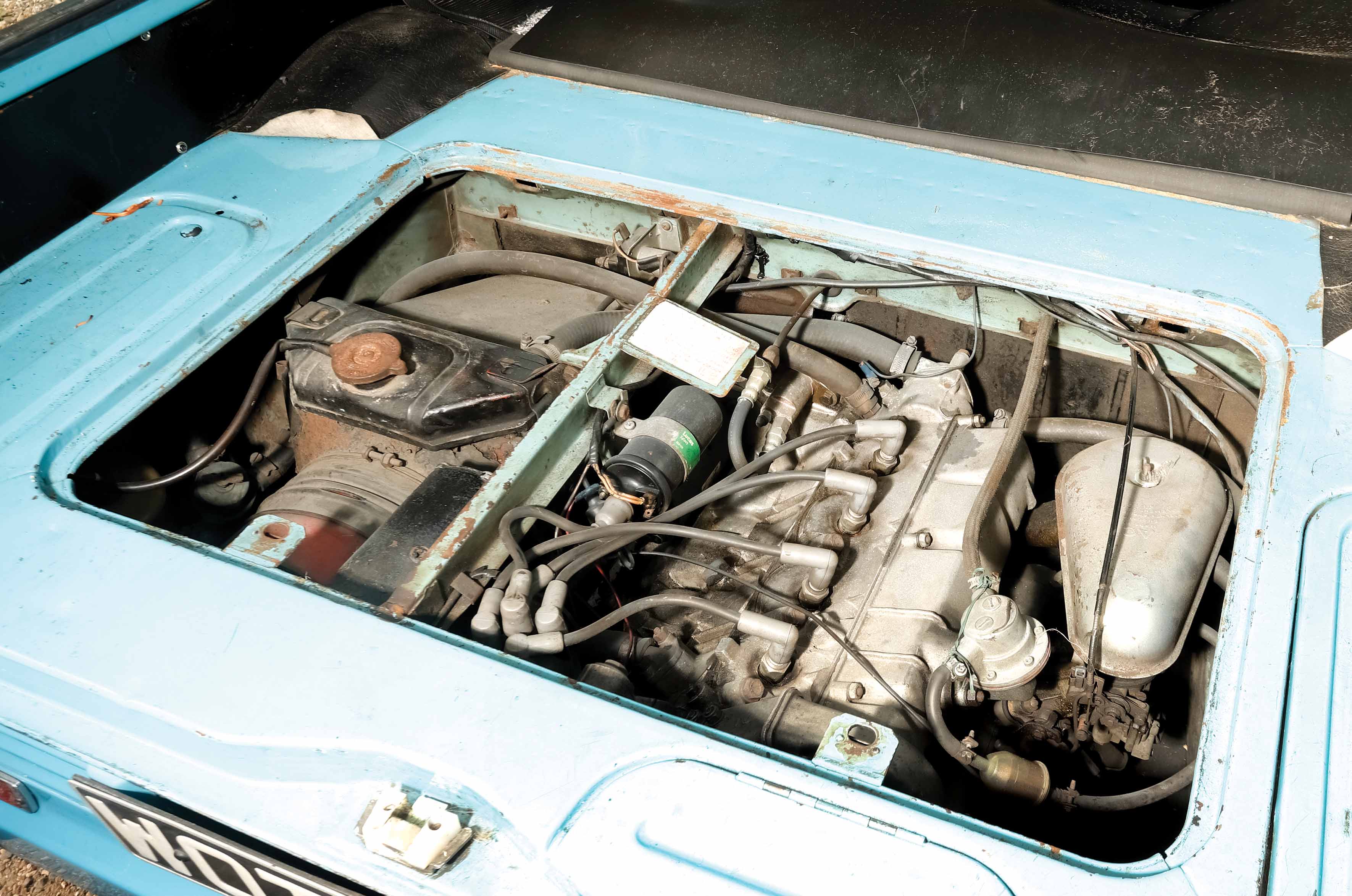
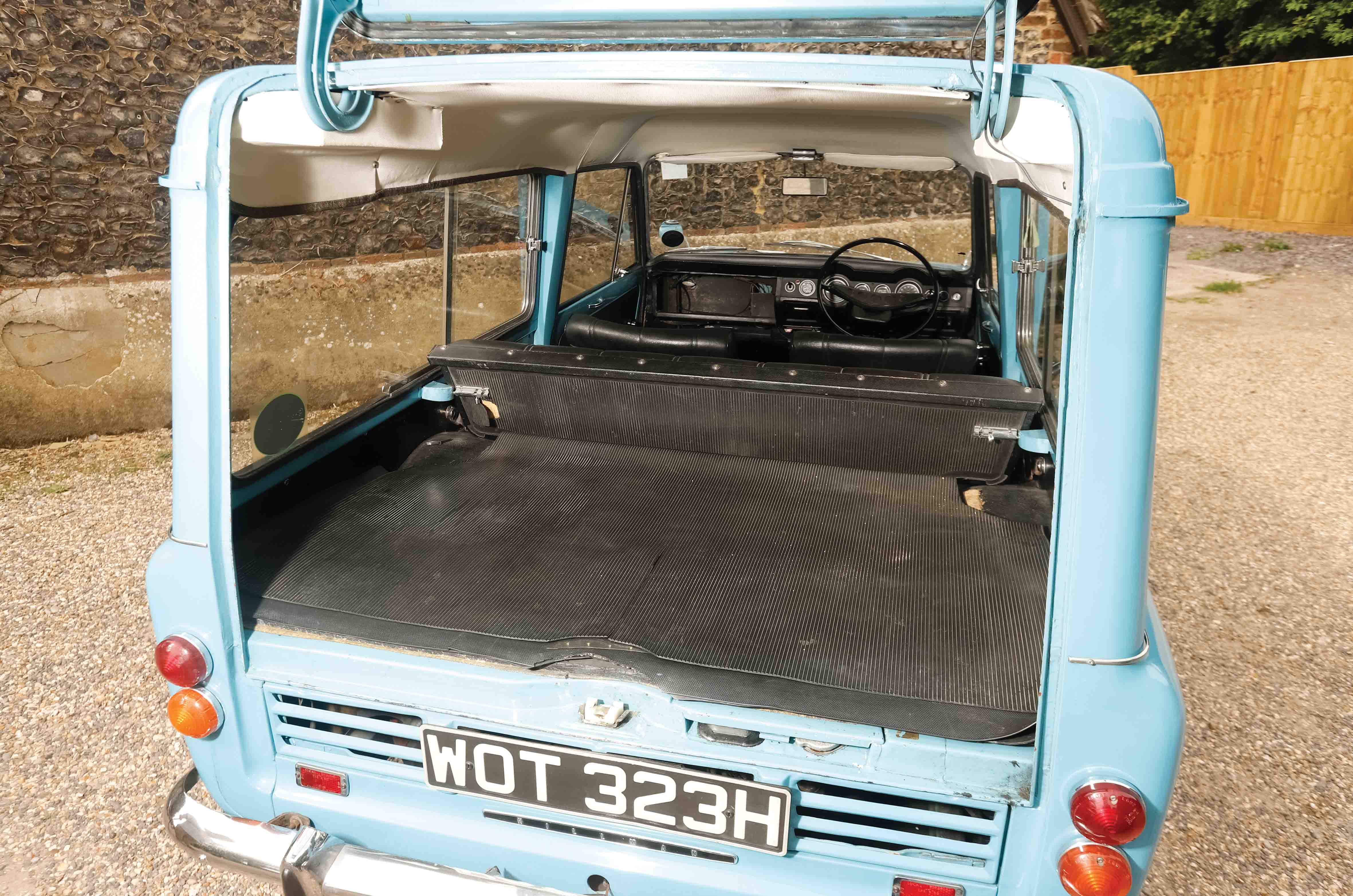
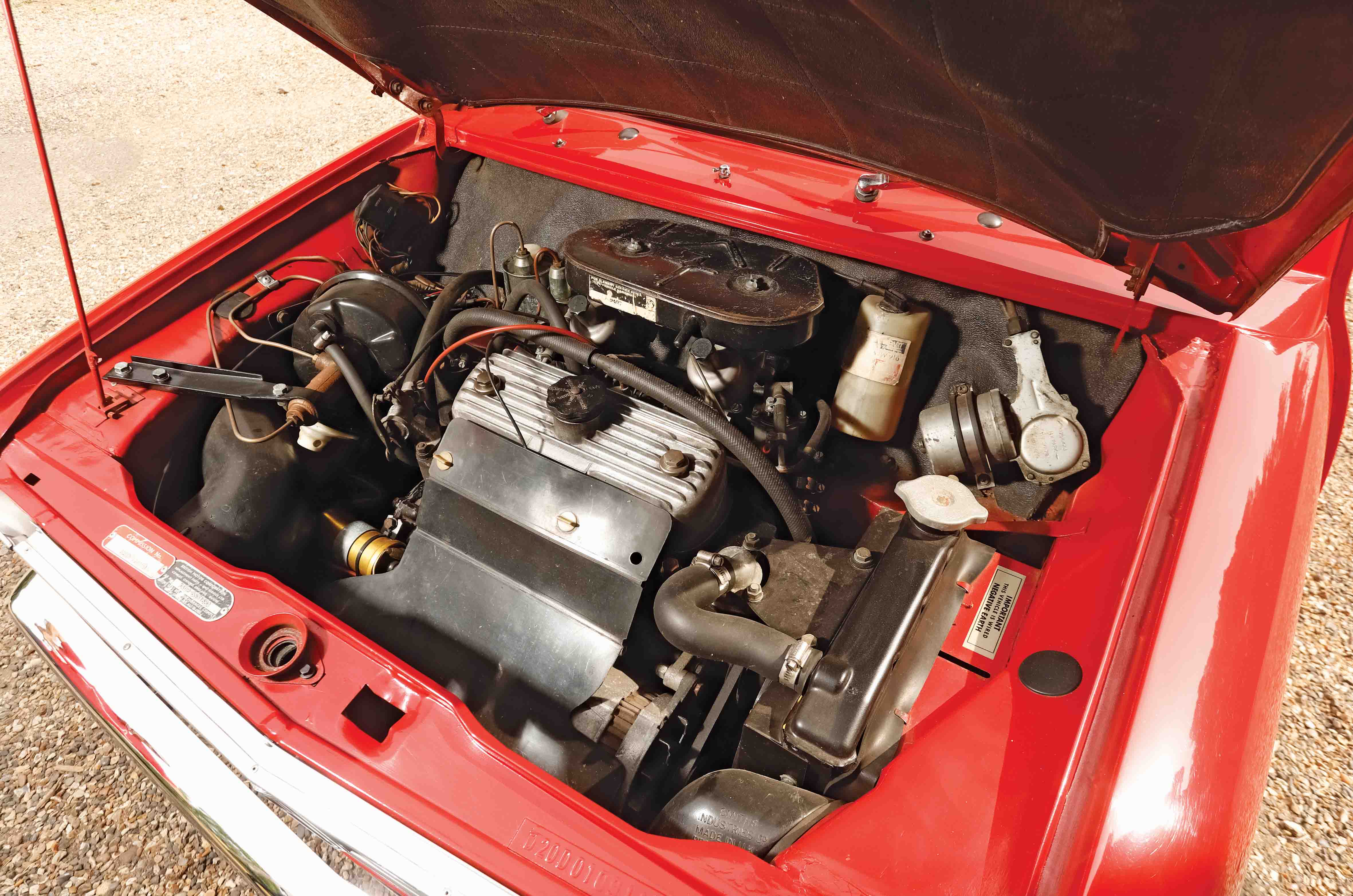
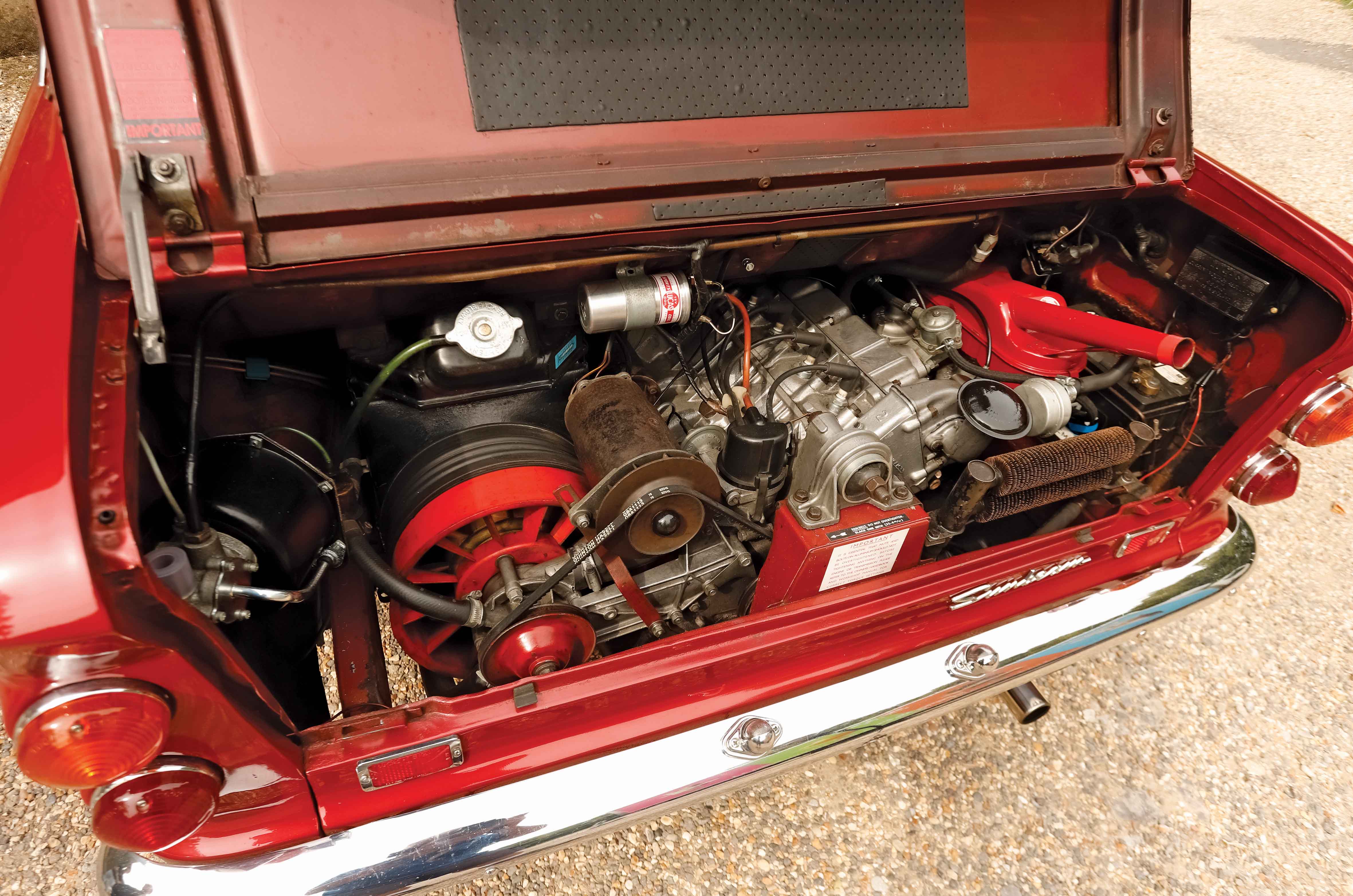
The Hillman Husky’s engine hides under the boot floor

As with its Mini competitor, it was based on a light-commercial stablemate, but while the Isaacs’ Countryman looks decidedly genteel, Frank Cheevers’ Husky is openly a Commer Imp Van with windows and a rear seat.

The high roof compensated for the engine necessitating a raised load-bay floor, and the Husky’s 50cu ft luggage area could transport a milk churn upright.

It also gained a reputation for being highly entertaining to drive.

The Commer Imp had a detuned engine, while the Husky had the standard unit.

Classic & Sports Car – Minis vs Hillman Imps: back to front

The Austin Mini Countryman MkII’s barn doors reveal a useful load area

Frank enthuses: “It’s a joy – it’s well-mannered and virtually drives itself.”

Husky production ended in 1970, and family tradition inspired Frank to buy his example: “My father worked for Rootes and had an Imp saloon, as did my driving school.

“I owned an Imp after I obtained my licence in the 1970s, and the people across the road had a Husky at about the same time, which I thought was a quirky little car.

“Owning Imps as a pastime in later life was a natural progression.”

Classic & Sports Car – Minis vs Hillman Imps: back to front

The rear-engined Hillman Husky has a tall load area, despite its layout

Naturally, the Husky is often a conversation starter, says Frank: “Especially when I take it to the supermarket.

“People usually comment: ‘Is that an Imp? I’ve not seen one like it before.’”

Indeed, the Husky is so appealing that it is hard not to regret it being discontinued in 1970.


Mini 1275GT & Sunbeam Stiletto

Classic & Sports Car – Minis vs Hillman Imps: back to front
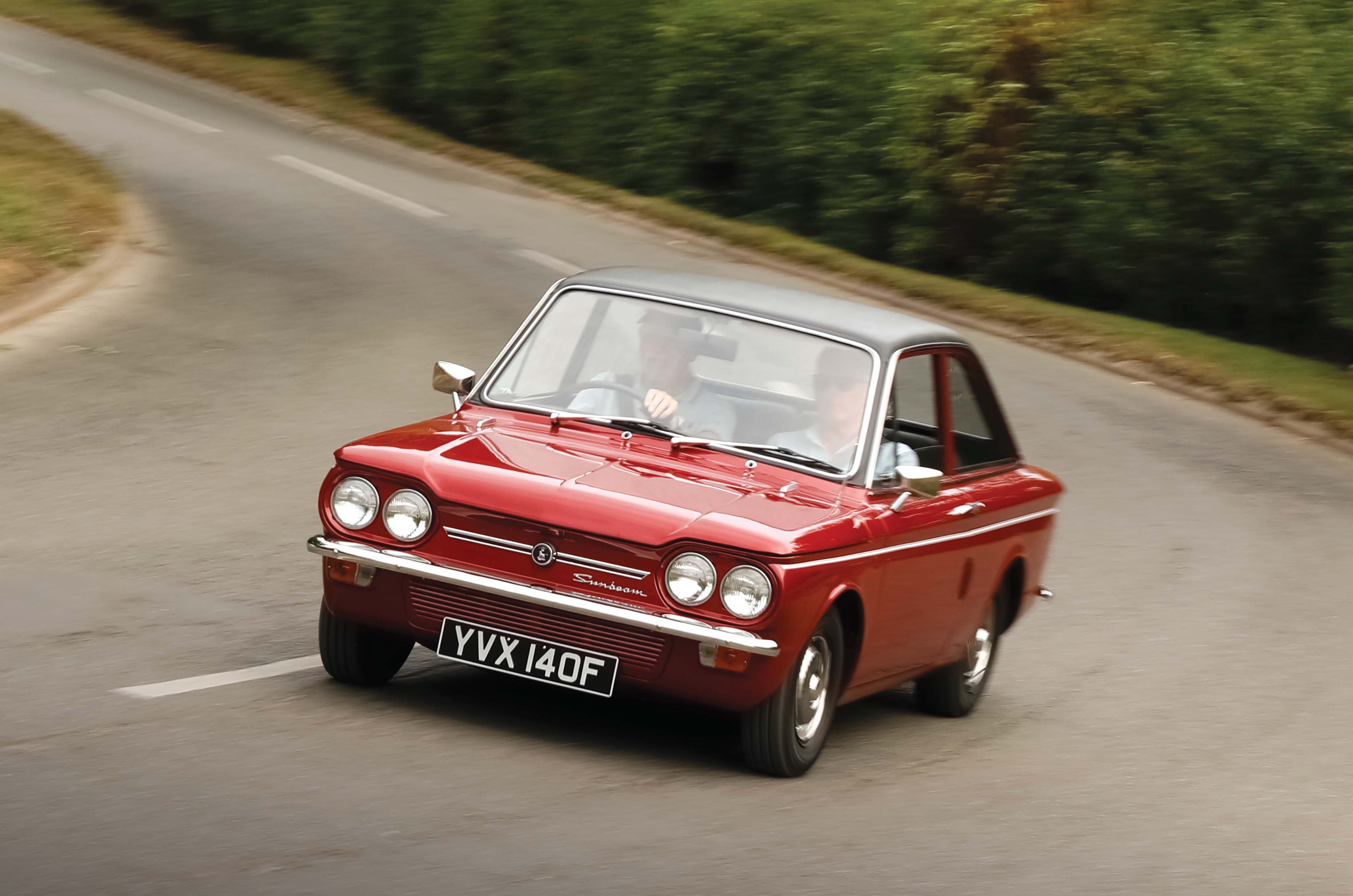
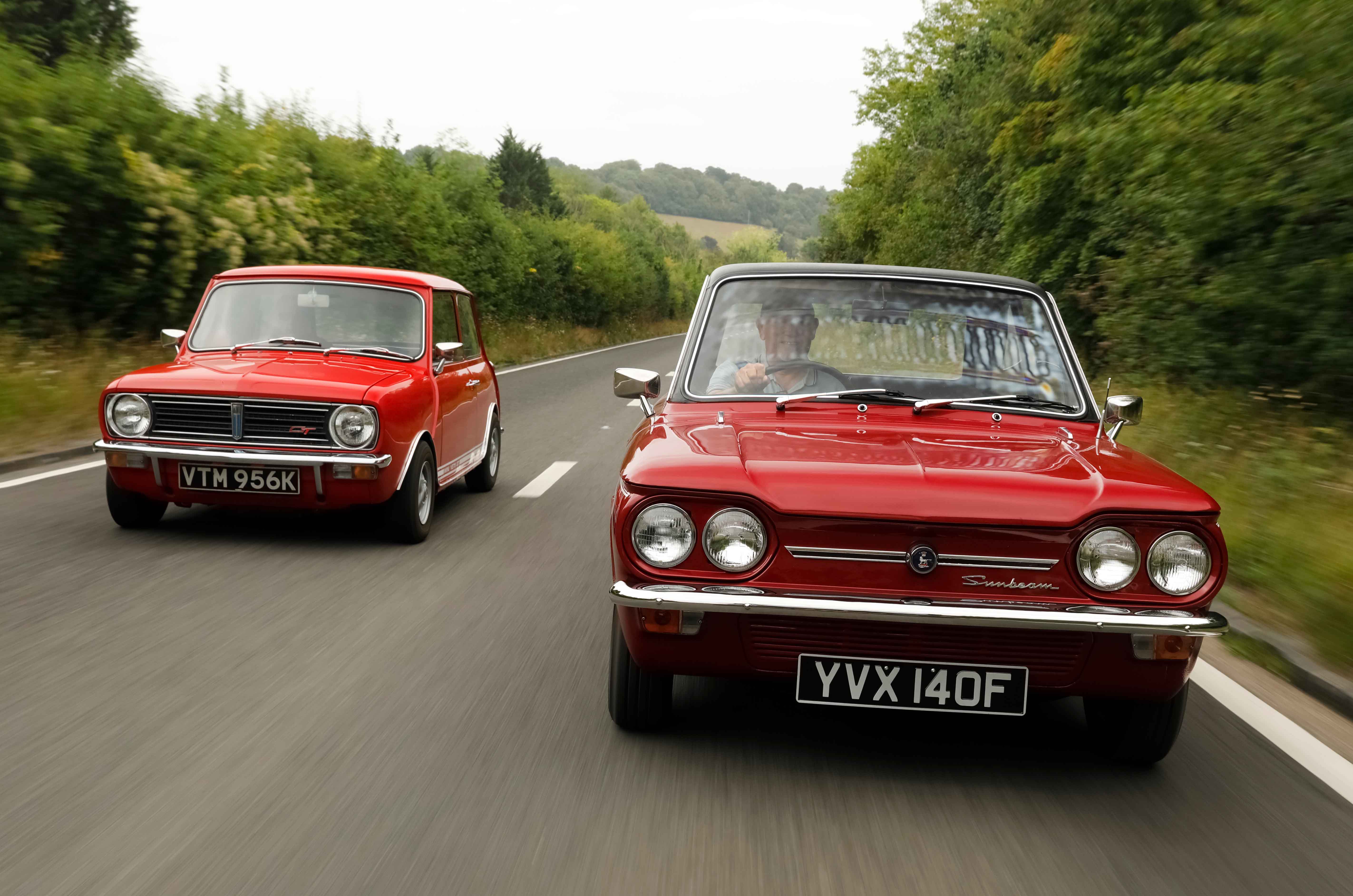
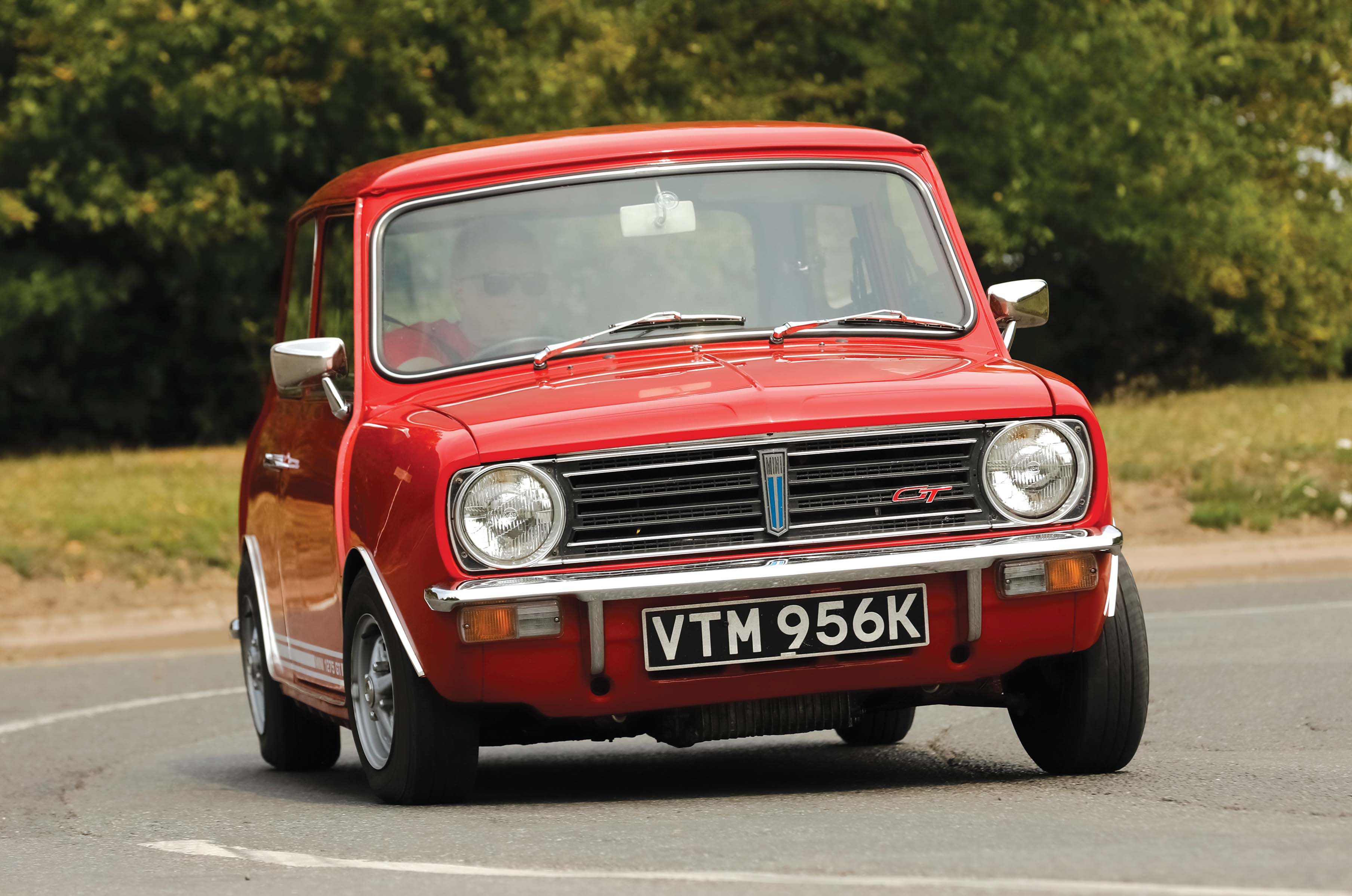
The Mini 1275GT’s square nose adds 5in to the Mini’s overall length, but the profile remains unmistakably familiar

In late 1969, the new Mini 1275GT was a controversial vehicle.

For one, there was its styling, which formed part of British Leyland’s major upgrade for the Mini range.

The Clubman saloon, with a square nose courtesy of the ex-Ford designer Roy Haynes, replaced the Elf/Hornet, and the Clubman Estate replaced the Countryman and Traveller.

The 1275GT, the Cooper Mk2’s successor, combined the Clubman body with a single-carburettor, 1275cc A-series engine, while British Leyland offered a Mk3 Cooper ‘S’ in the old style for the connoisseur until 1971.

Classic & Sports Car – Minis vs Hillman Imps: back to front
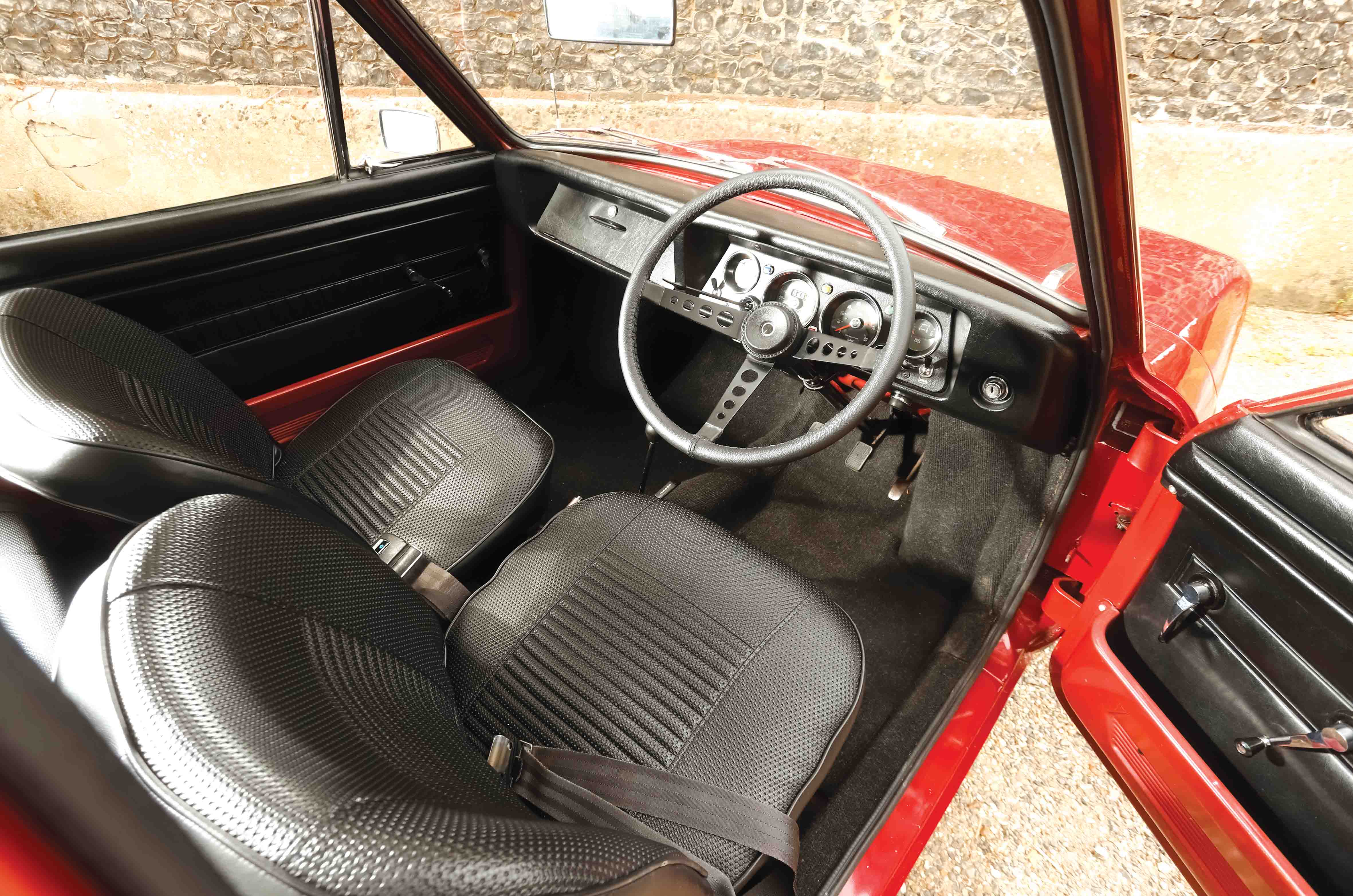
The Sunbeam Stiletto’s twin-headlamp front marks it as the range-topping Imp

That year also marked the demise of Austin-Healey, with Donald Stokes showing opposition to external licencing agreements.

Some diehards muttered that GT stood for ‘Getting Tacky’ and Alan Clark, the owner of this handsome 1971 version, believes that it always lived in the shadow of the Cooper.

“The 1275GT seemed to be the poor relation and the Clubman shape was controversial, but it was simpler and easier to maintain,” he says.

“Now, it has come into its own as a sporting Mini, especially if you can’t afford the £40,000 for a Cooper ‘S’, and people are spending much time and effort in restoring 1275GTs.”

Classic & Sports Car – Minis vs Hillman Imps: back to front
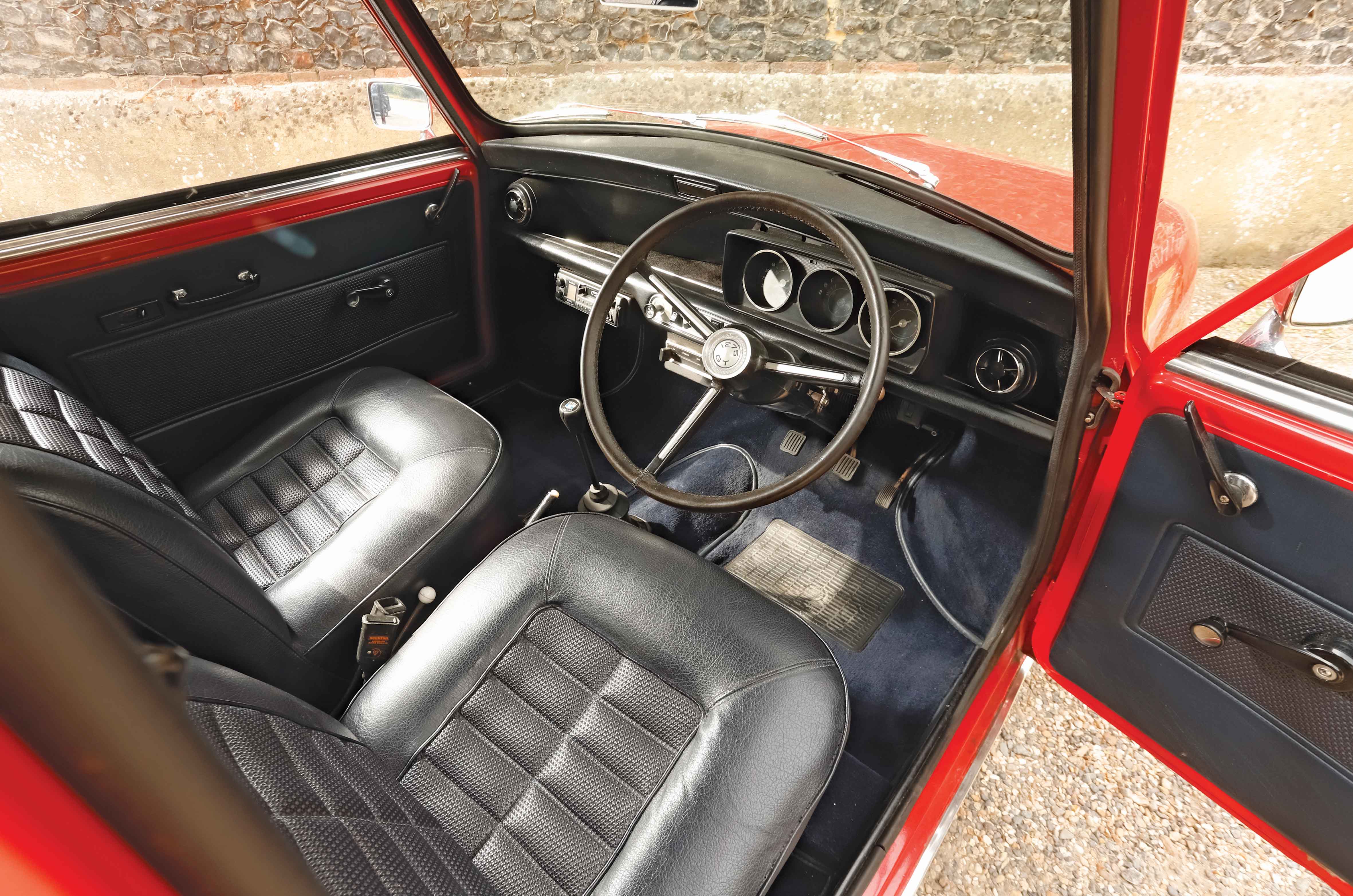
The Mini 1275GT’s revamped interior includes driver’s-side instruments

Early examples featured Hydrolastic suspension, but in 1971 BL reverted to rubber cones, which Alan says are far more straightforward.

The 1275GT was British Leyland’s mainstream sporting Mini until 1980, and dealers could fairly claim that it had a more comfortable interior than the old Cooper.

The GT driver benefitted from better-located instruments, wind-up windows and fresh-air vents.

Motor reported: ‘No longer is a long Mini journey something of an endurance test.’

Classic & Sports Car – Minis vs Hillman Imps: back to front
The Sunbeam Stiletto’s bucket seats

Most notably, the 1275GT marked a cultural change from the Cooper.

The latter belonged to a past of blazers and Leslie Phillips moustaches, while the former embodied a future of Hai Karate aftershave and flared trousers.

As for rivals, the press-on motorist at the time may well have considered a Sunbeam Stiletto, which arrived in October 1967.

Power was from the Chamois Sport/Sunbeam Sport’s ‘race-bred’ engine, and the Stiletto coupé was apparently ideal ‘for men whose wives think they’ve given up sports cars’.

Classic & Sports Car – Minis vs Hillman Imps: back to front
The Mini 1275GT’s single-carburettor ‘four’ majors on torque

The would-be Stirling Moss was suggested to tell their partner: ‘How luxuriously saloon it is – four deep seats, the front ones reclining, plenty of room, and swish twin headlamps.’

Dated 1967-vintage sales copy aside, the Stiletto was an extremely appealing package, with its vinyl roof; split, folding rear seats; and that ‘ZOOM!’ fastback styling.

Motor described it as three cars in one: ‘Compact four-seater; agile looks, handling and performance; great fun to drive and cheap to run.’

Today, Russell Sears finds that his 1968 Stiletto drives very well even in modern traffic.

“It certainly isn’t as fast as I remember,” he reflects. “It is not really a motorway car, but holds its own on smaller roads and feels well balanced in the corners.”

Classic & Sports Car – Minis vs Hillman Imps: back to front
The Sunbeam Stiletto’s motor was from the Sunbeam Sport

In its heyday, the Stiletto was a unique proposition in the British car market as a rear-engined, single-overhead-cam, 2+2 coupé, but production ended in 1972, four years before the Imp saloon.

“I owned a Stiletto back in 1977 and absolutely loved it,” says Russell. “Compared to most cars of its type it looked sleek, modern and fast, even while it was standing still.

“They really don’t come up often, so a quick decision was required when I saw this one.

“I was off down to the West Country the following day to pick it up and drove it the 100 miles home.”

The only thing left to do is find a Graham Hill rally jacket to complete the period look.


Factfiles

Classic & Sports Car – Minis vs Hillman Imps: back to front
Riley Elf

  • Sold/number built 1961-’69/30,912
  • Construction steel monocoque
  • Engine all-iron, ohv 998cc ‘four’, single SU HS2 carburettor
  • Max power 38bhp @ 5250rpm
  • Max torque 52lb ft @ 2700rpm
  • Transmission four-speed manual, FWD
  • Suspension independent, at front by wishbones rear trailing arms; rubber cone springs, Armstrong telescopic dampers f/r
  • Steering rack and pinion
  • Brakes drums
  • Length 10ft 10in (3302mm)
  • Width 4ft 7½in (1140mm)
  • Height 4ft 4½in (1334mm)
  • Wheelbase 6ft 8¼in (2028mm)
  • Weight 1428lb (649kg)
  • 0-60mph 24.1 secs
  • Top speed 78mph
  • Mpg 35
  • Price new £607 (1966)
  • Price now £5-15,000*


Singer Chamois Sport

  • Sold/number built 1966-’70/4149
  • Construction steel monocoque
  • Engine all-alloy, sohc 875cc ‘four’, twin Stromberg CD125 carburettors
  • Max power 51bhp @ 6100rpm
  • Max torque 52lb ft @ 4300rpm
  • Transmission four-speed manual, RWD
  • Suspension independent, at front by swing axles rear trailing arms; coil springs, telescopic dampers f/r
  • Steering rack and pinion
  • Brakes drums, with servo
  • Length 11ft 9¼in (3588mm)
  • Width 5ft ¼in (1530mm)
  • Height 4ft 6½in (1384mm)
  • Wheelbase 6ft 10in (2083mm)
  • Weight 1593lb (723kg)
  • 0-60mph 16.3 secs
  • Top speed 90mph
  • Mpg 33
  • Price new £695 4s 9d (1966)
  • Price now £5-10,000*


Austin Mini Countryman MkII
(Where different from Riley Elf)

  • Sold/number built 1967-’69/406,000 (all MkII Minis)
  • Length 10ft 10in (3302mm)
  • Height 4ft 5in (1346mm)
  • Wheelbase 7ft ¼in (2140mm)
  • Weight 1455lb (660kg)
  • 0-60mph 23 secs
  • Top speed 75mph
  • Mpg 33
  • Price new £693 (1968)
  • Price now £10-20,000*


Hillman Husky
(Where different from Singer Chamois)

  • Sold/number built 1967-’70/10,774
  • Engine single Solex carburettor
  • Max power 39bhp @ 5200rpm
  • Max torque 52lb ft @ 2800rpm
  • Height 4ft 10in (1473mm)
  • Weight 1644lb (746kg)
  • 0-60mph 24.2 secs
  • Top speed 76mph
  • Mpg 35
  • Price new £630 8s
  • Price now £5-10,000*


Mini 1275GT
(Where different from Riley Elf)

  • Sold/number built 1969-’80/110,673
  • Engine 1275cc
  • Max power 60bhp @ 5250rpm
  • Max torque 69.5lb ft @ 2500rpm
  • Brakes discs front, drums rear, with servo
  • Length 10ft 5¼in (3181mm)
  • Height 4ft 5in (1346mm)
  • Weight 1488lb (675kg)
  • 0-60mph 14.7 secs
  • Top speed 86mph
  • Mpg 30
  • Price new £913.13 (1971)
  • Price now £8-20,000*


Sunbeam Stiletto
(Where different from Singer Chamois)

  • Sold/number built 1967-’72/8900
  • Length 11ft 3in (3429mm)
  • Height 4ft 3in (1295mm)
  • Weight 1652lb (750kg)
  • 0-60mph 17.6 secs
  • Top speed 90mph
  • Mpg 35
  • Price new £733 13s 6d (1967)
  • Price now £8-16,000*

*Prices correct at date of original publication


Enjoy more of the world’s best classic car content every month when you subscribe to C&SC – get our latest deals here


READ MORE

Mini masterclass: from Cooper to ERA Turbo

Keeping up appearances: Ford vs Vauxhall vs Hillman vs Singer vs Humber vs Riley

Buyer’s guide: Riley Elf and Wolseley Hornet