Le Mans Mini Marcos: unravelling the mystery

| 20 Apr 2026
Classic & Sports Car – Mini Marcos: the little racer that took on Le Mans

“That’s impossible, mate, it won’t accelerate, the gearing is way too long,” a British gearbox expert said to Jeroen Booij after he sent over the spec to rebuild his Mini transmission.

“It should work, it drove once,” replied Jeroen… “At Le Mans.”

After years of searching and nearly a decade of restoration, he has rebuilt the only Mini (of a sort) to ever cross the finish line at Le Mans: ‘La Puce Bleue’ (The Blue Flea).

Classic & Sports Car – Mini Marcos: the little racer that took on Le Mans

The Mini Marcos has a tight cabin, which echoes to the sound of the engine and whining gears

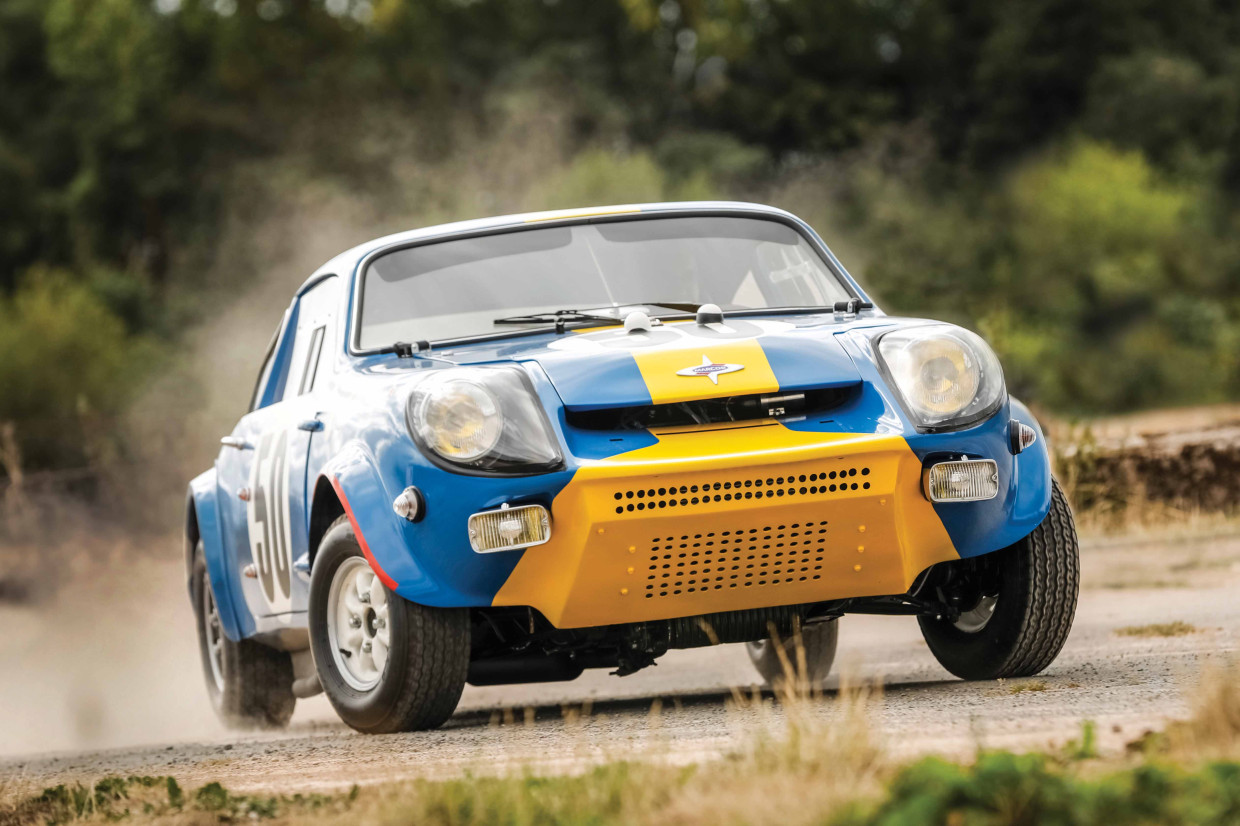
The Mini Marcos was revealed at Castle Combe on 25 September 1965.

The pig-faced glassfibre monocoque had been finished the night before, and Marcos founder Jem Marsh asked the press not to judge it too harshly.

In heavy rain, however, the front-drive, 1293cc car didn’t just win its first race, it lapped all but one rival in the hands of Mini racer Geoff Mabbs.

The Marcos got a proper unveiling at the Racing Car Show in January 1966, by which point word of the streamlined Mini GT had reached France.

Classic & Sports Car – Mini Marcos: the little racer that took on Le Mans

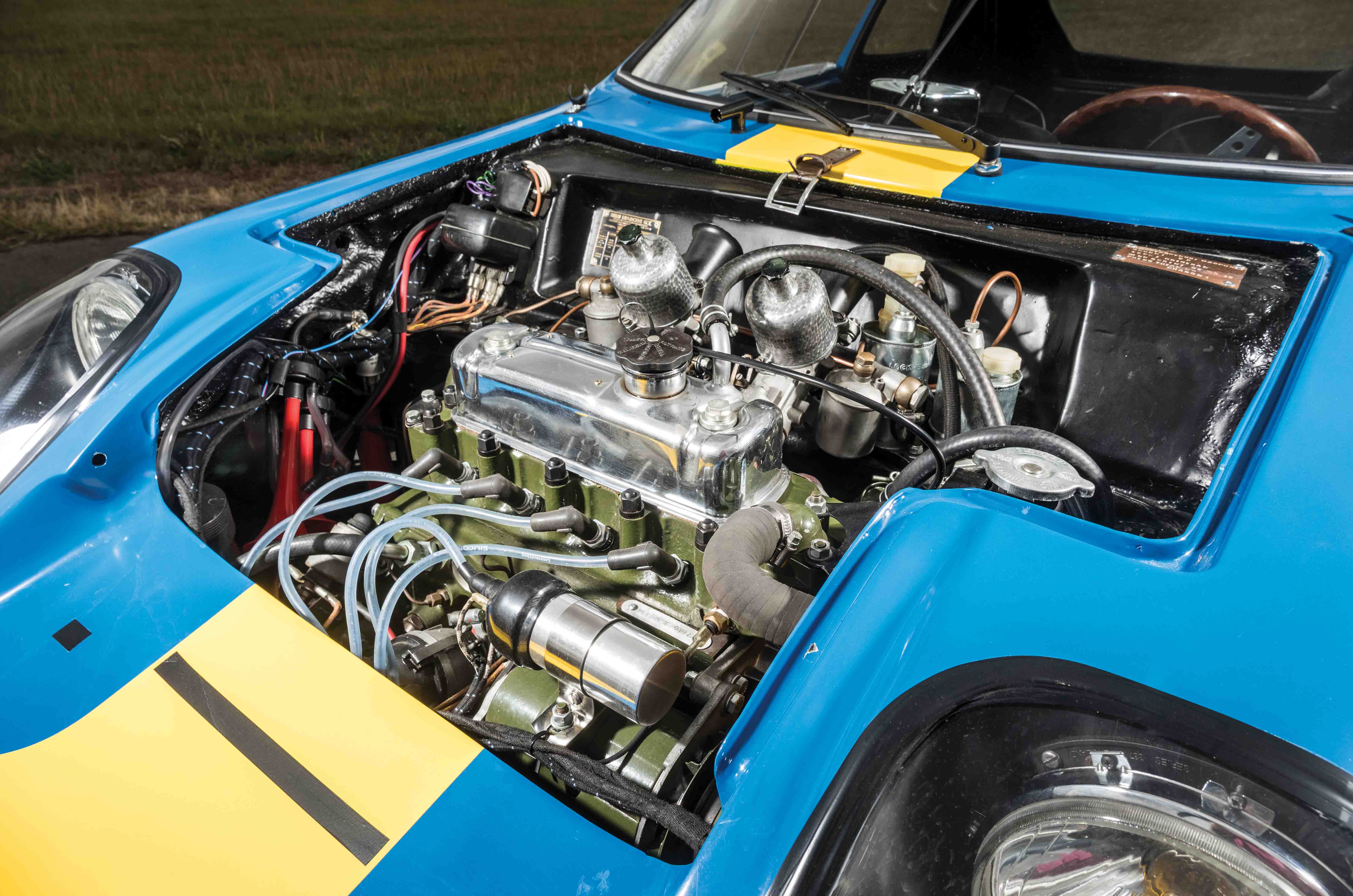
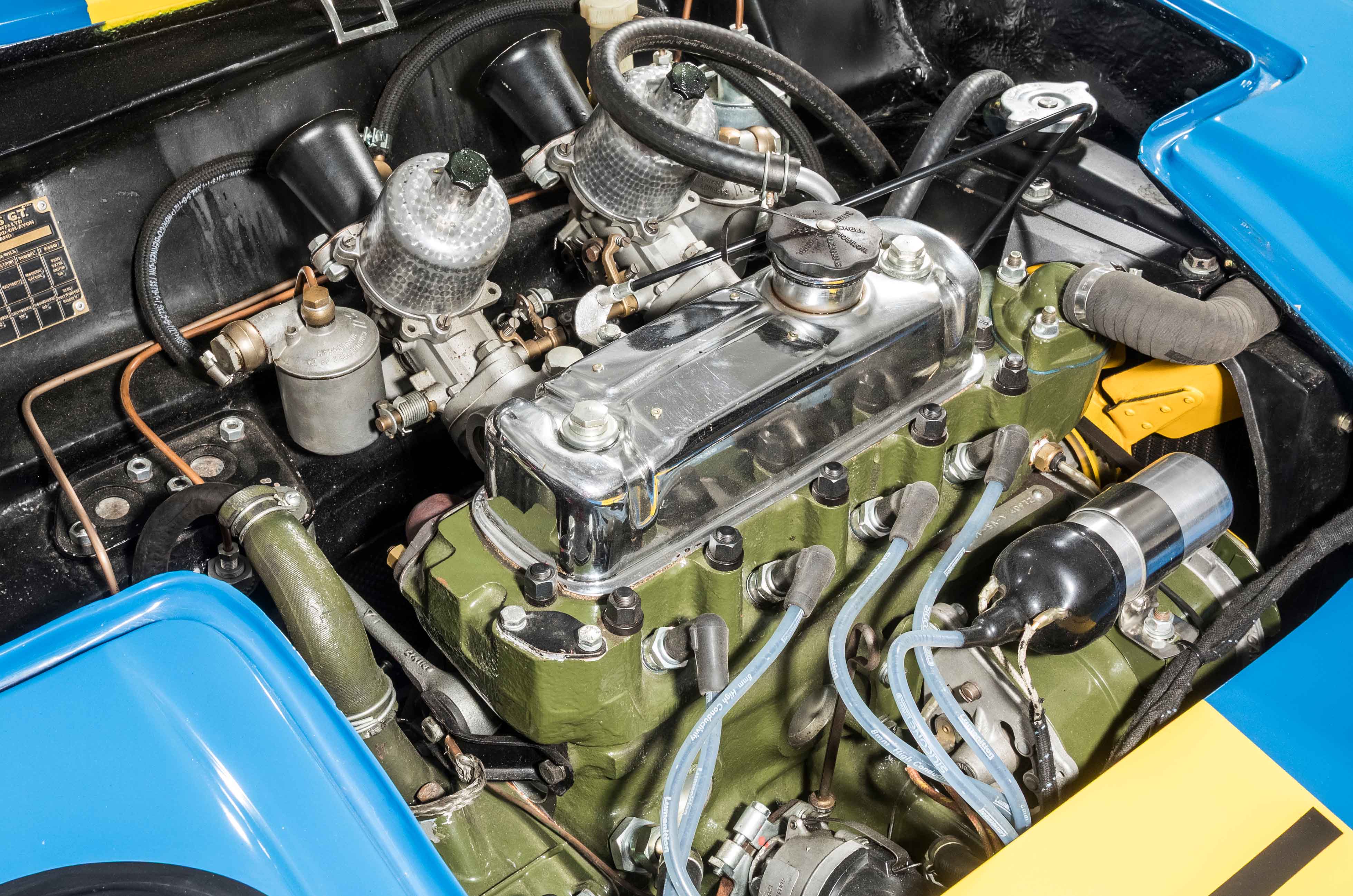
The Mini Marcos is powered by an impressively torquey – and noisy – replacement engine, rebuilt using Competition Department spares sourced from the original

Marsh was met by Billy Dulles, a builder of aftermarket Mini dashboards, who was selling some of his products abroad – specifically to the accessory shop of French rally driver Jean-Louis Marnat.

Noted Mini racer Marnat wanted to take a Marcos to Le Mans, and Dulles was his messenger.

Le Mans organiser the Automobile Club de l’Ouest was then notorious for refusing entry, complicating rules and otherwise ensuring French competitiveness in the Index of Thermal Efficiency and Index of Performance trophies.

That year, French patriotism would rob the Mini Cooper ‘S’ of what should have been a third successive win on the Rallye Monte-Carlo, and Marsh knew that a Mini Marcos run by a French team with French drivers had a much greater chance of being granted entry than a factory effort.

Classic & Sports Car – Mini Marcos: the little racer that took on Le Mans

The only Mini Marcos Le Mans car went missing for five decades, but resurfaced in Portugal in 2016

Once Marnat had a confirmed invitation from the ACO, Marsh agreed to supply a shell, with Dulles delivering the monocoque to Marnat’s Rallye Auto Sport in the 14th arrondissement of Paris by strapping it to the top of his Austin Mini pick-up and flying to Le Touquet aboard a Bristol Freighter before driving into the city.

A standard Marcos linked its steel Mini subframes forward and aft with only glassfibre, which had already created at least one tragically spectacular sporting accident in which a Marcos had disintegrated as soon as it rolled off its wheels.

Marsh had begun to offer reinforced motorsport shells, and one was duly delivered to Marnat.

The joints were thickened and balsa wood was sandwiched in the middle of a doubled-skinned floor.

Classic & Sports Car – Mini Marcos: the little racer that took on Le Mans

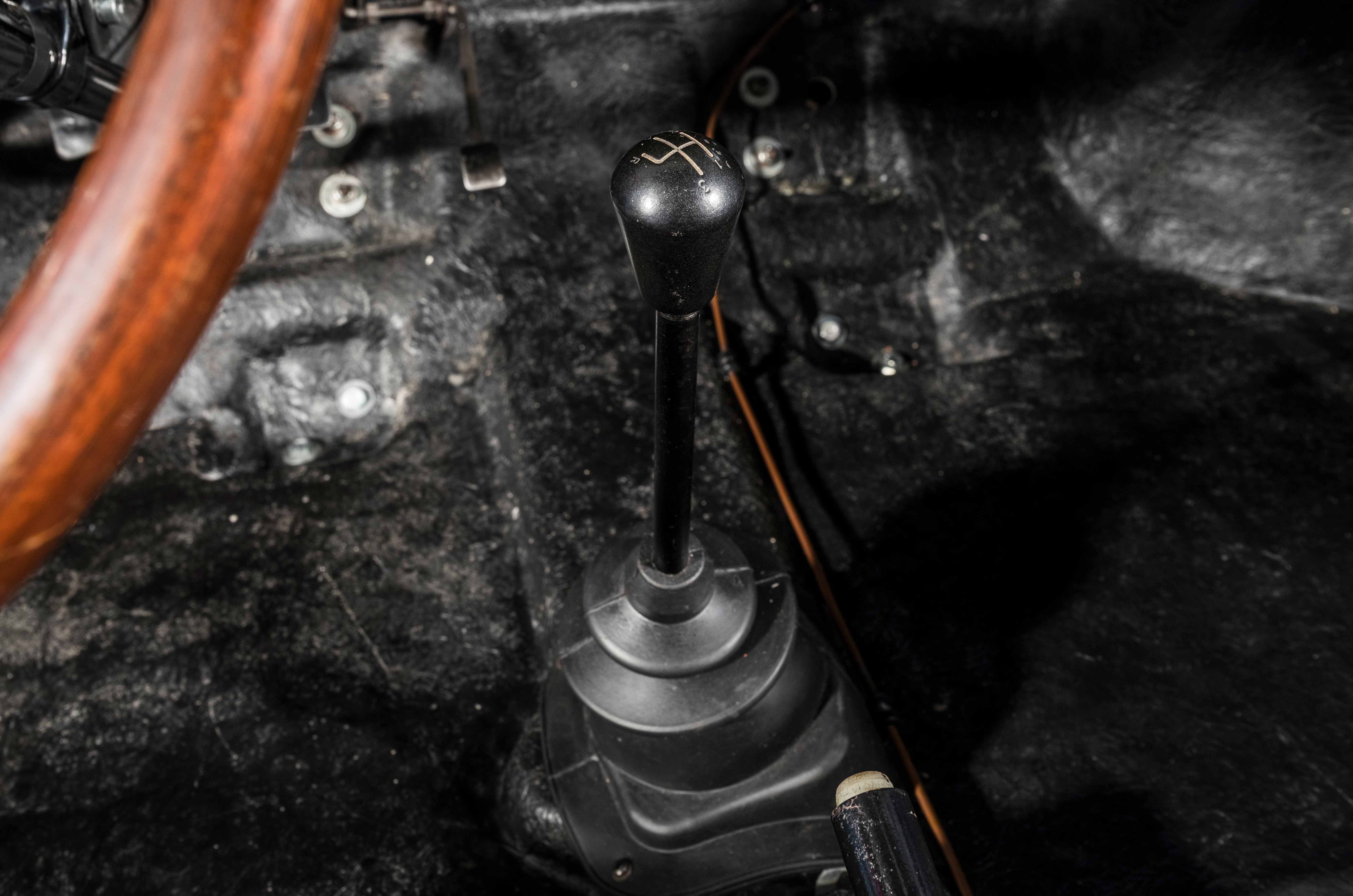
The Mini Marcos was fitted with a close-ratio gearbox and a long, 2.49:1 final drive for its Le Mans mission

Next to Marnat’s premises was a small workshop in which accessories were fitted.

Here, Jean-Claude Hrubon built the Marcos, making use of a 1287cc BMC Competition Department Cooper ‘S’ powertrain.

With a straight-cut, close-ratio gearbox, twin SU carbs and c90bhp, it was essentially the same specification as that used in the rally cars tackling the Monte, secured thanks to Marnat having a semi-works agreement with the Parisian Austin importer.

At odds with the rally cars, however, an incredibly long, 2.49:1 final-drive ratio that would give the car a top speed of 120mph-plus was ordered from Jack Knight, while Hrubon modified a Mini commercial’s fuel tank to increase its capacity to 80 litres.

Classic & Sports Car – Mini Marcos: the little racer that took on Le Mans

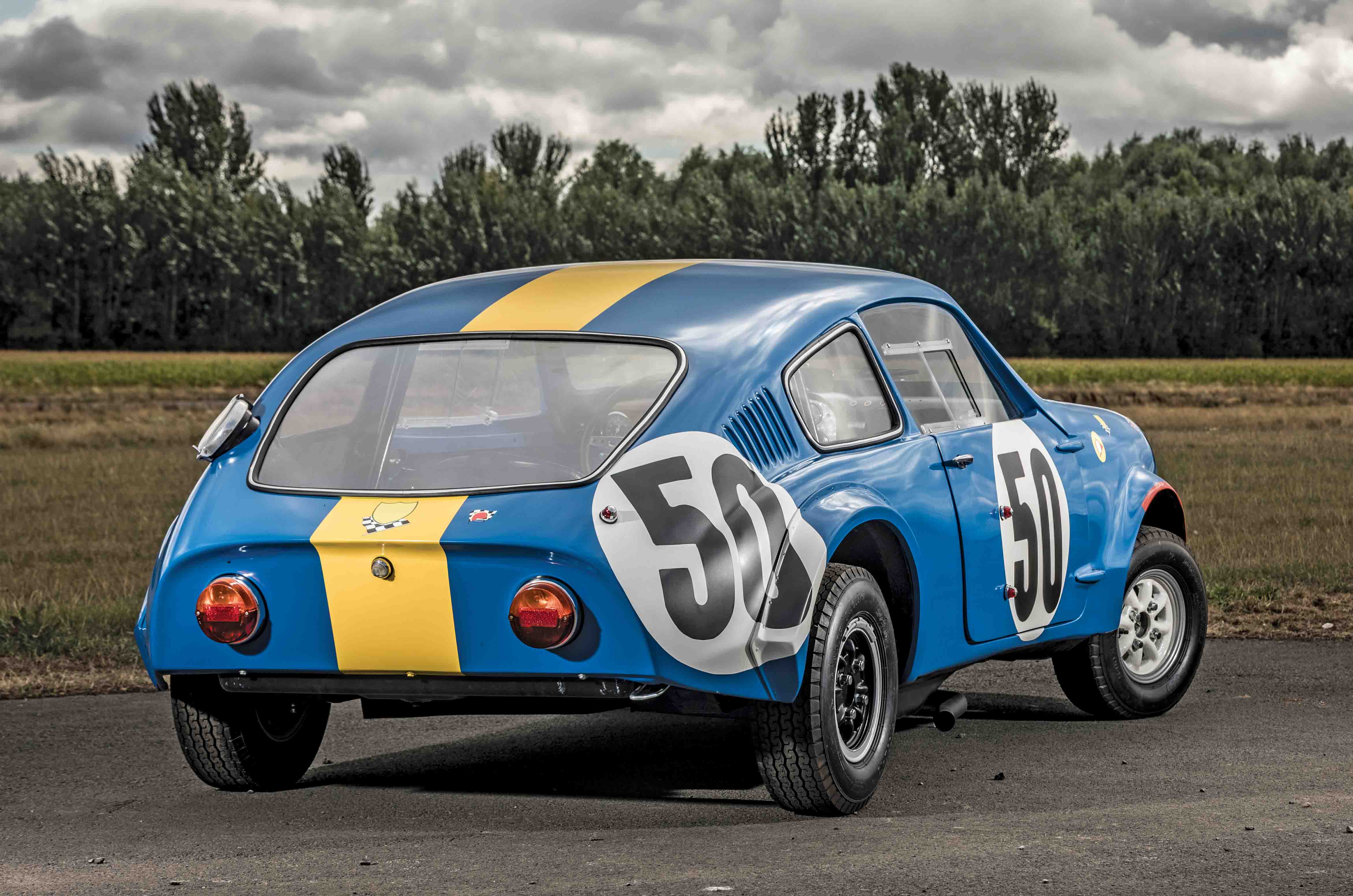
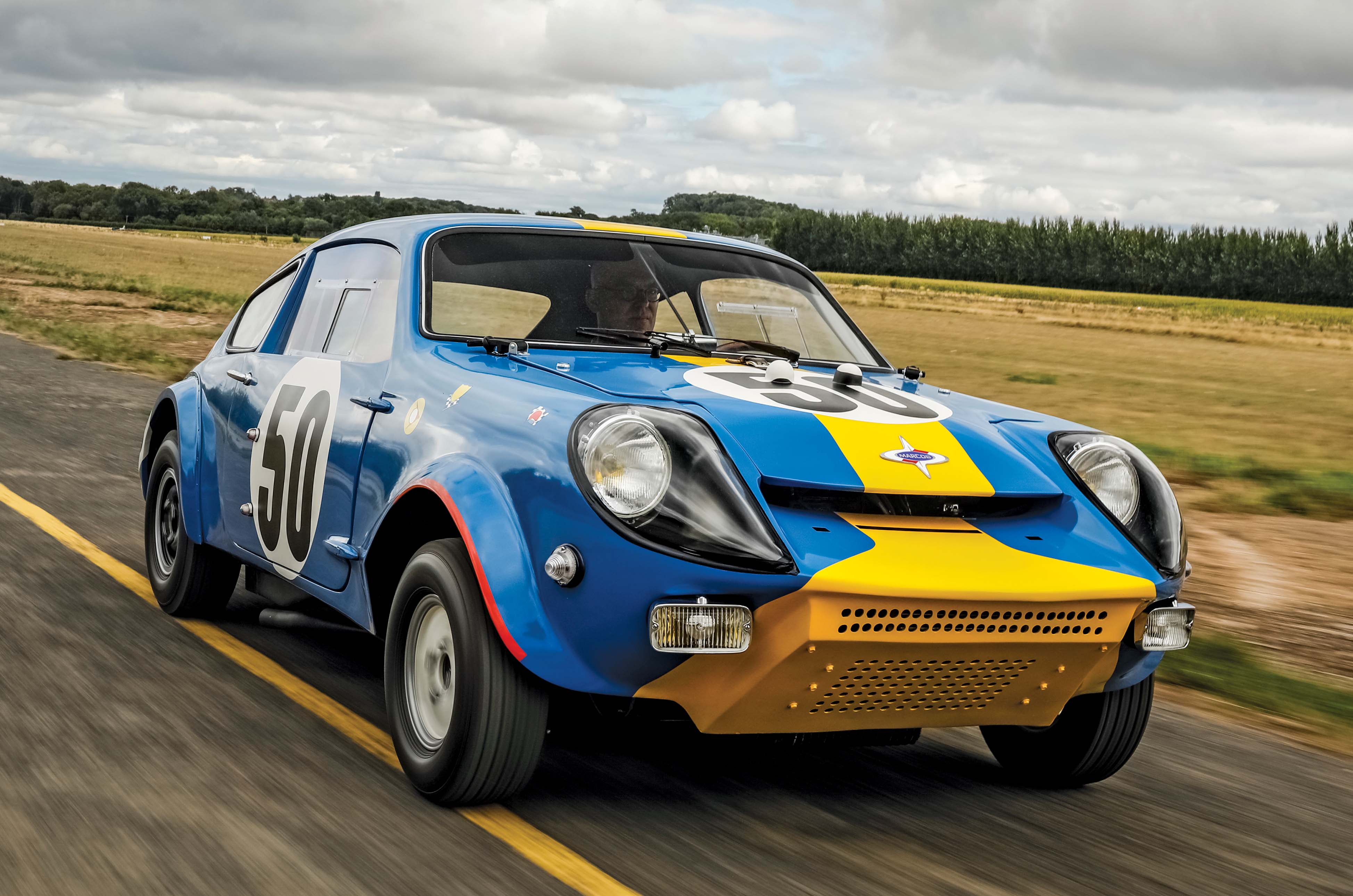
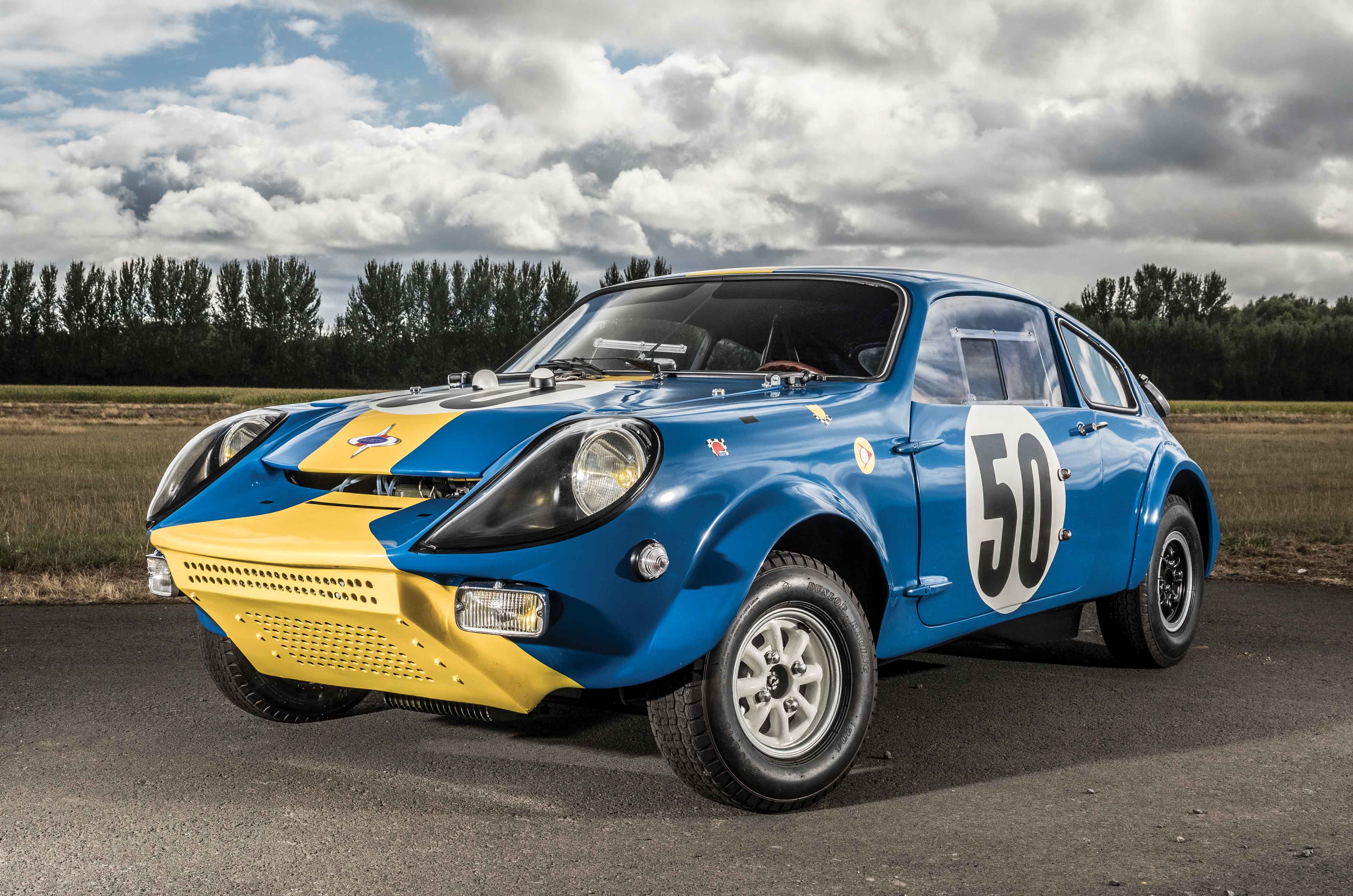
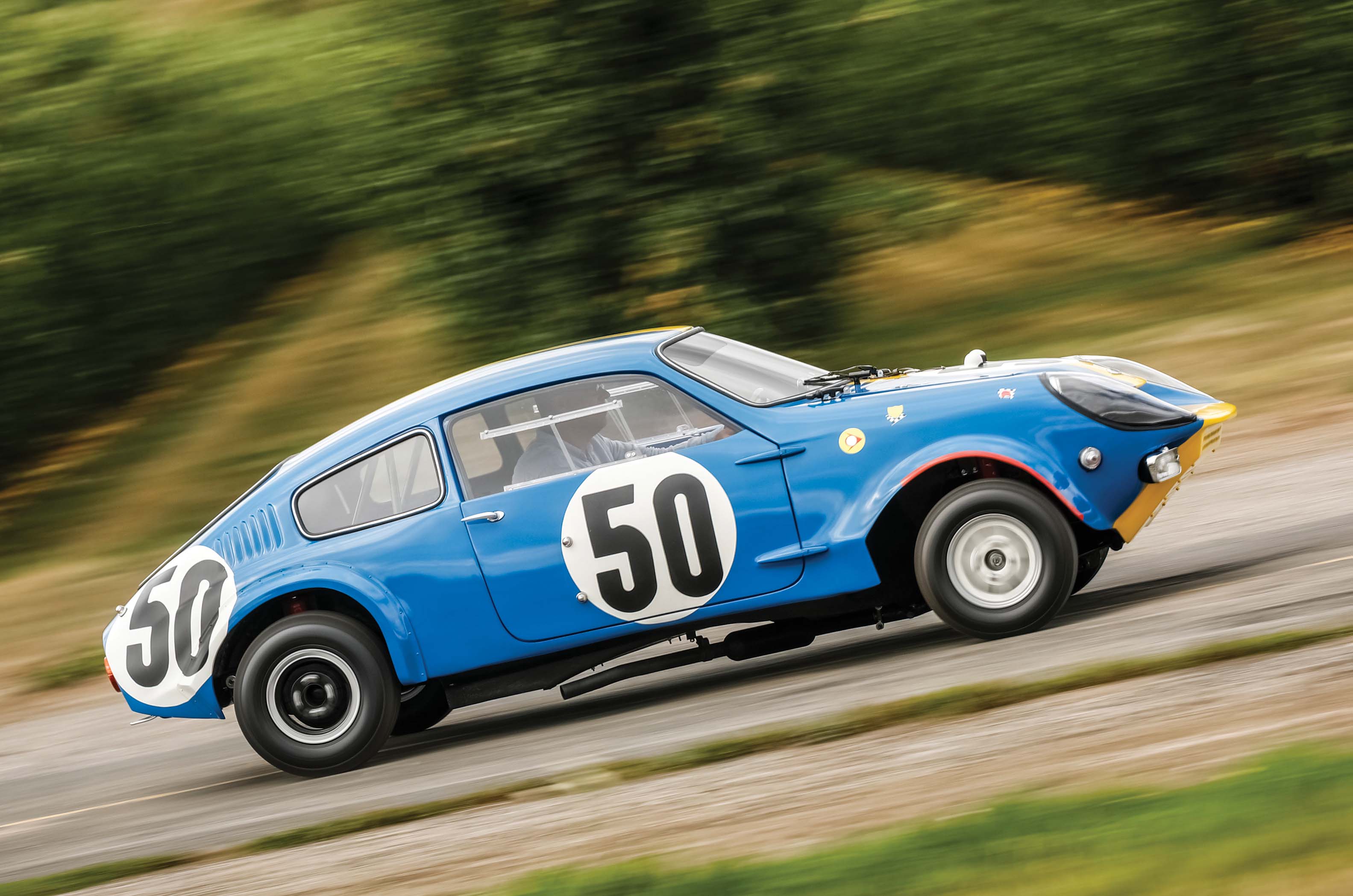
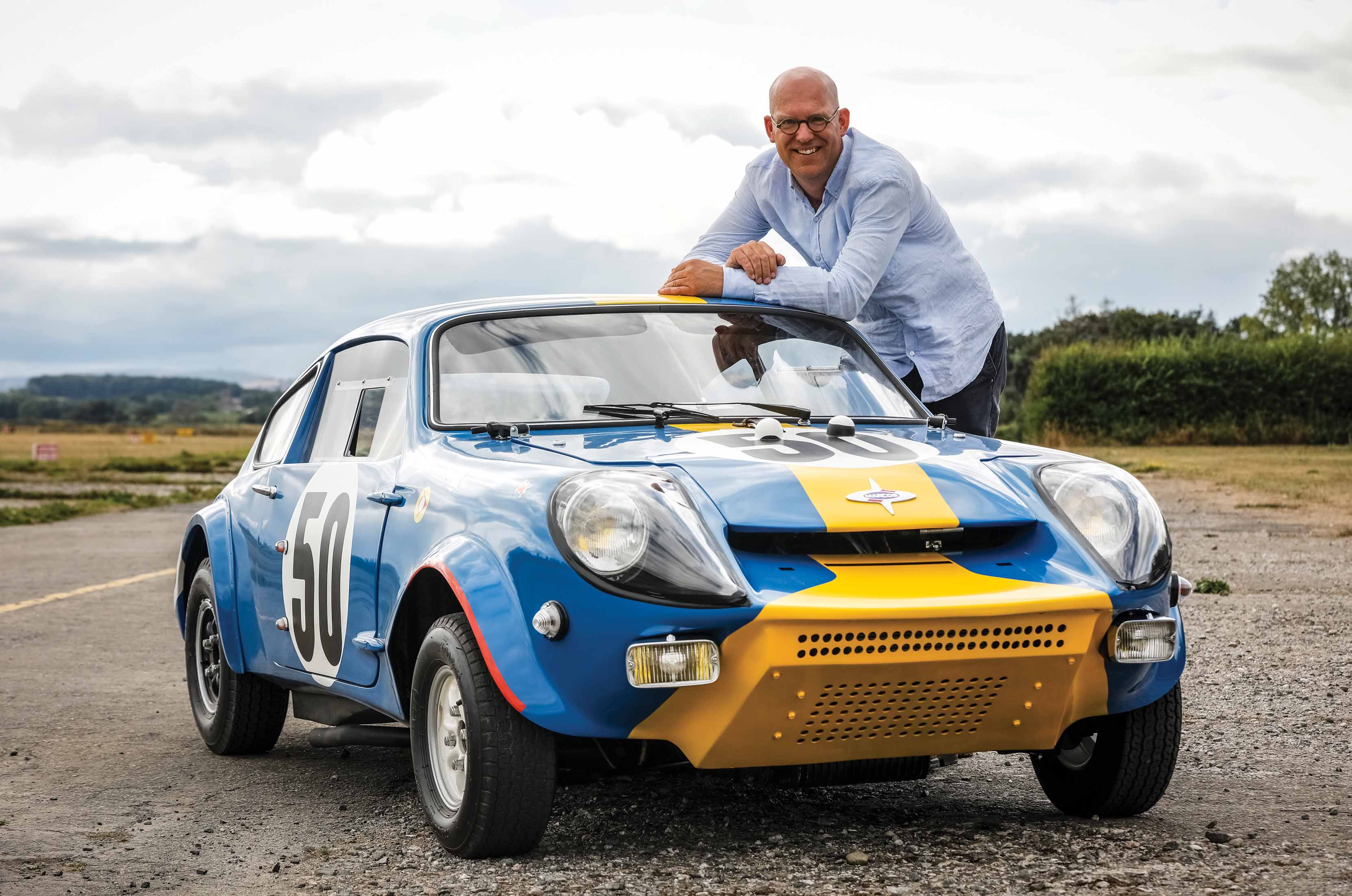
The Mini Marcos is squat, low and incredibly light

The Marcos crew numbered just four when it set off for Le Mans in June 1966; Marnat and Hrubon were joined by co-driver Claude Ballot-Léna and team boss Hubert Giraud, who had not only helped Hrubon build the car, but also put up most of the money and sacrificed his own Mini Cooper ‘S’ to build the Marcos.

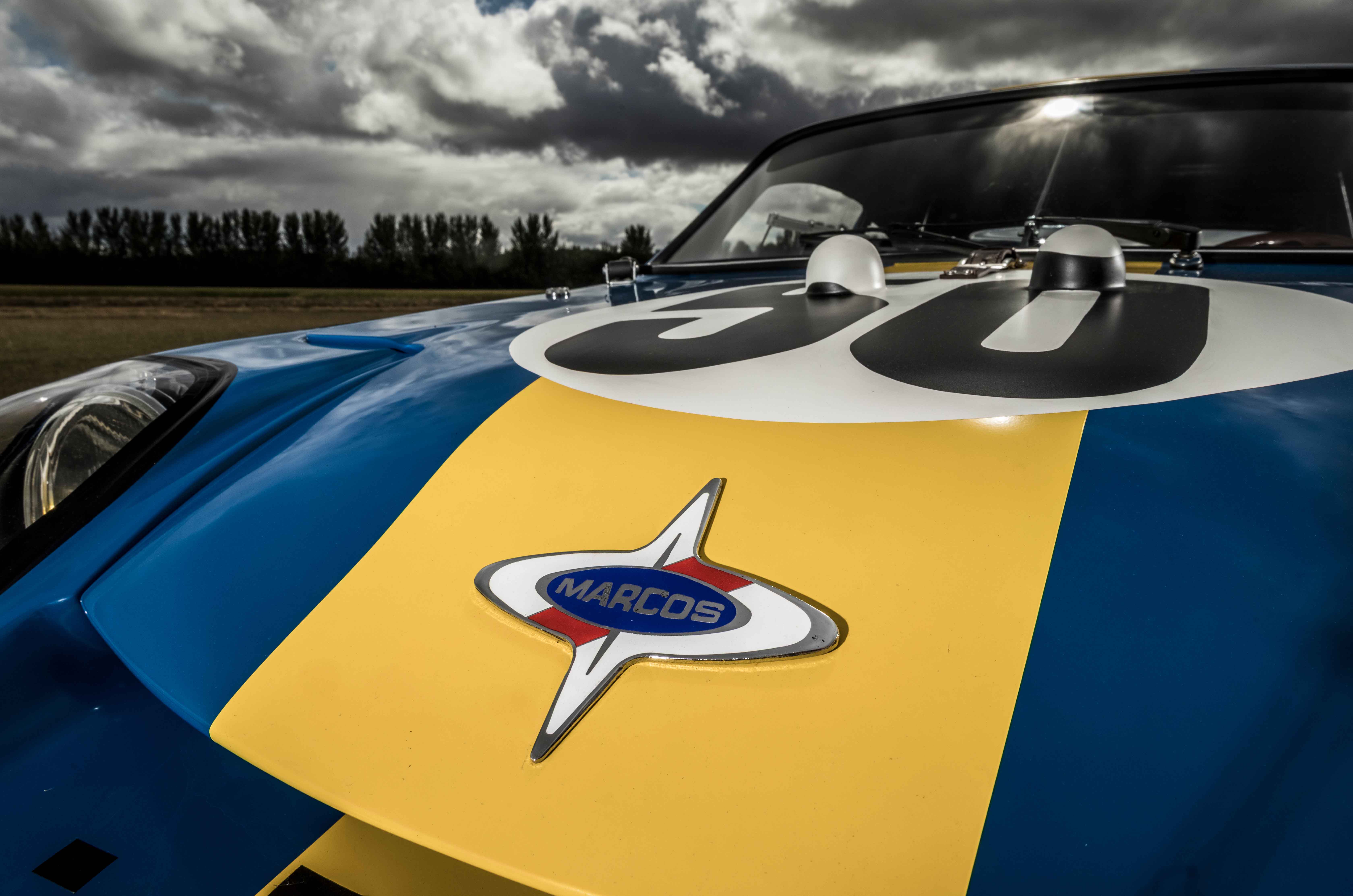
Thanks to its tiny size, distinctive blue-and-yellow livery, and obvious deficit of speed in a straight-line, the Marcos became a crowd favourite within a few hours of the race start. 

It gained its nickname, La Puce Bleue, racking up lap after lap as Ferrari and Ford acted out their great battle many miles ahead.

Classic & Sports Car – Mini Marcos: the little racer that took on Le Mans

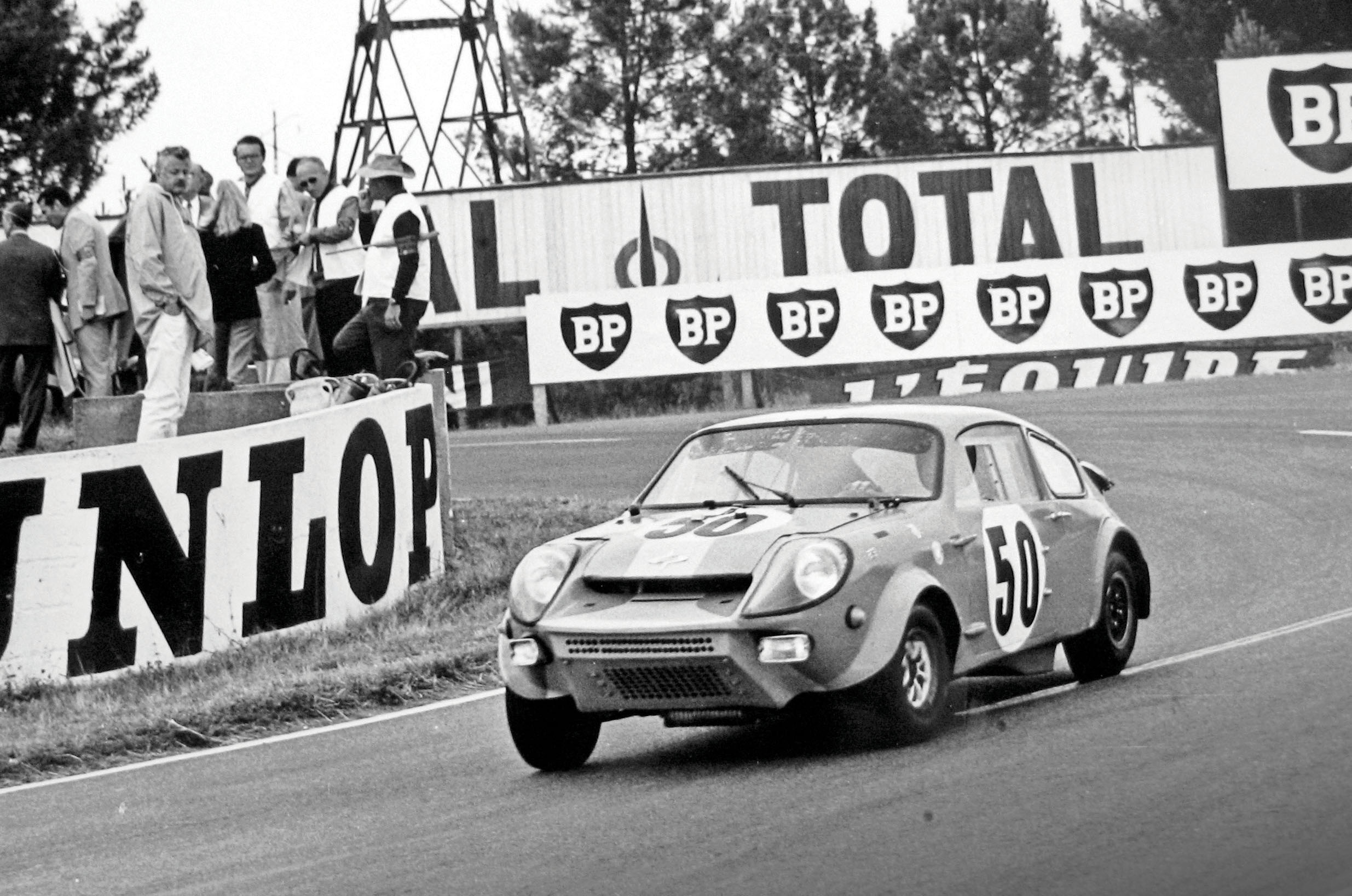
The Mini Marcos made the finish at Le Mans in 1966 © Courtesy of the owner

Of 46 starters, the Marcos was one of just 15 classified finishers, with all of the Ferrari P3s and many of the Ford GT40s ahead retiring.

Having completed 3464km (2152 miles) in 24 hours, it was also the slowest, troubling neither the Performance nor Thermal Efficiency indices (won by Porsche and Alpine respectively).

Still, if you don’t consider the Ford GT40 to be British (and 2019’s Le Mans ’66 certainly didn’t), then the Marcos was the only car from the UK to finish the race that year.

Having held the entry firmly at arm’s length prior to the race, the British Motor Corporation wasted no time in boasting that a Mini Cooper ‘S’ transverse A-series powertrain had achieved such a feat of endurance.

Classic & Sports Car – Mini Marcos: the little racer that took on Le Mans

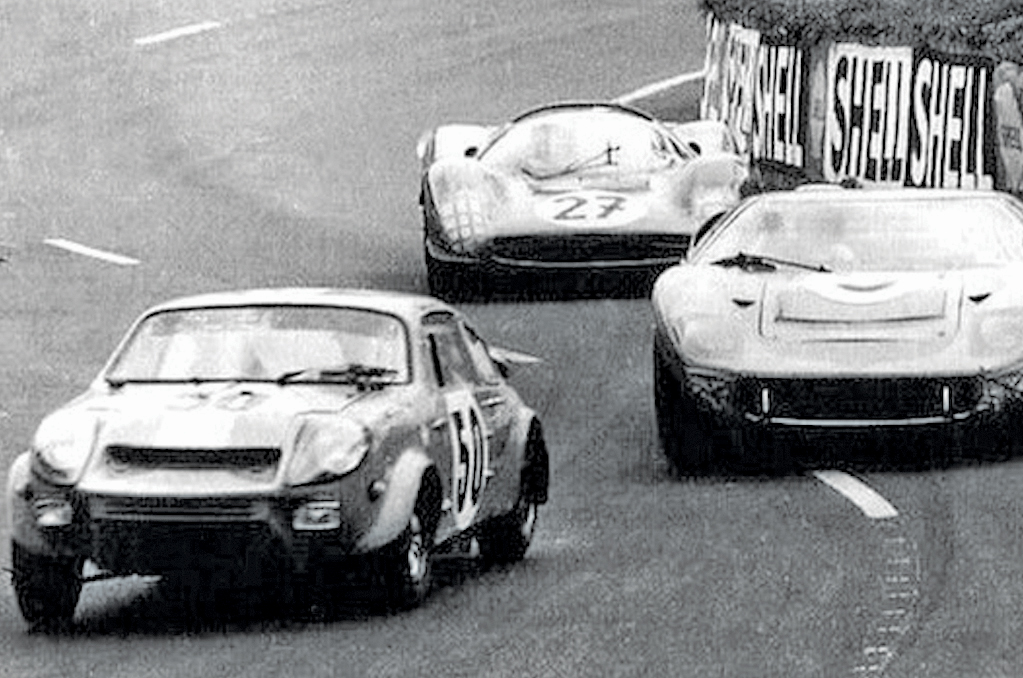
Mini Marcos drivers Jean-Louis Marnat and Claude Ballot-Léna were kept busy avoiding the Fords and Ferraris around the Circuit de la Sarthe © Courtesy of the owner

Later that year the Marcos took part in the Monza and Paris 1000km races, then it went through at least five owners in nine years as it was raced, rallied and hillclimbed.

By 1975, the former racer was owned by Michel Tasset, who was daily-driving it in the Parisian suburb of Puteaux and even went on a camping holiday with the car – it had by then lost its long gearing and wide race wheels.

However, just days after negotiating a deal to have the car sent back to Britain to become part of new Marcos owner Harold Dermott’s fleet, in exchange for a brand-new model, Tasset returned to his parking spot to find it stolen.

Classic & Sports Car – Mini Marcos: the little racer that took on Le Mans

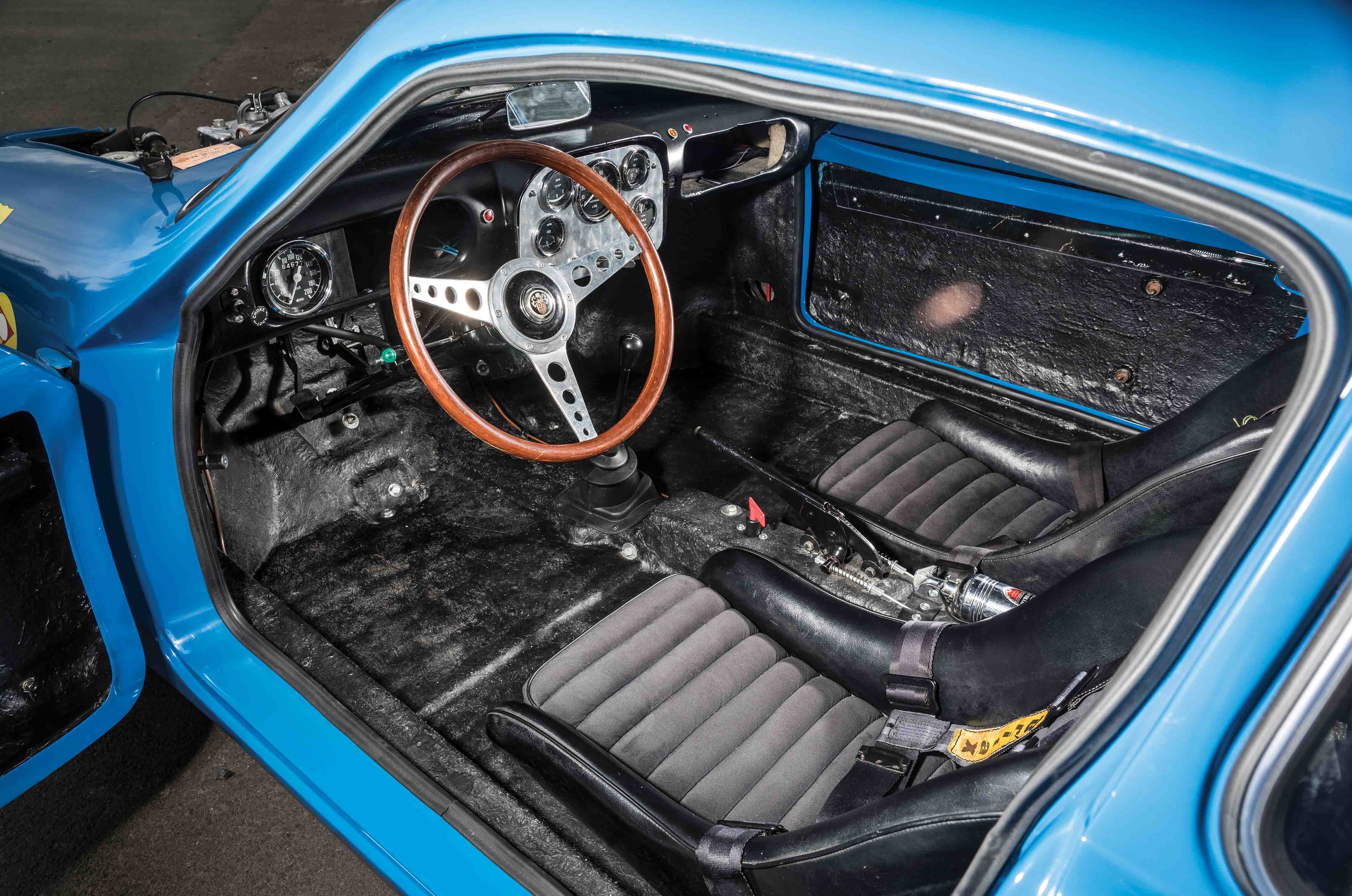
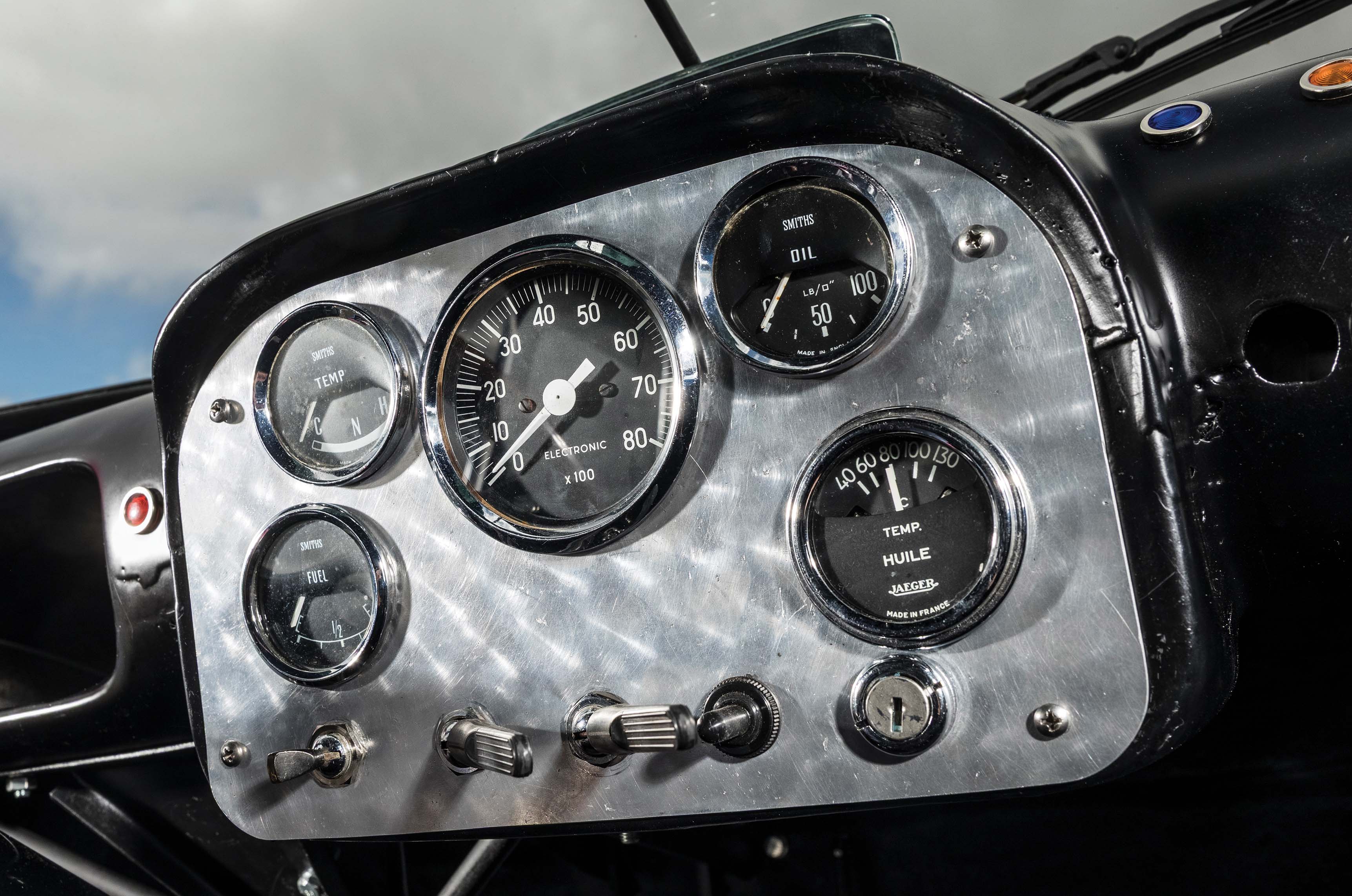
The Mini Marcos has a simple instrument cluster on its engine-turned dashboard

That was where the Le Mans Marcos story paused for most of its history – many assumed it had been destroyed or at least stripped for parts, because nothing more was heard of it for five decades.

Dutch author Jeroen Booij – who wrote 2009’s Maximum Mini, one of the definitive books on Mini-based cars – was trying to track down the car and had followed numerous dead-end leads.

Then, in September 2016, a tip-off came his way from Portugal, but the racer’s owner was extremely cagey.

Classic & Sports Car – Mini Marcos: the little racer that took on Le Mans

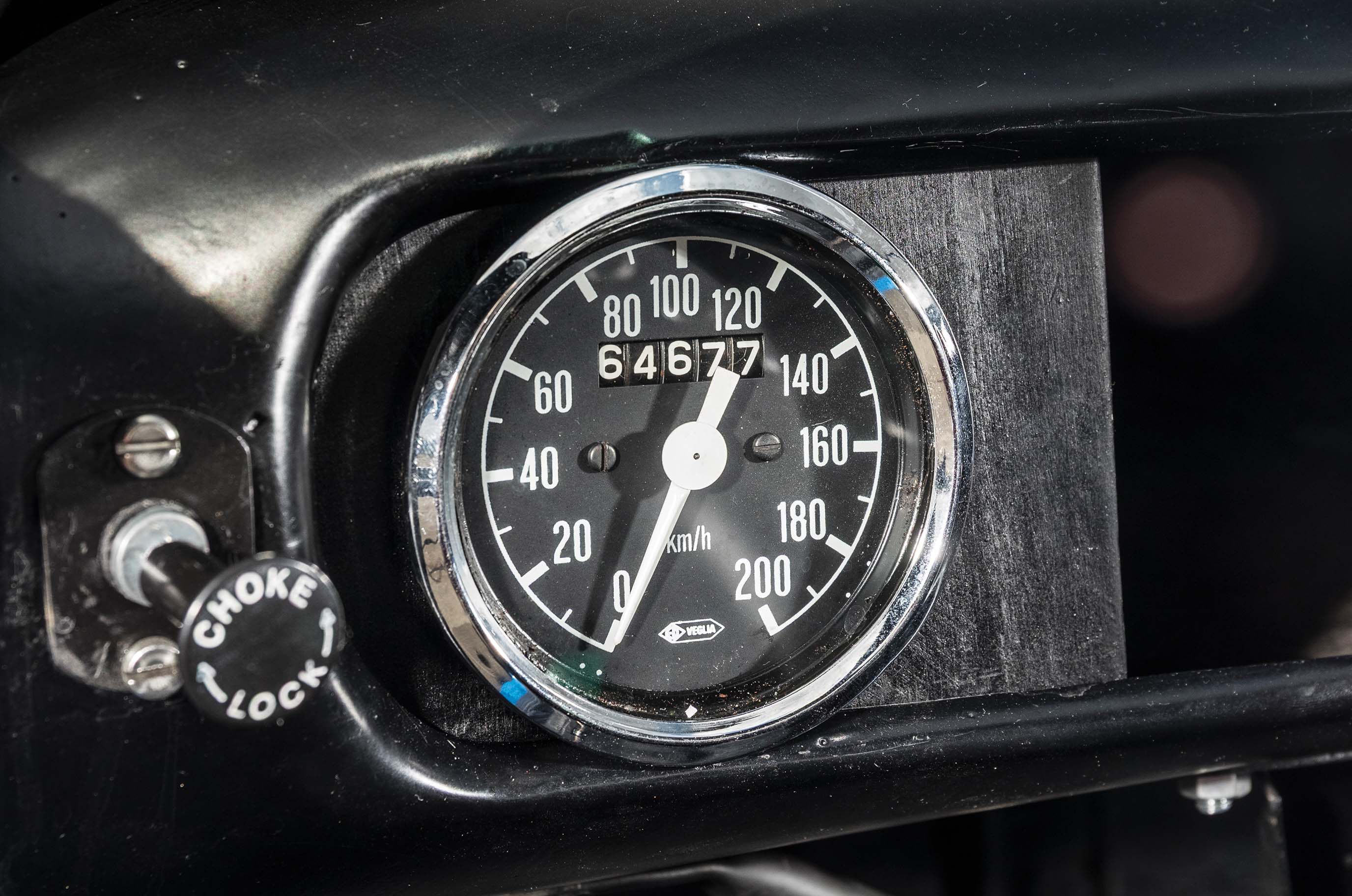
The Mini Marcos’ speedometer – set to kph – is to the left of the steering wheel

With a middleman involved to further complicate the process, Jeroen was asked to hand over a large deposit before receiving even a photo of the near-mythical Marcos.

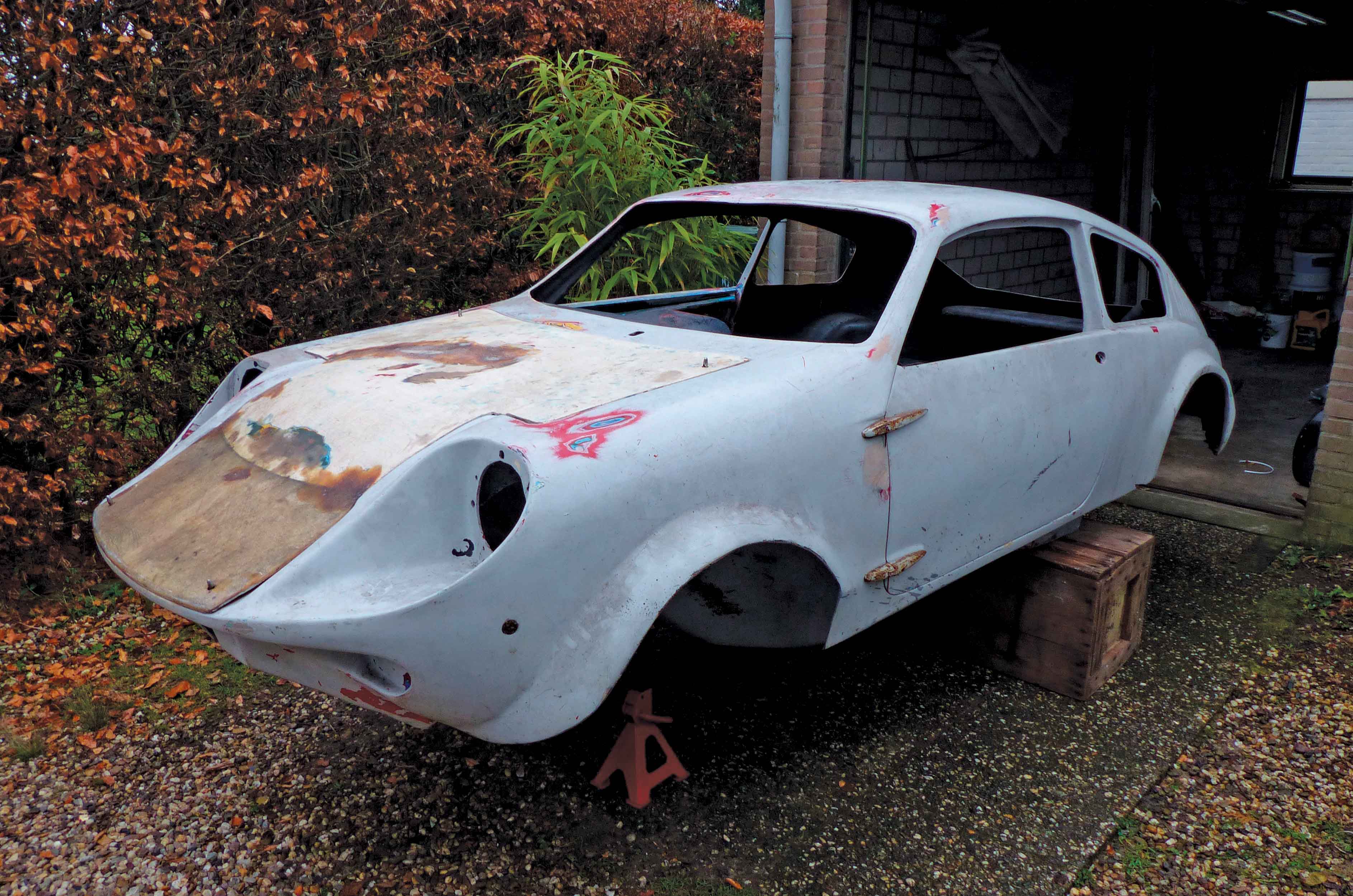
But a week later, he received three images that showed the car – just a bodyshell – with enough details to suggest it was the real deal.

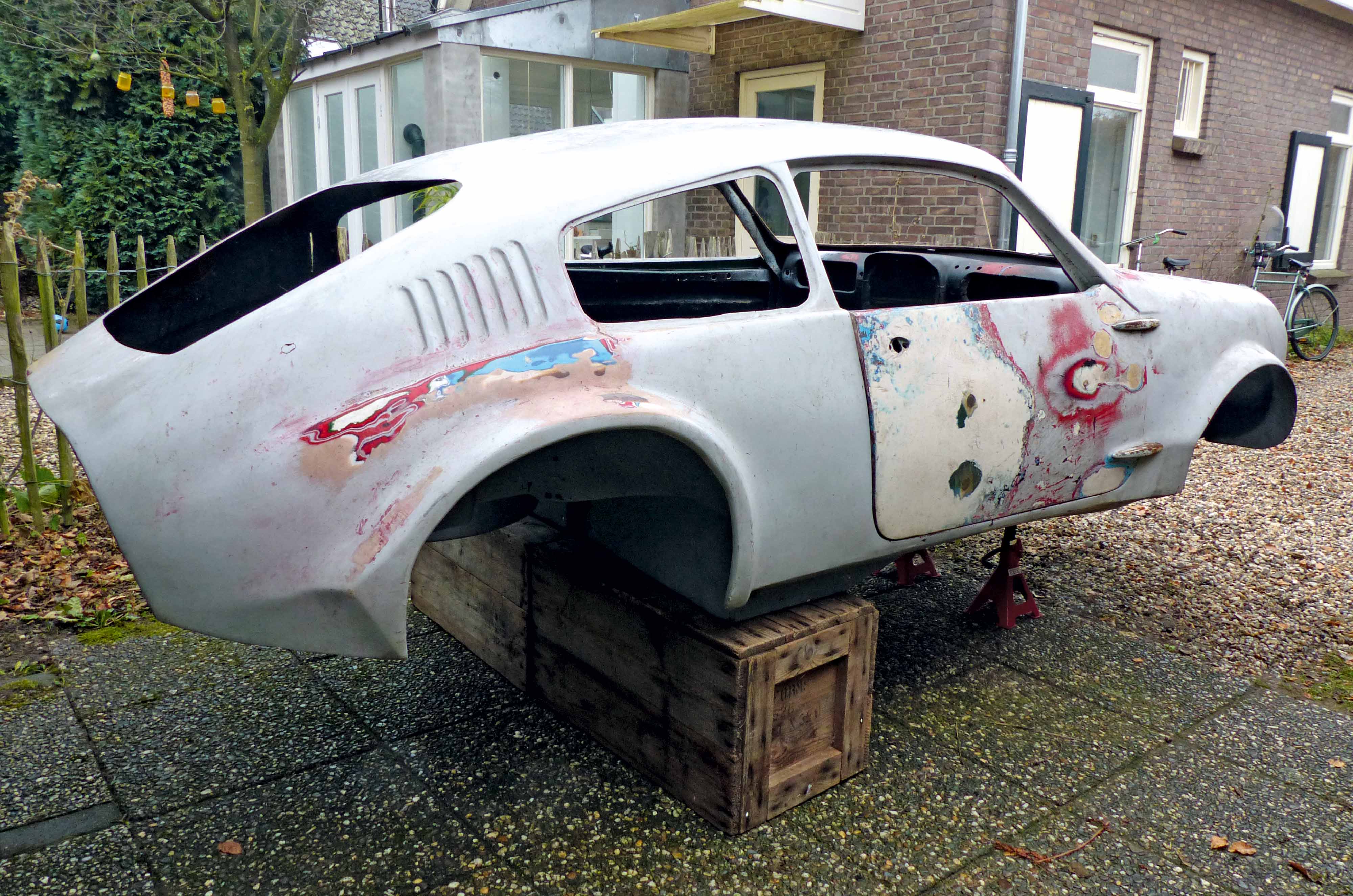
The distinctive flared wheelarches appeared correct (although cut into at the rear), while the front indicators were in exactly the same spot.

Classic & Sports Car – Mini Marcos: the little racer that took on Le Mans

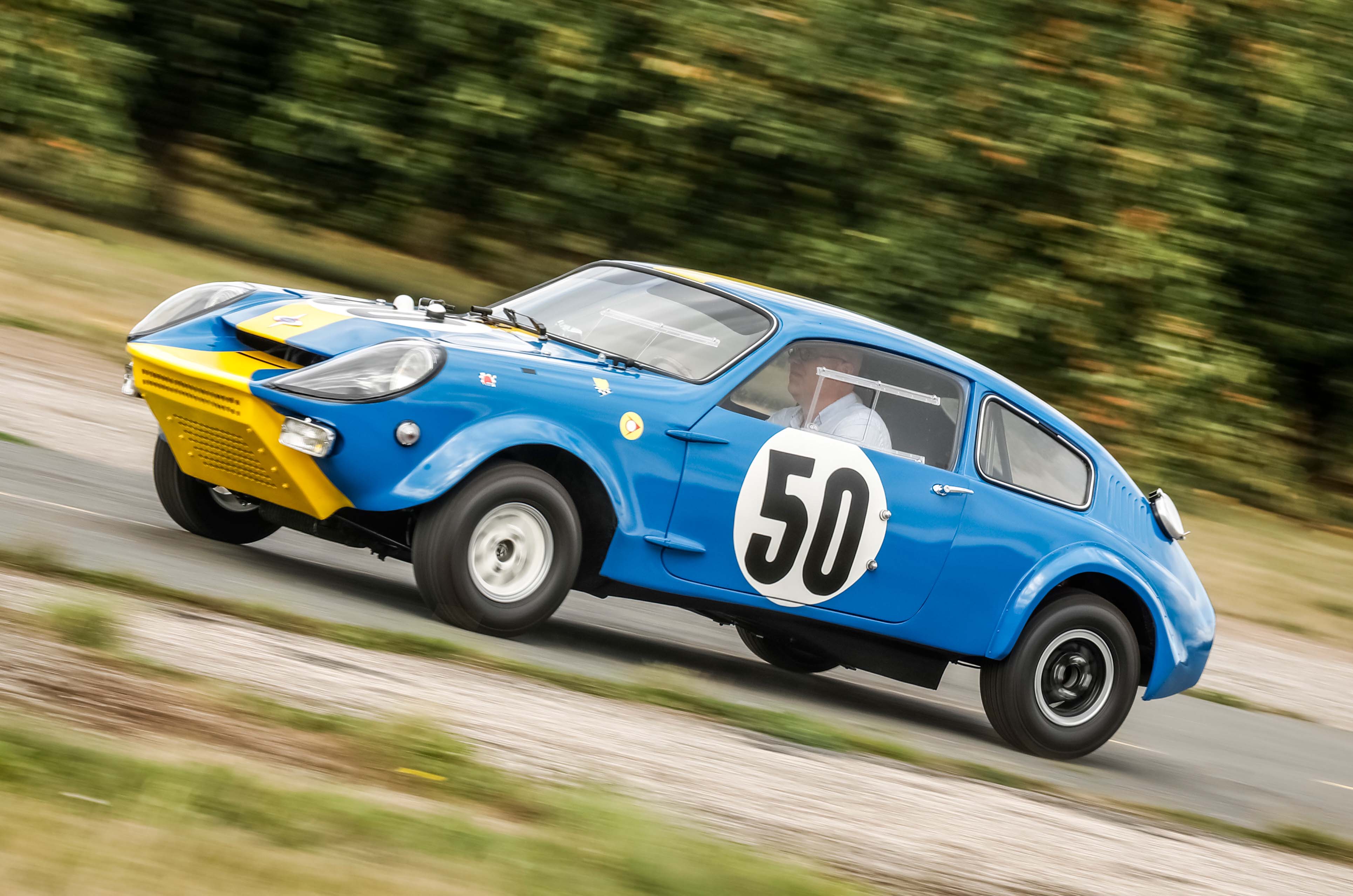
The Mini Marcos feels impressively quick

The clincher, though, was when Jeroen checked photos of the car at the 1970 Treffert Hill Climb.

Both the bonnet and front end had been modified by that point; someone looking to replicate the Le Mans car wouldn’t have seen the same photos, and Jeroen had a winner.

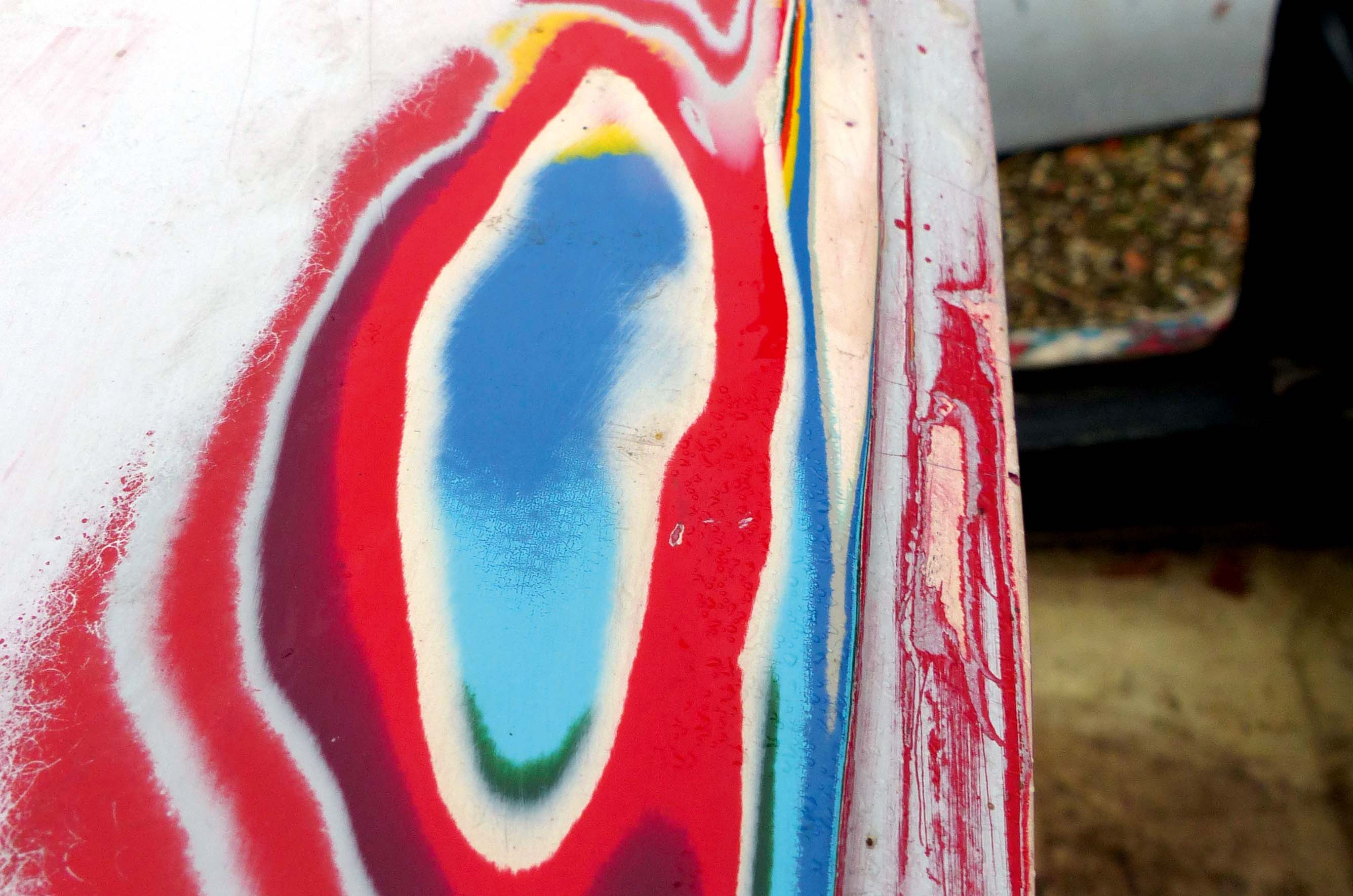
Final confirmation came when the seller sent a photo of the bodywork sanded down to reveal multiple paint layers, each matching the colours Jeroen knew the car had been.

Jeroen confirmed the statute of limitations had passed on the stolen car and paid a €1000 deposit in December 2016.

Classic & Sports Car – Mini Marcos: the little racer that took on Le Mans

Multiple layers of paint helped to confirm the Mini Marcos’ provenance

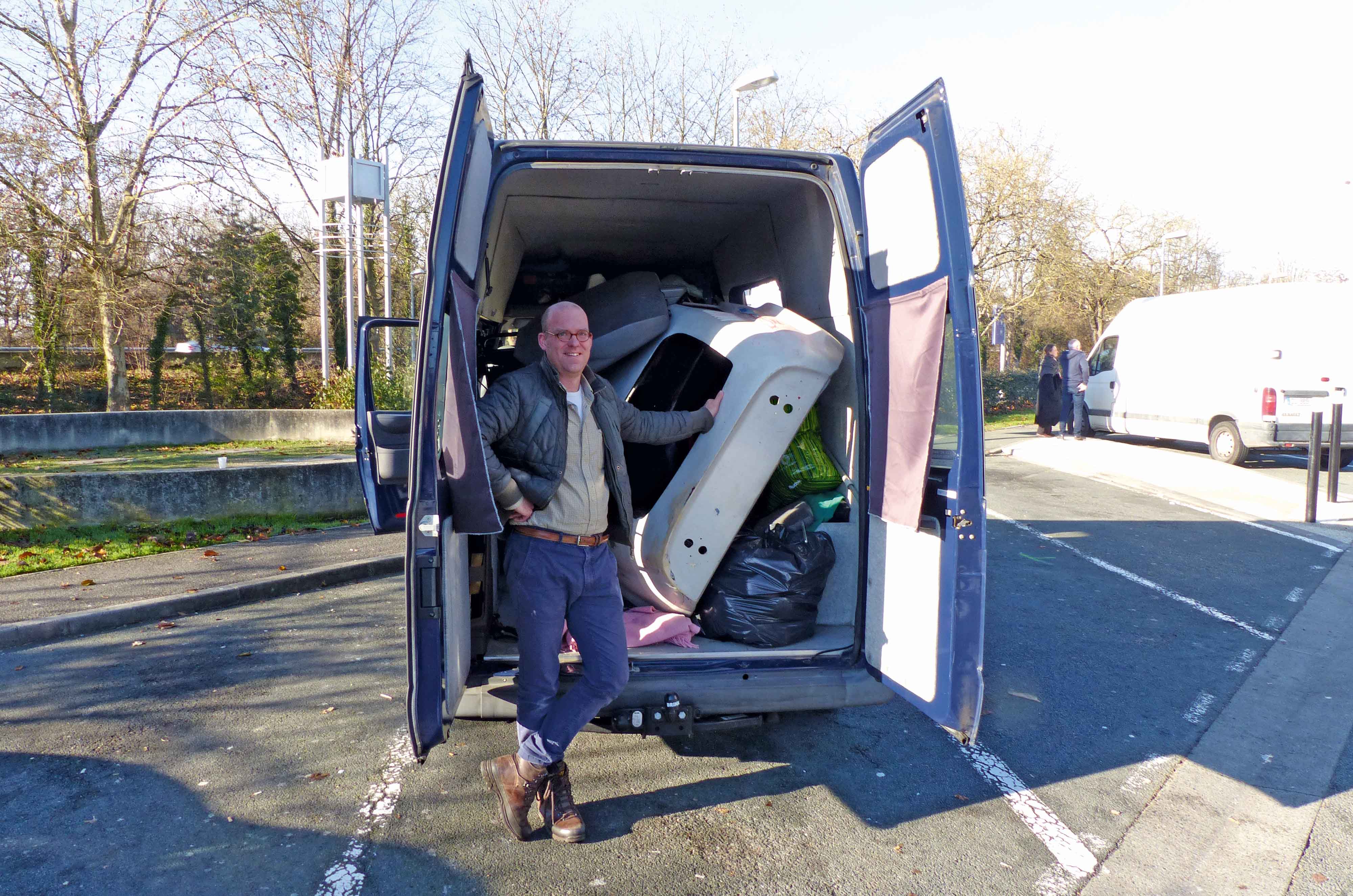
He built a wooden buck to test if his neighbour’s van would fit the bodyshell – and it could, just.

Impressively, the pair then drove c1400 miles from Arnhem to Lisbon in one day, planning a rendez-vous with the seller in Montijo.

Instructions to wait for the middleman to arrive in a black Audi A4 sounded like another red flag, but a beaten-up Volkswagen Polo eventually showed up, with a man claiming to be the car’s owner inside.

He led Jeroen to a suburban house, behind which was a garage containing the Marcos.

Classic & Sports Car – Mini Marcos: the little racer that took on Le Mans

The Mini Marcos bodyshell was recovered from Portugal

Just part of the car’s steering column, the pedalbox and fuel tank – distinctive for its size – remained with the bodyshell, but Jeroen was satisfied it was the real thing.

More tension ensued with an argument over in what order to exchange the money and the car, as well as two miscounts of the cash, but eventually the Marcos was in the back of the van, with Jeroen making a quick dash out of Portugal.

With neither great mechanical nor bodywork skills of his own – nor the deep pockets of many who attempt to restore historic racing cars – Jeroen decided that his role was to turn detective, figuring out exactly how the car looked in 1966 and where to find the parts to recreate it.

Doing that, and spreading the rebuild over many years, was Jeroen’s way of affording such an exhaustive project.

Classic & Sports Car – Mini Marcos: the little racer that took on Le Mans

This special Mini Marcos has a glassfibre body, strengthened by a rollcage and balsa-wood floor inserts

Early on, the decision was made to recreate the car as it raced in 1966 rather than build it as something that could go historic racing today.

Jeroen reasoned there were plenty of Mini Marcos cars that meet present FIA standards, but only one that actually raced at Le Mans.

Fellow Marcos owner Gary Marlow was crucial to Jeroen’s build, because he owned a very original competition Marcos shell that showed how both the balsa-wood floor and the semi-integrated rollcage were constructed.

Initially the body restoration was handed to a Yorkshire firm, but after delays and inflating estimates, Jeroen took the Mini back to The Netherlands and his friend Joost van Diën, who first gave the tip-off about the car in Portugal, took charge of the coachwork.

Classic & Sports Car – Mini Marcos: the little racer that took on Le Mans

The Mini Marcos made the trip to The Netherlands in the back of a van

Joost repaired the Marcos shell to how it looked on the startline back in 1966, rebuilding its rear arches and resurfacing the front valance, which had been drilled and filled-in countless times, before making the 139 cooling holes for the auxiliary radiator, just as Hrubon had done.

The Le Mans Marcos ran with both a typical Mini side-mounted rad and a front-mounted item that, remarkably, Jeroen was able to recover from one of the car’s former owners.

José Albertini was the man who took the Marcos hillclimbing in the early 1970s, and he had put the extra radiator in storage; more than 50 years later, he still had it.

Further proof of the car’s authenticity came when the shell was rotated during its restoration and one of Albertini’s race stickers fell out of the sill.

Classic & Sports Car – Mini Marcos: the little racer that took on Le Mans

Restoring the Mini Marcos to its Le Mans specification was a near-decade-long project

Albertini had also removed the original wheels and gearbox from the car – the long Le Mans gearing was the last thing a hillclimber wanted.

He had sold these to a French Mini specialist only a couple of years before Jeroen spoke to him, and Mini World Center in the south of France still had all the parts, allowing Jeroen to buy them back.

The original works engine was long gone, but Albertini’s hoard included some original BMC Competition Department parts.

Using those, Mini World Center was able to build Jeroen a Cooper ‘S’ A-series to the correct specification and handle most of the car’s mechanical work.

Classic & Sports Car – Mini Marcos: the little racer that took on Le Mans

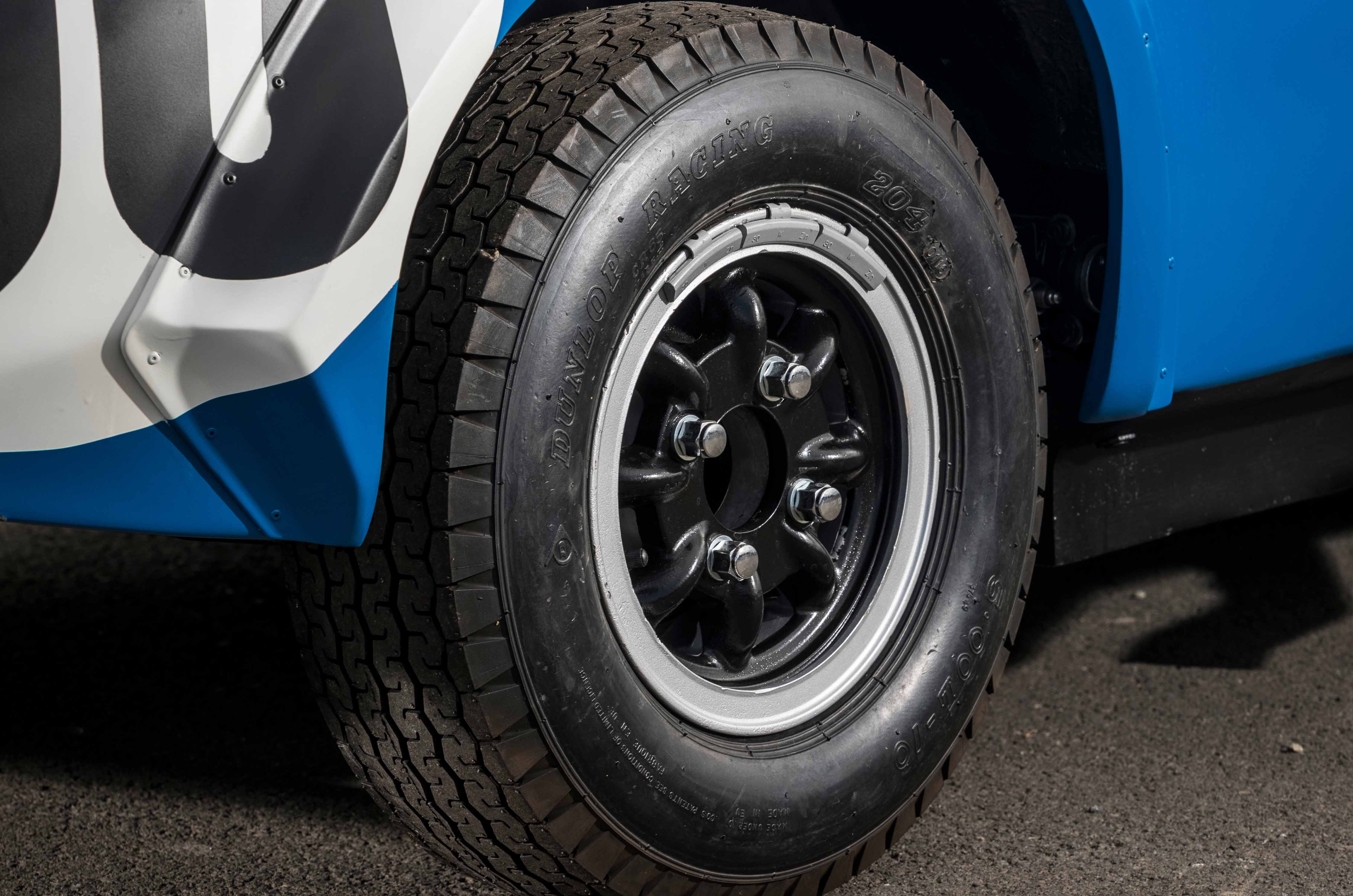
The Mini Marcos has white front and black rear wheels, as raced at Le Mans

Other details took Jeroen years to solve, but after the ACO approved the legitimacy of the car and handed over its record, he had much of his shopping list.

Some items found him, such as the rear set of alloys.

“During testing the car is photographed with the four white wheels and then, all of a sudden, at Le Mans they had this black pair on the back,” says Jeroen. “I have no idea why, they are the same size as the fronts.”

The owner of a Mini Moke had been using the magnesium-alloy wheels on his car for years and offered them to Jeroen out of the blue – although they required heavy refurbishment.

Classic & Sports Car – Mini Marcos: the little racer that took on Le Mans

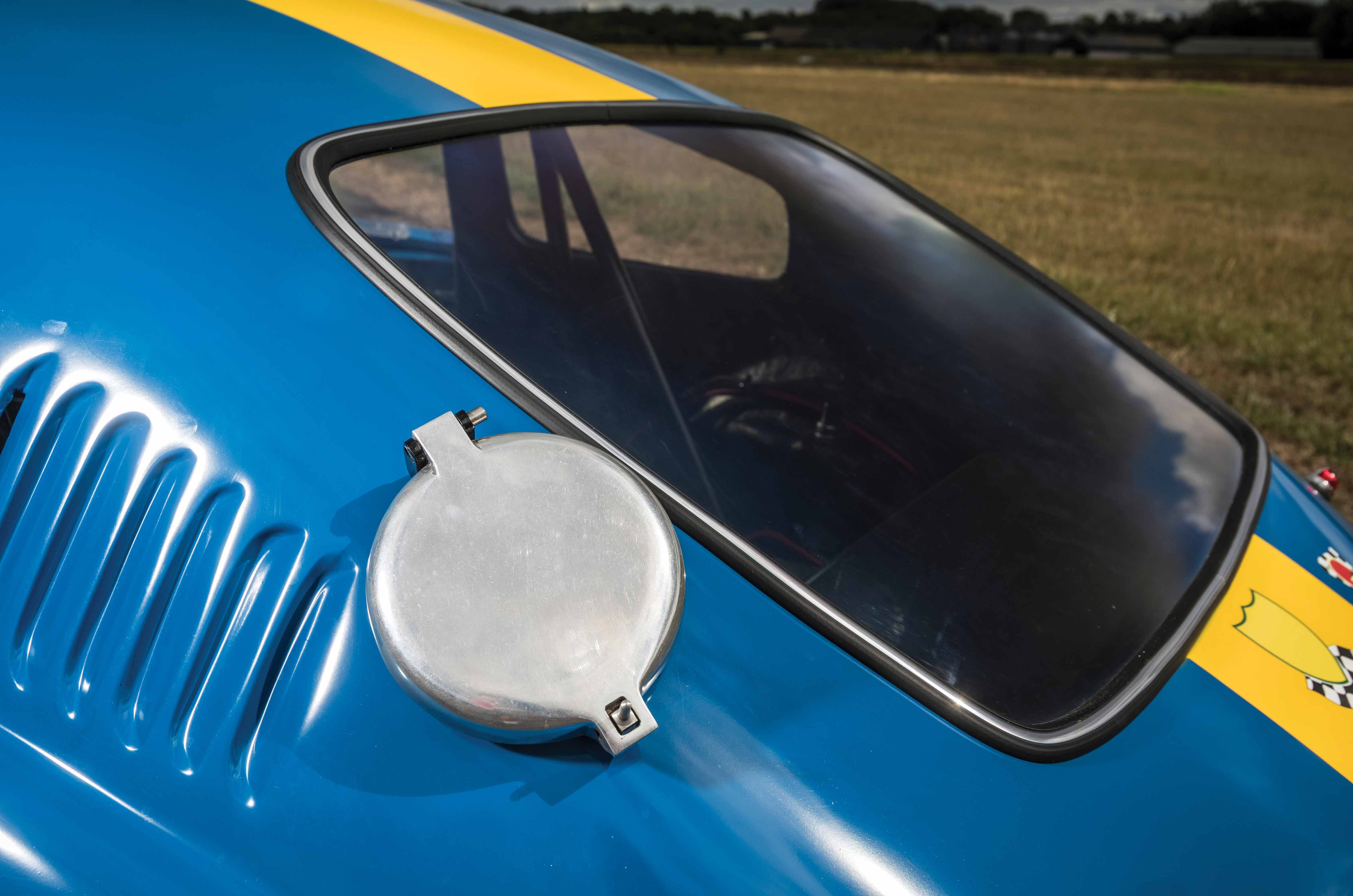
Finding a perfect fit for the Mini Marcos’ missing fuel cap turned out to be a rather expensive process

Other items were more difficult. The extra-large hole for a fuel filler was another point that identified the shell as the Le Mans car, but the actual fuel cap was a mystery.

Years were spent down a blind alley researching those of French trucks, before Jeroen measured the fuel cap of a Ferrari 250GT SWB at a car show.

He then contacted well-known 250 owner Nick Mason for help in finding one, who responded: ‘Sorry to say, I’m right out of spare filler caps! They’re not exactly a consumable.’ 

But Nick did point Jeroen in the direction of someone who had one for sale, and the fuel cap became one of the costliest components on the entire car.

Classic & Sports Car – Mini Marcos: the little racer that took on Le Mans

This Mini Marcos has long Le Mans gearing, which makes it awkward below 30mph

The only survivor of the Le Mans crew during the rebuild (although he died in 2021) was team owner Hubert Giraud, whom Jeroen visited in Paris in 2018.

Then 81, Giraud still had many of his original notes, invoices and photos of the Marcos, and was able to answer questions such as the origins of a mysterious pipe used to fill the hole for the deleted passenger windscreen wiper: it was a random piece from a local plumbing shop that just happened to fit.

In the summer of 2025, almost nine years after finding the car, the rebuild was complete.

We intercepted the Marcos as Jeroen attended a couple of Mini shows in the UK, finding the revived racer on the disused taxiway of a small airport in Herefordshire.

Classic & Sports Car – Mini Marcos: the little racer that took on Le Mans

Around 90bhp was coaxed from the Mini Cooper ‘S’ powertrain for Le Mans

Here Jeroen admits to the two points on the car that have knowingly diverged from its original state: the rear ’screen should have a slight convex curve to it, but is actually flat (saving a disproportionate amount of money); and Jeroen has added a silencer to the exhaust.

“The first time I started it up, it was worse than any of the planes here,” he laughs. “I couldn’t drive it, really!”

Weighing around half a ton, the Marcos is pushed about for its first few photos, but when it finally fires, it is far from quiet: the normally genteel A-series has adopted a raucous bark.

All the more so in the untrimmed cabin, which allows the noise to bounce around, although once moving the whine of the straight-cut gears overwhelms even the sound of the engine.

Classic & Sports Car – Mini Marcos: the little racer that took on Le Mans

The story of the Mini Marcos’ remarkable revival is almost as enthralling as the tale of its 1966 Le Mans outing

With such long gearing, you’re slipping the clutch in first until at least 10mph and the car is a pain below 30mph.

Adding further difficulty is the fact that the pedalbox is so tight that it’s racing shoes or nothing.

Being fresh out of motorsport footwear, I’m having to hold a heavy clutch pedal, fashioned from a sharp piece of metal, while wearing only socks on my feet.

Frantic, noisy, uncomfortable and hot, even when driving well off race pace, it’s scarcely believable that two people shared 24 hours in the cockpit of this car, no doubt having to constantly check the rear-view mirror for a near-200mph GT40 barrelling up behind.

Classic & Sports Car – Mini Marcos: the little racer that took on Le Mans

Owner Jeroen Booij with his completed Marcos; all 139 radiator-cooling holes, which had to be re-drilled

Still, the bored-out A-series delivers impressive torque that copes with the mighty gearing.

The car still feels quick and, with its astonishingly low height, it is exceptionally nimble.

“To finish it off, after all the years I’ve had it and worked on it, feels odd for me,” Jeroen reflects. “I always saw it as a project. Like one of my books, perhaps, rather than an actual car.”

Jeroen is happy to keep the Marcos for now and would particularly like to see it do a demo lap at Le Mans, but reasons that he will eventually sell it, saying: “It has been part practical, part detective passion.

“For me, 90% of this car is its story. That’s what I’ve enjoyed most.”

Images: Tony Baker

Thanks to: Shobdon Airfield


READ MORE

Bristol 450 Le Mans: racer reborn

Mini Cooper ‘S’: the full works

Marcos Mantara, GTS and Mantis: forgotten heroes