Marcos Mantara, GTS and Mantis: forgotten heroes

| 21 Aug 2025
Classic & Sports Car – Marcos Mantara, GTS and Mantis: forgotten heroes

Another day, another Marcos revival.

We have been here before, and the stale whiff of déjà vu lingering over each rebirth is all too familiar.

Back in the day, we laughed, we cried, we had a good time and we said our goodbyes. Time to move on. Time to go gracefully.

But that’s never been part of the Marcos mantra.
Classic & Sports Car – Marcos Mantara, GTS and Mantis: forgotten heroes

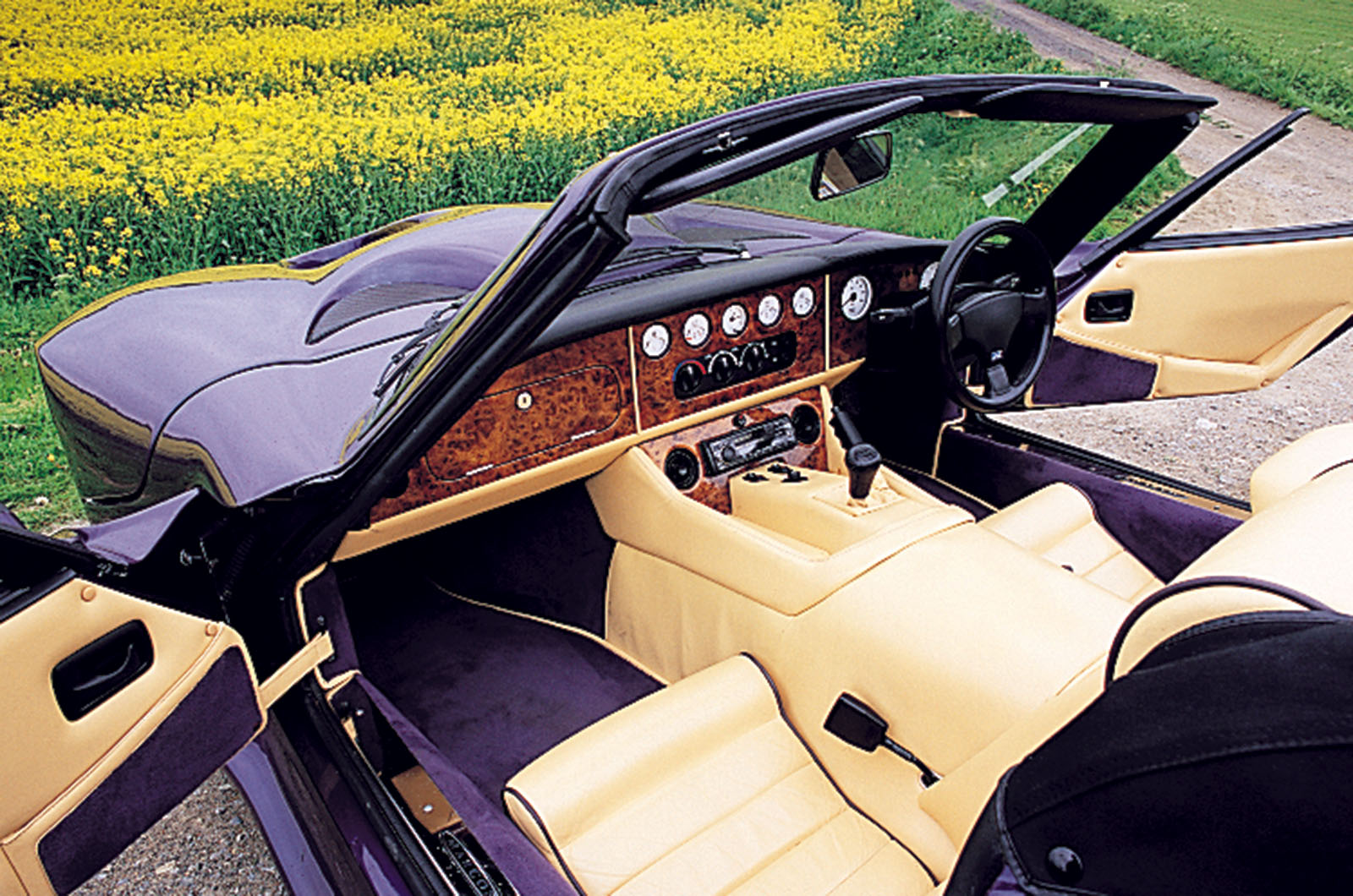
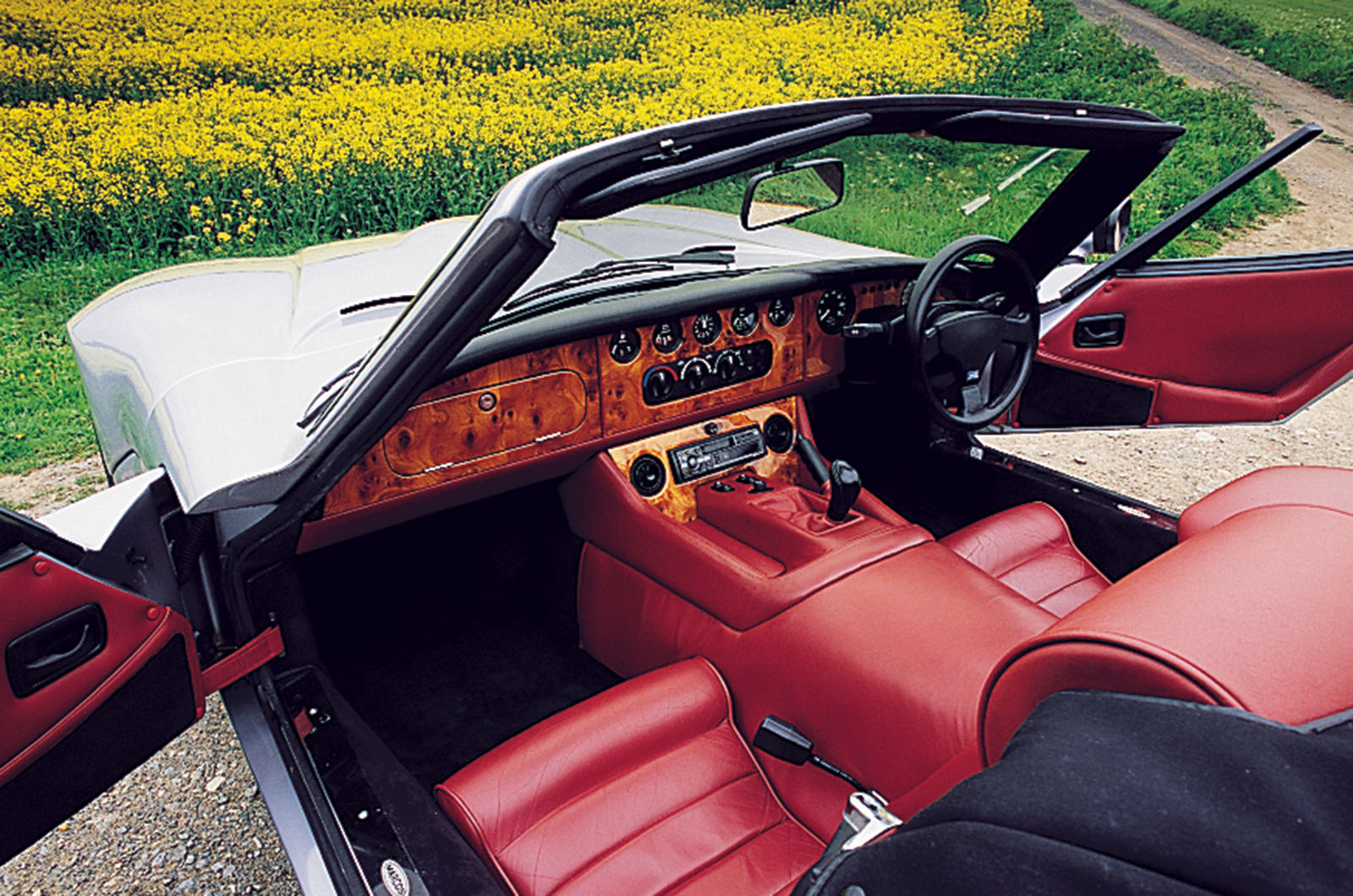
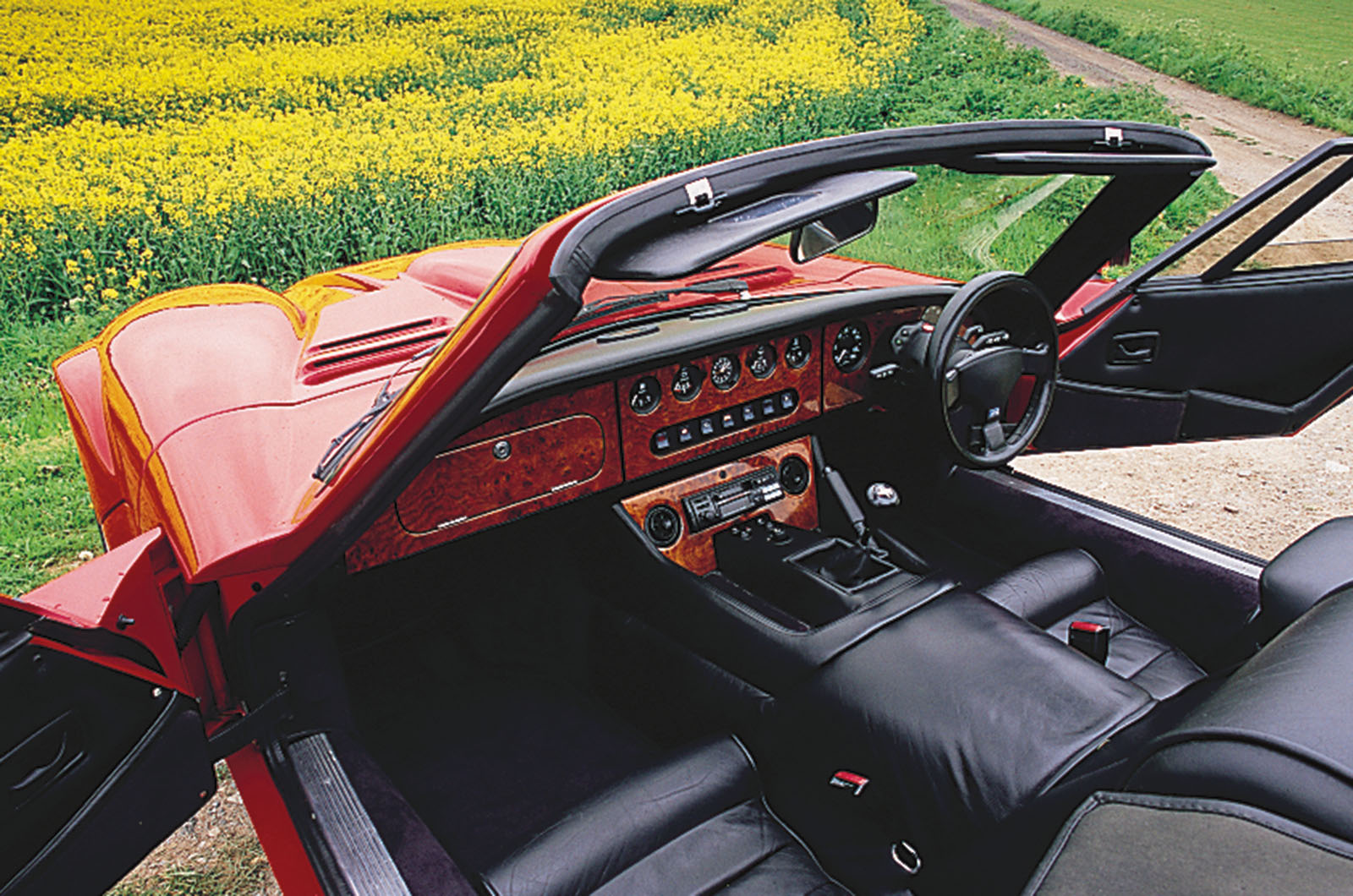
The Marcos Mantara’s cabin is snug, but the fit and finish are impressive for a low-volume car

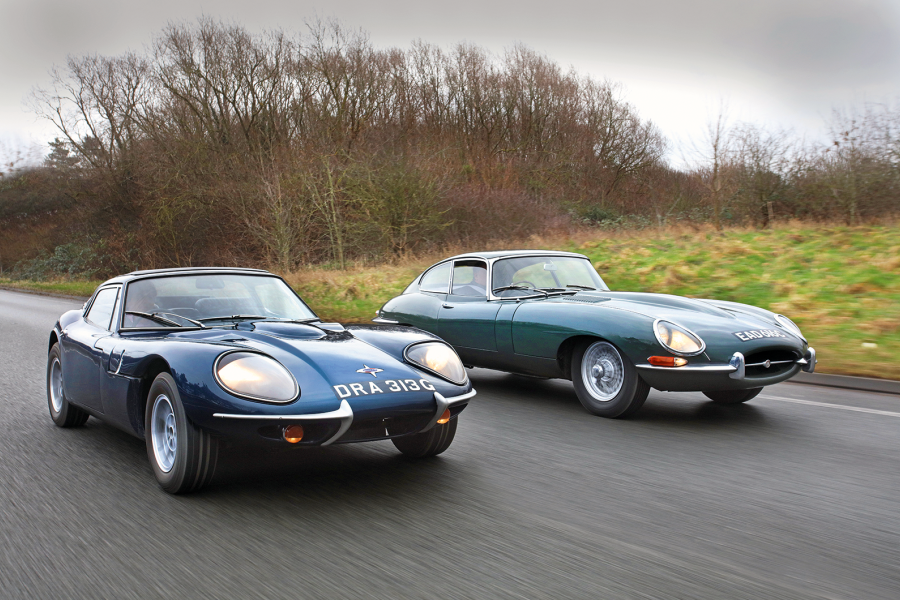
Largely through marque instigator Jem Marsh’s exceptional ability to convince investors to share his vision, Marcos has cheated death time and time again, but not necessarily with credibility intact.

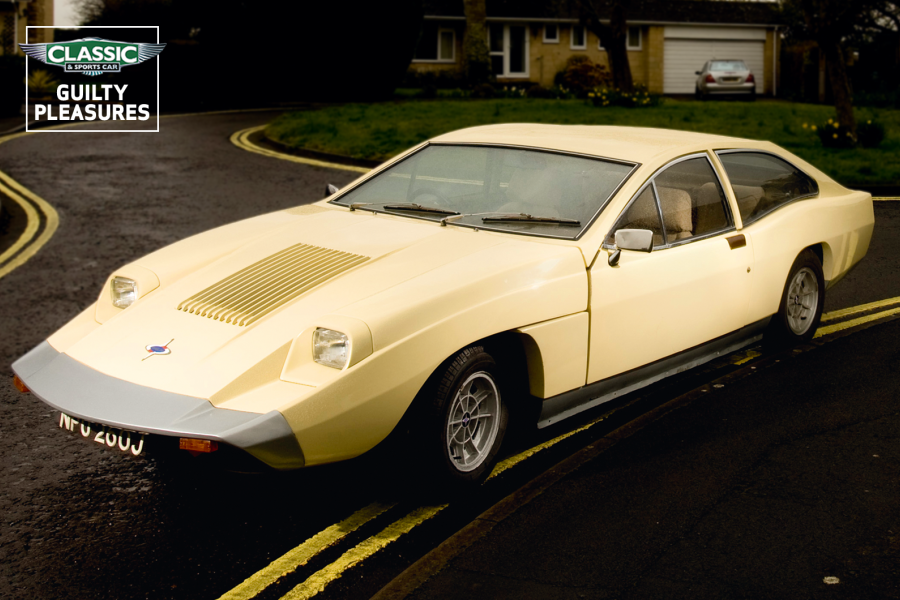
Following its protracted death first time around in 1972, nobody expected a comeback, but Marsh bought back the project rights four years later, and in 1981 the famous, Dennis Adams-designed coupé was quietly reintroduced. 

This is where the semantics start: the distinction between a ‘specialist’ car and a kit car.

During the ’60s, this outlandishly styled machine was offered in turnkey factory-built spec or in component form as a tax dodge, with every last widget being brand new.

Second time around you had to source your own parts, brand new or not.
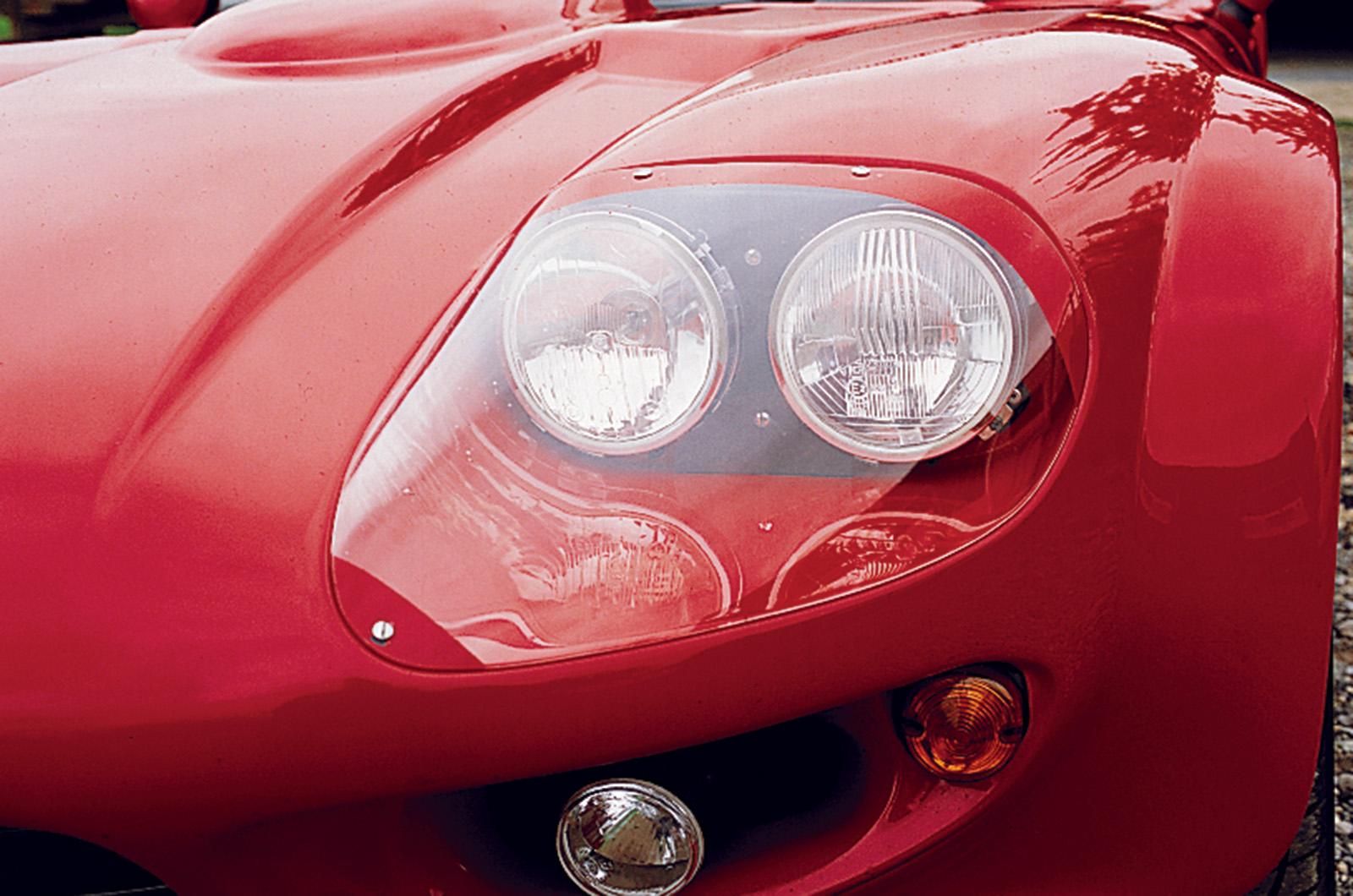
Classic & Sports Car – Marcos Mantara, GTS and Mantis: forgotten heroes

The Marcos Mantara’s headlight lens covers were an optional extra
Even so, it was a minor success, leading to the Rover V8-powered Mantula in 1984 and the why-didn’t-they-think-of-it-before open Spyder in 1986.

Enter Philip Hulme. On arrival at the Wiltshire Nissen huts to pick up his new Mantula, the Computacenter boss made a comment about how nice it must be to make cars for a living.

Having inherited his father’s ability to sniff out a deal, Chris Marsh implied the firm could be for sale, and in 1991 Hulme found himself owning the majority share in Marcos.

Kit production gradually faded as the marque sought to go legit with the Mantara. The arrival of the Limited Vehicle Type Approval regulations in 1993 helped.

A boon for small-scale manufacturers, it enabled the company to build up to 500 cars without the crippling cost of crash testing and other trials.

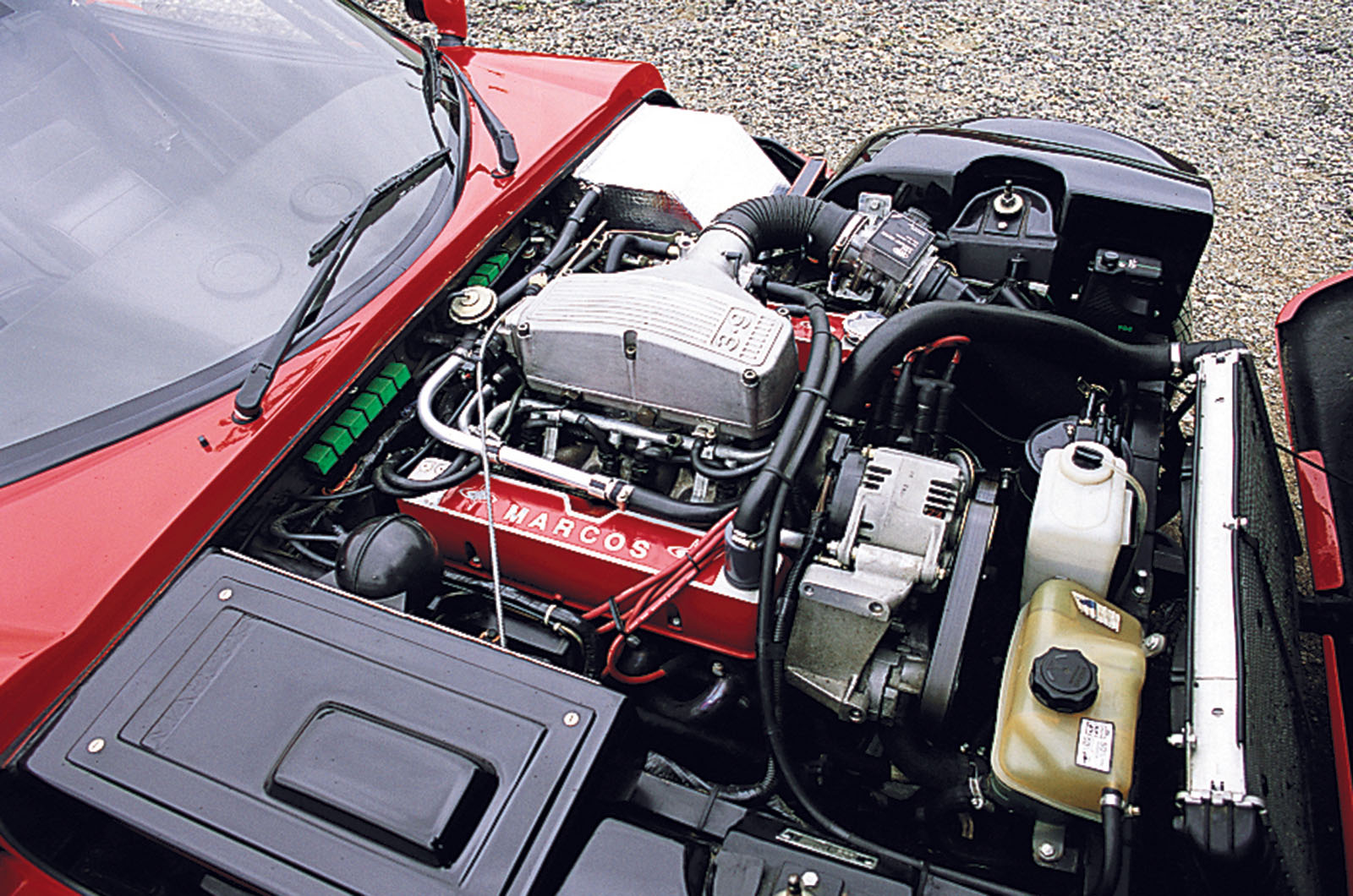
Classic & Sports Car – Marcos Mantara, GTS and Mantis: forgotten heroes

The Marcos Mantara’s 4-litre Rover V8 is a tight fit under the bonnet

Meeting these regulations had a detrimental effect on the one aspect that attracted punters to a Marcos in the first place: the looks. Even so, the slightly lumpier new Mantara set the scene for a raft of new models.

Dennis Adams, the man who had styled the original 1800 in the early 1960s, remained unimpressed: “I have to be careful with what I say because I had a hand in some of them, but the truth of the matter is there’s only so far you can keep chopping and changing the same basic design.

“But then there wasn’t the money, or the willingness to spend it, in creating something new from scratch, and we had all sorts of arguments about how the cars should look.

“My nephew Leigh took over when I left, and he did a pretty good job.

“We have different methods, but he’s practical where it matters – which you needed when you were the size of Marcos back then.”

Classic & Sports Car – Marcos Mantara, GTS and Mantis: forgotten heroes

The Marcos Mantara’s wide track was thanks to its Ford Sierra-derived adjustable MacPherson struts

It was a size that nevertheless didn’t get in the way of ambition.

In an effort to distance itself from the kit-car arena, Marcos went racing. With some success, too.

Armed with the thuggish, Chevrolet-powered LM600, Chris Hodgetts drove to British GT honours in 1996, the same year in which the marque returned to Le Mans, in one of the two factory cars that made it to the finish.

Dutchman Cor Euser continued where the works team left off, tackling the European BPR series and occasionally defeating the hitherto dominant Oreca Chrysler Vipers. It was a remarkable achievement for such a tiny marque.

The problem was that making just 70 or so cars a year, allied to the huge expense of a race programme, didn’t bring much in return.

Classic & Sports Car – Marcos Mantara, GTS and Mantis: forgotten heroes

The Marcos Mantis cabin retained traditional wood and hide

Predictably, the firm crashed in 2001. Euser’s backer Eurotech bought the production rights while talking up plans for global domination.

What happened next was, to some onlookers, more akin to asset stripping. Yet the Marcos brand simply refused to die: Geoff Dosser initiated what became the TS250 before running out of cash.

The most recent revival was down to US multi-millionaire Tony Stelliga.

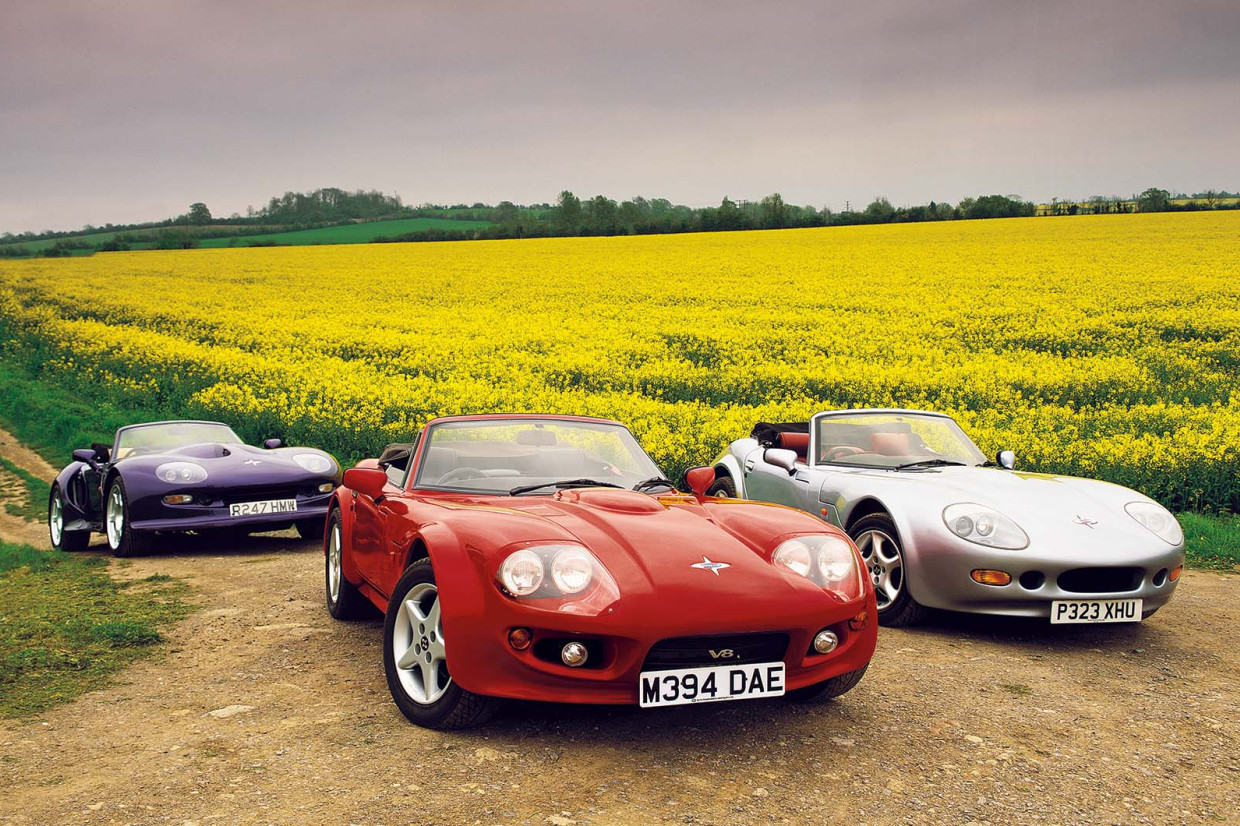
What is certain is that during the 1990s some pretty accomplished machinery rolled out of Wiltshire.

Accomplished as in great fun to drive, commendably screwed together compared with its close rival TVR (all things being relative), and with the bonus of real exclusivity.

Classic & Sports Car – Marcos Mantara, GTS and Mantis: forgotten heroes

The Marcos Mantis was based on the LM GT racer, with styling modifications by Leigh Adams

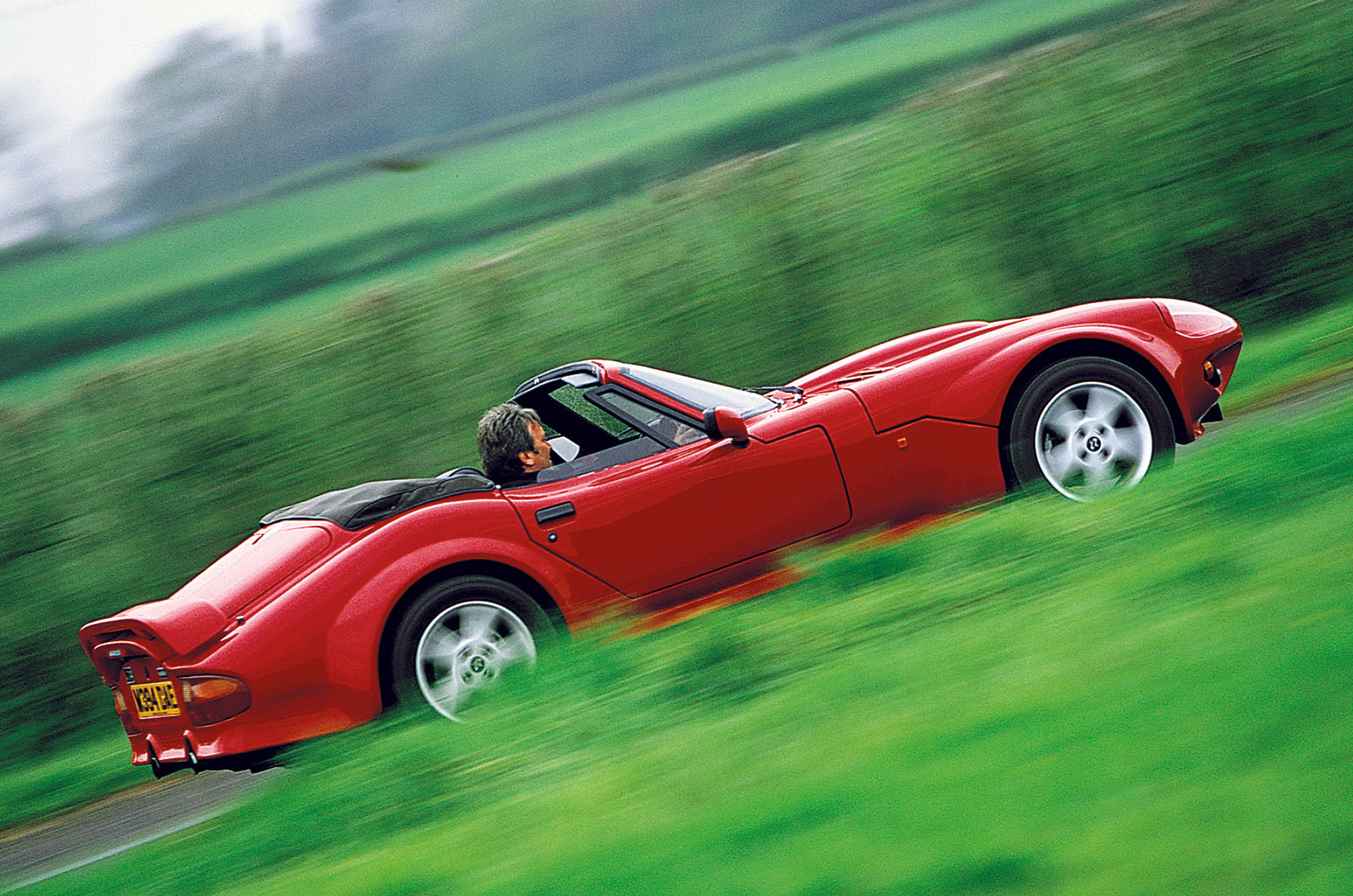
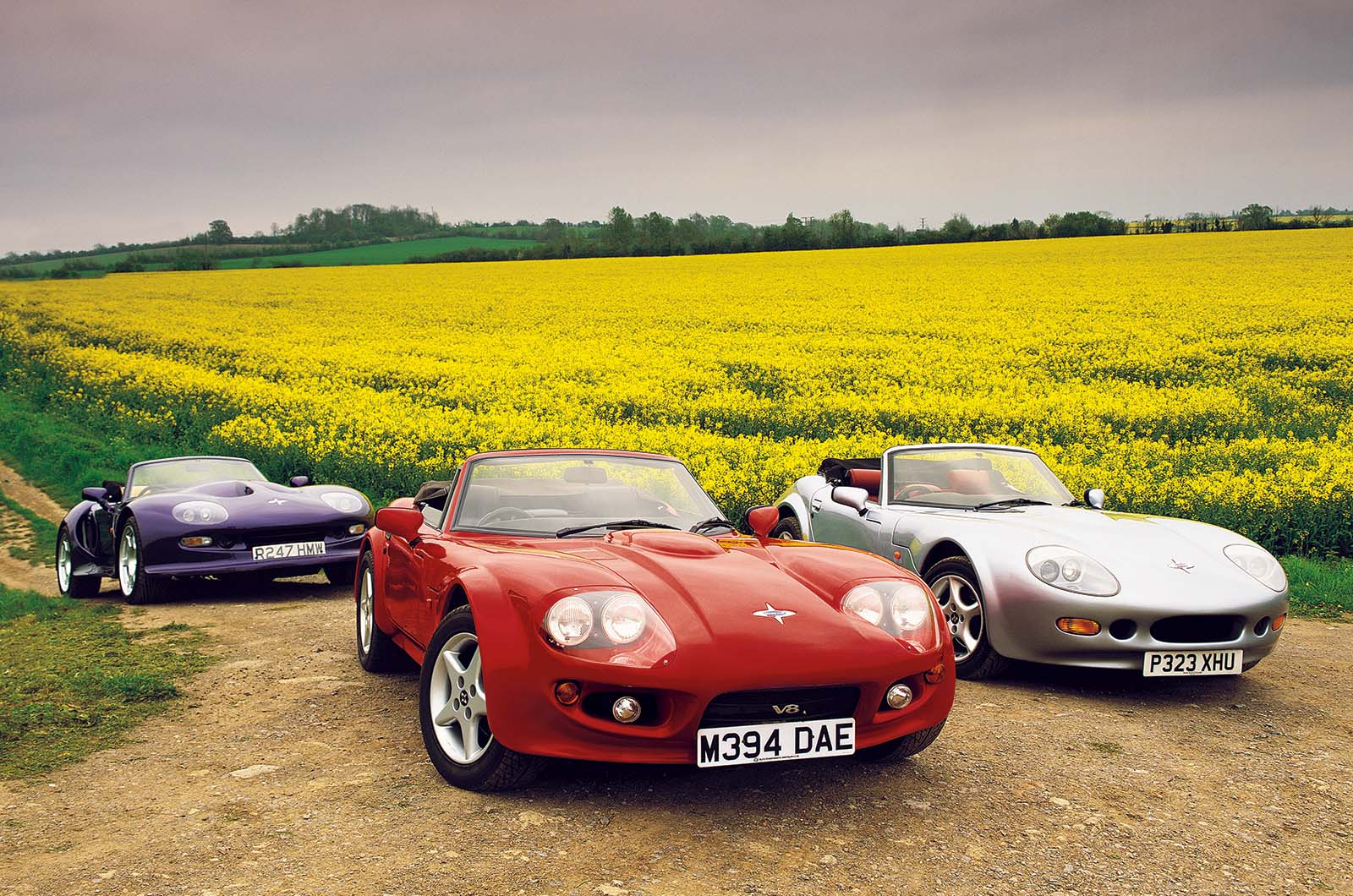
Of all the 1990s strain, the Mantara is the tamest, but it’s none the worse for that.

Here with the 3.95-litre, 190bhp Rover V8 (outputs of up to 320bhp from 4.6 litres were available), under the glassfibre skin the steel spaceframe of old remains, but with all-round independent suspension.

It’s a mixture of Ford Sierra-derived adjustable MacPherson struts at the front and unequal-length wishbones at the rear.

The wider front track over the earlier Mantula (57in), allied to the height of the strut towers, necessitated those sizeable wheelarch extensions (the rear track was widened to 55in).

Classic & Sports Car – Marcos Mantara, GTS and Mantis: forgotten heroes

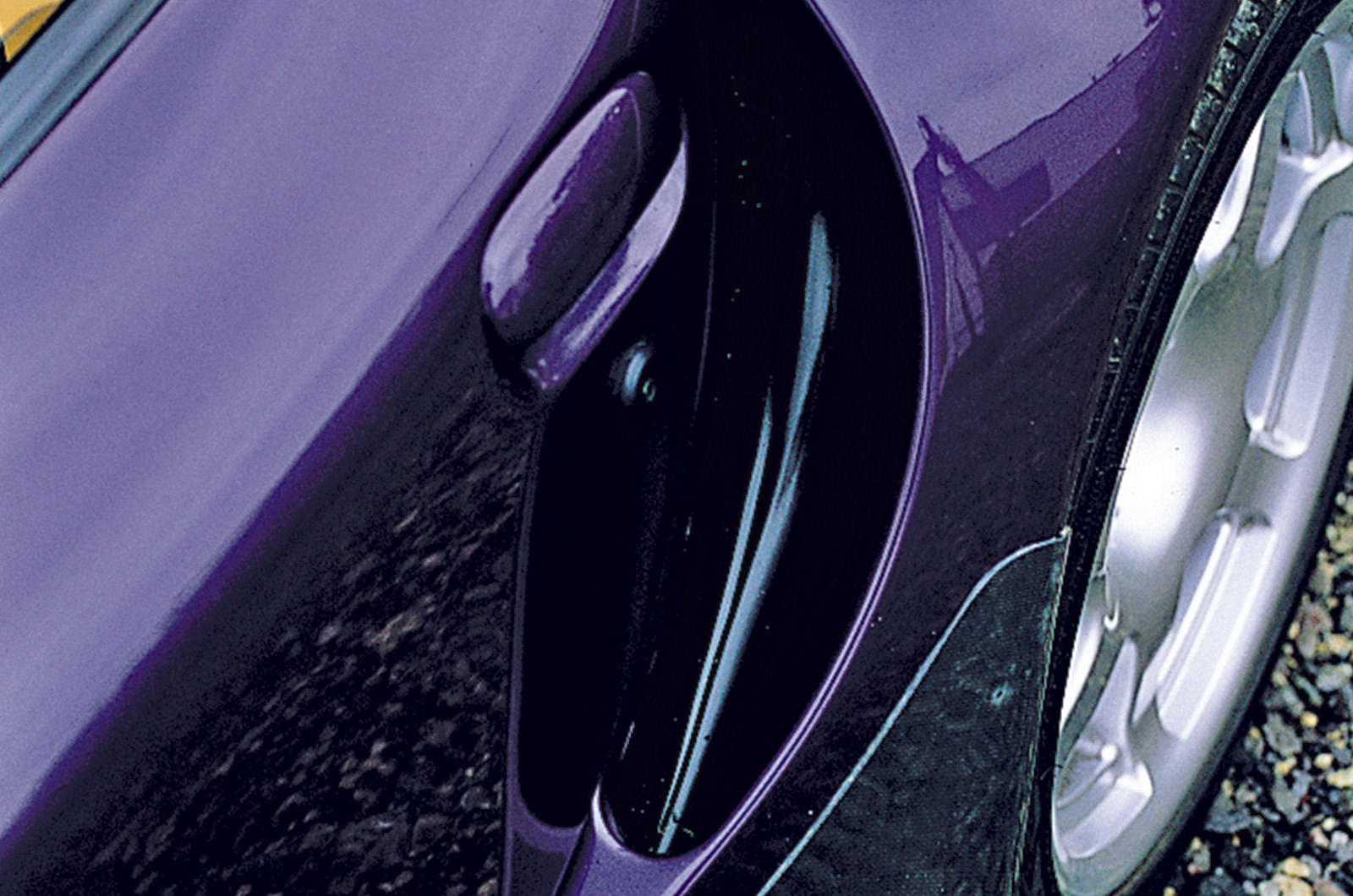
The Marcos Mantis has huge vents incorporated into its bulging bodywork

But the biggest deviation over the ‘classic’ Marcos shape has to be the heavily recessed headlights: Perspex covers were a £76.38 optional extra on top of the £24,904 list price back in 1993.

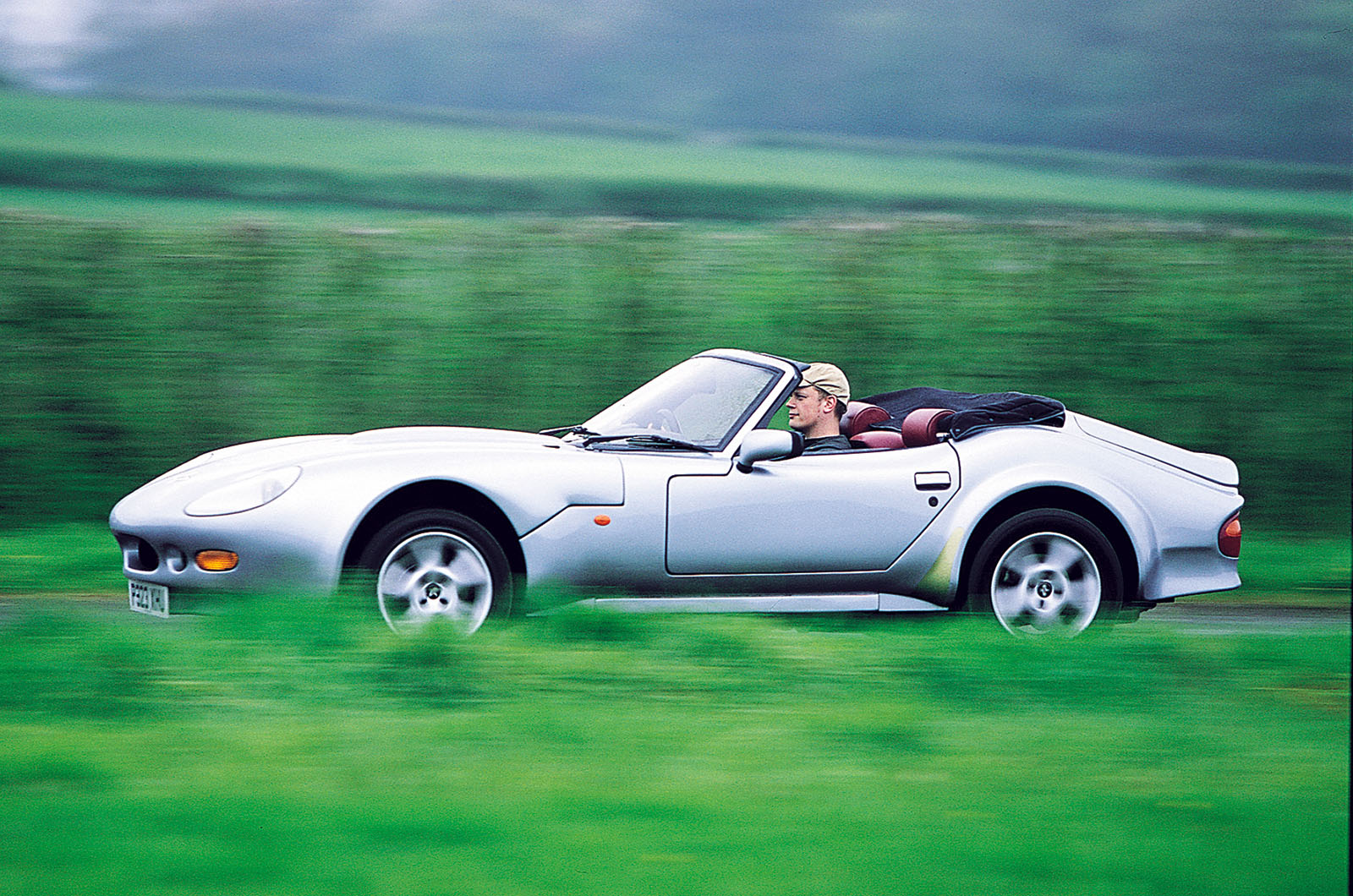
The overall effect isn’t exactly pretty, but nor is it lacking in character. And it’s smaller than you might think, looking a little more wieldy than a TVR Chimaera.

Inside, there’s ample veneer, Wilton carpet and nicely trimmed leather (a £934 extra).

In time-honoured tradition, the seats are fixed, but the pedals are adjusted by a switch under the dashboard.

Despite the width of the transmission tunnel, and the proximity of the doors, it’s comfortable enough, and the reclined driving position is racer-like.

Classic & Sports Car – Marcos Mantara, GTS and Mantis: forgotten heroes

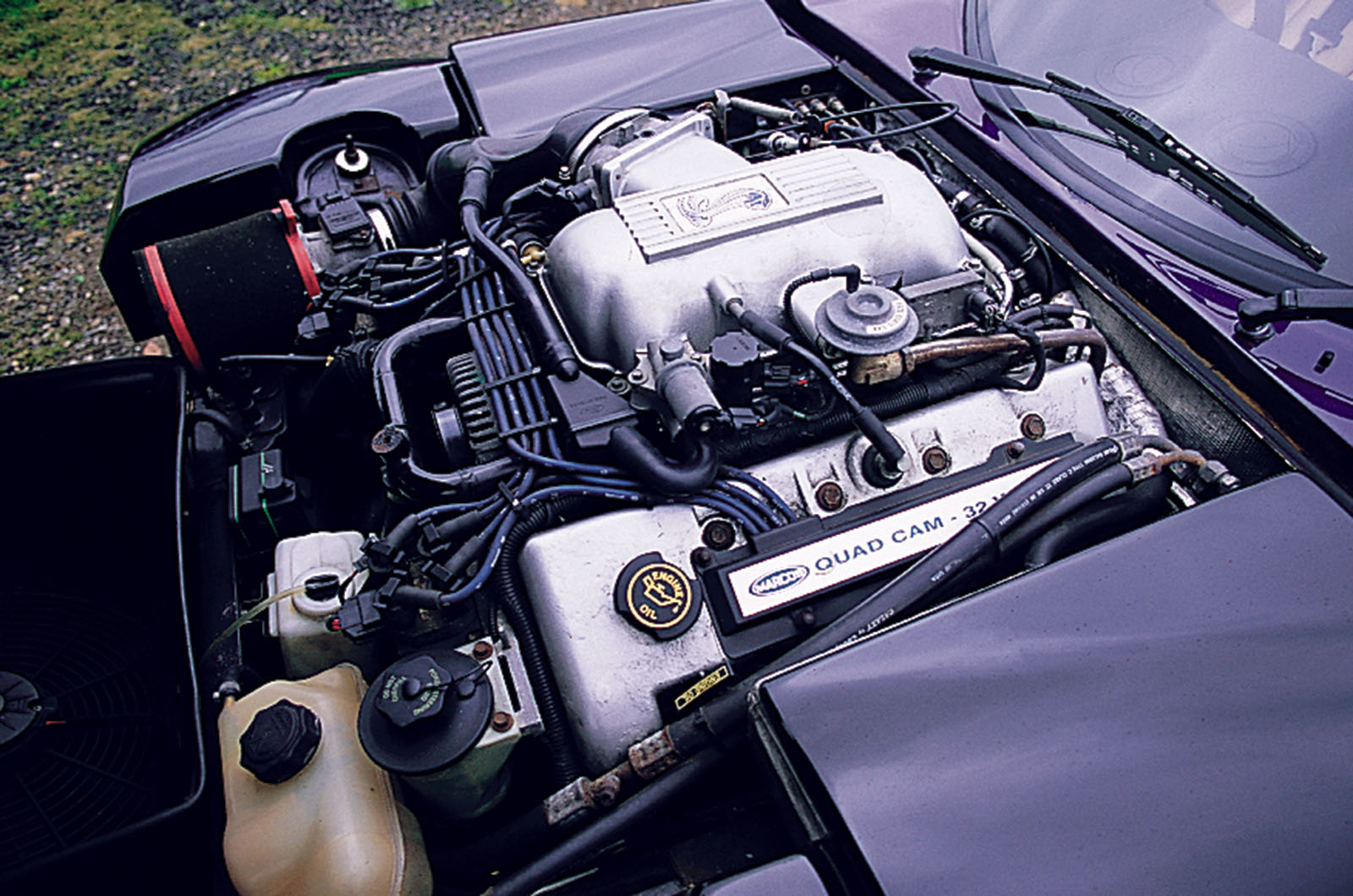
The Marcos Mantis has a quad-cam Ford V8

The instruments are easily legible, countersunk in line with LVTA, but the proprietary switchgear cheapens the effect a little.

This is a car with genuine cruising ability, geared for nearly 28mph per 1000rpm in top.

The ride is surprisingly smooth and there’s little scuttle shake, and the Mantara is only unsettled on badly scored asphalt; aside from that it’s as honest as they come.

Without power-assisted steering on this example (that was another £958), manoeuvring at parking speeds is a chore, but the rack-and-pinion set-up loads up nicely and you can exploit the car’s deft balance at speed.

It really takes provocation to get the back to unstick.

Classic & Sports Car – Marcos Mantara, GTS and Mantis: forgotten heroes

The Marcos 2.0 GTS Spyder’s leather interior cost nearly £2k new

Such is the torque spread, you can pretty much leave it in the higher gears most of the time – perhaps as well, because the Rover ’box is a touch notchy.

The all-round disc brakes are capable, meanwhile, although they lack initial bite. Overall, though, this is a hugely enjoyable driving experience.

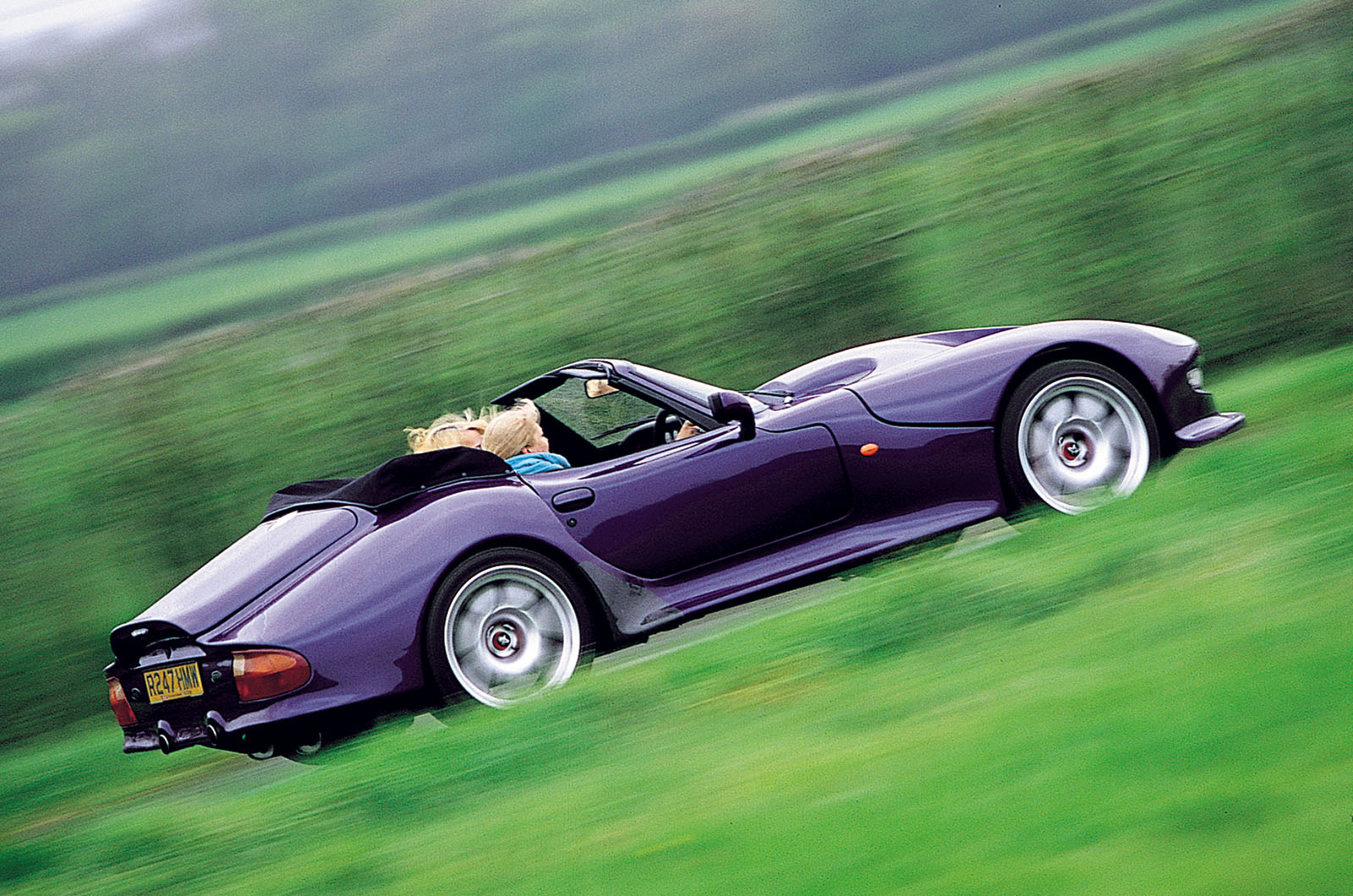
But it’s no Mantis. With a mighty 350bhp of quad-camshaft, 32-valve Ford Mustang Cobra V8 power and Leigh Adams’ styling revisions, the Mantis is not the last word in subtlety – but it is magnificent.

In 1997 this was £43,995-worth of muscle car, capable of 0-60mph in 5.2 secs and 154mph.

The reworked but still familiar outline is only partially successful, yet it’s more cohesive than the monstrous LM road-racers on which it’s based.

The cabin is much the same as before – wood and leather trim, with all the toys – but the view ahead through the mass of bonnet bulges and scoops is not.

Classic & Sports Car – Marcos Mantara, GTS and Mantis: forgotten heroes

The Marcos 2.0 GTS Spyder’s styling revisions included a new bonnet

Sharing its underpinnings with the Mantara, apart from adjustable Konis, the ride remains fairly pliant – with good pottering-speed bump-absorption – yet the low ride height requires you to plot a course through ruts and camber changes.

With power assistance the steering remains light despite the extreme rubber (235/40 ZR17 Bridgestones up front, 255/ZR18s to the rear), but just 2.6 turns from lock to lock ensures accuracy. And it’s very, very fast.

Thanks to the short-throw Ford ’box and surprisingly gentle clutch, power is deployed evenly with genuine ease and near refinement.

There’s no driveline shunt, just an unbridled release of power up to the 6000rpm redline.

On rain-sodden Wiltshire back-roads playtime is soon over, but you’re still surprised at just how obedient the Mantis is – even in the wet.

Classic & Sports Car – Marcos Mantara, GTS and Mantis: forgotten heroes

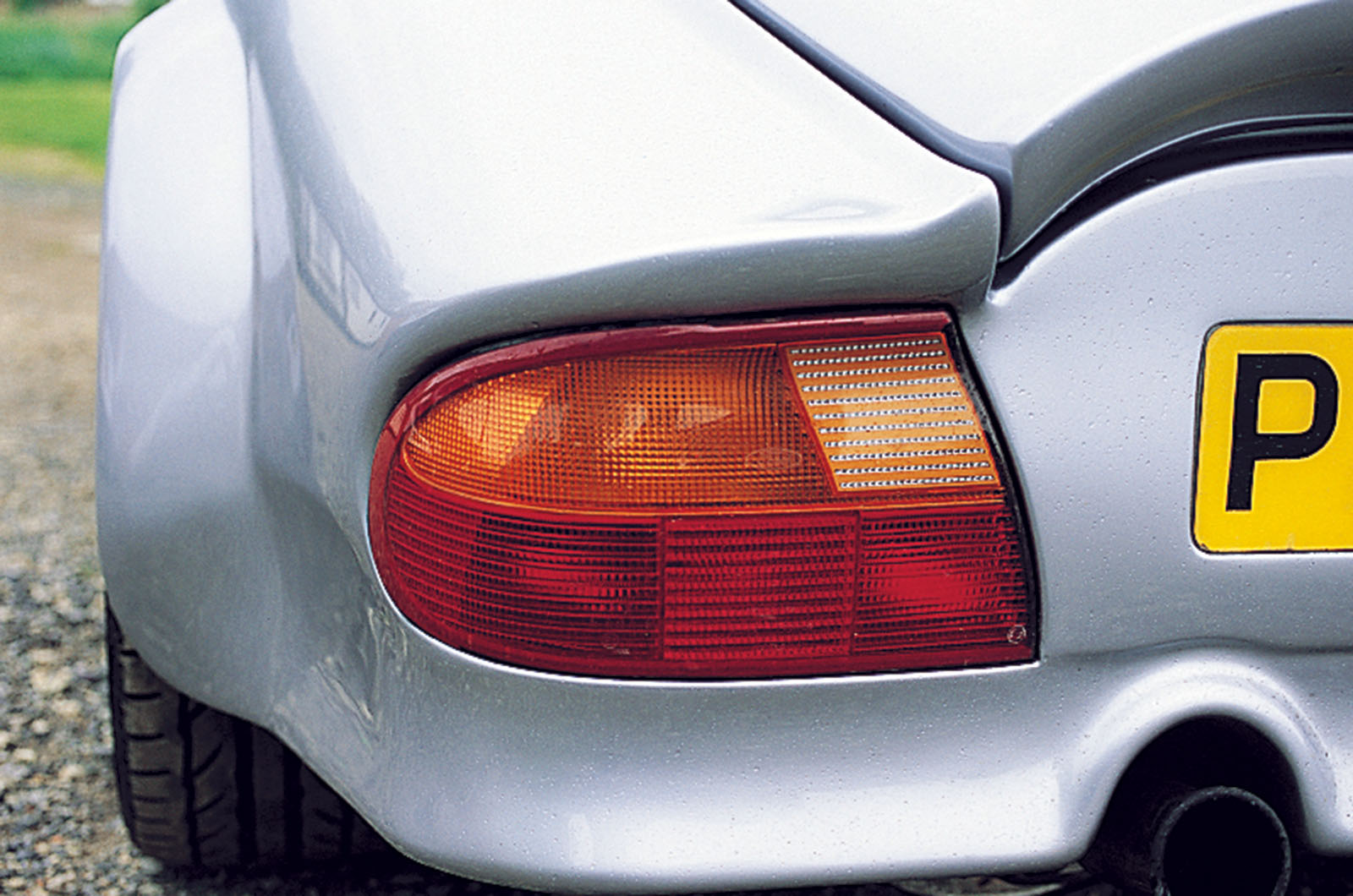
Ford Mondeo tail-light clusters are neatly integrated on the Marcos 2.0 GTS Spyder

There is a spoiler to the story, though: the 2.0 GTS Turbo.

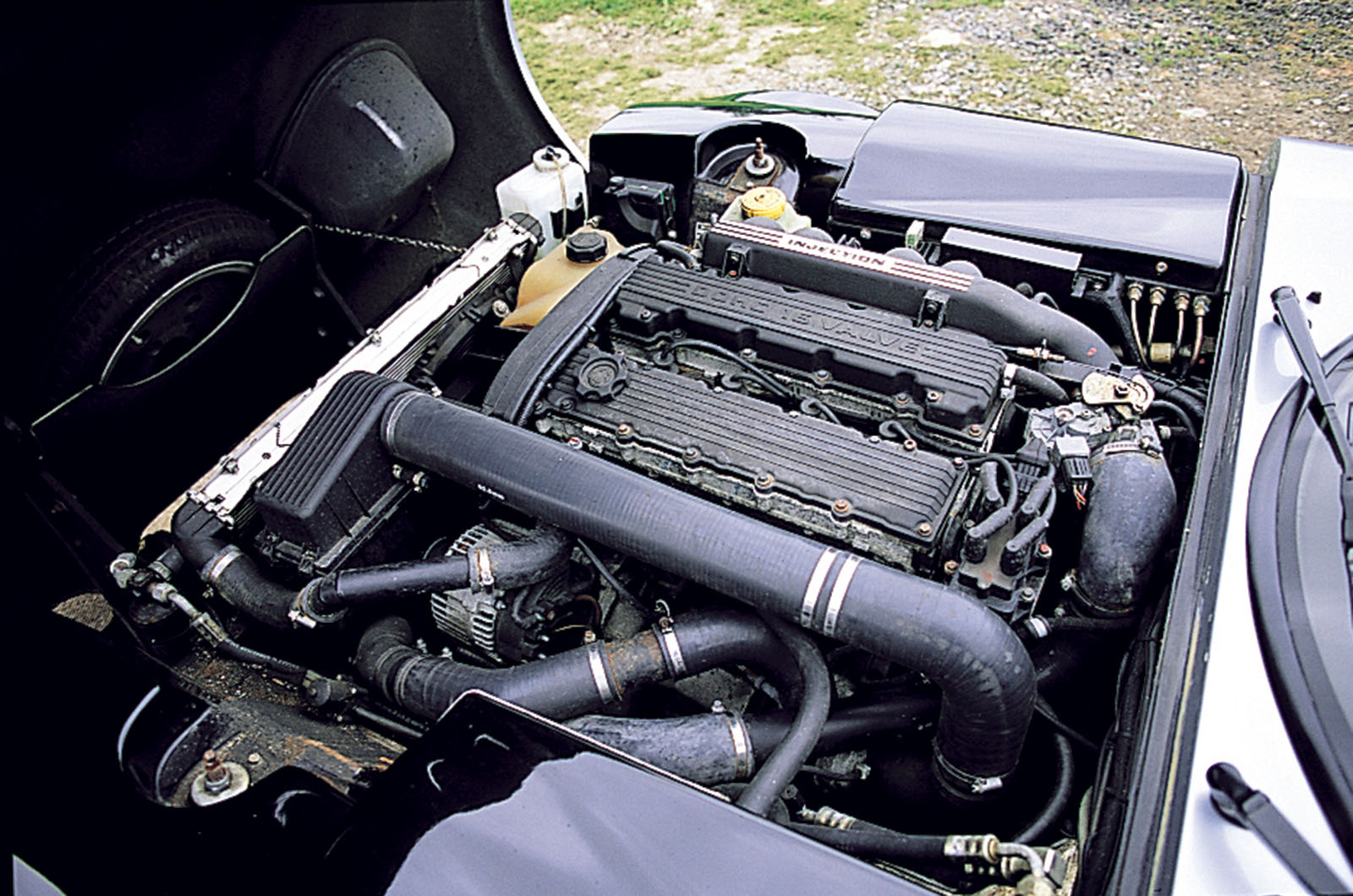
While the V8 cars garnered the headlines when they were new, this Rover T16 turbocharged four-cylinder variant somehow slipped under the radar.

It was principally aimed at the Italian market, where there’s heavy taxation on cars over 2 litres, and just 25 examples were made.

Which is a pity because it’s the best of the bunch. With further styling updates, most noticeably the bonded-in headlights, it looks better, but what impresses more is the way the car performs.

Essentially a re-engined Mantara, weighing almost the same, it has seven more horses and is half a second quicker to 60mph, at 5.5 secs.

Classic & Sports Car – Marcos Mantara, GTS and Mantis: forgotten heroes

The Marcos 2.0 GTS Spyder’s Rover turbo twin-cam ‘four’ has 7bhp more than the Mantara’s V8

This is a car you want to drive hard, and it’s not remotely intimidating.

Just point the nose at a corner and it flies to the next one: there’s negligible understeer on entry and no real oversteer on exit – little roll either, which is testament to the chassis.

And there’s none of the creaking or groaning through the structure that’s par for the course with low-volume sports cars.

What you draw from spending even a short time with these cars is that real thought went into their make-up and execution.

The method doesn’t get too complicated – steel chassis, glassfibre body and a little parts-bin burglary – but they leave you impressed.

Not so much with the way they look – once one of Marcos’ trump cards – but with the way they make you feel: grinning like an idiot while immured in leather and timber, information being telegraphed to contact points with the real world momentarily put on hold.

Images: Tony Baker

This was first in our August 2004 magazine; all information was correct at the date of original publication


Factfiles

Classic & Sports Car – Marcos Mantara, GTS and Mantis: forgotten heroes

Marcos Mantara

  • Sold/number built 1992-’99/137
  • Construction steel spaceframe, glassfibre body
  • Engine all-alloy, ohv 3946cc V8, Bosch L-Jetronic fuel injection
  • Max power 190bhp @ 4750rpm
  • Max torque 235lb ft @ 4000rpm
  • Transmission five-speed manual, RWD
  • Suspension independent, at front by MacPherson struts, lower links rear double wishbones, coil springs, telescopic dampers
  • Steering rack and pinion, optional power assistance 
  • Brakes ventilated front, solid rear discs
  • Length 13ft 1¾in (4005mm)
  • Width 5ft 6in (1680mm)
  • Height 3ft 9¼in (1150mm)
  • Wheelbase 7ft 5½in (2273mm)
  • Weight 2249lb (1020kg)
  • Mpg 19
  • 0-60mph 6 secs
  • Top speed 131mph
  • Price new £24,905 (1993)


Marcos 2.0 GTS Spyder 

  • Sold/number built 1997/n/a
  • Construction steel spaceframe, glassfibre body 
  • Engine iron-block, alloy-head, dohc 1994cc ‘four’, turbocharger and fuel injection
  • Max power 197bhp @ 6000rpm
  • Max torque 240lb ft @ 2100rpm
  • Transmission five-speed manual, RWD
  • Suspension independent, at front by MacPherson struts, lower links rear double wishbones, coil springs, telescopic dampers 
  • Steering power-assisted rack and pinion
  • Brakes ventilated front, solid rear discs
  • Length 13ft 1¾in 4005mm) 
  • Width 5ft 6in (1680mm) 
  • Height 3ft 9¼in (1150mm)
  • Wheelbase 7ft 5½in (2273mm)
  • Weight 2249lb (1050kg)
  • Mpg n/a
  • 0-60mph 5.5 secs
  • Top speed 135mph 
  • Price new £27,850 (1997)


Marcos Mantis

  • Sold/number built 1997-2002/51
  • Construction steel spaceframe, glassfibre body
  • Engine all-alloy, dohc-per-bank 4601cc V8, Ford EEC-V engine management
  • Max power 352bhp @ 6000rpm
  • Max torque 300lb ft @ 4800rpm
  • Transmission five-speed manual, RWD
  • Suspension independent, at front by MacPherson struts, lower links rear double wishbones, coil springs, adjustable Koni dampers 
  • Steering power-assisted rack and pinion
  • Brakes ventilated front, solid rear discs with servo and anti-lock
  • Length 13ft 7¾in (4160mm)
  • Width 6ft 1¾in (1875mm)
  • Height 3ft 4in (1016mm)
  • Wheelbase 7ft 6in (2285mm)
  • Weight 2921lb (1189kg)
  • Mpg 20.1
  • 0-60mph 5.2 secs
  • Top speed 154mph
  • Price new £43,995 (1997)

Enjoy more of the world’s best classic car content every month when you subscribe to C&SC – get our latest deals here


READ MORE

10 unique TVRs

Something Special: the quirky world of low-volume British classics

MG XPower SV vs Shelby Mustang GT: transatlantic battle