
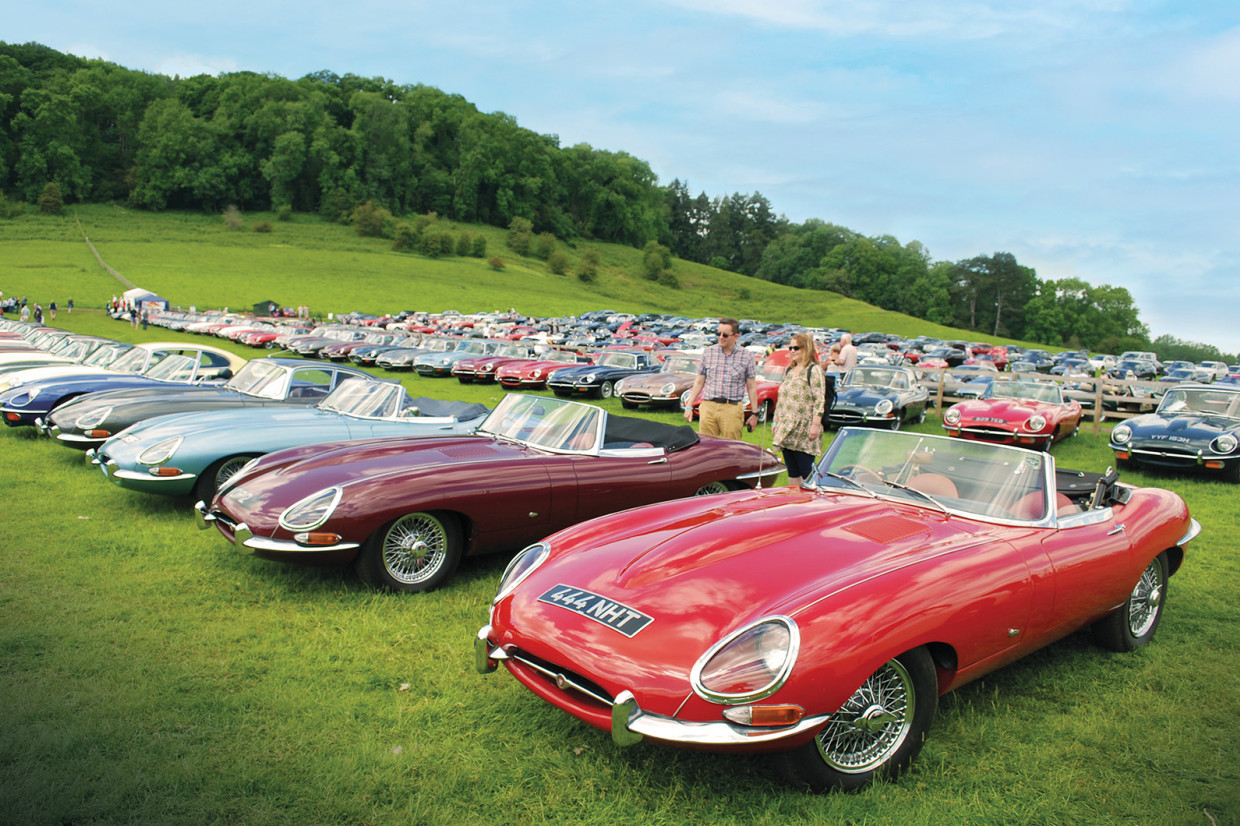
Classic car industry’s health revealed

| 27 Oct 2025
Classic & Sports Car – Classic car industry’s health revealed

The Federation of British Historic Vehicle Clubs published the results of its 2025 National Historic Vehicle Survey during its annual general meeting, held at the British Motor Museum on 18 October.

Undertaken every five years, the survey is an important health-check on the state of the classic car industry and the hobby as a whole in the UK, polling nearly 20,000 enthusiasts, club and trade representatives, and members of the public.

The headline figures show that the sector continues to grow, albeit at a slower pace than that recorded in previous surveys, having risen to represent a total contribution to the UK economy of £7.3bn, compared to £7.2bn in the 2020 results.

That increase is largely driven by internal spending from British enthusiasts, with income from overseas having fallen in the past five years, from £946m to £890m, reflecting the ongoing effects of Brexit.
Classic & Sports Car – Classic car industry’s health revealed

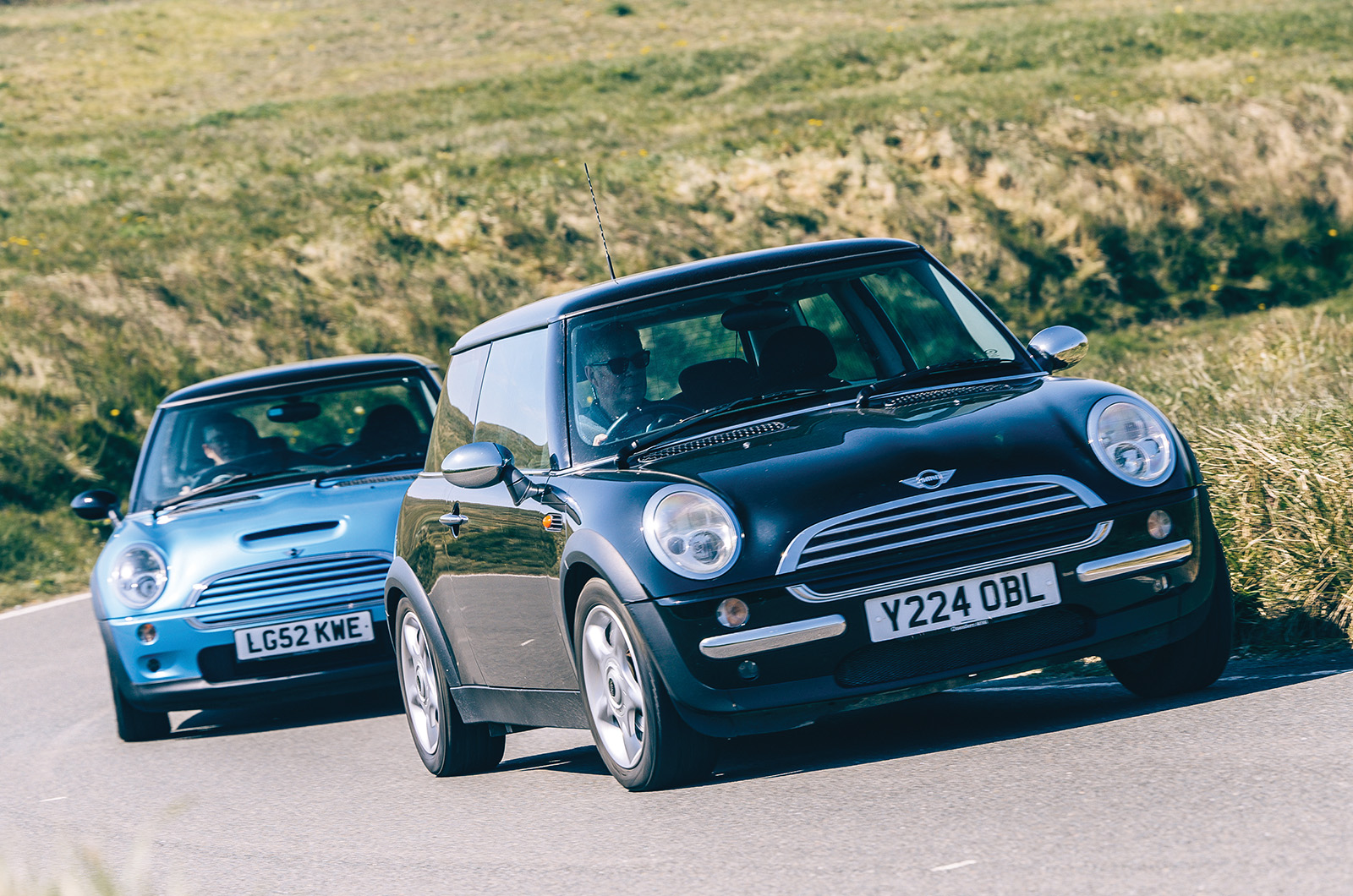
Modern classic cars represent a key area for growth as the remit of our industry expands
A significant risk highlighted by the report is the ageing population of keepers of ‘historic’ vehicles – defined by being those of at least 40 years old – with the average age of the 690,777 owners in the UK (c7000 more than in 2020) now up to 66, between them taking care of a combined 1,974,178 historic vehicles.

There also remains a challenge in terms of diversity, with some 94% of the historic-vehicle movement identifying as ‘white British’ and the survey drawing fewer than 500 female respondents.

These risks are being mitigated by the increase in apprenticeship schemes – now offered by 17% of the 2700 businesses in the industry, and with up to 45% of firms planning to introduce them – and the surge in interest in ‘youngtimers’ (defined as cars of 20-30 years old), with 53% of historic-vehicle enthusiasts (those who aren’t current owners) confirming that they own and drive youngtimers, creating a perfect funnel into future ownership of a historic vehicle.

Classic & Sports Car – Classic car industry’s health revealed

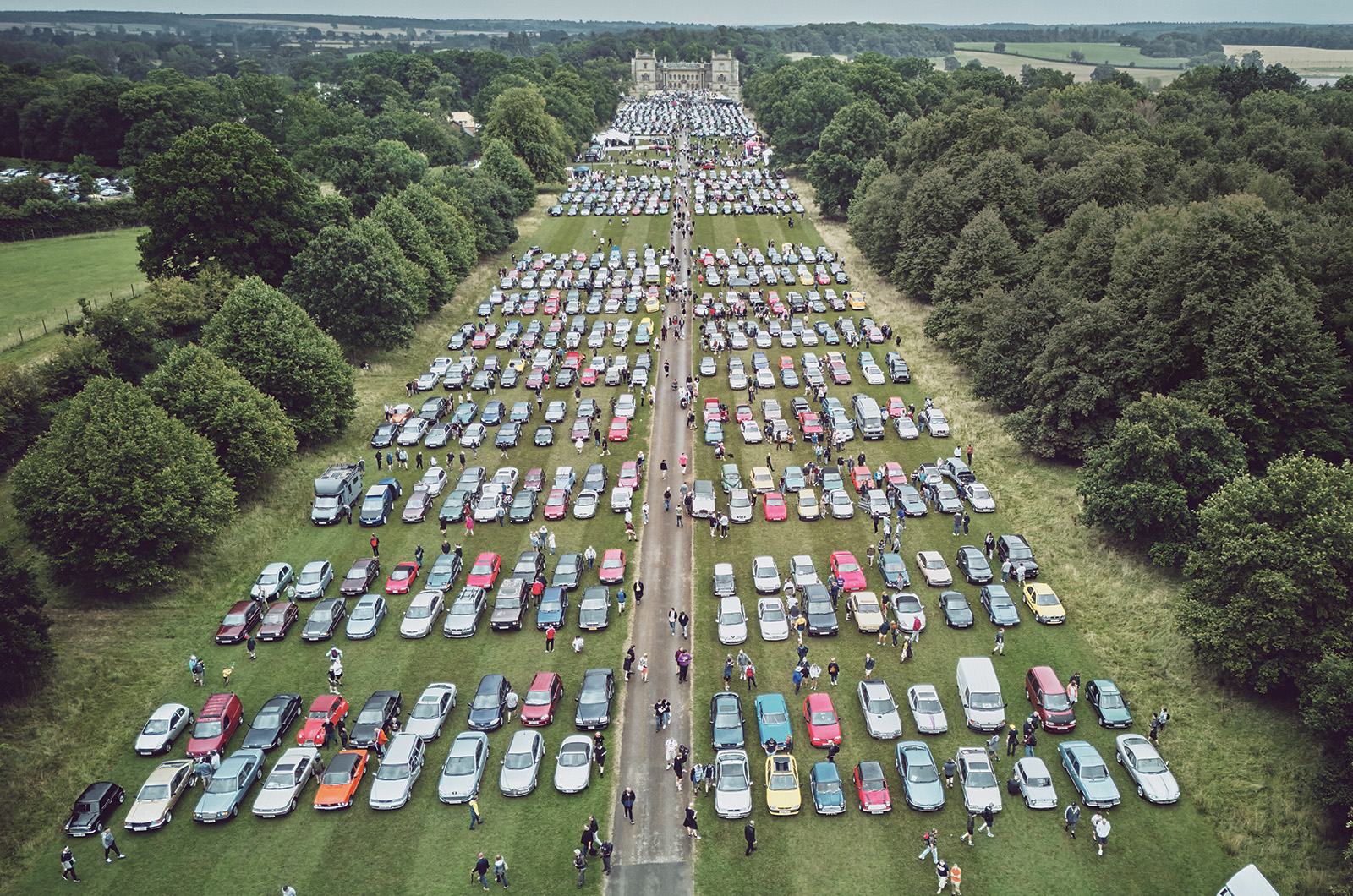
The 2000-plus cars at July’s Festival of the Unexceptional might not all fit into the 40-year-old, ‘historic vehicle’ category, but prove enthusiasm is strong © Matthew Pitts/Hagerty

While the number of people working in the industry (34,500) is only a small increase, the huge expansion in classic gatherings across the country has led to an explosion in attendance, with 4.3m enthusiasts having visited a historic-vehicle event in the past year – up more than 100% from 2020 – and 20% having attended 10 or more.

Despite this, the environmental impact of historic vehicles remains small, with owners covering just 837 miles a year on average, which represents 0.2% of UK road usage.

“This report underlines just how vital the historic-vehicle sector is to Britain’s economy, culture and communities, but we cannot take that success for granted,” says FBHVC chairman David Whale.

“The average owner is now in their 60s, and we urgently need to inspire and train the next generation.” Read the full results at fbhvc.co.uk/research.


Enjoy more of the world’s best classic car content every month when you subscribe to C&SC – get our latest deals here


READ MORE

Toyota Supra vs Nissan Skyline GT-R vs Honda S2000: fast, furious and fantastic

28 fab 1990s coupés

29 luxury cars of the 1930s