The proof of this car being something special is actually at the back, in the boot.
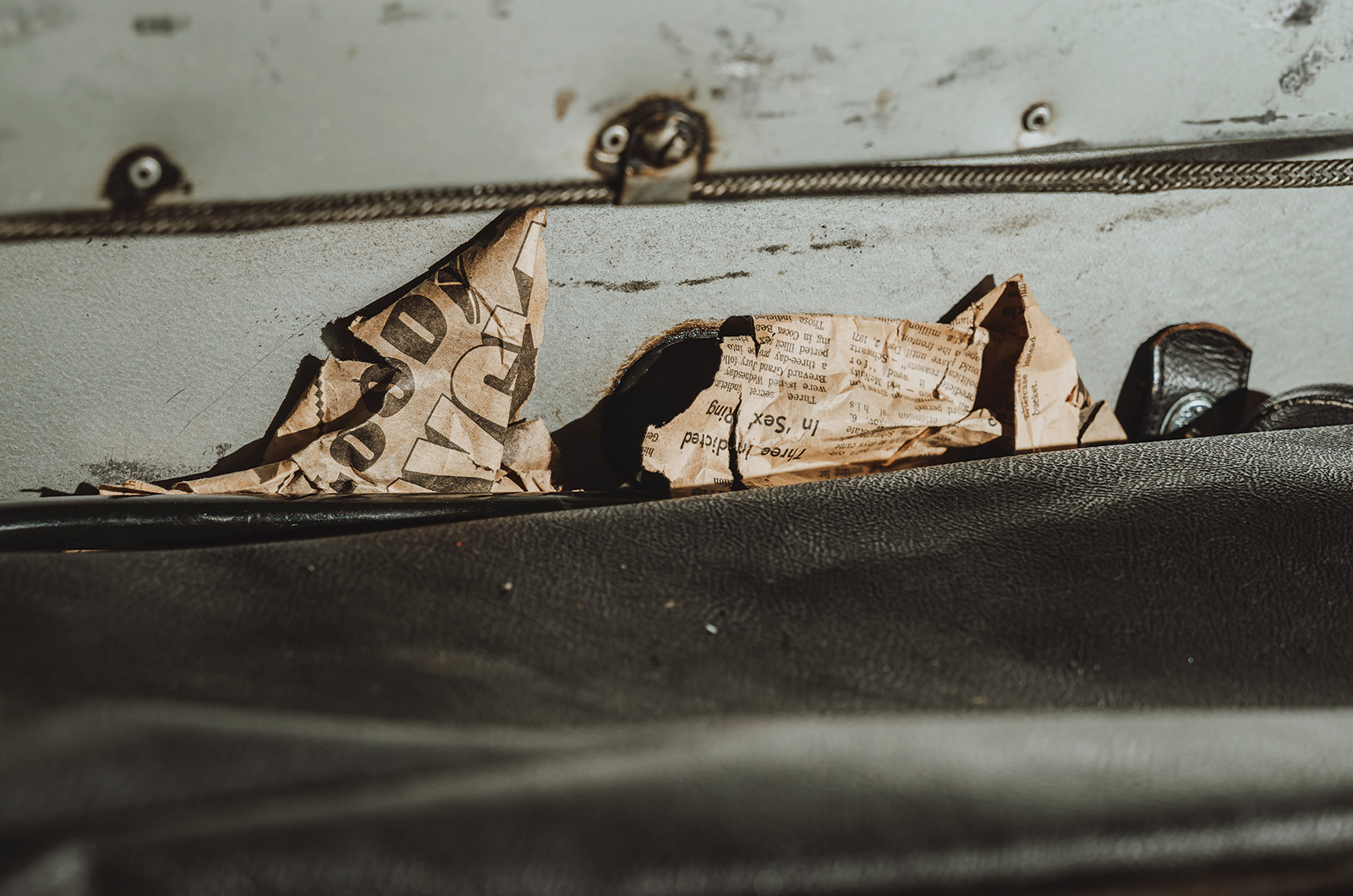
The AC’s roof has been stowed here for decades, and the bars for it are in a homemade protective wrap made from newspaper.
Now yellowed, a couple of exposed folios reveal dates from 1970: the roof, like the rest of the car, has barely been touched for more than five decades.
This AC Cobra 289’s hood is wrapped in a newspaper from 1970
Had someone responded to Robert Lindauer’s classified advert in the July 1965 issue of Car and Driver offering his Shelby Cobra 289 for sale, the world would have been deprived of what has gone on to become one of, if not the most original Cobras left.
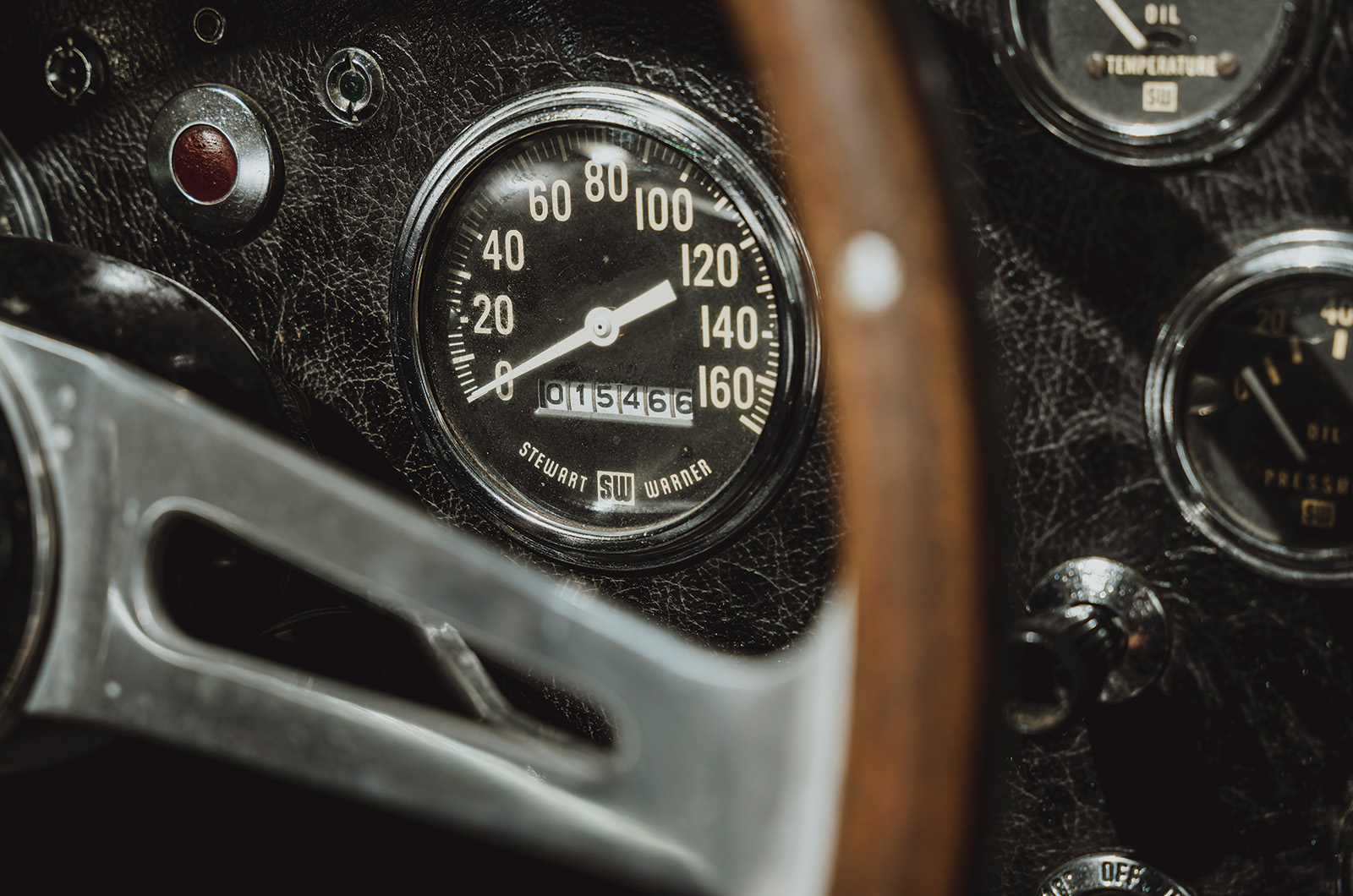
The accident of history, however, that no serious buyers came forward – nor again in 1969 – preserved the car, which shows just 15,466 miles on its odometer more than six decades later.
Famous among model fanatics, the ‘Lindauer Cobra’ is now one of the definitive examples of Carroll Shelby’s much restored, much replicated roadster.
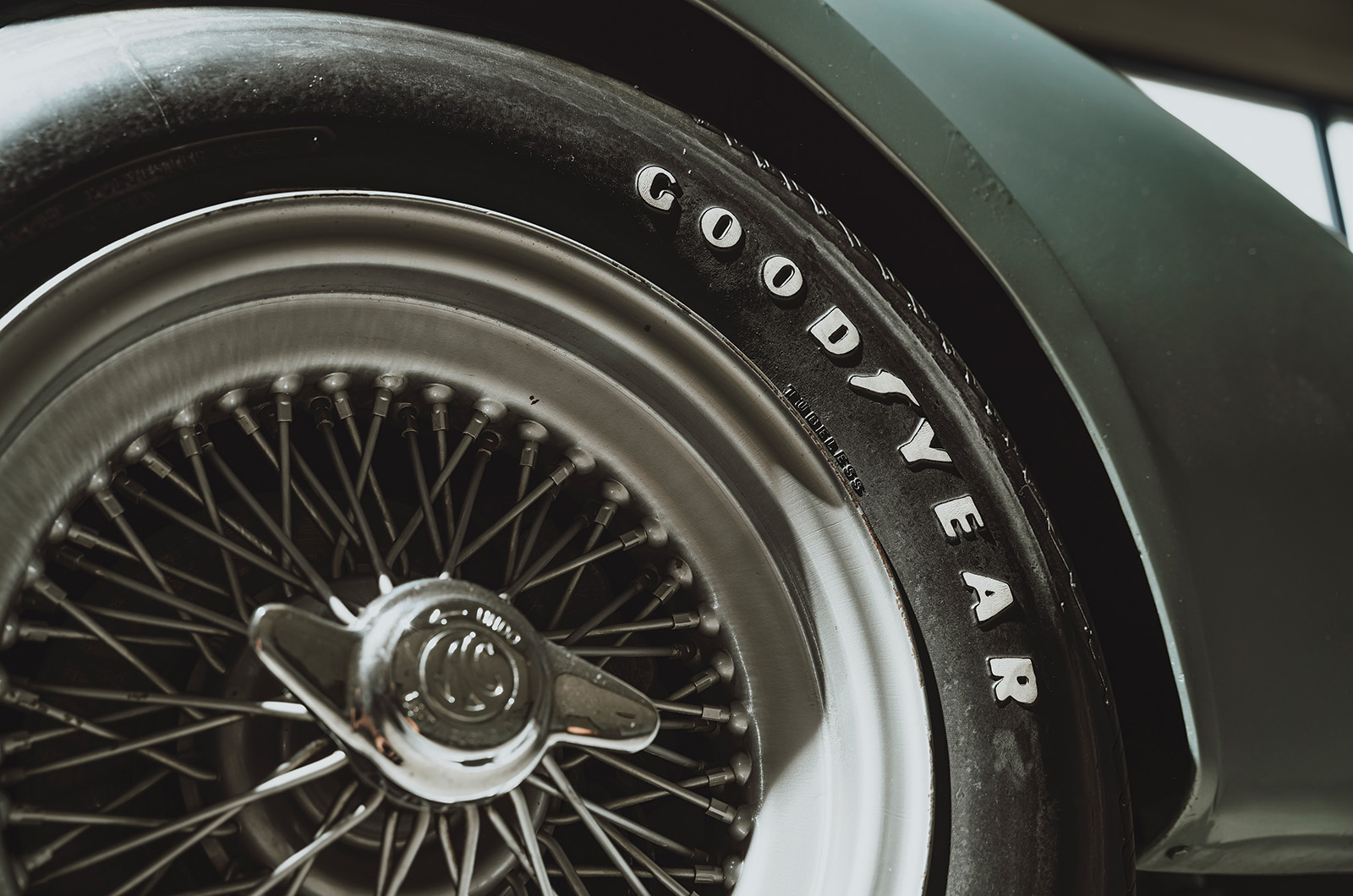
The ‘Lindauer’ AC Cobra 289’s aged tyres must be treated with caution
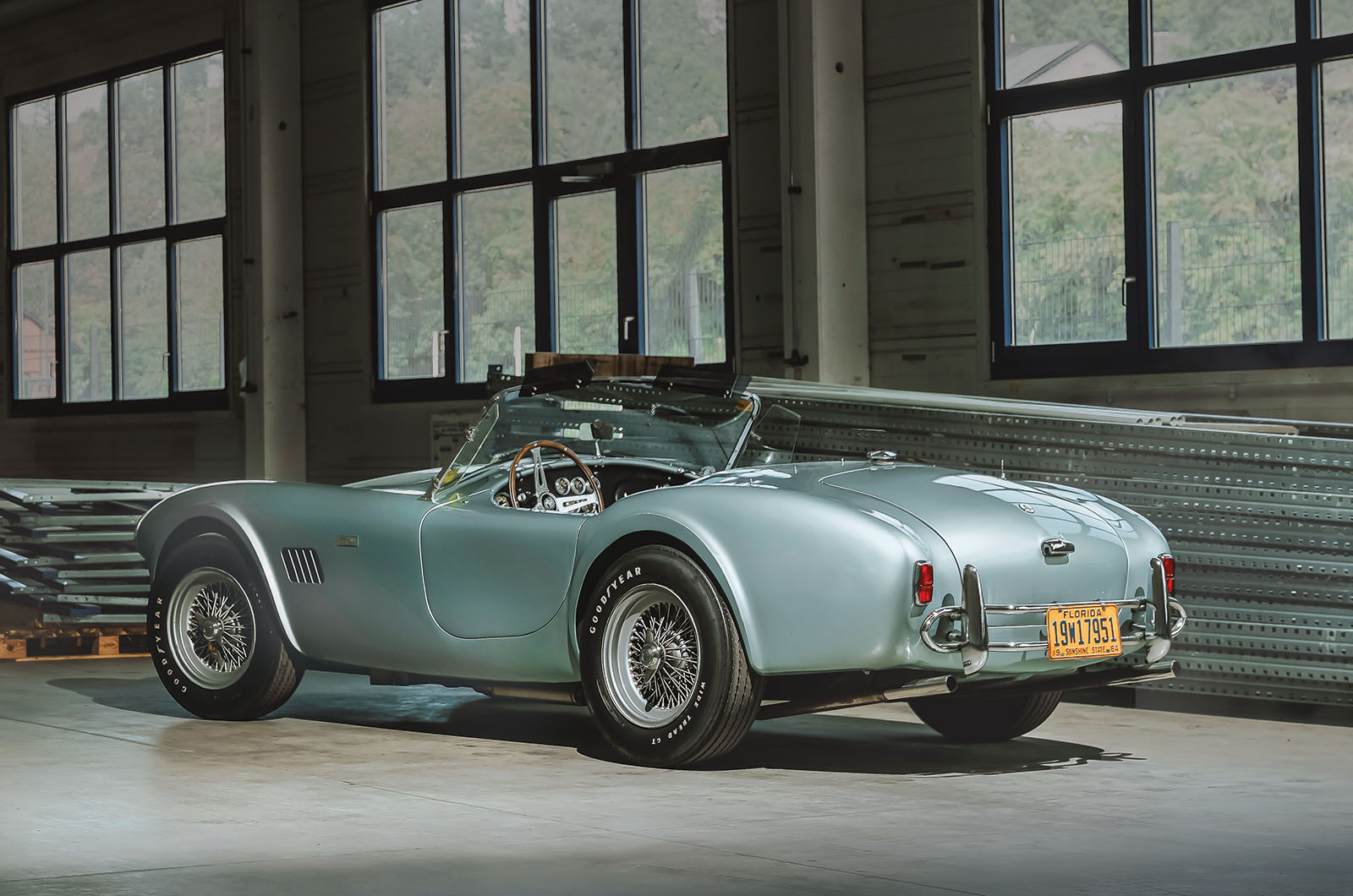
What a beautiful thing an unmolested 289 Cobra is. Think Shelby Cobra and most will picture the bulged arches, gaping mouth, bright colours and racing stripes of the 427.
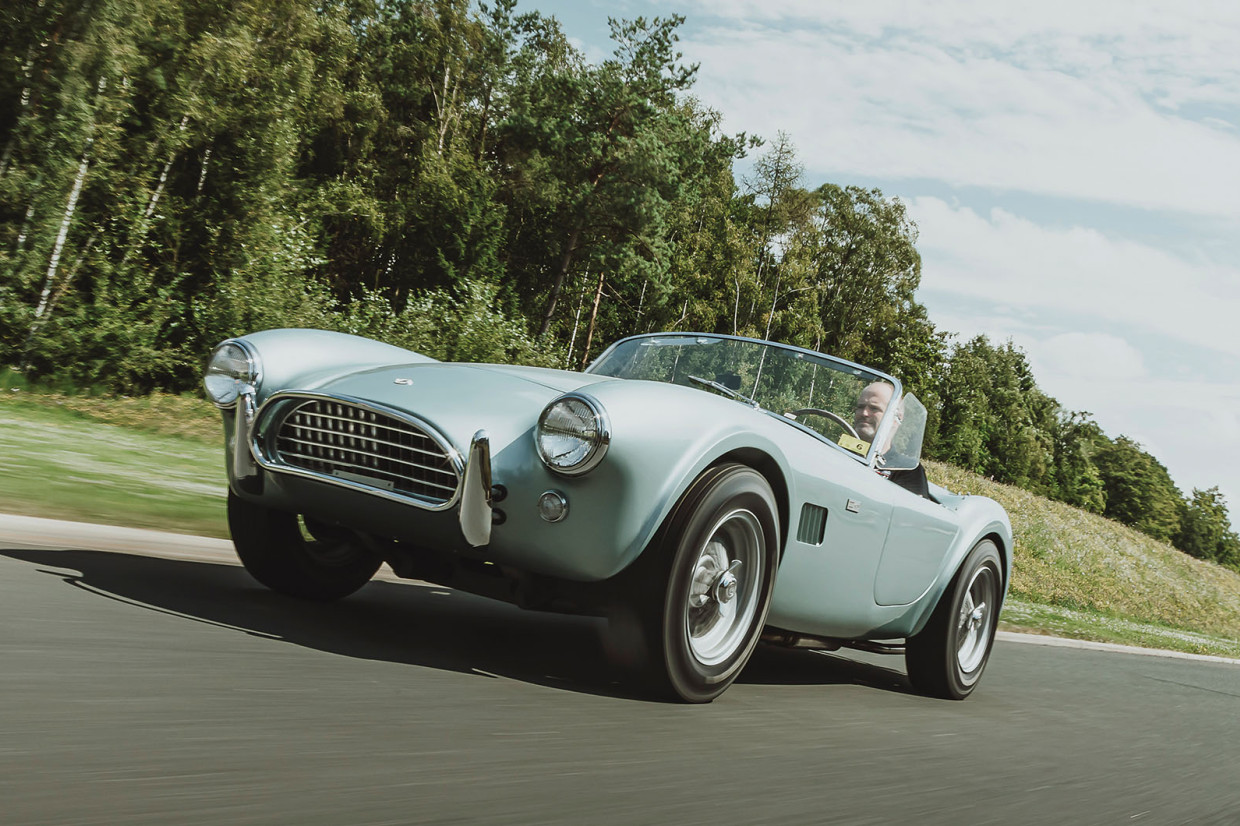
That is the icon, but this 289 MkII is far closer to the AC Ace on which it was based: the only major differences are the slightly rolled arches and its front-wing vents.
It’s less imposing, for sure, but it retains the Ace’s subtlety where the 427 has gone all aggressive.
Even this car’s original silver paintwork adds to the air of discretion and finesse – attributes that are not often associated with a Shelby of any kind.
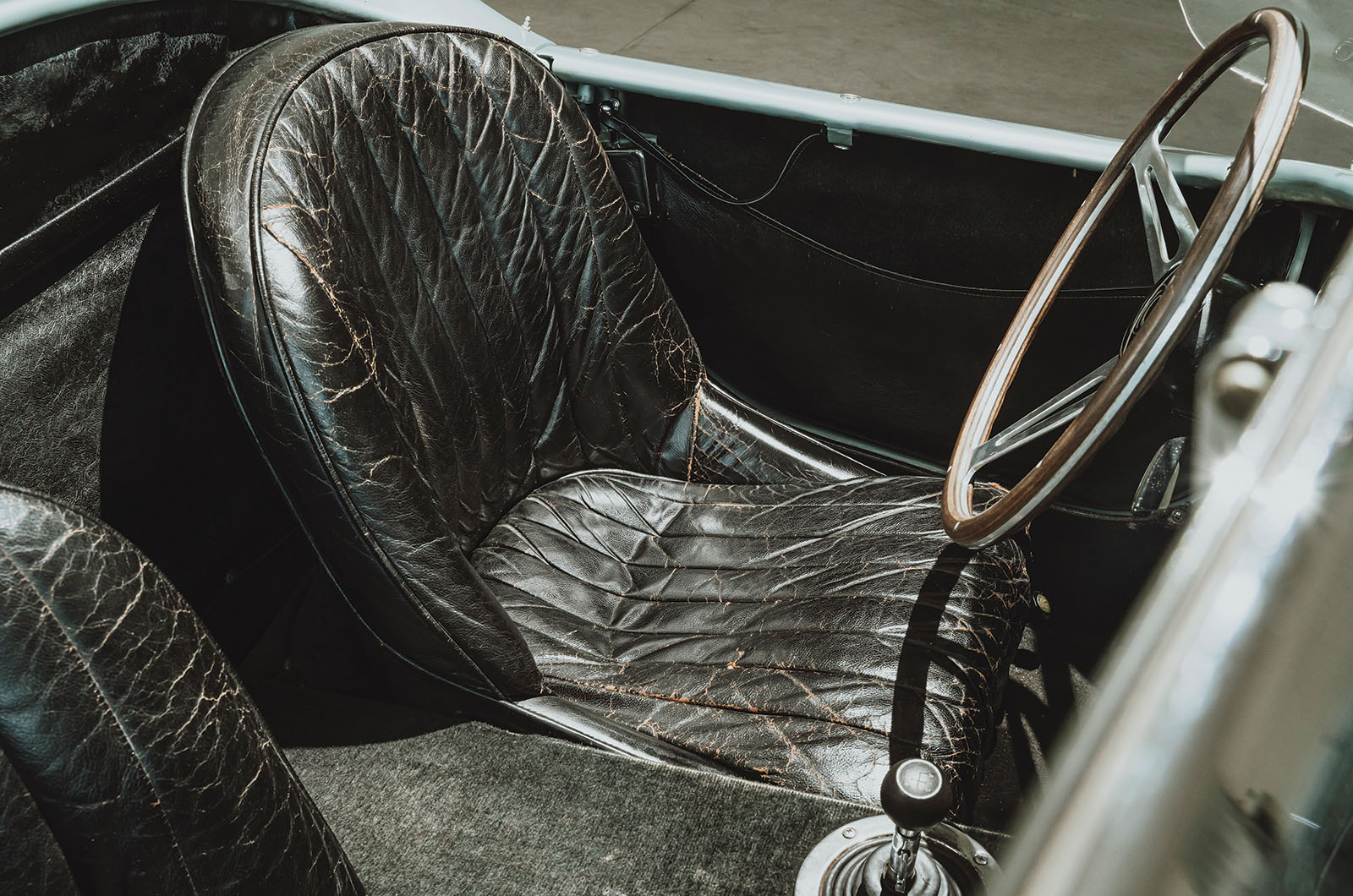
This AC Cobra’s leather seats wear their patina with pride
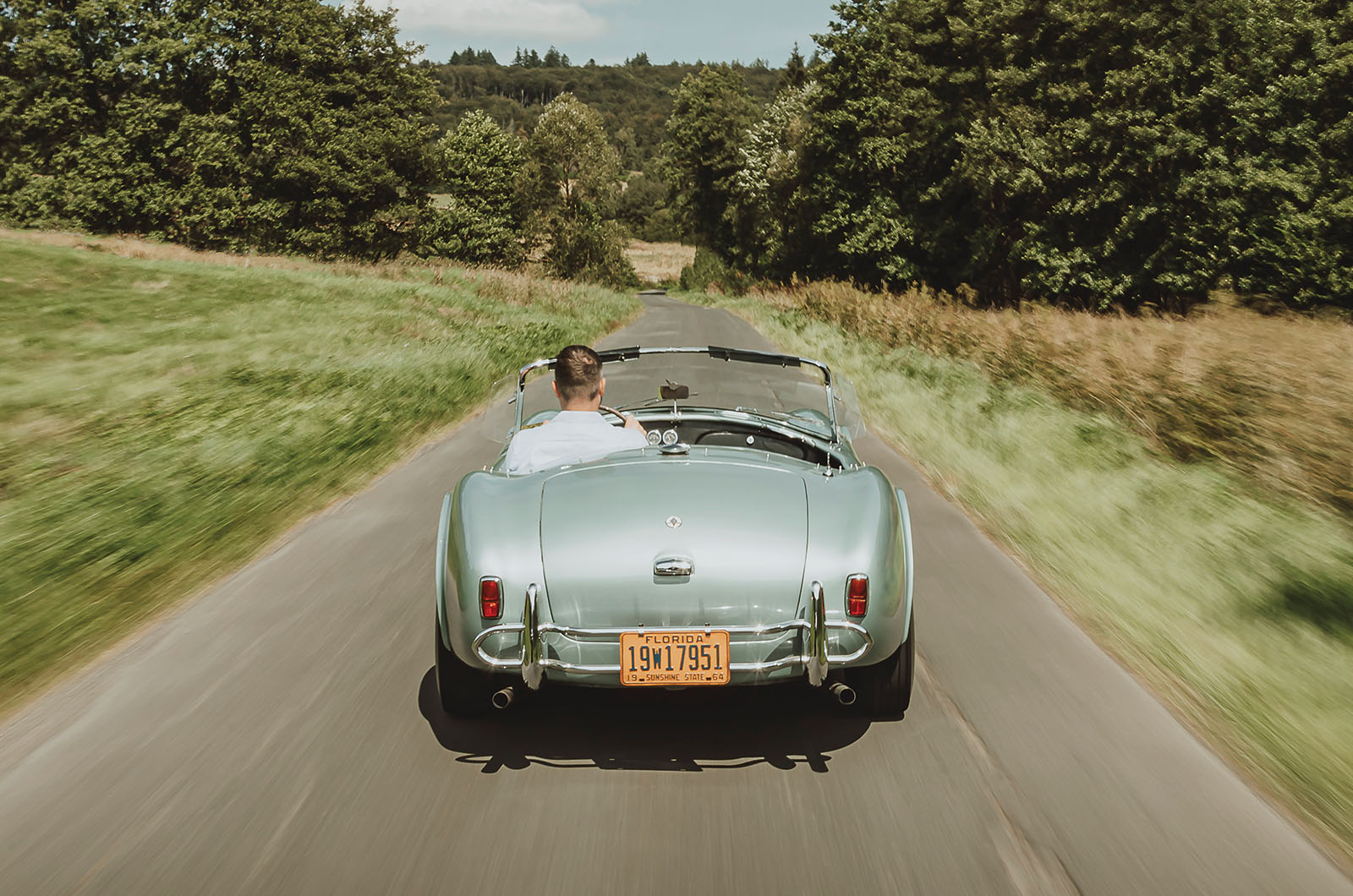
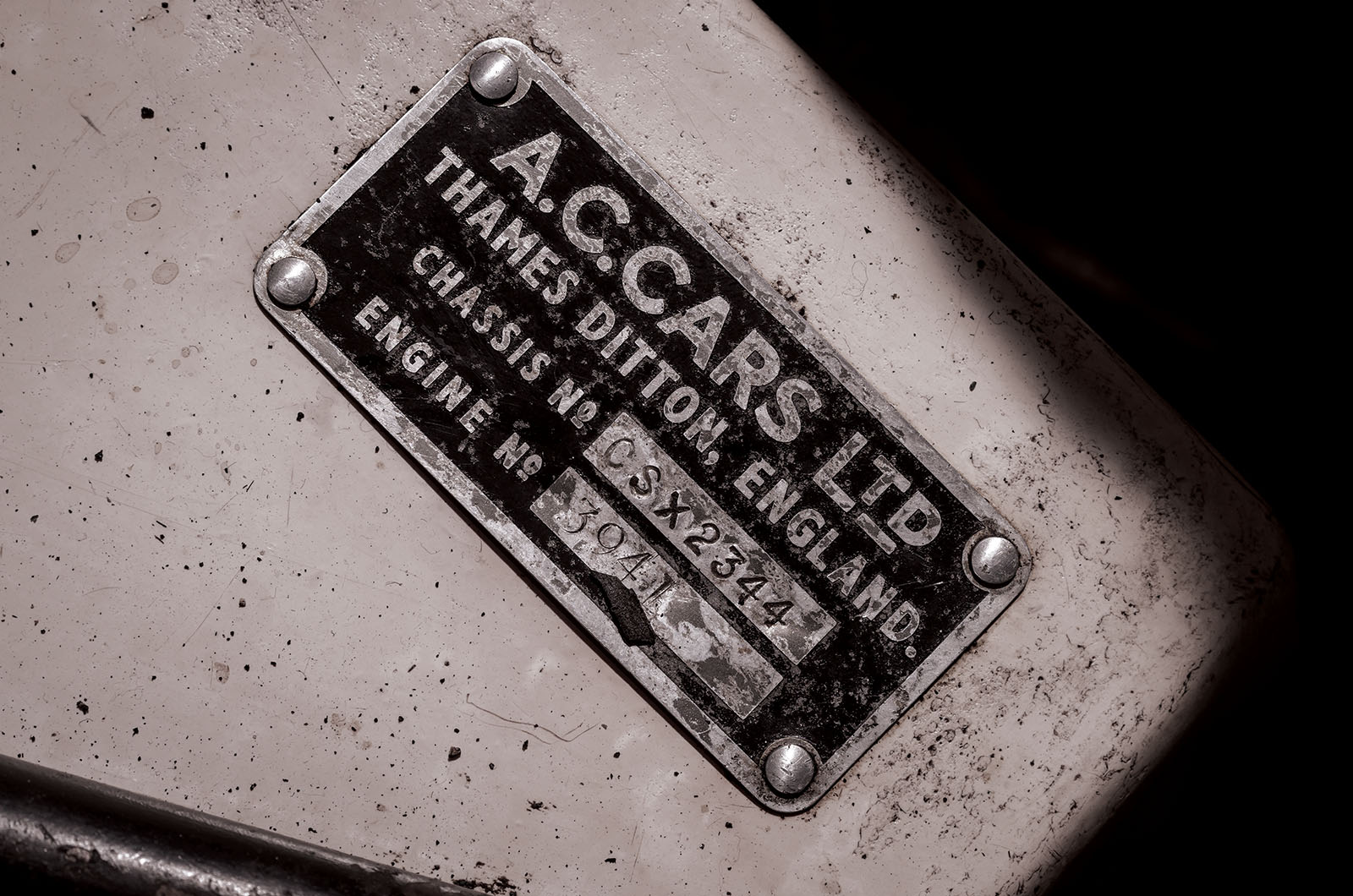
This car – CSX2344 for those who speak Cobra – was bought new by Lindauer in Florida in July 1964 while he was a trainee engineer at NASA, working on fuel cells and cryogenics.
While the astronauts of the Apollo programme famously benefitted from cut-price Chevrolet Corvettes, it appears even trainees weren’t doing too badly if Lindauer was able to afford a brand-new Cobra.
The young engineer traded in his 1963 Chevrolet Corvette for the AC – presumably to the chagrin of the image-conscious high-flyers at Cape Canaveral.
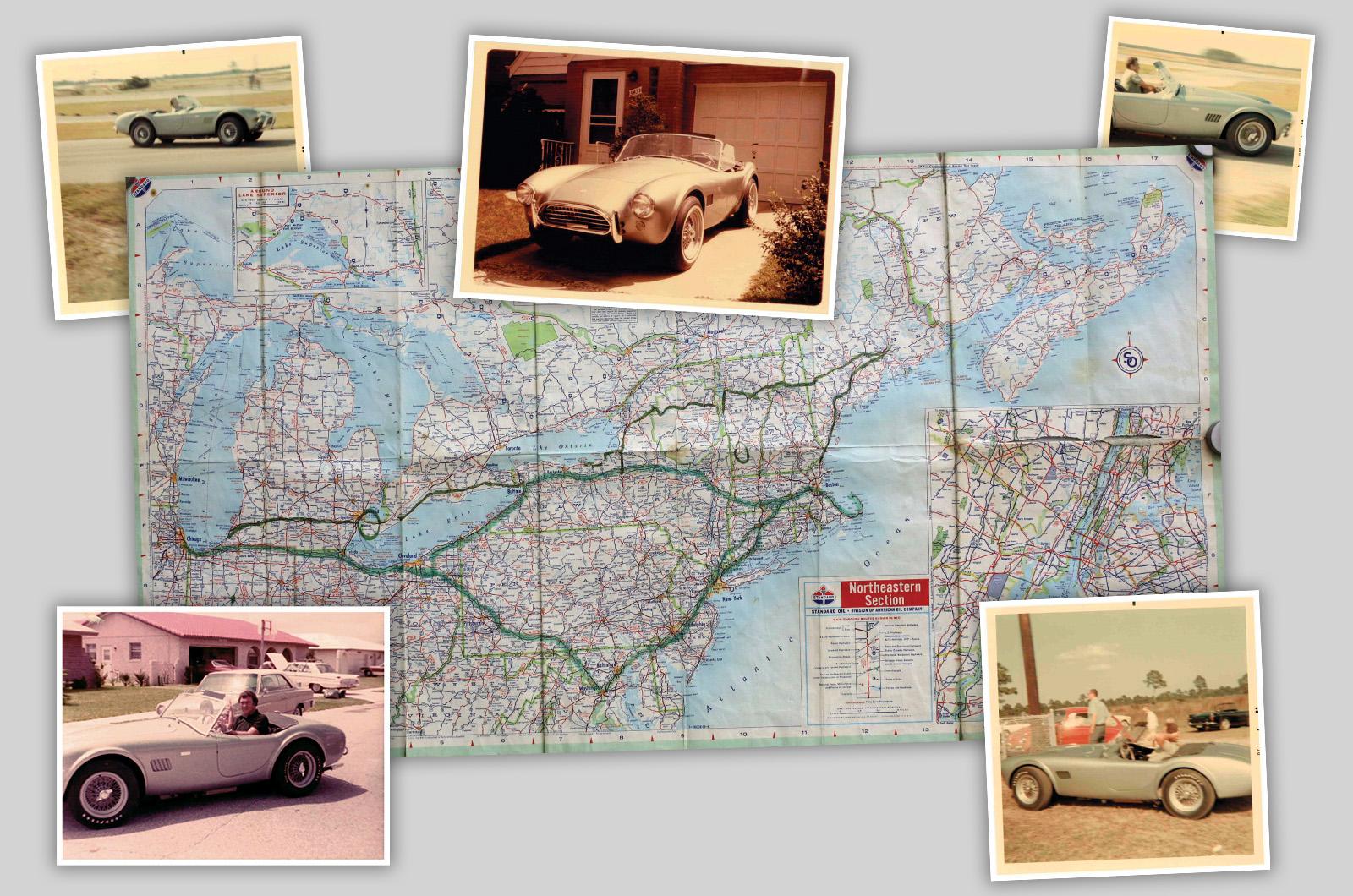
Robert Lindauer used this Standard Oil map to navigate north-east USA during his 4000-mile road trip by Cobra
He was clearly pleased with the purchase and satisfied with how it drove, because just a month later he took the car on its sole journey outside Florida in his ownership.
First Lindauer drove up to Queens, New York City, to view the 1964 World’s Fair where the new Ford Mustang was on display, having been released just a few months earlier.
Flying out of showrooms and on sale with a similar 289cu in Ford V8 engine to that powering the Cobra, the Mustang cost half as much as the list price of the Shelby.
Lindauer then drove north-east to Boston and visited Cape Cod before cutting back across Massachusetts and Upstate New York on his way to Chicago to visit his parents.
Driven sensibly, a 289 isn’t the scary beast of AC Cobra legend, but treat it roughly and it will still bite back
Remarkably, the Standard Oil road map with which he navigated is still in the Cobra today, with his route marked out in green pen.
Tackling that journey – including Georgia and the Carolinas – in a swelteringly humid August was a heroic feat, but even then Lindauer was demonstrating the fastidious nature that would be key to the Cobra’s future preservation.
Every fuel receipt – and there’s a lot of them – from the 4000-mile journey remains in the car’s history file.
Once back home in Cocoa Beach, just south of Cape Canaveral, Lindauer used the AC as his occasional weekend car for the following decade, along with some trophy-winning forays into gymkhanas.
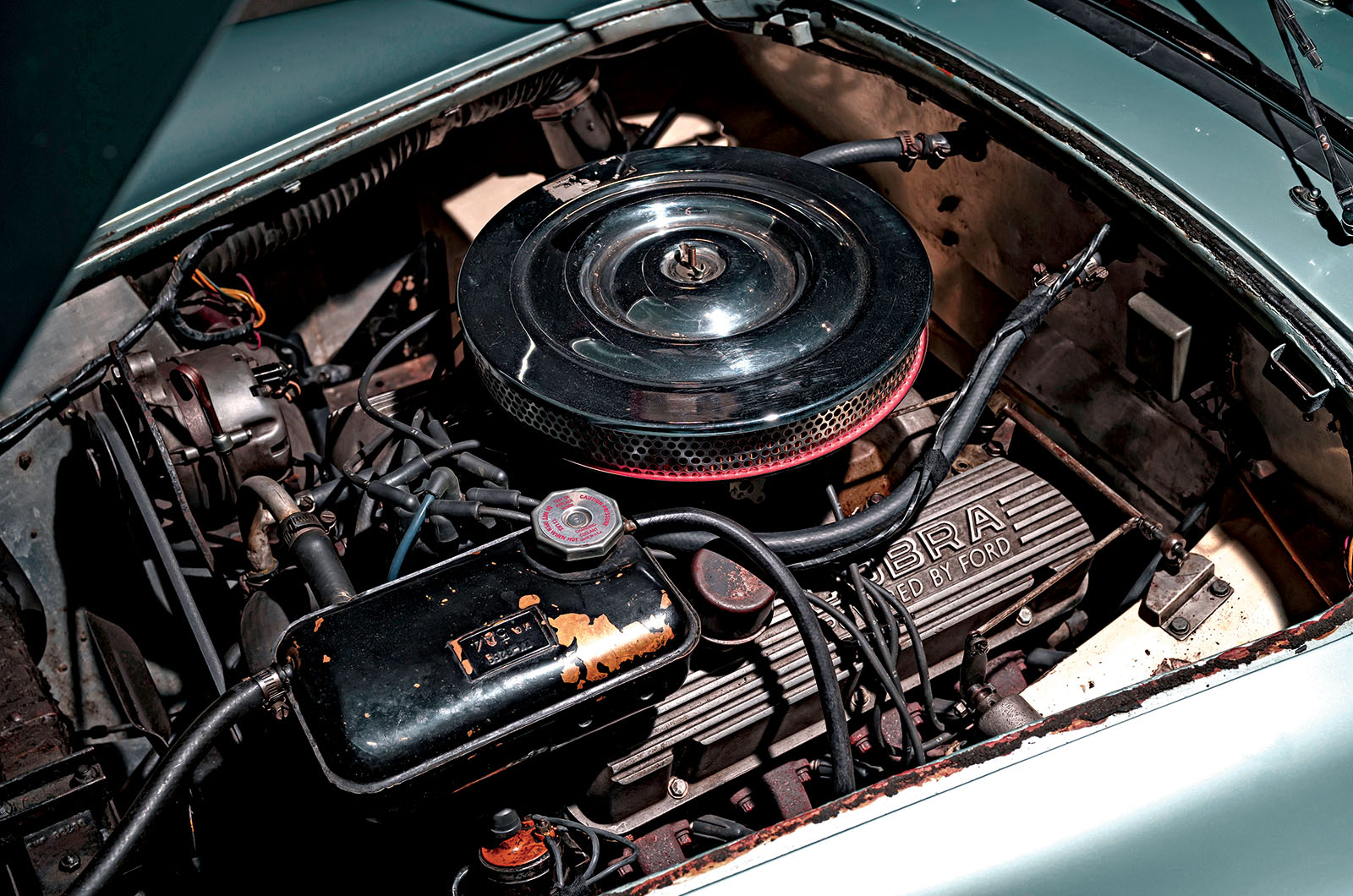
Even the ‘Lindauer’ Cobra’s fanbelt and water pump are original
He twice listed the car for sale, but later changed his mind, then in 1970 he and the AC were involved a minor accident that required a small cosmetic repair that Lindauer attended to himself.
It would be the last time in the 20th century during which the Cobra received any significant work.
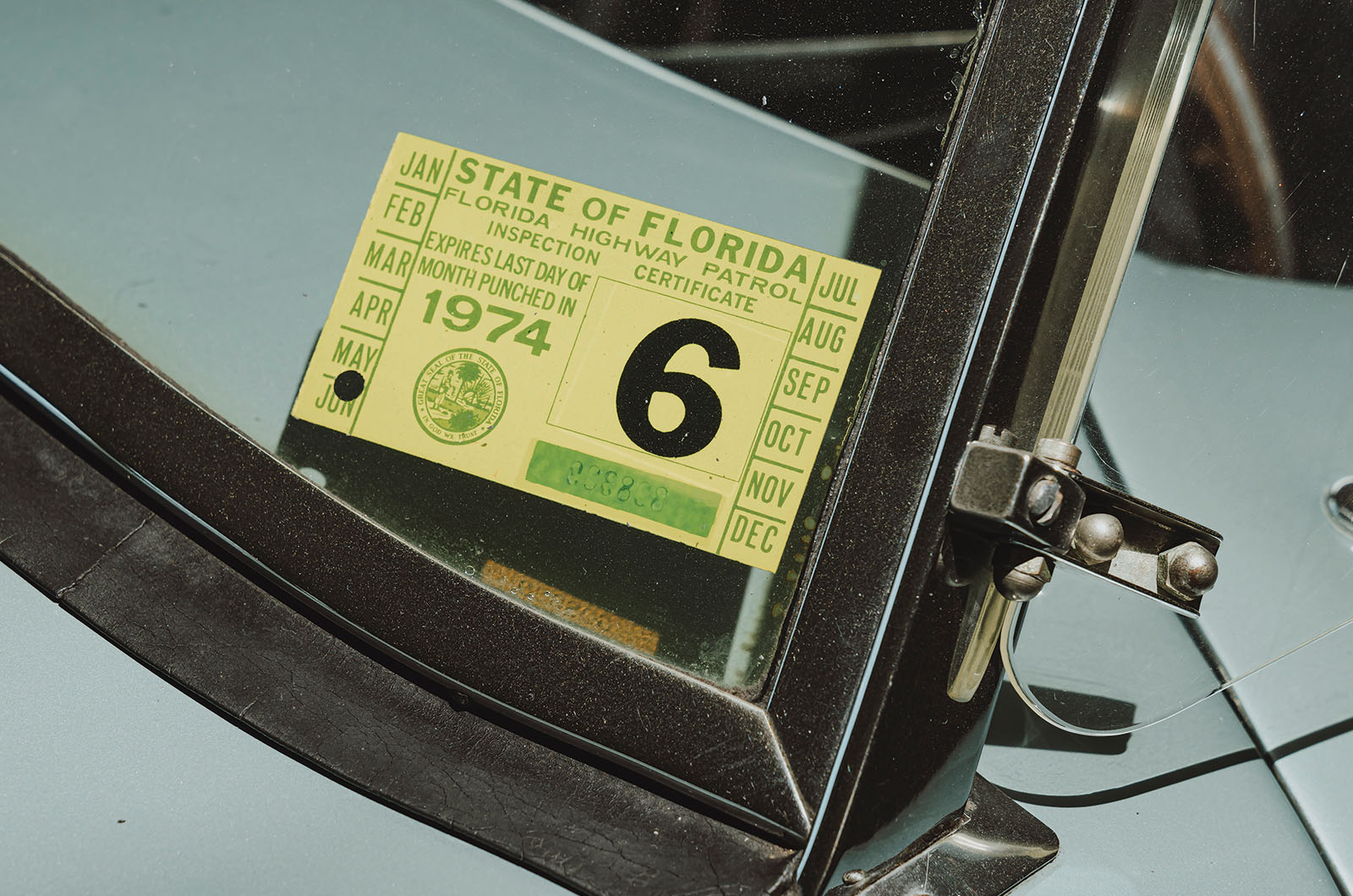
Lindauer decided to put the Shelby up on axle stands in his climate-controlled garage in 1974 and, other than the occasional turning over of the engine, there it remained until his death in 2001.
His son, Robert Lindauer Jnr, stored it in the same way in North Carolina for a further eight years, before a delicate recommissioning by Lee Holman of Holman-Moody that returned it to the road in 2010.
The 15,466 miles recorded on this AC Cobra’s odometer make this classic car near-unique
After 53 years, the family finally divested itself of the car, tempted by the booming prices for original Shelby Cobras, when Lindauer Jnr entered it into the RM Sotheby’s sale during Monterey Car Week in 2017.
The Lindauers’ efforts at preservation were well rewarded when the car sold for $1,100,000 – a level of return that far exceeded the performance of the stock market over the same period.
At that point the car made its way across the Atlantic to the collection of Friedhelm Loh, now open to the public in the Nationales Automuseum in Hesse, Germany.
Fittingly, that means a climate-controlled environment once again – even if the air conditioning is as much for the visitors as the exhibits.
Texas meets astronautics in the story of this remarkably original AC Cobra 289
It would be unfair to call the rest of Dr Loh’s collection garage queens, because there are plenty of very original cars with lengthy backstories behind them in the museum’s halls, but that doesn’t prevent the wrinkles of the AC’s leather jarring with an otherwise polished collection.
Sadly, there is not enough space to display all of the artefacts from the Cobra’s long life to the public, but in the glovebox is the original owner’s manual, while in the boot sits the untouched jack, grease gun and toolkit.
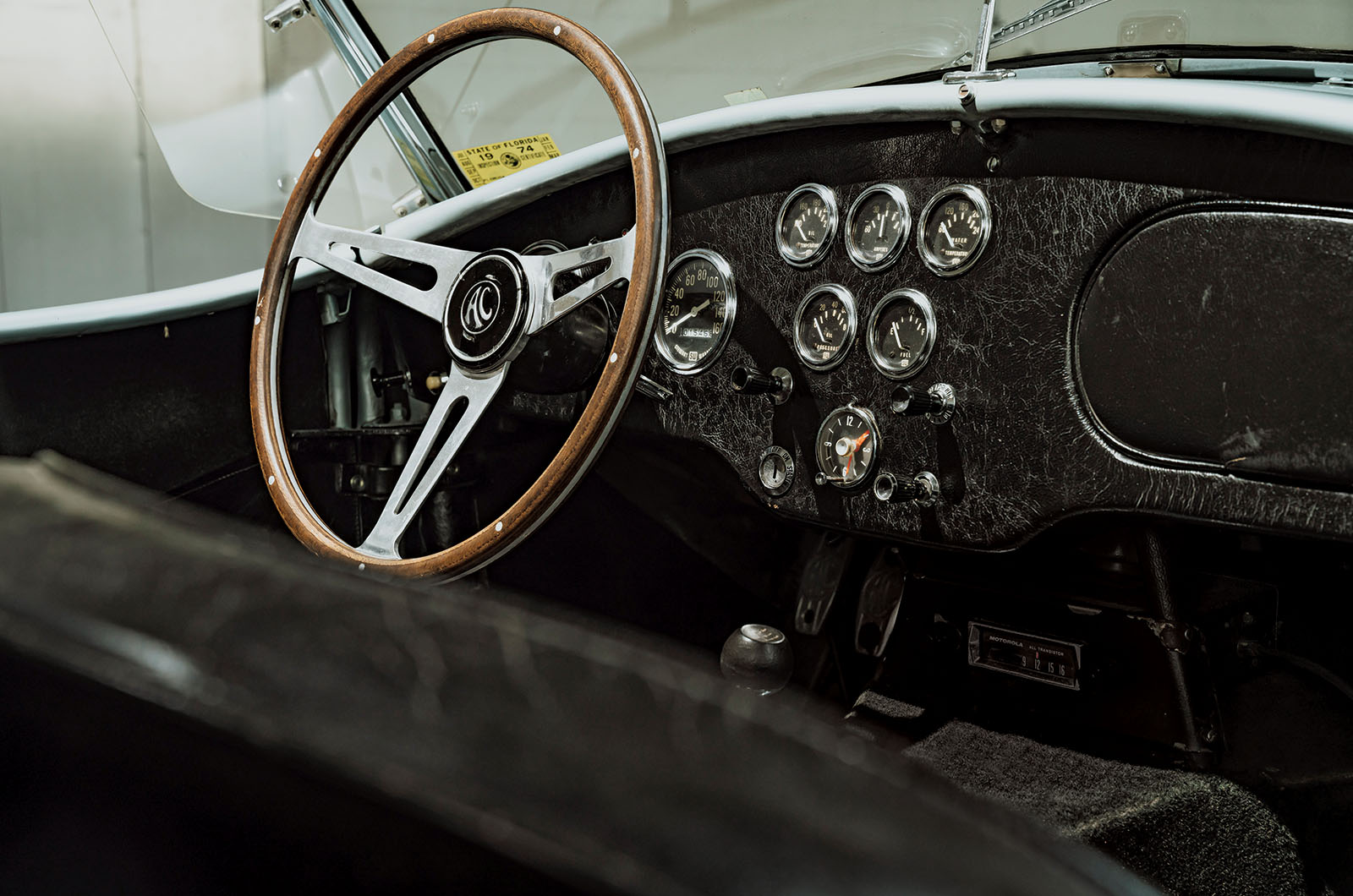
Its carpets are as fitted by AC in Thames Ditton, while the lettering on its Stewart Warner gauges has faded and turned a little yellow.
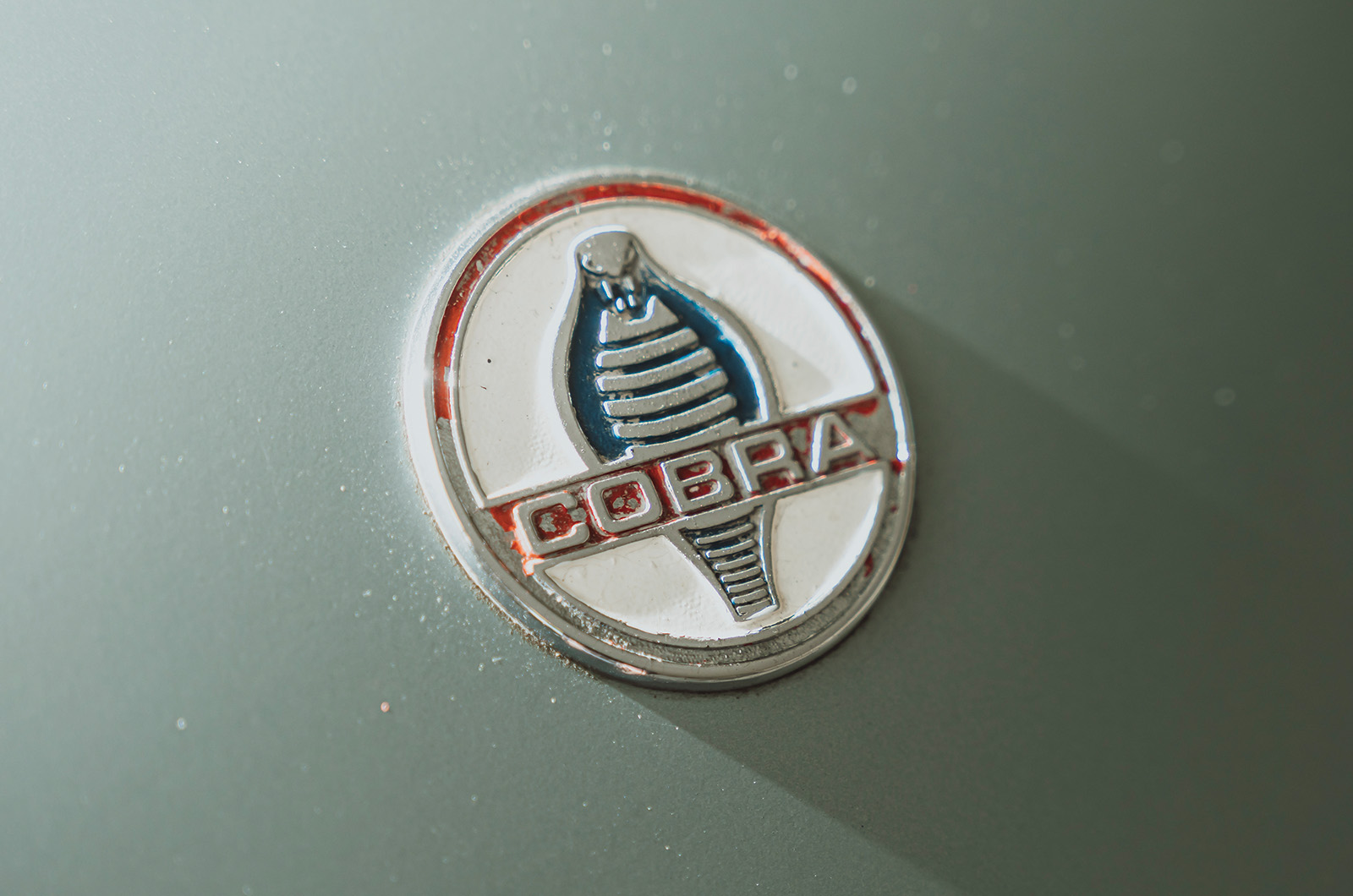
An original, slightly worn Shelby logo dangles from the car’s keys as they are handed over, but with them comes a few unsettling words of warning: “The tyres are original, too.”
‘Unlike many of the other performance icons of the 1960s, this is a sports car that remains fun to drive’
Remarkably, the Cobra starts on the Holley four-barrel’s autochoke with just a few cranks of the starter.
The car has only covered a mere handful of miles since its 2017 sale – today will be the most it has racked up in nearly a decade.
At rest, the V8’s mechanical tappets are noisy, and the power stroke of the engine can be heard swapping from bank to bank to create the characteristic uneven rhythm of a cross-plane V8.
A prod of throttle elicits a mighty roar and a slight rock to the entire car.
NASA engineer Robert Lindauer’s meticulous care turned this AC Cobra 289 into a time capsule
Having neglected to check the date codes of the Goodyears, I don’t know if ‘original’ means dating back to 2010, 1974 or 1964 – but even 15 years is past it.
Best to go easy at first, then, despite the encouragement of the gurgling Windsor V8.
A slightly heavy clutch makes it difficult to pull out of a junction without at least a chirrup from the rears, but the Cobra resists the one-wheel-peel of a muscle car thanks to the standard-fit Powr-Lok limited-slip diff.
This is a Cobra MkII, which means you’re still dealing with transverse leaf springs front and rear as opposed to the later coils, but the old steering box has made way for a modern rack-and-pinion set-up.
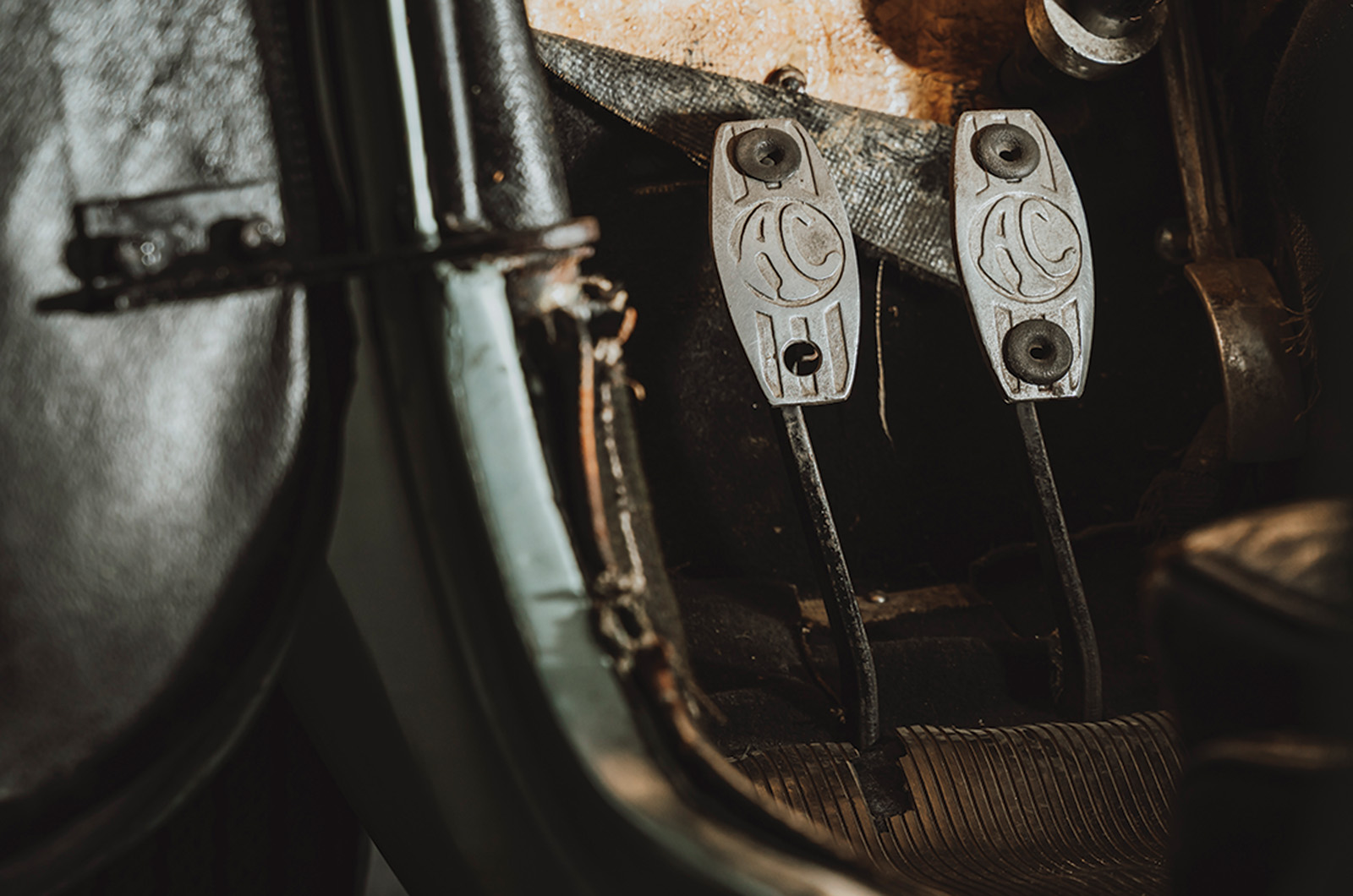
The ‘Lindauer’ AC Cobra 289’s pedals show minimal wear
It’s an unimpeachably rigid chassis, benefitting from its tubular steel structure, low weight and squat proportions, and it resists scuttle shake well as a result.
A slightly vintage feel lingers nonetheless when the wheels meet imperfections on the road surface, forcing the body to jolt, jar and shudder.
It’s only a mild annoyance on the well-surfaced highways of rural Germany, but you would be wishing for the greater compliance provided by coils on potholed UK roads.
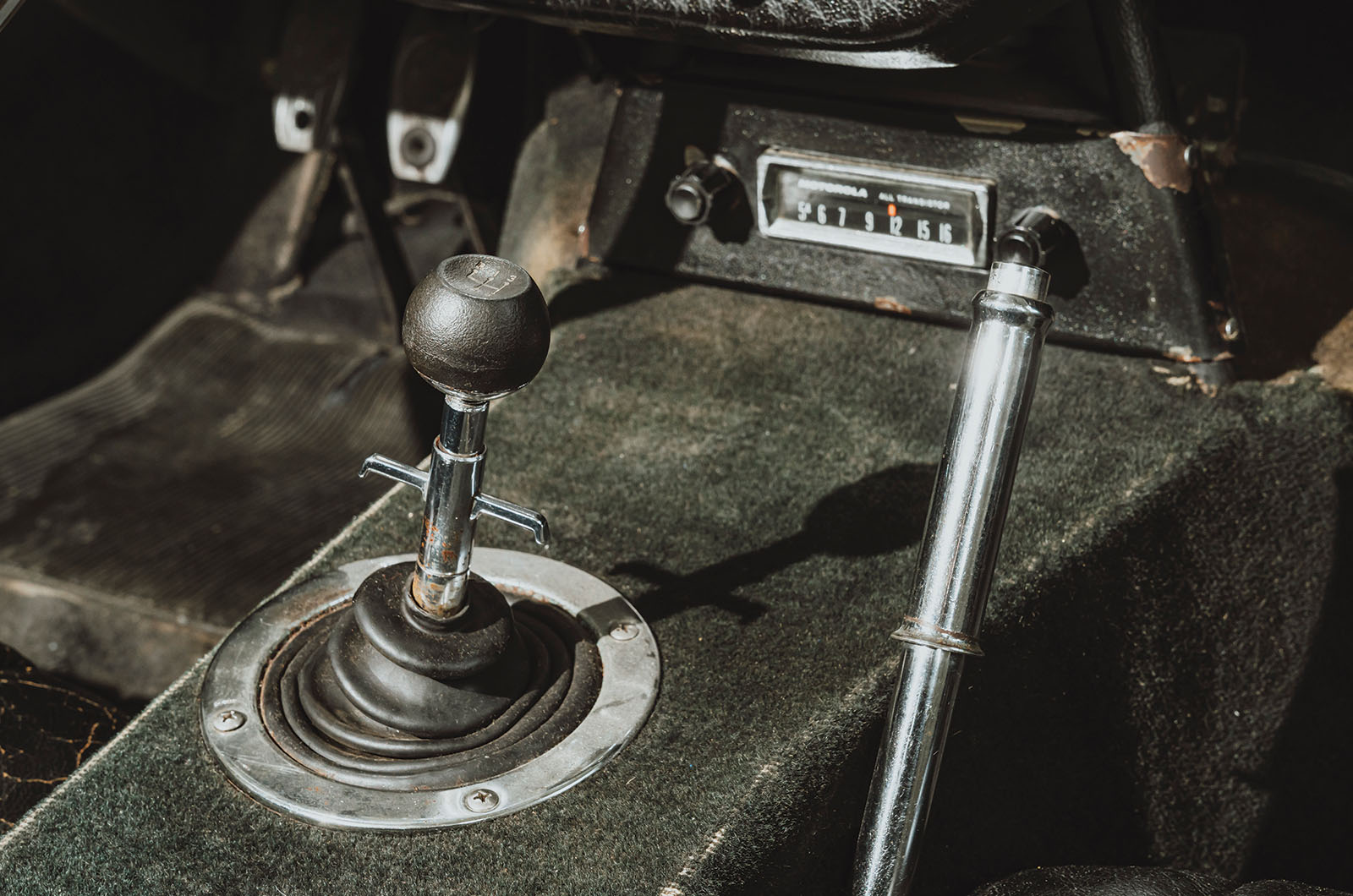
The AC Cobra 289’s Borg-Warner T10 gearbox is swift
That’s really the only thing you’d fault the old snake for, though, because otherwise it is a delight.
Its gearshift is a real surprise, far from the slightly vague, over-long shifters typical of American metal of the 1960s.
The synchro never fails to keep up with changes as it races between ratios via a short, stubby lever, but so torquey is the 4.7-litre V8 in such a light car that you rarely feel the need to go below third except in the tightest turns.
Instead you pick ratios based on whether you want your accelerative effort to be very urgent or slightly less so.
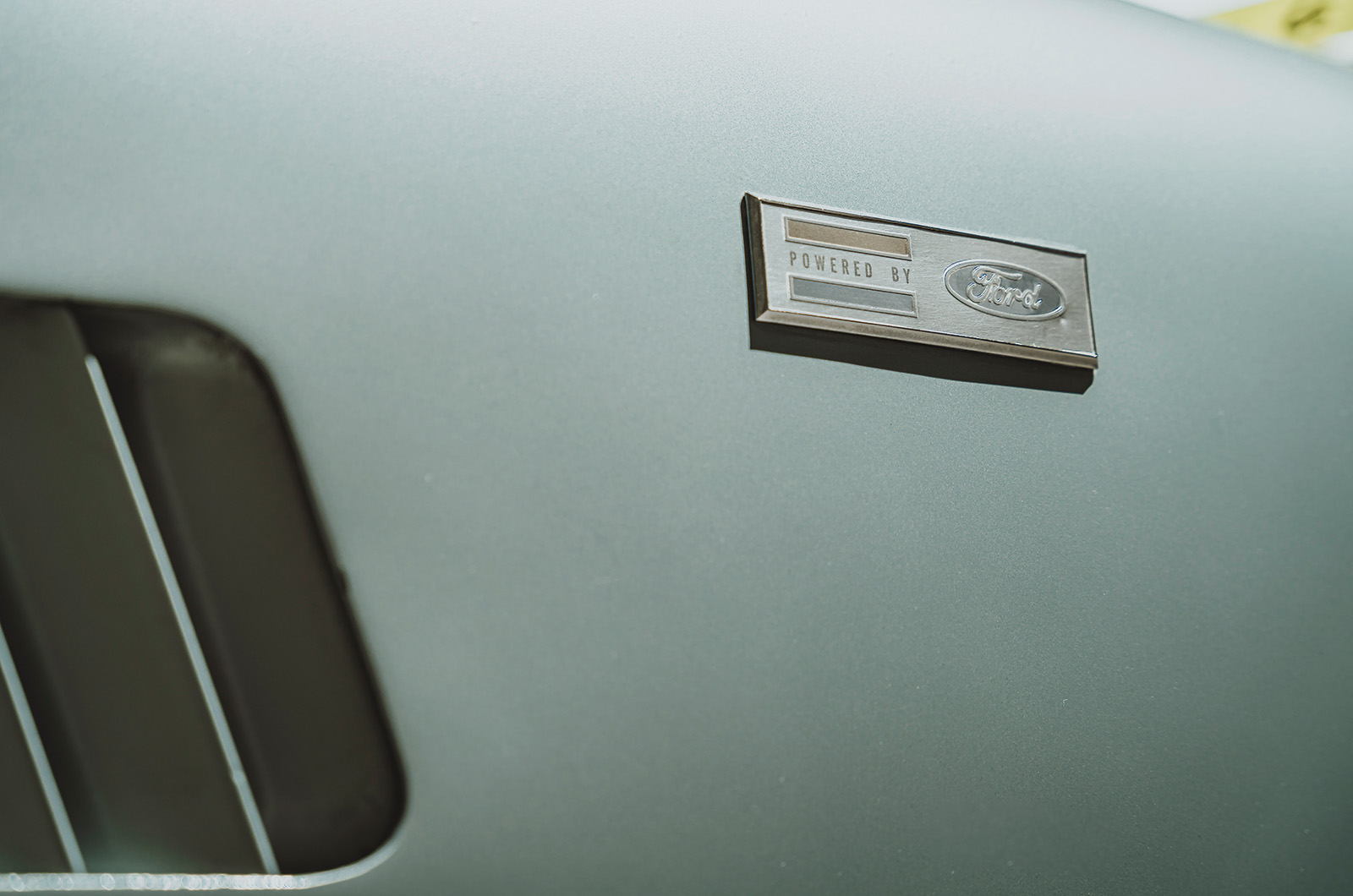
The wing vents mark this as a 289cu in V8 AC Cobra
With 271bhp it doesn’t feel a monstrously fast car by modern standards, but it’s important to remember the 289 Cobra was the 0-60mph king of the mid-1960s at just 5.5 secs, even if it never challenged the Italian exotics or the Jaguar E-type for top speed.
Autocar’s 1965 road test – which it conducted in Ken Rudd’s own car, so overwhelming was UK demand for right-hand-drive Cobras – featured a quarter-mile acceleration graph that was the steepest the magazine had yet printed, lasting 13.9 secs.
With clear amazement seeping between the lines of the formal tone of ’60s journalese, the author stated: ‘The problem on most roads is not finding gaps in the oncoming traffic stream to pull around the car in front – this barely takes more than two or three seconds – but finding gaps in one’s own stream to tuck back into.’
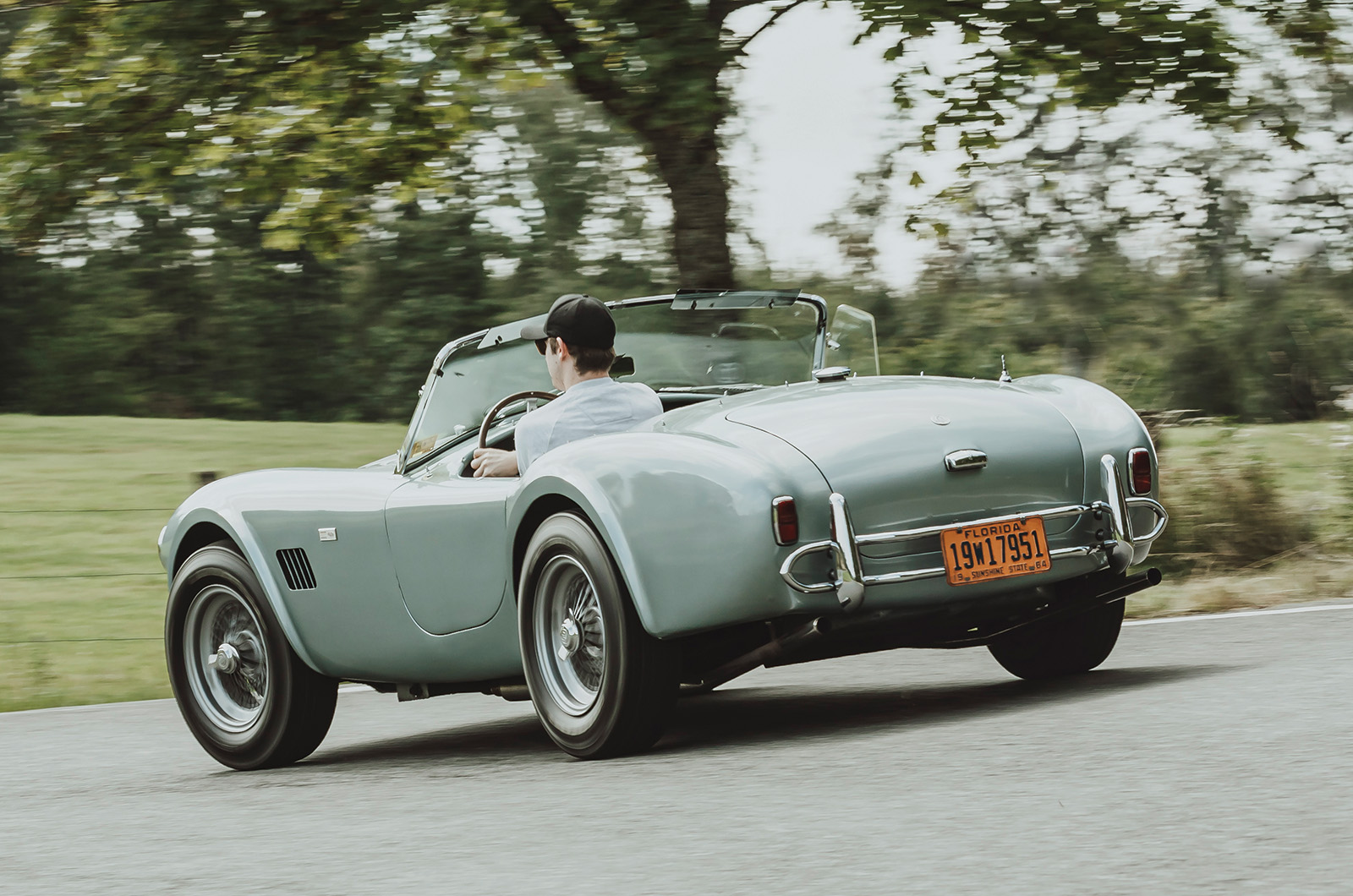
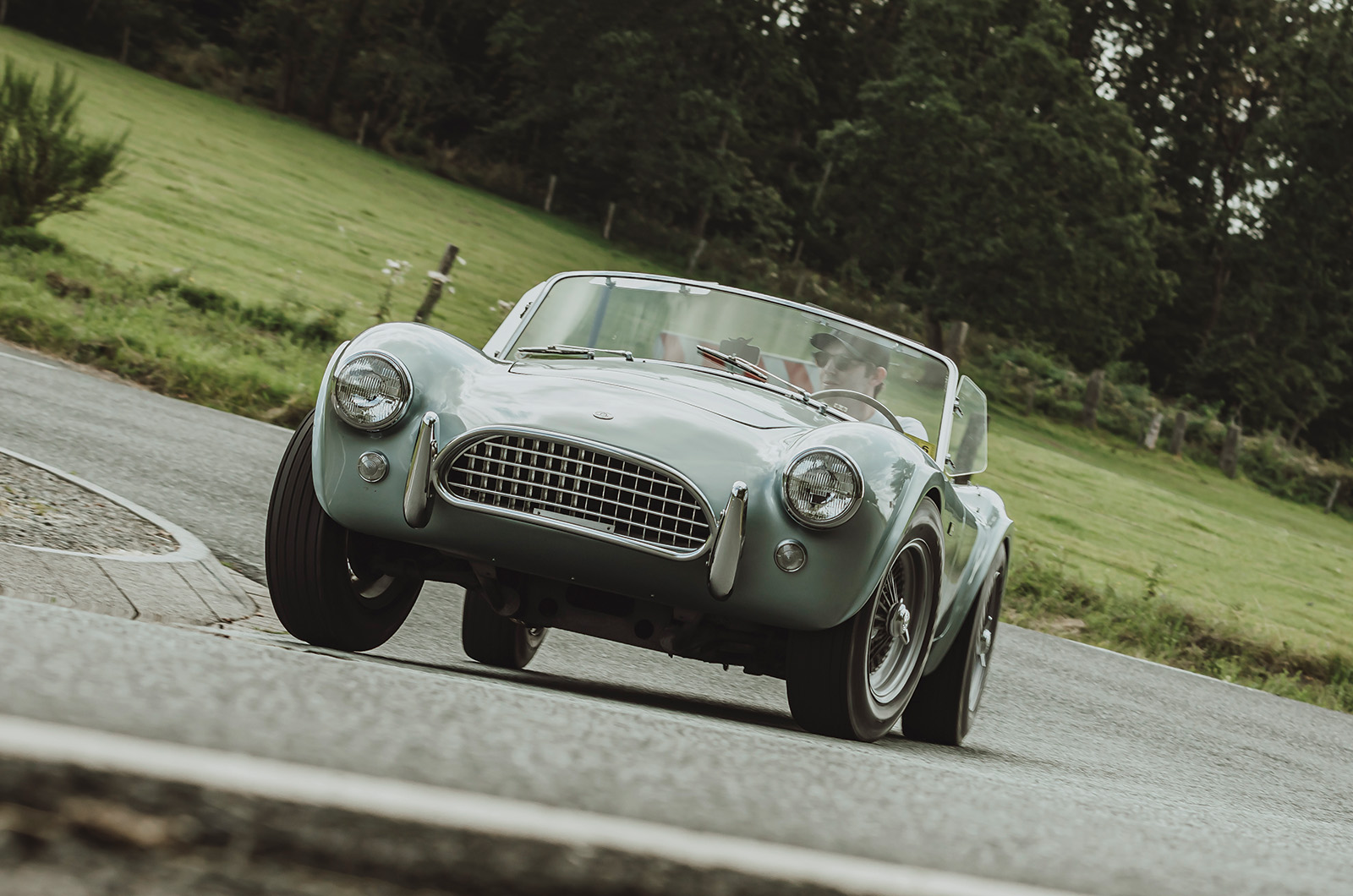
It doesn’t take much to unstick the AC Cobra’s rear – especially with its antique rubber
The power level feels just right, allowing you to do everything you’d want on a public road without veering into stupidity, terror, or jail.
Even only half-spirited driving will have the rear starting to slip on tight hairpins – at least it will on these tyres – but it’s comfortable and predictable all the same.
The AC has a slight rearward weight bias (48.7% front, 51.3% rear), which is an impressive feat of engineering in an aluminium-bodied two-seater with a big iron lump up front.
The result is a delightful balance with a tendency to power oversteer without the pendulum effect of a Porsche 911.
The AC Cobra 289’s vinyl dashboard is stocked with dials and fronted by a stylish steering wheel
The ferocious reputation of later Cobras makes it easy to mischaracterise these 289s as similarly animalistic.
Many hotted-up replicas, and even some restored cars, have morphed into that breed.
But while it’s true the Lindauer Cobra is never refined, it’s a delicate, playful sports car and a British roadster that finally has the power to match the potential of its chassis without overwhelming it.
Unlike many of the other performance icons of the 1960s, this is a car that remains fun to drive even at low speeds, where it retains the agile, lithe character of the Ace on which it was based.
‘What a beautiful thing an unmolested 289 Cobra is. It retains the Ace’s subtlety where the 427 has gone all aggressive’
The term ‘museum piece’ is often used with derision when it comes to cars, implying either one that hasn’t moved in decades and barely runs, or something glitzy and over-restored. The Lindauer Cobra is neither.
It is a rare artefact revealing what a Shelby Cobra 289 was as it left the works in Venice, California, and what it was like to drive – wooden tyres aside.
Suffice to say, it’s brilliant. Thank you, Mr Lindauer.
Images: Max Edleston
Thanks to: Nationales Automuseum, The Loh Collection
Factfile
AC Cobra 289
- Sold/number built 1962-’64/654
- Construction steel chassis, aluminium body
- Engine all-iron, ohv 289cu in (4735cc) V8, Holley four-barrel carburettor
- Max power 271bhp @ 5800rpm
- Max torque 269lb ft @ 4800rpm
- Transmission four-speed manual, RWD
- Suspension independent, by wishbones, transverse leaf spring, telescopic dampers f/r
- Steering rack and pinion (worm and sector on early cars)
- Brakes discs, with servo
- Length 12ft 10in (3912mm)
- Width 5ft 1in (1549mm)
- Height 3ft 9in (1143mm)
- Wheelbase 7ft 6in (2286mm)
- Weight 2100lb (953kg)
- 0-60mph 5.6 secs
- Top speed 135mph
- Mpg 15
- Price new $5195 (1964)
- Price now £650,000-1.2m*
*Price correct at date of original publication
Enjoy more of the world’s best classic car content every month when you subscribe to C&SC – get our latest deals here
READ MORE
Shelby GT500 KR: hail to the king