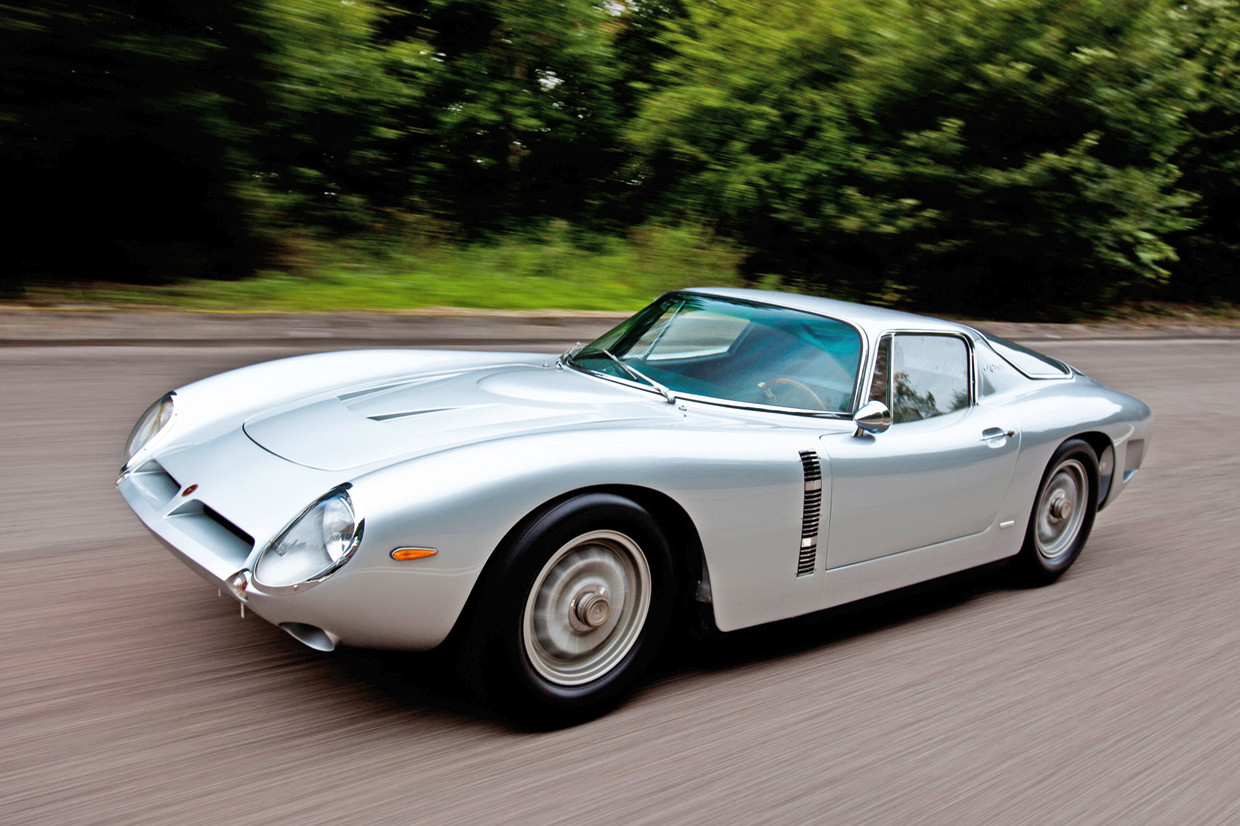
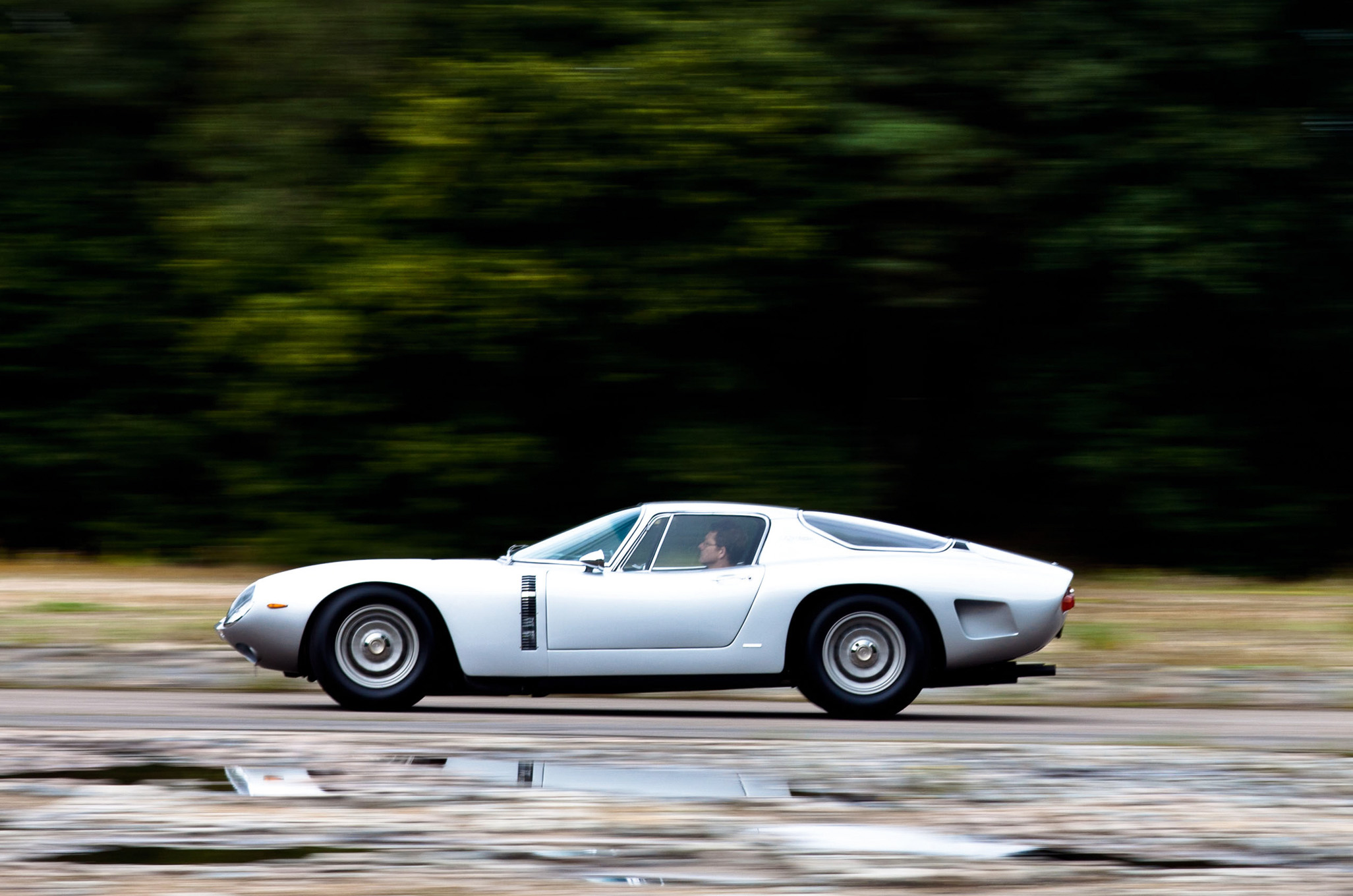
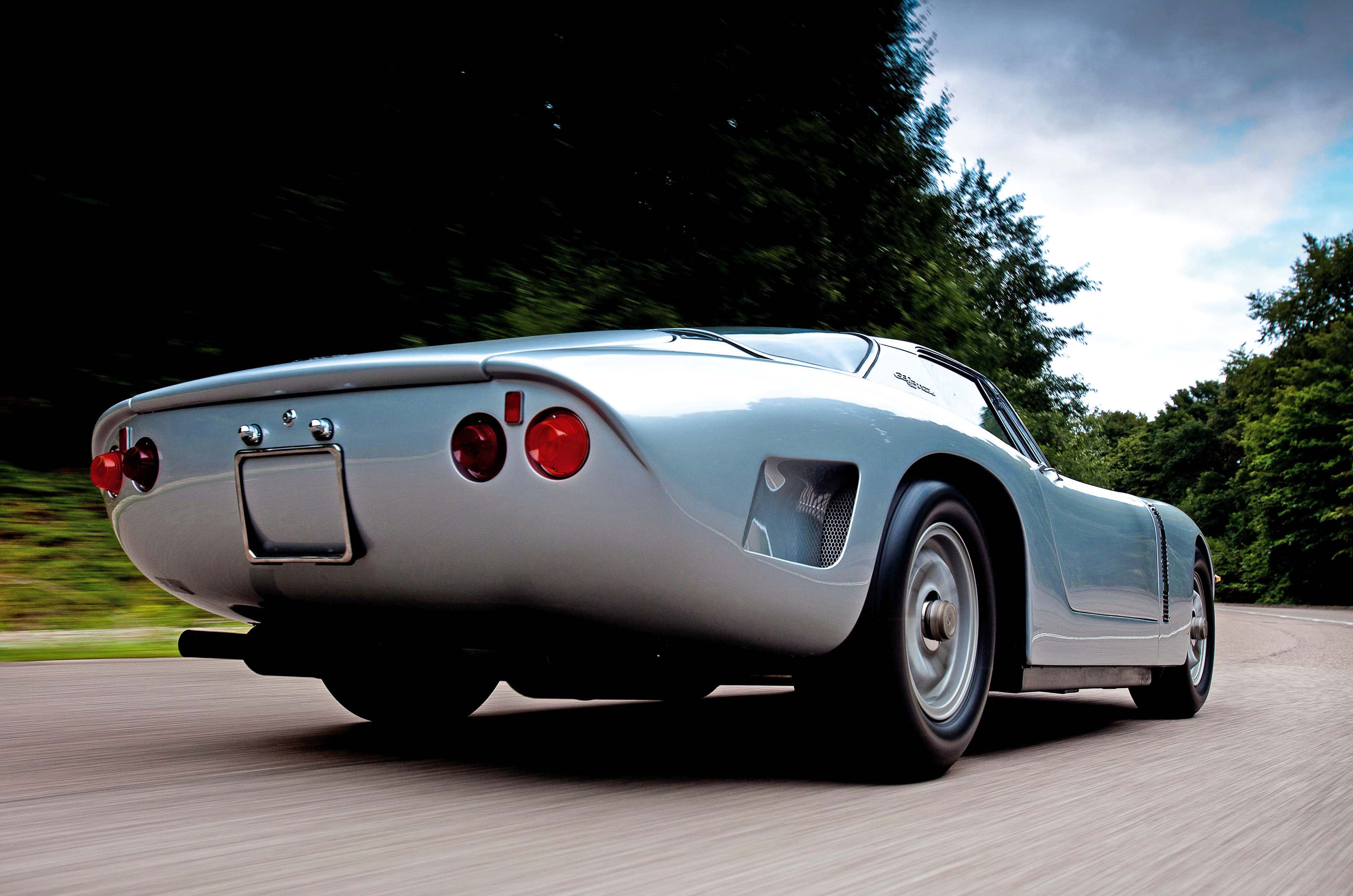
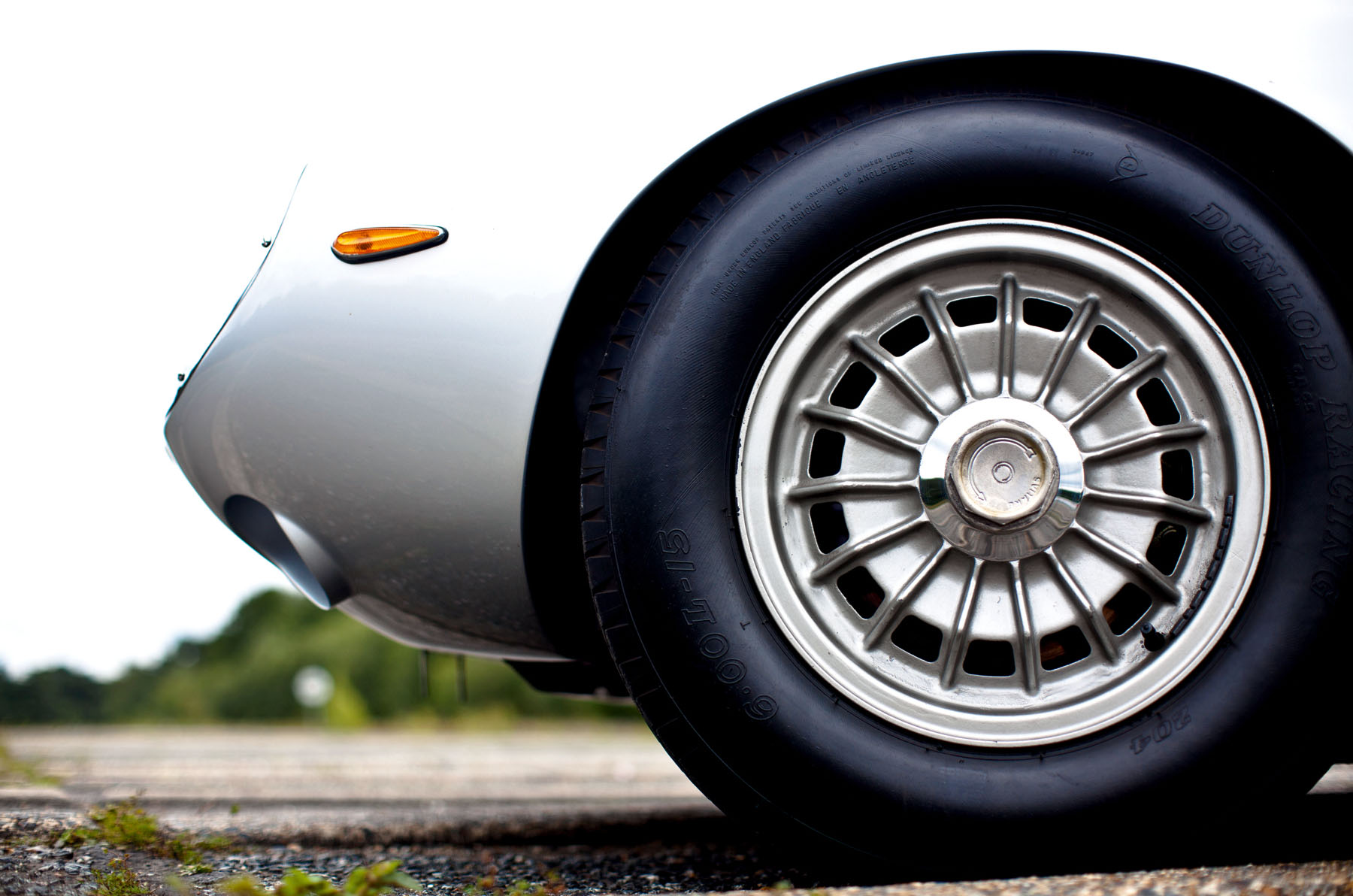
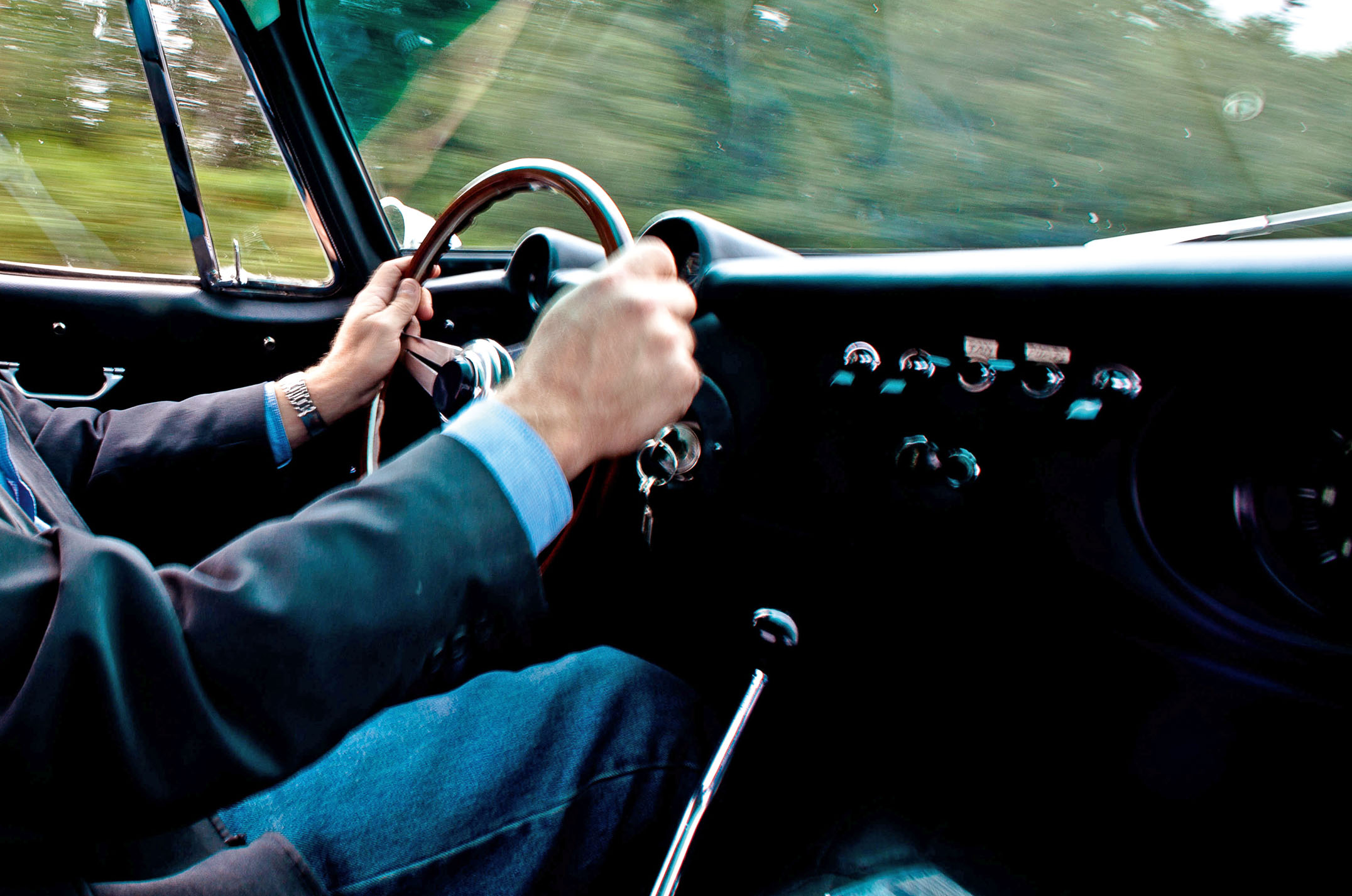
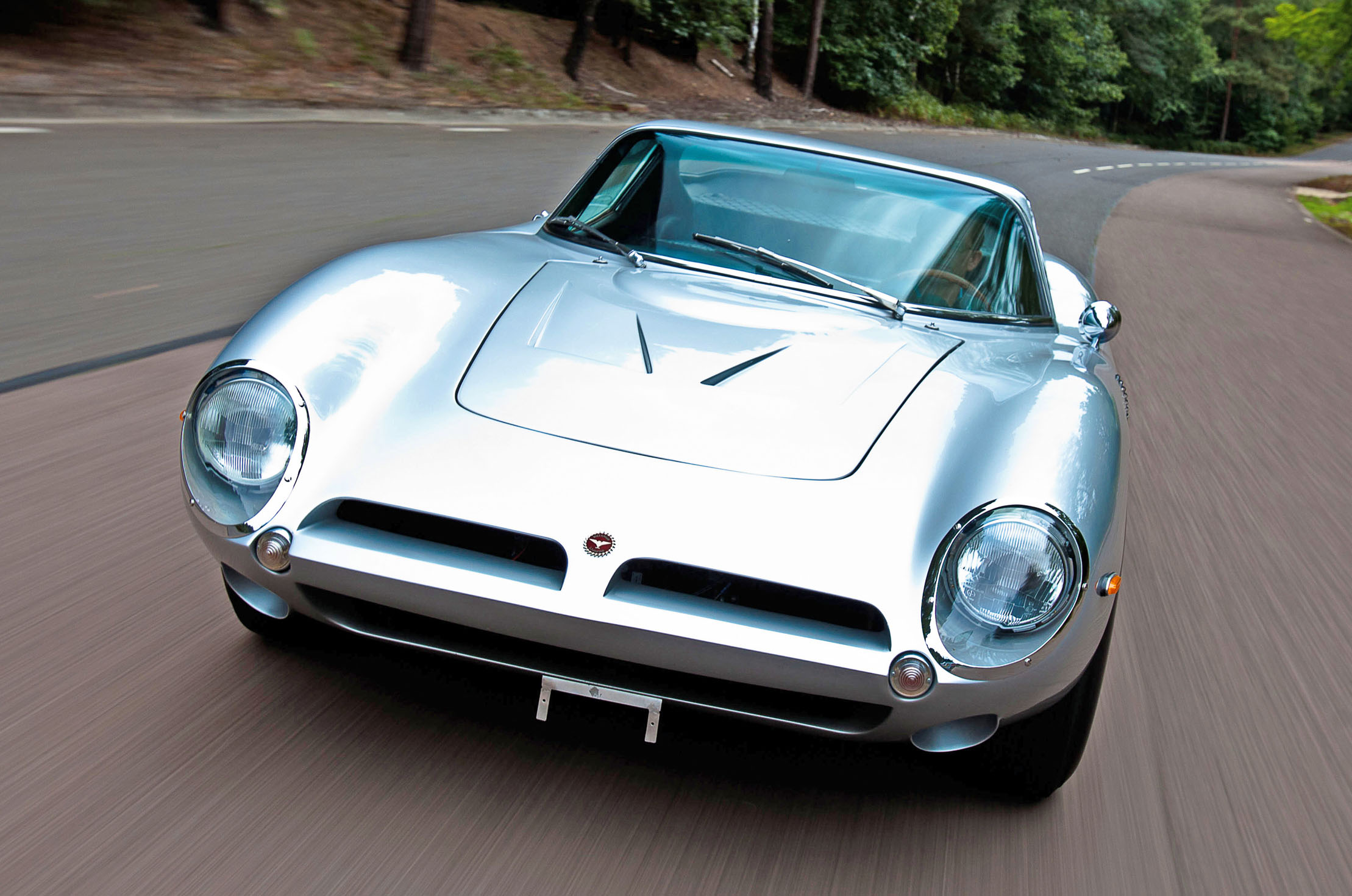
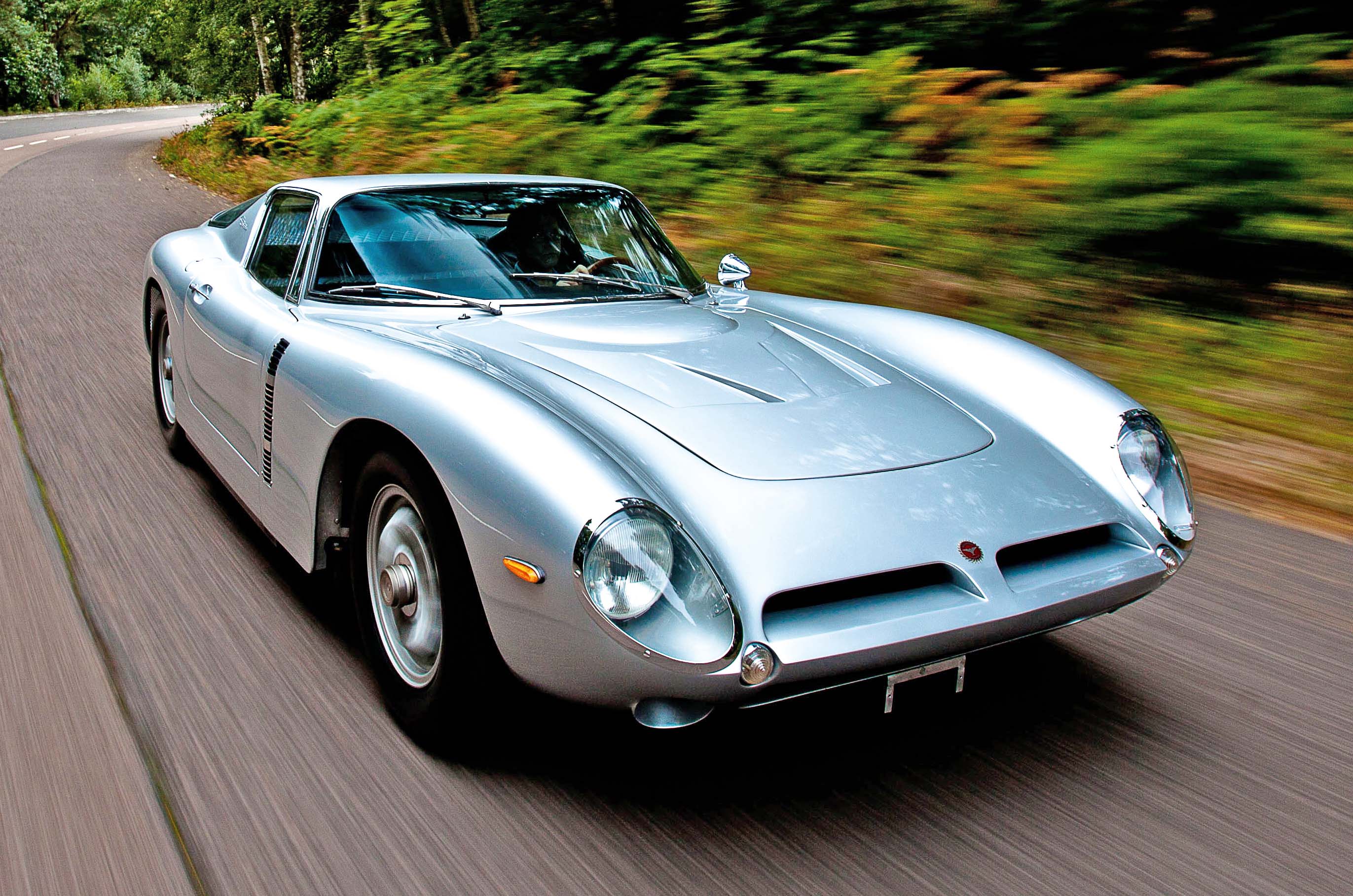
But the essential question remains: is this a road car, a racing car or a Quisling? And does that mean that it offers the best of both worlds, or is it simply a jack of all trades and a master of none?
Auctioneer RM Sotheby’s reckoned it was the former, summing it up in its catalogue description thus: ‘This Bizzarrini is not only a welcome entrant in many of the most prestigious events, such as the Le Mans Classic, Goodwood Revival and Spa Six Hours, but also, with its beautiful lines, a welcome addition to the most prestigious concours events. As an early example with numerous interesting features, it literally ticks all of the boxes.’
Me? I’m not so certain.
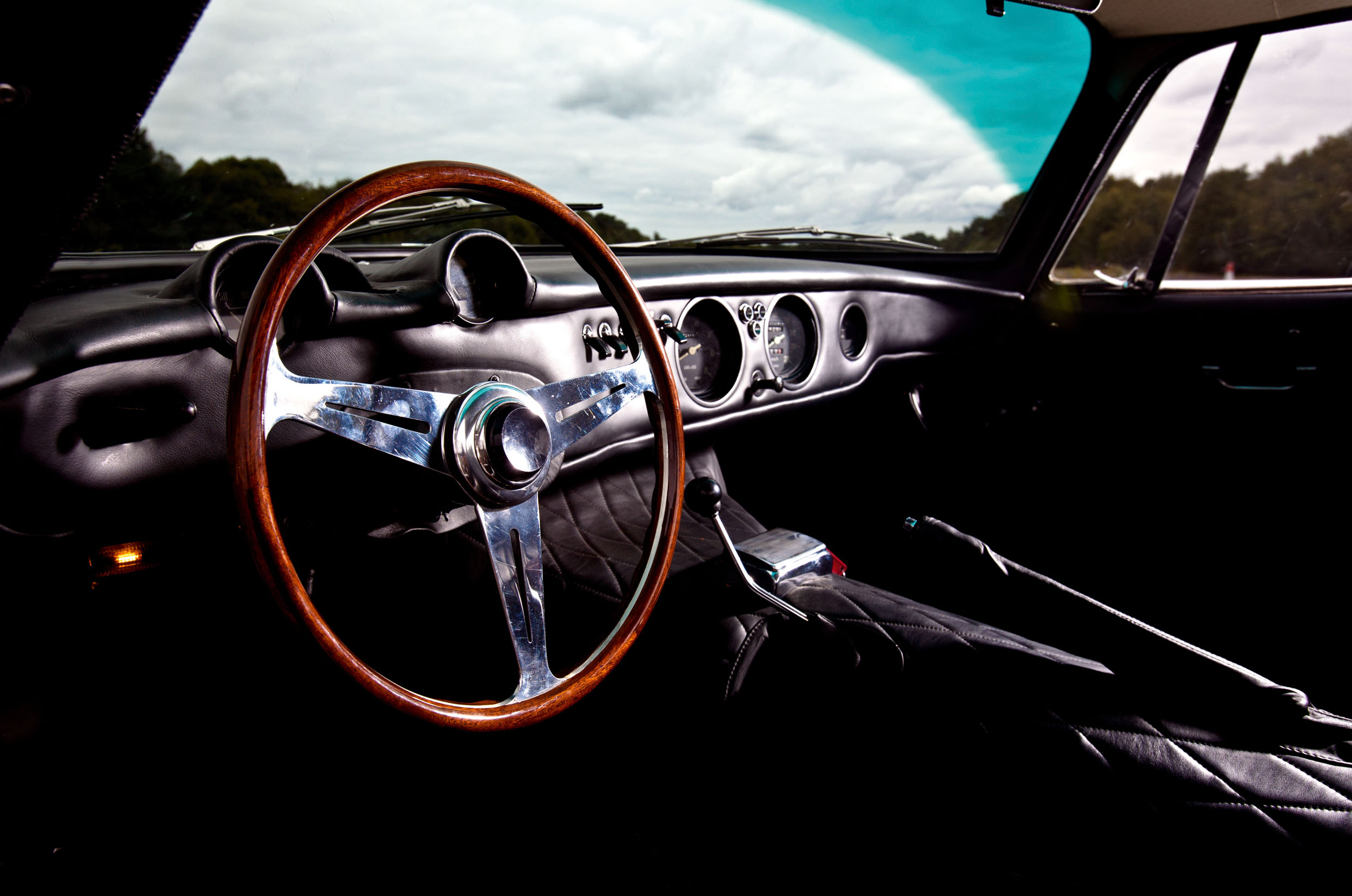
It sure as hell performs like a racing car, and wears its potential on its sleeve, but even having driven it hard and enjoyed it, and therefore entertained such messianic thoughts, a big bit of me still thinks that there are enough racers, that, as genuine and original Stradas become ever more scarce, maybe this is one, despite its A3C features, should be left exactly as it is.
But then who am I to decide? Perhaps a more valid question is: ‘What would Bizzarrini do?’ And in my mind, there is no question: Giotto would choose to go racing.
Images: Malcolm Griffiths
Thanks to: RM Sotheby’s
Iso Grifo Series 2: the other Strada
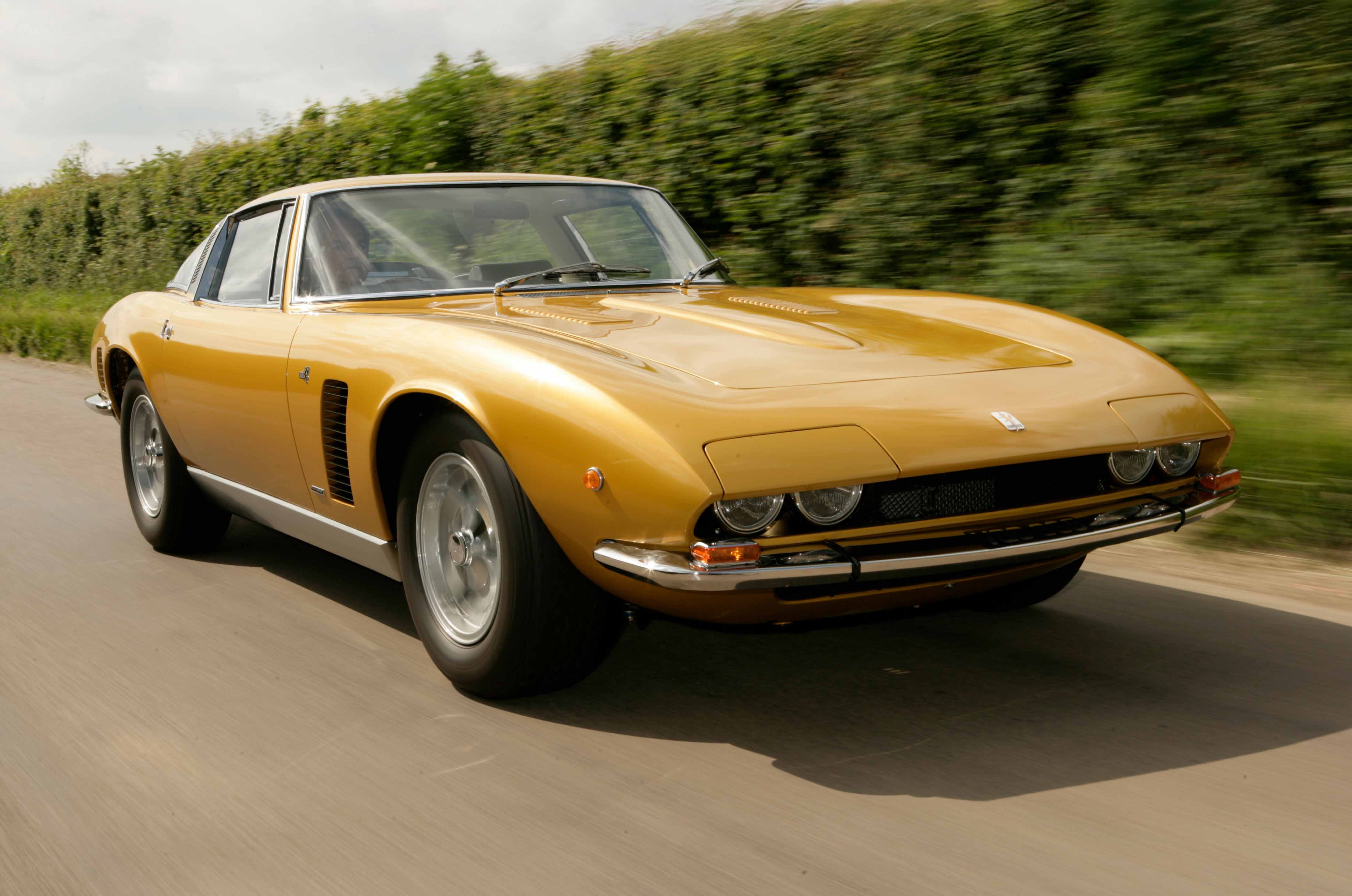
The gorgeous Iso Grifo Series 2
The Bizzarrini Strada 5300 evolved out of the original Iso Grifo A3C, but there was, of course, another Grifo that looked quite radically different.
There were no question marks over the Bertone-styled Grifo A3L’s purpose: this was a luxury GT, born to bait Maseratis and Aston Martins on the autostradas and autoroutes of Europe.
As Giugiaro left Bertone, so he passed the baton to incoming head of design Gandini for the Grifo Series 2, launched in 1970.
Other changes included the option of a 7-litre engine that took top speed to 170mph-plus and output past 400bhp.
Fewer than 100 S2s were built – 20 or so with a ZF five-speed ’box in place of the four-speed Chevy item – with their most distinctive features being headlights tucked away beneath svelte shrouds.
The shape of the S2, with its sharpened nose, is cleaner – except when fitted with the ‘mezzanine’ bonnet to accommodate the bigger engines.
Just four were made with targa-style removable roofs, and experts say they are the most desirable roadgoing Grifos of all.
Later cars even came with Ford Cleveland Boss 4BBL powerplants, before the Grifo name was killed off in ’74.
Factfile
Bizzarrini 5300 GT Strada
- Sold/number built 1965-’69/149
- Construction steel platform chassis with aluminium body riveted to it, to form a semi-monocoque
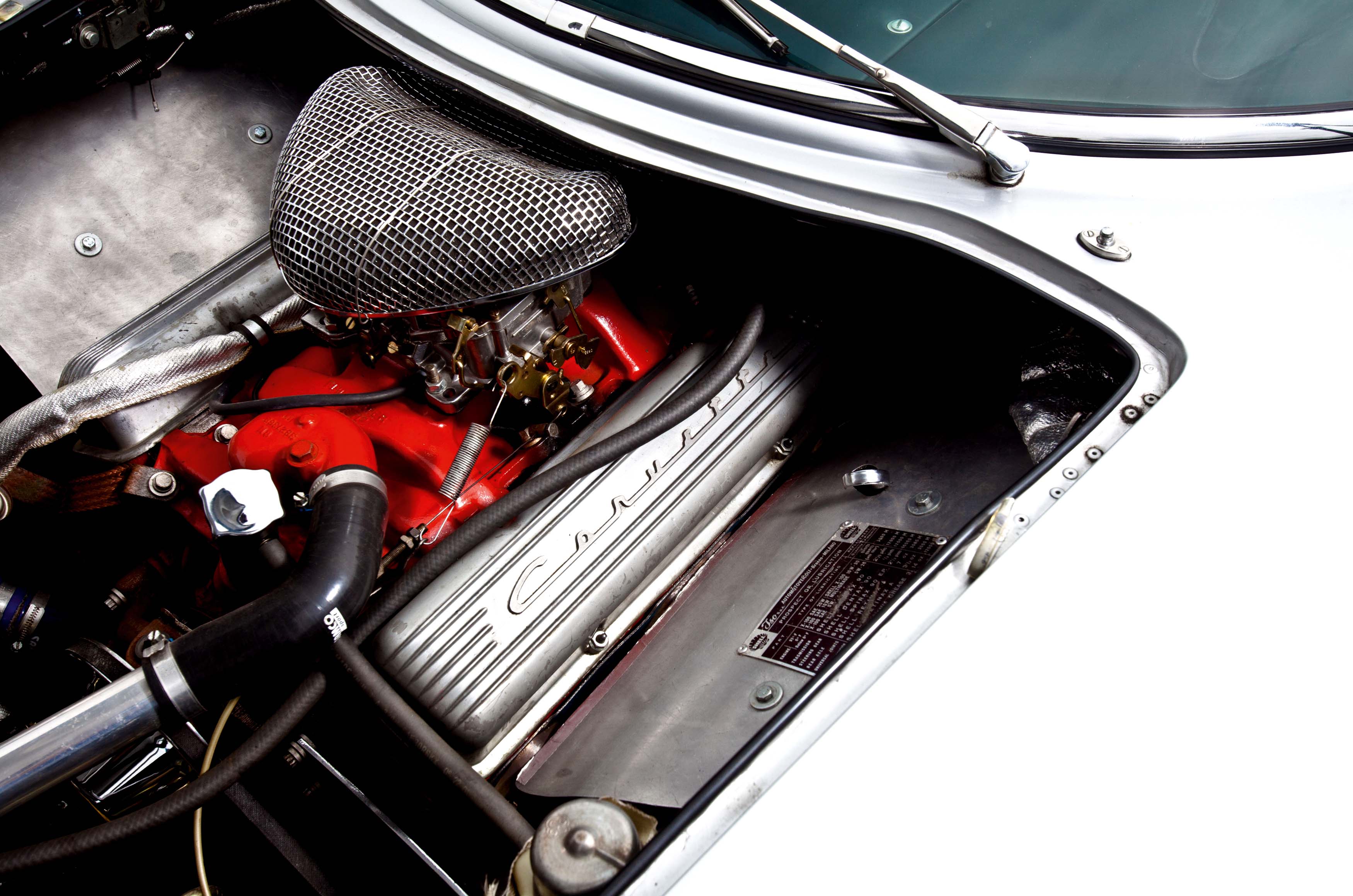
- Engine all-iron, ohv 5358cc 90° V8, single four-barrel Holley carburettor
- Max power 365bhp @ 6000rpm
- Max torque 344lb ft @ 4000rpm
- Transmission four-speed manual, RWD via limited-slip differential
- Suspension: front independent, by double wishbones rear de Dion tube, trailing arms, Panhard rod; coil springs, telescopic dampers, anti-roll bar f/r
- Steering Burman recirculating ball
- Brakes 12in front, 11¾in inboard rear discs, with twin servos
- Length 14ft 4in (4369mm)
- Width 5ft 8in (1727mm)
- Height 3ft 7¾in (1117mm)
- Wheelbase 8ft ½in (2439mm)
- Weight 2530lb (1147kg)
- Mpg n/a
- 0-60mph 6.4 secs
- Top speed 170mph
- Price new not sold in UK
Enjoy more of the world’s best classic car content every month when you subscribe to C&SC – get our latest deals here
READ MORE
Iso Grifo GL: a waiting game
ATS 2500GT: built by rebels
Meccanica Maniero GT 4700: do-it-yourself exotic
James Elliott
James Elliott is a former Editor of Classic & Sports Car