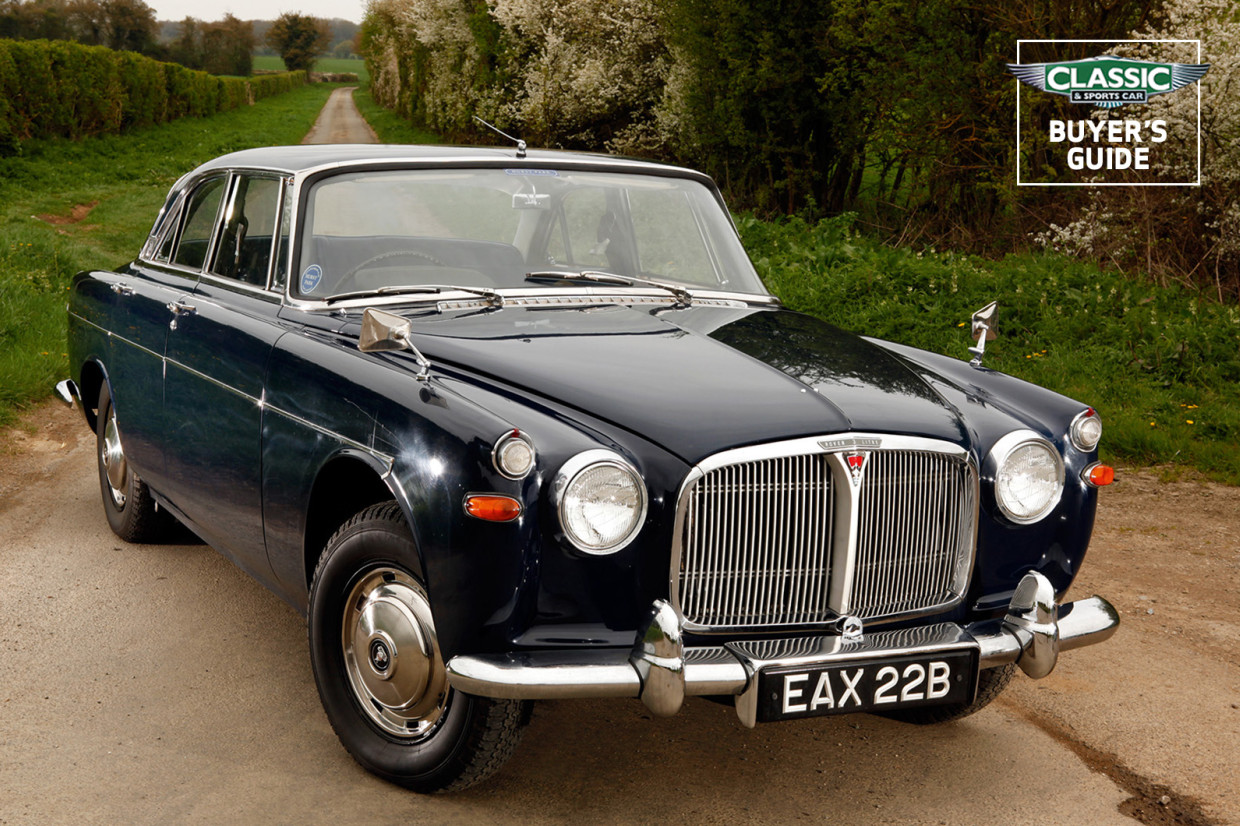
Why you’d want a Rover P5 & P5B
The last of the traditional Rovers, P5s and P5Bs were so over-engineered, over-equipped, statesmanlike and luxurious that the British government laid claim to the last batch and salted them away for future ministerial use.
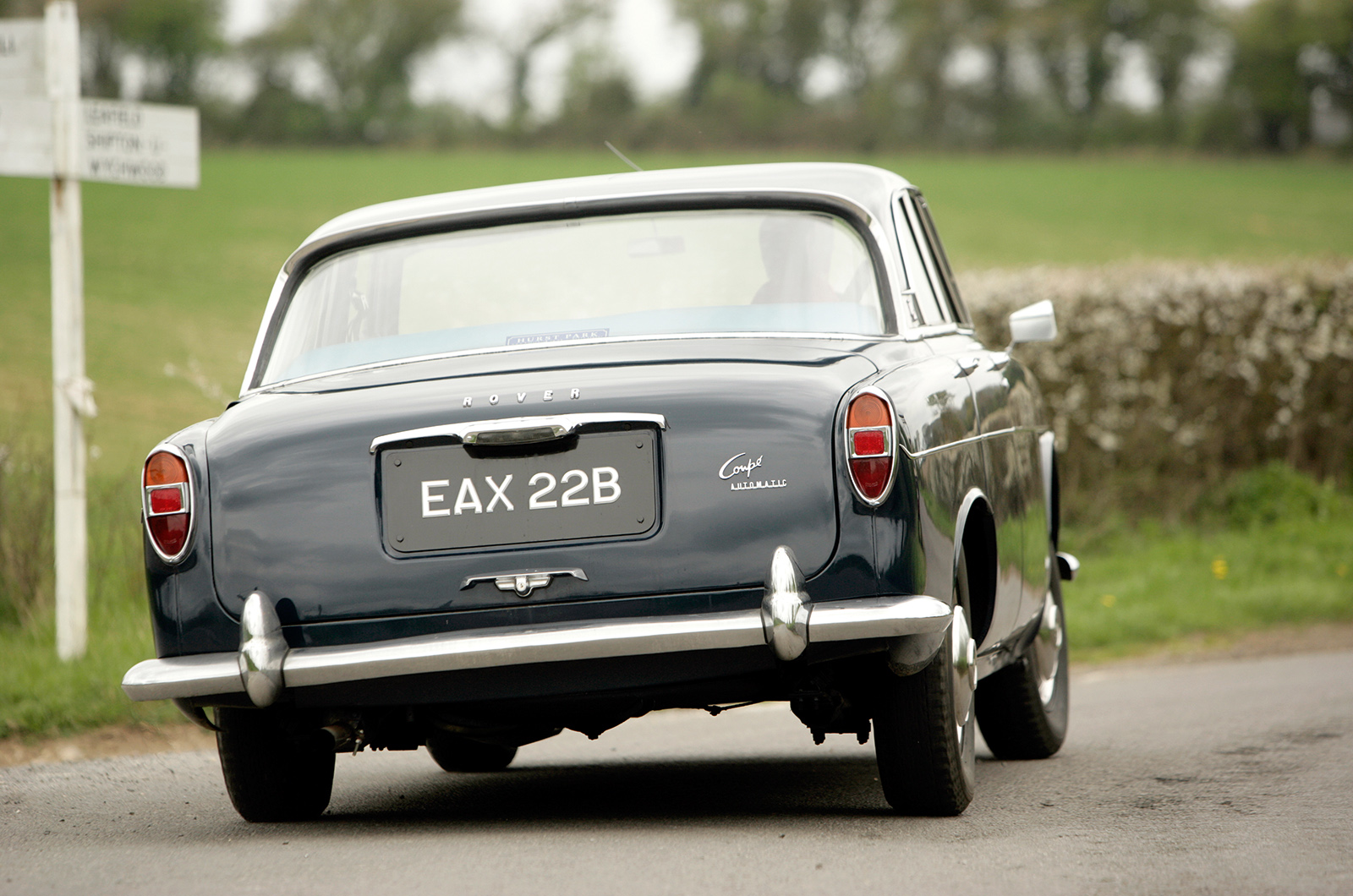
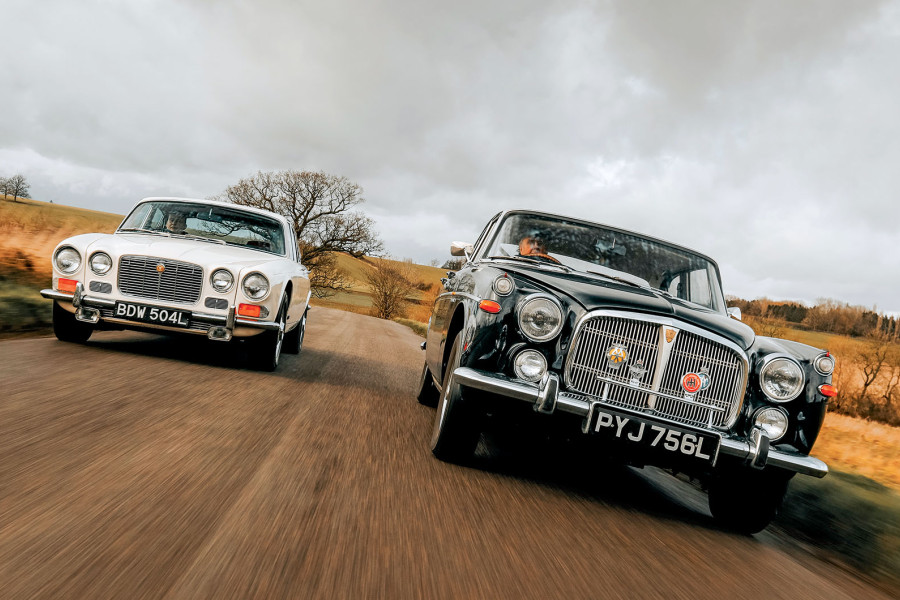
Only Rover could have built a car as a four-door saloon and a four-door Coupé, the main difference on the latter being a more rakish roofline that rendered you liable to bang your head when getting in and out of the back.
The Coupé was a slow seller at first, but took off with the added cachet of the V8 engine from 1967. The 3 Litre saloons were the most plentiful (at 40,402 built, to 7983 3 Litre Coupés, 11,501 3.5 saloons and 9099 3.5 Coupés), but were the first to be scrapped, so the vast majority have long gone. Survivors are more appreciated now than in the past, though still worth less.
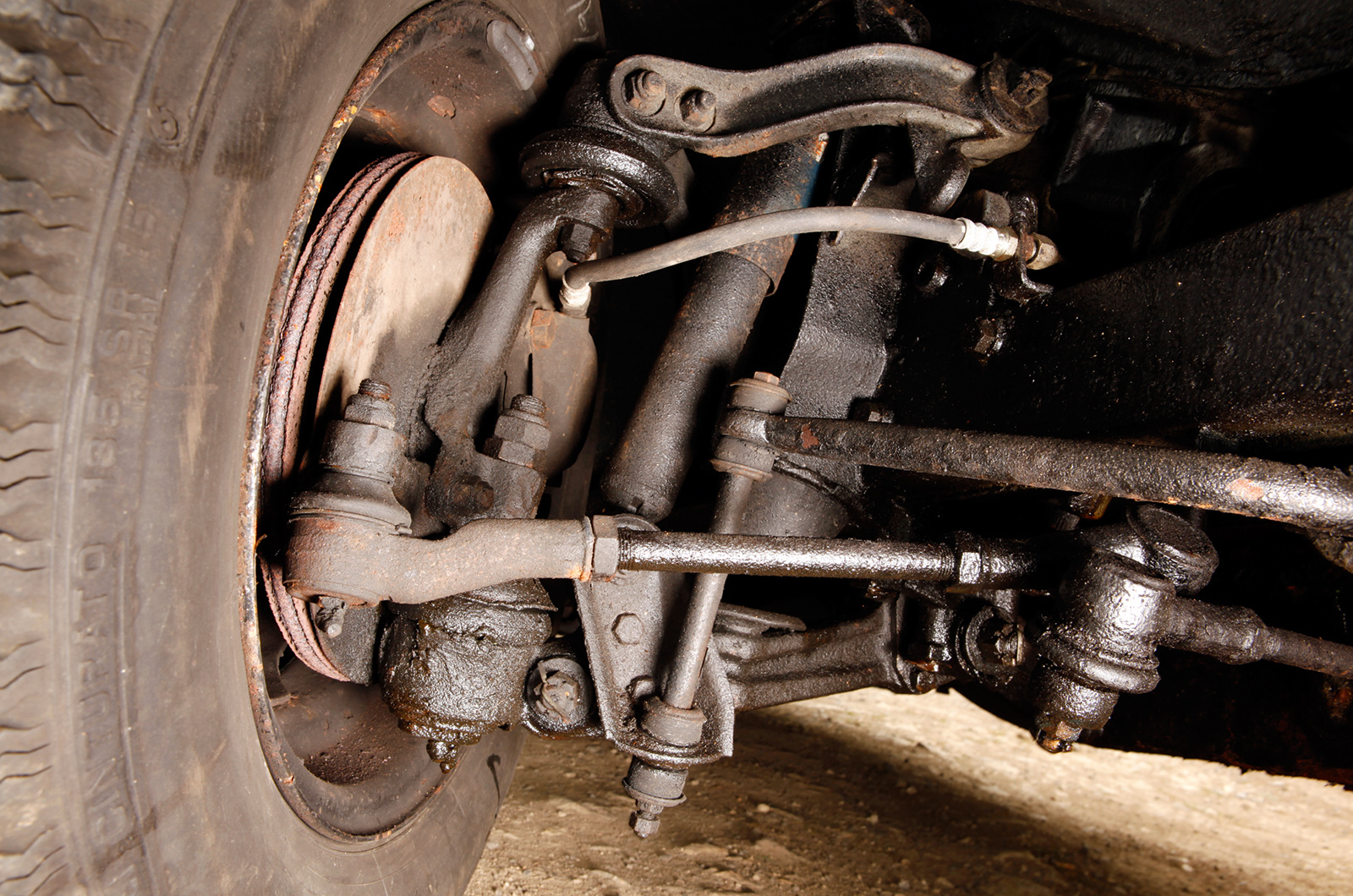
Being Rover’s first monocoque saloon, the P5 was immensely strong, with the engine, transmission and front suspension mounted on an equally massive separate subframe to insulate the body from road noise and shocks.
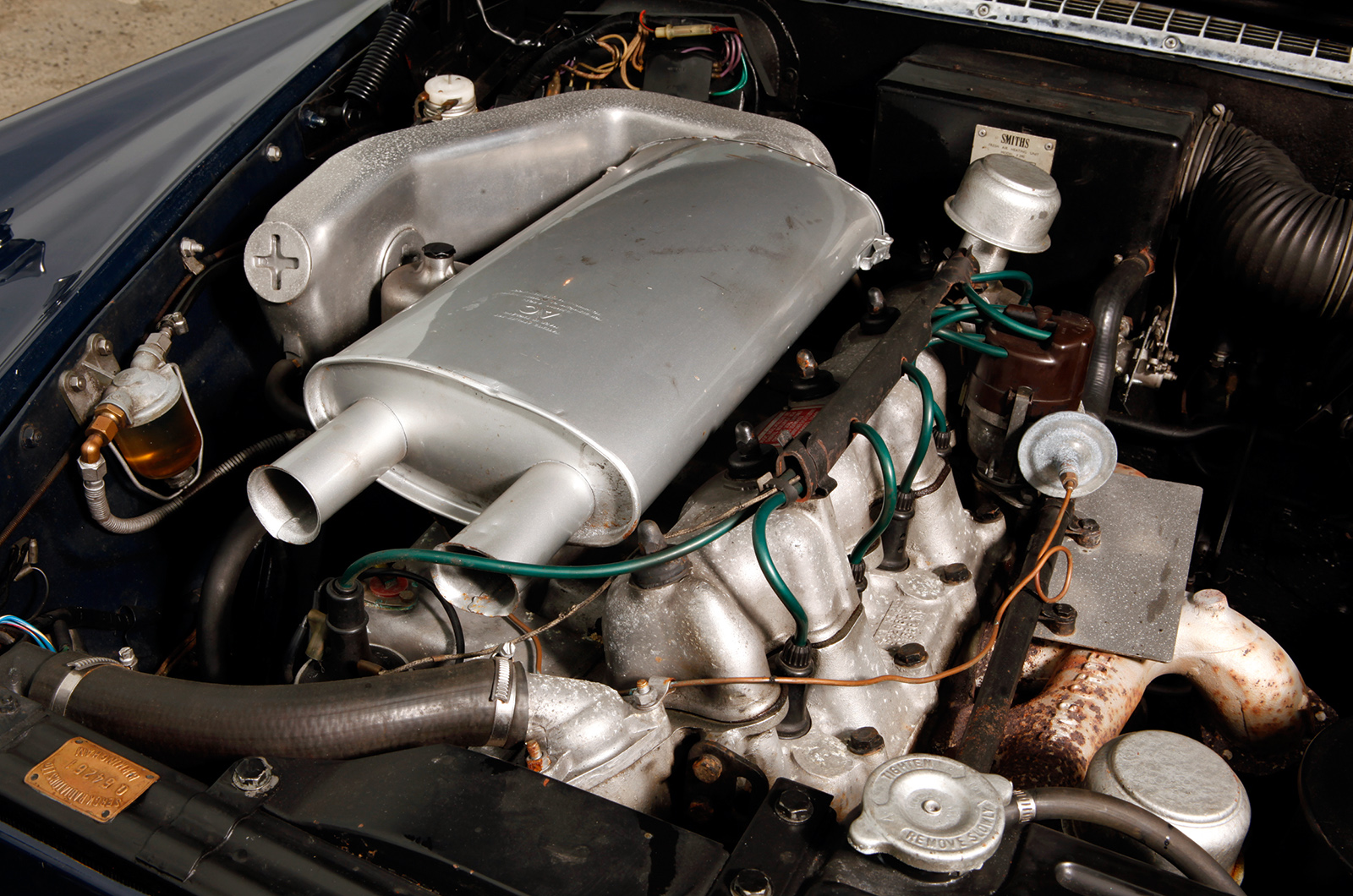
Though clearly similar to the P4’s straight-six, the 3-litre engine was all new and marginally longer. With seven main bearings it was very smooth and more flexible than before, but it was gutless in automatic form and was a heavy lump.
Harry Weslake came up with a much-improved head for the MkII, boosting power but also fuel consumption if driven hard.
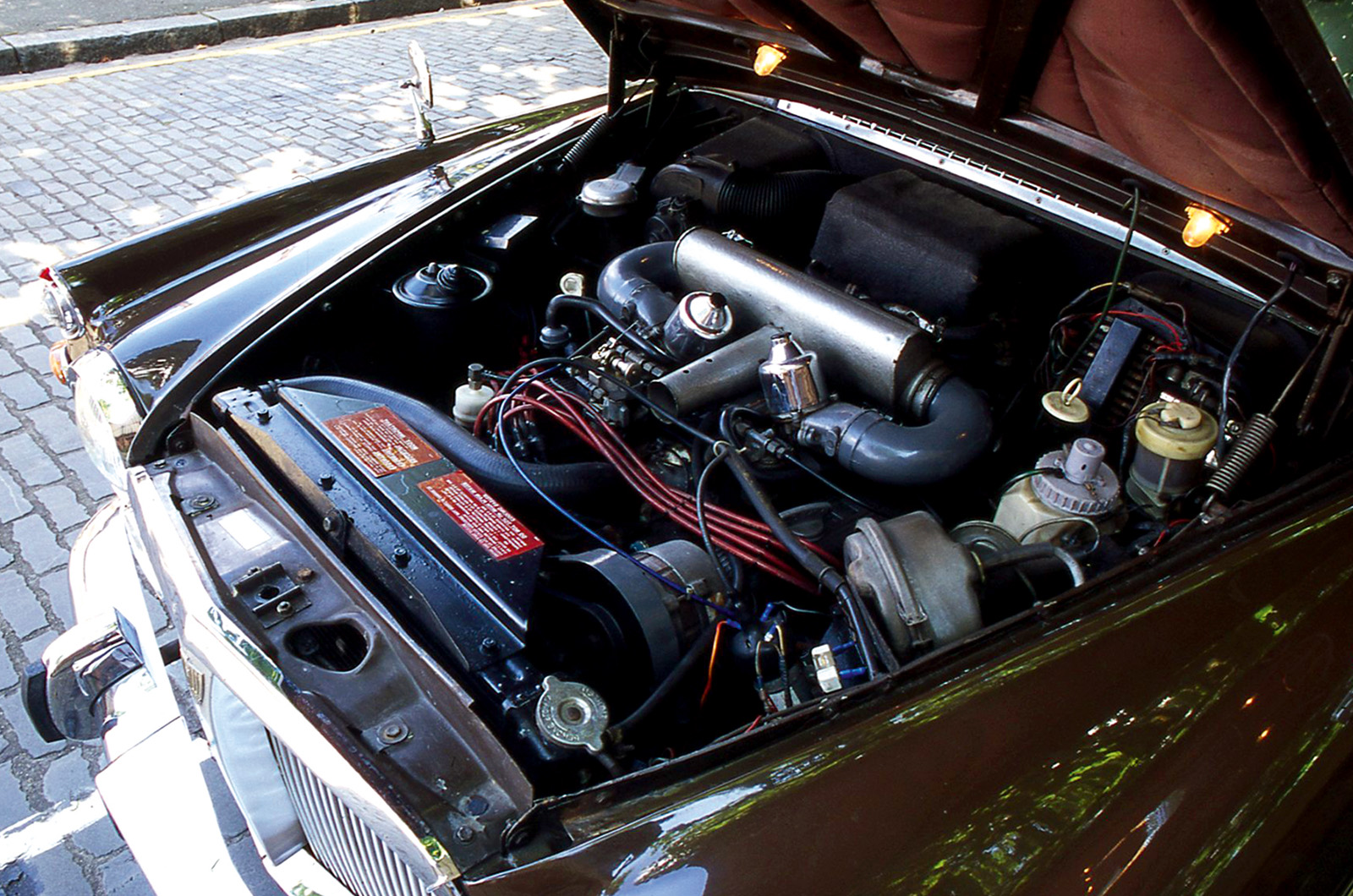
Rover’s future was transformed when MD William Martin-Hurst spotted the all-alloy Buick V8.