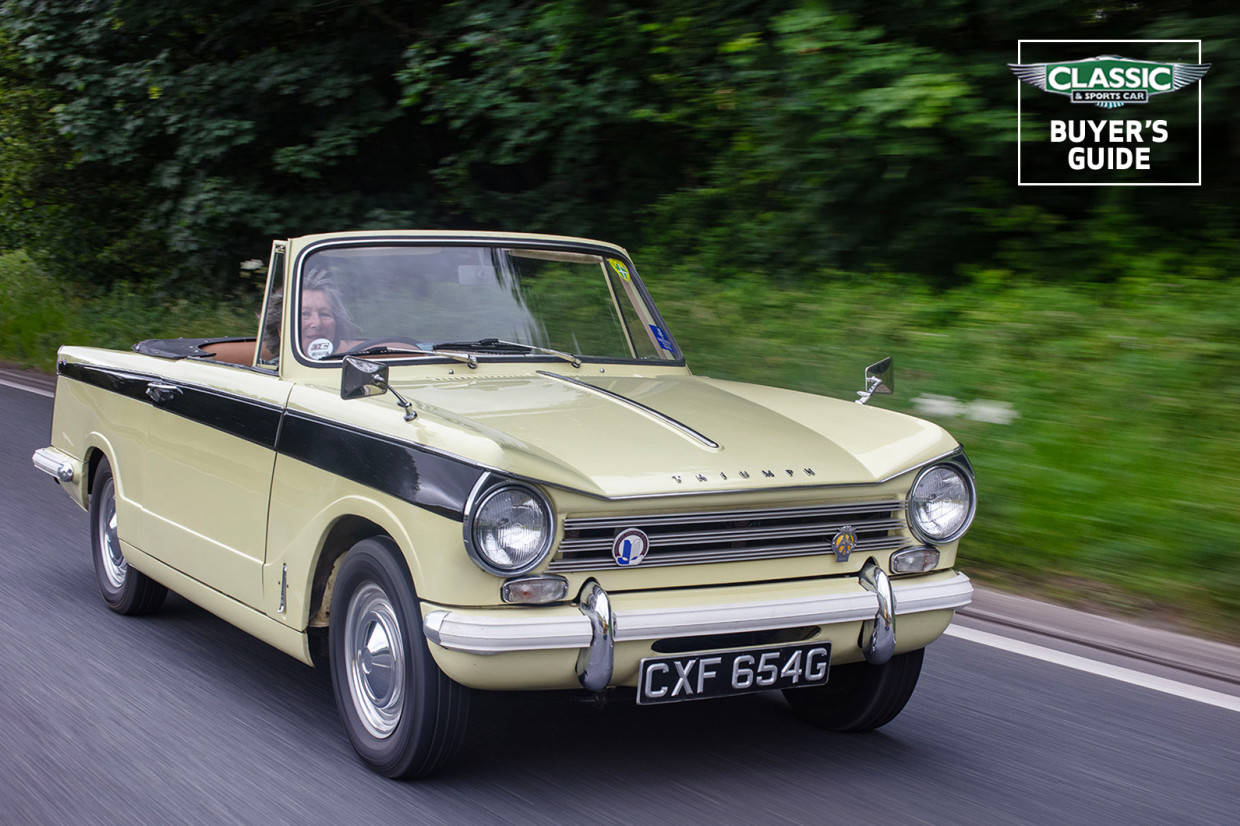
Buyer’s guide: Triumph Herald

| 17 Oct 2025
Classic & Sports Car – Buyer’s guide: Triumph Herald

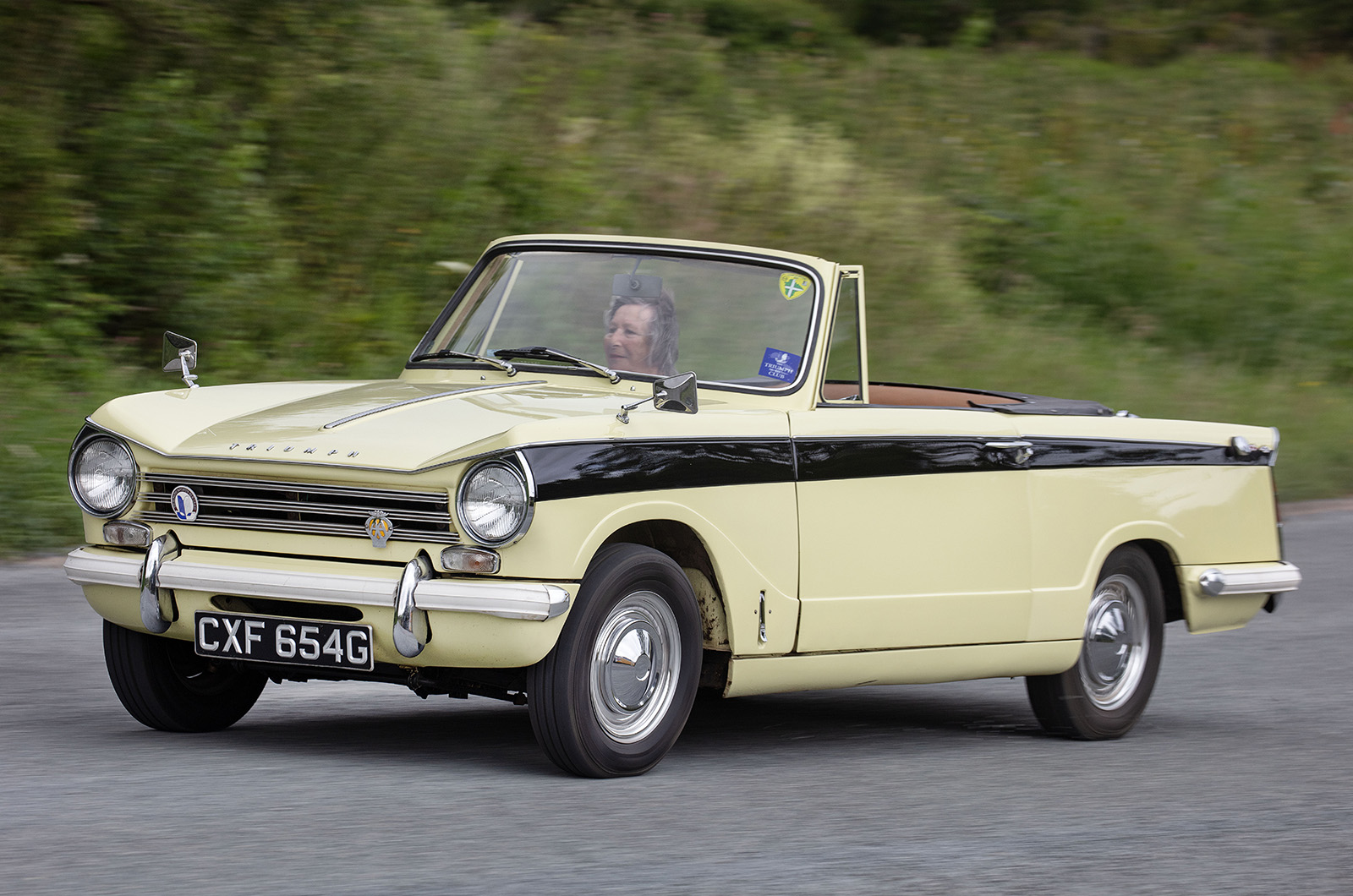
Why you’d want a Triumph Herald

Losing Fisher & Ludlow (which had made monocoque bodies for the Standard 8 and 10) to the British Motor Corporation led Standard-Triumph to choose separate-chassis construction for its next small car.

Harry Webster made a virtue from necessity, designing a sturdy but light double-backbone frame with outriggers and side rails; a compact, unboltable independent front suspension with coil spring/damper units and twin wishbones; rack-and-pinion steering with a very tight turning circle; and an independent rear when most rivals were still on live axles.

Engaging the brilliant Giovanni Michelotti to style the new car was a masterstroke, and he, too, took advantage of the stiff chassis to design a car with outstanding all-round vision that soon became a driving instructors’ favourite.

The separate chassis increased flexibility to build different bodies, so the range expanded to include saloon, coupé, convertible, estate and Courier van. In India, a four-door saloon was also built as the Standard Herald and Gazel.
Classic & Sports Car – Buyer’s guide: Triumph Herald

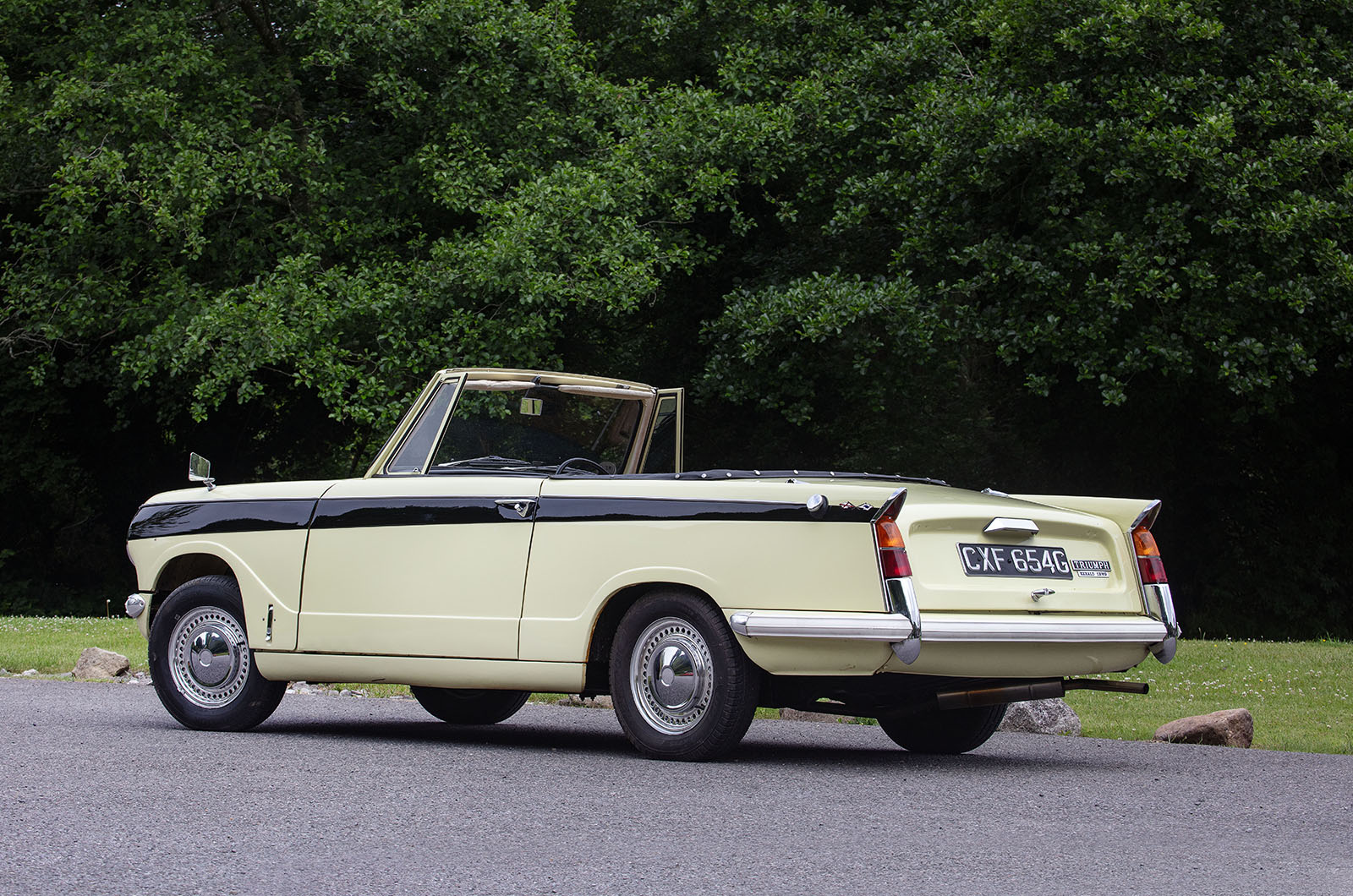
Use of the word ‘standard’ changed post-war from ‘maintaining a high standard’ to ‘ordinary’ or ‘basic’, so the firm began to use the Triumph name on all its products.
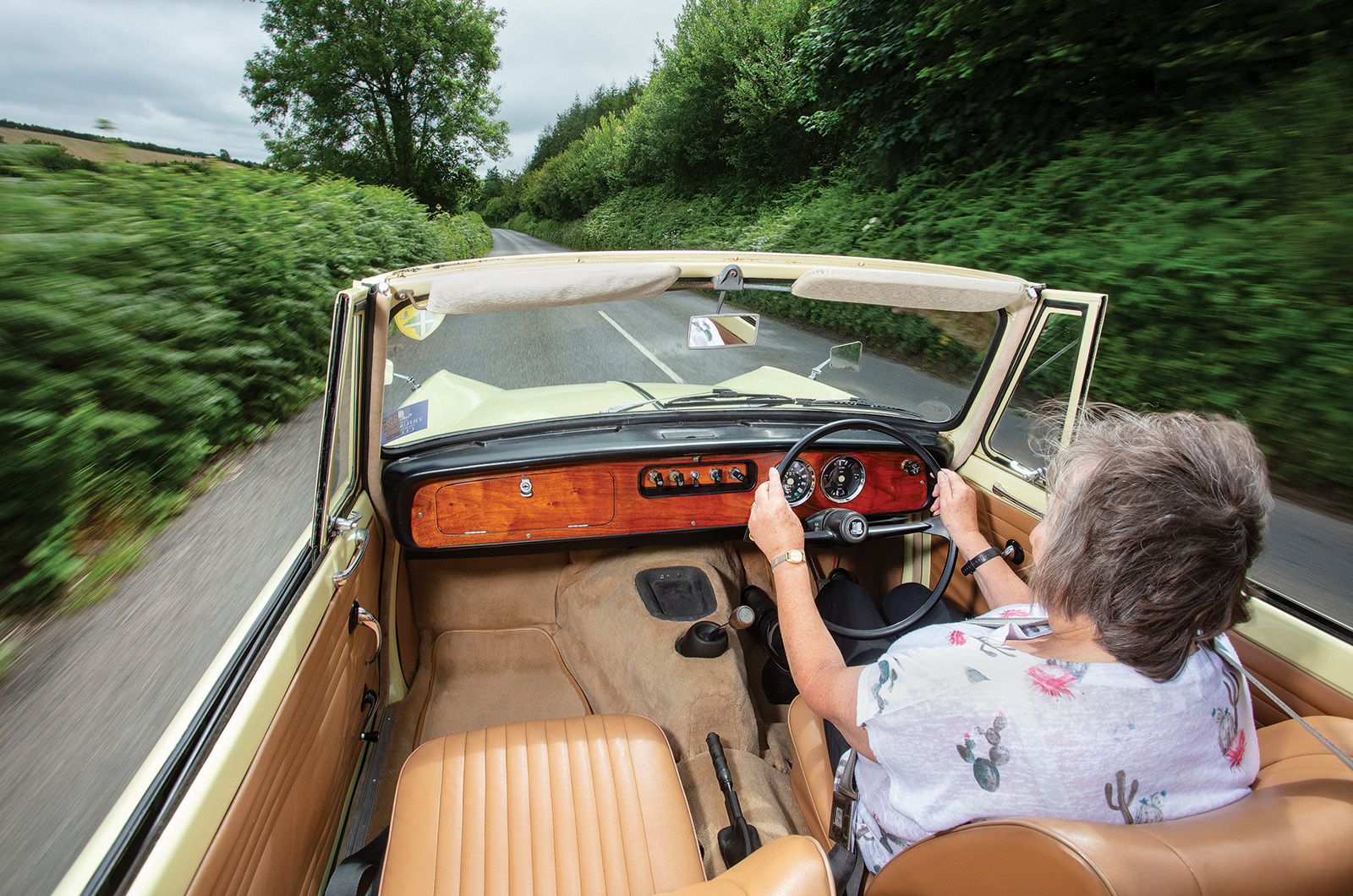
An upmarket interior with fresh-air heating and a carpeted floor helped to lift the Herald above its opposition.

Seats adjustable for height and rake, and an adjustable-length steering column, were also novelties in the small family-car market.

Keeping ahead of the Morris Minor and Ford Anglia was important, so the 948cc engine soon grew to 1147cc and finally to 1293cc, making the 13/60 models the most usable choice today, well able to maintain motorway speeds.

Present-day pundits delight in lambasting the swing-axle rear suspension’s ability to ‘jack up’ under extreme cornering. However, period road tests were fulsome in praising the safe and predictable handling, and the truth is that most drivers never encountered a problem.

Braking when cornering hard is best avoided, especially with a light load, while new tyres are hugely better than old, time-hardened rubber.

‘Rot-boxes’ is another unfair accusation: the Triumph Herald wears its heart on its sleeve, and is all the better for that. There are no closed box-sections in the shell, so all rust can be seen and almost all is easier to deal with than on most contemporaries, with nasty surprises rare.

Images: James Mann


Triumph Herald: what to look for

Classic & Sports Car – Buyer’s guide: Triumph Herald

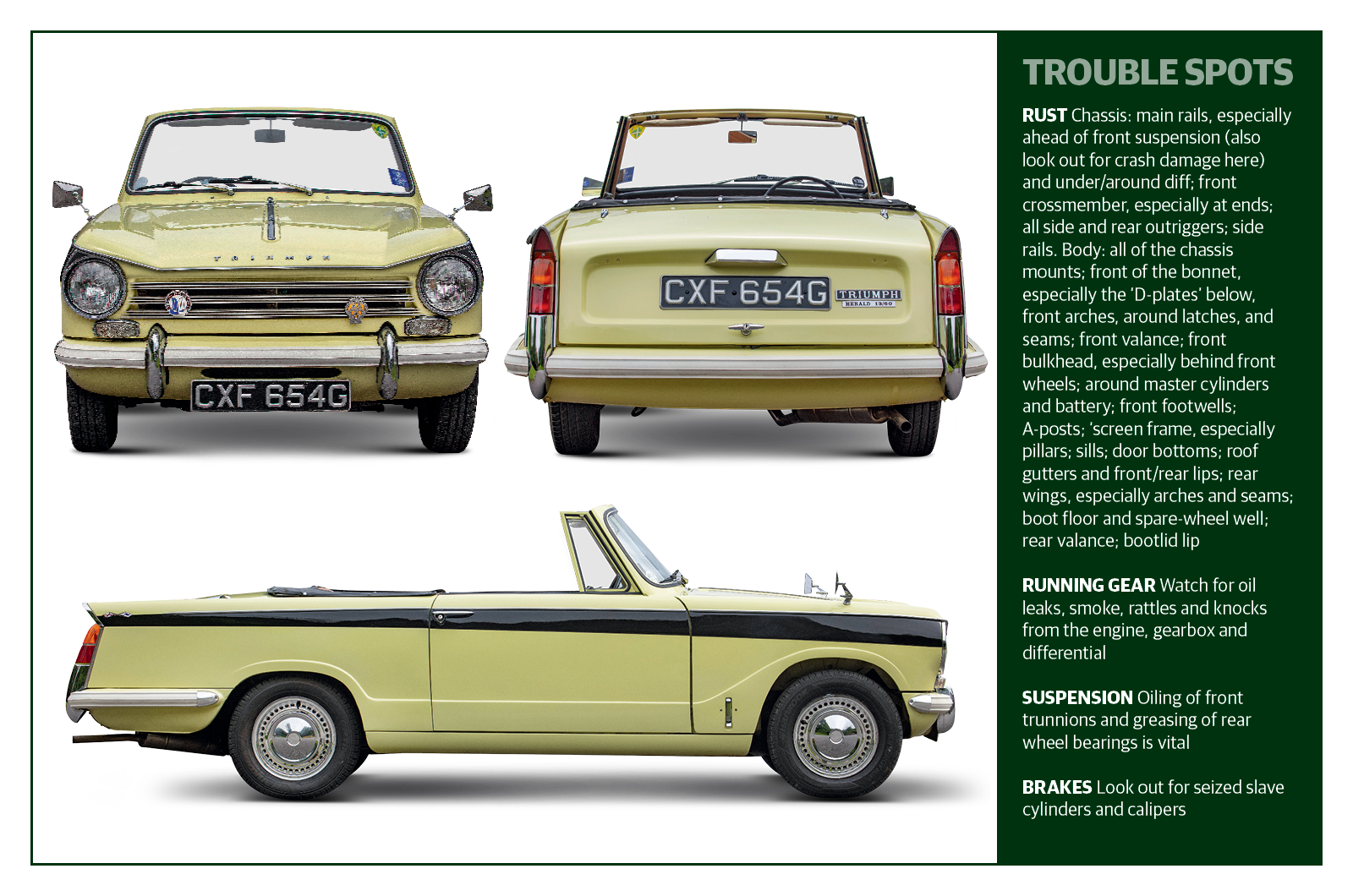
Trouble spots

Please see above for what to check for when looking at Triumph Herald classic cars for sale.

Classic & Sports Car – Buyer’s guide: Triumph Herald

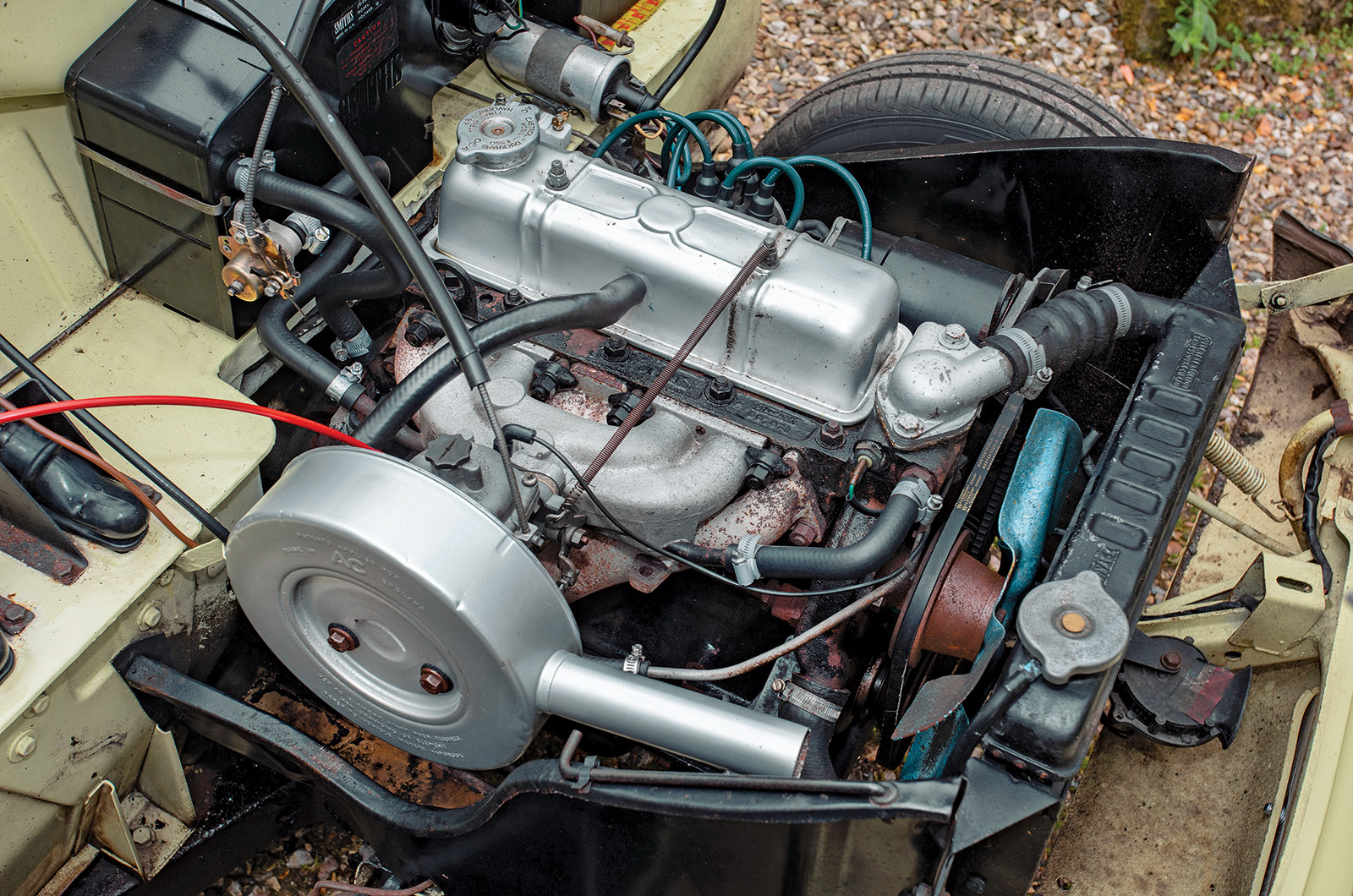
Engine

Designed to rival the BMC A-series, Standard’s little ‘four’ is dependable and sounds good; though not fast, it should feel smooth and responsive.

Its weakness is thrust-bearing wear, which if neglected damages the block. Get someone to press the clutch while you watch the engine front pulley – if it moves forward noticeably, beware.

Classic & Sports Car – Buyer’s guide: Triumph Herald

Rust

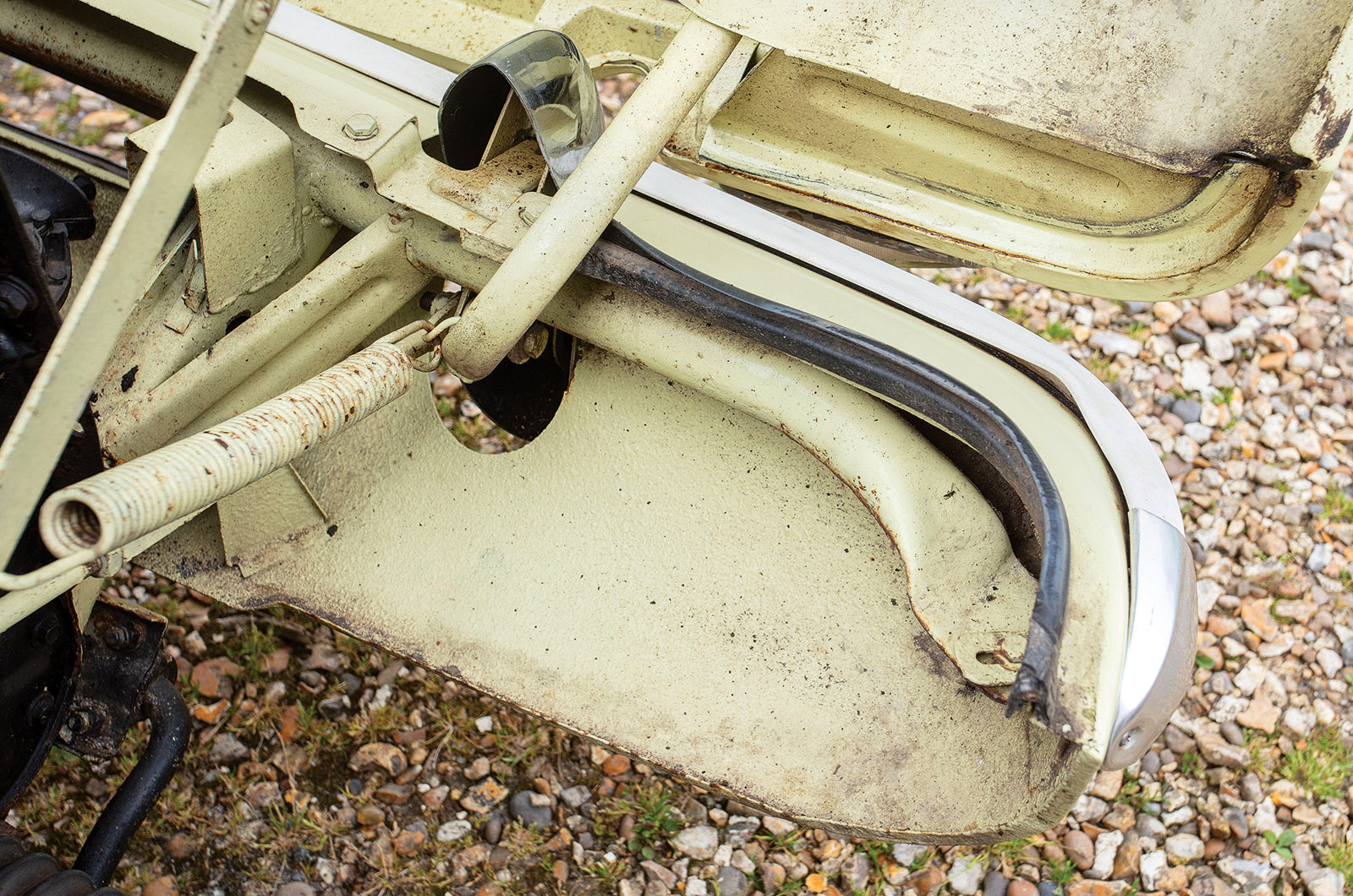
Check for rust, cracks and distortion in the front valance, bonnet ‘D-plates’ and inner arches.

Most now have glassfibre front valances – this is the original steel.

Classic & Sports Car – Buyer’s guide: Triumph Herald

Suspension

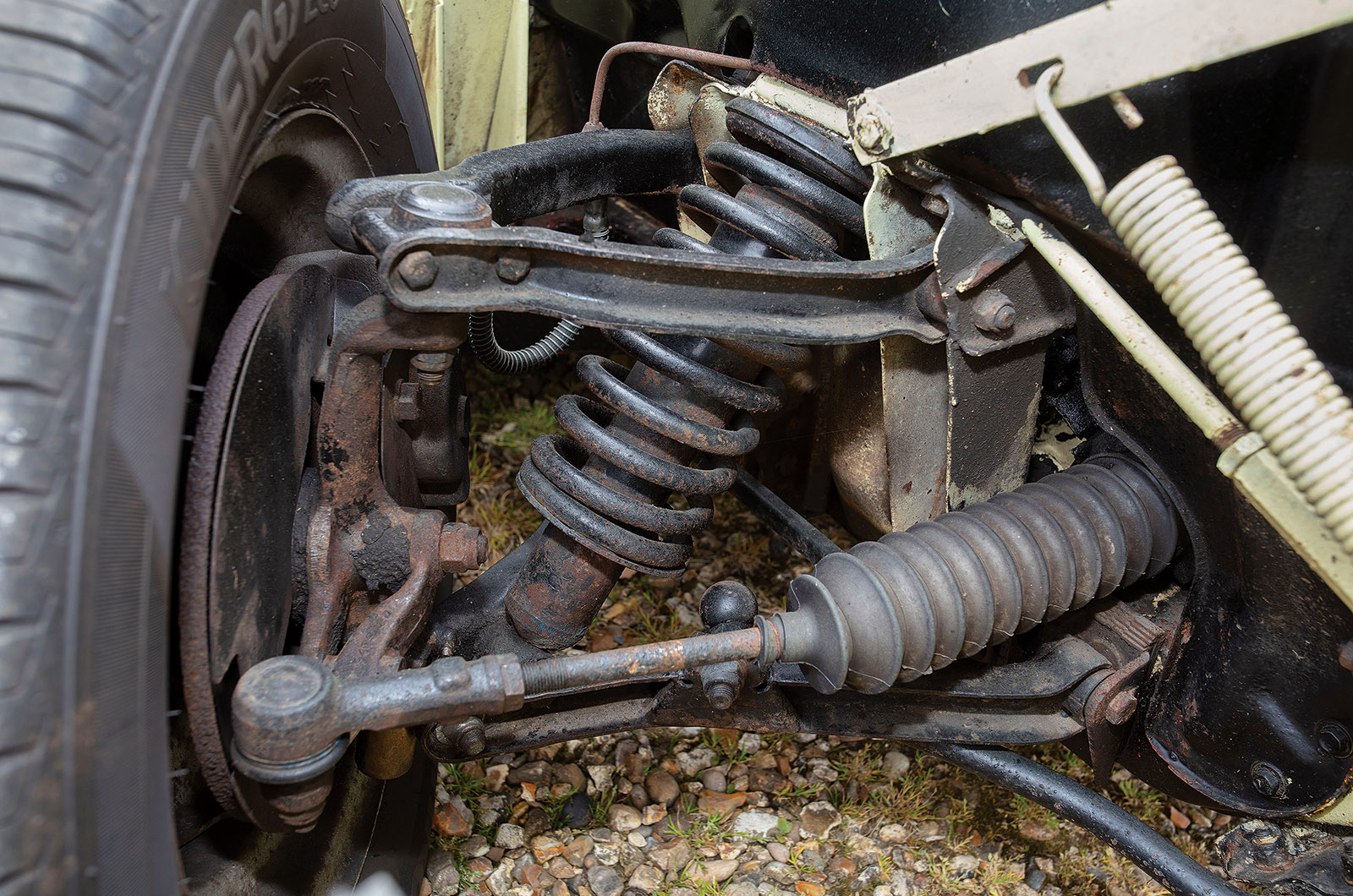
Trunnions should be oiled with EP90 every 6000 miles; if neglected, they can seize and snap the kingpin.

Check for evidence of proper maintenance.

Classic & Sports Car – Buyer’s guide: Triumph Herald

Interior

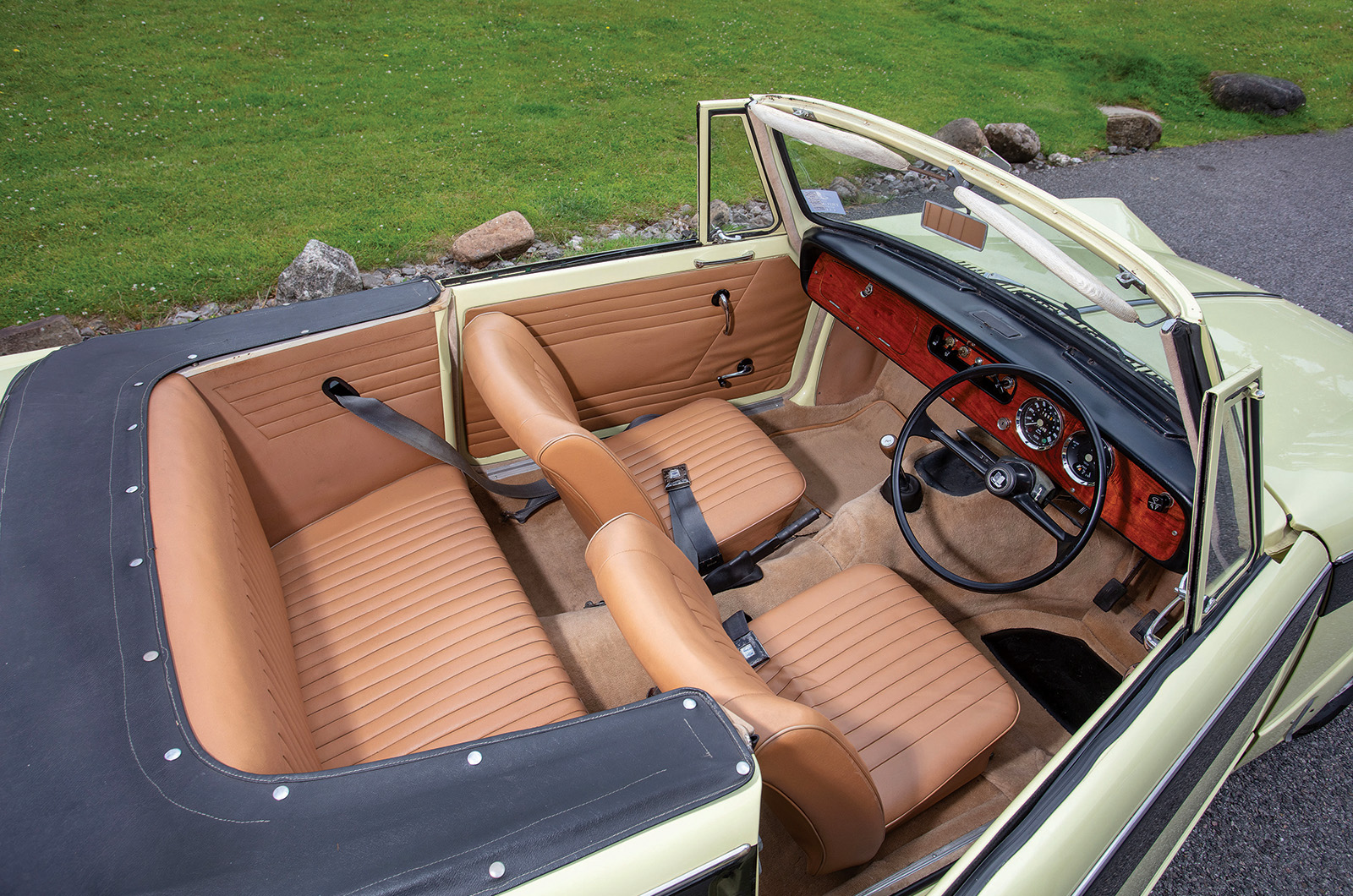
Complete Triumph Herald seat-trim kits can be bought (this car is original), but beige carpets are no longer available.

Inspect the wood for damage and/or delamination, and the floors for rot.

Classic & Sports Car – Buyer’s guide: Triumph Herald

Soft-top

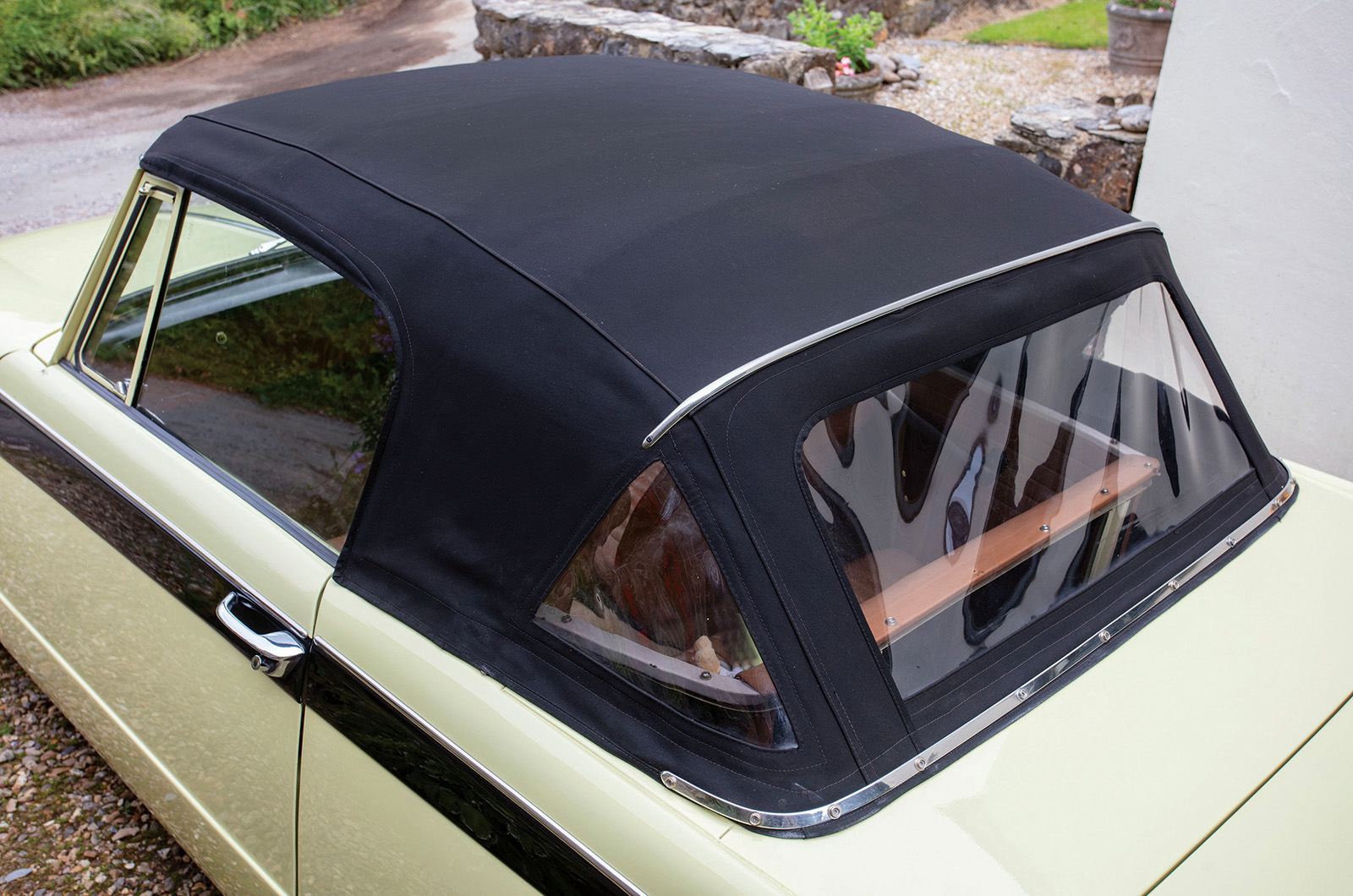
The original vinyl top has been replaced with mohair here.

Check the fit around the windows: many of the replacement hoods on offer are poorly dimensioned.


Triumph Herald: before you buy

Classic & Sports Car – Buyer’s guide: Triumph Herald

Many Heralds will have had mechanical and even body changes over the decades – it is the ultimate ‘Meccano’ car, and home mechanics have delighted in swapping bits to keep them going, tidy them up or make them go better.

If originality is important, check carefully. When inspecting for rot, ensure the chassis legs haven’t been welded to the body: they should be bolted, with a flexible membrane between.

Check convertibles have the correct ‘-CV’ chassis number and that the B-post/door-locating pegs are present (without them, doors fly open on hard cornering).

Engines, gearboxes, diffs and suspension all get swapped – some tweaks enhance a daily user (such as Spitfire twin carbs and overdrive gearbox), some don’t.

Classic & Sports Car – Buyer’s guide: Triumph Herald

Cylinder heads were made with better castings that resist valve-seat recession longer than an A-series, though exhaust valves will eventually need hardened seats.

Inspect the engine for wear – crank movement, smoke, oil and coolant leaks, rattles and knocks – and the ’box for layshaft wear (dip the clutch in neutral and the noise will go), crunchy changes and jumping out of gear.

Vibration above 30mph is usually propshaft universal joints; clunks on pulling away/lifting off is likely a worn diff and driveshaft UJs. Brakes get sticky if little used.

Check the steering for free play (there should be none), vertical movement in the end of the rack, wear in the column UJ and worn track-rod ends.

Put it through an MoT if you are not confident of making these checks yourself.


Triumph Herald price guide

Restoration/average/show

  • 13/60 saloon: £750/3250/6000
  • 948, 1200, 12/50 saloon: £1000/3500/7000
  • Coupé, convertible, estate, van: £1250/4500/9000


Prices correct at date of original publication


Triumph Herald history

1959 Herald launched as 948cc single-carb saloon and twin-carb coupé

1960 Convertible added (twin-carb); coupé roof design revised

1961 S saloon option: rubber floormats, optional heater; 1200 replaces all except S: wooden dashboard, fatter seats, white rubber bumper trims; estate added

1962 Courier van (S spec); stronger Vitesse chassis is fitted across the 1200 range

1963 12/50: front discs, fabric sunroof

1964 Herald S, then later Courier van (5136 built) and coupé dropped

1967 13/60 replaces 1200 (except base saloon): new bonnet styling, dashboard and trim

1970 1200 saloon dropped

1971 Triumph Herald production ends


The owner’s view

Classic & Sports Car – Buyer’s guide: Triumph Herald

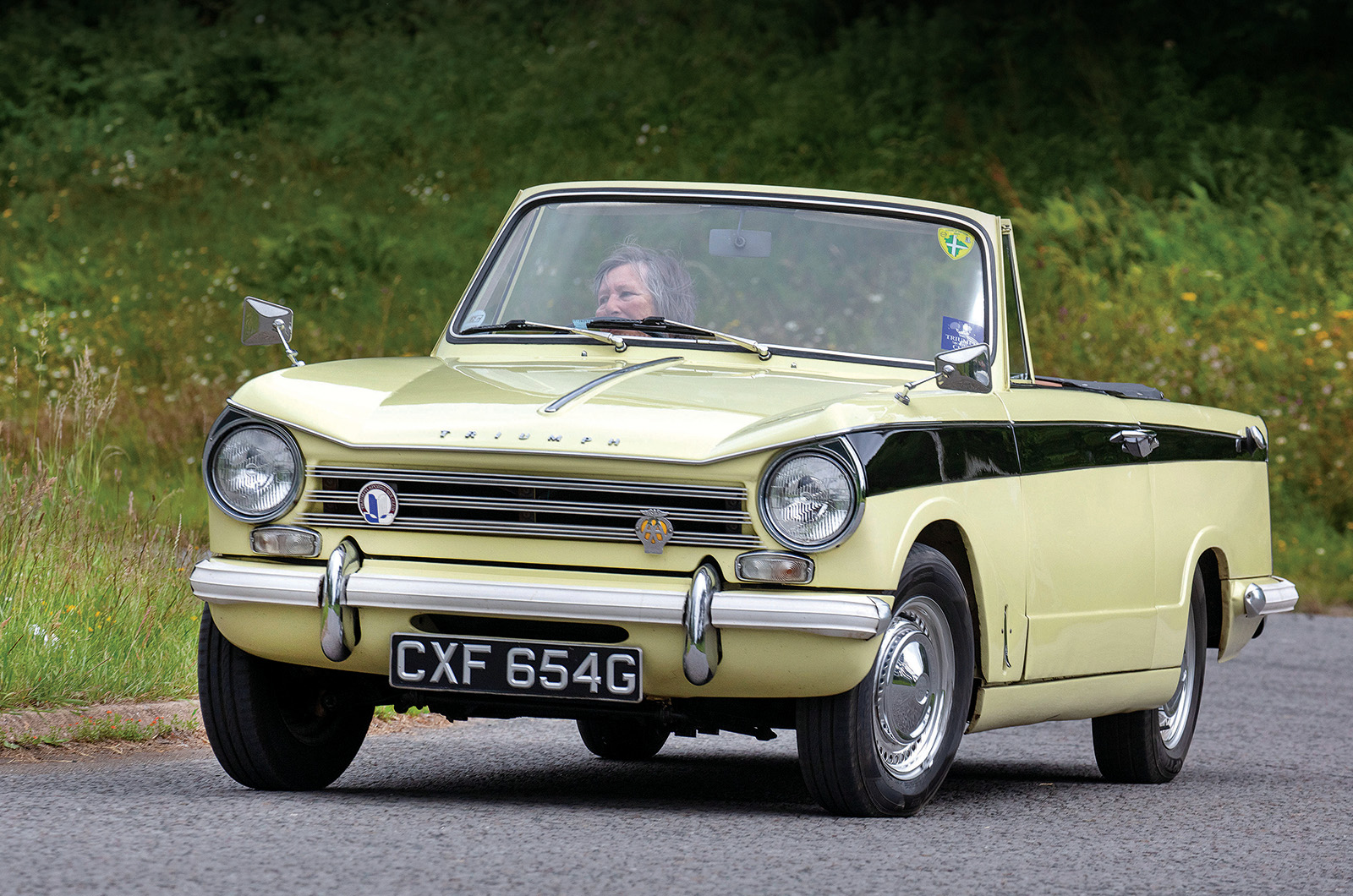
“I learned to drive in my mother’s 1200 convertible,” recalls Sue Franklin, “but then she put it through a plate-glass window! When I came home from college, this 13/60 had replaced it.

“She was called Jassy, I assume because of the Jasmine paint, and many local people still recognise her as their doctor’s car – Dad did his rounds in her when the weather was dry.

“The local dealer, Evans & Cutler, always put a contrasting side flash on the Heralds it sold. Dad drove her until ’86, then passed her to me.

“We had a Stag already and at first we just drove her to the pub; then we joined the Triumph Sports Six Club and we’ve now been area organisers for 20 years.

“The running gear is original, but we had to have her resprayed because Dad had polished through the paint on the bonnet. Autotrim in Ivybridge fitted the mohair hood and managed to make beige carpets to match the originals.”


Also consider

Classic & Sports Car – Buyer’s guide: Triumph Herald

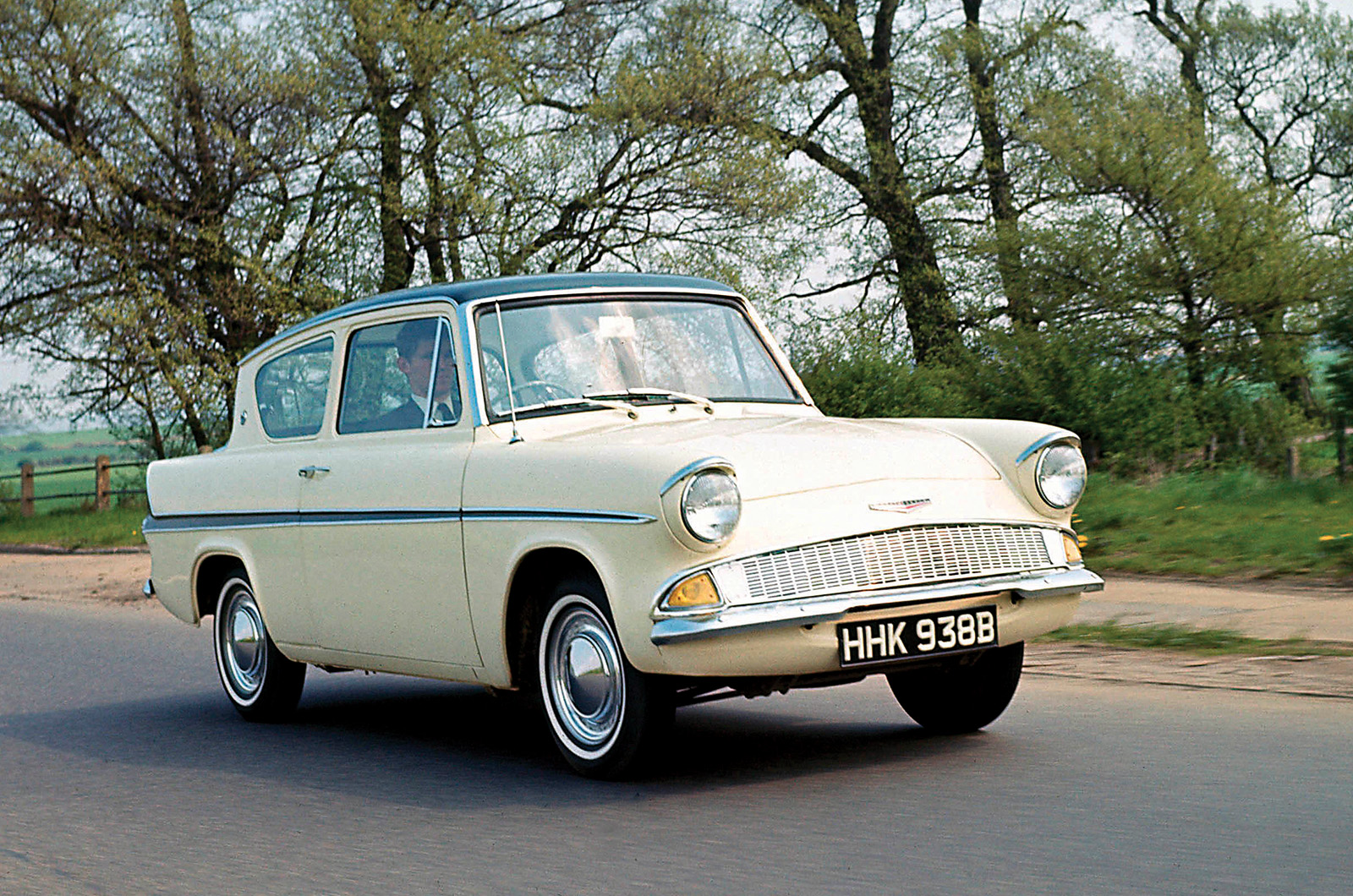
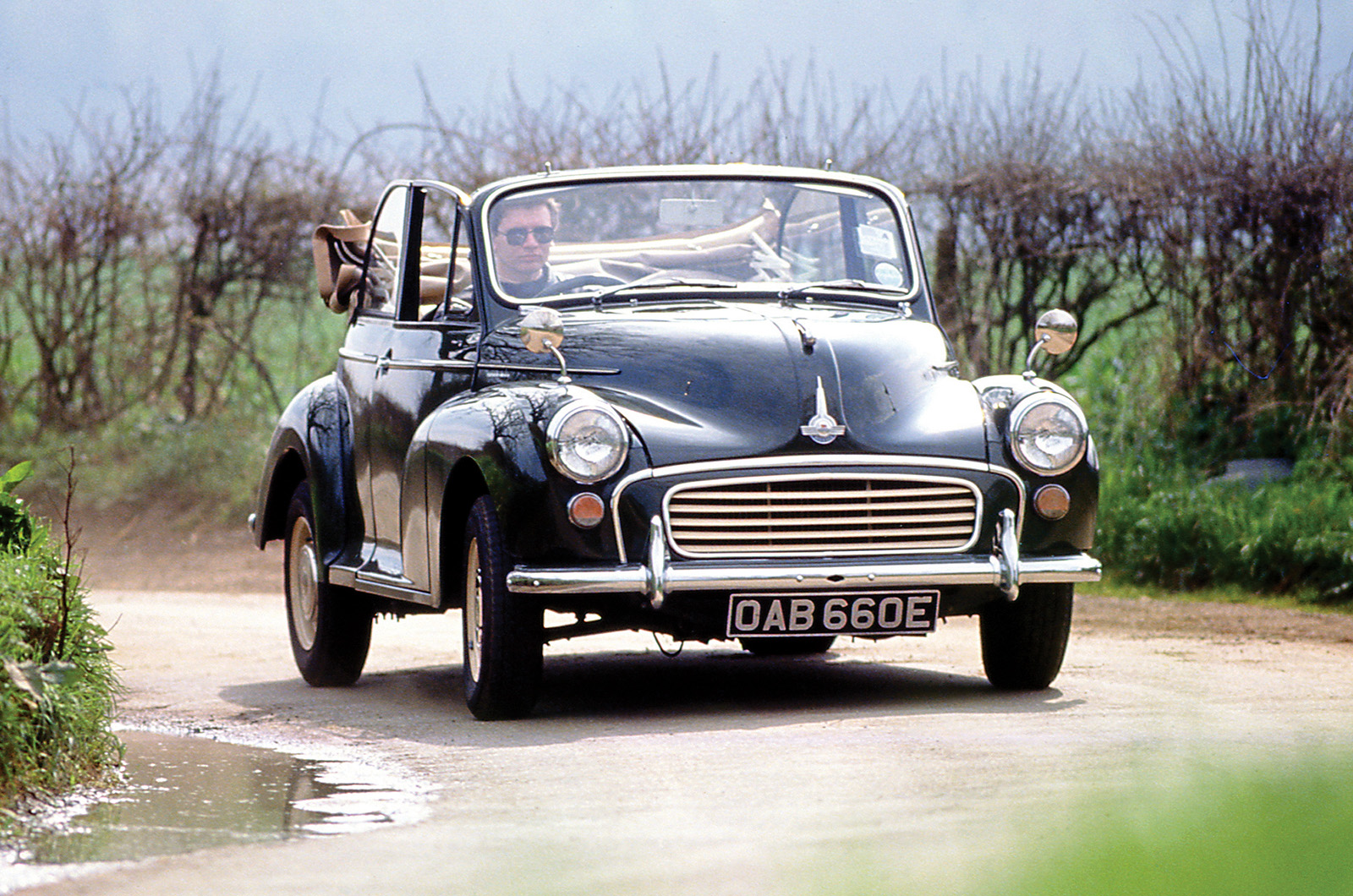
The Ford Anglia (left) and Morris Minor are alternative buys

FORD ANGLIA

Ford shot to the lead of the small-car market with the Anglia 105E/123E: brave, modern styling, revvy 997/1197 engines and snappy four-speed ’boxes led the field in the UK. Rot has taken most.

Sold 1960-’67 • No. built 1,018,668 • Price now £1500-15,000*


MORRIS 1000

The 1948 Morris Minor was so advanced that it still sold well with the A-series in its sweetest 948 and final 1098 forms, with convertible, estate and van options, plus two- and four-door saloons, too.

Sold 1956-’71 • No. built 847,491 • Price now £500-15,000*

*Prices correct at date of original publication


Triumph Herald: the Classic & Sports Car verdict

Classic & Sports Car – Buyer’s guide: Triumph Herald

Triumph Heralds are held in great affection by most who have owned them, thanks to their looks, character, usability and dependability.

As a classic car buy, they are unlikely to soar in value, but should never cost much to run and, like a faithful companion, will bring smiles and happiness to almost every trip.

Just avoid the ones that are too rusty, abused and rattly to enjoy without major expenditure.


FOR 

  • Simple, honest classic cars that are well served by specialists and clubs
  • Mechanical parts are widely available and inexpensive, as are trim kits and body repair panels


AGAINST

  • Values are too low to justify major renovation
  • Parts have often been swapped extensively

Triumph Herald specifications

  • Sold/number built 1959-’71/548,291
  • Construction steel chassis, steel body
  • Engine all-iron, ohv 948/1147/1293cc ‘four’, single Solex or Zenith-Stromberg, or twin SU carburettors
  • Max power 34½bhp @ 4500rpm-61bhp @ 5000rpm
  • Max torque 48¾lb ft-73lb ft @ 3000rpm
  • Transmission four-speed manual, RWD
  • Suspension: front wishbones, coil springs, anti-roll bar rear swing axles, radius arms, transverse leaf spring; telescopics f/r
  • Steering rack and pinion
  • Brakes drums; front discs on 1200 (option), 12/50 & 13/60
  • Length 12ft 9in (3885mm)
  • Width 5ft (1525mm)
  • Height 4ft 3¼in-4ft 4in (1300-1320mm)
  • Wheelbase 7ft 7½in (2325mm)
  • Weight 1764-1960lb (802-889kg)
  • 0-60mph 31.1-17.5 secs
  • Top speed 71-84mph
  • Mpg 30-40
  • Price new £672-824 (1968)

READ MORE

All Classic & Sports Car buyer’s guides

Sixties summer stunners: Herald vs Beetle vs Caravelle

Future focused: Austin A40 vs Ford Anglia vs Triumph Herald