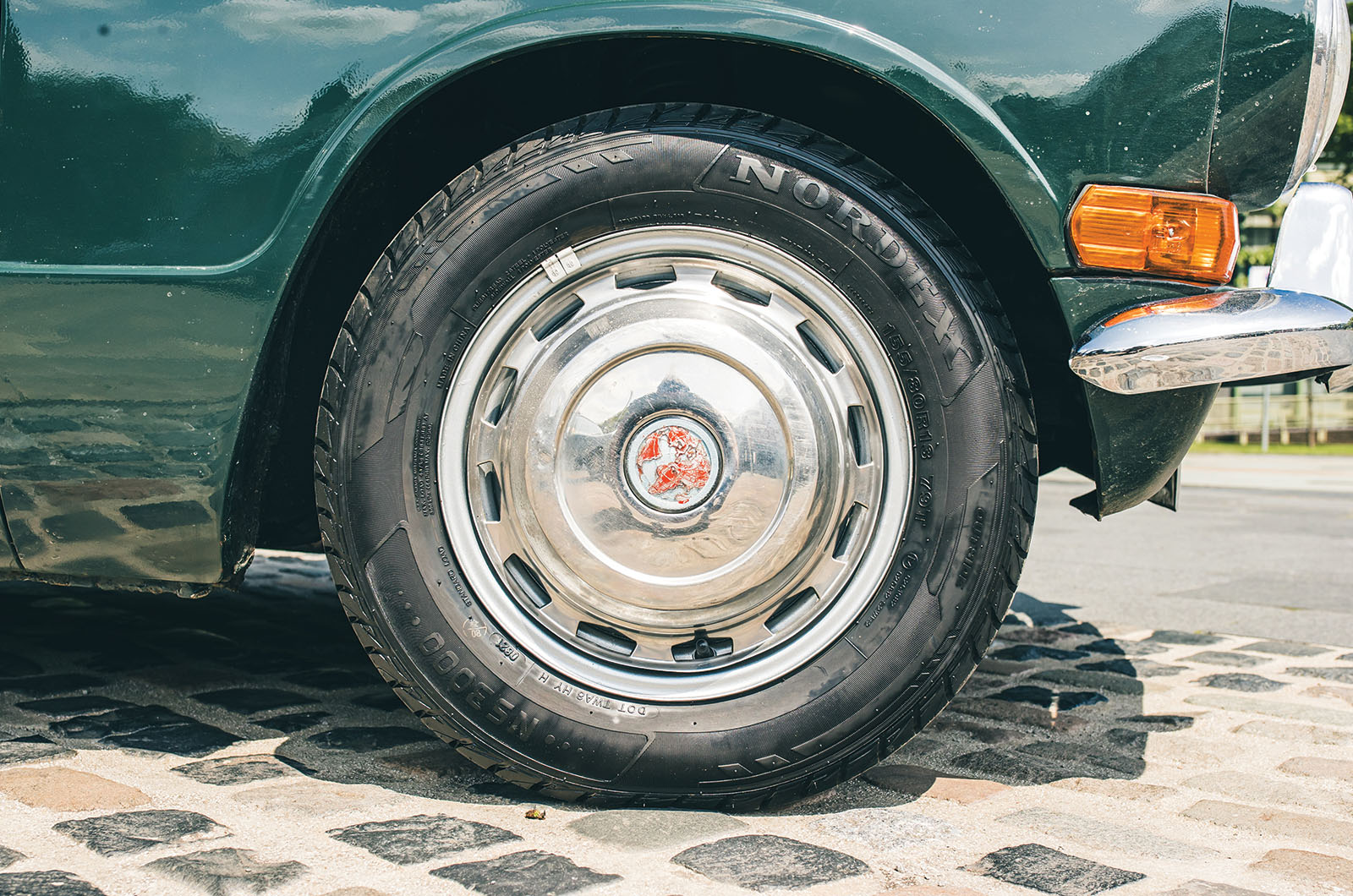
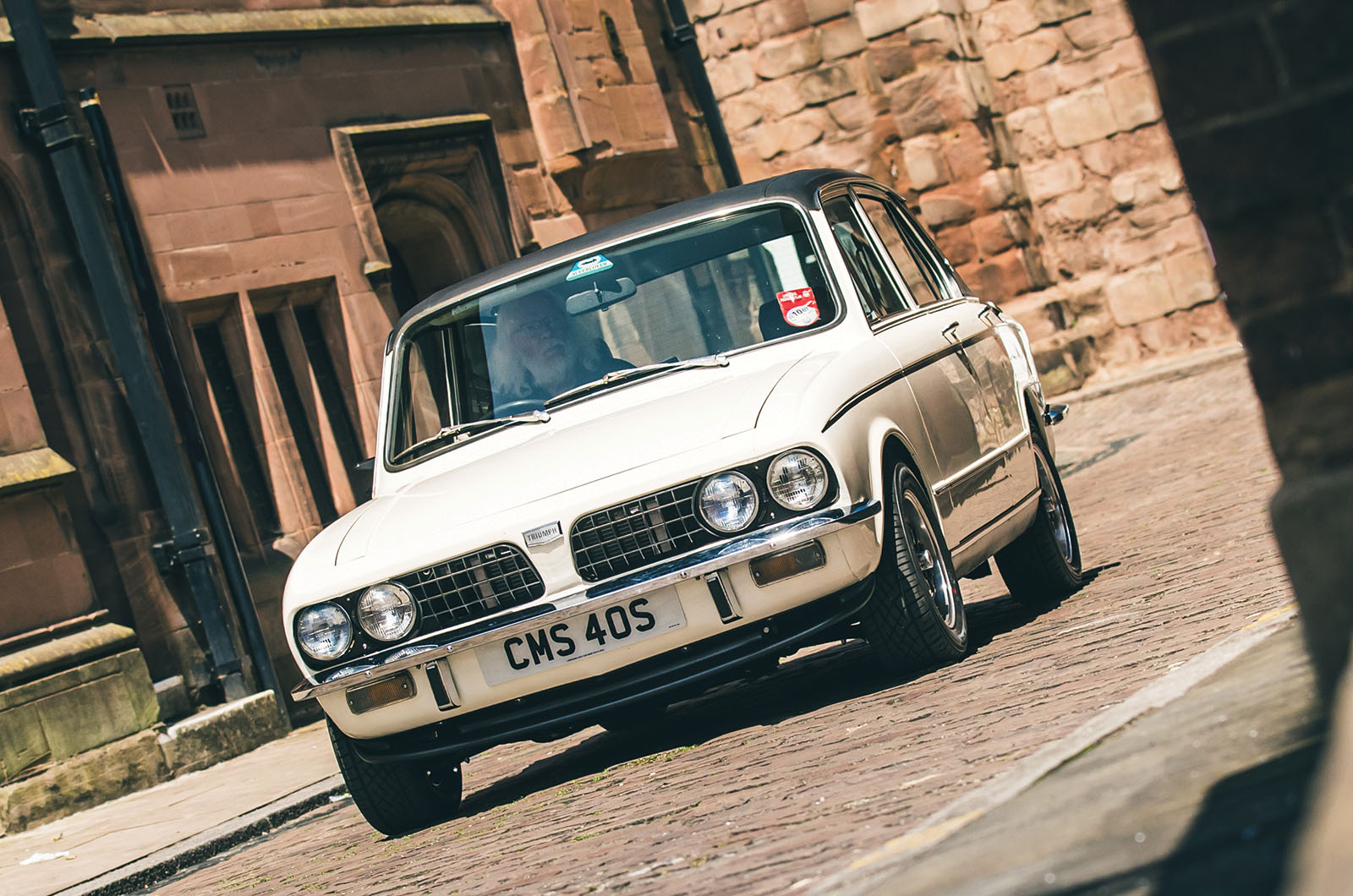
Your friendly local Triumph dealer would proudly tell you it was the world’s first mass-produced car with a multi-valve engine, plus a 116mph top speed.
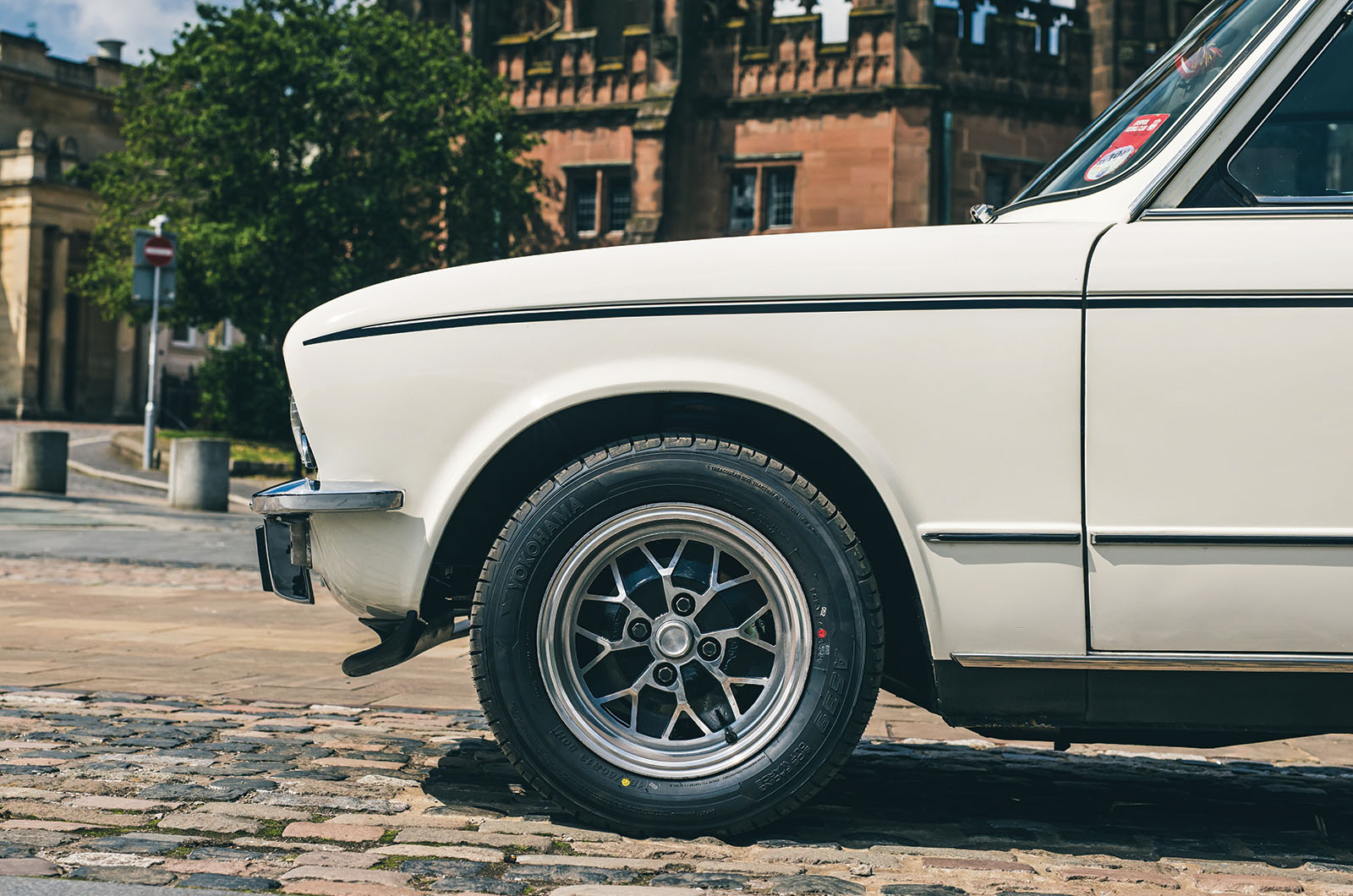
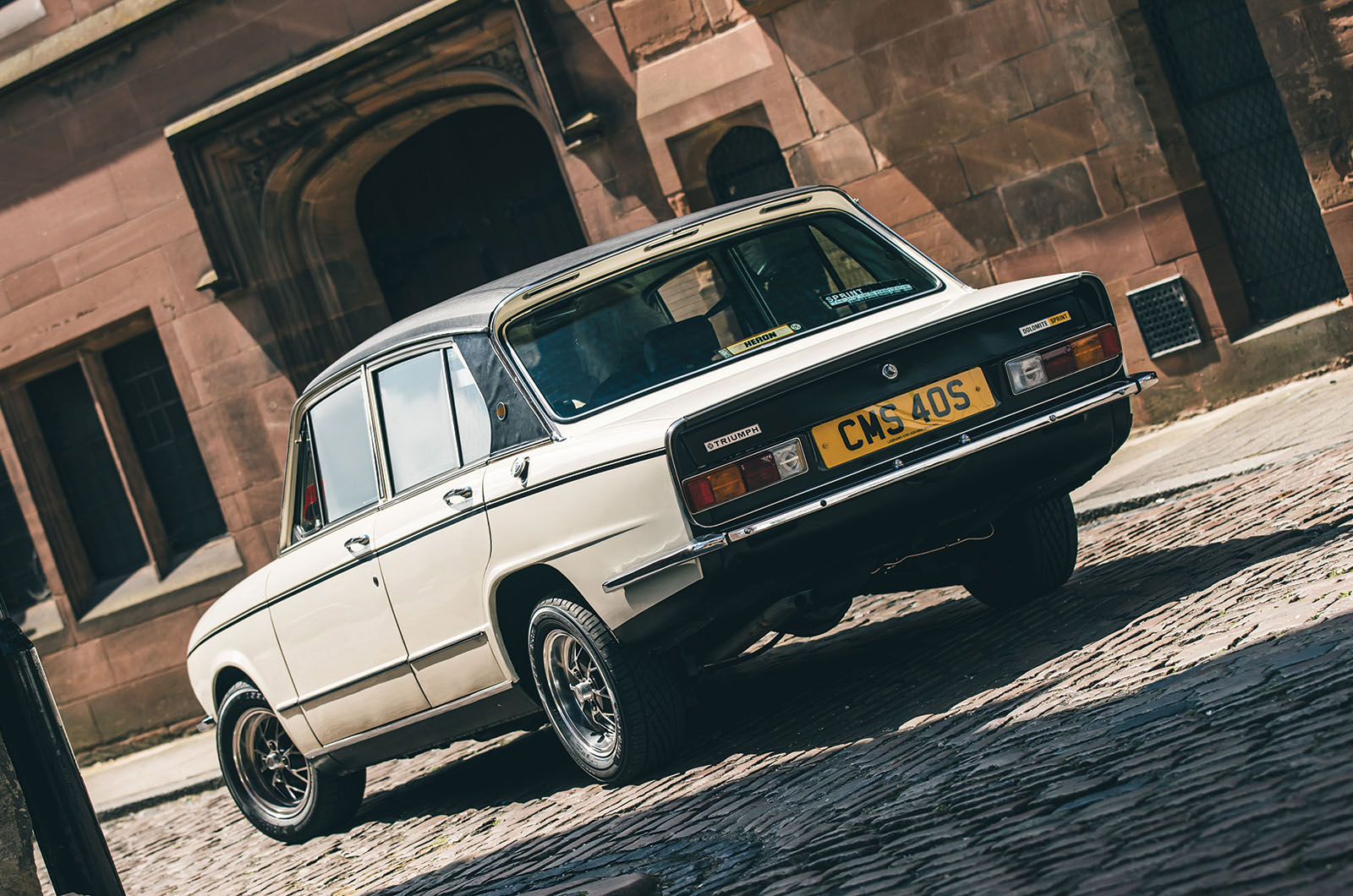
This was before they mentioned the alloy wheels (another first for a mass-produced British saloon) and vinyl roof.
The luxurious, quiet and utterly civilised Sprint cost £1786.84, making it more than £700 cheaper than an Alfa Romeo Alfetta Berlina and, better still, more than £1000 less than a BMW 2002tii.
British Leyland set a production target of 250 units per week, and the proud Sprint owner could ever so graciously look down on their neighbours with Ford Cortina 2000Es and Vauxhall Magnum 2300s.
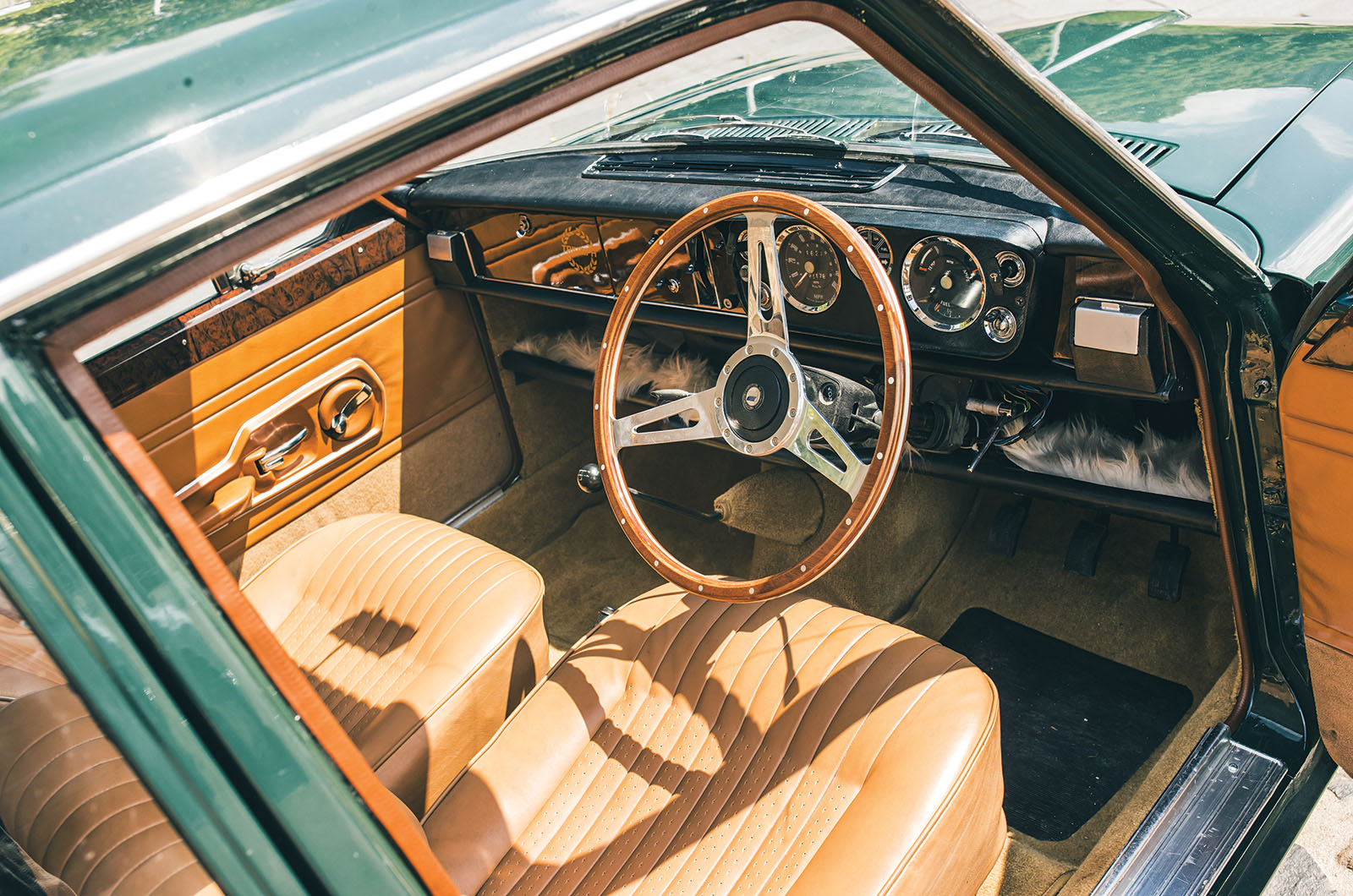
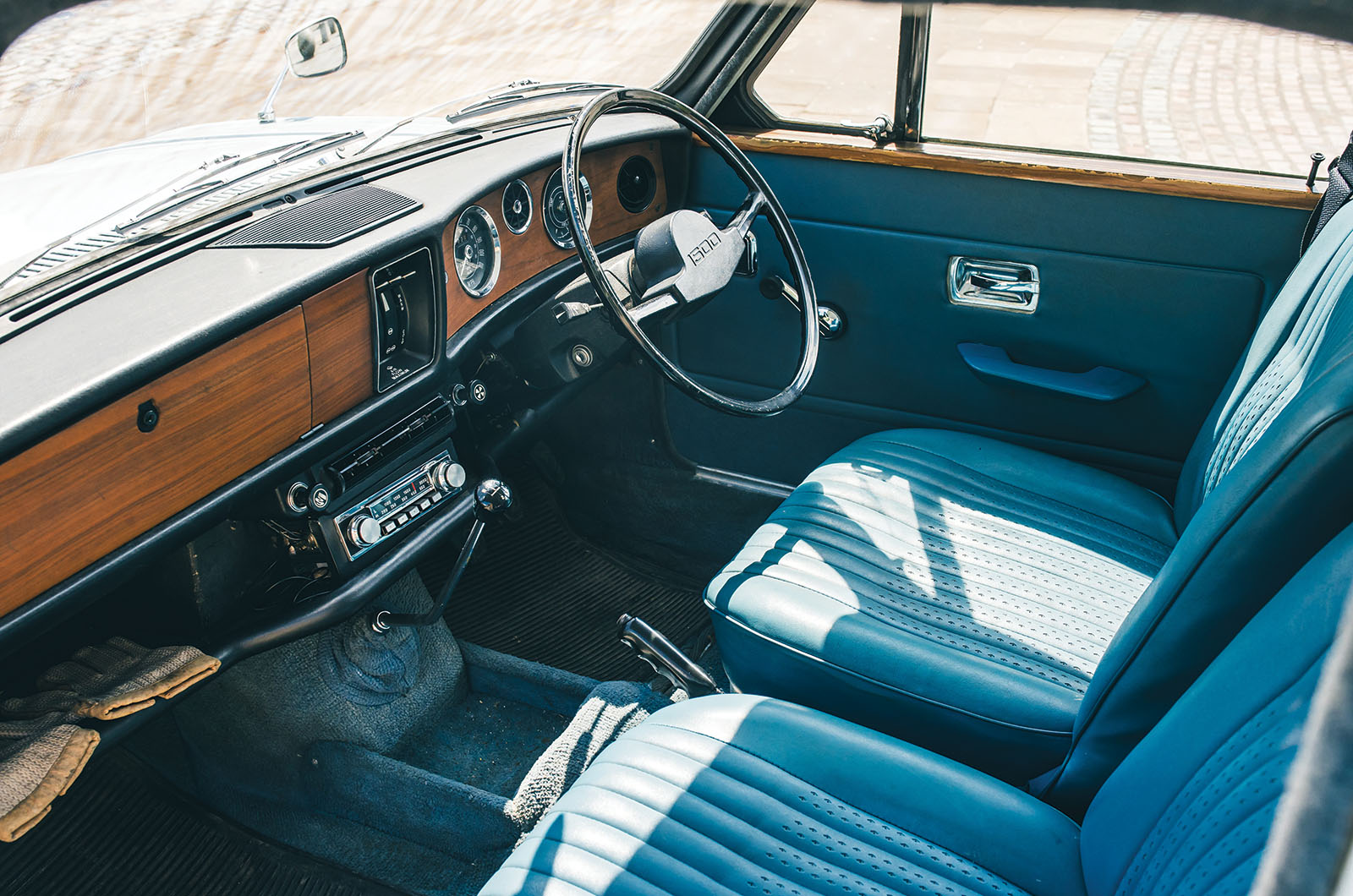
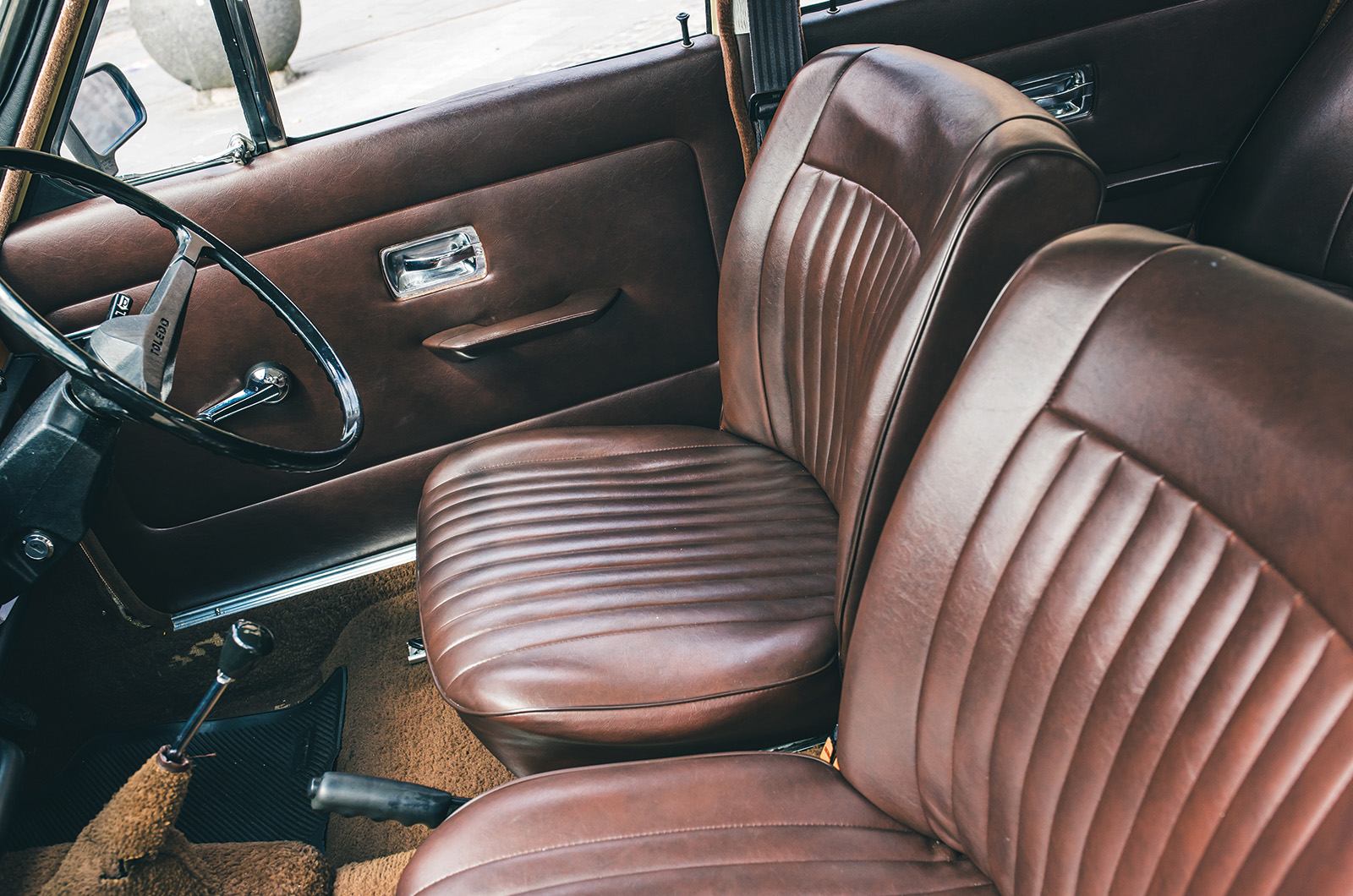
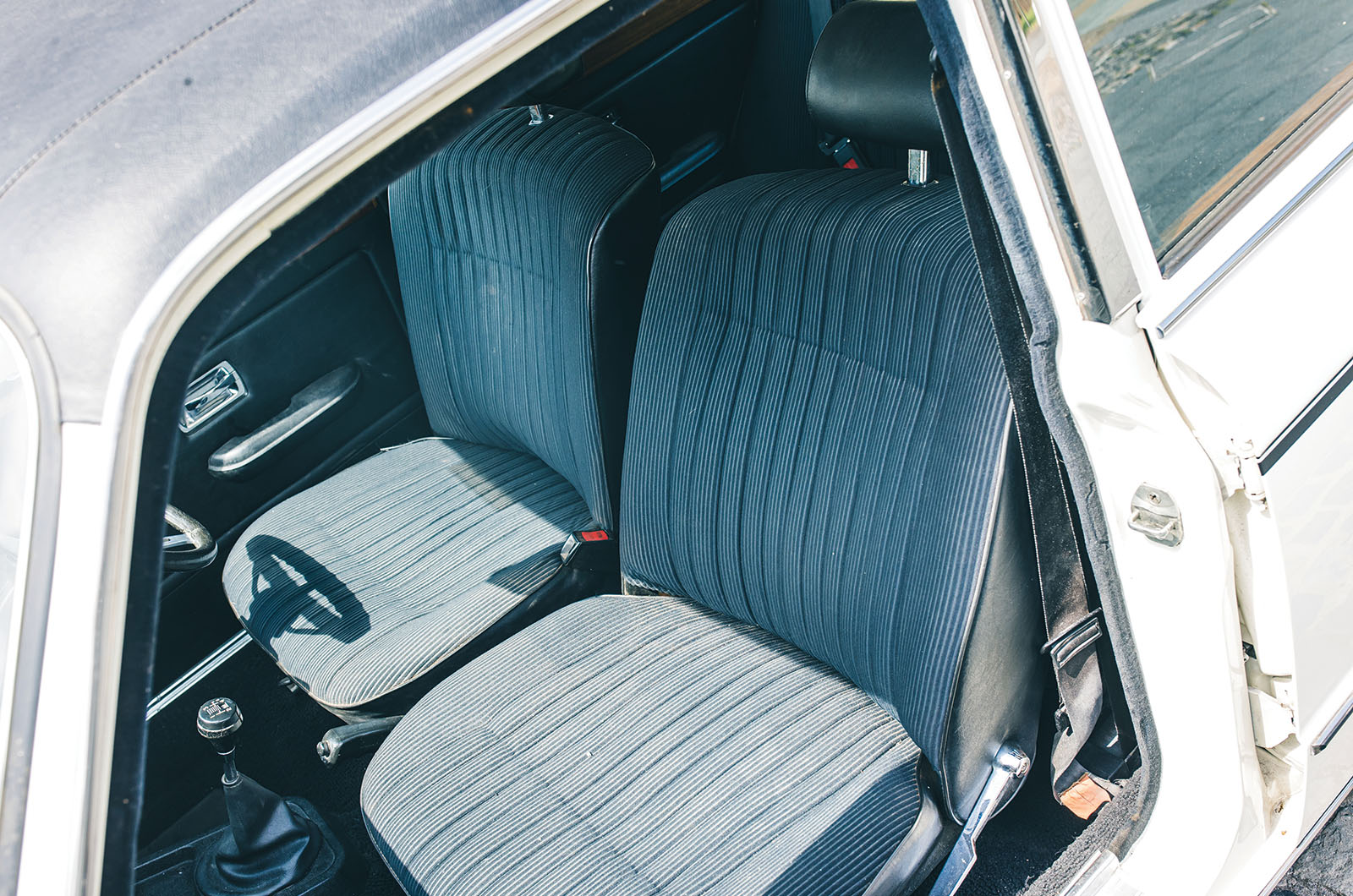
The Triumph Dolomite Sprint has comfortable seats
Motor believed the Sprint didn’t have a rival in sight, while CAR concluded: ‘As a bargain, it ranks almost alongside some of Jaguar’s offerings.’
Autocar’s test, meanwhile, enthused: ‘Britain shows the way.’
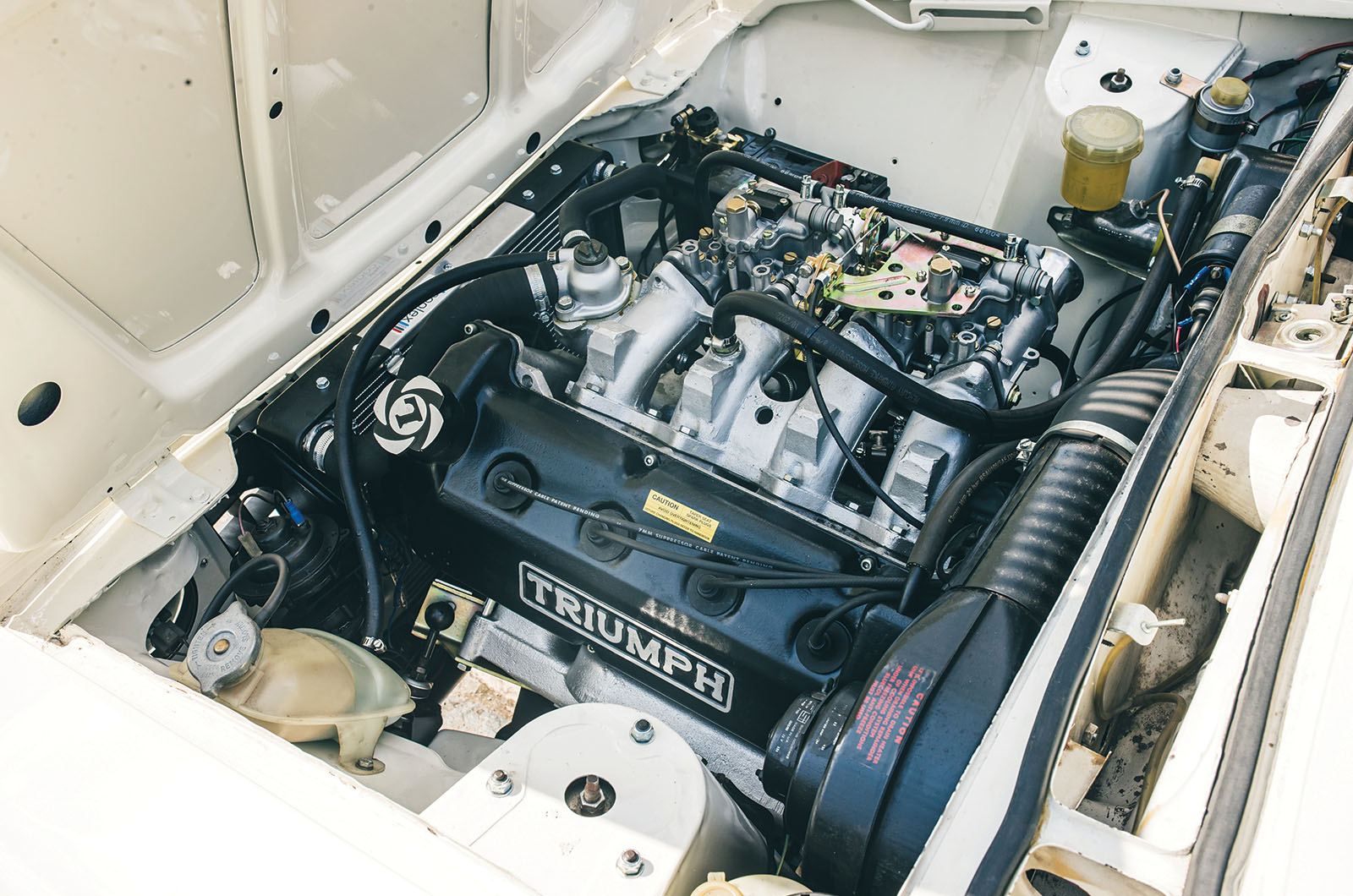
This 1978 model, driven by Dolomite expert Ken Clarke, has the Special Tuning options of a tweaked engine and uprated dampers.
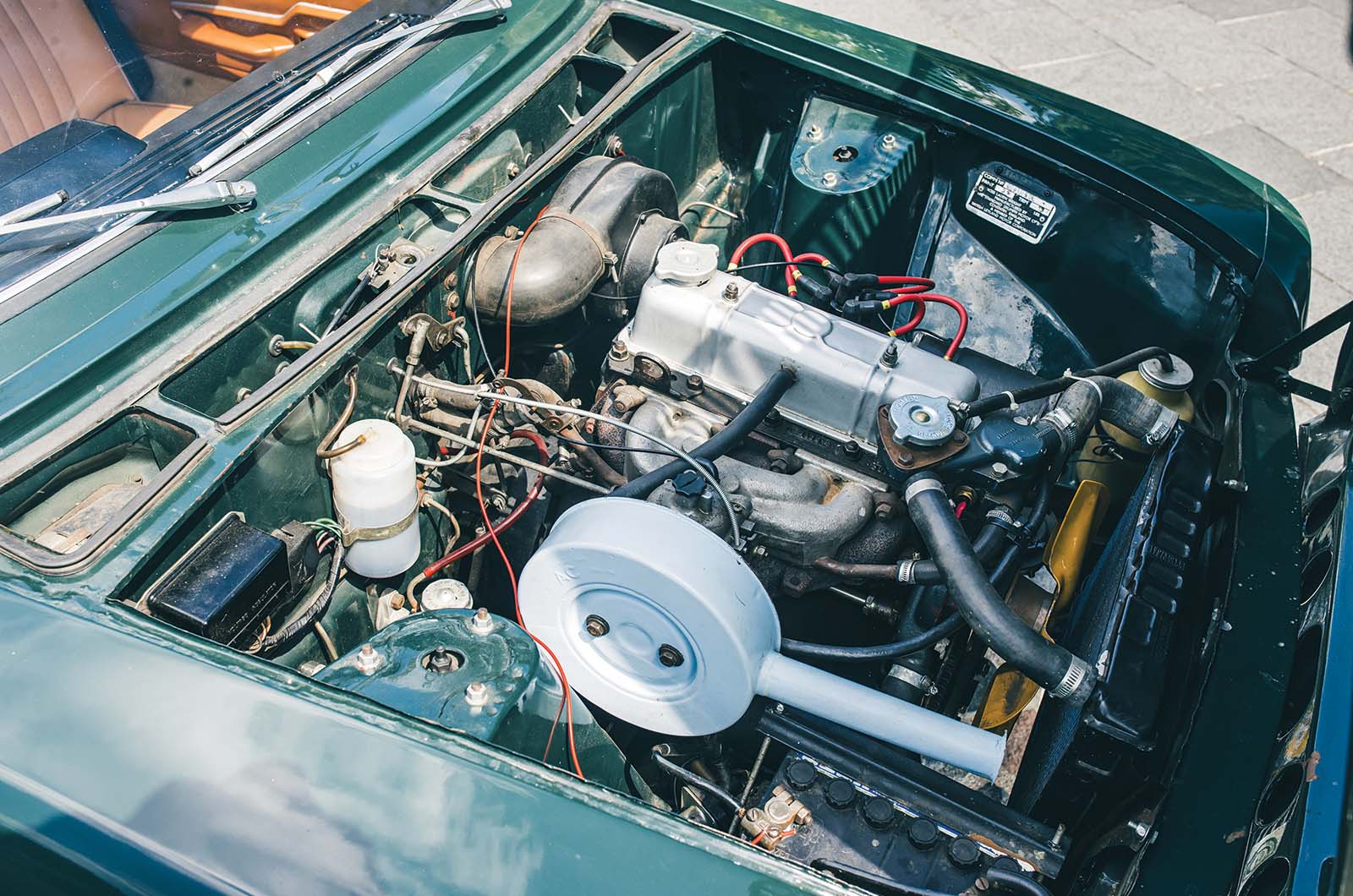
“The Sprint belongs to a customer, Ian Baker, who has owned it for more than 20 years,” says Ken. “We have just recommissioned it: built a new engine, fitted new floorpans and chassis legs, and rebuilt the front end.”
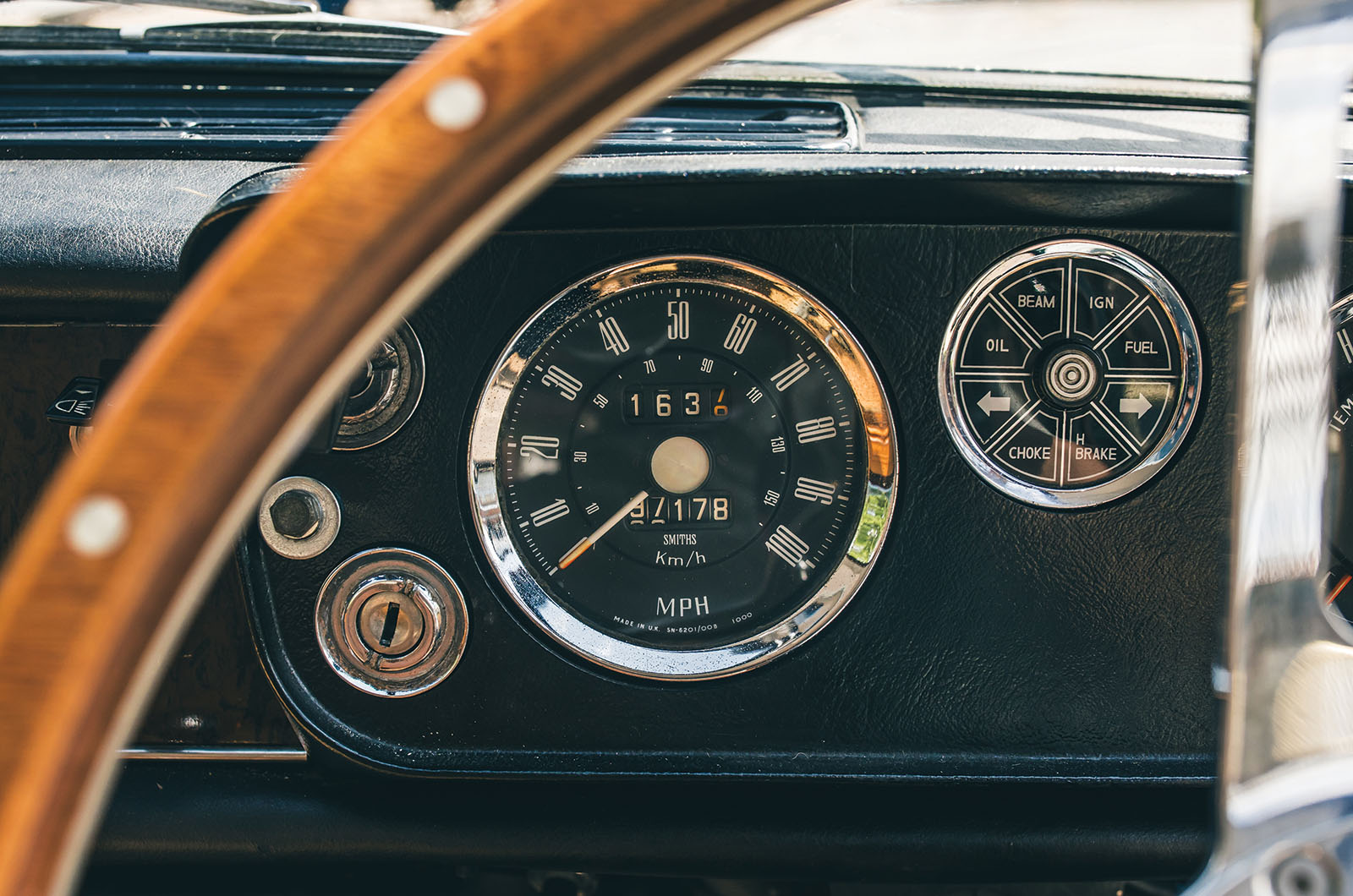
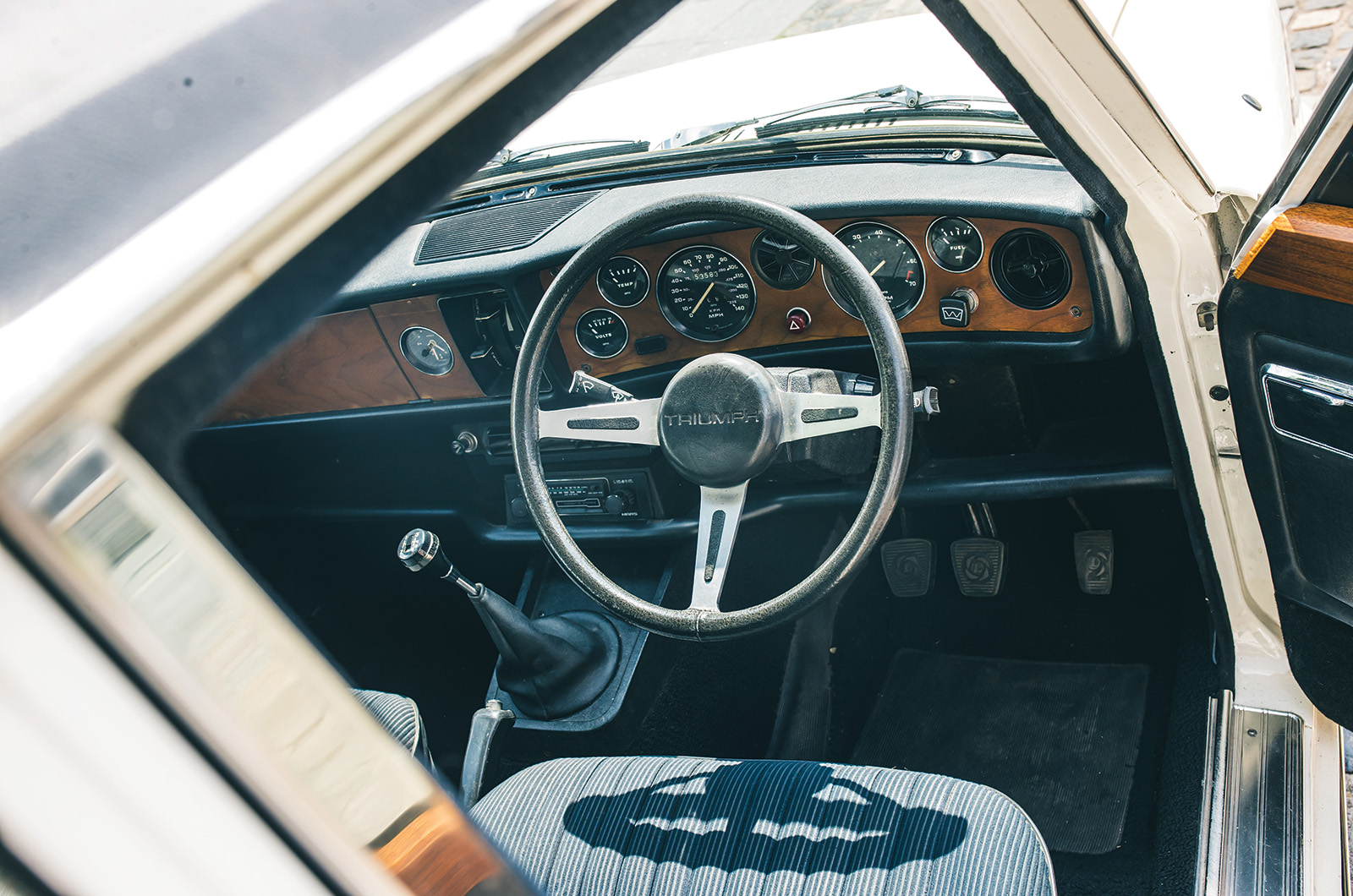
The Triumph Dolomite Sprint’s upmarket cabin
Overdrive became standard in 1975, and Ken adds: “It makes all the difference – the revs drop by 800rpm on the motorway.”
He believes the Sprint is perhaps the best 1970s sports saloon: “Everybody seems to rave about the Ford Escort RS 2000, but the Dolomite is quieter and smoother, and does everything better.”
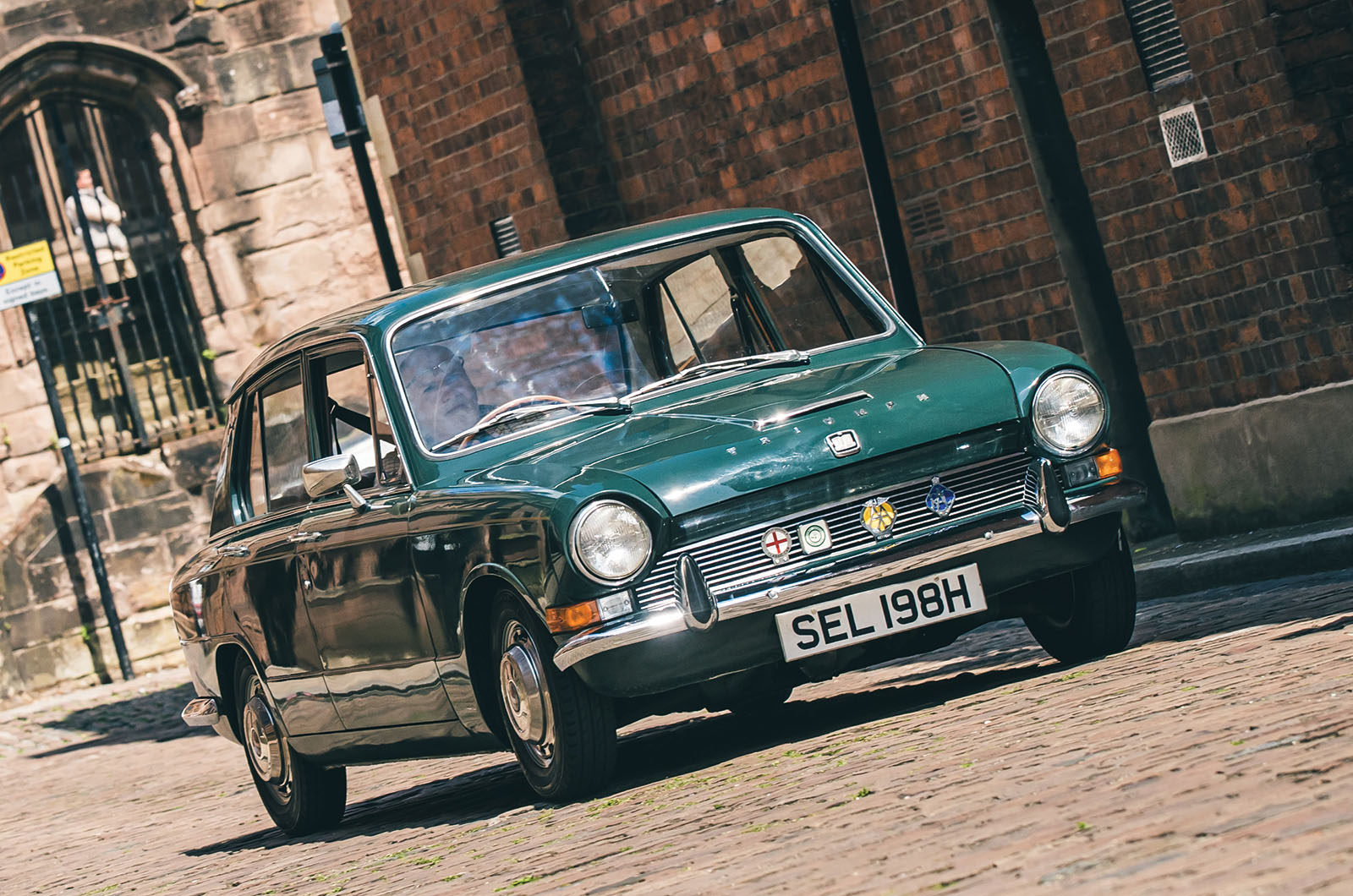
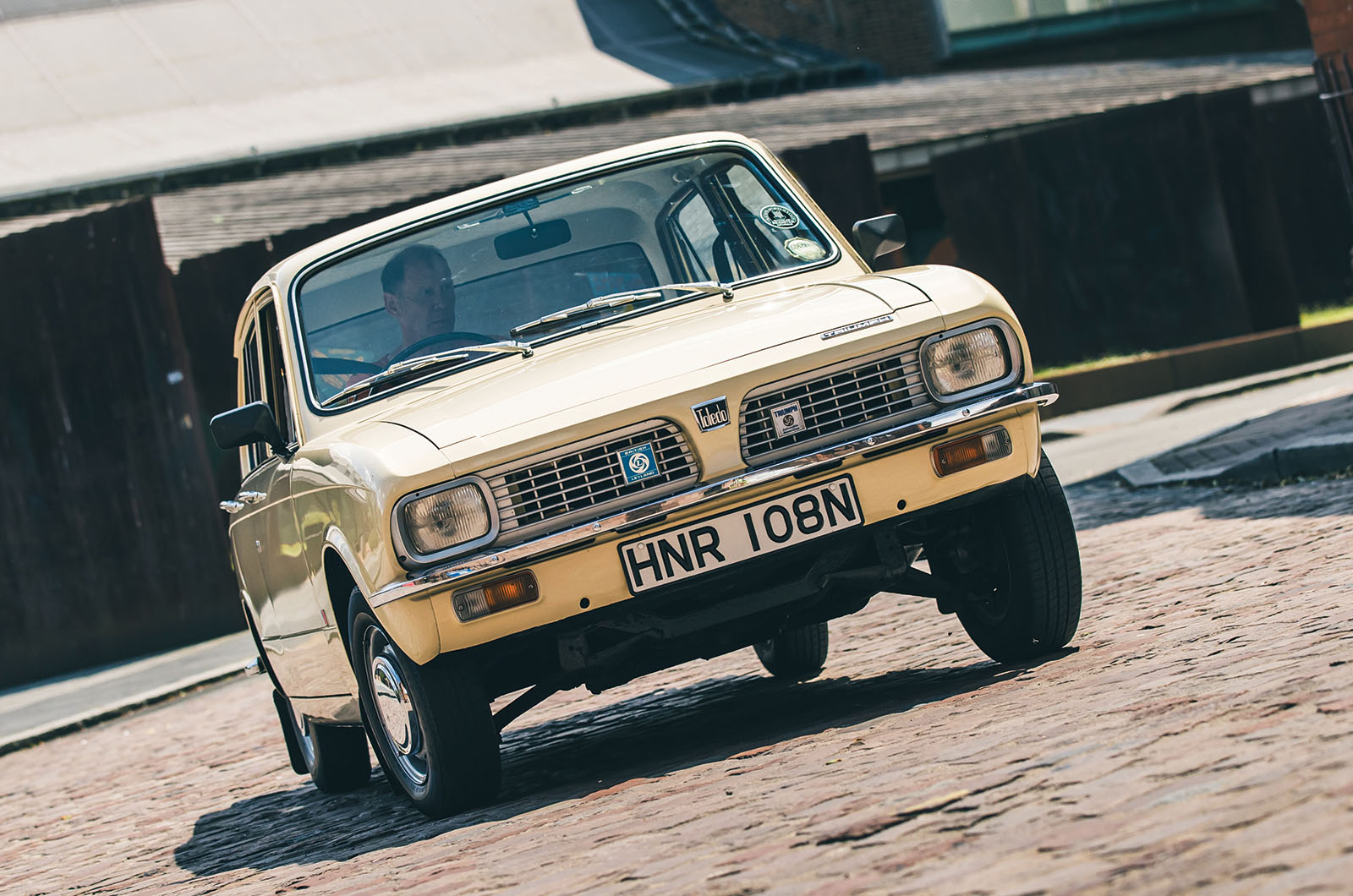
Even when the Sprint was new, however, Motor found its looks ‘a mite old-fashioned with its chunky lines.’
This was not an initial sales drawback – the BMW 2002’s styling also harked back to the 1500 Neue Klasse of 1961 – and owners were more likely to wear string-backed driving gloves than Hai Karate aftershave.
The Triumph Dolomite Sprint’s alloy wheels were a first for a volume British saloon
Triumph promised: ‘No stripes. No GT badges. No matt-black bonnet.’
To quote Bill Boddy of Motor Sport: ‘The interior of the Sprint is that of a gentleman’s carriage.’
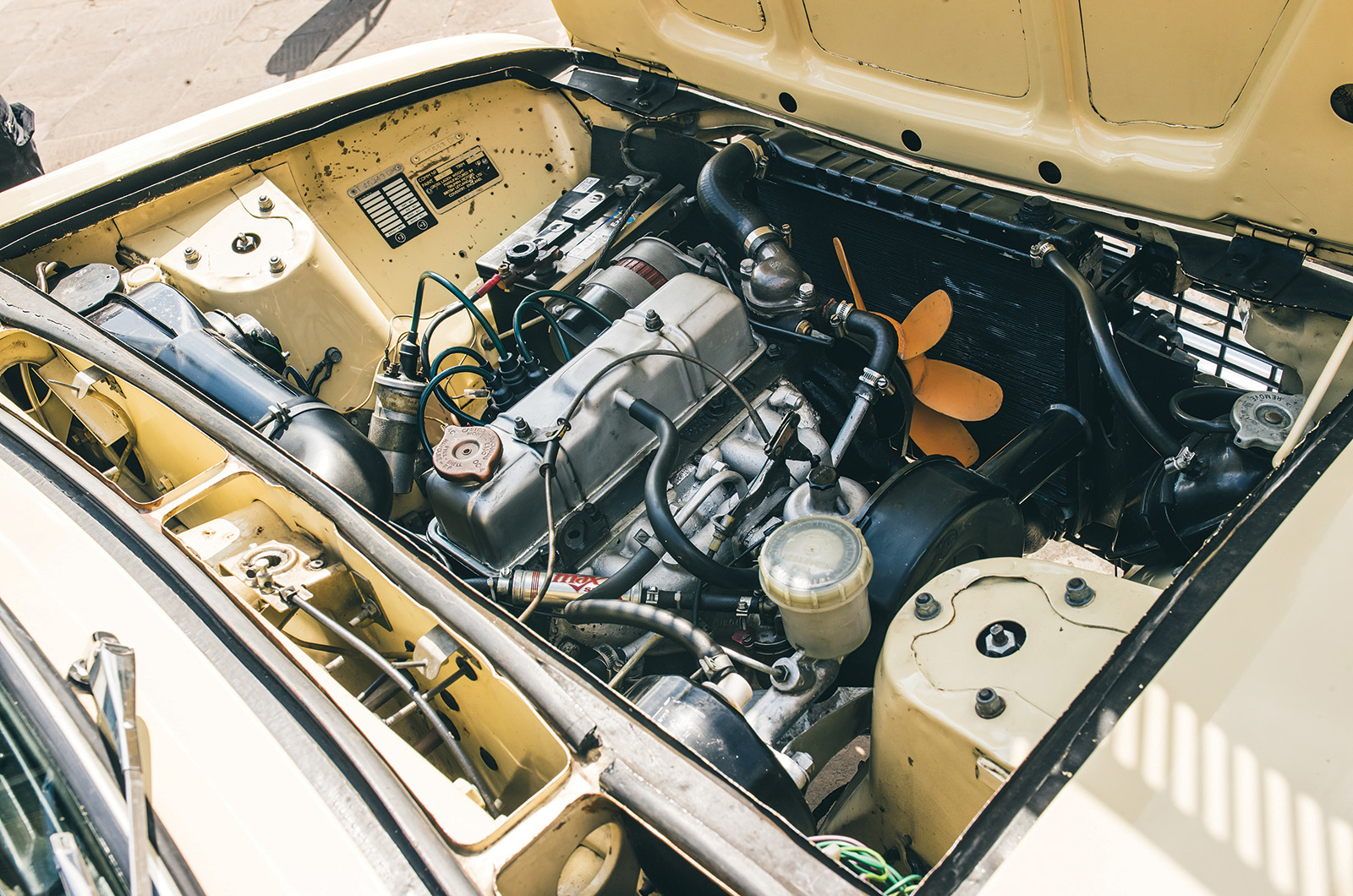
However, as Ken points out: “The Sprint’s engine was based on an early 1950s Coventry Climax design, and the transmission derives from the Standard Vanguard Phase 1.”
British Leyland needed a second-generation version to compete with the likes of the 1978 BMW 323i, but there was never a Sprint Mk2.
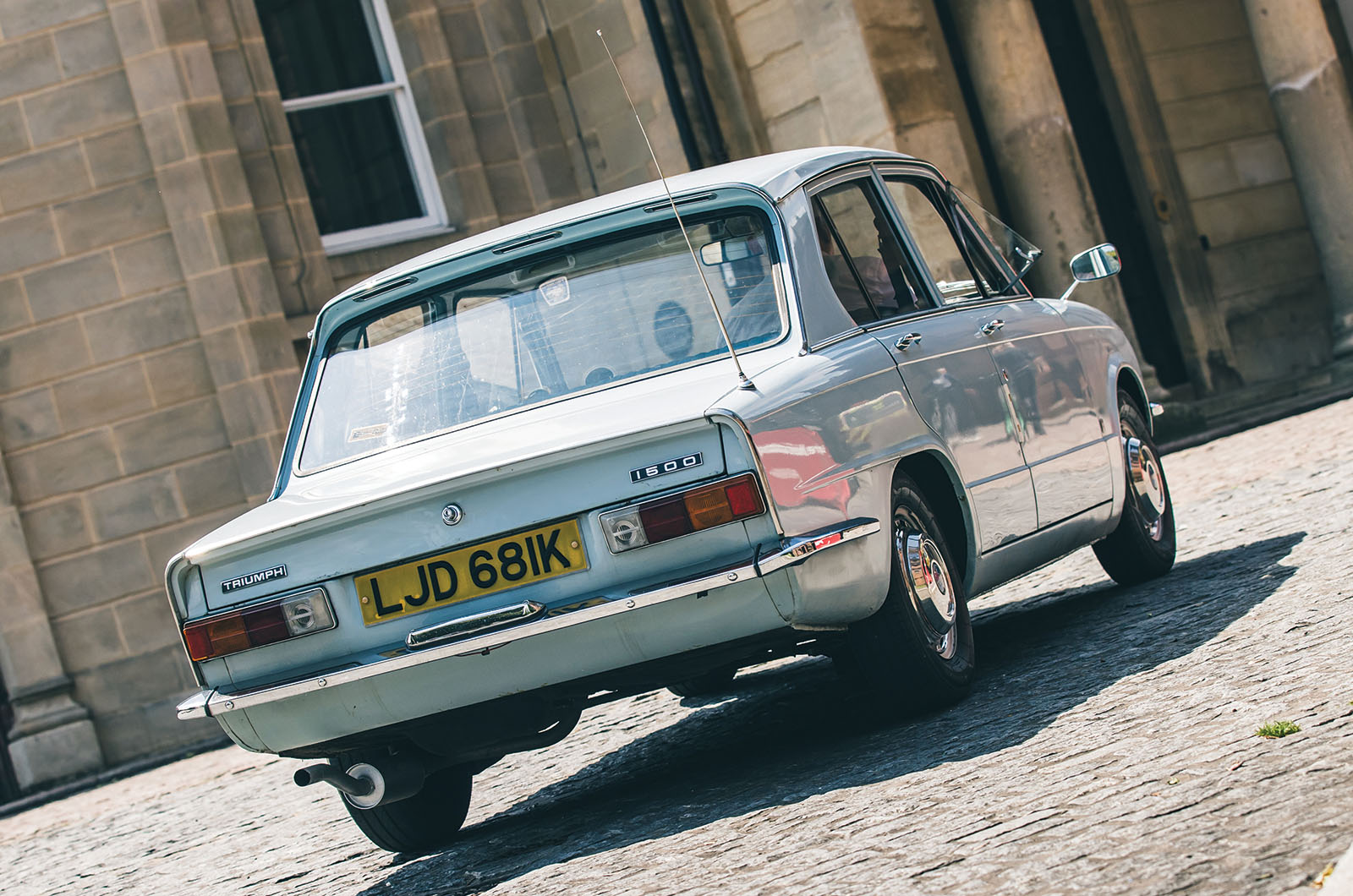
The Dolomite design was beginning to look dated by the time the Sprint arrived
In 1975, the joint Dolomite/Marina TM1 replacement programme was cancelled, a victim of the company’s increasingly parlous financial state.
The final significant change to the range was in 1976, with the demise of the Toledo: the entire line-up now featured Dolomite badges and the longer body.
On 26 December 1979, Michael Edwardes, BL’s chairman, signed an agreement with Honda.
Dolomite production ceased in 1980 and a year later the Acclaim – in essence a British-built Honda Ballade – belatedly replaced the cheaper versions.
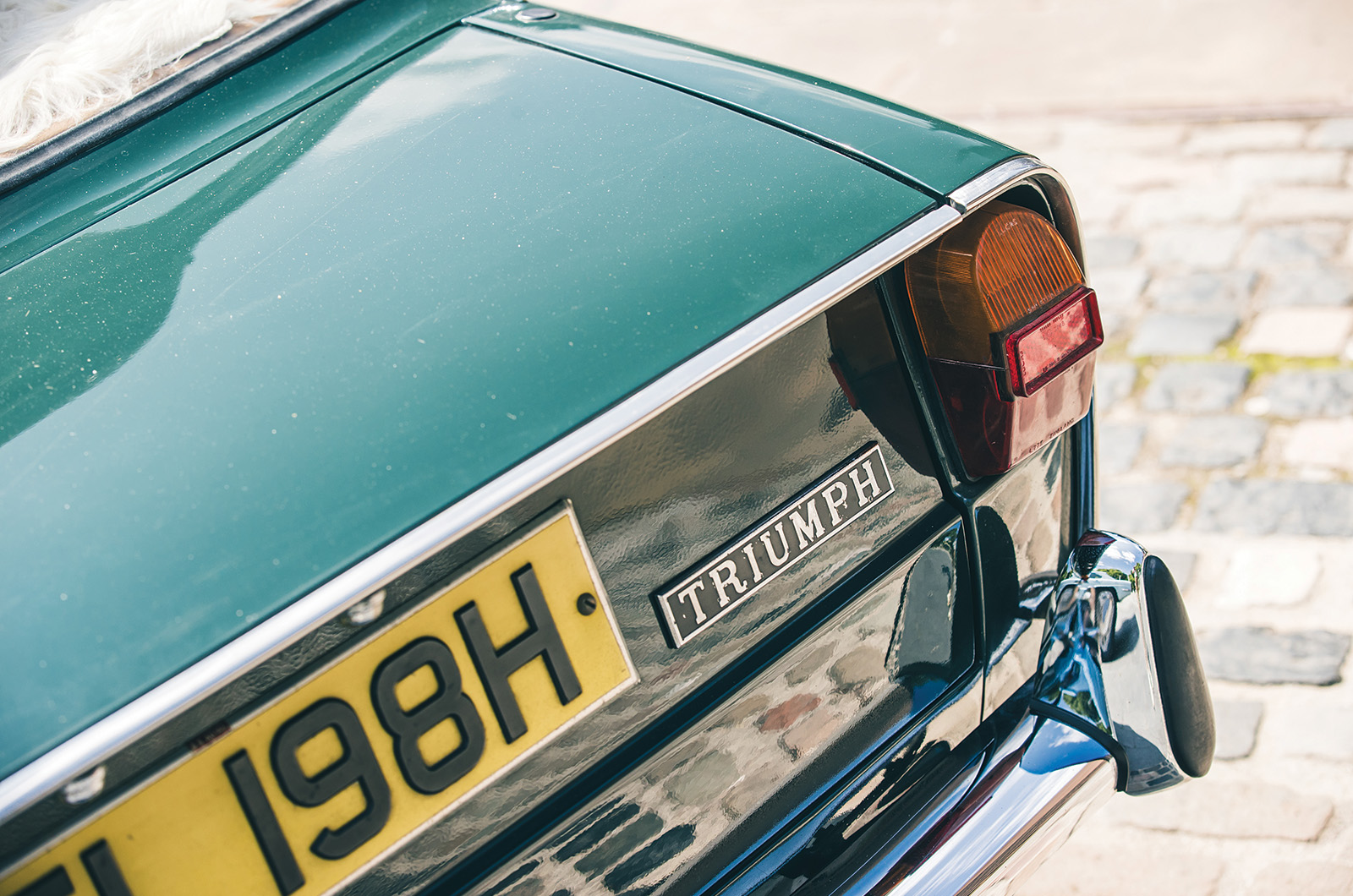
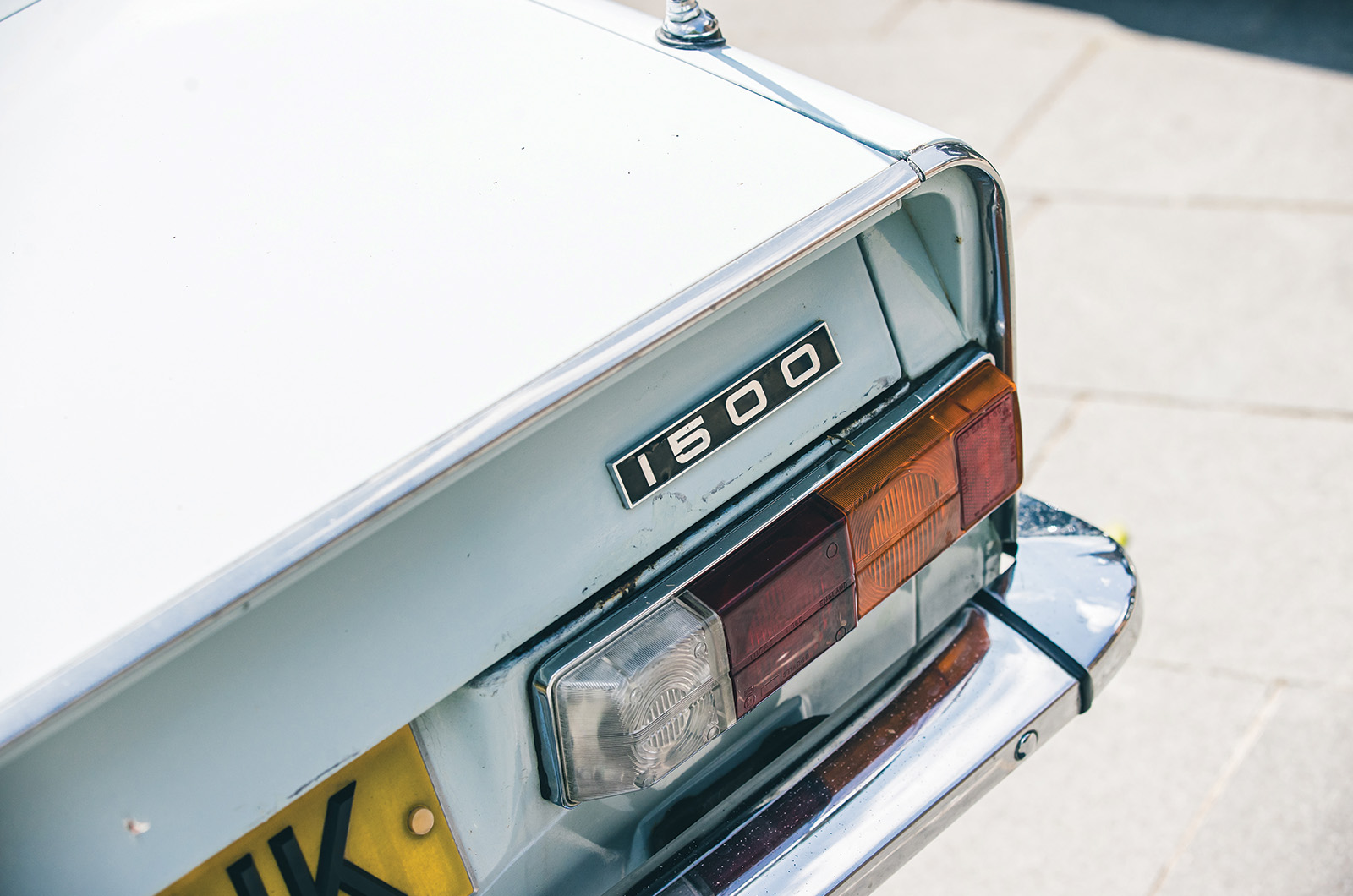
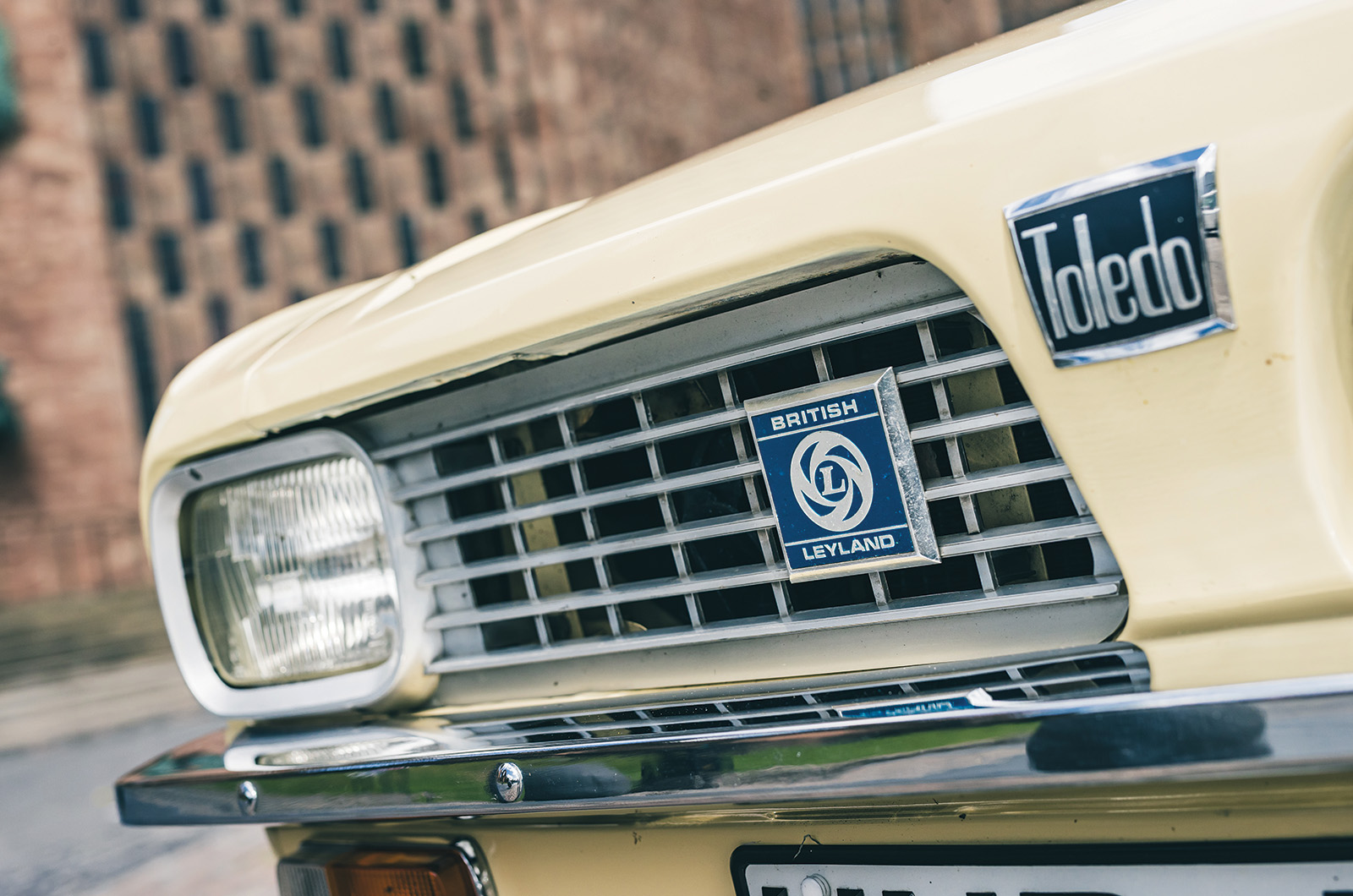
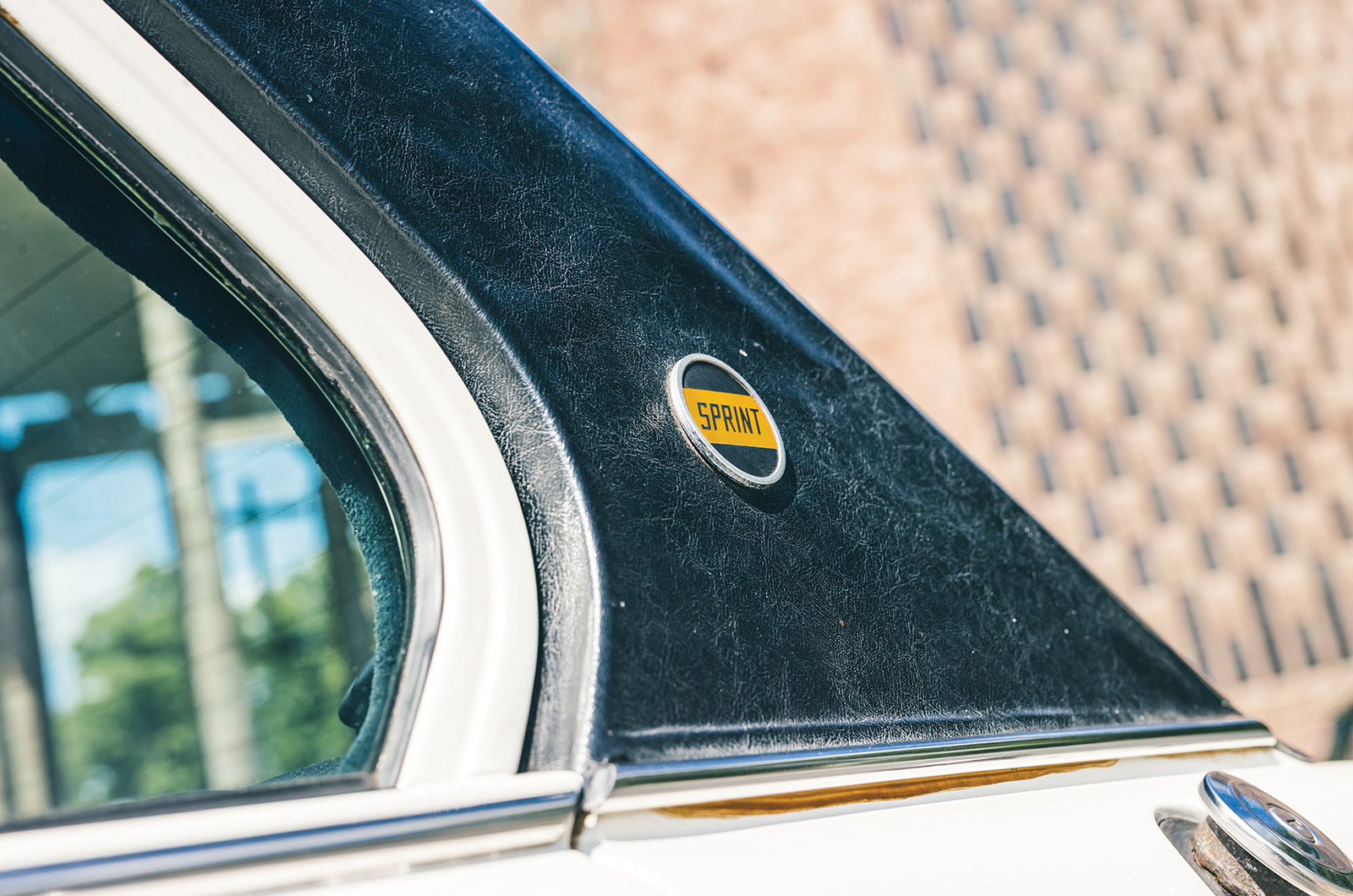
The Triumph Dolomite Sprint’s discreet badge
If British Leyland in the 1970s had not been a maelstrom of chaos, the Ajax range could have founded a dynasty of in-house designs to rival the Audi 80/90 and BMW 3 Series.
Timing was its misfortune, because by 1968 the great collapse of the conglomerate was well under way.
Yet it should not be forgotten that when Triumph unveiled the 1300 it appeared as much a part of the new post-war Coventry as the city’s cathedral and Belgrade Theatre.
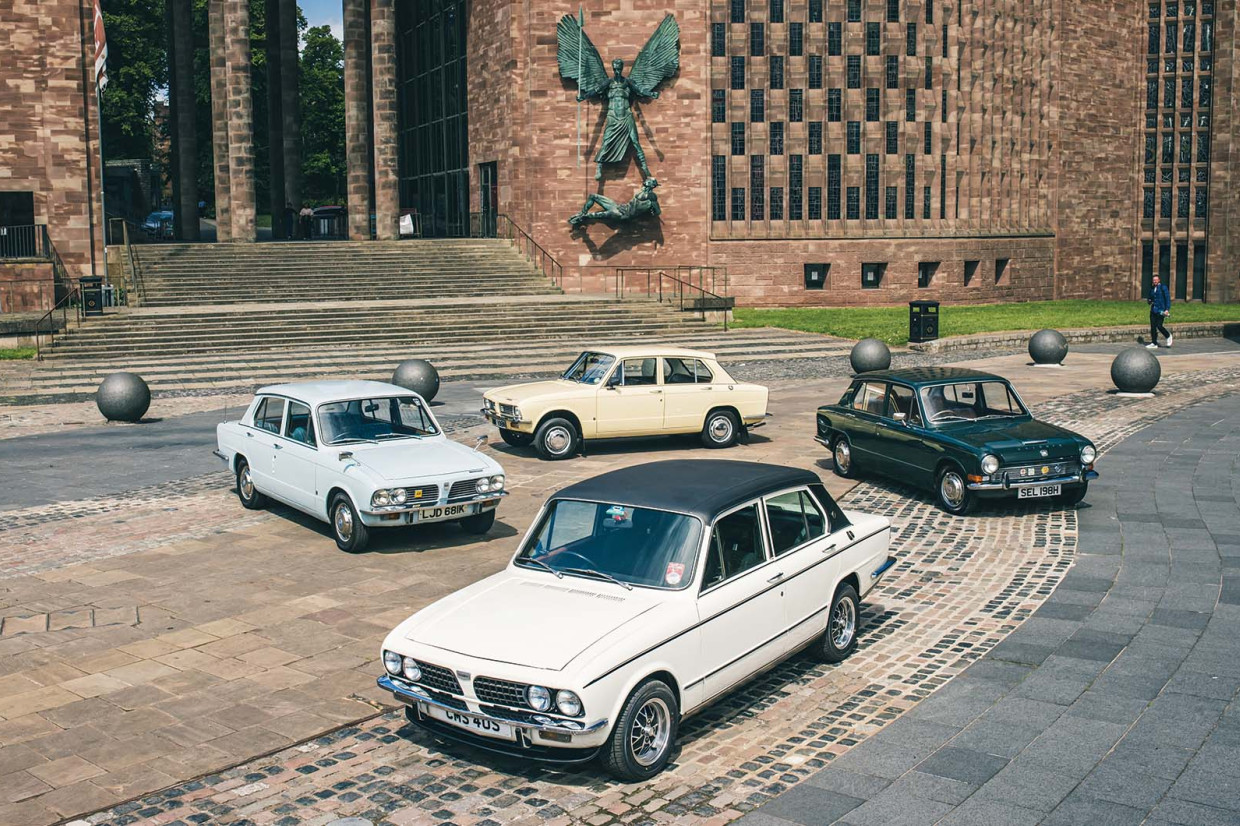
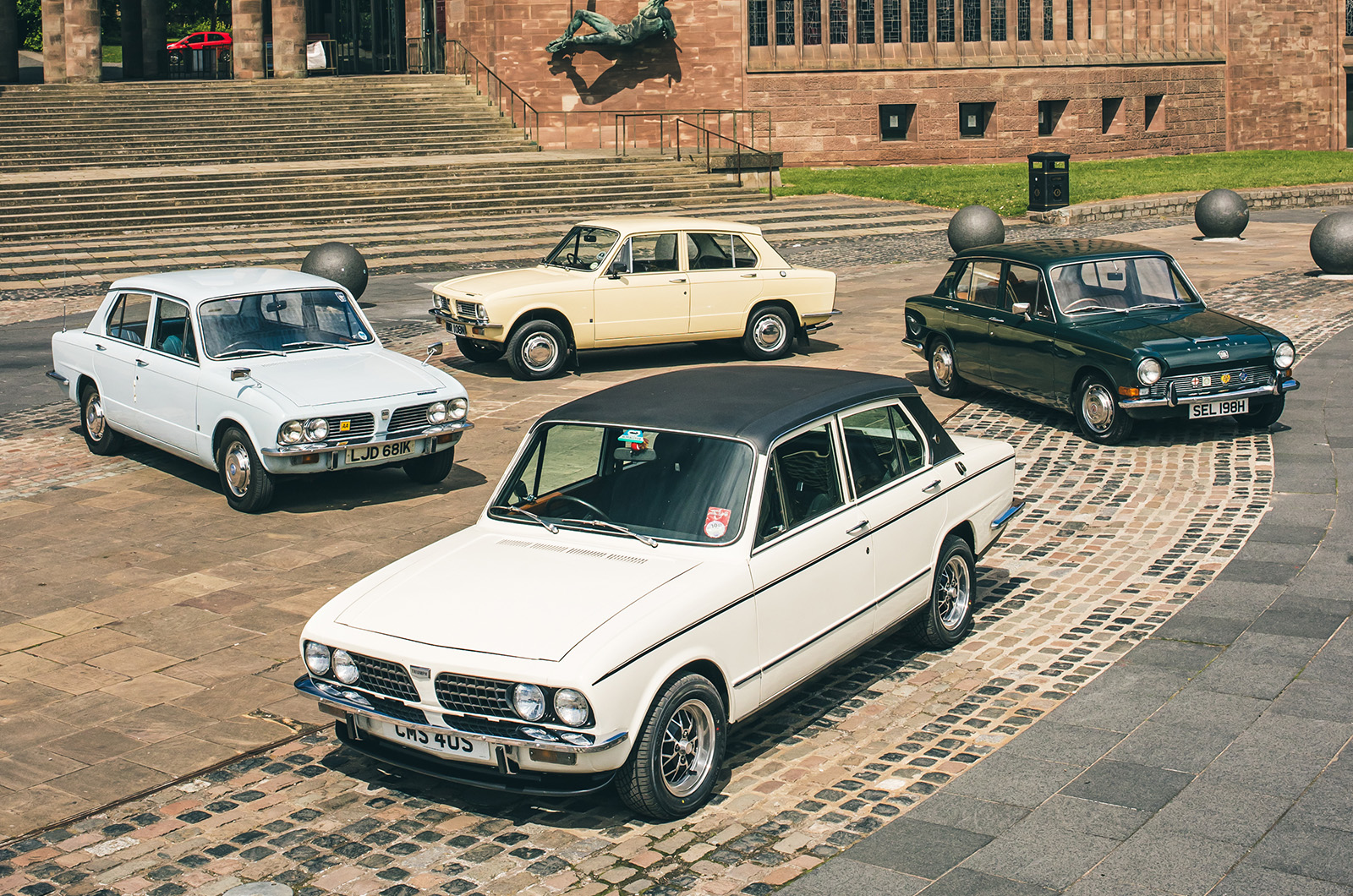
Each member of our quartet projected a very different image, yet each was ideally suited to the owner with caviar aspirations but an income more suited to the Berni Inn.
After all, it had been touted as ‘the limousine with everything except limousine length’.
Images: Jack Harrison
Thanks to: The Triumph Dolomite Club; Ken Clarke Motorsport (01455 616617); Coventry University; Coventry Cathedral
Factfiles
Triumph 1300
- Sold/number built 1965-’70/113,008
- Construction steel monocoque
- Engine all-iron, ohv 1296cc ‘four’, single Stromberg carburettor
- Max power 61bhp @ 5000rpm
- Max torque 73lb ft @ 3000rpm
- Transmission four-speed manual, FWD
- Suspension independent, at front by double wishbones rear semi-trailing arms; coil springs, telescopic dampers f/r
- Steering rack and pinion
- Brakes discs front, drums rear
- Length 12ft 11in (3937mm)
- Width 5ft 1¾in (1568mm)
- Height 4ft 6in (1372mm)
- Wheelbase 8ft ½in (2454mm)
- Weight 1960lb (892kg)
- 0-60mph 19 secs
- Top speed 84mph
- Mpg 28
- Price new £796 12s 11d (1965)
- Price now £3-6000*
Triumph 1500
(Where different from 1300)
- Sold/number built 1970-’73/66,353
- Engine 1493cc, SU HS4 carburettor
- Max power 65bhp @ 5000rpm
- Max torque 80lb ft @ 3000rpm
- Suspension: rear beam axle, trailing and semi-trailing links, optional anti-roll bar
- Brakes Girling vacuum servo
- Length 13ft 6in (4115mm)
- Weight 2089lb (948kg)
- Mpg 26.6
- 0-60mph 17.1 secs
- Top speed 88mph
- Price new £1113 6s 5d (1970)
Triumph Toledo
(Where different from 1500)
- Sold/number built 1970-’76/119,182
- Transmission RWD
- Max power 58bhp @ 5300rpm
- Max torque 70lb ft @ 3000rpm
- Suspension: rear live axle
- Length 13ft (3962mm)
- Weight 1870lb (848kg)
- 0-60mph 18.4 secs
- Top speed 87mph
- Mpg 28
- Price new £889 (1970)
Triumph Dolomite Sprint
(Where different from 1500)
- Sold/number built 1973-’80/22,941
- Engine alloy-head, sohc, 16-valve, 1998cc, twin SU HS6 carburettors
- Max power 127bhp @ 5700rpm
- Max torque 122lb ft @ 4500rpm
- Transmission overdrive on third and top, RWD
- Suspension: rear diagonal upper links, longitudinal lower arms; anti-roll bar f/r
- Weight 2214lb (1005kg)
- 0-60mph 8.4 secs
- Top speed 116mph
- Mpg 23
- Price new £1786.84 (1973)
- Price now £7-15,000*
*Prices correct at date of original publication
Enjoy more of the world’s best classic car content every month when you subscribe to C&SC – get our latest deals here
READ MORE
Separated at birth: Saab 99 vs Triumph Dolomite
Buyer’s guide: Triumph 1300, 1500 & Toledo
Perks of the job: Ford Cortina 1600E vs Renault 16TS vs Fiat 125S
Andrew Roberts
Andrew is a long-time contributor to Classic & Sports Car