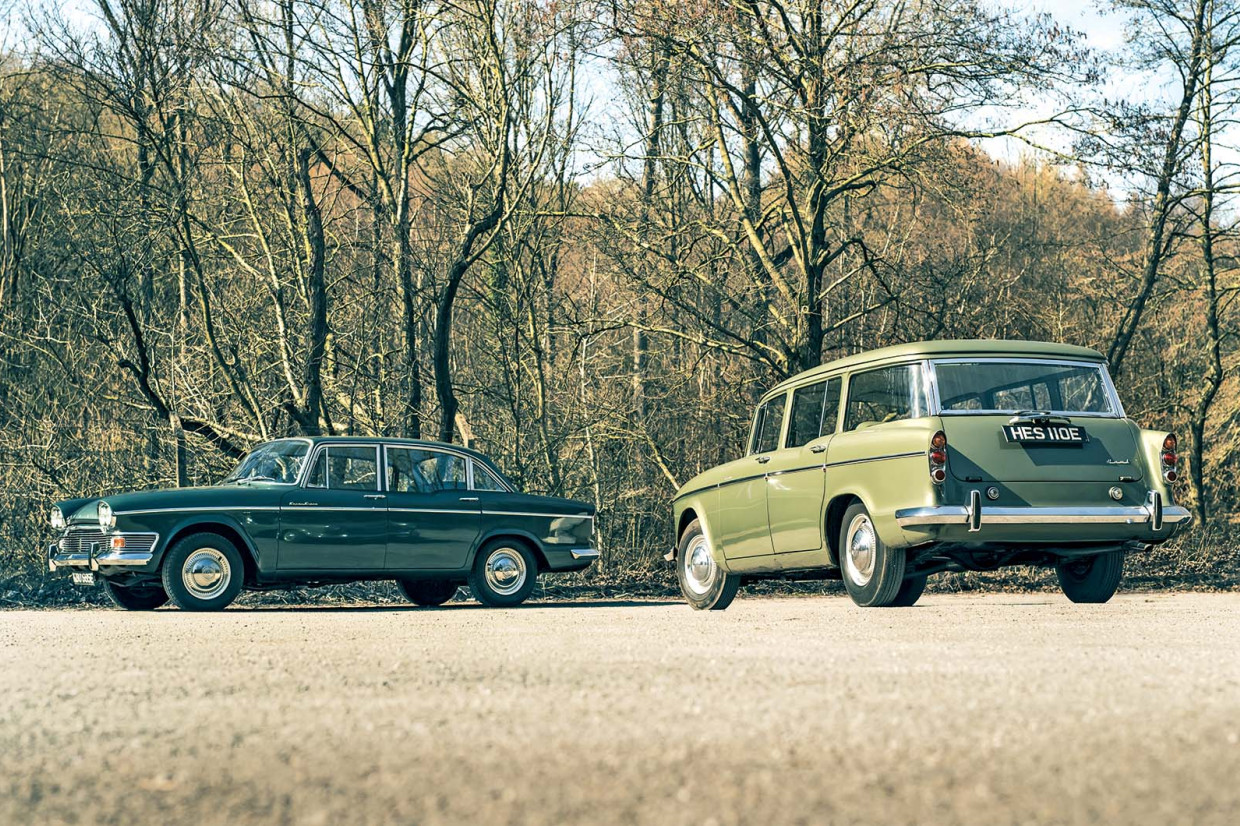
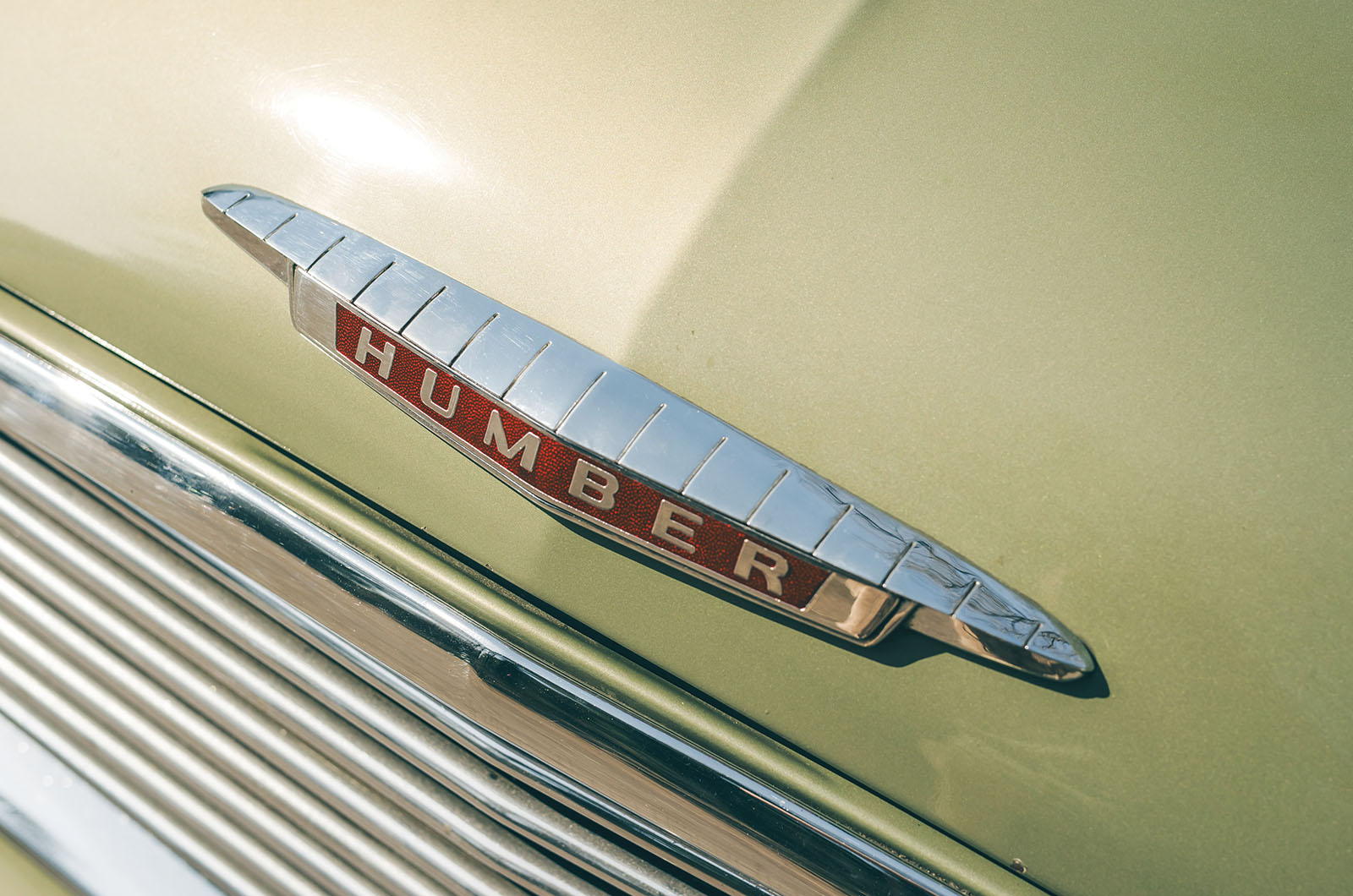
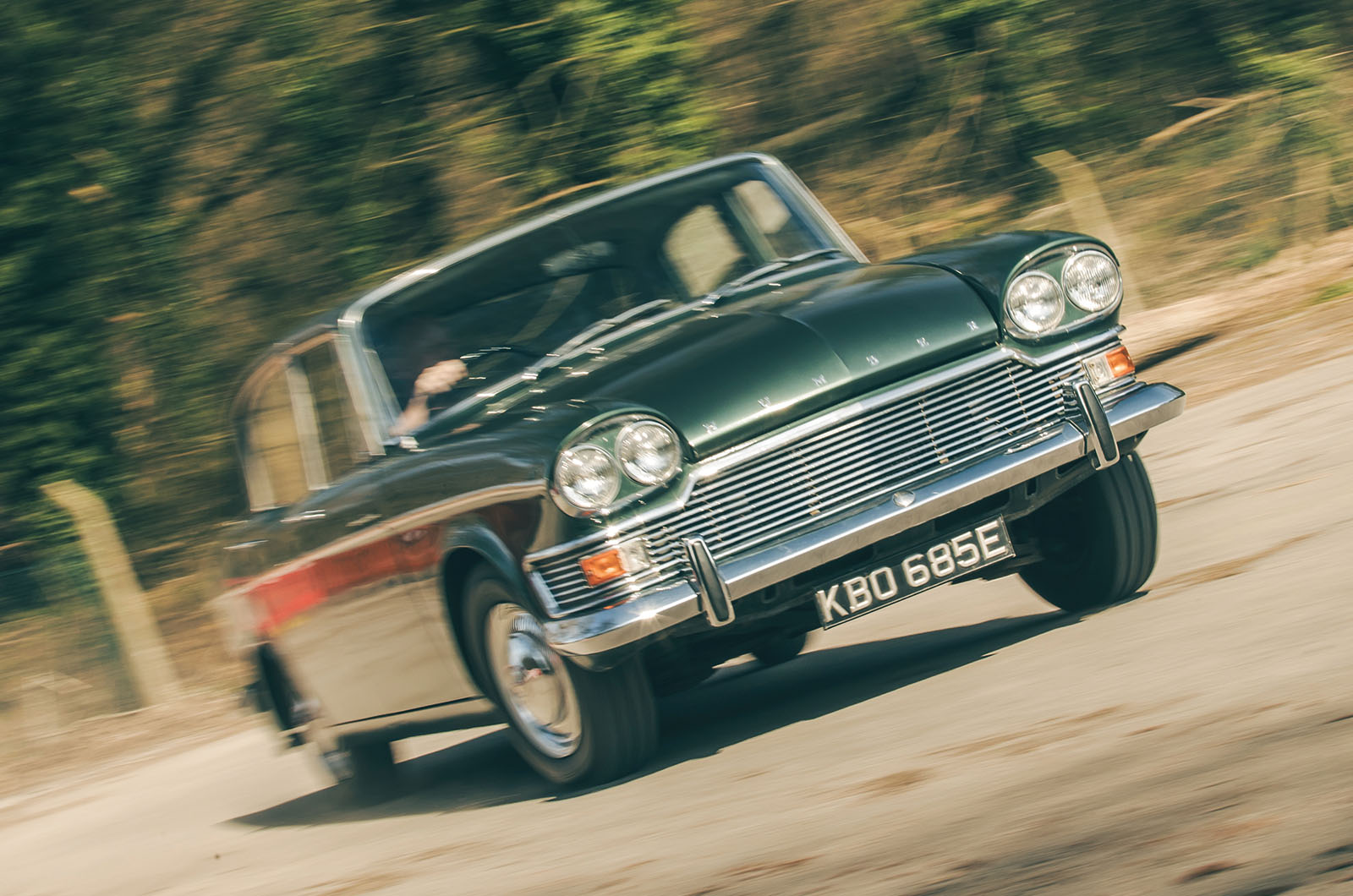
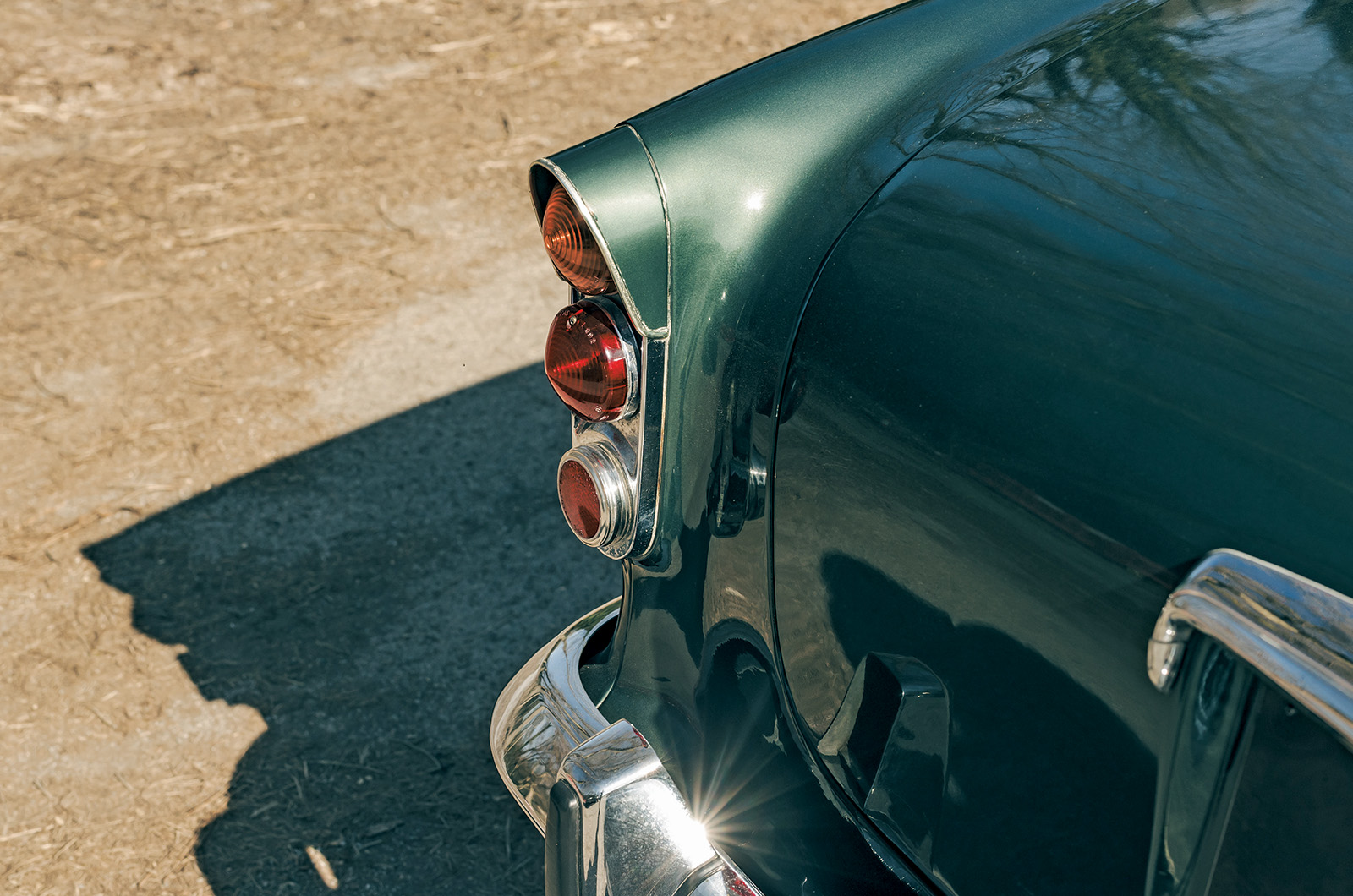
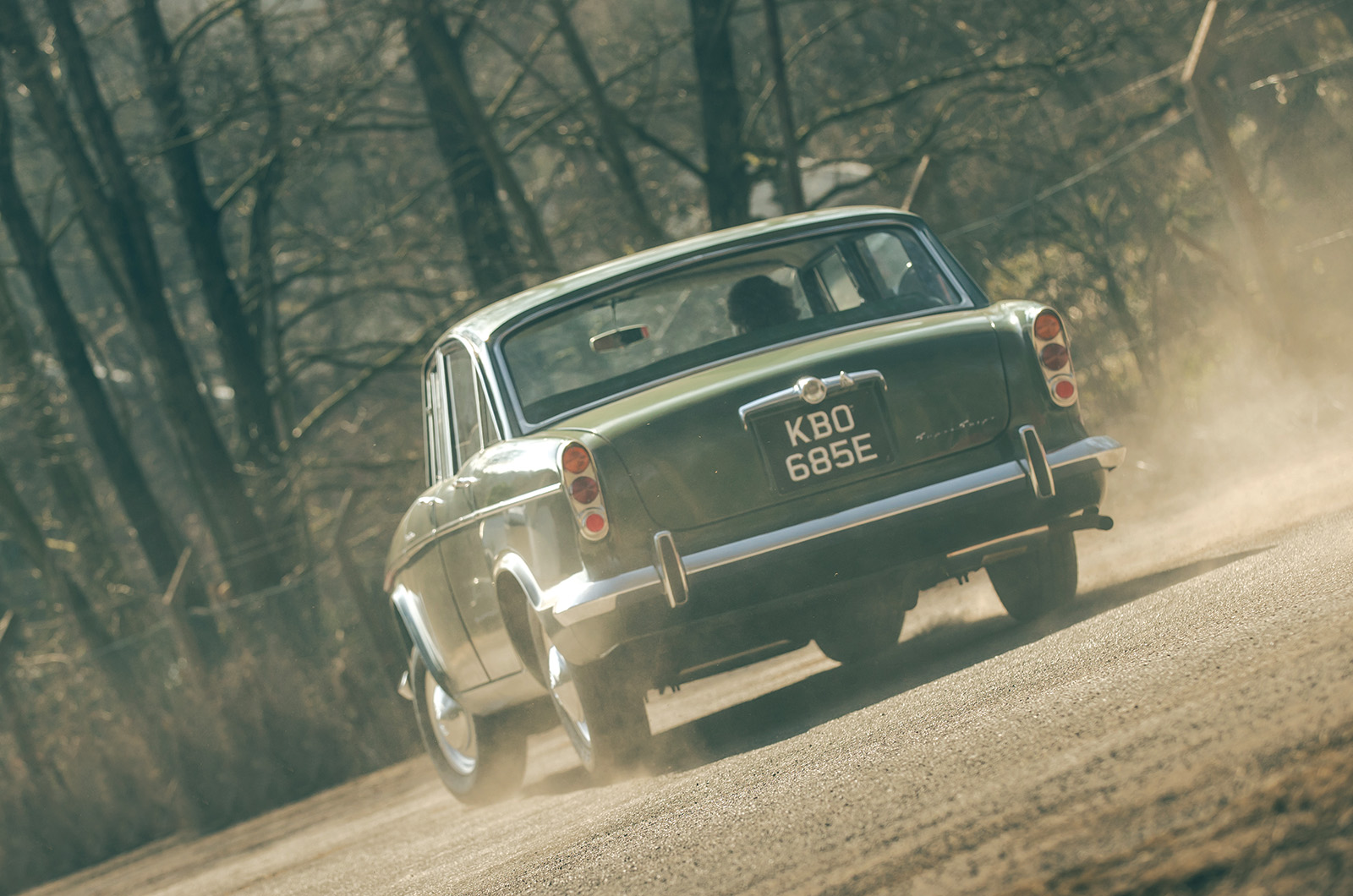
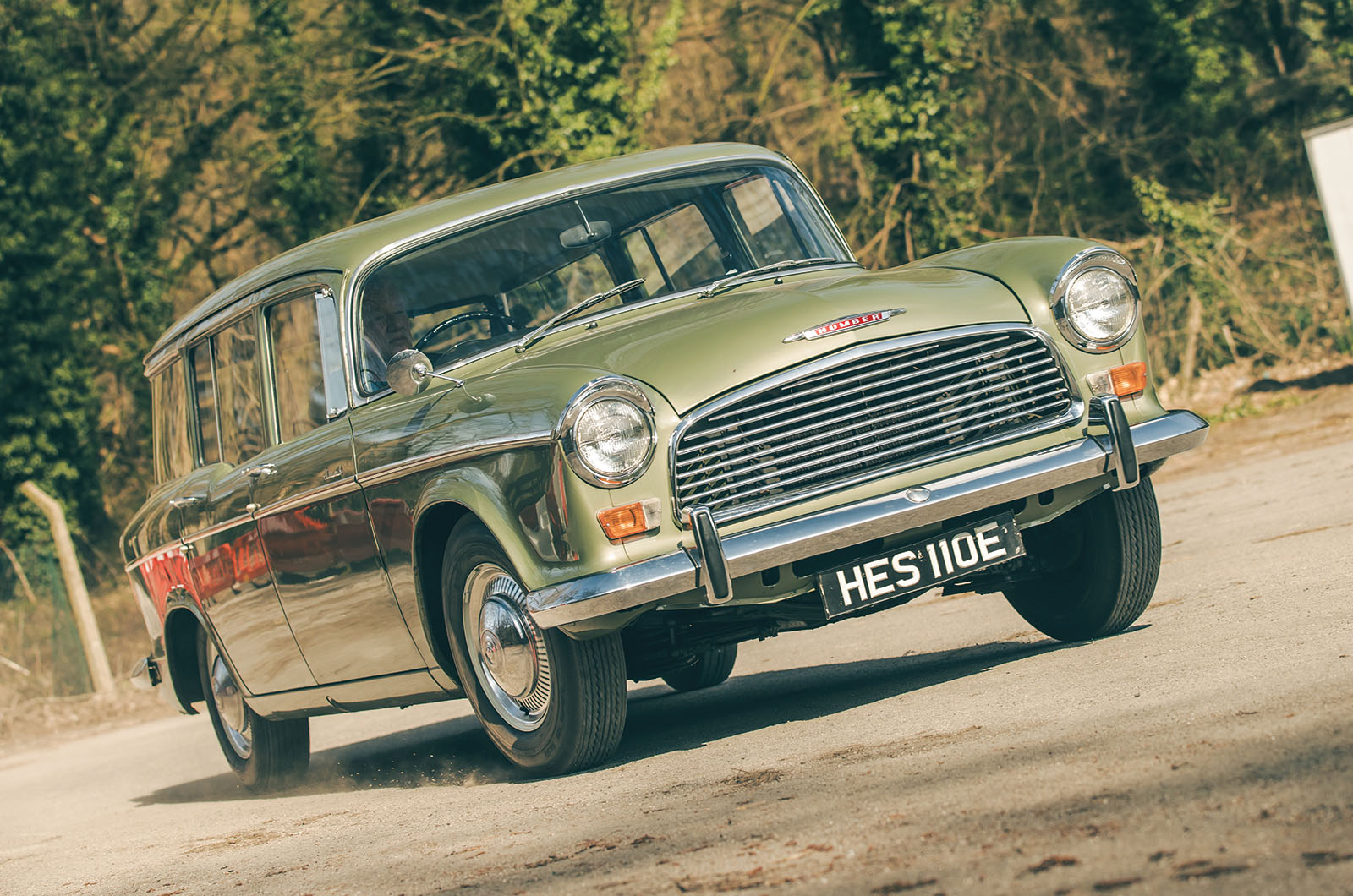
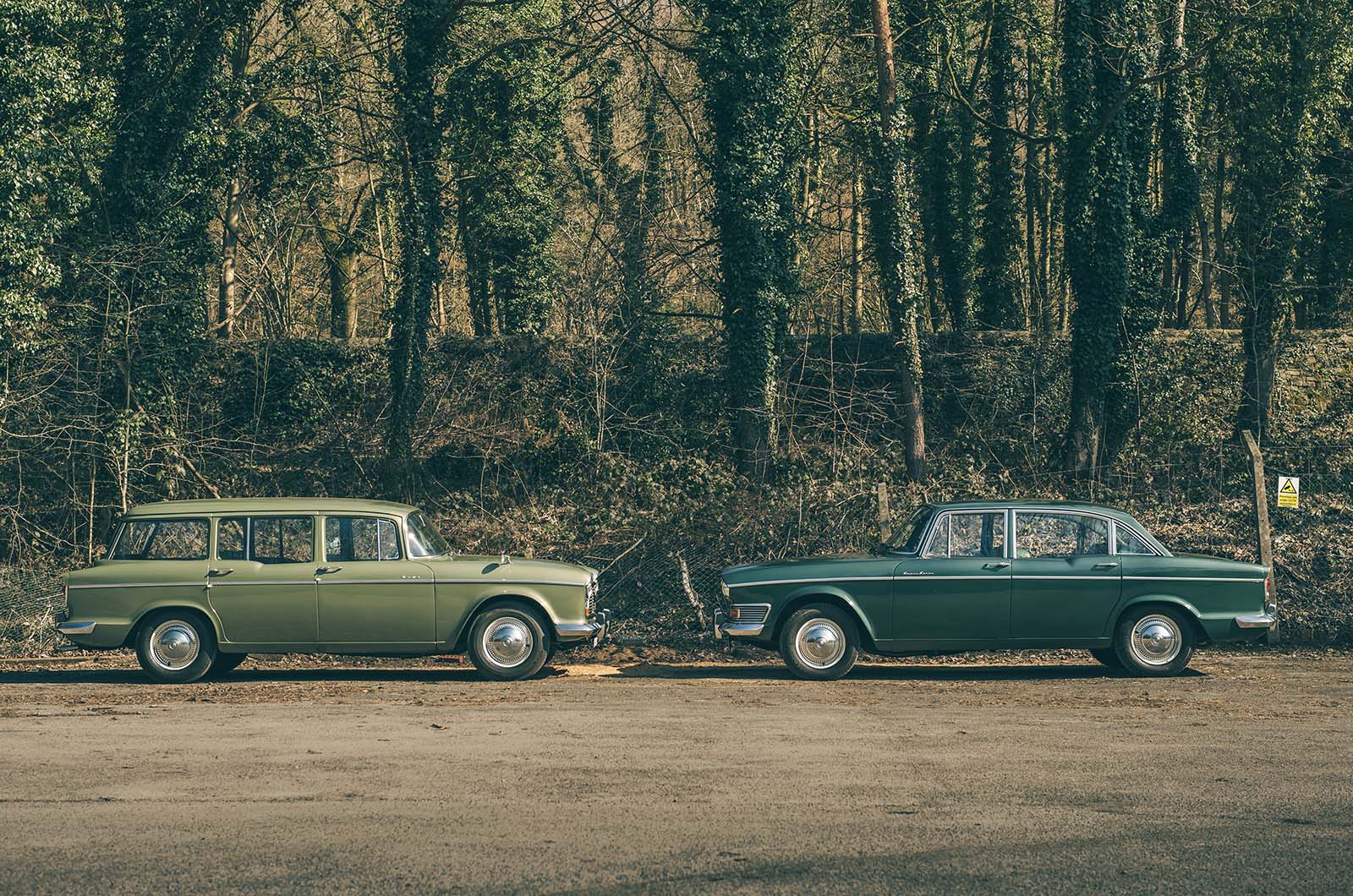
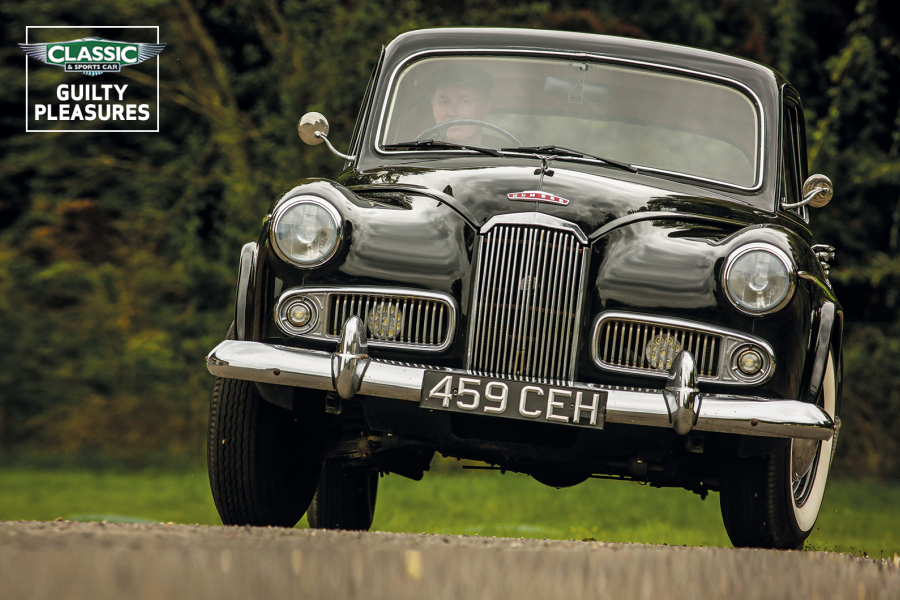
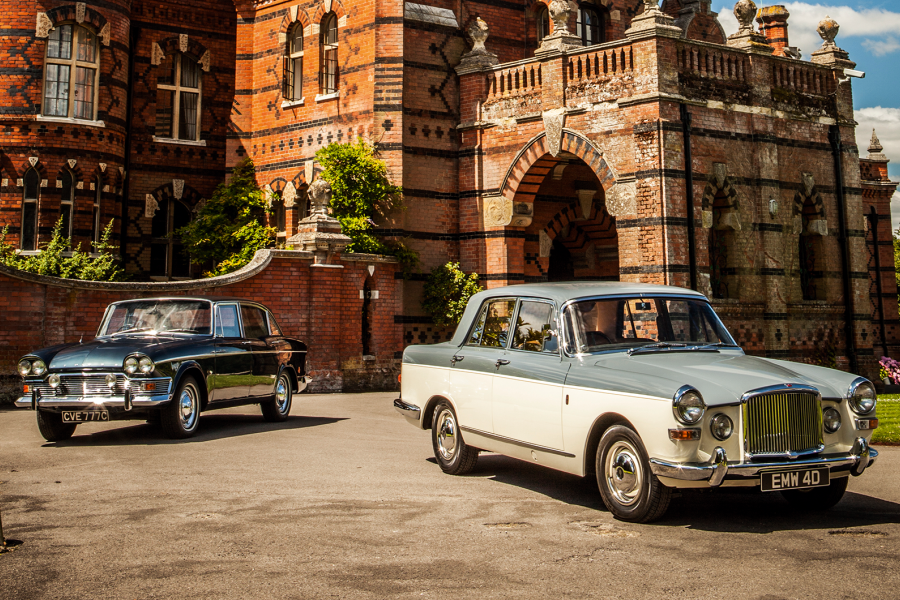
In both cases the column shifts have a light, precise action, and both four- and six-cylinder cars will pull away briskly in second. Changing gear is not a chore, although it cannot be rushed.
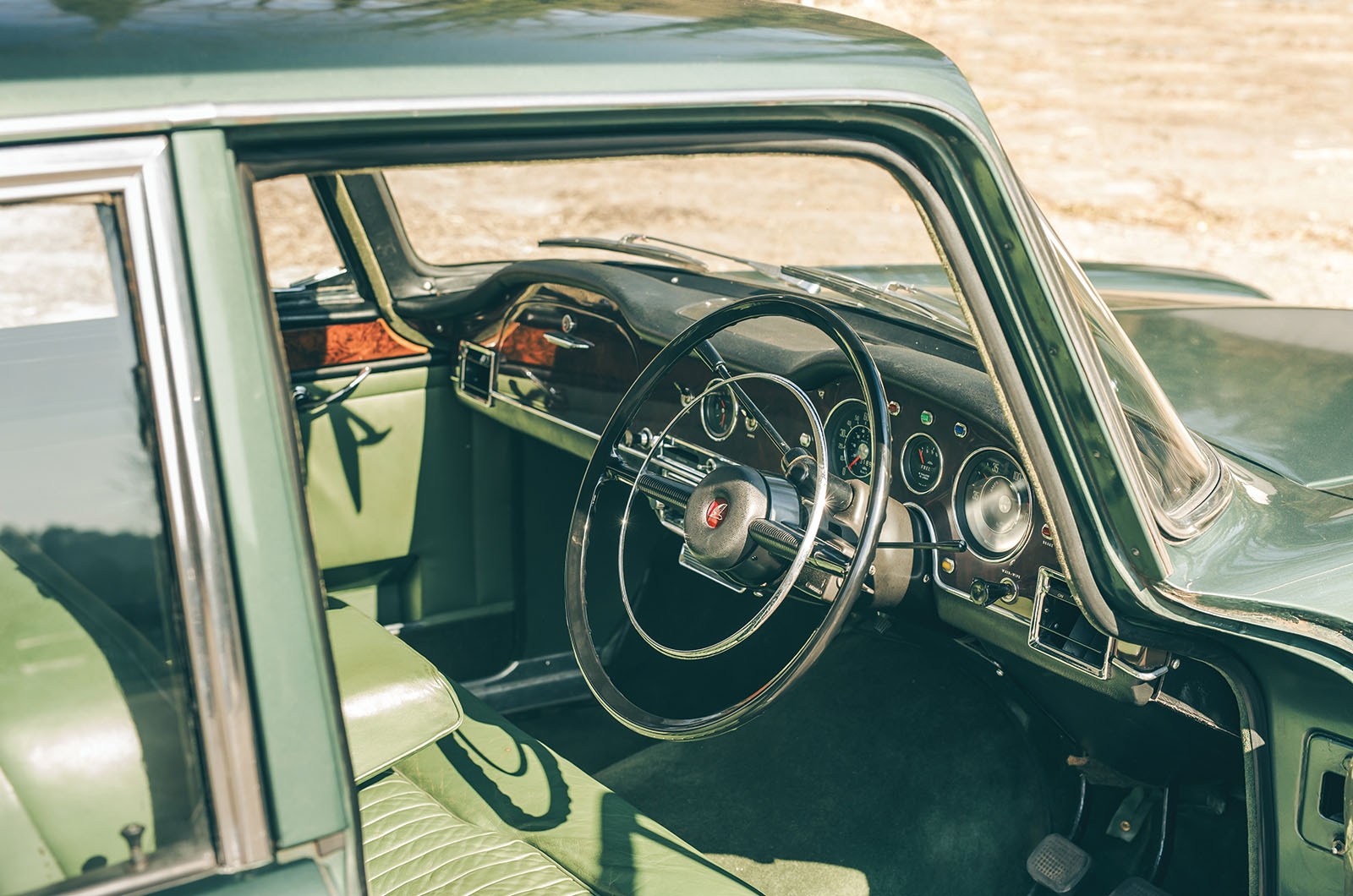
The Humber Super Snipe’s walnut dashboard is busy with warning lights
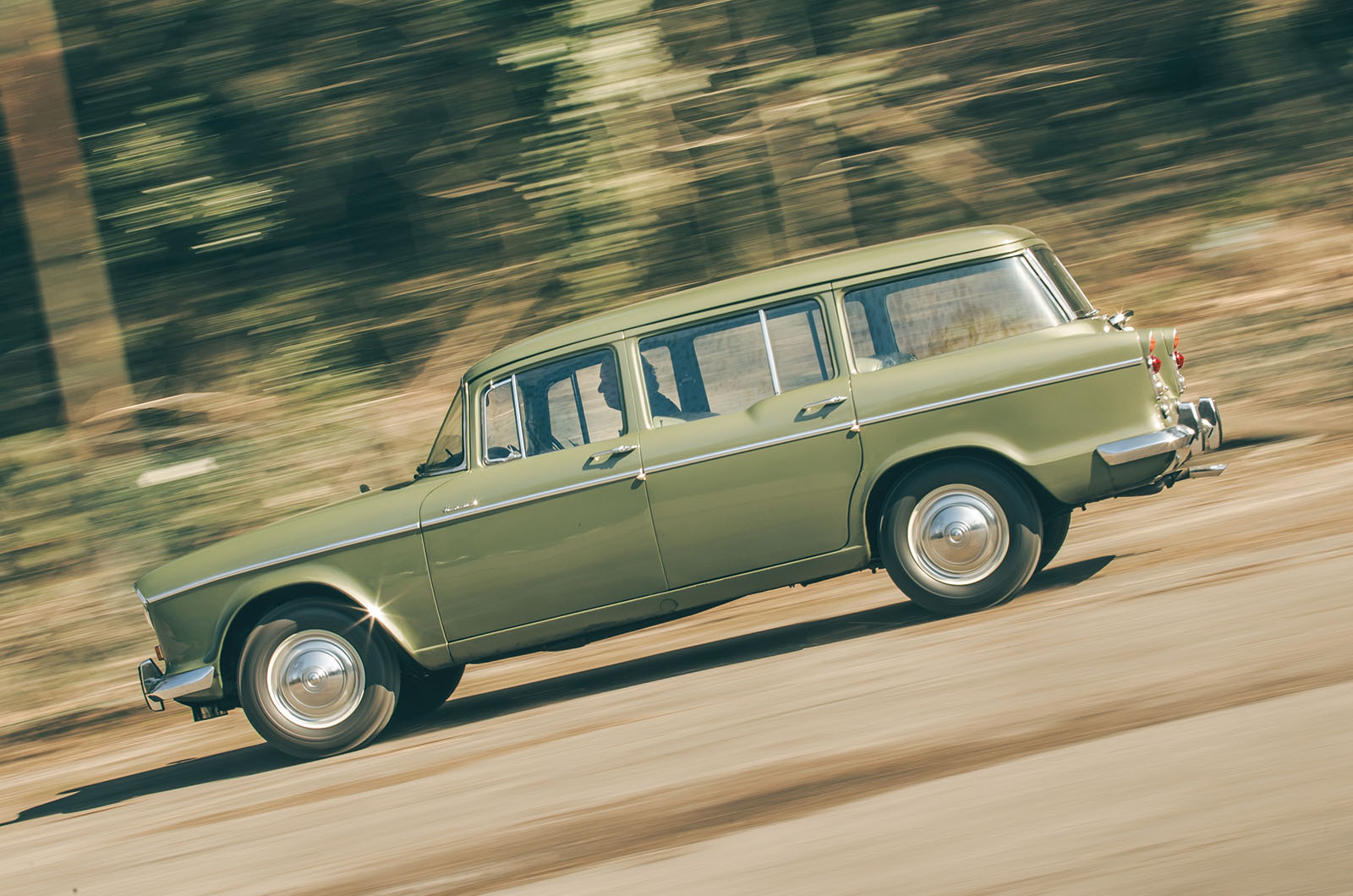
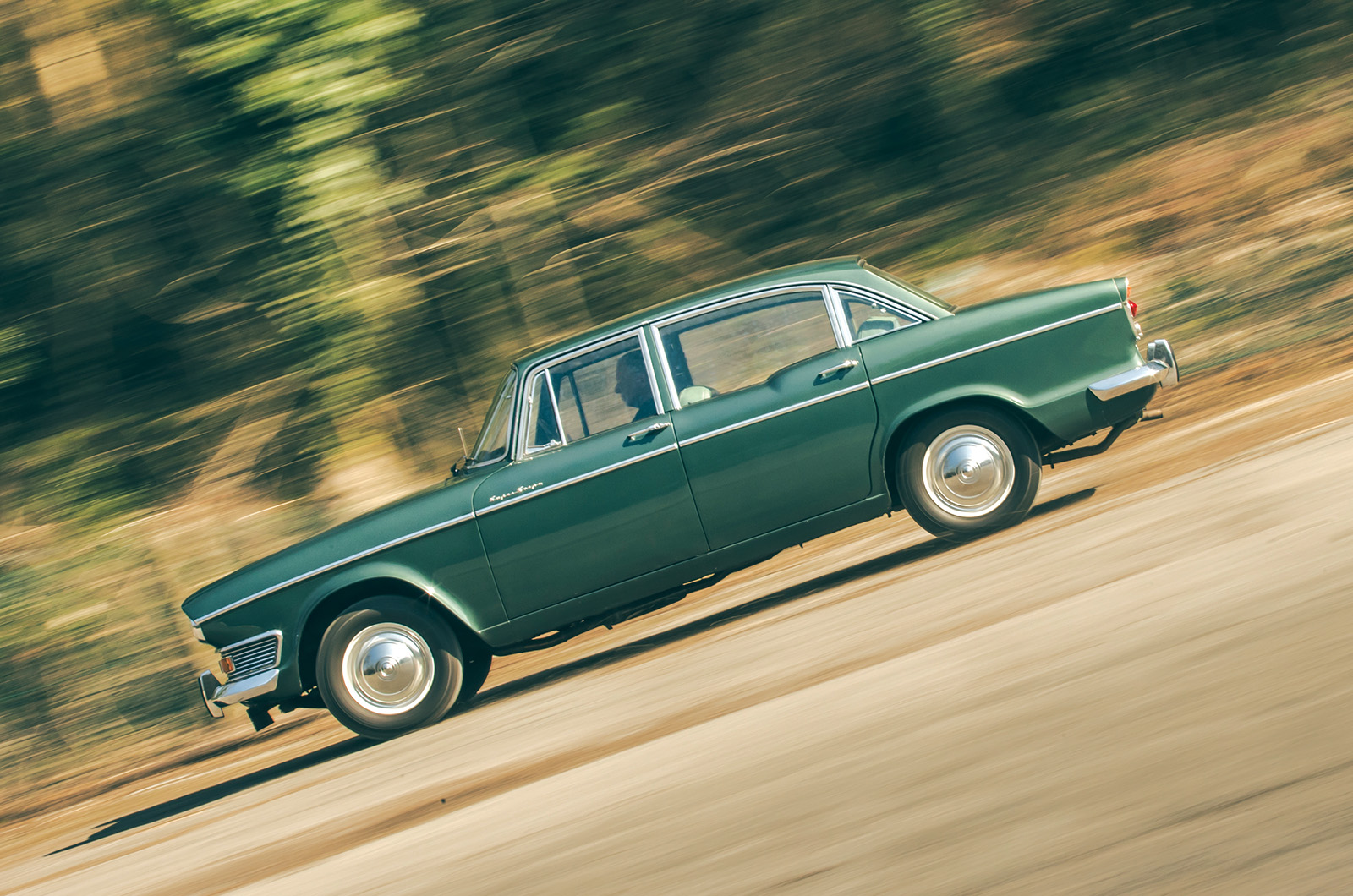
Cruising at 80mph would have been enough to sweep the Super Snipe past most things in its prime; the Hawk only has another 5mph to go at that speed.
Subjectively, though, it doesn’t feel that much slower than the 3-litre car.
Servo front disc brakes mean these Humbers pull up efficiently. Even without going very far, or very fast, you sense that both would be stable in a straight line.
The manual steering of the Hawk lightens up nicely under way and castors back efficiently; the vague, lightweight assisted helm of the Super Snipe needs coaxing to centre.
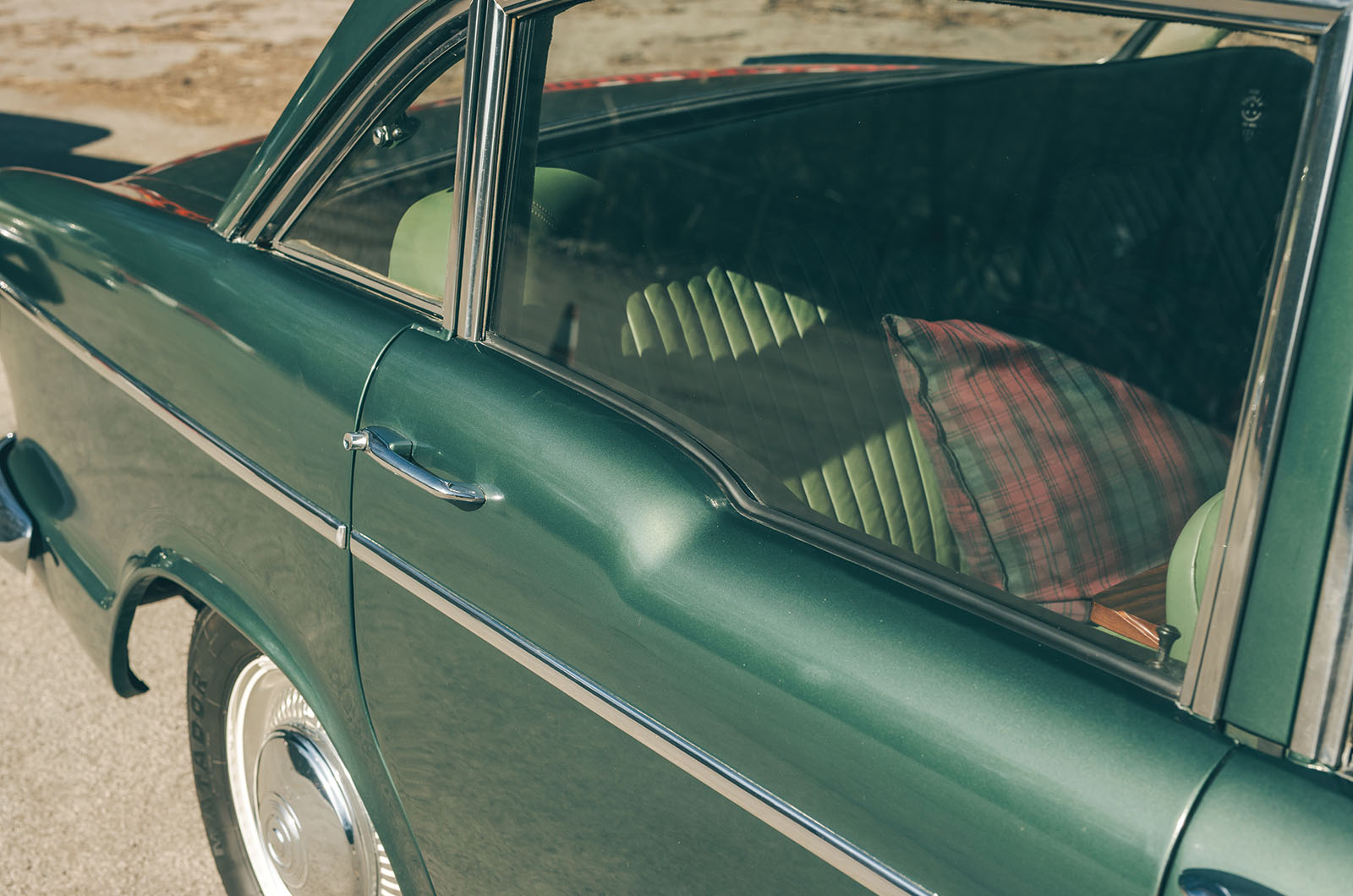
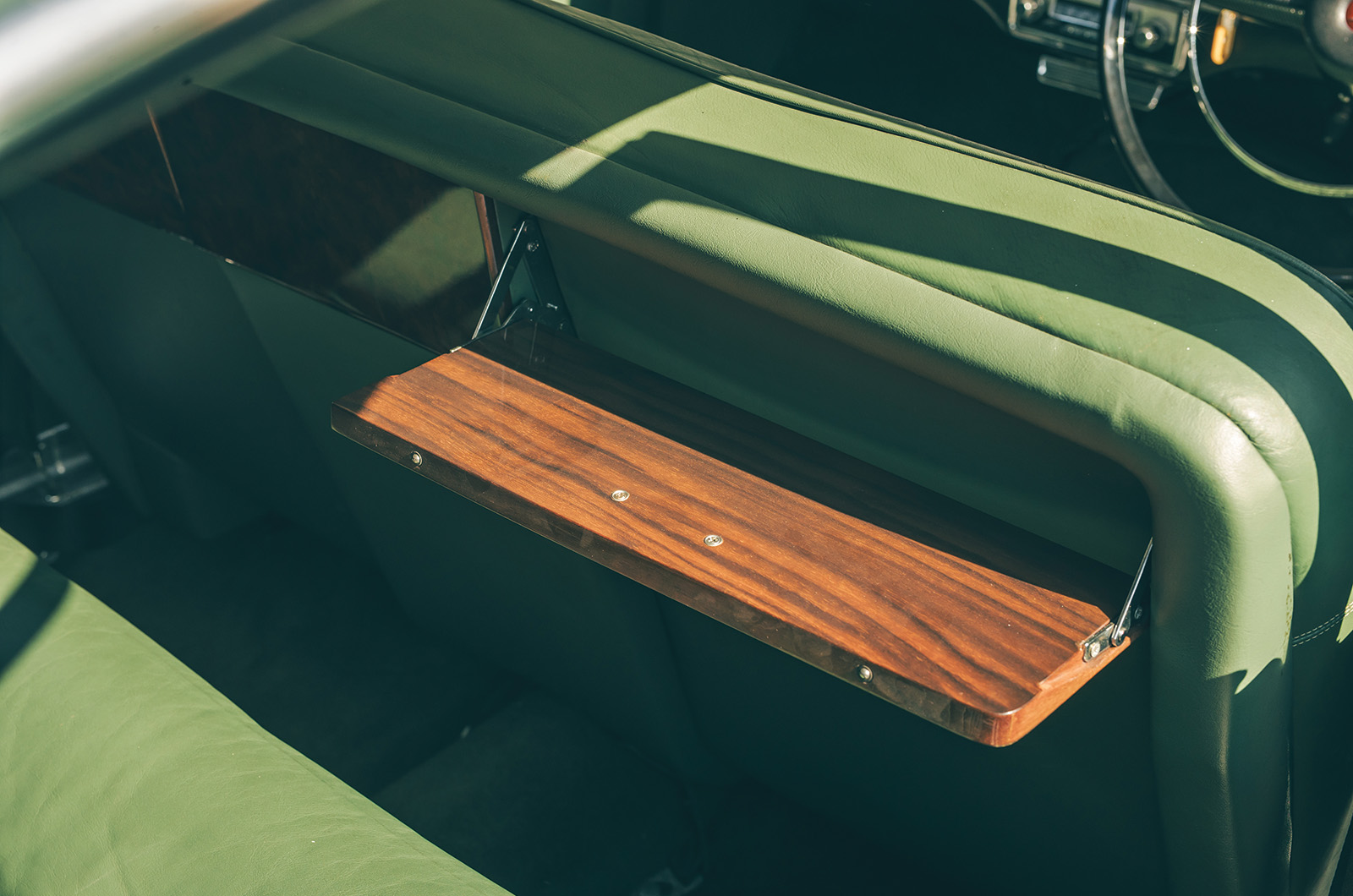
Fold-out picnic tables for the Super Snipe’s rear passengers
Both become conspicuous if handled aggressively, with body roll, understeer and audible front-end scrub.
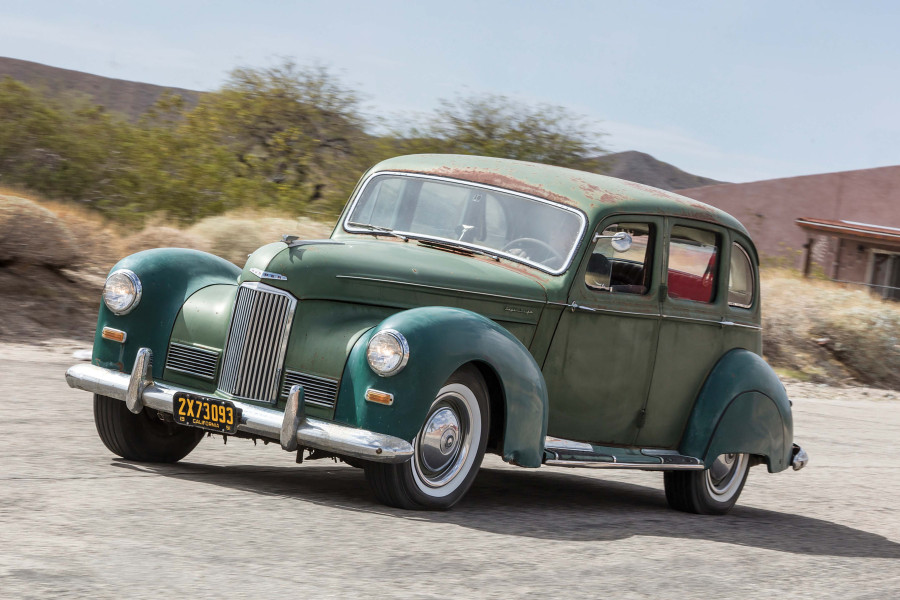
Somehow Michael Caine’s enthusiasm for the black Super Snipe he drives briefly as a chauffeur in Alfie underlines that both car and character are out of step with the newly swinging times.
Yet among those who didn’t ‘swing’, the respect for and recognition factor of the big Humbers remained high: the Super Snipe was favoured by big-band leader Joe Loss (he had one with a record player fitted) and comedian Harry Worth, and was the ministerial car favoured by Harold Wilson.
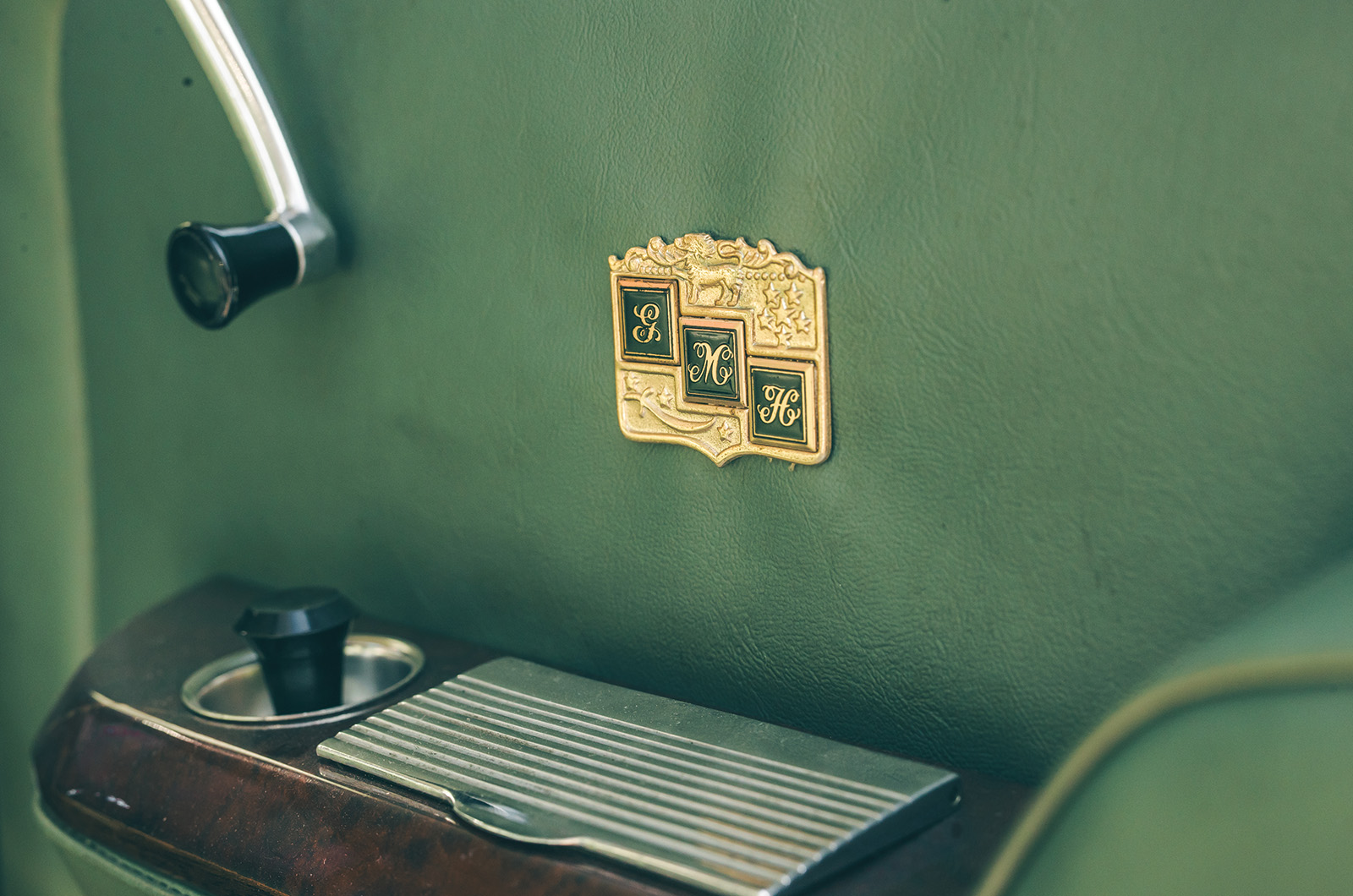
The Humber Super Snipe’s door-card armrest
TV appearances in No Hiding Place and The Human Jungle did not do the respectable image any harm.
Disgraced Liberal leader Jeremy Thorpe was still driving his big Humber in the ’70s at the time of the Norman Scott affair, but by then the name was becoming a fading memory.
Thorpe’s car was an Imperial, incidentally, with leatherette roof and Thrupp & Maberly trim.
Hoping to boost interest in its ageing big cars in the face of BMC’s Vanden Plas division, Rootes’ 1964 Imperial revived a name that had been dormant for a decade on a specially trimmed ‘executive’ Super Snipe that came with automatic transmission, power steering, reclining seats and Selectaride dampers.
The Humber Hawk’s unassisted steering is nicely weighted
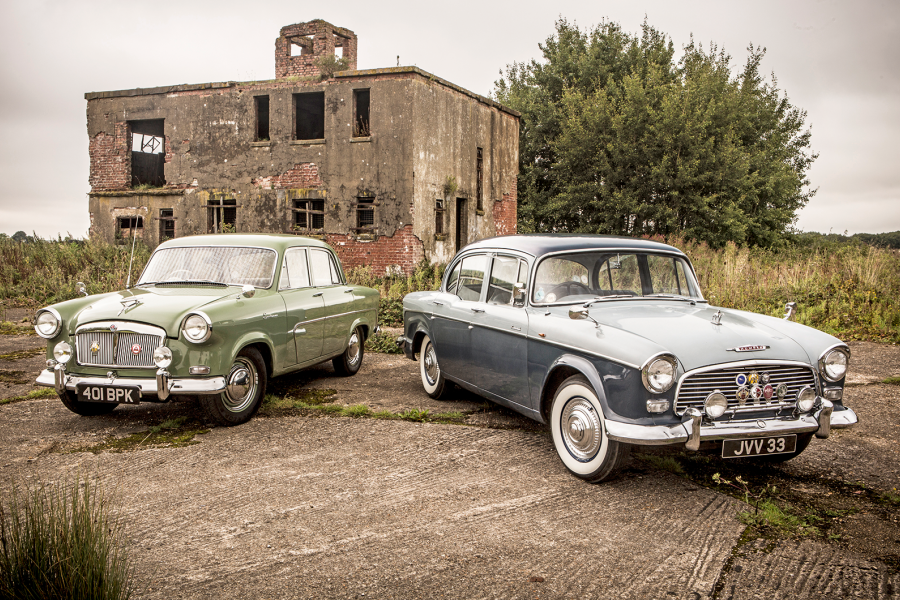
The range was still selling in healthy numbers in the early 1960s, but they had already had their best years.
Hawk sales had peaked at 15,539 between 1957 and ’59, but dropped to fewer than 2000 a year towards the end of production.
The Super Snipes sold at a steady 6500-7500 a year between 1958 and ’65, but sales had dwindled to just over 1000 annually in its final two seasons, when prices were reduced by £104-175 to clear stock.
Waiting in the wings was a generation of younger, sportier luxury cars from Triumph and Rover – plus a raft of foreign marques – that could do with just two thrifty litres what the luxobarge generation needed three to achieve.
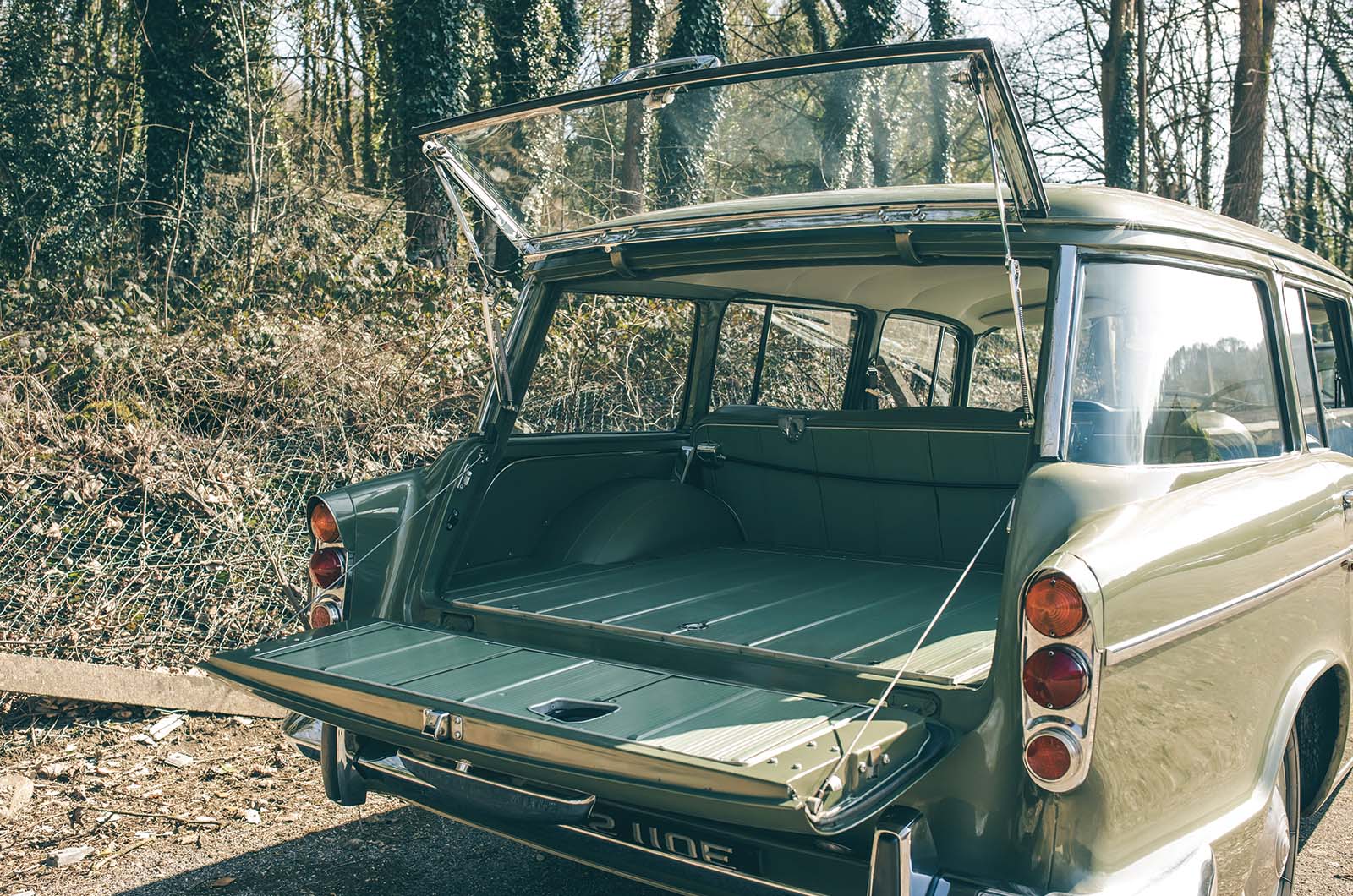
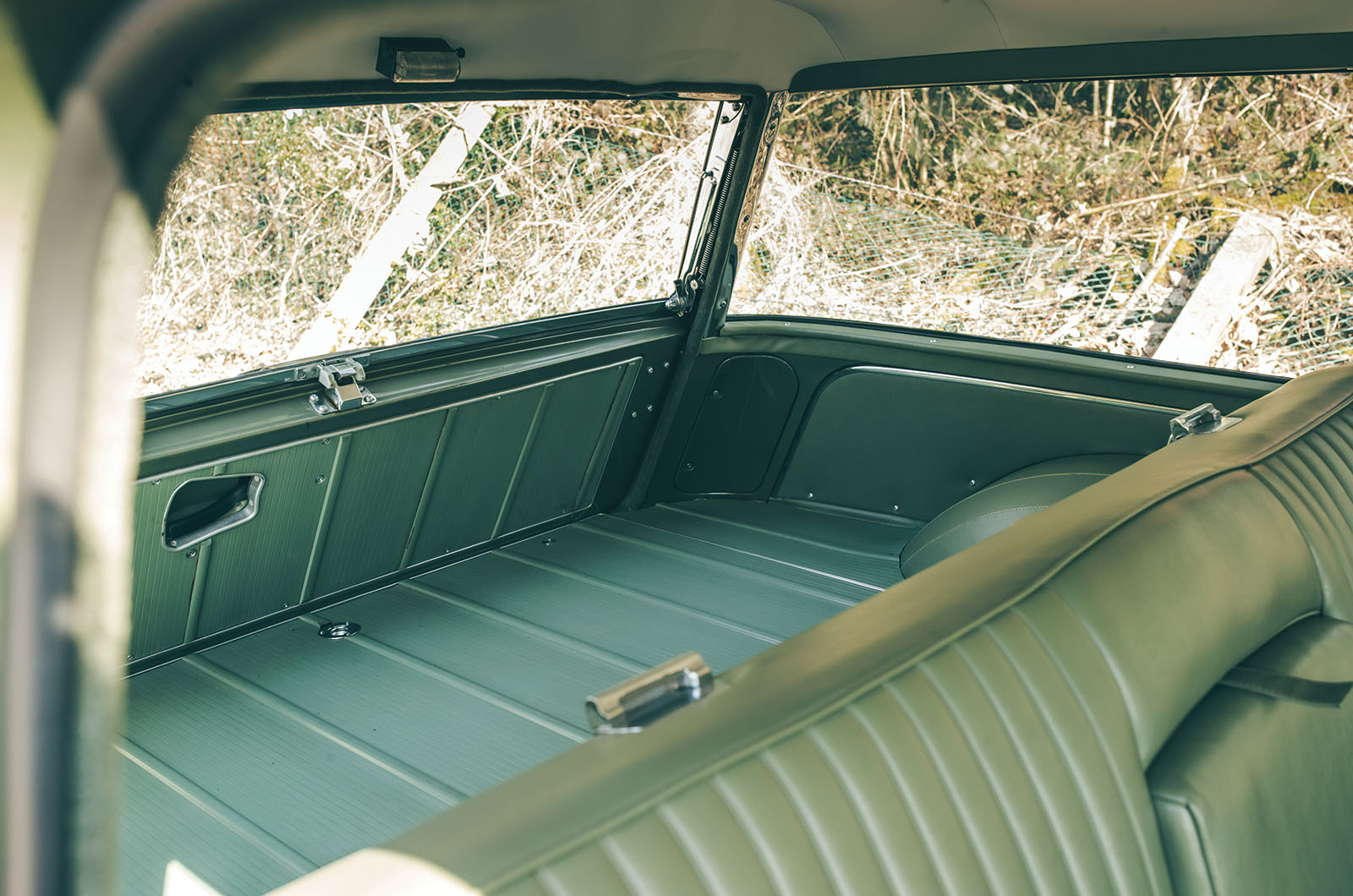
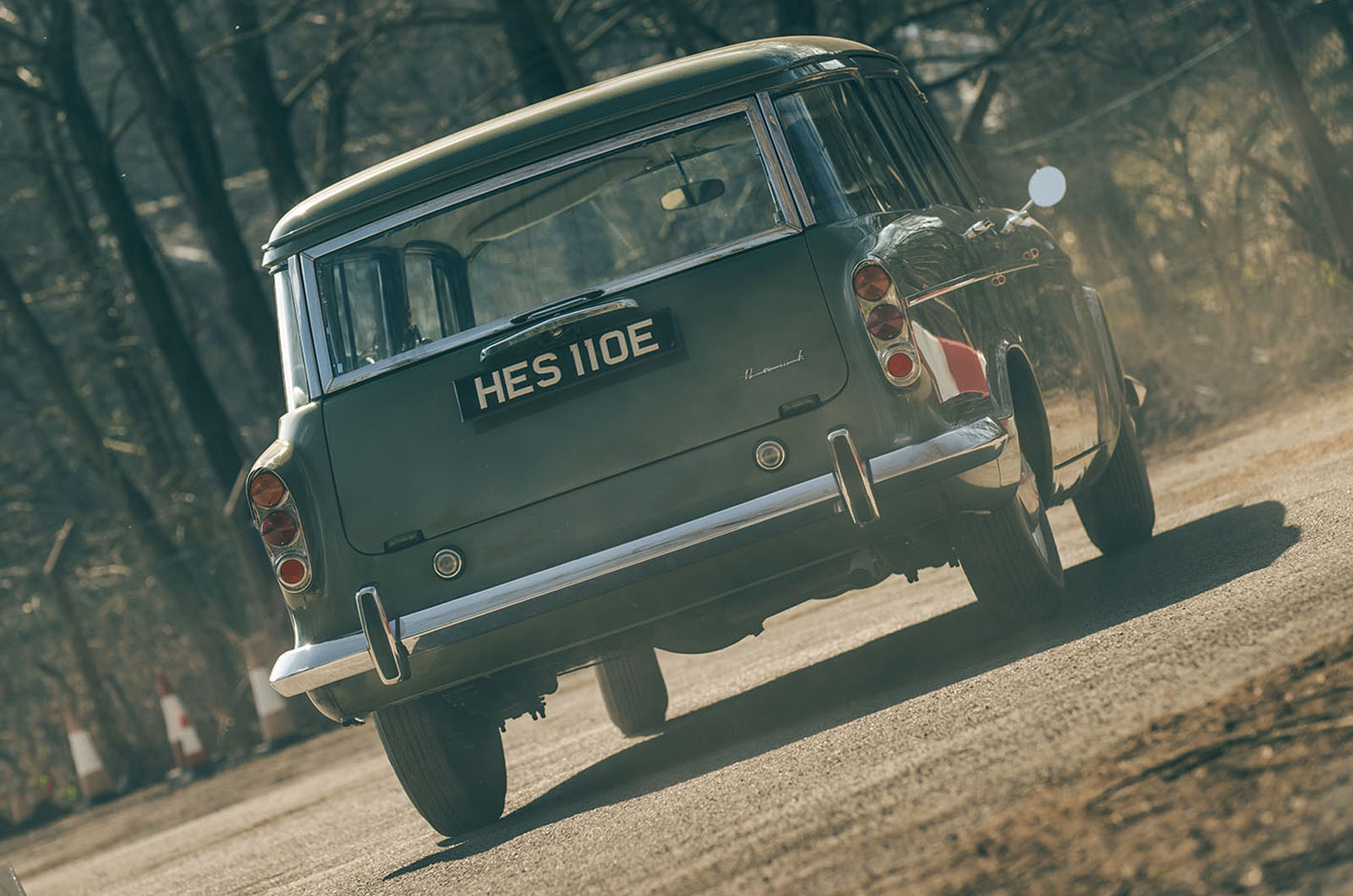
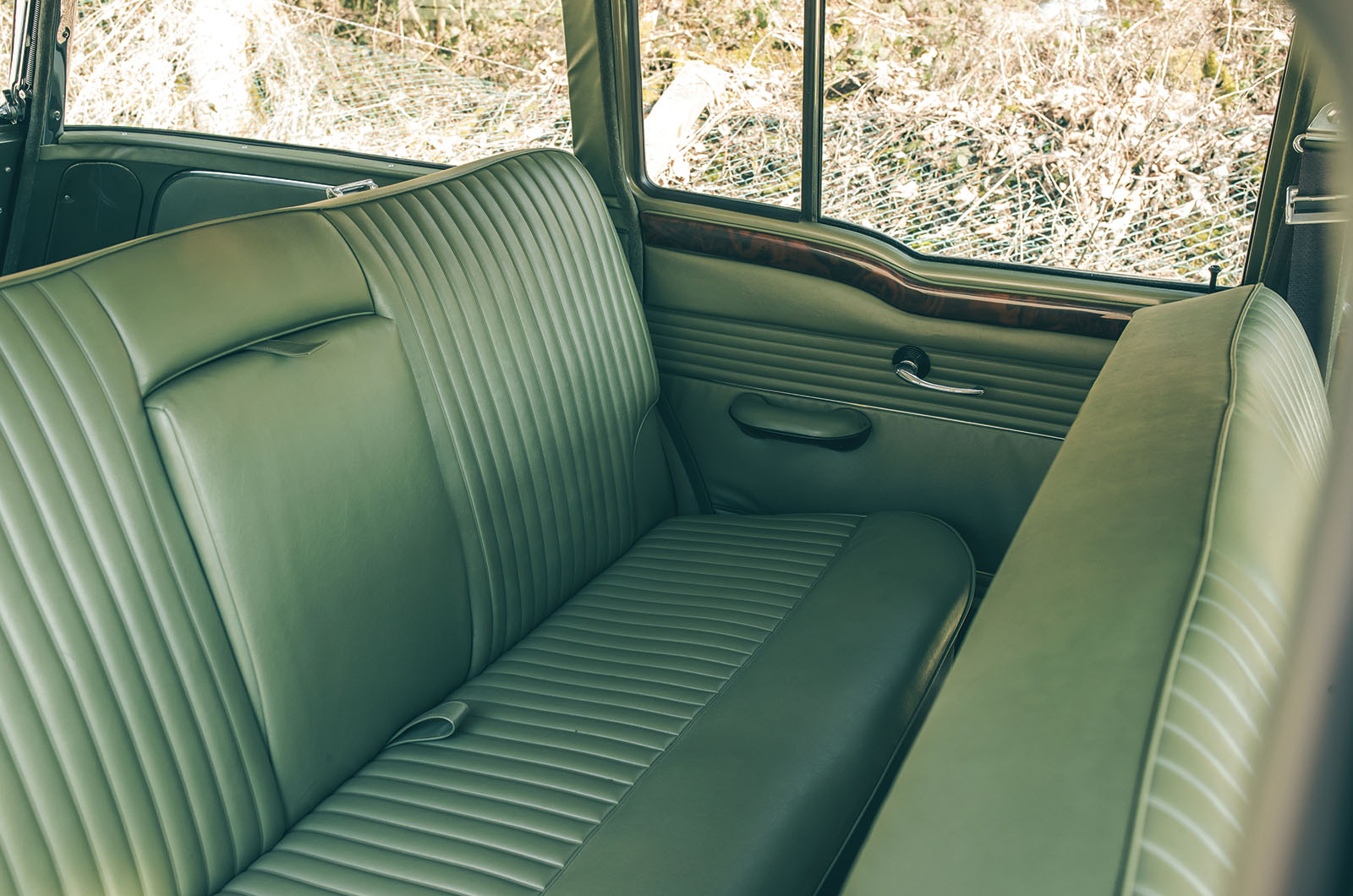
This Humber Hawk Estate’s original PVC trim is still like new
The plan to build the Imperial and Super Snipe models with Chrysler V8 power reached quite a late stage before the plug was pulled.
There was a back-up plan for a replacement full-size Humber based on the Chrysler Valiant, but it was deemed more prudent to simply offer right-hand-drive Valiants to the firm’s large-car buyers.
For all their transatlantic overtures, there was something very British about the Hawk and Super Snipe that made them so beloved of a certain kind of buyer: a person who would not be fooled by a generic American car wearing this once respected name.
Images: Jack Harrison
Thanks to: Great British Car Journey
Factfiles
Humber Super Snipe Series V
- Sold/number built 1958-’67/30,031 (all series)
- Construction steel unitary
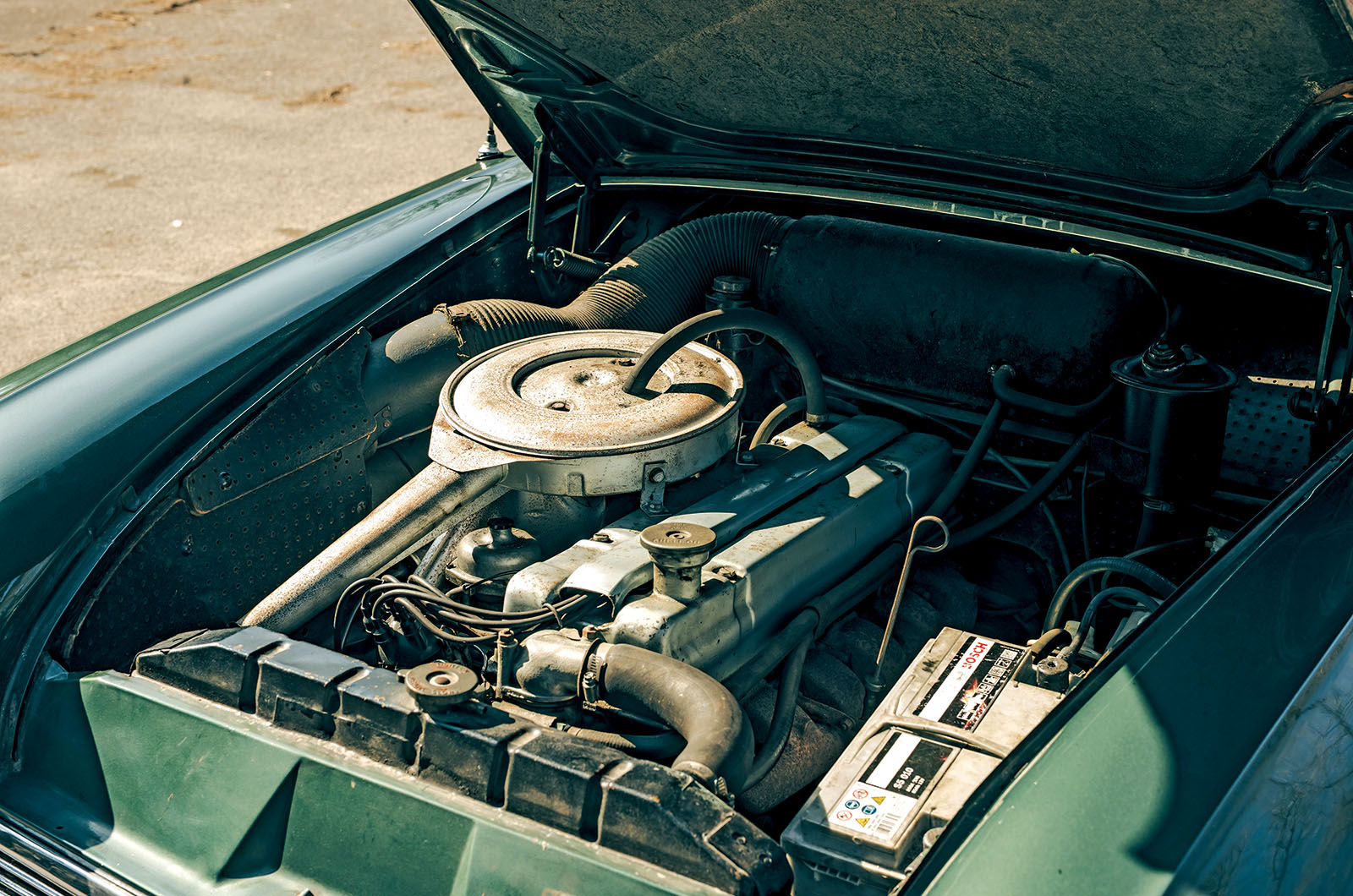
- Engine all-iron, ohv 2965cc straight-six, twin Stromberg carburettors
- Max power 128bhp @ 5000rpm (Series V)
- Max torque 167lb ft @ 2600rpm (Series V)
- Transmission three-speed manual, RWD
- Suspension: front independent, by wishbones, coil springs, anti-roll bar rear live axle, semi-elliptic leaf springs; telescopic dampers f/r
- Steering power-assisted recirculating ball
- Brakes discs front, drums rear, with servo
- Length 15ft 8in (4775mm)
- Width 5ft 9in (1753mm)
- Height 5ft 1in (1549mm)
- Wheelbase 9ft 2in (2794mm)
- Weight 3651lb (1656kg)
- 0-60mph 16.2 secs
- Top speed 100mph
- Mpg 16-22
- Price new £1495
- Price now £6-12,000*
Humber Hawk Estate Series IV
- Sold/number built 1957-’67/41,191 (all series)
- Construction steel unitary
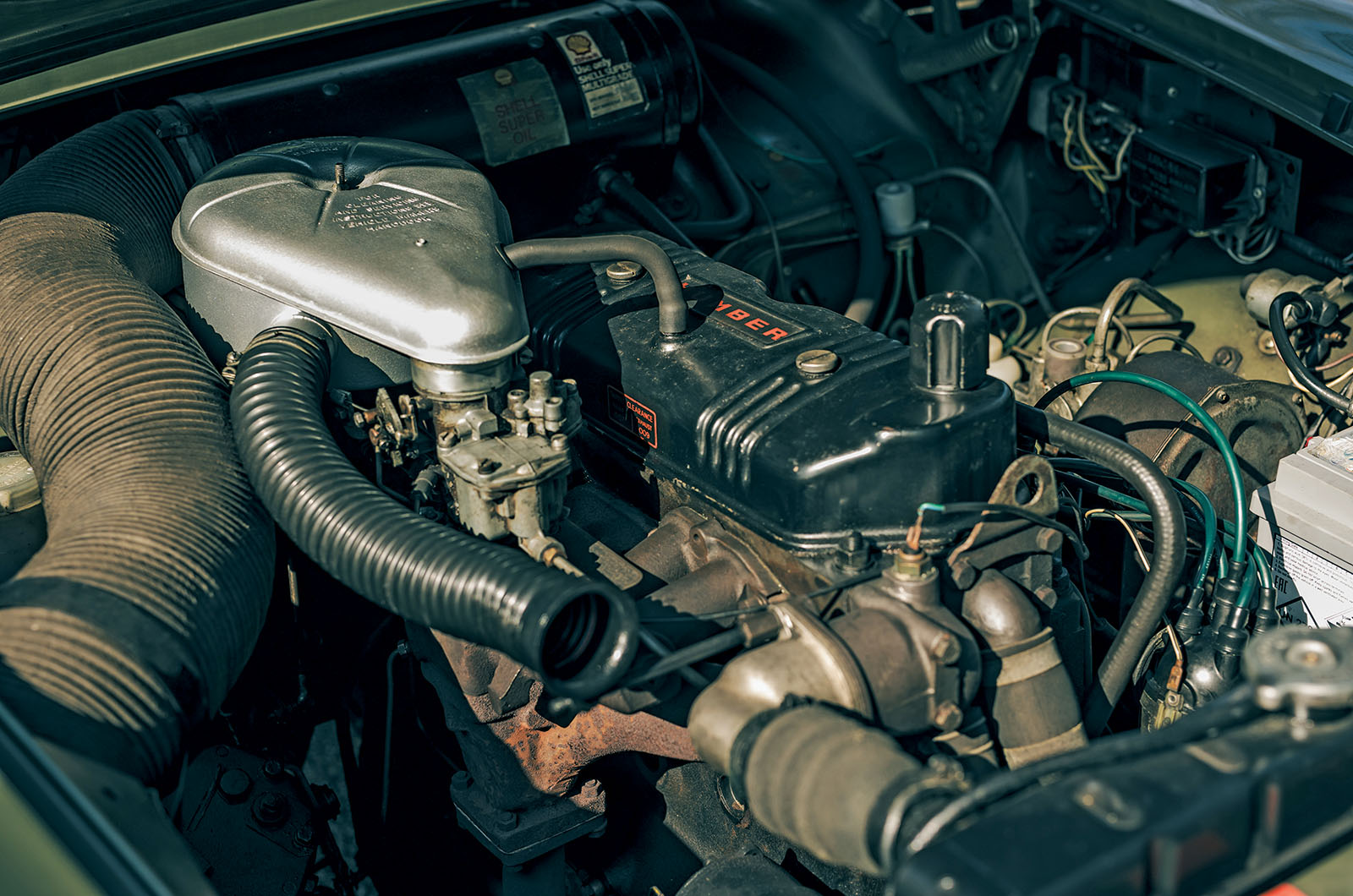
- Engine all-iron, ohv 2267cc ‘four’, single Zenith carburettor
- Max power 78bhp @ 4400rpm
- Max torque 120lb ft @ 2300rpm
- Transmission four-speed manual, RWD
- Suspension: front independent, by wishbones, coil springs, anti-roll bar rear live axle, semi-elliptic leaf springs; telescopic dampers f/r
- Steering recirculating ball
- Brakes discs front, drums rear, with servo
- Length 15ft 4½in (4686mm)
- Width 5ft 9in (1753mm)
- Height 5ft 1in (1549mm)
- Wheelbase 9ft 2in (2794mm)
- Weight 3311lb (1502kg)
- 0-60mph 25 secs
- Top speed 85mph
- Mpg 17-25
- Price new £1341
- Price now £8-12,000*
*Prices correct at date of original publication
Enjoy more of the world’s best classic car content every month when you subscribe to C&SC – get our latest deals here
READ MORE
Mercedes-Benz Universal vs Vanden Plas Countryman: beautifully functional
Austin A110 Westminster vs Ford Zodiac MkIII vs Vauxhall Cresta PB: symbols of success
Estates of the nations: Fiat vs Volvo vs Triumph
Martin Buckley
Senior Contributor, Classic & Sports Car