What’s more intriguing is that the Riley’s original ENV preselector ’box, which had been stripped, was revealed to be a race-spec, close-ratio unit, with roller bearings throughout.
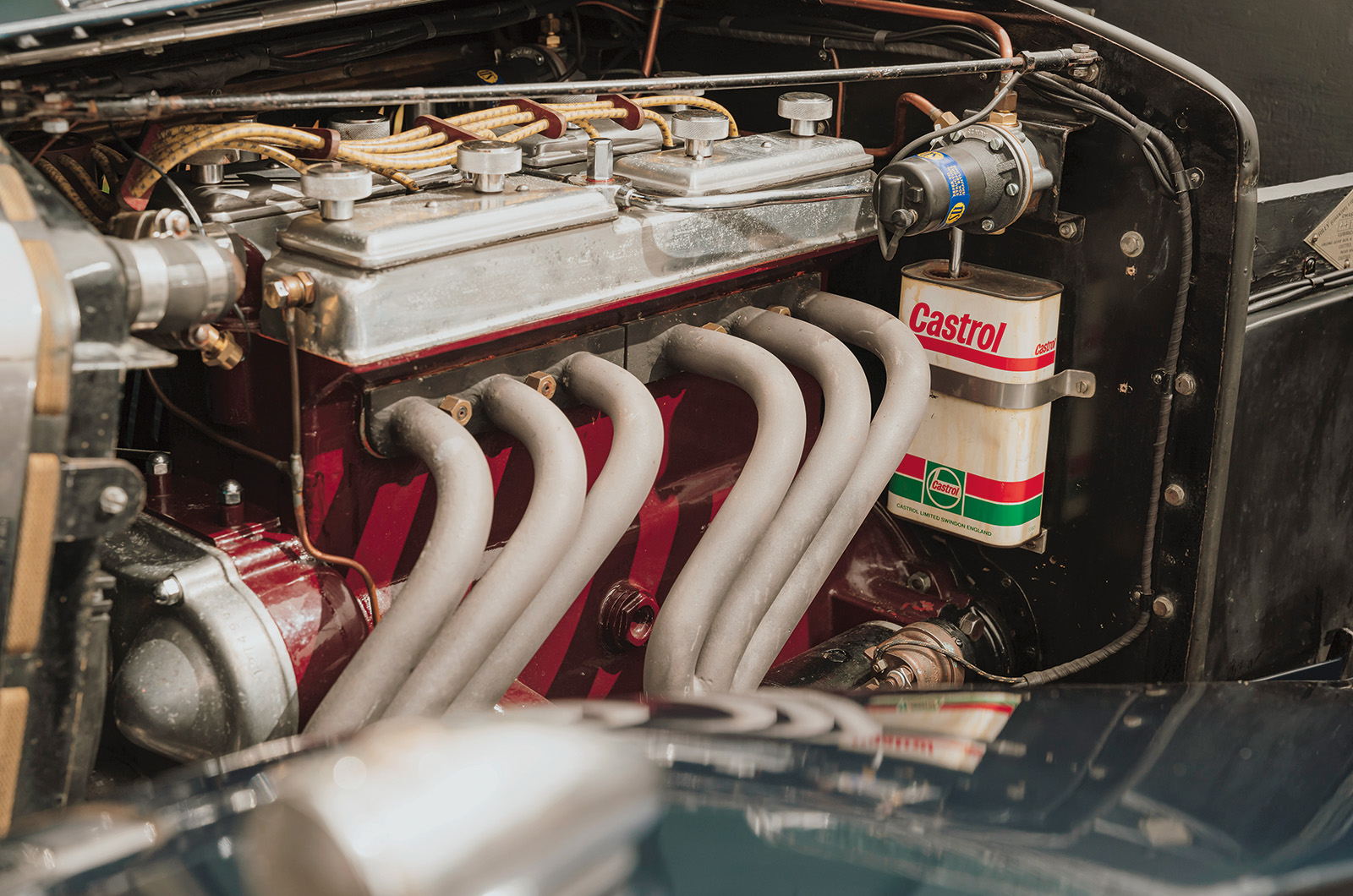
The Riley MPH’s free-revving ‘six’ exhales via artfully snaking manifolds
Other original deviations from the standard MPH included two separate, forward-facing SU fuel pumps fitted to its front bulkhead, a Bluemel’s steering wheel and brackets enabling aeroscreens to be mounted on its windscreen uprights as draught deflectors.
FP 2831 (its original number by then reinstated) also sported 36 bonnet louvres, instead of 37 as on all other MPHs.
Today, this Riley MPH is owned and enjoyed by marque specialist Blue Diamond’s David Parry.
Its minder today, David’s business partner John Lomas, admits that the frequently used car is not concours – although it was resprayed four years ago and appeared at the London Concours in 2021 as part of the Queen’s 95th-anniversary display.
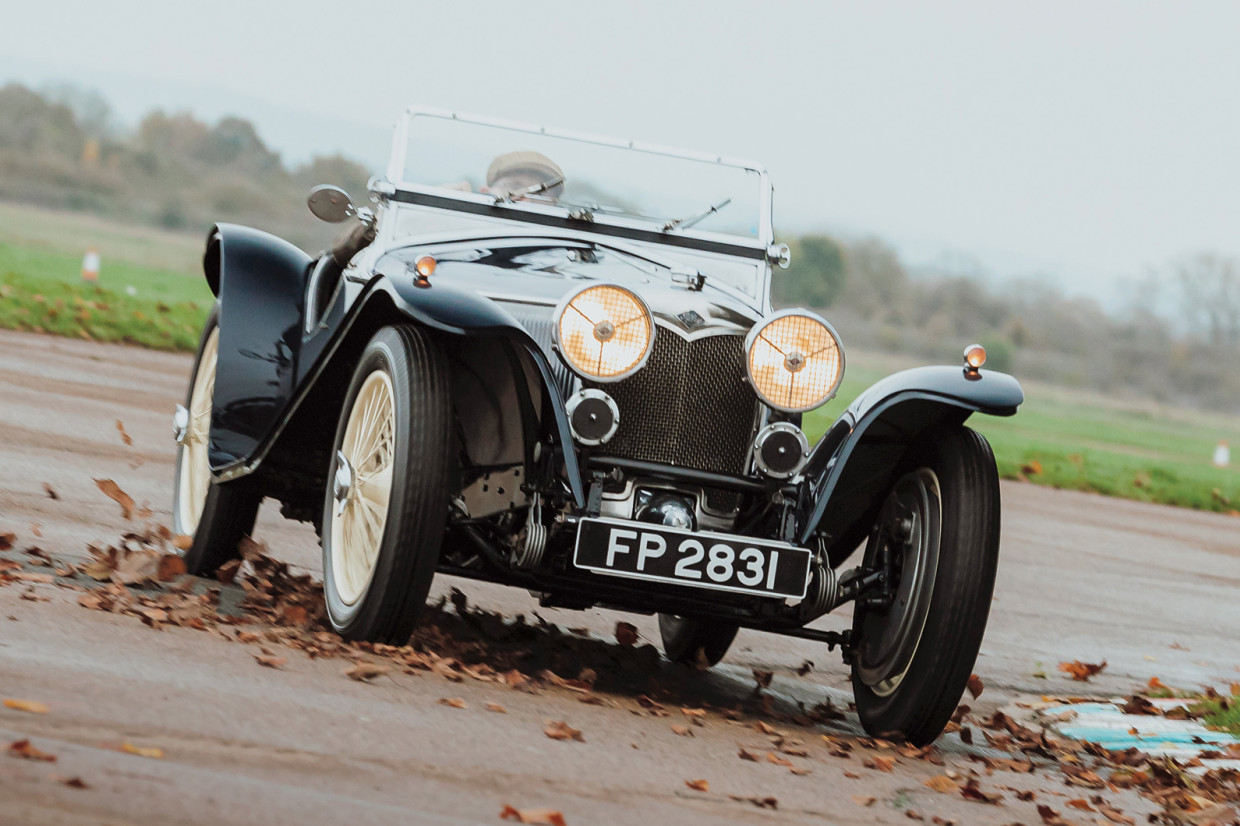
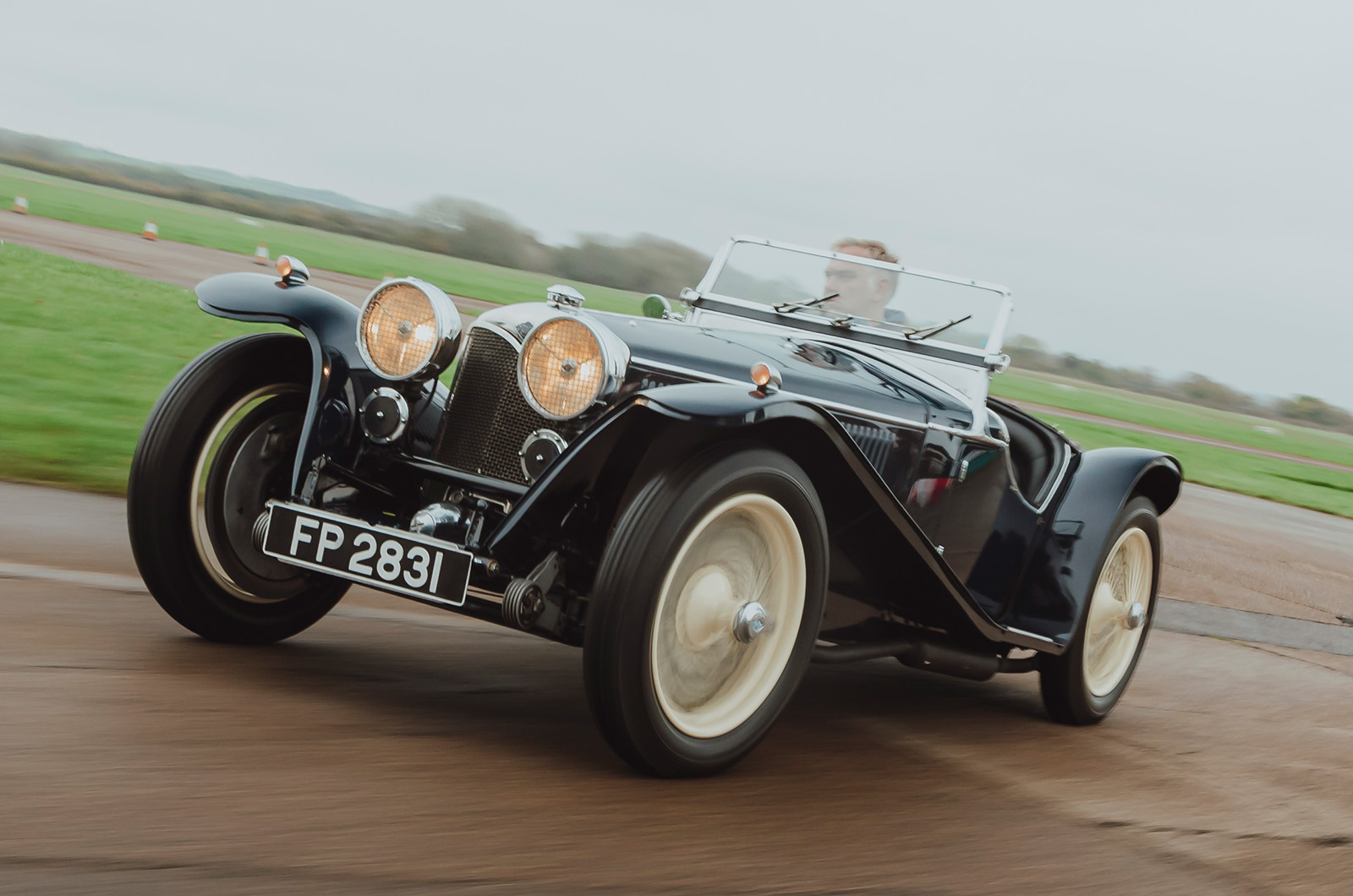
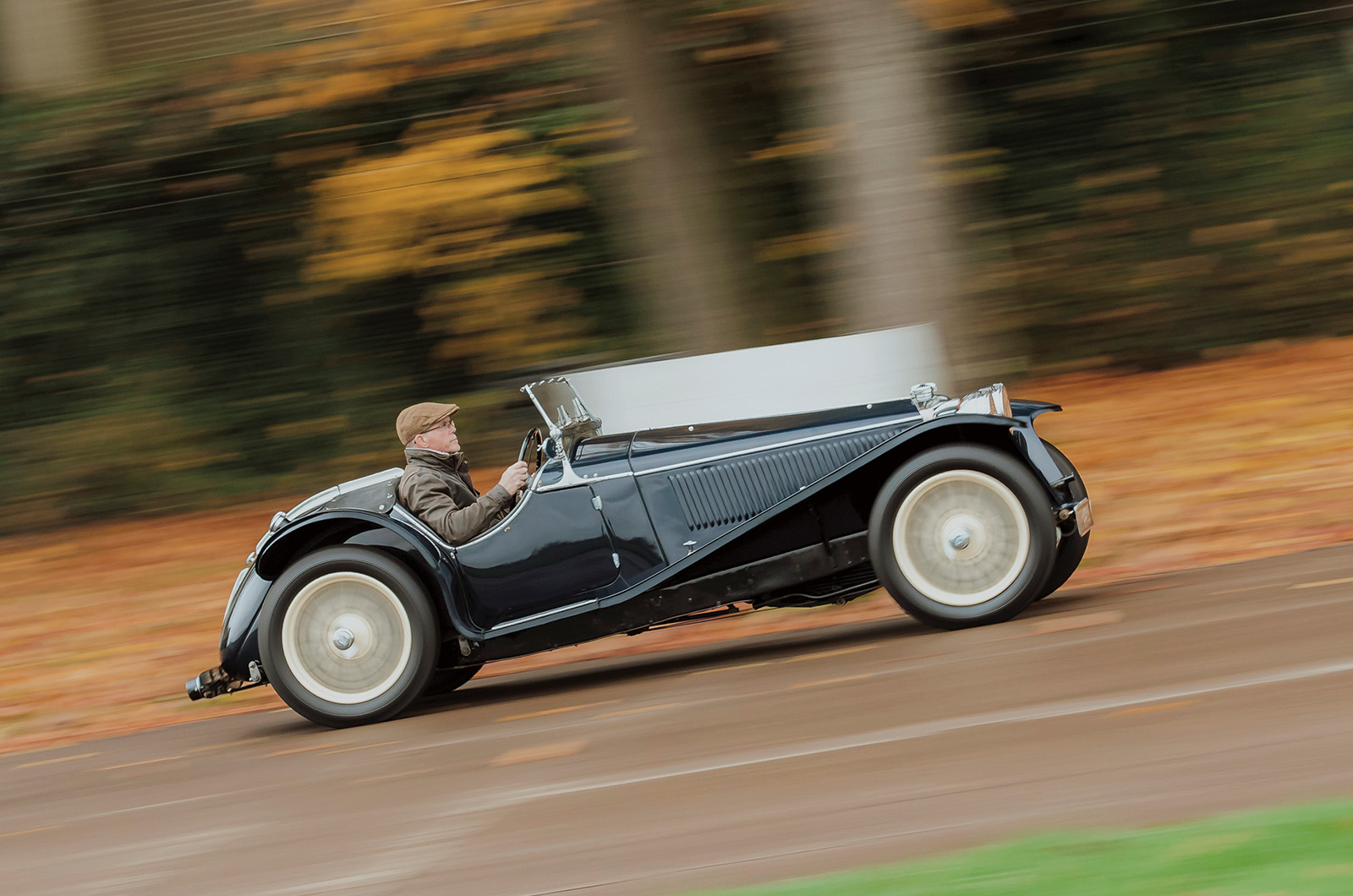
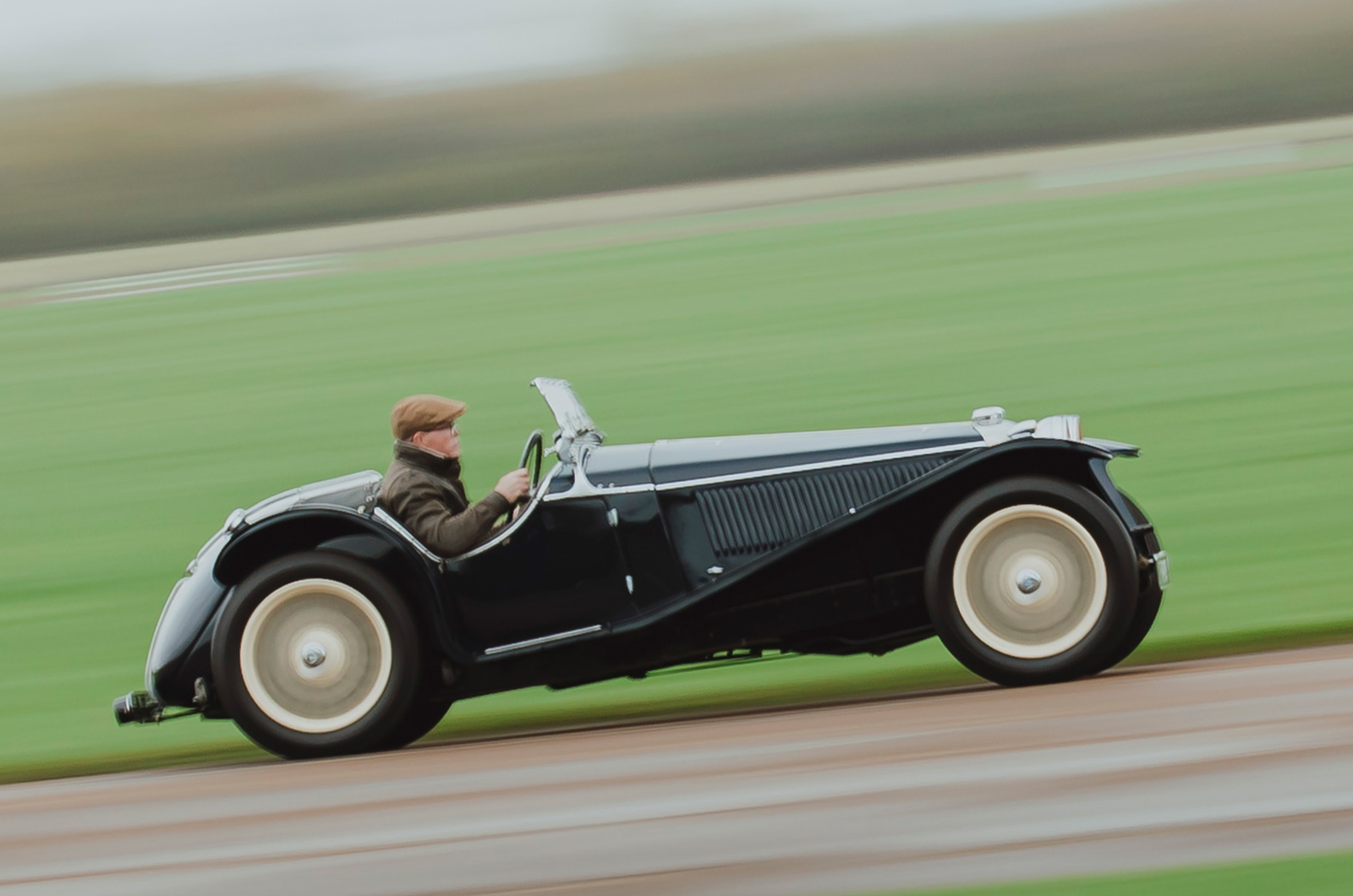
Deft body control belies the Riley MPH’s advancing years
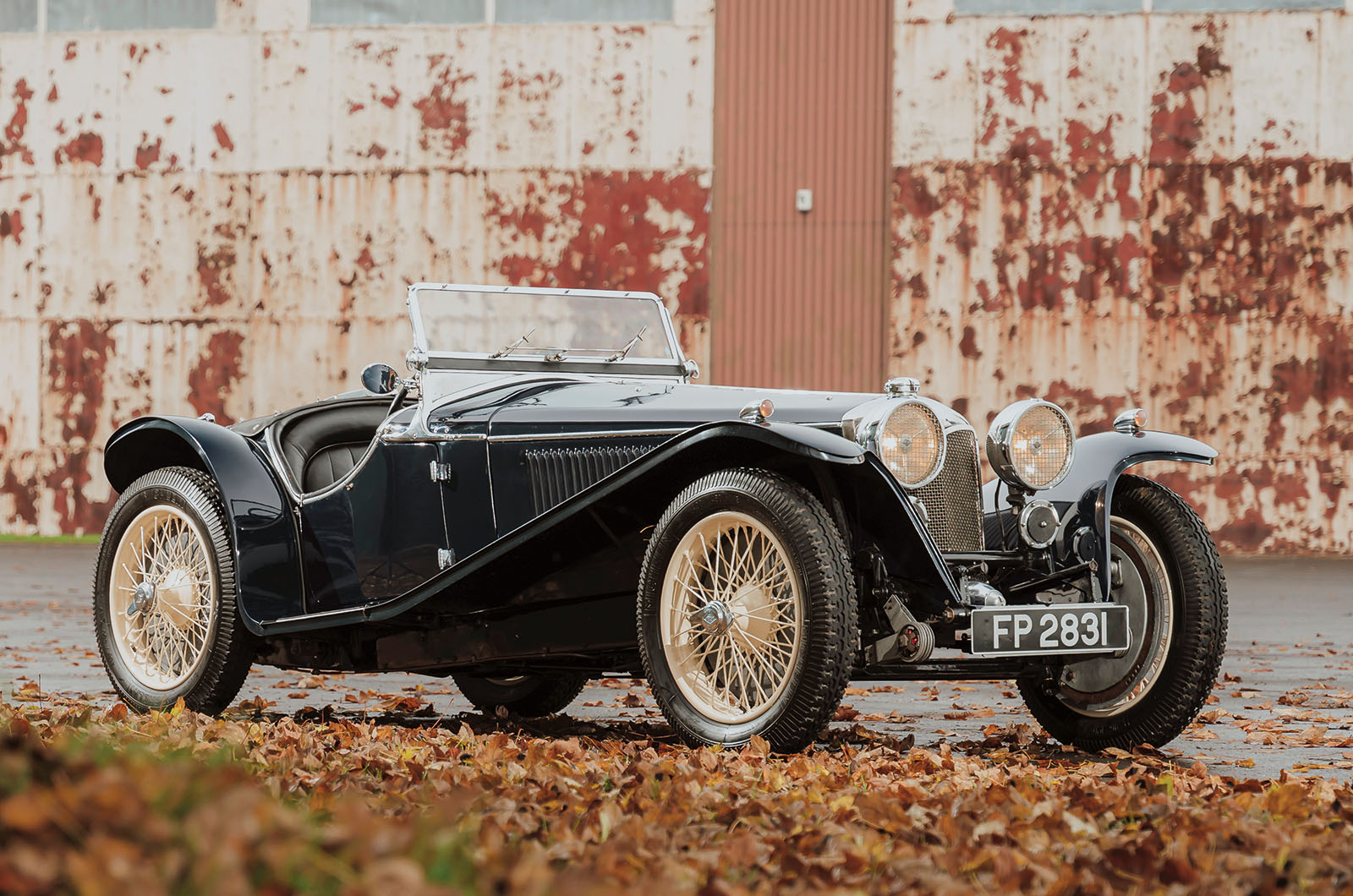
For me, the Riley MPH is one of the prettiest and most captivating pre-war car designs to gaze at.
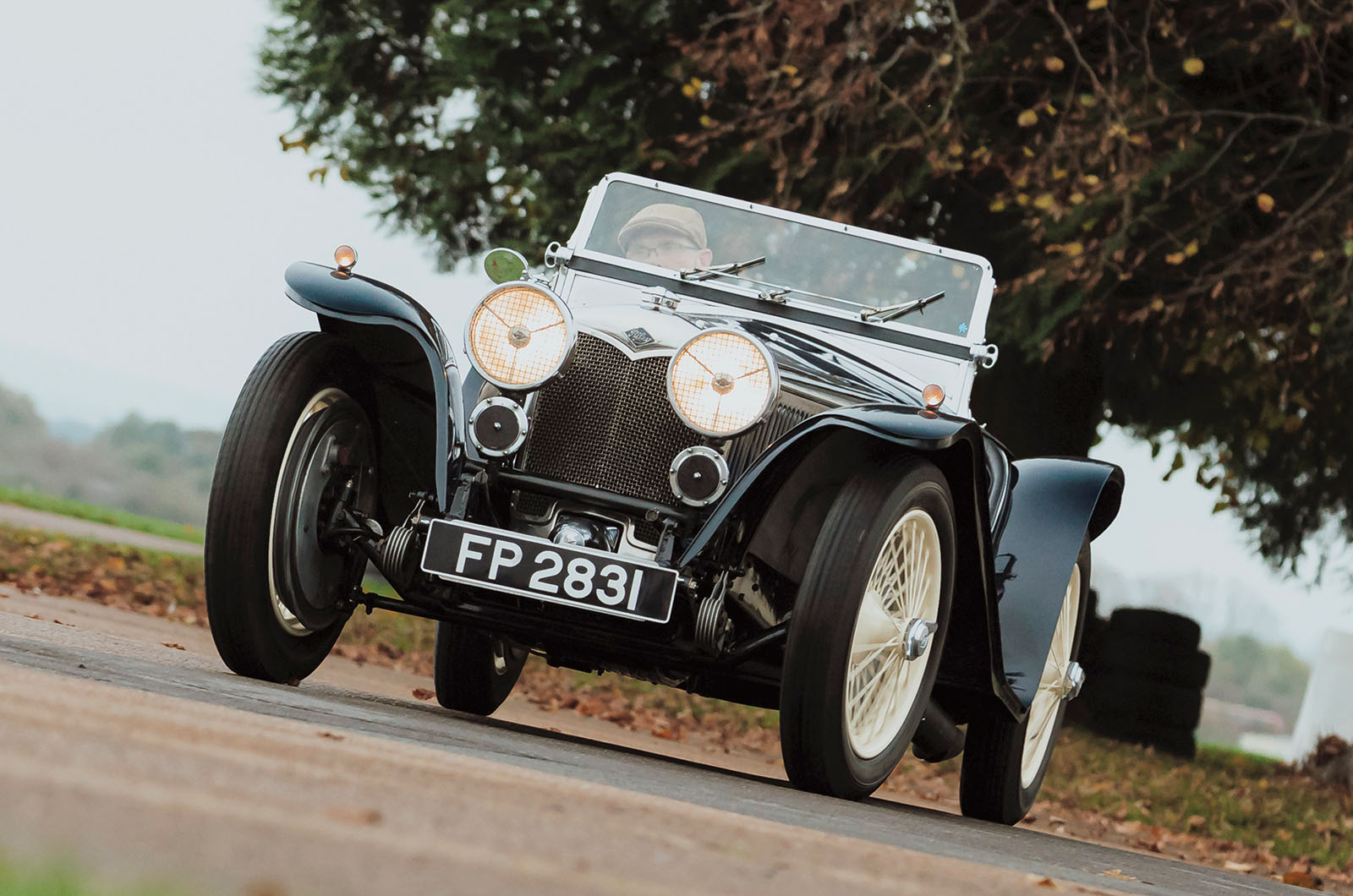
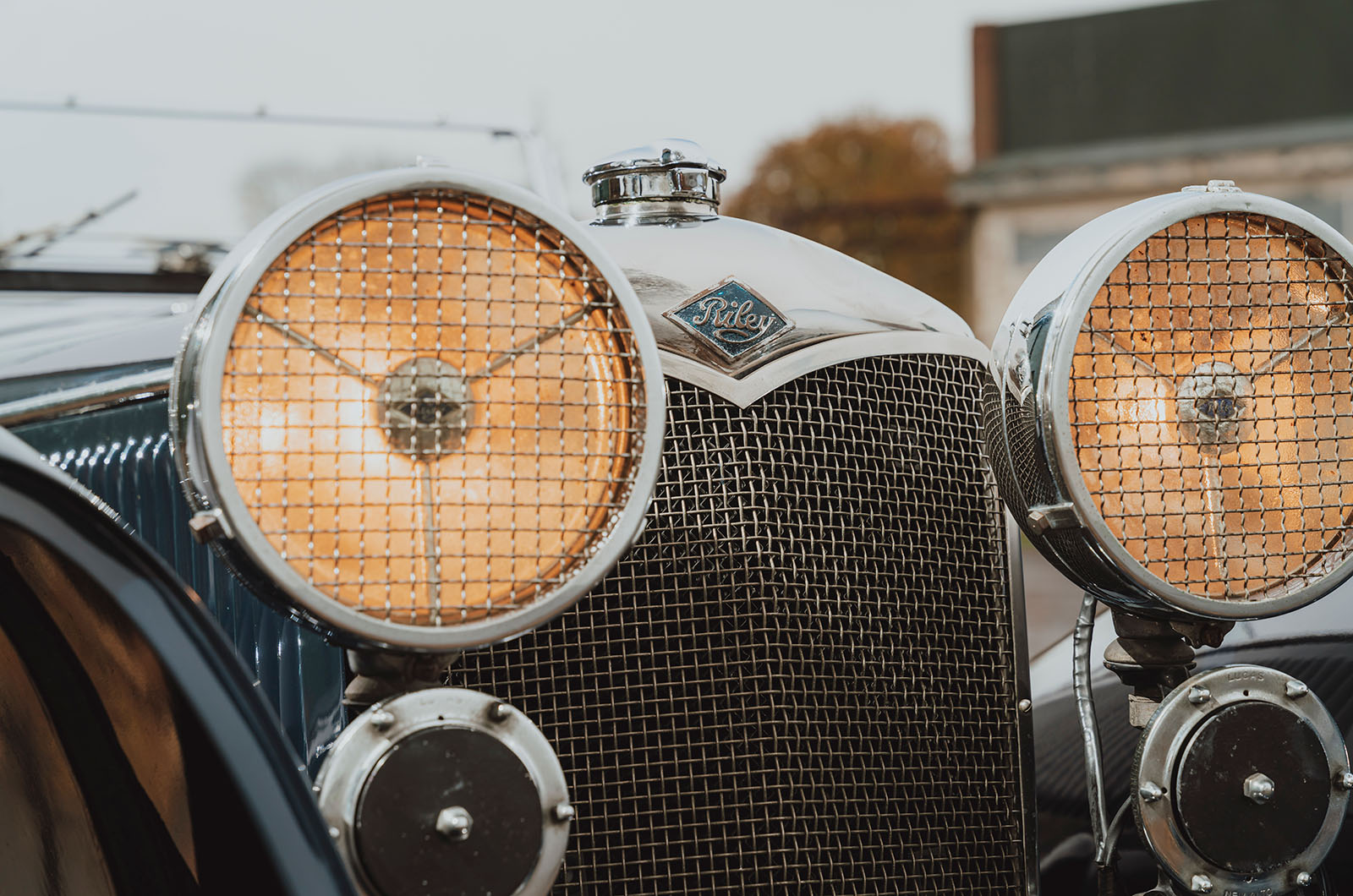
From its close-set Lucas headlights and long, low bonnet to the graceful sweep of its arches towards the handsome beetleback rear, the MPH is a work of art – and a quality-engineered one at that.
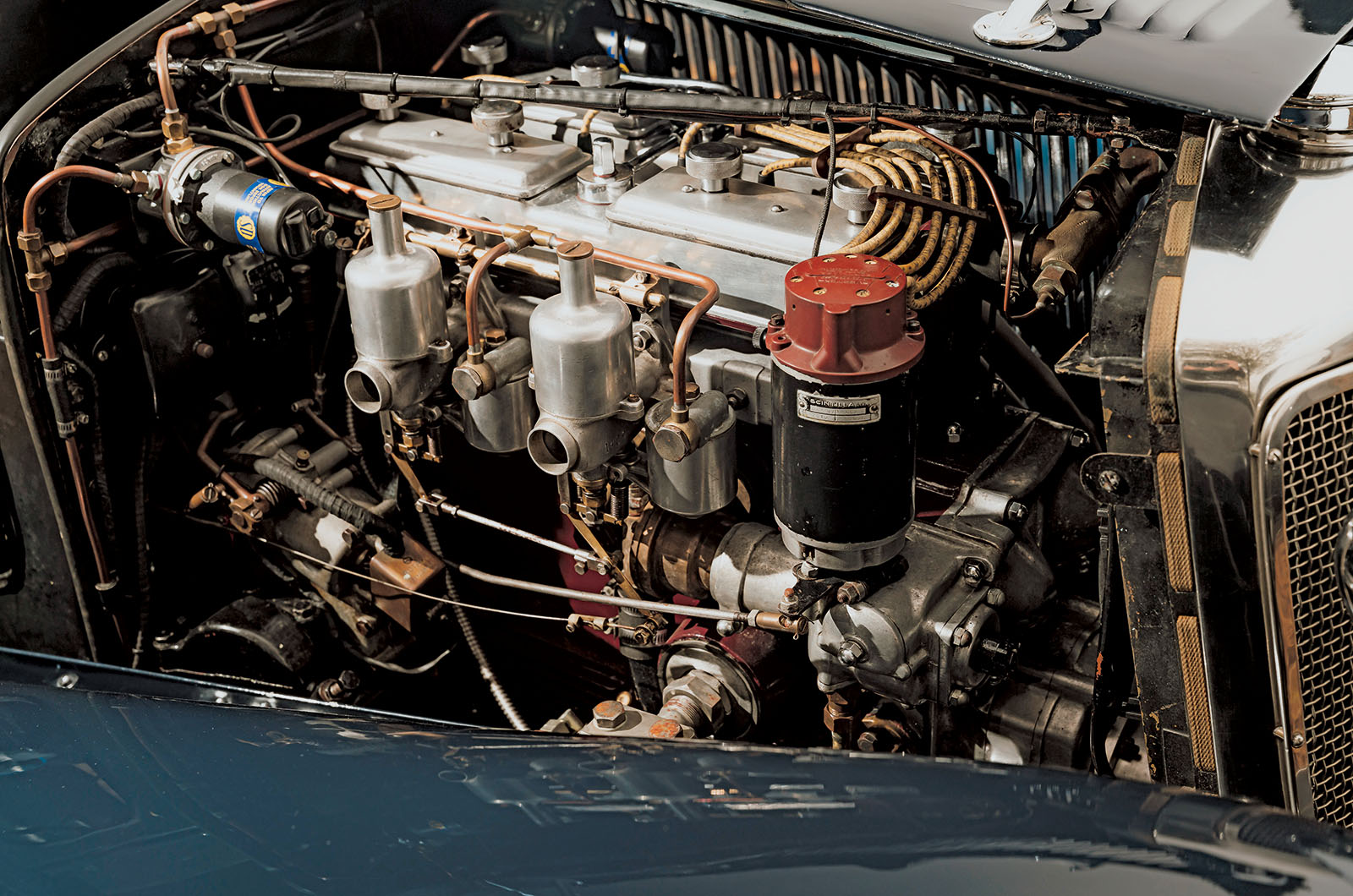
Lift the bonnet and the straight-six is mounted low in the chassis.
On the nearside, two elegantly curved three-branch exhaust manifolds shroud the engine block, with its finned crankcase and sump.
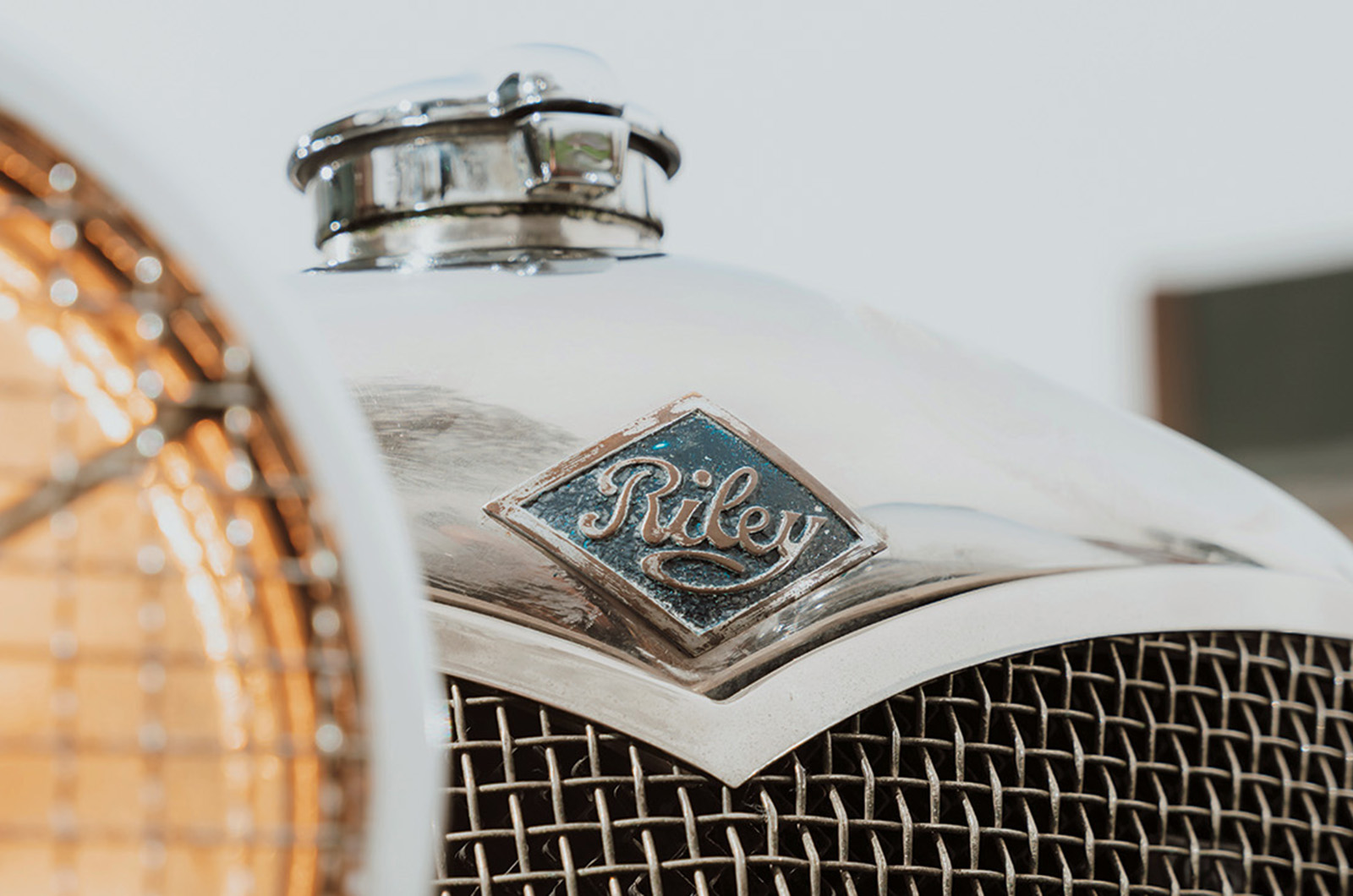
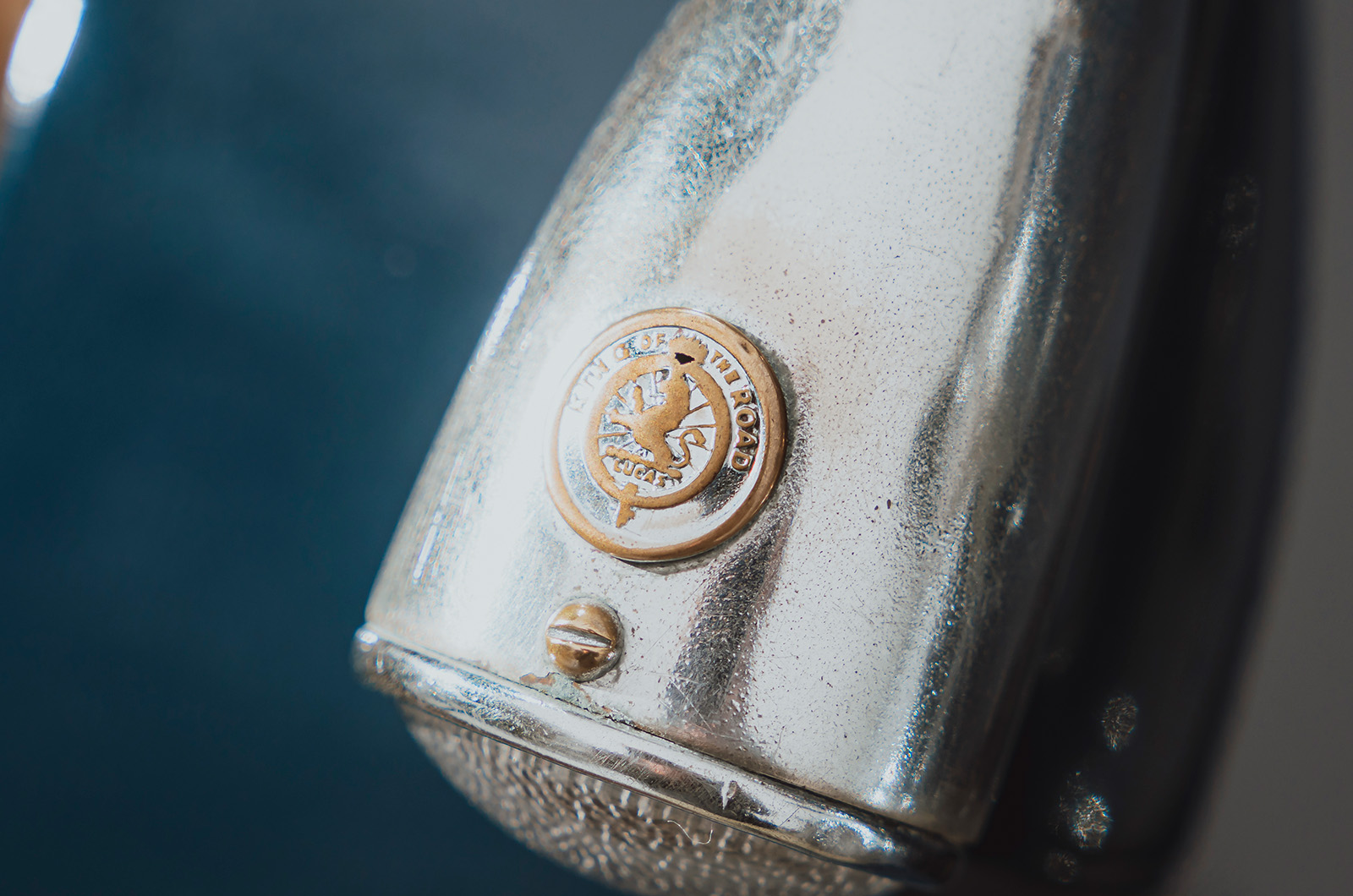
The Riley MPH’s close-set Lucas headlights frame the grille
On the other side, twin SU HS4 1¼in sidedraught carburettors sit behind a large Scintilla distributor, and in front of that is a modern electric radiator fan (the Riley ‘six’ runs quite hot).
The ensemble is beautifully laid out, as you’d expect from a manufacturer charging such an ambitious price.
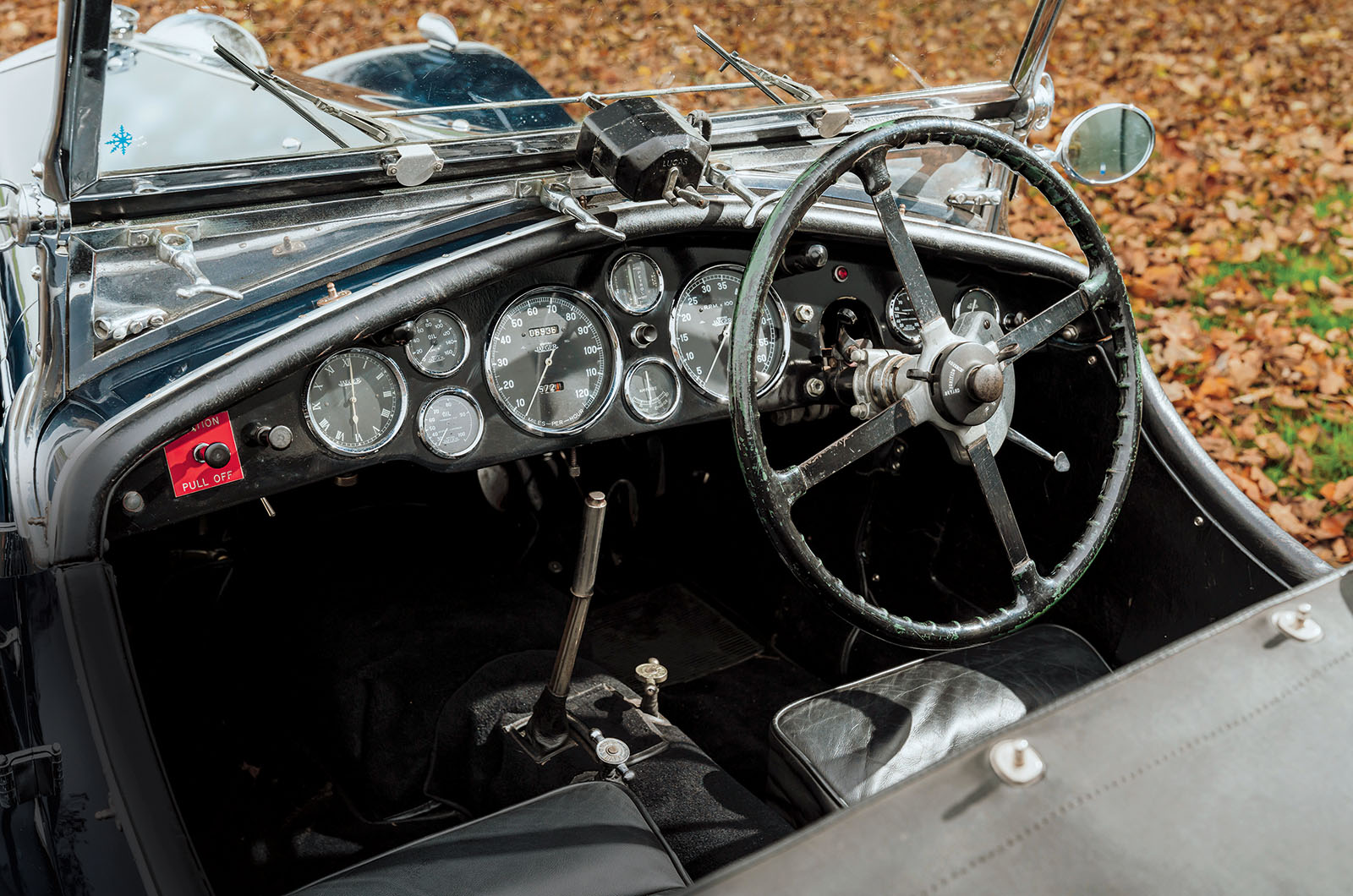
The Riley MPH is small, though. My 5ft 7in frame would likely have been about average in pre-war times, but entering the snug cabin still requires some gymnastics before you’re sitting (very close) behind the large Bluemel’s wheel.
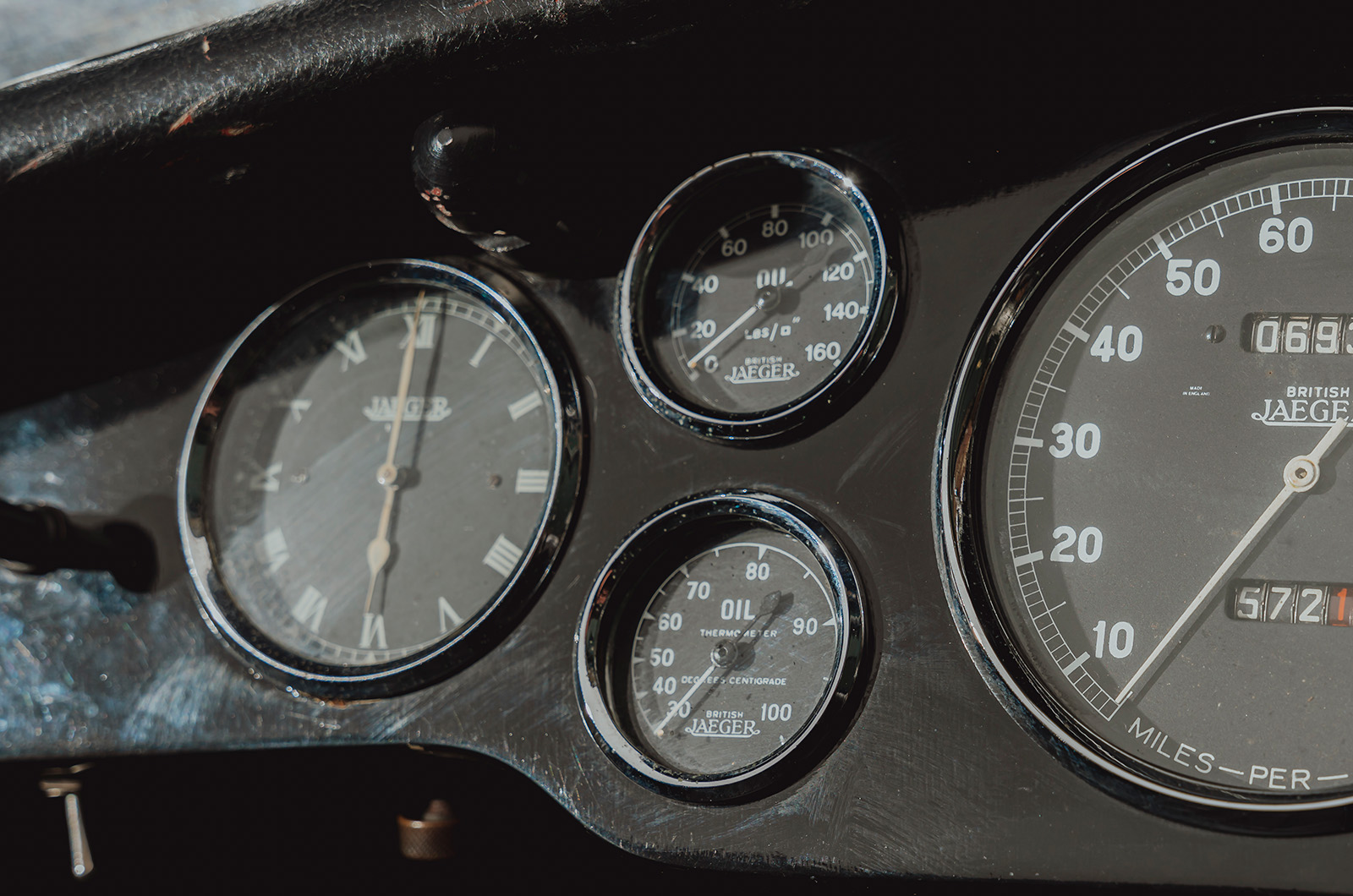
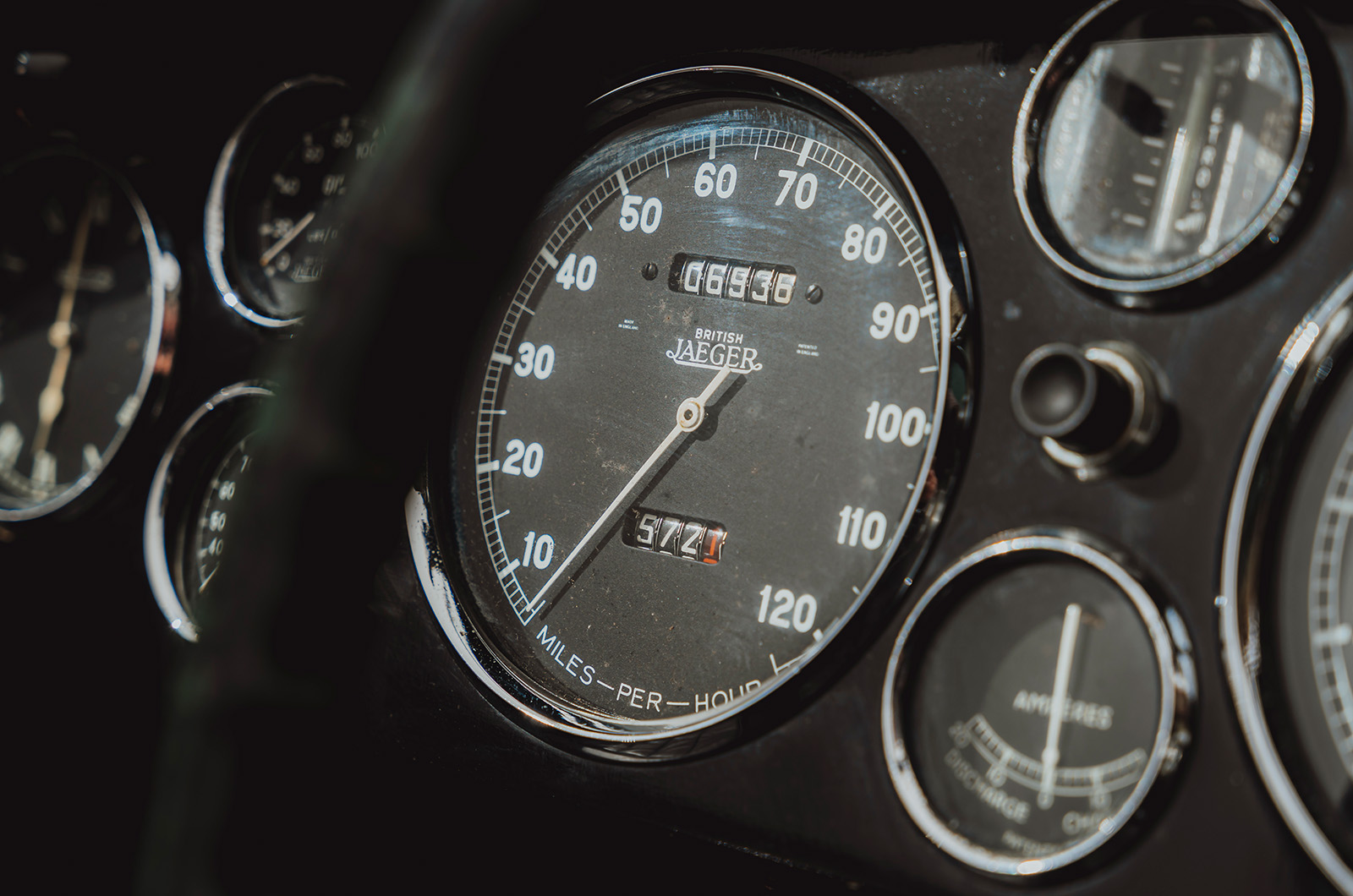
Eight Jaeger dials cover the dash, with the 6000rpm tacho and 120mph speedo dominating your view.
The Riley MPH’s engine is fed by twin 1¼in SU carburettors
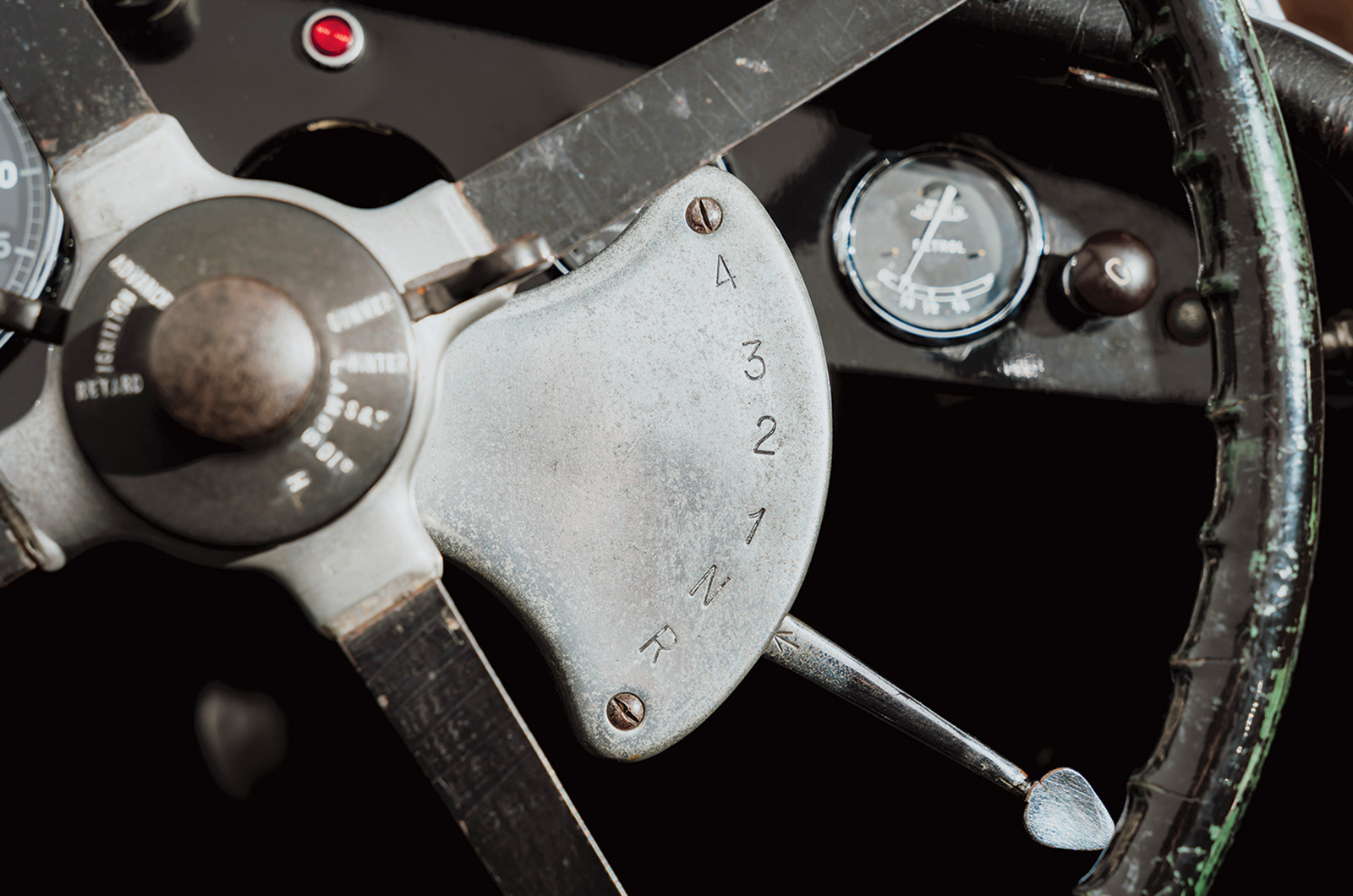
An ignition advance/retard lever and lighting control sit on opposite sides of the steering-wheel hub; just behind it, an inch or so down the column, is the quadrant and lever for the Wilson-patented ENV preselector ’box.
Ignition on, push the starter and the Riley’s vocal little ‘six’ bursts to life.
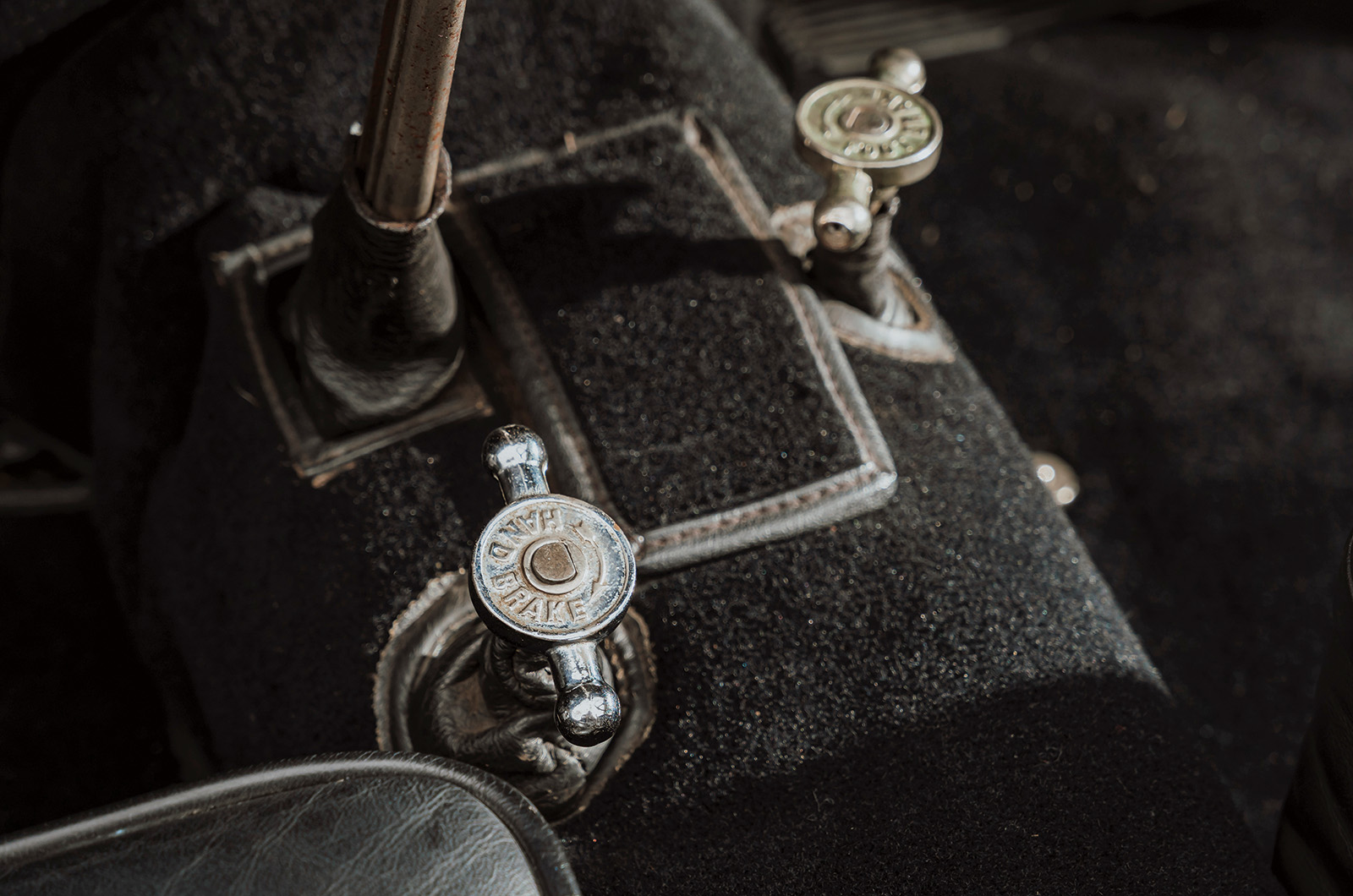
A regular crash gearbox from this era generally requires plenty of skill and finesse to master, but the MPH’s preselector is simplicity itself.
It’s an epicyclic ’box with a set of planetary gears and clutches transmitting drive from the engine to the rear axle.
‘Gushing praise was not enough to engender the Riley MPH to buyers. Pricing was its greatest bugbear’
An engagement pedal takes the place of a clutch, but it is only used conventionally to pull away or as you draw to a halt; at other times, a quick dip of the pedal is all that’s required to engage one of the four forward gears that you’ve selected in advance via the quadrant’s lever (as long as engine speed exceeds 850rpm).
A drive on Bicester Heritage’s short but technical track proves how effective the system is, with advance selection of gears leaving you free to focus on the steering, and a mere jab of the left pedal needed to facilitate a super-quick and clean gearchange; it is in effect a pre-war version of today’s dual-clutch automatic transmissions – and it’s almost as responsive.
But the trick gearbox is only a bit-part player in the Riley MPH’s impressive repertoire.
The Riley’s speedo reads to 120mph; the MPH could hit 87mph, which was impressive in the 1930s
On track, the car feels decently potent, helped by having relatively short gearing (around 17mph per 1000rpm in top).
There’s a rich seam of torque from 2500-3500rpm that’s ideal for the cut and thrust of this track, but the engine’s willingness to rev is too tempting to ignore – along with the cultured bark from its single exhaust.
You feel as if you’re heaving the Riley MPH through bends, due to both your proximity to the large wheel necessitating an arms-out attack, and the amount of heft required turning into corners thanks to the relatively high-geared set-up.
But you’re rewarded with ample grip from the skinny front tyres and a rear end that breaks away progressively and controllably as you up the pace.
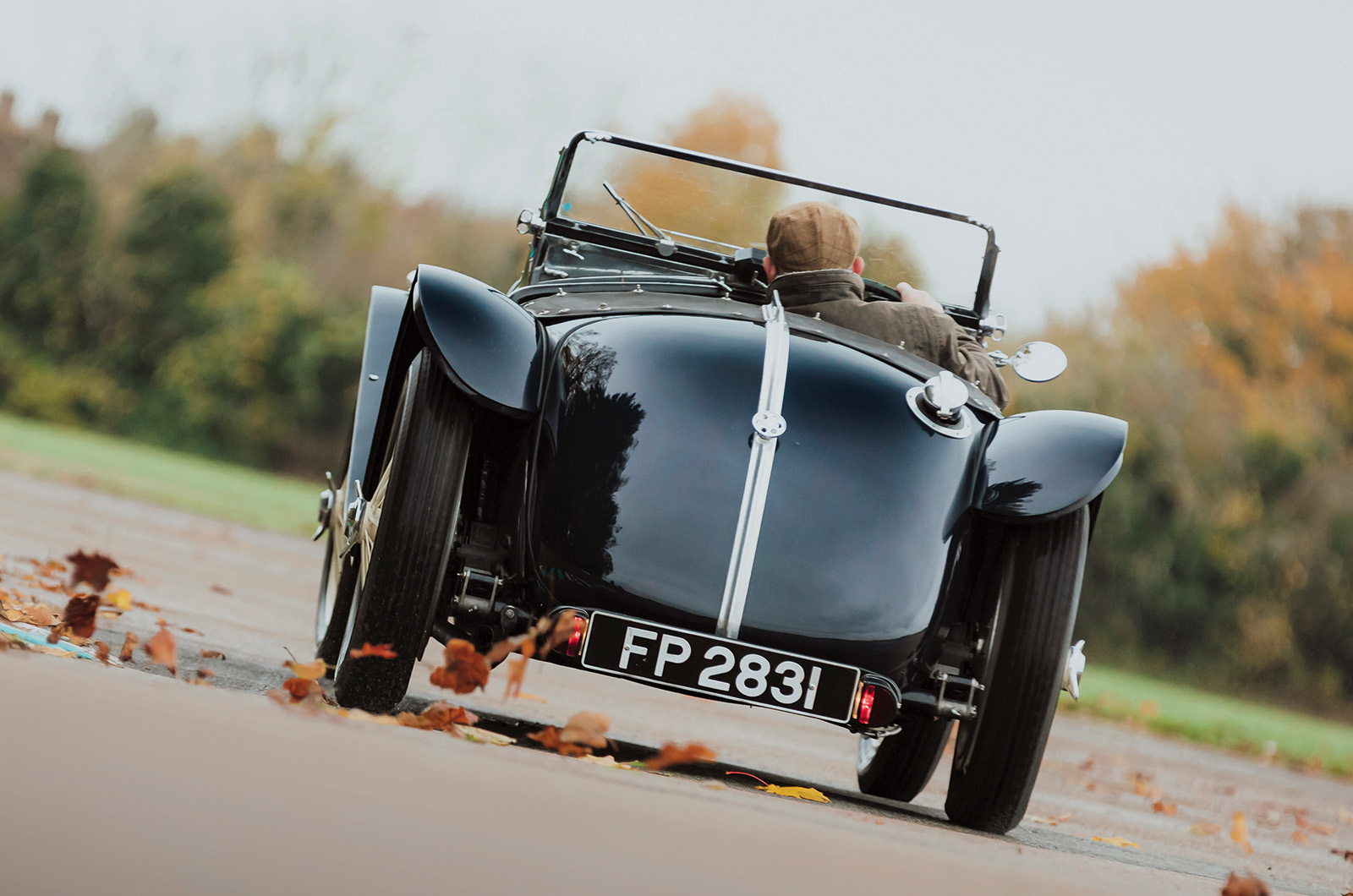
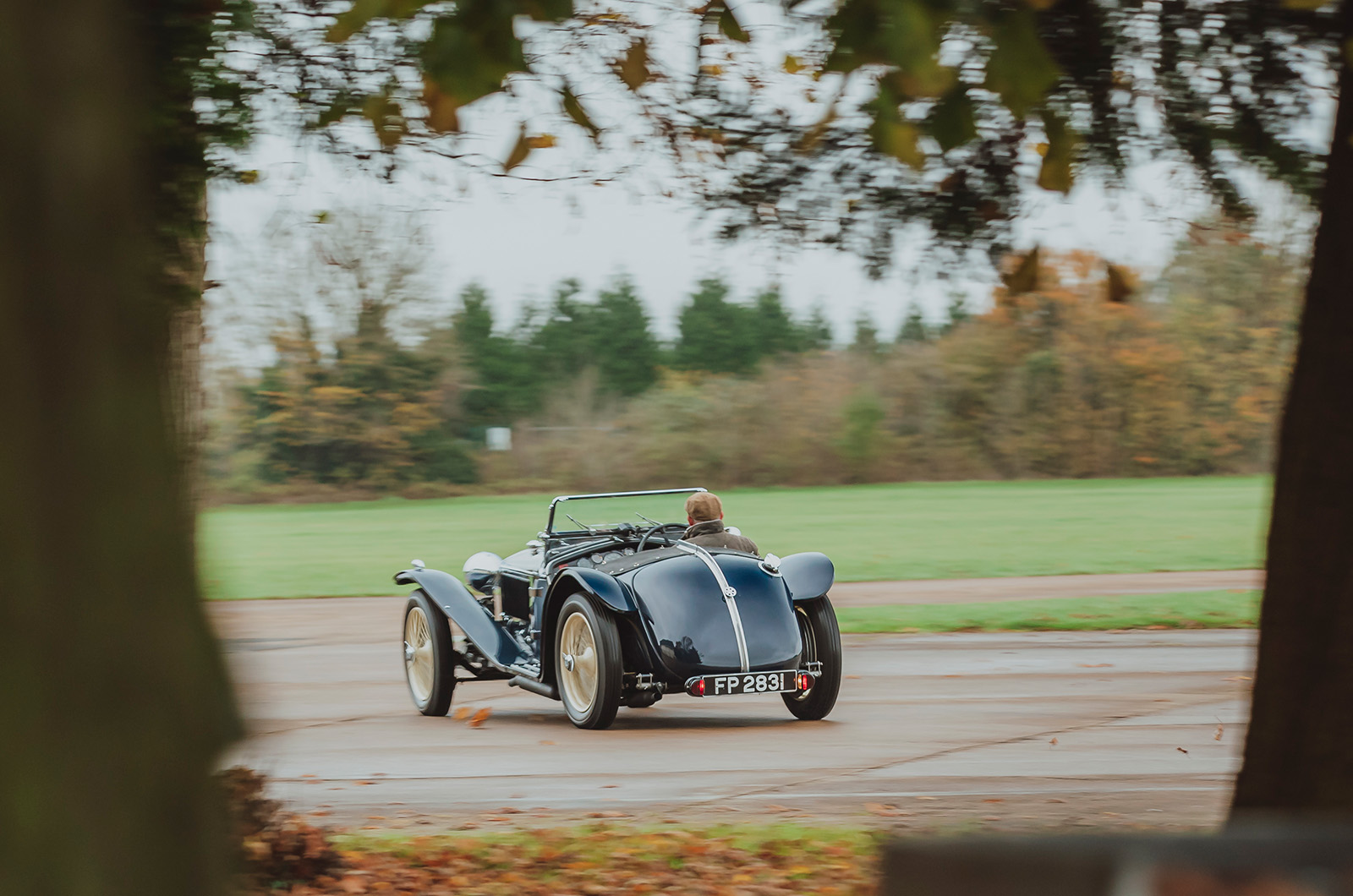
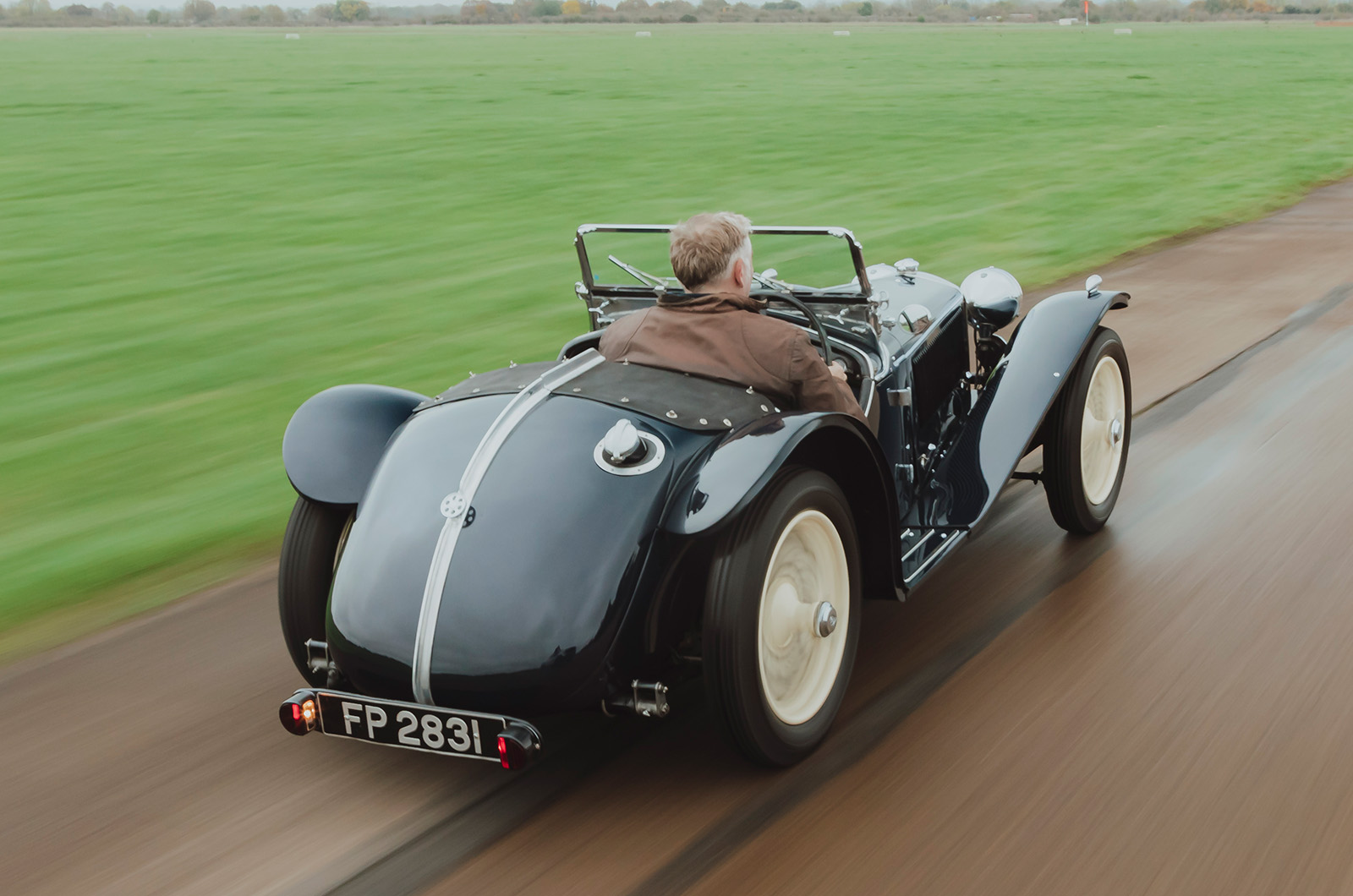
The elegantly sculpted but understated rear end helps define the Riley MPH’s compact aesthetic, but a near-absence of storage space was a blow to practicality
Out on fast B-roads the ride is firm, but body control is superb, as is the Riley MPH’s braking performance.
You really have to keep reminding yourself that this is a 90-year-old motor car as you press on along these sinuous roads, frequently clipping 60mph with ease.
On our return to Blue Diamond’s workshop, John suggests that, for many, a Riley Imp matches the MPH in so many ways, and is lighter, more drivable and more affordable – and, objectively, I’m sure he’s right.
You could also argue that the MPH was a white elephant: the wrong car at the wrong time.
But it remains a snapshot of Victor Riley’s determination to launch a pinnacle model in its class that would raise the bar above all others.
Today, its outright pace, sheer rarity and six-cylinder cachet have helped it achieve just that.
Images: Max Edleston
Thanks to: Blue Diamond Riley Services; The Riley Cars Archive Heritage Trust; Robin Cameron’s book, The Riley MPH
Factfile
Riley MPH
- Sold/number built 1934-’35/c15
- Construction pressed-steel chassis, underslung at rear, aluminium body
- Engine all-iron, ohv 1726cc straight-six, twin 1¼in SU HS4 carburettors and magneto ignition
- Max power 56bhp @ 4800rpm
- Max torque n/a
- Transmission four-speed ENV preselector, RWD
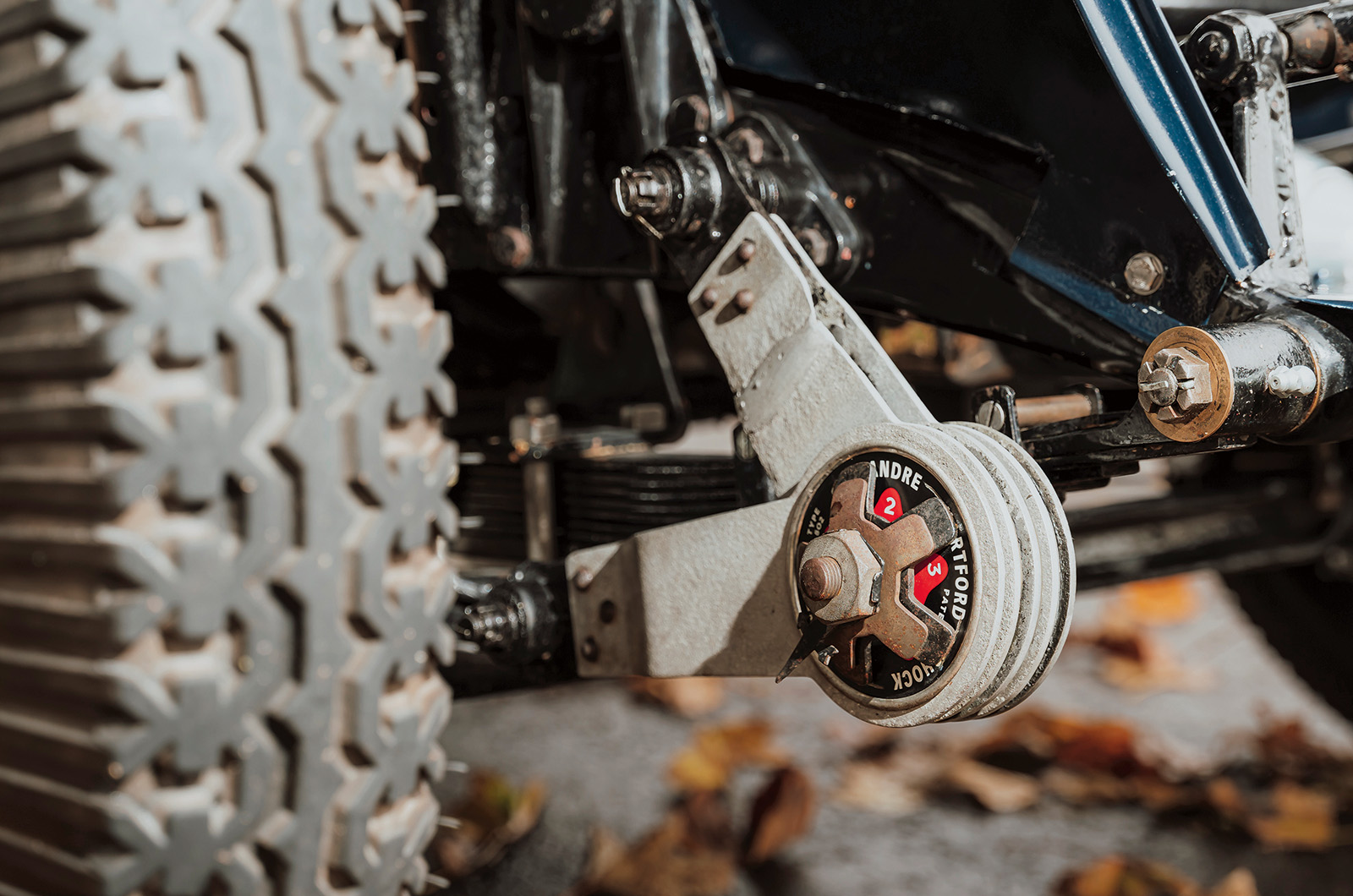
- Suspension: front radius rods rear live axle; semi-elliptic leaf springs, Duplex-Hartford dampers f/r
- Steering Riley ‘frictionless’ worm and wheel
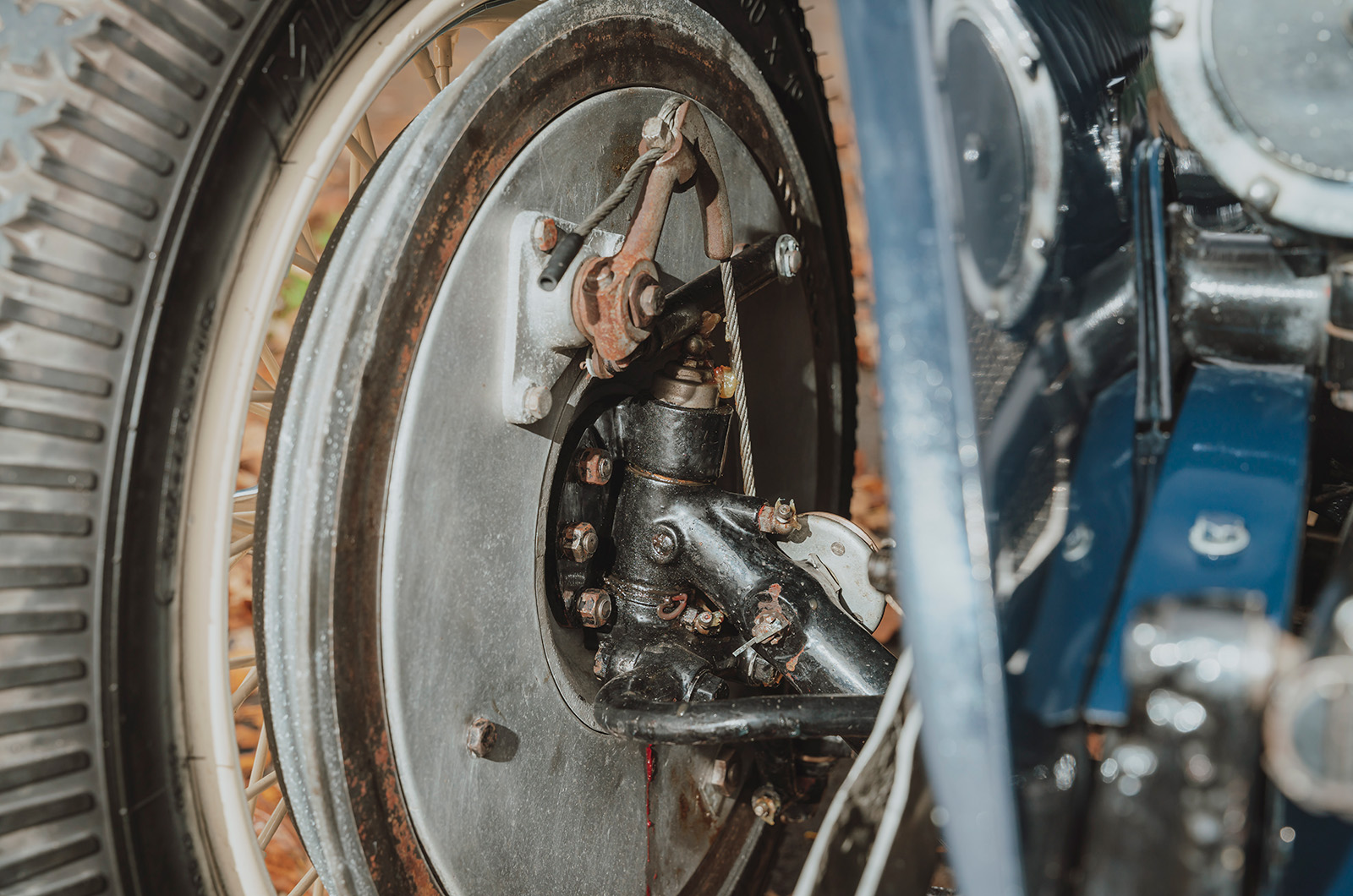
- Brakes drums
- Length 12ft (3657mm)
- Width 4ft 9in (1447mm)
- Height 3ft 6in (1066mm)
- Wheelbase 8ft 1¼in (2463mm)
- Weight 2019lb (916kg)
- Mpg 22-24 (est)
- 0-60mph n/a
- Top speed 87mph
- Price new £550
- Price now £750,000*
*Price correct at date of original publication
Enjoy more of the world’s best classic car content every month when you subscribe to C&SC – get our latest deals here
READ MORE
Quality street: Riley One-Point-Five vs Lancia Appia
MG TC restoration: a little bit of TLC
Alfa Romeo 8C: driving a rare ‘Long Chassis’
Simon Hucknall
Simon Hucknall is a senior contributor to Classic & Sports Car