De Tomaso Vallelunga: mid-engined marvel

| 3 Sep 2025
Classic & Sports Car – De Tomaso Vallelunga: mid-engined marvel

‘Think-steer’. Remember that heinously untrue, cynically misleading ad line with which Saab used to walk believing punters down the garden path?

Just as well they were buying into one of the world’s most crashworthy saloons.

Perhaps the copywriters responsible had just driven a De Tomaso Vallelunga and hadn’t yet got off their cloud.

Had they done so, you could see their point: if this could be that good, why couldn’t all cars?
Classic & Sports Car – De Tomaso Vallelunga: mid-engined marvel

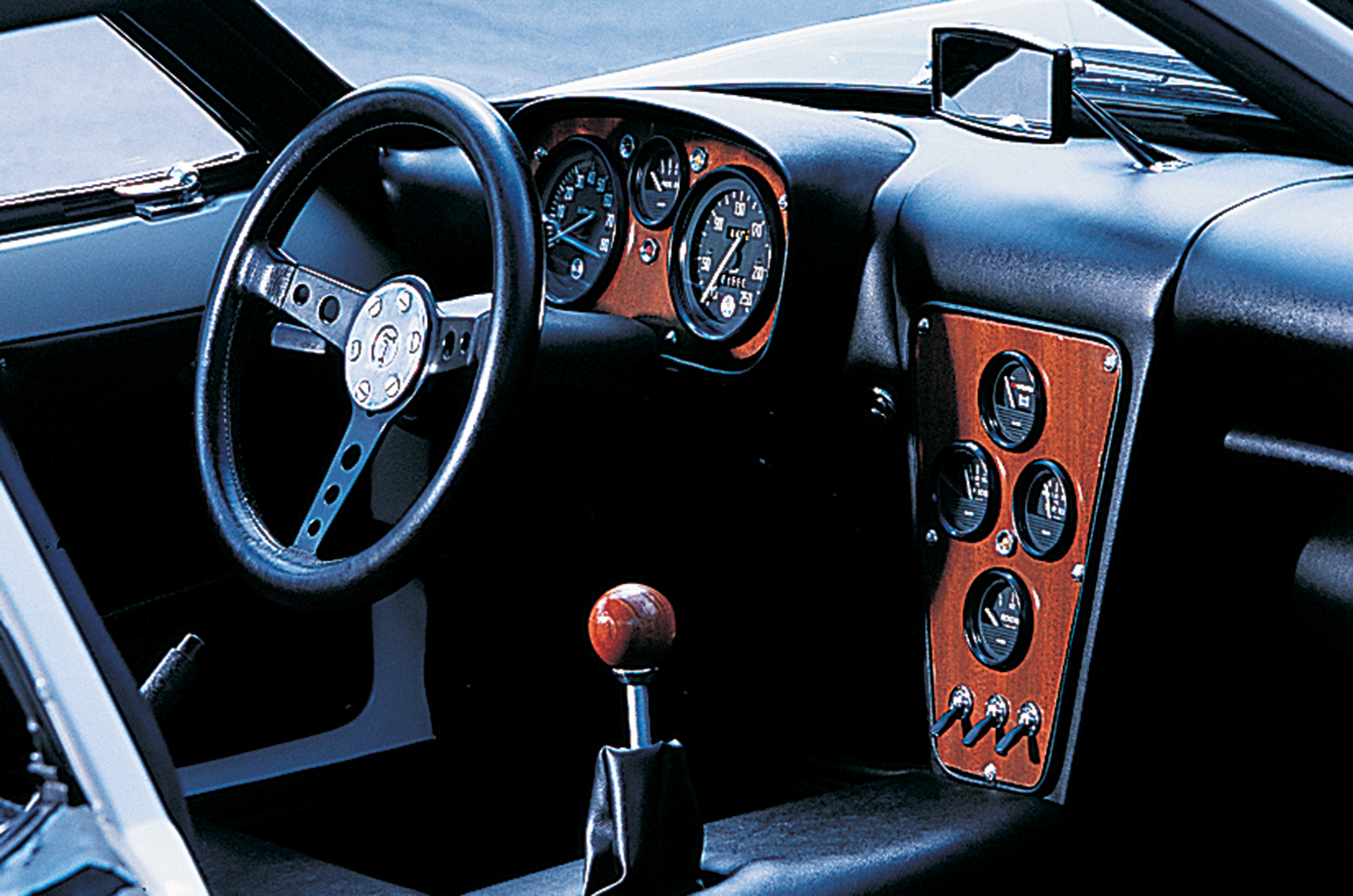
This De Tomaso Vallelunga coupé prototype has a four-speed gearbox – later cars have five forward gears

This is a car in which you don’t consciously change direction: just will it and it happens.

The steering, light yet more communicative than a Lotus Europa’s, less bullying than a Porsche 911’s and guided by a shirt-button wheel that for once doesn’t look out of place, positions you to the inch in any corner.

It would be flattering were it not so obvious that it’s all down to the car rather than the driver.

The steering is so sensitive it would notice if you moved your phone to the other pocket, and it looks after you in ways that Lotus Elise owners can only dream of, combining razor-sharp responses with a platform of stability never captured alive in a Caterham.
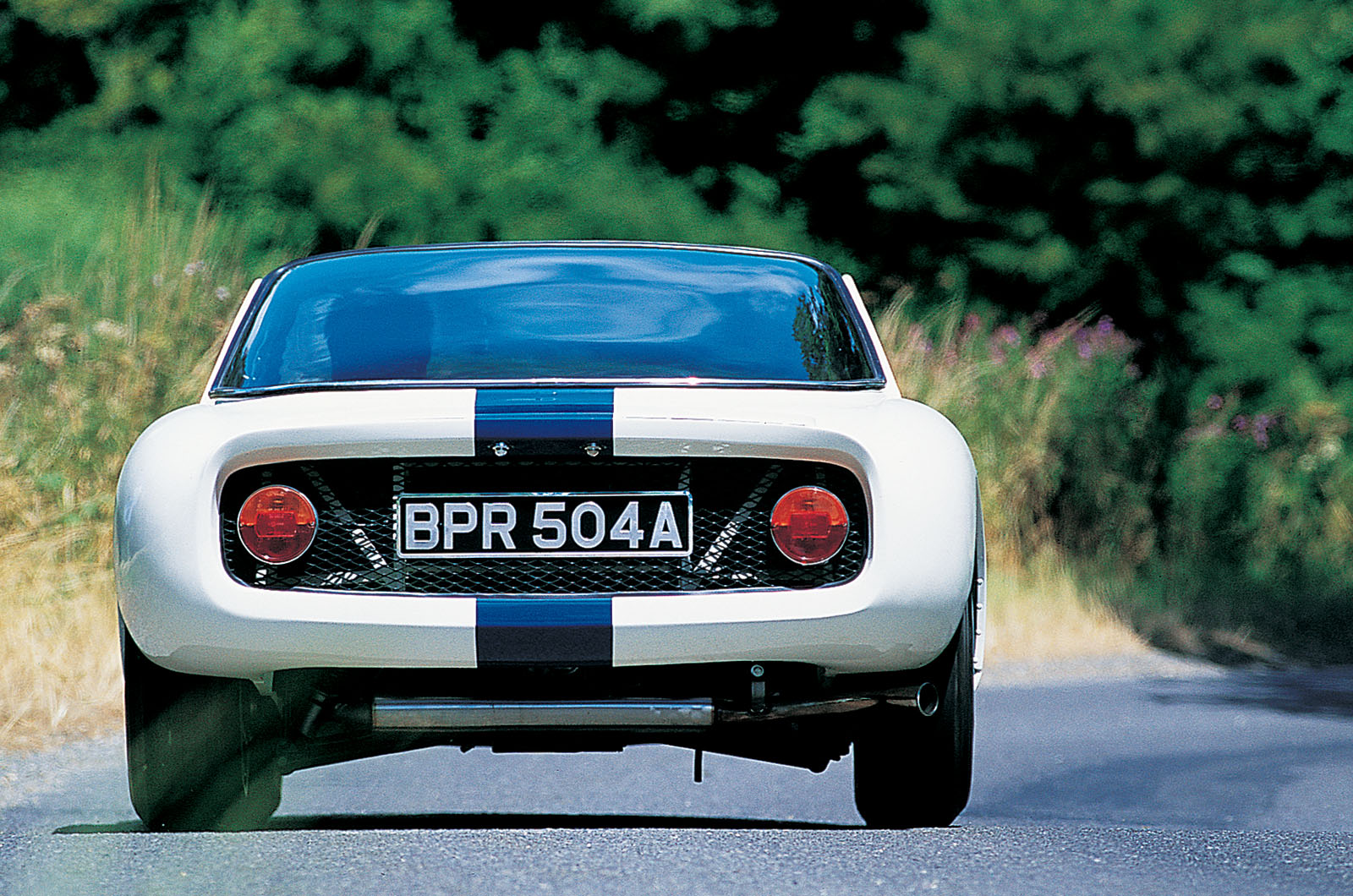
Elfin-light, it is utterly faithful and, for a prototype, almost completely sorted.

Classic & Sports Car – De Tomaso Vallelunga: mid-engined marvel

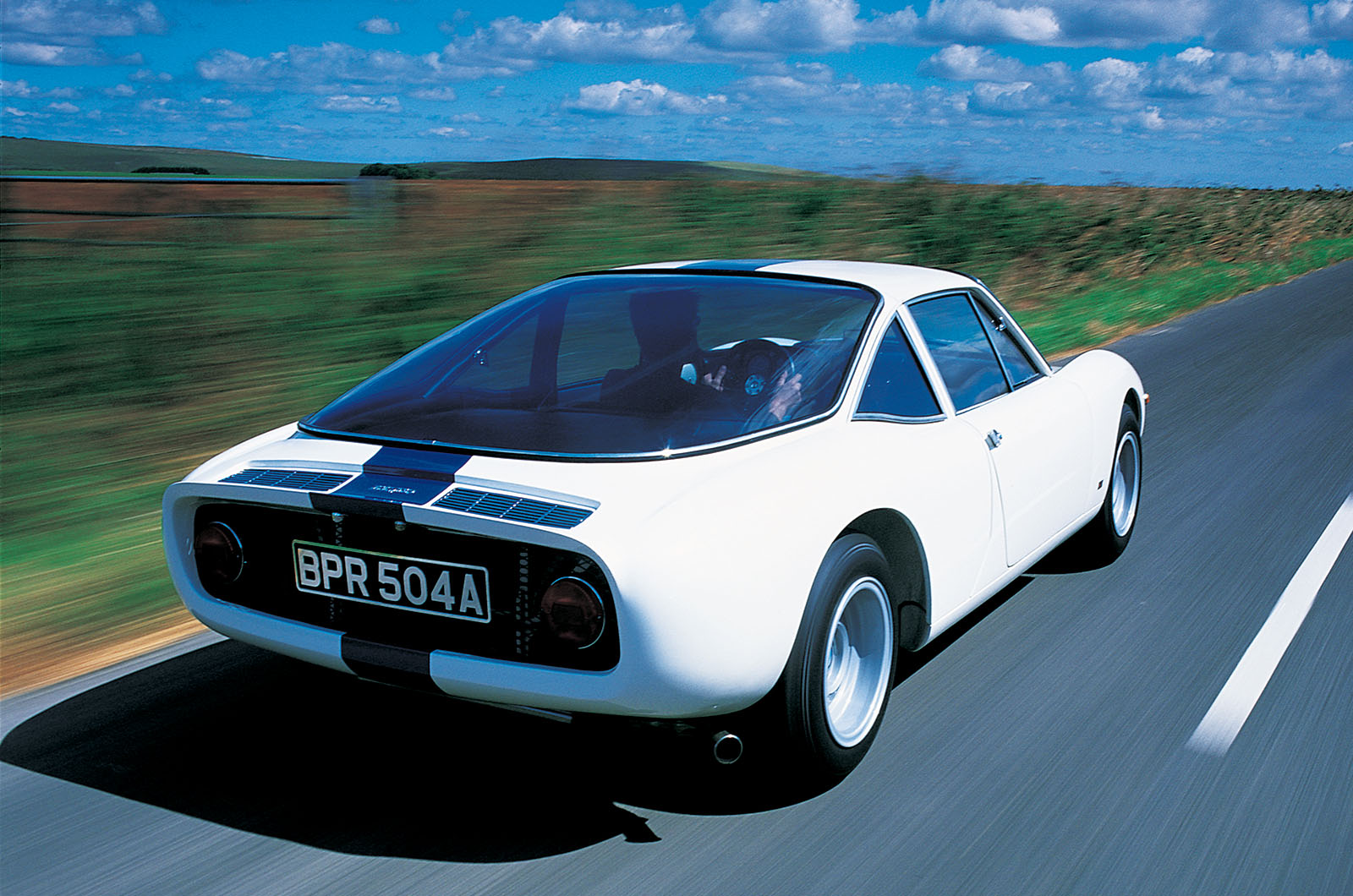
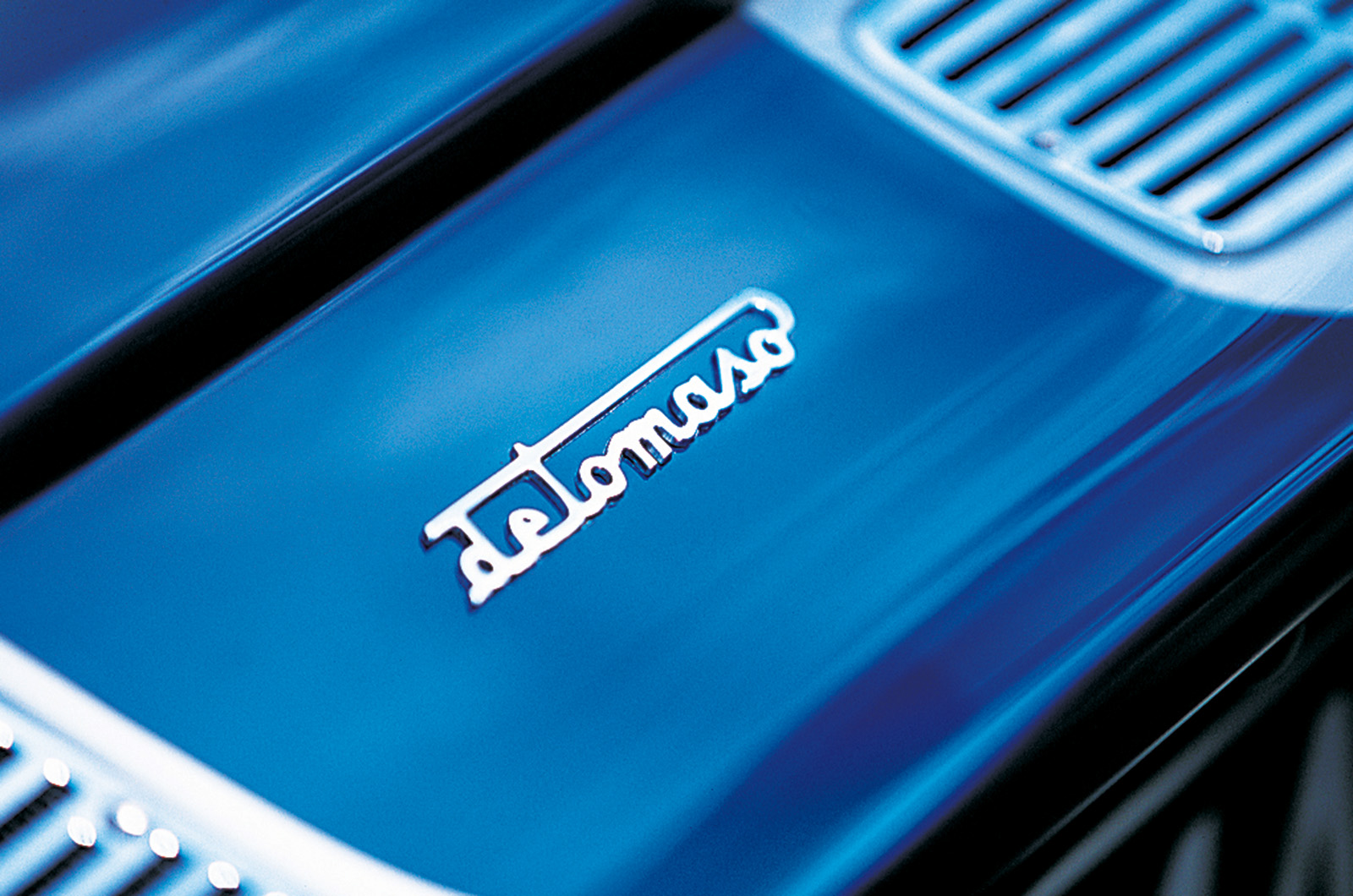
The De Tomaso Vallelunga’s understated yet stylish script, between vents on the rear deck

It initially understeers a little, but then you can plant the gas mid-corner and the whole car tightens up, the tail squats and, on grippy Avon ZZs, it takes whatever you throw at it, refusing to be budged off line. It could take more power, but that would ruin it.

Think of Alejandro de Tomaso’s first road car – and the first production road car to use a mid-mounted engine – as how a Lotus 23 coupé might have been.

Its nearest competitor, had it reached production before 1966, would have been another of Colin Chapman’s designs, the Europa, his first mid-engined road car.

But the glasshouse of the 1963 De Tomaso is generous: this is a car with superb vision in all directions, a trick almost always missed by mid-engined sportsters.

It’s beautiful, too. The New York Museum of Modern Art exhibited it as ‘an example of technological progress and outstanding design’.

Classic & Sports Car – De Tomaso Vallelunga: mid-engined marvel

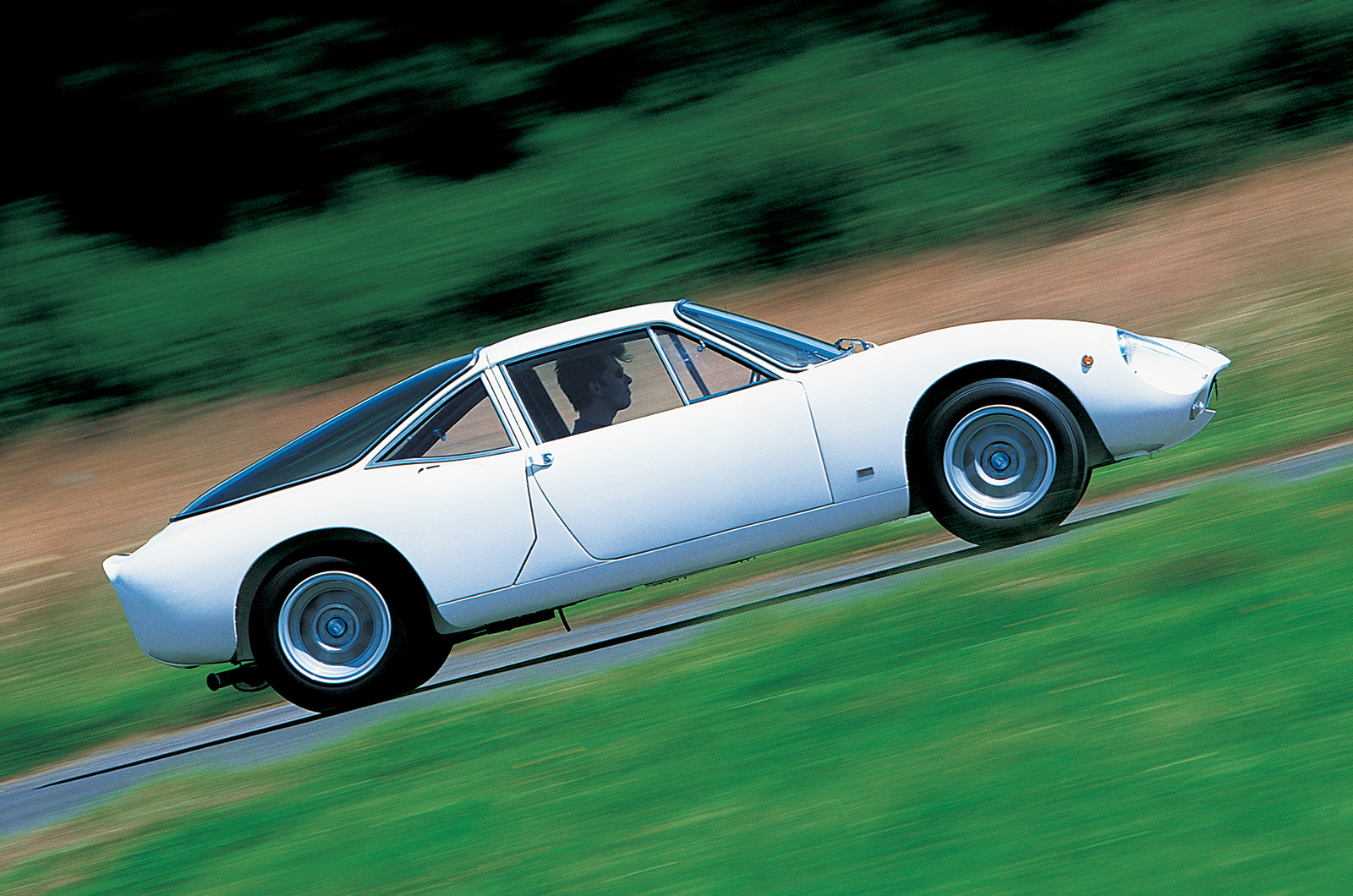
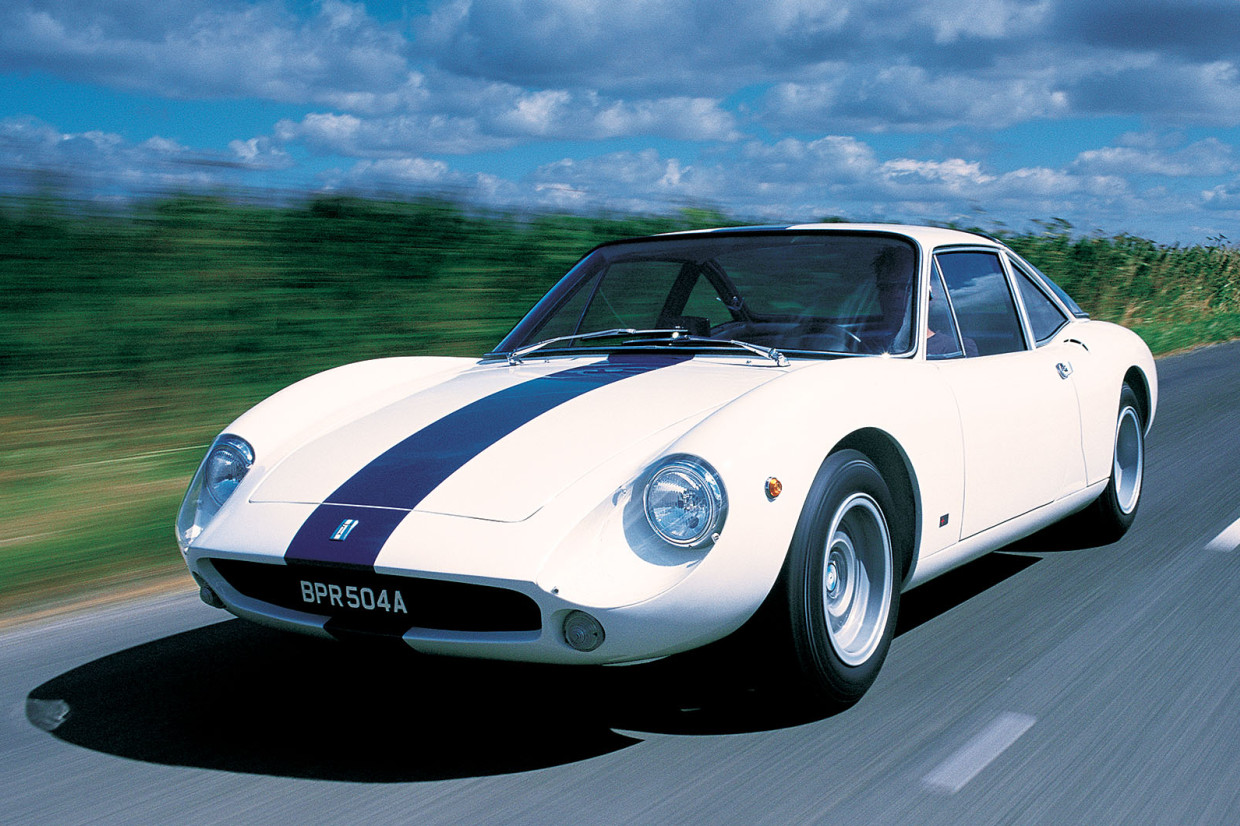
The De Tomaso Vallelunga is tiny, but it ticks the supercar styling boxes

It’s a homage to the Ferrari 250LM at the front, Bizzarrini P538 at the back, yet the two halves blend together well in every view except profile.

And it’s tiny. At 90in, its wheelbase is the same as that of a short Land-Rover, but it’s only 43in high – less than a modern Ford GT. 

The car was named after the Italian racing circuit near Rome where de Tomaso had some success.

He had raced Oscas and Maseratis, and won the Index of Performance at Le Mans in 1958 with Colin Davis.

De Tomaso’s first foray into road-car making – in 1963, with his wife, the racing driver Elizabeth Haskell, later Europeanised to Isabella (he was then Alessandro) – was intended to help fund the racing effort, and followed the practice they adopted building race cars, mostly Formula Twos and Juniors.

So under that exquisite aluminium envelope, the De Tomaso Vallelunga uses essentially Formula Ford/Formula Three technology.

Classic & Sports Car – De Tomaso Vallelunga: mid-engined marvel

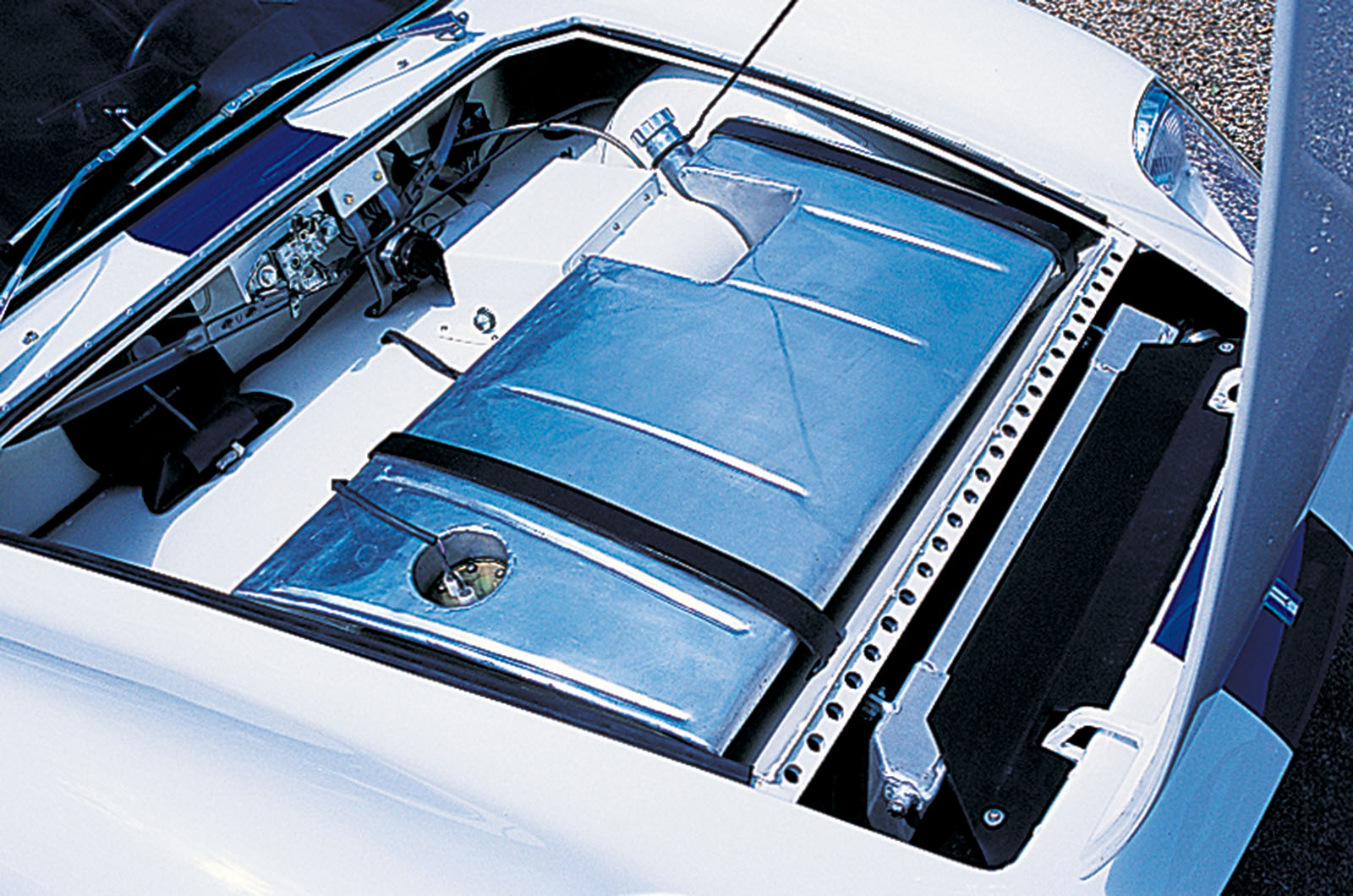
The De Tomaso Vallelunga’s fuel tank is under the front lid, and shaped around the pedalbox

Same spine-type chassis, all-wishbone adjustable suspension, Volkswagen-based Hewland gearbox, same Ford Cortina engine. Cortina? Absolutely. And solidly mounted.

It vibrates, but oddly you only notice it from the passenger seat.

There are outriggers and a Swiss-cheesed perimeter frame in steel, but even the floors are aluminium.

The only glass is in the windscreen and side windows; the rest is Perspex.

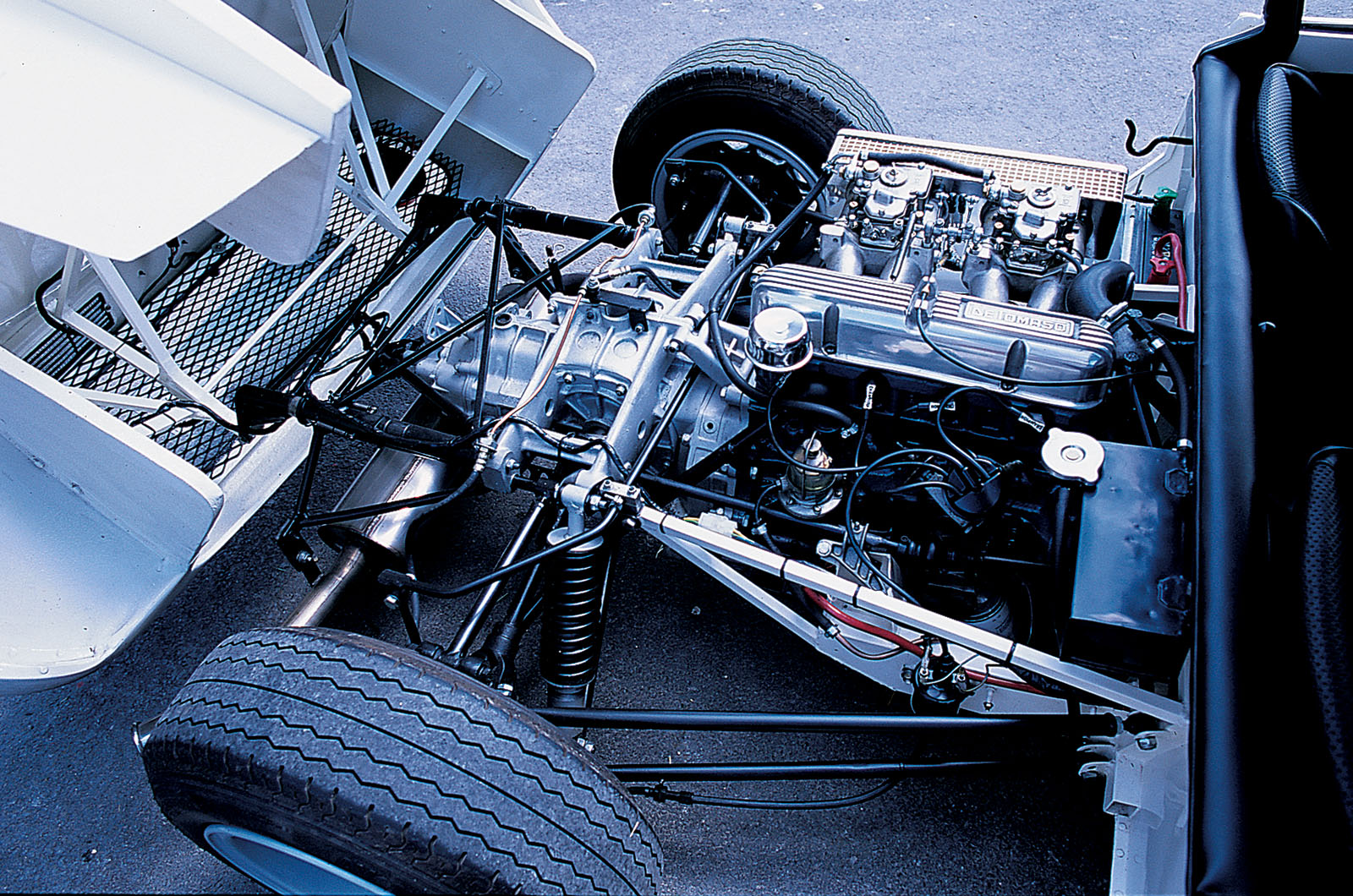
On this prototype, the whole rear section of the bodywork lifts, Lamborghini Miura-style, revealing, instead of an exotic multi-cammer, that little rear-facing pushrod Ford four-banger borne in the back of the chassis with the single-seater-type transaxle bolted to the back and transferring the suspension loads.

Classic & Sports Car – De Tomaso Vallelunga: mid-engined marvel

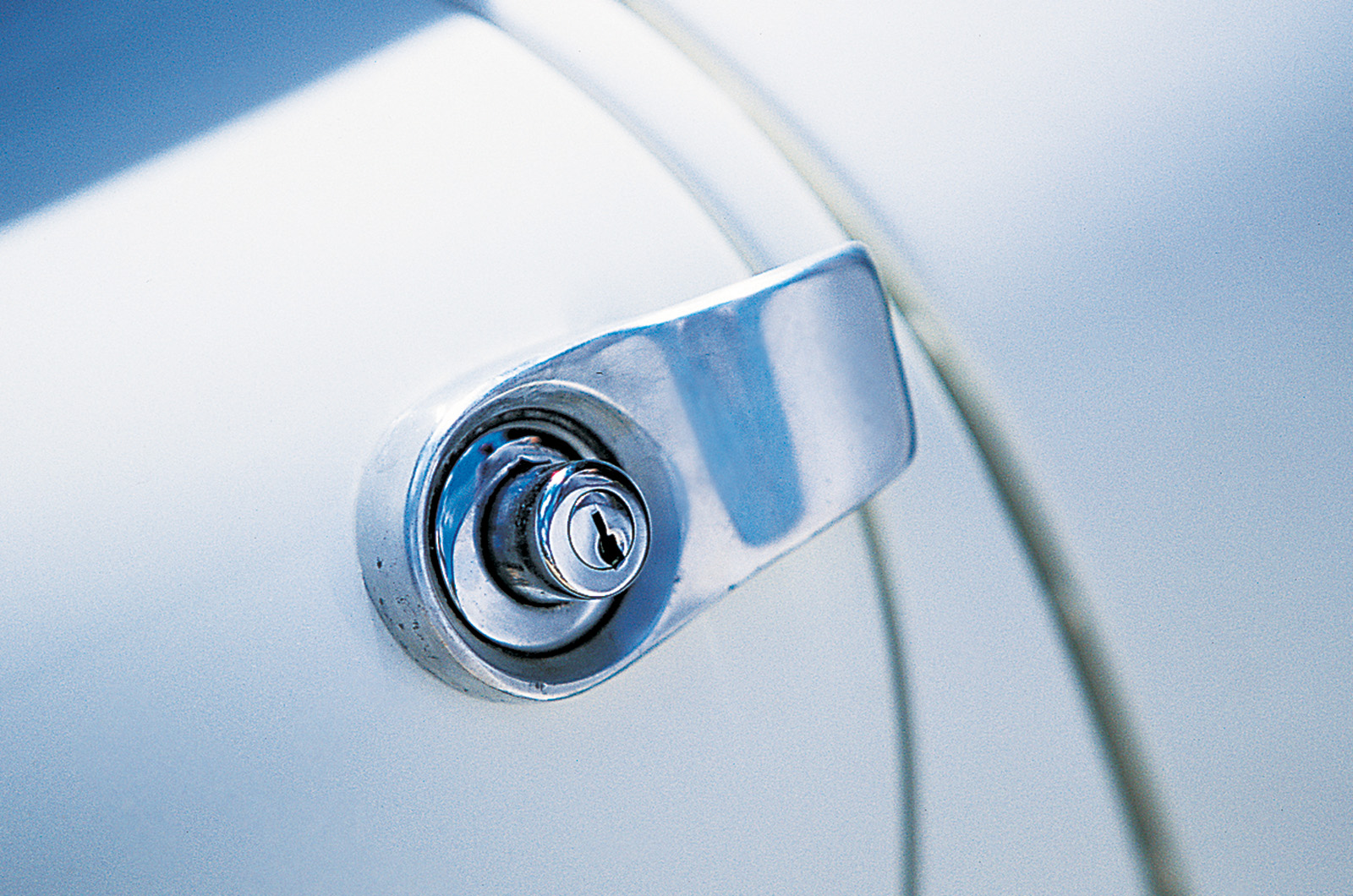
The De Tomaso Vallelunga’s simple doorhandle

Bracing bars attaching to the thermostat housing studs mean you don’t change the head gasket in a hurry; luckily, the Kent is renowned as a sturdy old thing, even in pre-crossflow 1500cc form as here.

With twin Weber 40DCOEs it knocks out 105bhp – enough, said de Tomaso, to propel the 700kg lightweight to 130mph.

Don’t forget, this engine formed the basis of the Lotus Twin Cam, so at least its near relations had the right tint of blood.

It is very tractable and pulls hard all the way to 6500rpm. The gearchange is as precise as a rear-mounted ’box with a long remote shift is going to be: as good as a Europa gets at its best, but less rubbery.

In quick downchanges you’re helped by pedals well placed for heel-and-toe footwork, with perfectly judged ratios in the four-speeder. Later cars have five forward gears.

Classic & Sports Car – De Tomaso Vallelunga: mid-engined marvel

Unlike almost all of its mid-engined successors, the sweetly proportioned De Tomaso Vallelunga has fantastic all-round vision

Fissore was contracted to design the body, and the first prototype was an aluminium-panelled roadster resembling a Porsche.

Two or three aluminium coupés came afterwards, also styled and built by Fissore. One appeared at the Turin Salon in October ’64.

The Savigliano coachbuilder might well have expected to get the contract to build the production cars, but the expat Argentine gave the job to Ghia – a company that he would eventually acquire before selling it on to Ford.

Ghia made the subsequent shells in glassfibre, and with a solid tail – only the rear glasshouse opens.

You can spot one of these by lozenge-shaped front indicators in the corners of the grille opening rather than round ones under the headlights.

Classic & Sports Car – De Tomaso Vallelunga: mid-engined marvel

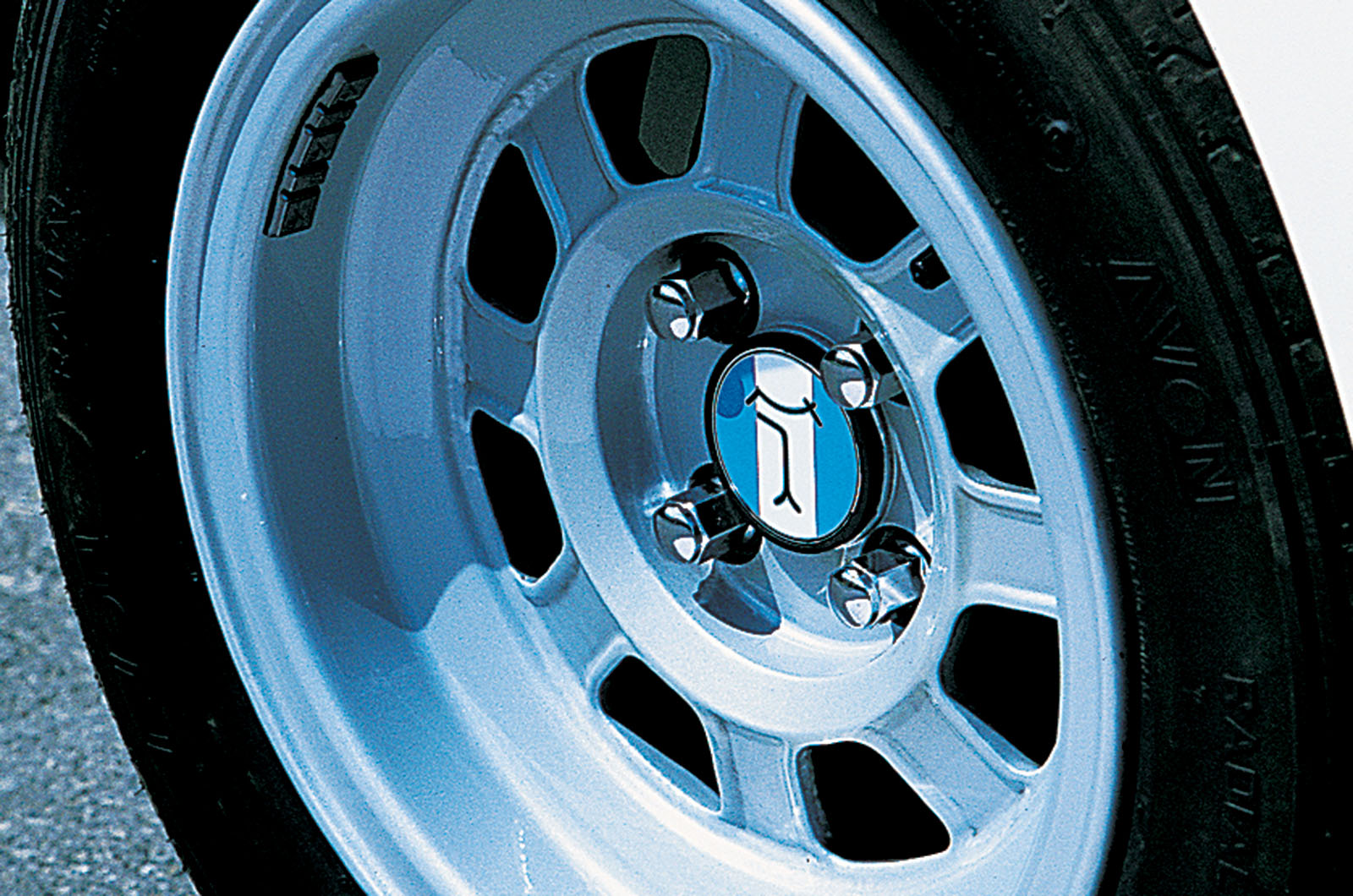
The De Tomaso Vallelunga’s refurbished Campagnolo magnesium wheels look great

This is chassis VL1606. Only one Vallelunga was built with right-hand drive, confusingly numbered VL1601-D, for Col Ronnie Hoare of Maranello Concessionaires – the clue is that he also owned F English Ltd, a Ford dealer in Bournemouth.

He had a 150bhp Lotus Twin Cam fitted, mated to a Colotti five-speed, but it was not a success.

Autosport, though it didn’t drive the car, had grave reservations about its engineering in a November 1965 issue, and Hoare himself was quoted as saying the car was ‘hopelessly underdeveloped’ and could never have been considered a commercial proposition.

‘We soon became disenchanted with the whole idea and eventually, miraculously sold the car [in 1970!]. Happily we have never heard of it since.’

Mike McCarthy drove the car, by then owned by Duncan Rabagliati, for C&S in 1983, but where is it now?

Classic & Sports Car – De Tomaso Vallelunga: mid-engined marvel

The De Tomaso Vallelunga prototype’s rear section lifts to reveal the engine/transmission as a structural member, formula car-style

As well as the three aluminium prototypes, plus the 50 Ghia-built cars, there were five lightweight, aluminium-bodied Competiziones, produced with 130bhp motors, so perhaps Hoare’s was one of those.

Whatever the British reservations, elsewhere the Vallelunga comes up to expectations as an exotic junior supercar: drilled steering wheel and pedals plus delicate gearshifter are straight from De Tomaso’s formula parts bin.

There’s an 8000rpm rev counter – with no redline – and a 250kph speedo, recalibrated in this car to read in miles per hour.

The rear uprights are magnesium and unique to the model, as is the yoke, which mounts the rear suspension to the gearbox – both with the marque name proudly cast in.

The suspension follows single-seater practice, with unequal-length wishbones up front; at the rear you’ll find reversed lower wishbones, top links and upper and lower radius arms, all of them adjustable.

Classic & Sports Car – De Tomaso Vallelunga: mid-engined marvel

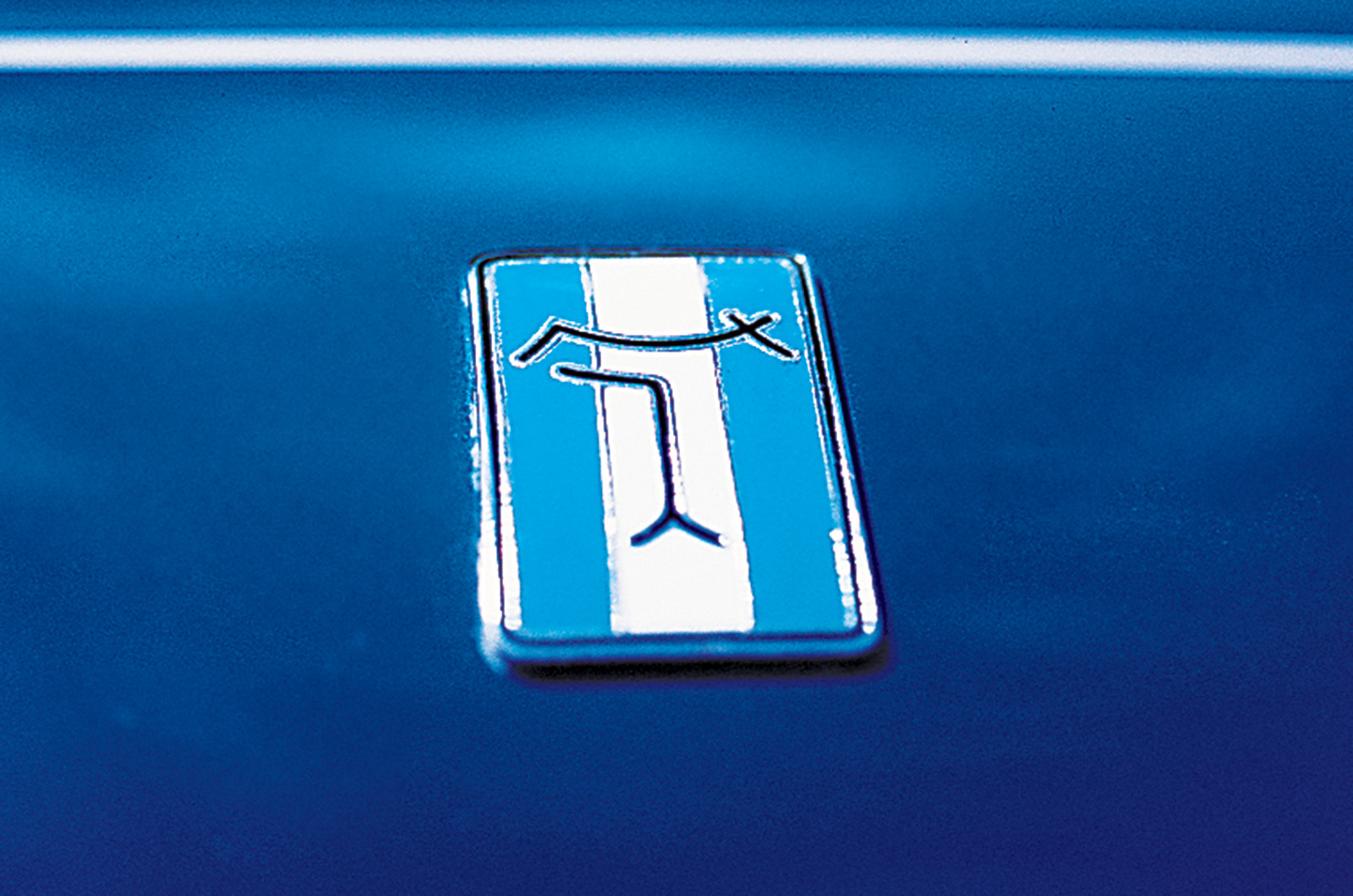
The badge depicts the Argentine national flag with de Tomaso family’s ranch brand

For the sake of expediency, the front uprights are the ubiquitous Triumph Herald/Spitfire type – but they were also good enough for Colin Chapman, who used them on both the Lotus Seven and the Elan.

For all of the Vallelunga’s brilliance, there remain some definitely prototype-ish aspects about it. The radiator top hose is routed through a chassis leg, and changing the handbrake cable is an engine-out job.

The Kent motor is just a foot from your ear, so you can tell when the tappets want adjusting. Getting the roof joint watertight takes persistence, which is probably why Ghia changed to a one-piece shell. And the vinyl interior looks a bit cheap.

These are details, though, and could have been developed out easily. They can’t mask the rightness of the basic chassis.

The real mystery is how De Tomaso failed to sell more than 58 of this delectable little masterpiece before production ended in 1965.

Ghia built the cars in Turin, so space at De Tomaso’s Albareto factory would not have been an issue. Did the racing cars ultimately take priority? Were there financial issues? Or did the car’s lack of FIA homologation queer its pitch?

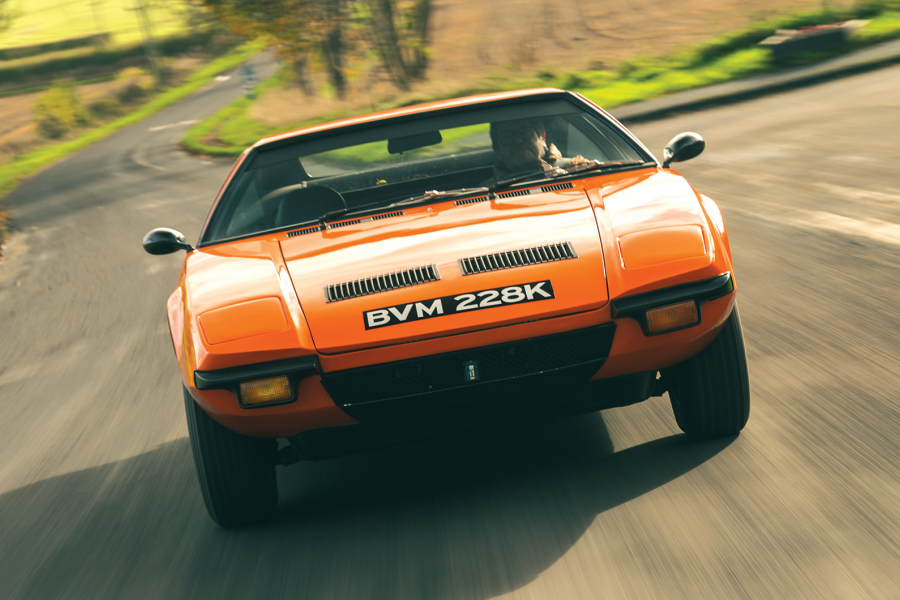
The De Tomaso Mangusta was the next project, using larger Ford V8 power and a bigger chassis of the same spine type. It appeared in 1967, two years after the Vallelunga ended, yet De Tomaso wouldn’t make another good car until the still flawed Pantera of 1970.

It was so tantalisingly close the first time around.

Images: Tony Baker

This was first in our November 2005 magazine; all information was correct at the date of original publication


Factfile

Classic & Sports Car – De Tomaso Vallelunga: mid-engined marvel

De Tomaso Vallelunga

  • Construction steel backbone chassis with outriggers and sills, aluminium body
  • Engine all-iron, ohv 1498cc Ford Kent ‘four’, twin Weber 40DCOE carburettors
  • Max power 105bhp @ 6500rpm
  • Max torque 100lb ft @ 3500rpm
  • Transmission VW/Hewland all-synchromesh four-speed manual, RWD
  • Suspension independent, at front by double wishbones rear reversed lower wishbones, upper links, upper and lower radius arms; coil-over dampers, anti-roll bar f/r
  • Steering rack and pinion
  • Brakes discs with Campagnolo calipers
  • Length 12ft 5in (3785mm) 
  • Width 5ft 2½in (1590mm) 
  • Height 3ft 7½in (1100mm) 
  • Wheelbase 7ft 6in (2285mm) 
  • Weight 1544lb (700kg)
  • 0-60mph n/a
  • Top speed 130mph (claimed)
  • Mpg n/a
  • Price new n/a

Enjoy more of the world’s best classic car content every month when you subscribe to C&SC – get our latest deals here


READ MORE

Battle of the supercars: Miura vs Daytona vs Mangusta

Europa league final: Alpine A310 vs Lotus Europa

Emeryson: unique F2 racer for the road