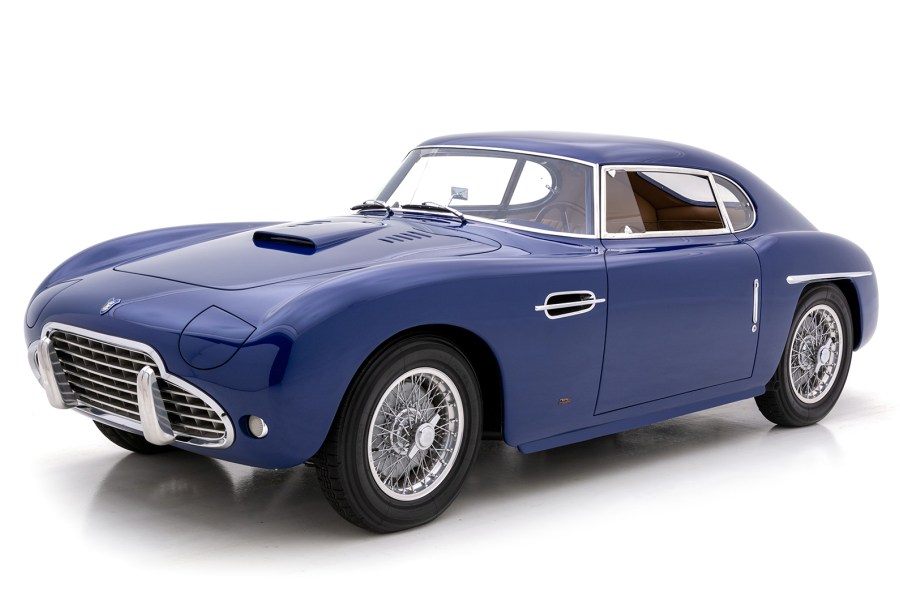
Siata 300 BC: punching above its weight

| 1 Oct 2026
Classic & Sports Car – Siata 300 BC: small is beautiful

Siata is today best known for its Fiat-powered sports cars, and the history of the Italian barchetta is more associated with low-volume, exotic twin-cam engines, but in the 300 BC it bucked both trends.

Possessed with an irresistible charm, the little Siata employed an American motor, but, rather than the typical V8, it’s a tiny Crosley four-cylinder.

To understand how Siata arrived at this fresh approach, we must go back to its beginnings.

Classic & Sports Car – Siata 300 BC: small is beautiful

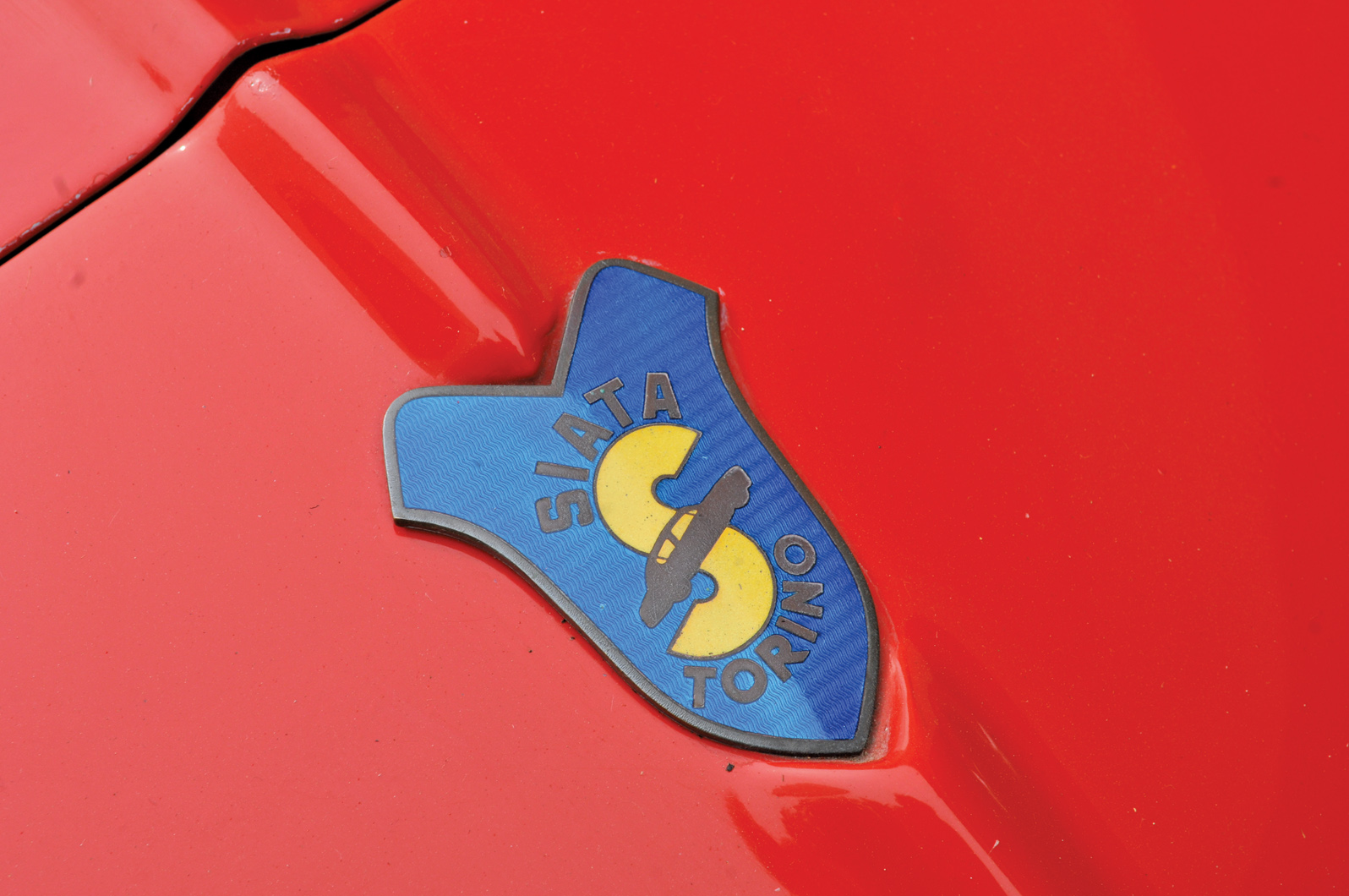
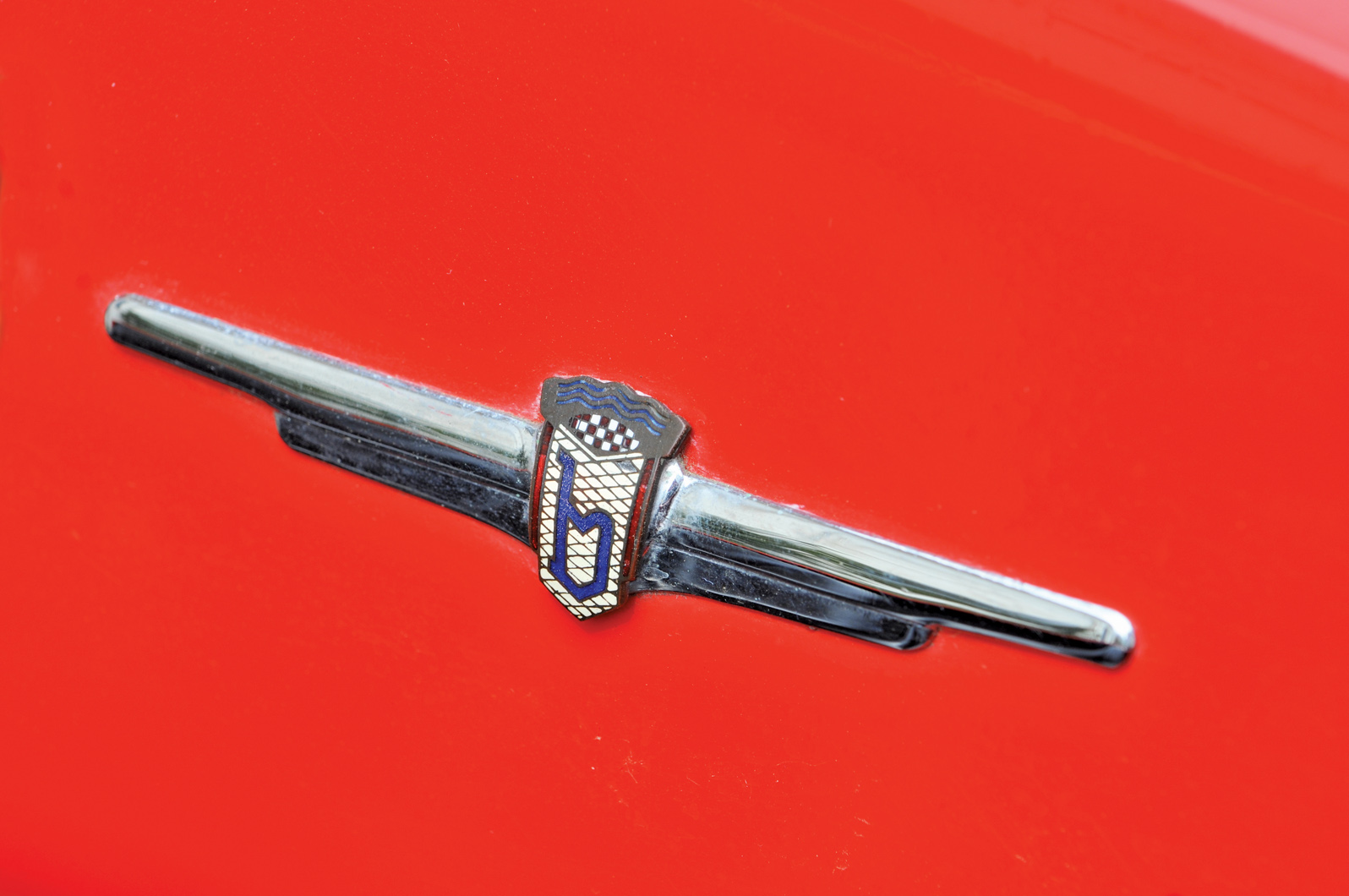
Siata’s dynamic crest on the 300 BC’s small and discreet nose badge

The marque was born in 1926, founded in Turin by Giorgio Ambrosini as Società Italiana Applicazioni e Trasformazioni Auto-Aviatorie.

Siata began by producing mechanical parts and accessories to improve engine performance, especially for Fiats.

In 1937, the company gave birth to its first complete car, the Gran Sport. It was derived from the Fiat 500 Topolino and featured a modified, overhead-valve (rather than sidevalve) engine, a Cozette carburettor and a spider body by Carrozzeria Mantelli.

Just 12 examples were built, according to the period motoring press, and despite its mass-produced componentry, it was refused entry into the production-based Turismo Nazionale racing category and had to compete instead in Sport Nazionale.

Classic & Sports Car – Siata 300 BC: small is beautiful

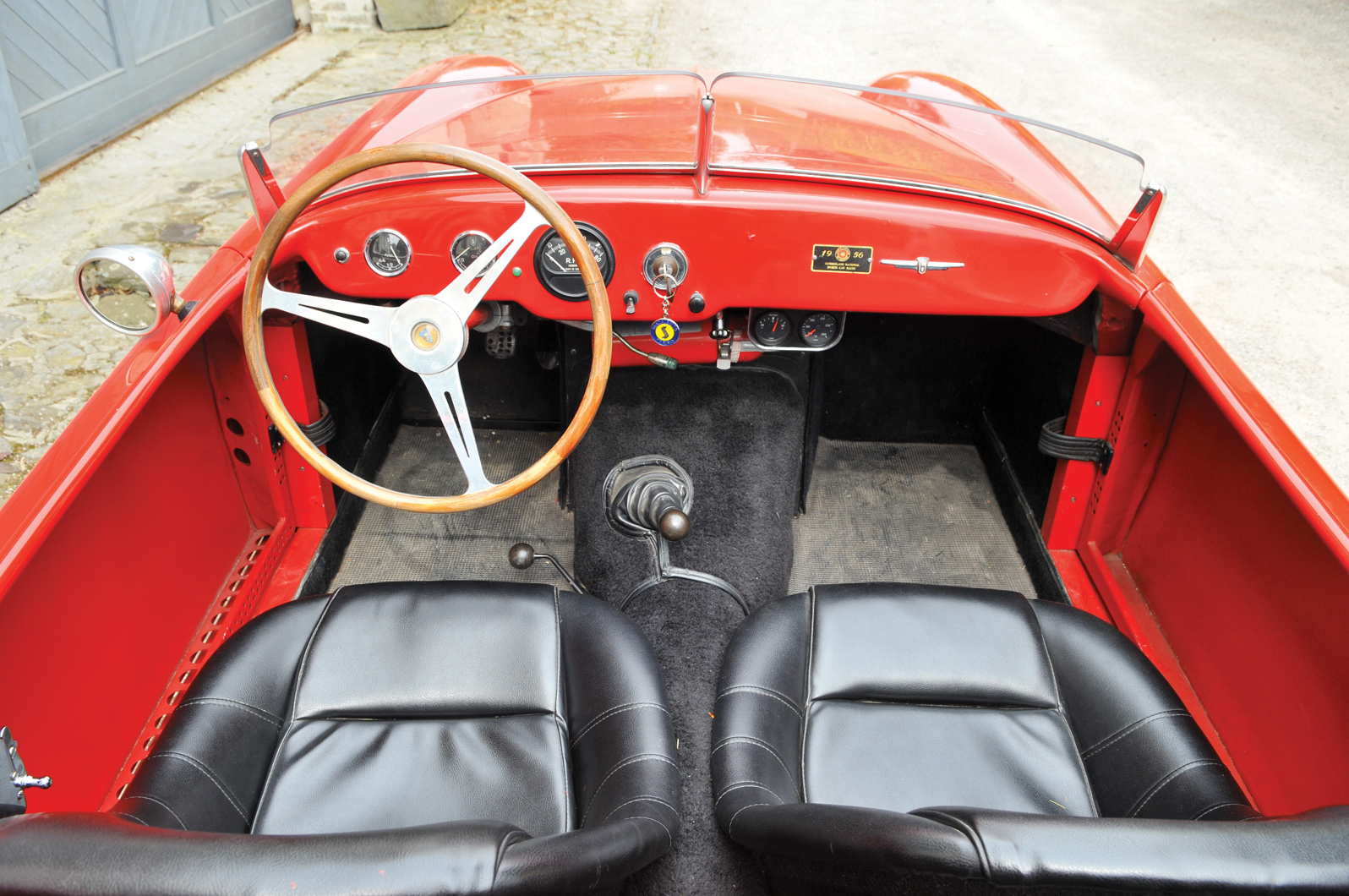
The Siata 300 BC’s roomy cabin and carpeted tunnel come as a surprise

It marked a successful debut for Siata, with Piero Dusio winning his class at the 1937 Mille Miglia.

An advert from the same year mentioned category wins for a Fiat 1500 with a special Siata manifold and an 1100 Balilla with Siata brakes, shock absorbers and sump. 

The following year, a Siata Gran Sport fitted with Zagato bodywork finished second in the 750cc class, finishing less than two minutes behind the winning Stanguellini.

From that point on, Siata would become one of the low-volume marques that animated the small-displacement classes of 1950s Italian motorsport, alongside Stanguellini, Bandini, Moretti, Nardi, Ermini and Giannini.

Classic & Sports Car – Siata 300 BC: small is beautiful

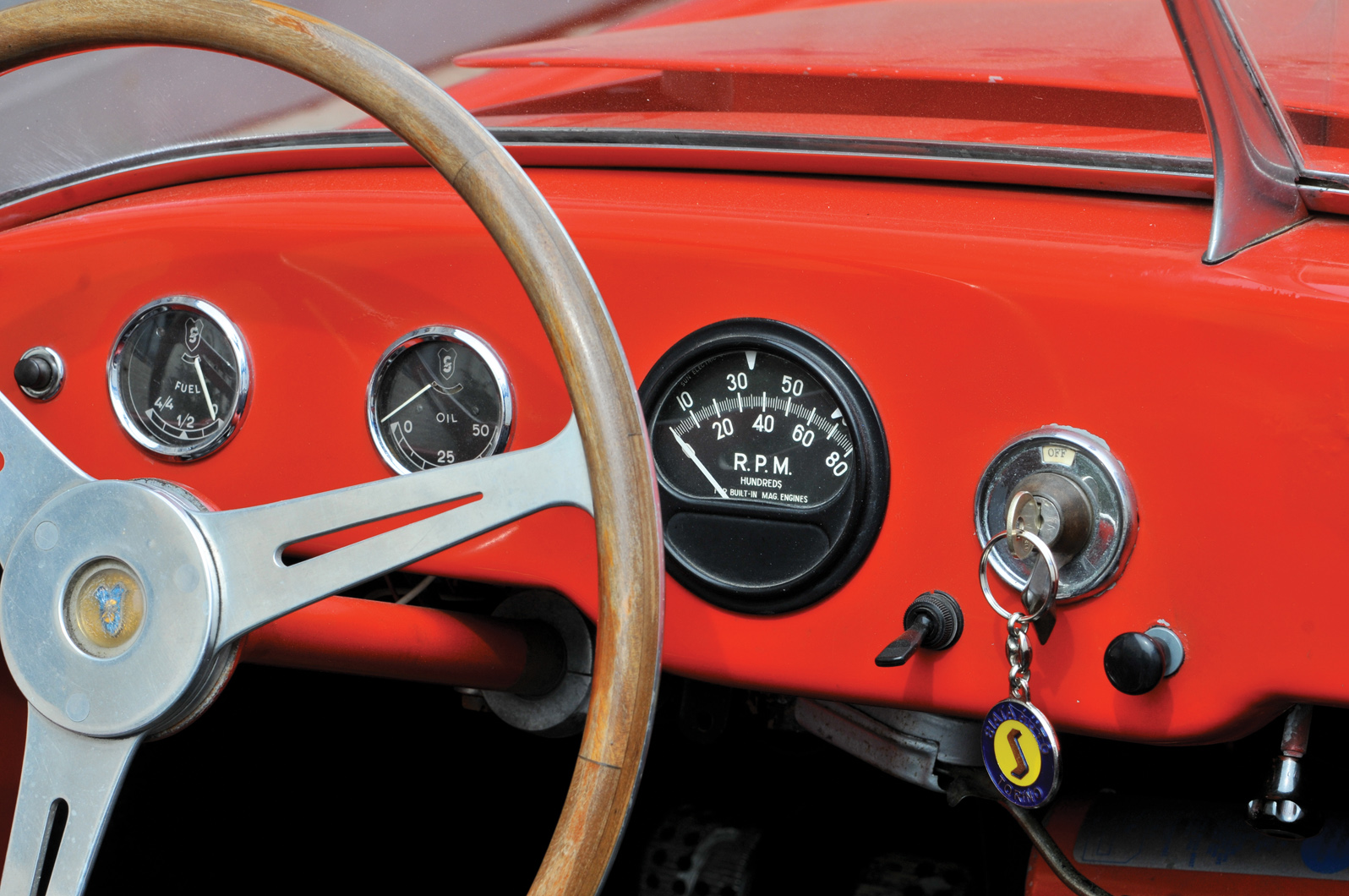
The Siata 300 BC has an odd rev counter, with a needle that’s hinged at the bottom

The Mille Miglia served as the catalyst for a nation so passionate about automobiles, along with road-racing and hillclimb championships.

Coachbuilders and tuners such as Motto, Viotti, Colli and Morelli had a hand in the creation of these compact, lightweight racing cars, whose mechanicals generally came from Fiat.

Back in the late 1930s, Siata began producing a limited number of 750 and 1100 roadsters with streamlined bodywork, some of them ‘tank’-style, and in 1939 this small manufacturer developed an aerodynamic berlinetta that set a 24-hour record at Monza, at an average speed of 130kph (81mph).

This performance earned Siata an exclusive supply of Fiat 500 Topolino parts, allowing it to design a cabriolet version that became the first Siata Amica.

Classic & Sports Car – Siata 300 BC: small is beautiful

This Siata 300 BC’s previous owners were clearly on a quest for lightness

In the same year, a 750 derived from the Gran Sport was designed and a streamlined 1100 berlinetta with Viotti bodywork was entered in the 1939 Mille Miglia, but the outbreak of war brought such activities to a halt.

After the conclusion of WW2, the spirited Ambrosini was determined to restart his car company.

To help the defeated Italy get moving once again, he proposed an auxiliary engine for bicycles, the Cucciolo (puppy) – designed by Aldo Leoni, an engineer who had joined Siata in 1939, with Turin lawyer Aldo Farinelli.

Classic & Sports Car – Siata 300 BC: small is beautiful

Siata’s pretty 300 BC won fans in the USA with its light weight, American engine and racing success, but the love affair was short-lived

This motor proved so successful that Siata could not keep up with demand, and part of the production was entrusted to Società Scientifica Radio Brevetti Ducati, which manufactured electrical appliances and household goods.

It was this new activity that brought Ducati into the world of two-wheelers.

By the time production of the Cucciolo ended in 1949, 100,000 units had rolled off its assembly lines.

Siata then made an incursion into utility vehicles with the cab-forward Duplex truck of 1947, derived from the Fiat 1100 L, but Ambrosini’s passion for motor racing took over.

Classic & Sports Car – Siata 300 BC: small is beautiful

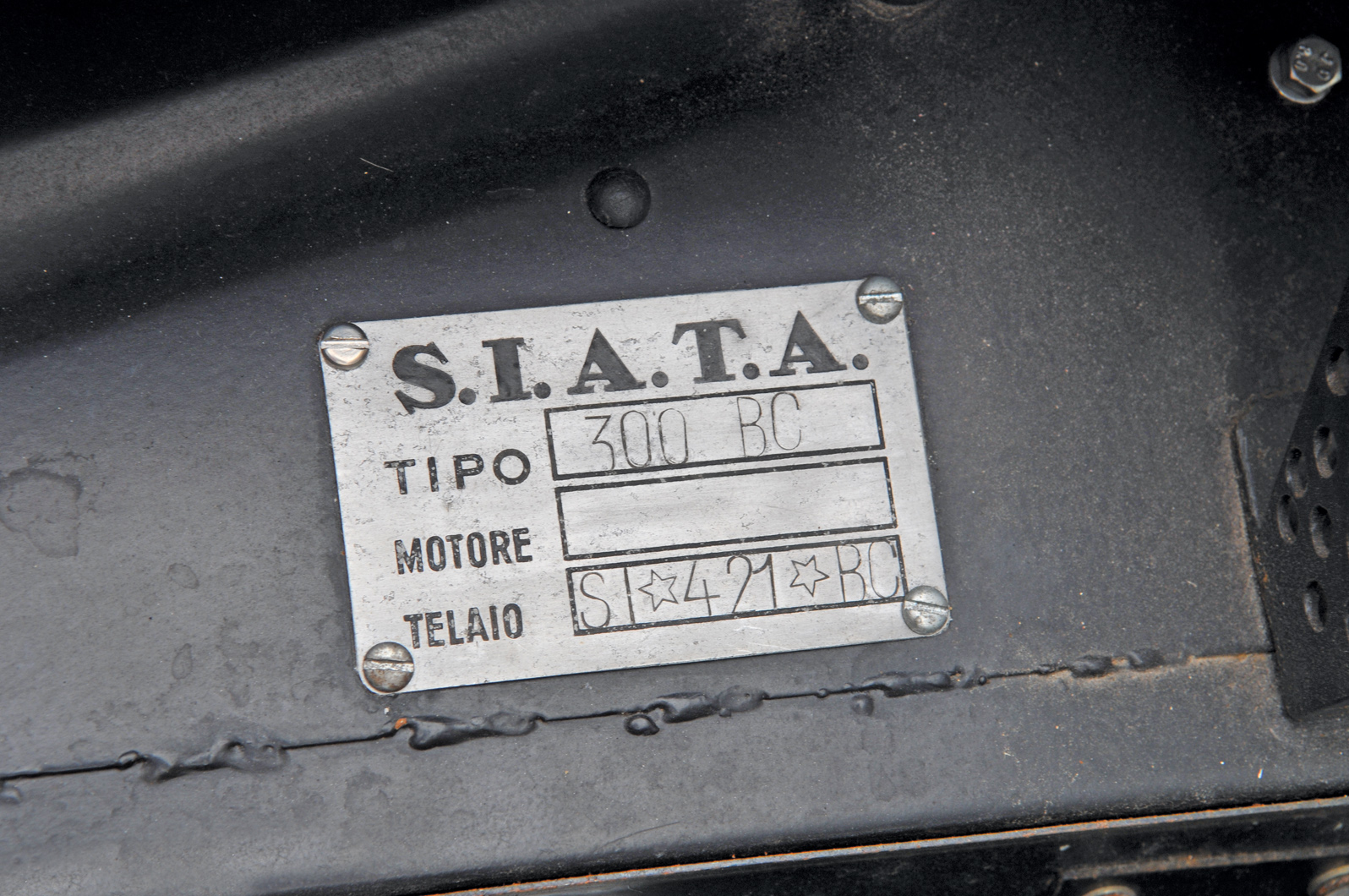
This Siata 300 BC’s chassis plate

That same year, the company again entered the Italian championship, still in the 750cc category, with Carlo Pesci finishing the season an impressive second overall.

As the Sport Nazionale regulations loosened regarding the origin of components, Ambrosini took a fresh step in 1948 by adopting a Nardi tubular chassis for a run of Sport models.

In a sign of the brand’s growing maturity, the chassis of these ‘SC’ Siatas now bore a serial number, like their engines, and it was with a Motto-bodied version that Renato Ambrosini, Giorgio’s son, won the Italian 750cc title.

That same year, Siata presented the pretty Orchidea coupé with a tubular chassis and bodywork by Motto.

Classic & Sports Car – Siata 300 BC: small is beautiful

‘Because the Siata 300 BC was light, it was announced as being capable of reaching 100mph – remarkable on 750cc’

It served as the basis for a touring cabriolet, the ’49 Amica, with its underpinnings also featuring in the Siata 208S, unveiled a year later and derived from the Fiat 8V.

Revealing Siata’s interest in the US market, the 208S was presented at the 1953 International Motor Sports Show in New York.

Based on a boxed chassis from the Amica 50, the 300 BC (also called the Siata 750) arrived in 1951, with aluminium bodywork manufactured by Bertone and available in three versions: the barchetta (with no external doorhandles or soft-top, and a low, two-piece windscreen), the convertible (handles, soft-top and a near-flat, one-piece ’screen) and the rare coupé.

Suspension was by a transverse leaf spring at the front with a live rear axle from the Fiat 1100 supported by lightened leaf springs and four telescopic dampers at the back.

Classic & Sports Car – Siata 300 BC: small is beautiful

The Siata 300 BC’s narrow coachwork is matched by ultra-skinny tyres

Production reached about 50 examples in total, many of which went to America, where most cars were fitted with local Crosley engines upon arrival.

In Italy, an agreement relating to the aid provided by Fiat to Siata after the war imposed an obligation to use only Fiat engines in the European market.

Stateside, because the car arrived without a powerplant and with a chassis that was rigid and well designed, some examples received other units, including Fiat, Singer, Triumph, Coventry Climax and Alfa Romeo.

The most famous of these was that of Ernie McAfee, which featured a 1.5-litre twin-cam motor by Robert Barker.

Classic & Sports Car – Siata 300 BC: small is beautiful

The Siata 300 BC’s dashboard emblem proclaims the hand of Bertone

The last cars were equipped with Fiat 1100 motors, some with a displacement of 750cc.

The Crosley unit, modified by Siata and fuelled by a single Carter carburettor, developed 32bhp at 5600rpm, but because the car was so light, it was advertised as being capable of reaching 160kph (100mph) – a remarkable feat for a 750.

This diminutive yet competitive barchetta inevitably attracted racing enthusiasts, and at the 1952 Vero Beach 12 Hours in Florida, Briggs Cunningham’s Siata 300 BC won the Index of Performance, driven by George Huntoon and Bob Geger.

Its pace earned it the nickname ‘Flying Lollipop’, which was later donated to all 300 BCs.

Classic & Sports Car – Siata 300 BC: small is beautiful

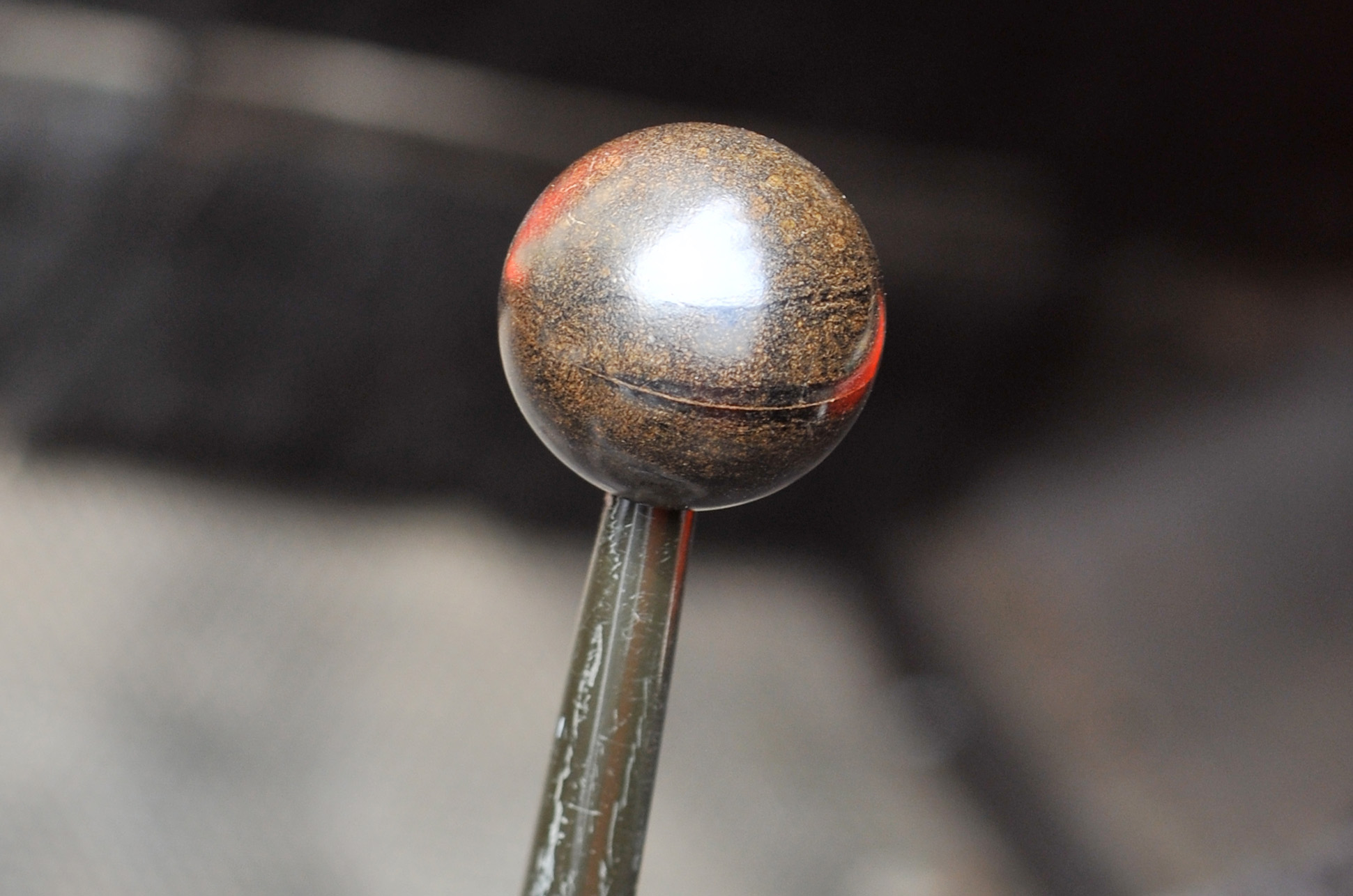
The Siata 300 BC’s simple gearlever

The little Siatas regularly participated in Sports Car Club of America races, in which they delighted their amateur drivers.

In Europe the 300 BC was a rarer sight, although some did compete in the Mille Miglia between 1952 and ’55.

Paradoxically, the focus on the North American market with the 300 BC and 208S was probably one of the reasons for Siata’s subsequent difficulties.

Without truly managing to gain the loyalty of fickle American customers, the company rather neglected its competition focus back home in Italy, causing disaffection among enthusiasts for the brand.

Classic & Sports Car – Siata 300 BC: small is beautiful

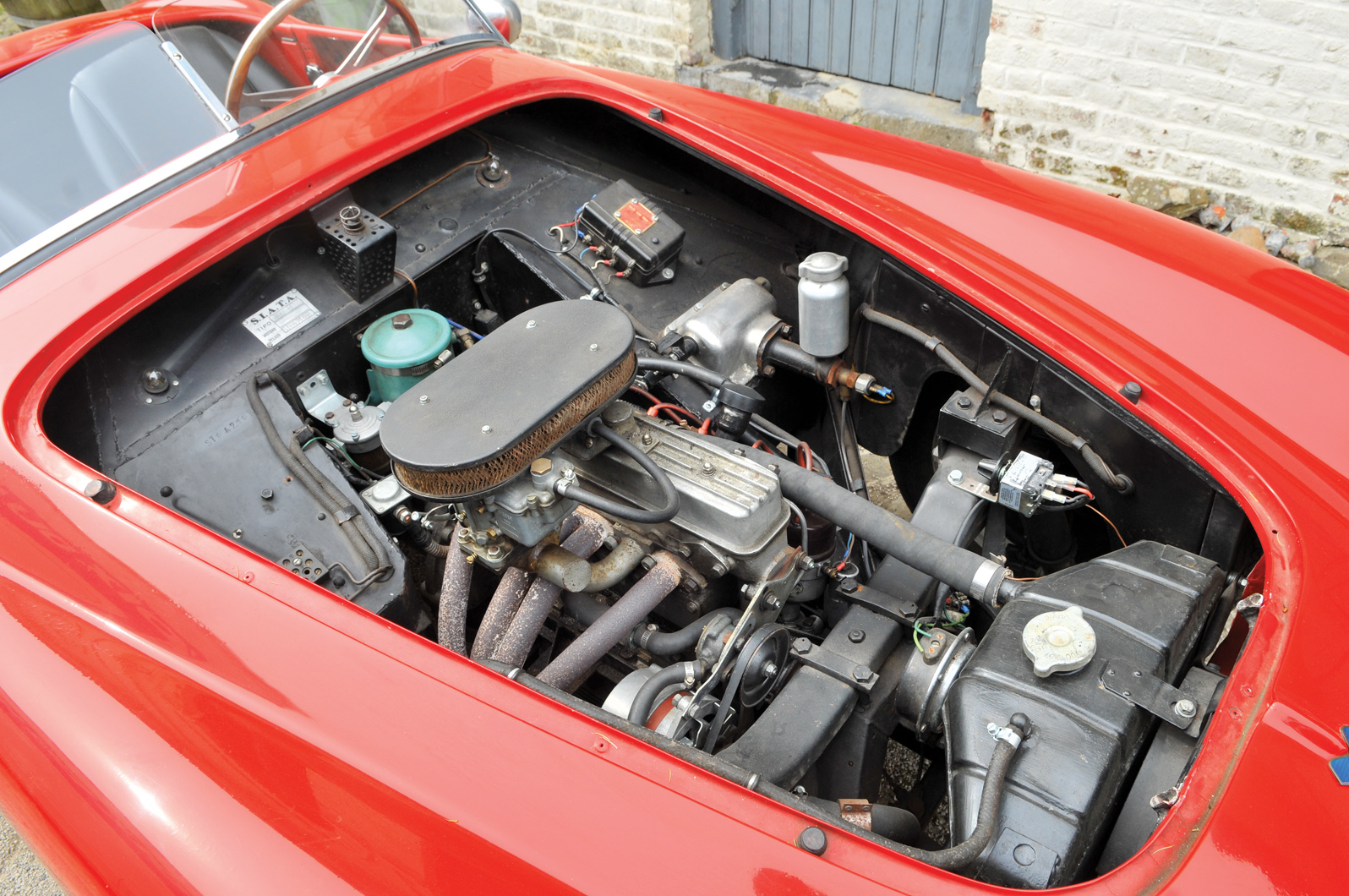
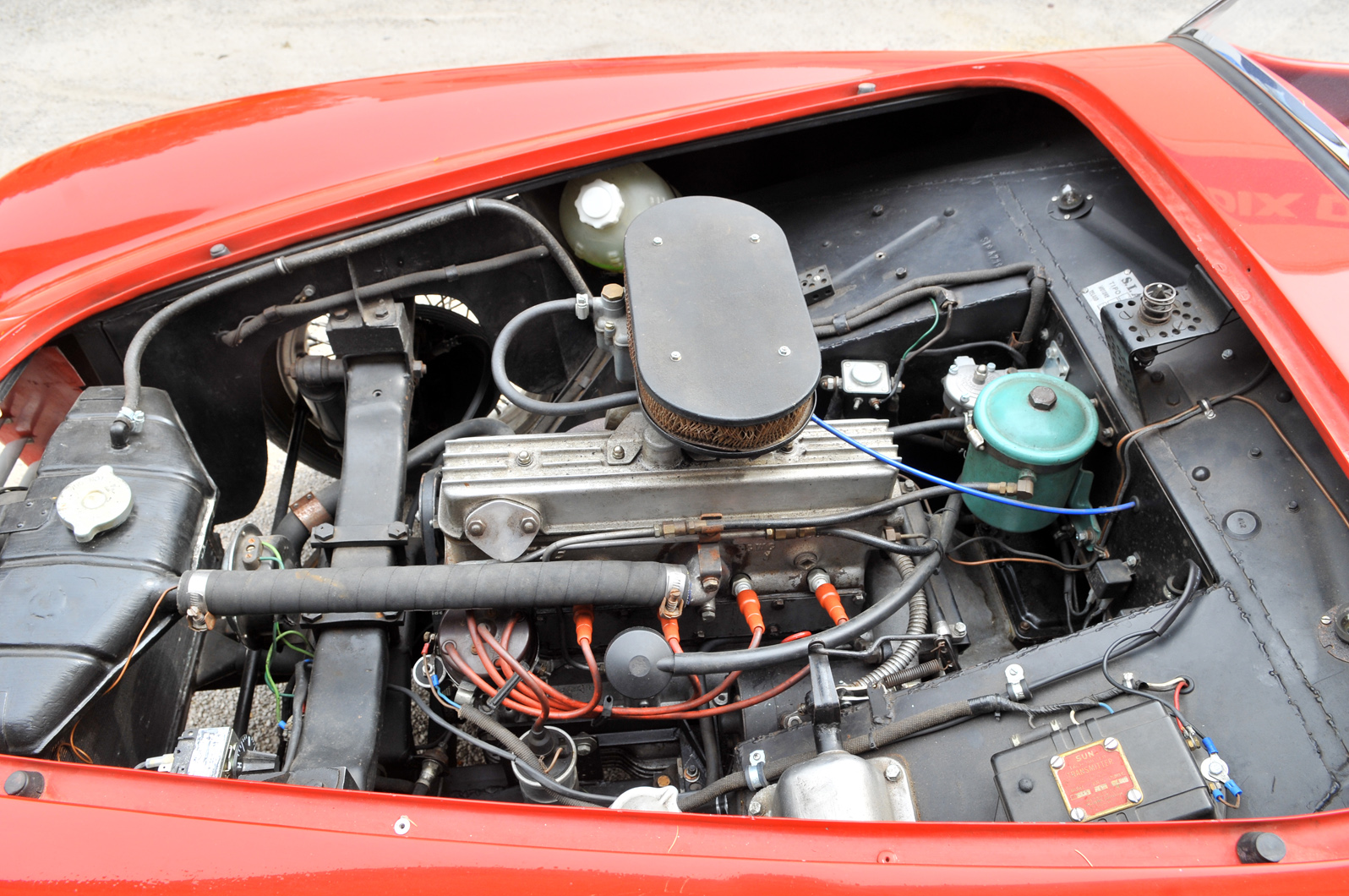
The Siata 300 BC’s Crosley ‘four’ displaces just 750cc and makes 32bhp

To this must be added the industrial problems linked to Fiat’s decision to abandon the 8V, which rendered the 208 obsolete even before it reached maturity, despite the significant improvements Siata made to the Fiat V8.

The company then refocused on Europe with the short-lived Mitzi, a tiny city car of 1953 that anticipated the Vespa 400 and Autobianchi Bianchina.

In the second half of the 1950s, Siata continued its activities with models derived from Fiats, such as the attractive TS designed by Giovanni Michelotti and the bizarre, retro-styled Spring, before closing its doors in 1970.

The role played by Siata since 1926 had, by that point, been taken over by Carlo Abarth.

Classic & Sports Car – Siata 300 BC: small is beautiful

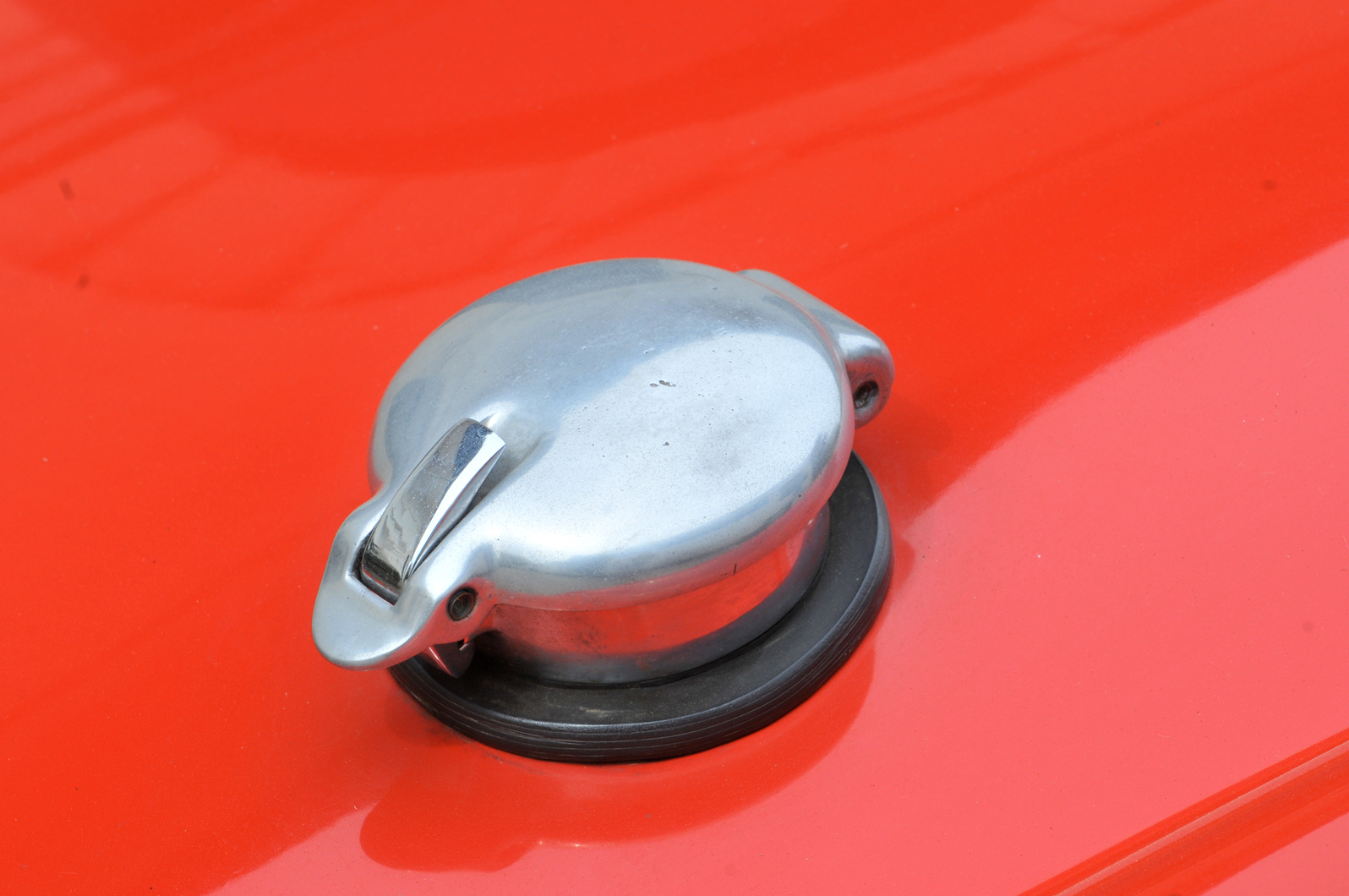
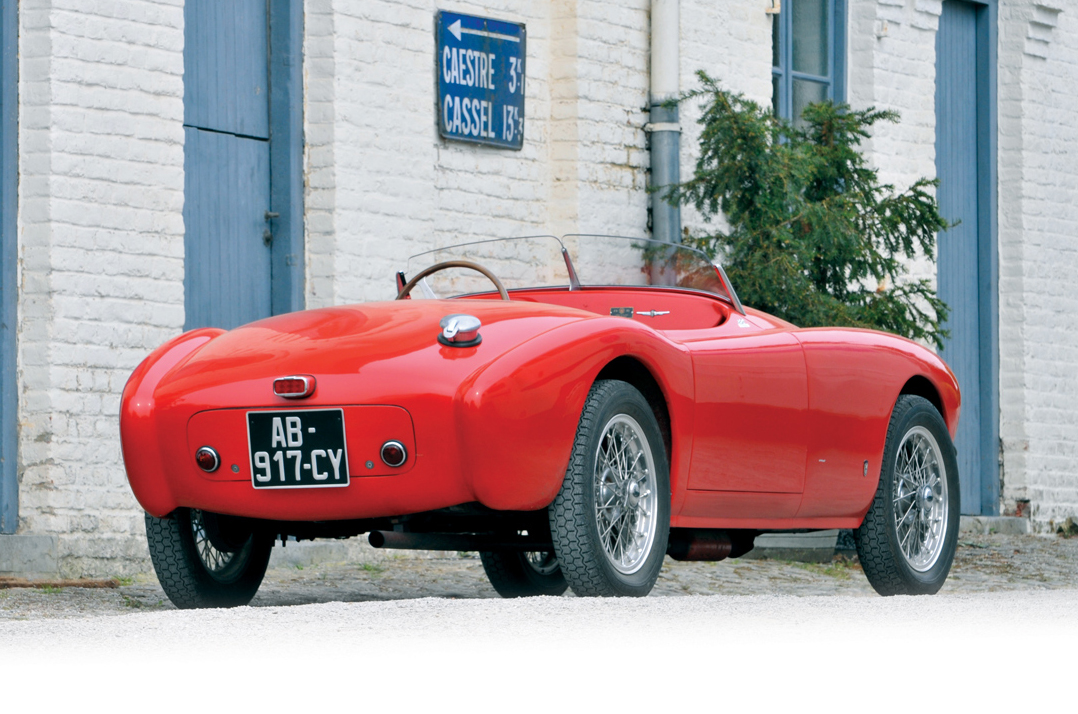
The Siata 300 BC’s fuel-filler cap disrupts this classic car’s sleek rear

‘Our’ car, chassis 421, was sold new to Wilcox Motors in the USA and is equipped, typically, with a Crosley ‘four’.

According to a plaque on the dashboard, in May 1956 it participated in the Cumberland SCCA races, an event whose list of entries includes three Siatas, driven by TF Vergon, William Mitchell and H Flynn.

The 300 BC then returned to Europe in 2000, following a respectful restoration carried out by its final American owner.

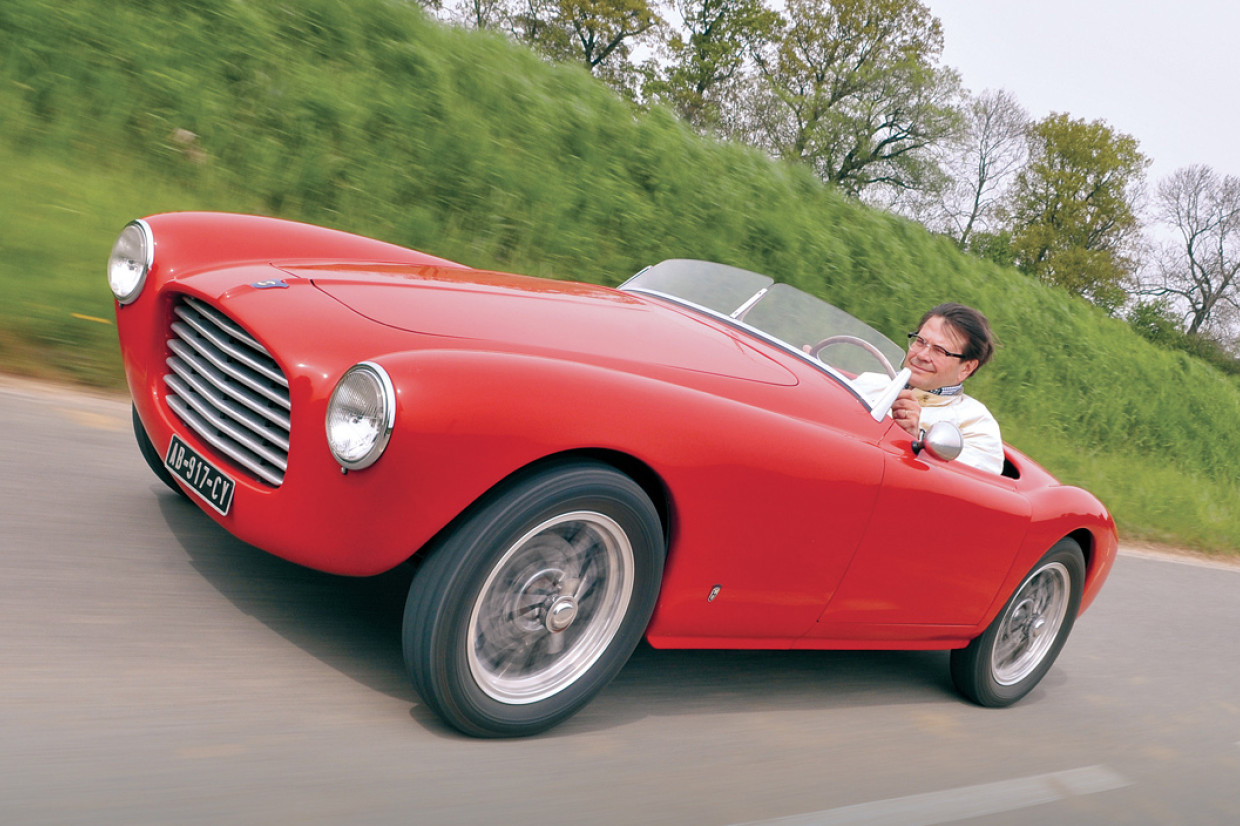
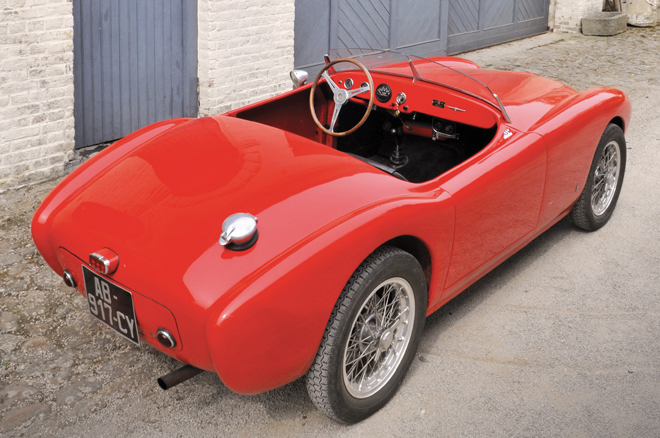
This is an undeniably beautiful car, a design of exemplary purity without any frills or frippery.

Classic & Sports Car – Siata 300 BC: small is beautiful

The top of the Siata 300 BC’s front wing forms a slight curve that extends all the way to the rear, where it forms a discreet tailfin

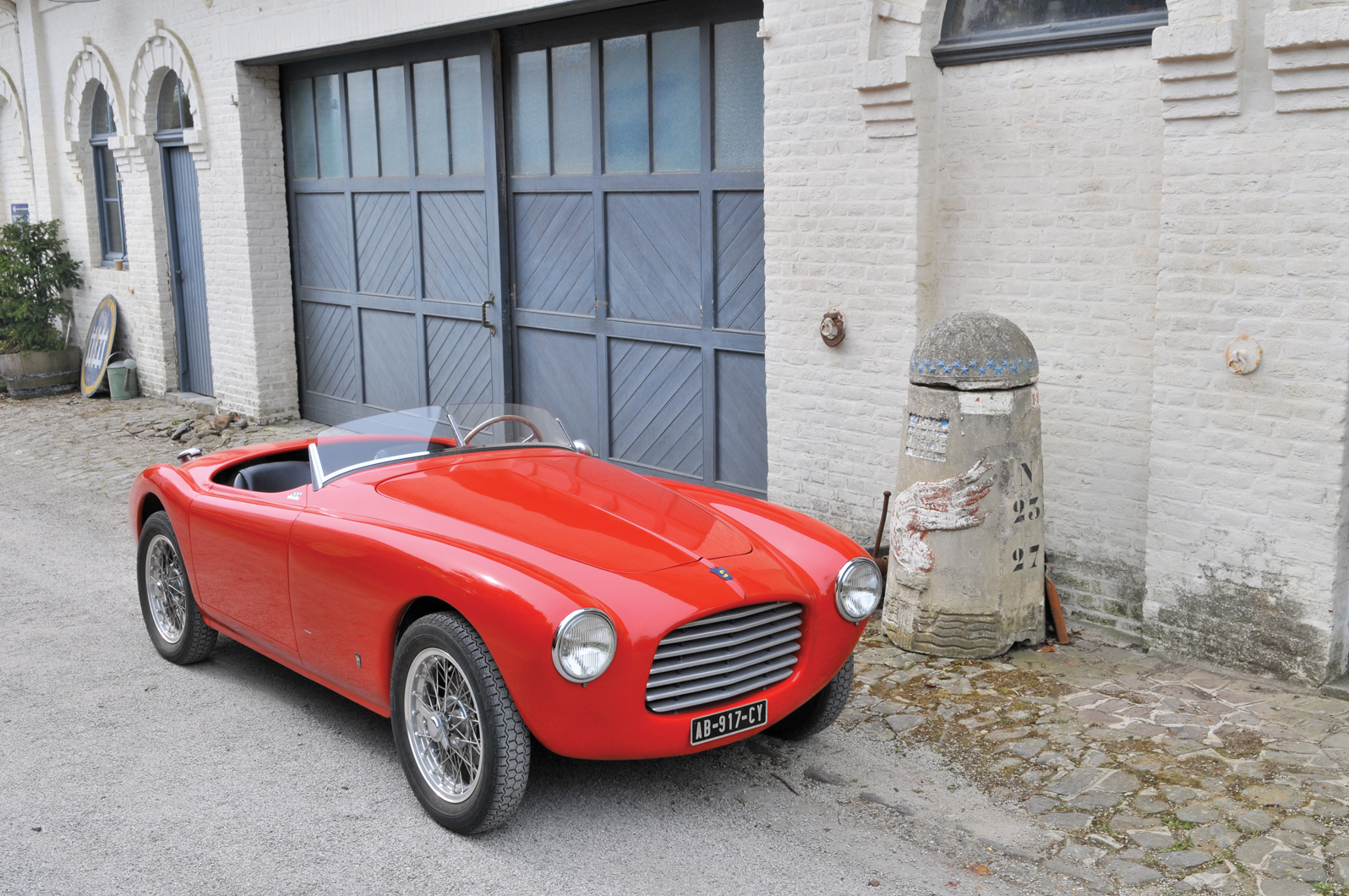
Its style is typical of Italian barchettas of the early 1950s, tailored for hillclimbs or the long straights of the Mille Miglia, but here at its most modest scale.

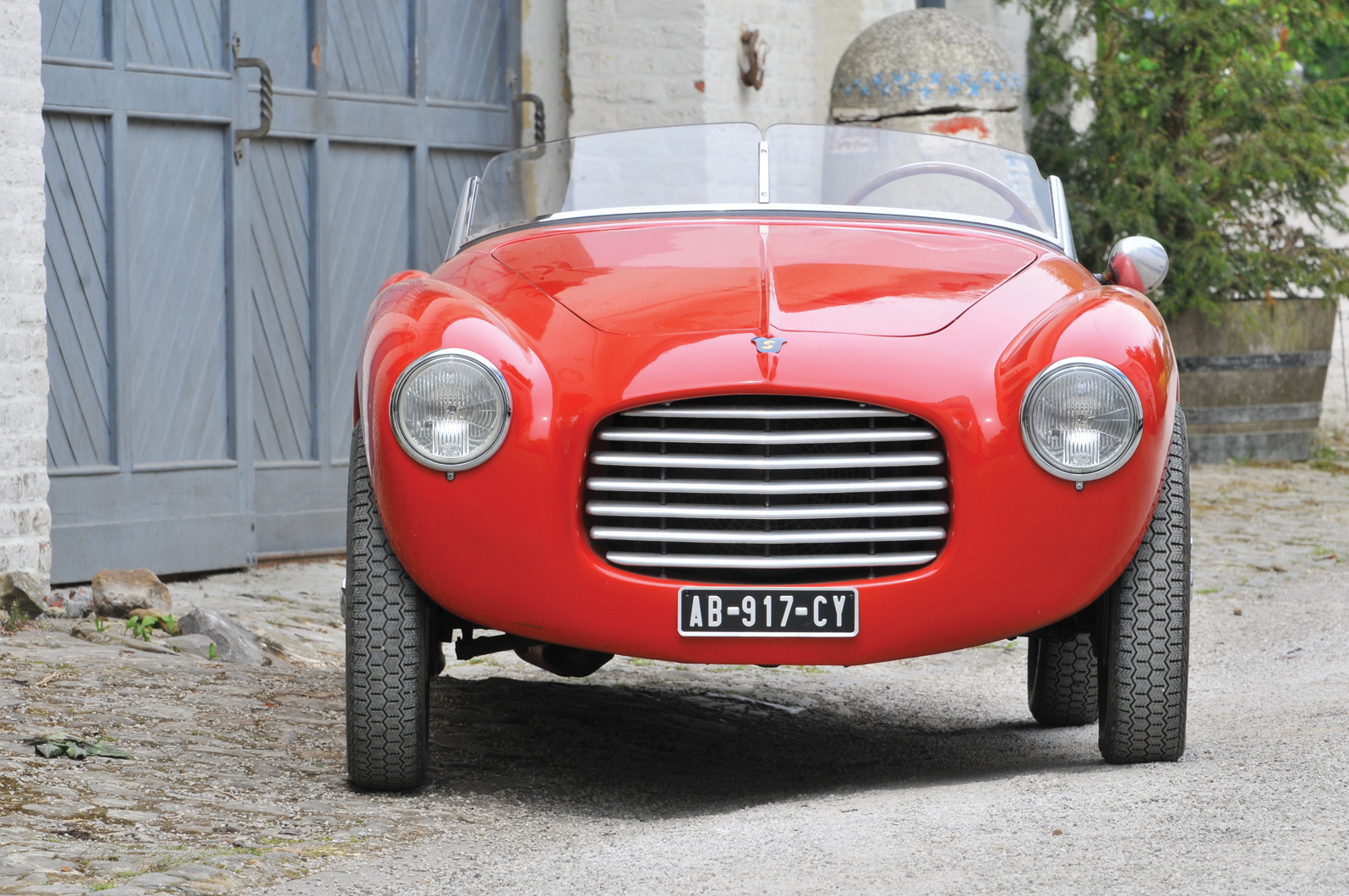
No doorhandles, trim strips or air intakes disturb the cleanliness of the flanks, adorned only with a discreet ‘b’ for Bertone.

The two-piece ’screen is little more than a wind deflector, while a large fuel-filler cap dominates the pert rear end.

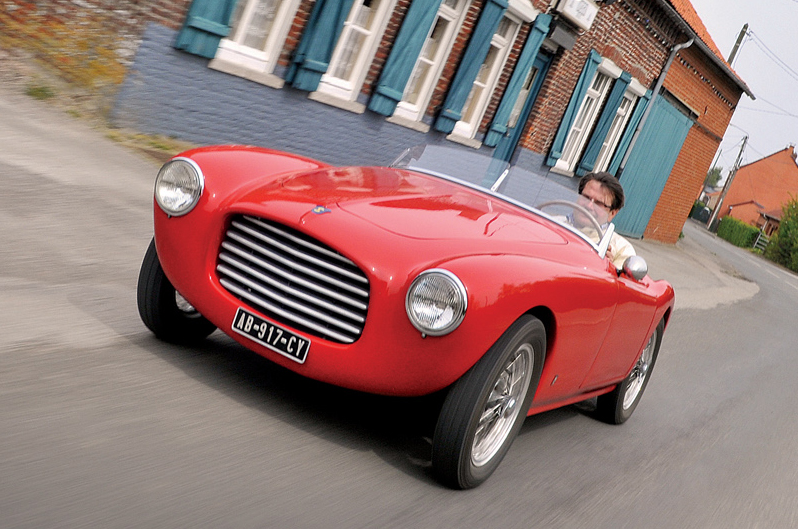
Perched on its Borrani wire wheels and 135-section tyres, the 300 BC is light and graceful, its large front grille inlaid with sober aluminium bars.

The interior is just as pared-back, and it comes as a surprise to find carpet across the transmission tunnel.

Classic & Sports Car – Siata 300 BC: small is beautiful

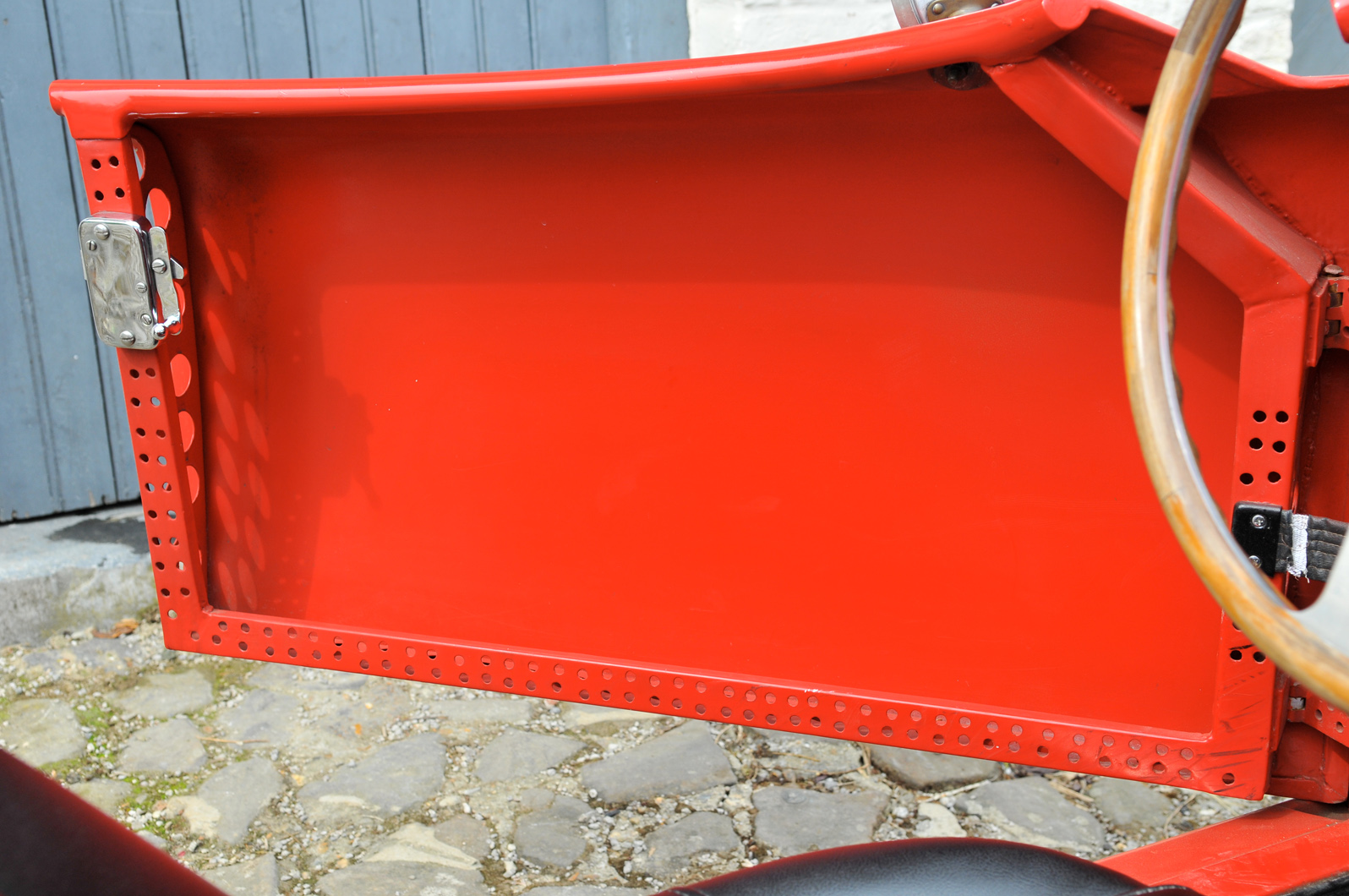
The Siata 300 BC’s flyweight drilled door frames

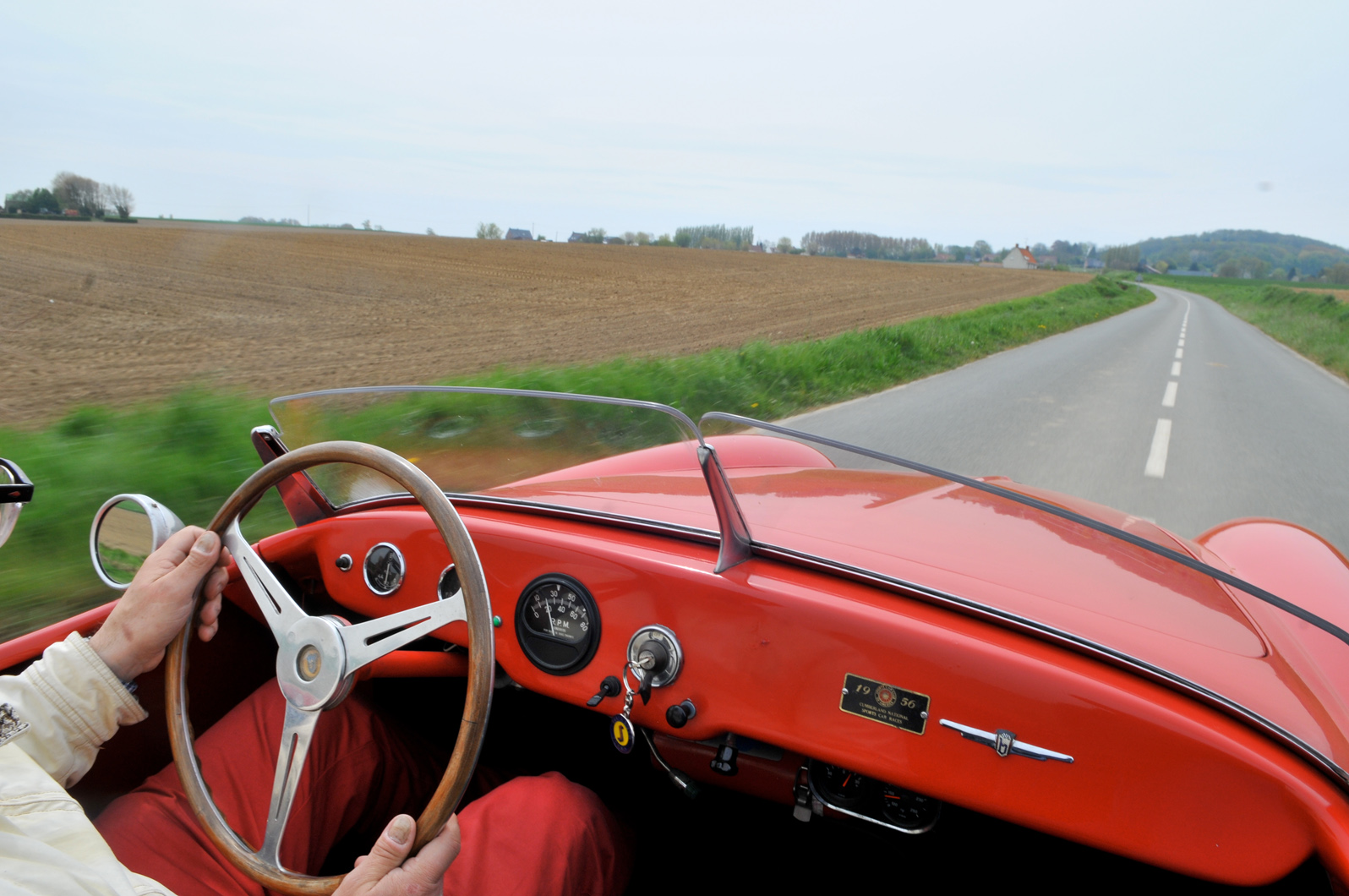
The painted sheet-metal dash features three instruments, for fuel, oil pressure and revs, the tachometer being typical of Siatas with a Crosley engine.

Unlike the usual circular item with needle mounted in the centre, it looks more like a pressure gauge, with the needle pivoting from the base of the dial. A later ammeter and a speedometer have been neatly added beneath the dashboard.

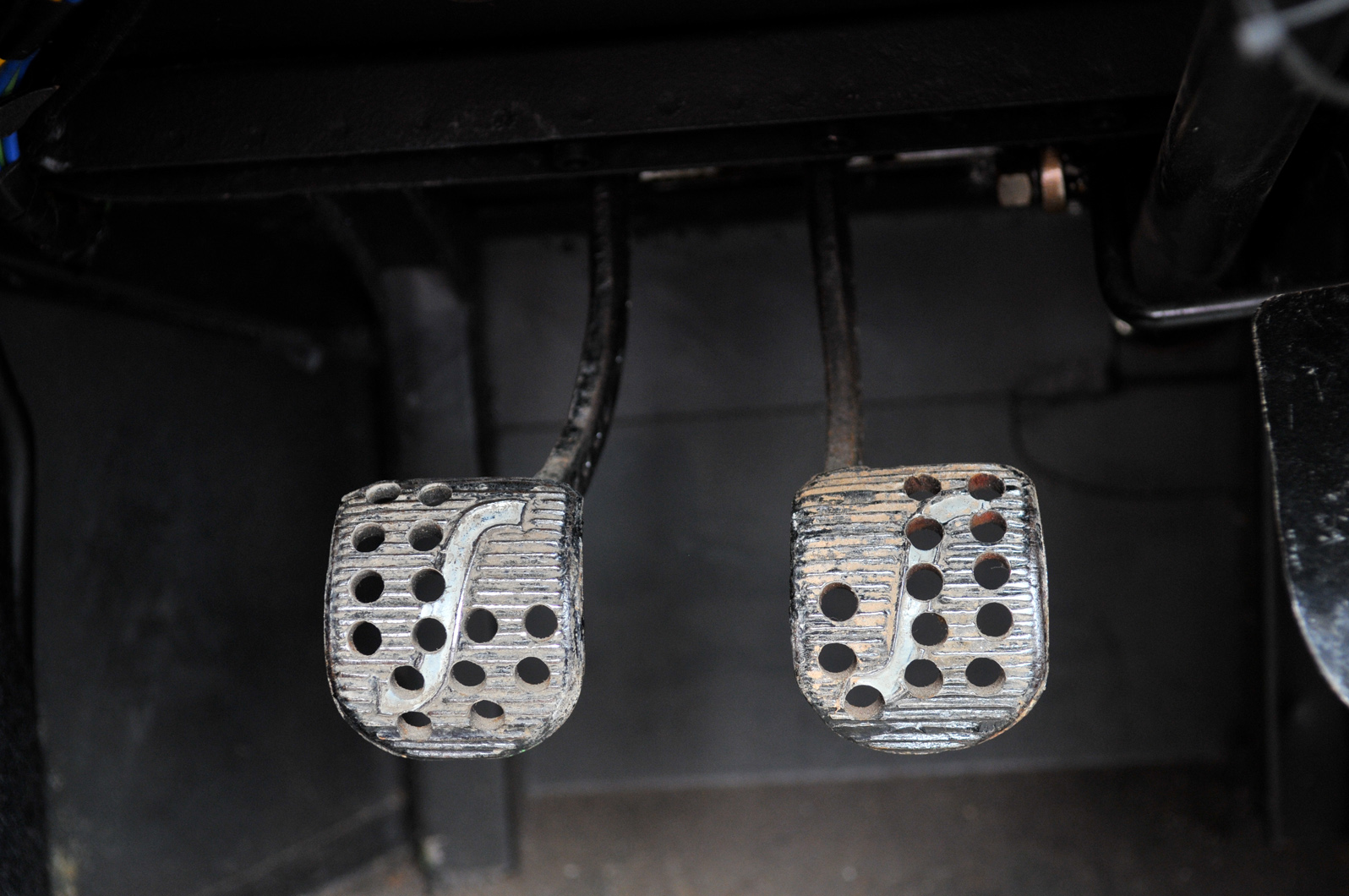
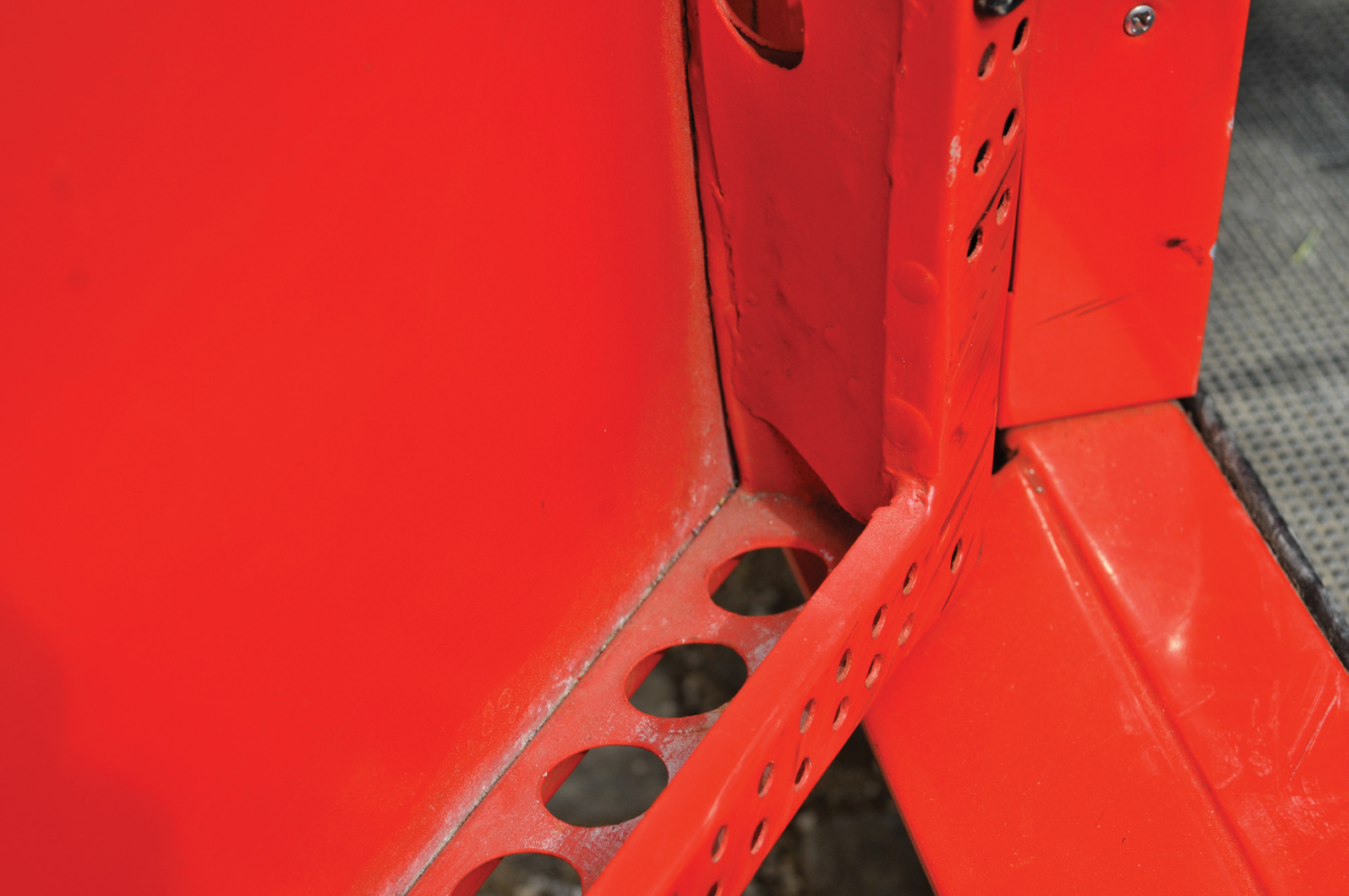
It is amusing to see how previous owners have employed any means to save even more weight: the reinforcements in the driver’s door are drilled with multiple holes, as are the slim pedals.

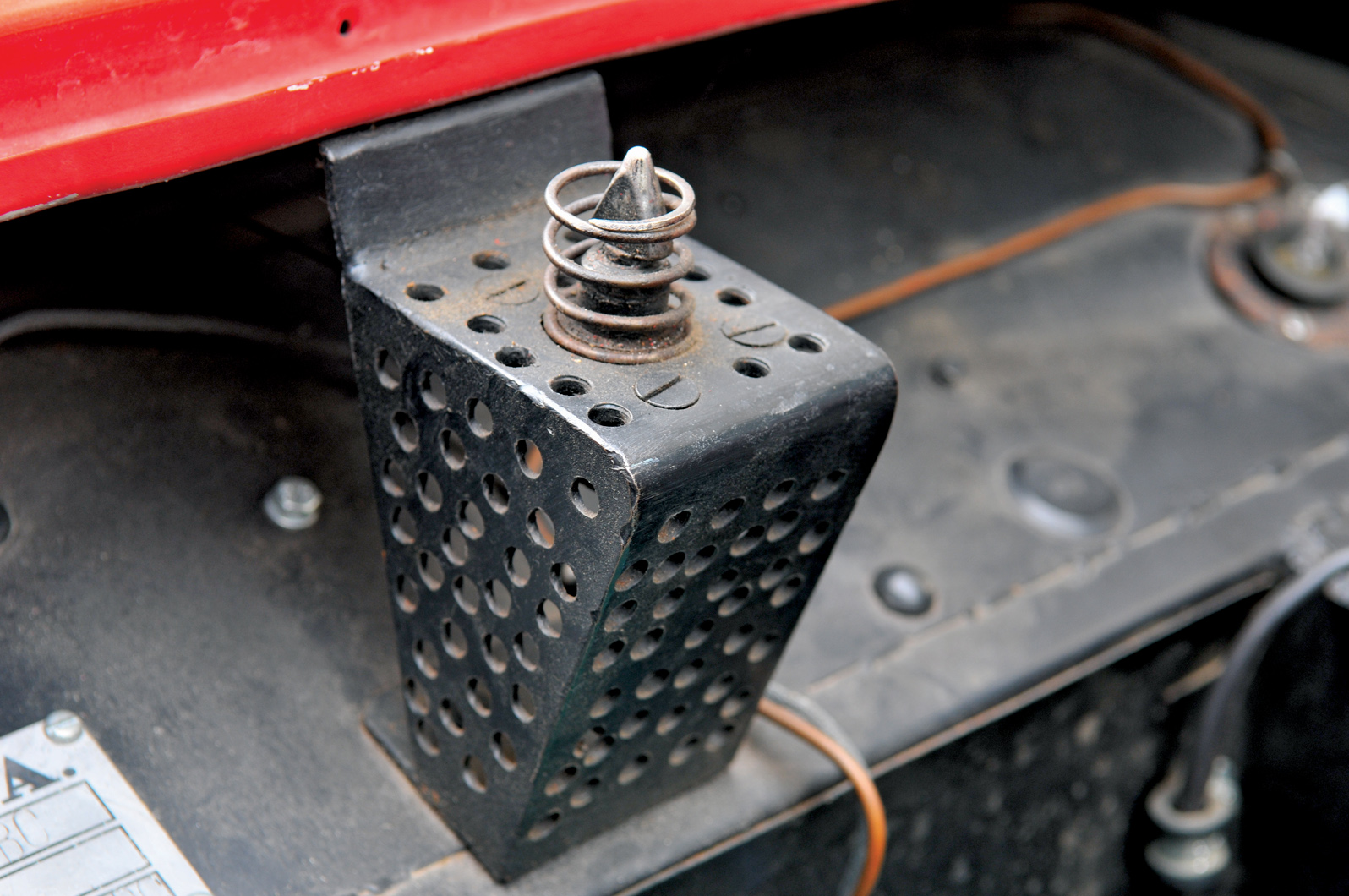
The same is to be found in the engine bay, where the bonnet-mounting bracket is perforated like Swiss cheese. This kind of preparation is typical of what was practised in the States in period.

Classic & Sports Car – Siata 300 BC: small is beautiful

The Siata 300 BC weighs little more than 400kg

The tiny Crosley four-pot is sited very far back, between the bulkhead and the front crossmember to which the suspension is mounted, which explains the relatively long bonnet.

Lean into the engine bay and you can see the casing at the front for the vertical shaft that drives the overhead camshaft, while the manifold for the single twin-choke Weber carburettor is mounted above the tubular exhaust header.

The bucket seats are welcoming and, contrary to expectations, the space inside is generous.

You can stretch out your legs without feeling pinned against the large, three-spoke wooden wheel.

Classic & Sports Car – Siata 300 BC: small is beautiful

This Siata 300 BC’s past owners took a DiY approach to shedding weight for competition

For such a small car, the driving position is much more comfortable than you might imagine.

With the ignition on, the starter is a button to the left of the steering wheel.

The engine awakens with a bass exhaust note that suggests a displacement greater than 750cc, and the bodywork acts as a resonance chamber, as with so many barchettas of this type.

The clutch is gentle, and first gear engages easily thanks to precise and direct control. Out on the road, the Siata feels lively, light, agile and well balanced, with accurate steering and effective brakes.

Classic & Sports Car – Siata 300 BC: small is beautiful

The Siata 300 BC’s unfussy but elegant styling incorporates the low windscreen, central bonnet spine and plain but effective radiator grille

There is no filter between you, the road and the elements, and with the wind whistling in your ears it makes for an intense experience.

In the absence of power, the key word is lightness: tipping the scales at little more than 400kg, the 300 BC doesn’t have much inertia to overcome and feels perfectly nimble in a succession of tight bends, accompanied by a joyful growl from the engine.

Clear vision allows the car to be placed perfectly at every apex, and exiting each corner, you realise you could have taken it twice as quickly.

Classic & Sports Car – Siata 300 BC: small is beautiful

The Siata 300 BC’s throaty exhaust and willing performance suggest something far more potent is under the bonnet

In addition to its charm, the Siata’s pedigree opens the doors of the great international events – such as the 1000 Miglia retrospective.

In recent years, a 300 BC identical to this one, also equipped with the Crosley engine, has become famous in the annals of the legendary Italian road race thanks to Silvia Oberti, the only woman to have driven solo from start to finish in the enduro.

She has now participated 10 times and earned the nicknamed pilotessa from the Italians, as she uses the Miglia to raise funds for cancer-screening research.

For those who prefer calmer classic pursuits, the 300 BC would also be a star at concours around the world.

While race circuits and perfectly manicured lawns are worlds apart, the Siata would shine just the same.

Images: Serge Cordey

Thanks to: Christophe Pund, La Galerie des Damiers 


Crosley ‘four’: from the navy to the car industry

Classic & Sports Car – Siata 300 BC: small is beautiful

Crosley’s four-cylinder engine wasn’t created with competition in mind

The Crosley ‘four’ was born in Oakland, California, at Taylor Engines, named after founder Lloyd Taylor.

His initial aim was to find a way to increase compression, one of the secrets of boosting power, while eliminating the risk of detonation.

He developed an overhead-camshaft unit, driven by a vertical shaft and bevel gear, made of stamped and welded steel rather than cast iron, which helped eliminate the hot spots that cause violent detonation.

Subsequently gaining the nickname ‘The Mighty Tin’, this motor soon attracted the attention of Powel Crosley, who acquired the licence to build it.

The US Navy became interested in the light unit for various auxiliary applications, mainly powering generators.

After the war, Crosley developed the engine for more varied use, particularly in automobiles, returning to a cast-iron block for convenience, but maintaining the unit’s excellent power-to-weight ratio and its ability to sustain high revs.

Its versatility led to the engine being adopted for many civil and military applications, including after the sale of the Crosley assets to General Tire in 1952.

In the automotive arena, it powered Nardi and Siata models, and a twin-cam version was developed by Bandini in around 1955.

It is not the only engine from industrial beginnings that ended up under competition bonnets: the famed Coventry Climax FW ohc ‘four’ started life as a fire pump.


Enjoy more of the world’s best classic car content every month when you subscribe to C&SC – get our latest deals here


READ MORE

Osca MT4: Maserati in miniature

Bandini collection: racing in the blood

De Tomaso Vallelunga: mid-engined marvel