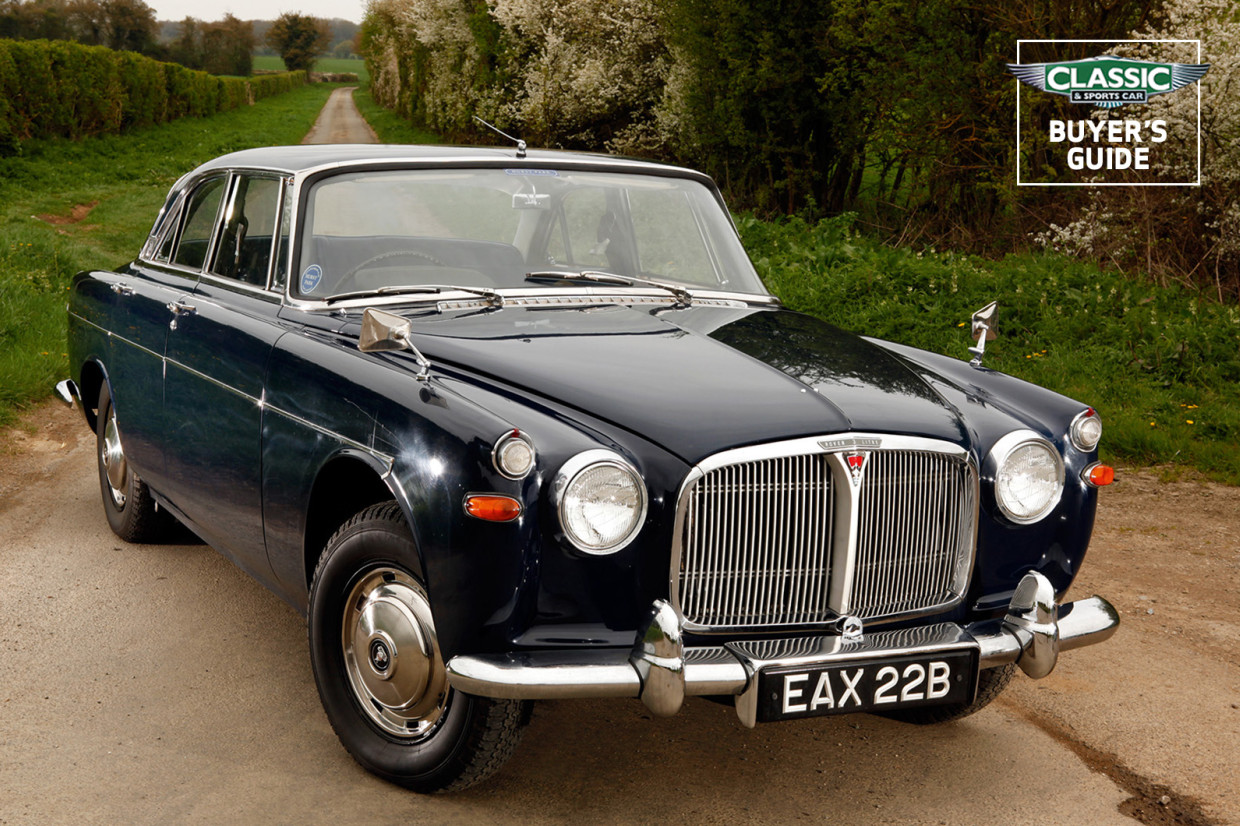
Why you’d want a Rover P5 & P5B
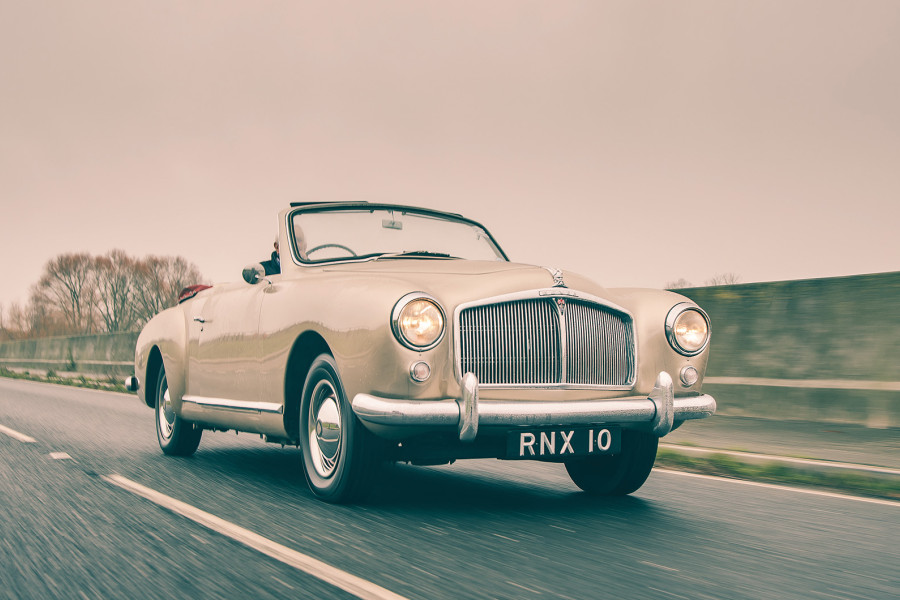
The last of the traditional Rovers, P5s and P5Bs were so over-engineered, over-equipped, statesmanlike and luxurious that the British government laid claim to the last batch and salted them away for future ministerial use.
Only Rover could have built a car as a four-door saloon and a four-door Coupé, the main difference on the latter being a more rakish roofline that rendered you liable to bang your head when getting in and out of the back.
The Coupé was a slow seller at first, but took off with the added cachet of the V8 engine from 1967. The 3 Litre saloons were the most plentiful (at 40,402 built, to 7983 3 Litre Coupés, 11,501 3.5 saloons and 9099 3.5 Coupés), but were the first to be scrapped, so the vast majority have long gone. Survivors are more appreciated now than in the past, though still worth less.
Being Rover’s first monocoque saloon, the P5 was immensely strong, with the engine, transmission and front suspension mounted on an equally massive separate subframe to insulate the body from road noise and shocks.
Though clearly similar to the P4’s straight-six, the 3-litre engine was all new and marginally longer. With seven main bearings it was very smooth and more flexible than before, but it was gutless in automatic form and was a heavy lump.
Harry Weslake came up with a much-improved head for the MkII, boosting power but also fuel consumption if driven hard.
Rover’s future was transformed when MD William Martin-Hurst spotted the all-alloy Buick V8.
Rover bought the rights to the engine and developed it for the P5B, which made it lighter, faster, more economical and significantly improved the car’s handling. It was only ever sold as an automatic, yet was faster than the manual-overdrive 3 Litre.
Rust is the biggest enemy of these Rovers, which appear to rot from the inside out.
Inspect the front valance; front wings (tops, sidelights, wheelarches and trailing edges) and the box-section underneath; front jacking points; subframe mountings; A-post and scuttle; inner, outer and centre sills; crossmembers and floors; door bottoms; D-posts; rear inner wings; rear wing tops and corners; bootlid; boot floor, notably under the battery; chassis legs, spring mounts and rear valance. Don’t be afraid to lift carpets and get underneath to check it thoroughly.
Images: Tony Baker
Rover P5 & P5B: what to look for
Engine
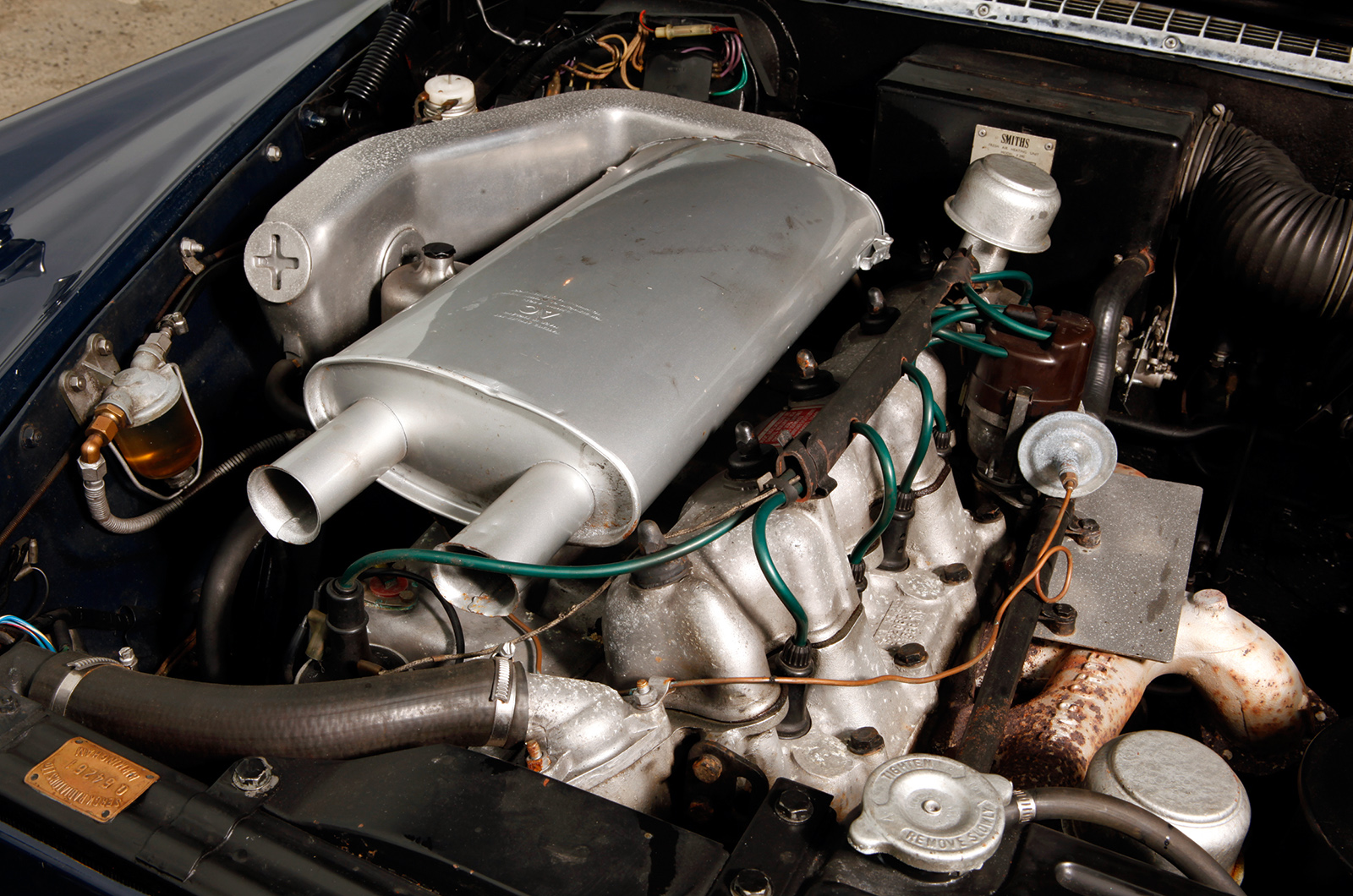
The sturdy ‘six’ puffs blue smoke when valve-guide seals harden and rattles when cam followers are worn.
V8s require high-octane petrol to avoid pinking, but both should cope with unleaded; they rattle with clogged hydraulic tappets and lose power with worn cam lobes.
It is best to check all compressions with both units.
Engine (continued)
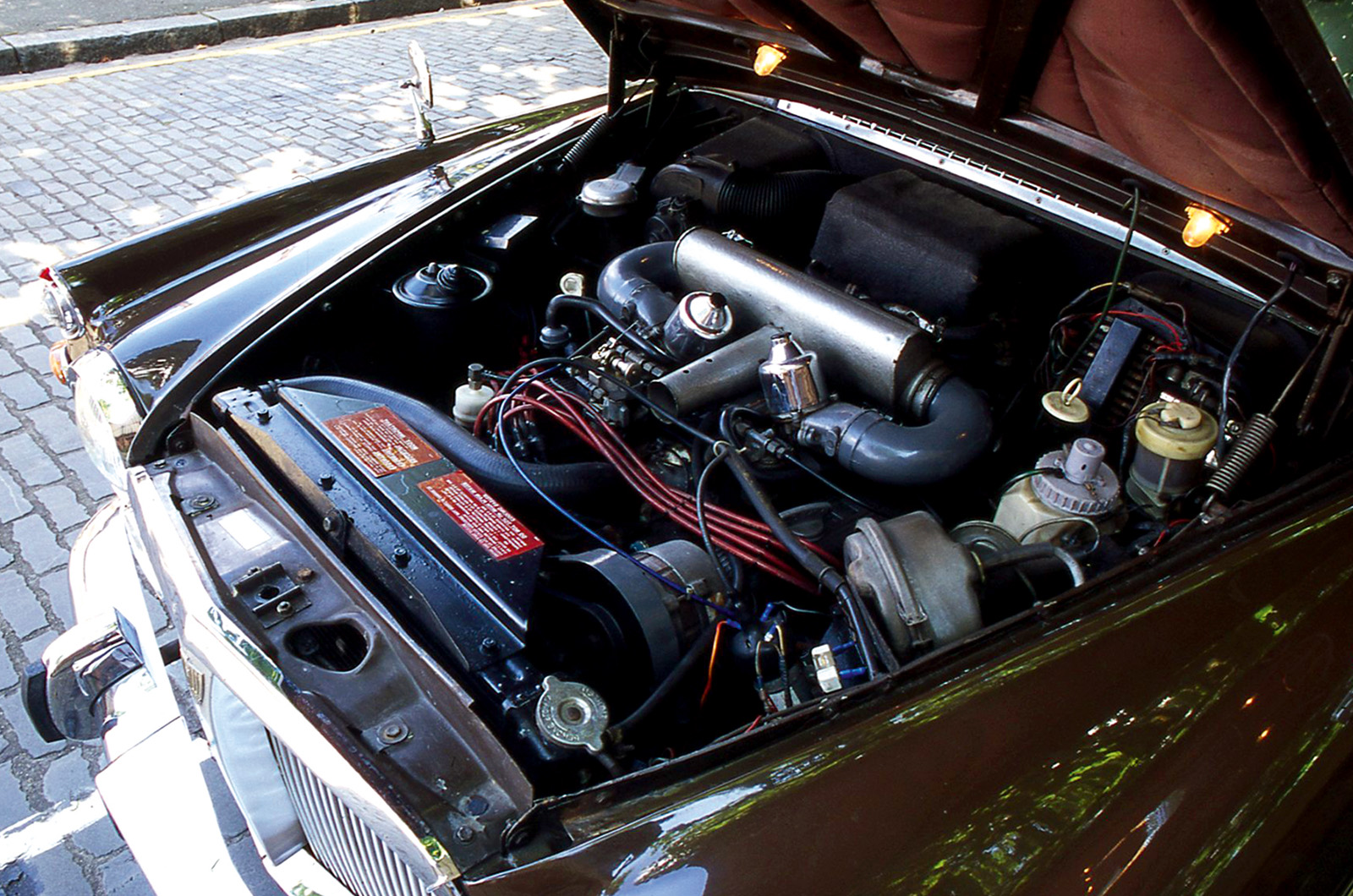
Internal corrosion can wreak havoc on V8s, which are prone to blowing head gaskets if neglected.
Look out for water loss, overheating, oil and water mixing.
Suspension and wheels
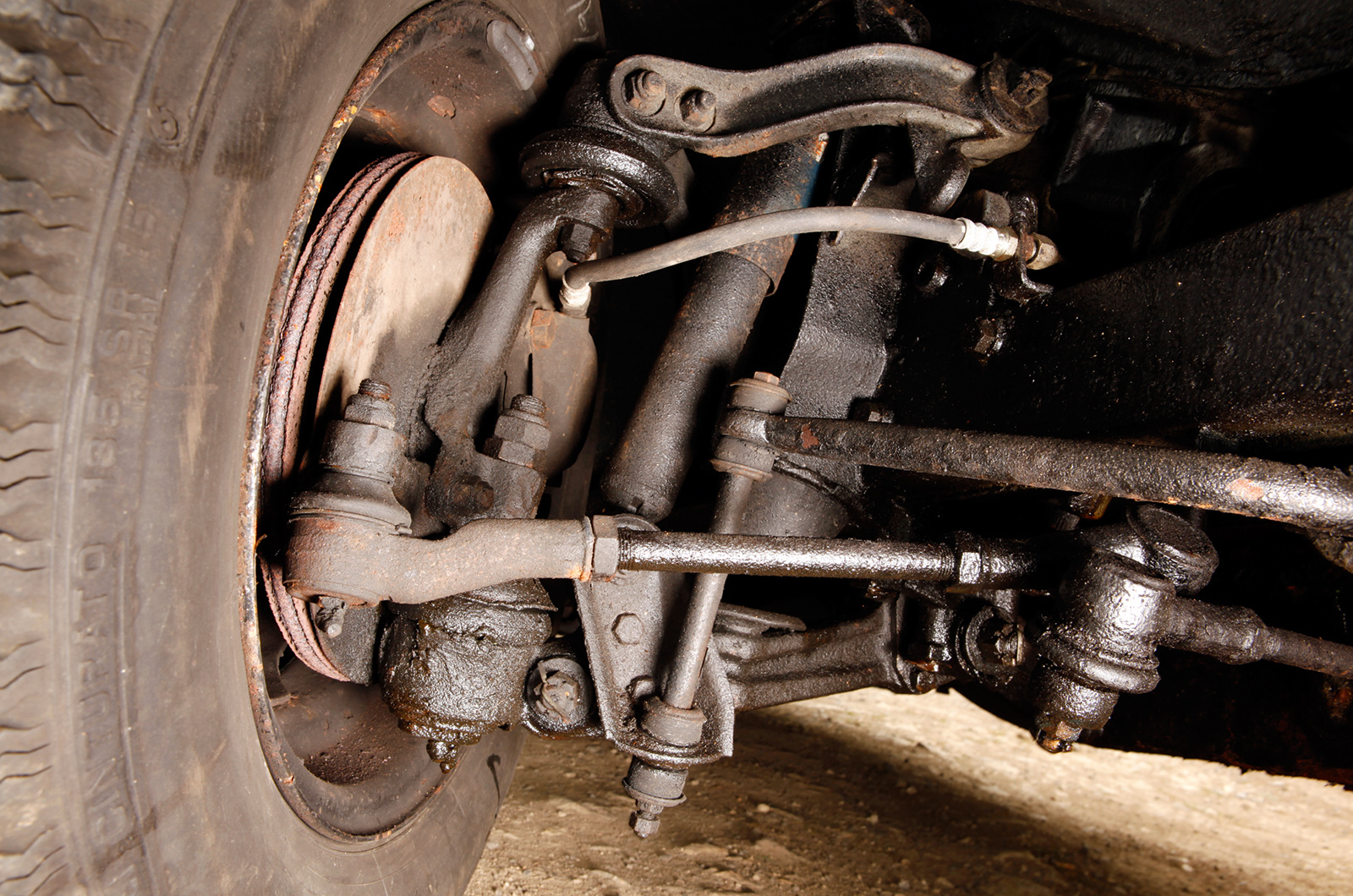
The suspension of a classic Rover P5 or P5B needs regular lubrication; worn balljoints (steering shimmy) are expensive to change.
Leaky power steering rots torsion-bar bushes (a horrible job).
Suspension and wheels (continued)
Rear springs sag with age, so assess the ride height.
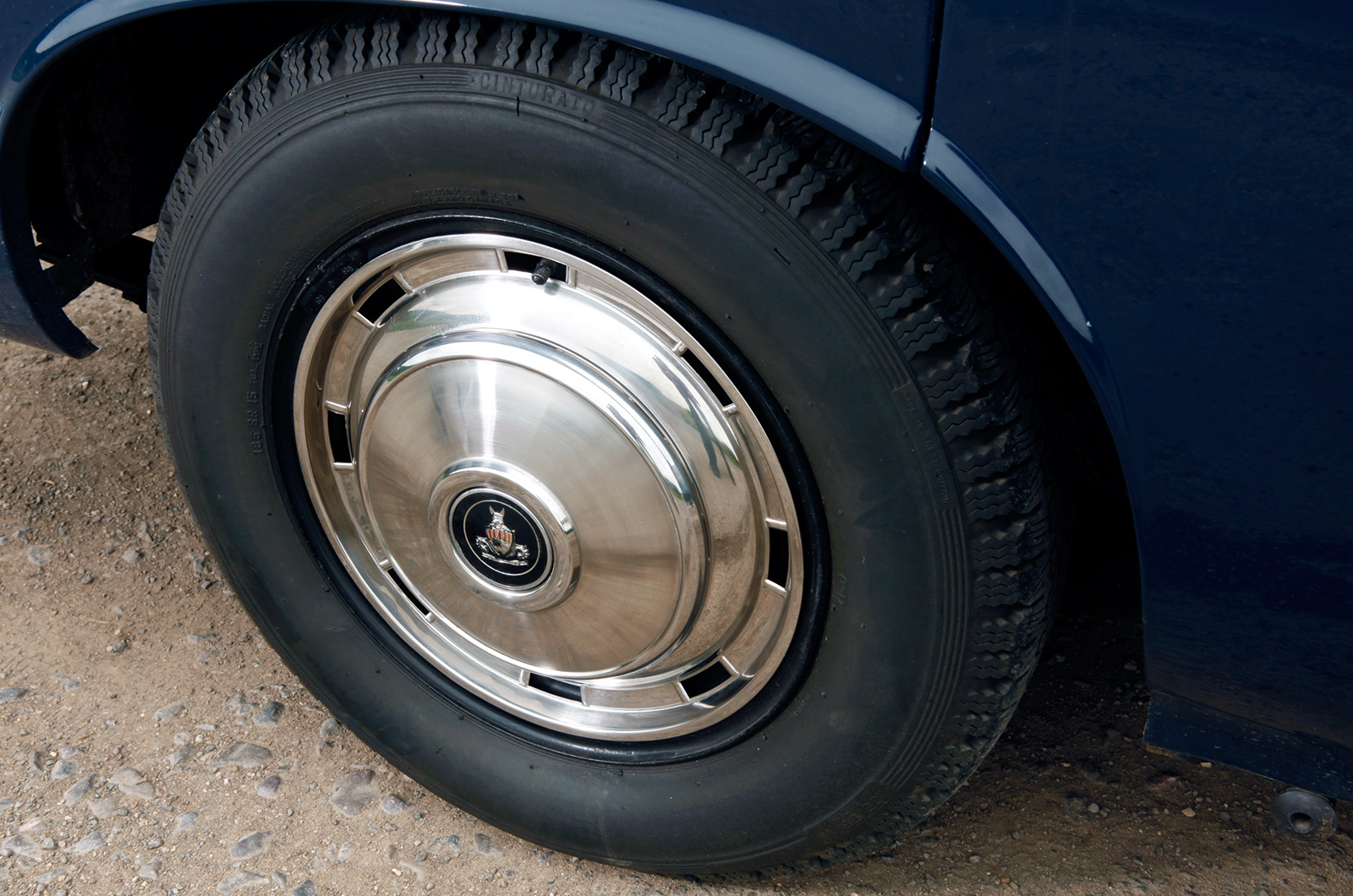
Rover P5Bs have attractive chromed Ro Style wheels, but they are complex to refurbish when corroded.
Gearbox
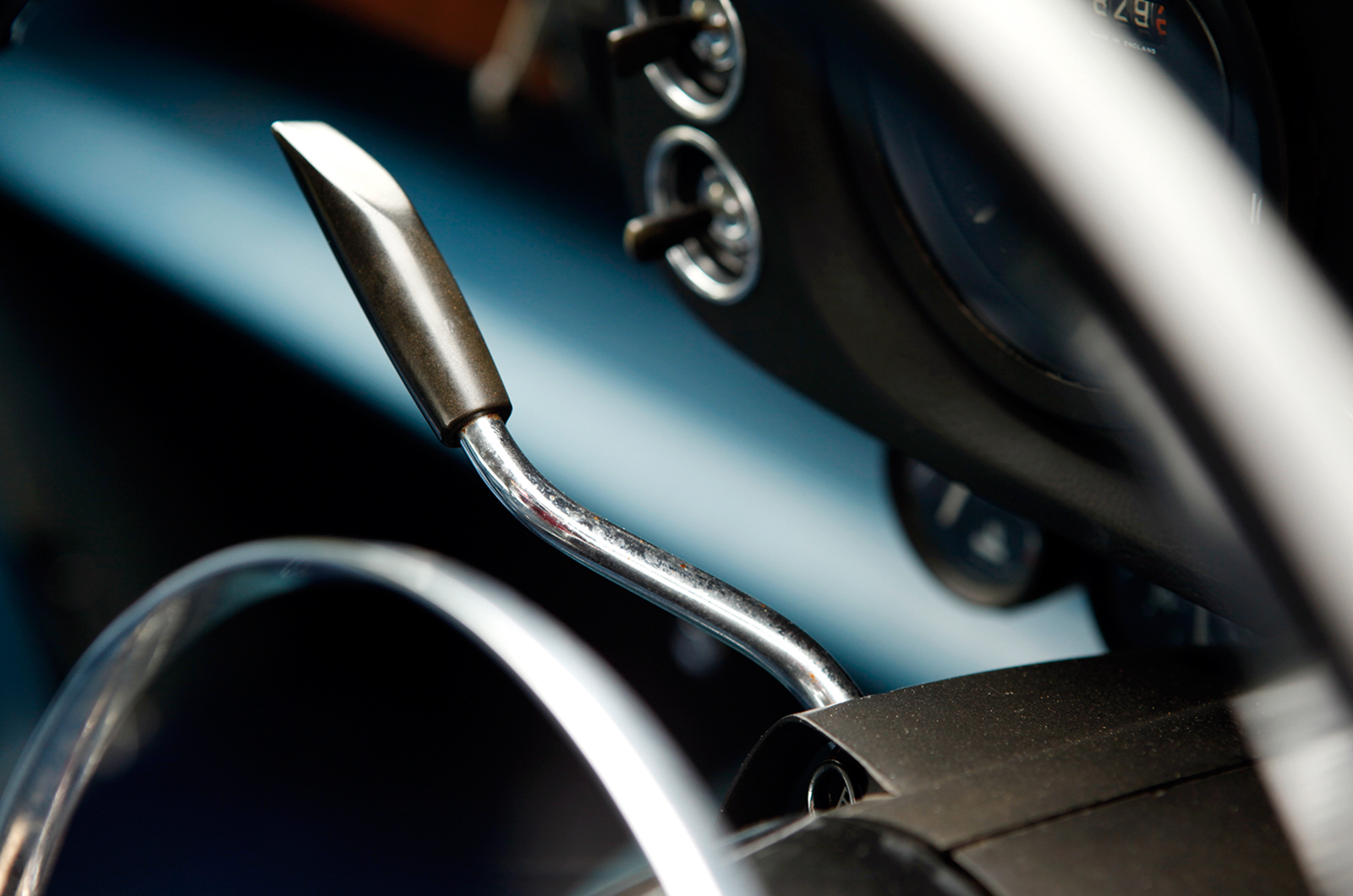
The automatic gearbox is bad for economy, but suits the image of the Rover P5s and P5bs; look for clean oil, smooth gearchanges and efficient kickdown.
Overdrive was optional on examples with manual gearboxes.
Interior trim
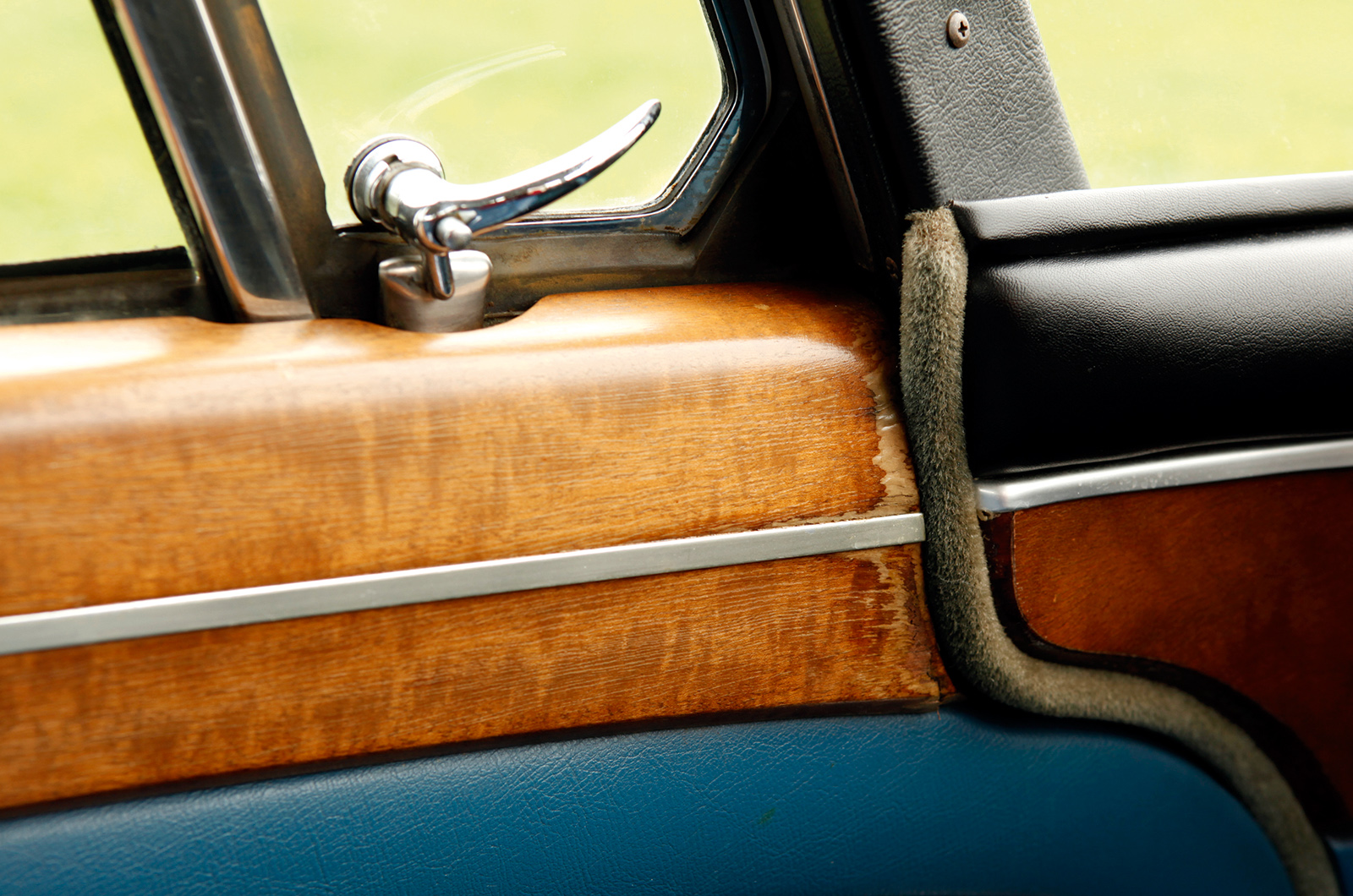
Check wood trim matches in a Rover P5 or P5B and is good: replacing or restoring it can be costly.
Leaks via damaged windscreen corners can rot the scuttle and floors, too.
Seats
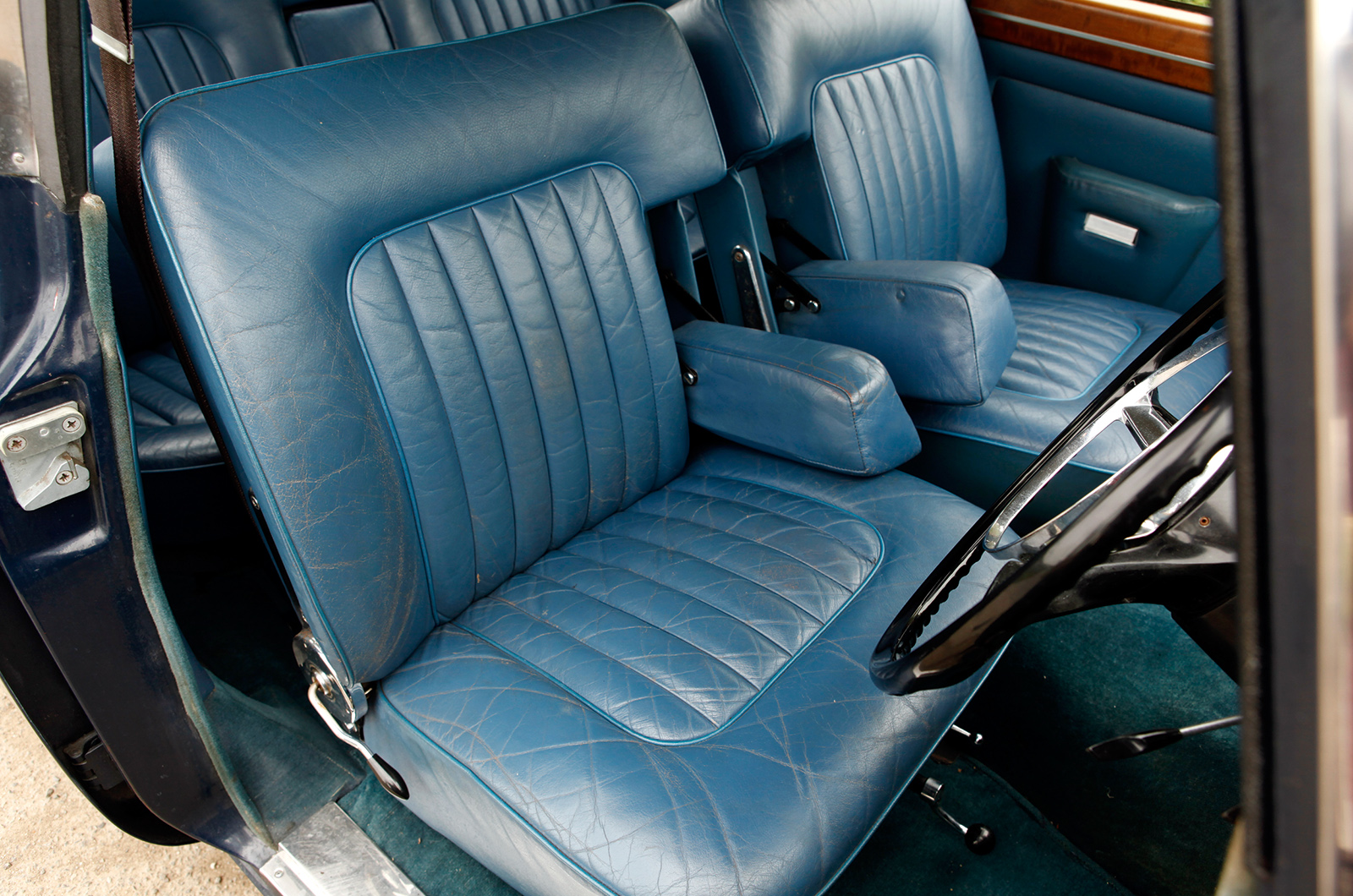
Seat comfort improved over the years; early saloons lacked adjustment.
Leather upholstery is durable and can be recoloured when worn; stitching is usually the first thing to go.
Rover P5 & P5B: before you buy
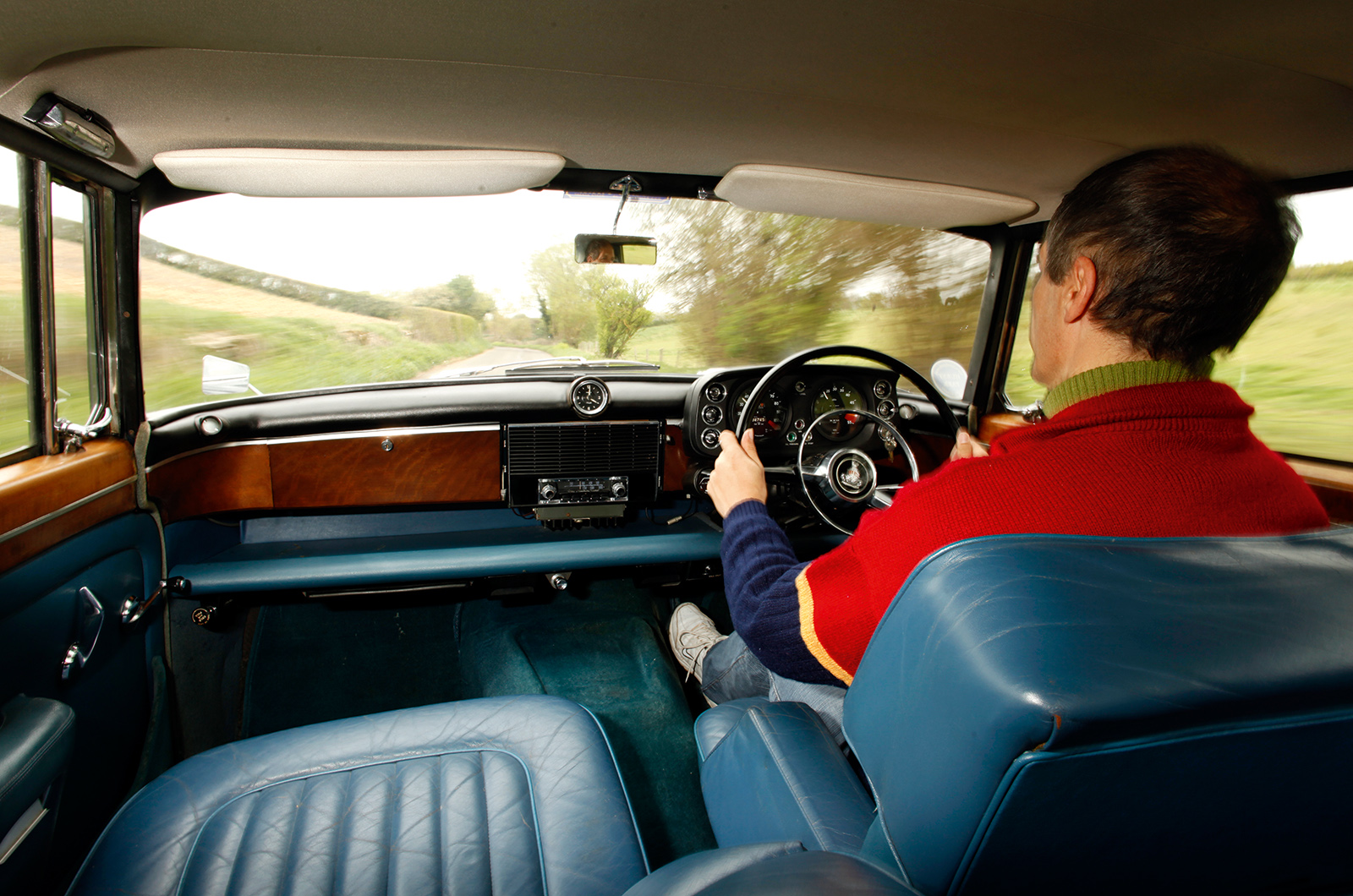
Both the straight-six and V8 engines in Rover P5 and P5B classic cars should be smooth, quiet and powerful.
Rattles and sluggish performance mean wear, usually in the camshaft area, while blue smoke on ‘sixes’ is likely to be worn valve-stem seals, which are relatively inexpensive to cure.
Look for detailed service history and a clean, well cared-for engine; some oil drips are inevitable, but excessive leaks can be costly to fix.
Internal corrosion is the main flaw of the V8. Again, its history should be an indication of what to anticipate, and if there is a trail of persistent overheating problems or cylinder-head gasket replacement, expect to be looking for a new engine soon.
The Borg-Warner DG automatic gearbox is robust, but pricey to overhaul because it is an engine-out job, whereas the 35, though overstressed and short-lived if driven hard, can be dropped out on its own and is cheaper to rebuild.
Check for clean oil and smooth changes. Early manual gearboxes were weak, but stronger from the MkII on: look out for worn synchromesh and layshaft bearings (dip the clutch in neutral to see if it quietens).
Overdrive came with a kickdown switch under the throttle, a neat touch.
Rear axles should be silent and leak-free.
If the steering shakes, budget for new front suspension balljoints, and for new torsion-bar rubbers if the front tyres look a little too spread at the bottom (negative camber).
Sagging rear springs are relatively common, but they can be retempered.
Early cars with a high ride height can be a handful, and no P5 will corner like a sports car, but you can expect safe, tidy handling – especially from P5Bs with the lighter V8 engine.
The brakes, both drums and discs, should be well up to the task.
Rover P5 & P5B price guide
Restoration/average/show
- P5 saloon: £2000/6000/12,000
- P5 Coupé: £2500/9000/25,000
- P5B saloon: £1500/5500/14,000
- P5B Coupé: £2000/11,000/40,000
Prices correct at date of original publication
Rover P5 & P5B history
1958 P5 debut: front bench or two seats
1960 Overdrive standard; wood door-cappings; stainless-steel exterior trim
1961 MkIA: revised trim including quarterlights in front doors; optional 2445cc (1962 only, 25 built), 2625cc (1962-’65, 131) export models
1962 Mkll gets better-breathing Weslake head giving 134bhp, stronger gearbox with modified ratios, 1in lower ride height, revised cabin trim. Coupé launched, with individual rear seats
1965 Mklll: Borg-Warner 35 automatic gearbox replaces DG; negative earth; padded, P6-style seats; rear heater, radio control and picnic tray
1967 P5B 3.5 Litre V8 replaces 3 Litre
1968 Renamed 3½ Litre to separate it from the P6B (badging unchanged); Sundym glass optional
1971 Steering-column ignition fitted
1973 Production ends
The owner’s view

“I remember being driven around in my dad’s Rovers,” recalls Peter Madden. “In the late 1980s I fancied a classic, but was concerned about looking after an old car because I have only basic knowledge.
“I was struck by the P5’s image and size: I liked the look of the Coupé and preferred the V8, then found an honest example that was tidy but had rust in the usual places.
“I had the body restored in the early ’90s; the trim still awaits!
“I love having a car that makes me smile. It is enjoyable on back-roads and keeps up with modern traffic on a long run, all done from a comfortable leather armchair.
“I really wish I had joined the club in advance, gone to rallies and talked to owners, though I was lucky and bought a good one.”
Also consider
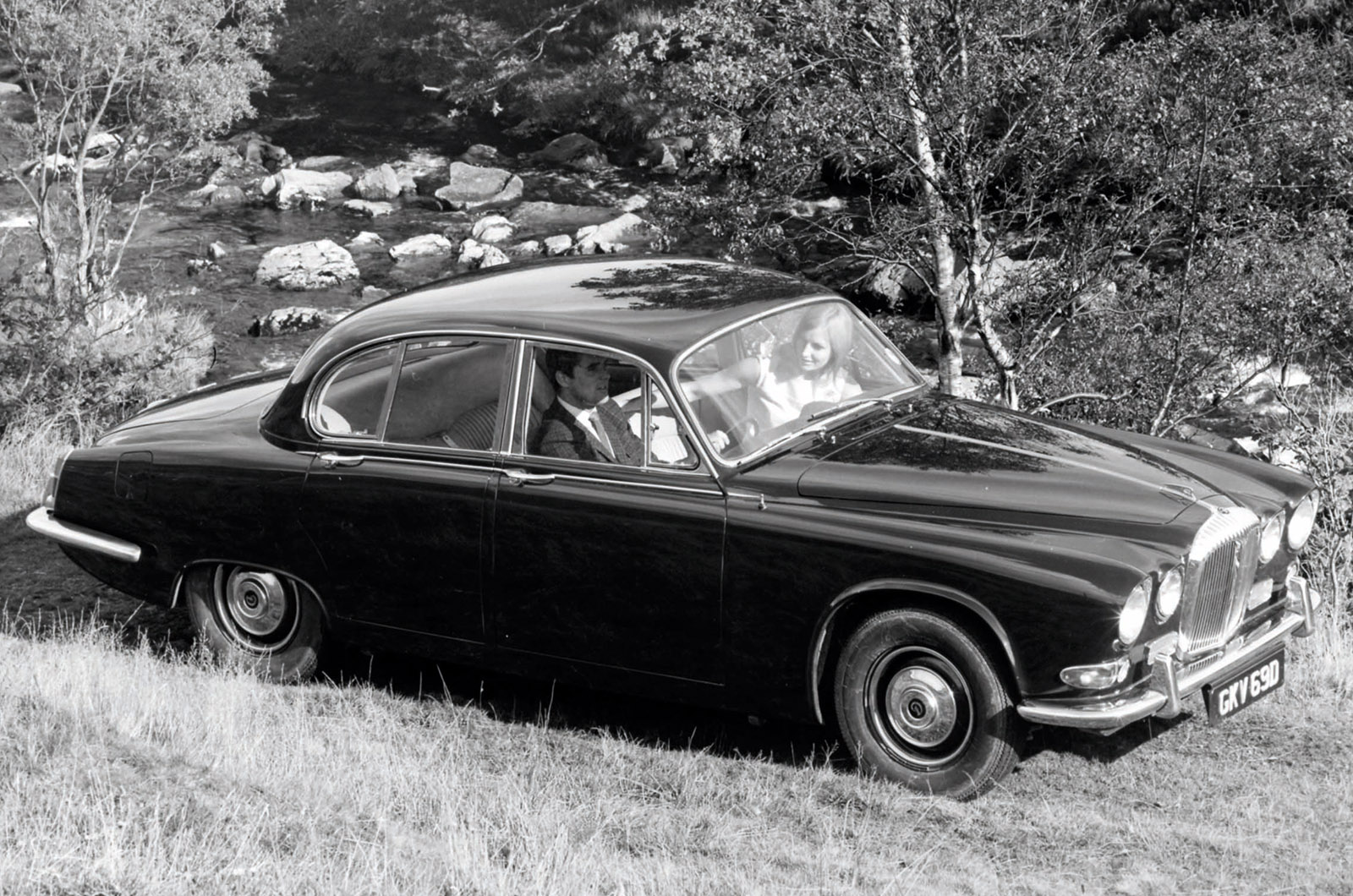
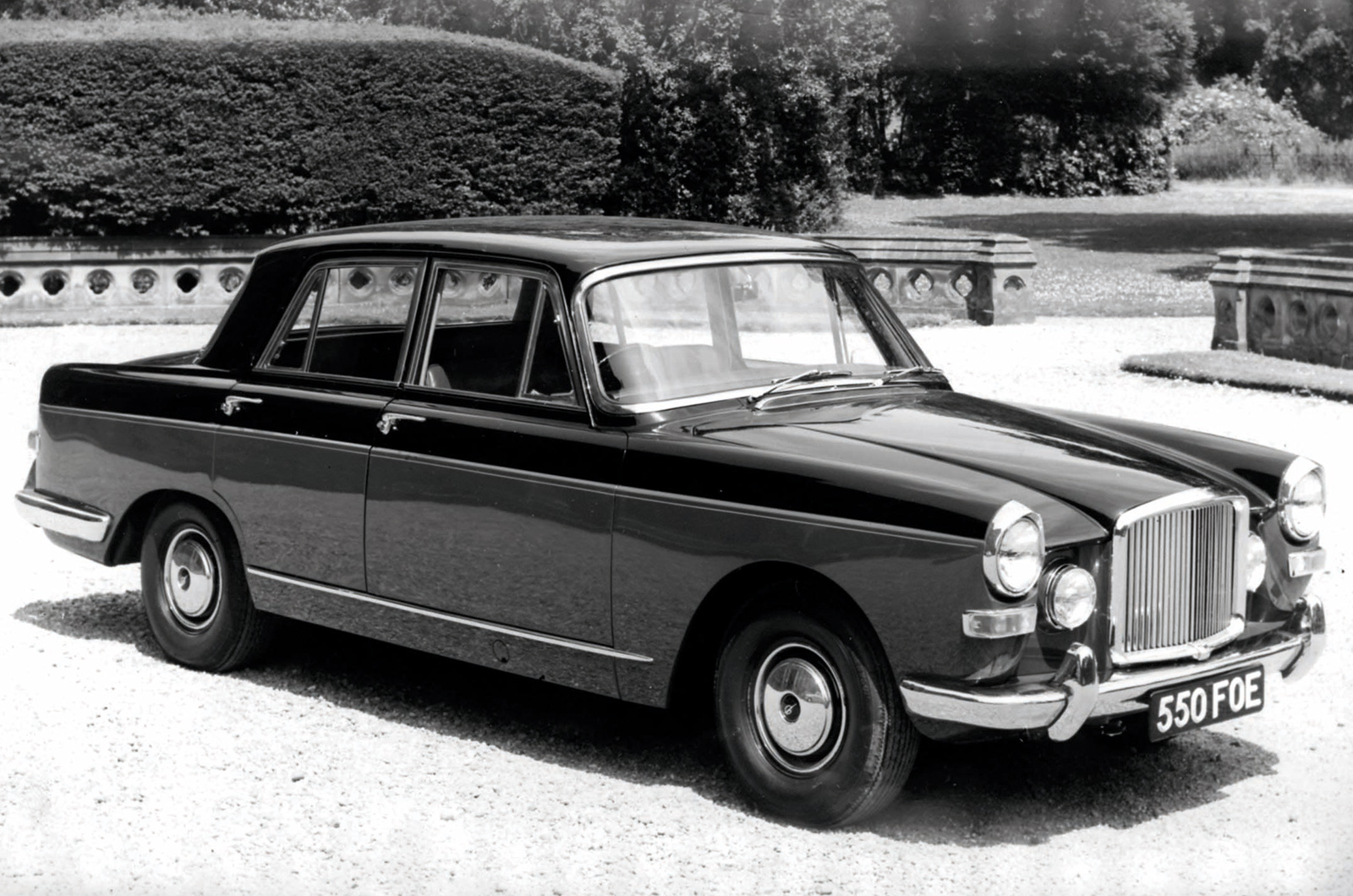
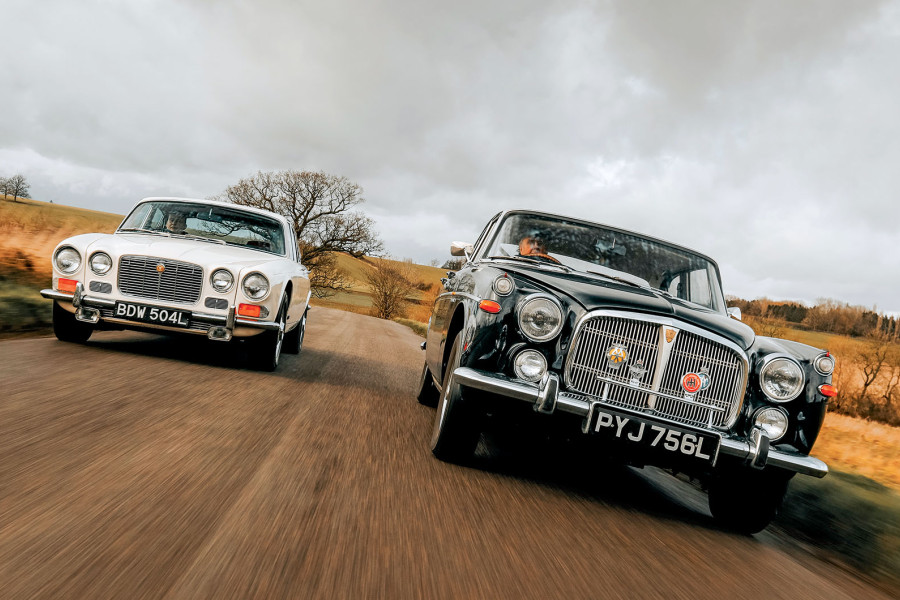
The Jaguar 420/Daimler Sovereign classic car (left) and Vanden Plas Princess 4 Litre R are alternative buys
JAGUAR 420/DAIMLER SOVEREIGN
With an independent back end, 4.2 Jaguar XK unit and compact Mk2 punt, the 420 is underrated. Rot is rampant, panels are costly and automatics have low gearing.
Sold 1966-’69 • No. built 15,300 • Price now £2500-15,000*
VANDEN PLAS PRINCESS 4 LITRE R
BMC hoped to transform its top model by dropping in a Rolls-Royce ‘six’ with luxury trimmings. The Vanden Plas Princess 4 Litre R rusts like a BMC car, plus spares can be expensive.
Sold 1964-’68 • No. built 6999 • Price now £2-20,000*
*Prices correct at date of original publication
Rover P5 & P5B: the Classic & Sports Car verdict
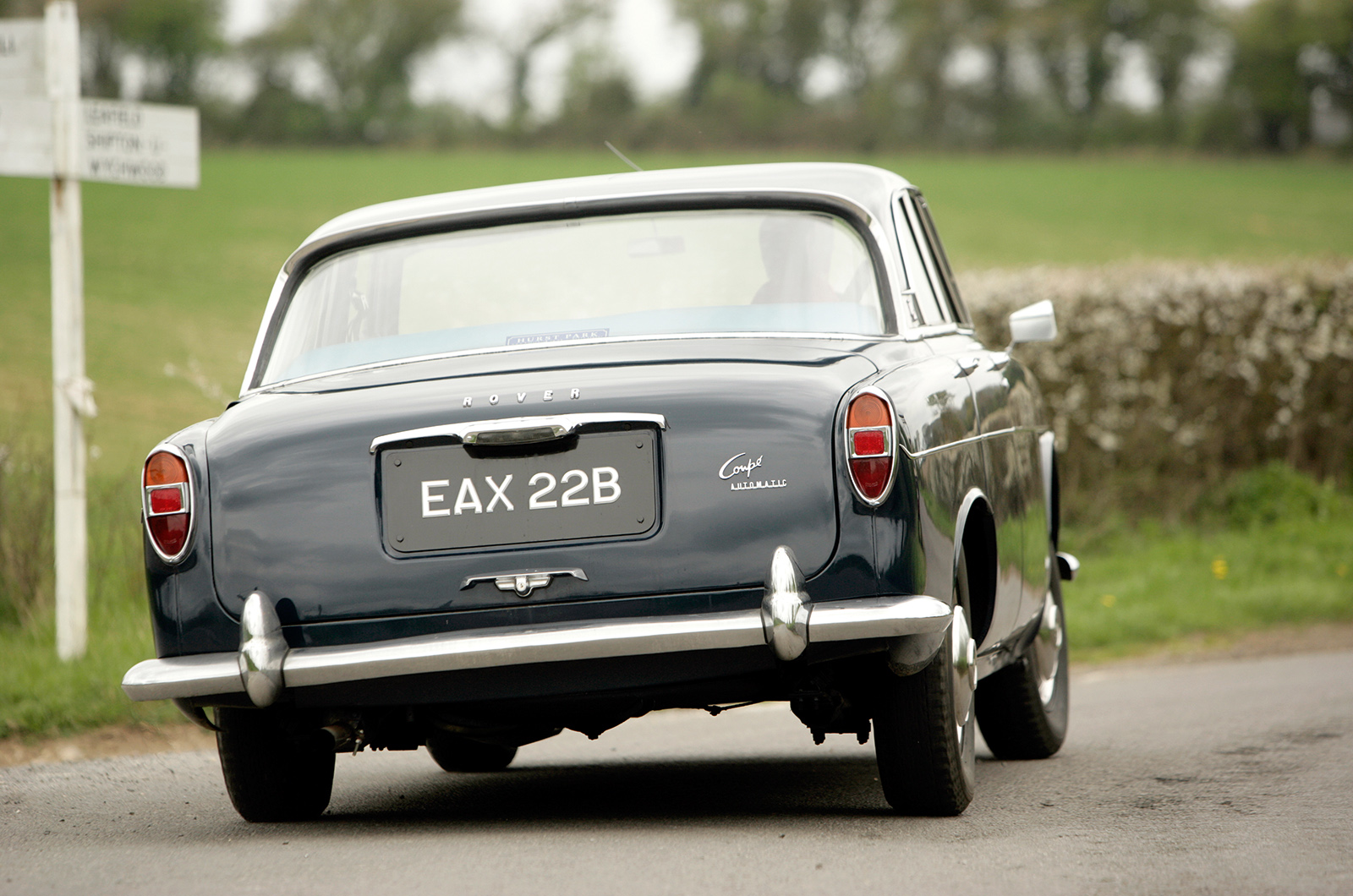
Pick your preferred model according to your needs, then go looking for a genuine, cosseted Rover P5 or P5B with a detailed history file.
There are still quite a few good examples around, and it really doesn’t make sense to buy a neglected P5 or P5B unless you are a DiY fanatic, because an abused car will be very expensive to restore properly.
Classic car dealers tend to snap up the best ones and ask top prices, because they know how expensive it is to make a bad one as good.
FOR
- A supremely strong, spacious saloon
- High standards of luxury and equipment
- There is a choice of smooth, powerful engines
- Many have been cherished from new
AGAINST
- They are often a lot more corroded under the skin than on top
- High fuel consumption, especially from 3 Litre automatics
Rover P5 & P5B specifications
- Sold/number built 1958-’73/68,985
- Construction steel monocoque
- Engine iron-block, alloy-head, ohv 2995cc ‘six’, SU carburettor, or all-alloy 3528cc V8, twin SUs
- Max power 115bhp @ 4500rpm to 184bhp @ 5200rpm
- Max torque 164lb ft @ 1500rpm to 226lb ft @ 3000rpm
- Transmission four-speed manual, optional overdrive, or three-speed automatic, RWD
- Suspension: front independent, by double wishbones, torsion bars, anti-roll bar rear live axle, semi-elliptic leaf springs; telescopic dampers f/r
- Steering Burman variable-ratio recirculating ball, optional power assistance from 1961, standard from 1963 (Coupé) and ’65 (saloon)
- Brakes drums (front discs from ’61), with servo
- Length 15ft 6½in (4737mm)
- Width 5ft 10in (1778mm)
- Height 4ft 10in-5ft ¼in (1473-1530mm)
- Wheelbase 9ft 2½in (2807mm)
- Weight 3479-3741lb (1581-1700kg)
- 0-60mph 20.2-10.7 secs
- Top speed 93.6-110mph
- Mpg 15-25
- Price new £2097 (Coupé, 1967)
READ MORE
All Classic & Sports Car buyer’s guides
Rover P5B: yes, Prime Minister