Why you’d want a Triumph GT6
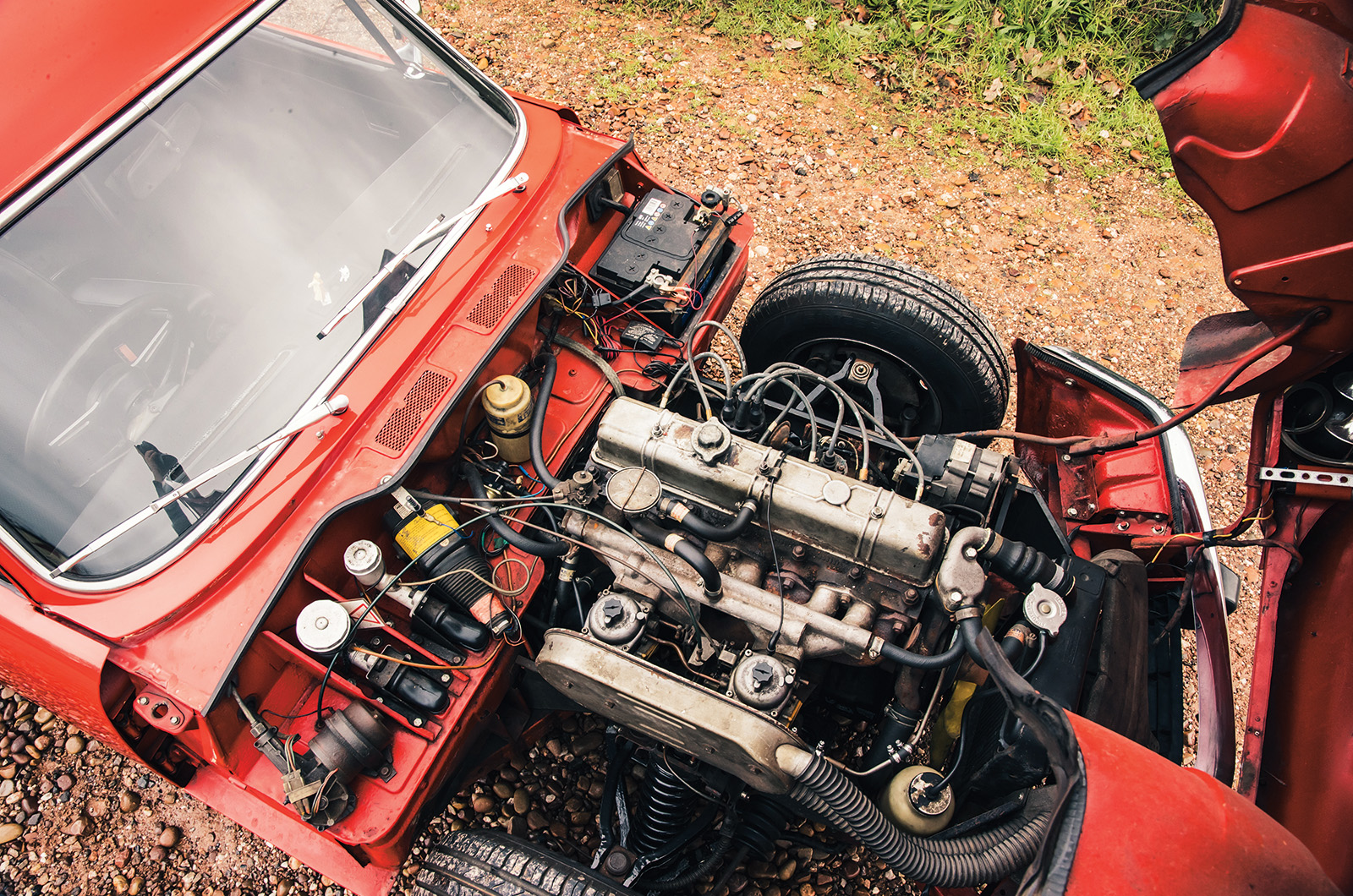
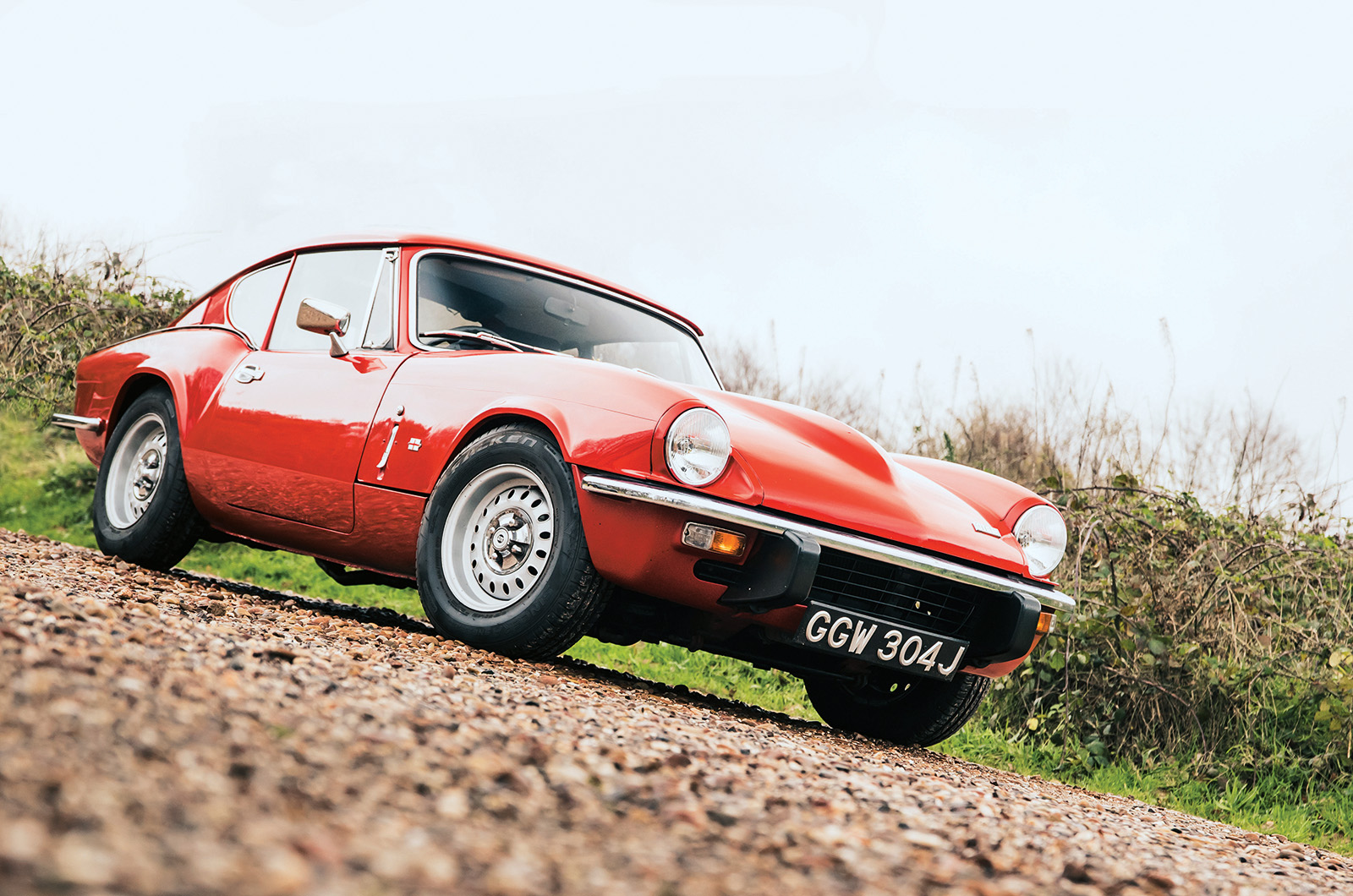
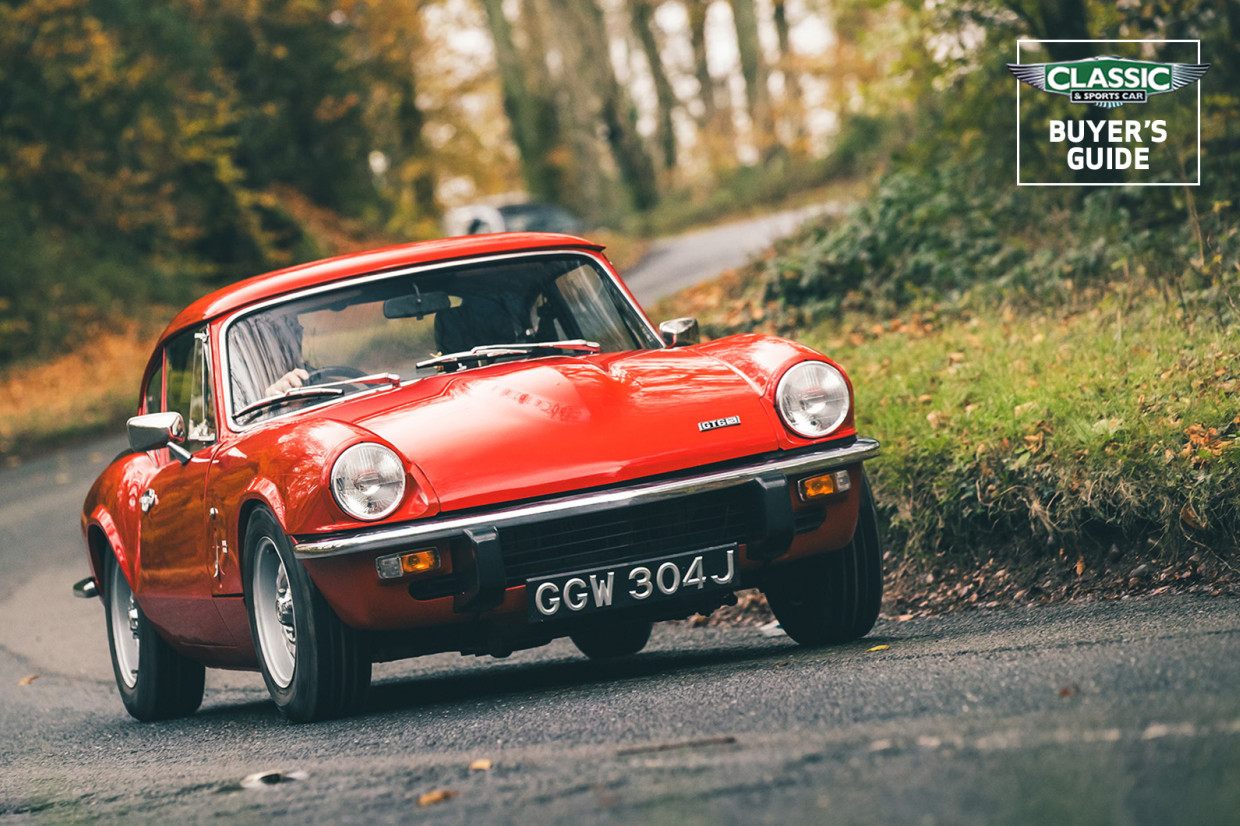
Another project from the innovative young team led by Harry Webster at Standard-Triumph in the 1960s, the GT6 brilliantly combined the Herald chassis – already adapted for lower build in the Spitfire – with the Triumph 2000's straight-six, as fitted to the Vitesse.
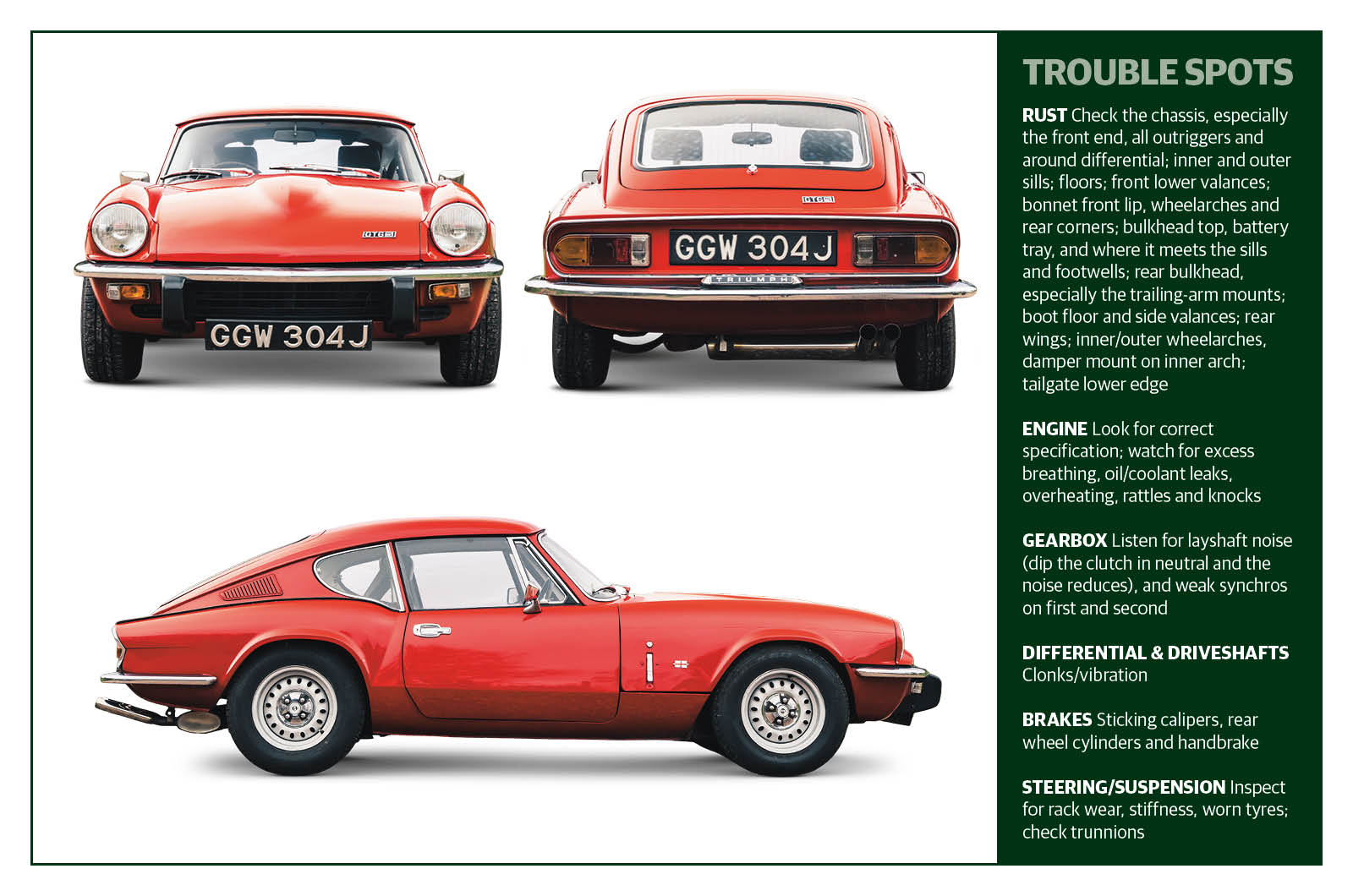
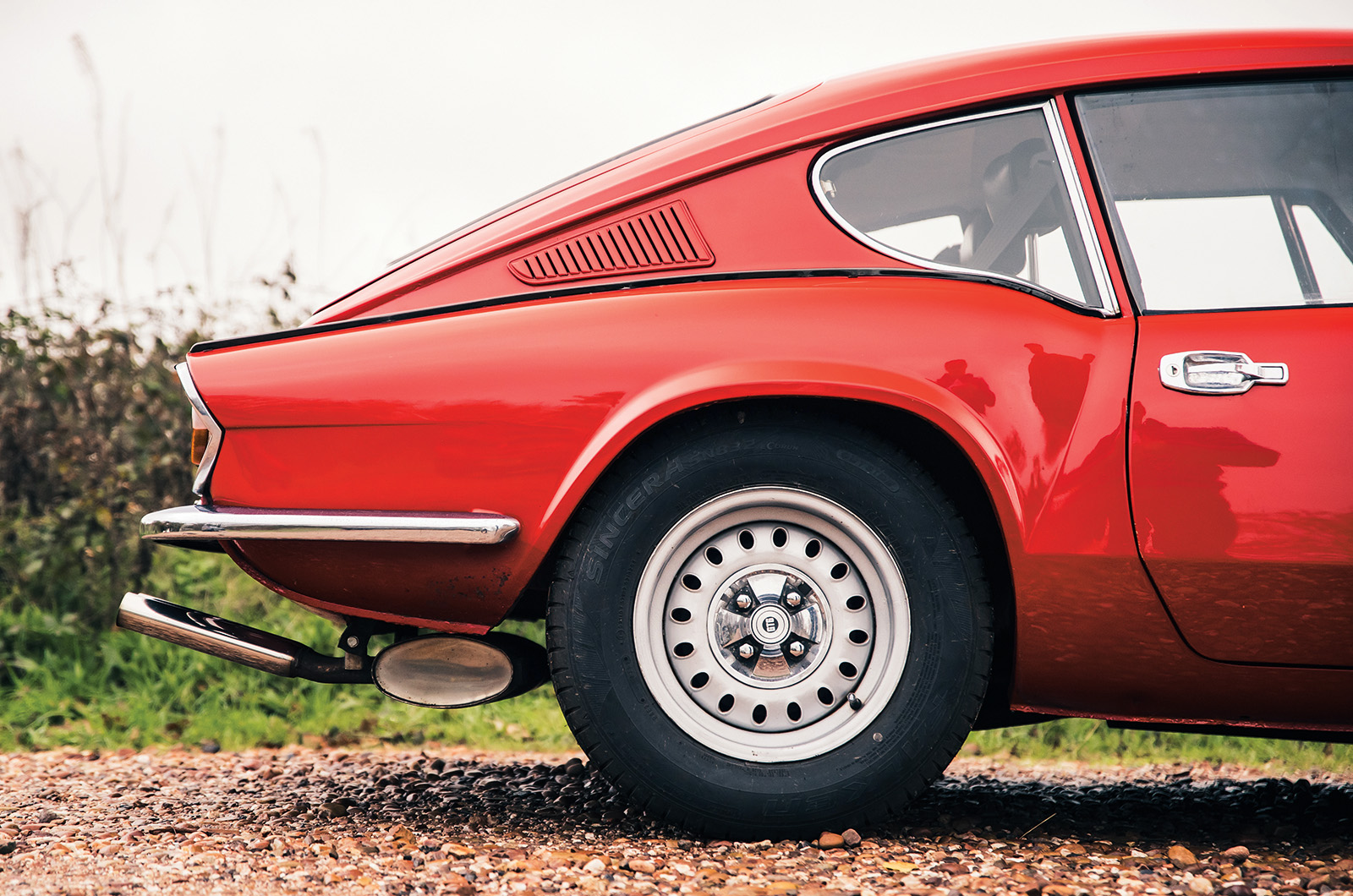
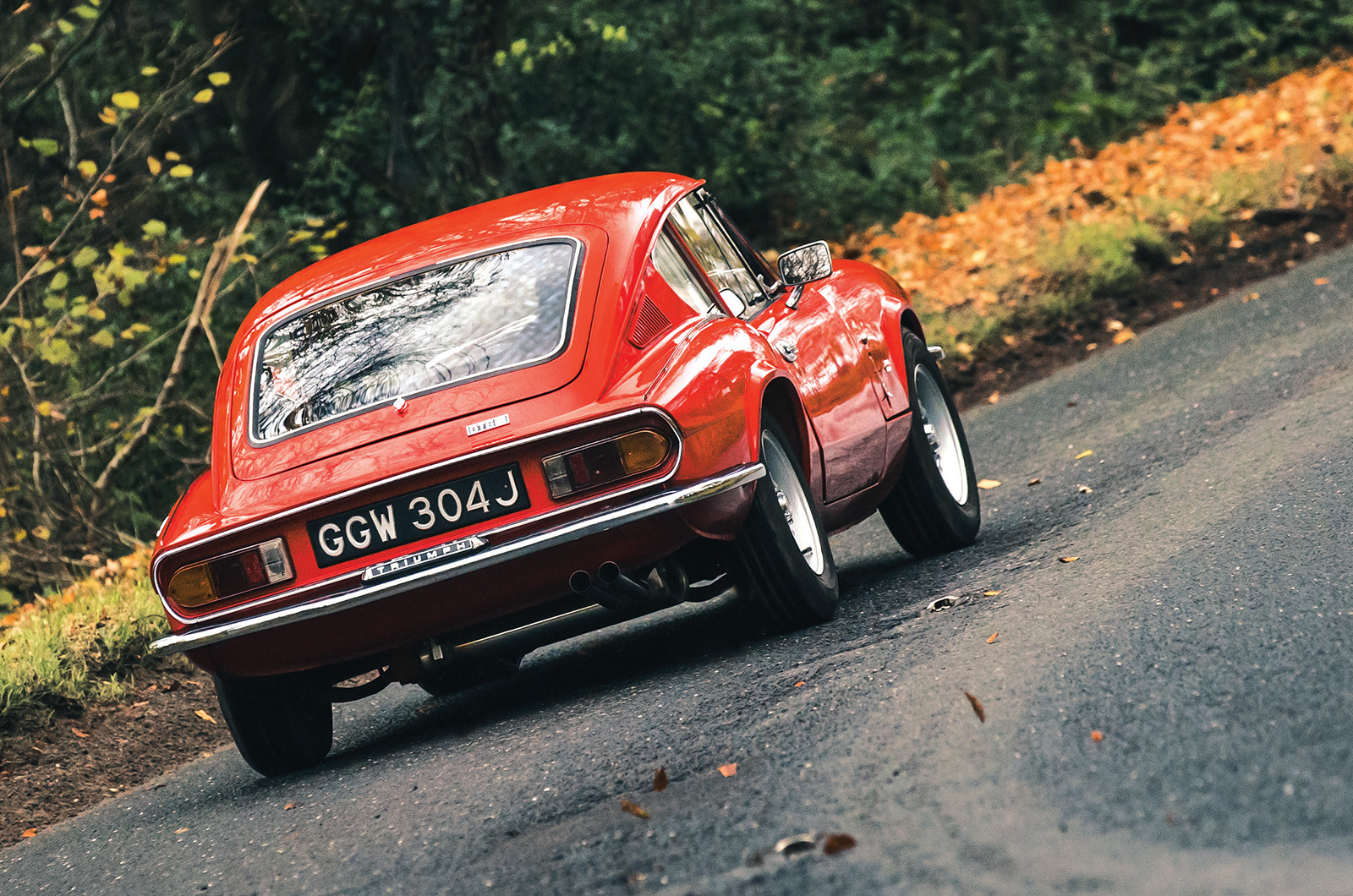
Giovanni Michelotti continued his prolific, accomplished styling spree to produce a pretty fastback body – first seen in 1964 on the Le Mans Spitfires, which also competed with success at Sebring that year then won their class at Le Mans in 1965.
That racing pedigree did no harm to the GT6’s sales prospects, while the smooth six-cylinder engine and welded steel roof added effortless performance, stiffness and sophistication that helped to earn the car the ‘poor man’s E-type’ moniker.
Adding a Jaguar E-type-style bonnet bulge and louvres helped, while keeping the GT6 as a fixed-head fastback only, and the Spitfire as a roadster (with optional hardtop), helped the two carve out their own market niches.
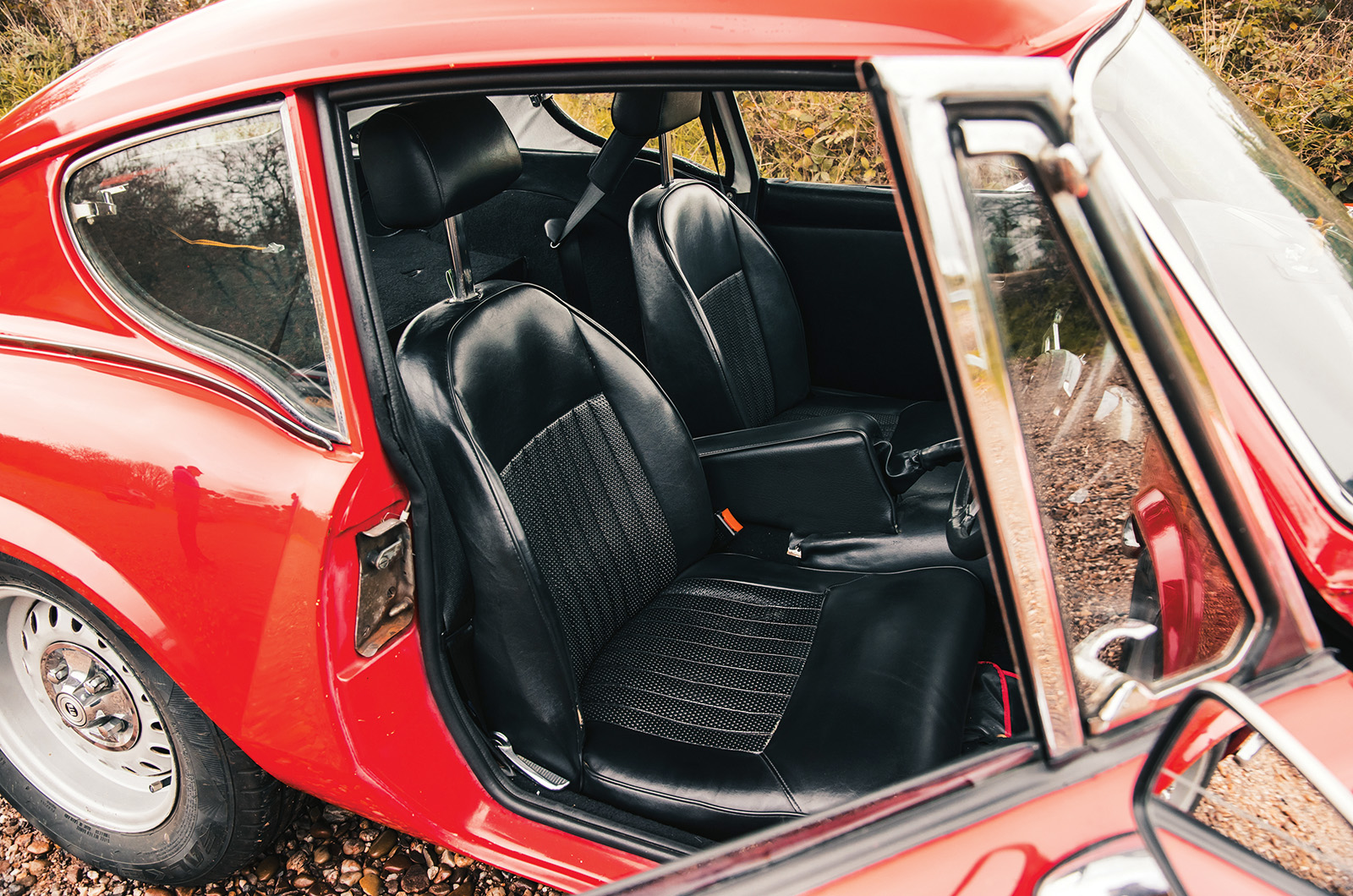
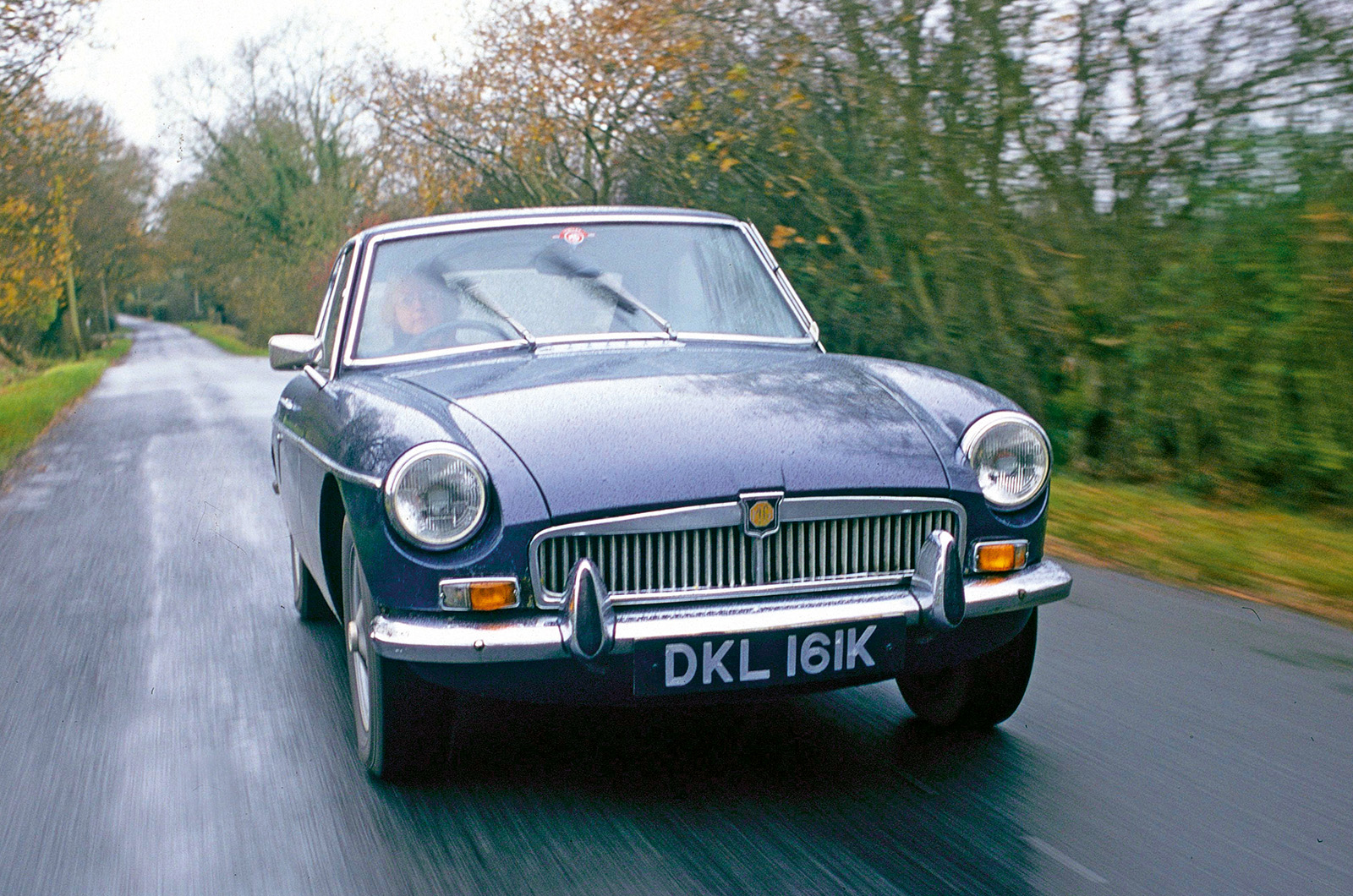
The GT6 comfortably outperformed the MGB GT, while keeping the heater, overdrive and leather instead of vinyl for the bucket seats as options helped Triumph undercut the MG's price, too.
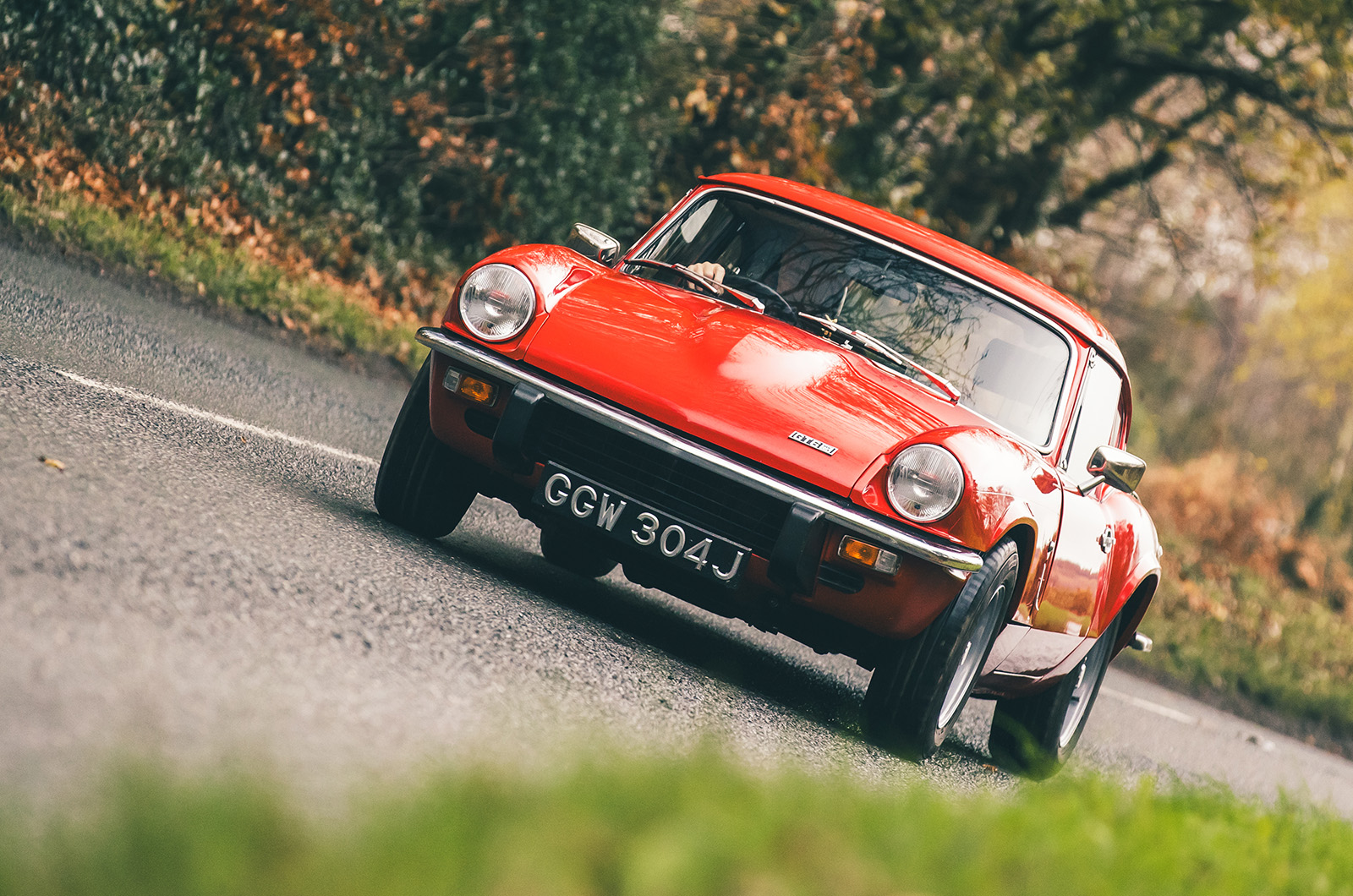
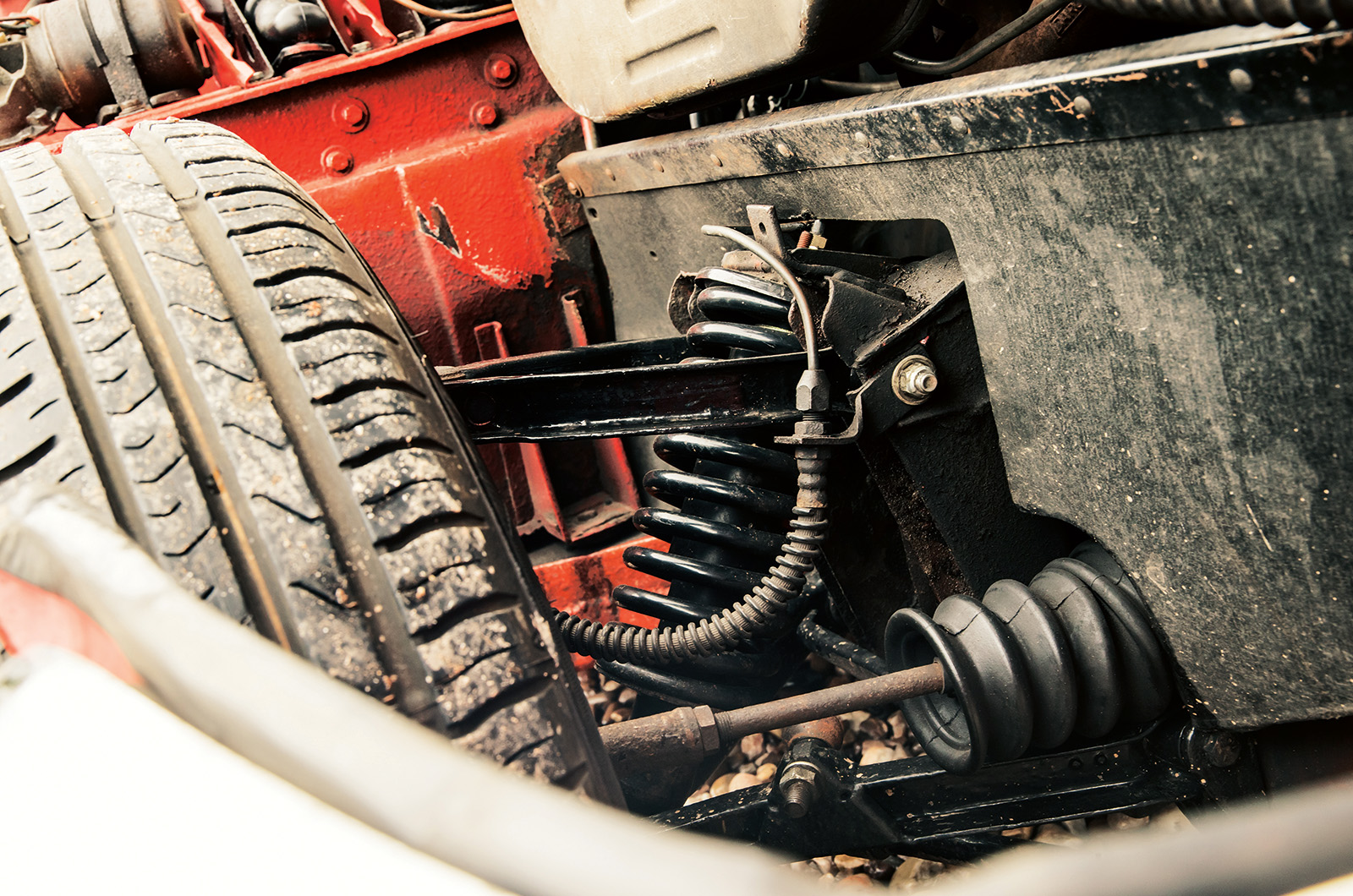
Though it worked well if powered through a corner, lift-off oversteer and inattention on wet roads caused a few spins in early cars, so Triumph developed a reversed lower wishbone and Rotoflex coupling solution for the Mk2, giving it excellent handling and roadholding as well as the comfort of fully independent suspension, when most British rivals still ran live axles.