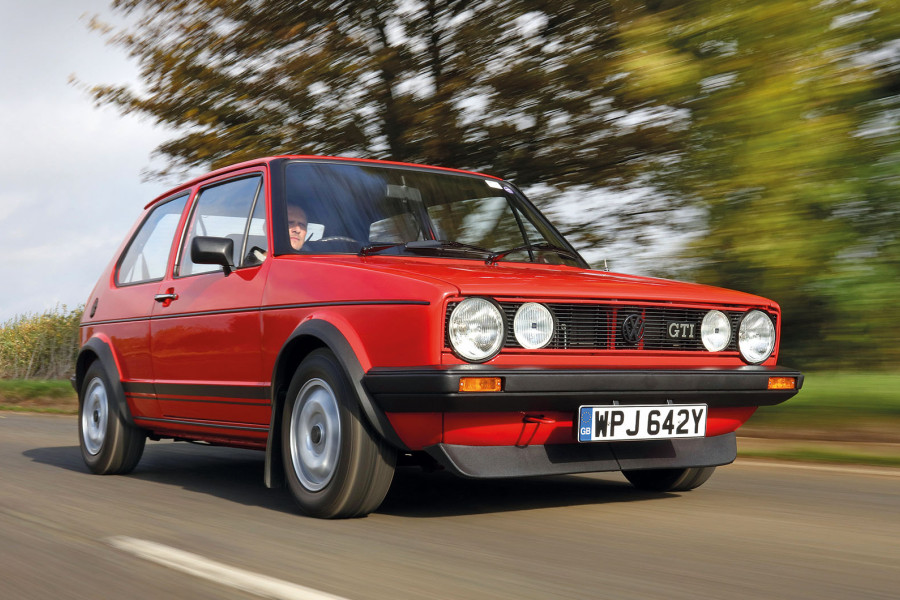
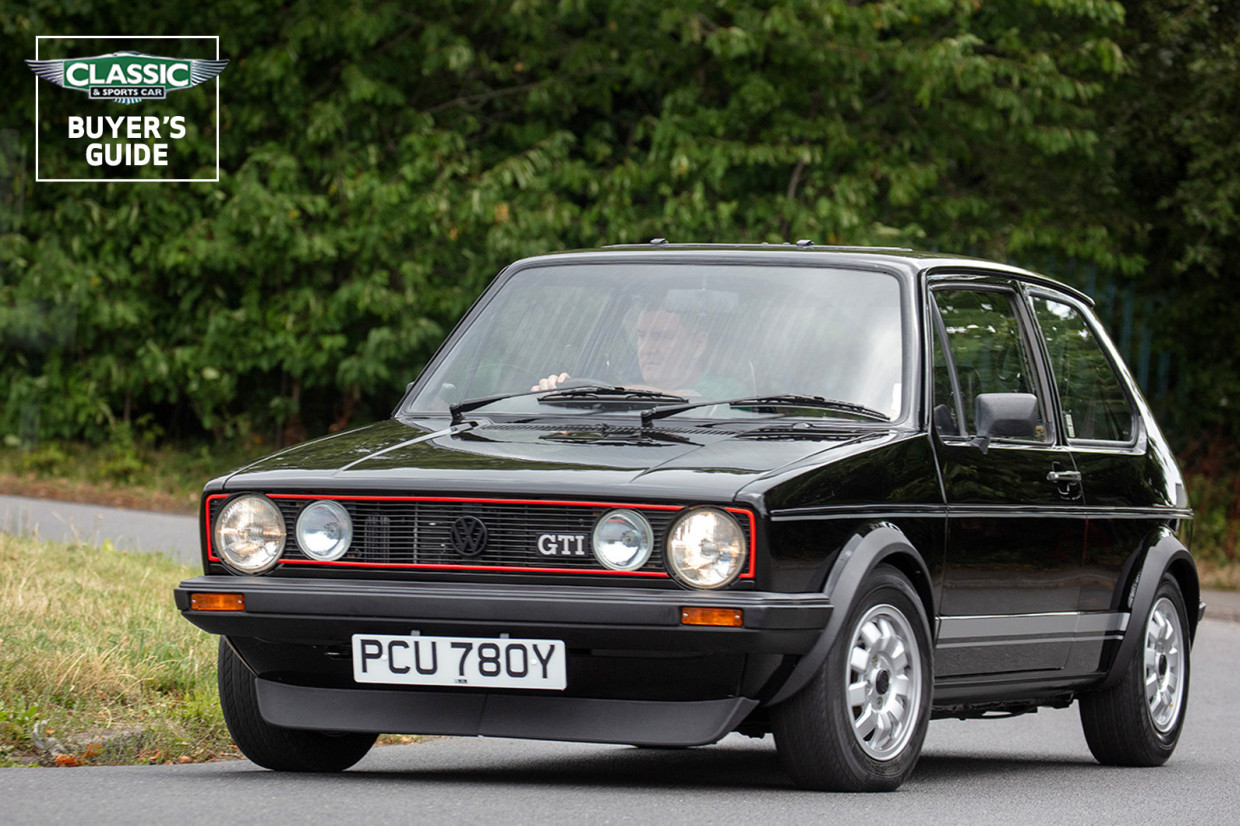
Why you’d want a Volkswagen Golf GTI Mk1
AIfasud designer Giorgetto Giugiaro was given carte blanche by Volkswagen to design the Golf, the Italian chosen because he'd studied manufacturing methods.
The car entered production with minimal changes in 1974, just tweaked to meet US legislation.
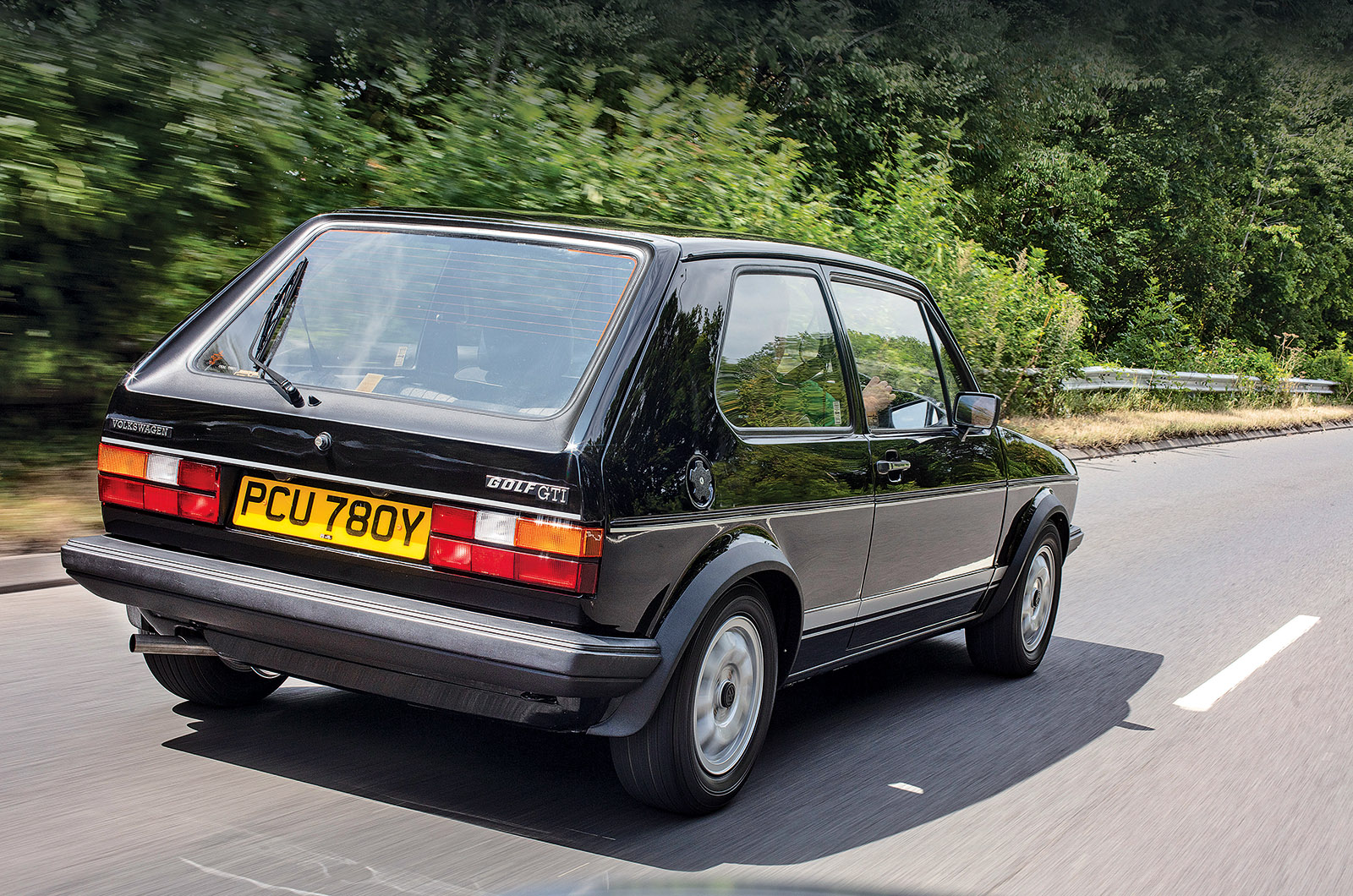
The purity of shape shone through and the 1980 facelift even reinstated his larger rear lights, which VW had made smaller to reduce costs.
Stiff and light, the Golf's 'Origami school' bodyshell was ideal for purpose and gave excellent fuel economy, too aided by a new 1100cc overhead-cam engine leaning forwards with a four-speed, all-synchromesh gearbox.
The 1500 unit leaned back; it had already been used in the Audi 80 and Passat and could be specified with an automatic transmission.
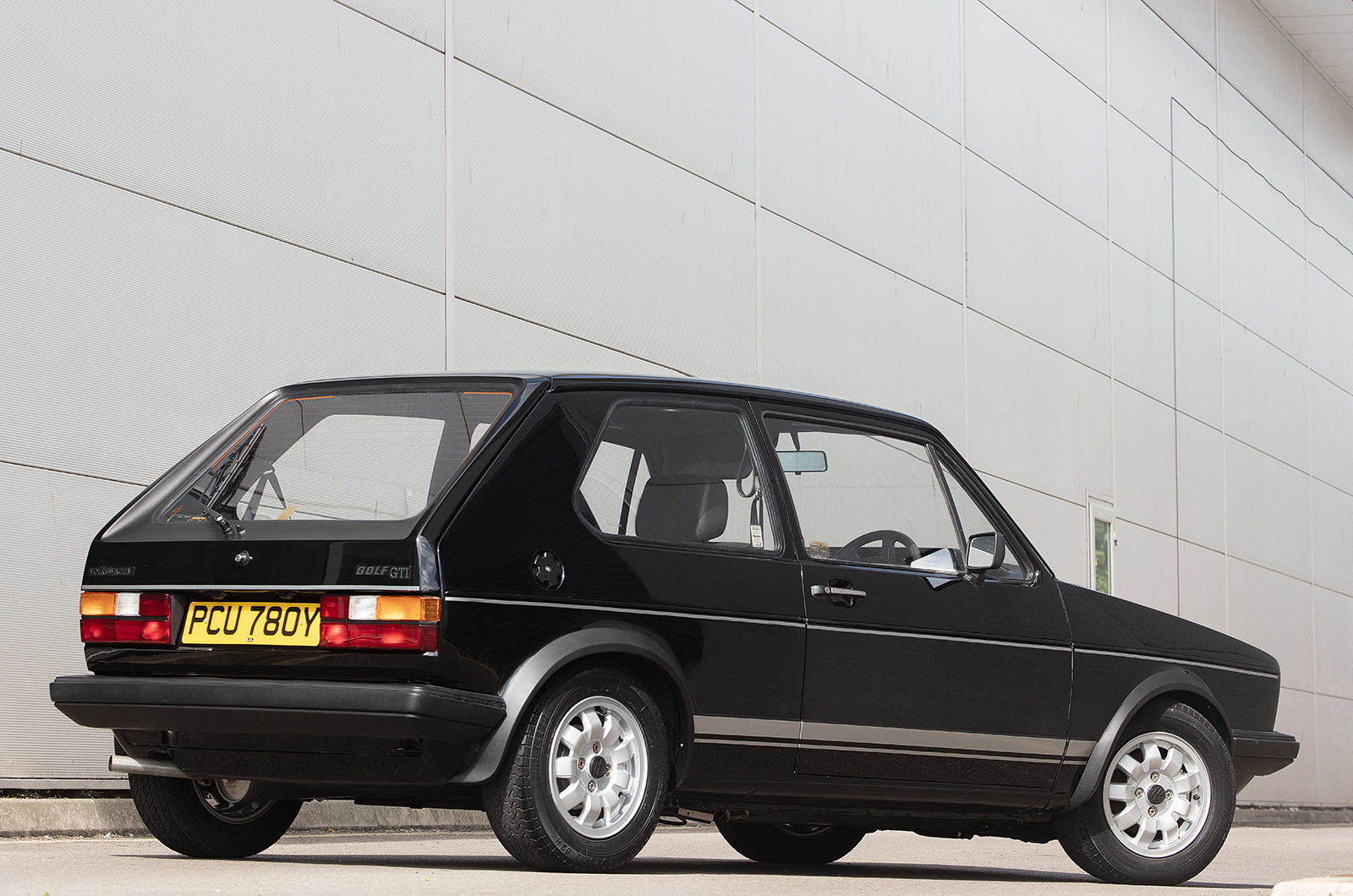
The Golf name referred not to the game but to the Gulf Stream (Golfstrom in German), in parallel with the names Passat and Scirocco (and later Jetta), which were all wind-related.
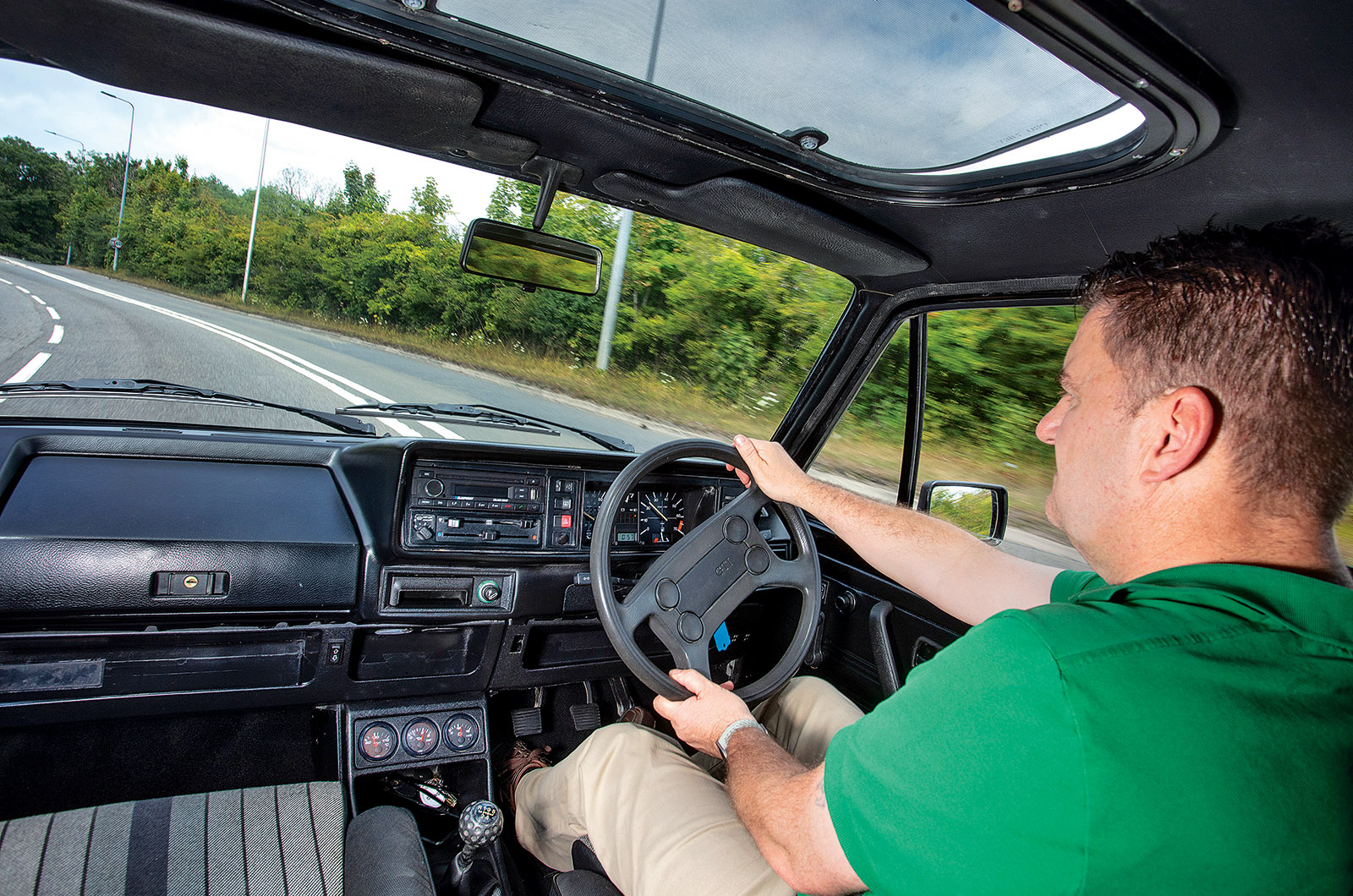
But that didn't stop the GTI being given a black golfball gearknob!
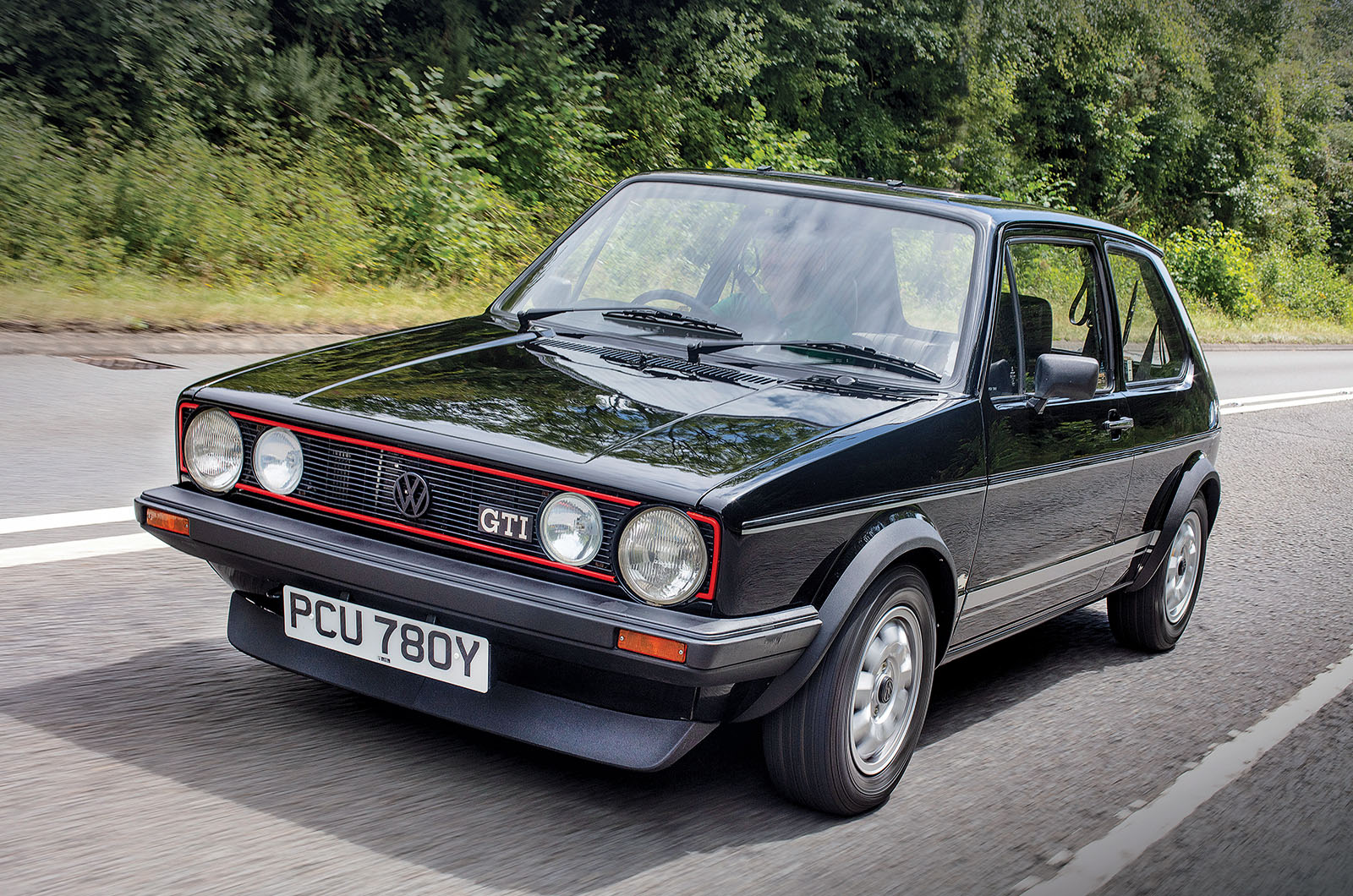
The Scirocco had previewed the Golf's great-handling chassis set-up; the GTI, viewed at first as a 5000-off homologation special for Group 1 racing, was developed by uprating the suspension with anti-roll bars, a lower ride height and wide wheels with black plastic wheelarch extensions.
The engine got Bosch K-Jetronic injection, higher compression, bigger valves and bowl-in-piston combustion chambers. The rear wash/wipe was a novelty, supplied by its own water bottle in the boot.
Motor's road testers were as astonished by the GTI's smoothness and refinement as they were by its pace and handling.
When the Ford Escort XR3 came along, VW added a five-speed 'box and blew it into the weeds; then when Ford and General Motors added injection, VW upped the engine to 1.8 litres with big valves and higher compression, higher gearing and a multifunction trip computer, all without raising the price. The GTI legend was firmly established.
Tartan-trim pre-'81 GTIs with smaller rear lights are now rare: they rusted away before values rose enough to make them worth saving.
Better rustproofing and wheelarch liners came in August 1980 on facelifted cars: these and especially 1.8s have survived better, but can still be very rotten.
Originality of trim details is also key, because parts availability is limited.
Images: James Mann
Volkswagen Golf GTI Mk1: what to look for
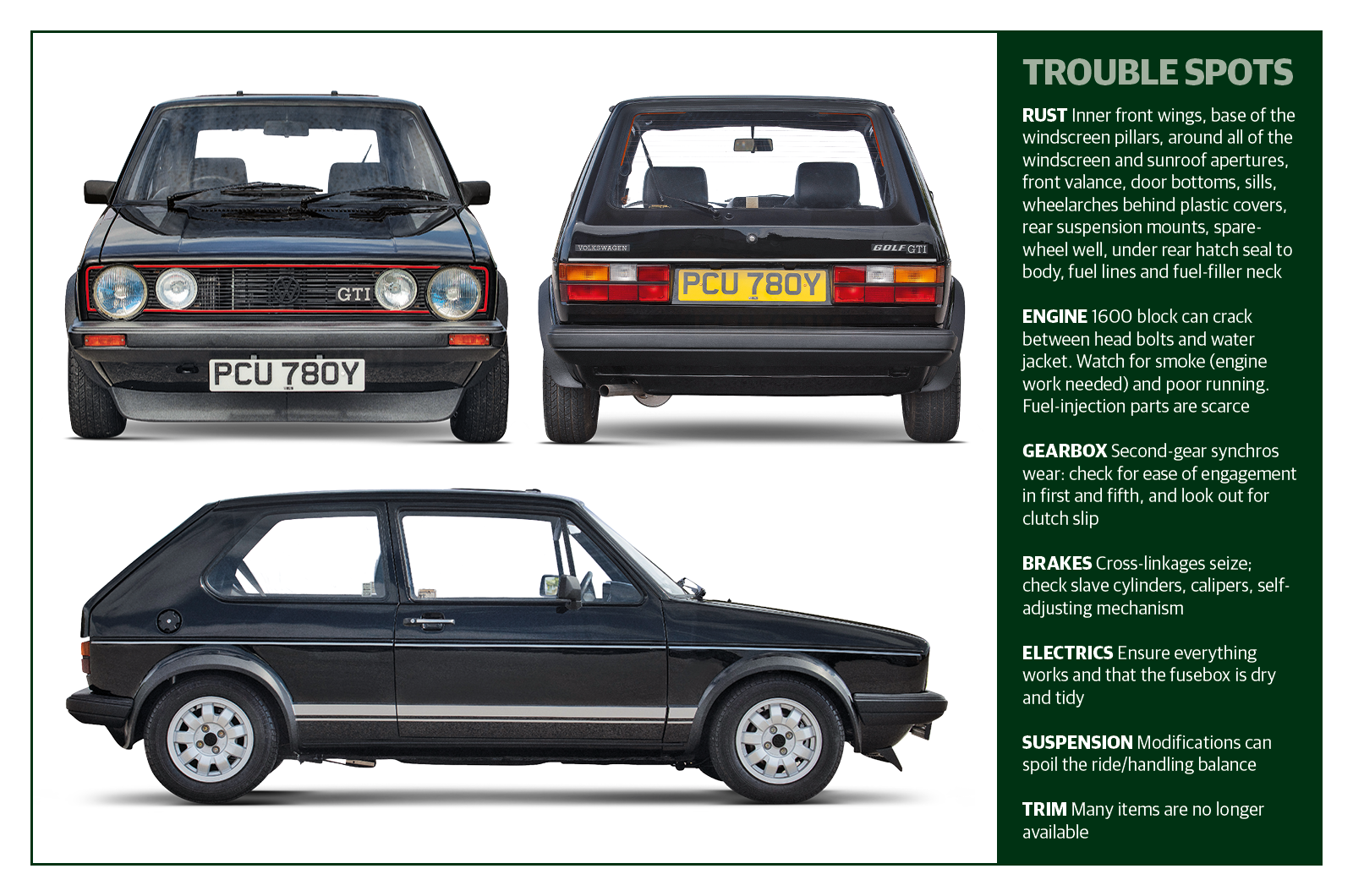
Trouble spots
Please see above for what to look for when you check out any VW Golf Mk1 GTIs for sale.
Engine
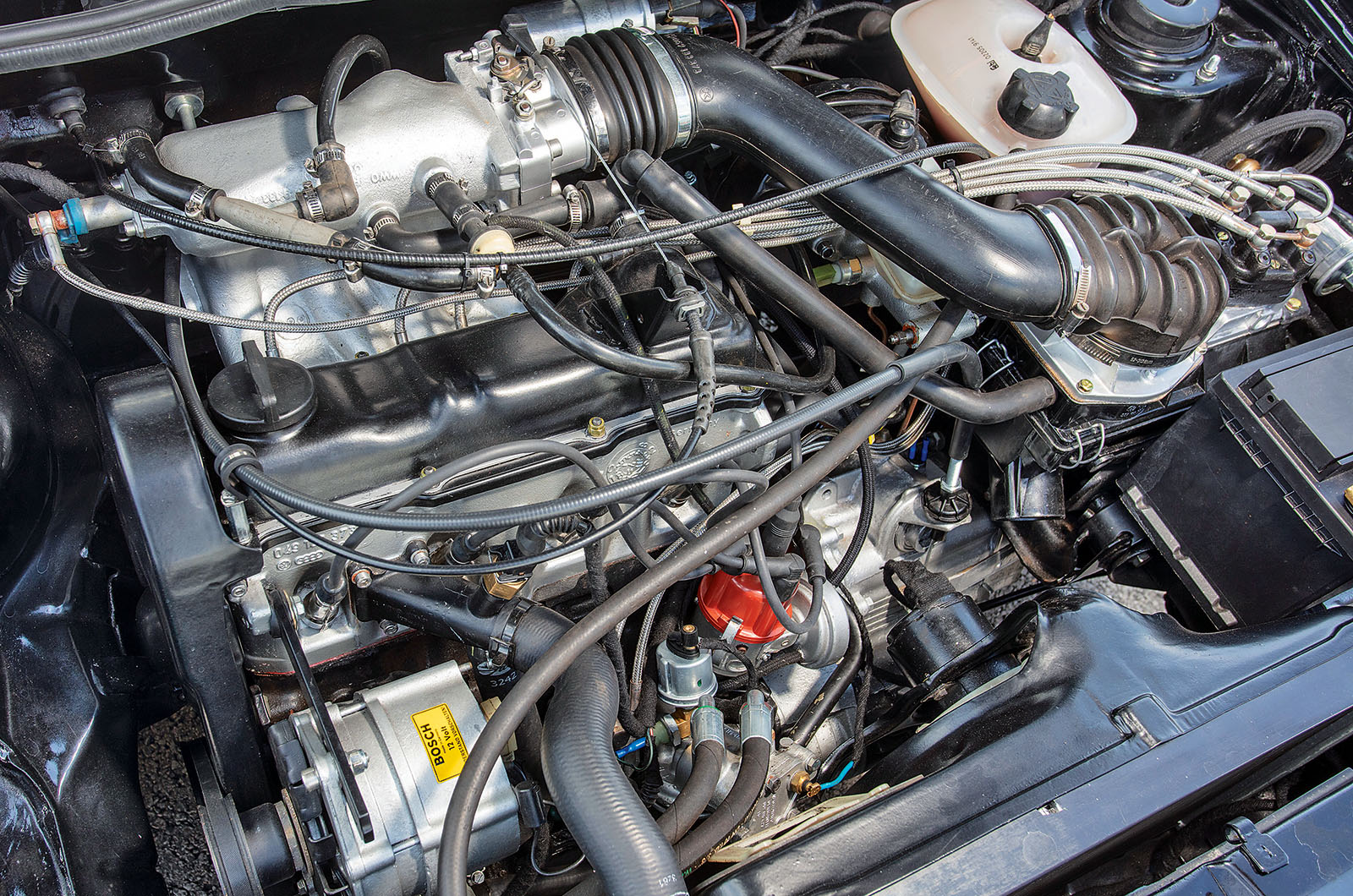
The 1588cc GTI was exceptionally sweet and smooth; all should start instantly from cold and quickly settle to a steady idle.
The early motor is more cammy, with power at high revs; the 1781cc unit has more torque.
Look for smoke on start-up (valve-stem seals), accelerating (piston rings) and on the overrun (valve guides).
Suspension
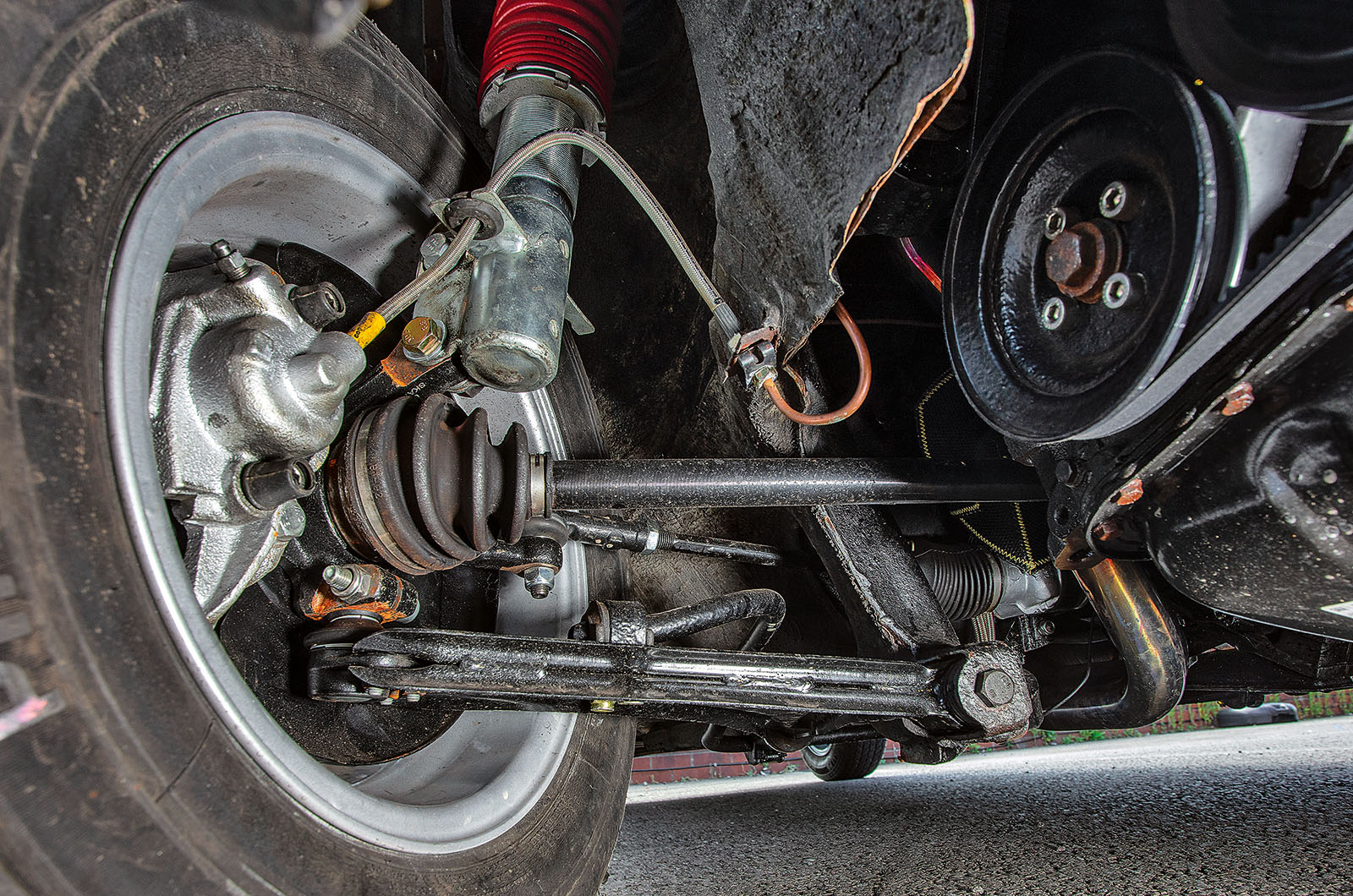
This example is on lowering springs, which spoil the ride and will be replaced.
Check for specification and correct set-up, and look out for tyre wear.
Rust
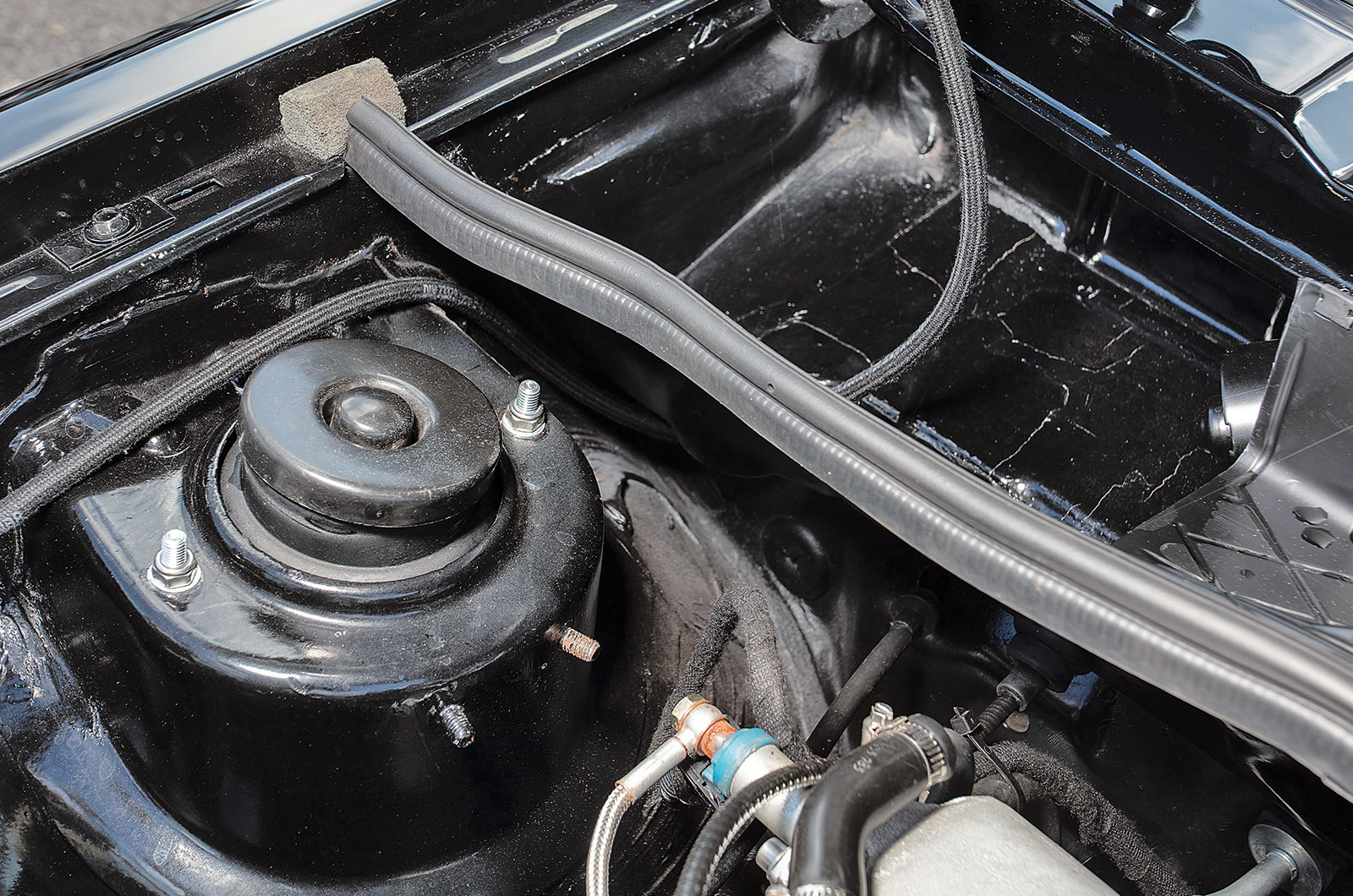
Rust in the inner front wings is common and repairs to this area will usually be visible: check on both sides, all the way up to the bottom of the windscreen.
Electrics
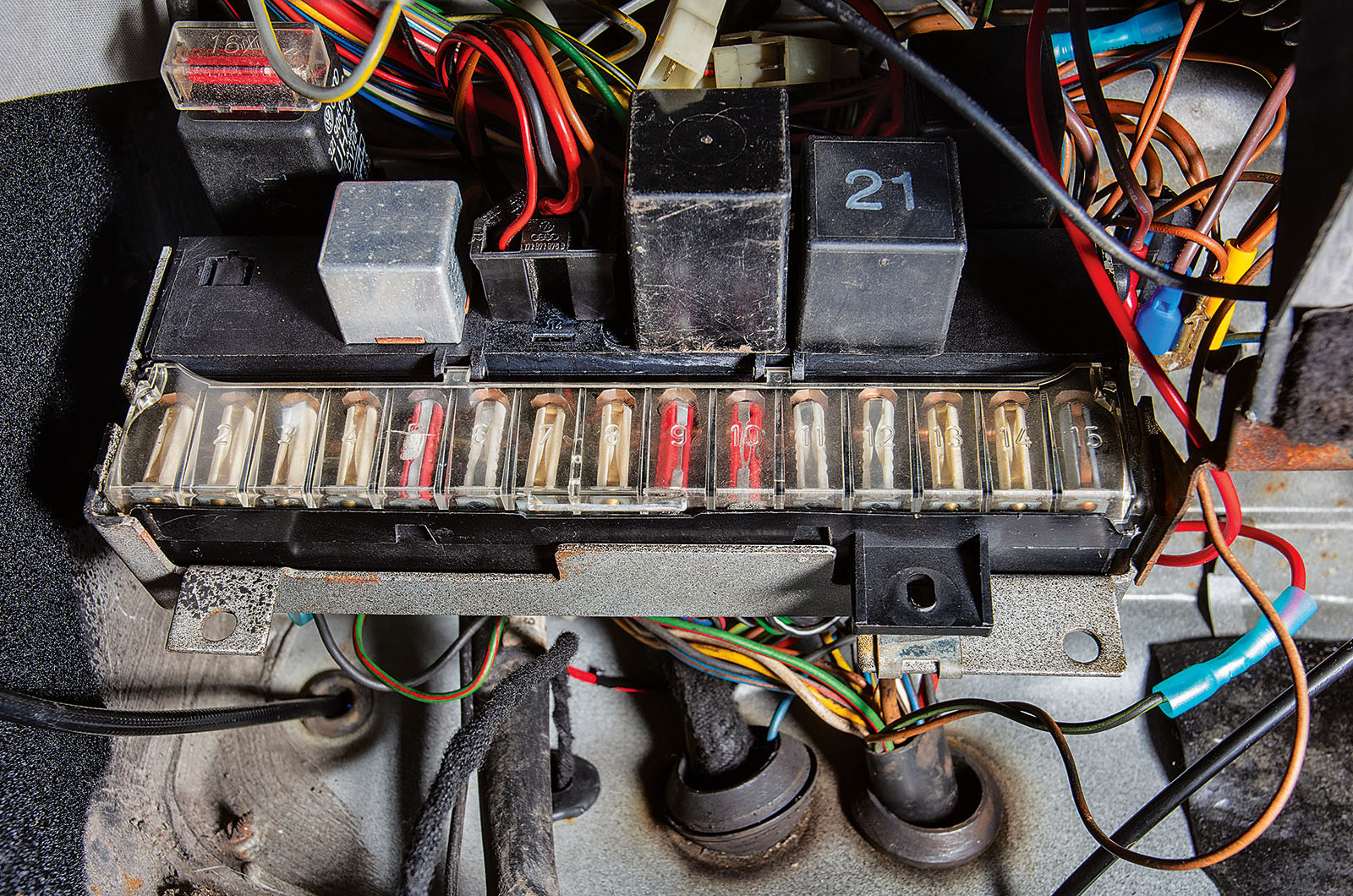
The VW Golf GTI Mk1’s fusebox is under the dashboard on the left-hand side; check for damp ingress and that all electricals work – decades of bodging can cause nightmares.
Interior
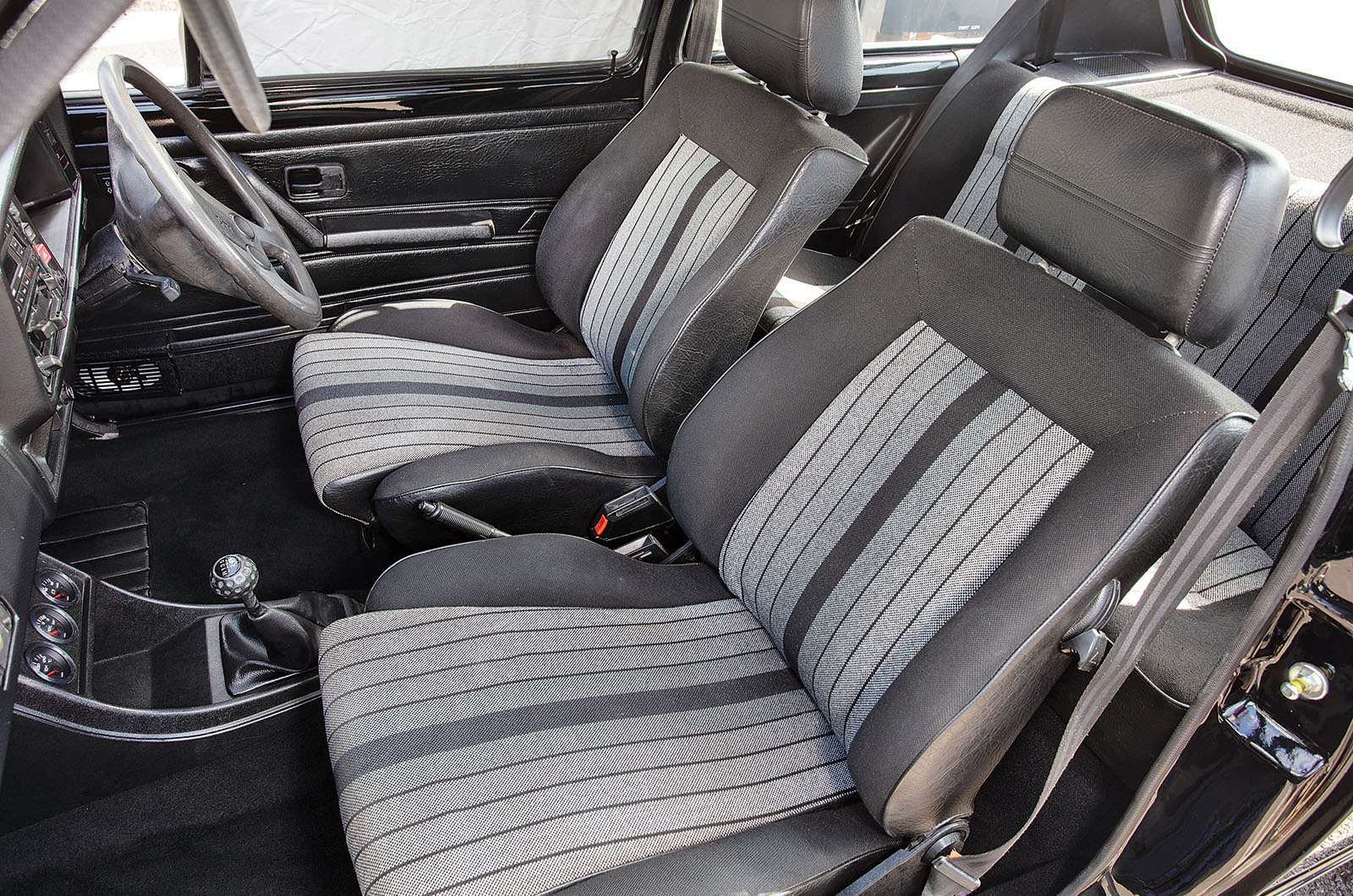
Most Mk1 VW Golf GTI trim is unobtainable now, and retrimming rarely matches well, so be prepared to spend years searching for any missing or incorrect items.
Volkswagen Golf GTI Mk1: before you buy
Check very carefully for rust and for poor past repairs.
Quality bodywork parts are very hard to find, especially the rear panel, hatch, roof and even bumpers.
Dashboards are scarce, too, as are good, working instrument sets. Trim is often extremely rare, in particular model-specific items such as cabriolet A-pillar trims and Campaign-specific parts. Headlamps are still available, but expensive.
Many Mk1 Volkswagen Golf GTIs have been modified, either for expediency or performance – there are so many easy swaps from later models, as well as period upgrades.
By 1981, VW France officially sold a GTI 16S with an Oettinger-tuned, twin-cam, 16-valve engine – these clearly are worth more than base models but, except for special period upgrades, original cars are most valued now, so check the specification carefully.
The running gear is generally long-lived, but beware overheating or water loss, which may be a sign of a cracked block on 1600s. Radiators also silt up with age.
Wear shows up as smoke, leaks, noise and poor running: engines are capable of well over 100,000 miles without a rebuild if well maintained.
Cambelt-change intervals are every four years or 40,000 miles, though they rarely break if neglected.
Check the tyres for uneven wear, resulting from poor set-up or aftermarket modifications to the suspension, which are common. Lowering looks good but destroys the supple ride.
Brakes are often upgraded, though an original set-up should work well if fully overhauled.
Volkswagen Golf GTI Mk1 price guide
Restoration/average/show
- Tartan 1.6: £6000/15,000/32,000
- Striped 1.6, 1.8: £4000/10,000/26,000
- Campaign: £7000/15,000/30,000
- Cabriolet: £1000/5000/15,000
Prices correct at date of original publication
Volkswagen Golf GTI Mk1 history
1974 Golf L & LS introduced
1975 1588cc Golf GTI shown at Frankfurt
1976 GTI goes on sale: LHD, tartan trim, 112mph; special-order only in the UK
1978 Facelift, wraparound black bumpers
1979 RHD GTI; Cabriolet shown at Geneva: 300lb (136kg) heavier, GLI with GTI spec
1980 Five-speed 'box, new alloys, larger rear lights, interior facelift (striped seats), front-pillar deflectors; Cabriolet arrives in UK
1981 Cabriolet gets upgrades (bar rear lights)
1982 1.8 replaces 1.6; GTI goes on sale in the USA (heavier; rectangular headlights)
1982 Run-out GTI Campaign for UK: quad lights, Pirelli alloys, sunroof, tinted glass
1983 Mk1 hatchback production ends
1987 Cabriolet gets smoother bumper, spoiler and sill mouldings; 15mm longer
1988 Electro-hydraulic hood on GTI
1993 Cabriolet production ends
The owner’s view
“I bought this 1.6 GTI nine years ago with just 57,000 miles from new,” recalls Martin Wiegold.
“It only had four previous owners and had been off the road for decades. The interior was a timewarp and it had never been welded underneath, but it had rotted all round the sills, wheelarches and valances.
“It was also lots of different colours where bits had been sprayed and most people would have run a mile, but I could see its potential.
“I'd had a few GTI projects over the years but had never seen them through, so from day one I would not cut a corner.
“It was in restoration for five years, but with values going up I haven’t lost out.
“It’s had new, original-spec front wings, lower valance, rear arches, rear valance, sills and slam panel.
“I’d done a lot of welding and other work, and it was getting me down, so my best decision was to involve Golf expert JP van der Horst, who focused on getting all the final details right.”
Also consider
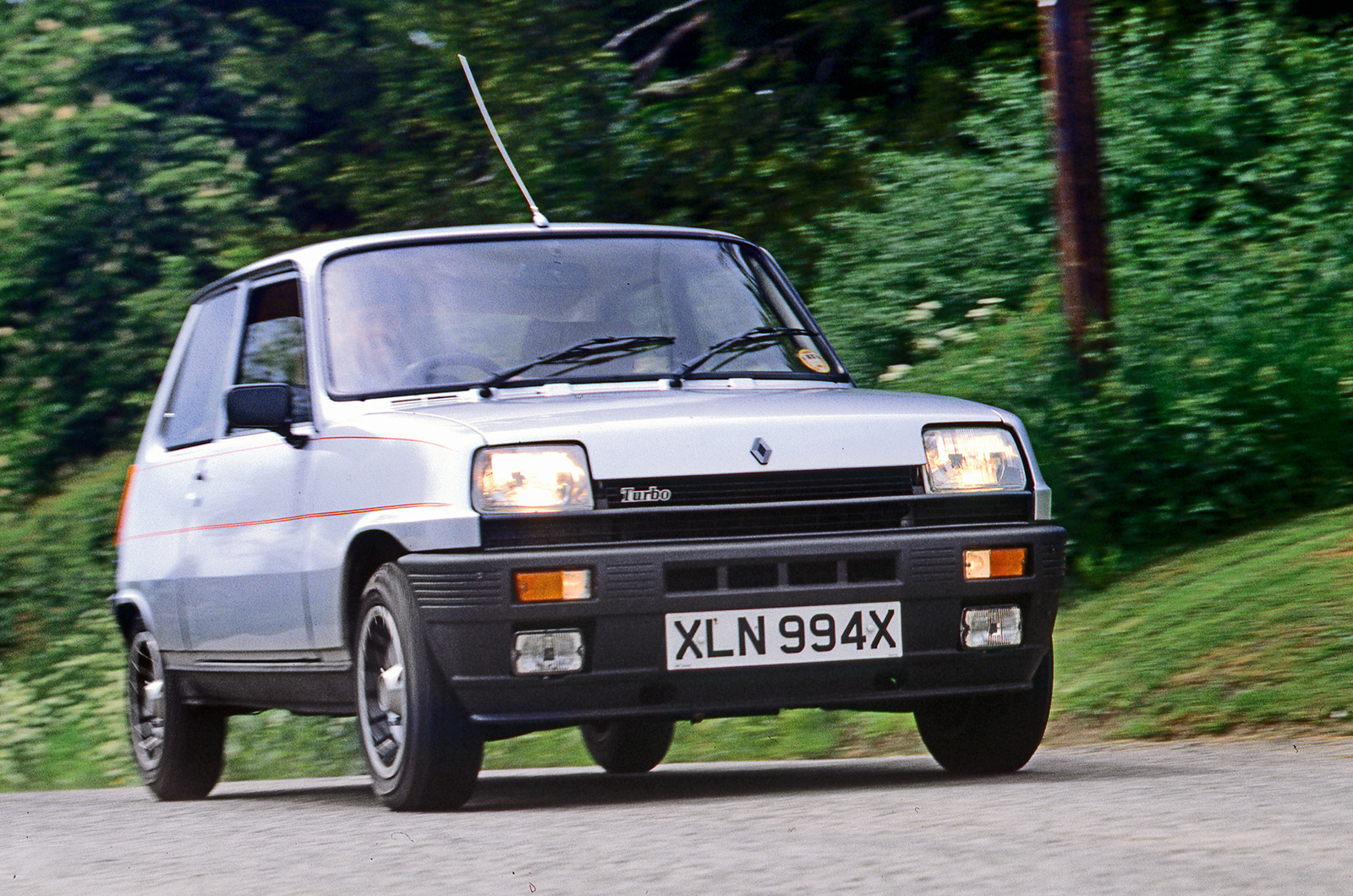
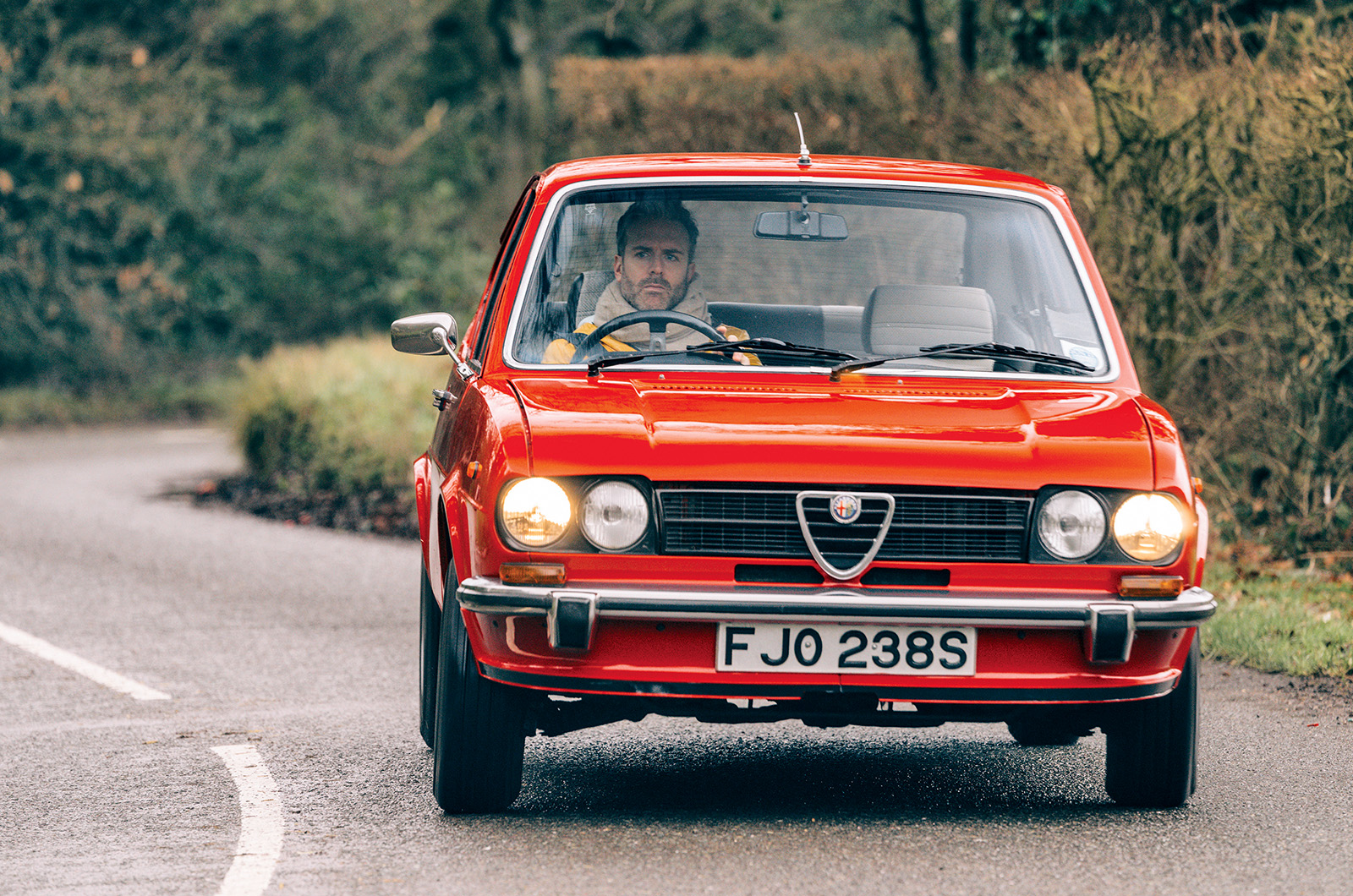
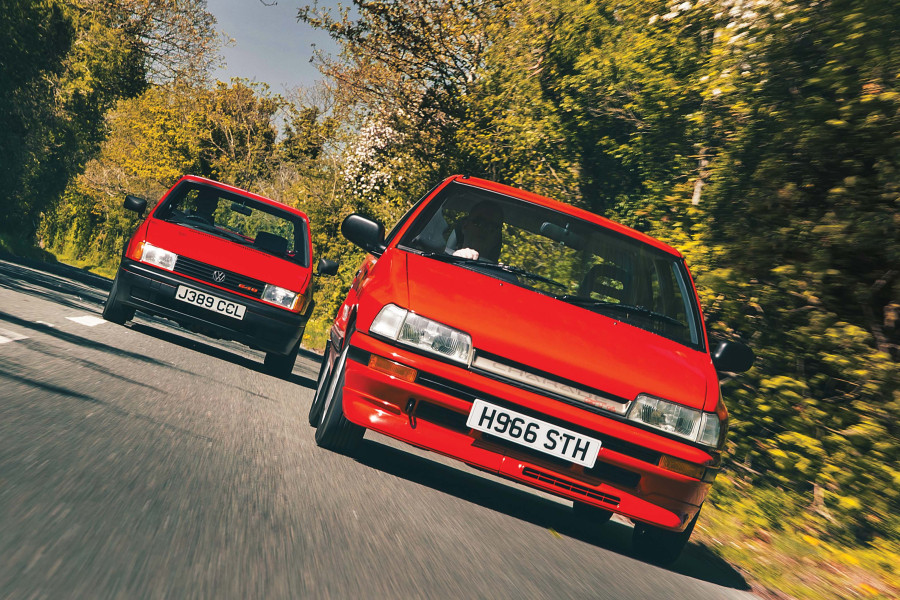
The Renault 5 Gordini (left) and Alfasud Ti are alternative buys
RENAULT 5 GORDINI
Called the Alpine outside the UK, the Gordini went on sale two months before the GTI in ’76, hit 110mph and did 0-60mph in 9.7 secs. The 1982 Turbo managed 112mph/8.7 secs. Few survive today.
Sold 1976-’84 • No. built 80,747 • Price now £8-20,000*
ALFASUD Ti
First a two-door 1.2 with 99mph, then 1.3 in 1977, 1.5 in 1978, the sporty Sud gained a hatch in 1981 and 104bhp in 1983. Not as fast as the GTI, but could out-handle it. Rust was its nemesis.
Sold 1973-’84 • No. built 906,734 (all) • Price now £7-18,000*
*Prices correct at date of original publication
Volkswagen Golf GTI Mk1: the Classic & Sports Car verdict
All Mk1 Volkswagen Golf GTI hatchbacks and some Cabriolets are now tax-exempt historic vehicles in the UK, at more than 40 years old, but they remain thoroughly usable and fun family transport.
Truly original-specification, well-restored cars command serious money: quality of work and parts used is key.
There are plenty of more affordable Mk1 GTIs out there still, but check rust and repairs thoroughly and be prepared to accept modifications (and declare them to insurance and MoT if significant).
FOR
- The iconic hot hatch
- The Mk1 GTI wins on compact dimensions, gutsy performance and sheer style
- It has a strong following of restorers and parts suppliers
AGAINST
- Some panels and trim are now unavailable as breakers’ supplies dry up: be prepared for lots of fettling of poor aftermarket parts and years of searching for Holy Grail items
Volkswagen Golf GTI Mk1 specifications
- Sold/number built 1976-'93/461,690 (GTI hatch), 400,871 (all Cabriolets)
- Construction steel monocoque
- Engine iron-block, alloy-head, sohc 1588/1781cc ‘four’, Bosch K-Jetronic fuel injection
- Max power 110bhp @ 6100rpm to 112bhp @ 5800rpm
- Max torque 103lb ft @ 5000rpm to 109lb ft @ 3500rpm
- Transmission four/five-speed manual, FWD
- Suspension: front MacPherson struts rear torsion beam, trailing arms, coil springs, telescopic dampers; anti-roll bar f/r
- Steering rack and pinion
- Brakes vented front, solid rear discs, servo
- Length 12ft 6in (3815mm)
- Width 5ft 4in (1628mm)
- Height 4ft 9in (1395mm)
- Wheelbase 7ft 10½in (2400mm)
- Weight 1845-2150lb (838-976kg)
- 0-60mph 9.8-8.1 secs
- Top speed 111-114mph
- Mpg 26-38
- Price new £5135/6540 (GTI/GLI Cab, 1980)
READ MORE
All Classic & Sports Car buyer’s guides