Buyer’s guide: Volkswagen Type 3

| 8 Aug 2025
Classic & Sports Car – Buyer’s guide: Volkswagen Type 3

Why you’d want a Volkswagen Type 3

In 1961 the Volkswagen Beetle had 1192cc and had only just received an all-synchro ’box.

It had been immensely successful, but nobody imagined it had decades more life in it. And Volkswagen wanted to expand beyond the economy bracket, in search of greater profit margins.

The recently redesigned crankcase and stronger crankshaft with more space between the cylinders was to allow greater displacement.

The new Type 3 1500 made the most of this more powerful engine, shared with the Karmann Ghia coupé.

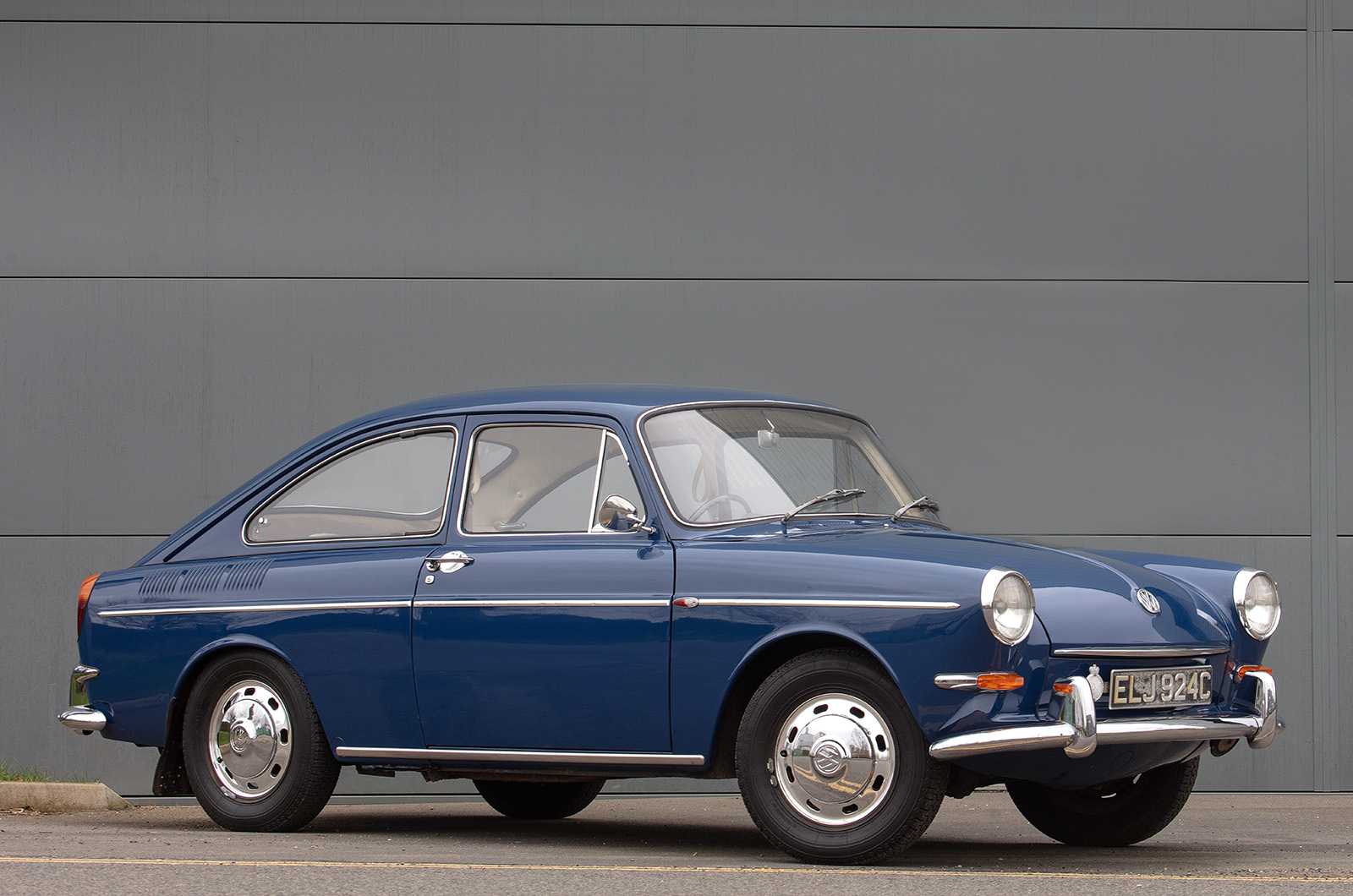
Using a wider rear track and more rounded body on the Beetle’s wheelbase allowed for more interior space.

With the fan on the crankshaft instead of the generator shaft, the engine was lower, making an estate version possible (the Variant, or Squareback), and giving all models luggage space front and rear.

Also unveiled at the 1961 Frankfurt show was a delightful 1500 Cabriolet; sadly, Karmann built only a dozen prototypes.

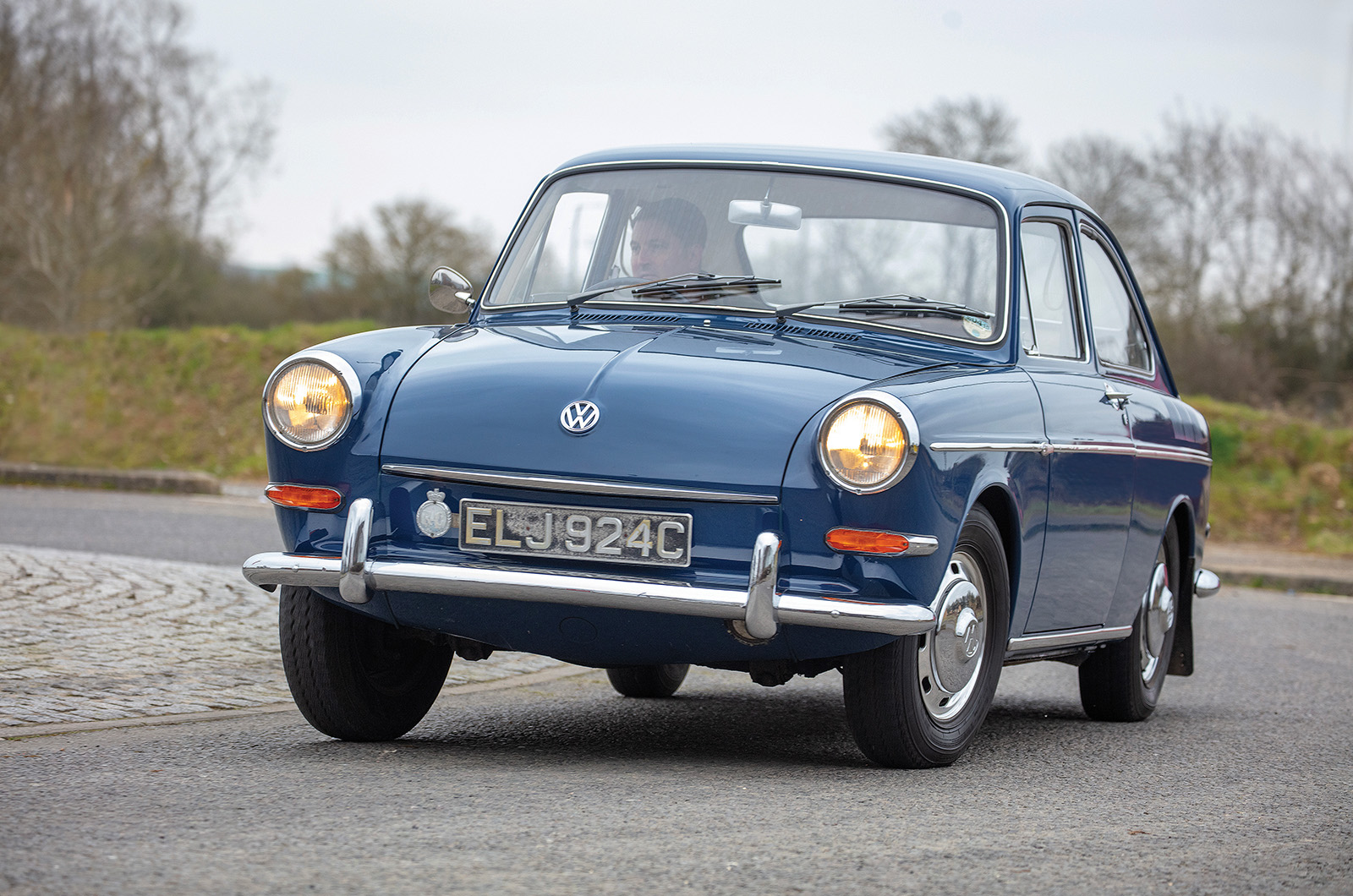
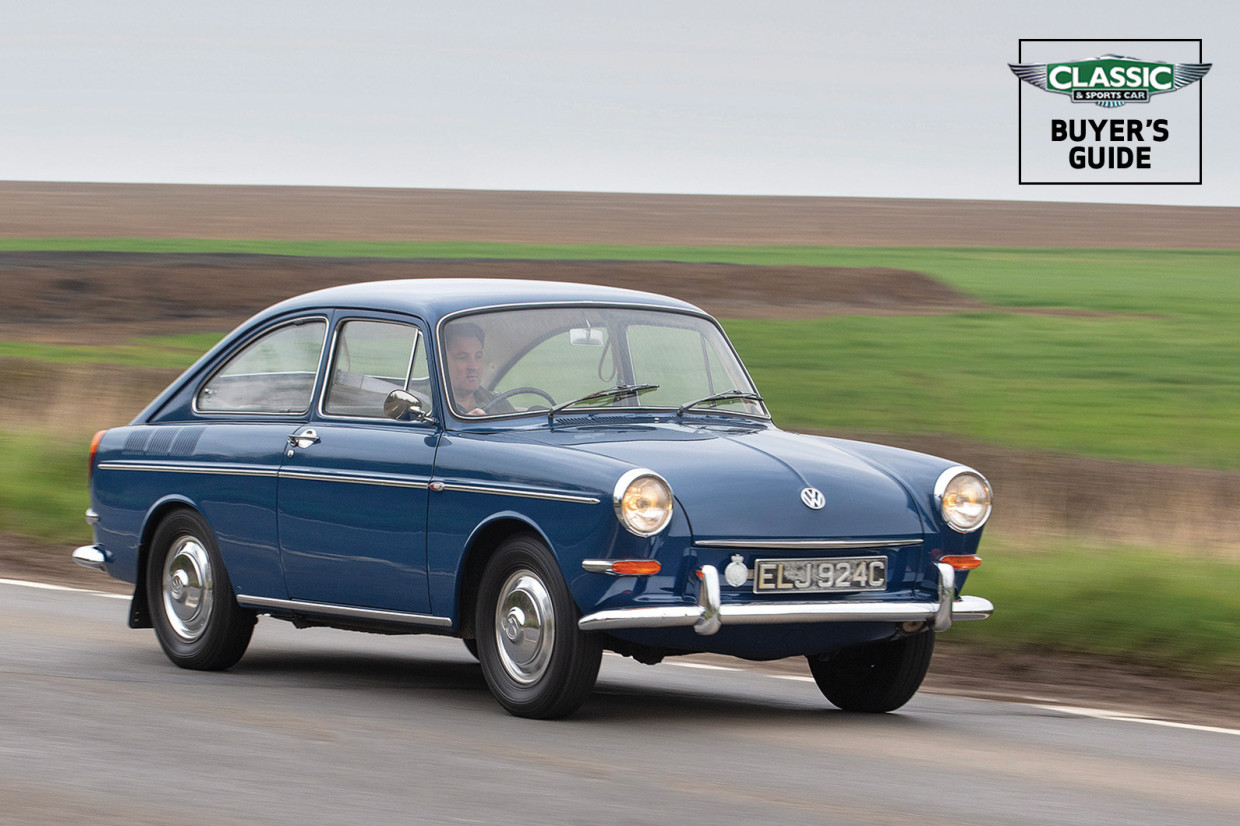
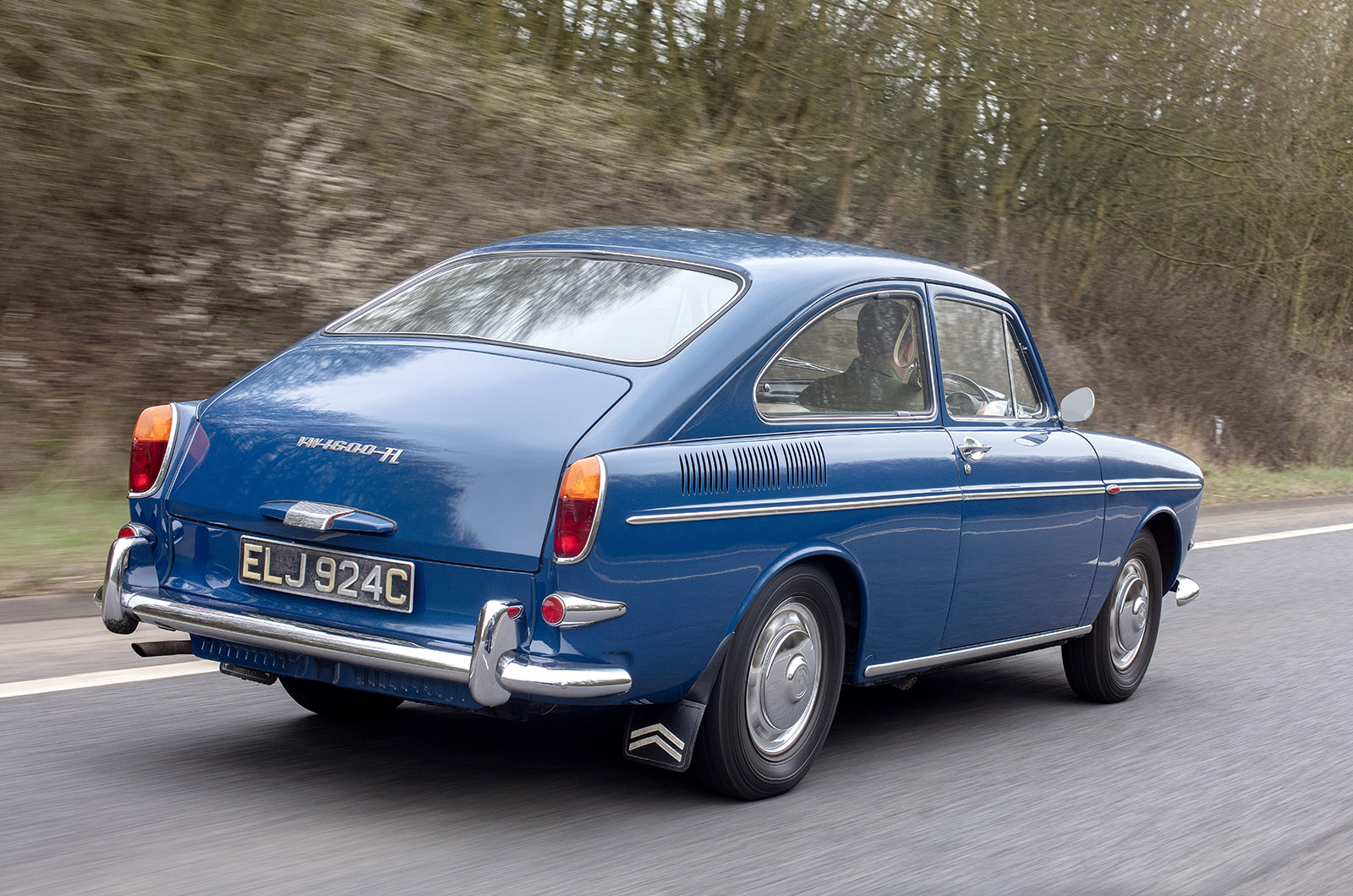
Styling was modern and more conventional, yet still cheerful. The engine air intake was tucked below the rear window on the saloon, known as the Notchback, followed in 1965 by the rakish Fastback.
Classic & Sports Car – Buyer’s guide: Volkswagen Type 3

Sharing components with the VW Beetle kept costs down – the suspension used many of the same parts – while softening the ride with a wider rear track and a front anti-roll bar gave more civilised handling.
The engine and rear suspension were mounted in a separate subframe, rubber-bushed to the shell to aid refinement and reduce noise.

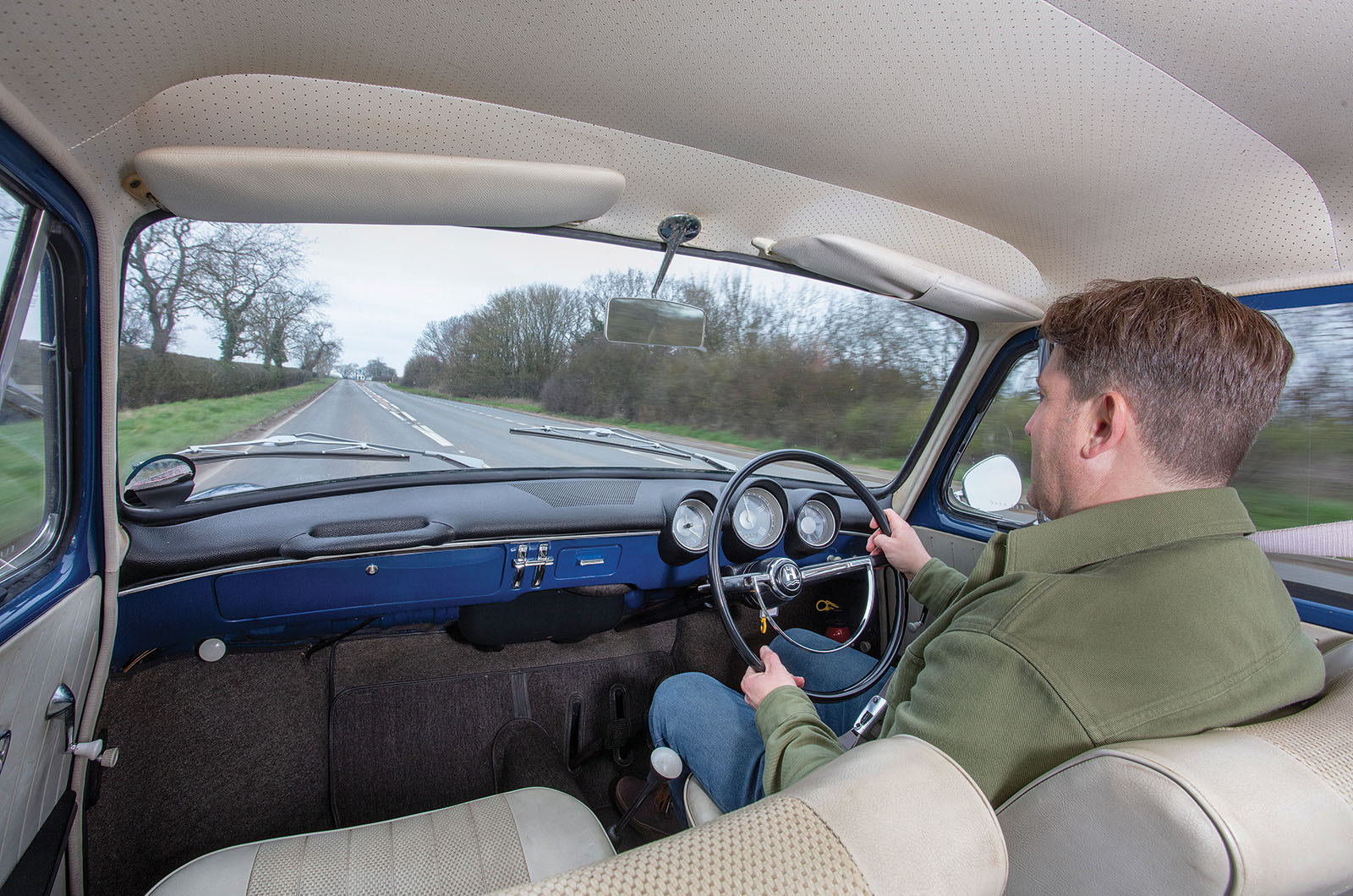
The 1500 was complimented for its comfort, high gearing and fine driving position.

With 61% of its weight over the rear wheels (63% on the Fastback), rapid progress in crosswinds could be scary, but the ride and handling were otherwise good, with light, precise steering.

A twin-carb engine with 20% more power came in 1963, followed in ’65 by the 1600 and the Fastback bodyshell, with front discs across the range.

Interior trim was upgraded but still simple by British standards.

Performance was also modest – this was a stylish family car, not a sporting saloon – but for its feeling of quality and durability it was unsurpassed.

The Volkswagen Type 3 range pioneered electronic fuel injection in 1967 as the first mass-produced cars fitted with the Bosch D-Jetronic system.

The Type 3 didn’t match Beetle production numbers, but sales of around three million worldwide was a success by any standards.

Images: James Mann


Volkswagen Type 3: what to look for

Classic & Sports Car – Buyer’s guide: Volkswagen Type 3

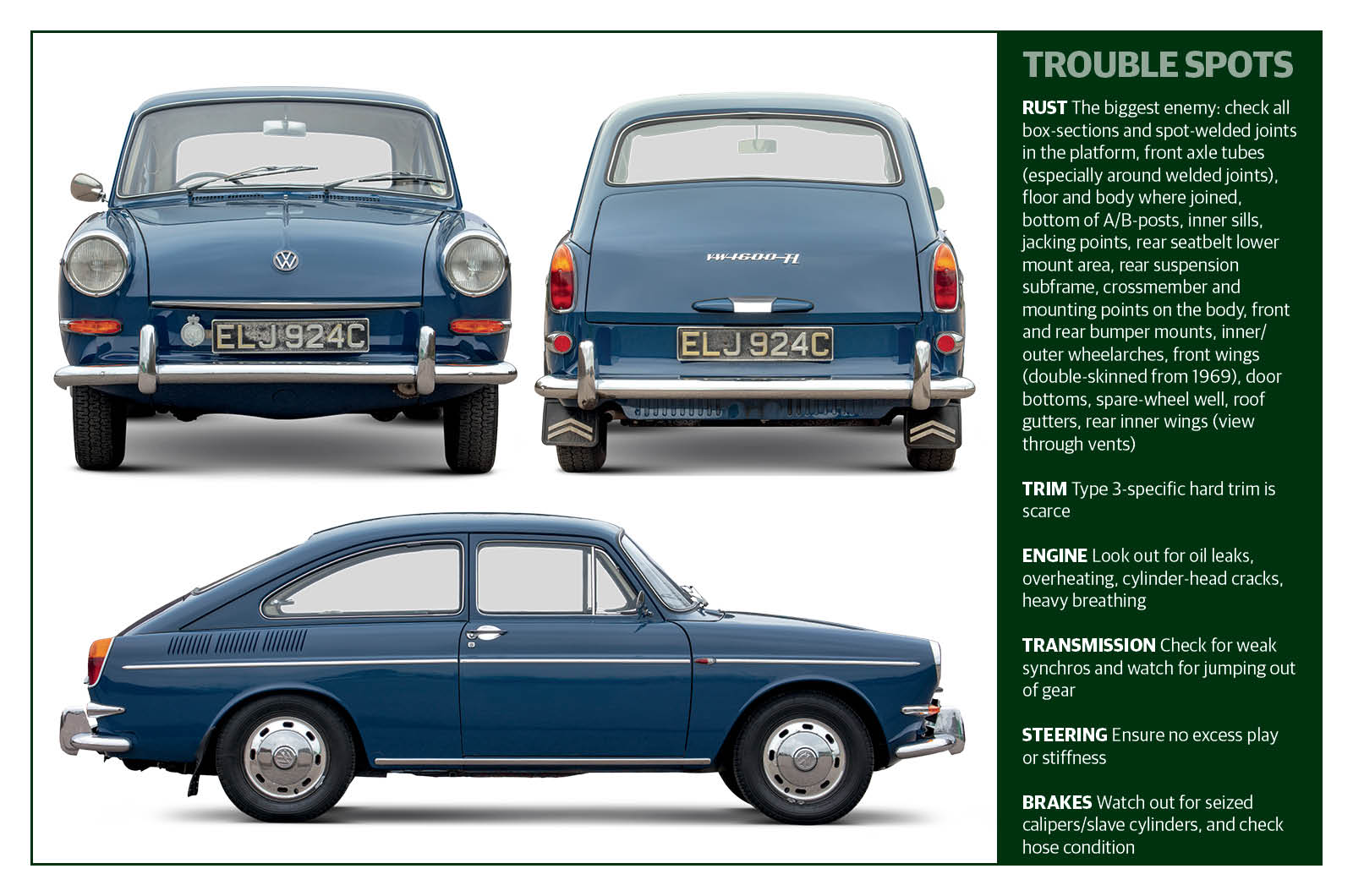
Trouble spots

Please see above for what to check for when looking at VW Type 3 classic cars for sale.

Classic & Sports Car – Buyer’s guide: Volkswagen Type 3

Engine

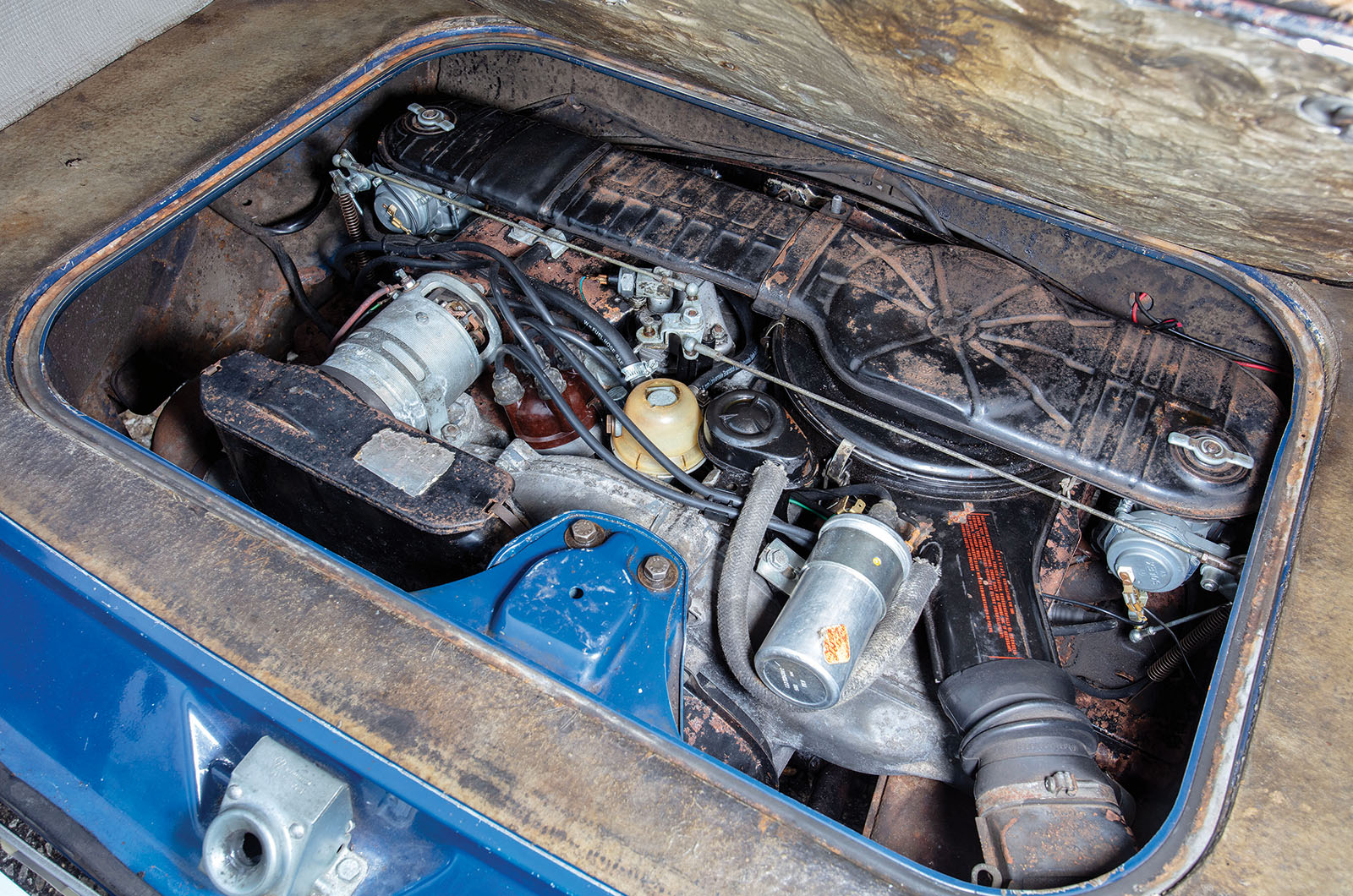
An impressive packaging exercise, the Volkswagen Type 3’s flat-four is just 18 inches tall and fits neatly under a decent-sized boot area.

Access is challenging for some components such as spark plugs, and many cars have lost their original air-filter boxes.

Oil is easily checked, with the dipstick located in the hatch/bootlid closing aperture.

Classic & Sports Car – Buyer’s guide: Volkswagen Type 3

Steering, brakes and suspension

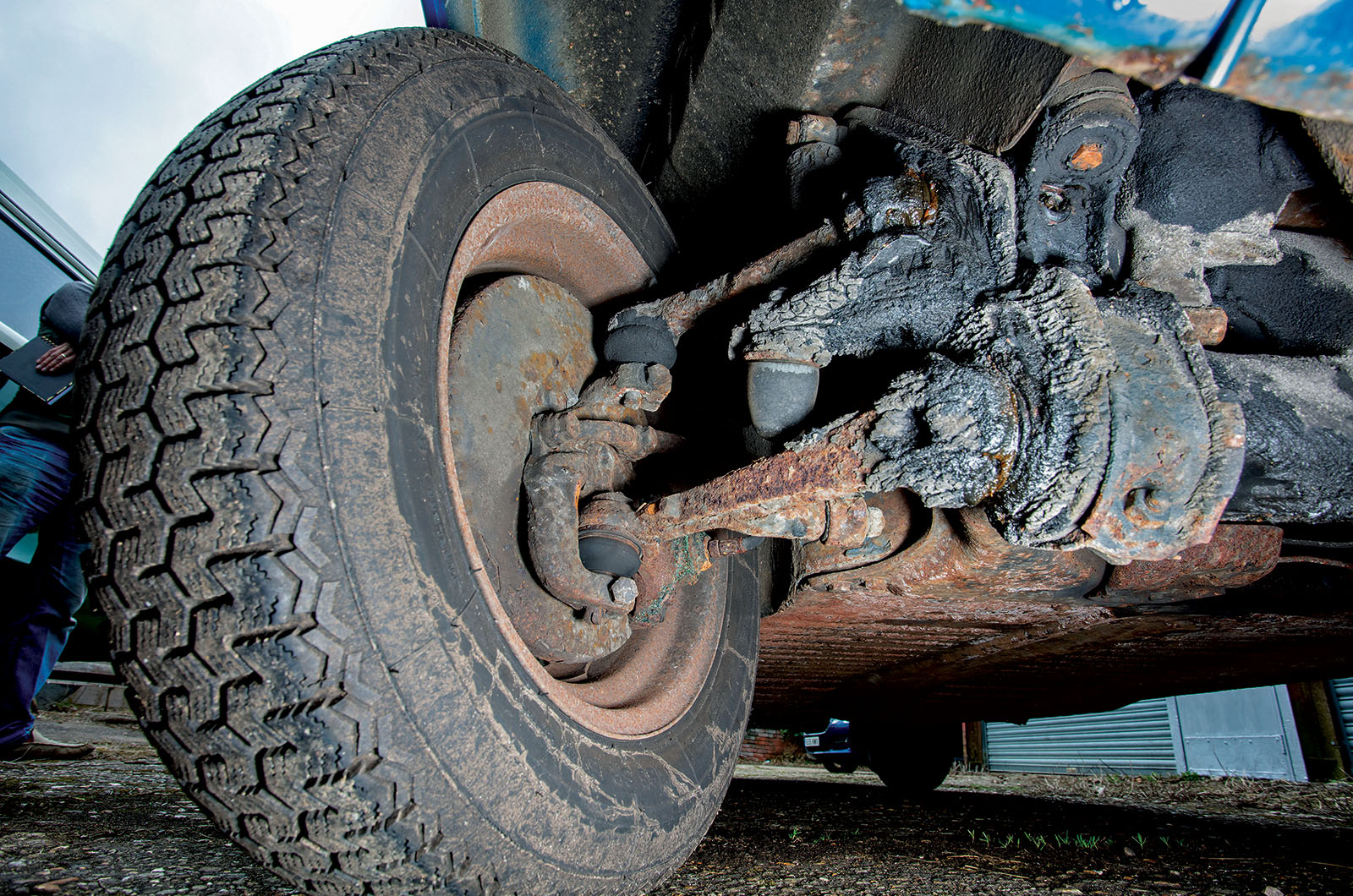
Check the steering and suspension for play and signs of regular greasing.

The 1600 had disc brakes: check the calipers are free and the flexi-hoses are not failing from inside.

Classic & Sports Car – Buyer’s guide: Volkswagen Type 3

Front boot

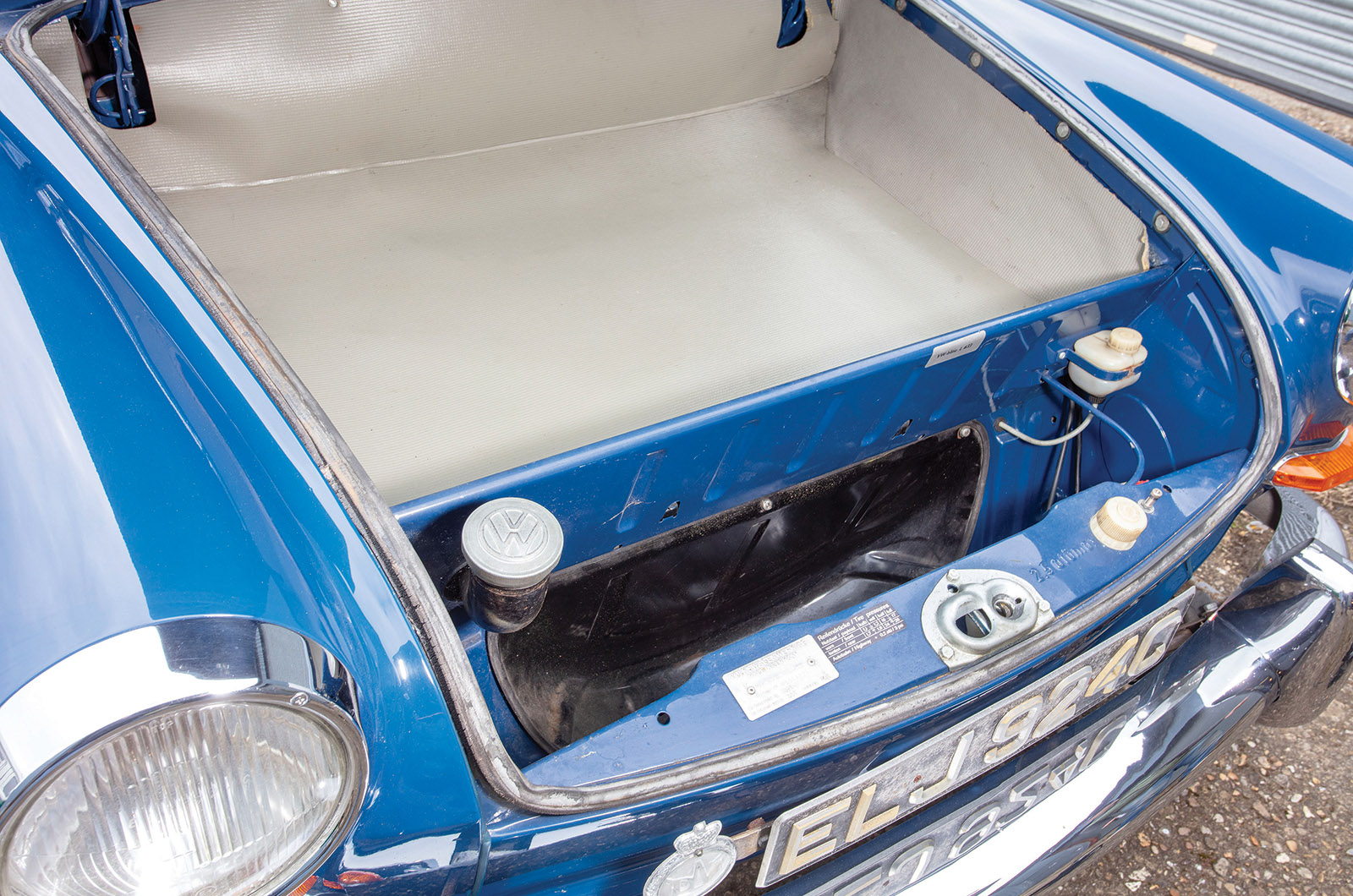
The front boot usefully supplemented the rear on all VW Type 3s.

The spare-wheel well and front wings are all rot-prone: this level of originality is very rare to find.

Classic & Sports Car – Buyer’s guide: Volkswagen Type 3

Rust

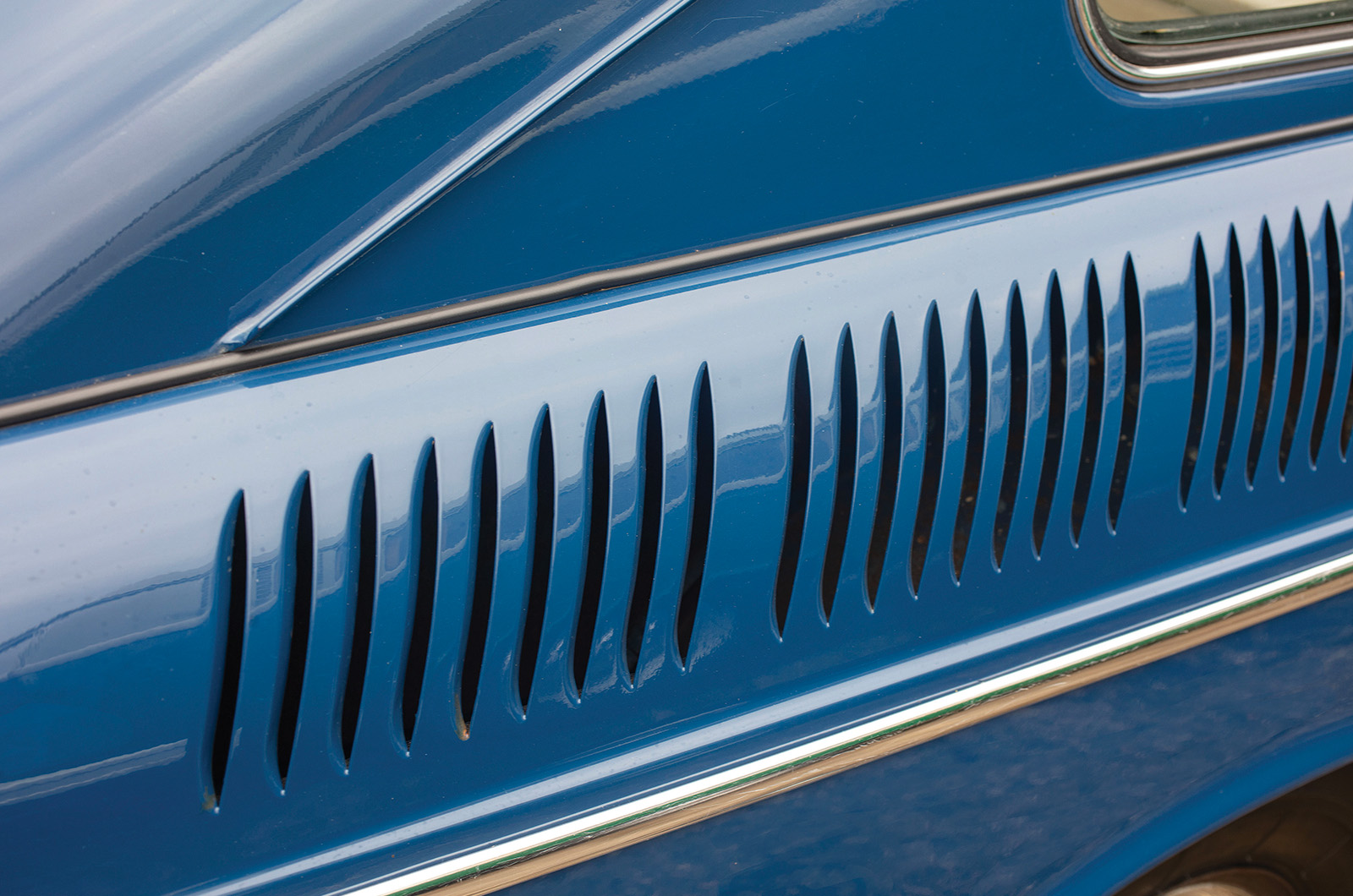
Shine a light inside the side vents to check for hidden rot – it will tell you a lot about the condition of unseen panels behind a shiny paintjob.

Classic & Sports Car – Buyer’s guide: Volkswagen Type 3

Interior

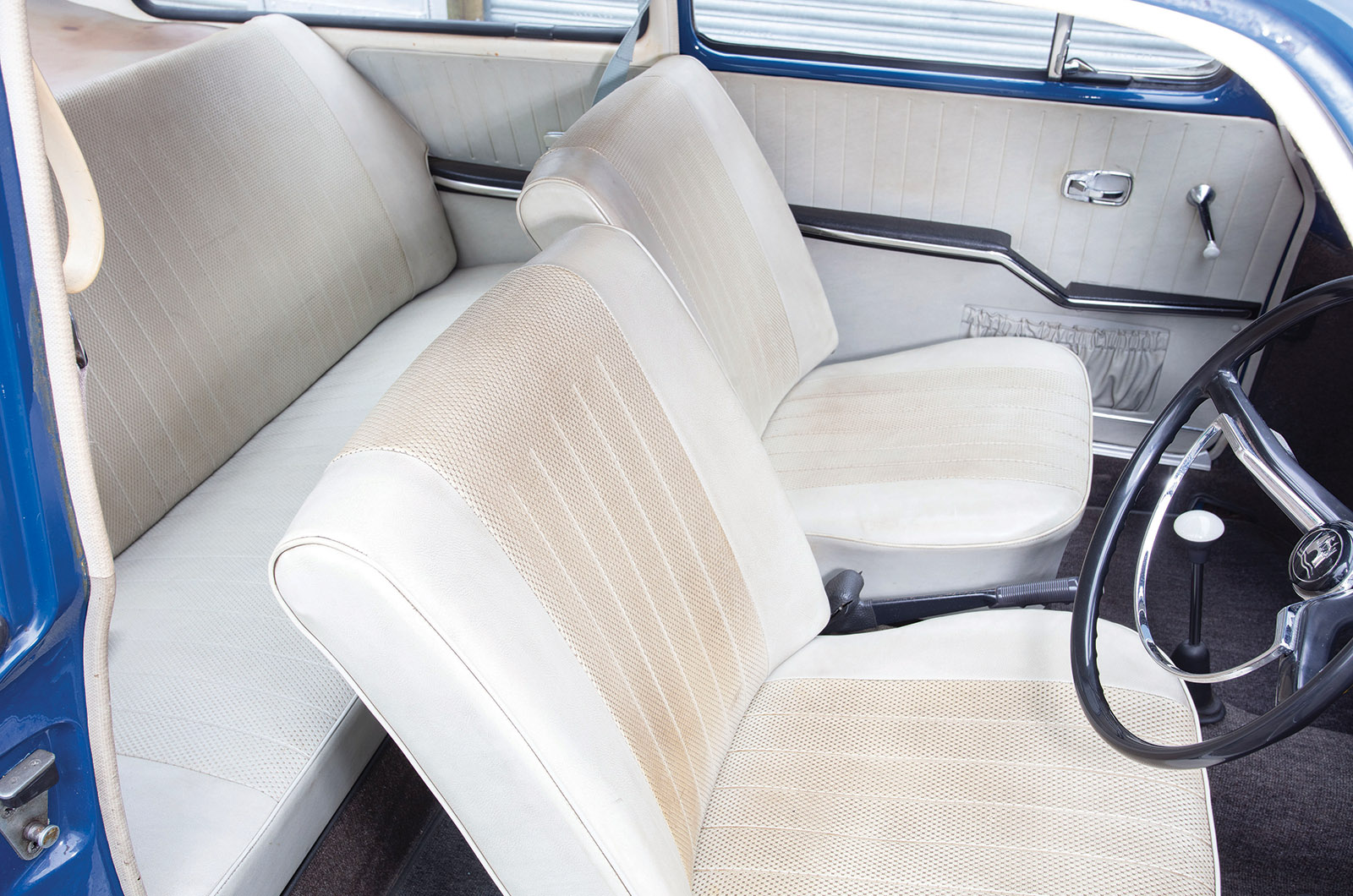
Seat covers and carpets are obtainable new, but most of the other interior and exterior trim unique to the Volkswagen Type 3 is now obsolete: completeness is the key.


Volkswagen Type 3: before you buy

Classic & Sports Car – Buyer’s guide: Volkswagen Type 3

Durability was Volkswagen’s watchword, but after 50-60 years of use, the engine will need a rebuild if it hasn’t had one already.

Look out for oil leaks and fumes, smoky exhausts, a lack of power and poor starting: all are signs of a rebuild being necessary.

The parts are available and mostly not expensive, but the labour can add up.

The same applies to the transmission: watch for leaks, difficult selection, jumping out of gear and worn synchromesh.

Fuel-injected cars are often converted back to carburettors because of the cost of injection parts and expertise.

Once right, however, they should give decades of trouble-free service, so it’s worth the investment.

Classic & Sports Car – Buyer’s guide: Volkswagen Type 3

The suspension is simple but needs checking for wear.

Many Volkswagen Type 3s have been lowered – it’s easy to wind the torsion bars back up, but check that damage hasn’t been sustained by too-low riding.

All-drum brakes up to 1965 will fade if worked hard; front-disc systems are better, but check for seized calipers and slave cylinders. Parts are available, but late calipers are costly.

In addition to the vital checks for rust and originality (see above), test the door hinges for wear: the heavy doors can drop.

Around half a million VW Type 3s were built in Brazil, and some in Australia. Many of those examples have found their way around the world, so, if you’re offered a car with unusual features such as twin headlights, it may well be an overseas variation – values are generally similar, but check specifications carefully.


Volkswagen Type 3 price guide

Restoration/average/show

  • Notchback*: £1500/5-8000/14,000
  • Variant**: £1750/5500-8500/15,000
  • Fastback**: £2250/6-9000/16,000


*Add 25% for ‘S’ models

** Add 25% for thin-bumper cars

Prices correct at date of original publication


Volkswagen Type 3 history

1961 1500 Notchback launched

1962 Variant enters production

1963 ‘S’ with twin-carb, high-compression engine, uprated trim and chrome

1965 1600 TL Fastback added: upgraded trim, reclining seats, twin carbs; single-carb 1600/1500 also available; all get front discs

1966 All models uprated to 12V electrics

1967 1600E for some markets: Bosch D-Jetronic injection, dual-circuit brakes

1968 Three-speed ZF automatic option on all twin-carb 1600s; trailing-arm rear suspension for most markets

1969 Facelift: thick ‘Europa’ bumpers, longer nose, bigger tail-lights

1971 Early 411 calipers, detail trim changes

1973 Production ends


The owner’s view

Classic & Sports Car – Buyer’s guide: Volkswagen Type 3

“I bought this Fastback in 2006 from its original owner,” says VW devotee Rich Oakley.

“It had been his daily driver from 1965 and he was in his 90s. He had fitted new front wings, and a very good respray was done in 1992, but it’s otherwise completely original, with 116,000 miles.

“It may well be the oldest-surviving Fastback – certainly the earliest right-hand-drive example.

“I love it; it’s a 100mph car – the running gear is not unlike a Porsche 912.

“My dad bought a new Beetle in 1972 and I have always loved Volkswagens. I’ve owned more than 100 of them – Beetles, campers, trucks.

“I still have a 1947 Beetle, a 1952 cabrio and the last UK cabrio in my collection.

“The next job on the Fastback is to change the ignition switch – the switch fitted for the first year of production was very fragile, and it’s failing now, but I managed to buy the last new one in existence: it cost me £400!”


Also consider

Classic & Sports Car – Buyer’s guide: Volkswagen Type 3

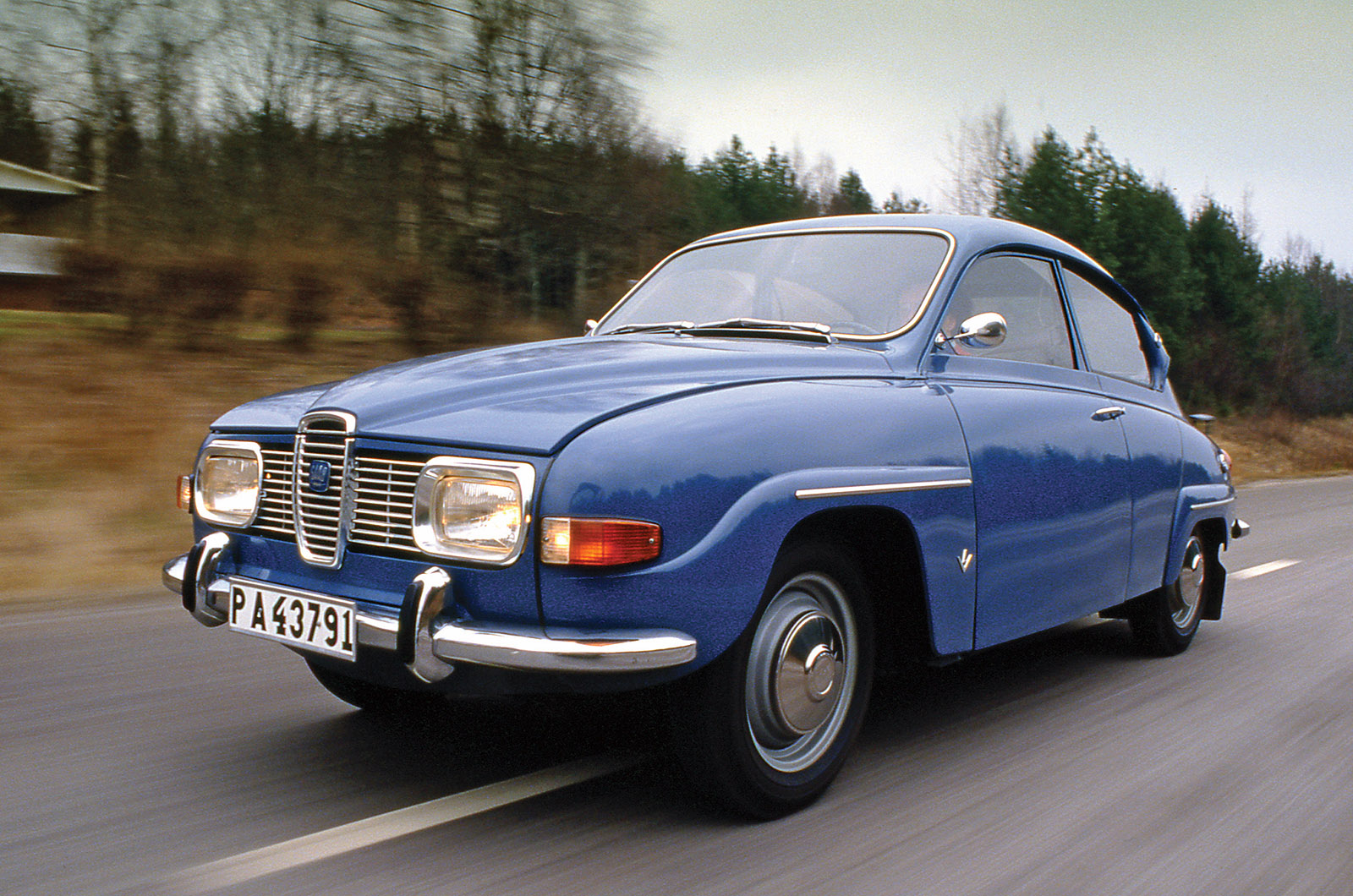
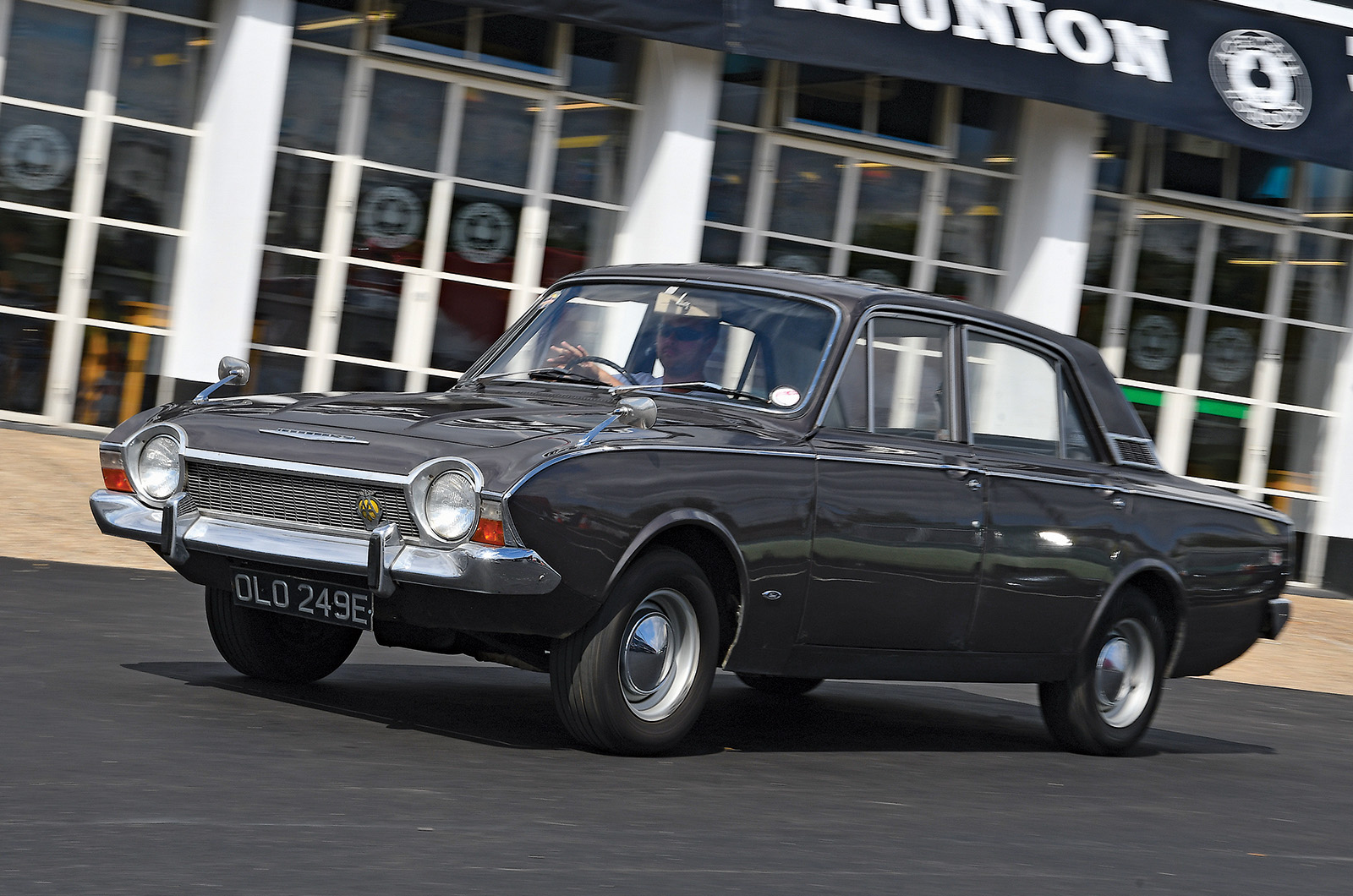
The Saab 96 V4 (left) and Ford Corsair are alternative buys

SAAB 96 V4

Quirky but popular two-door saloon/estate, with 1498cc Ford V4 and front-wheel drive, developed from the VW Beetle-rivalling two-stroke. Seven seats at first in the 95 estate; costly to restore.

Sold 1967-’80 • No. built c407,500 • Price now £2-18,000*


FORD CORSAIR

A gap-filler between the Cortina and the Zephyr, with a 1500 at first then a 1.7/2.0 V4. Two-door, four-door and rare Estate. Bigger but no roomier inside, and even more rot-prone.

Sold 1964-’70 • No. built 294,591 • Price now £2-12,000*

*Prices correct at date of original publication


Volkswagen Type 3: the Classic & Sports Car verdict

Classic & Sports Car – Buyer’s guide: Volkswagen Type 3

Superb build quality and durability mean that many Volkswagen Type 3s have endured decades of sub-standard maintenance to become utterly worn out – and they can be costly to bring back to health as a result.

Survival rates are low because many were broken for spares.

Search far and wide for the best-preserved car you can find, with minimal corrosion and complete brightwork.

Check the engine spec is correct, along with the interior trim.


FOR

  • Rarity, practicality and all the character of a Beetle with more space, refinement and pace
  • Running gear is available and affordable 


AGAINST

  • With so few left, used non-mechanical parts are scarce
  • Some trim is almost unobtainable, as are body panels
  • Rust can be make restoration prohibitively expensive

Volkswagen Type 3 specifications

  • Sold/number built 1961-’73/2,566,857 (Germany)
  • Construction steel platform chassis, bolted-on steel body
  • Engine magnesium-crankcase, iron-barrels, alloy-heads, ohv 1493/1584cc flat-four, with single/twin Solex carbs or Bosch D-Jetronic injection
  • Max power 48bhp @ 3800rpm to 54bhp @ 4600rpm
  • Max torque 72lb ft @ 2000rpm to 81lb ft @ 2800rpm
  • Transmission four-speed manual or three-speed ZF automatic, RWD
  • Suspension: front trailing links, transverse torsion bars, anti-roll bar rear swing axles, torsion bars; telescopic dampers f/r (double-jointed driveshafts, longitudinal/diagonal arms from ’68)
  • Steering worm and roller
  • Brakes drums, or discs front, drums rear
  • Length 12ft 4in-13ft 11in (4225-4370mm)
  • Width 5ft 3in (1640mm)
  • Height 4ft 10in (1470mm)
  • Wheelbase 7ft 10½in (2400mm)
  • Weight 1890-2282lb (859-1035kg)
  • 0-60mph 26-18.5 secs
  • Top speed 77-86mph
  • Mpg 22-35
  • Price new £1198 (Fastback, 1968)

READ MORE

All Classic & Sports Car buyer’s guides

24 cars with VW Beetle engines

Volkswagen Beetle: Wolfsburg’s miracle car

The award-winning Volkswagen Karmann Ghia that punches above its weight