In circuit racing, however, the Jupiter proved its worth against sports cars that on the showroom floor appeared better suited to competition in their traditionally spartan specifications.
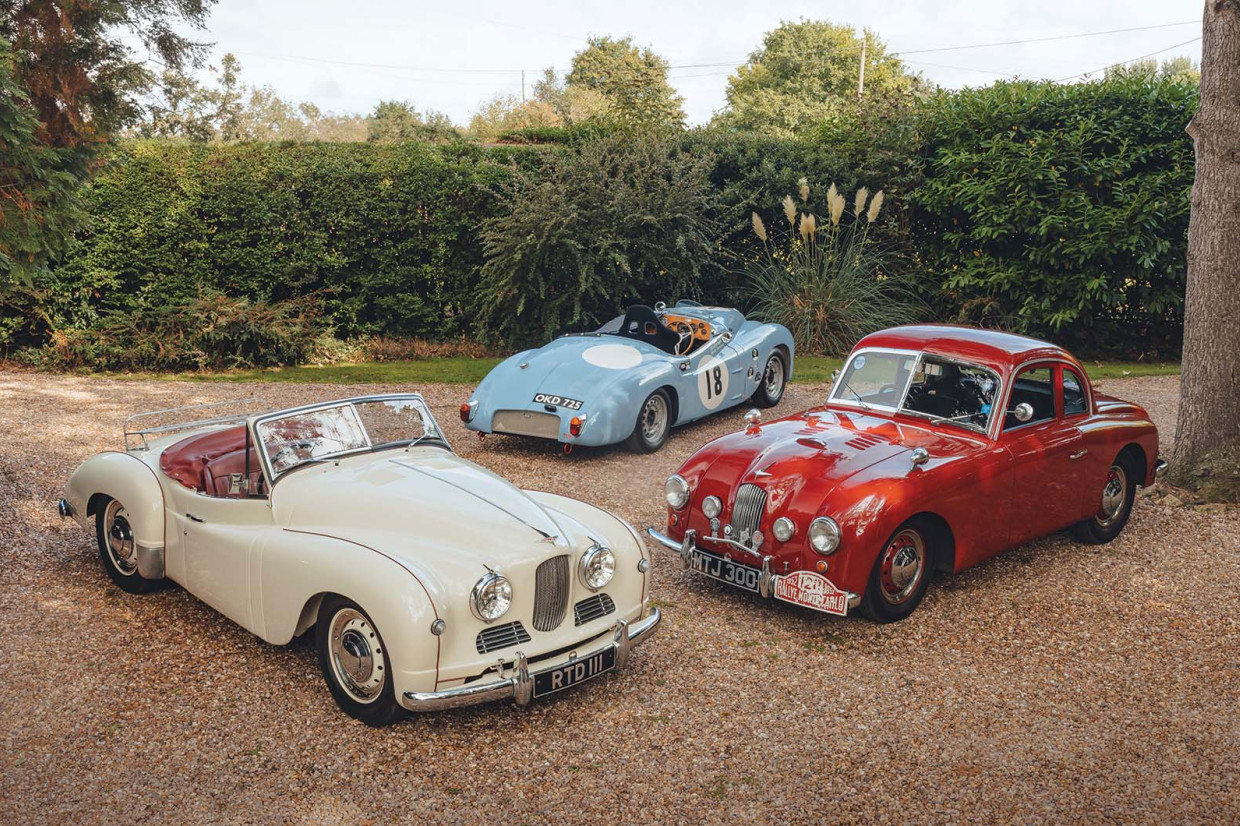
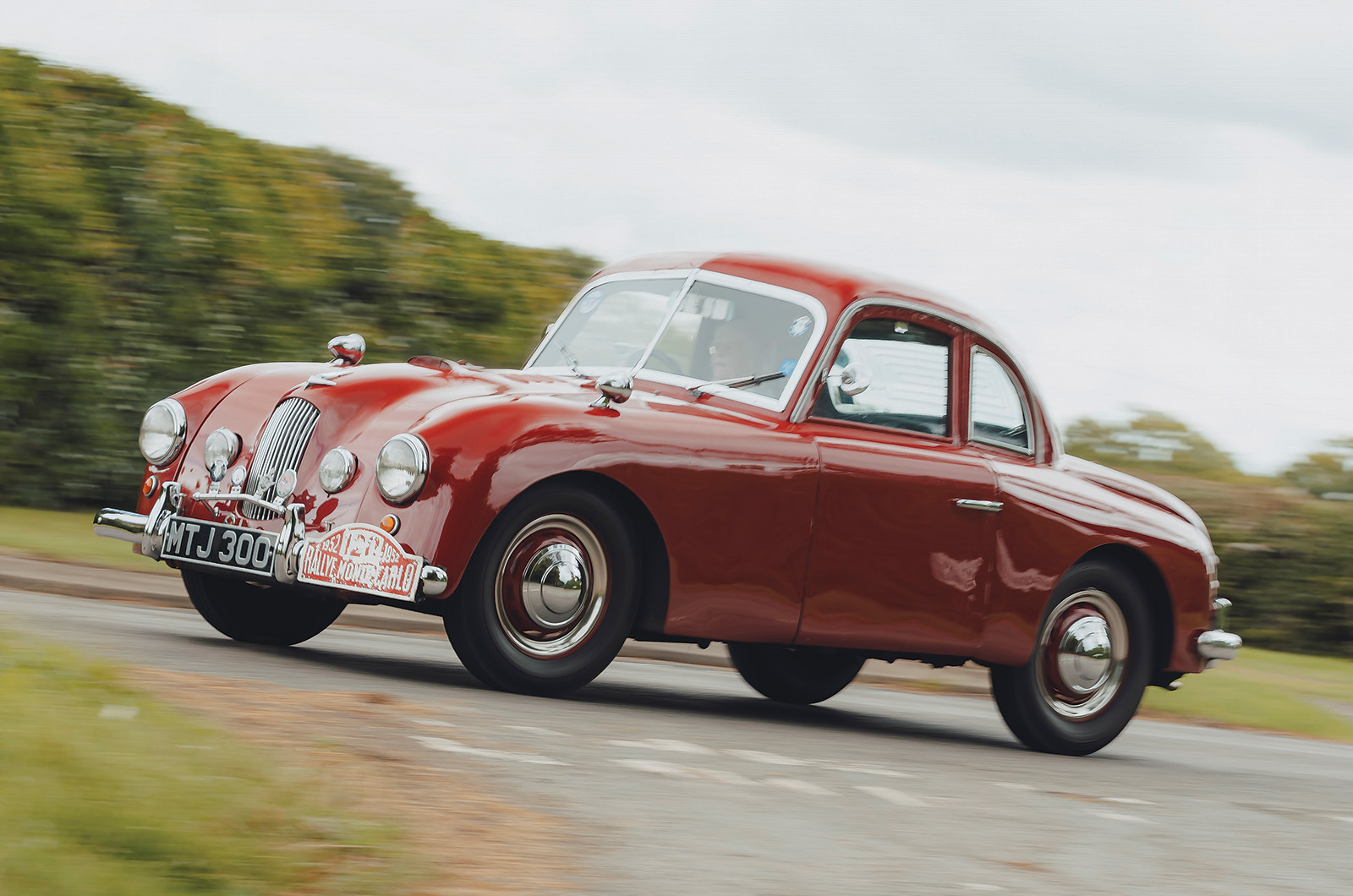
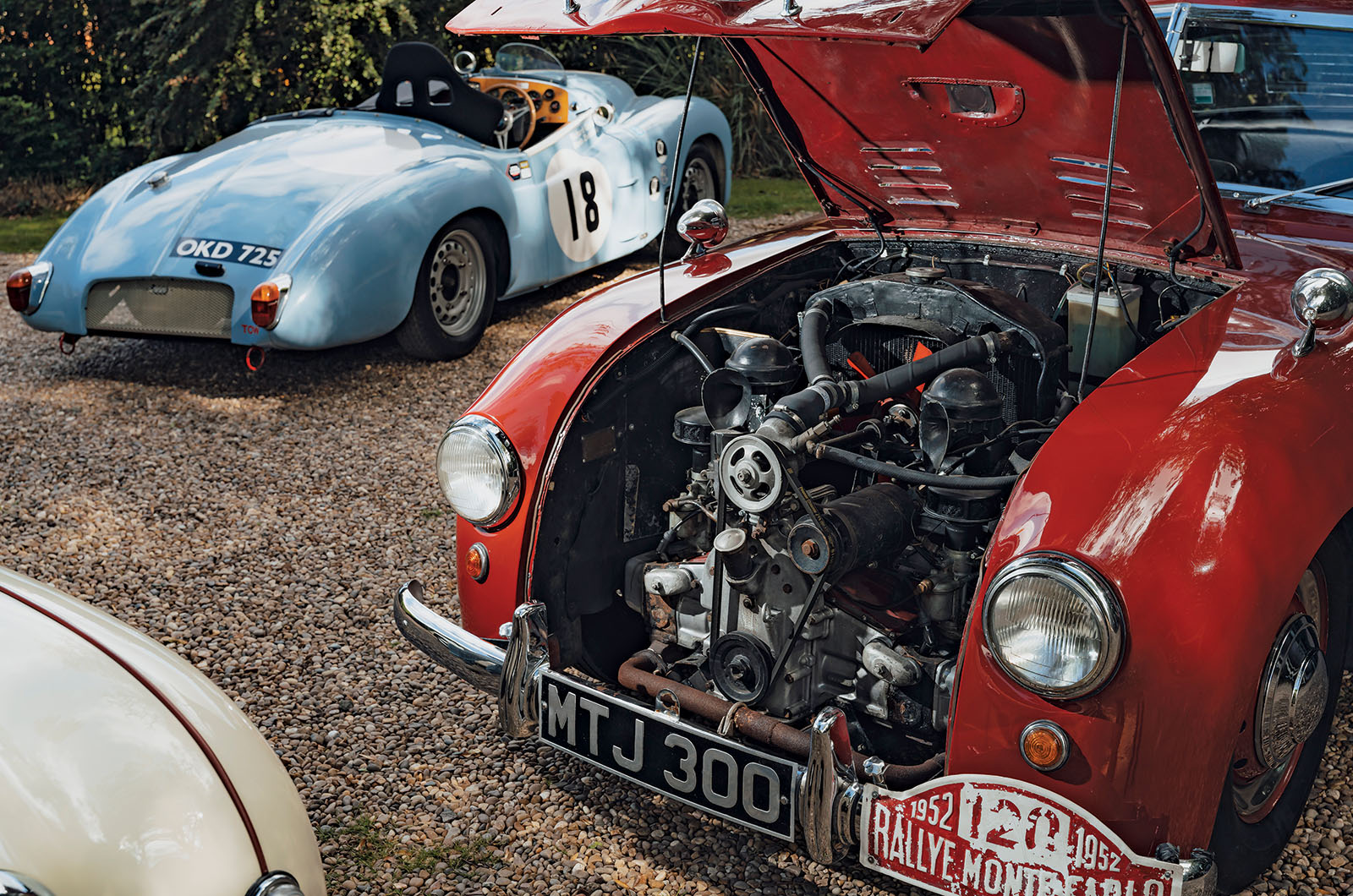
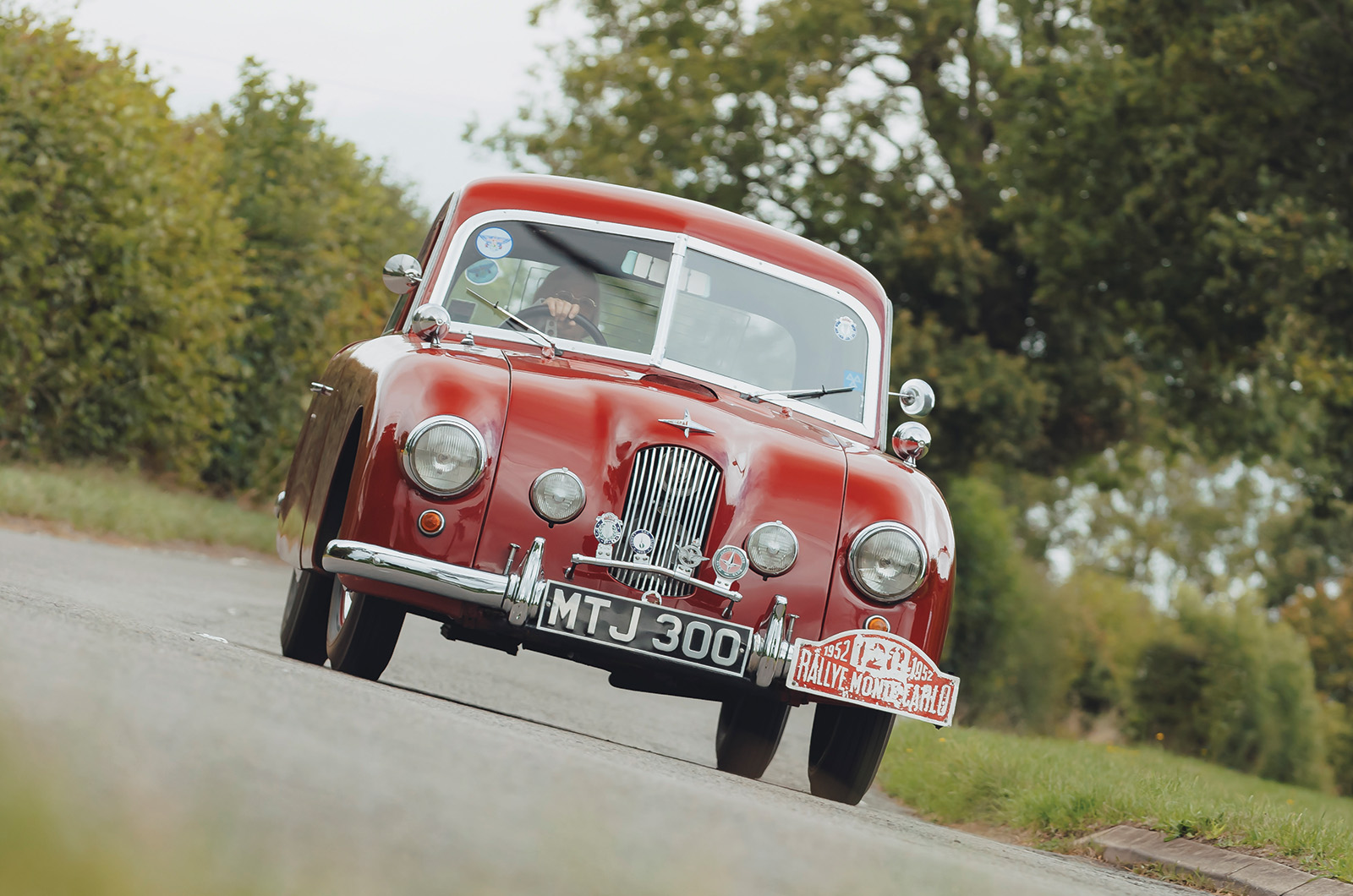
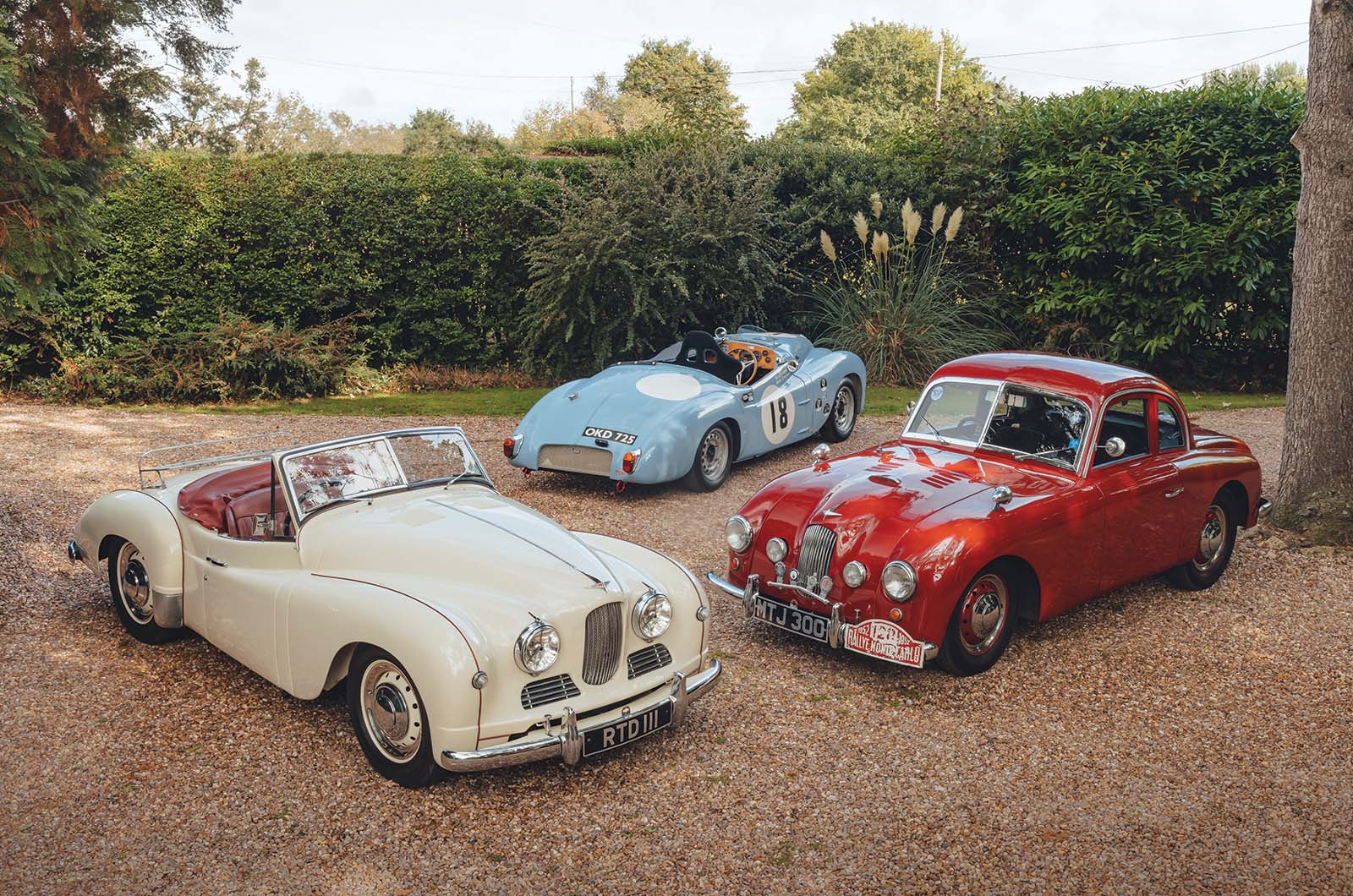
This rally-ready Jowett Jupiter has an aluminium-over-wood-frame body
A factory works team achieved class wins at Le Mans in 1950, ’51 and ’52 – much to the initial bemusement of European onlookers who had barely heard of Jowett; the final victory came in the rebodied, cycle-winged Jupiter R1.
The R1 also won the Queen Catherine Montour Cup for 1.5-litre sports cars at New York’s Watkins Glen in 1951, while a standard Jupiter took its class in the RAC TT race in Northern Ireland that same year.
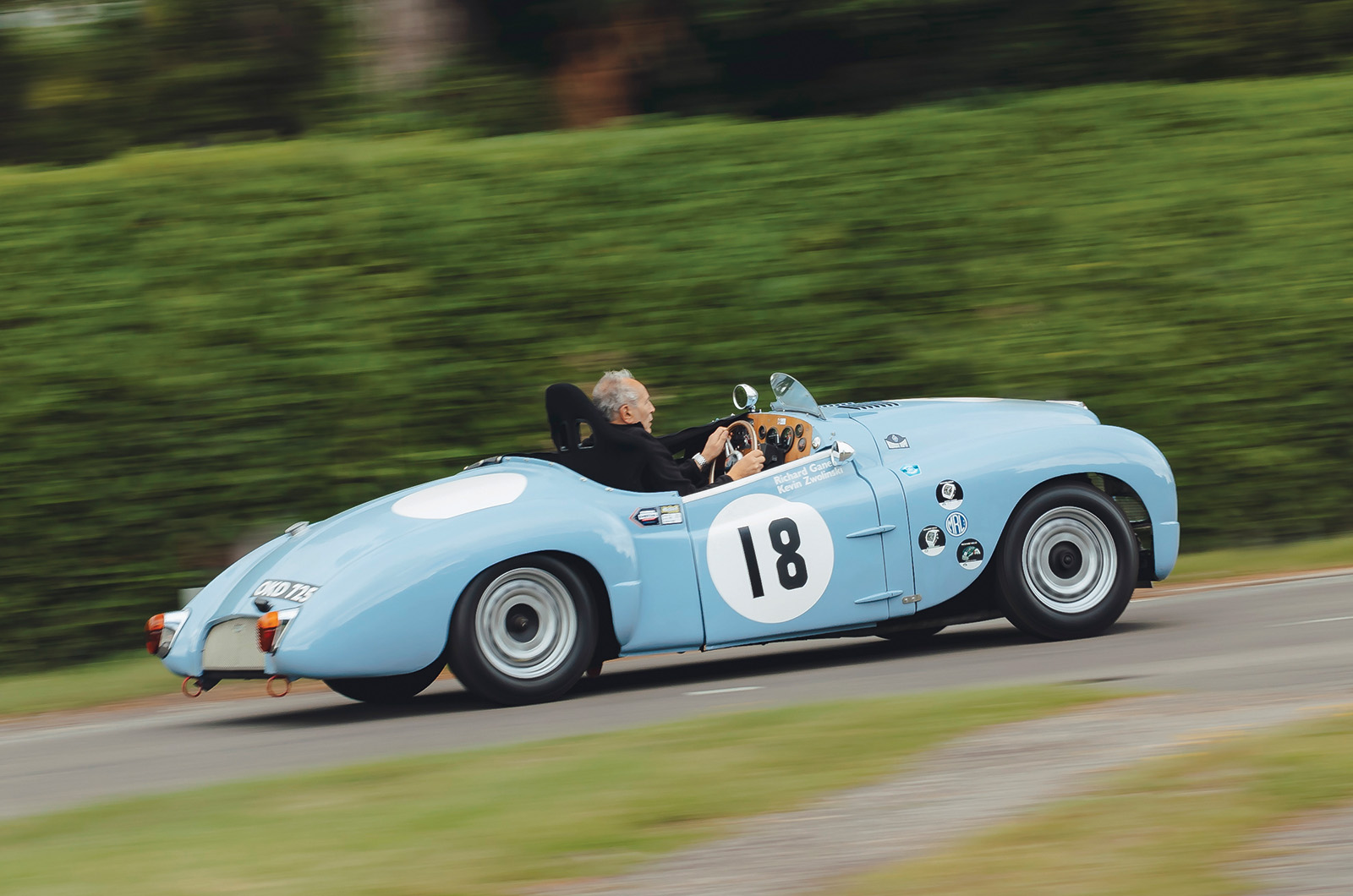
Inspired – and provided with eligibility – by these exploits, there is a small but committed group of historic racers running Jupiters today, and most of those are affiliated with the Jupiter Owners’ Auto Club, including Richard Gane.
The owner of three Jupiters, two Javelins and a Bradford van among other classic cars, Richard’s Jowett obsession started with a standard road car, but really took off with his desire to go racing in 2010.
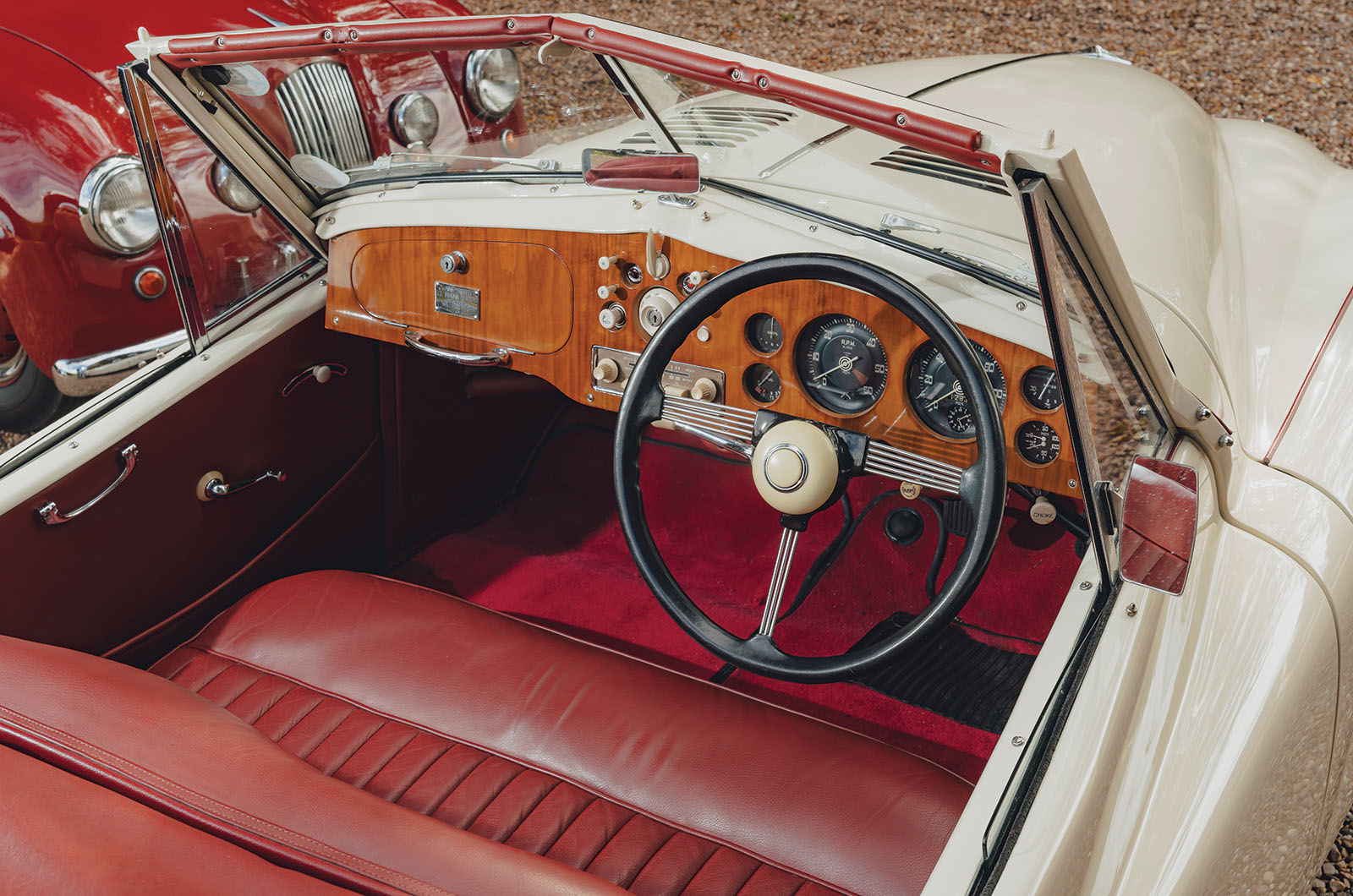
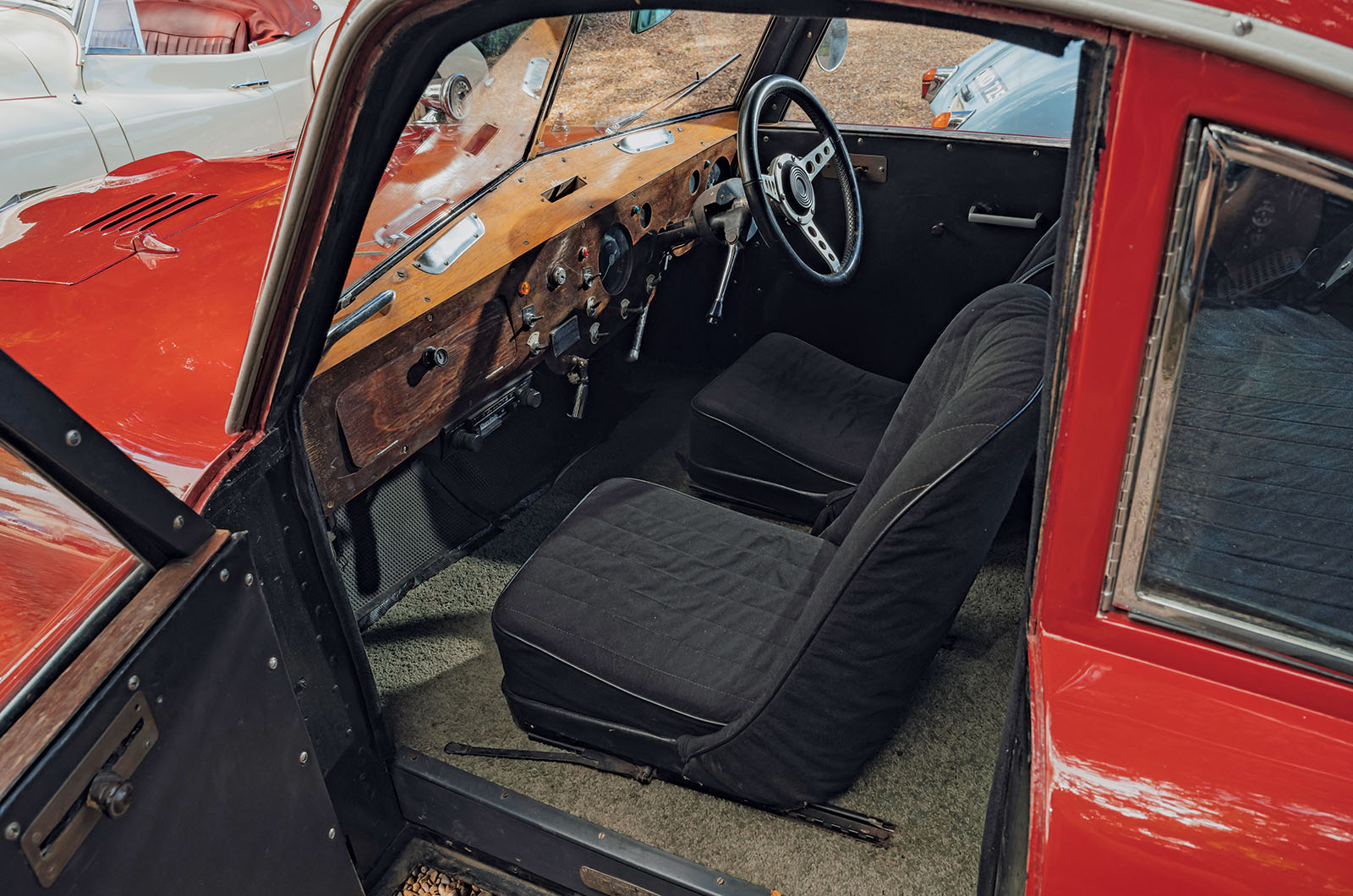
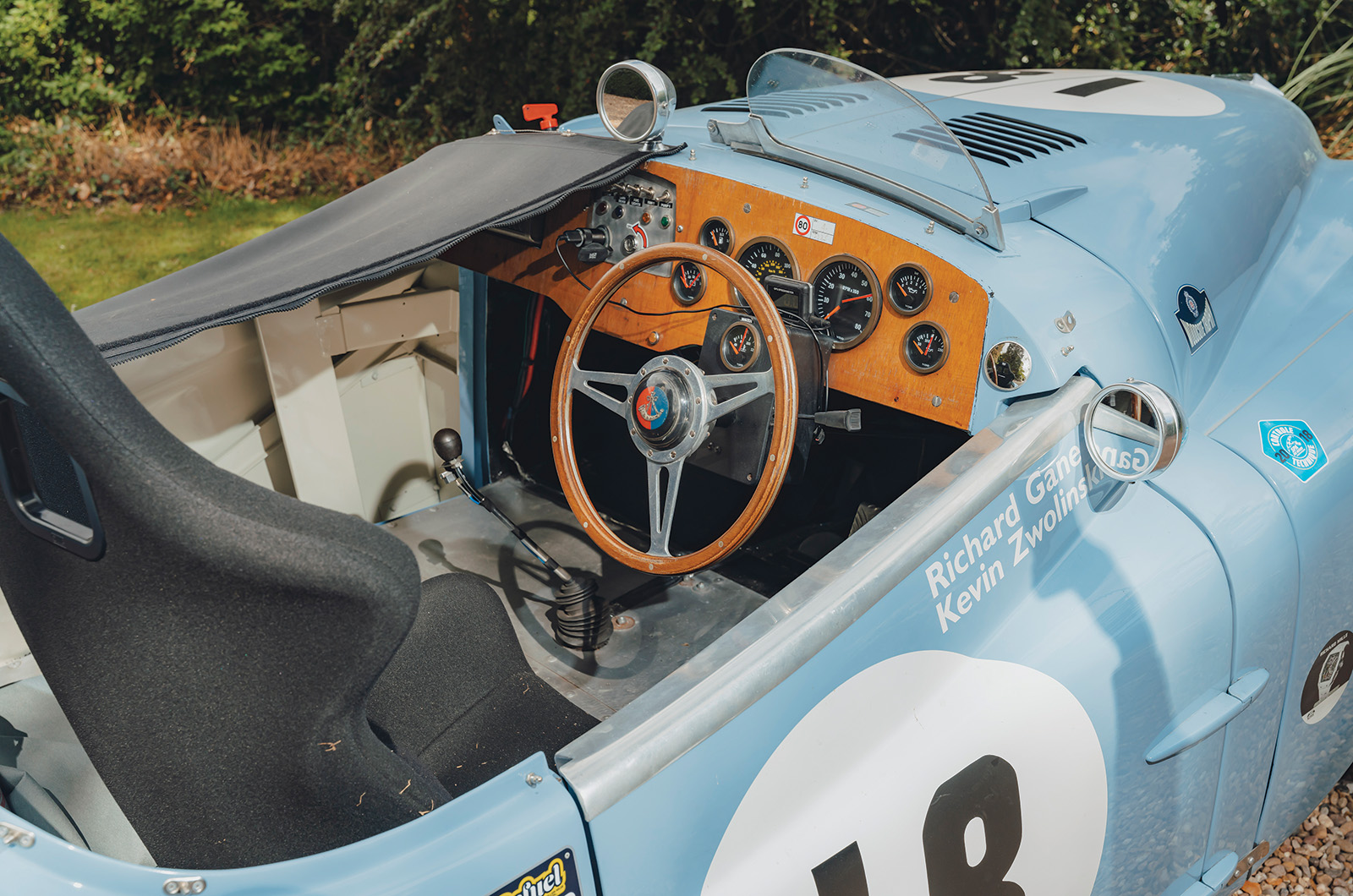
The Jupiter racer’s modifications include a floor-mounted gearlever
“I had a friend who had been campaigning an AC Ace at the Le Mans Classic, and he’d sold as the Ace market soared,” says Richard.
Spotting his Jupiter in the workshop, and acknowledging that its chassis was not all that different from an Ace’s, said friend then asked: “Could we make a race car out of that?”
To build his 1953 racer Richard bought three Jupiters, including a complete car used as an initial testbed and the chassis now under his light-blue car.
He teamed up with friend Dave Harris to build the Jowett to a competitive spec.
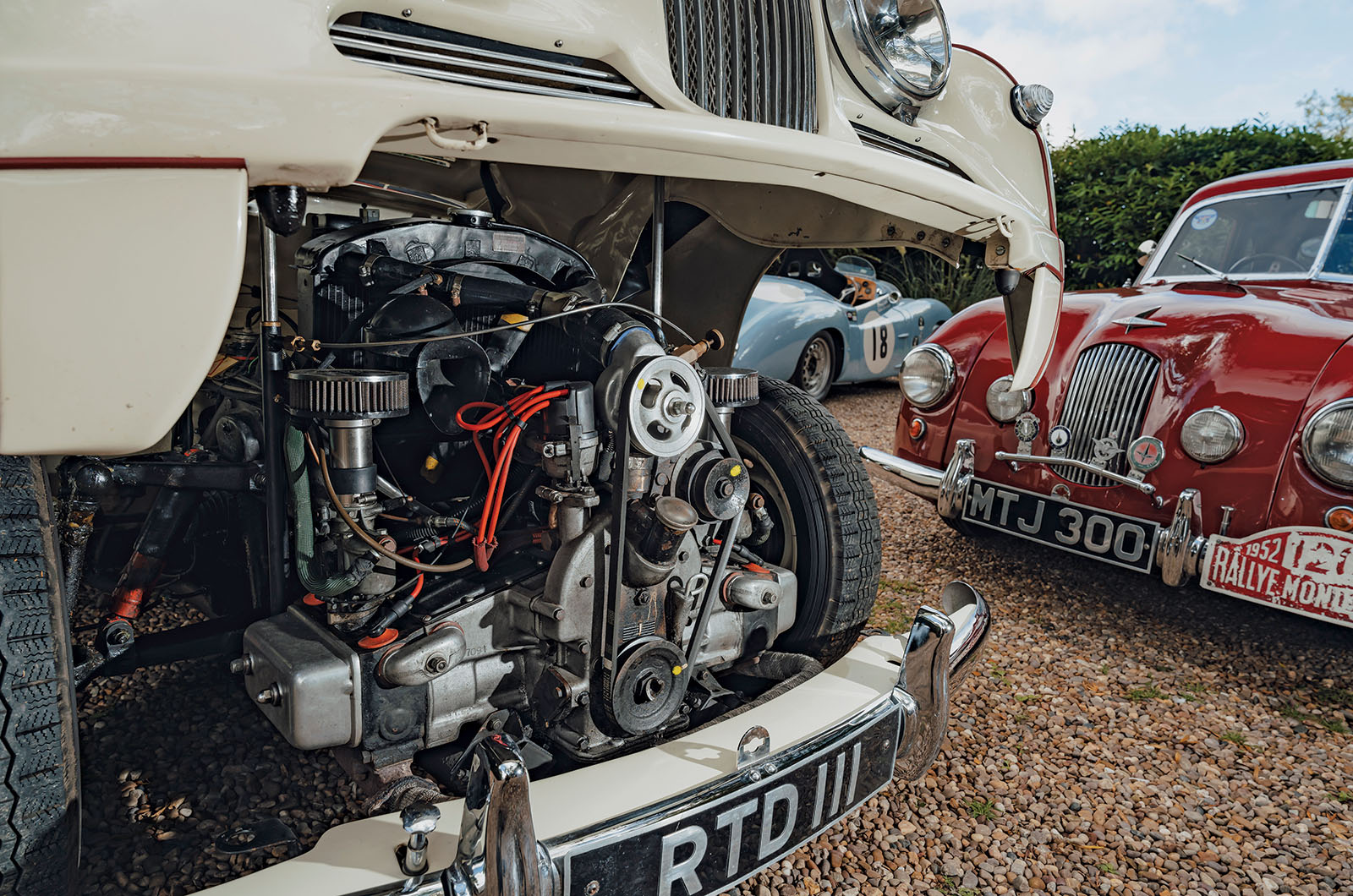
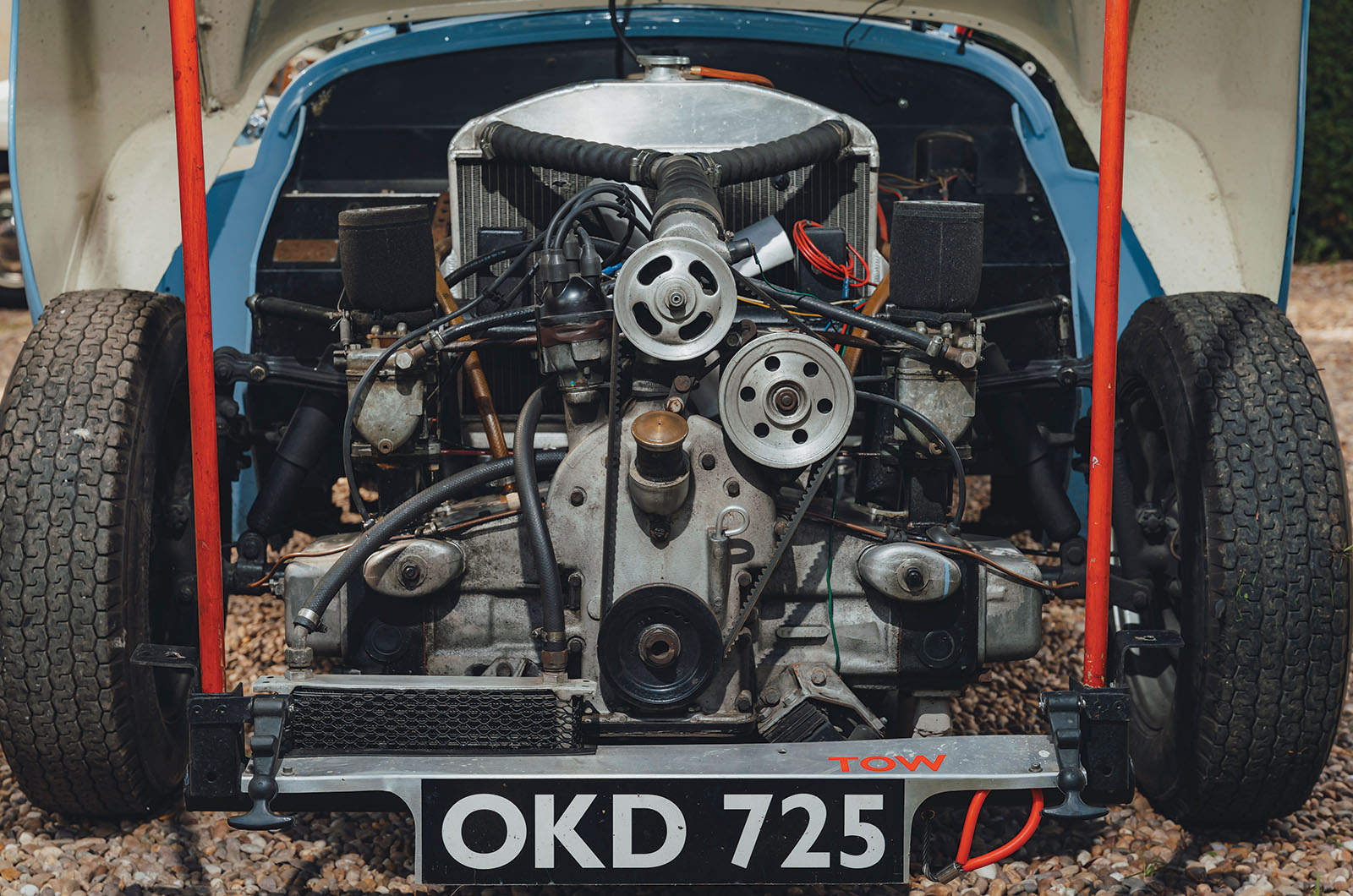
This Jowett Jupiter’s race engine is torquey, but happy to rev
The Jupiter Owners’ Auto Club sold him a new aluminium crankcase, while custom-made rods, pistons and other internals have resulted in the engine making 115bhp on a rolling road.
Other alterations include a heavily modified gearbox, because Jowett transmissions are a known weak point, with a tendency to engage two ratios at once.
Richard fabricated a floor shift to allow more controlled changes, and has installed an overdrive – a rare modification, but he was able to find photographic evidence that they were used in period.
Removing weight is an obsession of co-builder Dave, who would saw off the end of every bolt once fitted.
‘In circuit racing the Jowett Jupiter proved its worth against sports cars that appeared much better suited to competition’
“We weighed the bucket of bolt ends and there were two kilos in there,” says Richard.
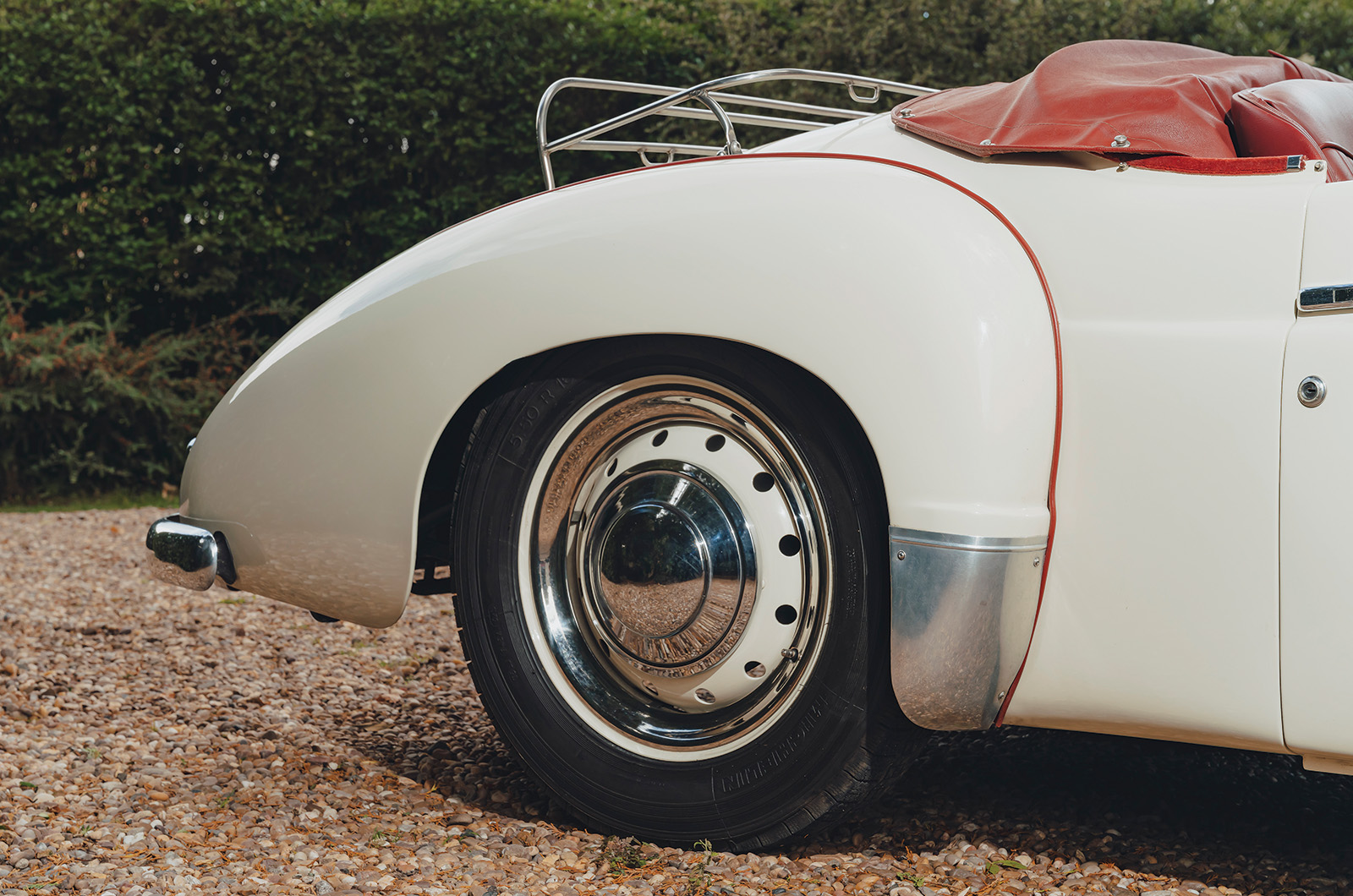
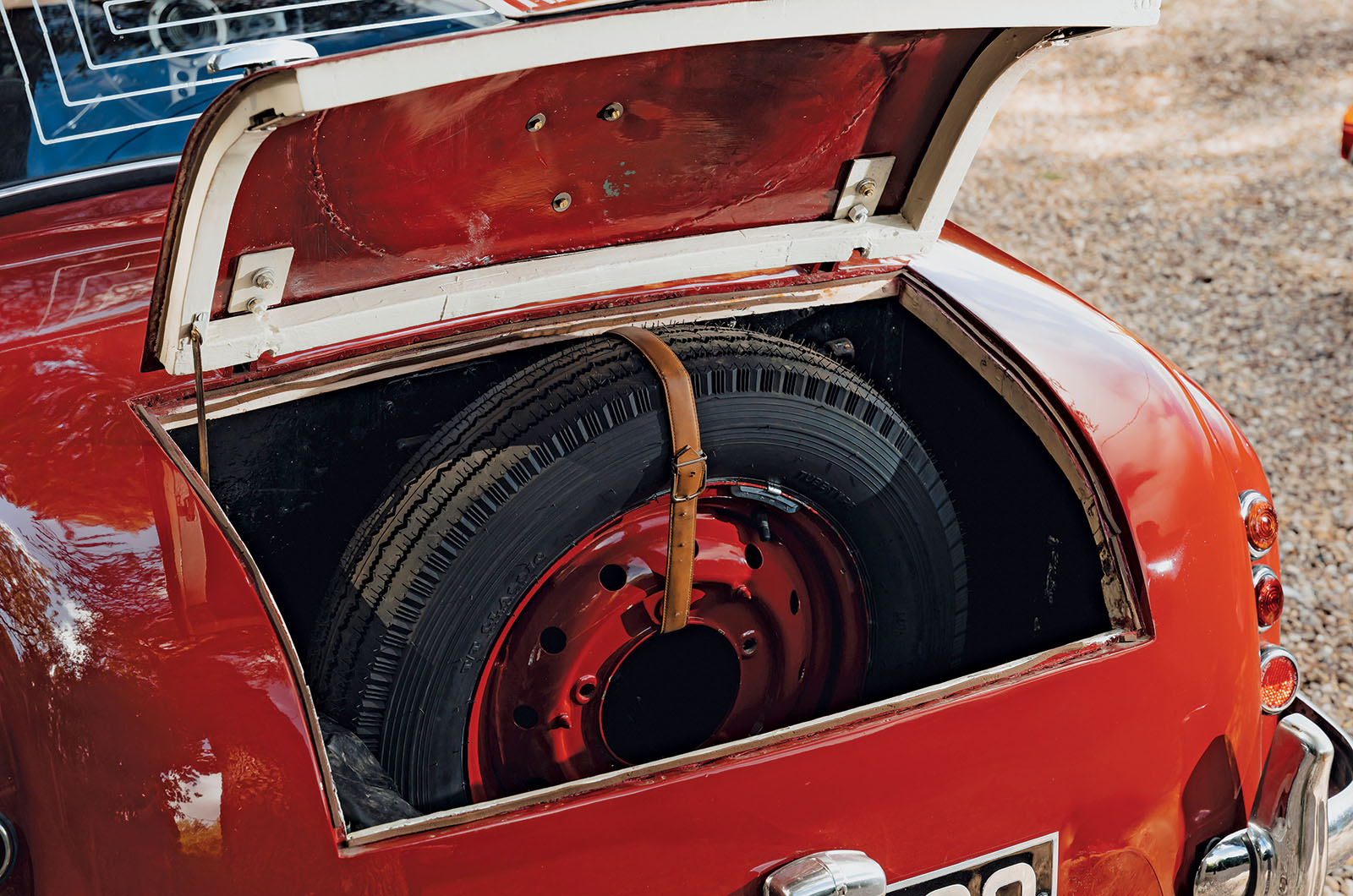
The spare-wheel compartment has been replaced by an air vent to reduce rear-end lift, and the rear wings have been subtly narrowed – all of which has contributed to a top speed clocked at 119mph along the Mulsanne Straight.
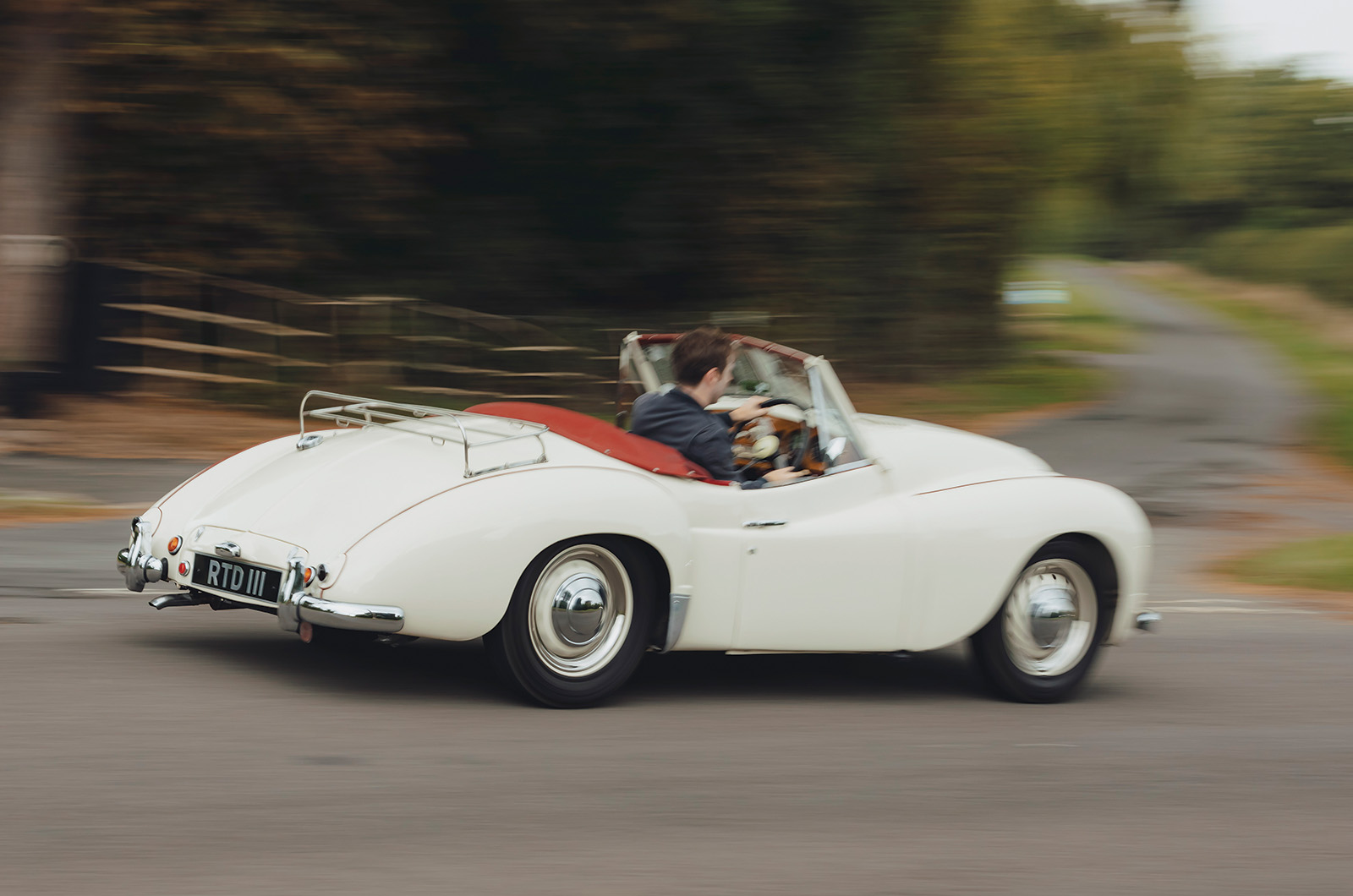
With the Jupiter’s motorsport pedigree far greater than its production numbers, Richard finds the entries roll in: he has raced at Le Mans four times, plus Spa, Goodwood and more.
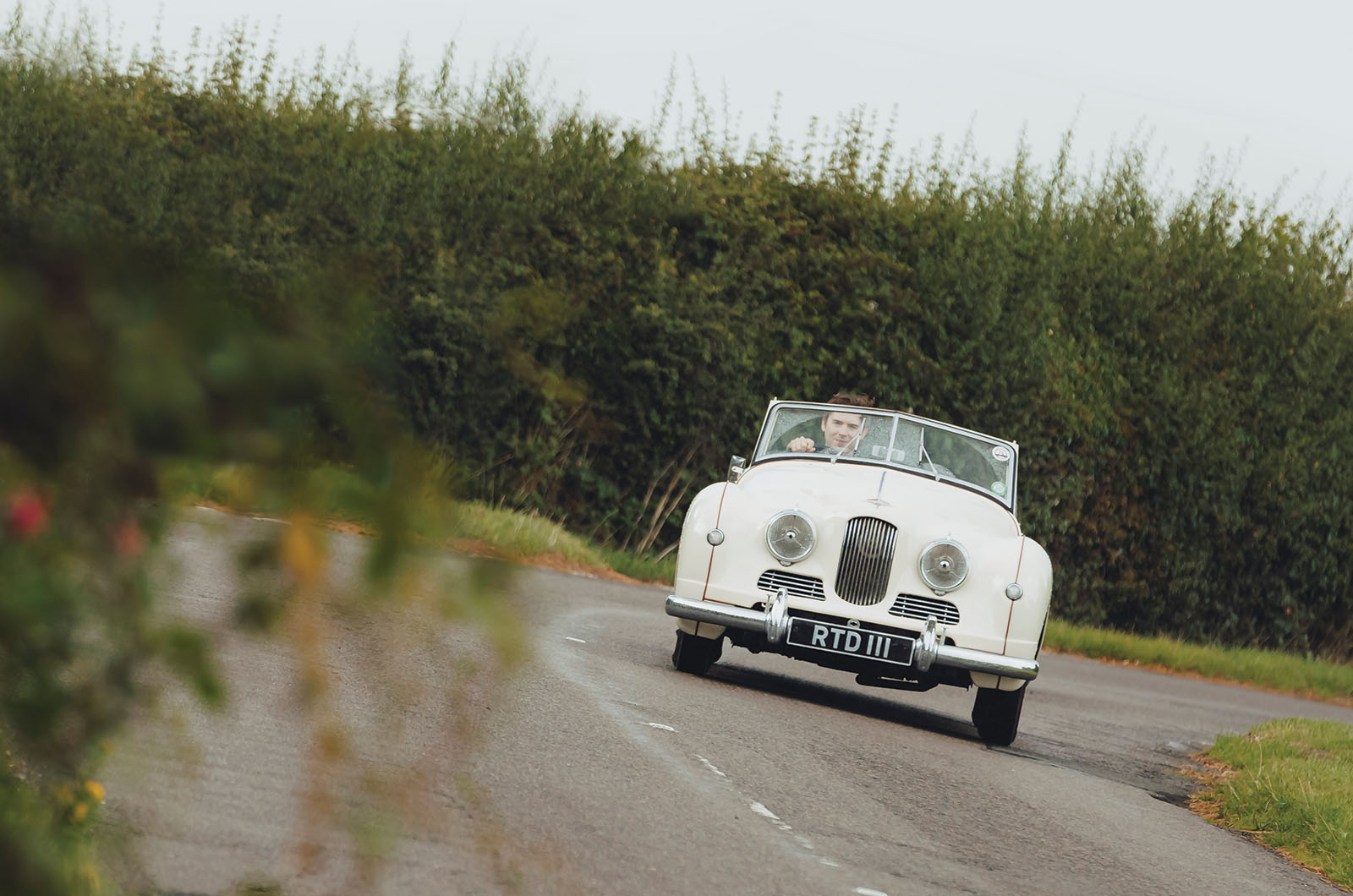
“It does handle really well,” says Richard, who regularly ranks in the middle of the Plateau 2 pack at the Le Mans Classic and was impressed by fellow Jupiter racers Julian and Edward Crossley, who took third in class and 16th overall in 2025: “Look at how front-heavy it is and you think it can’t work, but it is neutral and you can steer it on the throttle on racing tyres.”
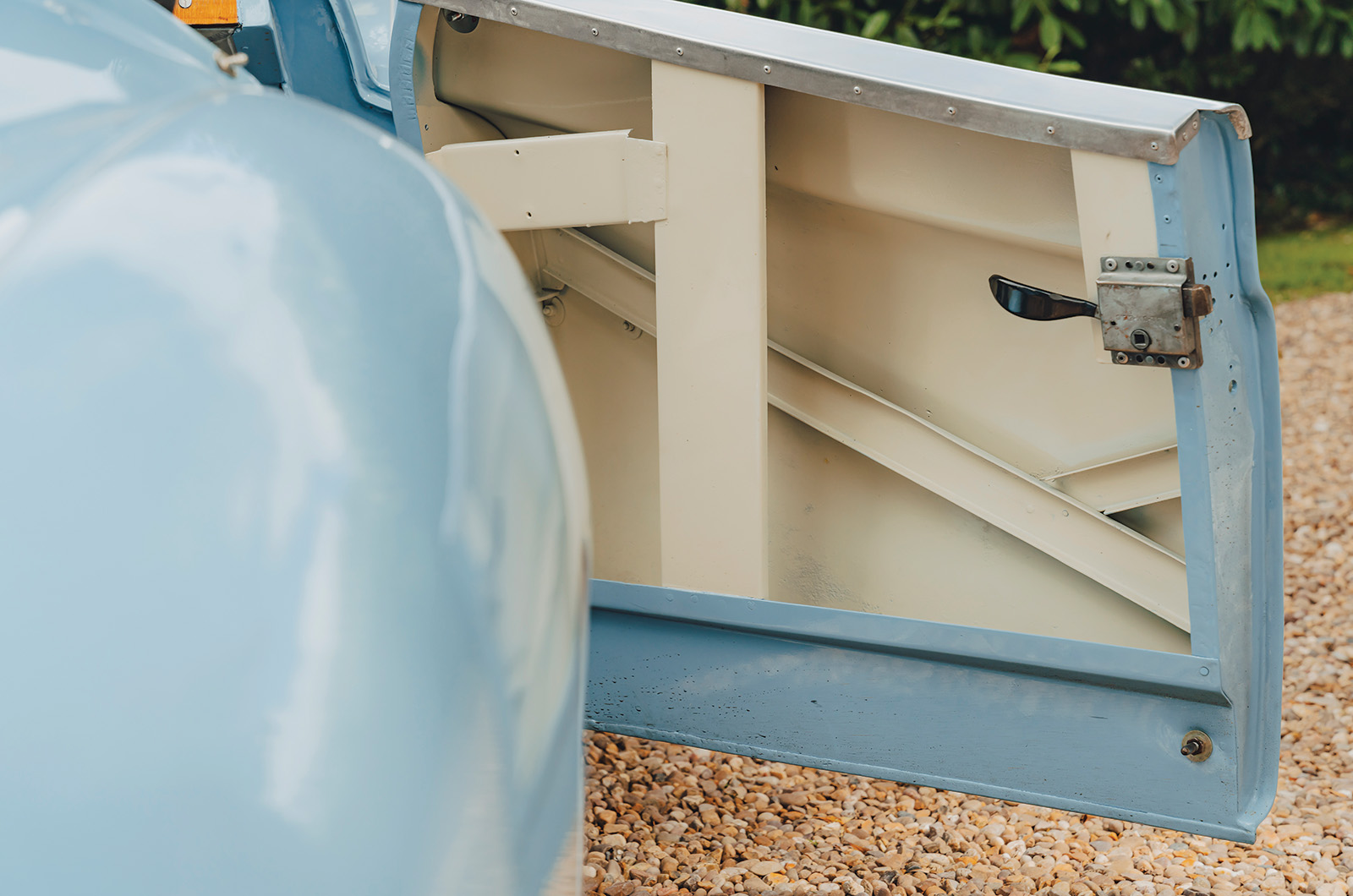
This Jupiter’s stripped-out door saves weight
That there aren’t more Jupiters in historic motorsport – just 901 were built, and roughly 400 are thought to remain in decent condition – can be blamed on Jowett’s collapse in 1955, when the company got stuck in a moment of overcapacity and botched an attempt at taking transmission production in-house.
Sadly, that denied us further Jupiters, including the R4, a successor built on a modified frame and with more modern-looking glassfibre bodywork.
Whether in further years of production or in the form of the R4, it’s tempting to ponder what could have happened had the Jupiter lasted into that golden era for British sports cars in the late 1950s and early ’60s.
Perhaps Stateside success would have followed, and the Jowett name could have rolled off the American tongue as easily as Triumph or MG.
The Jupiter was not only a refreshing change for Jowett, but also a beacon of bravery in Britain’s achingly conservative 1950s motor industry – one that was both reliable and competitive.
Images: Max Edleston
Thanks to: Noel Stokoe and the Jupiter Owners’ Auto Club
Factfile
Jowett Jupiter
- Sold/number built 1950-’54/901
- Construction tubular steel chassis, aluminium body over steel frame
- Engine all-iron, ohv 1485cc flat-four, twin Zenith carburettors
- Max power 60bhp @ 4500rpm
- Max torque 84lb ft @ 3000rpm
- Transmission four-speed manual, RWD
- Suspension: front independent, by double wishbones rear live axle, trailing arms, Panhard rod; torsion bars, telescopic dampers, anti-roll bar f/r
- Steering rack and pinion
- Brakes drums
- Length 14ft (4140mm)
- Width 5ft 1in (1575mm)
- Height 4ft 8in (1422mm)
- Wheelbase 7ft 9in (2362mm)
- Weight 1792lb (813kg)
- 0-60mph 18 secs
- Top speed 86mph
- Mpg 25
- Price new £895 (1951)
- Price now £15-40,000*
*Prices correct at date of original publication
Enjoy more of the world’s best classic car content every month when you subscribe to C&SC – get our latest deals here
READ MORE
MGA Twin Cam: on track in an ex-works racer
10 glassfibre classic cars from mainstream marques
Sunbeam Tigers: recreating Rallye Monte-Carlo magic
Charlie Calderwood
Charlie Calderwood is Classic & Sports Car’s Features Editor