Vauxhall 20hp A-type: foundations of an empire

| 24 Feb 2026
Classic & Sports Car – Vauxhall 20hp A-type: foundations of an empire
The first use of ‘sports car’ is often credited to Vauxhall’s C10 Prince Henry, but in many ways the term would be better applied to this, the earlier 20hp A-type.

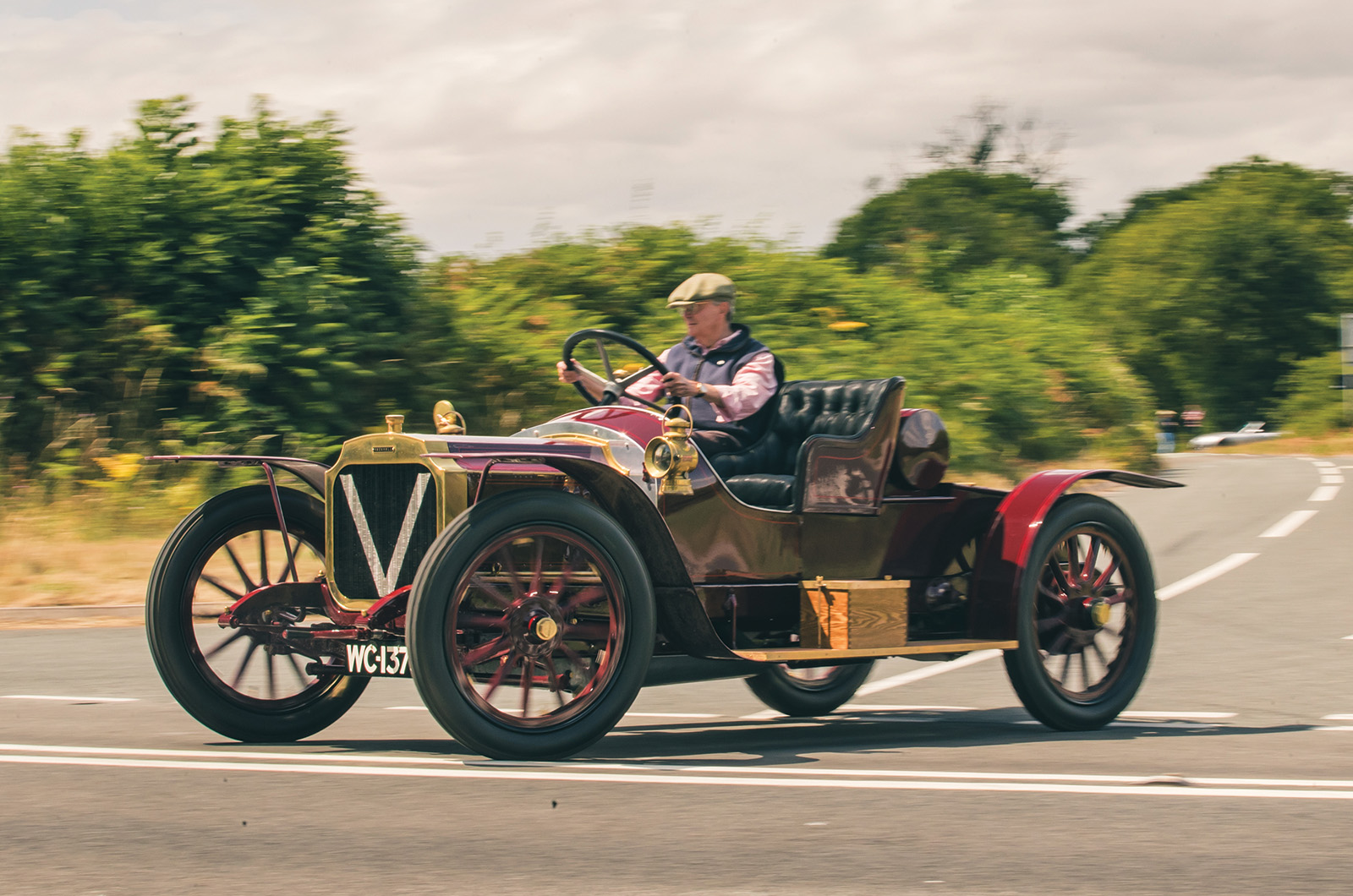
Disarmingly handsome, low-slung and rakish in Two Seat Semi-racer guise, as here, it was a genuine race replica, inspired by Vauxhall’s entry for the 1908 International Touring Car Trial.

MD Percy Kidner’s outstanding performance at that event in a works Y-type was to prove transformative for the Luton manufacturer.

Classic & Sports Car – Vauxhall 20hp A-type: foundations of an empire
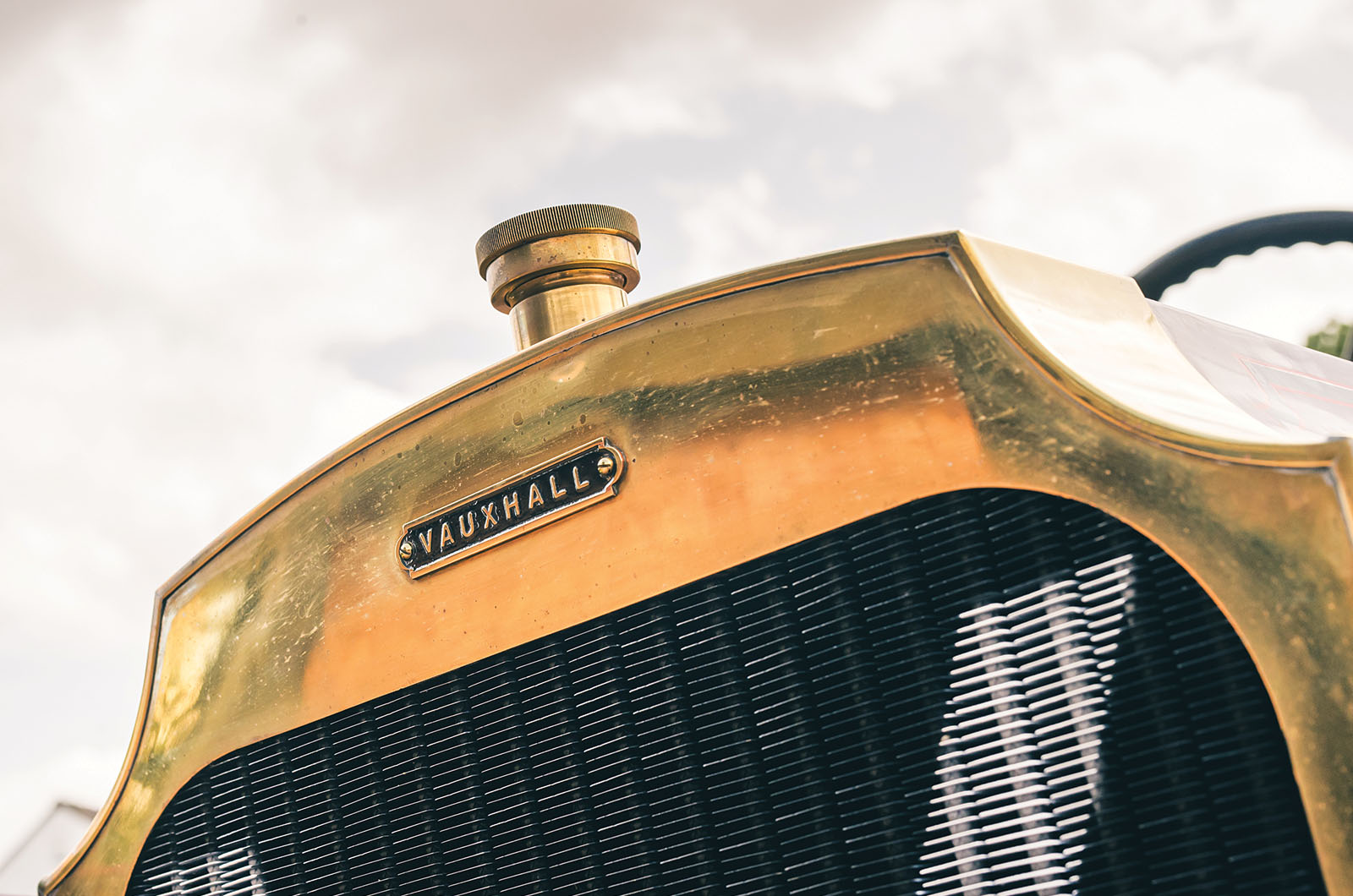
The A-type’s fluted grille would become a Vauxhall signature

It heralded a long period of competition success for Vauxhall, and cemented the marque as a maker of some of the best-engineered and most durable cars in the business.

We’ll return to ‘our’ car – a 1910 A090 export model, which brings a further strand to Vauxhall’s racing history – shortly, but its conception started prior even to the formal existence of the manufacturer.

Following Vauxhall’s move from south London, where it had been making cars since 1903, to Luton two years later, the mainstay of production had been the 12-16hp, which by 1906 was its sole offering. 

This model’s success prompted the car-making division to split from The Vauxhall and West Hydraulic Engineering Company, whose core business was still producing pumps and steamboat engines.

Classic & Sports Car – Vauxhall 20hp A-type: foundations of an empire
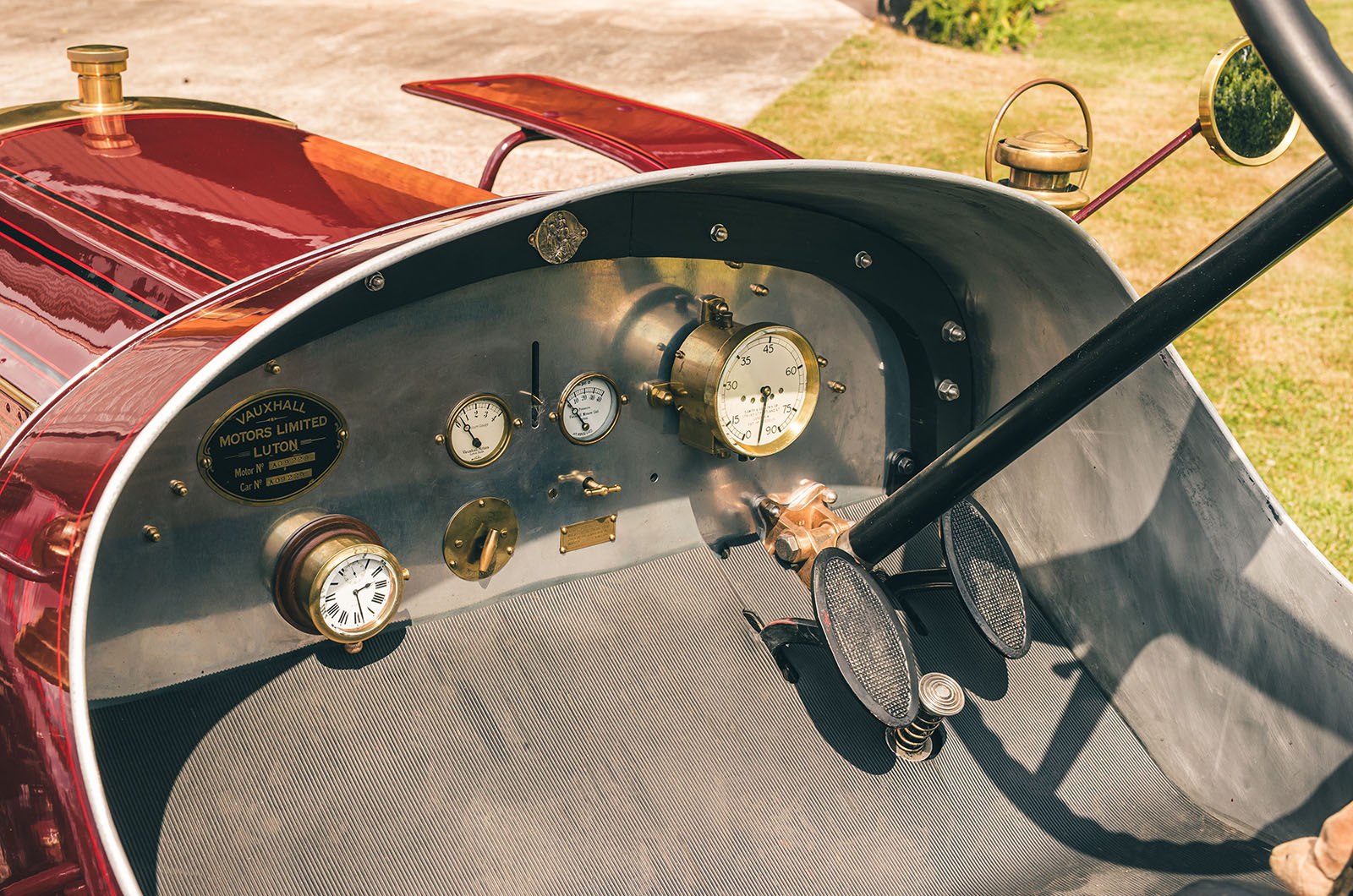
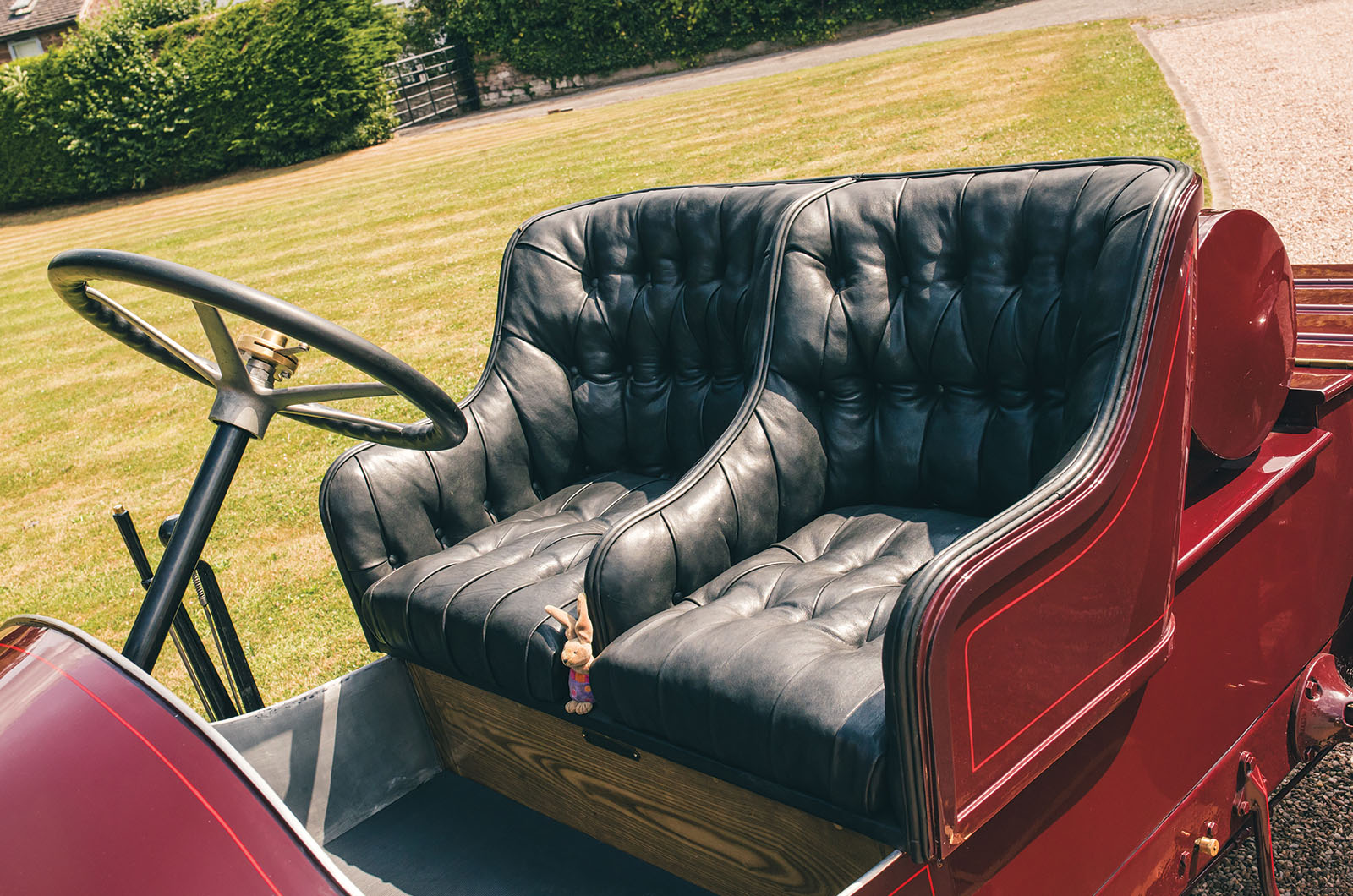
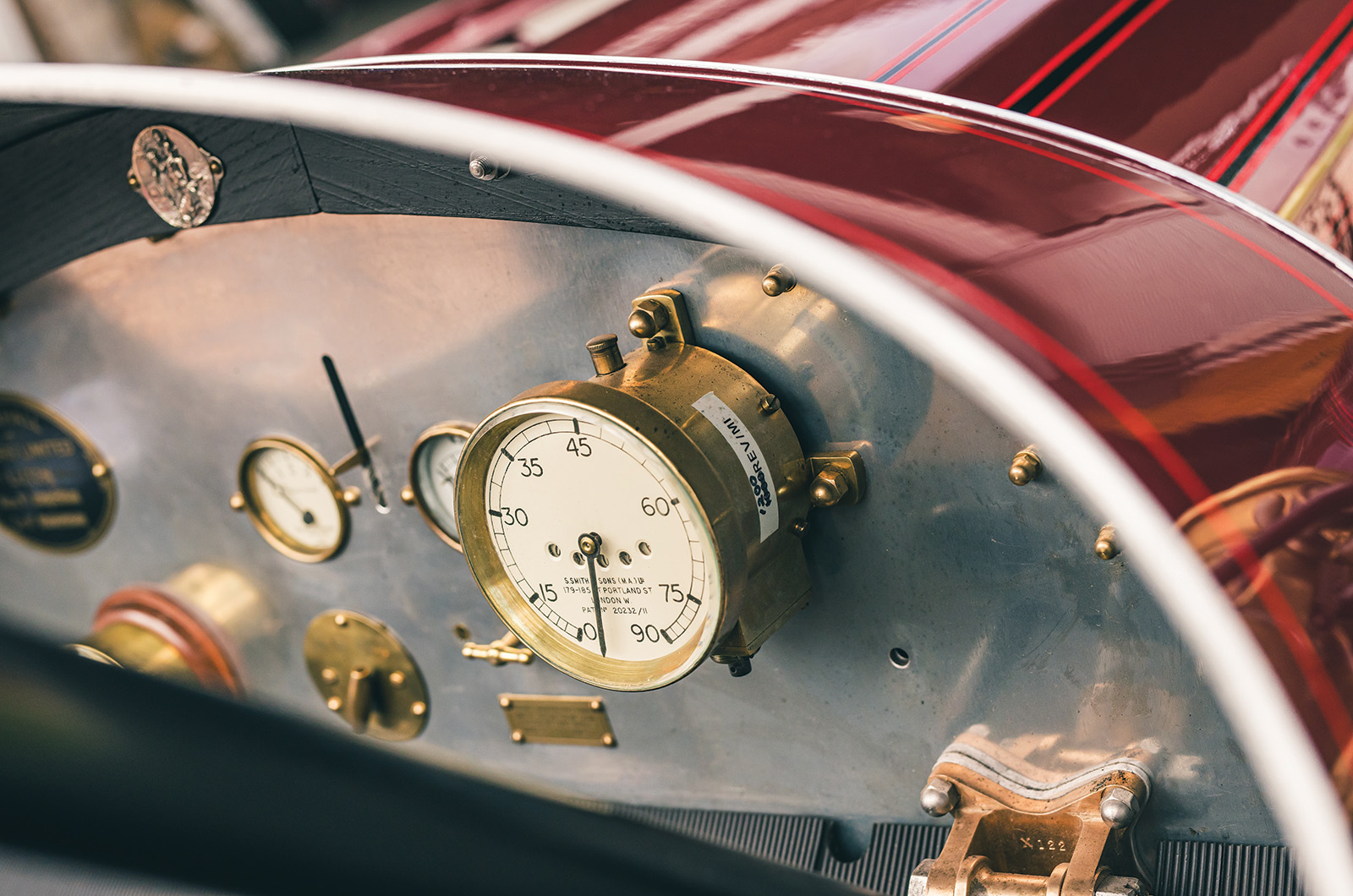
The Vauxhall 20hp A-type’s simple cockpit

In 1907, Percy Kidner – already a Vauxhall stalwart – and his friend Leslie Walton formed Vauxhall Motors Limited, operating from a different part of the Kimpton Road factory (VML’s original offices remain, in the wake of the marque’s recent departure from the town).

With Kidner appointed MD and Walton as new company chairman, FW Hodges was brought in as consulting engineer and one Laurence H Pomeroy as his assistant.

Motorsport became the focus of the fledgling company.

Few other disciplines demonstrated a car’s performance and durability so effectively to a still-sceptical audience, and in the first few years of the new century, a plethora of trials and hillclimbs had been established in Britain for manufacturers to showcase their wares.

Classic & Sports Car – Vauxhall 20hp A-type: foundations of an empire
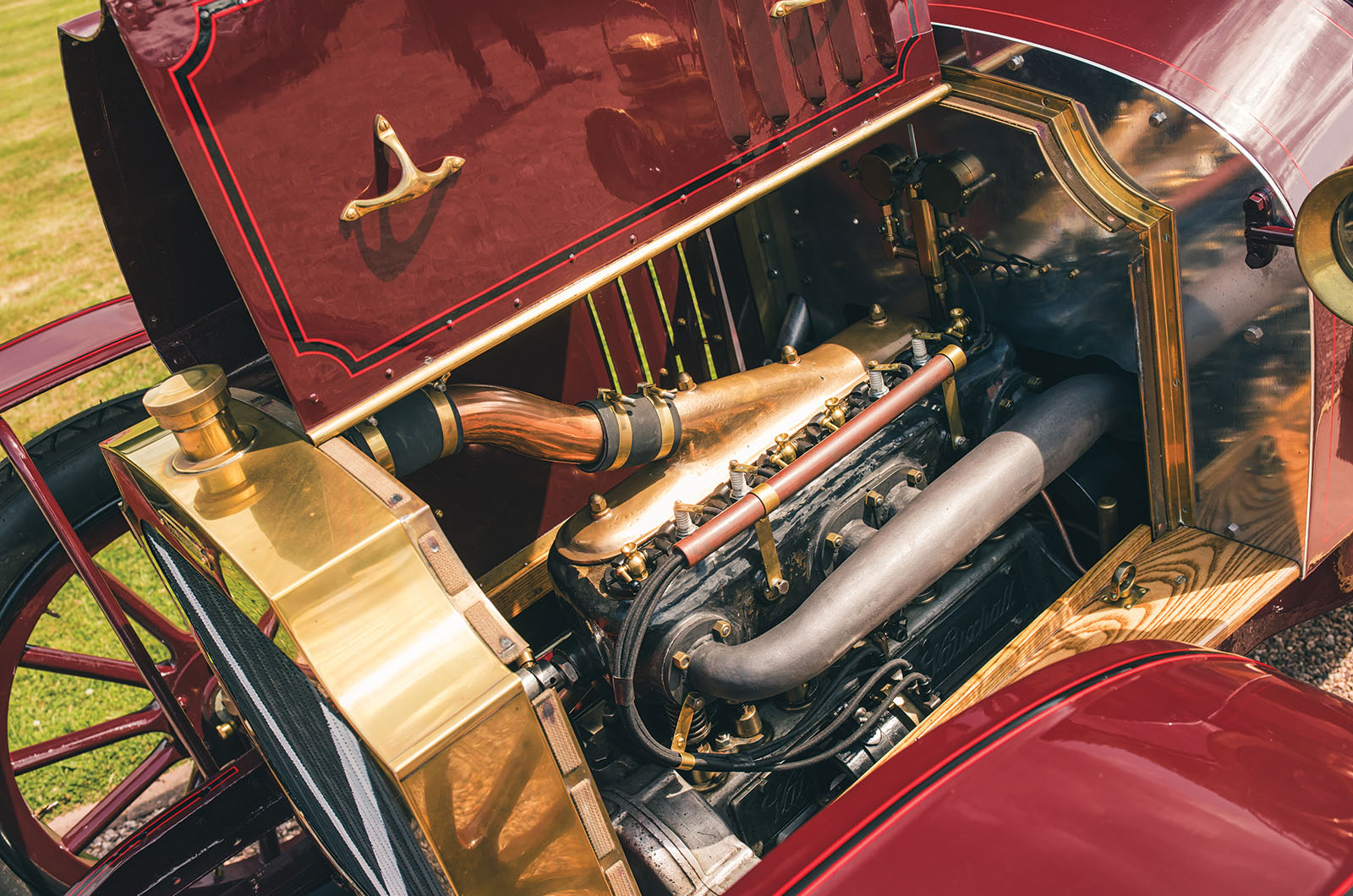
The Vauxhall A-type’s short exhaust manifold leads through the bulkhead

Hodges vastly improved the 12-16’s reliability by designing a closed, recirculating oil system that delivered a pressurised feed through a hollow crankshaft to the big-end journals.

As well as doing away with the need to manually replenish an oiler, it gave Vauxhall licence to market the model as ‘The No Smoke Car’.

But, with its inefficient T-head and separate block castings, the four-cylinder engine was far from state-of-the-art, and while its output gradually increased from 23bhp to 27bhp during its life, this was never a powerhouse: a disappointing eighth-in-class (out of 14) finish in 1907’s high-profile Scottish Reliability Trial said it all.

Classic & Sports Car – Vauxhall 20hp A-type: foundations of an empire
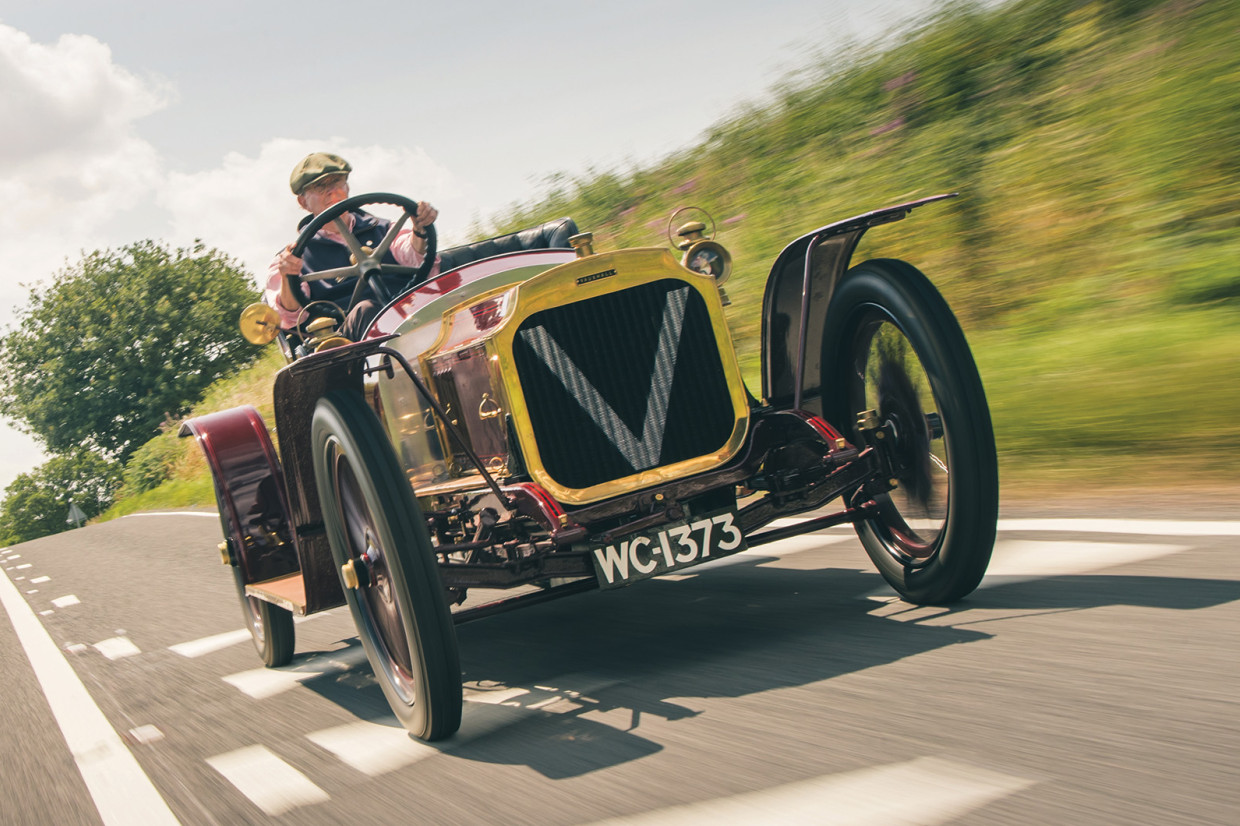
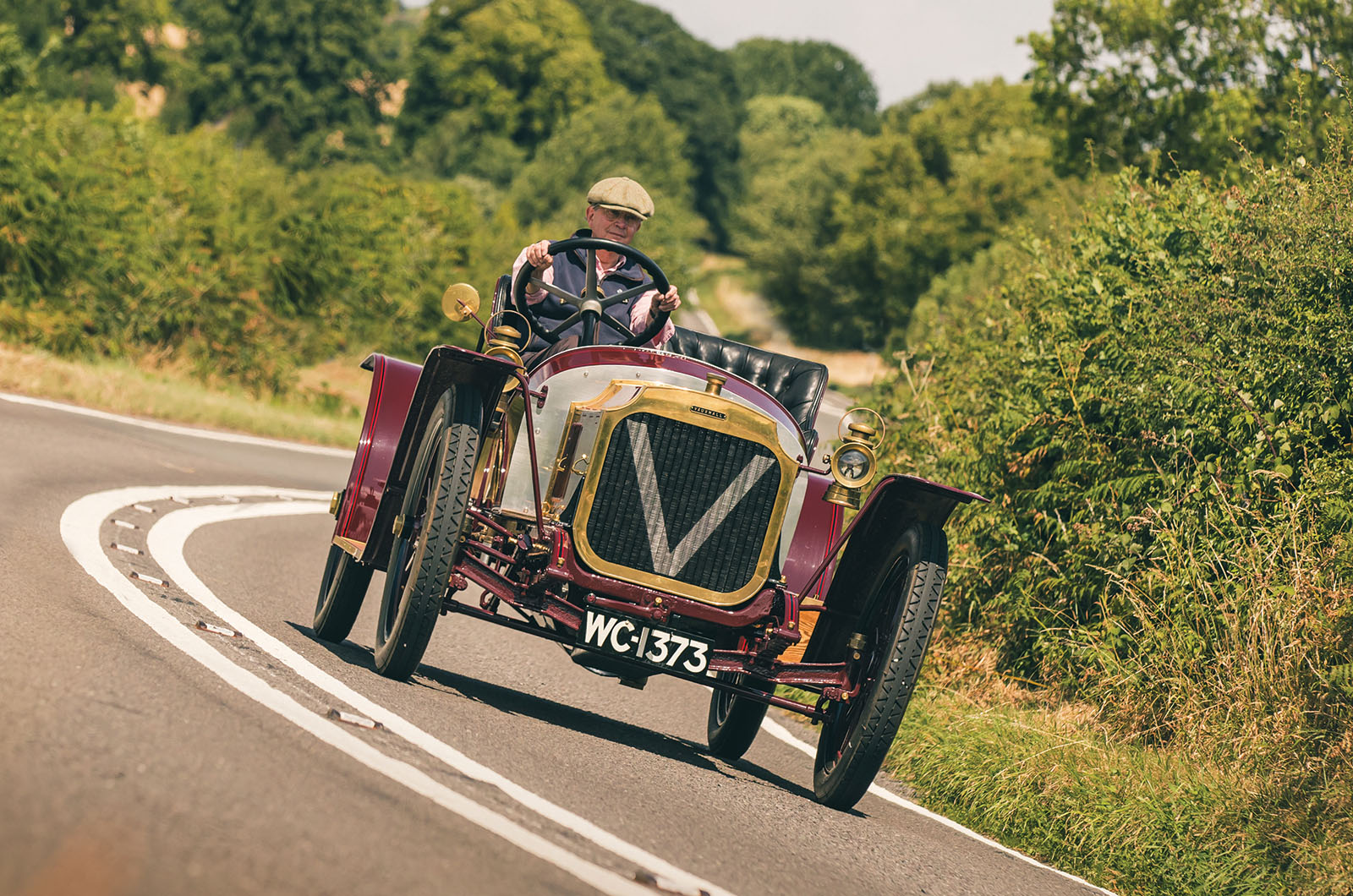
The Vauxhall A-type’s body control remains at the ‘work in progress’ stage, but driving it is an immersive and engaging experience

That was all to change the following year, when Kidner tasked Hodges and Pomeroy with developing a new engine for the 1908 International Touring Car Trial, which comprised the RAC 2000-Mile and Scottish Reliability Trials.

The experimental Y-type was the result, the 20hp engine of which was a clean-sheet design, signed off by Hodges but with the detail work carried out by Pomeroy.

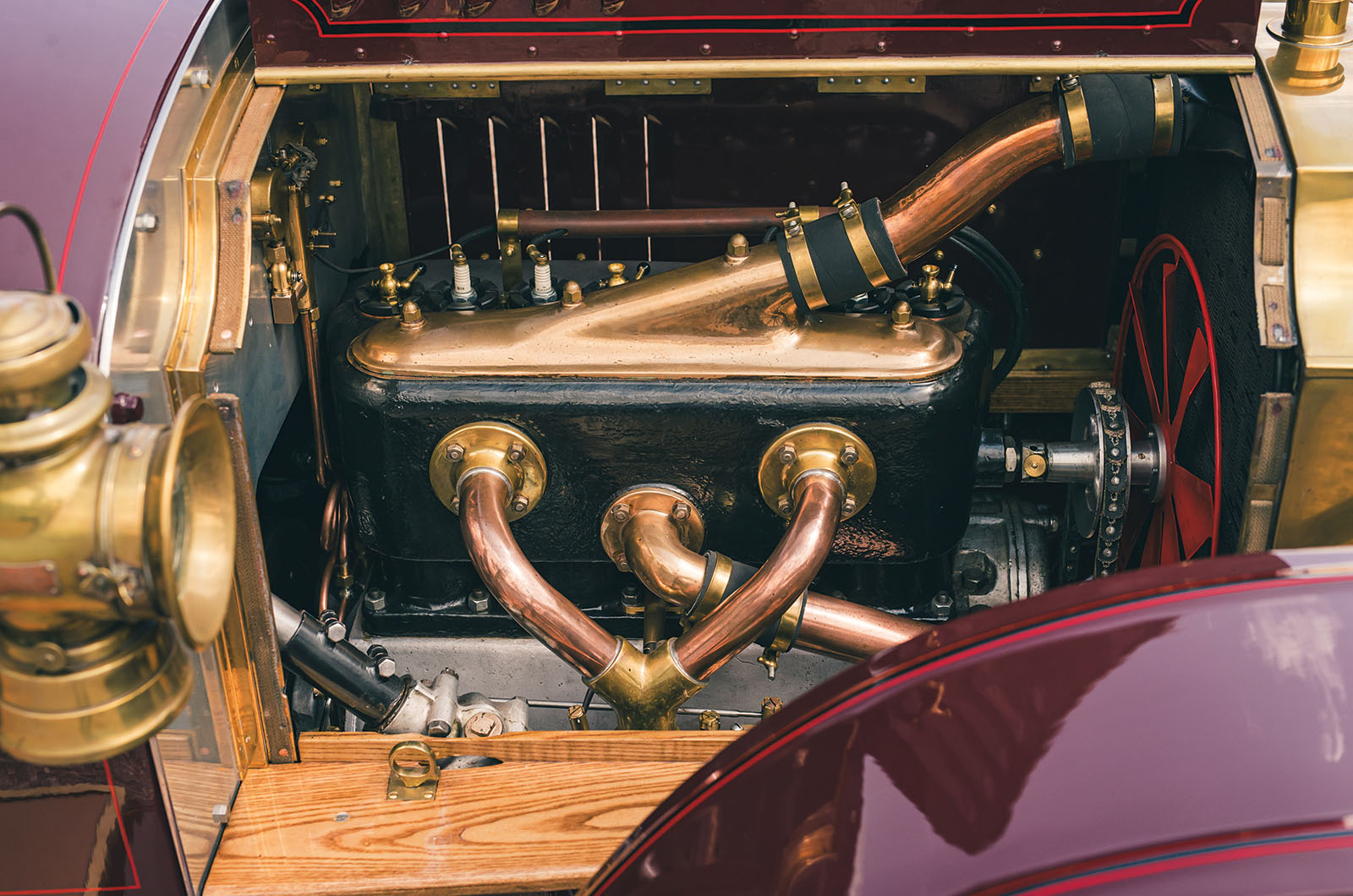
Retaining the 12-16 unit’s bore but increasing its stroke by an inch boosted displacement to 3139cc, and all cylinders were now formed in one casting with a new, Pomeroy-designed L-head.

Classic & Sports Car – Vauxhall 20hp A-type: foundations of an empire
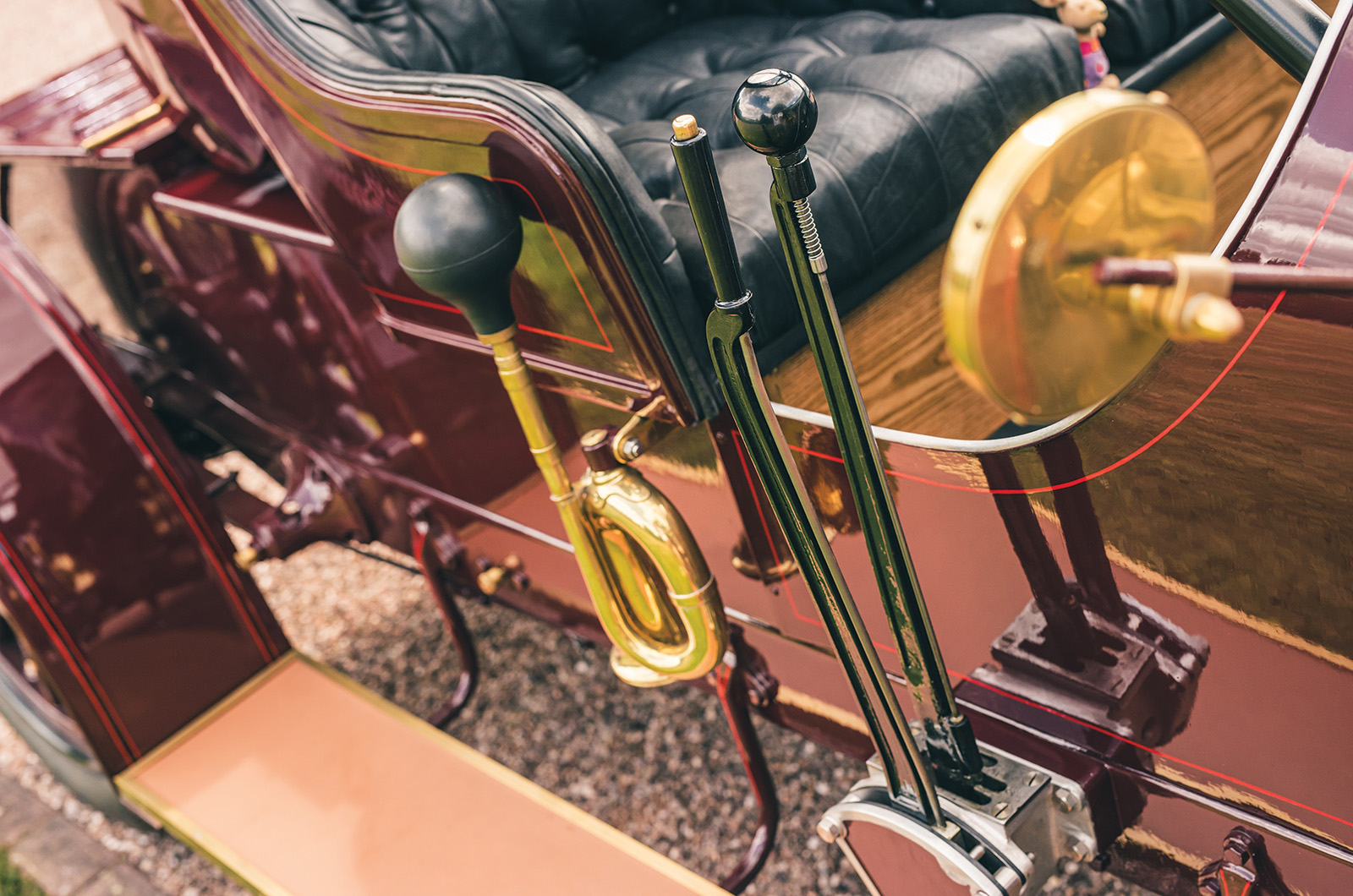
The Vauxhall A-type’s rear brake is next to its gearlever

The 12-16’s pressure-fed lubrication system was carried over, as was its Bosch-supplied magneto ignition, and the three-speed gearbox was modified to accept another ratio.

The same went for the chassis, which in effect mirrored the design of the 12-16’s, although the Y-type’s brakes were upgraded to cope with the additional performance.

What Kidner achieved in the trial – described in a contemporary report as ‘The most notoriously fine performance in the severest motor competition ever held in this Kingdom’ – turned around Vauxhall’s fortunes.

The Y-type acquitted itself faultlessly, with Kidner awarded a Gold Medal for the Scottish event and a Silver Cup for the 2000-Mile Trial.

Classic & Sports Car – Vauxhall 20hp A-type: foundations of an empire
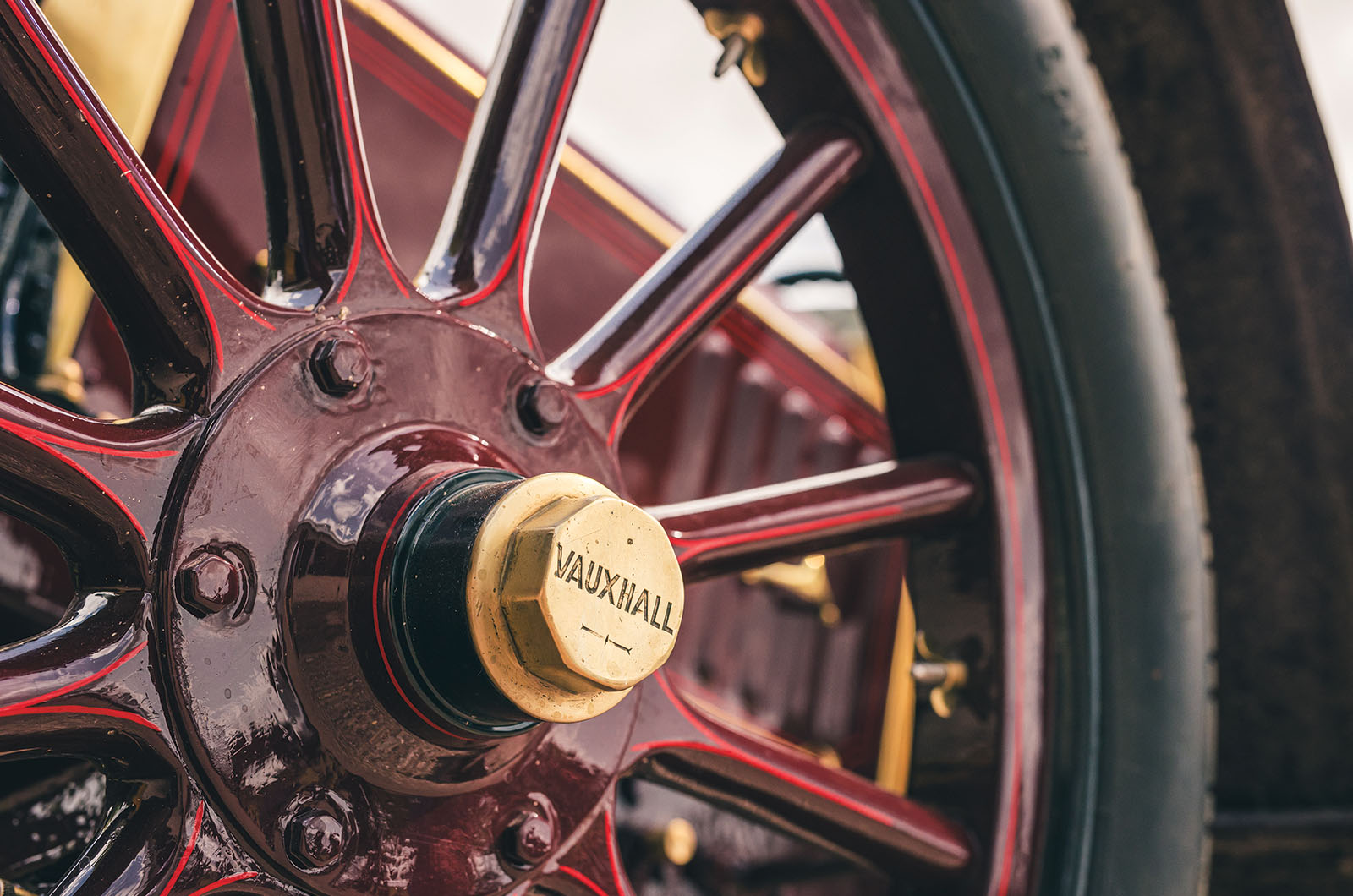
The A-type’s wheels have hand-engraved ‘Vauxhall’ script on their centre caps

The pressure was then on for Vauxhall to capitalise on this success, and by the following month it had announced an all-new 20hp model closely based on the trial car.

Internally known as the A09 (representing the year it was launched), but marketed as the 20hp, if anything its specification improved upon that of the competition Y-type.

The engine capacity took a slight dip to 3054cc, but a new four-speed ’box had a top ratio returning a respectable 24.5mph per 1000rpm.

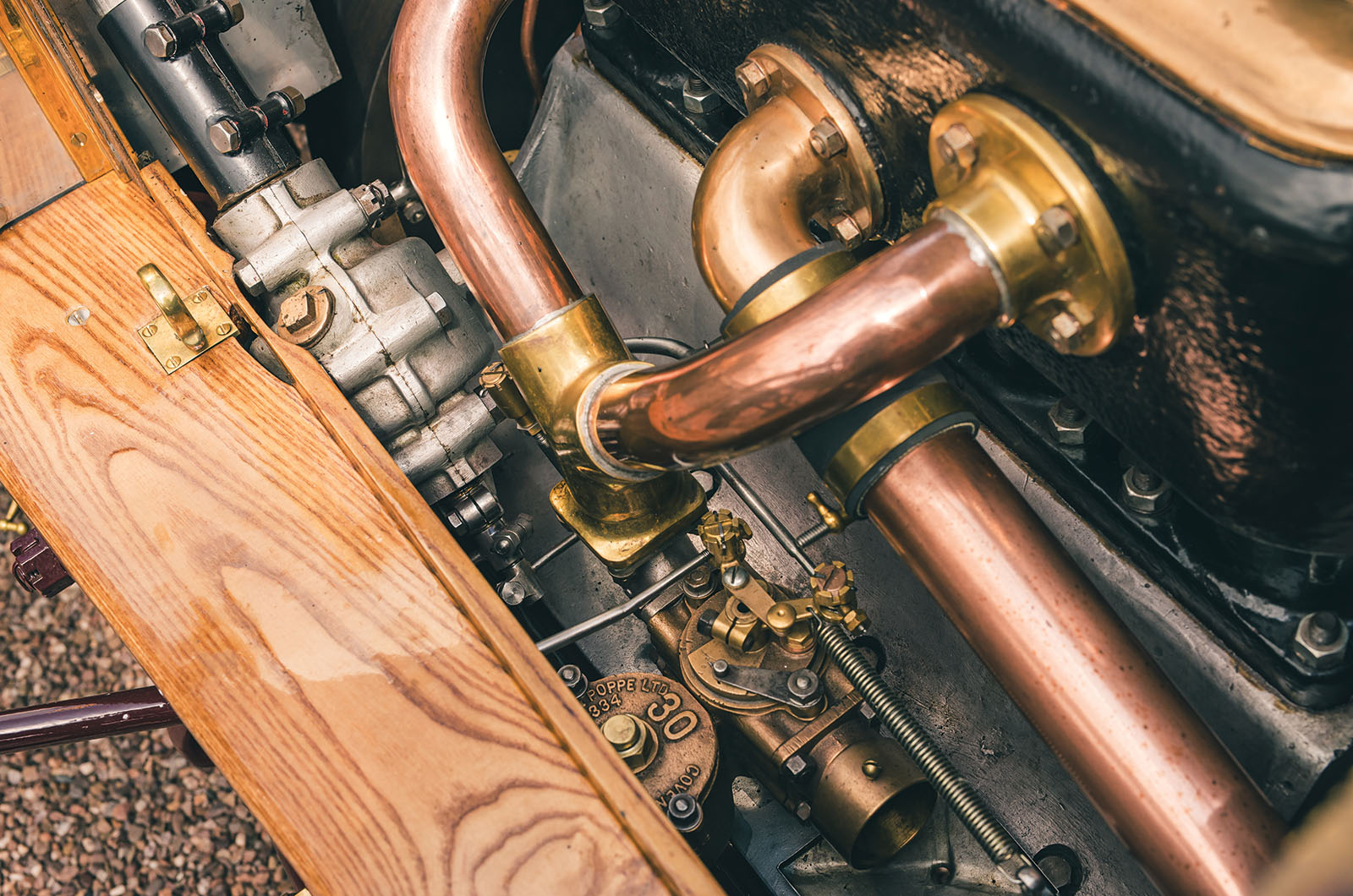
As before, a metal cone clutch was used, running in oil, and the Y-type’s 30mm White & Poppe carburettor was also carried over.

Classic & Sports Car – Vauxhall 20hp A-type: foundations of an empire

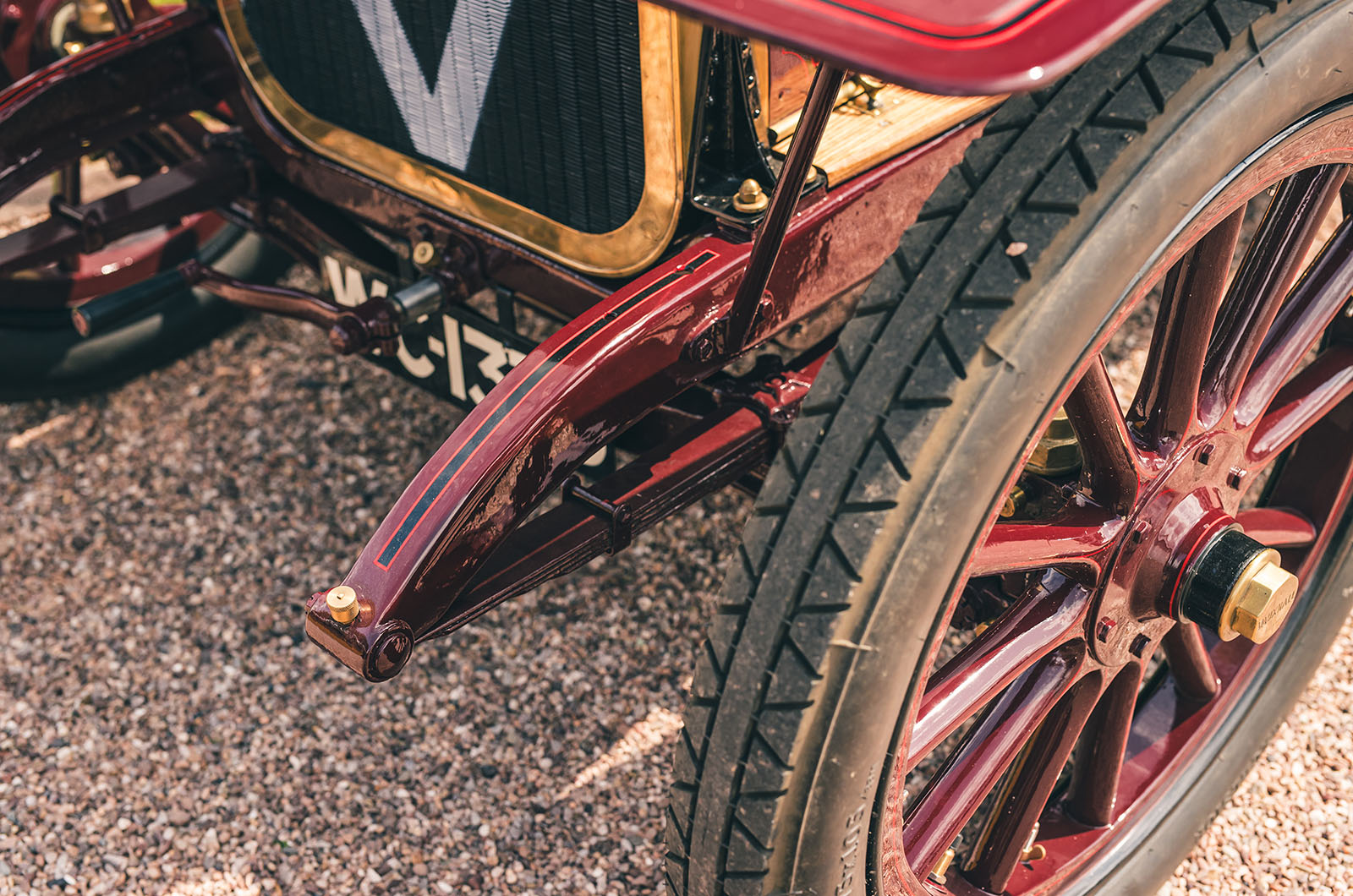
Semi-elliptic leaf springs all around for this vintage Vauxhall

One change made versus the racer was the Bosch magneto ignition’s move to fixed timing, removing the need for a manually operated advance/retard lever on the steering wheel.

Vauxhall boasted it made the dashboard ‘free from the usual medley of apparatus’, but the system proved unreliable and the manual lever swiftly returned.

The 20hp’s chassis – available with either a 9ft 7in or a 10ft 3in wheelbase, the latter better for formal, closed bodywork – was strengthened, with the side members swept outwards by 3in around the dash.

The brakes were operated via a foot pedal on the transmission and through an external hand lever to the rear 12in drums.

Classic & Sports Car – Vauxhall 20hp A-type: foundations of an empire

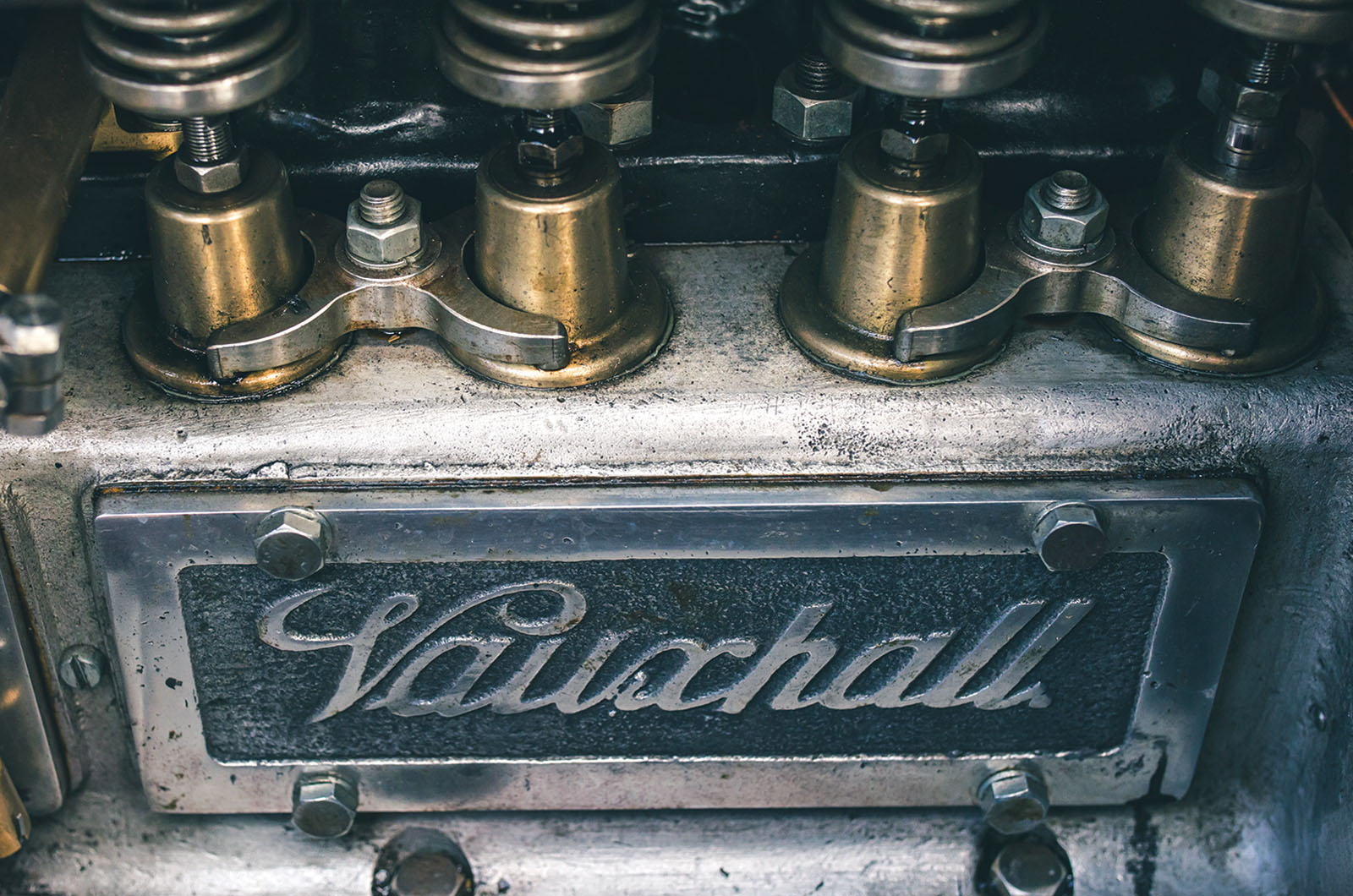
This Vauxhall’s engine was an all-new design by Hodges and Pomeroy

Commercially, the 20hp was an unequivocal success, which advanced production volume (134 chassis were sold by the end of 1909, more than 1000 by 1915) and permitted a larger range of model variants.

While a bare chassis could be bought for £420 and sent to a coachbuilder of the buyer’s choice, the company was also able to offer its own Standard Rotund Body (£465), Single Landaulette (£550) and Three-quarter Landaulette (£575).

It was clearly a recipe that the firm did not see fit to change much, with minimal revisions made to its specification before production ceased in 1915.

Classic & Sports Car – Vauxhall 20hp A-type: foundations of an empire

You perch high above the scuttle on the Vauxhall A-type’s big chairs

Visually, a new, more rounded Vauxhall badge appeared late in 1910, but otherwise the improvements could be felt more than seen, with a steady lift in the 3-litre engine’s actual output from 32bhp to nearly 40bhp for the later cars, this gain attributed to lighter and stronger internal componentry, and ‘better tuning’.

Our featured car’s additional zero in its A090 designation merely denotes that its chassis was built for the 1910 model year – although attempting to make sense out of much of Vauxhall’s nomenclature is a fool’s game.

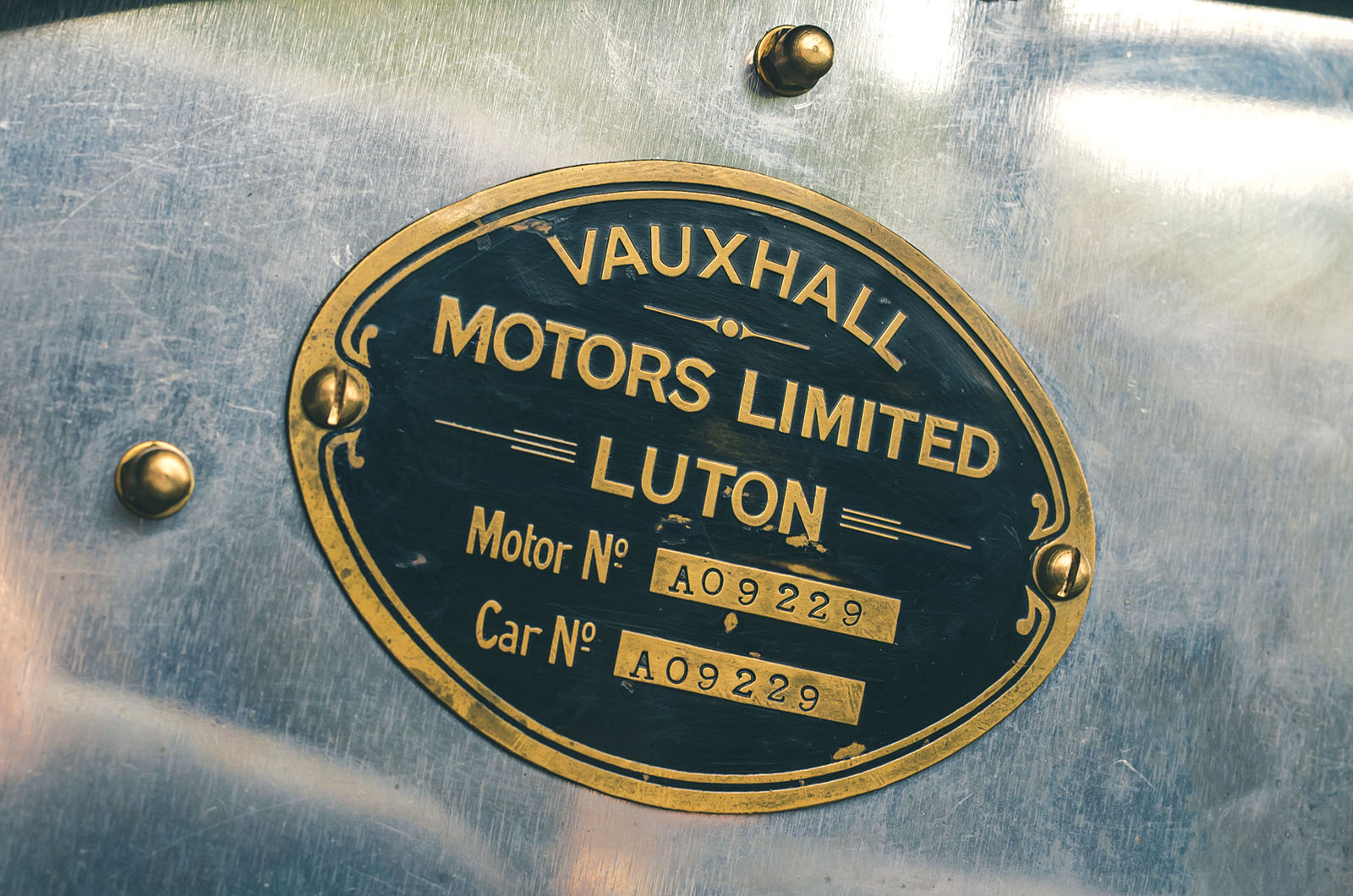
Manufactured on 20 September 1910, it is chassis number 229 and was originally shipped to New Zealand, where Vauxhall’s importer, Walter Scott, managed sales for the country.

Classic & Sports Car – Vauxhall 20hp A-type: foundations of an empire

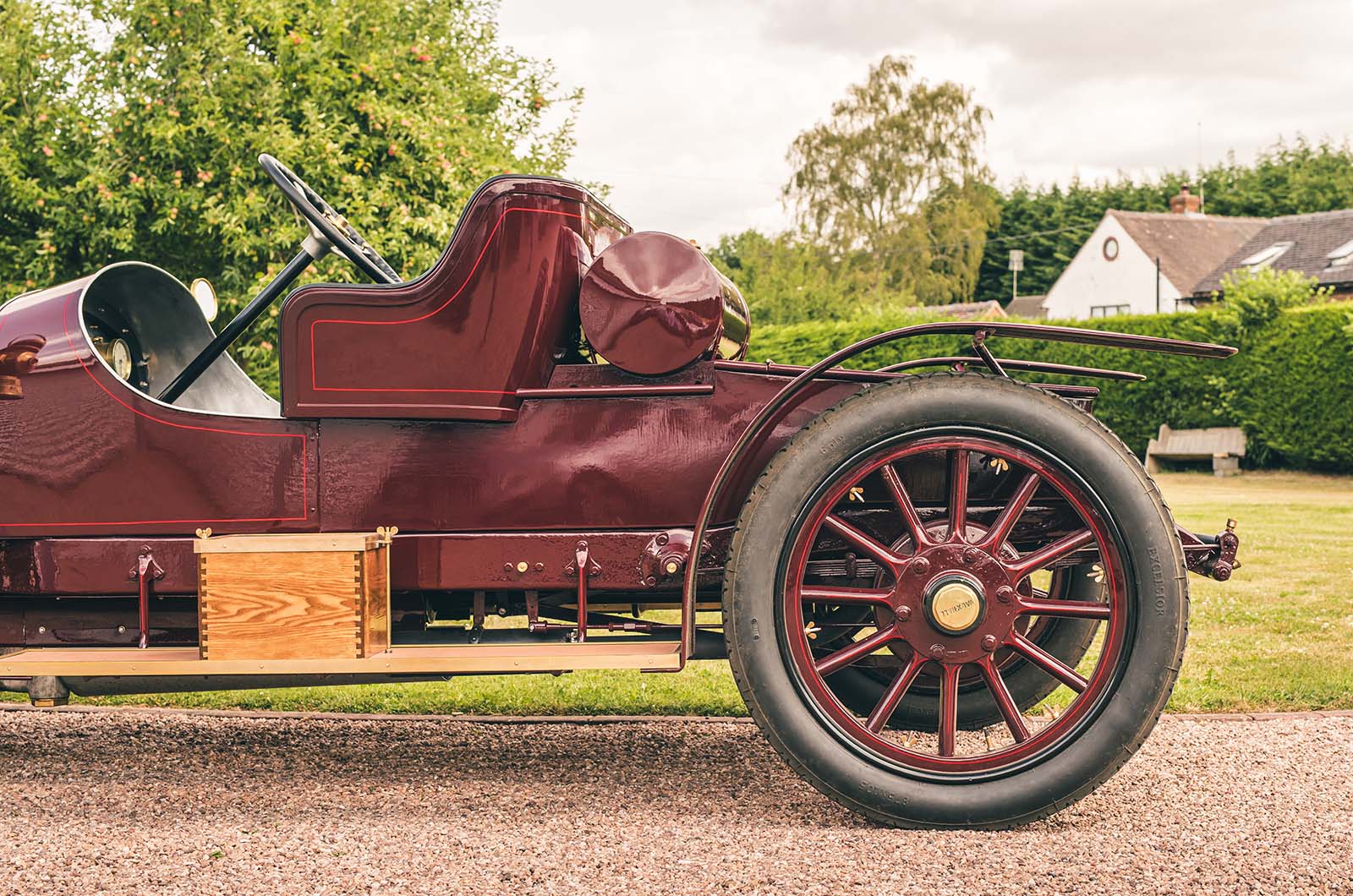
This Vauxhall A-type’s wooden wheels are largely original

Like Kidner, Hodges and Pomeroy, Scott saw motorsport as a key promotional tool.

Inspired by Kidner’s trial success in 1908, he ordered the one other, near-identical Y-type that had been built by the factory as a sister car to Kidner’s machine.

When it arrived with Scott late in 1908, he wasted no time putting it to work, as described by Vauxhall authority Nic Portway in his book, Vauxhall Cars 1903-1918: ‘First came the AA Canterbury four-day trial at Christmas 1908, with the Y-type in exactly the same state as Kidner’s trial car.

‘Against 36 other entries the Vauxhall won a gold medal for a non-stop run, the fastest time in the hillclimb, a certificate for highest marks for reliability and the hillclimb award on formula!’

Classic & Sports Car – Vauxhall 20hp A-type: foundations of an empire

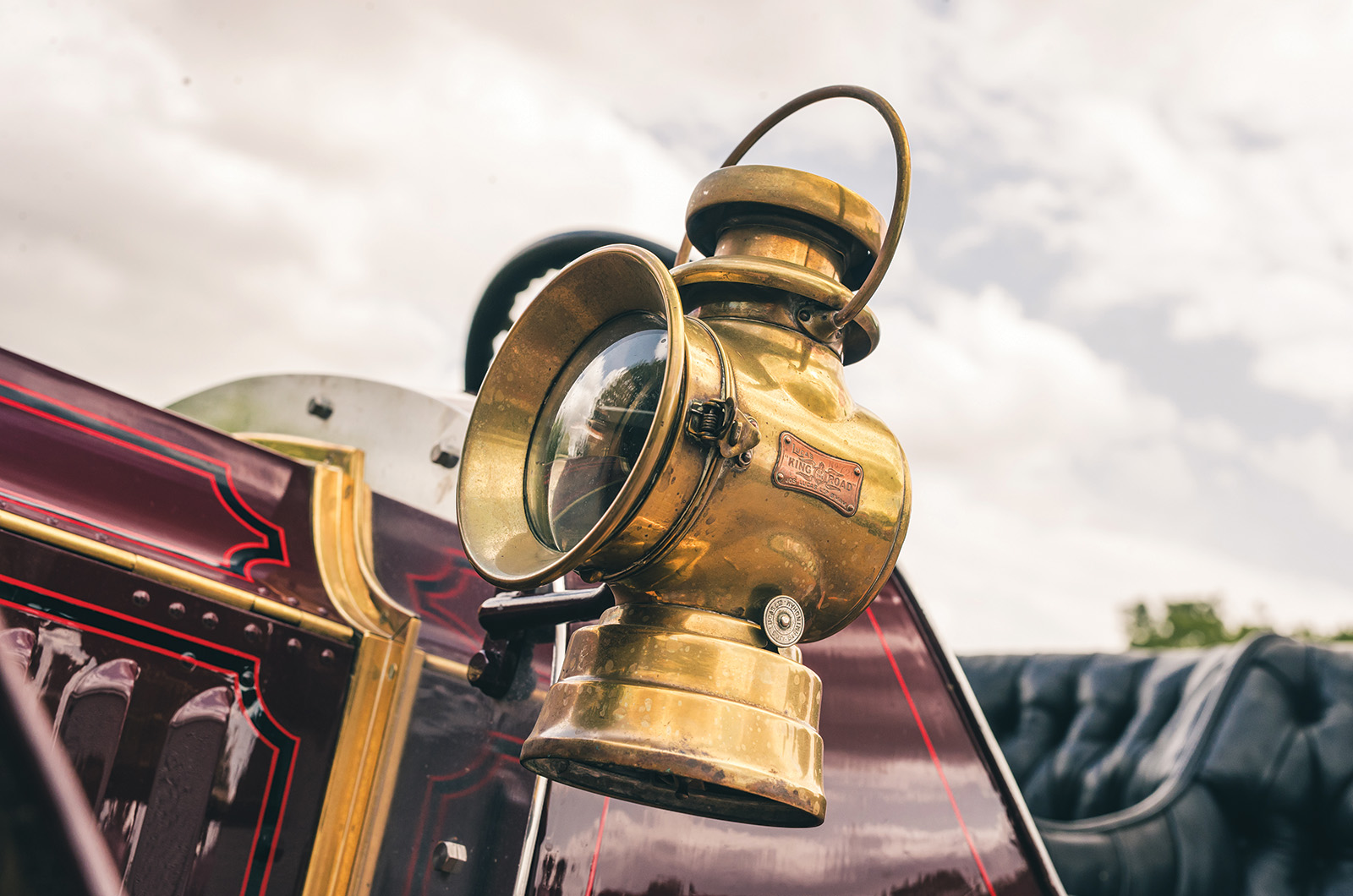
The Vauxhall A-type’s Lucas lamp lights the way

Scott’s dominance with ‘Y2’ in New Zealand’s burgeoning motor-racing scene became legendary.

Over the following four years, he took regular victories in ‘Old Blue’ (as Y2 was known) in hillclimbs, reliability trials and sand racing across the country.

Scott kept in regular correspondence with the Luton factory, and as Vauxhall’s own 20hp works racers evolved, he was able to make similar improvements to Old Blue.

By 1911-’12, this had resulted in the car being timed at an impressive 68mph on South Island’s Brighton Beach.

Classic & Sports Car – Vauxhall 20hp A-type: foundations of an empire

‘Commercially, the Vauxhall 20hp was an unequivocal success, advancing production volume and permitting a larger range of variants’

Only at the end of 1912 did Scott swap from Old Blue into one of Vauxhall’s Coupe de l’Auto racers, selling Y2 the following year.

In new ownership it continued to be campaigned in local trials and hillclimbs, and it survives to this day.

Alex Hayward has owned A090, chassis 229, for 14 years. Not much is known of its early history, but around 50 years ago it was discovered by Kiwi Vauxhall experts Jack Newell (who coincidentally restored and now owns Old Blue) and Gordon Jelfs.

The car was being used as a motorised cart at a farm near Christchurch, and due to its poor condition it was touch and go whether it was salvageable.

Classic & Sports Car – Vauxhall 20hp A-type: foundations of an empire

The Vauxhall’s optimistic speedometer; the A-type could just nudge 60mph

However, British Vauxhall restorer Alisdaire Lockhart partly took on the challenge in the 1990s, returning the car to the UK and – as Alex explains – “got it back on to its wheels”.

By the time Alex acquired the Vauxhall there was still much work to be done, but with the chassis complete and restorable, along with around 85% of the original engine and drivetrain, the project was deemed viable.

The A-type’s 1910 body was long gone, so Western Coachworks in Derby was commissioned to create an aluminium-over-ash replacement that closely mirrored the Two Seat Semi-racer design it would have worn when new.

Alex’s son, Orlando, was embarking on a career in classic car restoration and became his father’s partner in crime.

Classic & Sports Car – Vauxhall 20hp A-type: foundations of an empire

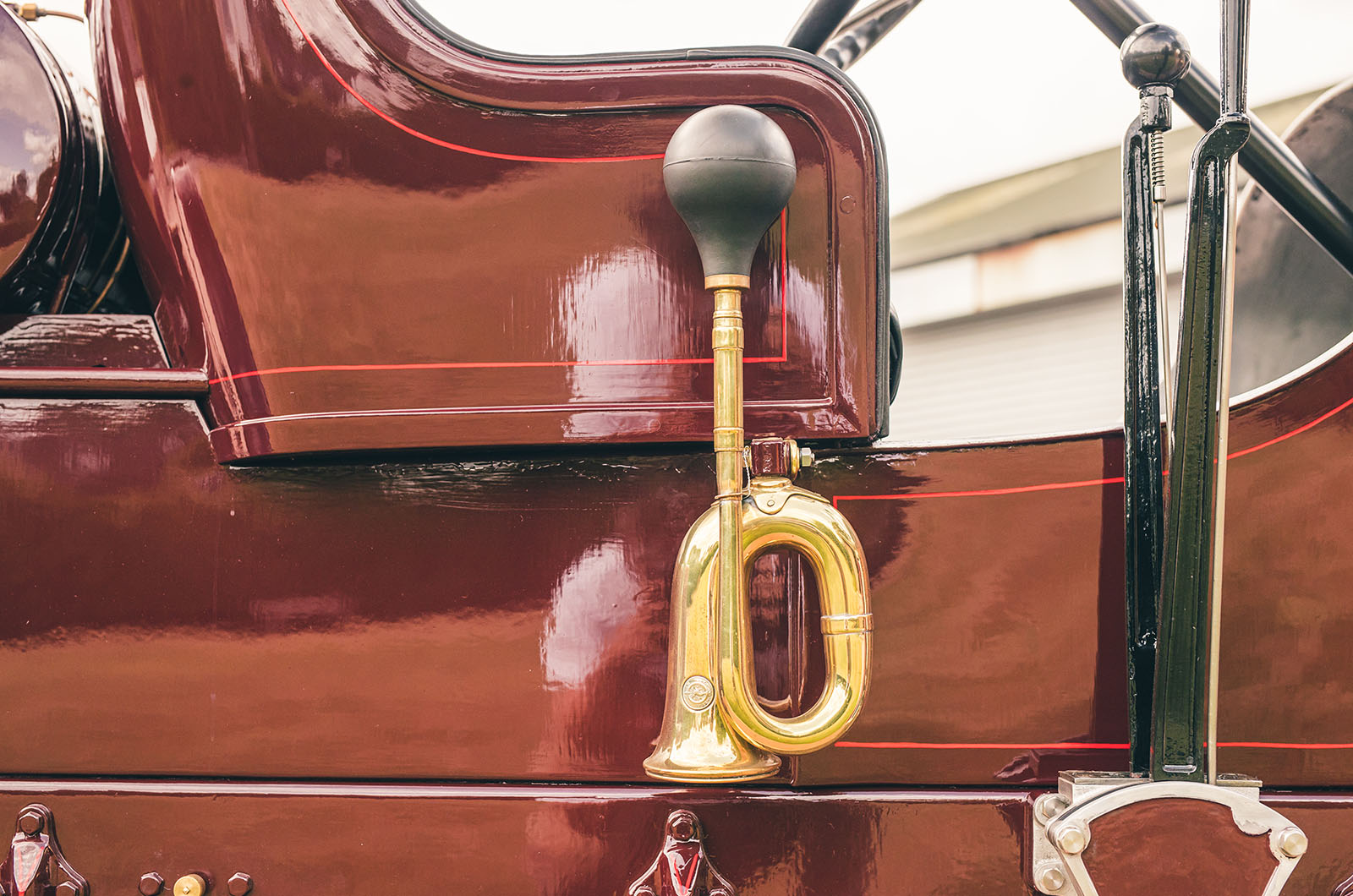
The Vauxhall 20hp A-type’s stylish bulb horn

They secured the Vauxhall factory’s engineering sketches for the A-type from marque expert Julian Ghosh, and digitised them before creating CAD models for missing componentry to be remanufactured.

A great example is the control mechanisms for the White & Poppe carburettor, their faithful recreation testament to Alex and Orlando’s painstaking attention to the car’s authenticity.

Sitting proudly on its largely original, wooden-spoked wheels, each of which displays a hand-engraved ‘Vauxhall’ on its centre cap, this sports-bodied racer is quite something to behold. 

In tribute to Walter Scott’s Old Blue, Alex has duplicated the Kiwi racer’s signature white ‘V’ on the car’s bluff radiator matrix – a fitting touch.

Classic & Sports Car – Vauxhall 20hp A-type: foundations of an empire

Vauxhall Motors Limited moved to Luton, in Bedfordshire, in 1905

The body’s pared-back design has an overtly athletic look about it, with the bonnet’s scalloped ‘flutes’ (an early example of what would become a perennial Vauxhall trademark, right through to the post-war era) reinforcing this. 

The body appears set low on its chassis, but as a driver you tower above the scuttle, with most of your torso right in the airstream.

But who cares? This is one drive I wouldn’t miss for the world.

To fire the 20hp’s sidevalve ‘four’, you first prime each cylinder with a smidgen of fuel before cranking the motor over once, switching on the magneto and then cranking once more for it to start instantly, the engine settling to a fast idle.

Classic & Sports Car – Vauxhall 20hp A-type: foundations of an empire

Copper piping feeds the Vauxhall’s 3054cc ‘four’

Mechanically, it sounds as if it has just rolled off Vauxhall’s Kimpton Road line, running smoothly and evenly, its exhaust emitting a cultured burble – and, as claimed, producing very little smoke.

The throttle is a mere button positioned between the clutch and right-hand brake pedals, and needs a firm press to get off the line (Alex says some fine-tuning of the carb is still required).

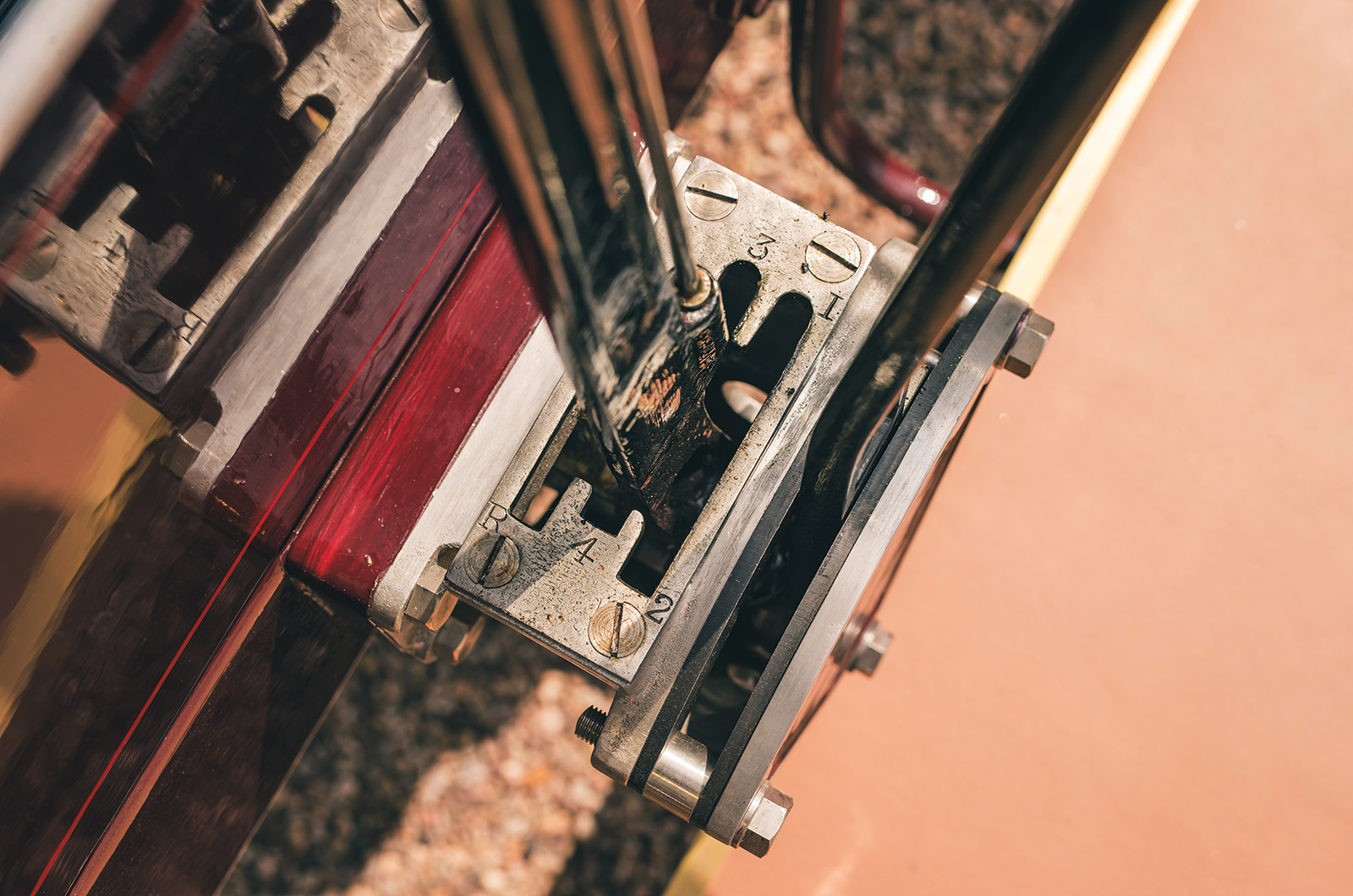
Like almost all veteran and vintage Vauxhalls, the external gearshift, with its exposed gate, operates through a reversed H-pattern, with first to your right and forward.

Classic & Sports Car – Vauxhall 20hp A-type: foundations of an empire

This Vauxhall A-type’s carburettor-control mechanisms were recreated using CAD modelling

Take up is relatively painless for a cone clutch, and the torquey ‘four’ soon has you up to speed, provided you take your time with double-declutching between gears.

The steering, via a large, thick-rimmed wheel, is relatively high-geared and quick to respond off-centre, with surprisingly little play.

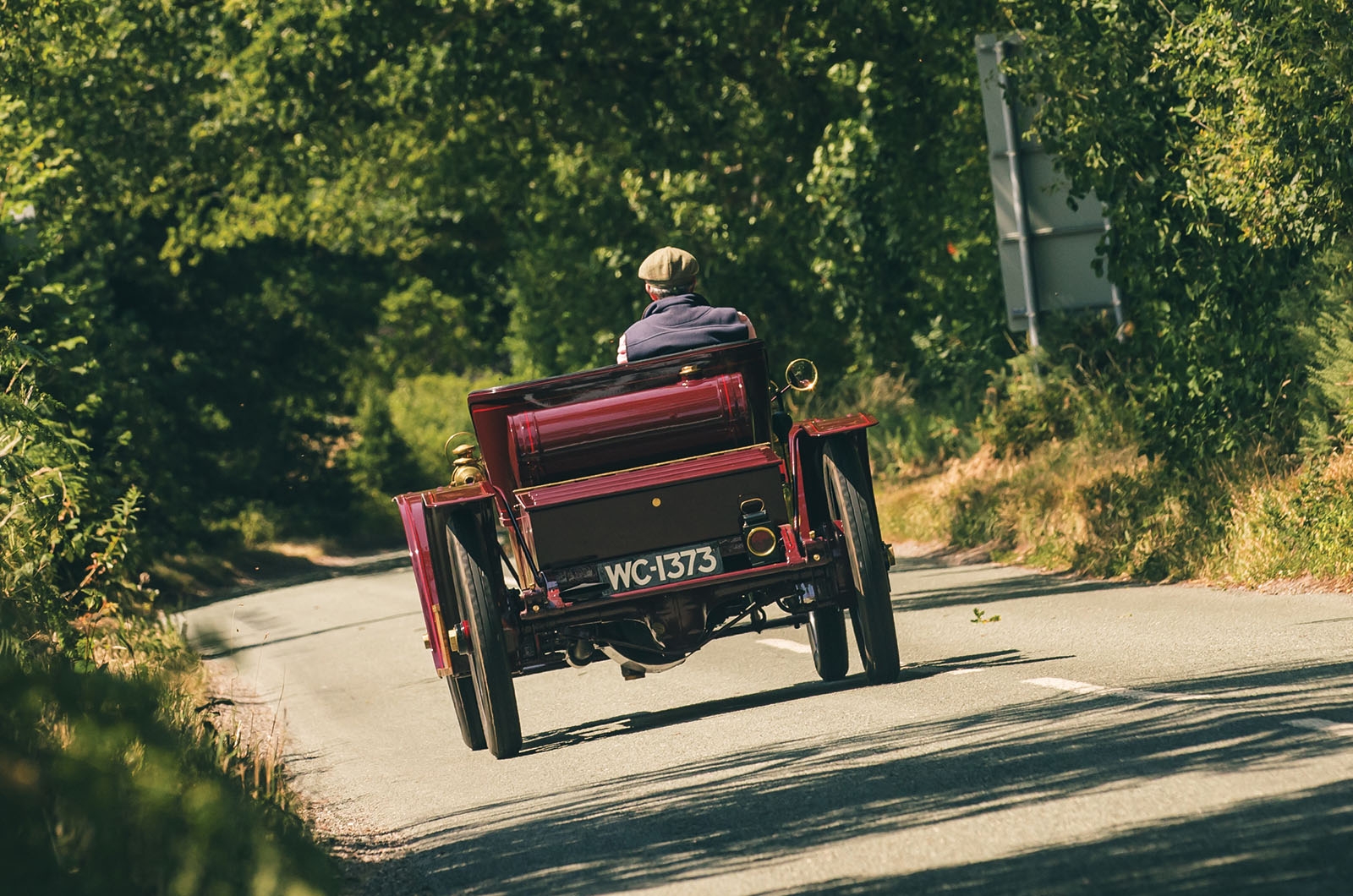
Sitting at around 45mph the car feels omnipotent, as if it could trundle along these rural Shropshire roads all day.

With no dampers fitted, body movements can occasionally be wayward if you encounter awkward cambers or sharp undulations, but Alex believes that this can be improved with tweaks to the largely original semi-elliptic springs.

Classic & Sports Car – Vauxhall 20hp A-type: foundations of an empire

The Vauxhall 20hp A-type has a four-speed gearbox with reversed gate

Using the brake pedal provides only passable retardation (Vauxhall stoppers had a lousy reputation for years), so my right hand is never far from the external lever on the approach to junctions. But overall, it is a glorious and characterful car to pilot.

This 20hp A-type Vauxhall would have been very much the king of the road in 1910; that it was one of the first motor cars to benefit from Laurence Pomeroy’s immense talent makes it even more special today.

It was also the genesis of a series of pivotal models – Prince Henry, 30-98 and D-type – that took Vauxhall from small-time player to the top of General Motors’ shopping list when it acquired the car maker in 1925.

For that, the modern-day marque should be eternally grateful.

Images: Jack Harrison

Thanks to: Alex and Orlando Hayward; Nic Portway; David Kirke at the Veteran & Vintage Vauxhall Register


Factfile

Classic & Sports Car – Vauxhall 20hp A-type: foundations of an empire

Vauxhall 20hp (A-type)

  • Sold/number built 1908-’15/c1000
  • Construction pressed-steel chassis, aluminium body over ash frame
  • Engine all-iron, sidevalve 3054cc ‘four’, single White & Poppe carburettor
  • Max power 40bhp
  • Max torque n/a
  • Transmission four-speed manual, RWD
  • Suspension semi-elliptic leaf springs f/r
  • Steering worm and segment
  • Brakes hand-operated 12in (305mm) rear drums; foot-pedal transmission brake
  • Length 13ft 1in (3990mm)
  • Width 5ft 6in (1680mm)
  • Height n/a
  • Wheelbase 9ft 7in (2921mm)
  • Weight n/a
  • 0-60mph n/a
  • Top speed 60mph (est)
  • Mpg 25
  • Price new £420 (chassis only)
  • Price now £100,000*

Enjoy more of the world’s best classic car content every month when you subscribe to C&SC – get our latest deals here


READ MORE

Vauxhall OE-type: 100 years at 100mph

Vauxhall 30-98 Wensum: The Yellow Peril

Vauxhall vs KRIT vs SCAT: Edwardian titans do battle