Austin vs Morris vs Wolseley vs Princess: British Leyland’s ADO71 family

| 14 Apr 2025
Classic & Sports Car – Austin vs Morris vs Wolseley vs Princess: British Leyland’s ADO71 family
Perhaps one of the main challenges of writing a tribute to British Leyland’s ‘wedge’ is the shadow of the snide remarks and so-called jokes uttered all too often against these cars, and by most accounts unfairly.

You might expect this long since exhausted ‘humour’ to have died out years ago, but even during our test today, a passer-by called the wedge “one of Britain’s worst cars”.

He was most surprised to be corrected, because the truth is inevitably far more complex.

Classic & Sports Car – Austin vs Morris vs Wolseley vs Princess: British Leyland’s ADO71 family
The ADO71 represented British Leyland’s brave new world of saloon cars

When the original 18-22 series made its debut in March 1975, it was amid much praise from the press.

The Observer raved about the ‘distinctive, purposeful appearance’; The Daily Telegraph appreciated the ‘dramatically good-looking shape that any up-and-coming young executive would be proud to have in the driveway’; and Autosport referred to it as ‘British Leyland’s winner’.

The wedge’s greatest misfortune was to be introduced in the year the government was forced to nationalise British Leyland.

Classic & Sports Car – Austin vs Morris vs Wolseley vs Princess: British Leyland’s ADO71 family
The Morris 1800’s looks were billed as ageless by the motoring press

The company’s long-standing issues were front-page news that tainted the image of any new model, no matter how promising.

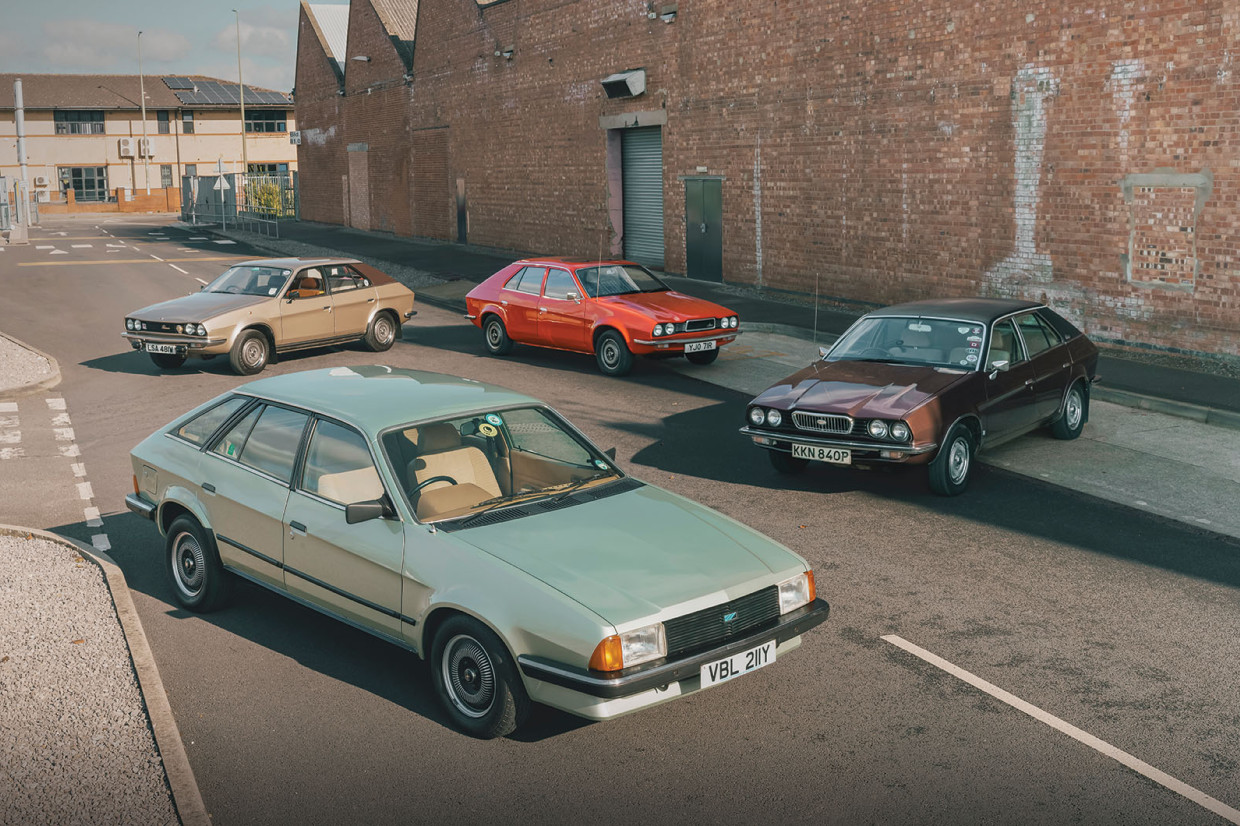
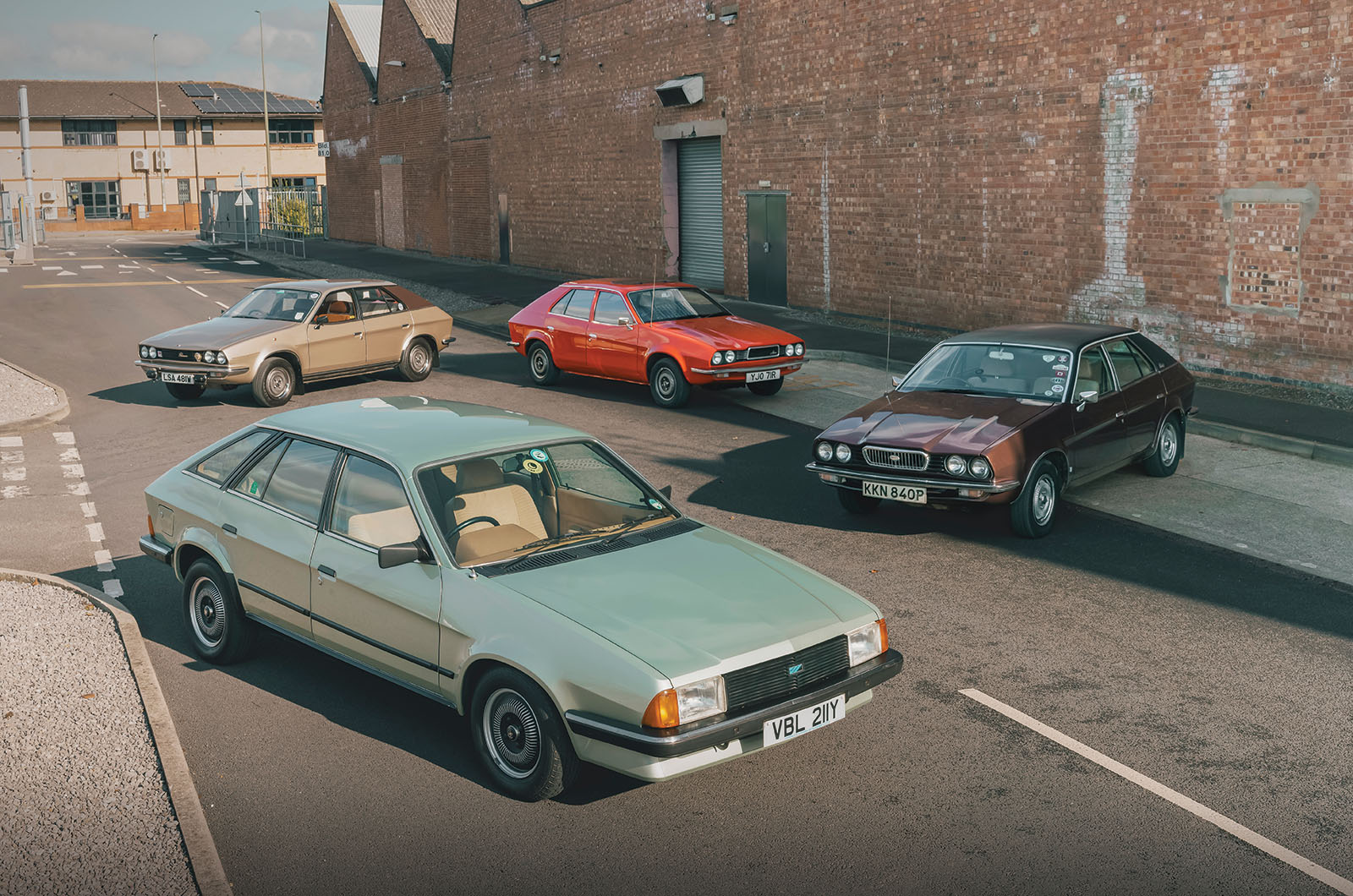
Five decades on, enthusiasts across the UK now appreciate this car’s many merits, so we have returned to the Cowley factory with four key versions.

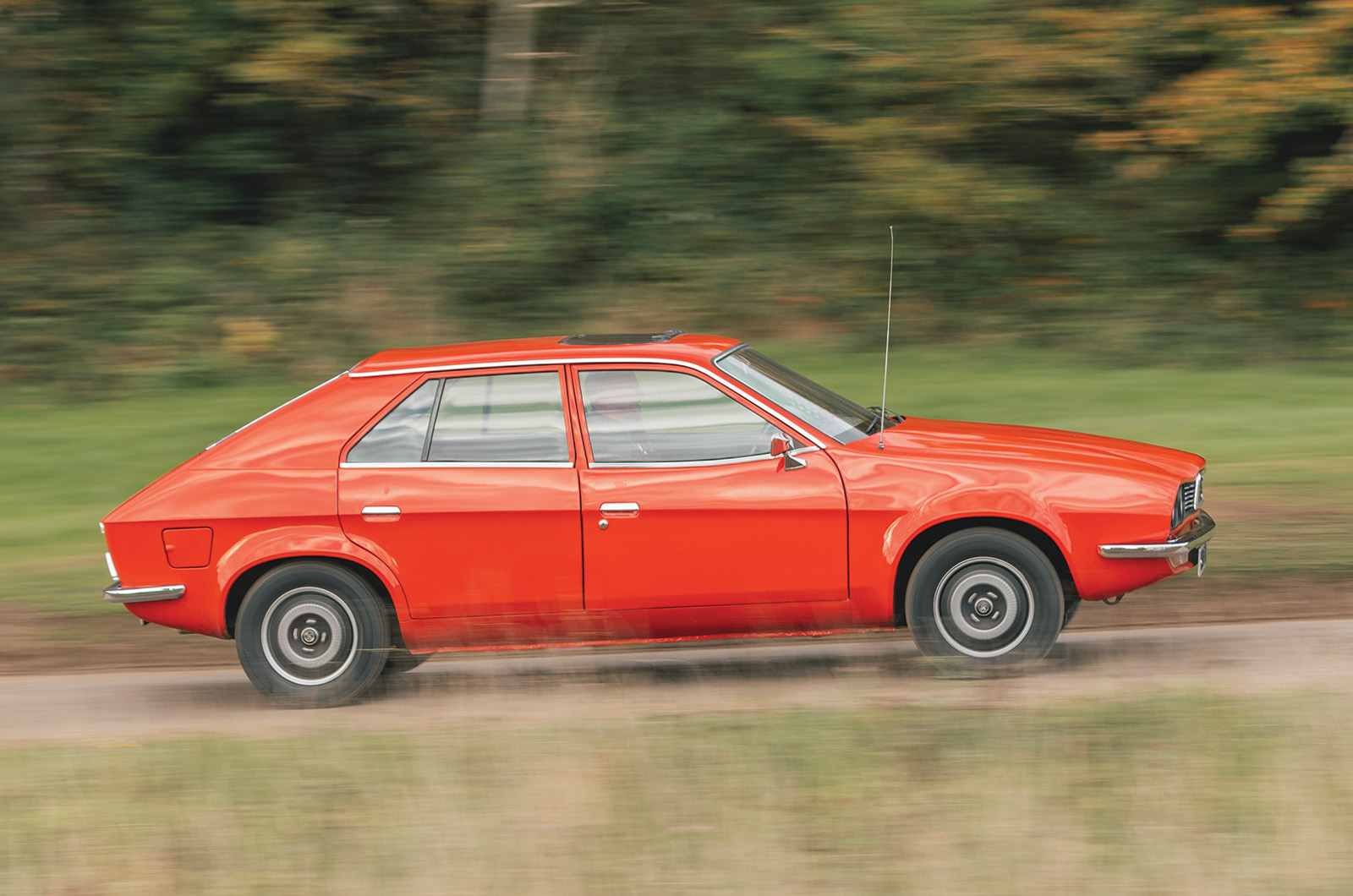
Work commenced on project ADO71, the replacement for the British Leyland Motor Corporation’s 1800/2200 ‘Landcrab’ family, in 1970.

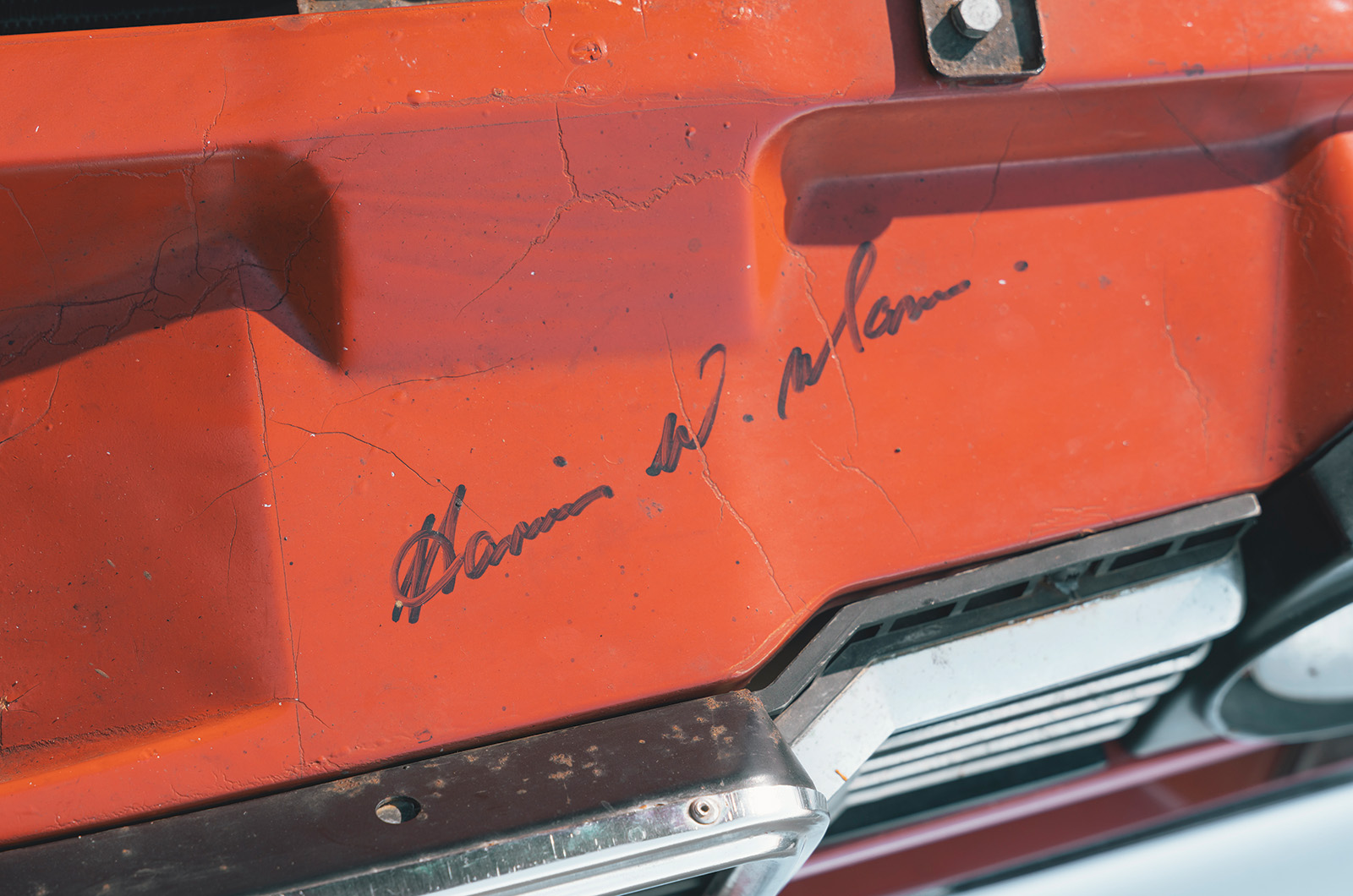
Its designer, Harris Mann, later told the press: “The brief was to design a spacious family saloon with styling advanced enough to last right through the 1970s and beyond. It was to exploit the unique advantages of BL’s front-wheel-drive, transverse-engined concept.”

Classic & Sports Car – Austin vs Morris vs Wolseley vs Princess: British Leyland’s ADO71 family
Classic & Sports Car – Austin vs Morris vs Wolseley vs Princess: British Leyland’s ADO71 family
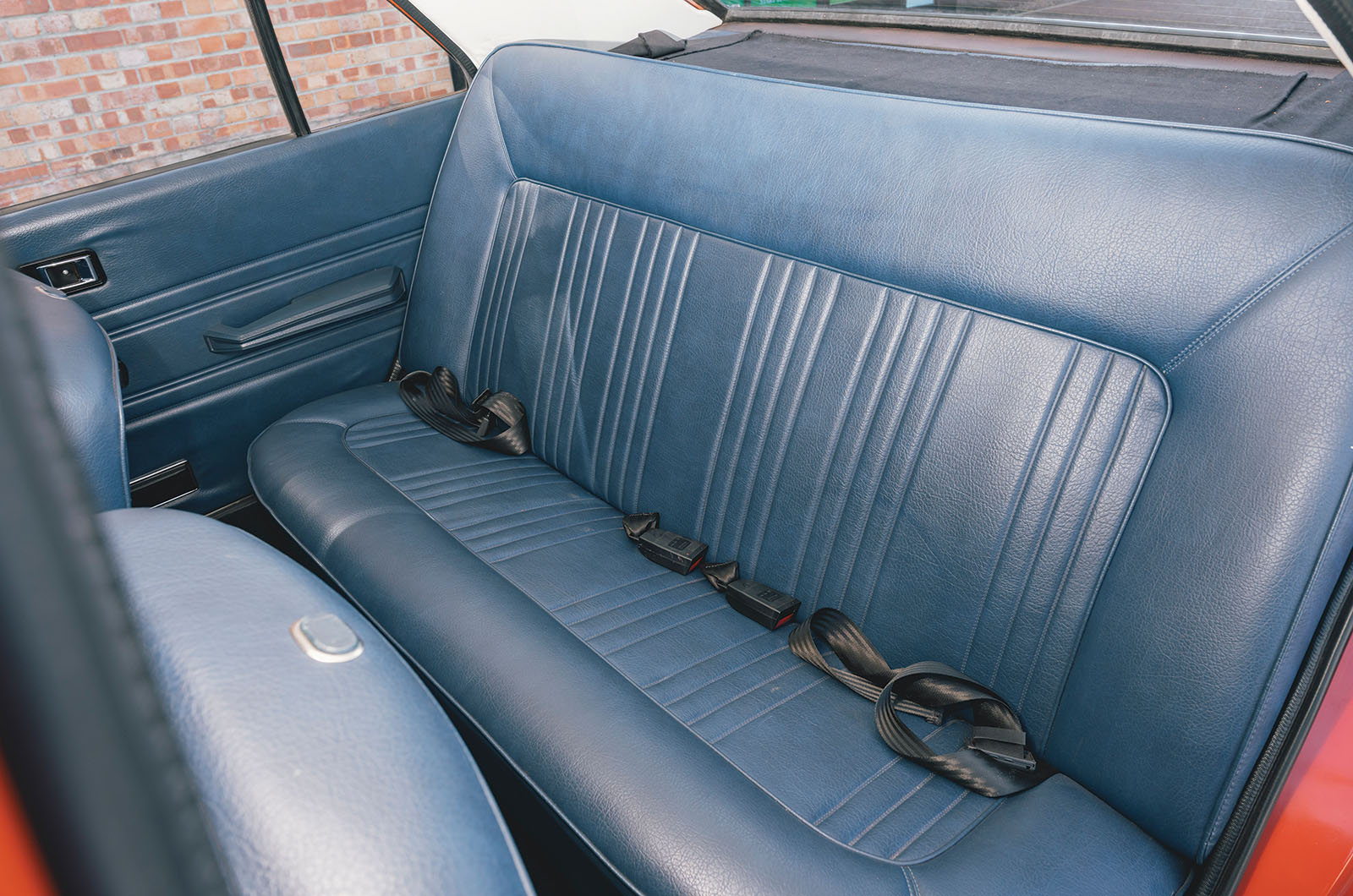
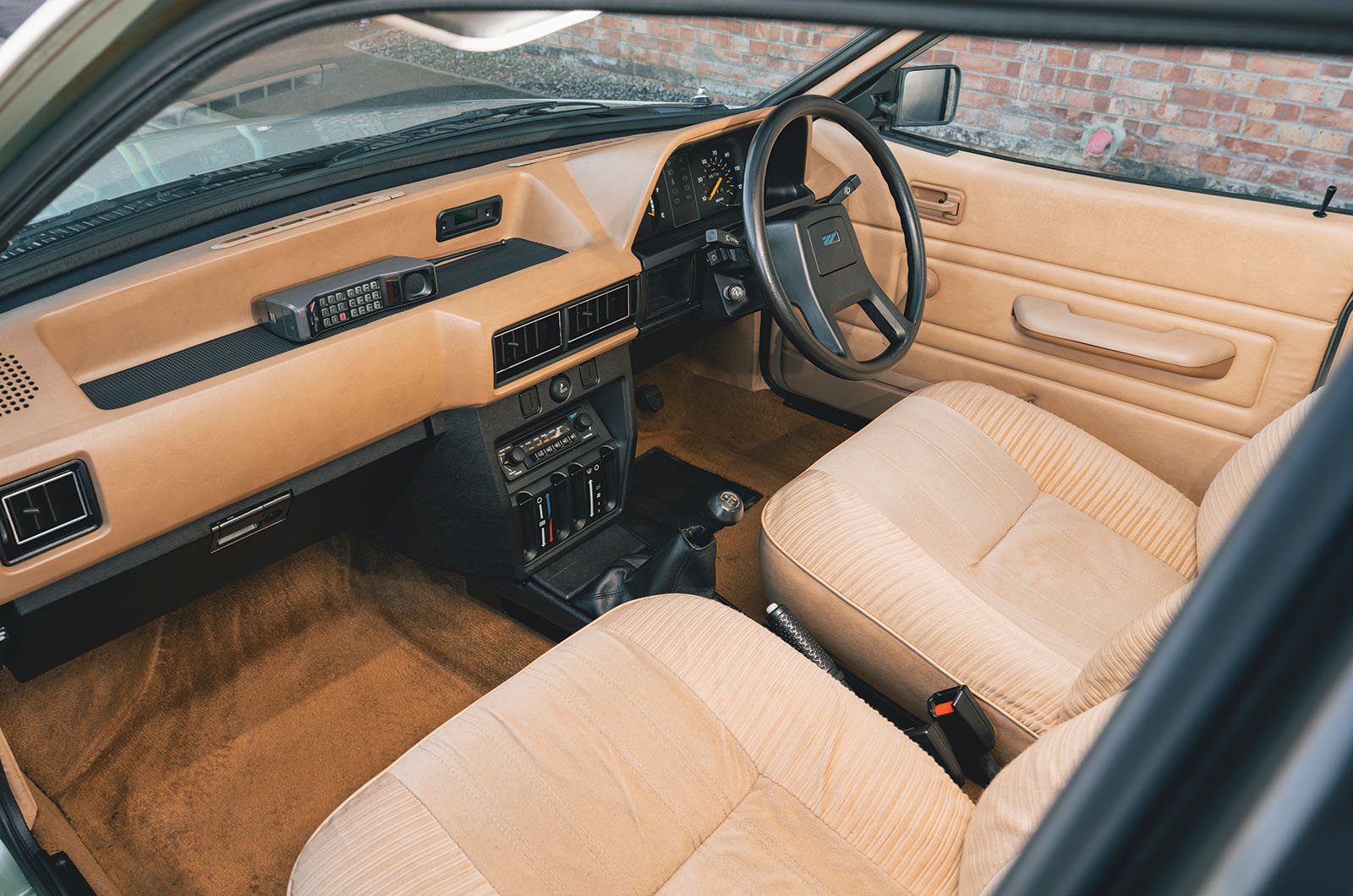
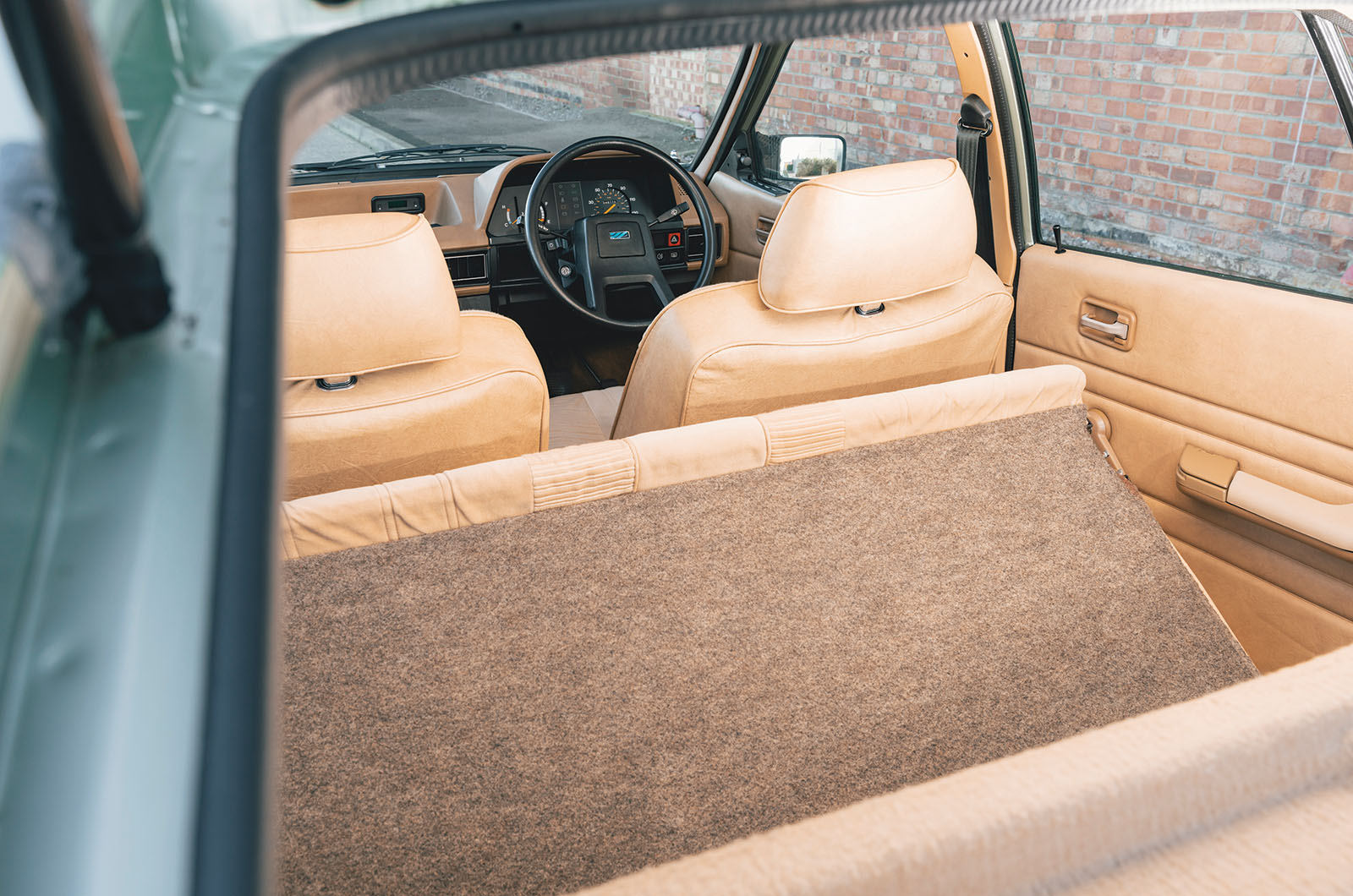
Clockwise from top: the Morris 1800’s dark-vinyl interior speaks of 1970s fleet car; simple rear bench; the Morris 1800 had its own frontal treatment

British Leyland promoted the 18-22 as ‘A car of today; it’ll be beautiful tomorrow and the day after’.

The company’s latest model certainly fulfilled its design criteria, with a strong body boasting good aerodynamics and as much cabin space as the Landcrab.

The soft Hydragas suspension ensured the ADO71 was one of the best-riding cars in its class, and Mann’s styling resulted in an unmistakable profile.

Classic & Sports Car – Austin vs Morris vs Wolseley vs Princess: British Leyland’s ADO71 family
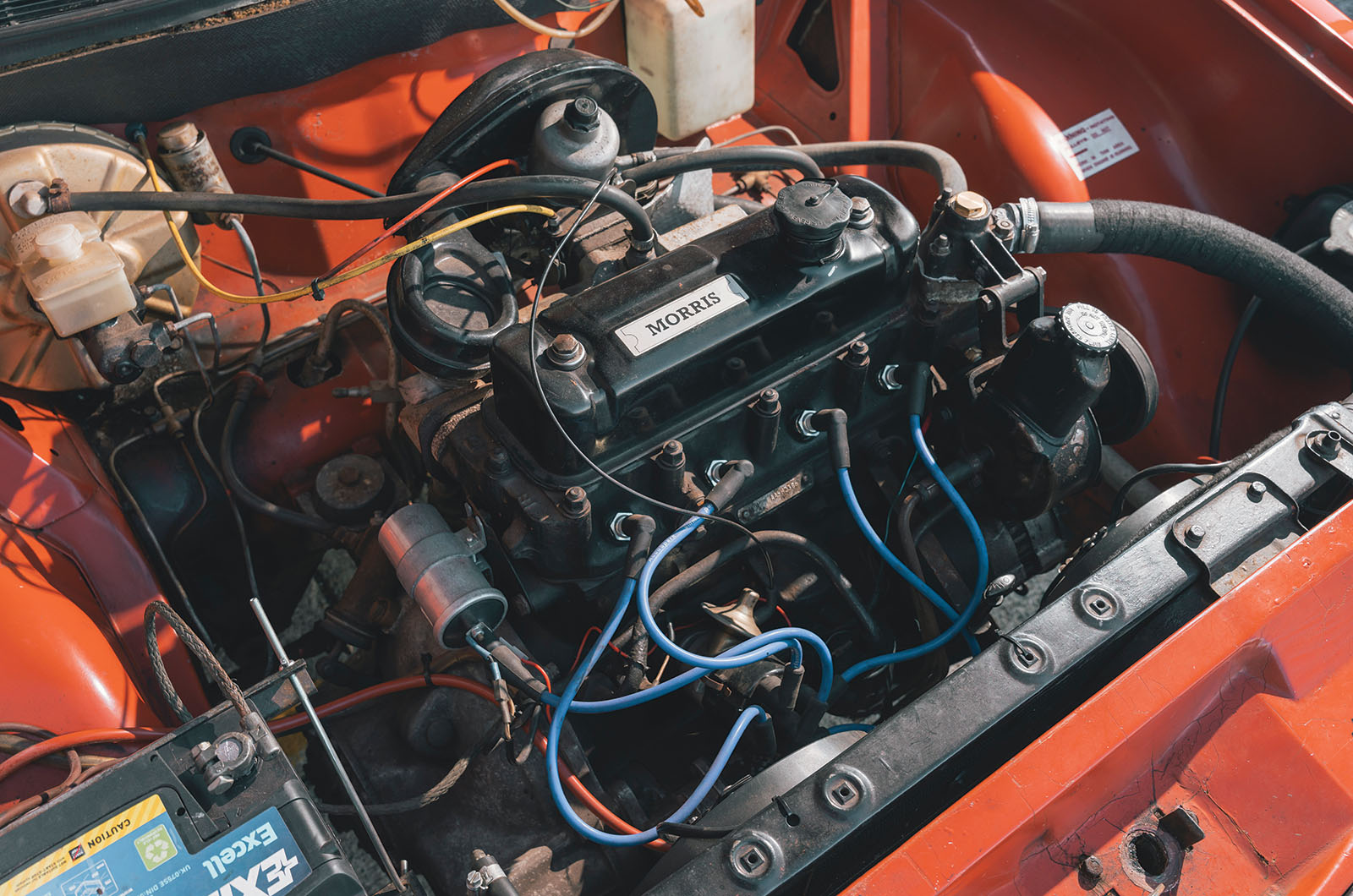
The Morris 1800’s 1.8-litre B-series engine makes 82bhp

The 18-22’s badging reflected British Motor Corporation practice of the 1950s and 1960s, with separate Austin, Morris and Wolseley names.

This surprised many, because BL had been trying to phase out the policy since 1968.

In 1973, dealers were advised that a marque-specific signing policy would entirely lose ‘the benefits of a country-wide impact which a corporate image can give’.

By 1975, however, British Leyland still had single-marque sales outlets.

Classic & Sports Car – Austin vs Morris vs Wolseley vs Princess: British Leyland’s ADO71 family
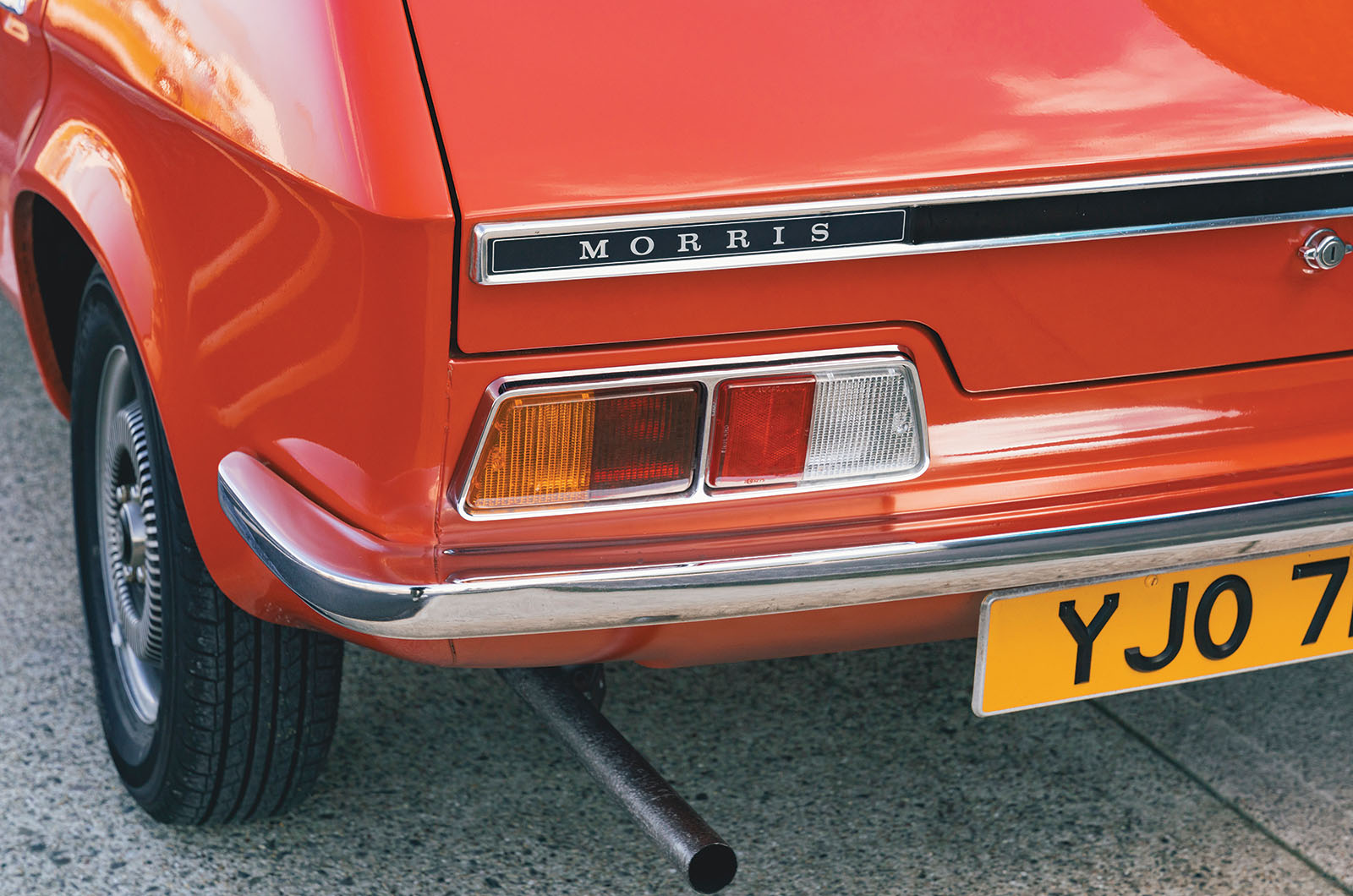
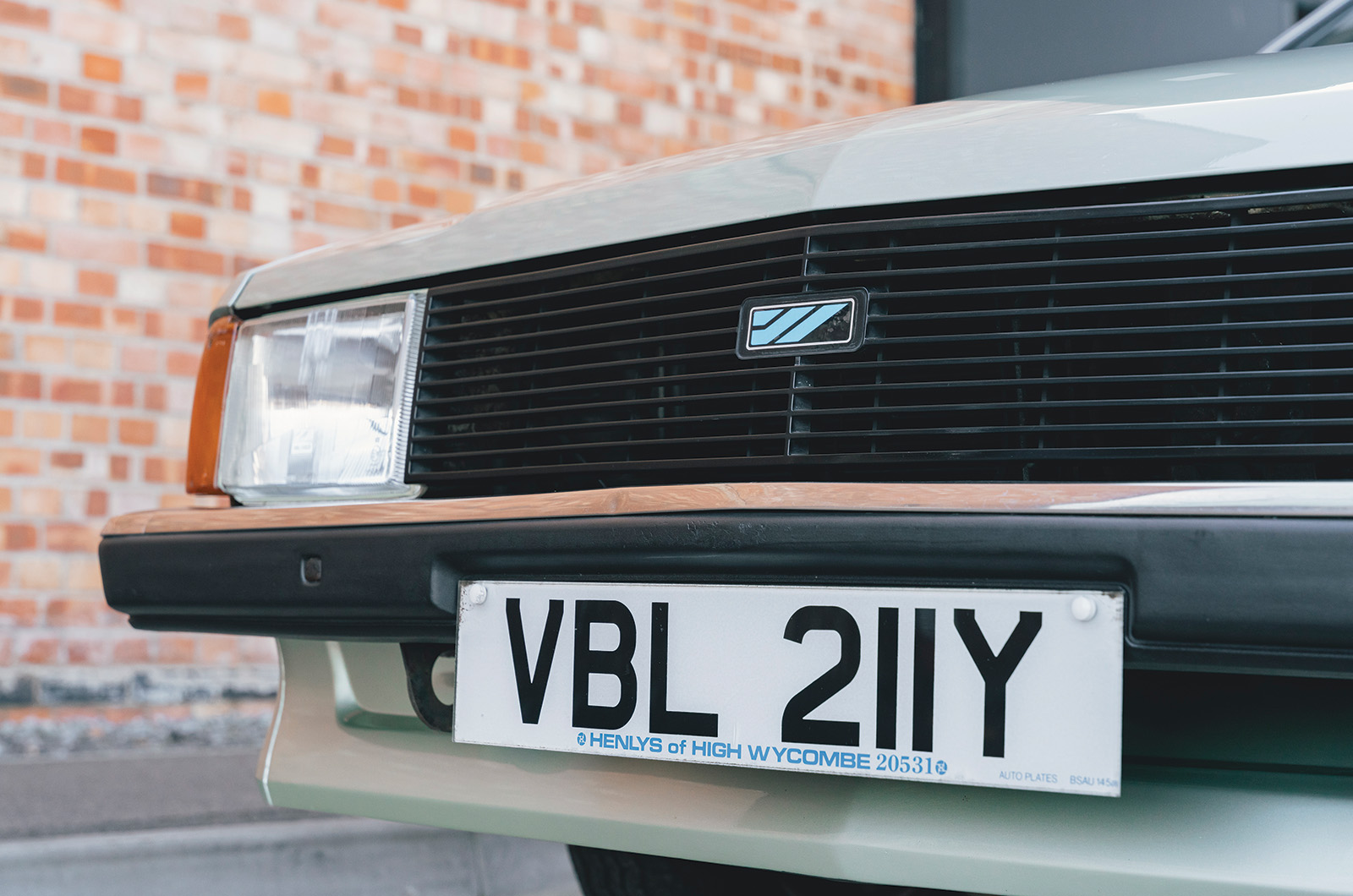
The signature of stylist Harris Mann adorns this Morris 1800

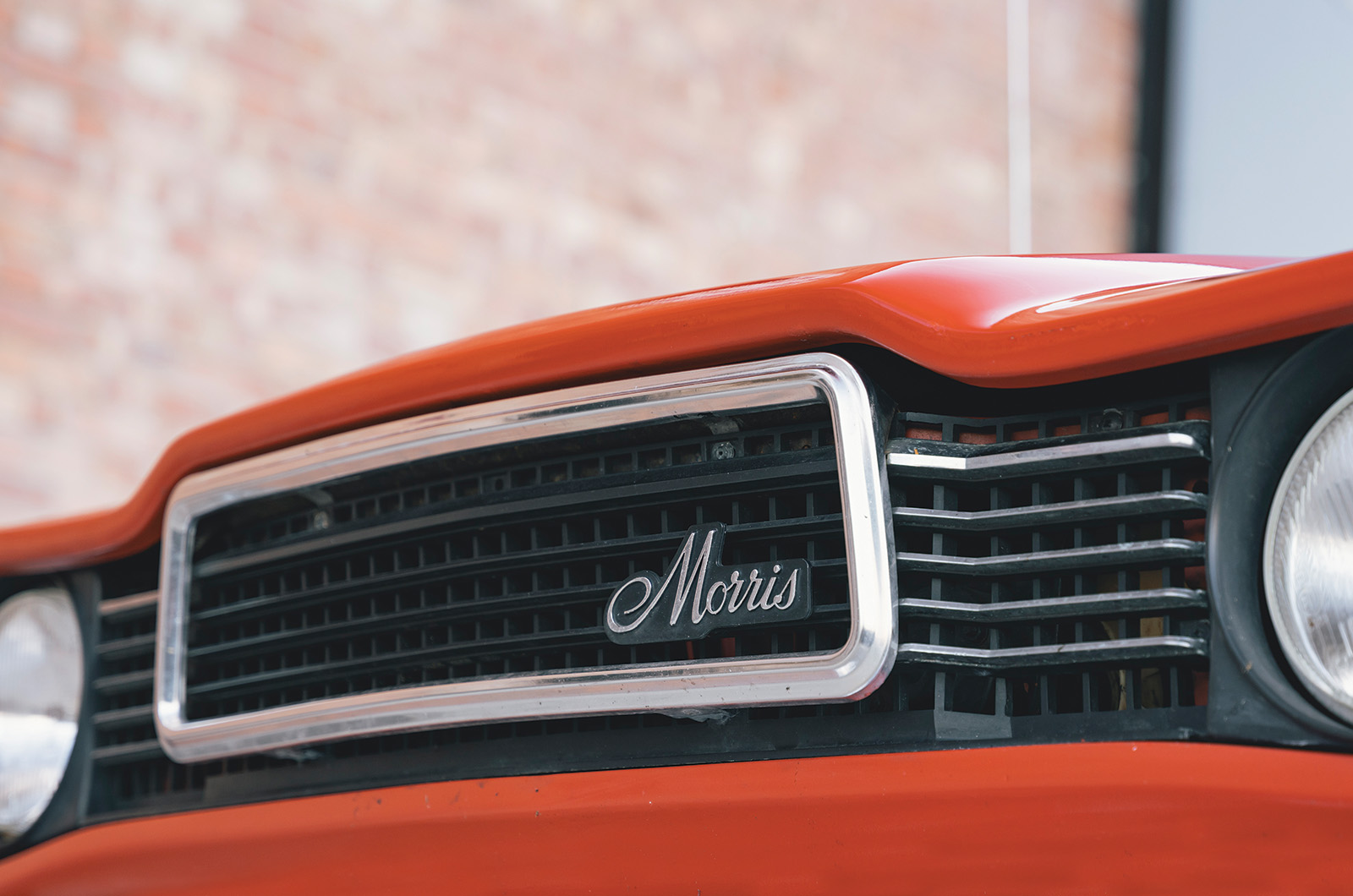
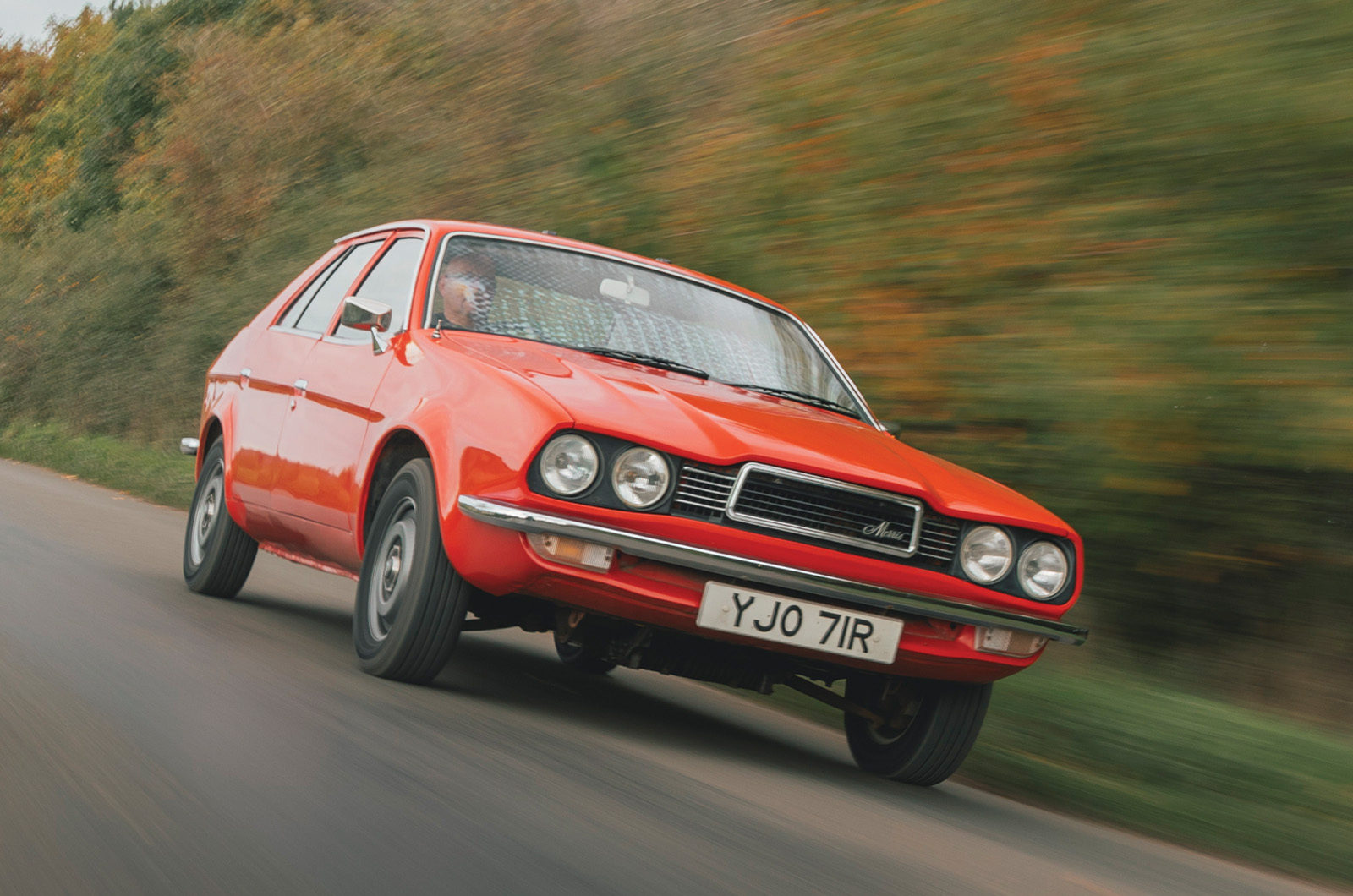
Consequently, the entry-level model and mid-range HL (High Line) were marketed as Austins, with trapezoidal-shaped twin headlights, or as a Morris, with quad lights, and a modified grille and bonnet.

The engine choices were the 1.8-litre B-series or 2.2-litre E-series units.

Mark Allenden’s Morris 1800 has the distinction of being the first wedge to leave the factory, as a pilot production model. 

The Leyland Princess and Ambassador Enthusiasts’ Club restored this Morris between 2014 and 2015, and today it is a reminder of the wedge’s striking looks au naturelle.

Classic & Sports Car – Austin vs Morris vs Wolseley vs Princess: British Leyland’s ADO71 family
This Morris 1800 was a pilot production model, and the first ADO71 to leave the factory

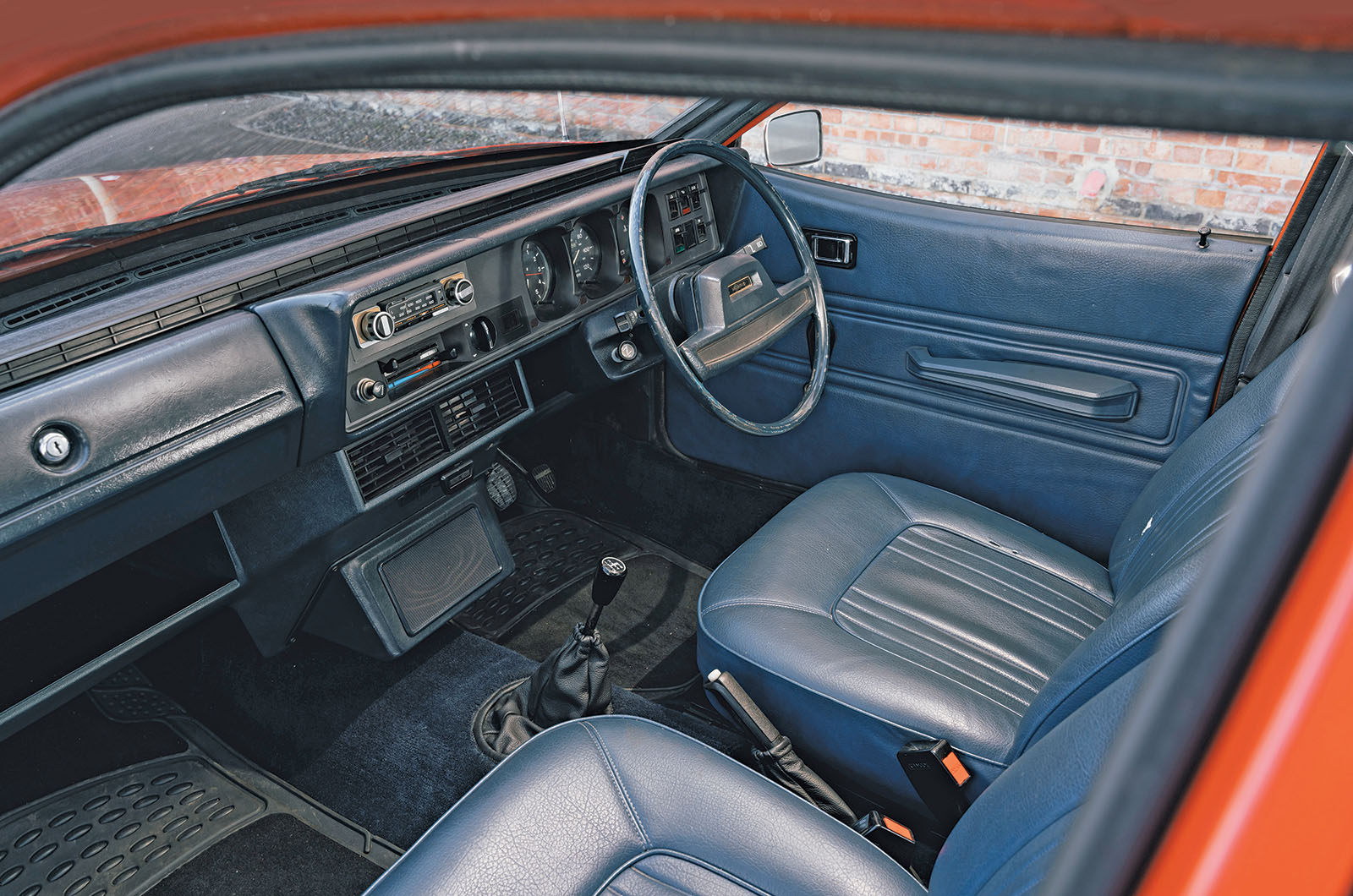
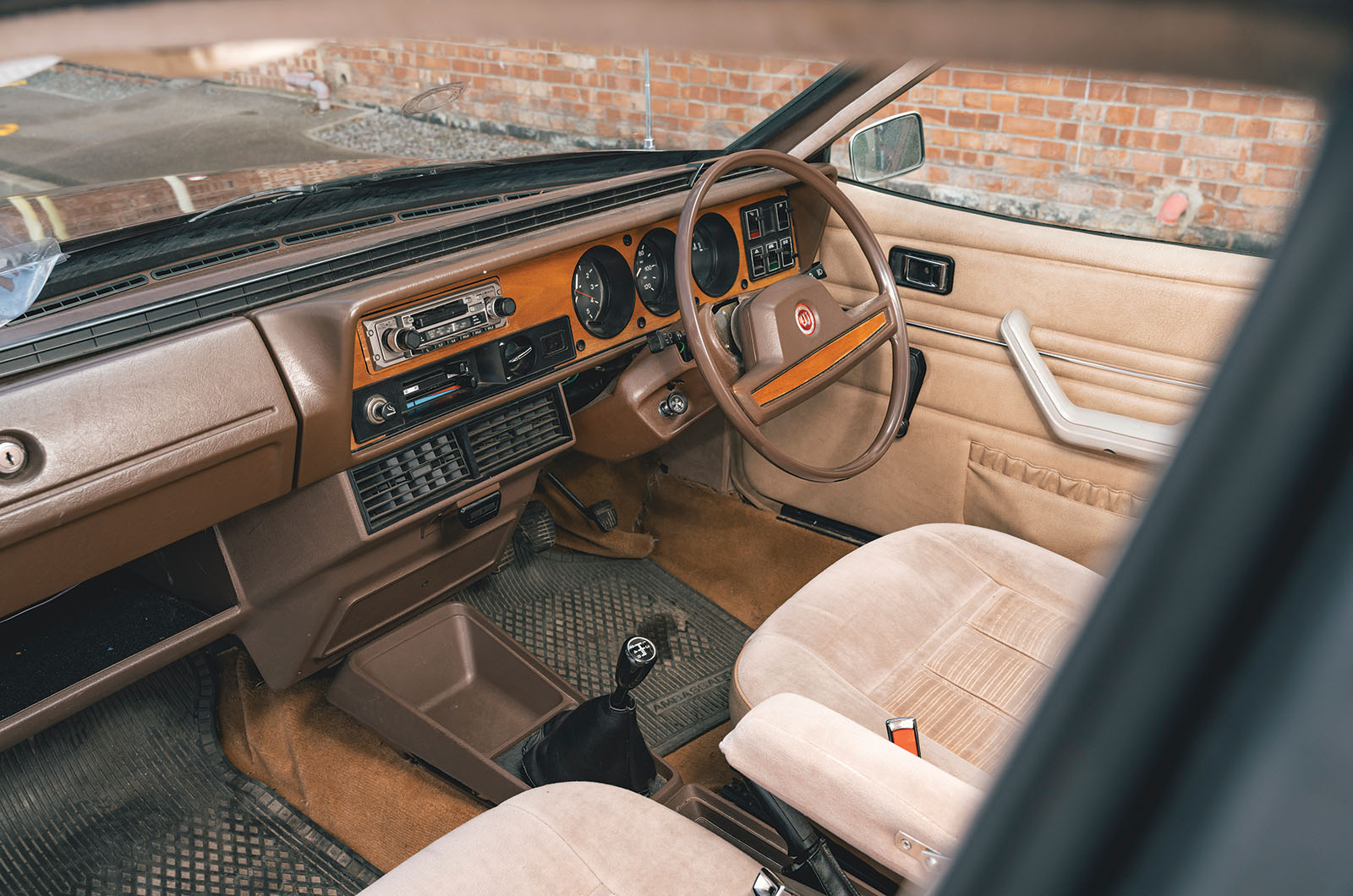
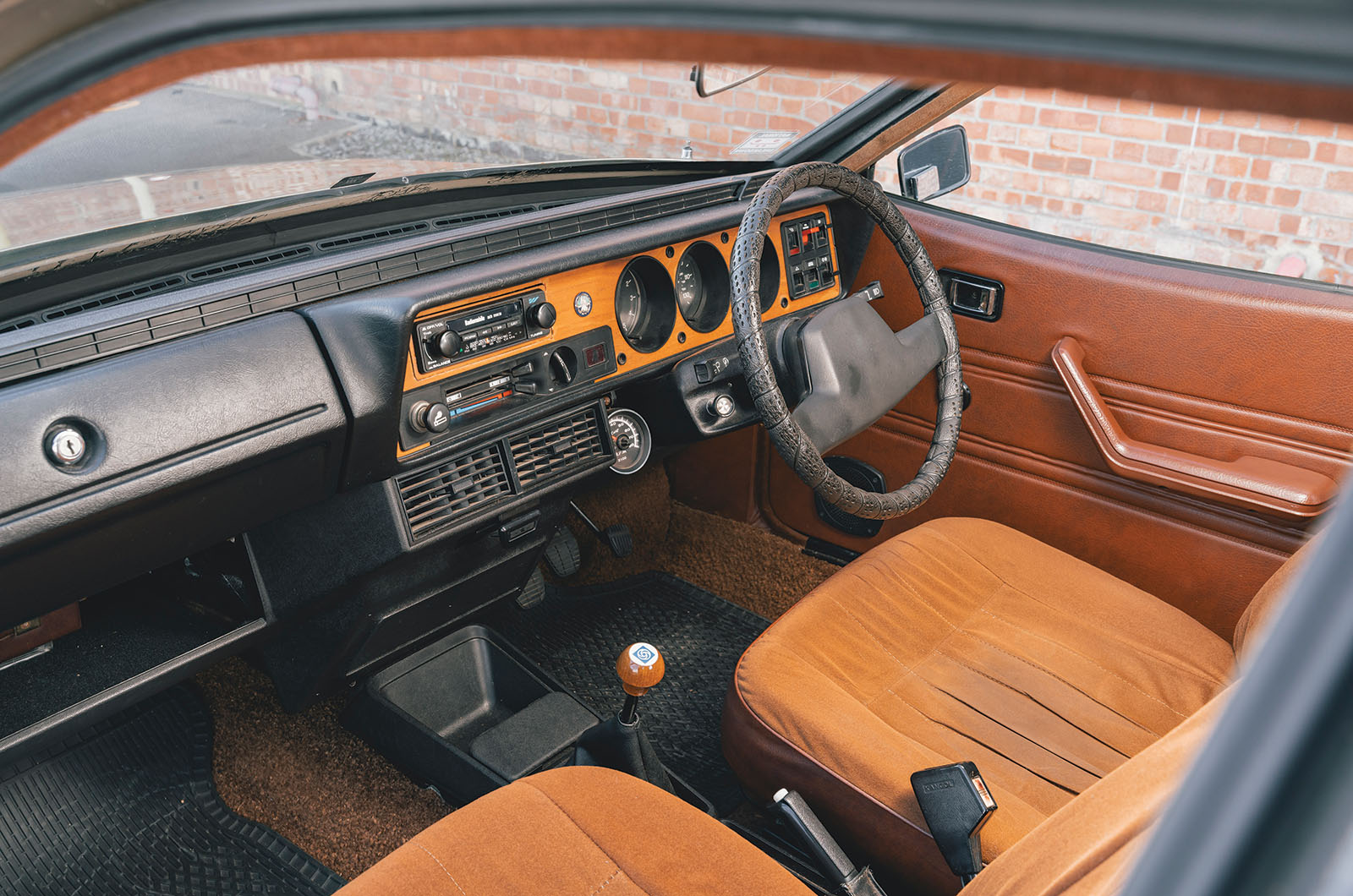
The cabin, with its acres of ‘knit-backed expanded vinyl’ trim, is typical of a 1970s fleet-market car.

Few drivers of that era would have expected a clock or folding armrests for their £2117; at least the basic ADO71 came with a cigar lighter, and a driver’s seat with height and tilt adjustment. 

Mark was inspired to buy his Morris because of childhood memories.

He recalls: “My dad had a 2.2 HLS when I was young, and I really loved it. I enjoy driving the wedge; it’s not fast, but it is lovely and smooth on the road.”

Classic & Sports Car – Austin vs Morris vs Wolseley vs Princess: British Leyland’s ADO71 family
“It’s not fast, but it is lovely and smooth. I get a lot of looks and quite a few beeps. The Morris badge seems to amaze everyone”

“I get a lot of looks, and quite a few beeps from drivers and people looking at it at traffic lights,” he adds.

“Plus, the Morris badge seems to amaze everyone.” 

Seeing Mark’s Morris in the metal is a vivid reminder of how its appearance was so different from that of a rival Ford Consul 2000L or Vauxhall Victor 2300 as to be genuinely startling.

As Charles Griffin, director of engineering of the Austin Morris division, stated: “We think, with the shape of the ADO71, that we’ve lifted it out of the arguments about whether or not it’s stylish or going to be passé in five minutes.”

Classic & Sports Car – Austin vs Morris vs Wolseley vs Princess: British Leyland’s ADO71 family
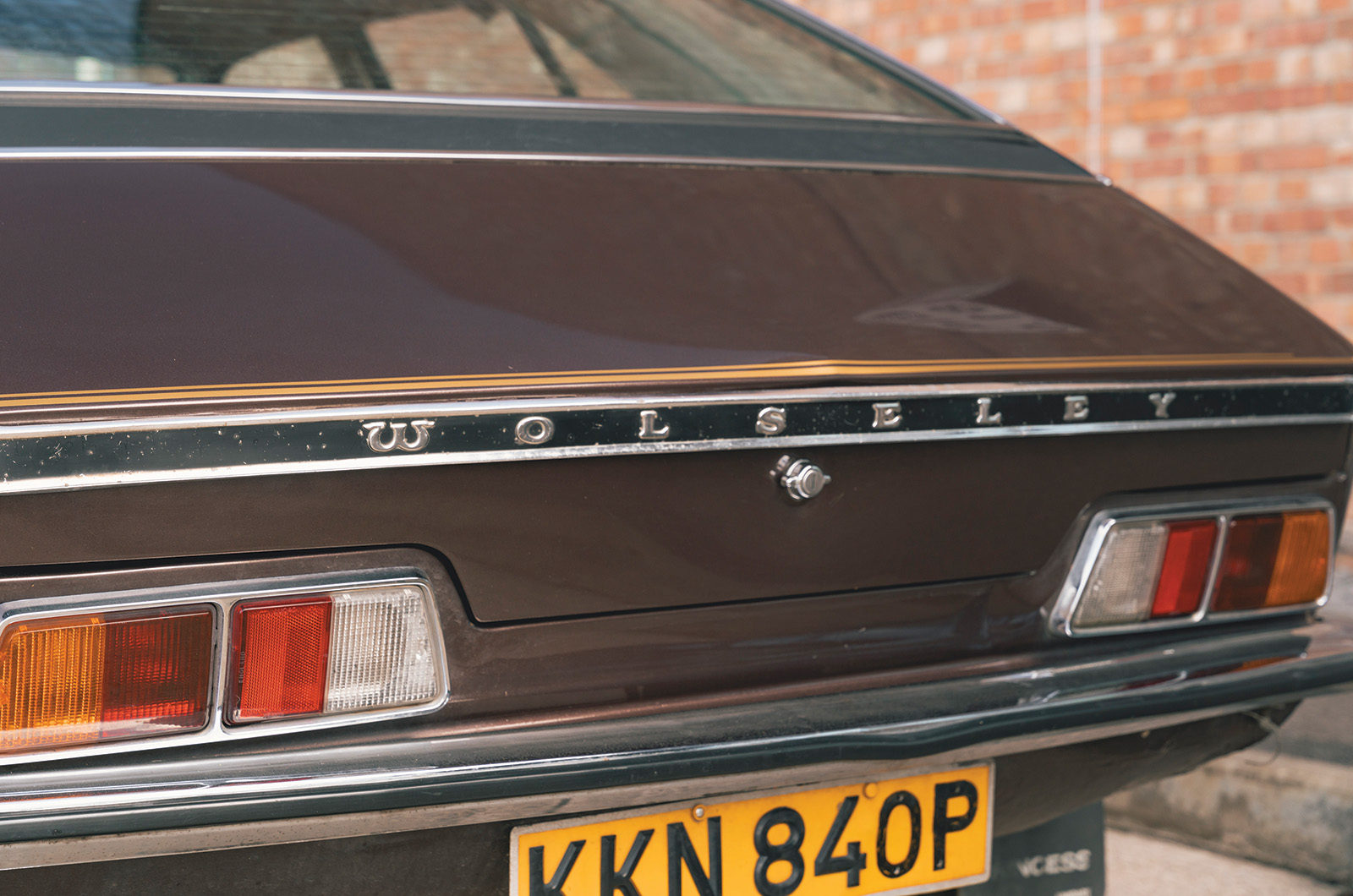
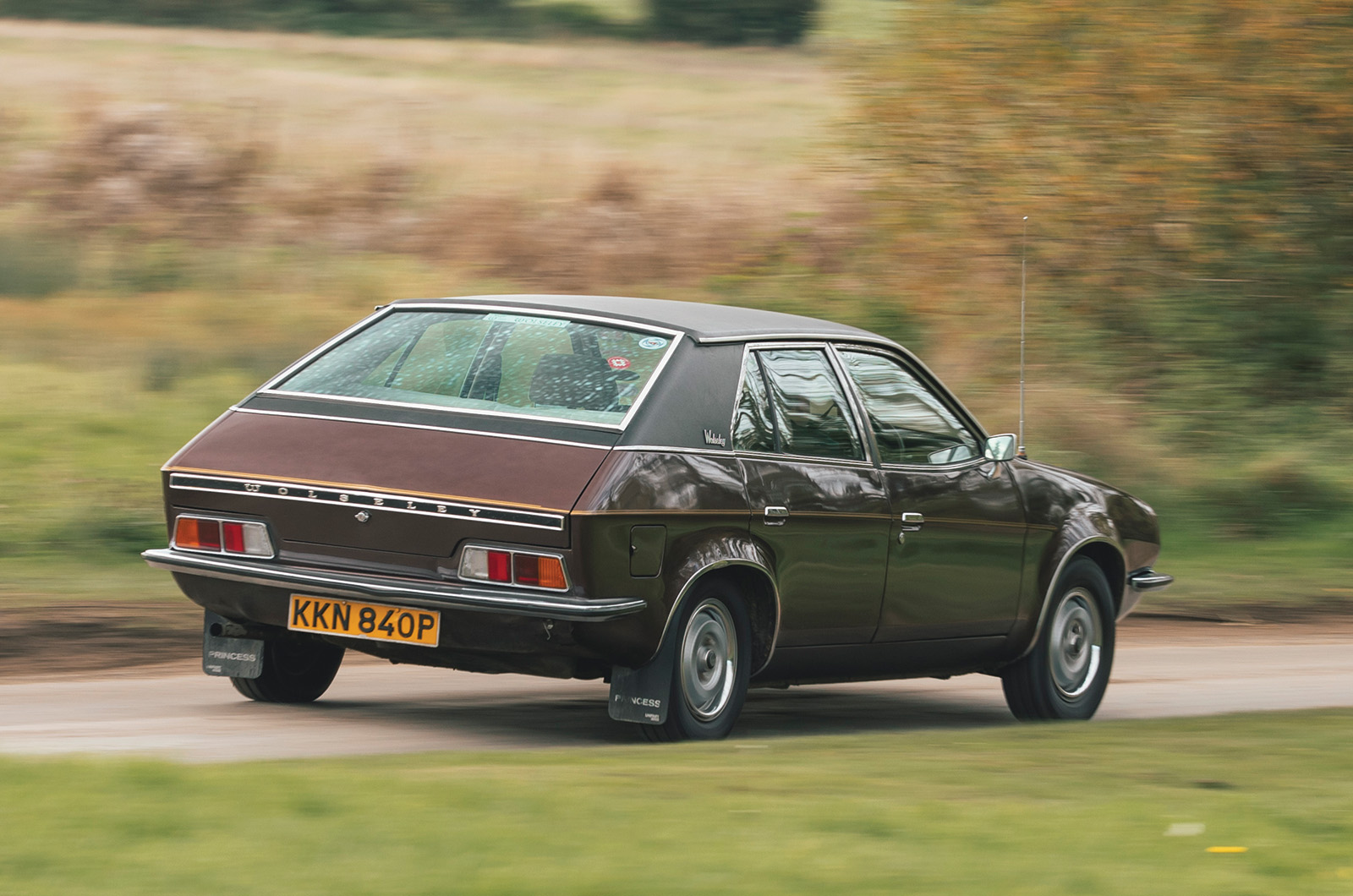
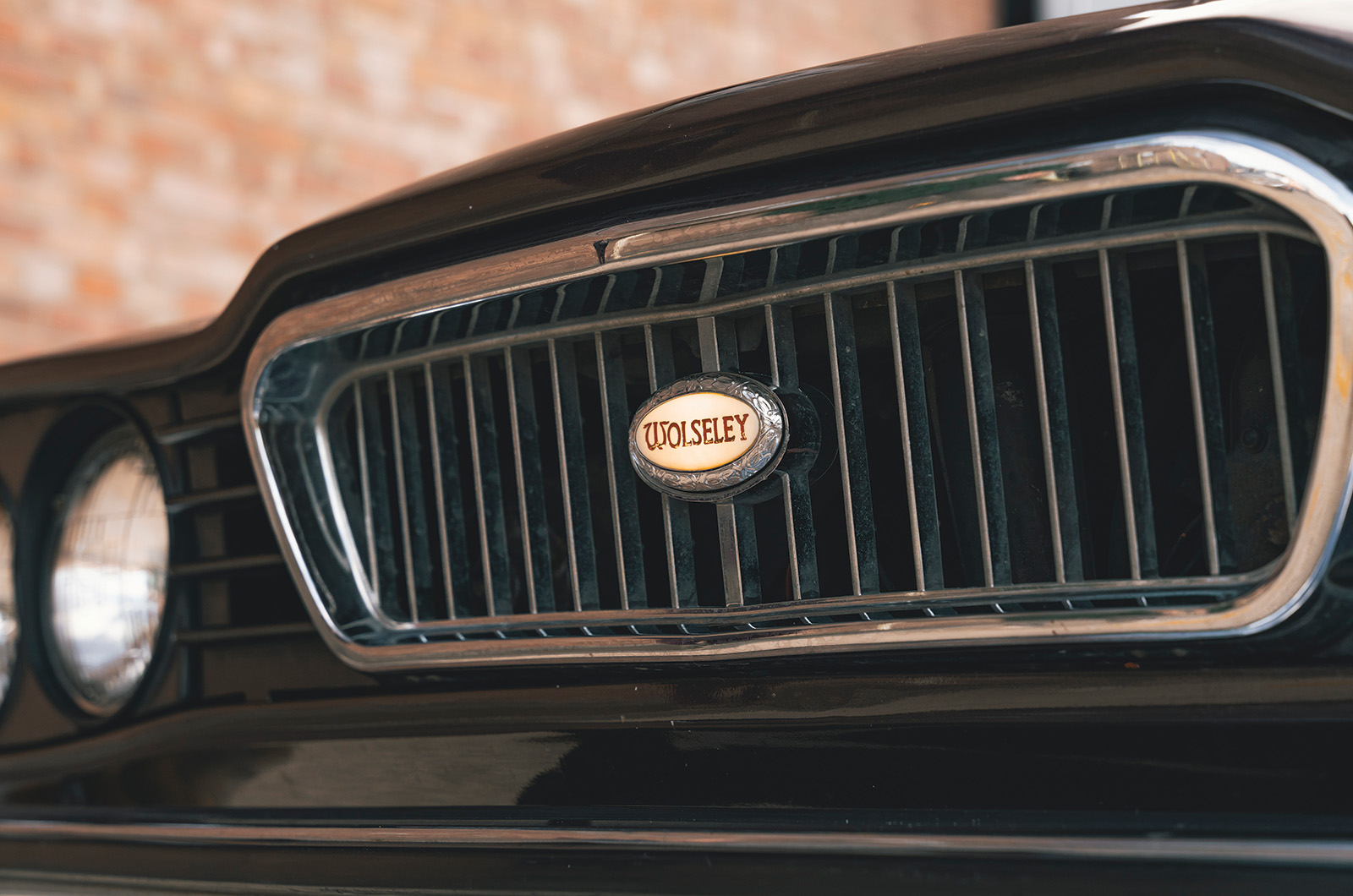
The Wolseley badge conveys the 2200’s gravitas

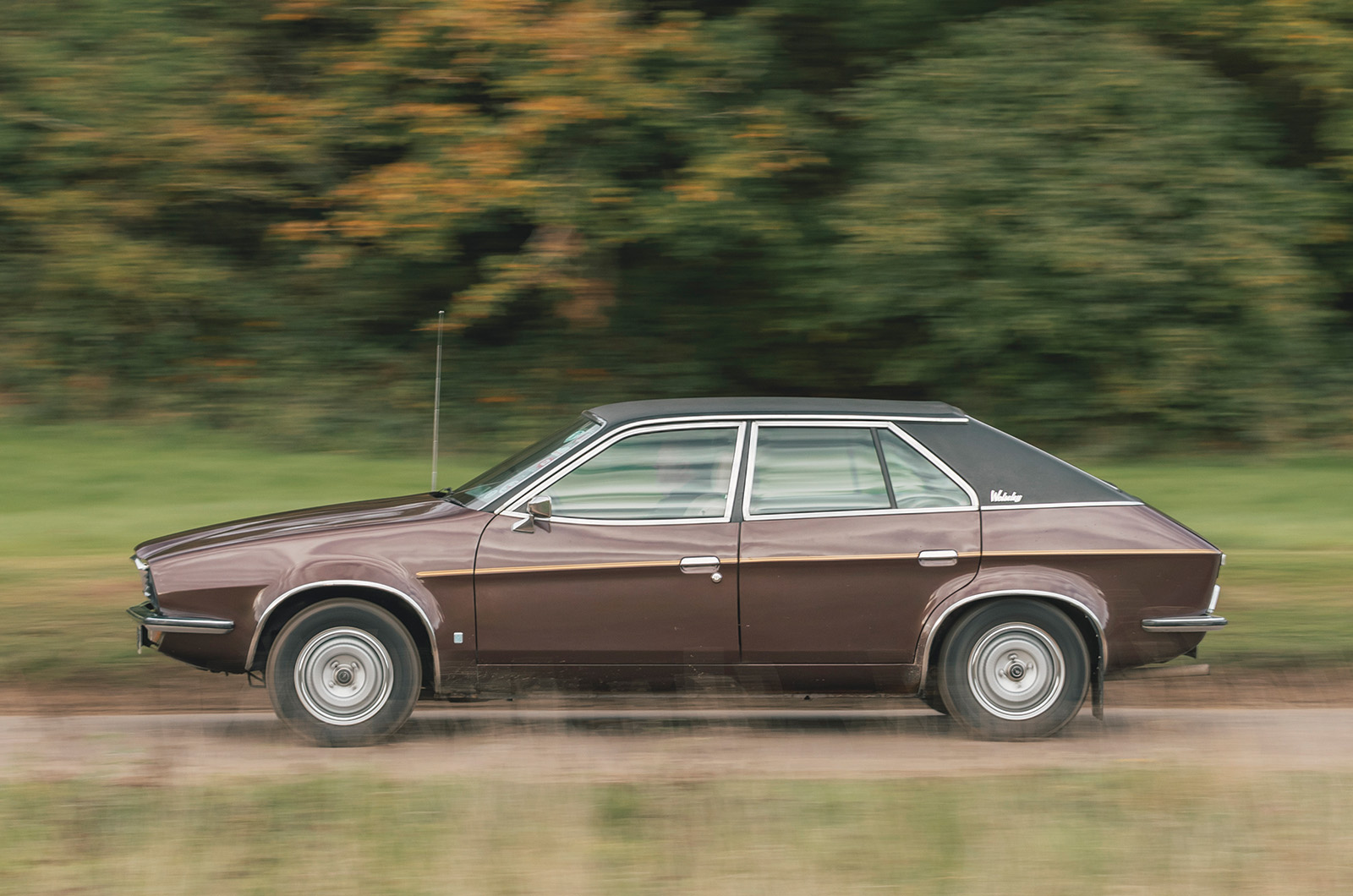
The next member of our line-up is Andrew McAdam’s top-of-the-range Wolseley 2200, available only in six-cylinder form.

Andrew’s example, KKN 840P, spent 23 years off the road until model expert Kevin Davis restored it in 2022.

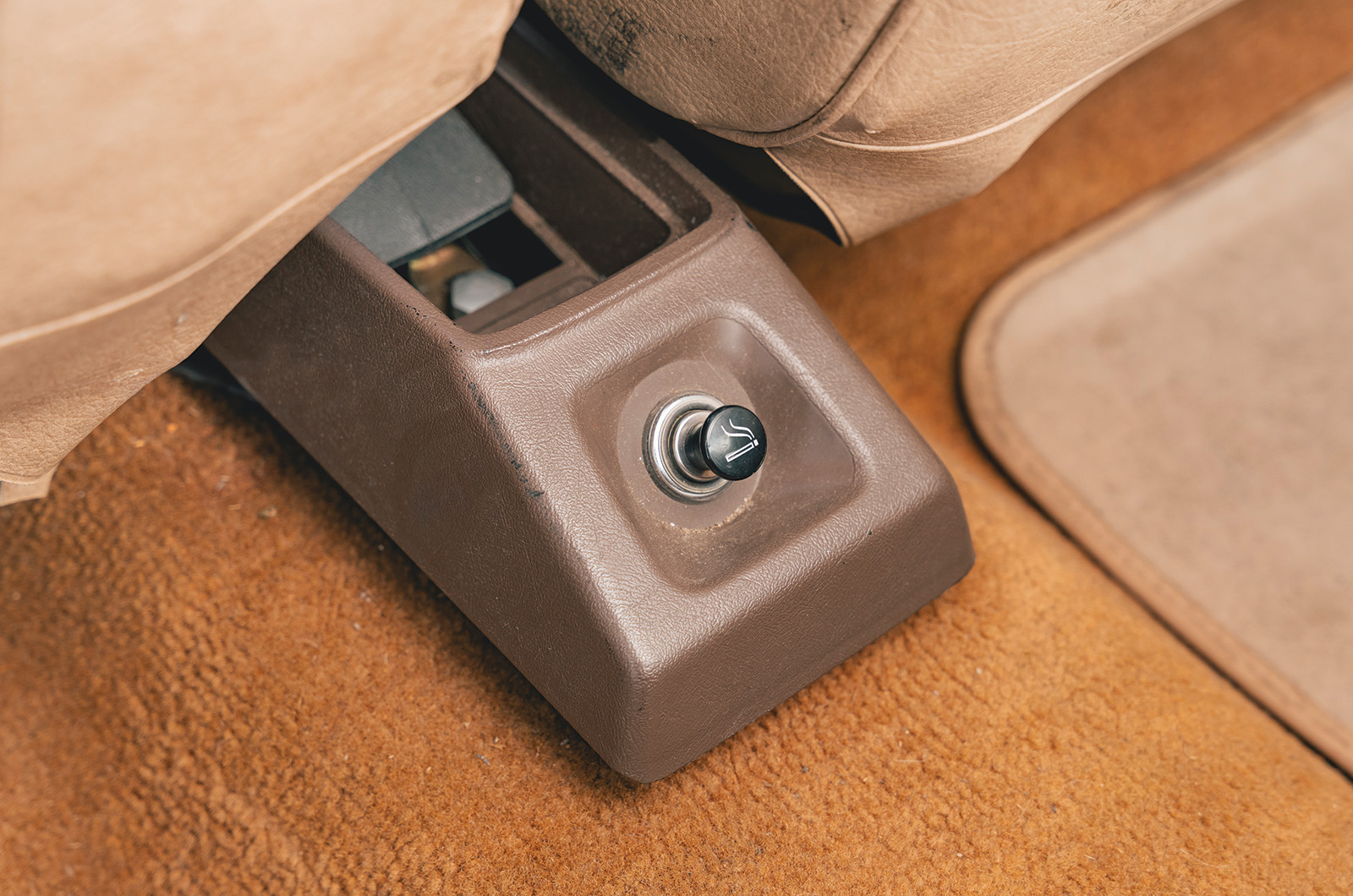
As befitting a car for an ambitious solicitor, the specification included a radio, a vinyl roof, power steering, tinted glass, two cigar lighters and the finest Canaletto wood-veneered fascia available to mankind, all for just £2999.

Classic & Sports Car – Austin vs Morris vs Wolseley vs Princess: British Leyland’s ADO71 family
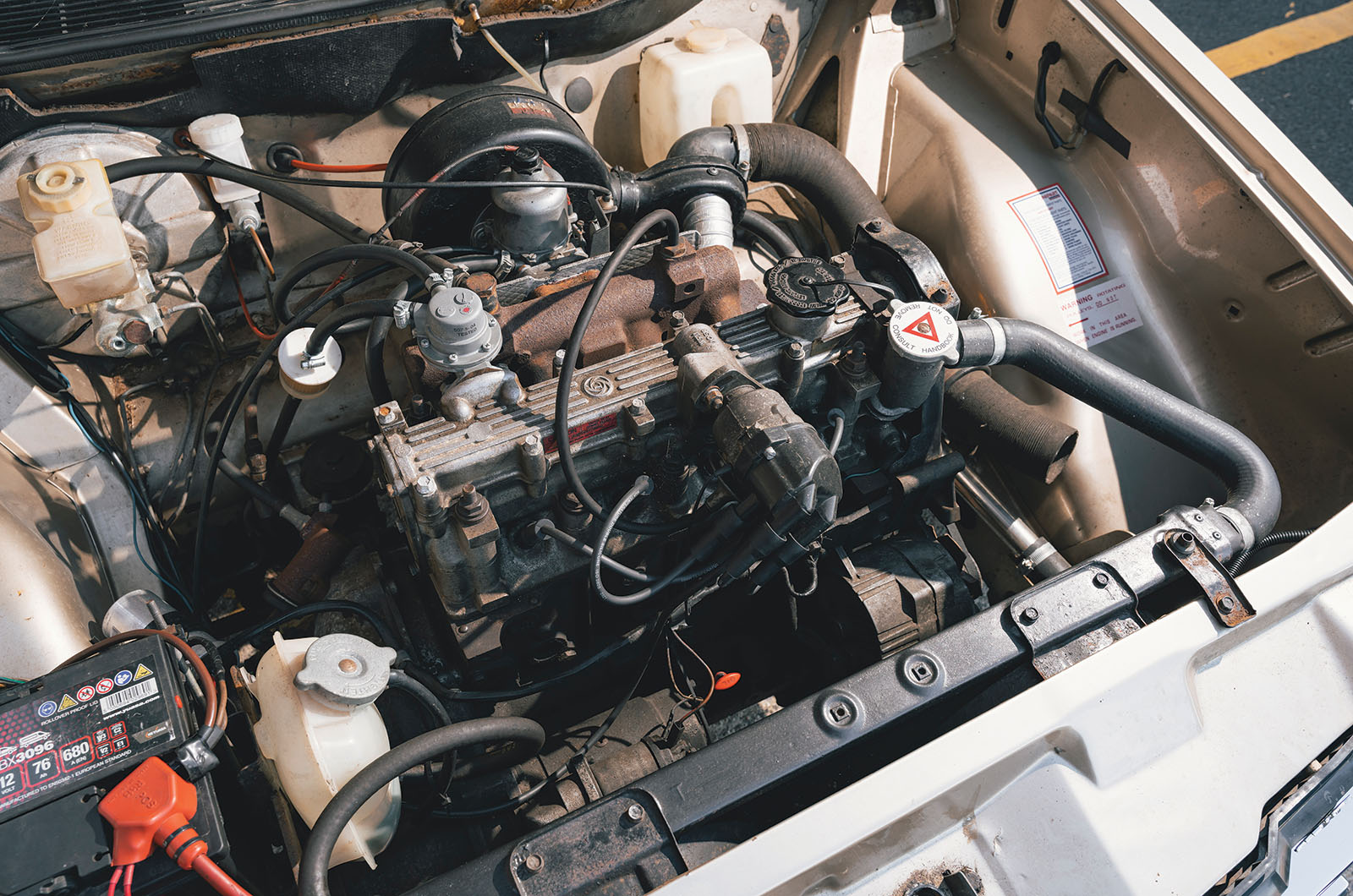
Classic & Sports Car – Austin vs Morris vs Wolseley vs Princess: British Leyland’s ADO71 family
Clockwise from top: the Wolseley 2200 was well received at first, with ministerial appointments; cigar lighter in the rear; the extensive velour and veneered fascia reflected owners’ corporate ambitions

The Daily Telegraph believed the Wolseley was ‘suitable as a business car, with or without chauffeur’ and ‘one of the best things BL has done’.

Motor Sport preferred it to the Citroën CX; it regarded the Wolseley as: ‘The finest car to come out of British Leyland since the Jaguar XJ6, with a general performance, finish and specification worthy of a higher price.’ 

British Leyland gained further favourable press when the government ordered a 20-strong fleet to transport its mid-ranking ministers.

Classic & Sports Car – Austin vs Morris vs Wolseley vs Princess: British Leyland’s ADO71 family
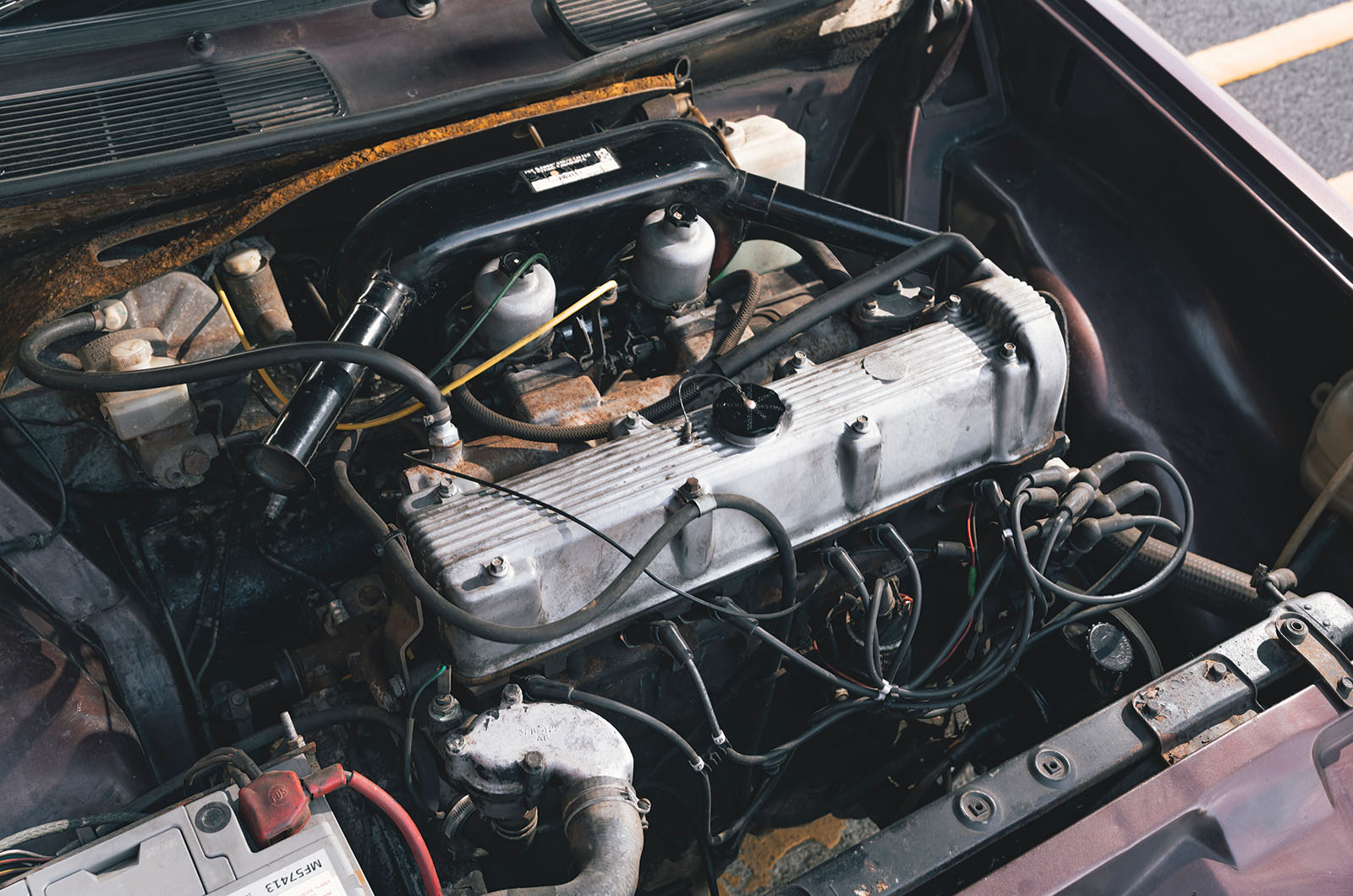
The Wolseley 2200’s 2227cc ‘six’ makes 110bhp

Unfortunately, the company’s problems dominated virtually every television news bulletin.

One Cowley fitter has been quoted by AROnline as saying the quality of the early ADO71 was “really bad”.

As 1975 progressed, many potential BL buyers fled for the haven of the Ford Granada 2000GL.

Yet Andrew finds that his Brazil Metallic wedge more than lives up to the sales brochure’s promises.

He enthuses: “The Wolseley was well appointed and, as a design concept, it was streets ahead. With a bit more marketing – and a proper name – it could have been a renaissance period for the marque.”

Classic & Sports Car – Austin vs Morris vs Wolseley vs Princess: British Leyland’s ADO71 family
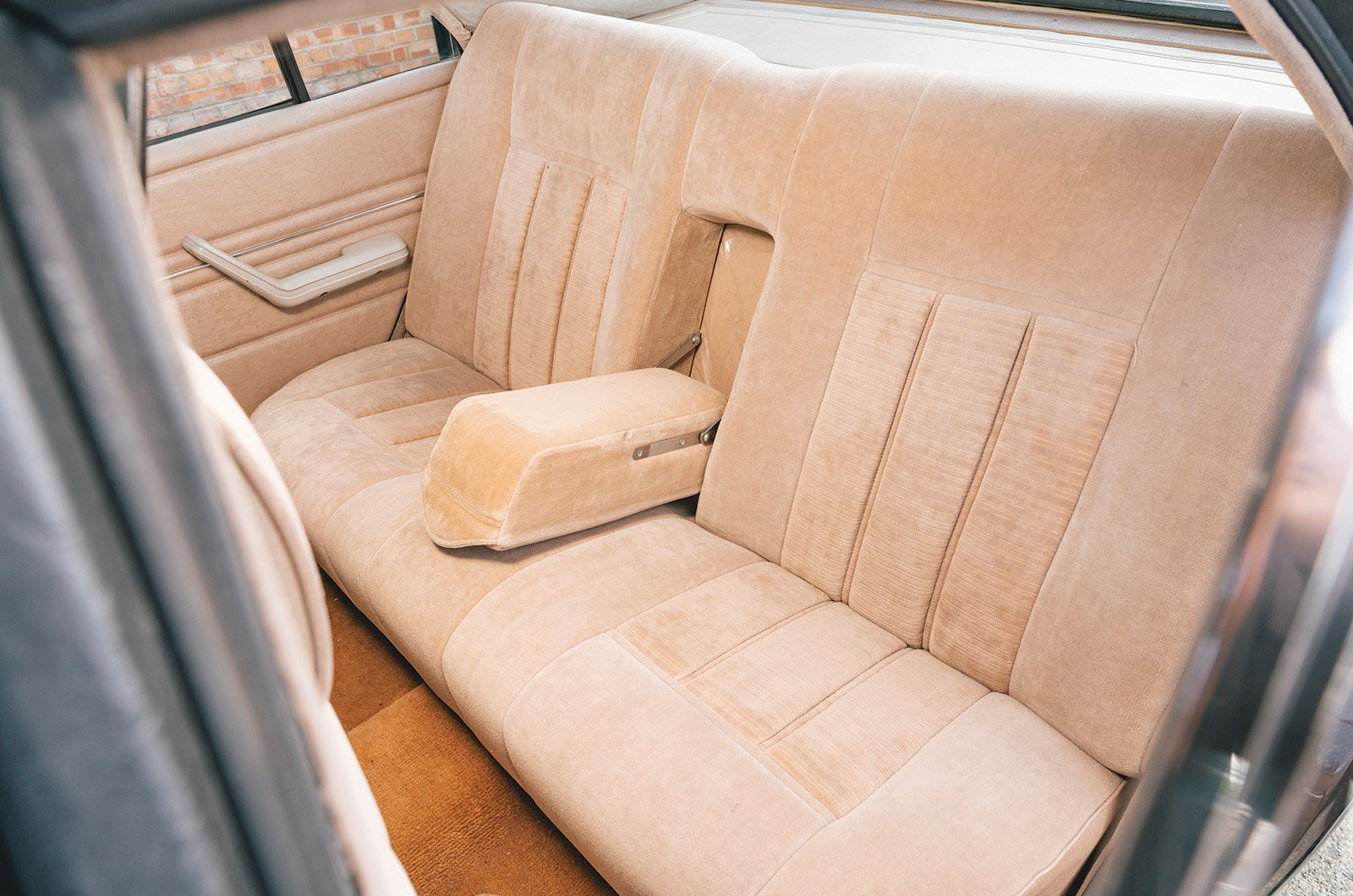
The Wolseley 2200’s rear bench seat has a central armrest

The interior is charming: a velour-furnished mobile office entirely suited to a mid-1970s executive.

The decor of previous large Wolseleys had a pre-war ethos, but the 18-22 could have been behind a revitalised image for the marque. 

Alas, September 1975 marked the demise of the Wolseley name after 80 years.

The Ryder Report on the future of British Leyland proposed streamlined marketing under a Leyland Cars banner.

Classic & Sports Car – Austin vs Morris vs Wolseley vs Princess: British Leyland’s ADO71 family
Contemporary reviewers lavished praise on the Wolseley 2200’s performance, but quality was an issue

As Andrew puts it: “Wolseley joined Riley as a redundant marque and the Princess brand became the future of Harris Mann’s masterpiece.”

Some observers remarked that the Wolseley enjoyed greater popularity in just six months than its 2200 HLS replacement.

July 1978 marked the launch of the facelifted Princess 2, with the 1.7-litre and 2-litre O-series engines replacing the 1.8-litre unit.

Autocar declared the 2000 HL ‘very satisfactory’, and the latest black window frames lend it an early Thatcher-era persona.

Flared trousers were out, and anyone with a Princess HL on the drive aspired to own a Sony C7 video recorder.

Classic & Sports Car – Austin vs Morris vs Wolseley vs Princess: British Leyland’s ADO71 family
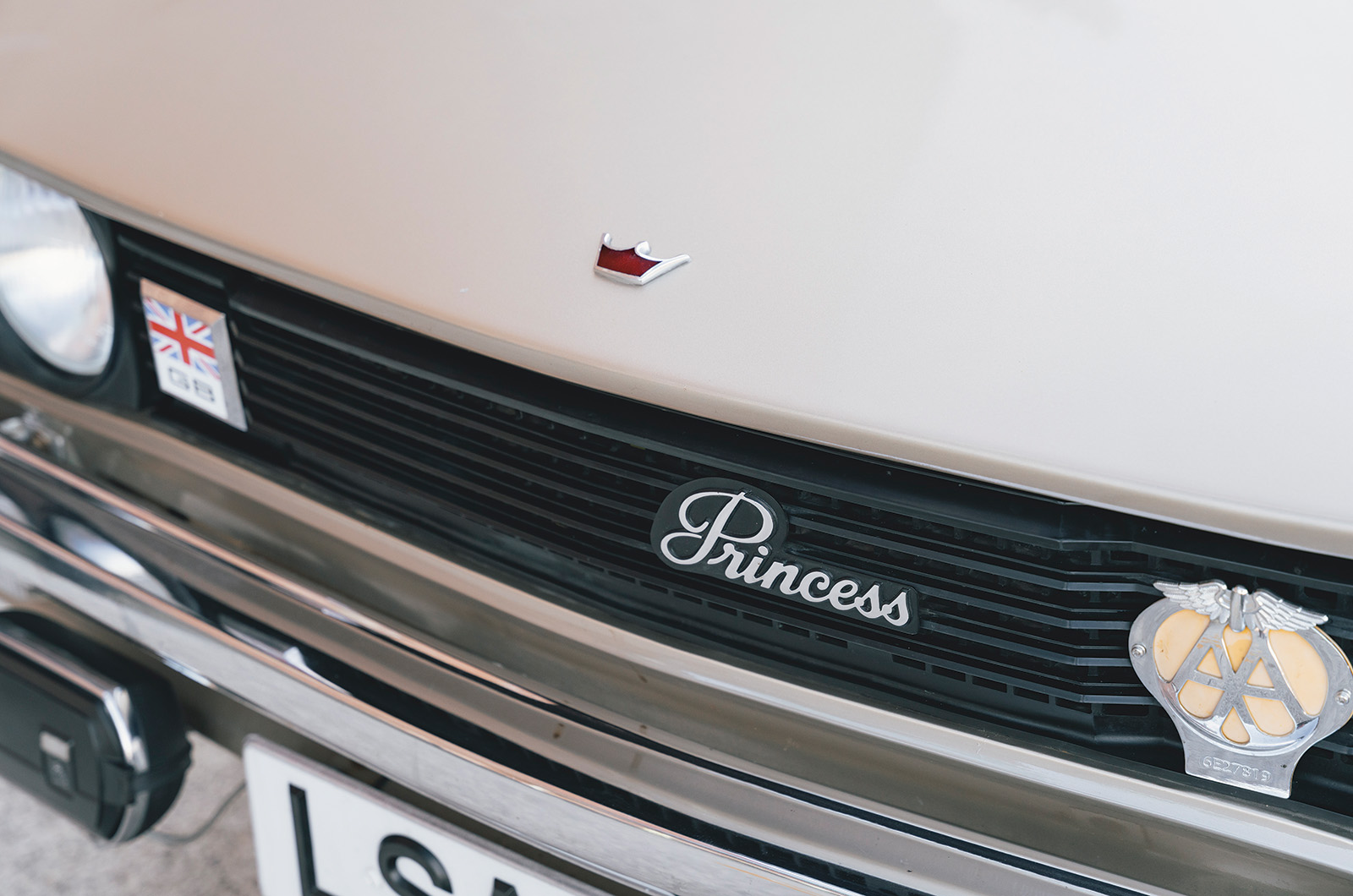
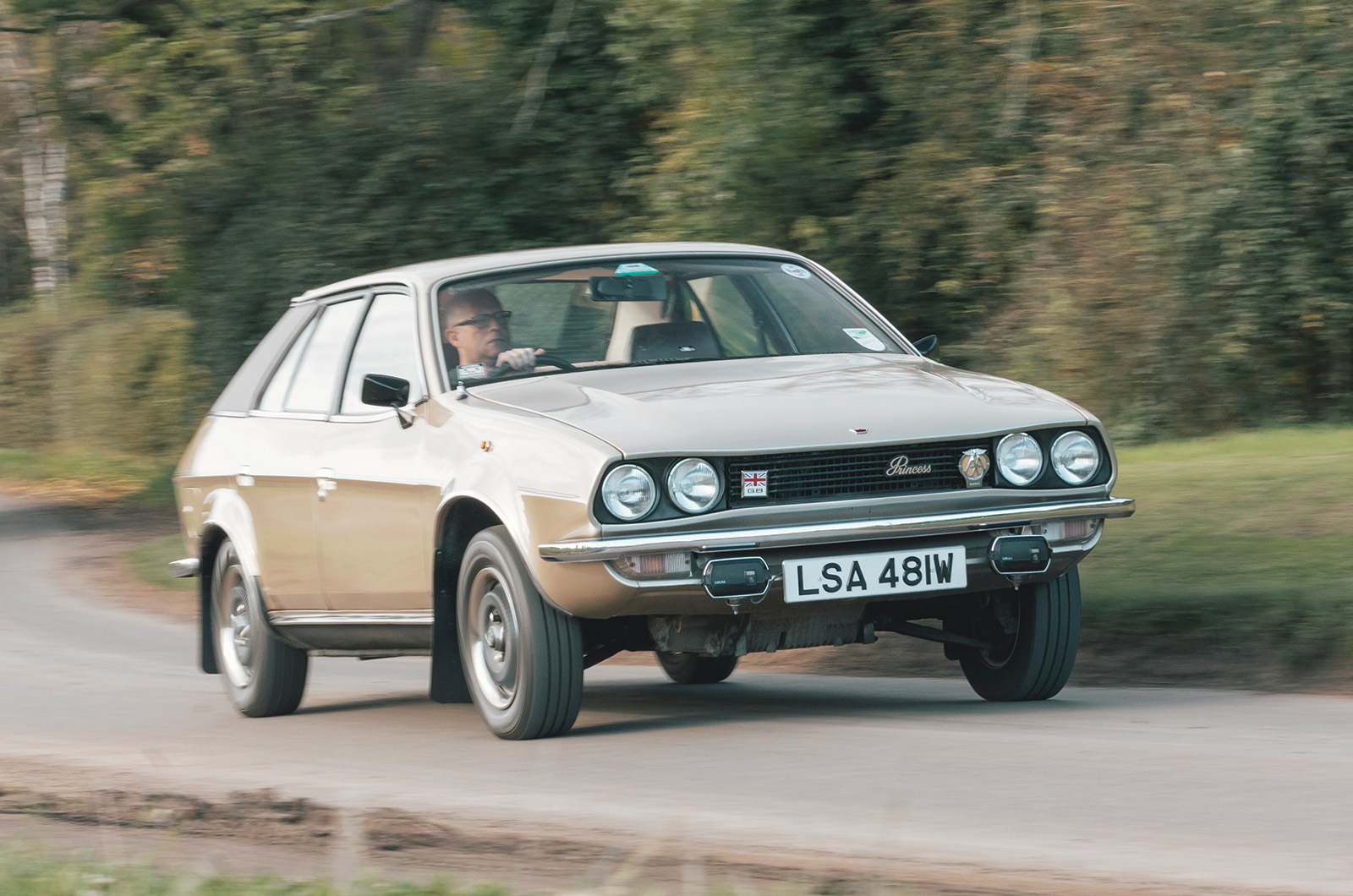
The Princess 2 was lambasted in pop culture

The third in our group is the 1980 Princess 2 2000 HL of Simon Hayes, chair of the Leyland Princess and Ambassador Enthusiasts’ Club.

According to the brochure, the HL gave the distinction of a ‘striking full-length double coachline and the ultimate in high-quality Marle fabric’.

Simon has been an ADO71 fan since childhood, and the impetus to buy a Princess came in lockdown, watching The Professionals.

George Cowley’s wedge in the early episodes proved a welcome distraction from weak plots, smirking into rear-view mirrors and over-acting villains.

Classic & Sports Car – Austin vs Morris vs Wolseley vs Princess: British Leyland’s ADO71 family

The Princess 2 2000 HL’s 2-litre engine is quick enough, with a cushy, floating ride quality

So, in 2020, Simon bought the Oyster Gold Princess 2.

He finds his car “floaty and comfy”, adding: “People look at it as if they have either never seen anything quite like it before, or are surprised because they haven’t seen one in years.

“The 2-litre is well suited to the Princess; it is fast enough and not horrifically thirsty.”

At £5350, it was more than £500 cheaper than a Vauxhall Carlton, but dealers faced two image problems hampering sales.

The first was that the BL badge was by then too associated in the public mind with unreliability; the second was that the Princess seemed middle-aged.

Classic & Sports Car – Austin vs Morris vs Wolseley vs Princess: British Leyland’s ADO71 family

Classic & Sports Car – Austin vs Morris vs Wolseley vs Princess: British Leyland’s ADO71 family

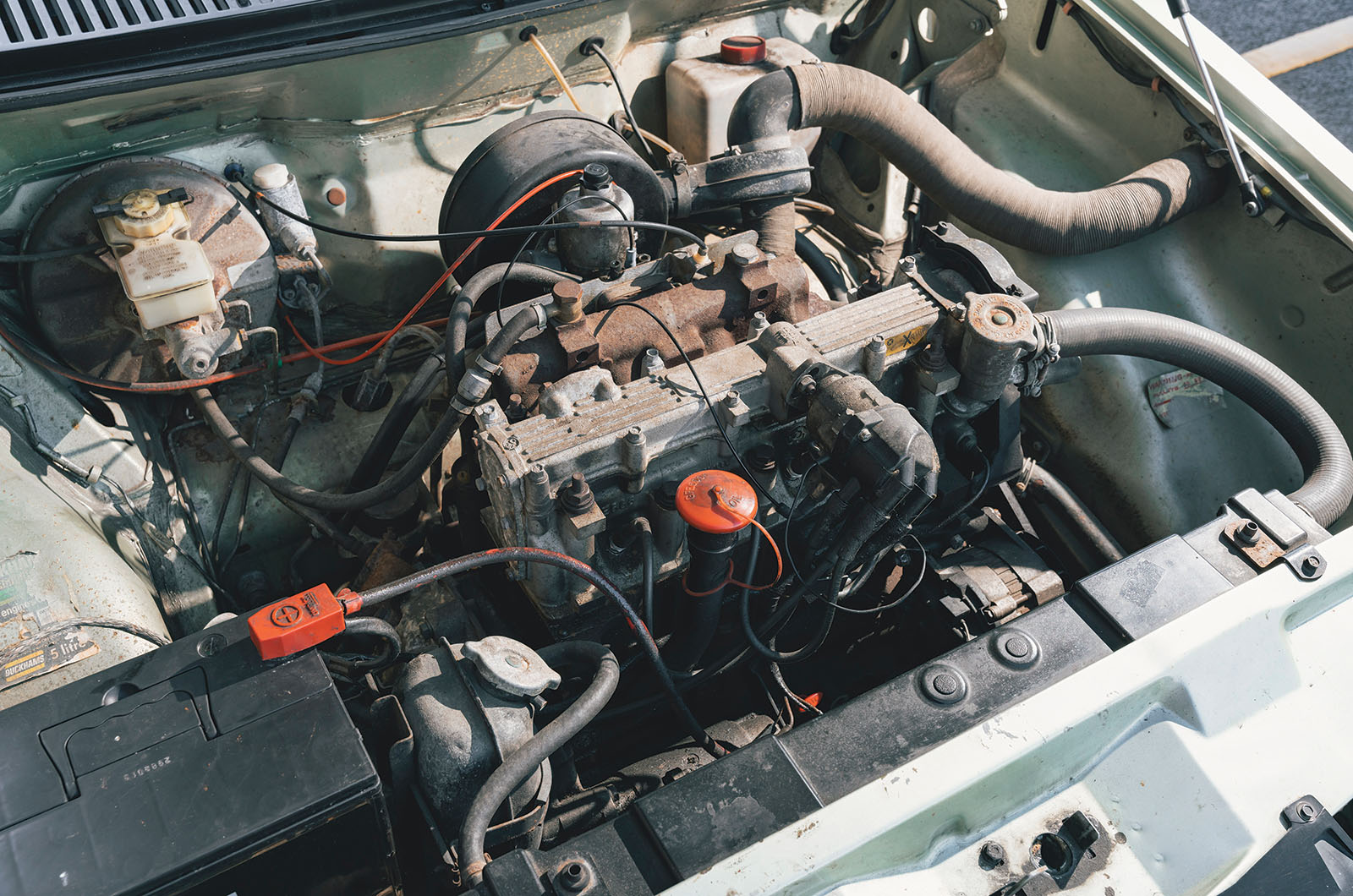
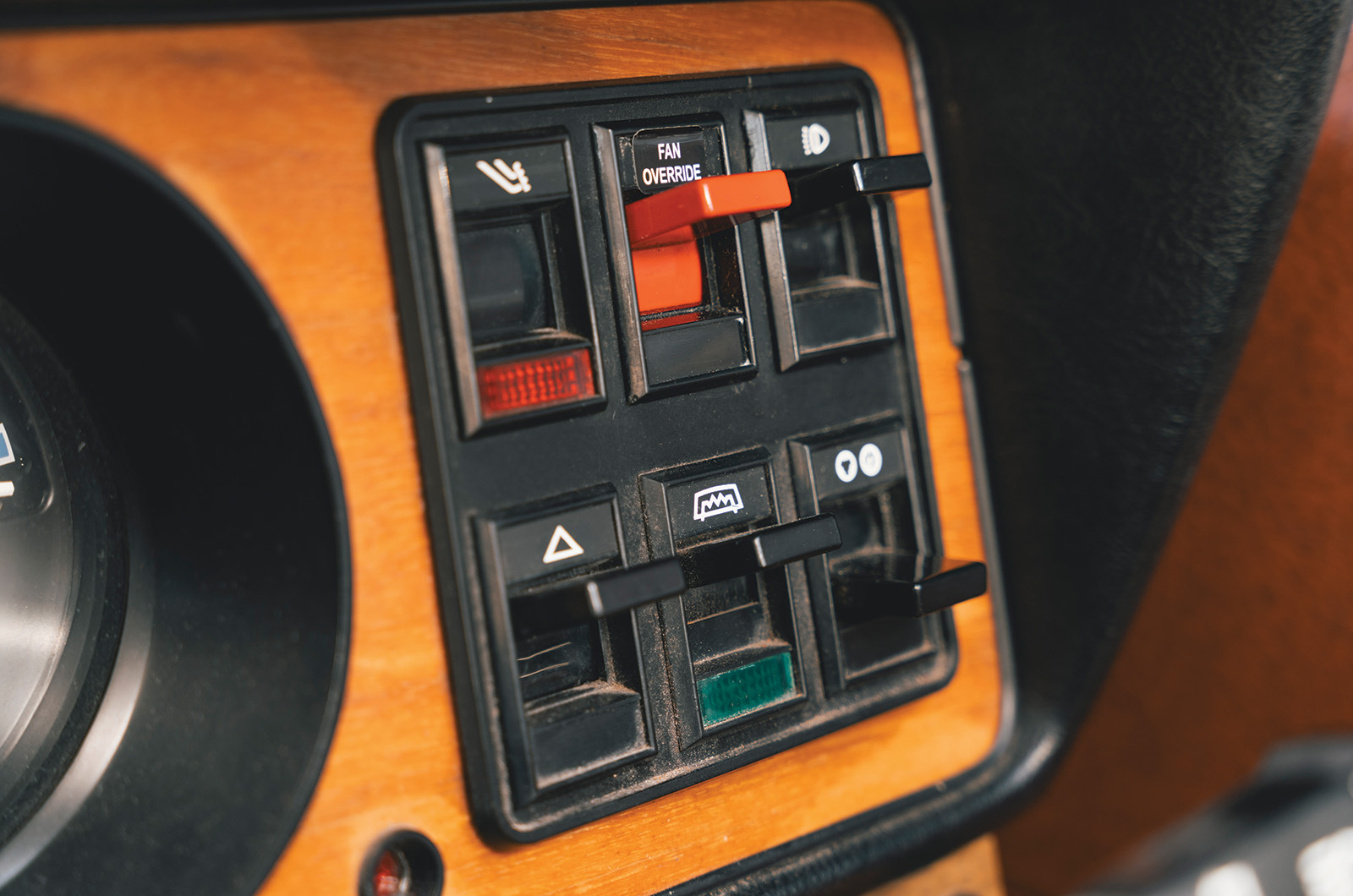
Clockwise from top: the Princess 2 2000 HL’s 1994cc ‘four’ makes 93bhp; switch array; Marle fabric trim unwittingly exaggerates this model’s air of middle-aged decline

In 1975, British Leyland called its new wedge ‘a car of tomorrow’, but by 1977 CAR, while listing it in the ‘Interesting’ section of its The Good, the Bad, and the Ugly guide, described it as ‘good but more for the older man’.

In 1979, a BBC sitcom ensured it would be less associated with dynamic young motorists than with Terry Scott saying, “Cor! June!”

To the chagrin of owners, Terry and June’s impact on perceptions of the model lasted long after the series ended in ’87. 

By 1980, annual wedge sales were just 14,732.

Classic & Sports Car – Austin vs Morris vs Wolseley vs Princess: British Leyland’s ADO71 family

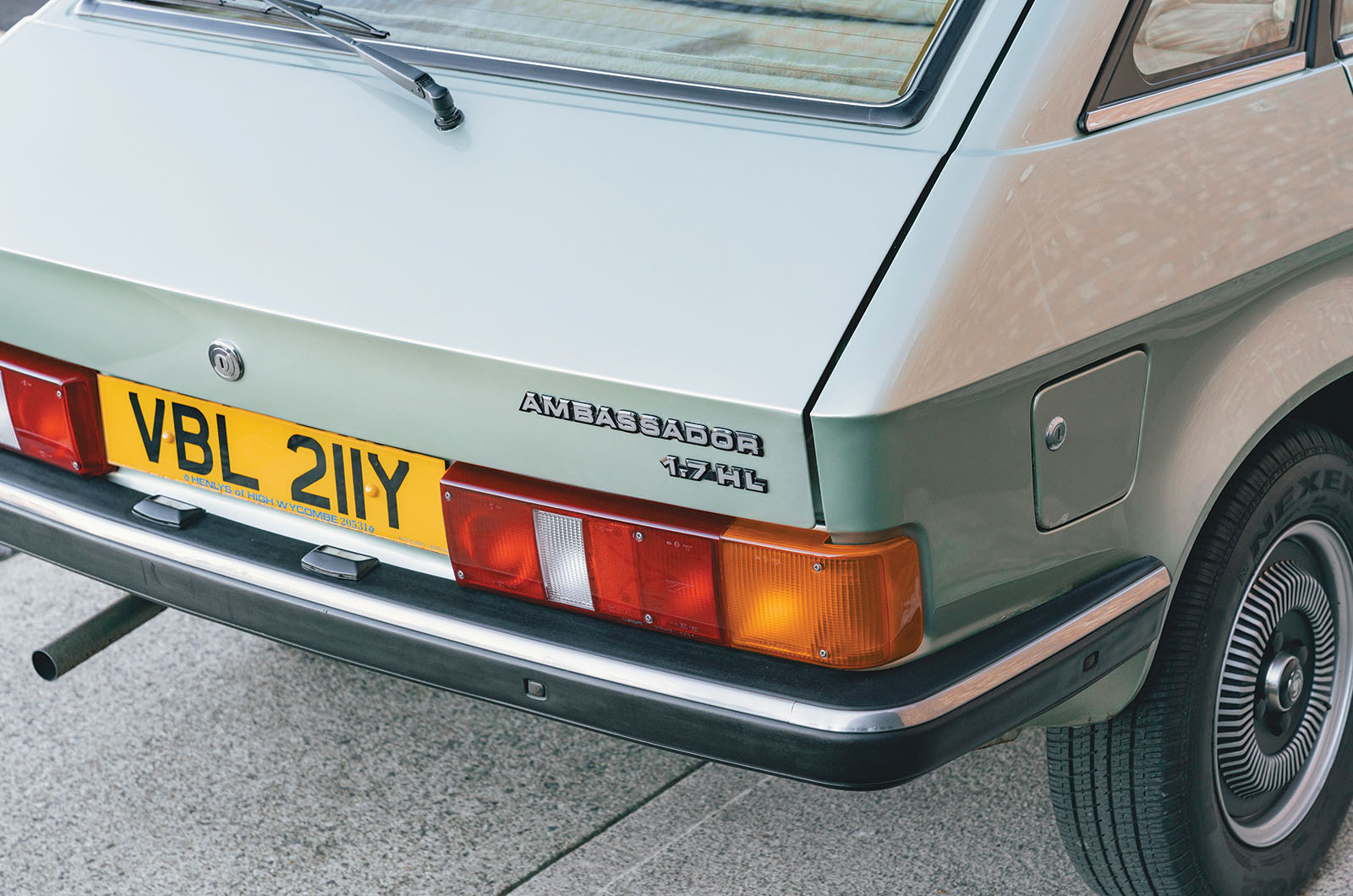
This Austin Ambassador 1.7 HL was acquired in 2023 as a one-owner-from-new classic car

British Leyland then commenced work on a replacement, with a £29million development budget.

The Austin Ambassador made its debut in March 1982, with every external panel altered, aside from the front door outer skins.

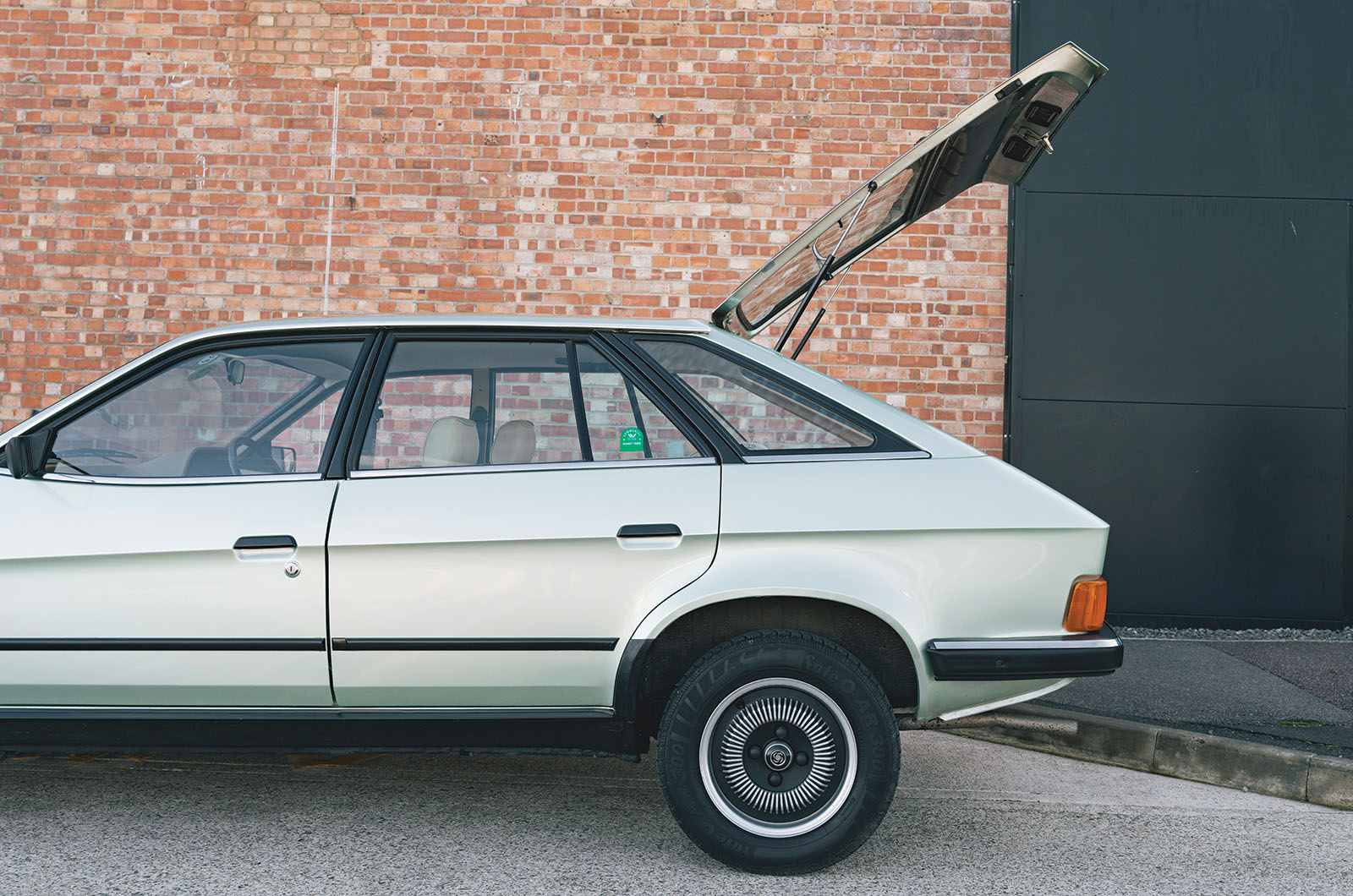
Most notably, it had the hatchback Mann had originally envisaged for the ADO71.

“If you look at the rear, it’s the ideal shape for a hatchback,” he said. “But we were told that would take away the major selling point of the Maxi.”

Classic & Sports Car – Austin vs Morris vs Wolseley vs Princess: British Leyland’s ADO71 family

The Austin Ambassador 1.7 HL’s hatchback boot adds practicality

The Ambassador’s equipment levels were highly acceptable, but the interior decor appeared cheap compared with that of the Princess, and there was no longer a six-cylinder option.

Nor were there improvements to the not universally popular gearbox, and CAR complained about the transmission of the 2.0 HLS.

But it found the Austin Ambassador ‘very able’ and ‘one of the best-riding cars in the world’, while Autocar concluded it was exceptional value for money.

Anyone looking for a UK-built alternative to a late-model Audi 100 Avant C1 might have been pleasantly surprised.

Classic & Sports Car – Austin vs Morris vs Wolseley vs Princess: British Leyland’s ADO71 family

Classic & Sports Car – Austin vs Morris vs Wolseley vs Princess: British Leyland’s ADO71 family

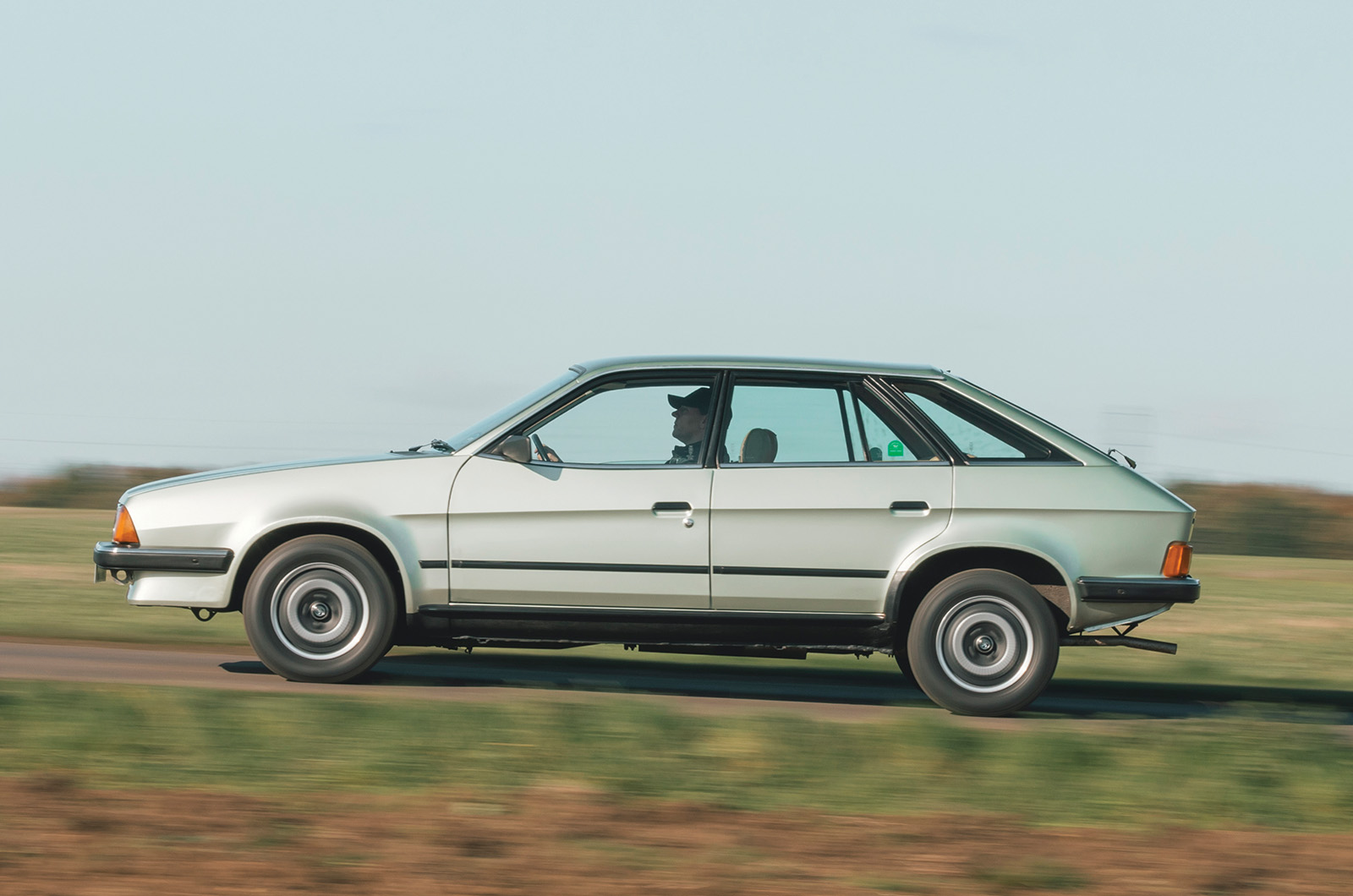
Clockwise from top: the Austin Ambassador 1.7 HL’s well-padded seats are comfy over long distances; angular headlights; the folding rear bench gives it an estate-like load bay

Despite such promise, though, the Austin Ambassador had the sense of a fading flame in its twilight years.

It was British Leyland’s only car built solely in right-hand-drive guise, the Republic of Ireland being the Ambassador’s only export market.

Production ended in November 1983, after 43,427 units, although sales continued until 1984.

Some 13 years later, it achieved fame as the favourite car of John Shuttleworth, the composer and singer of the immortal ballad (Austin Ambassador) Y-Reg

Classic & Sports Car – Austin vs Morris vs Wolseley vs Princess: British Leyland’s ADO71 family

Almost all of the Austin Ambassador’s panels were new, giving a fresh and edgy look for 1982

John Kingsford’s Austin Ambassador 1.7 HL, as he happily observes, also has a Y registration, and it joined his fleet in 2023.

“It was the colour combination of Opaline Green with the tan interior that attracted me to the Ambassador – and the fact that it had been owned by one owner from new, which is difficult to find these days,” he says.

“The hatchback and clever folding rear seats transform these cars into amazing load-luggers with a very large luggage bay, making them incredibly practical and versatile.”

For £6234, the HL featured the luxuries of a passenger door mirror, tinted glass and a rear folding armrest.

Classic & Sports Car – Austin vs Morris vs Wolseley vs Princess: British Leyland’s ADO71 family

The Austin Ambassador’s 1.7-litre ‘four’ is frugal

In terms of road manners, John finds his Austin Ambassador more dynamic than his Princesses, with better steering, improved soundproofing and what feels like a more composed ride.

He adds: “The 1.7-litre engine makes it far from quick, but it does not feel underpowered and it is probably the most economical classic car I own.

“The driver’s seat is comfortable on the longest journeys and infinitely adjustable. I particularly like the sense of space inside, which feels light and airy, aided by lashings of 1980s beige!” 

The reaction to the Ambassador ranges from many people gazing in amazement as if it were a spaceship, to those who remember them when they were new and owned by their parents or grandparents, or once used as a company car.

Classic & Sports Car – Austin vs Morris vs Wolseley vs Princess: British Leyland’s ADO71 family

The Wolseley 2200’s hallmark ‘ghost light’ emblem

As a welcome sign of changing attitudes, John remarks: “Surprisingly, I have not heard any negative recollections so far – only positive ones.

“A lot of people are shocked at the condition of the Ambassador and are astonished that it has survived so well.”

From a 21st-century viewpoint, there is some poignancy in rewatching the 18-22 launch commercials, with Patrick Allen dramatically intoning: “It’s the biggest news since the Mini!”

Only British Leyland could have devised such a fascinating car of huge potential – and only BL could have ensured it never achieved the success it was due.

If I pick the Wolseley 2200 as my favourite, it is mainly because it is the last vehicle with the illuminated ‘ghost light’ badge… and because, in many ways, it really is ‘the car that’s got it all together’.

Images: Max Edleston

Thanks to: Mark Allenden; Simon Hayes; John Kingsford; Andrew McAdam; Leyland Princess and Ambassador Enthusiasts’ Club; BMW MINI Plant Oxford


Factfiles


Classic & Sports Car – Austin vs Morris vs Wolseley vs Princess: British Leyland’s ADO71 family

Morris 1800

  • Sold/number built 1975-’82/224,942 (all ADO71 models)
  • Construction steel monocoque
  • Engine all-iron, ohv 1798cc ‘four’, SU carb
  • Max power 82bhp @ 5250rpm
  • Max torque 102lb ft @ 2800rpm
  • Transmission four-speed manual, FWD
  • Suspension independent, at front by double wishbones rear trailing arms; interconnected Hydragas spring/damper units f/r
  • Steering rack and pinion (power-assist option)
  • Brakes discs front, drums rear, with servo
  • Length 14ft 7½in (4455mm)
  • Width 5ft 8in (1730mm)
  • Height 4ft 7½in (1409mm)
  • Wheelbase 8ft 9in (2673mm)
  • Weight 2833lb (1285kg)
  • Mpg 26
  • 0-60mph 15.5 secs
  • Top speed 98mph
  • Price new £2117
  • Price now £3-6000*


Wolseley 2200
(Where different from Morris 1800)

  • Engine ohc 2227cc straight-six, twin carbs
  • Max power 110bhp @ 5250rpm
  • Max torque 125lb ft @ 3250rpm
  • Steering power-assisted rack and pinion
  • Weight 2627lb (1215kg)
  • Mpg 24
  • 0-60mph 13 secs
  • Top speed 106mph
  • Price new £2999
  • Price now £5-10,000*


Princess 2 2000 HL
(Where different from Morris 1800)

  • Sold 1978-’81
  • Engine iron-block, alloy-head, ohc 1994cc ‘four’, single carburettor
  • Max power 93bhp @ 4900rpm
  • Max torque 112.5lb ft @ 3400rpm
  • Steering power-assisted rack and pinion
  • Length 14ft 9½in (4509mm)
  • Weight 2540lb (1152kg)
  • Mpg 24.1
  • 0-60mph 14.6 secs
  • Top speed 100mph
  • Price new £5350


Austin Ambassador 1.7 HL
(Where different from Morris 1800)

  • Sold/number built 1982-’84/43,427
  • Engine iron-block, alloy-head, ohc 1698cc ‘four’, single carburettor
  • Max power 82bhp @ 5200rpm
  • Max torque 97lb ft @ 3500rpm
  • Steering power-assisted rack and pinion
  • Length 14ft 11in (4550mm)
  • Width 5ft 9½in (1760mm)
  • Height 4ft 7in (1400mm)
  • Weight 2513lb (1140kg)
  • Mpg 28
  • 0-60mph 14.2 secs
  • Top speed 98mph
  • Price new £6234
  • Price now £2-6000*

*Price correct at date of original publication


Enjoy more of the world’s best classic car content every month when you subscribe to C&SC – get our latest deals here


READ MORE

Austin 3 Litre vs Wolseley Six: affordable luxury

For the love of British Leyland

Citroën GS Pallas vs Vanden Plas 1.7: avant-garde for the masses