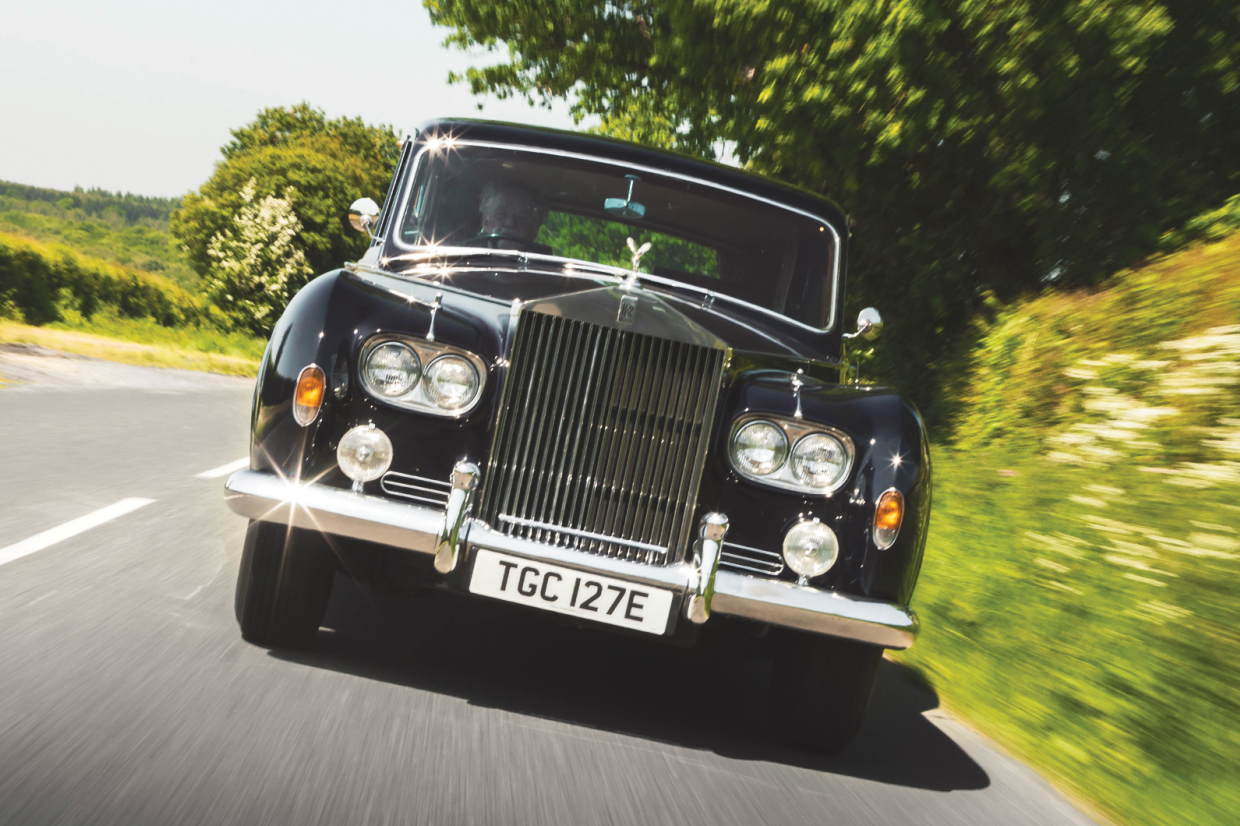
The age of the elegant, formal carriage-trade limousine has long since passed in the world of modern cars.
The art of building such vehicles was only truly practised in Britain, and it faded with the demise of the Rolls-Royce Phantom VI in ’92 and, to a lesser degree, the Daimler DS420 at around the same time.
The reasons were manifold but hard – and expensive – to ignore: safety legislation, type-approval irritations, and the cost of skilled labour able to form aluminium and hard woods into the graceful forms these traditional bodies required.
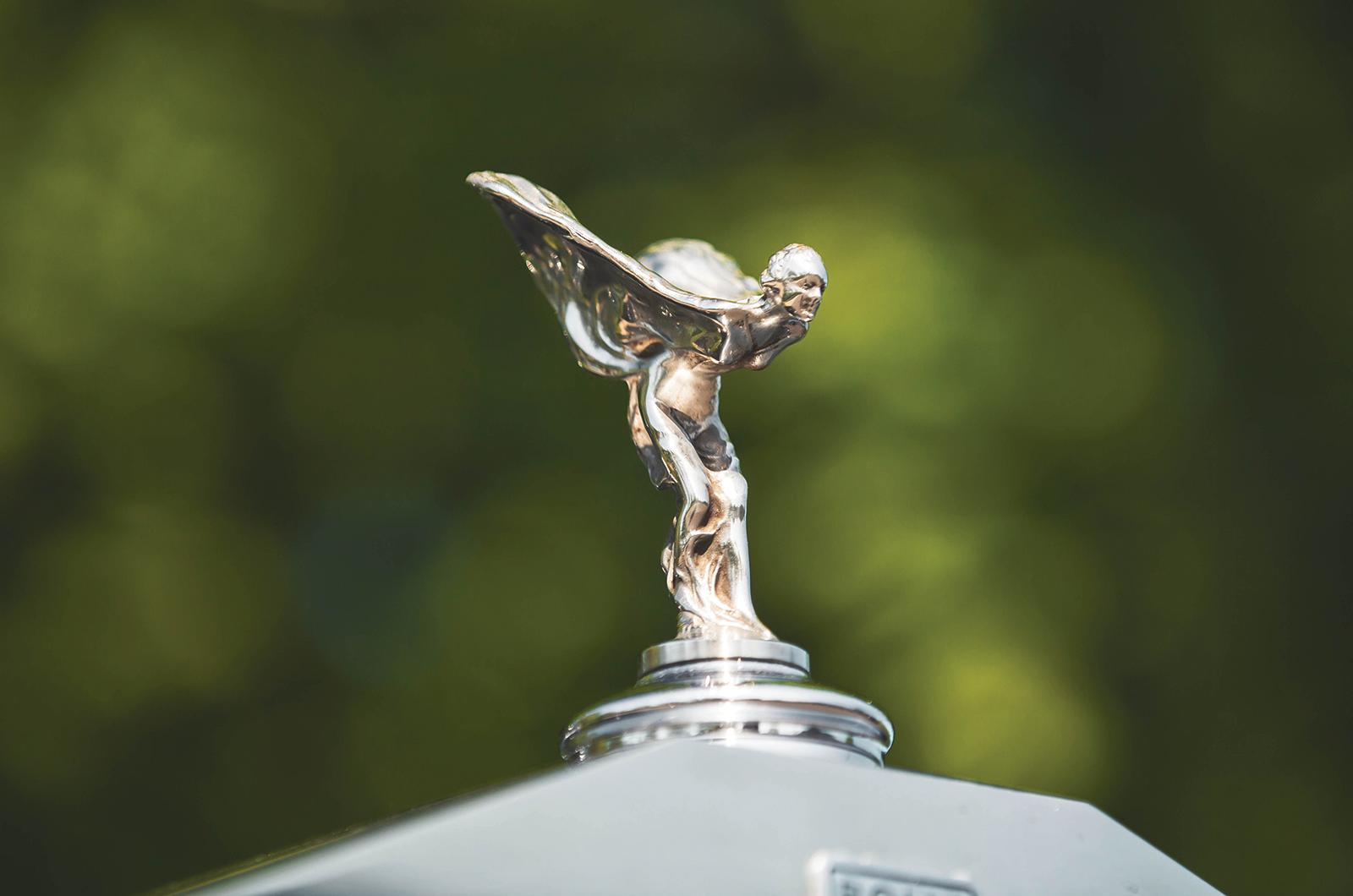
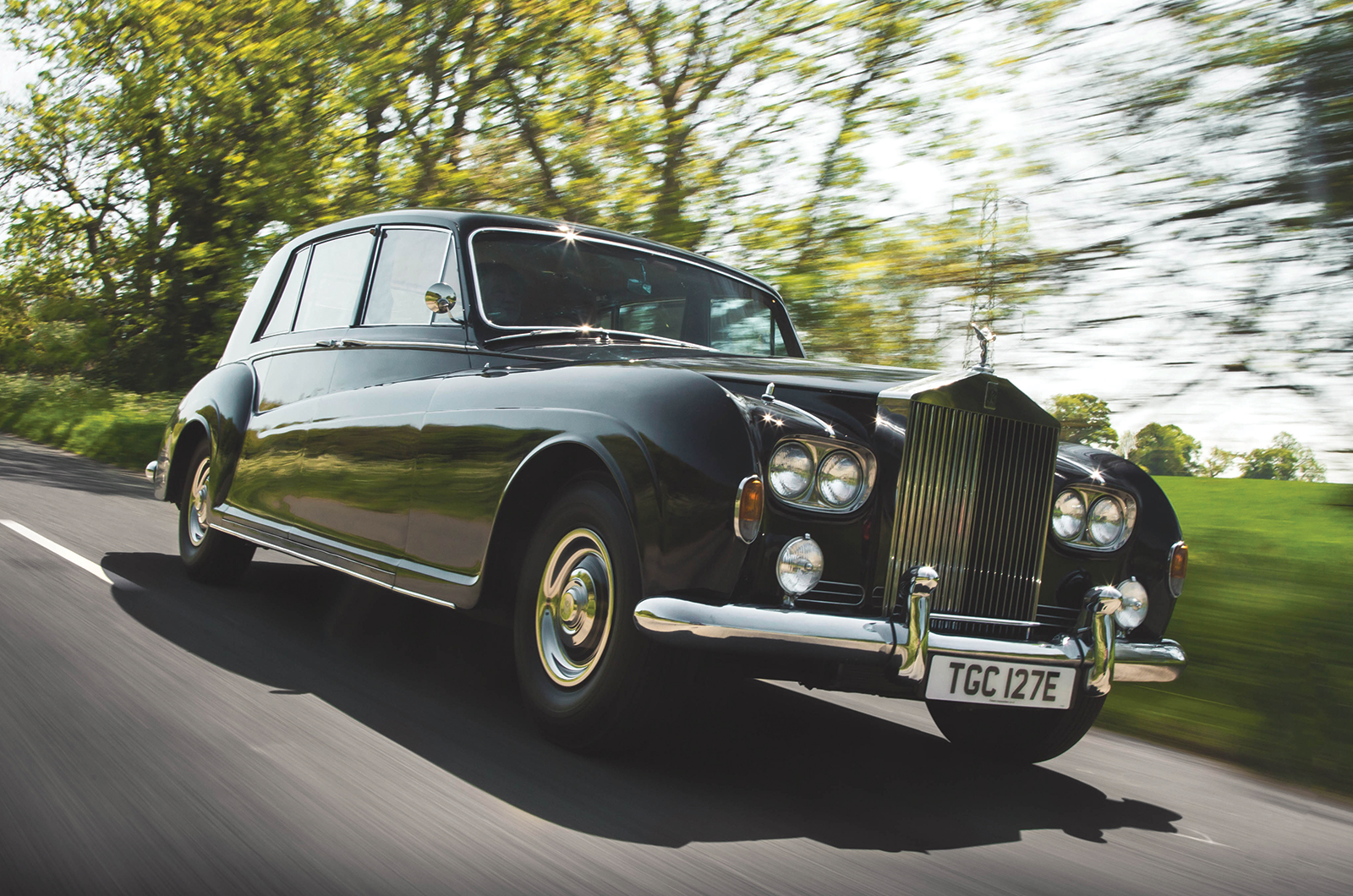
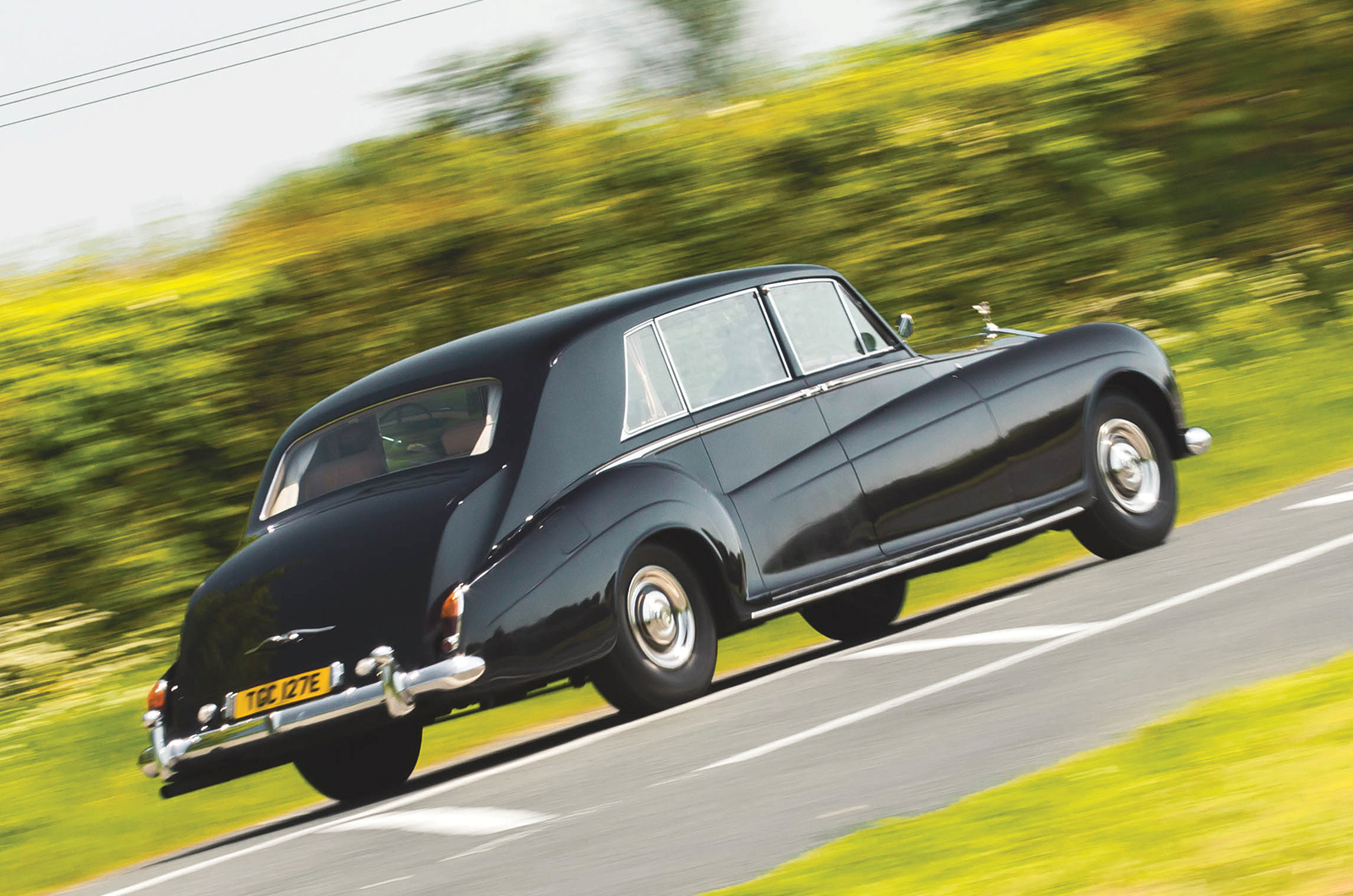
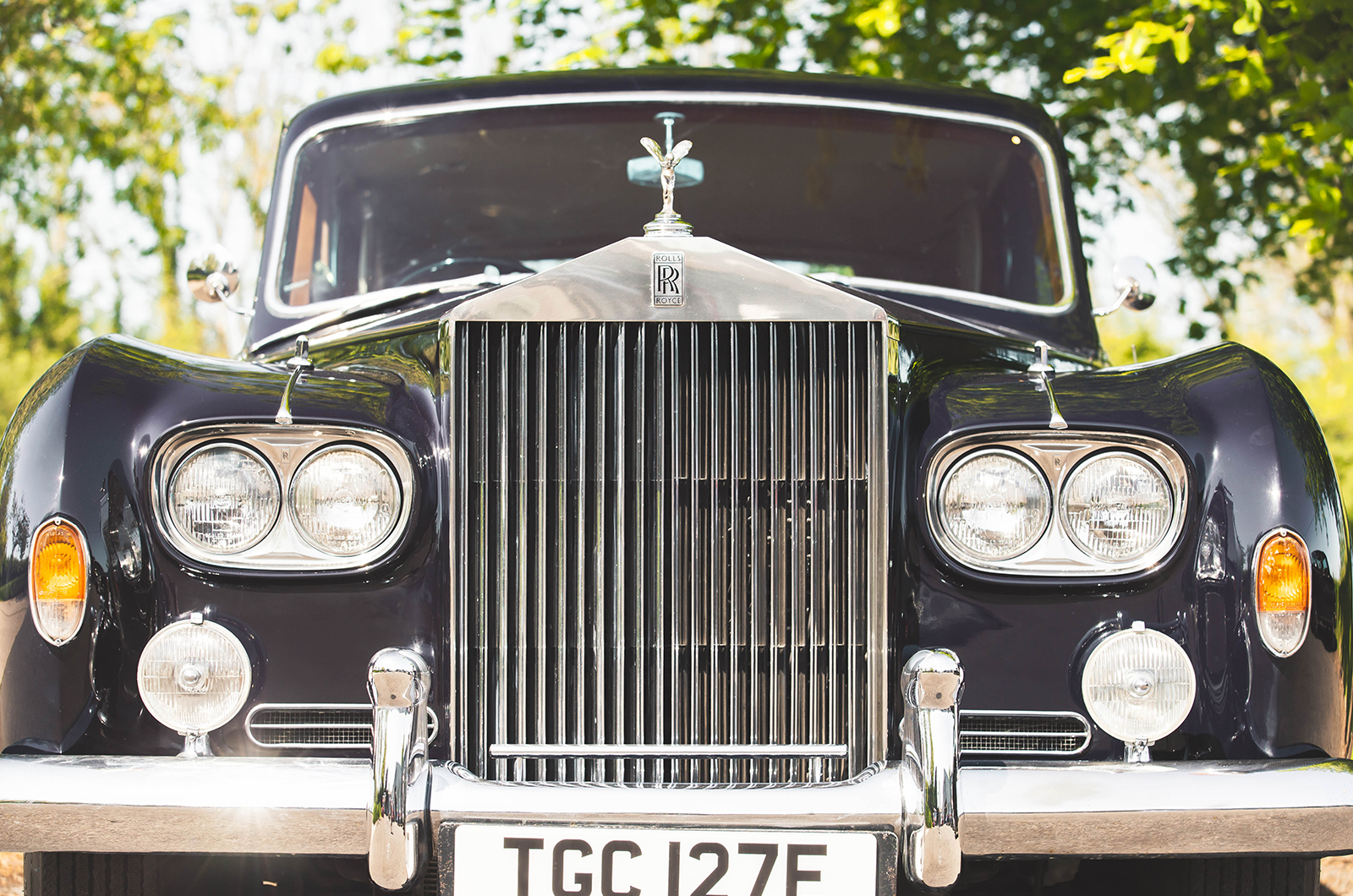
The famous Spirit of Ecstasy on this Rolls-Royce Phantom V
Too low-volume to justify production-line tooling, these specialised limousines – vehicles that had more in common with the horse-drawn broughams and landaulettes of 150 years previously than the modern ‘stretched’ equivalents – took months to build.
They were always created to order, never for stock, and by necessity hugely expensive, which further reduced their potential audience.
It was a market that was dwindling anyway.
As ordinary large cars became easier to drive and handle generally, the need for chauffeur transport even among the very wealthy was in decline.
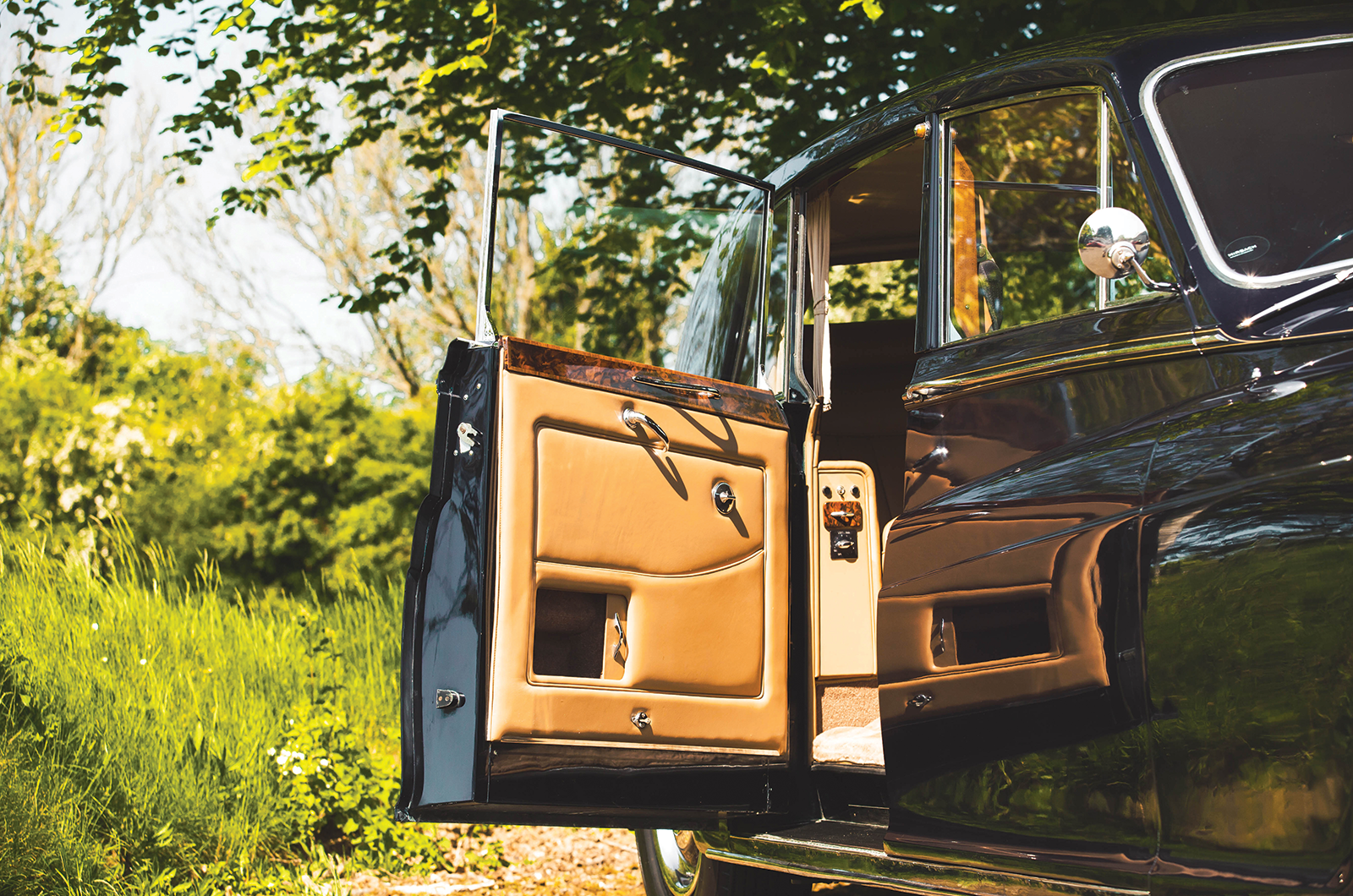
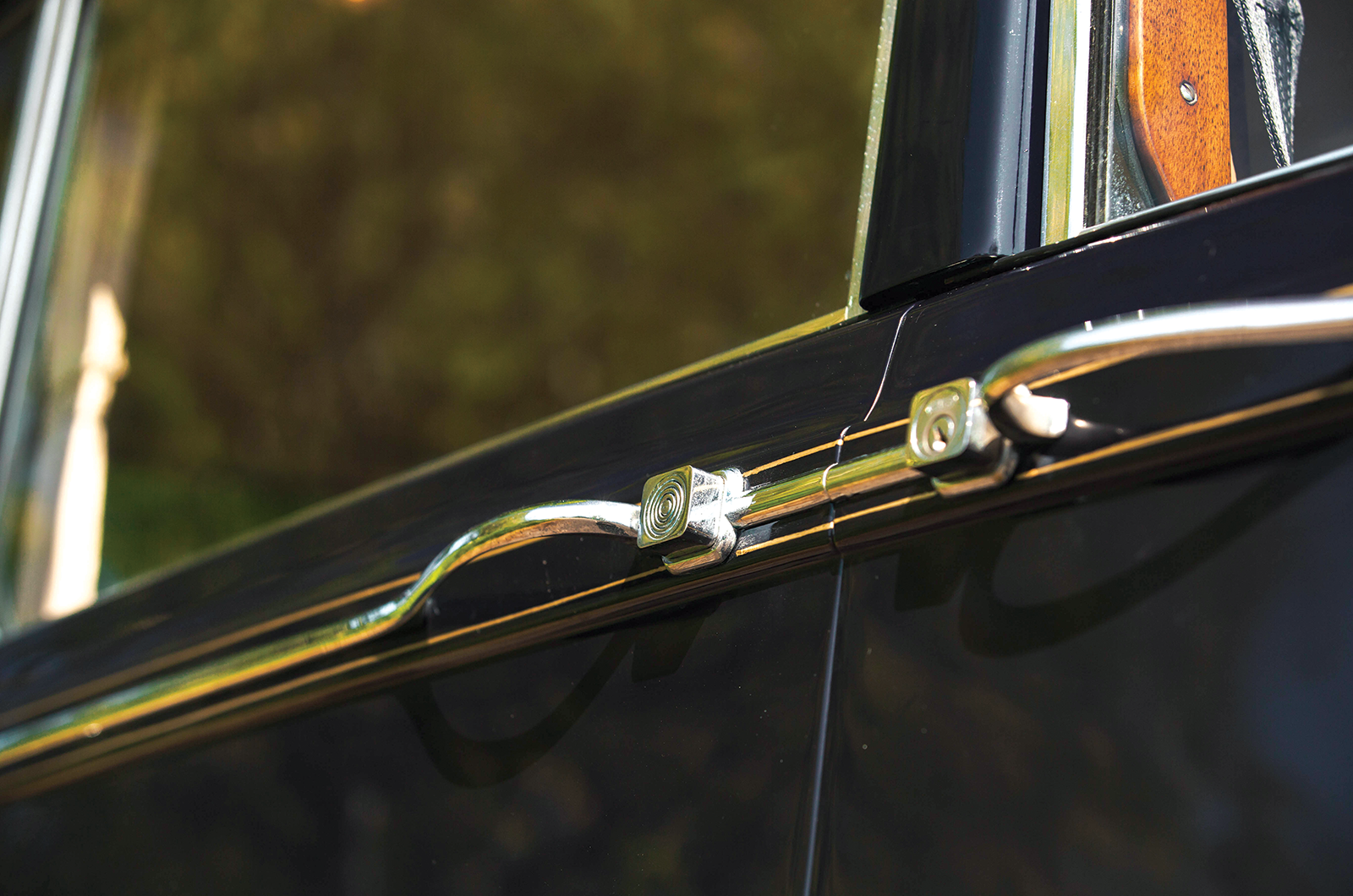
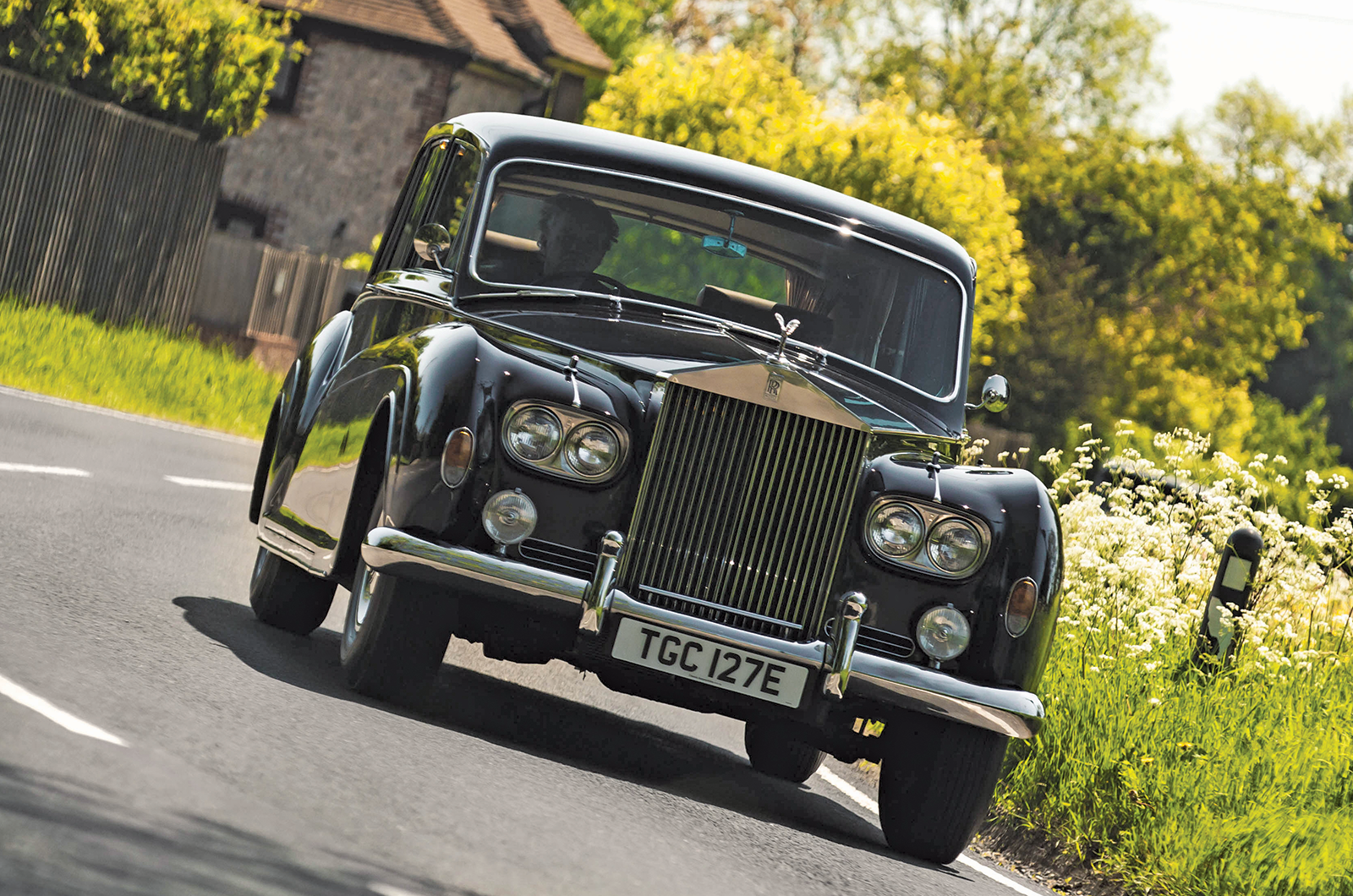
‘The Rolls-Royce Phantom V’s shutlines are so tight and even that you have to get quite close to see them’